


 购物车
 个人中心


The Man Without a Country: (Illustrated)
¥12.18
"The Man Without a Country" first appeared in the Atlantic Monthlyfor December, 1863. It was the author's wish that it be published anonymously, in the hope that it might be ascribed to some officer of the Navy; but unfortunately, the man who compiled the year's index for the magazine, which was mailed with the December number, recognized Dr. Hale's handwriting, and gave him credit for it in the index. The story was written during the darkest period of the Civil War, and this war is perhaps the gloomiest period in the history of our great republic in the history of our great Republic; it was written at a time when one-half of the people in the United States were burning with patriotism, and were ready to lay down their lives to preserve the Union, while the other half were striving to disrupt what to them was merely a confederation of States, in no wise binding, and were damning the United States, even as did Philip Nolan; at at time when the President was bending low under the weight of sorrow for the loss of thousands of noble men who were falling in battle, and was enduring in pitiful silence the villification that was heaped upon him by the "copper-head" opposition; at a time when patriotism was preached in the pulpit, sung by our poets, and exhaled with every breath. The story launched in such an atmosphere, met with immediate favor. It was reprinted everywhere without regard for copyright, and was translated into several foreign languages. It was accepted by many as a narrative of actual facts, and provoked many discussions as to whether Philip Nolan was a real person; some even went so far as to identify him.
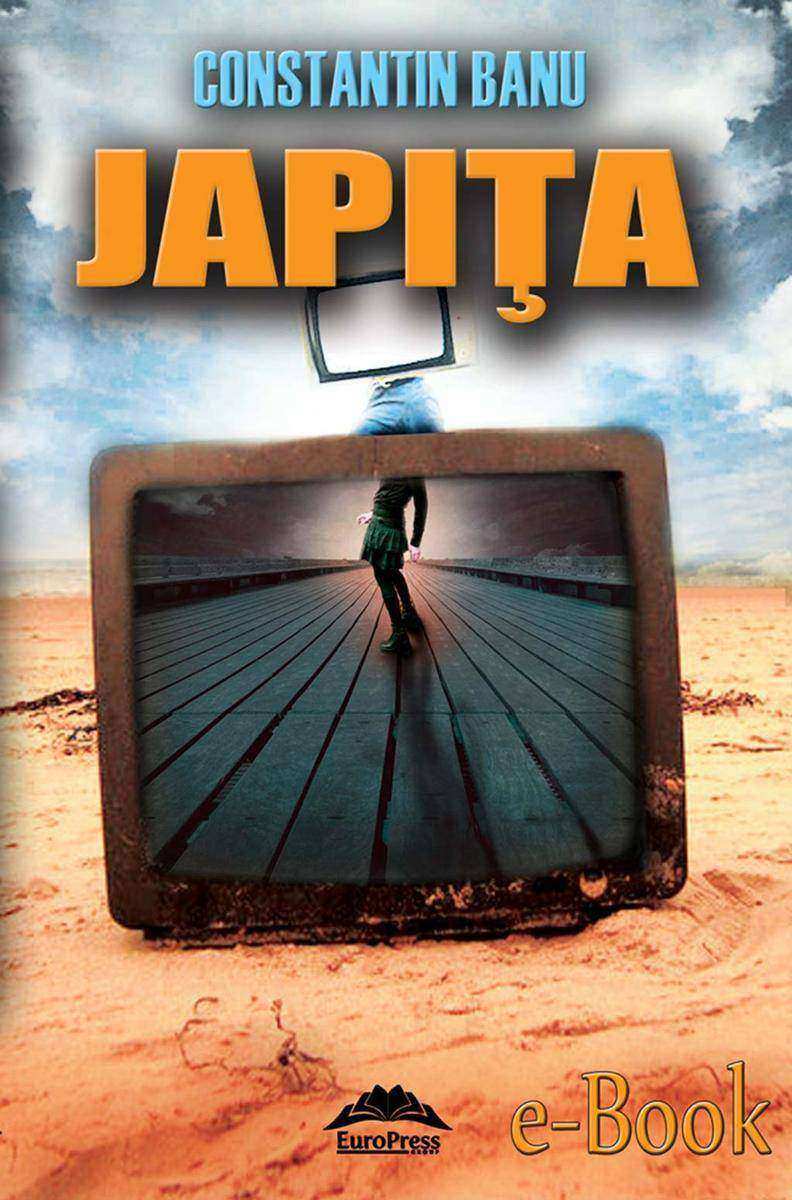
Japi?a
¥32.62
Prin volumul Istorie ?i sacralitate, Const. Miu ne poart? prin lumea cuv?ntului spus ori scris, de la ?nceputuri ?i p?n? ?n prezent. Autorul, ?n acest volum, atrage aten?ia, al?turi de al?i autori dedica?i adev?rului, pe care domnia sa ?i citeaz?, c? lingvi?tii no?tri din motive de ne?n?eles au l?sat a se ?n?elege c? limba rom?n? ar fi una de ?mprumut. Nu putem ?ti ce anume i-a determinat pe ace?tia s? conchid? ?n privin?a unor cuvinte din dic?ionarul limbii rom?ne c? ar avea r?d?cini turcice, slave ori din limba latin?. Se pare c? au uitat c? aceast? limb? este vorbit? pe ?ntreg arealul ??rii, spre deosebire de limba italian?, ce are mai multe dialecte ?i idiomuri care difer? de la o provincie la alta.
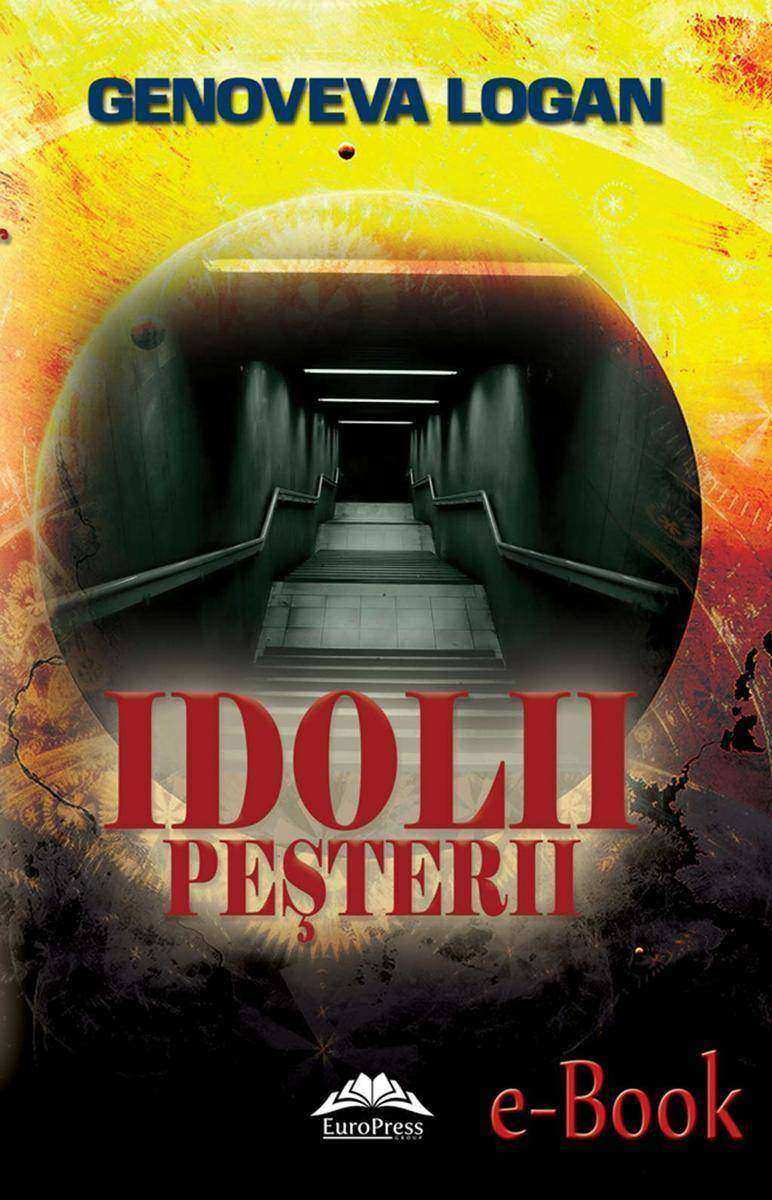
Idolii pe?terii
¥24.44
Aceste povestiri au fost scrise ?n perioada 2010?2014 ?i publicate, ?n parte, ?n periodice. Le?am numit parabole, av?nd o anumit? inten?ionalitate, ?i am aplicat ?n realizarea lor aceea?i structur? (cvadripartit?) ?i acela?i registru can?titativ (aproximativ o mie de cuvinte).Pe cele din C?l?uzitorul de suflete (cea dint?i sec?iune) le consider europene, ac?iunea lor petrec?ndu?se ?n loca?ii diferite de pe b?tr?nul continent ?i majoritatea ideilor pe care se bazeaz? n?sc?ndu?se ?n timpul unor peregrin?ri (iubirile, c?r?ile, muzica ?i c?l?toriile sunt, dup? umila?mi p?rere, cele mai frumoase lucruri care ni se pot ?nt?mpla ?ntr?o via??). Cu excep?ia primei ?i a ultimei lucr?ri care schi?eaz? un posibil cadru, ordinea povestirilor este alfabetic?. De?i g?ndite ca fantastice, ele au ?i o dimensiune experien?ial?, ?n acela?i timp put?nd fi citite ?i ca poeme ?n proz?: ale ora??elor prin care am trecut, ale oamenilor pe care i?am cunos?cut ?i, desigur, ale sufletului meu, undeva, ?n str?fundurile mele consider?ndu?m?, ca mul?i semeni de?ai mei, oarecum poet… (Ladislau Daradici)

Labirintul haosului meu
¥32.62
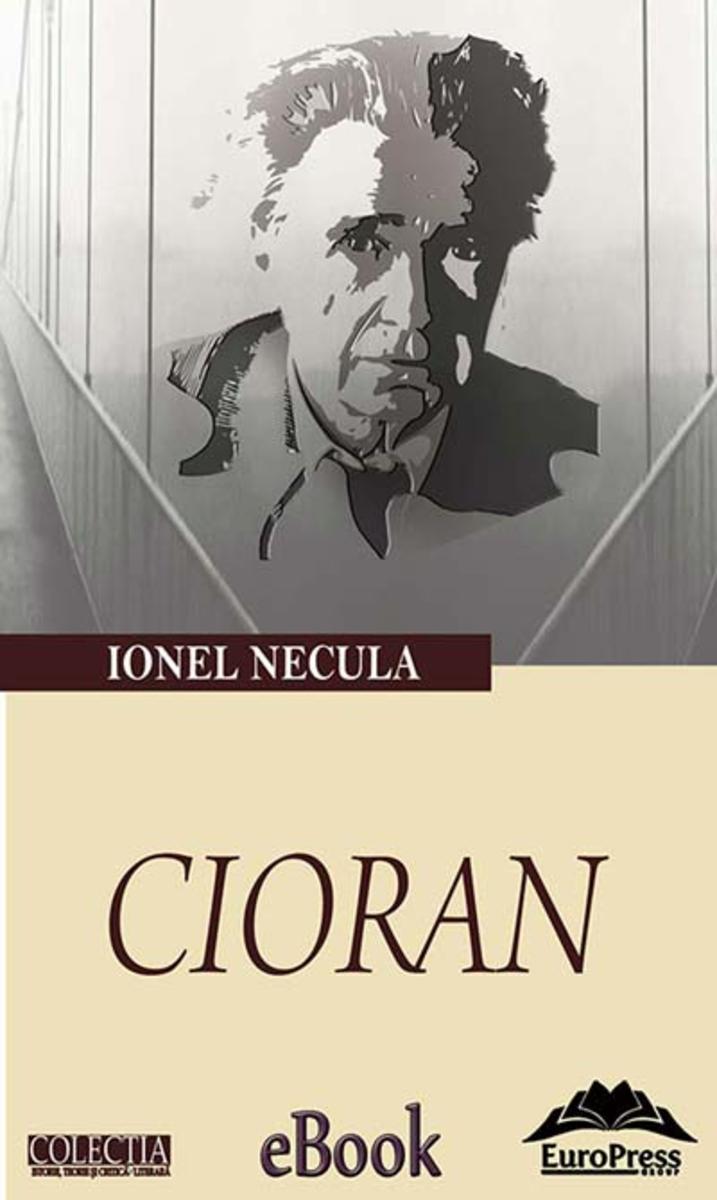
Ca orice construc?ie solid?, ?i un sistem de g?ndire se pl?smuie?te pe structura unor con?cepte fundamentale cu func?ii vitaminizante pentru ?ntreaga desf??urare a g?ndului ?i pen?tru ?nchegarea lui ?ntr?o viziune articulat? ?i complex?, marcat? de cele dou? condi?ii indis?pensabile unui sistem: completitudinea ?i non?contradic?ia. ?i mai preciz?m, chiar cu riscul suspiciunii de banal, c? un sistem de g?ndire articulat nu las? ?i nu trebuie s? lase r?m??i?e sau componente necuprinse ?n ansamblu. C?ci un sistem incomplet, cu resturi sau componen?te r?mase ?n afara ?ntregului ??i pierde carac?teristica de sistem. S? preciz?m totu?i c? vorbim despre sis?tem ?ntr?un loc unde, nu doar c? lipse?te, dar a ?i fost repudiat cu o insisten?? repetat? ?i ?n?d?rjit?. Nu spun c? furia lui Cioran ?mpotriva ideii de sistem filosofic nu??i are ra?iunile ei, spun doar c? chiar acolo unde este t?g?duit?, o anumit? viziune de ansamblu asupra lumii este totu?i implicit?. Nu se poate vorbi despre parte, despre fragment f?r? s? se aib? ?n vede?re imaginea totului ?i felul cum o diviziune este a?ezat? ?n p?ntecul exist?rii. Ionel Necula

Through Russia: [Illustrated Edition]
¥23.14
This Book, is a collection of short stories about Russia. Book contains many collections of short stories by the popular and influential Russian author, a founder of the socialist realism literary method and arguably the greatest Russian literary figure of the 20th century. Maxim Gorky also wrote about stories, plays, memoirs and novels which touched the imagination of the Russian people, and was the first Russian author to write sympathetically of such characters as tramps and thieves, emphasizing their daily struggles against overwhelming odds..Some Other Books Maxim Gorky: Mother (1907) Creatures That Once Were Men (1918) Twenty-six and One and Other Stories (1902) The Man Who Was Afraid (1901)
Cioran
¥65.17
Surse oficiale precizeaz?: Metroul-2 este un obiectiv guvernamental, care prezint? interes din punctul de vedere al leg?turilor subterane ?i, ?n caz de necesitate, poate fi folosit at?t ca sistem sigur de comunica?ii, c?t ?i ca mijloc de transport. Dac?, p?n? ?n prezent, n-au existat motive s? fie ascunse aceste informa?ii, atunci, de ce nu se spune dac? Metroul-2 este depozit secret pentru rezervele de aur ale Rusiei sau tunel care duce la cele mai mari z?c?minte de bog??ii minerale sau drumul folosit de Stalin ca s? mearg? la ?nt?lnirile cu Buharin? Ce s-a petrecut ?i ce se petrece acolo? Mai ?nt?i, de ce au fost ?mpu?ca?i constructorii Metroului-2? De ce au disp?rut at??ia oameni ?i de unde a ap?rut plutoniul pentru armament sub p?m?nt? Cine folose?te ?n prezent bunc?rul de sub Kremlin? De ce se ascund cu grij? informa?iile despre acesta, despre bunc?rul secret a lui Stalin ?i despre ?nmorm?nt?rile ?n mas? din subteranele metroului? Sau despre legendara bibliotec? a lui Ivan cel Groaznic, precum ?i despre cauzele pr?bu?irii parcului acvatic din Moscova? Despre toate acestea ?i despre multe altele v? va povesti un ziarist care a cutreierat ?mpreun? cu diggerii tunelurile subterane ?i s-a ini?iat ?n tainele sumbre ale metrourilor din Piter ?i Moscova.
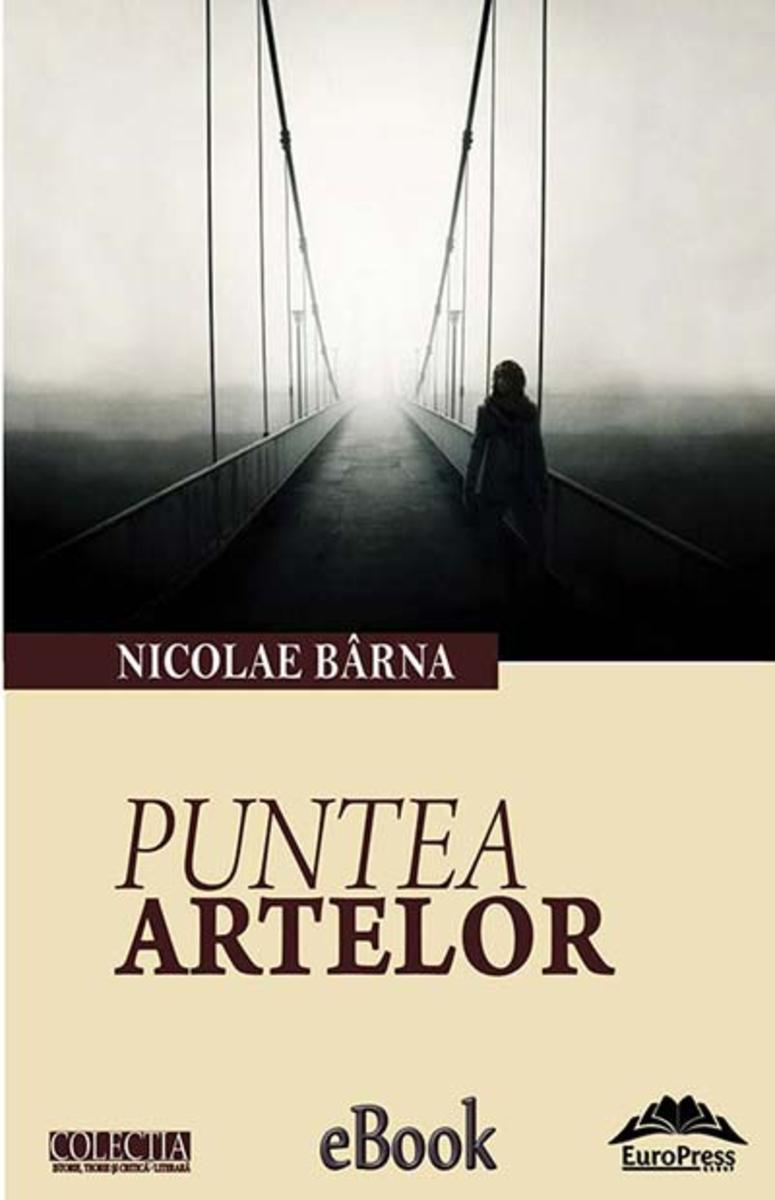
Puntea artelor
¥102.19
Are 4 roi care se nvrt, dou sau trei pedale aflate n dreptul picioarelor, un schimbtor de viteze care se folosete cu mna i un volan. Ce este aa greu“ Asta dac suntem att de ignorani, nct nici soarele nu-l vedem. Sau suntem att de ncuiai la minte, nct nu ne-ar sensibiliza nici mcar o piatr aruncat ntre ochi. Sau suntem aa de arogani i plini de noi, nct i la coada de la pine sau n mijlocul pdurii trebuie s artm noi cum st treaba“. Dac ni se pare att de simplu ca numrarea pe degete pn la zece, atunci de ce suntem att de penibili n calitate de oferi
Pilátus
¥73.49
n Enciclopedia transformrii“ Vladimir Lermontov i-a propus s ne nvee s lucrm cu imaginile. Descoperim astfel c noi suntem creatorii att ai realitii n care trim, ct i ai viitorului nostru. Autorul a pus laolalt cele mai importante momente ale metodologiei sale cu scopul de a prezenta cititorului un tablou complet. Ne ascultm sufletul sau ne lsm dominai de raiune Ce sunt imaginile i cum lucrm cu ele Unde trebuie s cutm fericirea, sntatea, bogia i iubirea De unde vine boala i cum s ne vindecm Cum ne putem crea realitatea n care ne dorim s trim Aici vei gsi rspuns la toate aceste ntrebri. Vei nva s aplicai aceste cunotine n viaa de zi cu zi. Vei afla c magia nu este dect o calitate a sufletului nostru, c avem puteri nelimitate, trebuie doar s credem n noi, n sufletul nostru i s ne crem o lume nou n care ne dorim s trim.
Bok B?ce?i: "Andersen'den"
¥18.56
Güne, onun üzerinde parlyor ve ok güzel ldyordu. Bok bcei, “Dünya, henüz o kadar akln karmam.”, dedi ve unu syledi: “Sadece ona katlanmann yolunu yordamn bilmeniz gerekiyor.” Dünya güzeldi: mparatorun süvari atna, nallar verilmiti ünkü binicisi, “Bok Bcei” olacakt. Bok bcei unu syledi: “imdi ineceim ve dier bok bceklerine, uruma ne kadar fazla ey yapldn anlatacam. Dardaki yolculuumda tiryakisi olduum tüm zevklerden bahsedeceim ve artk at, nallarn eskitene kadar yuvamda kalacam syleyeceim!” Yazar Hakknda: “1972 ylnda Adana'da dodu. lk, orta ve lise eitimini Adana'da tamamlad. ukurova niversitesi Biyoloji Blümü'nden 1994 ylnda mezun oldu. eviri iiyle urat. 2004 ylndan bu yana, zel bir irkette muhasebe eleman olarak alyor. Hobi olarak, blog yazarl, editrlük (Adana Blog Yazarlar Facebook sayfas) ve eviri yapyor. Yabanc dil olarak, ngilizce biliyor. Mitoloji ve simgecilik konularyla ilgileniyor."
Cinderilla: "Or, the Little Glass Slipper"
¥9.24
Cinderella, or "The Little Glass Slipper", is a folk tale embodying a myth-element of unjust oppression/triumphant reward. Thousands of variants are known throughout the world. The title character is a young woman living in unfortunate circumstances, that are suddenly changed to remarkable fortune. The oldest documented version comes from China, and the oldest European version from Italy. The most popular version was first published by Charles Perrault in Histoires ou contes du temps passé in 1697, and later by the Brothers Grimm in their folk tale collection Grimms' Fairy Tales. Although the story's title and main character's name change in different languages, in English-language folklore "Cinderella" is the archetypal name. The word "Cinderella" has, by analogy, come to mean one whose attributes were unrecognized, or one who unexpectedly achieves recognition or success after a period of obscurity and neglect. The still-popular story of "Cinderella" continues to influence popular culture internationally, lending plot elements, allusions, and tropes to a wide variety of media. ONCE there was a gentleman who married, for his second wife, the proudest and most haughty woman that was ever seen. She had, by a former husband, two daughters of her own humour and they were indeed exactly like her in all things. He had likewise, by another wife, a young daughter, but of unparalleled goodness and sweetness of temper, which she took from her mother, who was the best creature in the world. No sooner were the ceremonies of the wedding over, but the stepmother began to shew herself in her colours. She could not bear the good qualities of this pretty girl; and the less, because they made her own daughters appear the more odious. She employed her in the meanest work of the house; she scoured the dishes, tables, &c. and rubbed Madam's chamber, and those of Misses, her daughters; she lay up in a sorry garret, upon a wretched straw-bed, while her sisters lay in fine rooms, with floors all inlaid, upon beds of the very newest fashion, and where they had looking-glasses so large, that they might see themselves at their full length, from head to foot.
Ini?iere ?n fericire, dragoste, bog??ie ?i vis
¥45.78
Cartea de fa?? r?spunde unor ?ntreb?ri majore: ce este omul? Cine este omul? De ce este omul?Cartea cuprinde teme subiective de medita?ie, filosofie diletant? ?i analiz? psihologic?, ?n genul unor confesiuni, fiind structurat? pe trei p?r?i. Cuvintele abuzive reprezint? o g?ndire fraged?, haotic?, pueril?, prima descoperire a propriului g?nd ?n contradic?ie cu g?ndirea lumii ?i cu g?ndirea proprie ?n alt? faz? a ei, necesitatea dubl?rii g?ndirii ?n dezacordurile ei.Dialogurile sunt descoperirea min?ii personajului ?n proprie minte, descoperirea personajelor vie?ii ?i amintiri fugare ale unor ?nt?mpl?ri obi?nuite care primesc subiectivism paranoic.A treia parte prime?te obiectivitatea, a?a zis? universal?, a unui anumit Narator, care reinterpreteaz? ?i reintegreaz? g?ndurile unui anumit om, ales la ?nt?mplare, dar decis totu?i de circumstan?ele c?r?ii. Dovedirea c? omul ?i ?nsumeaz? pe to?i, lumea.
Mantre f?c?toare de minuni. Curs de magie
¥35.97
O c?l?torie necontrolat? ?n timp este anun?at? de obicei cu c?teva minute, uneori ore sau chiar zile ?nainte, prin senza?ii de ame?eal? ce afecteaz? capul, stomacul ?i/sau picioarele. Mul?i purt?tori ai genei au relatat, de asemenea, despre dureri de cap asem?n?toare migrenelor.Primul salt ?n timp – numit ?i saltul de ini?iere – are loc ?ntre al 16-lea ?i al 17-lea an de via?? al purt?torilor genei.Extras din Cronicile Gardienilor, volumul 2, Reguli general valabileCe faci c?nd ?i-a fost fr?nt? inima? Corect: vorbe?ti la telefon cu cea mai bun? prieten?, m?n?nci ciocolat? ?i te b?l?ce?ti s?pt?m?ni la r?ndul ?n propria-?i nefericire. Mai prost e c?, ?mpotriva voin?ei ei, Gwendolyn are nevoie de toat? energia pentru cu totul ?i cu totul altfel de lucruri: de exemplu, pentru a supravie?ui. C?ci i?ele ?nc?lcite de dubiosul Conte de Saint-Germain ?n trecut ajung s? ?eas? ?i ?n prezent o p?nz? primejdioas?. Pentru a descifra secretul, Gwendolyn ?i Gideon – l?s?nd la o parte chinurile iubirii – trebuie nu numai s? danseze ?mpreun? menuet la un bal tumultuos din secolul al XVII-lea, ci ?i s? se arunce cu capul ?nainte ?n tot felul de aventuri...Un montagne-russe al sentimentelor, travers?nd secolele: aventurile lui Gideon ?i ale lui Gwen, grandios puse ?n scen? de autoarea Kerstin Gier, ?n cartea a treia a seriei Culorile dragostei. At?t de frumoas?, ?nc?t sigur te vei ?ndr?gosti de ea!
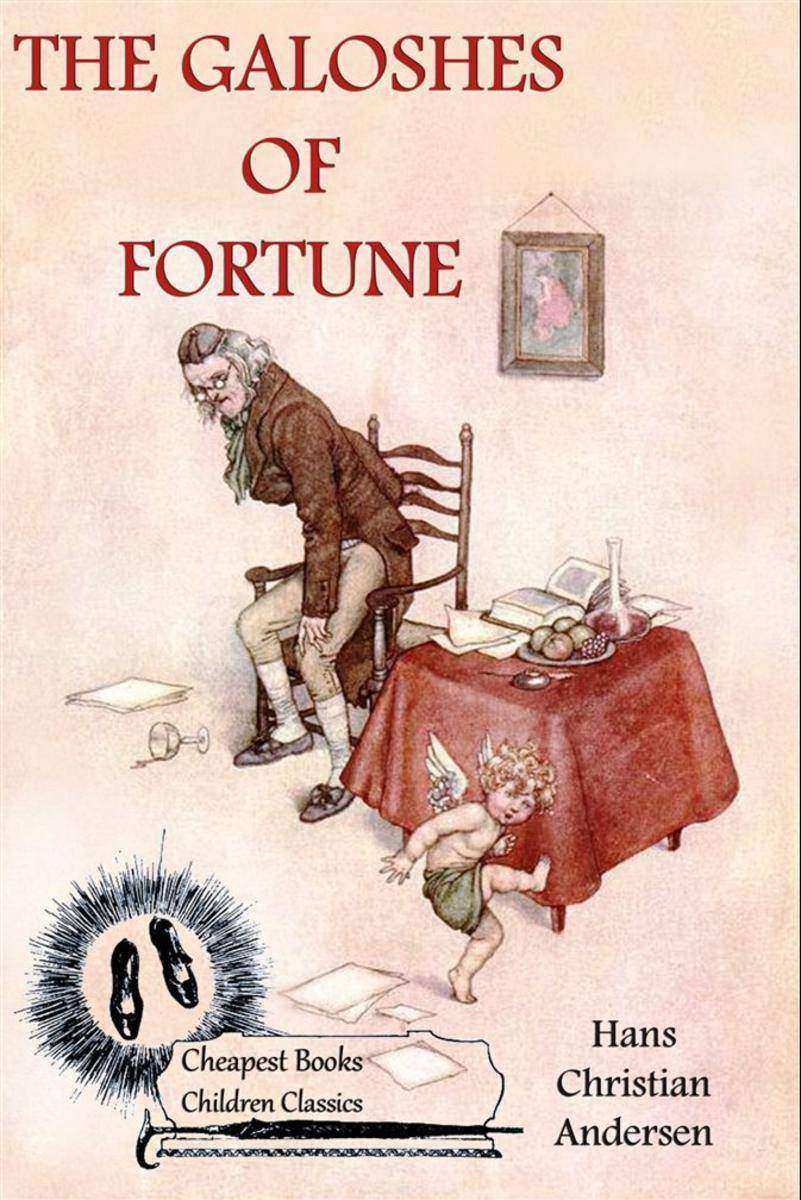
The Galoshes of Fortune
¥9.24
I t was in Copenhagen, in one of the houses on East Street, not far from King's Newmarket, that someone was giving a large party. For one must give a party once in a while, if one expects to be invited in return. Half of the guests were already at the card tables, and the rest were waiting to see what would come of their hostess's query: "What can we think up now?" Up to this point, their conversation had gotten along as best it might. Among other things, they had spoken of the Middle Ages. Some held that it was a time far better than our own. Indeed Councilor of Justice Knap defended this opinion with such spirit that his hostess sided with him at once, and both of them loudly took exception to Oersted's article in the Almanac, which contrasted old times and new, and which favored our own period. The Councilor of Justice, however, held that the time of King Hans, about 1500 A.D., was the noblest and happiest age. While the conversation ran pro and con, interrupted only for a moment by the arrival of a newspaper, in which there was nothing worth reading, let us adjourn to the cloak room, where all the wraps, canes, umbrellas, and galoshes were collected together. Here sat two maids, a young one and an old one. You might have thought they had come in attendance upon some spinster or widow, and were waiting to see their mistress home. However, a closer inspection would reveal that these were no ordinary serving women. Their hands were too well kept for that, their bearing and movements too graceful, and their clothes had a certain daring cut. They were two fairies. The younger one, though not Dame Fortune herself, was an assistant to one of her ladies in waiting, and was used to deliver the more trifling gifts of Fortune. The older one looked quite grave. She was Dame Care, who always goes in her own sublime person to see to her errands herself, for then she knows that they are well done. They were telling each other about where they had been that day. The assistant of Fortune had only attended to a few minor affairs, she said, such as saving a new bonnet from the rain, getting a civil greeting for an honest man from an exalted nincompoop, and such like matters. But her remaining errand was an extraordinary one.
Fic?iuni secunde
¥44.15
Vremurile s-au schimbat, ?i la fel ?i ideea despre ce ?nseamn? s? fii mam?. Costurile vie?ii ?i presiunile acesteia nu mai fac posibil modul de odinioar? de a fi mam?. Femeile de azi trebuie s? aib? mai multe ocupa?ii ?n acela?i timp ?i s? fie ?i mame bune. Cartea de fa?? ??i arat? cum s? procedezi. ?ncepe cu sarcina ?i cum s? fi?i am?ndoi s?n?to?i. Apoi ??i ofer? sfaturi despre via?a ?n familie, cum s? ??i p?strezi bebelu?ul fericit, s? te ?ntorci la munc?, s? ?i modelezi comportamentul, s? ?i alegi ?coala potrivit?, s? ai un adolescent fericit ?i s? mearg? totul bine.
Oameni. Fragmente de a fi om
¥39.24
Biblioteca pentru toi copiii“ cuprinde cele mai preuite opere ale scriitorilor clasici ai literaturii romne i universale. Crile de neuitat ale copilriei sunt disponibile astzi si in format e-book.Aventurile lui Tom Sawyer este una dintre acele cri rare despre care se poate afirma cu certitudine astzi, la mai bine de un secol de la apariia ei, c se adreseaz tuturor vrstelor, mai bine zis, copiilor de orice vrst.“ – Petre Solomon
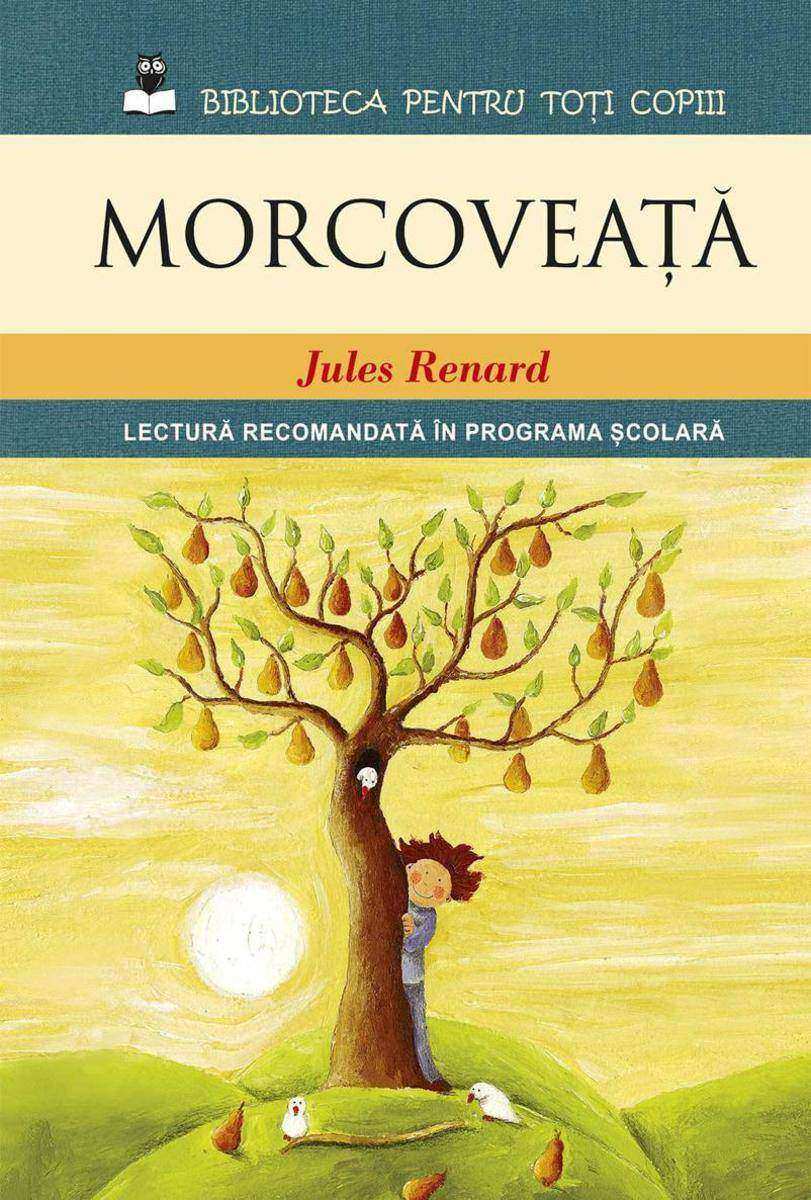
Morcovea??
¥34.25
Cella Serghi este Margaret Mitchell a noastr. Aceeai for epic, aceeai curgere a personajului, acelai tip de feminitate care lupt i trebuie s nving. Cine nu i amintete ultima pagin din Pe aripile vntului, ctor cititoare nu le-a slujit drept suport, drept lecie de via Un feminism cald care e mai mult un fel de solidaritate feminin...Naturaleea, spontaneitatea scriiturii, conturarea personajului principal, att de sincer i de cuceritor, capacitatea de-a face cititorul s viseze i, nu n ultim instan, succesul de public pentru o carte de dragoste, toate acestea nseamn c avem de a face cu o carte de referin.“ – Cleopatra Loriniu
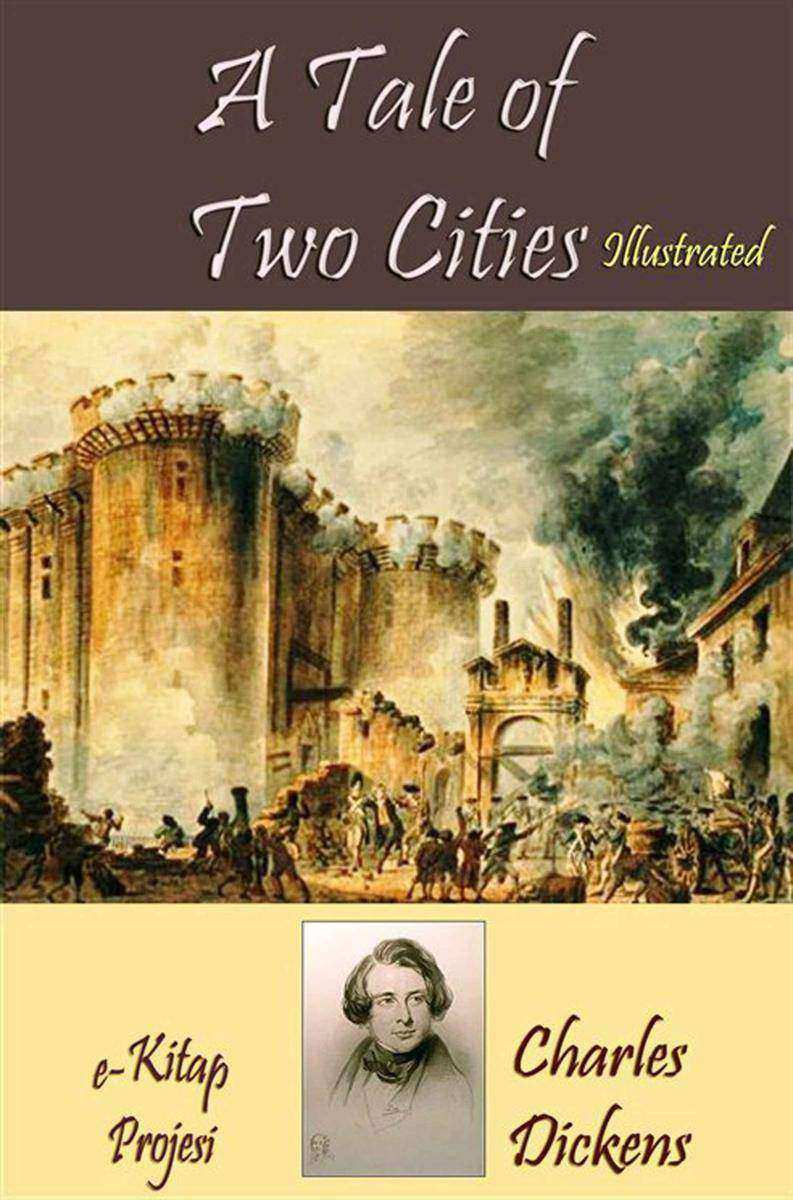
A Tale of Two Cities: Illustrated
¥24.44
Cirilla, a cintrai trón?r?k?s a Fecske-toronyban elt?nik saját világáról, és olyan útra indul, ahová sem védelmez?je, a fehér hajú vaják, sem mentora, a fekete hajú varázslón? nem k?vetheti. Olyan útra, amelynek a végén a végzet várja – az a végzet, amelyr?l már oly sok látomás kísértette. Minden a helyére kerül, a kígyó a saját farkába harap, valami véget ér, és valami elkezd?dik… A Vaják-saga befejez? k?tetében Sapkowski még magához képest is elképeszt? bravúrral ábrázol nagyszabású háborút és ugyanakkor az egyes ember drámai sorsát. Képzeletének és érzékletes leírásainak hatására megelevenednek el?ttünk az országok, városok és falvak, a t?le megszokott néz?pontváltások pedig gondoskodnak róla, hogy a sorssz?tte t?rténet végét a lehet? legalaposabb, legmélyebb módon kapjuk meg. A sagát átsz?v? fekete humor pedig tükr?t tart nemcsak a társadalom, de az egyes ember kicsinyessége és nagysága elé. ??
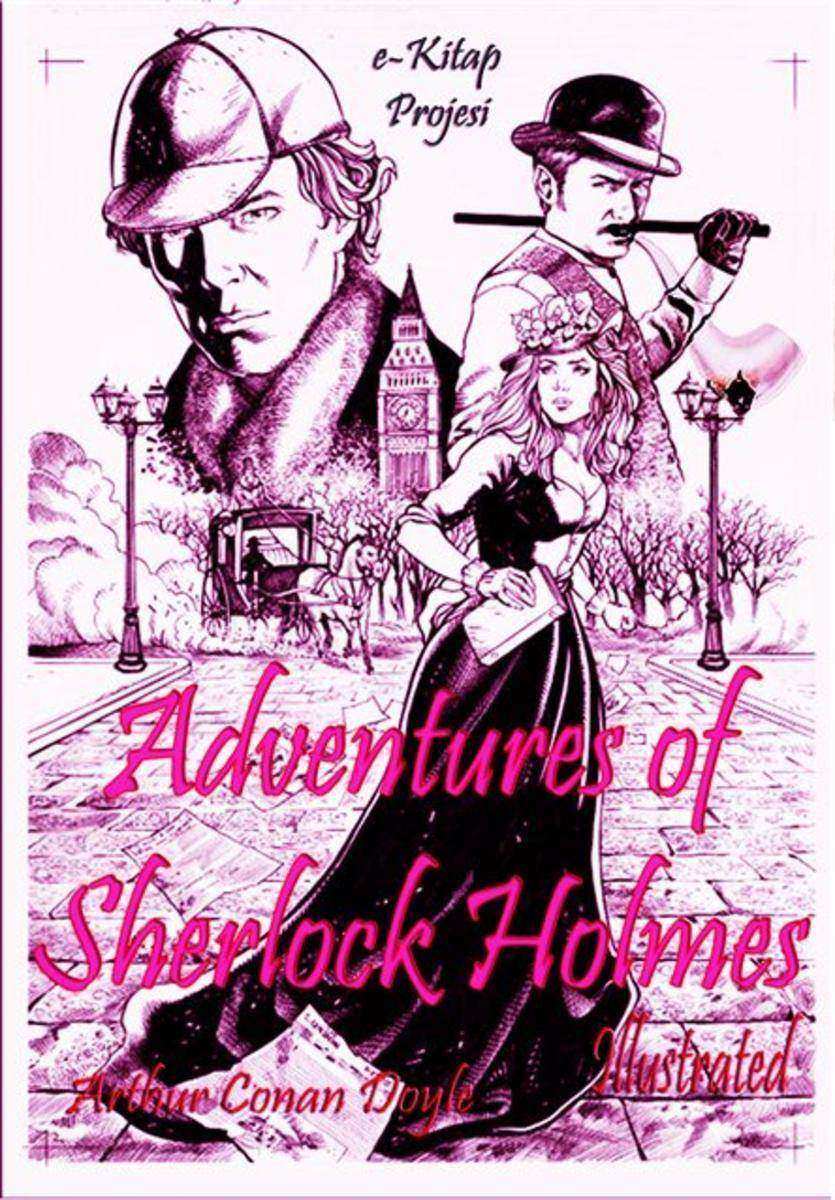
Adventures of Sherlock Holmes: (Illustrated)
¥24.44
". . . aphorism are seldom couched in such terms, that they should be taken as they sound precisely, or according to the widest extent of signification; but do commonly need exposition, and admit exception: otherwise frequently they would not only clash with reason and experience, but interfere, thwart, and supplant one another." ? ? ? ? Issac Barrow "The very essence of an aphorism is that slight exaggeration which makes it more biting whilst less rigidly accurate." ? ? ? ?—Leslie Stephen There are of course, girls and girls; yet at heart they are pretty much alike. In age, naturally, they differ wildly. But this is a thorny subject. Suffice it to say that all men love all girls-the maid of sweet sixteen equally with the maid of untold age. There is something exasperatingly something-or-otherish about girls. And they know it—which makes them more something-or-otherish still:—there is no other word for it. A girl is a complicated thing. It is made up of clothes, smiles, a pompadour, things of which space and prudence forbid the enumeration here. These things by themselves do not constitute a girl which is obvious; nor is any one girl without these things which is not too obvious. Where the things end and the girl begins many men have tried to find out. Many girls would like to be men—except on occasions. At least so they say, but perhaps this is just a part of their something-or-otherishness. Why they should want to be men, men cannot conceive. Men pale before them, grow hot and cold before them, run before them (and after them), swear by them (and at them), and a bit of a chit of a thing in short skirts and lisle-thread stockings will twist able-bodied males round her little finger.It is an open secret that girls are fonder of men than they are of one another—which is very lucky for the men. Girls differ; and the same girl is different at different times. When she is by herself, she is one thing. When she is with other girls she is another thing. When she is with a lot of men, she is a third sort of thing. When she is with a man. . . But this baffled even Agur the son of Jakeh.As a rule, a man prefers a girl by herself. This is natural. And yet is said that you cannot have too much of a good thing. If this were true, a bevy of girls would be the height of happiness. Yet some men would sooner face the bulls of Bashan.Some foolish men—probably poets—have sought for and asserted the existence of the ideal girl. This is sheer nonsense: there is no such thing. And if there were, she could not compare with the real girl, the girl of flesh and blood—which (as some one ought to have said) are excellent things in woman. Other men, equally foolish, have regarded girls as playthings. I wish these men had tried to play with them. They would have found that they were playing with fire and brimstone. Yet the veriest spit-fire can be wondrous sweet.Sweet? Yes. On the whole a girl is the sweetest thing known or knowable. On the 6 whole of this terrestrial sphere Nature has produced nothing more adorable than the high-spirited high-bred girl.—Of this she is quite aware—to our cost (I speak as a man). The consequence is, her price has gone up, and man has to pay high and pay all sorts of things—ices, sweets, champagne, drives, church-goings, and sometimes spot-cash.

Amprenta omului
¥66.22
n anii 1870, Jacques Rebière i Thomas Midwinter, doi tineri ambiioi, descoper c au aceeai fascinaie de a nelege cum funcioneaz mintea omeneasc.Cercetrile lor n noul domeniu al psihiatriei i poart dintr-un ospiciu englezesc de la ar n cmpiile Africii, din slile de conferin ale Parisului n Alpii austrieci i n California. i nsoesc n aceast cltorie iniiatic Sonia, sora devotat a lui Thomas, i Katharina, o fost pacient, a crei sosire n sanatoriul lor de boli nervoase dezvluie pentru prima dat direciile diferite ale cercetrii lor. La trecerea ntr-un nou secol i n vreme ce Europa este divizat de Primul Rzboi Mondial, cei doi prienteni sunt constrni la o tragic introspecie a propriilor idealuri i credine.Impresionant i provocator n acelai timp, romanul lui Sebastian Faulks caut rspuns la ntrebarea ce fel de fiine suntem noi, oamenii, i dac nu cumva nebunia este preul pe care l pltim pentru a fi umani.Cel mai ambiios roman al lui Sebastian Faulks de pn acum… Dragoste, loialitate, curaj, compasiune, generozitate… acetia sunt polii n jurul crora graviteaz povetile sale.“ – The Independent

Arizona's Yesterday: [Illustrated]
¥8.09
This story belongs to the year 1837, and was regarded by the generations of that and a succeeding time as the most miraculous of all the recorded deliverances from death at sea. It may be told thus: Mr. Montagu Vanderholt sat at breakfast with his daughter Violet one morning in September. Vanderholt's house was one of a fine terrace close to Hyde Park. He was a rich man, a retired Cape merchant, and his life had been as chequered as Trelawney's, with nothing of romance and nothing of imagination in it. He was the son of honest parents, of Dutch extraction, and had run away to sea when about twelve years old. Nothing under the serious heavens was harsher, more charged with misery, suffering, dirt, and wretchedness, than seafaring in the days when young Vanderholt, with an idiot's cunning, fled to it from his father's comfortable little home. He got a ship, was three years absent, and on his return found both his father and mother dead. He went again to sea, and, fortunately for him, was shipwrecked in the neighbourhood of Simon's Bay. The survivors made their way to Cape Town, and presently young Vanderholt got a job, and afterwards a position. He then became a master, until, after some eight or ten years of heroic perseverance, attended by much good luck, behold Mr. Vanderholt full-blown into a colonial merchant prince. How much he was worth when he made up his mind to settle in England, after the death of his wife, and when he had disposed of his affairs so as to leave himself as free a man as ever he had been when he was a common Jack Swab, really signifies nothing. It is certain he had plenty, and plenty is enough, even for a merchant prince of Dutch extraction. Besides Violet, he had two sons, who will not make an appearance on this little brief stage. They are dismissed, therefore, with this brief reference—that both were in the army, and both, at the time of this tale, in India. Violet was Vanderholt's only daughter, and he loved her exceedingly. She was not beautiful, but she was fair to see, with a pretty figure, and an arch, gay smile. You saw the Dutch blood in her eyes, as you saw it in her father's, whose orbs of vision, indeed, were ridiculously small—scarcely visible in their bed of socket and lash. An English mother had come to Violet's help in this matter. Taking her from top to toe, with her surprising quantity of brown hair, soft complexion, good mouth, teeth, and figure, Violet Vanderholt was undoubtedly a fine girl. THE LAST ENTRY "OPINIONS OF THE PRESS ON THE LAST ENTRY": '"The Last Entry" is a rattling good salt-water yarn, told in the author's usual breezy, exhilarating style.'-”Daily Mail. 'In this new novel Mr. Russell has cleverly thrown its events into the year 1837, and there are one or two ingenious passages which add to the Diamond Jubilee interest which that date suggests.... "The Last Entry" is as certain of general popularity as any of Mr. Russell's former tales of the marvels of the sea.'-”Glasgow Herald. 'We do not think it possible for anyone to dip into this novel without desiring to finish it, and it adds another to the long list of successes of our best sea author.'-”Librarian. 'In addition to mutiny and murder, "The Last Entry" contains many of those good things which have made Mr. Russell's pages a joy to so many lovers of the sea during the last twenty years.... "The Last Entry" is a welcome addition to Mr. Clark Russell's library.'-”Speaker. 'The writer is as realistic and picturesque as usual in his vivid descriptions of the stagnant life on board the homeward-bound Indiaman.'-”Times. 'It is full of pleasant vigour.... As is always the case in Mr. Clark Russell's books, the elements are treated with the pen of an artist.'-”Standard. 'We expected plenty of go, of fresh and vigorous description of sea-faring life, coupled with a story which would not be wanting in interest. All this we have here.'”-Tablet.

365 de zile care au marcat istoria omenirii
¥74.56
Cum se percepe o femeie pe sine ?ns??i sau cum – prin ce lentile distorsionante, cu ce preconcep?ii induse de o educa?ie cvasipatriarhal? – ?i vede ea pe ceilal?i? Care sunt grani?ele libert??ii ei de op?iune ?i ce obstacole ?nt?lne?te voin?a ei de a juca alte roluri dec?t acelea ce i sunt tradi?ional atribuite? Poate o femeie – mai bine zis, i se ?ng?duie – s? aspire a fi ?i altceva dec?t mam?, sor?, fiic?, so?ie etc. – atribute care o descriu doar din perspectiva rela?iilor ei cu al?ii, nu prin ceea ce este ea ?ns??i?! Sunt ?ntreb?ri identificabile ?n ?es?tura narativ? a c?r?ilor Cellei Serghi. Eroinele acestei autoare se revolt? ?mpotriva unei ordini sociale rigide, vor s? ?i afirme identitatea – feminin? ?i nu doar –, impulsionate nu at?t de mult invocata fantasm? a ?c?ut?rii fericirii“ (tem? asociat? de critic?, ?n virtutea unei iner?ii de judecat?, a?a numitei ?literaturi feminine“), c?t de o fireasc?, omeneasc? nevoie de integrare ?i de recunoa?tere.


