


 购物车
购物车 个人中心
个人中心
20世纪马克思主义发展史·第三卷(马克思主义研究论库·第二辑)
¥94.80
该著作在深研究的基础上,就列宁关于俄国革命的战略策略思想、巩固苏维埃政权的思想、建设共产国际以及推国际共产主义运动的思想、关于新经济政策的思想,阐述了新的学术观;深地研究、阐述和评价了斯大林的建设社会主义理论以及“社会主义民族”理论;研究和阐述了20世纪20—50年代初苏联理论界对马克思主义理论的研究以及取得的成果,如布哈林关于“过渡经济”的理论、普列奥布拉任斯基的“新经济学”、瓦尔加关于“资本主义经济危机”的理论以及沃兹涅辛斯基对确立社会主义政治经济学的贡献;研究和阐述了联共(布)和一些国家共产党在领导反法西斯战争中形成的思想理论,研究和阐述了联共(布)和其他一些执政的共产党在领导恢复国民经济的实践中实现的理论发展。

20世纪分析哲学史卷一
¥48.65
分析哲学是20世纪主要的两大哲学流派之一,自摩尔、罗素以来,大师辈出,经典产品层出不穷,可以说,整个改变了西方哲学的面貌。本书是探讨20世纪分析哲学的一部巨著,作者是著名的分析哲学家,在书中详尽地考察了从摩尔、罗素、维特根斯坦到蒯因、克里普克等大师的哲学思想,对其在哲学史上的主要贡献做了极其精彩的分析,对其论证中的不足同样做了犀利的批评。可以说,本书必将作为一部经典的哲学史而流传后世。分析传统的出现,部分源自对十九世纪形而上学观念论的回应,部分源自逻辑的新发展、逻辑与数学的关系以及逻辑在理解和阐释语言意义中的作用。初,逻辑和语言中的新旨趣集中在对重要概念的分析上,以期找到解决传统哲学问题的新方案。但不久之后,占据主导地位的分析哲学家开始相信,逻辑上的和语言上的新技术需要一种新的哲学观念——在这种新观念中,那些在过去由不可解的、终说来是误解性的问题所产生的无休止的辩论,将被富有成效的、系统性的哲学探究所取代,这些探究所针对的问题虽然具有挑战性,但完全是可理解的并终可解决的。然而,人们很快就发现这种宏大的转变不会成功,因为二十世纪三十和四十年代的哲学家用他们精确的分析技术证明,哲学的这种转变将会面临无法修复的缺陷。卷讲述的正是上述故事。
幸福之路
¥18.62
今天他将为你启幸福《幸福之路》是罗素的一本经典名著,拥有广泛的读者。在这本书里,罗素不依任何高深的学说,而是把一些经由他自己的经验和观察证实过的通情达理的意见归纳起来,制做出一张良方,希望无数对生活感到困惑和郁闷的男男女女,能够在此找到医治他们病案的方子,能够在以后凭着适当的努力变得幸福。 《幸福之路》浅显易懂,读起来饶有趣味。正如罗素写此书的目的,“希望那些遭受不幸而并未享受幸福的众多男女能够诊断出自己的症状并找出摆脱的方法”。的大门,门外是条布满鲜花的幸福之路!

埃斯库罗斯的神义论(经典与解释辑刊27)
¥28.00
埃斯库罗斯,古希腊悲剧诗人,与索福克勒斯和欧里庇得斯并称为古希腊伟大的悲剧作家,有“悲剧之父”的美誉。本辑重讨论了埃斯库罗斯的三连剧《奥瑞斯忒亚》和《被缚的普罗米修斯》。《奥瑞斯忒亚》既是诗的事件,又是政治的事件。它讲述了一个共同体如何逐渐把目光聚集,见证正义的完成。同时,本辑通过分析《被缚的普罗米修斯》三连剧,试图重够一个新的、更纯一的悲剧之父形象。 《奥瑞斯忒亚》既是诗的事件,又是政治的事件。它讲述了这样的故事:一个共同体如何逐渐把目光聚集,见证正义的完成。正因如此,这部戏剧既是对人类——遵守道德和守法的生物——深刻的思考之一;也是对弥补个人,家庭和共同体的必需之物——当他们遭到侵犯时——深刻的思考之一。此外,甚至可以说,这部戏剧不只是在思考争议和惩罚;也不只是在思考如何指引那些想通过制度安排上述问题的人。这部三连剧本身,是为了城邦民/观众而上演的,和法庭一样,他的贡献在于,让正义得到见证。

叶秀山全集·第五卷
¥57.60
【内容简介】 本选题分类结集叶秀山先生全部已经出版的专著,在学术期刊上发表的所有论文,以及部分笔记、札记、书信和讲演录,共11卷。本选题代表了当代中国哲学的高度,是哲学专业学 习者和研究者的重要学习和参考用书。第五卷包括《说“写字”》《中西智慧的贯通》《哲学作为创造性的智慧》三本作者专著和自选集。

叶秀山全集·第六卷
¥74.00
【内容简介】 本选题分类结集叶秀山先生全部已经出版的专著,在学术期刊上发表的所有论文,以及部分笔记、札记、书信和讲演录,共11卷。本选题代表了当代中国哲学的高度,是哲学专业学习者和研究者的重要学习和参考用书。第六卷包括《西方哲学史卷·总论》《中国社会科学院学术委员文库·叶秀山文集》《哲学要义》这三本作者著作。

叶秀山全集·第九卷
¥63.20
【内容简介】 本选题分类结集叶秀山先生全部已经出版的专著,在学术期刊上发表的所有论文,以及部分笔记、札记、书信和讲演录,共11卷。本全集代表了当代中国哲学的高度,是哲学专业学 习者和研究者的重要学习和参考用书。第九卷包括《启蒙与自由》《“知己”的学问》《在,成于思》这三本作者专著和自选集,分别探讨了康德哲学、黑格尔哲学、德国古典哲学以 及中西哲学的会通问题,揭示了康德、黑格尔乃至德国古典哲学的意义和价值,论述精严,见解的当,学术价值高。

叶秀山全集(全12卷)
¥840.00
【内容简介】 叶秀山先生一生在哲学研究领域都自觉地实践“以中国学者的问题意识研究西方哲学,以西方哲学的理论视野研究中国传统思想”这一原则,并始终坚守在哲学层面上展开对西方与中国一系列重要的哲学思想的研究和会通,坚守在纯粹哲学层面上讨论、思考一系列基础的根本性问题。 作为对哲学有贯通性成果的大家,叶秀山先生不仅对“哲学何为”有深刻回应、对哲学精神有精辟总结,而且对哲学与生活世界的关系有深入把握,从而使其哲学思想有了观照现实、烛照人生的力量,使哲学与中国社会现实、与每个普通人有了隐性却强韧的联系,富有社会启蒙和大众教化意义。
创新实践与唯物史观形态研究(马克思主义研究论库·第二辑)
¥25.20
本书通过对创新实践范畴的剖析,从马克思立足于实践观实现了对传统哲学的革命这一事实出发,把实践一步划分为常规实践和创新实践,并指出了创新实践更能体现实践的“自由的自觉的活动”这一人的本质存在方式,正如马克思通过确立实践存在论构建了历史存在论的唯物史观一样,当今时代迫切需要在创新实践基础上一步确立创新实践存在论的唯物史观。在此基础上比较系统地阐述了创新实践与人的本质论、创新实践与历史动力论、创新实践与人民价值论、创新实践与发展本质论等基本问题,力求在创新实践的基础上推以实践生成论为基础的唯物史观的发展,期望助推学界更加深理解马克思实践唯物主义的深邃思想,充分彰显唯物史观的时代意义,深探索唯物史观的当今理论形态。

叶秀山全集·第十卷
¥60.00
【内容简介】 本选题分类结集叶秀山先生全部已经出版的专著,在学术期刊上发表的所有论文,以及部分笔记、札记、书信和讲演录,共11卷。本选题代表了当代中国哲学的高度,是哲学专业学习者和研究者的重要学习和参考用书。第十卷包括作者专著《哲学的希望》。
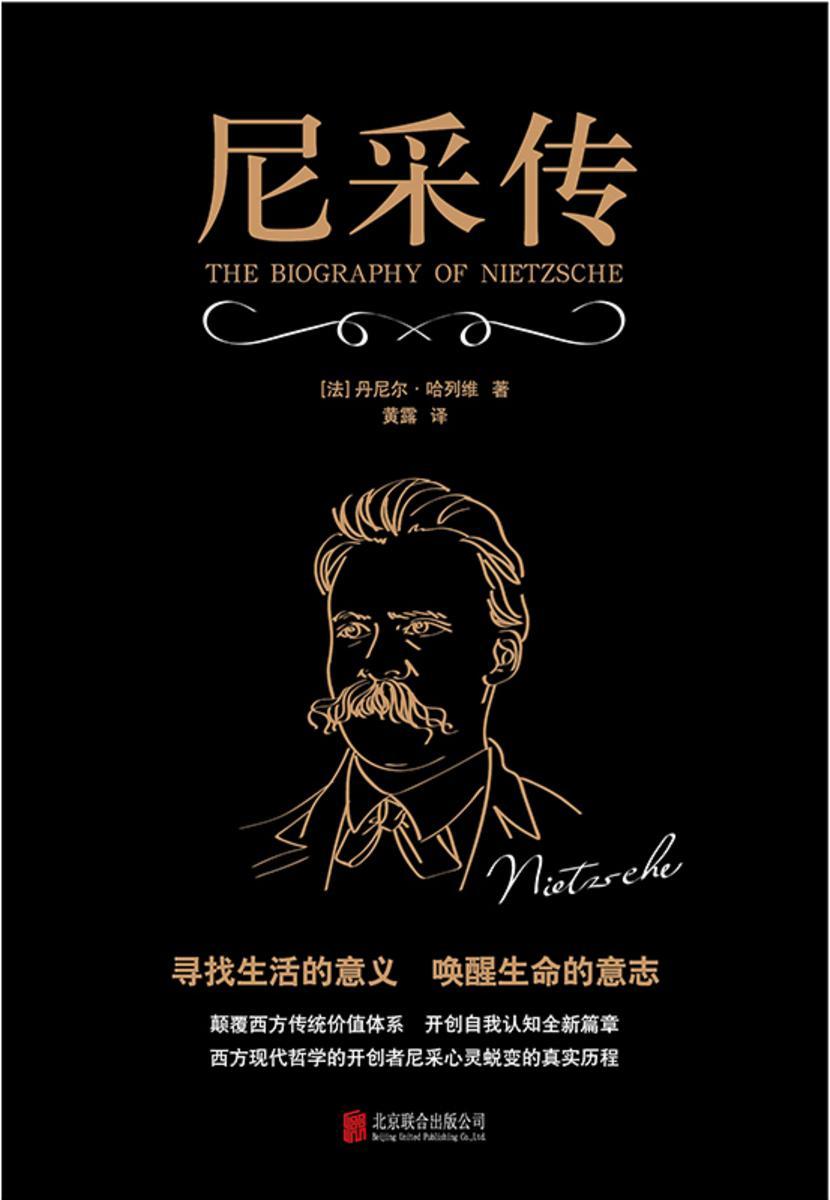
尼采传
¥6.99
《尼采传》以时间为线围绕尼采和亲友们的大量往来信件以及亲友们对尼采的回忆行整理,对尼采自出生到去世的整个生命过程行了细致而又精准的描述。本书所依据的大多为*手资料,具有相当高的可信度,是一本较为权威的尼采传记,向我们展现出了一个听从内心召唤的真正思想者特立独行的一生。
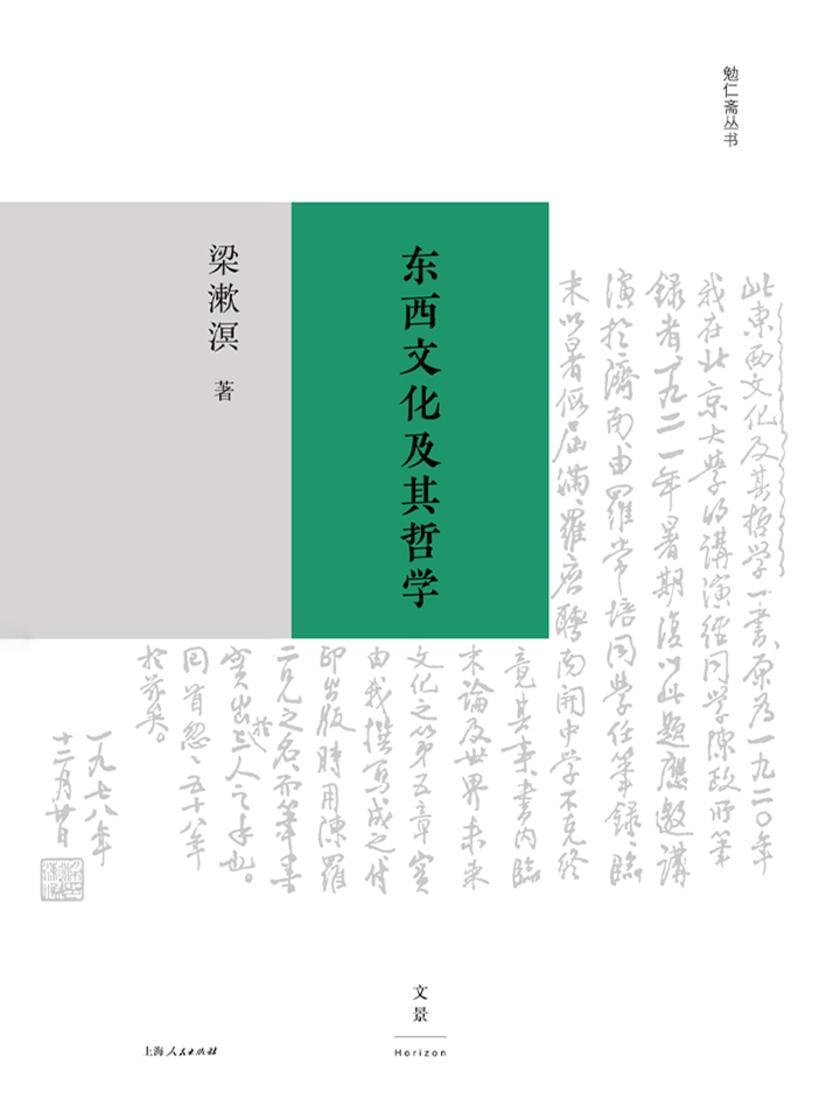
勉仁斋丛书:东西文化及其哲学
¥69.00
《东西文化及其哲学》一书初版于1921年,是梁漱溟先生对东西方文化本质的探讨,以及对东西方文化融合可能性的反思。在东西方交流日益频繁的今日,书中的许多思想与见解仍有借鉴意义。作者在《东西文化及其哲学》中提出并且回答了以下几个主要问题:何谓东方化?何谓西方化?中国文化、印度文化以及西方文化的特质为何?文化与生活有着何种关系?东西方文化能否融合,或者融合之道为何?世界未来之文化以及我们今日应持的态度为何?作者得出的基本结论是:对于西方文化及其带来的冲击,东方文化应该在保持自信的前提下,有选择性地学习有利于提升生活品质的东西,而非盲目否定自我、全盘西化。作者的观点在当时的东西文化论战中引起了思想学术界的高度重视。《东西文化及其哲学》一书被认为是现代新儒学的开山之作。
从孔子到谢灵运:唐前士人精神史探索 中华书局出品
¥23.66
《从孔子到谢灵运:唐前士人精神史探索/陕西师范大学中国语言文学“世界**学科建设”成果》为作者关于唐前士人精神史探索的文章的合集,共分三部分:一、论先秦圣贤、诗哲的理思与痛苦;二、论汉兴百年儒士、赋家的经国品质;三、论晋宋名士的飘逸与痛苦。作者深掘孔子、屈原、贾谊、陶渊明、谢灵运等人的精神历程,探讨中国人世代相续的民族精神。

君子人格六讲 中华书局出品
¥25.20
本书为中央民族大学教授、“孔子文化奖”获得者牟钟鉴先生根据四十多年来学习中华经典积累的经验,结合古代贤哲的论述及今日道德教育建设的现实和需要,详细阐述君子人格养成路径,系统提出“君子六有”说,有仁义,立人之基;有涵养,美人之性;有操守,挺人之脊;有容量,扩人之胸;有坦诚,存人之真;有担当,尽人之责。作者用较多篇幅细讲古今中外的君子在六个方面的人格特质,列举生动的案例,解说蕴藏的内涵,使君子人格培养在现实土壤上具有落地生长的可能性,用真人真事推动道德教化,从不同侧面提炼中华精神,重塑君子人格榜样,推动人文化成,培养时代真君子。

O slobodi
¥37.20
Iako je napisao veoma zna?ajne radove iz drugih podru?ja filozofije?(npr. Sistem logike, gde izla?e na?ela induktivnog zaklju?ivanja, ili Utilitarizam, gde izla?e shvatanje da svako treba da dela tako da proizvede najve?u sre?u za najve?i broj ljudi), Mil je najtrajniji utjecaj ostavio svojim radovima iz politi?ke filozofije i etike. Njegovo delo O slobodi smatra se jednim od temeljnih tekstova savremenog liberalizma. U njemu Mil zagovara na?elo da je ljudsku slobodu dozvoljeno ograni?avati samo ukoliko ?teti drugima. Na?elo ?tete, kako se to na?elo ?esto naziva, u svojoj primeni na ure?enje dru?tvenih odnosa isklju?uje sve despotske i autoritarne oblike vlasti koji gu?e slobodu pojedinaca i njihovu individualnost. Od posebne va?nosti za sre?u pojedinca i dru?tva u celini jeste sloboda govora, koja ni?im ne sme biti ograni?ena. Na Milovoj raspravi O slobodi njen prevodilac, kralj Petar I Kara?or?evi?, tvorac dr?ave Srba, Hrvata i Slovenaca, zasnovao je svoj politi?ki program.

Exercitii practice de psihogenealogie
¥48.97
Satisfacerea neîngr?dit? a nevoilor instinctuale ale omului este oare compatibil? cu limit?rile impuse de progresul civiliza?iei? Lansat? de Freud în celebrul text Disconfort în cultur? (1930), întrebarea este reluat? peste un sfert de veac de c?tre Herbert Marcuse, eminent filosof din ?coala de la Frankfurt. În vreme ce Freud ofer? un r?spuns pesimist, vorbind despre inevitabila subjugare a instinctelor umane de c?tre societatea represiv?, Marcuse întrevede o cale de îmblânzire a agresivit??ii Civiliza?iei prin for?a unificatoare, vital? ?i ludic? a Erosului. Solu?iile de emancipare sugerate de c?tre Marcuse au influen?at profund mi?c?rile studen?e?ti, ecologice, anticolonialiste sau de eliberare sexual? din ultima jum?tate de secol. De aceea interesul pentru criticile sale trece dincolo de ?tiin?ele socio-umane, înspre to?i cei ce vor s? în?eleag? mecanismele alienante ale „societ??ii abunden?ei“. Acest eseu folose?te categorii psihologice, deoarece ele au devenit categorii politice. Exist? procese psihice, alt?dat? autonome ?i identificabile, care sunt absorbite de func?ia individului în stat - de c?tre existen?a sa public?. Problemele psihologice se transform? a?adar în probleme politice. ?– Herbert Marcuse Pornind de la Freud ?i de la tradi?ia eliberatoare a filosofiei ?i culturii, Marcuse schi?eaz? tabloul unei civiliza?ii în care alienarea ?i reprimarea sunt înlocuite de dimensiunea libidinal? ?i nealienant? a muncii, jocului ?i sexualit??ii libere ?i deschise, toate acestea conducând mai departe c?tre emancipare ?i fericire. – Douglas Kellner, editor al seriei The Collected Papers of Herbert Marcuse
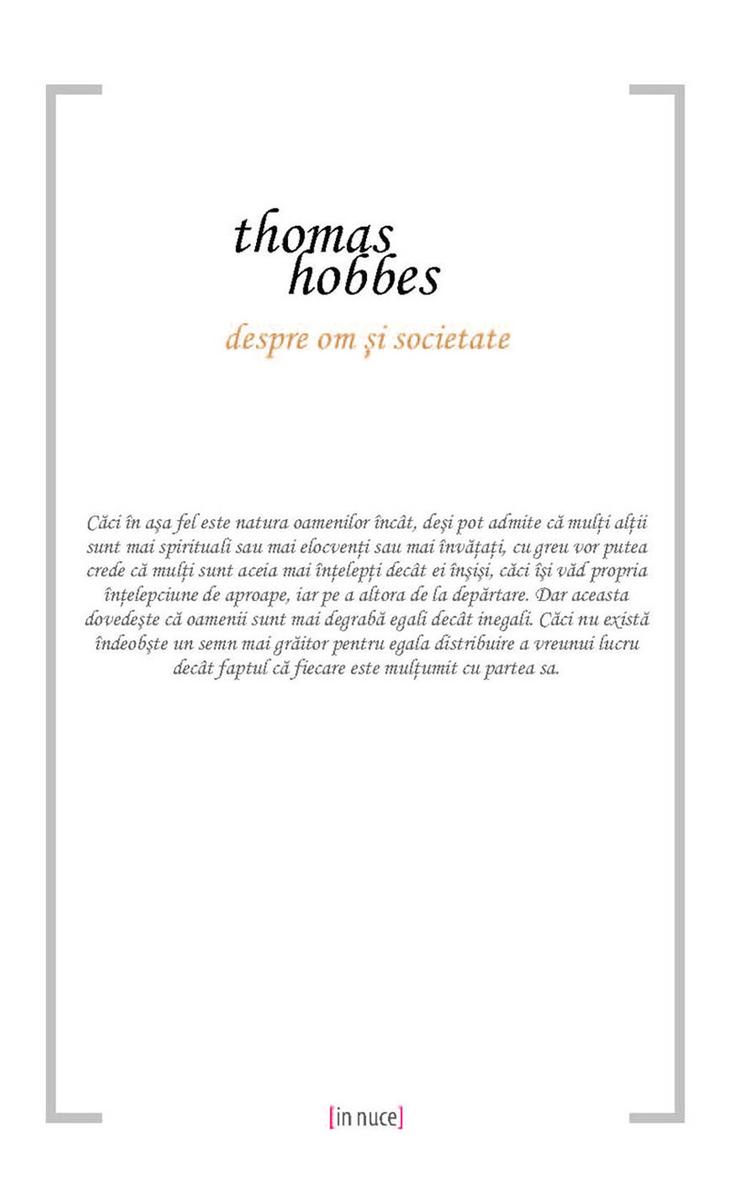
Despre om ?i societate
¥24.44
De numele lui Sigmund Freud (1856-1929) se leag? poate cea mai controversat? teorie din filosofia culturii ultimelor secole: psihanaliza. ?nceput? ca ?ntreprindere psihoterapeutic?, prima cur? – din punct de vedere istoric – ?n care rolul terapeutic revenea exclusiv cuv?ntului, psihanaliza a fost condus? de Freud ?n mod firesc ?i ?n direc?ia descoperirii resorturilor abisale ale culturii.Disconfort ?n cultur? (1930) este o lucrare de maturitate ?n care p?rintele psihanalizei investigheaz? mecanismele care men?in coeziunea social?, respectiv contraponderea lor, manifestat? prin senza?ia de disconfort care ?nso?e?te mai mult sau mai pu?in evident fiin?a social?.?Supraeul unui epoci culturale are o origine asem?n?toare cu a celui individual; se sprijin? pe impresia pe care au l?sat-o mari personalit??i conduc?toare, oameni de o for?? spiritual? cople?itoare sau cei la care una dintre tendin?ele umane a g?sit configura?ia cea mai puternic? ?i mai pur?, de aceea adesea ?i cea mai unilateral?.“ - Sigmund Freud

Despre via?? ?i moarte
¥32.62
Urm?nd acela?i tipar de p?n? acum (Logica elefan?ilor, Editura All, 2012), Ciprian V?lcan ?i Dana Percec au selectat c?te dou?zeci de eseuri care formuleaz?, ?ntr-o manier? doar aparent lejer?, un r?spuns la tot at?tea pretexte, culese cu ochiul colec?ionarului de caricaturi din presa rom?neasc? ?i interna?ional? sau din tomuri mai mult sau mai pu?in colbuite. Autorii inspecteaz? cu lupa ?i curiozitatea entomologului numeroase ?nt?mpl?ri, mesaje ?i personaje contemporane, ?ndemn?ndu-i pe cititori, prin stilul degajat ?i tonul convivial, s? se amuze pe seama absurdului din via?a de zi cu zi. Fie c? este vorba de politic?, sport, mod?, mass-media sau tribunale, de gastronomie sau vr?jitorie, eseurile demonteaz? adev?ruri mici, truisme, precum ?i pl?smuiri de tot felul. Fiec?rei p??anii evocate ?n pretext – unele ilare, cu miros de b?lci, altele aproape detestabile – autorii Metafizicii bicicli?tilor ?i r?spund ?n manier? diferit?, dar convergent?, contur?nd o nevoie de a r?scoli excesele lumii pentru a o ?ndemna s? se rea?eze.

Spre binele t?u. Mici crime ?n numele iubirii
¥32.62
Alchimia fericirii, publicat? ?n persan? (Kimiya?yi sa’adat), spre sf?r?itul vie?ii autorului, urm?re?te atenuarea tensiunilor dintre filosofii ?i misticii Islamului ?i scoate ?n eviden?? importan?a autodisciplinei ?i a ascetismului. Traducerea de fa?? are la baz? traducerea publicat? ?n 1910, ?n englez? de Claud Field (The Alchemy of Happiness) ?i este structurat? ?n opt capitole, aproximativ egale ca ?ntindere. Cartea de fa?? reune?te o serie de interpret?ri ale unor pilde cu con?inut religios evocate ?n Coran ?i ale unor idei exprimate de Mahomed, de al?i profe?i sau ?nv??ati musulmani. Chestiunile abordate de Al-Ghazali aduc ?n prim-plan ideea unei vie?i religioase exemplare. Astfel, el prezint? mai multe sfaturi pentru musulmanii pio?i. Raportul omului cu divinitatea, cu semenii s?i, cu rudele apropiate, dar ?i implica?iile religioase ale institu?iei c?s?toriei sau ale muzicii ?i dansului sunt printre cele mai importante subiecte din lucrarea lui Al-Ghazali. S? ?tii, o, preaiubite, c? omul nu a fost creat ?n glum? sau la ?nt?mplare, ci a fost f?cut ?ntr?un fel minunat ?i pentru un ?el ?nalt. Chiar dac? nu a existat dintotdeauna, el tr?ie?te ve?nic; ?i chiar dac? trupul s?u este slab ?i p?m?ntesc, spiritul ?i este m?re? ?i dumnezeiesc. ?i cu c?t este mai ales subiectul cunoa?terii noastre,cu at?t mai mare va fi ?nc?ntarea sim?it? ?n studierea acestuia; de exemplu, ne?ar face mai mult? placer s? ?tim secretele unui rege dec?t dac? am afla secretele unui ministru. V?z?nd c? Dumnezeu este cel mai ?nalt obiect posibil pentru cunoa?terea noastr?, cunoa?terea Sa trebuie s? ne d?ruiasc? mai mult? desf?tare dec?t oricare alta.
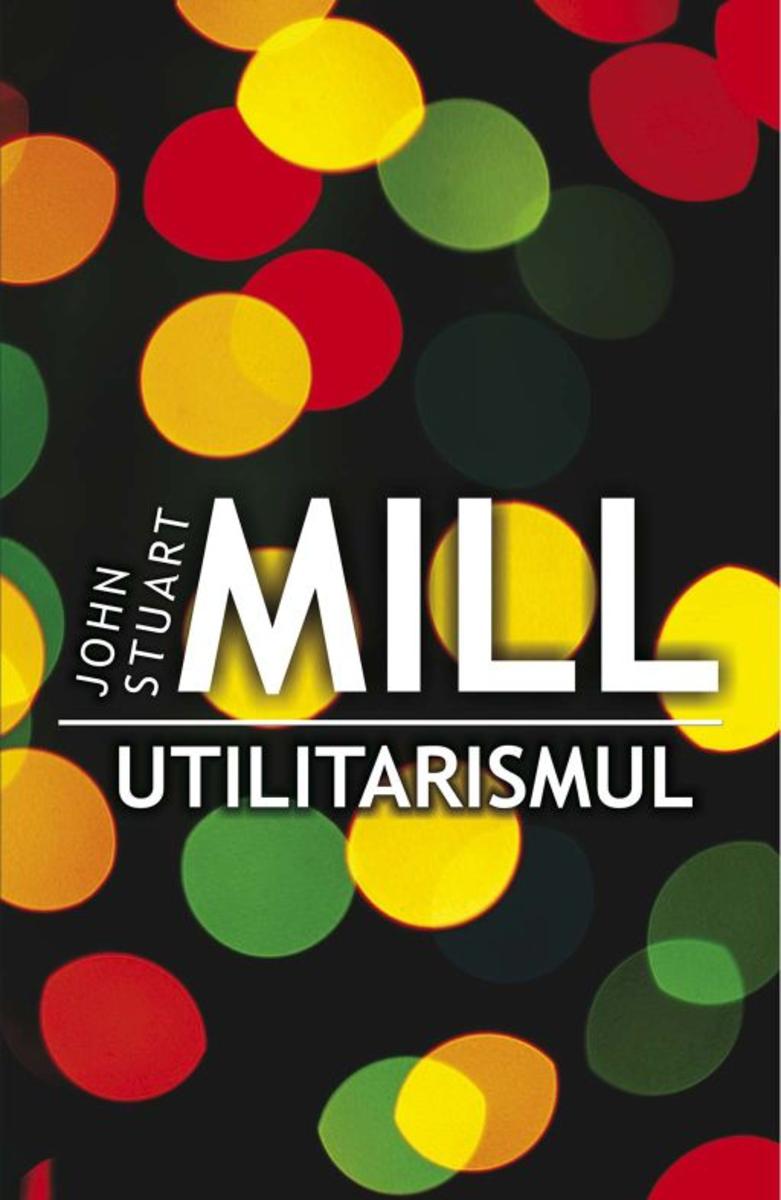
Utilitarismul
¥16.27
De La Boétie ofer? una dintre primele ?i cele mai clare explica?ii privind servitutea voluntar?, starea care define?te supunerea majorit??ii fa?? de minoritatea care de?ine puterea politic?. Este ?i va r?m?ne acela?i lucru, indiferent de scurgerea timpului: un eseu memorabil despre m?re?ia ?i micimile naturii umane, slujit exemplar de g?ndul ?i de pana unui geniu cu care timpul nu a avut prea mult? r?bdare.,,Dar, Dumnezeule mare, ce ?nseamn? asta? Cum s? numim aceast? nenorocire? Ce viciu ?ngrozitor e ?sta, s? vezi nenum?ra?i oameni, nu doar c? se supun, ci c? slujesc, nu c? sunt guverna?i, ci c? sunt tiraniza?i, neav?nd nici bunuri, nici p?rin?i, nici copii, nici m?car propria lor via???“ ?tienne de LA Boétie
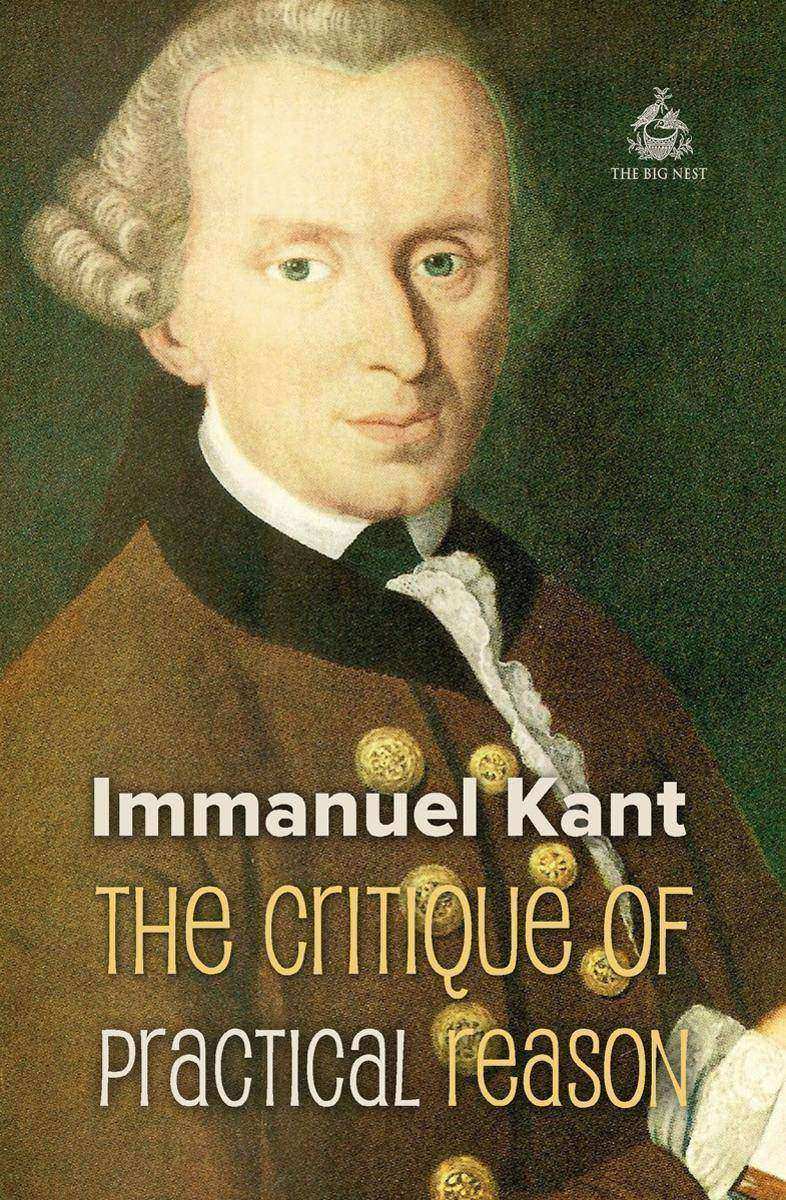
The Critique of Practical Reason
¥40.79
The Critique of Practical Reason follows on from Kant's Critique of Pure Reason and deals with his moral philosophy. The second Critique exercised a decisive influence over the subsequent development of the field of ethics and moral philosophy, beginning with Johann Gottlieb Fichte's Doctrine of Science and becoming, during the 20th century, the principal reference point for deontological moral philosophy.


