


 购物车
购物车 个人中心
个人中心
Fundamental Principles of the Metaphysic of Morals
¥40.79
The first of Immanuel Kant's mature works on moral philosophy and remains one of the most influential in the field. Kant conceives his investigation as a work of foundational ethics, one that clears the ground for future research by explaining the core concepts and principles of moral theory and showing that they are normative for rational agents. Kant aspires to nothing less than this: to lay bare the fundamental principle of morality and show that it applies to us.

The Great Learning
¥40.79
What the great learning teaches, is to illustrate illustrious virtue; to renovate the people; and to rest in the highest excellence. The point where to rest being known, the object of pursuit is then determined; and, that being determined, a calm unperturbedness may be attained to. To that calmness there will succeed a tranquil repose. In that repose there may be careful deliberation, and that deliberation will be followed by the attainment of the desired end.
The Civil Wars, Book 3
¥40.79
Julius Caesar, holding the election as dictator, was himself appointed consul with Publius Servilius; for this was the year in which it was permitted by the laws that he should be chosen consul. This business being ended, as credit was beginning to fail in Italy, and the debts could not be paid, he determined that arbitrators should be appointed: and that they should make an estimate of the possessions and properties of the debtors, how much they were worth before the war, and that they should be handed over in payment to the creditors. This he thought the most likely method to remove and abate the apprehension of an abolition of debt, the usual consequence of civil wars and dissensions, and to support the credit of the debtors.
A Light to Yourself
¥57.14
In these talks, given in Europe and India, Krishnamurti goes into the importance of going into problems openly, without conclusions. "..because we approach our problems partially, through all these various forms of conditioning, it seems to me that we are thereby not understanding them. I feel that the approach to any problem is of much more significance than the problem itself, and that if we could approach our many difficulties without any particular form of conditioning or prejudice, then perhaps we would come to a fundamental understanding of them." An extensive compendium of Krishnamurti's talks and discussions in the USA, Europe, India, New Zealand, and South Africa from 1933 to 1967—the Collected Works have been carefully authenticated against existing transcripts and tapes. Each volume includes a frontispiece photograph of Krishnamurti , with question and subject indexes at the end. The content of each volume is not limited to the subject of the title, but rather offers a unique view of Krishnamurti's extraordinary teachings in selected years. The Collected Works offers the reader the opportunity to explore the early writings and dialogues in their most complete and authentic form.
Also sprach Zarathustra
¥8.82
Das Buch besteht aus vier Teilen. Der erste Teil erschien 1883, der zweite und dritte 1884, der vierte 1885 als Privatdruck. 1886 ver?ffentlichte Nietzsche die drei ersten Teile als ?Also sprach Zarathustra. Ein Buch für Alle und Keinen. In drei Teilen.“ Im Gegensatz zu den frühen Werken Nietzsches handelt es sich beim Zarathustra nicht um ein Sachbuch. In hymnischer Prosa berichtet ein personaler Erz?hler vom Wirken eines fiktiven Denkers, der den Namen des Persischen Religionsstifters Zarathustra tr?gt. Nietzsche selbst nennt den Stil, in dem Also sprach Zarathustra geschrieben ist, halkyonisch und wünscht sich Leser, die eines ?gleichen Pathos f?hig und würdig sind“: ?Man muss vor Allem den Ton, der aus diesem Munde kommt, diesen halkyonischen Ton richtig h?ren, um dem Sinn seiner Weisheit nicht erbarmungswürdig Unrecht zu tun“. Dass Nietzsche diese Leserschaft in seiner Gegenwart nicht gesehen hat, legt der Untertitel des Werkes nahe: ?Ein Buch für Alle und Keinen“.

Educa?ia sentimental?
¥33.03
Volumul red? circuitului public, pentru prima oar? ?n limba rom?n?, trei din operele g?nditorului atenian. Este vorba de Scrisori (?n num?r de treisprezece, deosebit de importante pentru cunoa?terea g?ndirii platoniciene, dar ?i pentru ?n?elegerea epocii ?i a personalit??ilor cu care a venit ?n contact filosoful), Dialoguri suspecte (Minos, Rivalii, Theages, Hipparhos, Clitofon) ?i Dialoguri apocrife (Axiohos, Despre drept, Despre virtute, Demodocus, Sisyfos, Eryxias).Traducerea apara?ine lui ?tefan Bezdechi, care a realizat ?i aparatul critic al Scrisorilor (introducere ?i note).
The Philosophy of Auguste Comte
¥33.11
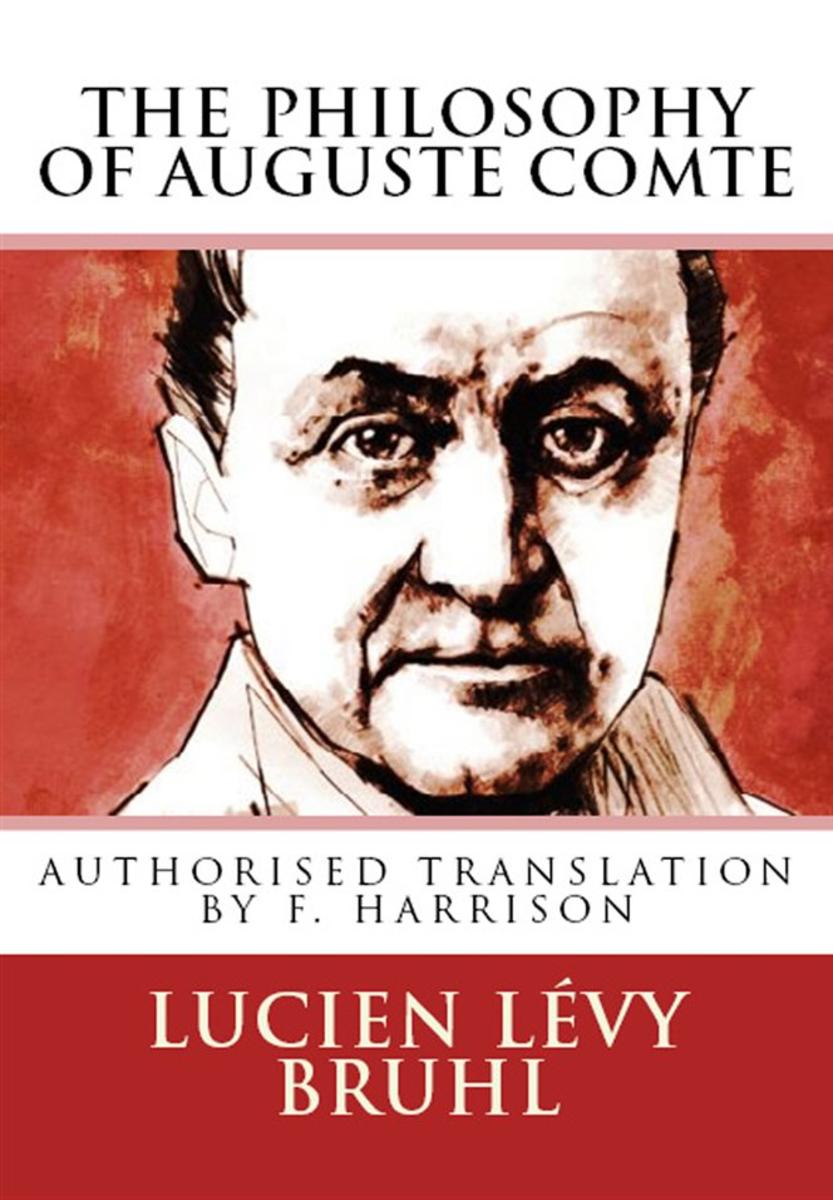
M. Lévy-Bruhl then explains that, whilst recognising the entire coherence of Comte’s collective labours, he proposes to confine his present study to the earlier and principal work, the Philosophy, which in M. Lévy-Bruhl’s opinion is the dominant and more fruitful composition.??This he regards as the representative work of the nineteenth century, as shown by the intellectual history of the period. He points to its influence on thought in England, in Europe, and in America. It will surprise many persons to learn that in M. Lévy-Bruhl’s opinion two eminent French writers, who assuredly neither were, nor were supposed to be, Positivists, “have done more for the diffusion of the ideas and method of Comte than Littré and all the other Positivists together.” ??These two are Taine and Renan, much as they differed from Comte’s actual scheme and doctrines. Renan indeed spoke of Comte as destined to prove one of the typical names of the century. The present writer remembers Renan saying to him with a most genial welcome, “I too am a believer in the religion of humanity.” ??Professor Lévy-Bruhl followed up his History of Modern Philosophy in France by a substantial work on the philosophy of Auguste Comte. It forms a volume of the Bibliothèque de Philosophie Contemporaine, which has already devoted four other works to the Positive Philosophy. It is as well to premise that this treatise dealt solely with the philosophy, not with the polity, or any part of the religious scheme of Comte. Professor Lévy-Bruhl writes as a student, but not as an adherent of Auguste Comte. His entire work is rather an exposition, not a refutation, or a criticism, or an advocacy of Comte’s philosophical system. But it may be said at once that no one abroad or at home, certainly neither Mill, nor Lewes, nor Spencer, nor Caird, has so truly grasped and assimilated Comte’s ideas as M. Lévy-Bruhl has done.??In his Introduction M. Lévy-Bruhl very clearly states the scope of his work, and his own general attitude. He traces the origin of Comte’s philosophy in the mental effervescence of the first generation of the present century towards a reorganisation of society, after the upheaval left by the Revolution and its consequences. He correctly states the relation of St. Simon to Comte as being that of an initial stimulus. ??The cardinal difference between Comte and all the socialists and founders of social and religious Utopias consisted in this, that Comte saw the necessity of a new system of philosophy as the indispensable preliminary to any reorganisation of society.

Nature
¥9.24
The Prince (Italian: Il Principe) is a political treatise by the Italian diplomat, historian and political theorist Niccolò Machiavelli. From correspondence a version appears to have been distributed in 1513, using a Latin title, De Principatibus (About Principalities). But the printed version was not published until 1532, five years after Machiavelli's death. This was done with the permission of the Medici pope Clement VII, but "long before then, in fact since the first appearance of the Prince in manuscript, controversy had swirled about his writings" Although it was written as if it were a traditional work in the Mirror of Princes style, it is generally agreed that it was especially innovative, and not only because it was written in Italian rather than Latin. The Prince is sometimes claimed to be one of the first works of modern philosophy, in which the effective truth is taken to be more important than any abstract ideal. It was also in direct conflict with the dominant Catholic and scholastic doctrines of the time concerning how to consider politics and ethics. Although it is relatively short, the treatise is the most remembered of his works and the one most responsible for bringing "Machiavellian" into wide usage as a pejorative term. It also helped make "Old Nick" an English term for the devil, and even contributed to the modern negative connotations of the words "politics" and "politician" in western countries. In terms of subject matter it overlaps with the much longer Discourses on Livy, which was written a few years later. In its use of examples who were politically active Italians who perpetrated criminal deeds for politics, another lesser-known work by Machiavelli which The Prince has been compared to is the Life of Castruccio Castracani. The descriptions within The Prince have the general theme of accepting that ends of princes, such as glory, and indeed survival, can justify the use of immoral means to achieve those ends.
A fekete vér
¥8.67
The present publication is intended to supply a recognised deficiency in our literature—a library edition of the Essays of Montaigne. This great French writer deserves to be regarded as a classic, not only in the land of his birth, but in all countries and in all literatures. His Essays, which are at once the most celebrated and the most permanent of his productions, form a magazine out of which such minds as those of Bacon and Shakespeare did not disdain to help themselves; and, indeed, as Hallam observes, the Frenchman's literary importance largely results from the share which his mind had in influencing other minds, coeval and subsequent. But, at the same time, estimating the value and rank of the essayist, we are not to leave out of the account the drawbacks and the circumstances of the period: the imperfect state of education, the comparative scarcity of books, and the limited opportunities of intellectual intercourse. Montaigne freely borrowed of others, and he has found men willing to borrow of him as freely. We need not wonder at the reputation which he with seeming facility achieved. He was, without being aware of it, the leader of a new school in letters and morals. His book was different from all others which were at that date in the world. It diverted the ancient currents of thought into new channels. It told its readers, with unexampled frankness, what its writer's opinion was about men and things, and threw what must have been a strange kind of new light on many matters but darkly understood. Above all, the essayist uncased himself, and made his intellectual and physical organism public property. He took the world into his confidence on all subjects. His essays were a sort of literary anatomy, where we get a diagnosis of the writer's mind, made by himself at different levels and under a large variety of operating influences. Of all egotists, Montaigne, if not the greatest, was the most fascinating, because, perhaps, he was the least affected and most truthful. What he did, and what he had professed to do, was to dissect his mind, and show us, as best he could, how it was made, and what relation it bore to external objects. He investigated his mental structure as a schoolboy pulls his watch to pieces, to examine the mechanism of the works; and the result, accompanied by illustrations abounding with originality and force, he delivered to his fellow-men in a book. W. C. H. KENSINGTON, November 1877. THE LIFE OF MONTAIGNE The author of the Essays was born, as he informs us himself, between eleven and twelve o'clock in the day, the last of February 1533, at the chateau of St. Michel de Montaigne. His father, Pierre Eyquem, esquire, was successively first Jurat of the town of Bordeaux (1530), Under-Mayor 1536, Jurat for the second time in 1540, Procureur in 1546, and at length Mayor from 1553 to 1556. He was a man of austere probity, who had "a particular regard for honour and for propriety in his person and attire . . . a mighty good faith in his speech, and a conscience and a religious feeling inclining to superstition, rather than to the other extreme. Between 1556 and 1563 an important incident occurred in the life of Montaigne, in the commencement of his romantic friendship with Etienne de la Boetie, whom he had met, as he tells us, by pure chance at some festive celebration in the town. From their very first interview the two found themselves drawn irresistibly close to one another, and during six years this alliance was foremost in the heart of Montaigne, as it was afterwards in his memory, when death had severed it.


新核心素养系列(套装共8册)
¥24.71
●从未有哪个时代像今天一样,科学让人类社会以肉眼可见的速度向前演化。这场两千多年的长程奔跑似乎来到了冲刺阶段,不断有人做出世界末日的预言,那么,科学*终带给我们的究竟是生存还是毁灭?科学研究的目的究竟是什么?科学能告诉我们*真理吗? 带着这样的终极关怀,《人人都该懂的科学哲学》首先讲述了科学脱离哲学、独立成长的过程,然后以智慧设计论、弦理论、占星术、有神论、社会建构主义、女性主义等充满争议的问题为例,辨析了科学的定义、方法和目的,科学和社会的关系。伟大的科学哲学家亚里士多德、笛卡儿、休谟、培根、波普尔、库恩等纷纷出场,上演了一场绵亘数千年的*辩论。 面对未来的挑战,无论人类能否破解“公地悲剧”、实现星际殖民、活到长生不老,杰弗里·戈勒姆以科学哲学的视角安慰我们:“当生命终结,人类文化仍然存在,只不过是存在于过去。希望它永远存在就太过分了,无异于希望巴黎时时处处是春天。” ●《人人都该懂的科学哲学》属于湛庐文化重磅推出的“新核心素养”系列图书之一。本系列图书致力于推广通识阅读,扩展读者的阅读面,培养批判性思考的能力。其中涵盖了哲学、心理学、法律、艺术、物理学、生物科技等诸多人文科学和自然科学的知识,其中《人人都该懂的科学哲学》的内容涵盖了科学哲学的核心思想,让你一本书了解科学哲学的核心智慧。

Liberty Girl
¥19.05
Human reason, in one sphere of its cognition, is called upon to consider questions, which it cannot decline, as they are presented by its own nature, but which it cannot answer, as they transcend every faculty of the mind. It falls into this difficulty without any fault of its own. It begins with principles, which cannot be dispensed with in the field of experience, and the truth and sufficiency of which are, at the same time, insured by experience. With these principles it rises, in obedience to the laws of its own nature, to ever higher and more remote conditions. But it quickly discovers that, in this way, its labours must remain ever incomplete, because new questions never cease to present themselves; and thus it finds itself compelled to have recourse to principles which transcend the region of experience, while they are regarded by common sense without distrust. It thus falls into confusion and contradictions, from which it conjectures the presence of latent errors, which, however, it is unable to discover, because the principles it employs, transcending the limits of experience, cannot be tested by that criterion. The arena of these endless contests is called Metaphysic.Time was, when she was the queen of all the sciences; and, if we take the will for the deed, she certainly deserves, so far as regards the high importance of her object-matter, this title of honour. Now, it is the fashion of the time to heap contempt and scorn upon her; and the matron mourns, forlorn and forsaken, like Hecuba: At first, her gover Modo maxima rerum, Tot generis, natisque potens... Nunc trahor exul, inops. —Ovid, Metamorphoses. xiii under the administration of the dogmatists, was an absolute despotism. But, as the legislative continued to show traces of the ancient barbaric rule, her empire gradually broke up, and intestine wars introduced the reign of anarchy; while the sceptics, like nomadic tribes, who hate a permanent habitation and settled mode of living, attacked from time to time those who had organized themselves into civil communities. But their number was, very happily, small; and thus they could not entirely put a stop to the exertions of those who persisted in raising new edifices, although on no settled or uniform plan. In recent times the hope dawned upon us of seeing those disputes settled, and the legitimacy of her claims established by a kind of physiology of the human understanding—that of the celebrated Locke. But it was found that—although it was affirmed that this so-called queen could not refer her descent to any higher source than that of common experience, a circumstance which necessarily brought suspicion on her claims—as this genealogy was incorrect, she persisted in the advancement of her claims to sovereignty. Thus metaphysics necessarily fell back into the antiquated and rotten constitution of dogmatism, and again became obnoxious to the contempt from which efforts had been made to save it. At present, as all methods, according to the general persuasion, have been tried in vain, there reigns nought but weariness and complete indifferentism—the mother of chaos and night in the scientific world, but at the same time the source of, or at least the prelude to, the re-creation and reinstallation of a science, when it has fallen into confusion, obscurity, and disuse from ill directed effort. I do not mean by this a criticism of books and systems, but a critical inquiry into the faculty of reason, with reference to the cognitions to which it strives to attain without the aid of experience; in other words, the solution of the question regarding the possibility or impossibility of metaphysics, and the determination of the origin, as well as of the extent and limits of this science. All this must be done on the basis of principles. ABOUT AUTHOR: That all our knowledge begins with experience there can be no doubt. For how is it possible that the faculty of cognition should be awakened into exercise otherwise than by means of objects which affect our senses, and partly of themselves produce representations, partly rouse our powers of understanding into activity, to compare to connect, or to separate these, and so to convert the raw material of our sensuous impressions into a knowledge of objects, which is called experience? In respect of time, therefore, no knowledge of ours is antecedent to experience, but begins with it. But, though all our knowledge begins with experience, it by no means follows that all arises out of experience. For, on the contrary, it is quite possible that our empirical knowledge is a compound of that which we receive through impressions, and that which the faculty of cognition supplies from itself (sensuous impressions giving merely the occasion), an addition which we cannot distinguish from the original element given by sense, till long practice has made us attentive to, and skilful in separating it. It is, therefore, a question which requires close investigation, and not to b

?tvenezer lándzsa: Anjouk - V. rész
¥75.54
"A megsemmisülés rejtélyes sz?vege egyszerre filozófiai traktátus, misztikus beavatás és poszthumán próza. A kortárs irodalomban egyre inkább feler?s?dik ez a nem-antropocentrikus hang, mely nem emberi sorsokat akar elbeszélni, hanem a nyelv és az ember k?z?s hiányt?rténetére mutat rá. ?Mennyien kapaszkodtak a létbe, mint egy végtelen fa t?rzsébe” - írja Horváth Márk és Lovász ?dám, hiszen az emberi állapot csak a társadalmi, nyelvi és metafizikai katasztrófa terében értelmezhet?. Apokaliptikus (neo)romantika és abszurd k?ltészet. Az utolsó ember kézik?nyve a túlélés lehetetlenségér?l."Nemes Z. Márió Az Idegenre hárult a sors ajándéka, hogy els?ként az utolsó emberek k?zu?l végignézze minden ku?ls?dleges k?telék pusztulását, és bizalmát lelkébe, s?t a lelkén is túlra helyezze, minden emberit maga m?g?tt hagyva. Minden ház gerendái k?z?tt barátságok és szerelmek jól táplált holttestei indultak oszlásnak, míg csak a csont fehérlett ki a vízb?l. Mint rég elhagyott kik?t?k tornyai, olyan hívogatóak voltak ezek a csontok az új kor embere számára.
Martin Chuzzlewit
¥40.79
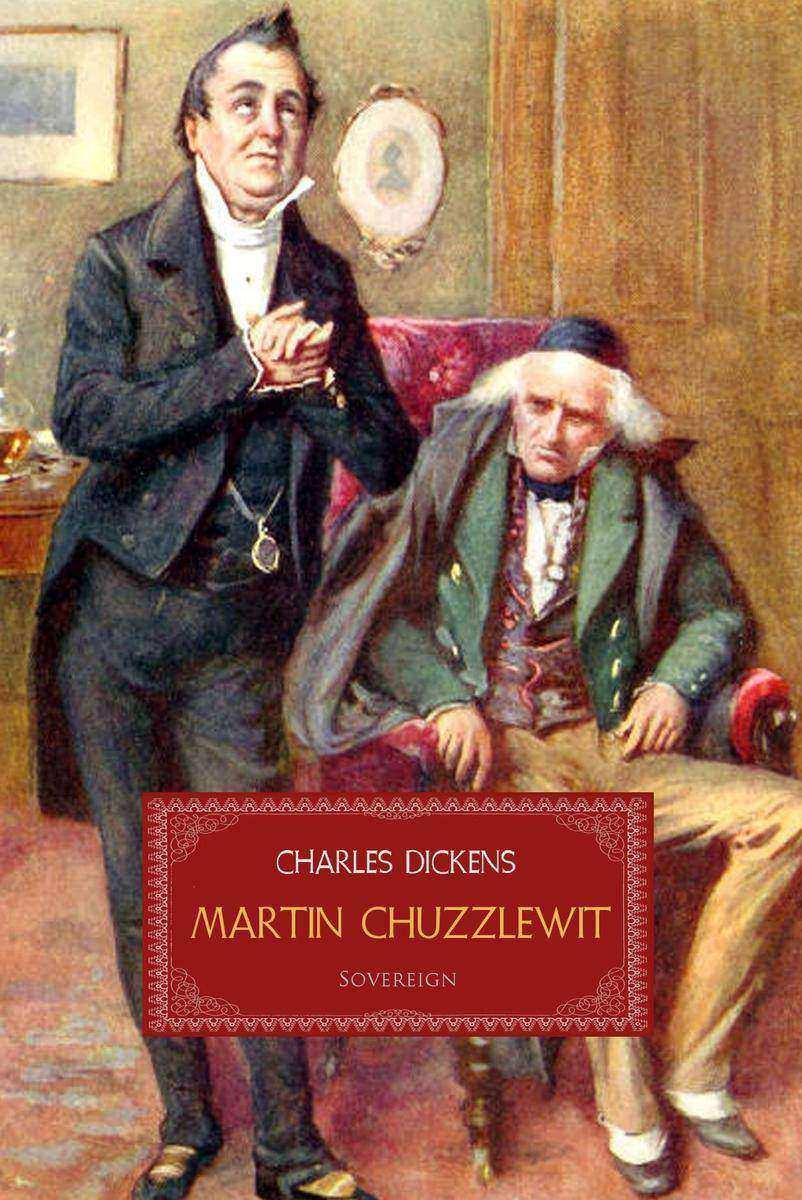
The last of Dickens' picaresque novels which exposes selfishness, portrayed in a satirical fashion using all the members of the Chuzzlewit family. The novel was written after taking a year off during which Charles Dickens visited America. Similarly, young Martin Chuzzlewit, the old man's grandson, goes off to America to live through events which Dickens himself perhaps experienced or observed during his own travels.

Eve's Ransom
¥40.79
Eve's Ransom is the story of a mechanical draughtsman named Maurice Hilliard, who comes into some money, which enables him to live without working. As part of his resulting travels, he meets and falls in love with Eve Madeley, a book keeper.
The Godson
¥40.79
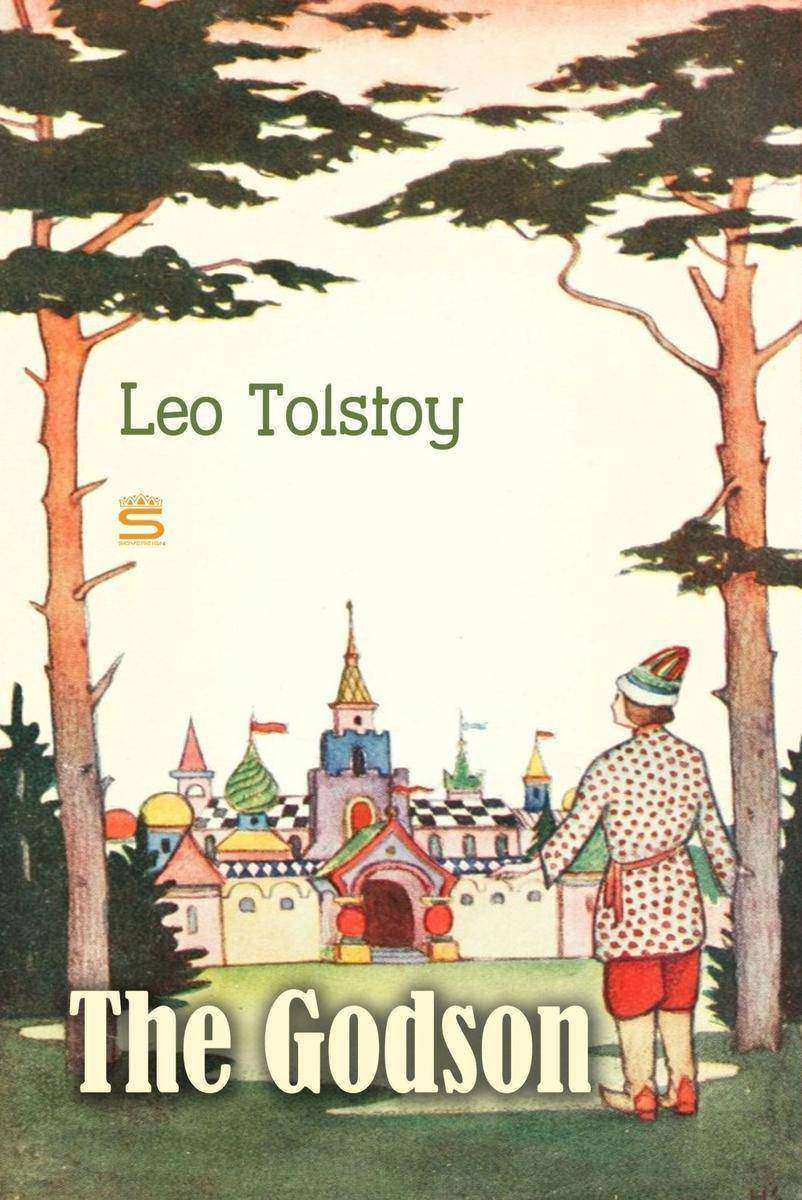
A son was born to a poor peasant. He rejoiced and went to a neighbour to ask him to stand as godfather to the boy. The neighbour refused. He did not want to be godfather to a poor man’s son. So the peasant went to another neighbour and he, too, refused. He walked from house to house, but could find no one who would be godfather to his son, so he set out to another village.
Israel Potter by Herman Melville - Delphi Classics (Illustrated)
¥8.09
This eBook features the unabridged text of ‘Israel Potter by Herman Melville - Delphi Classics (Illustrated)’ from the bestselling edition of ‘The Complete Works of Herman Melville’. Having established their name as the leading publisher of classic literature and art, Delphi Classics produce publications that are individually crafted with superior formatting, while introducing many rare texts for the first time in digital print. The Delphi Classics edition of Melville includes original annotations and illustrations relating to the life and works of the author, as well as individual tables of contents, allowing you to navigate eBooks quickly and easily. eBook features: * The complete unabridged text of ‘Israel Potter by Herman Melville - Delphi Classics (Illustrated)’ * Beautifully illustrated with images related to Melville’s works * Individual contents table, allowing easy navigation around the eBook * Excellent formatting of the text Please visit www.delphiclassics.com to learn more about our wide range of titles
Billy Budd, Sailor by Herman Melville - Delphi Classics (Illustrated)
¥8.09
This eBook features the unabridged text of ‘Billy Budd, Sailor by Herman Melville - Delphi Classics (Illustrated)’ from the bestselling edition of ‘The Complete Works of Herman Melville’. Having established their name as the leading publisher of classic literature and art, Delphi Classics produce publications that are individually crafted with superior formatting, while introducing many rare texts for the first time in digital print. The Delphi Classics edition of Melville includes original annotations and illustrations relating to the life and works of the author, as well as individual tables of contents, allowing you to navigate eBooks quickly and easily. eBook features: * The complete unabridged text of ‘Billy Budd, Sailor by Herman Melville - Delphi Classics (Illustrated)’ * Beautifully illustrated with images related to Melville’s works * Individual contents table, allowing easy navigation around the eBook * Excellent formatting of the text Please visit www.delphiclassics.com to learn more about our wide range of titles
ROS Robotics By Example - Second Edition
¥371.39
Learning how to build and program your own robots with the most popular open source robotics programming framework About This Book Get to know the fundamentals of ROS and apply its concepts to real examples Learn how to write robotics applications without getting bogged down in hardware problems Learn to implement best practices in ROS development Who This Book Is For This book is for robotic enthusiasts, researchers and professional robotics engineers who would like to build robot applications using ROS. It gives the robotics beginner and the ROS newbie an immensely practical introduction to robot building and robotics application coding. Basic knowledge of GNU/Linux and the ability to write simple applications is assumed, but no robotics knowledge, practical or theoretical, is needed. What You Will Learn Control a robot without requiring a PhD in robotics Simulate and control a robot arm Control a flying robot Send your robot on an independent mission Learning how to control your own robots with external devices Program applications running on your robot Extend ROS itself Extend ROS with the MATLAB Robotics System Toolbox In Detail ROS is a robust robotics framework that works regardless of hardware architecture or hardware origin. It standardizes most layers of robotics functionality from device drivers to process control and message passing to software package management. But apart from just plain functionality, ROS is a great platform to learn about robotics itself and to simulate, as well as actually build, your first robots. This does not mean that ROS is a platform for students and other beginners; on the contrary, ROS is used all over the robotics industry to implement flying, walking and diving robots, yet implementation is always straightforward, and never dependent on the hardware itself. ROS Robotics has been the standard introduction to ROS for potential professionals and hobbyists alike since the original edition came out; the second edition adds a gradual introduction to all the goodness available with the Kinetic Kame release. By providing you with step-by-step examples including manipulator arms and flying robots, the authors introduce you to the new features. The book is intensely practical, with space given to theory only when absolutely necessary. By the end of this book, you will have hands-on experience on controlling robots with the best possible framework. Style and approach ROS Robotics By Example, Second Edition gives the robotics beginner as well as the ROS newbie an immensely practical introduction to robot building and robotics application coding. ROS translates as "robot operating system"; you will learn how to control a robot via devices and configuration files, but you will also learn how to write robot applications on the foundation of this operating system.
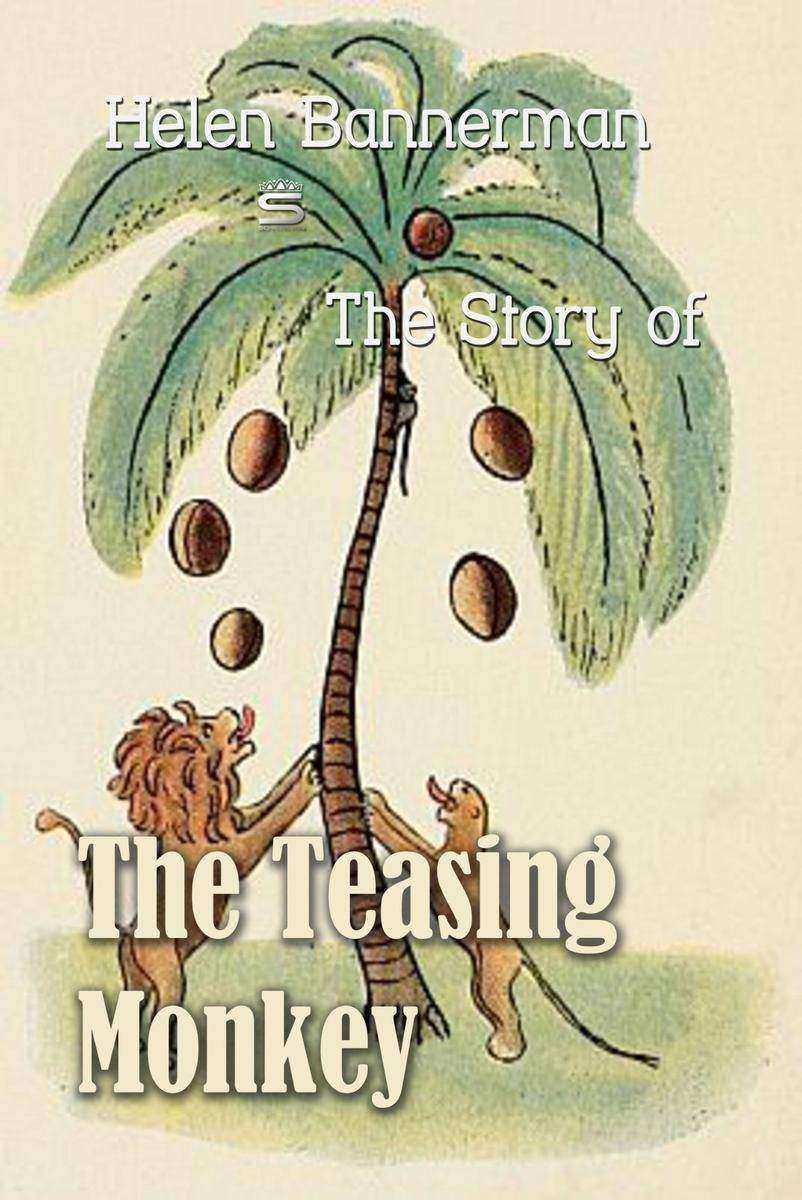
The Story of The Teasing Monkey
¥40.79
Once upon a time there was a very mischievous little monkey, who lived in a big banyan tree, and his name was Jacko. And in the jungle below there lived a huge, fierce old lion and lioness.

The Gift of The Magi
¥40.79
The magi, as you know, were wise men – wonderfully wise men – who brought gifts to the new-born King of the Jews in the manger. They invented the art of giving Christmas presents. Being wise, their gifts were no doubt wise ones, possibly bearing the privilege of exchange in case of duplication. And here I have lamely related to you the uneventful chronicle of two foolish children in a flat who most unwisely sacrificed for each other the greatest treasures of their house.
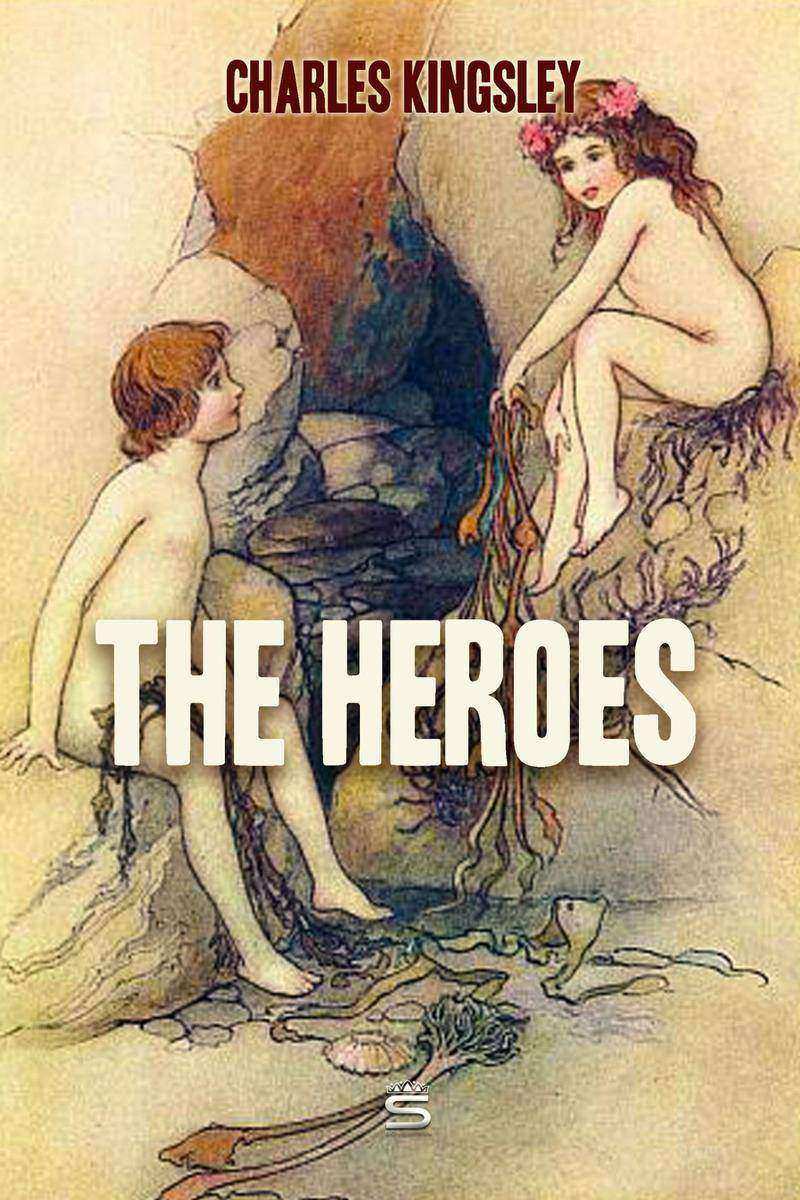
The Heroes: Greek Fairy Tales for My Children
¥40.79
A collection of magical stories based on old Greek fairy tales including: The Story of Perseus, The Story of The Argonauts, The Story of Theseus. Written by Charles Kingsley and dedicated to his children Rose, Maurice, and Mary. A little present of old Greek Fairy Tales.


