


 购物车
购物车 个人中心
个人中心

The Secret Ingredient (Mills & Boon Modern Tempted)
¥25.70
Lottie Rosemount’s top tips for dating: 1. Ignore all advances from inappropriate men. Celebrity chef and notorious heartbreaker Rob Beresford can flirt for England, but that doesn’t mean his intentions are honourable! 2. Keep your cool. Rob is not a safe bet, so don’t let him see that he gets you hot under your apron! 3. If 1) and 2) fail, indulge in a wild fling with said inappropriate man. Because remember: wild nights with no strings attached are this man’s speciality! Only Lottie is about to discover that Rob has a few secret ingredients to add to the mix—which could make her throw her tips out of the window for ever!

If Only... (Mills & Boon Modern Tempted)
¥25.70
If only I hadn’t had that last drink… It might be the toughest night of the year for Micah O’Shea, but one tequila too many and suddenly she’s seeing the world – and her best friend, firefighter Josh Taylor – in a new light! Surely a bit of Dutch courage is all she needs to see if he tastes as good as he looks…? Why did no one tell her that the morning after is way more awkward when you’re friends with the man you threw yourself at? And that it gets more awkward when you start having X-rated dreams about him? Perhaps Micah should stop saying ‘If only…’ and start asking ‘What if…?’! You won’t want to miss this fabulous story by So You Think You Can Write 2013 winner Tanya Wright!

All's Fair in Lust & War (Mills & Boon Modern Tempted)
¥26.78
WICKED CAPTAIN, WAYWARD WIFE When young widow Evelina Wylder comes face to face with her dashing captain husband – very much alive – she’s shocked, overjoyed… and furious! So, whatever the explanation for his outrageous deception, she’ll keep Nick firmly out of their marriage bed, no matter his method of seduction… THE EARL’S RUNAWAY BRIDE When Felicity’s husband, charismatic Major Nathan Carraway, disappeared into war-torn Spain, she discovered a dark secret behind their whirlwind marriage and fled to England… Five years on, Felicity takes the hand of a dangerously handsome dance partner… her commanding husband – back to claim his runaway bride!

An Offer She Can't Refuse (Mills & Boon Modern Tempted)
¥26.78
The ultimate proposition… Ambitious businesswoman Mallika wasn’t expecting a job offer from the distractingly good-looking Darius Mistry – nor was she expecting their scorching chemistry! But, bound by responsibilities, she turns it down… Darius can’t understand why she’d walk away from her dream job, or their attraction! Determined, he makes her an offer she can’t refuse… !

The Apple Orchard (A Bella Vista novel, Book 1)
¥61.51
"Sometimes you stumble across a treasure when you're looking for something else entirely." #1 New York Times bestselling author Susan Wiggs brings readers to the lush abundance of Sonoma County in a novel of sisters, friendship and how memories are woven like a spell around us. Tess Delaney makes a living restoring stolen treasures to their rightful owners. People like Annelise Winther, who refuses to sell her long-gone mother's beloved necklacedespite Tess's advice. To Annelise, the jewel's value is in its memories. But Tess's own history is filled with gaps: a father she never met, a mother who spent more time traveling than with her daughter. So Tess is shocked when she discovers the grandfather she never knew is in a coma. And that she has been named in his will to inherit half of Bella Vista, a hundred-acre apple orchard in the magical Sonoma town called Archangel. The rest is willed to Isabel Johansen. A half sister she's never heard of. Against the rich landscape of Bella Vista, Tess begins to discover a world filled with the simple pleasures of food and family, of the warm earth beneath her bare feet. A world where family comes first and the roots of history run deep. A place where falling in love is not only possible, but inevitable. And in a season filled with new experiences, Tess begins to see the truth in something Annelise once told her: if you don't believe memories are worth more than money, then perhaps you've not made the right kind of memories. From one of America's most beloved writers, The Apple Orchard is a story of family tiesboth old and newand of the moments that connect our hearts. "

Sheikh's Baby Bombshell (Mills & Boon Short Stories)
¥19.42
Crown Prince Talib Muhtadi was only supposed to spend one night in the arms of delectable English rose Abby Wright. Yet the sizzling night they shared is proving inconveniently unforgettable! So when he sees Abby's delicate face in the crowds outside his palace, he initially thinks it's his fevered imagination playing tricks on him… But Abby is very real – and so is her baby bump! To avoid a national scandal, Talib whisks Abby away to the desert, but under the darkness of the desert skies, their passion burns hotter than ever before…

Mountain Echoes (Luna) (The Walker Papers, Book 9)
¥54.74
You can never go home again Joanne Walker has survived an encounter with the Master at great personal cost, but now her father is missingstolen from the timeline. She must finally return to North Carolina to find himand to meet Aidan, the son she left behind long ago. That would be enough for any shaman to face, but Joanne's beloved Appalachians are being torn apart by an evil reaching forward from the distant past. Anything that gets in its way becomes taintedor worse. And Aidan has gotten in the way. Only by calling on every aspect of her shamanic powers can Joanne pull the past apart and weave a better future. It will take everything she hasand more. Unless she can turn back time
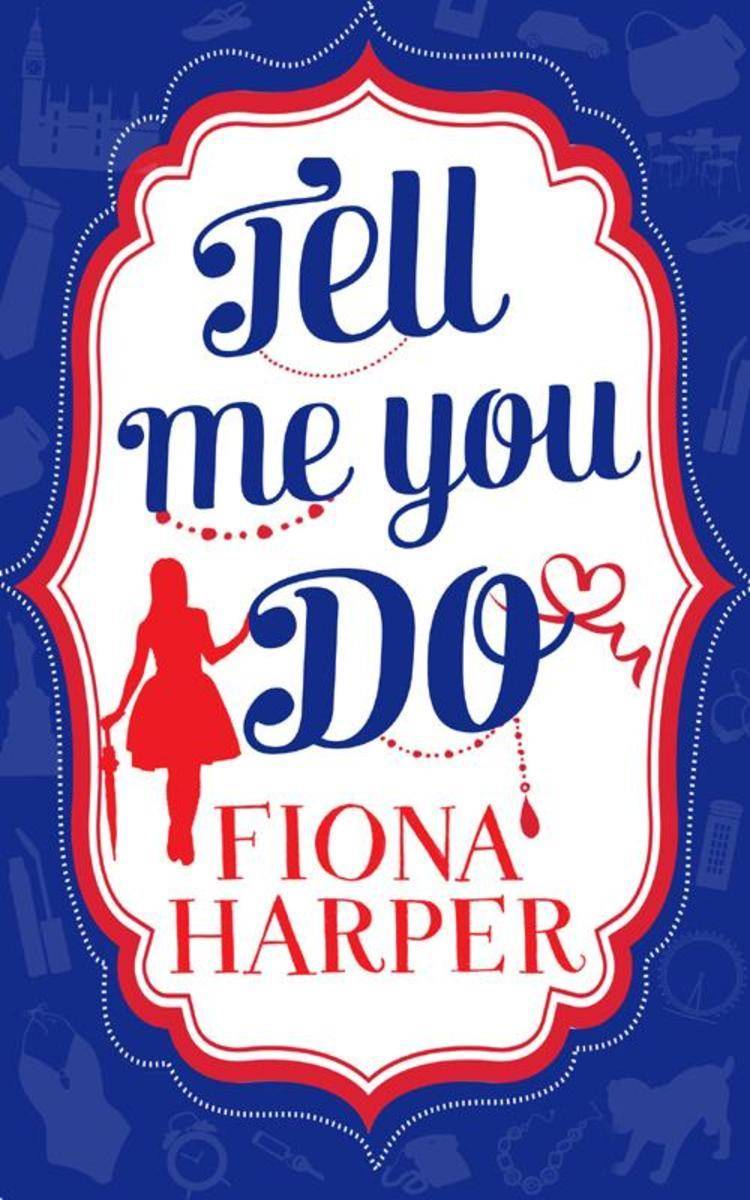
Tell Me You Do: The Guy to Be Seen With / The Rebound Guy
¥45.03
From London to New York… with Love. Chloe Michaels is determined not to fall for new colleague Daniel Bradford – especially as he doesn’t remember rejecting her years ago! But London’s most infamous bachelor has other plans – one date with Chloe every month to deflect the media attention on his love life…and maybe just win her heart for real! After a hard last few years, Daniel’s sister Kelly just wants a steady life – and that means no dating! So she absolutely, categorically should not be fantasising about her boss Jason Knight. But a business trip to the Big Apple-and a rebound fling- could be just what Kelly needs to make her feel alive again…
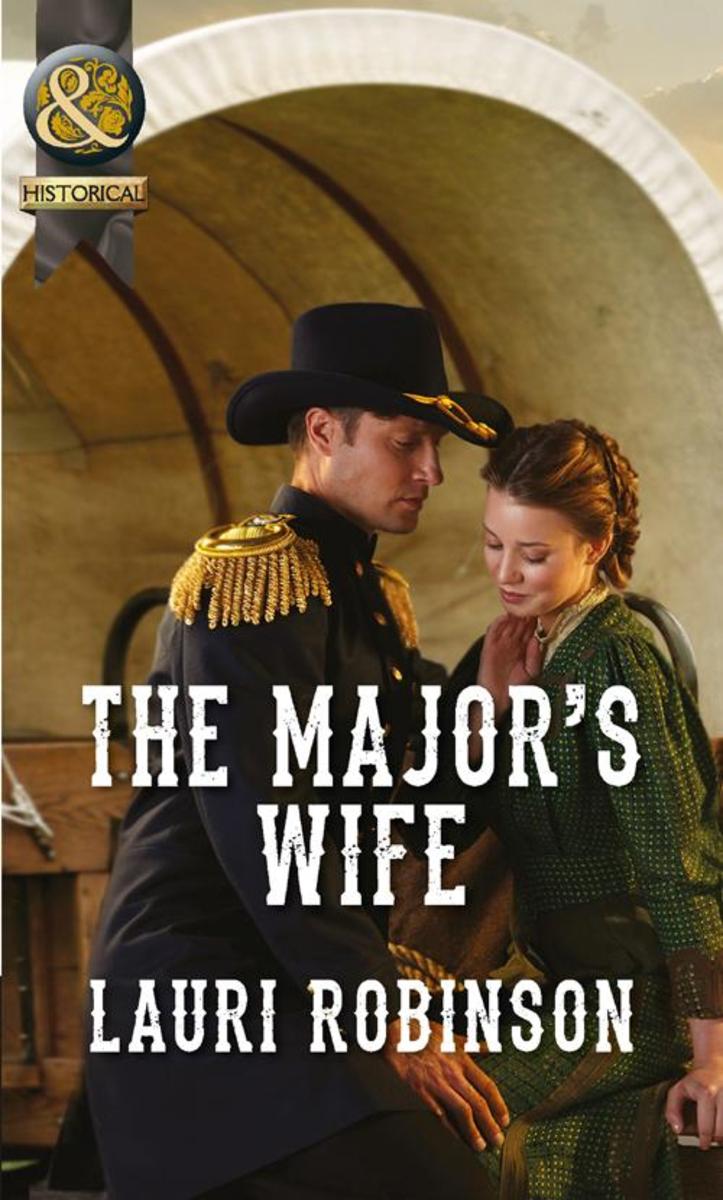
The Major's Wife (Mills & Boon Historical)
¥31.59
WILL THE TRUTH SET THEM FREE? Major Seth Parker knows his wife, and the woman standing before him isn't her. The manipulative vixen who tricked his hand in marriage could never possess such innocence–nor get his heart racing like this! Millie St. Clair has traveled halfway across the country to pull off one of the greatest deceptions ever. But with everything at stake it soon becomes clear that the hardest part might be walking away from the Major when it's all over…. "A delightful western…humor, realism and sweet emotion."–RT Book Reviews on Inheriting a Bride
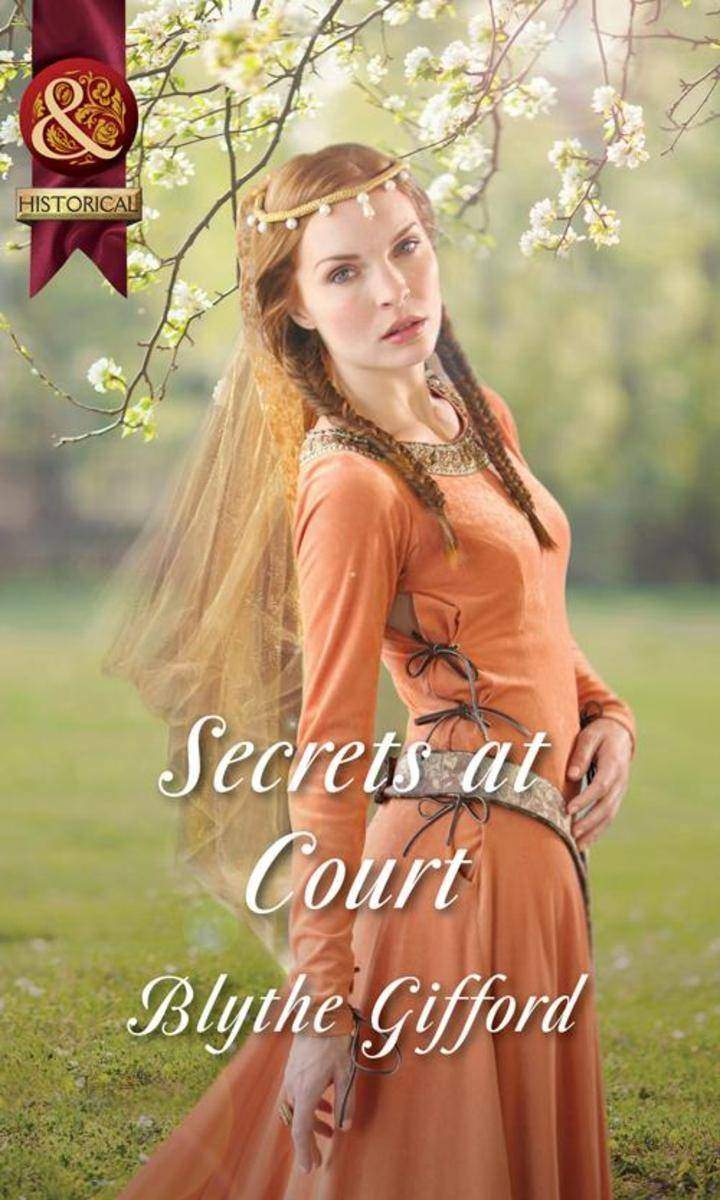
Secrets at Court (Mills & Boon Historical) (Royal Weddings, Book 1)
¥38.36
THE THRONE OF ENGLAND IS AT STAKE! Anne of Stamford has long been the keeper of her mistress's secrets, but when Lady Joan marries the King’s son court life becomes ever more perilous. Sir Nicholas Lovayne has arrived to uncover the truth about Lady Joan’s past, and Anne must do something—anything—to throw him off… Longing to escape the intrigues at court, Nicholas hasn’t counted on the way Anne distracts him—her refusal to accept pity for her club foot touches something deep inside him. Will he be able to follow his duty when every fibre of his being tells him to protect Anne?
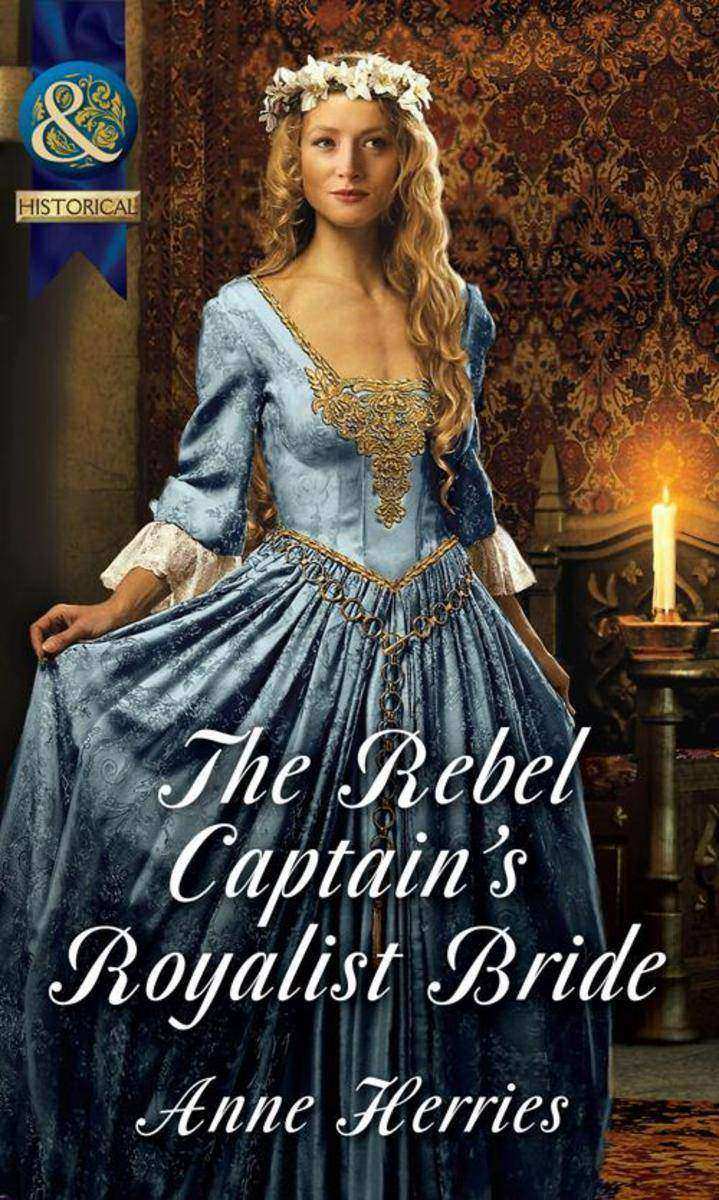
The Rebel Captain's Royalist Bride (Mills & Boon Historical)
¥38.36
LOVE THINE ENEMY… Orphaned and without protection, Babette Harvey must suffer in silence when her uncle gives shelter to a band of Rebels – though her Royalist blood boils! But other dangerous passions must also be quieted – including those aroused by the handsome and commanding Rebel leader Captain James Colby. When Babette’s talent for herbal medicine attracts suspicions of witchcraft she has nowhere to turn save to Colby – her honourable enemy. And with the Captain determined to claim her as his bride Babette must choose which to betray – her principles or her heart.
The Wedding Ring Quest (Mills & Boon Historical)
¥38.36
SEARCHING FOR A RING… FINDING A FAMILY! Penniless Mary Rennie knows she’s lucky to have a home with relatives in Edinburgh, but she does crave more excitement in her life. So when her cousin’s ring is lost in one of several fruitcakes heading around the country as gifts Mary seizes the chance for adventure. When widowed Captain Ross Rennie and his son meet Mary in a coaching inn they take her under their wing. After years of battling Napoleon, Ross finds his soul is war-weary, but Mary’s warmth and humour touch him deep inside. Soon he’s in the most heart-stopping situation of his life – considering a wedding ring quest of his own!
Scandal's Virgin (Mills & Boon Historical)
¥11.77
A LADY WITH A SECRET SORROW Reeling from heartbreak, Lady Laura Campion has transformed herself into the infamous Scandal’s Virgin of high society – flirtatious, alluring and utterly shocking – and yet she has always stopped short of absolute ruin. But now she has new hope. The daughter she thought lost is alive, and under the guardianship of the powerful Avery Falconer, Earl of Wykeham. Going into battle against Lord Wykeham might be her only option to win little Alice back, but she doesn’t expect the irresistible attraction that simmers between her and the formidable Earl. Laura finally has a chance at happiness – but can she persuade Avery to forgive her past?

An Ideal Companion (Mills & Boon Historical)
¥38.36
HER QUIET WORLD OVERTURNED When an unseasonable snowstorm brings an assortment of stranded travellers to Lady Beatrice Lindley’s door, companion Miss Ruth Harrington welcomes them in, flustered though she is by the towering presence of Colonel Hugo Prentiss. But the next morning Ruth’s quiet existence on the moor is shattered – Lady Beatrice is dead! Convinced there’s more to her employer’s demise than meets the eye, Ruth seeks the one man who can help her uncover the truth – the enigmatic Colonel. But, in a world where nothing is what it seems, can Ruth and Hugo come to put their trust in each other?
No Place For An Angel (Mills & Boon Historical) (The Gryphon)
¥38.36
‘I AM NOT AN ANGEL…ONLY A FALLEN WOMAN FORCED TO TURN TO THE STAGE’ In the eyes of society famous actress Catherine Jones is the virginal Angel of London. Her spotless reputation is essential if she’s ever to get her son back from his overbearing grandparents. But her secret desire for the dashing Lord Valbourg could threaten to destroy everything she’s worked so hard for… The moment he heard Catherine sing Valbourg was intoxicated. But he is guardian to his newly orphaned nephew, so a dalliance with an actress is out of the question. With so much at risk, can these two burdened hearts find happiness with each other…?
Rescued by the Viscount (Mills & Boon Historical) (Regency Brides of Convenienc
¥38.36
CHARLOTTE STEVENS HAS ONE SEASON TO FIND A HUSBAND Her father’s fortune squandered, it’s up to Charlotte to secure a match and save her family from ruin. But nobody could be more surprised than her when Captain Viscount Delsey – whose reputation for breaking hearts is only exceeded by his wealth – proposes marriage. Recognising Charlotte as the urchin he rescued late one night, Jack finds his interest piqued by this captivating adventuress. He makes an impulsive offer: he’ll clear her father’s debts if she’ll give him heirs! Regency Brides of Convenience: Deals made at the altar!

Soul Possessed (The Life After trilogy, Book 2)
¥42.48
Life after Life Now Maggie has been given the chance of her after-life to become a Guard, nothing will stand in her way. Not even the undeniable attraction she feels for her trainer and past love—Jackson. But when the battle between Shadowed and Guard begins again which side will she choose? When her boss, Felix, partners Jackson and Maggie up with Ally and Cooper to investigate terrifying Shadowed activity in a small New England town, she doesn’t think it could get any worse. Jackson and Cooper barely tolerate each other and this time, Maggie isn’t just proving her loyalty to the Guard during one mission...she has a side mission too. One so secret and so dangerous she can’t tell a soul... Praise for Katlyn Duncan ‘I loved every page of SOUL POSSESSED. ... I’m truly blown away by this series and can’t wait for book three to hit my Kindle. ONE of the best I’ve read this year!’ – Dark Novella 'The plot was original and I did not see some things coming. The writing was spectacular... There was the perfect amount of angst, tension, and passion all blended together.’ – Tween 2 Teen Books 'Soul Possessed takes this story to a whole new level. In this book, the stakes have been raised, extra layers have been added to a story that will keep you glued to its pages...’ – Realm of the Shappired Dragon The Life After series: 1. Soul Taken 2. Soul Possessed 3. Soul Betrayed - out 27 Feb 2014
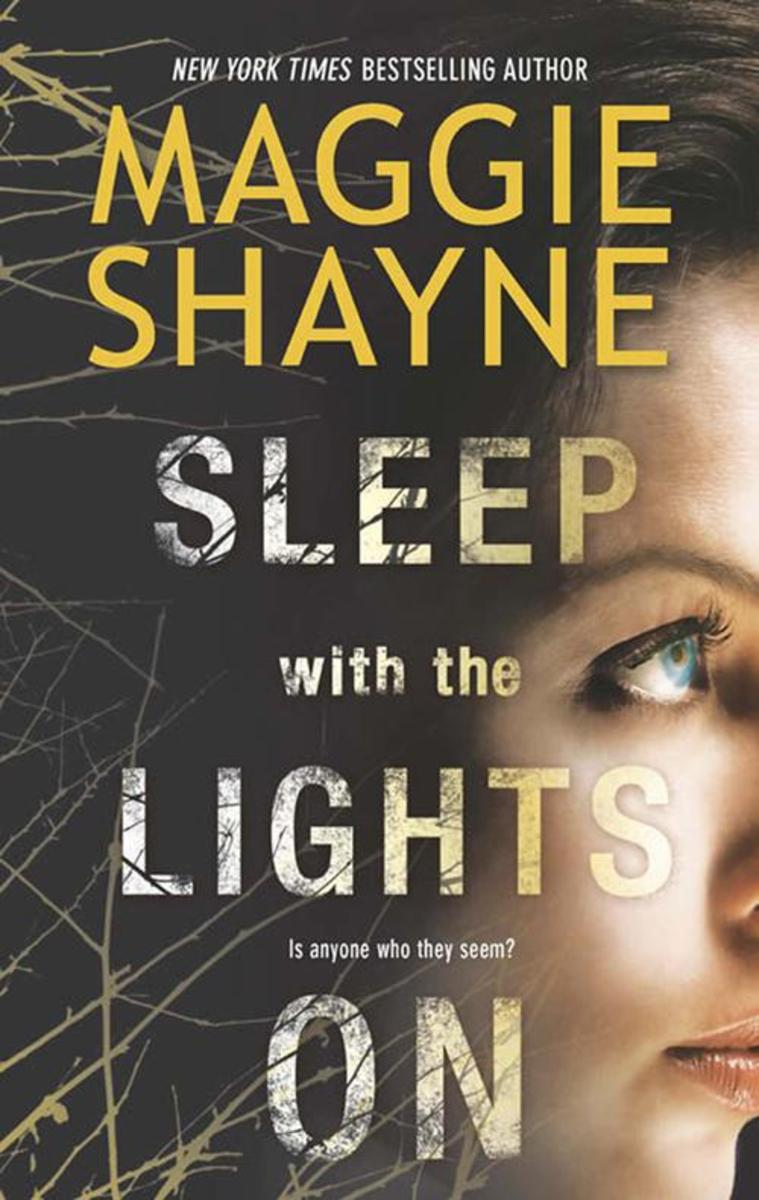
Sleep with the Lights On (A Brown and De Luca Novel, Book 1)
¥54.74
Through the eyes of a killer… Rachel de Luca has found incredible success writing self-help books. But her own blindness and the fact that her troubled brother has gone missing have convinced her that positive thinking is nothing but bull. Her cynicism wavers when a cornea transplant restores her sight. The new eyes seem to give her new life, until they prove too good to be true and she starts seeing terrifying visions of brutal murders—crimes she soon learns are all too real. Detective Mason Brown’s own brother recently died, leaving behind a horrific secret. In atonement, Mason donated his organs, though he’s kept the secret quiet. Now he wants to help Rachel find her brother, but when he discovers the shocking connection between her visions and his own brother, he suddenly has to do everything in his power to save her from a predator who is somehow still hunting from beyond the grave.

A Seaside Christmas (A Chesapeake Shores Novel, Book 10)
¥51.50
As the only child of a single mom, Jenny Collins wanted nothing more than to be part of a large, rambunctious family like the O'Briens. Ironically, though, when her mother married into that family, Jenny found herself feeling more like an outsider than ever. Now, after years in Nashville as an established songwriter, Jenny's drawn back to Chesapeake Shores to collaborate on a Christmas production… and to make peace with the past. As if that’s not challenging enough, Caleb Green, the singer who broke her heart, has followed her to town, determined to win her back. With the help of a little O'Brien holiday magic, will Jenny and Caleb find a way to make sweet music forever?
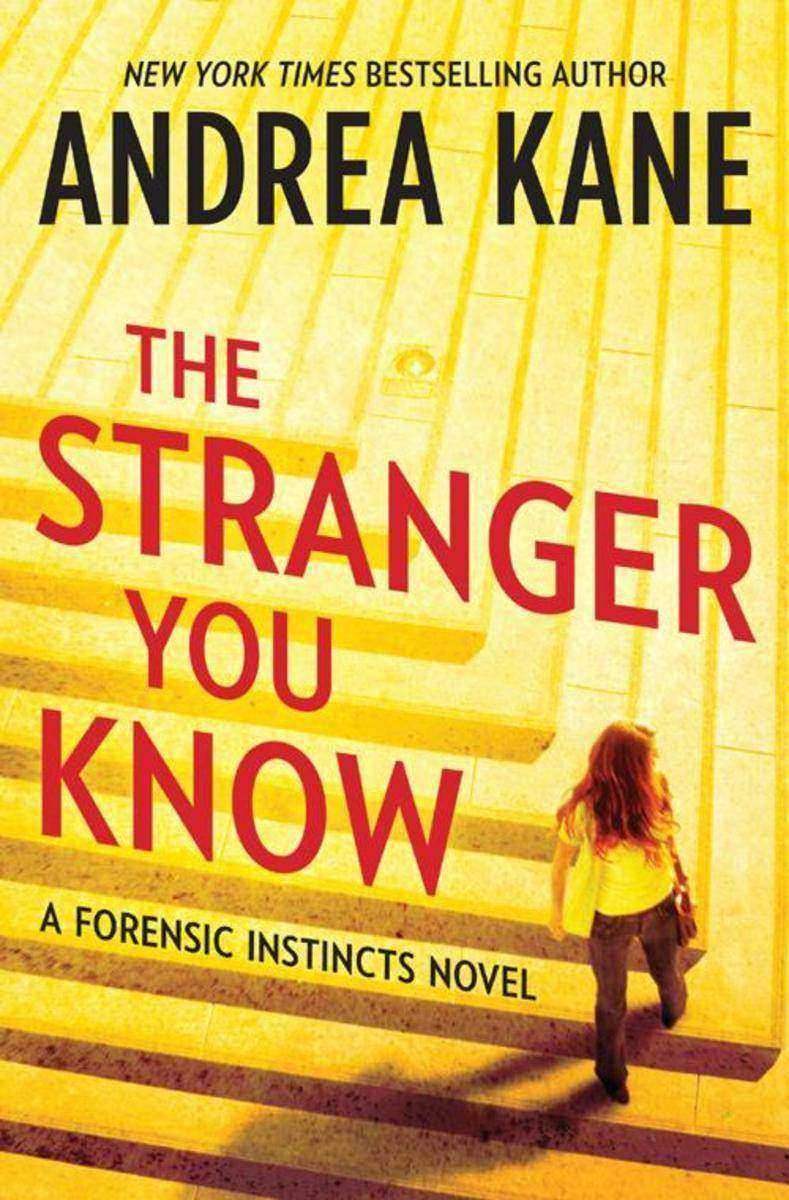
The Stranger You Know (Forensic Instincts, Book 3)
¥12.75
College-age girls with long red hair are being brutally murdered, posed like victims in a film noir. Each crime scene is eerily similar to the twisted fantasy of a serial offender now serving thirty years to life – a criminal brought to justice with the help of Casey Woods and her investigative team, Forensic Instincts. Call. Kill. Repeat. But the similarities are more than one psychopath’s desire to outdo another. As more red-haired victims are added to the body count, it becomes clear that each one has been chosen because of a unique connection to Casey… Now the Forensic Instincts team must uncover the identity of a serial killer before his ever-tightening circle of death closes in on Casey, the ultimate target. As the stalker methodically moves in on his prey, his actions make two things clear: He knows everything about Casey. And he won't stop until she’s dead.

Pregnancy Surprise: Parents in Training / Her Pregnancy Surprise / Expecting a M
¥38.65
Parents in Training Discovering she’s pregnant fills Annalise with joy, but her husband, Dominic, feels shell-shocked! He’s still reeling from an unhappy experience of parenthood from his past – a fact he’s kept secret from everyone, even Annalise.


