


 购物车
购物车 个人中心
个人中心
A Man Of Honor (Mills & Boon Vintage Superromance) (Count on a Cop, Book 28)
¥25.60
Heather Marshall is fearless But to Officer Dave McCoy, the social worker' s fearlessness spells trouble. And he can' t understand why she' s so afraid to trust her safety–and her heart–to a cop.

Baby By Chance (Mills & Boon Vintage Superromance) (White Knight Investigations
¥31.10
Susan Carter needs to find a man. Not just any man, but the stranger who fathered her unborn child. In desperation, she turns to David Knight, one of the detectives working for White Knight Investigations. She's sure she'll look bad to David–she doesn't even know the last name of the man she's searching for–but she has no choice. It's the only way to find out about her child's father. David Knight doesn't expect to like every client he has. What surprises him is how much he likes Susan, especially since he knows she's keeping things from him. If she wasn't, wouldn't she tell him about the man who gave her the ring she wears on her left hand?

Born Under The Lone Star (Mills & Boon Vintage Superromance) (The Baby Diaries,
¥23.35
I promise you, my little one, I'll do everything I can to see that your life is safe and happy. Even if that means giving you up… Markie McBride has kept a secret locked in her heart–and in her long-lost diary–for eighteen years. And when she finds herself back in Five Points, Texas, face-to-face with Justin Kilgore, she finally tells him what she couldn't all those years ago. They have a son. Brandon is coming to Five Points to work as an intern on a political campaign against Justin's congressman father. When the inquisitive teenager stumbles upon evidence of his grandfather's corruption, the boy unwittingly puts himself in danger. Markie swore to always keep her son safe–but keeping this vow may mean once again losing the man she loves.
Kiss Of The Blue Dragon (Mills & Boon Silhouette)
¥31.10
Angel Baker isn't your ordinary twenty-second-century gal. Just ask mom. Instead of joining the family fortune-telling business, Angel's busy saving the world. And dating? Why bother when she's got Humphrey Bogart, her sweettalking robot. Welcome to Chicago circa 2100. The legal system is in shambles, robots are a woman's best friend, and kung fu fighting Retribution Specialists like Angel bring justice to criminals who've slipped through the cracks. So when dear old Mom is kidnapped, it's up to Angel to save her. But when her search leads her into a bizarre underworld where human life is measured in dollars, she'll be put to the ultimate test–forced to use her hidden psychic powers and rely on the help of a stubborn detective who has her reconsidering falling for a living, breathing man.

Knockout (Mills & Boon Silhouette)
¥31.10
Don't let the knockout looks fool you. Jackie "Jack" Rooney packs a punch, and it's made her the top boxing trainer in Vegas. But when an old friend shows up on her doorstep, daughter in tow, Jack gets thrown into the fight of her life. Suddenly Jack becomes guardian to Destiny, the little girl who witnessed a mob hit. The same mobsters who framed Jack's father years ago. Together with her hunky cop beau,Jack is determined to protect Destiny, bring the criminals to justice and clear her father's name. Seems like a lot for one girl to handle? Well, you don't know Jack….
Far in the Wilds
¥15.50
New York Times bestselling author Deanna Raybourn takes readers into Africa during the height of British colonialism, to meet a man as wild as the land he loves in this prequel novella…. Kenya, 1918 Ryder White is Canadian by birth but African by choice. He is more at home in the wilds of the savannah, shooting and sleeping his way across the continent, than amongst the hedonistic colonists of Kenyan society. In a landscape where one false move can cost a man his life, Ryder's skill as a guide is unparalleled, but only the rich or royal can afford his services. When a European prince hires Ryder to help him hunt an elusive leopard Ryder thinks it's just another well-paying job with yet another spoiled voyeur. But this perilous journey is full of dangers that may change Ryder forever…. Ryder returns in A Spear of Summer Grass by Deanna Raybourn, where he encounters a woman from a very different world, to explore beauty and darkness and what is truly worth fighting for.
Halfway There (Mills & Boon Short Stories) (A Fool's Gold Novella)
¥15.99
Readers have fallen in love with the town and people of Fool's Gold in Susan Mallery's New York Times bestselling series. Meet her latest couple in this special Fool's Gold novella! Fayrene Hopkins may be only twenty-four years old, but she runs her own business and has big plans—plans that don't involve falling in love yet. She's determined to make her mark on the world before settling down. She thinks she's got life all figured out—until she meets Ryan Patterson on her latest job. Fayrene senses his interest in her, and she has to admit he gets her pulse racing. Luckily, starting a relationship with Ryan is safe—he's leaving Fool's Gold when his work contract is up. Ryan has goals of his own and a job waiting for him in Texas. He doesn't expect to get waylaid by a sassy blonde and cozy town. But what started out as temporary is starting to look like the real thing. If only he can convince Fayrene that some plans are made to be broken.
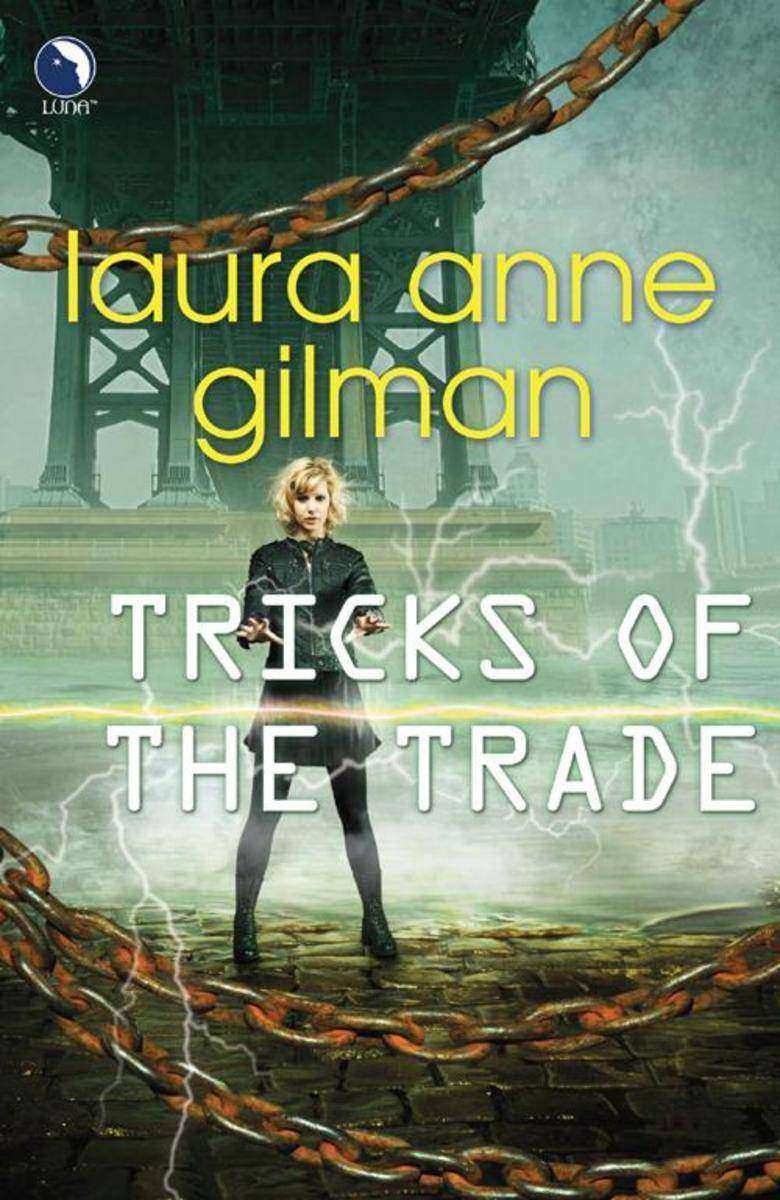
Tricks of the Trade (Luna) (Paranormal Scene Investigations, Book 3)
¥54.74
When magic goes wrong, who are you going to call? The name's Torres, Bonnie Torres, and I'm a paranormal scene investigatorrooting out the truth about crimes of magic. It's dangerous and boring and scary and fascinating. Though not everyone in the Cosa Nostradamus is happy we're around, which can make thingstricky. Working two caseslooking into a murder for the NYPD, and a rich man's break-inshould be well within our abilities. But when things start getting weird in the Electric Apple, Private Unaffiliated Paranormal Investigations is stretched to the limits, trying to keep one step ahead and out of trouble. Add in rumors of a powerful creature gunning for us and it's not just our rep on the line this timeif we don't solve this case, everyone will suffer. Fortunately, around here, when the going gets weird, the weird hire us. "
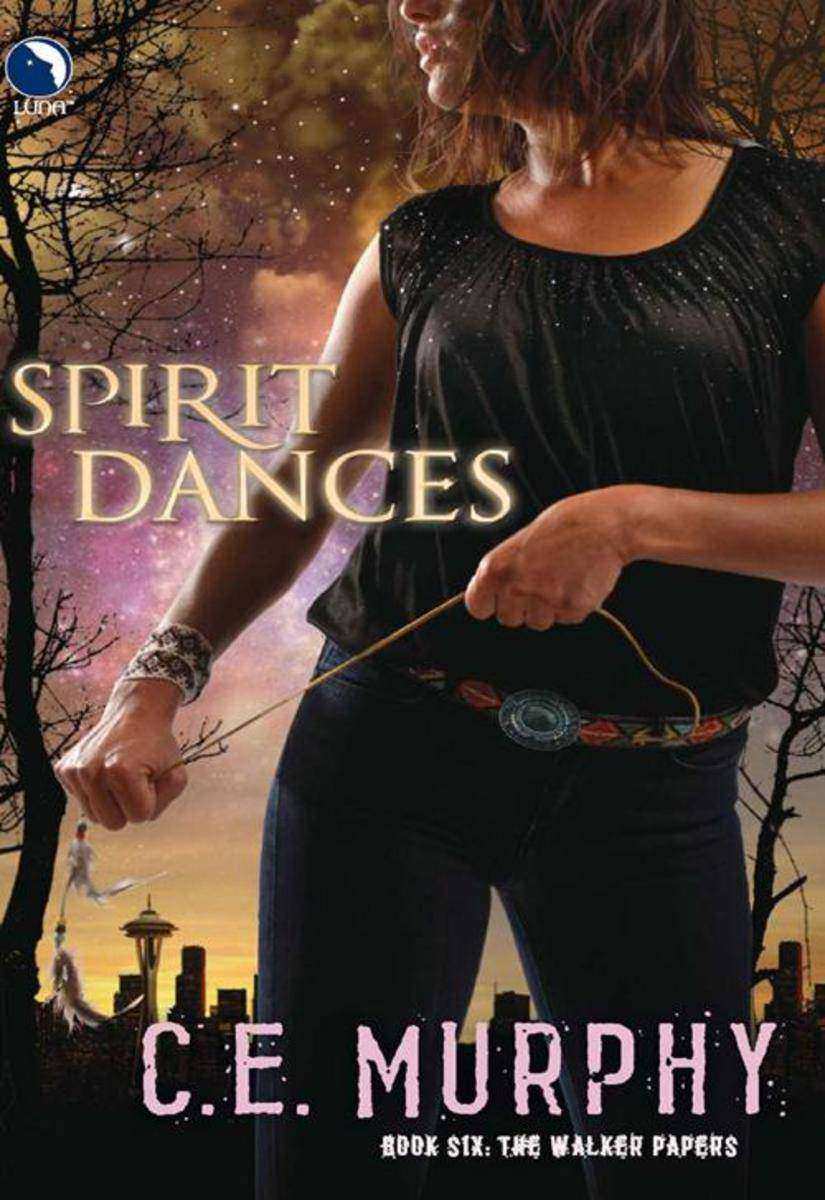
Spirit Dances (Luna) (The Walker Papers, Book 7)
¥54.74
For Seattle detective Joanne Walker, spring is about new beginnings: She’s mastered her shamanic abilities (mostly); survived a cannibalistic serial killer (barely); and now she’s facing the biggest challenge of her career–attending a dance concert with her sexy boss, Captain Michael Morrison. But when the performance–billed as transformative–actually changes her into a coyote, she and Morrison have bigger things to deal with…. And there's more. Homeless people are disappearing, a mystical murder puts Joanne way out of her jurisdiction and with the full moon coming on, it's looking like the killer is a creature that can't possibly exist. But Jo could probably handle all of that, if one ordinary homicide hadn't pushed her to the very edge…. Cop or shaman? The choice isn't easy. But it's one she just might have to make….
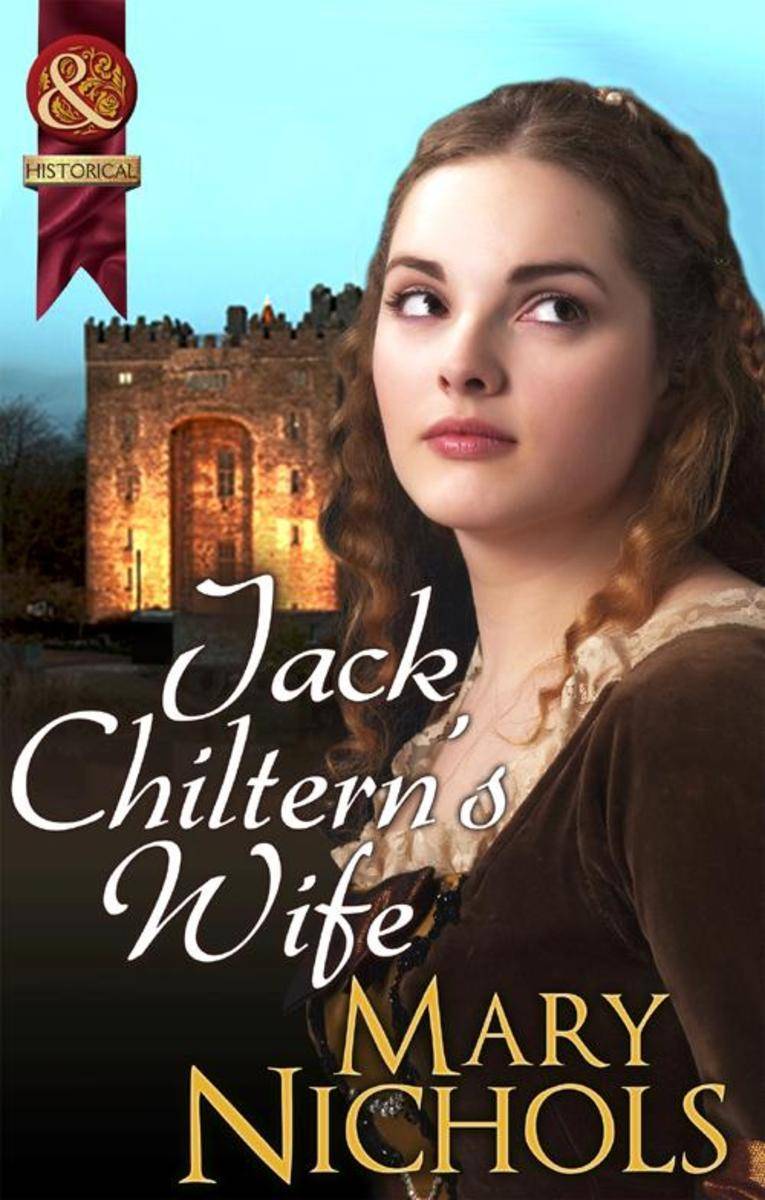
Jack Chiltern's Wife (Mills & Boon Historical)
¥25.60
Escaping a marriage she doesn’t want, Kitty Harston runs away to find her brother in France, quite regardless of the unrest there. Jack, Viscount Chiltern, is always around, and when she seems him on the boat crossing the Channel, she is convinced he intends to return her to England. It really is coincidence, but he can’t leave her to fend for herself. They pretend to be husband and wife, though he knows that travelling together means, to avoid scandal, they must marry … for real.

Sea Glass Island (An Ocean Breeze Novel, Book 3)
¥51.50
Under summer skies, New York Times bestselling author Sherryl Woods evokes family, friendship and heartfelt emotion With her two younger sisters heading for the altar, will Samantha Castle exchange old dreams for new ones? Lately she’d rather be on the North Carolina coast with family than in New York with agents and actors. Though she vows not to let her teenage crush on Ethan Cole influence her decision, it's hard to ignore her feelings for the local war hero. Ethan lost more than his leg in Afghanistan. He lost his belief in love. Even being surrounded by couples intent on capturing happily-ever-after won’t open this jaded doctor’s heart. It's going to take a sexy, determined woman—one who won't take no for an answer. “Woods always thrills with her wonderful characters, witty dialogue and warm and loving family interactions.”—RT BookReviews on An O’Brien Family Christmas
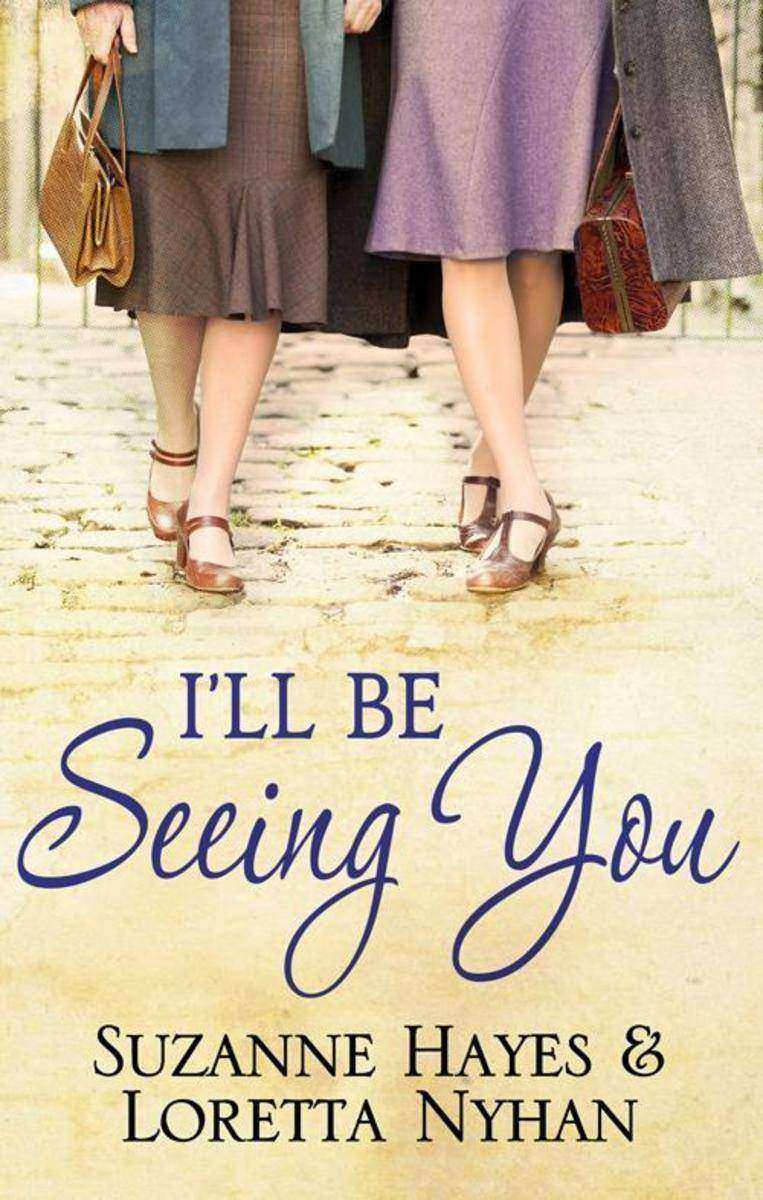
I'll Be Seeing You
¥58.86
‘I hope this letter gets to you quickly. We are always waiting, aren’t we? Perhaps the greatest gift this war has given us is the anticipation…’ It's January 1943 when Rita Vincenzo receives her first letter from Glory Whitehall. Glory is an effervescent young mother, impulsive and free as a bird. Rita is a sensible professor's wife with a love of gardening and a generous old soul. Glory comes from New England society; Rita spends her life trying to make ends meet. They have nothing in common except one powerful bond: the men they love are fighting in a war a world away from home. And they have only each other for support, hope and courage. Praise for I’ll Be Seeing You ‘Vivid and well-crafted, I’ll Be Seeing You poignantly illustrates the hopes and struggles of life on the home front. Readers will laugh, cry and be inspired by this timeless story of friendship and courage’-Pam Jenoff, bestselling author of Kommandant’s Girl ’A delight! I’ll Be Seeing You made me want to get out a pen and paper and write a friend a good old-fashioned letter’ - Sarah Jio, author of The Violets of March ’Original and heartfelt… Set in Word War II, yet somehow timeless, this novel is as beautifully written as it is captivating. An absolutely terrific debut. - Sarah Pekkanen, author of The Opposite of Me

The Sassy Belles (A Sassy Belles Novel, Book 1)
¥45.03
Meet the Sassy Belles. They're strong as a mint julep, sweet as peach cobbler, and no matter what, they stick together. There are only two seasons in Tuscaloosafootball and waiting-for-football. When Lewis Heart, football announcer and voice of the Crimson Tide, vanishes after an impromptu romp with Vivi Anne McFadden at the Fountain Mist Motel, Vivi does what any Southern woman would do: calls her best friend, Blake O'Hara Heart, attorney-at-law. With the town gossip swirling around them, Vivi and Blake are determined to find out what happened to Lewis and clear Vivi's reputation. Because after all, men may come and go, but the Sassy Belles are forever. Not since Steel Magnolias have we fallen in love with such sexy, strong and hilarious Southern women. So grab your best girlfriends and join these Belles on the first of many joyrides through the Deep South. Sexy Southern funwith a hint of magnolia!"
The Colton Heir (Mills & Boon Romantic Suspense) (The Coltons of Wyoming, Book
¥25.21
Wrangler Dylan Frick thought he knew his past—until a suspicion surfaces that he’s the secret Colton heir who vanished from Dead River Ranch as a baby. Now his identity’s in question, and his mother’s murder is still unsolved. And he’s thrown off course by the ranch’s mysterious new maid, Hope Woods. The gun-wielding knockout has fear in her eyes and seems desperate to escape her own private danger. Defending Hope—and keeping her deadly secret—leaves them both open to unexpected passion. But will protecting her mean walking out of her life for good?

Better Than Chocolate (Life in Icicle Falls, Book 1)
¥9.71
The best treat of all… Sweet Dreams Chocolate Company has been in the Sterling family for generations. But now it looks as if they’re about to lose their beloved shop to the bank. How can the town of Icicle Falls possibly cope without ? the famous Sterling treats? It won’t be easy for Samantha Sterling to save her company, though… Its fate is in the hands of her arch-enemy, Blake Preston, the bank manager with devastating good looks. Which is enough to make her want to eat the entire shop’s contents in one sitting. Yet maybe Blake’s about to convince her that (believe it or not) there’s something even better than chocolate. Welcome to Icicle Falls, the town that will warm your heart. 'Sheila Roberts makes me laugh. I read her books & come away hopeful and happy.' - bestselling romance author Debbie Macomber
On a Snowy Night: The Christmas Basket / The Snow Bride
¥58.86
THE CHRISTMAS BASKET More than ten years ago, high-school sweethearts Noelle McDowell and Thomas Sutton planned to elope—but then he jilted her. This Christmas, Noelle is home to celebrate the holidays, and she and Thom discover they are still in love. Now only the decades-old rivalry between their mothers stands in the way of a second chance together. THE SNOW BRIDE It's a month before Christmas and Jenna Campbell is flying to Alaska to marry a man she met on the Internet—until her seatmate takes it upon himself to change her plans. Which is how Jenna ends up stranded in tiny Snowbound, Alaska, alone with Reid Jamison (plus a bunch of eccentric old men and a few grizzly bears). And then there's a blizzard… Maybe she'll be a Christmas bride after all!
The Father of Her Son (Mills & Boon Superromance)
¥31.10
News anchor Evan McKenna knows a good thing when he sees it. And Kelly Sullivan and her son Matt definitely fall into that category. If Evan had his way, he’d be part of their little family. Only Kelly is proving resistant to his charms. He knows an attraction this strong is more than one-sided so something else is keeping them apart. Despite his best efforts, he can’t convince her to tell him. Then Kelly’s past becomes a major news story which puts Matt’s safety in jeopardy. Evan is willing to do anything to protect them. For the first time, his career takes a back seat to something more important—family and a future with Kelly. Now he has to prove it to her.

Once a Champion (Mills & Boon Superromance) (The Montana Way, Book 1)
¥31.10
Liv Bailey never forgot her high school crush. Champion roper Matt Montoya always did have that irresistible daredevil swagger. But Liv isn't Matt's shy tutor anymore. She's a grown woman and a physiotherapist with a painful past. Matt isn't the only tough one now, and when their tempers clash over a horse they both claim ownership to, sparks fly in more ways than one. Liv's willing to let Matt bring some passion into her life, but when he opens his heart to her, she's scared of being hurt again. Liv knows there's more there than just desire—if she can only trust the cowboy who loves her.

A Texas Family (Mills & Boon Superromance) (Willow Creek, Texas, Book 2)
¥31.10
Nine years ago, Jena Brooks fled Willow Creek, Texas, as a frightened teenager. Now she’s finally found the courage to come home, and this time she’s not leaving without her baby. Memories of Asa Corbett stealing her new-born child still haunt Jena to this day. Unfortunately, her best chance at finding her baby is Asa’s eldest son, local Constable, Carson Corbett. Trusting a Corbett again isn’t easy but they’ll need to rely on each other completely to face their pasts and discover the truth. Together, Jena and Carson have a chance to heal old wounds and unite their families for good… if the truth doesn’t first tear them apart.

Into the Dark
¥54.74
The sole survivor of a heartbreaking family tragedy… Claire Bowen, a haunted psychologist, devotes her life to helping troubled women rebuild theirs. But her dream of a family with her new husband, Robert, a pilot and local hero, begins to crumble as disturbing revelations from his past emerge. And a grieving cop who lures a killer from the shadows… Detective Joe Tanner, struggling to overcome his wife's death while raising their little girl alone, heads the task force formed to stop the monster who has resurfaced with a chilling message. Race the clock in a life-and-death struggle to save the next victim… In the wake of five cold-case murders across Los Angeles, one of Claire's most promising patients vanishes. Gut instinct tells Tanner the truth is within his grasp, while Claire is torn between guilt and terror over what’s to come. As time runs out, both are pulled deeper and deeper into an unspeakable darkness. "Rick Mofina's tense, taut writing makes every thriller he writes an adrenaline-packed ride." —Tess Gerritsen, New York Times bestselling author

Mr (Not Quite) Perfect (Mills & Boon Modern Tempted)
¥26.78
What do women really want? Journalist Allegra Fielding has a problem. She’s pitched a story to her boss – how to transform a not-so-perfect man into Prince Charming – and now she has to deliver! But where is she going to find a man willing to take part in a makeover? Time to blackmail her flatmate, Max… But Allegra’s cunning plan backfires spectacularly when Max refuses to be ‘perfected’! He’s a guy who knows what he likes, and he’s going to enjoy proving to Allegra that there’s nothing hotter than a man who’s a little rough around the edges…


