


 购物车
购物车 个人中心
个人中心

Heart And Soul (Mills & Boon Vintage Superromance)
¥25.60
Harlequin Superromance is proud to publish Heart and Soul by Eva Rutland, a remarkable writer and storyteller. A remarkable woman… Despite their differences, Jill Ferrell has something in common with her new boss, Scott Randall: everything they do, they throw themselves into, heart and soul. The same is true for Jill's friend Kris Gilroy and the man in her life, Tom Harris. These are people who live their lives with joy and with wholehearted commitment. They believe that obstacles can be overcome–and that, in some way, big or small, everyone can change the world.
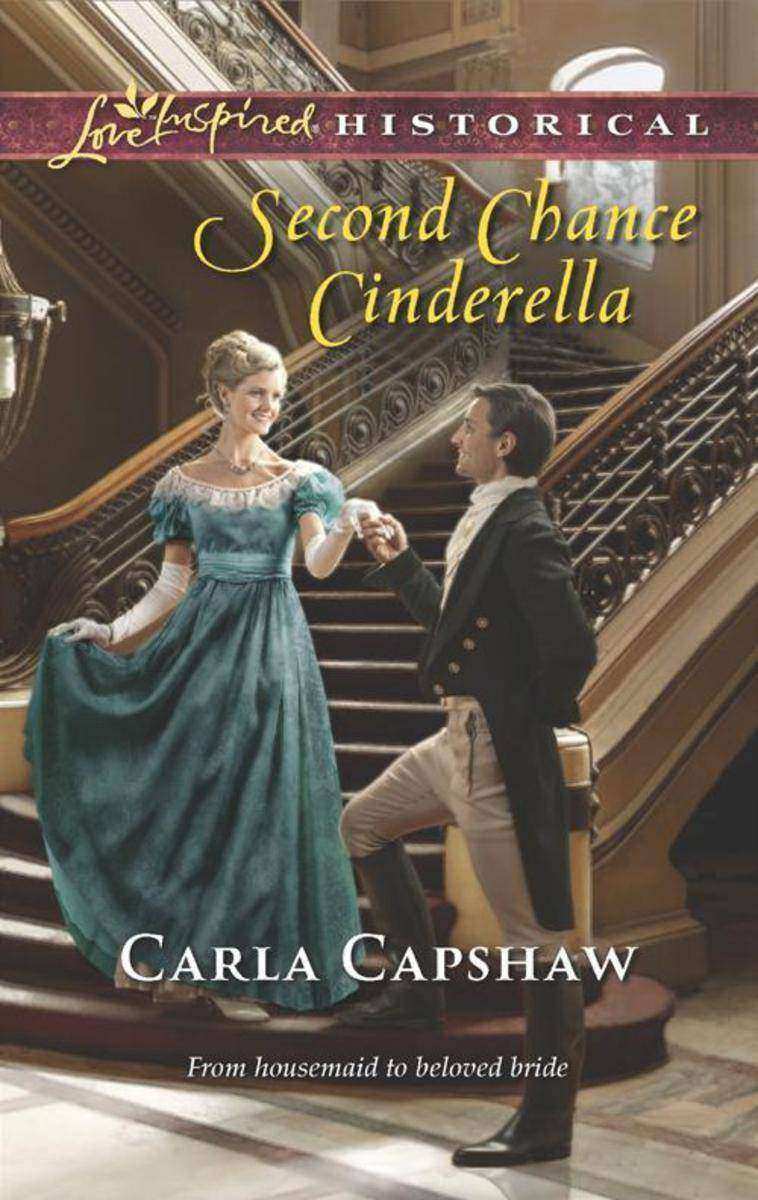
Second Chance Cinderella (Mills & Boon Love Inspired Historical)
¥31.10
"I'll Wait for You Forever." Heartbroken when her childhood love never returned, Rose Smith soon learned she had even greater worries–she carried his child. Ten years later as a housemaid in London, she encounters Samuel Blackstone. The kind youth she adored has turned bitter with success. Feeling out of place in Sam's high-society world, Rose fears what he may do when he learns of their son…. A wealthy stockbroker, Sam is used to getting what he wants. And when he learns that Rose bore him a son, he wants to claim his family. But he'll have to convince Rose to trust him again if he's to have any hope of meeting the boy…or recapturing her heart.
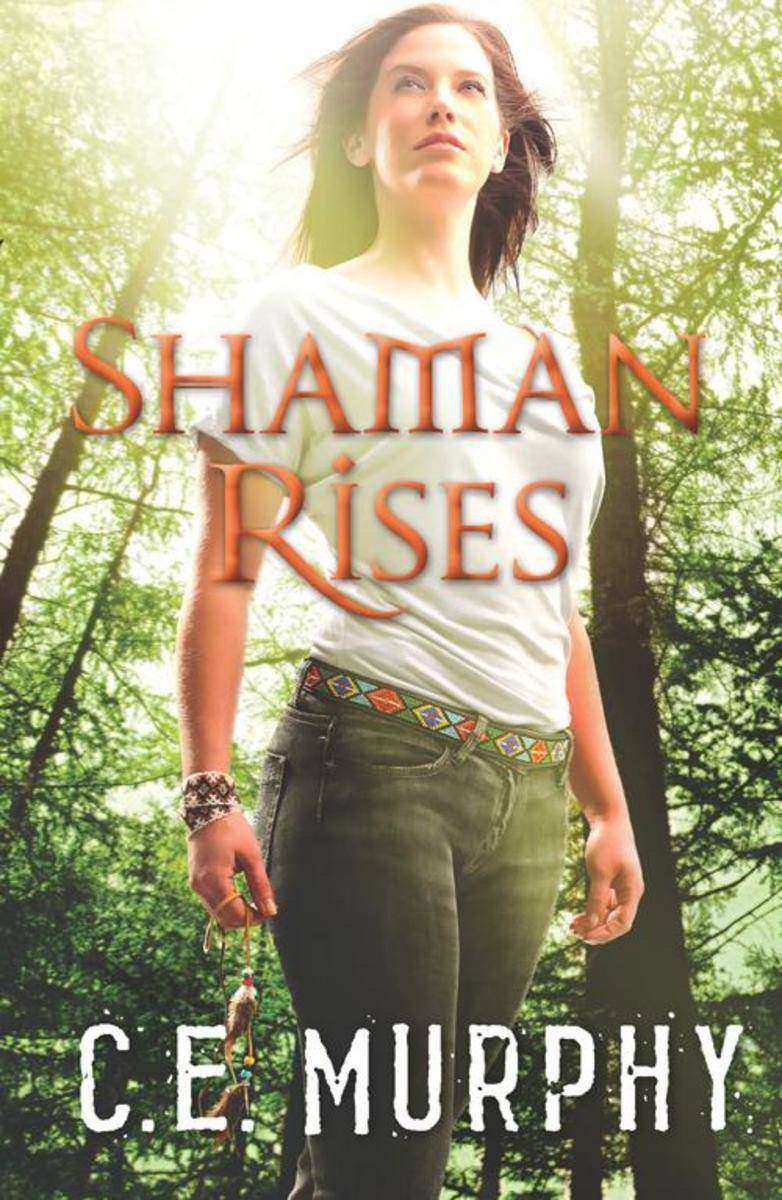
Shaman Rises (The Walker Papers, Book 10)
¥45.03
Joanne Walker has two choices: Defeat the enemy…or lose her soul trying For over a year, Joanne has been fighting the Master–the world's most abiding evil entity. She's sacrificed family, friendships, even watched potential futures fade away…and now the Master is bringing the final battle to Joanne's beloved Seattle. Lives will be lost as the repercussions of all Joanne's final transformation into her full Shamanic abilities come to her doorstep. Before the end, she'll mourn, rejoice–and surrender everything for the hope of the world's survival. She'll be a warrior and a healer. Because she is finally a Shaman Rising. "The twists and turns will have readers shaking their heads while devouring the next page." –USA TODAY on Raven Calls
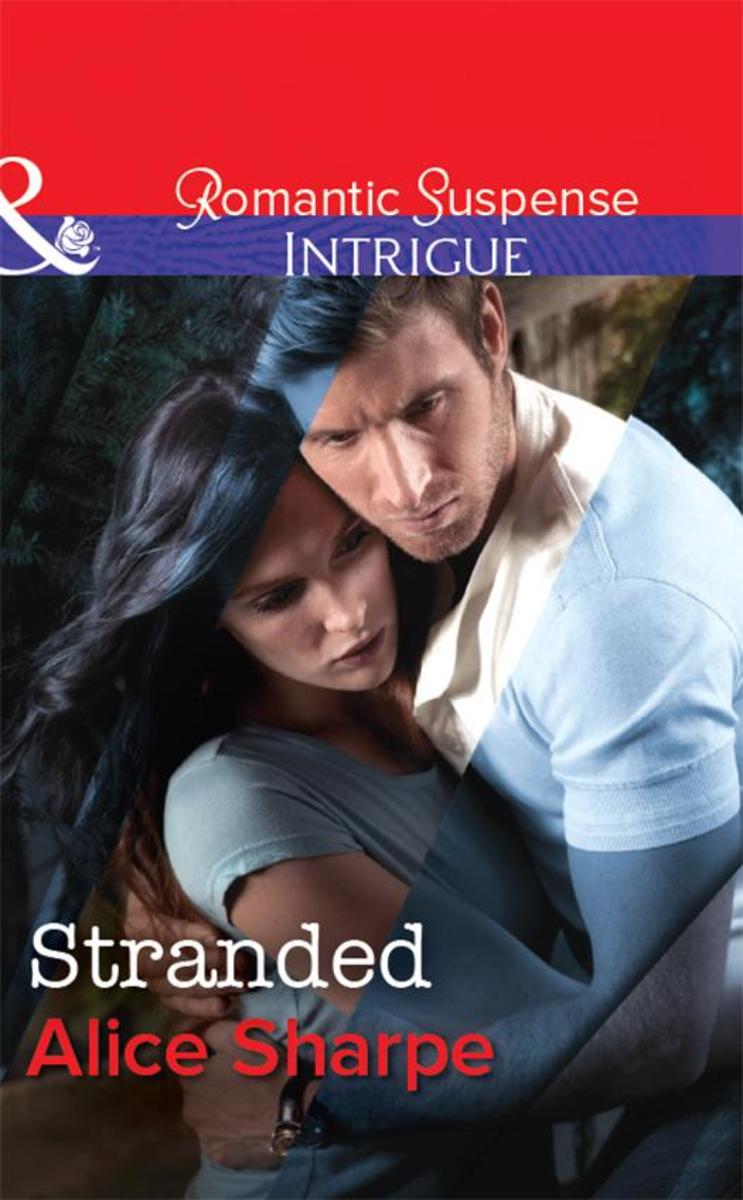
Stranded (Mills & Boon Intrigue) (The Rescuers, Book 2)
¥23.25
AFTER MONTHS STRANDED IN THE MOUNTAINS, A DETECTIVE RETURNS HOME TO A TARGET ON HIS BACK–AND HIS PREGNANT WIFE CAUGHT IN THE CROSSHAIRS… When Detective Alex Foster's plane goes down in the remote Bitterroot Mountains, everyone thinks he is dead. Including his wife, Jessica. But against all odds, he survives, returning months later to the joyous news that Jessica is pregnant. Yet their reunion reminds them both of their imperfections. Then Alex discovers his plane crash was no accident. Someone wanted him dead and is now targeting Jessica to get to him. She wants honesty; he wants to keep the frightening details to himself. Protecting Jessica and his unborn child is Alex's first priority–even if it means giving up his second chance at life to save theirs….
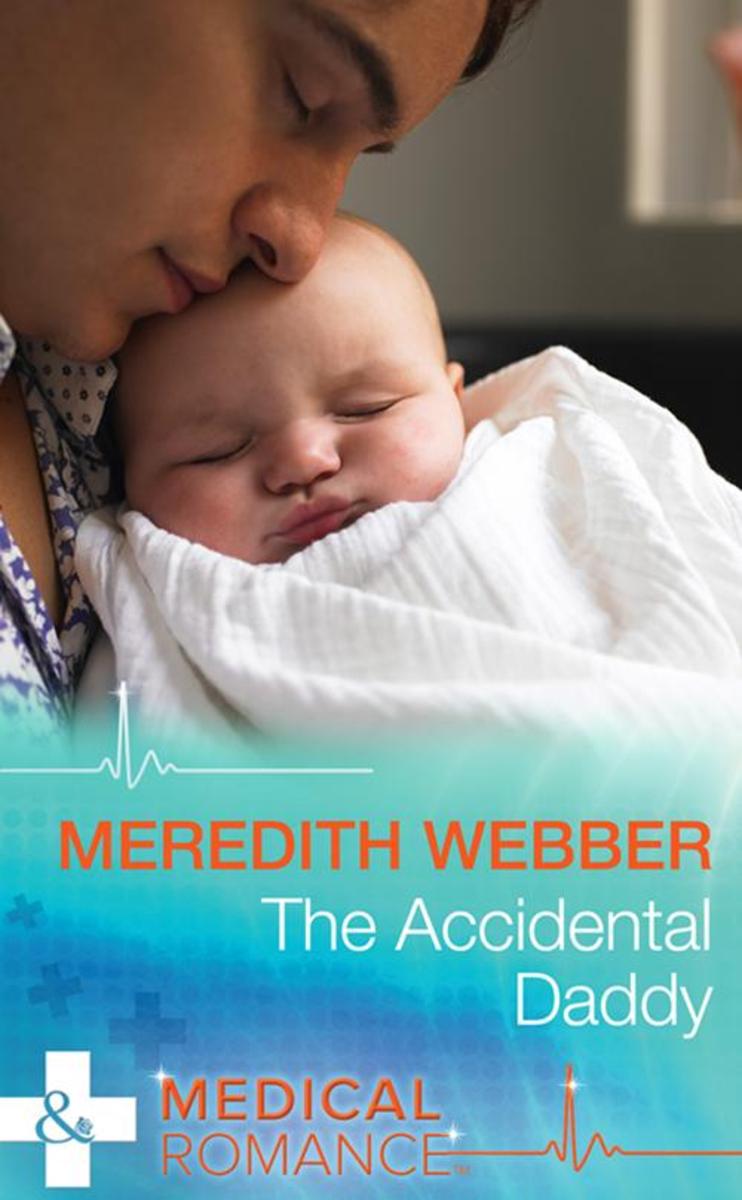
The Accidental Daddy (Mills & Boon Medical)
¥26.78
‘You’re having my baby!’ When Dr Max Winthrop is told he’s going to be a father, he never thinks he’ll have to share this news with the mother! But after a mix-up at the IVF clinic it’s up to Max to tell unsuspecting paediatrician Joey McMillan that she’s carrying his child! Max hadn’t expected to be a daddy right now – especially by accident – but getting to know beautiful Joey opens his eyes to the possibilities of being more than just a parent…maybe even a husband!
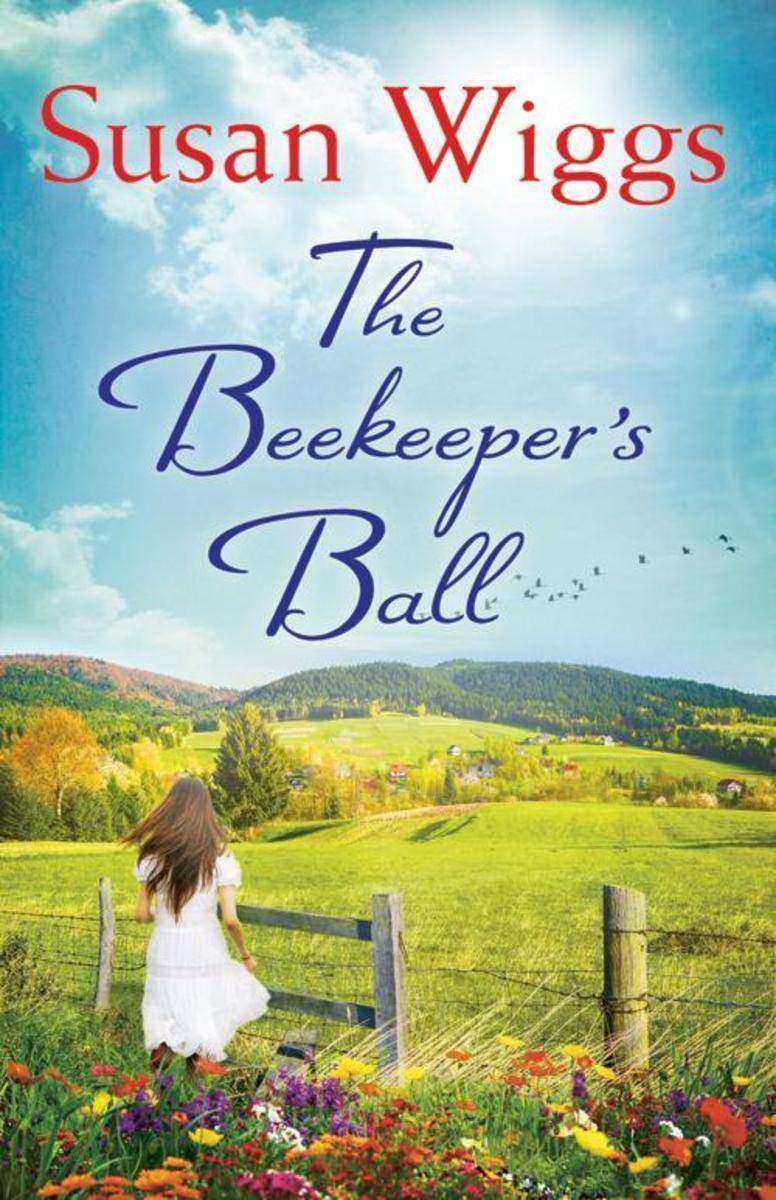
The Beekeeper's Ball (A Bella Vista novel, Book 2)
¥54.05
#1 New York Times bestselling author Susan Wiggs returns to sun-drenched Bella Vista, where the land's bounty yields a rich harvest…and family secrets that have long been buried. Isabel Johansen, a celebrated chef who grew up in the sleepy Sonoma town of Archangel, is transforming her childhood home into a destination cooking school - a unique place for other dreamers to come and learn the culinary arts. Bella Vista's rambling mission-style hacienda, with its working apple orchards, bountiful gardens and beehives, is the idyllic venue for Isabel's project…and the perfect place for her to forget the past. But Isabel's carefully ordered plans begin to go awry when swaggering, war-torn journalist Cormac O'Neill arrives to dig up old history. He's always been better at exposing the lives of others than showing his own closely guarded heart, but the pleasures of small-town life and the searing sensuality of Isabel's kitchen coax him into revealing a few truths of his own. The dreamy sweetness of summer is the perfect time of year for a grand family wedding and the enchanting Beekeeper's Ball, bringing emotions to a head in a story where the past and present collide to create an unexpected new future. From 'one of the best observers of stories of the heart' (Salem Statesman-Journal), The Beekeeper's Ball is an exquisite and richly imagined novel of the secrets that keep us from finding our way, the ties binding us to family and home, and the indelible imprint love can make on the human heart. Book two in the Bella Vista series For fans of Santa Montefiore, Patricia Scanlan and Cathy Kelly.

The Maverick Millionaire (Mills & Boon Cherish) (The Logan Twins, Book 2)
¥31.10
The man she has been waiting for… Jake Logan may be ex-military, but recently he'd been more at home among the glitterati of Hollywood's finest. So different from where he is right now: seeking shelter from a powerful storm with the most beautiful woman he's ever met. She's a breath of fresh air! Ellie Sutton doesn't trust easily; she's discovered that the hard way. With nowhere to run, for some reason she feels safe with the handsome enigmatic stranger. But as rescue draws closer, they realize they don't want their time together to end…. The Logan Twins: One storm–two happy endings!
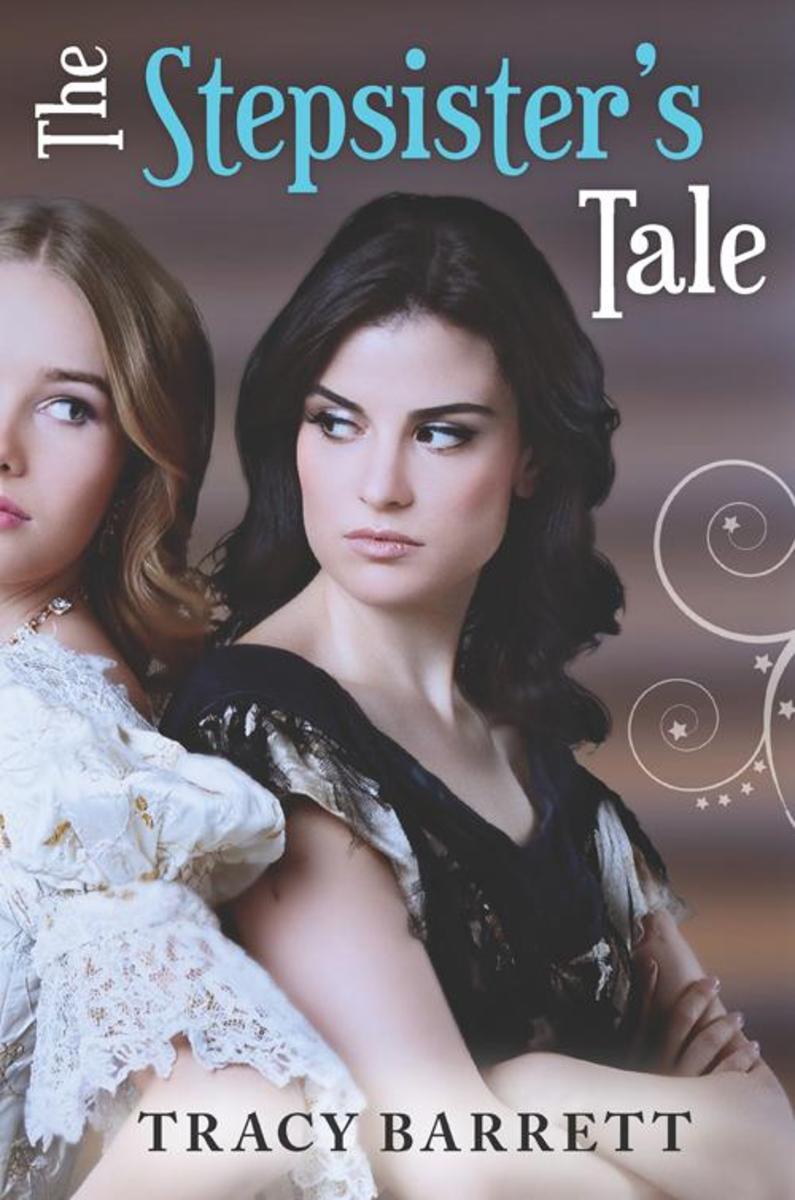
The Stepsister's Tale
¥54.74
What really happened after the clock struck midnight? Jane Montjoy is tired of being a lady. She's tired of pretending to live up to the standards of her mother's noble family—especially now that the family's wealth is gone and their stately mansion has fallen to ruin. It's hard enough that she must tend to the animals and find a way to feed her mother and her little sister each day. Jane's burden only gets worse after her mother returns from a trip to town with a new stepfather and stepsister in tow. Despite the family's struggle to prepare for the long winter ahead, Jane's stepfather remains determined to give his beautiful but spoiled child her every desire. When her stepfather suddenly dies, leaving nothing but debts and a bereaved daughter behind, it seems to Jane that her family is destined for eternal unhappiness. But a mysterious boy from the woods and an invitation to a royal ball are certain to change her fate…. From the handsome prince to the evil stepsister, nothing is quite as it seems in Tracy Barrett's stunning retelling of the classic Cinderella tale.

The Cowboy and the New Year's Baby (Mills & Boon Vintage Cherish)
¥31.10
When single, independent-minded mother-to-be Trish Delacourt went into labor on the side of a snowy road, she swallowed her pride and flagged down the nearest passing motorist. What she hoped for: a Good Samaritan. What she got: rancher Hardy Jones, handsome as sin and sworn to be single. He knew nothing about birthin' babies, but he was going to have to take a crash course–pronto! Inveterate ladies' man Hardy never could turn down a beautiful woman, so when the pregnant damsel in distress needed him, he delivered her beautiful baby girl. But what was to become of Hardy's policy of no-strings-attached? One look at Trish–and her adorable daughter–and he could feel a most unfamiliar pull….

A Clean Slate (Mills & Boon Silhouette)
¥39.24
A Clean Slate chronicles the days of Kelly McGraw, a Chicago woman who suddenly can't remember the last five months of her life, a time when she was dumped by her soon-to-be fiancé and laid off by the company she thought would make her partner. Overwhelmed and confused but otherwise feeling wonderful, she begins to realize that she has a clean slate in life. She can do anything she wants, go anywhere she wants, be anything she wants. But what, exactly, does she want? Follow Kelly on a journey that includes her search to discover what caused her memory loss, an internship with a bad-boy British photographer, a Caribbean photo shoot, her boyfriend's desire to come crawling back and, eventually, a brutal discovery that will cause her to reevaluate both her old and new lives.

A Little Change of Face (Mills & Boon Silhouette)
¥39.24
I need to change my life. On the surface, it doesn't look too bad. Great body, check. Pretty face, check. Job, check. Chicken pox. Check. Stuck in her Danbury, Connecticut, condo in self-imposed exile until she's contagion-free, Scarlett Jane Stein keeps circling around to a passing comment her friend Pam made: how everything (read: men) comes to Scarlett just because she's attractive. Is it true? All her life she's thought that she was fun to be around, that people liked her. Was it only because she was pretty (say it–because she's got incredible breasts)? Or is Pam, tired of playing second fiddle, now playing her? All Scarlett knows is that she's never found the man she believes is out there, her One True Love. So maybe Scarlett needs to change things up. So it's goodbye, Scarlett and hello, dowdier, schlumpier Lettie Shaw. And with her new look, new name, new home and new job, is there a chance that Lettie-née-Scarlett will find someone who loves her for who she is inside? Or has Scarlett's little change of face turned into the biggest mistake of her life?
Mask of Scars (Mills & Boon Modern) (The Anne Mather Collection)
¥31.10
Mills & Boon are excited to present The Anne Mather Collection – the complete works by this classic author made available to download for the very first time! These books span six decades of a phenomenal writing career, and every story is available to read unedited and untouched from their original release. Perfect wife material…? Christiana can’t think of a better way to spend her summer vacation than sun, sea and sand in the Algarve, Portugal. But when she arrives at her brother’s hotel, the reception from her sister-in-law is decidedly frosty. So she is grateful when she is offered a job by local ‘lord of the manor’ Dom Carlos Ramirez – despite his positively feudal attitude to women! Perhaps it is his dark good looks, but Christiana can’t help but be drawn to difficult Dom Carlos. But the Dom is already betrothed – and surely a suitable fiancée would make a better wife than an argumentative young English student anyway?!

A Perfect Mismatch
¥25.60
Once, Armaan Malhotra was Zara's secret teenage fantasy. Now, they find nothing right with each other! Zara is a spirited woman, fiercely guarding her hard-earned independence as a chartered accountant. An orphan, her mother's indiscretion has haunted her life. Armaan is a celebrity artist, with a deep-rooted aversion to commitment. Born in an old business family, his father's infidelity has rocked his beliefs. Zara finds Armaan callous and insensitive. Armaan finds Zara stubborn and rebellious. Both find it impossible to trust anyone. When under pressure from Armaan's mother, they agree on a short term arranged match, things turn chaotic. Soon the undercurrent of tension and attraction turns into skirmishes, flaring up into a full-fledged battle on their honeymoon. Could they let go of their fears and let desire transform into deep abiding love forever?

The Emerald Comb
¥39.24
If you want a book that is exciting, fast-paced and impossible to put down, with plenty of twists and turns, then you need to buy this book! I can't wait to read more of Kathleen's novels.' - Emma's Book Reviews Some secrets are best left buried… Researching her family tree had been little more than a hobby – until Katie stepped onto Kingsley House’s sprawling, ivy-strewn drive. The house may be crumbling today, but it was once the intimidatingly opulent residence of the St Clairs, Katie’s ancestors. Arriving here two hundred years later, emotion stirs in Katie: a strange nostalgia for a place she’s never seen before… and when Kingsley House comes up for sale, Katie is determined that her family must buy it. Surrounded by the mysteries of the past, Katie’s pastime becomes a darker obsession, as she searches through history to trace her heritage. But she soon discovers that these walls house terrible secrets. And when forgotten stories and hidden betrayals come to light, the past seems more alive than Katie could ever have imagined. Moving between the 21st and 19th centuries, The Emerald Comb is a hauntingly evocative novel, perfect for fans of Kate Morton and Rachel Hore. Praise for Kathleen McGurl 'The Emerald Comb is fantastic.' – Books & Baby 'An edge of your seat read, that is a page turner and griped me from page one.' – Comet Babe's Books 'An engrossing family saga' – cayocosta72 on The Pearl Locket

The Winter Guest
¥12.16
NEW YORK TIMES BESTSELLING TITLE THE ORPHAN'S TALE OUT NOW Love will tear them apart… Helena and Ruth Nowak are like chalk and cheese: one staunchly outspoken and independent, the other gentle and caring. Caught up in the struggle of Nazi occupied Poland, the sisters have bound together and created an enviable bond that can’t be broken. Or so they thought… When Helena discovers a Jewish Allied paratrooper, wounded but alive, she risks the safety of herself and her family to hide him. As her feelings for the solider grow deeper, she finds her loyalties torn. Outraged at this impulsive choice that endangers them all, mild-mannered Ruth finds herself becoming increasingly jealous of Helena. As tensions are sparked, a singular act of betrayal unleashes a chain of events that will endanger them all and reverberate for decades to come. From hardship and heartbreak, this gut-wrenching tale puts to the test the ties of sisterhood in the shadow of WW2. Praise for Pam Jenoff: ‘[A] heartbreakingly romantic story of forbidden love during WW2’ – Heat ‘Must read’ – Daily Express
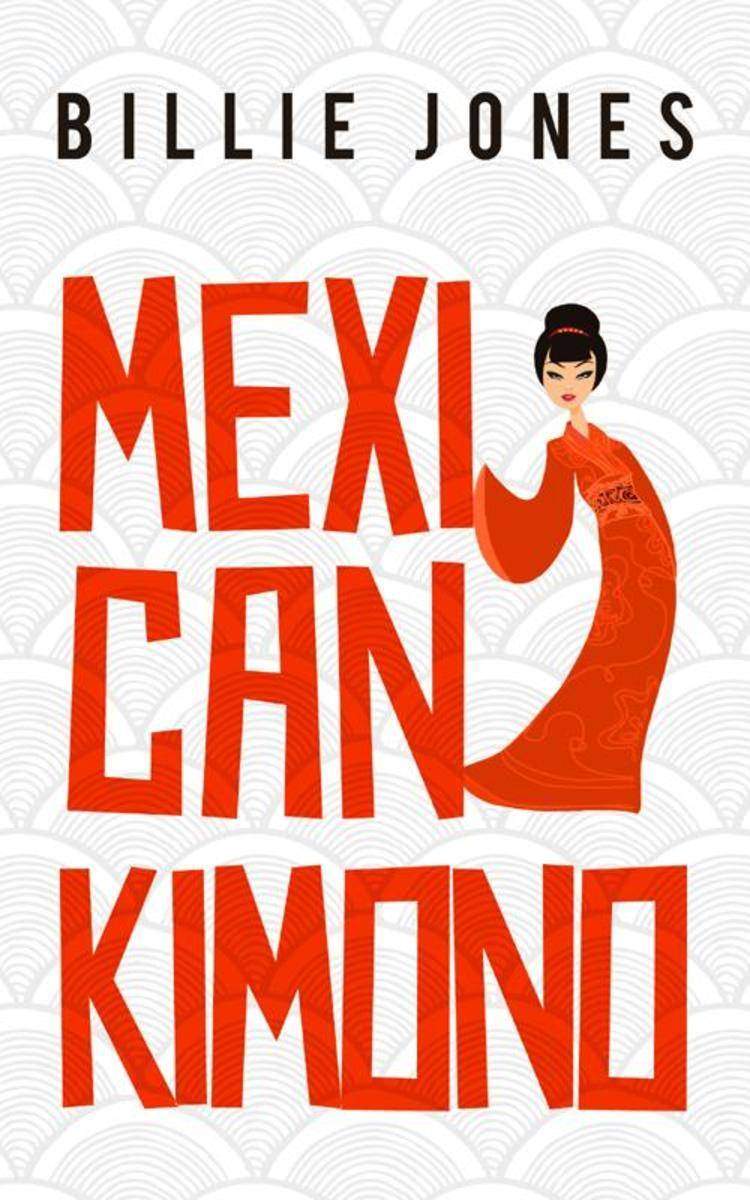
Mexican Kimono
¥11.77
Samantha knows what she wants from life – and she’s got it! 1.A loving family. OK, her Mum’s plan to marry her off to the world’s most metrosexual man might not be ideal… but it’s only because she cares! 2.A great job. Or at least: a job that leaves plenty of time to update Twitter and shop for designer bargains online… 3.A credit card, with a very generous limit. So generous that she’s just spent over $10,000 on an antique kimono… But suddenly Samantha’s charmed life starts to fall apart! From a hair-related fire to losing her job, Sam’s facing bad karma – and it all started when she bought that kimono… Sure, it’s ridiculous. How could a piece of silk ever bring bad luck? But it can! Because, whether Samantha likes it or not, someone wants to teach her a lesson: it’s what’s inside that counts. But will Samantha slow down long enough to listen?
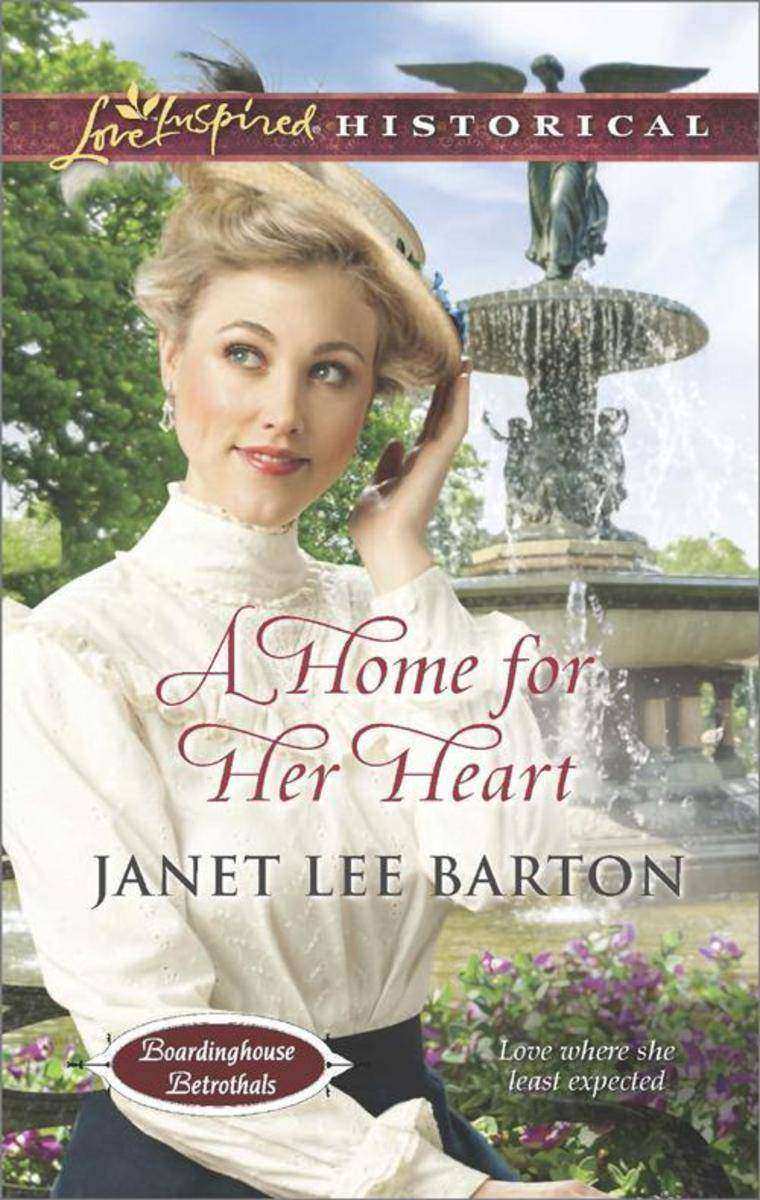
A Home for Her Heart (Mills & Boon Love Inspired Historical) (Boardinghouse Betr
¥31.10
LOVE ON ASSIGNMENT Magazine writer Elizabeth Anderson has sparred with newspaper reporter John Talbot for years. Though they cover similar stories, John thinks Elizabeth's writing is trivial, and she finds him too boastful. So when they must work together to investigate New York City's worst tenement houses, they're surprised by the great team they make. Despite their professional rivalry, John and Elizabeth begin to trust each other as they grow from competitors, to friends, to something more. But then John makes a startling discovery that would break the story-and Elizabeth's heart-wide-open. John's always been driven by his career-can he give up one dream for another? Boardinghouse Betrothals: Hearts taking shelter-and forging new beginnings

A Texan in Her Bed (Mills & Boon Desire) (Lone Star Legends, Book 2)
¥31.10
All billionaire rancher Wyatt Milan wants is a quiet life, but his tranquillity is disrupted when TV host Destiny Jones blows into town, determined to solve a murder mystery tied to a long-standing family feud. Destiny is turning his town, and life, upside down whilst also stirring the hottest desire Wyatt’s ever felt!

Blood Red Tide
¥25.60
In a nuclear wasteland where death and destruction are the norm, Ryan Cawdor and his fellow survivors seek out refuge while looking to one another for protection. Civilization no longer exists in the barren Deathlands. There is only the will to survive and the dim hope of a promised land. Taken captive on a ship in the former Caribbean, Ryan and his companions must work as part of the crew or perish at the hands of the captain. But the mutant in charge of the vessel is the least of their worries. Each day is a struggle as they face rivalry among the sailors, violent attacks and deadly storms. Worse, a powerful enemy is hunting the ship to destroy everyone on board. Fighting for their lives and those of their shipmates, the companions must find unity within the chaos or die in the attempt.
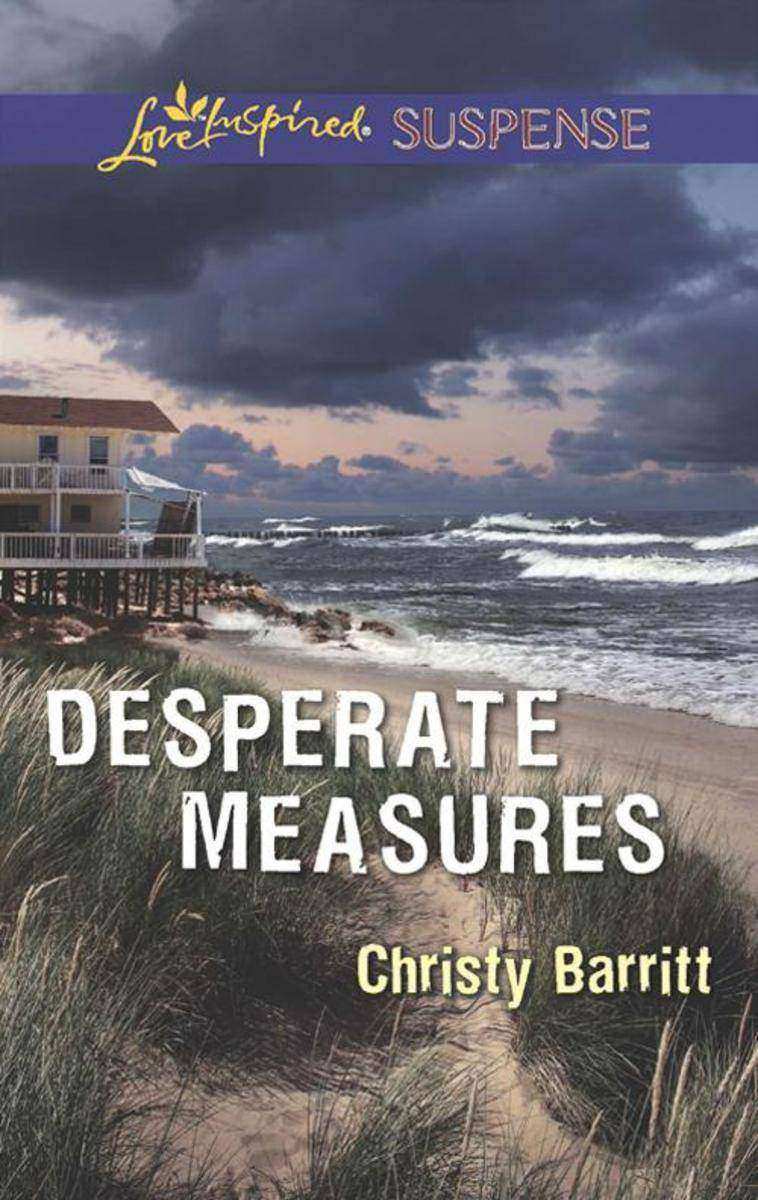
Desperate Measures (Mills & Boon Love Inspired Suspense)
¥31.10
FRAMED FOR MURDER Accused of murdering her estranged husband, widowed mother Samantha Rogers panics and flees. But the real killer is now after her and her son. She's desperate to find a safe haven where her past is secret. So when John Wagner offers her room and board in exchange for work on a remote island in the Chesapeake Bay, she moves to Smuggler's Cove. Samantha longs to tell her handsome boss why she's always looking over her shoulder. But when danger arrives on shore, the truth may put John in a killer's crosshairs.

Dr Perfect On Her Doorstep (Mills & Boon Medical)
¥22.07
Home is where her heart is… GP Stacey Wilton is back in her beloved home town to run her family’s medical practice. As guardian to her younger siblings Stacey has had to put her love life on hold – especially after being abandoned by her fiancé – and now she’s so over men! Then she meets delectable Dr Pierce Brolin on the doorstep of her childhood home and suddenly all bets are off! Stacey might have had her fair share of Mr Wrongs, but could Pierce be her Dr Perfect?


