


 购物车
购物车 个人中心
个人中心

The Baby Surprise: Juggling Briefcase & Baby / Adopted: Family in a Million / C
¥46.11
JUGGLING BRIEFCASE & BABY Spending a weekend working with Romy, the only woman ever to reach behind his flawless fa?ade, has Lex nervous. And Romy is coming with her baby! But despite everything, Lex may just be tempted to strike up a very personal business deal… ADOPTED: FAMILY IN A MILLION Zack Morgan needs to know his little boy is OK, so he tracks down the adoptive parents. But when he finds his son and single mum Susan, his life turns upside down. He’s finally found the family of his dreams – only they have no idea who he really is… CONFIDENTIAL: EXPECTING! Journalist Mallory Stevens’ instructions are clear: expose the secrets of elusive radio talk-show host Logan Bartholomew. Not fall in love with him! As their relationship goes off the record, Mallory is stunned to discover she’s carrying her own little secret!

His Perfect Bride: Hired by the Cowboy / Wedding Bells at Wandering Creek / Comi
¥37.96
HIRED BY THE COWBOY Alexis Grayson is alone and pregnant, but honourable cowboy Connor Madsen seems determined to take care of her. He needs a temporary wife, so a short-term marriage will solve all their difficulties… until Alexis realises she wants a marriage for real! WEDDING BELLS AT WANDERING CREEK PI Jack Sullivan allows no one to get too close. That is until he takes on the Kingsley case. Jack has been sent to Wandering Creek on official business – business that doesn’t include falling for the striking blonde who tries to throw him off her land. COMING HOME TO THE CATTLEMAN Jenny’s determined to contact her long-lost dad, until one man stands in her way: her dad’s business partner, Jason Welborn. And it’s clear he’s not happy she’s come home. But feisty Jenny seems determined to win him over – at all costs!

Return of Dr Maguire (Mills & Boon Medical)
¥31.10
When flying doctor Lachlan Maguire returns to Scotland to claim the surgery left to him by his mother, it offers a whole load of challenges…including fiery redhead GP Christa Lennox! After one hot, unforgettable night, Lachlan can’t stop thinking about Christa. But her past holds a secret – one that involves him…and promises to change their lives for ever!

Take What You Want (Mills & Boon Modern) (The Anne Mather Collection)
¥31.10
Mills & Boon are excited to present The Anne Mather Collection – the complete works by this classic author made available to download for the very first time! These books span six decades of a phenomenal writing career, and every story is available to read unedited and untouched from their original release. The Duque’s willing captive… Sophie has always adored her step-brother Robert. But her whole family disapproves, and are determined to do everything in their power to discourage any kind of union! Only the fact that he seems to feel for her too gives Sophie any hope at all. But now Robert has produced a fiancée who appears to have a hold over him and Sophie fears she’ll never be able to compete…
Tangled Tapestry (Mills & Boon Modern) (The Anne Mather Collection)
¥31.10
Mills & Boon are excited to present The Anne Mather Collection – the complete works by this classic author made available to download for the very first time! These books span six decades of a phenomenal writing career, and every story is available to read unedited and untouched from their original release. The Duque’s willing captive… A world she’d never dreamed of… Debra Warren is astounded when she discovers her long lost mother was none other than world-famous actress Elizabeth Steel! Catapulted into a world of glamour, luxury and celebrity – Debra struggles to stay grounded, especially in the face of her overwhelming attraction to handsome Dominic McGill. Debra knows he could lead her astray – she must resist or risk the same fate as her wayward mother… Trouble is, he’s already broken down her defences…
The Autumn of the Witch (Mills & Boon Modern) (The Anne Mather Collection)
¥31.20
Mills & Boon are excited to present The Anne Mather Collection – the complete works by this classic author made available to download for the very first time! These books span six decades of a phenomenal writing career, and every story is available to read unedited and untouched from their original release. A marriage in name only… There is only one way Stephanie can save her father from absolute ruin. She must become the wife of wealthy Sicilian Santiano Venturo! Stephanie has no allusions about this marriage of convenience - surely Santiano only married her to give his motherless daughter a companion anyway? But she can’t help finding Santiano irresistibly attractive, and something in his behaviour suggests he might have deeper feelings for her too… Is it better to keep their union on a superficial level, or can Stefanie risk revealing to her new husband what really lies in her heart?
The Night of the Bulls (Mills & Boon Modern) (The Anne Mather Collection)
¥31.10
Mills & Boon are excited to present The Anne Mather Collection – the complete works by this classic author made available to download for the very first time! These books span six decades of a phenomenal writing career, and every story is available to read unedited and untouched from their original release. The only man she needs…? It is nothing less than absolute desperation that brings Dionne back to the Camargue – the remote part of Southern France that was the scene of the most tragic event of her life. While she dreads seeing Manoel again, a small part of her still yearns for him… Manoel’s mother hates her, while Manoel has probably married the beautiful Yvonne by now. But Dionne has no choice but to face them all…
The Reluctant Governess (Mills & Boon Modern) (The Anne Mather Collection)
¥31.20
Mills & Boon are excited to present The Anne Mather Collection – the complete works by this classic author made available to download for the very first time! These books span six decades of a phenomenal writing career, and every story is available to read unedited and untouched from their original release. Problem child… problem father! Victoria Munroe has fled to the Austrian Alps to escape a disastrous love affair – only to find herself in a far more challenging situation. As governess to troubled Sophie, Victoria certainly has her work cut out for her. Especially when Victoria’s brooding employer, Sophie’s father, Baron Horst von Reichstein, proves even more of a problem than his daughter! Victoria is determined not to let Sophie or the Baron get the better of her – but she risks losing her cool in the face of her powerful attraction to the embittered Baron. And as she gets more and more entangled with the Baron and his secrets, it may just be too late to walk away…

The Shrouded Web (Mills & Boon Modern) (The Anne Mather Collection)
¥31.10
Mills & Boon are excited to present The Anne Mather Collection – the complete works by this classic author made available to download for the very first time! These books span six decades of a phenomenal writing career, and every story is available to read unedited and untouched from their original release. Her make-believe husband… Justina had been practically forced into an unhappy marriage by her domineering aunt and, for complicated reasons, had decided not to tell her of her husband’s death three years later. But now, her aunt was demanding to see her – with husband in tow! It was only when Justina heard about Dominic Hallam, who was in hospital suffering from amnesia after a plane crash, that the germ of an idea came to her. If she pretended he was her husband, her aunt’s mind would be put at rest. But how far would Dominic co-operate?

The Smouldering Flame (Mills & Boon Modern) (The Anne Mather Collection)
¥31.10
Mills & Boon are excited to present The Anne Mather Collection – the complete works by this classic author made available to download for the very first time! These books span six decades of a phenomenal writing career, and every story is available to read unedited and untouched from their original release. Passion that burns as fiercely as ever… Joanna never expected to see Shannon Carne again. But when family reasons lead her to seek him out in Africa – she is overwhelmed by the force of her emotions. And it is clear he still feels the same as her… But her renewed passion for Shannon couldn’t have come at a worst time – she is engaged to be married to another man. Dare she give up everything, and trust her heart to Shannon once more?

Summer Of Love (The Love Trilogy, Book 3)
¥42.48
It's only a summer fling… Boutique jewellery designer Lily Thomas knows hating the boring ring her fiancé gave her isn't a good enough reason to end a seven-year relationship. Especially when settling down with Edward is the only thing she's ever done right in the eyes of her mother–and her hometown. Besides, everyone else seems to be getting married: Lily's best friend Cora, her cousin, her friends from work. So why not Lily? But when Alex Harper, Lily's high school crush, moves back to Felinfach, he shows her exactly why. She can't pretend to be someone she's not just to keep her fiancé happy. It's a terrible way to start a marriage, and a terrible way to live. Lily calls off her engagement, but she still needs a date to all the weddings crowding her summer calendar. Conveniently, Alex has a few weddings to attend as well. They agree to be wedding buddies, and soon the whole town is talking about them. If everyone's going to talk anyway, why shouldn't Lily and Alex make the most of it? As long as they both know it's only a summer fling… Praise for Sophie Pembroke's Love Trilogy 'A very sweet story which I really loved; I finished it in no time.' - Rachel Cotterill Book Reviews 'What a delightful story! I loved the de*ions of the old inn and surrounding countryside and the occupants of the inn were irresistible. This book is a real treat' - cayocosta72 – Book Reviews 'Well, I have never met a sweeter hero! ' - Random Book Muses The Love trilogy by Sophie Pembroke: Room for Love An A to Z of Love Summer of Love
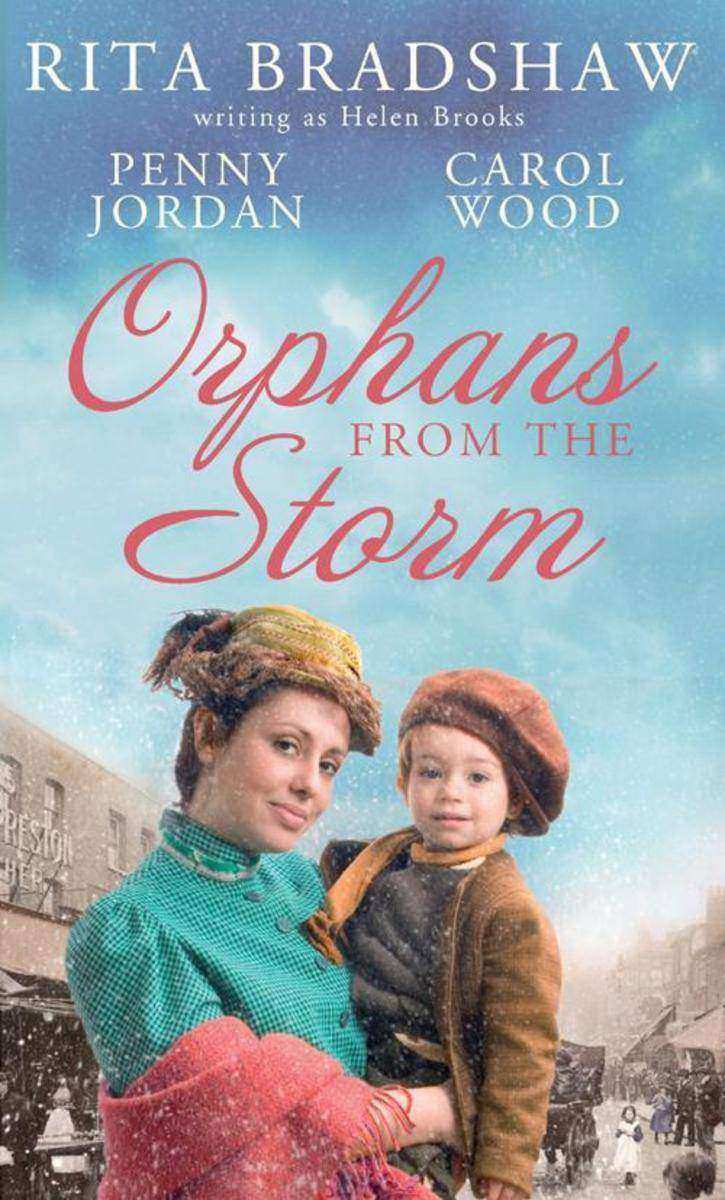
Orphans from the Storm: Bride at Bellfield Mill / A Family for Hawthorn Farm / T
¥9.71
For the children’s sake… Lancashire, 1903 Clutching her infant son, widowed Marianne Brown headed towards the chimneys of Bellfield Mill. She had to get work and luckily the dark and brooding Heywood Denshaw needed a housekeeper – but the Master soon begun to wish for more… Sunderland, 1899 Wealthy farmer Luke Hudson gets more than he bargained for when he plucks a destitute young woman from the workhouse. He may have rescued Connie Summers from a life of penury, but her spirit and warmth give him a second chance at love. Isle of Dogs, 1928 Doctor Harry Fleet and compassionate nurse Tilly Dainty can’t help but clash at the Tap House Surgery. But working together to help the sick turns out to be the healing balm both their hearts needed.

A Bride by Summer (Mills & Boon Cherish) (Round-the-Clock Brides, Book 3)
¥31.10
Baby, oh, baby! Talk about being broadsided! When Reed Sullivan is almost run off the road by a reckless driver, it's town newcomer Ruby O'Toole to the rescue. But the last thing Reed needs is a sexy distraction like Ruby, especially with the paternity of the infant left on the Sullivan brothers' doorstep still a mystery. For now, all he can offer Ruby is friendship…and maybe a kiss here or there. Quirky, independent Ruby is making a fresh start. Men are strictly off-limits–so maybe she and Reed should just be friends, despite their instant, combustible chemistry. But when a new wrinkle in the baby drama develops, will their "just friends" status stand? Or is happily-ever-after on the table?

A Sinclair Homecoming (Mills & Boon Superromance) (The Sinclairs of Alaska, Book
¥31.10
Free from the past Wade Sinclair knows you can't run from the past–he's tried. After his beloved sister was murdered, he ran from Alaska to California only to discover there was no escape. So when a family crisis calls him back, he discovers therapist Morgan O'Hare knee-deep in their affairs. As soon as he meets Morgan, he feels as if there is brightness in the world again. It would be inappropriate for them to get involved, yet the spark is irresistible. Wade never expected this kind of joy again. But is he really ready for this? Together, maybe they could find the strength to move on…if they're brave enough to try.

Desert Impact
¥25.60
BORDER ASSAULT The murder of several border patrol agents in a moonlight attack seems like an average Mexican cartel ambush…until the killers' weapons turn out to be U.S. military grade. There's a leak in the local army base, and it needs to be plugged before more ordnance trucks south–and more innocent lives are taken. Mack Bolan heads into the desert to investigate. But when an old ally is killed in a second assault, Bolan realizes he's underestimated the threat. Whoever is behind the attack is not only smuggling weapons into Mexico, but also building a private army. And the kingpin is intent on spreading his reign of terror into America. With an unofficial war about to break out on the border, he must plan a strategic strike to take down the empire and eliminate all its key players. And this time, for the Executioner, it's personal.

Her Montana Cowboy (Mills & Boon Love Inspired) (Big Sky Centennial, Book 2)
¥31.10
The Man of Her Dreams Julie Shaw is up to her ears in parade preparations…and cowboys! As the mayor's daughter, she needs to make sure the centennial celebrations for her beloved hometown of Jasper Gulch, Montana, go off without a hitch. Surely that's why she's feeling so flustered. It couldn't have anything to do with the handsome Ryan Travers. Of course she'd noticed the visiting rodeo star with the sparkle in his eye. But Julie is way too sensible to fall for his obvious appeal. As the town gossips about a century-old mystery, Julie's thoughts keep drifting to the charming cowboy. Despite her father's objections, she may soon find herself roped in…by love. Big Sky Centennial: A small town rich in history…and love.

Million-Dollar Maverick (Mills & Boon Cherish)
¥31.10
Finding true love: priceless RUST CREEK RAMBLINGS People say that the odds of finding your perfect partner are rather like the odds of hitting the lottery: slim to none. It's hard to believe, faithful readers, but Nate Crawford may just have accomplished both. We have the scoop on Rust Creek Falls' best-kept secret: our former mayoral candidate is now a very wealthy man! Yet he is going out of his way to make sure no one finds out. The question is, why? Insiders whisper that Nate is also keeping another secret from his new girlfriend, nurse Callie Kennedy–a big one–and it could be a game changer. Place your bets, dear readers! What will she do when she learns her "regular guy" boyfriend is really a maverick millionaire?

More Than a Cowboy (Mills & Boon American Romance) (Reckless, Arizona, Book 1)
¥31.10
LOVE OR FAMILY LOYALTY? Liberty Beckett was so used to watching longtime crush Deacon McCrea ride at her family's Reckless, Arizona, arena, she nearly forgot the handsome cowboy was an attorney. But it won't be hard to remember now that Deacon is representing her father in the legal battle dividing the Beckett clan and threatening the Easy Money Rodeo Arena. This case is Deacon's chance to clear his name in Reckless. He didn't anticipate the powerful effect Liberty would have on him. Their attraction is undeniable…and a huge conflict of interest. To save his career and Liberty's relationship with her family, Deacon knows he needs to avoid Liberty. But what a man needs and what he wants are two very different things….

Protective Instincts (Mills & Boon Love Inspired Suspense) (Mission: Rescue, Boo
¥31.10
STALKED! After losing her family, and then nearly her life when she was held hostage in Africa, grieving widow Raina Lowery only wants to put the past behind her. Instead, she's finding her son's toys in the woods and dodging a gunman's bullets. Raina is trapped in a real-life nightmare–until Jackson Miller reappears. Months ago, saving Raina was Jackson's job as a member of HEART, a private rescue team. But now it's personal. The hardened protector wants to give Raina–and himself–a second chance at love. But first he has to save her…again. Mission: Rescue–No job is too dangerous for these fearless heroes

Expectant Father (Mills & Boon Vintage Superromance) (9 Months Later, Book 49)
¥28.35
What not to expect when you're expecting… Becca Thomas is thrilled to be pregnant, even though it means bringing up her baby alone. At thirty-eight, this may be her last chance to have a child. And she doesn't expect to see Aiden Rodas again–doesn't think that a freewheeling younger man like him would even want to be a father. Wrong Aiden may live the life of a devil-may-care wildland firefighter, but he's not going to walk away from his responsibilities, no matter how unexpected they are. His challenge now is making Becca see that their child needs both of them. An even bigger challenge will be to make her realize that this expectant father has fallen in love with a certain mother-to-be!

For the Sake of His Child (Mills & Boon Vintage Superromance)
¥31.10
After tragedy deprives her of the two people she loves most, Brynn Alder decides to leave her old life behind and start over in Texas Hill Country. Here she'll help troubled kids get their lives in order–it's the only way she can make sense of everything that's happened to her. But she knows that she'll be able to help only if she doesn't get emotionally involved. Of course, that's before she meets Jake McKenzie and his daughter, Andrea. Jake wants to be a good father, but he needs Brynn's help. And when circumstances force him to stay at the isolated ranch with Brynn and Andrea, emotions build and refuse to be denied.


