


 购物车
购物车 个人中心
个人中心
The Cycle of Leadership
¥101.00
In The Leadership Engine Noel Tichy showed how great companies strive to create leaders at all levels of the organization and how those leaders actively develop future generations of leaders. In this new book he takes the theme further showing how great companies and their leaders develop their business knowledge into achable points of view pend a great portion of their time giving their learnings to others sharing best practices and how they in turn learn and receive business ideas/knowledge from the employees they are teaching. Calling this exchange a virtuous teaching cycle Professor Tichy shows how business builders from Jack Welch at GE to Joe Liemandt at Trilogy create organizations that foster this knowledge exchange and how their efforts result in smarter more agile companies and winning results. Some of these ideas were showcased in Tichy's recent Harvard Business Review article entitled Ordinary Boot Camp. Using examples from GE Ford Dell Southwest Airlines and many others Tichy presents and analyzes these principles in action and shows how managers can begin to transform their own businesses into teaching organizations and consequently better performing companies
Mother Earth Spirituality
¥99.65
A dear stream of practical knowledge with the mind change we need to save the life of our Mother Earth--and ourselves . . . This is a book for every person who loves this planet. Eagle Man shows us the joyful path home to our universal Mother.Cynthia Bend, Water Spirit Woman, co-author of Birth of a Modem Shaman A rich panorama of our native heritage which allows the seeker access to the heart of the Path of Beauty. Ed McGaa has walked this path so that all people may live in harmony. Samie Sams, Hancoka Olowanpi, author of Midnight Song: Quest for the Vanished Ones Ed McGaa is one of the first persons who can write about 0glala religion in the first person because he has lived it. For years anthropologists have hoped a Native American would portray that society from the inside out. Ed McGaa has. It's about time. William K. Powers, author of 0glala Religion Fascinating as well as inspiring reading. Ed McGaa makes an excellent spiritual guide and intellectual teacher . . . The information stimulates the mind, the drawings delight the eye, and the ideas soothe the spirit. Jack Weatherford, author of Indian Givers Profound and insightful . . . Mother Earth Spirituality will be of great importance to those of us, both 'rainbow' and non-Indian people, who walk over land in search of a deeper spiritual life . . . For us, this book is an invaluable guide showing us how to do it.Fred Alm Wolf, Ph.D., author of Taking the Quantum Leap
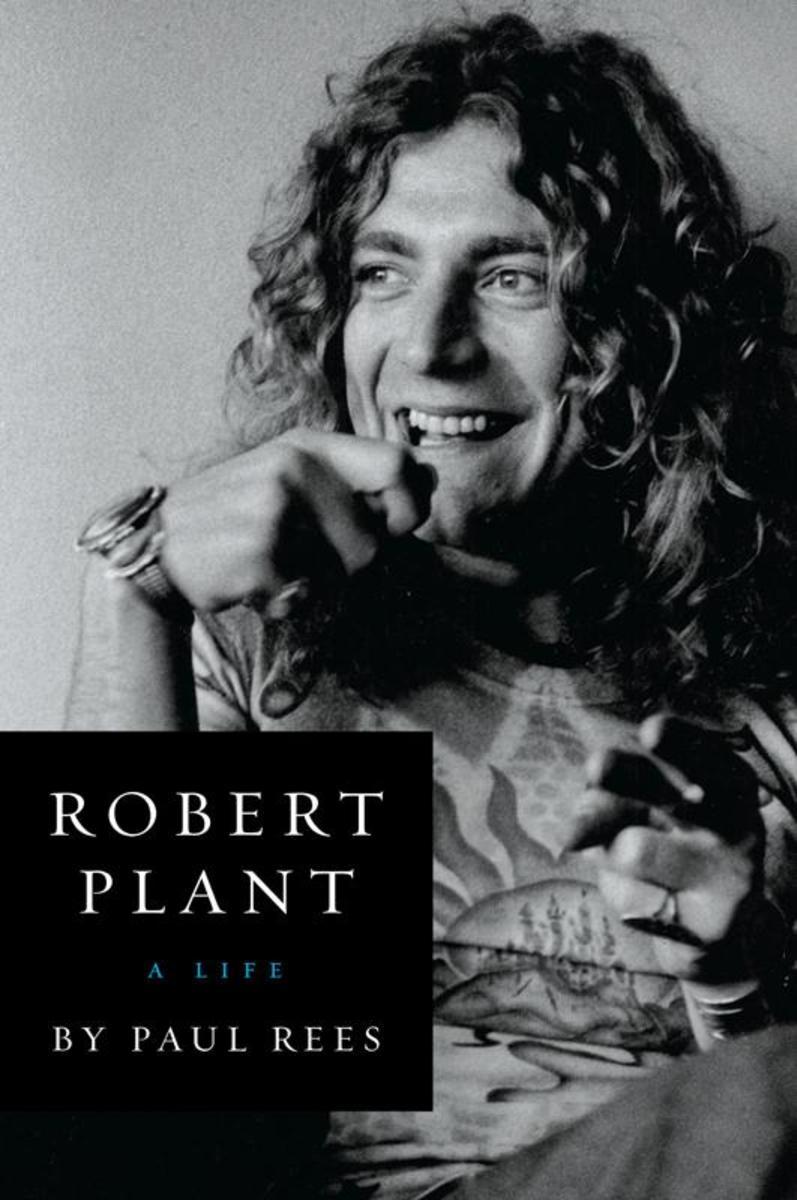
Robert Plant
¥100.71
Robert Plant is a living legend. The front man of Led Zeppelin, one of the biggest and most influential rock bands of all time, Plant defined the very notion of what it means to be a rock god.The sheer scale of Led Zeppelin's success is extraordinary. In the United States alone they have sold seventy million records a figure surpassed only by the Beatles while Stairway to Heaven,the band's most famous song, has been played more times on American radio than any other track and is frequently referred to as one of the greatest rock 'n' roll songs ever.But Robert Plant's legacy stretches far beyond Led Zeppelin. Robert Plant: A Life is the story of the forces that shaped Plant: from his boyhood in England's Black Country to the ravaging highs and lows of the Zeppelin years; from his relationship with Jimmy Page and John Bonham to the solo career that today, at the age of sixty-two, has him producing some of the most acclaimed work of his career. Author Paul Rees, former editor of Q and Kerrang!, who has in the past interviewed Plant at length, paints a rich, complicated portrait of a man who was only nineteen when he changed the face of rock 'n' roll.Told with tenacity, emotion, and the spark of brilliance that befits such an enigmatic front man, Robert Plant: A Life is the definitive story of a musical icon.
Scientific American's Ask the Experts
¥83.93
Why is the night sky darkHow do dolphins sleep without drowningWhy do hangovers occurWill time travel ever be a realityWhat makes a knuckleball appear to flutterWhy are craters always round?There's only one source to turn to for the answers to the most puzzling and thought-provoking questions about the world of science: Scientific American. Writing in a fun and accessible style, an esteemed team of scientists and educators will lead you on a wild ride from the far reaches of the universe to the natural world right in your own backyard. Along the way, you'll discover solutions to some of life's quirkiest conundrums, such as why cats purr, how frogs survive winter without freezing, why snowflakes are symmetrical, and much more. Even if you haven't picked up a science book since your school days, these tantalizing Q & A's will shed new light on the world around you, inside you, below you, above you, and beyond!
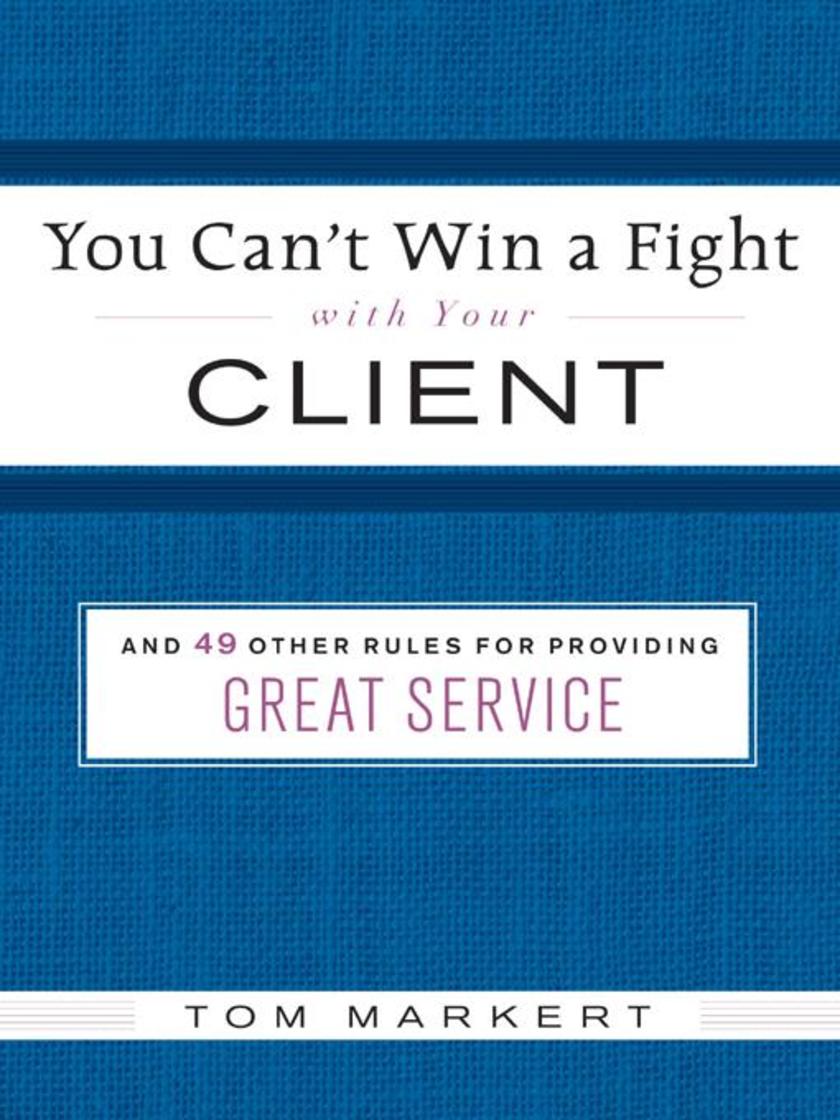
You Can't Win a Fight with Your Client
¥83.93
In this follow-up to You Can't Win a Fight with Your Boss, Tom Markert returns to provide clever, timeless advice on how to offer exceptional service. The most important ruleYou can't win a fight with your client! As American companies large and small have shifted their focus from manufacturing to providing services, keeping clients satisfied has become critical to the survival of every business. Yet, very few people have mastered the art of managing clients successfully. In You Can't Win a Fight with Your Client, Tom Markert argues that the secret to great service lies in understanding and applying a few fundamentals. In fifty small doses, he provides practical advice on how to manage your relationships with your clients and ensure they receive the kind of service that will keep them coming back for more.A perfect resource for anyone working with clients at any level, You Can't Win a Fight with Your Client is the no-nonsense, straightforward guide to keeping clients happy in today's hypercompetitive and demanding business environment.

After the Flag Has Been Folded
¥84.16
Karen Spears was nine years old, living with her family in a trailer in rural Tennessee, when her father, David Spears, was killed in the Ia Drang Valley in Vietnam. It was 1966 -- in a nation being torn apart by a war nobody wanted, in an emotionally charged Southern landscape stained with racism and bigotry -- and suddenly the care and well-being of three small children were solely in the hands of a frightened young widow with no skills and a ninth-grade education. But thanks to a mother's remarkable courage, strength, and stubborn tenacity, a family in the midst of chaos and in severe crisis miraculously pulled together to achieve its own version of the American Dream.Beginning on the day Karen learns of her father's death and ending thirty years later with her pilgrimage to the battlefield where he died, half a world away from the family's hometown, After the Flag Has Been Folded is a triumphant tale of reconciliation between a daughter and her father, a daughter and her nation -- and a poignant remembrance of a mother's love and heroism.
Voluntary Simplicity Second
¥83.03
When Voluntary Simplicity was first published in 1981, it quickly became recognized as a powerful and visionary work in the emerging dialogue over sustainable ways of living. Nearly three decades later, as the planet's environmental stresses become more urgent than ever, Duane Elgin has revised and updated his revolutionary book.Voluntary Simplicity is not about living in poverty; it is about living with balance. This book illuminates the pattern of changes that an increasing number of people around the world are making in their everyday lives adjustments in day-to-day living that are an active, positive response to the complex dilemmas of our time. By embracing a lifeway of voluntary simplicity characterized by ecological awareness, frugal consumption, and personal growth people can change their lives. And in the process, they have the power to change the world.
Flyaway
¥84.28
In this captivating memoir, Suzie Gilbert tells the rollicking story of how she turned her family life upside down to pursue her unusual passion for rehabilitating wild birds. Through adolescence and into adulthood, Suzie Gilbert struggled to find her calling. But when she took a job working at the animal hospital near her home in New York's Hudson Valley, her passion was born. She began bringing abused and unwanted parrots home and volunteering at a local raptor rehabilitation center, activities she continued for the next eleven years, even as she started a family. Then came the ultimate commitment to her cause: turning her home into Flyaway, Inc., a nonprofit wild bird rehabilitation center.Gilbert chronicles the years of her chaotic household-cum-bird-hospital with delightful wit, recounting the confusion that ensued as her husband and two young children struggled to live in a house where parrots shrieked Motown songs, nestling robins required food every twenty minutes, and recuperating herons took over the spare bathroom. Gradually, however, the birds came to represent the value of compassion and the importance of pursuing even the most unlikely of dreams.Often funny, sometimes painful, Gilbert's encounters with these beautiful creatures reveal profound truths not only about animals but also about our own lives lessons of birth and death, suffering and empathy, holding on and letting go. Original, lyrical, and highly entertaining, Flyaway will forever change the way you see this amazing member of the animal kingdom.
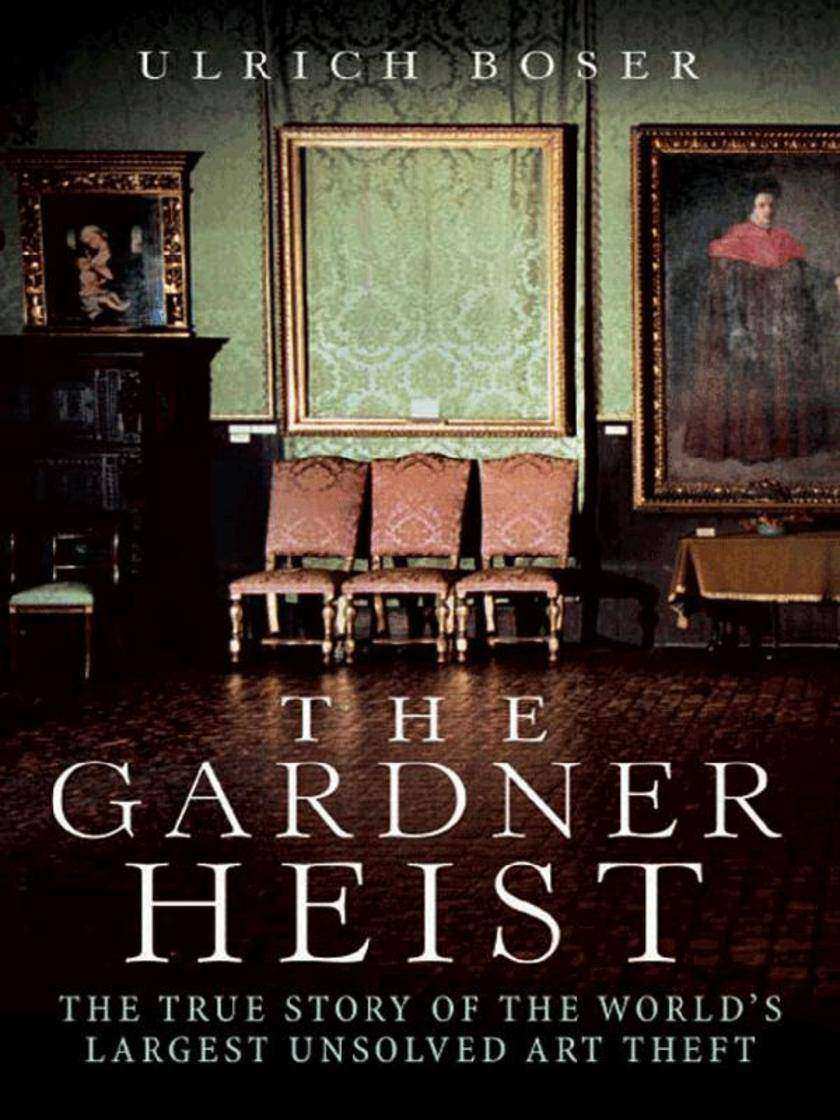
The Gardner Heist
¥88.56
Shortly after midnight on March 18, 1990, two men broke into the Isabella Stewart Gardner Museum in Boston and committed the largest art heist in history. They stole a dozen masterpieces, including one Vermeer, three Rembrandts, and five Degas. But after thousands of leads and a $5 million reward none of the paintings have been recovered. Worth as much as $500 million, the missing masterpieces have become one of the nation's most extraordinary unsolved mysteries.After the death of famed art detective Harold Smith, reporter Ulrich Boser decided to take up the case. Exploring Smith's unfinished leads, Boser travels deep into the art underworld and comes across a remarkable cast of characters, including a brilliant rock 'n' roll thief, a gangster who professes his innocence in rhyming verse, and the enigmatic late Boston heiress Isabella Stewart Gardner herself. Boser becomes increasingly obsessed with the case and eventually uncovers startling new evidence about the identities of the thieves. A tale of art and greed, of obsession and loss, The Gardner Heist is as compelling as the stolen masterpieces themselves.

Judgment Ridge
¥83.03
A riveting investigation of the brutal murders of two Dartmouth professors a book that, like In Cold Blood, reveals the chilling reality behind a murder that captivated the nation. On a cold night in January 2001, the idyllic community of Dartmouth College was shattered by the discovery that two of its most beloved professors had been hacked to death in their own home. Investigators searched helplessly for clues linking the victims, Half and Susanne Zantop, to their murderer or murderers. A few weeks later, across the river, in the town of Chelsea, Vermont, police cars were spotted in front of the house of high school senior Robert Tulloch. The police had come to question Tulloch and his best friend, Jim Parker. Soon , the town discovered the incomprehensible reality that Tulloch and Parker, two of Chelsea's brightest and most popular sons, were now fugitives, wanted for the murders of Half and Susanne Zantop. Authors Mitchell Zuckoff and Dick Lehr provide a vivid explication of a murder that captivated the nation, as well as dramatic revelations about the forces that turned two popular teenagers into killers. Judgement Ridge conveys a deep appreciation for the lives (and the devastating loss) of Half and Susanne Zantop, while also providing a clear portrait of the killers, their families, and their community and, perhaps, a warning to any parent about what evil may lurk in the hearts of boys.

Someone Will Be with You Shortly
¥84.16
Lisa Kogan is a forty-nine-year-old single woman who maintains that every human being deserves a great mattress, a comfortable pair of shoes, and a very smart shrink, and that no one has grown a decent tomato since 1963. She used to think the world wasn't all that complicated, but along came AIDS and crack and Rush Limbaugh, and she had to think again. Still, she's nostalgic for that time when you had to walk all the way across the room to change channels and there was no such thing as a spy satellite capable of spotting a precancerous mole on her left thigh.In Someone Will Be with You Shortly, Kogan grapples with issues big (her six-year-old daughter, Julia, and the 8,000 miles that separate them from Julia's father) and small (her recent apartment renovation, which consisted of turning over the sofa cushions and then realizing that they looked better the other way) with the self-deprecating humor and deep appreciation for what really matters that have made her column in O, The Oprah Magazine so beloved. Here is a book for anyone who has ever been unnerved by pleather pants, lunch meat, or ambivalent men (not necessarily in that order), but believes that life is a fragile bit of luck well worth living.

The Airplane
¥83.03
In this entertaining history of the jetliner, Jay Spenser traces aviation's challenges from the outset, and follows the flow of the simple yet powerful ideas that led us to defy gravity. Here are the pioneers innovators such as Otto Lilienthal, Igor Sikorsky, Louis Bl riot, Hugo Junkers, and Jack Northrop whose amazing contributions collectively solved the puzzle of flight. Along the way, Spenser demystifies the modern jetliner, examining the airplane from wings to flight controls to fuselages to landing gear, to show how each part came into being and evolved over time. And finally The Airplane addresses the future of aviation, outlining the breathtaking possibilities that await us tomorrow, many miles above the earth. Who were aviation's dreamers, and where did they get their inspirationHow did birds, insects, marine mammals, and fish help us to flyHow did the bicycle beget the airplane, and hot water heaters lead to metal fuselagesWho figured out how to fly without seeing the ground, enabling airline travel in all weather conditions?

Fear
¥88.56
Without fear, we are able to see more clearly our connections to others. Without fear, we have more room for understanding and compassion. Without fear, we are truly free. from FearMost of us live in a constant state of fear of our past, of illness and aging and death, and of losing the things we treasure most. But it doesn't have to be this way, promises Zen master and Buddhist monk Thich Nhat Hanh.Drawing on a lifetime of mindfulness in action, Thich Nhat Hanh shows us how to use the practice of living in the present to acknowledge and embrace our fears, recognize their origins, and render them powerless. The world-renowned Zen teacher guides us through practical exercises for transforming fear into clarity. The worries of the past and the anxiety of the future disappear as we discover the power of the present moment. Not only are we are able to handle challenging emotions as they arise, but we can summon feelings of well-being and contentment, no matter what the unknown may bring.Rooted in the moment, we have the capacity to restore balance and happiness and be present with what is beautiful and affirming inside us and around us, every day.
Woman Power
¥90.77
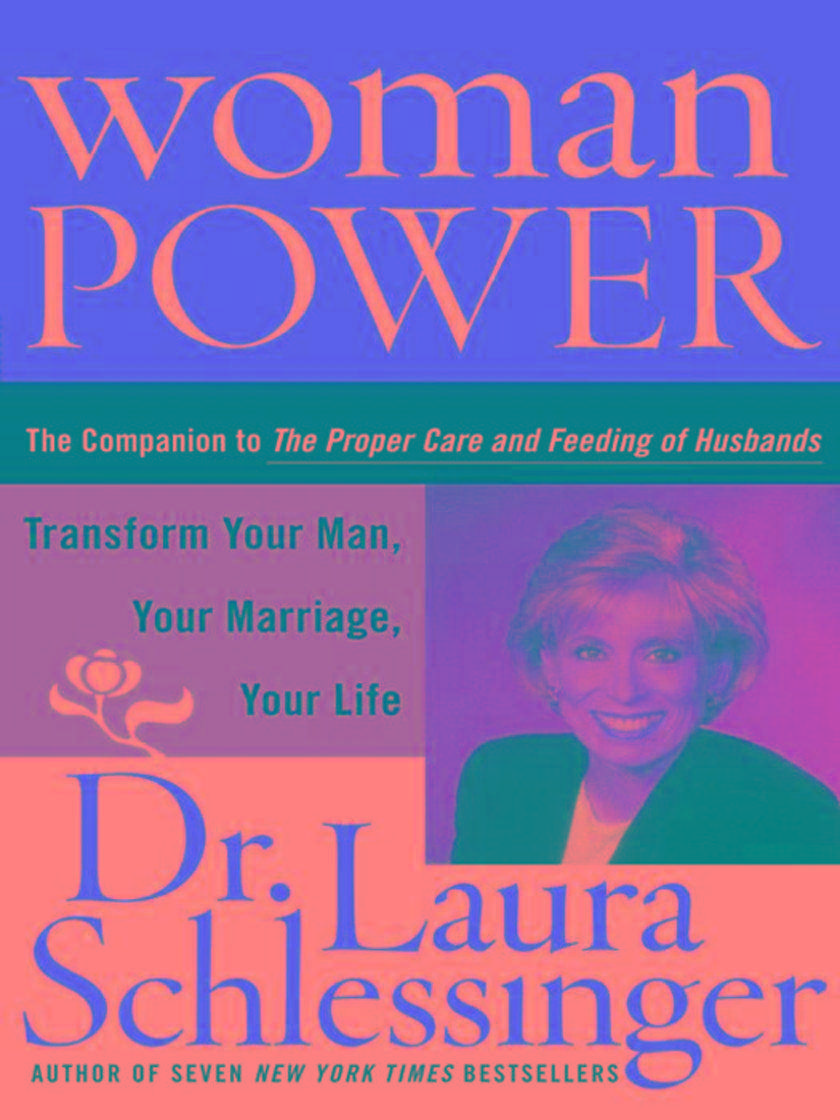
Woman Power: for the woman who wants to ensure for herself -- and for her man -- the marital happiness and success everyone dreams of! The immediate feedback to Dr. Laura Schlessinger's seventh bestseller, The Proper Care and Feeding of Husbands, affirmed that Dr. Laura helped hundreds of thousands of readers make good marriages even better and saved many from the brink of divorce. Now, due to overwhelming response from her readers and listeners who wanted to know more about the special power women have to transform their husbands, their marriages, and their lives, Dr. Laura has written Woman Power. Through a series of provocative chapters and Q&As, Dr. Laura guides women on how to assess what is valuable and what is vulnerable in their marriages, and stimulates women to think about what is really important about being a woman, a wife, and a mother. In addition, readers will find inspirational stories and tips, thought-provoking essays, and plenty of room for entries, thoughts, and journals. There are even fascinating Q&As for husbands and wives to do together!
Beyond Genetics
¥79.16
Genetic science is about to radically alter our lives. Sooner than you can imagine, human beings will be capable of diagnosing their own illnesses, designating the sex of their children, even designing the food they eat -- all as easily as using a cell phone. Now is the time for every one of us to take control of our DNA, and one man is uniquely qualified to show us how: Glenn McGee, bioethicist at the University of Pennsylvania, pioneer in the study of "home genetics," and the acknowledged wunderkind of the exciting world found at the nexus of life science and computer technology.One of the most respected authorities in the field of genomics -- the study of the genetic "software" inside plants, animals, and us -- McGee takes us on an eye-opening journey behind the headlines and into the heart of this formidable cutting-edge science. Probing the far-ranging ethical and legal implications of genomic research, McGee tackles its most controversial and hotly debated aspects -- from patenting your DNA to genetic engineering at the supermarket -- and explodes unnecessary fears about this wondrous new knowledge.We live in a brave new world. Beyond Genetics provides us with the knowledge we need to take the right steps forward into tomorrow ... and beyond.

Damage Control
¥78.32
Traditionally, women share their secrets with their hairdressers. But what about their manicurists, masseurs, chi gong teachers, and tattoo artistsIn Damage Control, women wax poetic about the experts and gurus who help them love themselves, sharing stories of everything from friendships born in the make-up chair to the utter dismay of a truly horrible haircut. Minnie Driver finally meets a Frenchman who understands her hair . . . and tries to teach her not to hate it.Marian Keyes remembers the blow-dry that pushed her over the edge.Francesca Lia Block tells the ugly story of the plastic surgeon who promised to make her beautiful.Rose McGowan explains why it's harder to be depressed when you're glamorous . . . and shows how it takes a village to transform from mere mortal to movie star.Witty and wise, Damage Control is an intimate, sometimes dark, look at our experiences with the professionals who pluck, prod, and pamper every inch of our bodies and a reminder why we surrender ourselves to their (hopefully) very capable hands.
The Best People in the World
¥78.32
In Paducah, Kentucky, seventeen-year-old Thomas feels as reined in as the mighty Ohio, a river confined by high floodwalls protecting his small Southern hometown. But all boundaries vanish when Thomas experiences first love with Alice, his new history teacher, a woman eight years his senior and when he meets Shiloh, a misfit vagabond and anarchist who becomes his new role model. Fleeing to rural Vermont, this unlikely trio boldly pursues freedom, intimacy, and seclusion, unfettered by commitments and rules. But a life apart from the world does not ensure a life apart from the past and for one of them, the past that emerges will threaten tragedy.
Bloody Sundays
¥79.16
Award-winning sportswriter Mike Freeman goes beyond day-to-day newspaper journalism and ESPN highlights to take us deep inside the game and reveal the NFL in ways that will surprise the most avid football fans. He travels to the sidelines and into the locker rooms to interview hundreds of players and coaches on their expertise. Breaking the game down to its essential elements -- coaching, offense, and defense -- Freeman profiles in depth three of today's football elite: Jon Gruden, head coach of the Tampa Bay Buccaneers; Michael Strahan, defensive end for the New York Giants; and Emmitt Smith, the legendary running back.Bloody Sundays goes behind the scenes of the "secret society" of gay players who play in fear of their lives and careers, studies how the violence of the game ravages the bodies of players, and takes us into the owners' offices to look at the darker side of the sport.Part tribute, part expose, Bloody Sundays is a vivid portrait of professional football that "gives you so much to think about that you might find yourself switching off a game to read" (New York Times Book Review).
Tick... Tick... Tick...
¥78.32
An insider's view of the most successful show in the history of TV, 60 Minutes. The most popular TV show in America isn't American Idol, and it's not Survivor. Month in, month out, the most–watched program in America is 60 Minutes, drawing a staggering 25 million viewers in an average week. For its entire 34–year history, 60 Minutes was the brainchild (and personal fiefdom) of Don Hewitt, the take–no–prisoners visionary who hustled the show into being and kept it afloat with a mixture of chutzpah, tough talk, scheming, and journalistic savvy. But now that Hewitt is 80 and grudgingly considering retirement, the show's direction is increasingly up for grabs, and the transition will surely be marked by some serious fireworks. As author David Blum provides a fly–on–the–wall perspective on the show's upheavals, he'll also trace its past; although the show has aired some 5,000 pieces and has made household names of Mike Wallace, Ed Bradley, Leslie Stahl, and Morley Safer, much of the backstage story––the passionate pursuit of stories, the behind–the–scenes wrangling, and the stars' prima donnish behavior––has gone untold. With full access to the producers, stars, and executives, Blum will give readers an unprecedented view of the personalities and events that have shaped 60 Minutes – and a new perspective on how current events become news.
The Coming Catholic Church
¥83.93
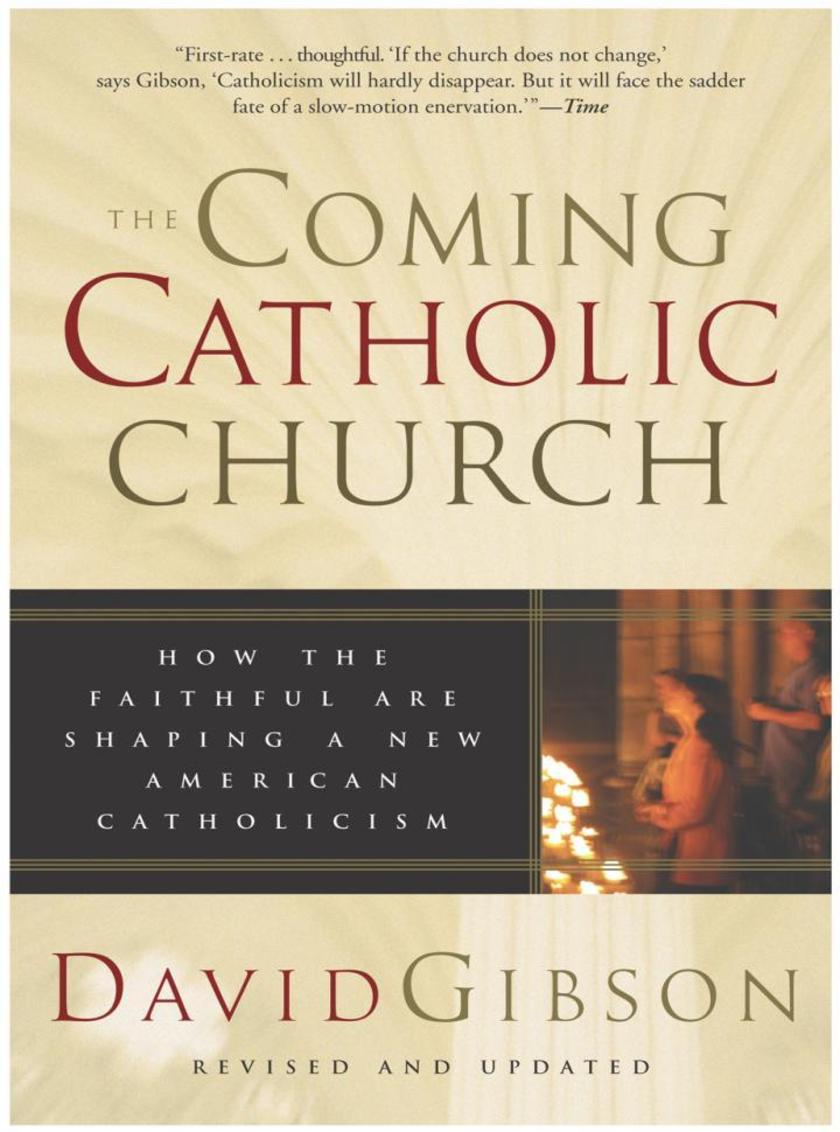
Rather than chronicling the well-reported sexual abuse scandal or advocating a particular reform agenda, David Gibson shows how the crisis in the church is unleashing forces that will change American Catholicism forever.
An Heiress for All Seasons
¥27.91
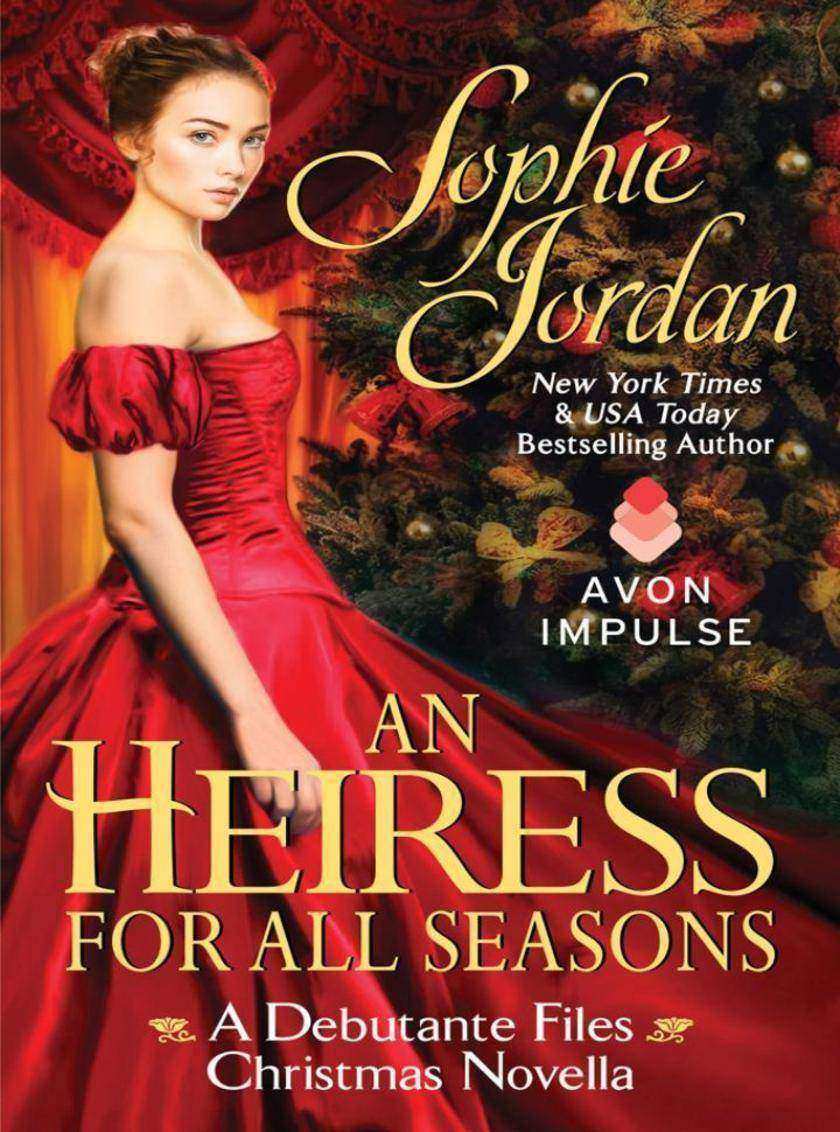
When a holiday blizzard brings together a pair of reluctant lovers, the result threatens their reputations … and may cost them their hearts. Feisty and independent American heiress Violet Howard swears she'll never wed a crusty British aristocrat. Will, the Earl of Merlton, is determined to salvage his family's fortune without succumbing to a marriage of convenience. But when a snowstorm leaves Violet and Will stranded and alone, their sudden chemistry will challenge good intentions. Seized by a desire that burns through the night, they'll toss reservations aside in favor of the heat found in each other's arms. Will their passion survive the stormWill they realize they've found a love to last them through all seasons?


