


 购物车
购物车 个人中心
个人中心
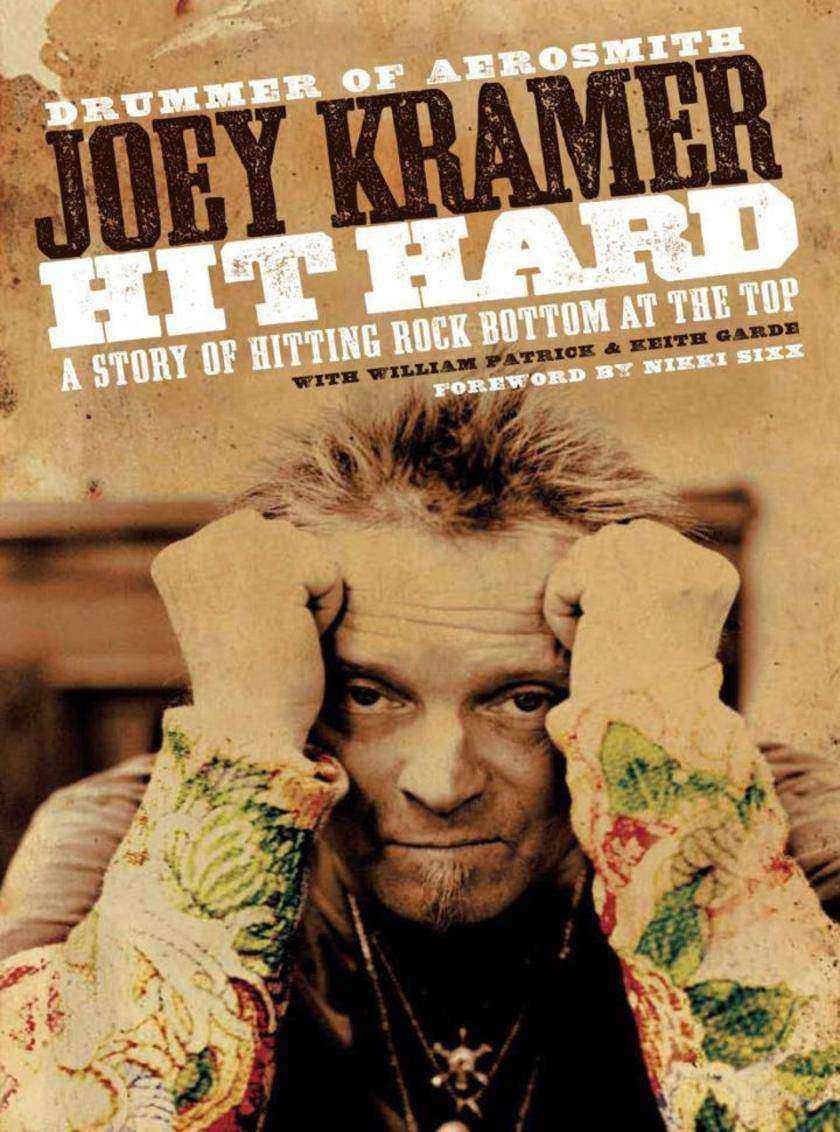
Hit Hard
¥88.56
In 1997, amid Aerosmith's sold-out world tour and number one album release, word about Joey's troubles was reported in the press.Despite the advice he had received to play it down, Joey revealed in an interview his ongoing struggles with depression. The response from fans and people battling those same internal demons was overwhelming. Joey who has been the drummer in Aerosmith since it was founded in 1970 and is the first member of the band to release his own book now tells the complete story: the early days of the band, glamorous drug-addled events leading up to their eventual sobriety, battles within his family and among bandmates, and the explosive internal dynamics in Aerosmith that continue to unleash a fury of endless creativity. This is not just another rock 'n' roll memoir. In addition to the never-before-told Aerosmith war stories that abound in the book, Hit Hard unpacks the history of a rock star who was both fragile and tough, who after years of insane wildness became willing to accept help and finally kick a serious alcohol and drug addiction, only to find that the real terrors and hard work were still ahead. It's the story of an average kid from an average American suburb who went through physical and emotional trauma. It's about years of depression and the nervous breakdown at the height of the band's comeback success. Ultimately, Hit Hard is about how Joey recognized his confusion between love and abuse, awakening to the kind of self-acceptance and compassion that make relationships possible in the "real world" as a member of the biggest band in American history.
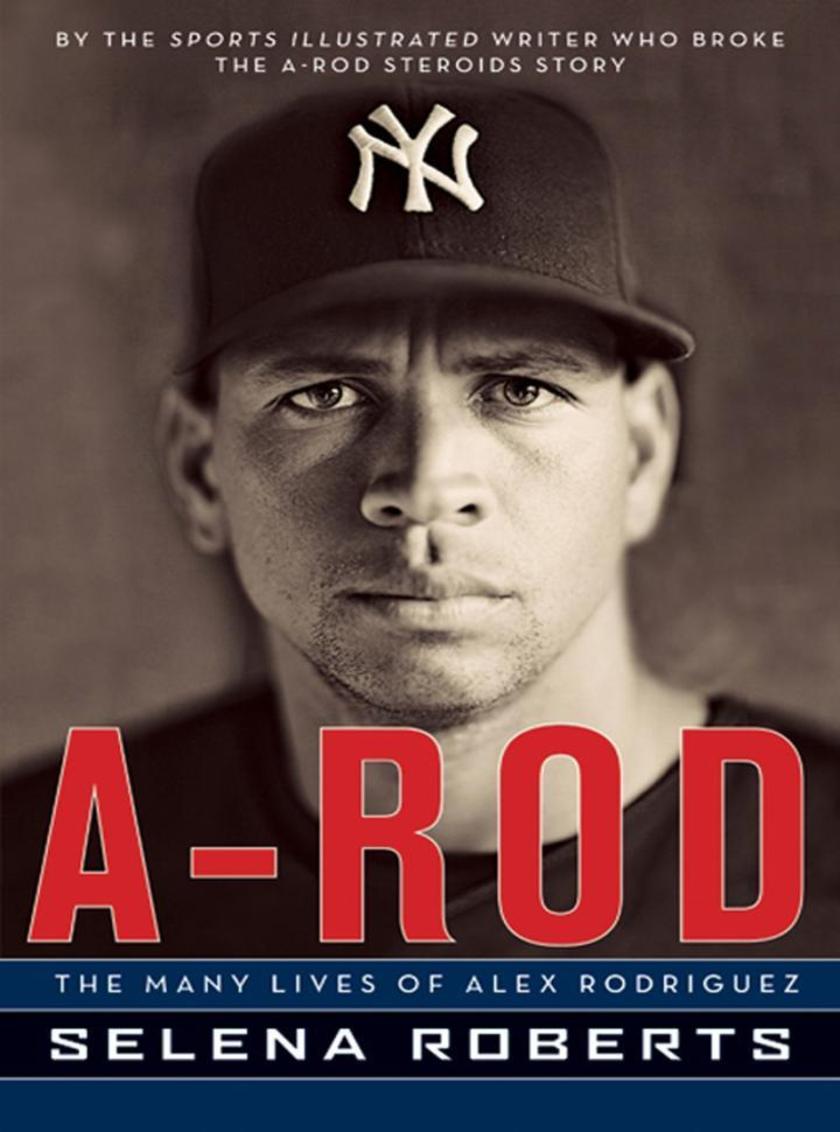
A-Rod
¥90.77
Alex Rodriguez is the highest-paid player in the history of baseball, a once-in-a-generation talent poised to break many of the sport's most hallowed records. In 2007 he became the youngest player, at 32, ever to hit 500 home runs, solidifying his status as the greatest player in the modern game, and months later he signed a contract that would keep him with the Yankees through the end of his career. His reputation changed drastically in February 2009 when Selena Roberts broke the news in Sports Illustrated that A-Rod had used performance-enhancing drugs during his 2003 MVP season with the Texas Rangers. Her report prompted a contrite Rodriguez to admit illegal drug use during his 2001–2003 seasons with the Rangers, who had signed him to the most expensive contract in Major League Baseball history. Although he admitted to three seasons of steroid use, the man teammates call "A-Fraud" was still hiding the truth. In the first definitive biography of Alex Rodriguez, Roberts assembles the strands of a bizarre and extraordinary life: from his boyhood in New York and the Dominican Republic through his near-mythic high school career and fast track to the big leagues, the whole of A-Rod's career mirrors the rise and fall of the steroid generation. Roberts goes beyond the sensational headlines, probing A-Rod's childhood to reveal a man torn by obligation to his family and the pull of his insatiable hedonism, a conflict--epitomized by his relationship with Madonna and devotion to Kabbalah--that led to the end of his six-year marriage. Roberts sheds new light on A-Rod's abuse of performance-enhancing drugs, a practice he appears to have begun as early as high school and that extended into his Yankee years. She chronicles his secretive real estate deals, gets inside the negotiations for his latest record-breaking contract with the Yankees, and examines the insecurities that compel him to seek support from a motivational guru before every game. In A-Rod, Roberts captures baseball's greatest player as a tragic figure in pinstripes: the man once considered the clean exception of the steroid generation revealed as an unmistakable product of its greed and dissolution.
The Dancing Wu Li Masters
¥99.65
With its unique combination of depth, clarity, and humor that has enchanted millions, this beloved classic by bestselling author Gary Zukav opens the fascinating world of quantum physics to readers with no mathematical or technical background. "Wu Li" is the Chinese phrase for physics. It means "patterns of organic energy," but it also means "nonsense," "my way," "I clutch my ideas," and "enlightenment." These captivating ideas frame Zukav's evocative exploration of quantum mechanics and relativity theory. Delightfully easy to read, The Dancing Wu Li Masters illuminates the compelling powers at the core of all we know.
The Apple Trees at Olema
¥94.10
The Apple Trees at Olema includes work from Robert Hass's first five books Field Guide, Praise, Human Wishes, Sun Under Wood, and Time and Materials as well as a substantial gathering of new poems, including a suite of elegies, a series of poems in the form of notebook musings on the nature of storytelling, a suite of summer lyrics, and two experiments in pure narrative that meditate on personal relations in a violent world and read like small, luminous novellas. From the beginning, his poems have seemed entirely his own: a complex hybrid of the lyric line, with an unwavering fidelity to human and nonhuman nature, and formal variety and surprise, and a syntax capable of thinking through difficult things in ways that are both perfectly ordinary and really unusual. Over the years, he has added to these qualities a range and a formal restlessness that seem to come from a skeptical turn of mind, an acute sense of the artifice of the poem and of the complexity of the world of lived experience that a poem tries to apprehend.Hass's work is grounded in the beauty of the physical world. His familiar landscapes San Francisco, the northern California coast, the Sierra high country are vividly alive in his work. His themes include art, the natural world, desire, family life, the life between lovers, the violence of history, and the power and inherent limitations of language. He is a poet who is trying to say, as fully as he can, what it is like to be alive in his place and time. His style formed in part by American modernism, in part by his long apprenticeship as a translator of the Japanese haiku masters and Czeslaw Milosz combines intimacy of address, a quick intelligence, a virtuosic skill with long sentences, intense sensual vividness, and a light touch. It has made him immensely readable and his work widely admired.
The House of Harper
¥95.39
The epic story of a publishing giantIn 1817 four young brothers opened a printing shop in downtown Manhattan. Two centuries later, their small enterprise has grown into one of the world's largest and most successful publishing houses. The Harper brothers and their sons and successors created a grand cultural institution that has become a cornerstone of America's literary heritage.Eugene Exman's classic history, published in 1967, The House of Harper is the fascinating account of the birth and growth of a magnificent literary empire. Richly detailed, it is filled with portraits of dynamic publishers and editors, with remarkable anecdotes about the legendary artists and authors whose works they championed and brought to the general public Charles Dickens, George Eliot, Herman Melville, Mark Twain, Winslow Homer, Henry James, Edna St. Vincent Millay, Thomas Wolfe, and Aldous Huxley, to name but a few. More than the enthralling saga of a successful business venture, it is a story of the shaping of American literature and culture.
How to Raise a Child with a High EQ
¥88.56
Studies show that emotional intelligence -- the social and emotional skills that make up what we call character -- is more important to your child's success than the cognitive intelligence measured by IQ. And unlike IQ, emotional intelligence can be developed in kids at all stages.Filled with games, checklists and practical parenting techniques, How to Raise a Child with a High EQ will help your child to cope with -- and overcome -- the emotional stress of modern times and the normal problems of growing up.
The Girl's Guide to Starting Your Own Business
¥90.77
Geared toward the unique challenges faced by self-employed businesswomen and updated for the social media-driven, post-financial crisis world The Girl's Guide to Starting Your Own Business offers solutions and advice for handling a range of issues, including how to write a business plan, how to secure funding, and how to hire (and fire) employees. Caitlin Friedman and Kimberly Yorio share practical information drawn from their own extensive experience in the public relations, marketing, and consulting fields. Their concise and engaging advice is explained through entertaining tips, lists, and quizzes that speak directly to women who are dreaming of starting, or have already started, their own businesses.
Long Shot
¥90.73
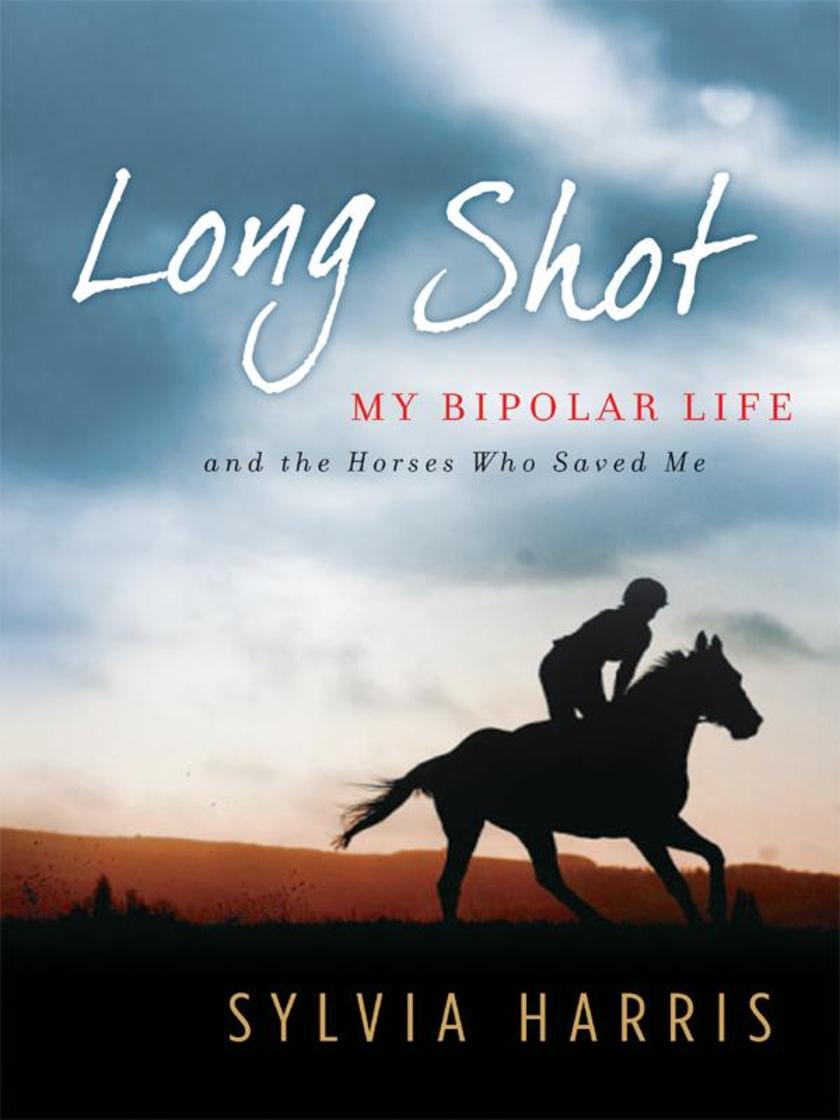
Seabiscuit meets Manic when Sylvia Harris, a single mother crippled by her struggles with bipolar depression, discovers the healing, calming effect of horses.Alcohol. Lithium. Buddhist chanting. To quiet the voices in her mind, Sylvia Harris tried all of the above. At times, her manic behavior led her to dress up as a cowgirl and show off her imaginary rope skills in the middle of a quaint Northern California village, or spend the night in a torpor of fear awaiting the alien invasion she knew was on the horizon. At its worst, it led her to look for love in all the wrong places and create a family she had difficulty caring for. Although she sometimes found temporary relief and brief moments of calm, darkness always followed. At the nadir of her twenty-year battle with bipolar depression, Harris found salvation in the most unlikely of places: Cardinal Farm, an equine ranch outside of Orlando, Florida.Harris had always been drawn to animals, but she had no idea of the healing power she would discover while working with horses. And though she still experienced raging highs and destabilizing lows, eventually through grooming, caring for, and, against all odds, racing horses she was able to find stability and, ultimately, joy. With an unflinching eye toward her weaknesses and the pain that her life decisions have inflicted on others, Harris examines the ravaging power of her bipolar behavior and the magical power of horses, showing us how the mythic interspecies connection between humans and these magnificent animals continues to astonish and inspire.
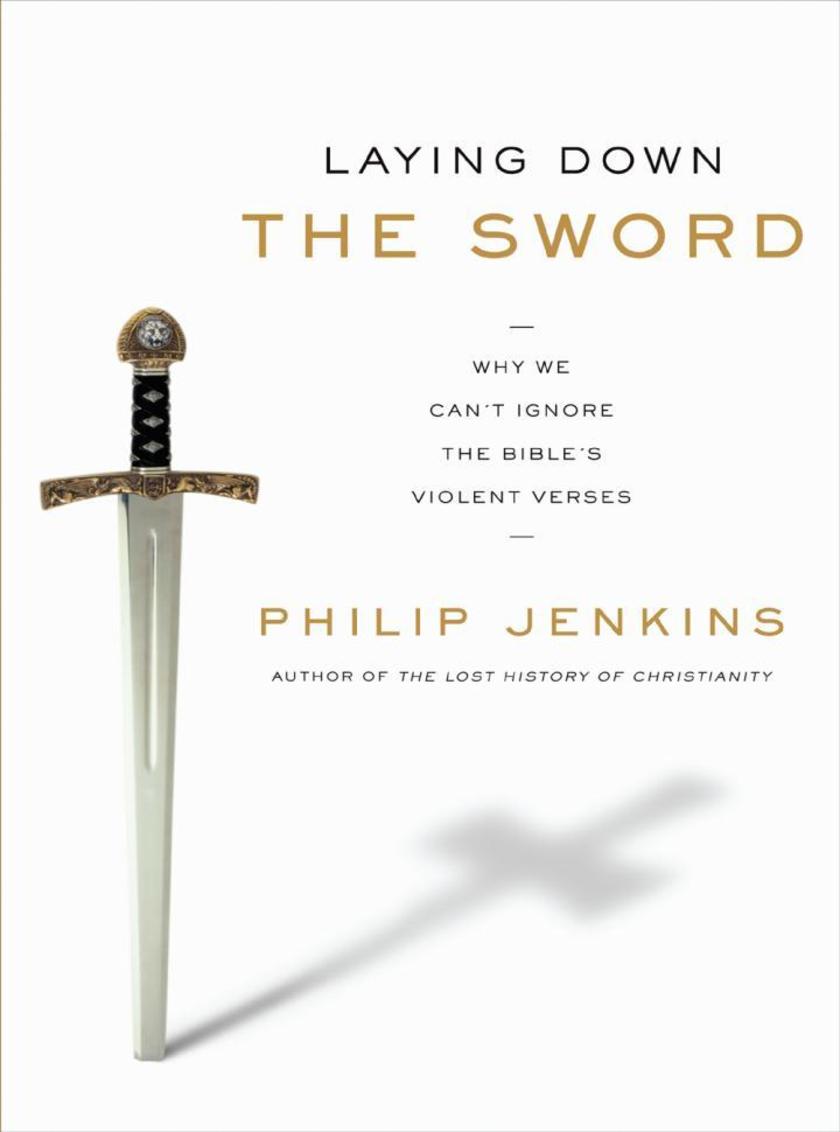
Laying Down the Sword
¥90.77
Commands to kill, to commit ethnic cleansing, to institutionalize segregation, to hate and fear other races and religions all are in the Bible, and all occur with a far greater frequency than in the Qur’an. But fanaticism is no more hard-wired in Christianity than it is in Islam. In Laying Down the Sword, one of America’s best scholars of religion” (The Economist) explores how religions grow past their bloody origins, and delivers a fearless examination of the most violent verses of the Bible and an urgent call to read them anew in pursuit of a richer, more genuine faith.Christians cannot engage with neighbors and critics of other traditions nor enjoy the deepest, most mature embodiment of their own faith until they confront the texts of terror in their heritage. Philip Jenkins identifies the holy amnesia” that, while allowing *ural religions to grow and adapt, has demanded a nearly wholesale suppression of the Bible’s most aggressive passages, leaving them dangerously dormant for extremists to revive in times of conflict. Jenkins lays bare the whole Bible, without compromise or apology, and equips us with tools for reading even the most unsettling texts, from the slaughter of the Canaanites to the alarming rhetoric of the book of Revelation.Laying Down the Sword presents a vital framework for understanding both the Bible and the Qur’an, gives Westerners a credible basis for interaction and dialogue with Islam, and delivers a powerful model for how a faith can grow from terror to mercy.
Return of the Bird Tribes
¥88.56
Ken Carey is one of the greatest living teachers Read him, and you'll have hope.'MARIANNE WILLIAMSONExploring the transformative impact of Native American spirituality on contemporary events, this is the third book in Ken Carey's be
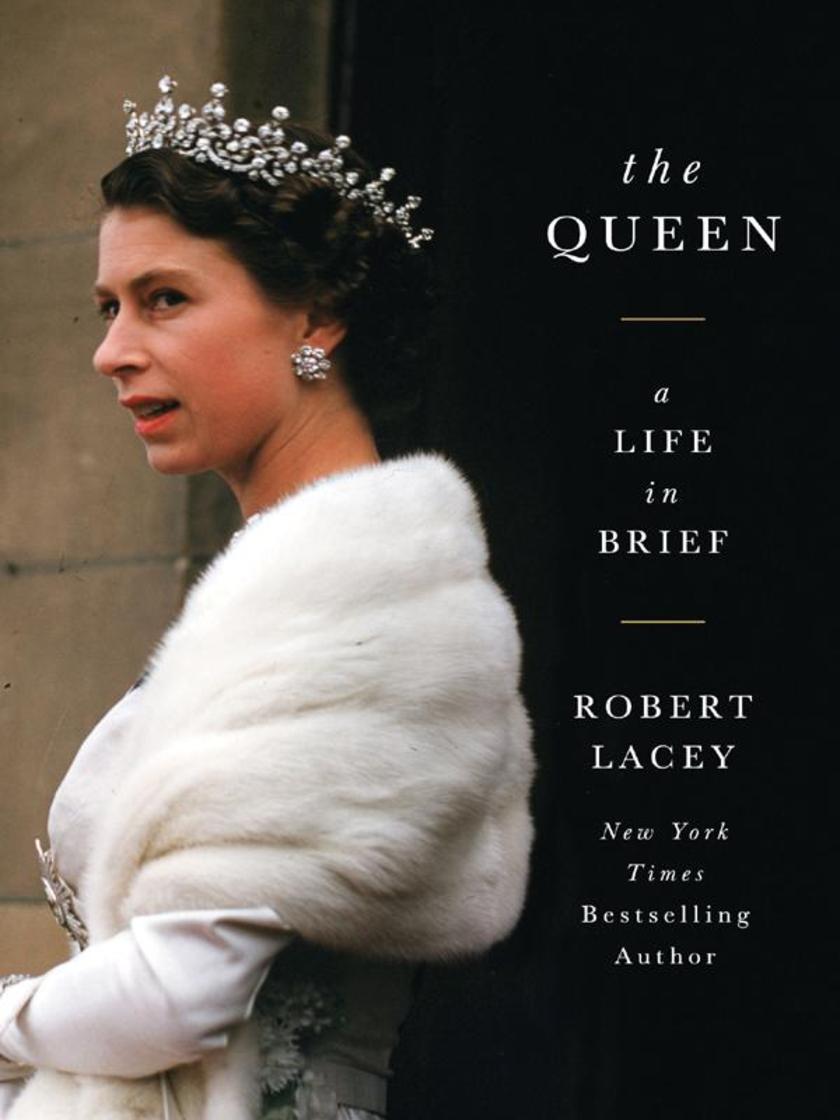
The Queen
¥88.56
the QueenElizabeth II was not born to be queen. She came into the world on April 21, 1926, the equivalent of the modern Princess Beatrice, first-born daughter of the Duke of York, destined to flutter on the royal fringe. So while Lilibet was brought up with almost religious respect for the crown, there seemed no chance of her inheriting it. Her head was never turned by the personal prospect of grandeur which is why she would prove so very good at her job. Elizabeth II's lack of ego was to prove the paradoxical secret of her greatness. For more than thirty years, acclaimed author and royal biographer Robert Lacey has been gathering material from members of the Queen's inner circle her friends, relatives, private secretaries, and prime ministers. Now, in The Queen, Lacey offers a life of the celebrated monarch, told in six succinct chapters, accentuated by elegant color and black-and-white photographs that capture the distinctive flavor of passing eras and reveal how Elizabeth II adapted or, on occasions, regally declined to adapt to changing times.
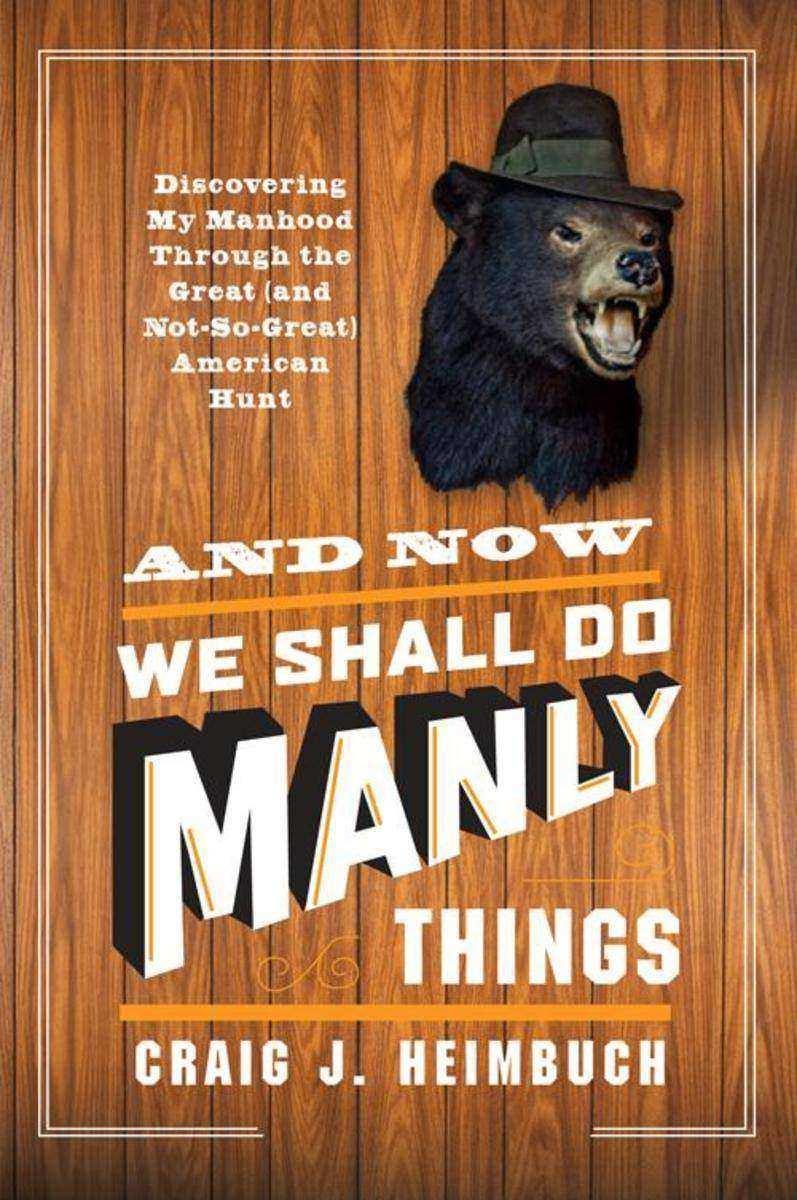
And Now We Shall Do Manly Things
¥90.77
In the tradition of Bill Bryson's A Walk in the Woods and A. J. Jacobs's The Know-It-All, Craig J. Heimbuch takes a wry look at some of our most deeply cherished cultural beliefsCraig J. Heimbuch had never even thought of owning a gun when, in his early thirties, he was given a twelve-gauge Winchester over-under shotgun by his father. The black sheep, so to speak, of his Midwestern family, Craig was possibly the only male Heimbuch never to have taken an animal. But now that he had a shotgun, he figured he might as well try it out, and in so doing, explore the meaning of manhood while getting closer to his hunting-enthusiast dad.And Now We Shall Do Manly Things is the witty, moving, and insightful story of one man's quest to free himself from the shackles of his domesticated suburban lifestyle by immersing himself for one year in the hunting culture his family has always cherished. Along the way Heimbuch learns what putting food on the table once entailed and what it means to be a man in America and discovers that it's possible to be a committed father, a loving spouse, and a hunter without being mistaken for a gun-toting lunatic.
One Last Strike
¥94.10
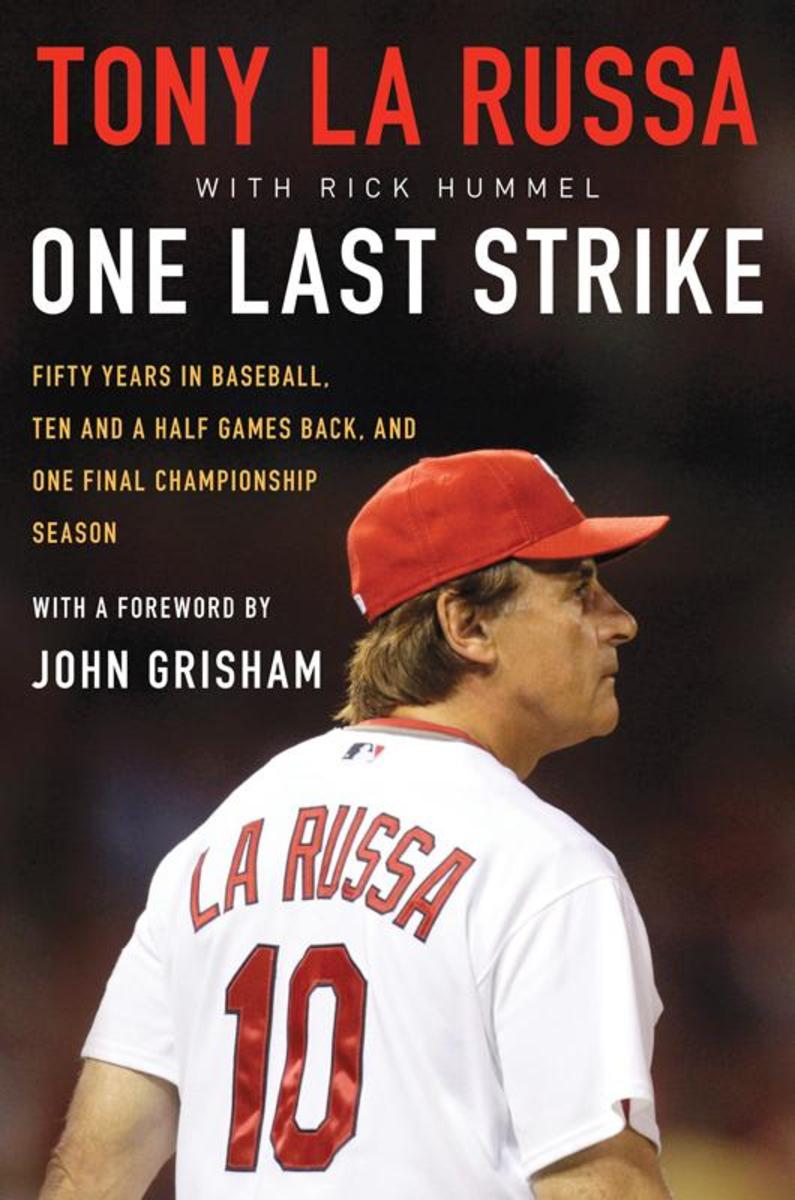
The team that refused to give up their manager in his final season A comeback that changed baseball After thirty-three seasons managing in Major League Baseball, Tony La Russa thought he had seen it all that is, until the 2011 Cardinals. Down ten and a half games with little more than a month to play, the Cardinals had long been ruled out as serious postseason contenders. Yet in the face of those steep odds, this team mounted one of the most dramatic and impressive comebacks in baseball history, making the playoffs on the night of the final game of the season and going on to win the World Series despite being down to their last strike twice.Now La Russa gives the inside story behind this astonishing comeback and his remarkable career, explaining how a team with so much against it was able to succeed on baseball's biggest stage. Opening up about the devastating injuries, the bullpen struggles, the crucial games, and the players who made it all possible, he reveals how the team's character shaped its accomplishments, demonstrating how this group came together in good times and in bad to become that rarest of things: a team that actually enjoyed it when the odds were against them. But this story is much more than that of a single season. As La Russa, the third-winningest manager in baseball history, explains, their season was the culmination of a lifetime spent studying the game. Laying bare his often scrutinized and frequently misunderstood approach to managing, he explains his counterintuitive belief in process over result, present moments over statistics, and team unity over individual talent. Along the way he shares the stories from throughout his career that shaped his outlook from his first days managing the Chicago White Sox to his championship years with the Oakland A's, to his triumphant tenure as St. Louis's longest-serving manager. Setting the record straight on his famously intense style, he explores the vital yet overlooked role that his personal relationships with his players have contributed to his victories, ultimately showing how, in a sport often governed by cold, hard numbers, the secret to his success has been surprisingly human. Speaking candidly about his decision to retire, La Russa discusses the changes that he'd observed both in the game and in himself that told him, despite his success, it was time to hang up his spikes. The end result is a passionate, insightful, and remarkable look at our national pastime that takes you behind the scenes of the comeback that no one thought possible and inside the mind of one of the game's greatest managers.
Sundancing
¥70.17
Every winter, 8,000 feet above sea level in the Utah snow, the hopes and dreams of young moviemakers are put on display at the Sundance Film Festival--the haven for independent films where you can show up a kid and go home a star. In barely twenty years of existence, the festival--now overseen by Robert Redford's Sundance Institute--has assumed tremendous importance for today's film culture: during the annual ten-day event, tiny Park City is so overrun by agents, publicists, studio executives, and other Hollywood types that in 1988 they blew out the town's cell-phone relay system.
Why Do Pirates Love Parrots?
¥72.71
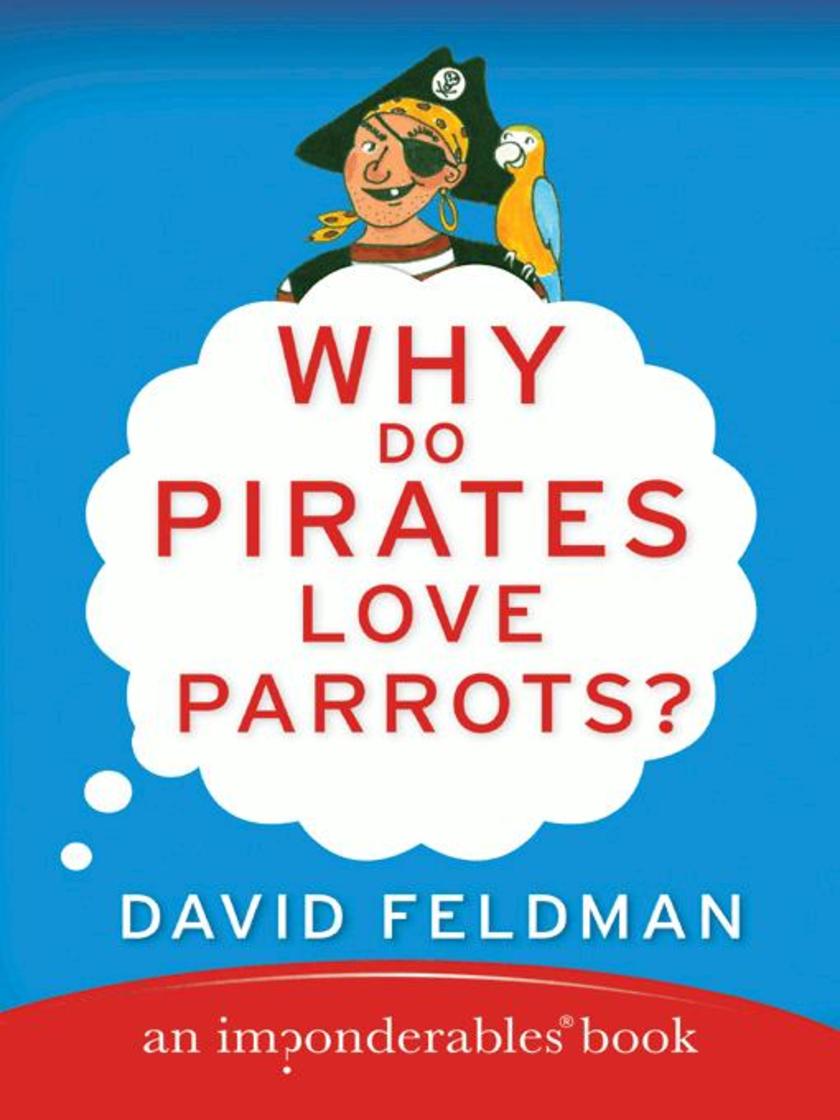
Are you the type of person who stays up nights wondering how they get the paper tag into Hershey's KissesOr why portholes are roundEven if you don't lose sleep over such matters, you have to admit that such questions are, well, worthy of consideration. Here, from David Feldman, creator of the Imponderables series, are the latest questions on the minds of his devoted readers and fans. No question from his readers is too small or obscure for Feldman to tackle. From the return of red Ms (they are back, if you've missed it) to new-car smell, the answers to life's little mysteries are dissected in these pages. Although it's all done in great fun, there is also an educational edge to the answers, as Feldman ferrets out top experts in diverse fields to come up with his entertaining answers. And their answers may surprise you from the detailed physics involved in why cans of Diet Coke float but regular Coke doesn't, all the way to why they put crinkly paper into pairs of men's socks (but only one sock, not both).Complete with drawings by longtime Imponderables illustrator Kassie Schwan, and a special section updating answers to questions in previous books in the series, this eleventh book of Imponderables is sure to entertain the thousands of Feldman fans who have purchased over 2 million copies to date. Prepare to be delighted!
Poker Nation
¥72.70
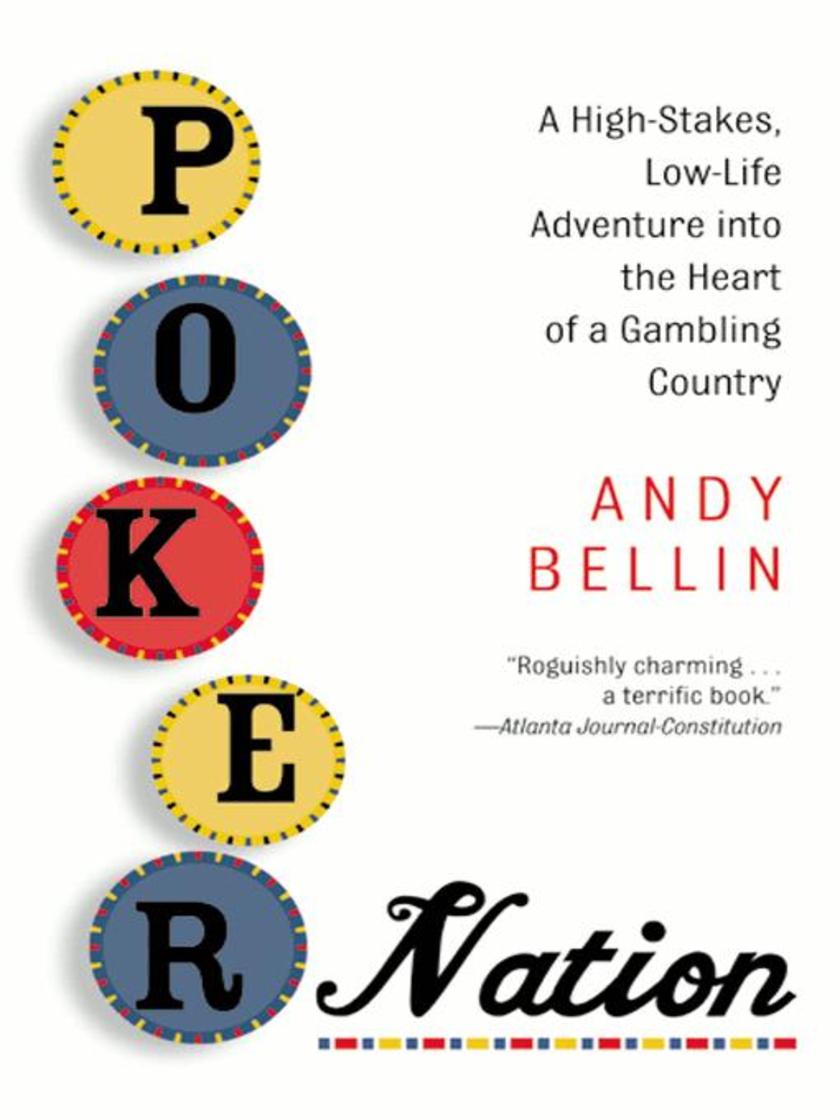
Journalist and poker fanatic Andy Bellin takes readers on a raucous journey into the shut-up-and-deal world of professional poker. From basement games to the World Series of Poker in Las Vegas, you'll look over his shoulder as he learns to count cards, read a legendary player's body language, hang in there when the chips are down, and take his beatings like a man. Even if you don't know the difference between a flop and a river card, Bellin keeps you in the game with his portraits of the colorful players, dreamers, hustlers, and eccentrics who populate this strange subculture. Along with learning what goes on behind the scenes in illegal poker clubs, you'll get great advice on how to play Texas Hold'em, today's game of choice for big-money players.
Say What You Mean and Mean What You Say!
¥73.71
Parents have it tough. Kids have it tough, too. And few people are in a better position to guide readers through these tough times than Judge Glenda Hatchett. As chief presiding judge of one of the largest juvenile court systems in the country, she gained a front-row perspective on the hot-button social issues of our time -- including drug and alcohol abuse, truancy, date rape, and school violence. As presiding judge on the hit television series Judge Hatchett, she continues to build bridges between parents and their lost, angry, and alienated teens. And, as a parent, she's turned her professional experiences to personal advantage, helping her own children navigate through some of the more difficult dilemmas facing young people today.Using her experiences as a judge and a parent, Judge Hatchett shares with readers seven simple strategies to becoming more involved in a child's life and maintaining a strong relationship. Including concrete examples and illuminating anecdotes, Judge Hatchett says what she means and means what she says in this essential guide to raising safe, smart, and successful children ... even in the tough times.
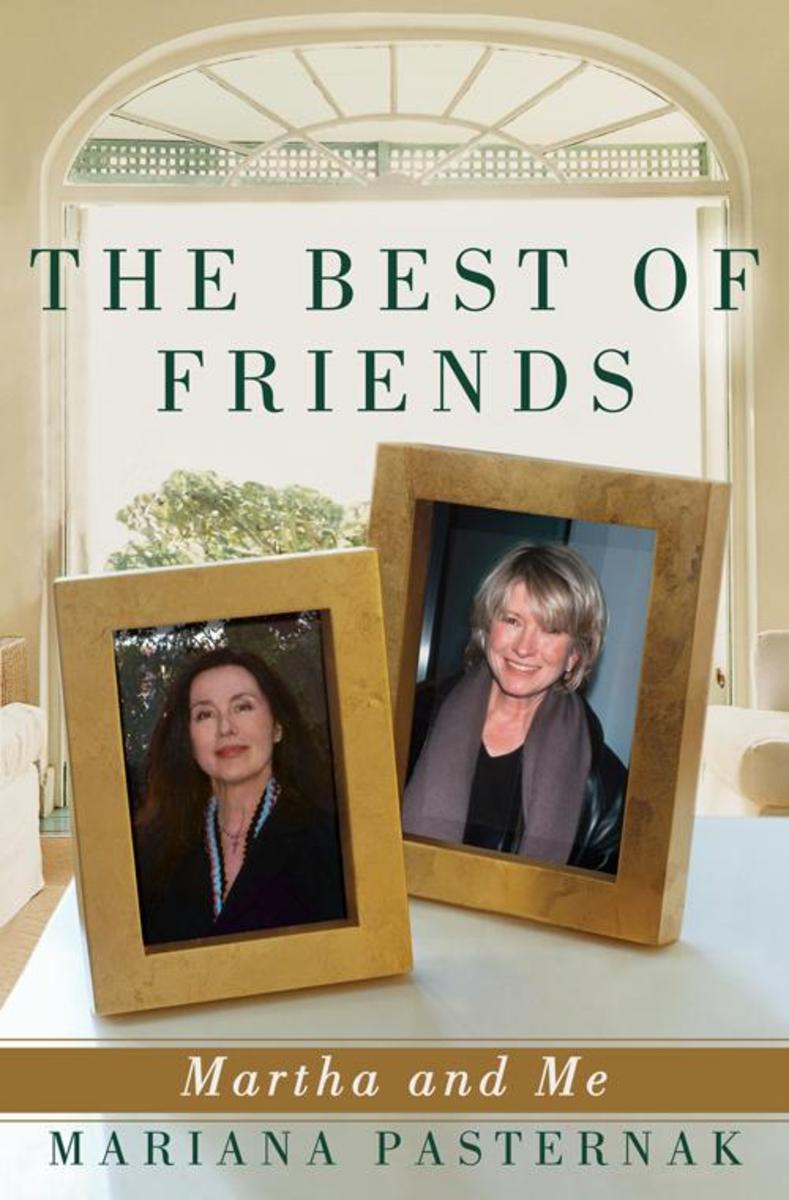
The Best of Friends
¥90.77
Set in a world of luxury and power, this is the story of two remarkable women and a friendship that changed both their lives forever.For more than two decades, Mariana Pasternak and Martha Stewart were nearly inseparable. They first met over a garden gate in Westport, Connecticut, two suburban wives wedded to successful men but with grand aspirations of their own. Their bond only deepened after their marriages ended in divorce. Struggling as a single mother, but drawn into a seductive world of privilege and adventure, Pasternak watched with admiration as her friend built an empire that would make her one of the richest women in America.A European migr with sophisticated tastes, Pasternak helped to smooth Stewart's rough edges, while Stewart drew Pasternak into a rarefied world, where together they navigated the sometimes hilarious and often difficult challenges of being single. The depth of their friendship not only benefited them both but also influenced how they defined themselves, through good times and bad. Friendship between women is never simple and this one was no exception.With Stewart's newfound success and Pasternak's zest for adventure, the two women's friendship was based on their mutual quest for wonder and discovery. They rode horses through the desert dunes of Egypt, hiked the winding Inca Trail to the mysterious Machu Picchu, paddled at night in dugout canoes through the Amazonian jungle. They toasted the good life with thin-stemmed champagne glasses and sipped jade dew" green tea in Martha's Turkey Hill kitchen. This was no ordinary life.As time passed, money, men, and the arrogance of wealth frayed the bonds they had built so carefully over more than twenty years. The final break came when Pasternak was called as a witness in the high-profile trial that brought about Stewart's conviction and prison sentence. Pasternak's deeply personal memoir tells the story of their friendship with honesty and candor, reflecting on the power of such intense relationships to change our lives, and the devastating aftermath when those relationships end.
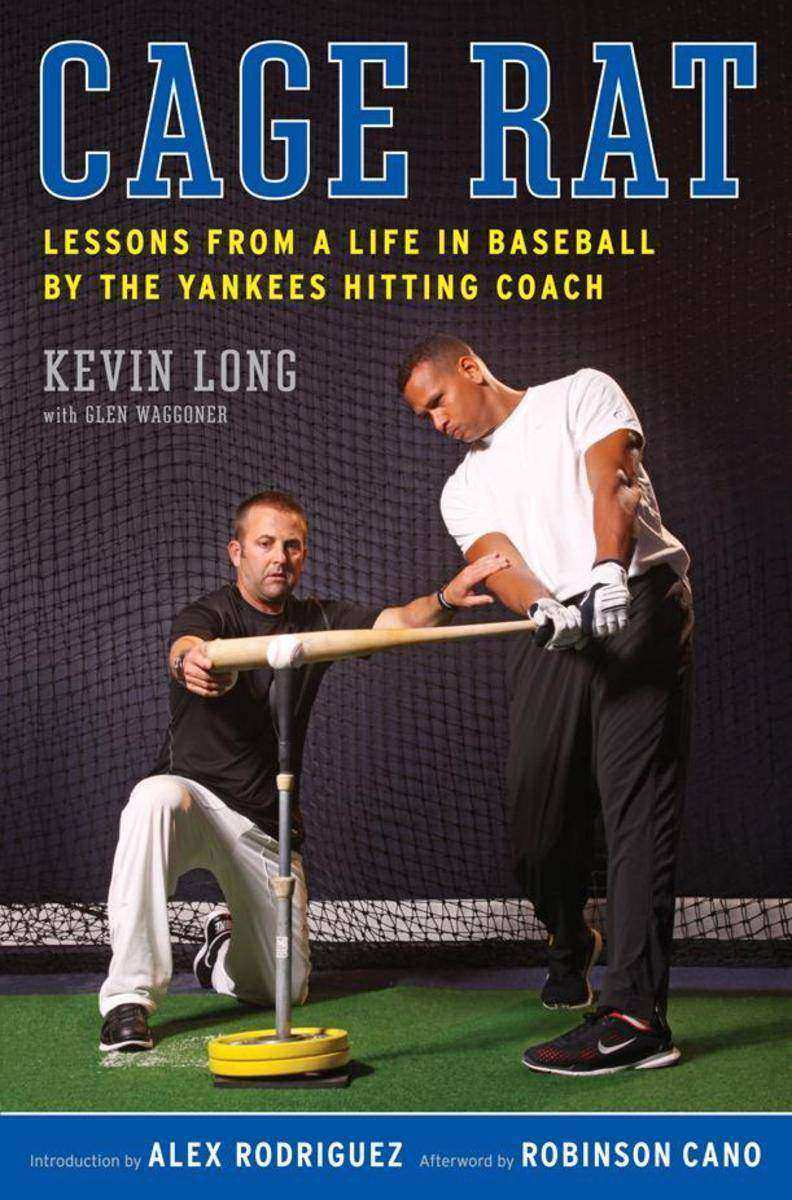
Cage Rat
¥90.77
From Yankees hitting coach Kevin Long the man who coaches all-stars like Derek Jeter, Alex Rodriguez, and Robinson Cano comes this indispensable guide to hitting, full of practical advice, behind-the-scenes baseball action, and an enduring, inspiring love for America's national pastimeThe legendary Ted Williams often said that "hitting a baseball is the most difficult thing to do in sport." If hitting a baseball is that hard to do, imagine trying to teach how to hit. Yankees hitting coach Kevin Long does just that every day to some of the best players in the game.In Cage Rat, Long draws on more than twenty years of experience playing and coaching professional baseball to demonstrate to readers the techniques, practices, and habits of great hitting. From bat angle to grip, and from plate coverage to athletic stance and hitting drills, Long takes us into the Yankees' batting cage, where he shows us how major-league players hone their hitting and refine their skills. Not just a practical guide to hitting, Cage Rat is also a dynamic, engaging, and moving portrait of a man realizing his goals. From his early days in the minor leagues to his major league dreams of playing with the Kansas City Royals, from the dramatic decision to turn to coaching to the fateful call from the New York Yankees, Kevin Long's story is a quintessentially American narrative that celebrates hard work, perseverance, and a positive attitude.Chock-full of practical advice, behind-the-scenes action, instructional photographs, and inspirational stories, Cage Rat is a must-read for aspiring players, Yankees fans, and anyone who loves baseball.

To the Heart of the Nile
¥95.39
In 1859, at age fourteen, Florence Szász stood before a room full of men and waited to be auctioned to the highest bidder. But slavery and submission were not to be her destiny: Sam Baker, a wealthy English gentleman and eminent adventurer, was moved by compassion and an immediate, overpowering empathy for the young woman, and braved extraordinary perils to help her escape. Together, Florence and Sam -- whose love would remain passionate and constant throughout their lives -- forged into literally uncharted territory in a glorious attempt to unravel a mysterious and magnificent enigma called Africa.A stunning achievement, To the Heart of the Nile is an unforgettable portrait of an unforgettable woman: a story of discovery, bravery, determination, and love, meticulously reconstructed through journals, documents, and private papers, and told in the inimitable narrative style that has already won Pat Shipman resounding international acclaim.
The Wall Street Journal Guide to Power Travel
¥95.39
Imagine a world without late planes, missed connections, lost luggage, bumped passengers, cramped seating, high fees and higher fares, surly employees, and security lines. . . . Ordinary travel is an extraordinary ordeal. Yet despite the high prices and huge hassles, travel is essential along with the need for tips, tricks, and techniques to improve the journey. The Wall Street Journal Guide to Power Travel is an entertaining road trip and a helpful guide, drawn from Scott McCartney's popular Middle Seat column, which explains why bad things happen to good travelers and what you can do to improve your lot. Expert advice and tips include: How to get cheap fares, first-class upgrades, and better seats. How to minimize chances of lost luggage and what to do when baggage doesn't show up. How to avoid delays, get around TSA bottlenecks, and minimize the chances you'll get stuck at some distant airport and what to do if you do get stuck. How to complain to an airline and get some attention, right down to what to ask for in compensation and how to get the government's attention.


