


 购物车
购物车 个人中心
个人中心
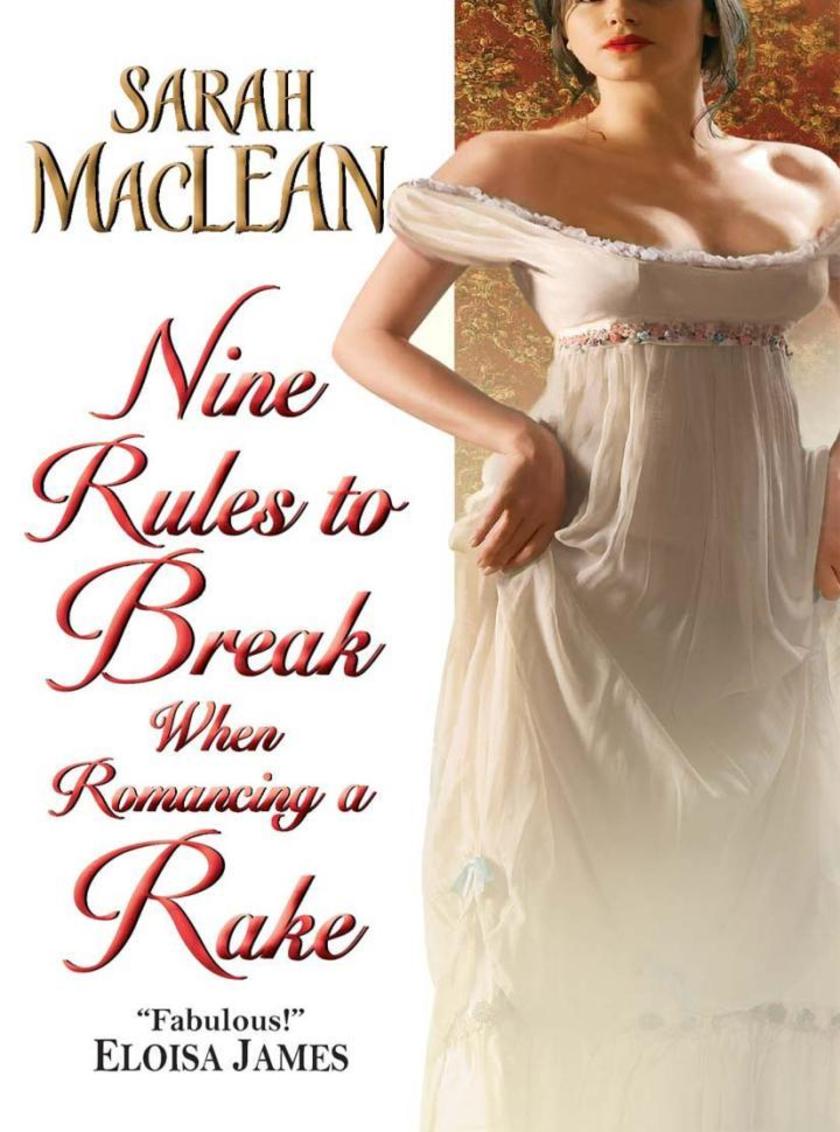
Nine Rules to Break When Romancing a Rake
¥55.91
A lady does not smoke cheroot. She does not ride astride. She does not fence or attend duels. She does not fire a pistol, and she never gambles at a gentlemen's club.Lady Calpurnia Hartwell has always followed the rules, rules that have left her unmarried and more than a little unsatisfied. And so she's vowed to break the rules and live the life of pleasure she's been missing.But to dance every dance, to steal a midnight kiss to do those things, Callie will need a willing partner. Someone who knows everything about rule-breaking. Someone like Gabriel St. John, the Marquess of Ralston charming and devastatingly handsome, his wicked reputation matched only by his sinful smile. If she's not careful, she'll break the most important rule of all the one that says that pleasure-seekers should never fall hopelessly, desperately in love . . .
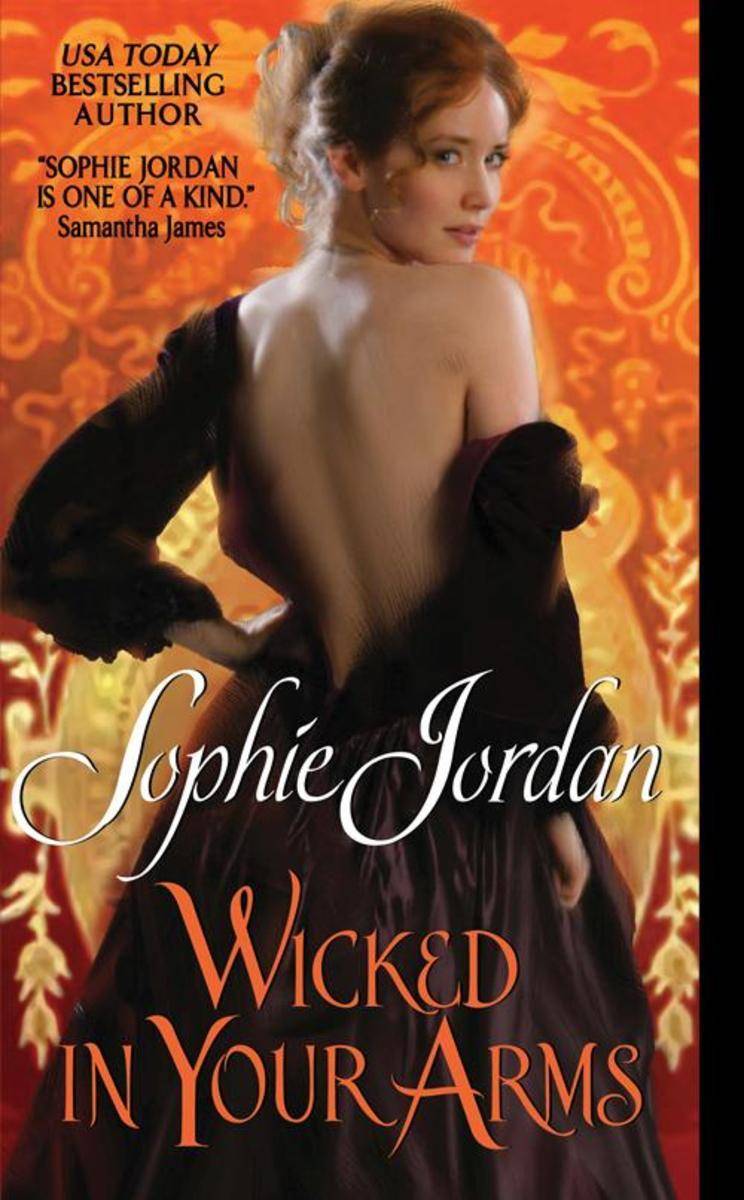
Wicked in Your Arms
¥62.24
One of the most notoriouslyeligible bachelors in Europe isfinally ready to marry . . .For fiercely independent Grier Hadley,being the illegitimate daughter of one ofLondon's most unsavory charactershas only one advantage: an enormous,ill-gotten dowry. Prince Sevastian Maksimi knows wherehis duty lies: he must find a well-bredyoung lady one with a considerablefortune to her name wed her promptly,and get to the business of producingan heir. The last thing Grier needs is someunattainable prince curling her toeswith his smoldering glances and wickedsuggestions. As far as Sev is concerned, she lacks the breeding to become aprincess. And yet one kiss from thisarresting female is all it takes for himto realize that anyone else in hisarms would be unthinkable . . .
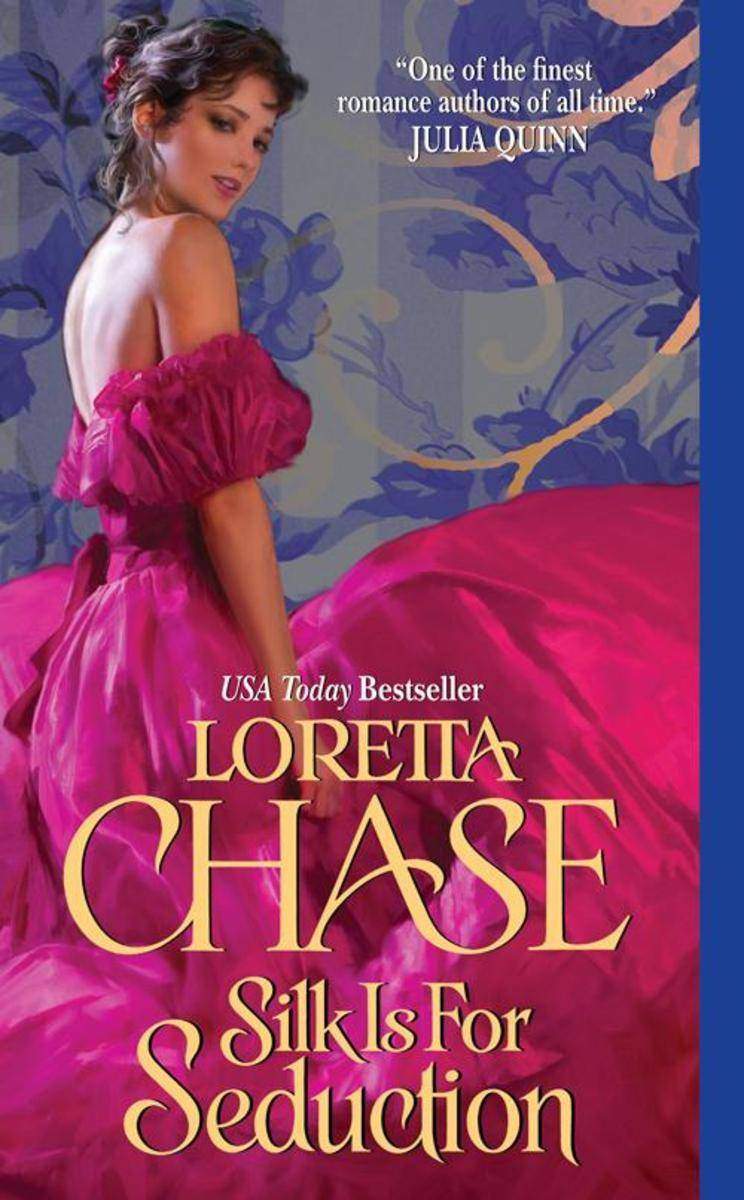
Silk Is For Seduction
¥56.07
From the Design Book of Marcelline Noirot: The allure of the perfect gown should be twofold: ladies would die to wear it . . .and gentlemen would kill to remove it!Brilliant and ambitious dressmaker Marcelline Noirotis London's rising star. And who better to benefitfrom her talent than the worst-dressed lady in the ton,the Duke of Clevedon's intended brideWinning thefuture duchess's patronage means prestige and fortunefor Marcelline and her sisters. To get to the lady,though, Marcelline must win over Clevedon, whosestandards are as high as his morals are . . . not.The prize seems well worth the risk but this timeMarcelline's met her match. Clevedon candesign a seduction as irresistible as her dresses;and what begins as a flicker of desire between twoof the most passionately stubborn charmersin London soon ignites into a delicious inferno . . .and a blazing scandal.And now both their futures hang by anexquisite thread of silk . . .
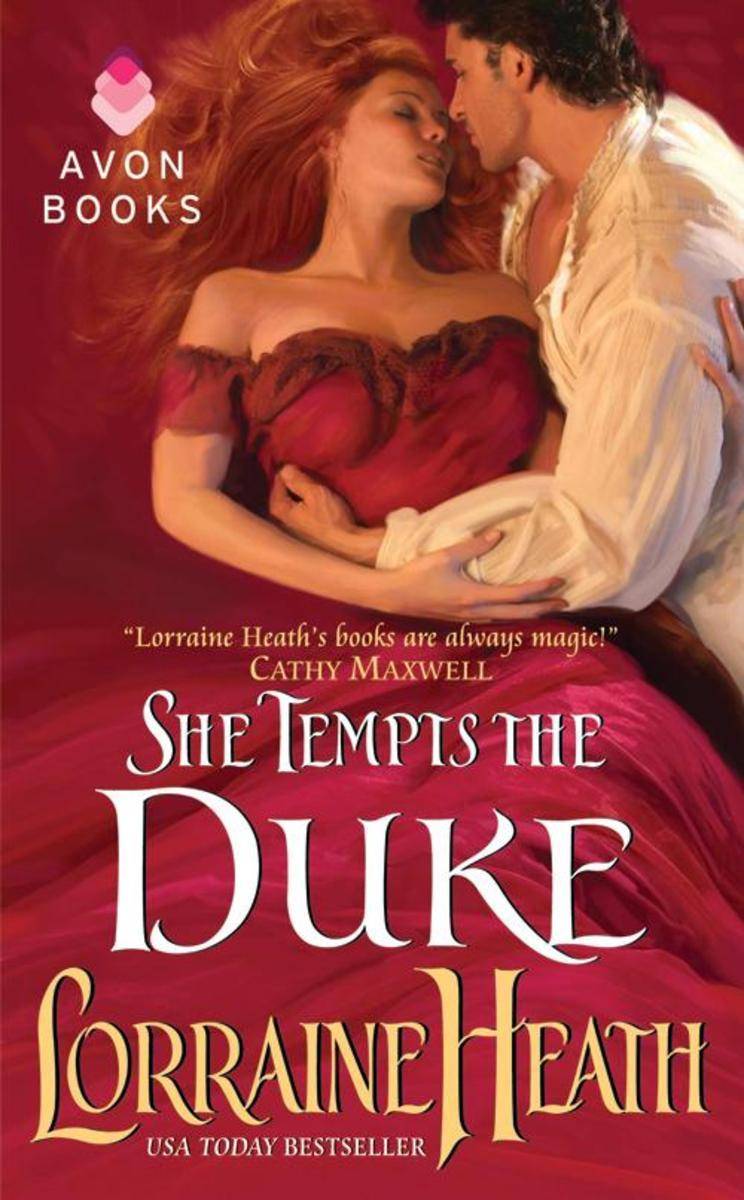
She Tempts the Duke
¥55.31
Three young heirs, imprisoned by an unscrupulous uncle, escaped to the sea, to the streets, to faraway battle awaiting the day when they would return to reclaim their birthright.Sebastian Easton always vowed he would avenge his stolen youth and title. Now back in London, the rightful Duke of Keswick returning from battle a wounded, hardened, changed man cannot forget the brave girl who once rescued him and his brothers from certain death.Lady Mary Wynne-Jones paid dearly for helping the imprisoned young Lords of Pembrook, and she remembers well the promise she made to Sebastian all those years ago: to meet him once more in the abbey ruins where they shared a bold, forbidden kiss. While Mary is now betrothed to another, a friendship forged with dark secrets cannot be ignored. Unexpected passion soon burns dangerously between them, tempting Sebastian to abandon his quest for retribution and fight for a love that could once again set him free.

A Heart So Wild
¥56.07
Courtney Harte is certain her missing father is a alive, lost somewhere deep in Indian territory. But she needs a guide to lead her safely through this dangerous, unfamiliar country, someone as wild and unpredictable as the land itself. And that man is the gunslinger they call Chandos.Courtney fears this enigmatic loner whose dark secrets torture his soul, yet whose eyes, bluer than the frontier sky, enflame the innocent, determined lady with wanton desires. But on the treacherous path they have chosen they have no one to trust but each other--as shared perils to their lives and hearts unleash turbulent, unbridled, passions that only love can tame.
The Warrior Laird
¥56.07
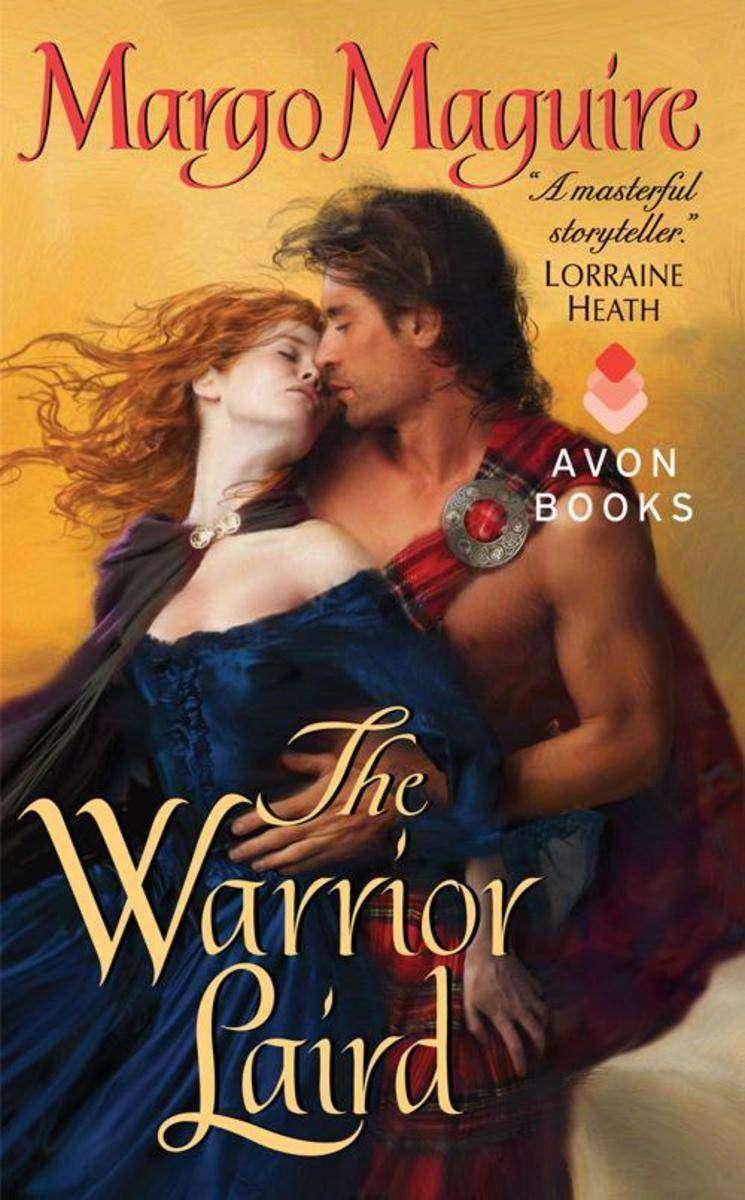
Haunted by horrors of his childhood, Dugan MacMillan has sworn to protect his clan at any cost . . . even if he must search for a rumored treasure and kidnap a beautiful thief to do it.The MacMillan laird has never crossed paths with anyone quite like Lady Maura Duncanson. After he saved her from certain death, the comely vixen had the audacity to disappear with his treasure map, his only key to restoring his clan. Dugan has no qualms about taking Maura hostage, especially when he learns she is to wed a wealthy old baron who will pay him a fortune in ransom . . . a fortune his people desperately need.But, of course, Maura has no intention of returning to her despicable fiance. And the longer Dugan spends in the bewitching hellion's presence, the less willing he is to surrender her to any man . . . at any price.

How to Deceive a Duke
¥55.91
When deception leads to desire . . .When her stubborn sister runs off the night before her arranged marriage, Meg Lyntonhardly hesitates before donning the wedding veil and walking down the aisle herself. It's the only way to save her family from sure destitution. By the time her wealthy groom discovers he has married the wrong sister, it will be too late to annul their vows. And too late for Meg to escape her wifely duty to a man reputed to be a devil in battle and the bedroom . . .A bride is the last thing Nicholas Hartley, Duke of Temberlay, wants. Then he sees Meg and realizes that his wedding night will be a great pleasure indeed. But aside from the agreeable business of begetting an heir, Temberlay will never change his wicked ways for a wedding vow until he discovers Meg's deception, and decides to teach the scheming beauty how to be a proper duchess, kiss by devastating kiss . . .

The Outlaw Viking
¥55.31
As tall and striking as the Valkyries of legend, Dr. Rain Jordan is proud of her Norse ancestors despite their warlike ways. But she can't believe her eyes when a blow to her head transports her to a nightmarish battlefield of yore and there standing before her is the barbarian of her dreams.A wild-eyed berserker, Selik can slay a dozen Saxons with a single swing of his deadly sword yet he can't control a saucy wench from the future. In his eyes, Rain is a prisoner and he'd dearly love to avail himself of her medical skills not to mention her considerable knowledge of the male anatomy. But the infuriating woman has ideas of her own. If Selik isn't careful, the stunning siren might very well capture his savage heart and make a warrior of love out of . . . The Outlaw Viking
Oedipus the King
¥55.33
Sophocles' most profound and celebrated play in a vivid and dynamic new translation by award-winning poet Robert BaggOedipus the King remains, after 2,500 years, a shocking, suspenseful, and highly emotional drama in which a royal family is brought to hellish ruin by fate, an inscrutable god, and the kindness of a stranger. Oedipus must find and destroy the murderer of his predecessor, King Laios, to rid Thebes of the plague caused by the killer's undetected and malignant presence. The play's headlong action resembles a tautly woven criminal investigation, but one whose immense stakes pose a host of wrenching and still unresolved questions: What constitutes human guiltWhy do gods punish the innocentWhat are the limits of human intellectWhy do family bonds so often prove destructive?Robert Bagg's spare, idiomatic, and nuanced translation is ideally suited for reading, teaching, or performing. This is Sophocles for a new generation.
When Do Fish Sleep?
¥72.71
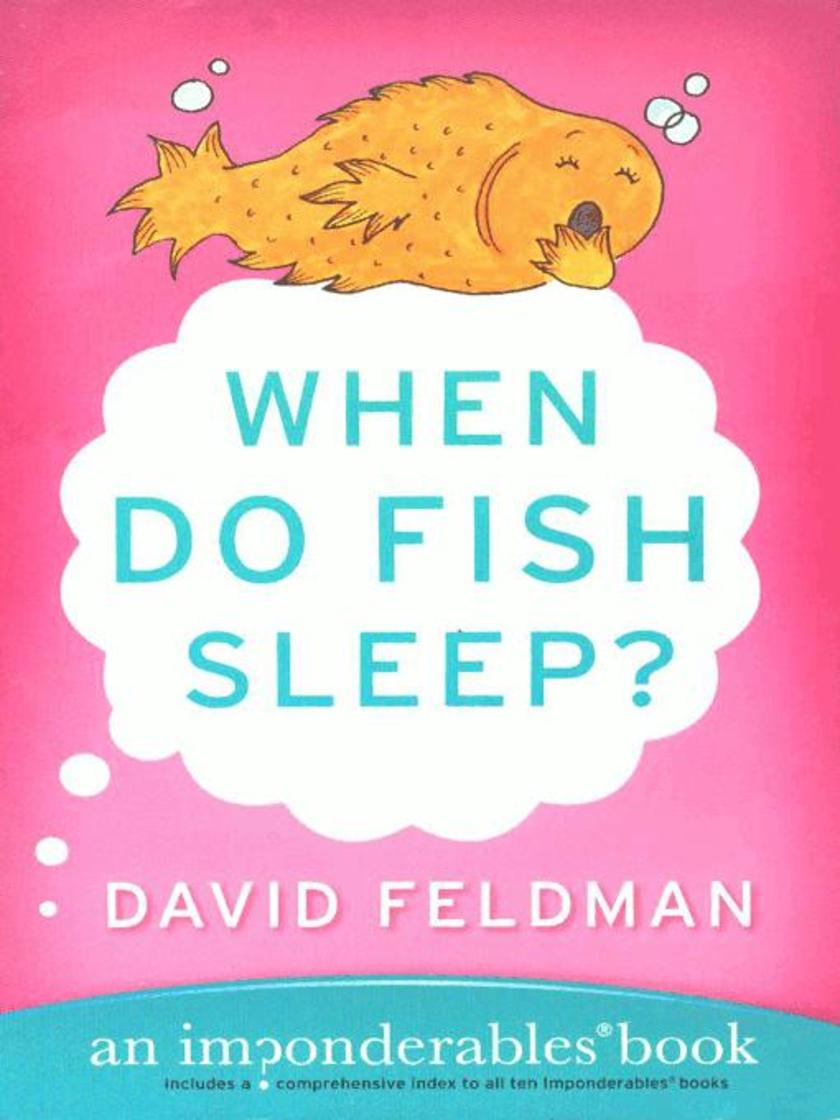
Ponder, if you will ...Why are tennis balls fuzzyHow come birds don't tip over when they sleep on telephone wiresWhat makes yawning contagiousWhy, oh why, do roosters have to crow so early in the morningPop-culture guru David Feldman demystifies these topics and so much more in When Do Fish Sleep-- the unchallenged source of answers to civilization's most baffling questions. Part of the Imponderables series and charmingly illustrated by Kassie Schwan, When Do Fish Sleeparms readers with the knowledge about everyday life that encyclopedias, dictionaries, and almanacs just don't have. And think about it, where else are you going to get to the bottom of why Mickey Mouse has only four fingers?
The Fisher King and the Handless Maiden
¥77.49
In the tradition of Annie Dillard and Natalie Goldberg, this resource for writers and non-writers alike shows the act of writing to be a dynamic means of knowing, healing, and creating the body, mind, and spirit.
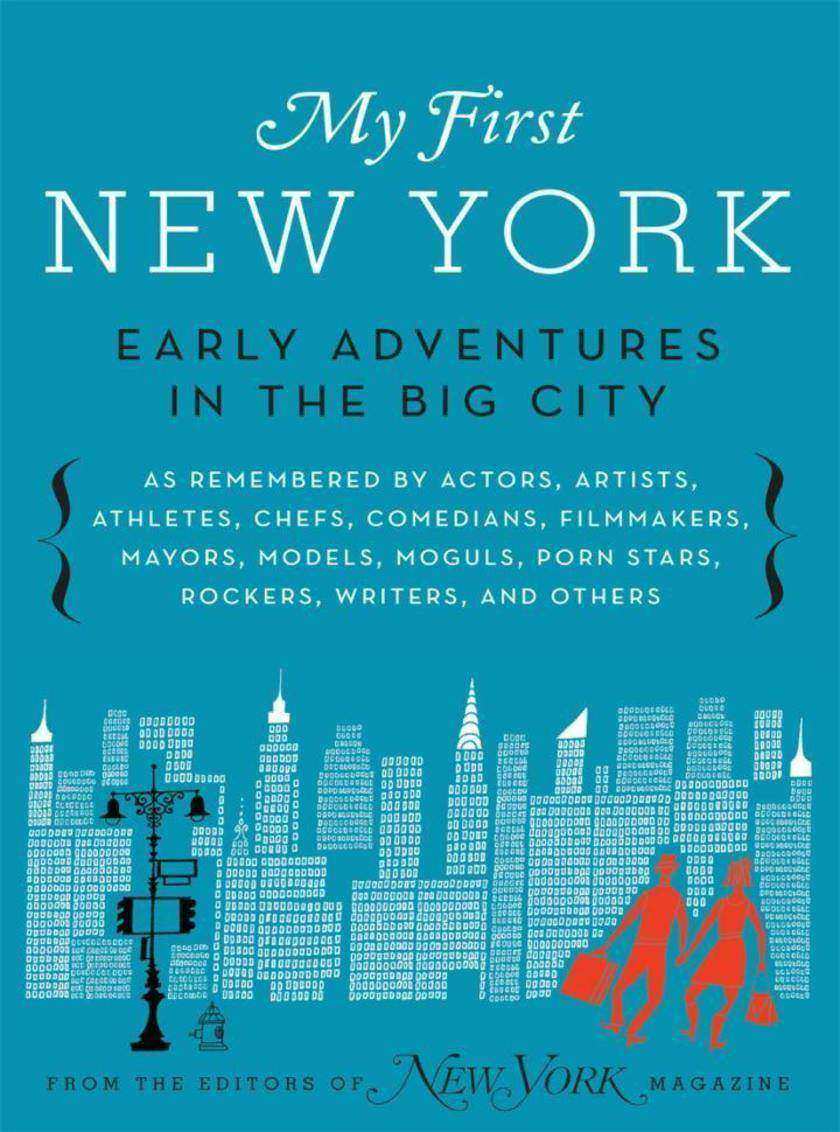
My First New York
¥78.55
A book as effervescent and alive as the city itself.My First New York features candid accounts of coming to New York by more than fifty of the most remarkable people who have called the city home. Here are true stories of long nights out and wild nights in, of first dates and lost loves, of memorable meals and miserable jobs, of slow walks up Broadway and fast subway rides downtown.The contributors a mix of actors, artists, comedians, entrepreneurs, musicians, politicians, sports stars, writers, and others reflect an enormous variety of experiences: few have arrived with less than filmmaker Jonas Mekas, a concentration-camp survivor on a UN refugee ship; few have swanned in with more than designer Diane von Furstenberg, a princess. And an extraordinary number managed to land in New York just as something historic was happening the artist Cindy Sherman arrived in the middle of the Summer of Sam; restaurateur Danny Meyer came on the day John Lennon was shot.Arranged chronologically, these moving and memorable stories combine to form an impressionistic history of New York since the Great Depression. They also provide an accidental encyclopedia of New York hotspots through the ages: from the Cedar Tavern and the Gaslight to Lutce and Elaine's, from Max's Kansas City and the Mudd Club to the Odeon and Bungalow 8, they're all here, dots on the unbroken line of the Next Next things.Taken together, My First New York is a collection of fifty-six testaments to a larger revelation, one that new arrivals of all stripes and all eras have experienced again and again in New York, regardless of how the city proceeds to treat them: what the songwriter Rufus Wain-wright calls "having cracked the code of living life to the fullest."
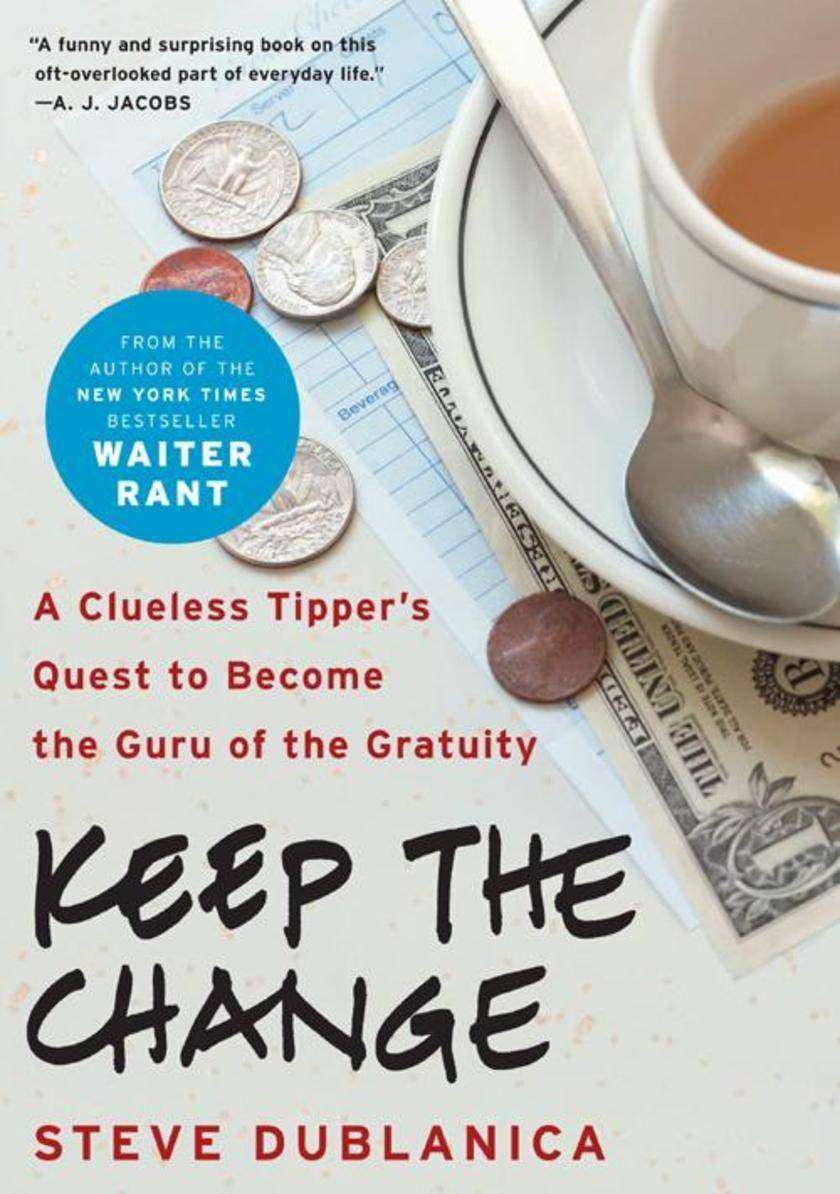
Keep the Change
¥94.10
An irreverent, pavement-pounding, eye-opening exploration of a neglected part of the American economy: tipping Tipping is huge in America. Almost everyoneleaves at least one tip every day. More thanfive million American workers depend onthem, and we spend $66 billion on tips each year.And everyone recognizes that queasy feeling inbars and restaurants, barbershops and beautyparlors, hotels and strip clubs, and everywhereelse when the check arrives or the tip jar looms.Omnipresent yet poorly understood, tipping hasworked its way into almost every part of daily life.In Keep the Change, bestselling author SteveDublanica dives into this unexplored world, in acomical yet serious attempt to turn himself intothe Guru of the Gratuity. As intrepid and irreverentas Michael Moore or A. J. Jacobs, Dublanicatravels the country to meet shoeshine men, strippers,bartenders, bellhops, bathroom attendants,and many others, all in an effort to overcome hisown sweaty palms when faced with those perennialquestions: Should I tipHow muchThroughouthe explores why tipping has spread; he explainshow differences in gender, age, ethnicity, and nationalityaffect our attitudes; and he reveals just whatthe cabdriver or deliveryman thinks of us after we've left a tip.Written in the lively style that made WaiterRant such a hit, Keep the Change is a fun and enlighteningquest that will change the way wethink and tip.

Loose Diamonds
¥78.55
With her wonderful sense of humor, marvelously candid voice, and astonishing perception, Amy Ephron weaves together the most insightful, profound, and just plain funny stories of her life to form a tapestry of a woman's experiences from childhood through young adulthood, marriage, divorce (and remarriage), and everything in between. Writing with great honesty and exacting prose, Ephron gives us an evocative, engaging, and often piercing look at modern life.Throughout Loose Diamonds, Amy Ephron celebrates unforgettable memories and friendships, and the things that make life livable (such as her Filofax, which she would be lost without), all with a quick wit and a delicate eye.
Love Wins Companion
¥78.32
For those looking to go deeper with Rob Bell's bestselling pioneering book Love Wins, this companion offers: Insights and commentary by theologians, Bible scholars, scientists, and pastors Deep analysis of all relevant Bible passages on heaven, hell, and salvation Detailed chapter summaries, discussion questions, and Bible studies for individuals, groups, and classes Excerpts from works throughout Christian history illustrating the variety of teachers also debating the issues Bell wrestles with New material by Bell on his mission for the book and how people can take the next step
The Peter Principle
¥88.56
The classic #1 New York Times bestseller that answers the age-old questionWhy is incompetence so maddeningly rampant and so vexingly triumphantThe Peter Principle, the eponymous law Dr. Laurence J. Peter coined, explains that everyone in a hierarchy from the office intern to the CEO, from the low-level civil servant to a nation's president will inevitably rise to his or her level of incompetence. Dr. Peter explains why incompetence is at the root of everything we endeavor to do why schools bestow ignorance, why governments condone anarchy, why courts dispense injustice, why prosperity causes unhappiness, and why utopian plans never generate utopias.With the wit of Mark Twain, the psychological acuity of Sigmund Freud, and the theoretical impact of Isaac Newton, Dr. Laurence J. Peter and Raymond Hull's The Peter Principle brilliantly explains how incompetence and its accompanying symptoms, syndromes, and remedies define the world and the work we do in it.
Resurrection
¥83.03
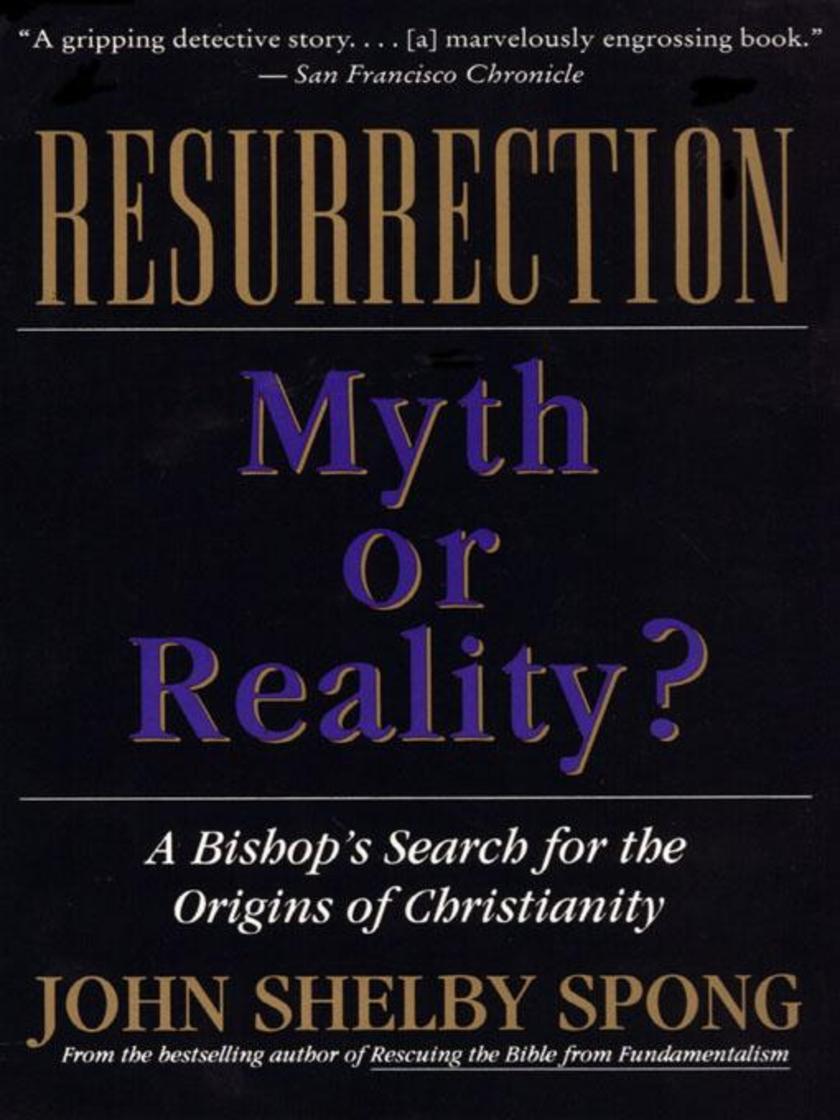
Using approaches from the Hebrew interpretive tradition to discern the actual events surrounging Jesus' death, Bishop Spong questions the hitorical validity of literal narrative concerned the Ressurection. He asserts that the resurrection story was born in an experience that opened the disciples' eyes to the reality of God and the meaning of Jesus of Nazareth. Spong traces the Christian origins of anti-Semitism to the Church's fabrication of the ultimate Jewish scapegoat, Judas Iscariot. He affirms the inclusiveness of the Christian message and emphasizes the necessity of mutual integrity and respect among Christians and Jews.
Meet the Beatles
¥84.16
The Beatles have profoundly touched the lives of millions. But have you ever wondered whyWhy did they become the most powerful artists in history and one of the twentieth century's major symbols of cultural transformationMeet the Beatles answers those questions and more as it examines the ways the lives of John, Paul, George, and Ringo were inextricably tied to the cultural revolutions their music helped inspire. From their long hair and interest in India to their drug use and admiration for strong women, the Beatles changed the way we look, the way we feel, and even the way we think. This is the book for those who have always been infatuated with the Beatles, as well as those who want to learn for the first time what it all really meant.

Population: 485
¥88.56
Here the local vigilante is a farmer's wife armed with a pistol and a Bible, the most senior member of the volunteer fire department is a cross-eyed butcher with one kidney and two ex-wives (both of whom work at the only gas station in town), and the back roads are haunted by the ghosts of children and farmers. Michael Perry loves this place. He grew up here, and now -- after a decade away -- he has returned.Unable to polka or repair his own pickup, his farm-boy hands gone soft after years of writing, Mike figures the best way to regain his credibility is to join the volunteer fire department. Against a backdrop of fires and tangled wrecks, bar fights and smelt feeds, he tells a frequently comic tale leavened with moments of heartbreaking delicacy and searing tragedy.
Anam Cara
¥94.10
Discover the Celtic Circle of Belonging John O'Donohue, poet, philosopher, and scholar, guides you through the spiritual landscape of the Irish imagination. In Anam Cara, Gaelic for "soul friend," the ancient teachings, stories, and blessings of Celtic wisdom provide such profound insights on the universal themes of friendship, solitude, love, and death as: Light is generous The human heart is never completely born Love as ancient recognition The body is the angel of the soul Solitude is luminous Beauty likes neglected places The passionate heart never ages To benatural is to be holy Silence is the sister of the divine Death as an invitation to freedom
The King of Vodka
¥101.00
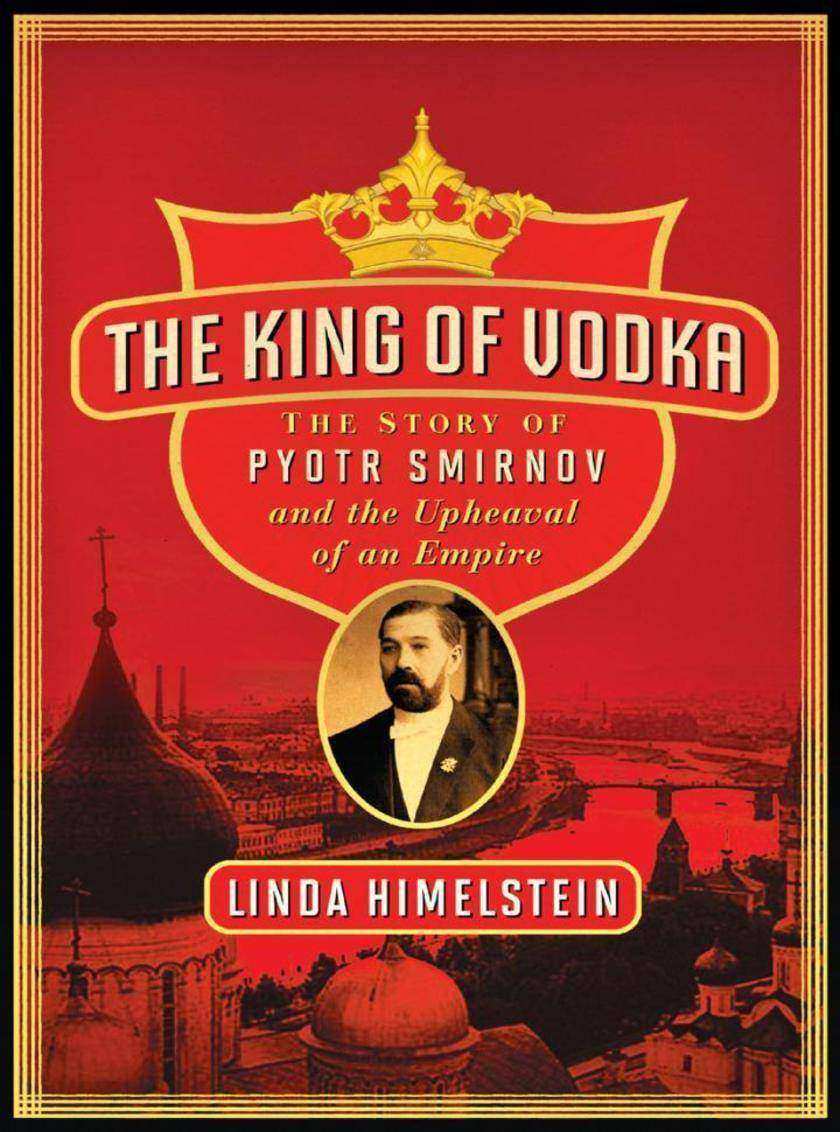
In this sweeping history of vodka scion Pyotr Smirnov and his family, distinguished journalist Linda Himelstein plumbs a great riddle of Russian history through the story of a humble serf who rose to create one of the most celebrated business empires the world has ever known. At the center of this vivid narrative, Pyotr Smirnov comes to life as a hero of wonderful complexity a man of intense ambition and uncanny business sense, a patriarch of a family that would help define Russian society and suffer from the Revolution's aftermath, and a loyalist to a nation that would one day honor him as a treasure of the state.Born in a small village in 1831, Smirnov relied on vodka a commodity that in many ways defines Russia to turn a life of scarcity and anonymity into one of immense wealth and international recognition. Starting from the backrooms and side streets of 19th century Moscow, Smirnov exploited a golden age of emancipation and brilliant grassroots marketing strategies to popularize his products and ensconce his brand within the thirsts and imaginations of drinkers around the world. His vodka would be gulped in the taverns of Russia and Europe, praised with accolades at World Fairs, and become a staple on the tables of Tsars. His improbable ascent set against a sobriety crusade supported by Chekhov and Tolstoy, mounting political uprisings and labor strikes, the eventual monopolization of the vodka trade by the state would crumble amidst the chaos of the Bolshevik revolution. Only a set of bizarre coincidences including an incredible prison escape by one of Smirnov's sons in 1919 would prevent Smirnov's legacy from fading into oblivion.Set against a backdrop of political and ideological currents that would determine the course of global history from the fall of the Tsars to the rise of Communism, from vodka's popularization by none other than James Bond to Smirnoff's emergence as a multi-billion dollar brand Smirnov's story of triumph and tragedy is a captivating historical touchstone. The King of Vodka is much more than a biography of an extraordinary man. It is a work of narrative history on an epic scale.


