


 购物车
购物车 个人中心
个人中心

BANANAGRAMS? Secrets: The Inside Track on Becoming Top Banana (Collins Little Bo
¥51.50
Writer and magician Deej Johnson is aBANANAGRAMS? fanatic! Deej serves asa creative consultant at BANANAGRAMS? and claims that hisformer high-school teacher, Janise Marillat, summed him upbest in an annual report that said: “Deej’s cheerful smile oftengets him out of difficult situations… Unfortunately, these areusually situations that he creates himself.”
Being Catholic Today
¥61.51
Fr. Laurence McTaggart grew up in Nottingham. In 1991 he became a monk of Ampleforth Abbey in Yorkshire.
The Life of Nelson
¥8.09
Classic biography. According to Wikipedia: "Alfred Thayer Mahan (September 27, 1840 - December 1, 1914) was a United States Navy officer, geostrategist, and educator. His ideas on the importance of sea power influenced navies around the world, and helped prompt naval buildups before World War I. Several ships were named USS Mahan, including the lead vessel of a class of destroyers. His research into naval History led to his most important work, The Influence of Seapower Upon History,1660-1783, published in 1890."
History of the Incas
¥8.09
According to Wikipedia: "Pedro Sarmiento de Gamboa (1532–1592) was a Galician (Spanish) explorer, author, historian, astronomer, and scientist… Written in Cuzco, the capital of the Inca Empire, just forty years after the arrival of the first Spaniards in the city, Sarmiento's The History of the Incas contains extremely detailed descriptions of Inca history and mythology. The royal sponsorship of the work guaranteed Sarmiento direct access to the highest Spanish officials in Cuzco. It also allowed him to summon influential natives, as well as those who had witnessed the fall of the Inca Empire, so that they could relate their stories. Sarmiento traveled widely and interviewed numerous local leaders and lords, surviving members of the royal Inca families, and the few remaining Spanish conquistadors who still resided in Cuzco. Once the first draft of the history was completed, in an unprecedented effort to establish the unquestionable authenticity of the work, his manuscript was read, chapter by chapter, to forty-two indigenous authorities for their commentary and correction. After the public reading, which occurred on 29 February and 1 March 1572, the manuscript was entrusted to a member of the viceroy's personal guard. He was to take the manuscript to Spain and deliver it to King Philip II, along with four painted cloths showing the history of the Incas and a number of other artifacts and objects that Toledo had collected. However, due to a series of unusual events, this irreplaceable document of Inca history was relegated to obscurity for centuries."
Portage Paths
¥8.09
Volume 7 of the series "Historic Highways of America". According to Wikipedia: "Archer Butler Hulbert (26 Jan 1873 – 24 Dec 1933), historical geographer, writer, and professor of American history... He was Vice-Principal of the Putnam Military Academy, Zanesville, Ohio, until 1897. Hulbert then did newspaper work in Korea in 1897 and '98: he was editor of the Korean Independent (Seoul) and edited Far East American newspapers... He was Professor of American History at Marietta College 1904-18. After Marietta College, Hulbert became a lecturer in American History at Clark University from 1918 to 1919. He also was a lecturer at the University of Chicago in 1904 and 1923; and he served as archivist for the Harvard Commission on Western History (1912-16). Hulbert's last position was at Colorado College, from 1920 until his death... Hulbert's interest in trails dated from fishing trips taken during his college, when he noticed Indian trails. This interest led at first to his 16 volumes of Historic Highways of America (1902-05)."
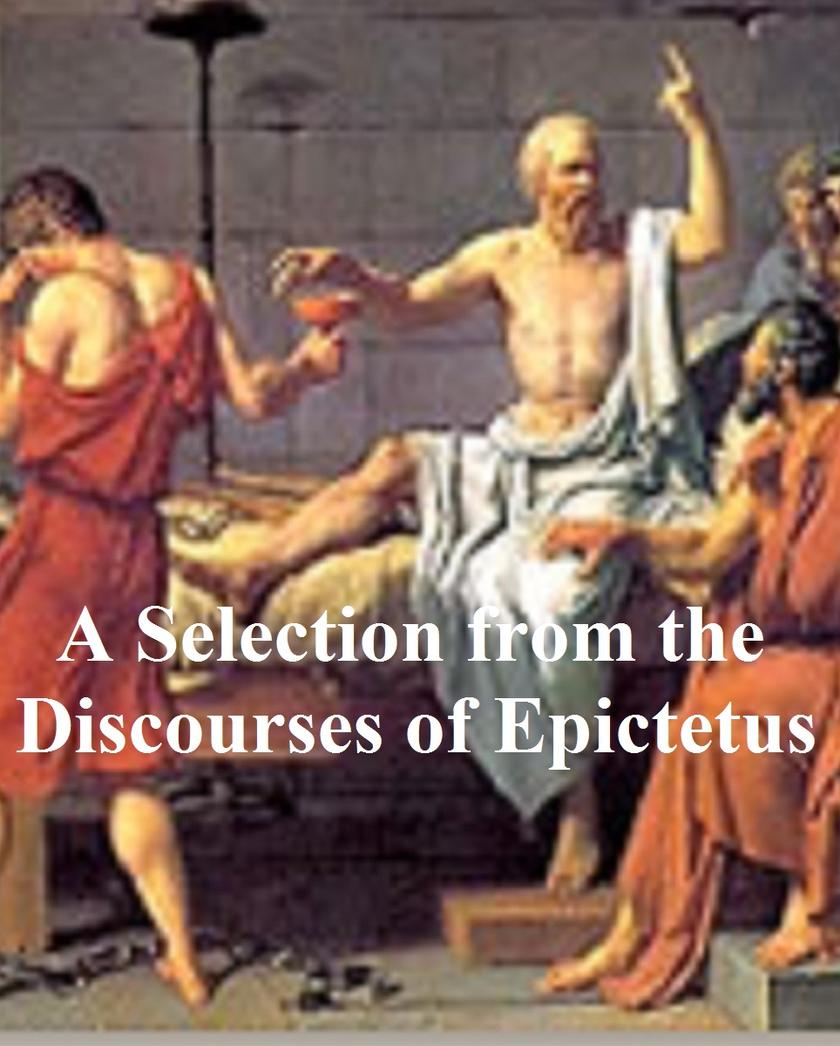
A Selection from the Discourses of Epictetus, with the Encheiridion
¥8.09
According to Wikipedia: "Epictetus (Ancient Greek: ?π?κτητο?; AD 55 – AD 135) was a Greek sage and Stoic philosopher. He was born a slave at Hierapolis, Phrygia (present day Pamukkale, Turkey), and lived in Rome until banishment when he went to Nicopolis in northwestern Greece where he lived the rest of his life. His teachings were noted down and published by his pupil Arrian in his Discourses."
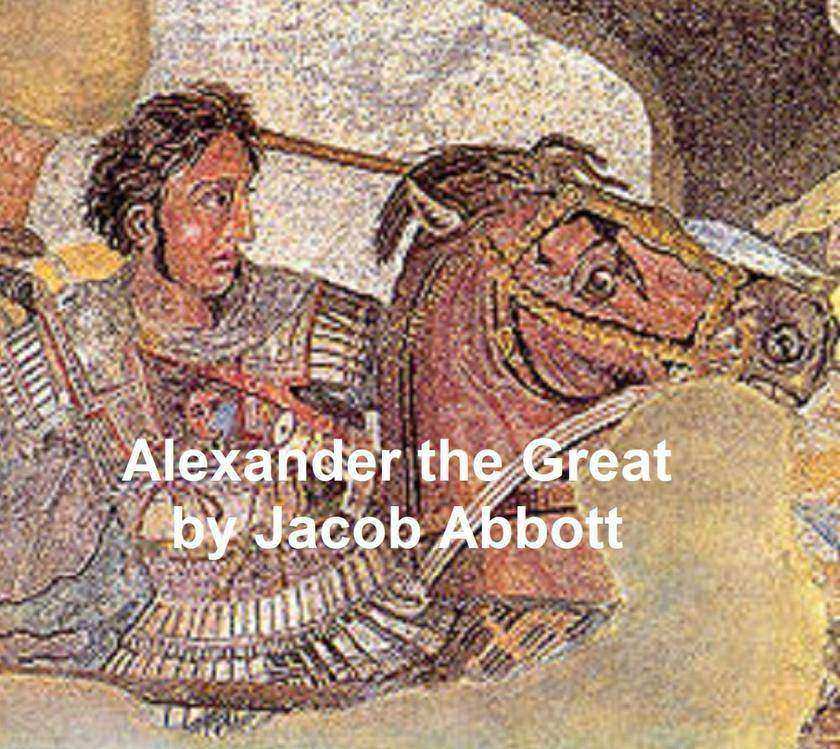
Alexander the Great
¥8.09
According to Wikipedia: "Jacob Abbott (November 14, 1803 – October 31, 1879) was an American writer of children's books. Abbott was born at Hallowell, Maine to Jacob and Betsey Abbott. He graduated from Bowdoin College in 1820; studied at Andover Theological Seminary in 1821, 1822, and 1824; was tutor in 1824-1825, and from 1825 to 1829 was professor of mathematics and natural philosophy at Amherst College; was licensed to preach by the Hampshire Association in 1826; founded the Mount Vernon School for Young Ladies in Boston in 1829, and was principal of it in 1829-1833; was pastor of Eliot Congregational Church (which he founded), at Roxbury, Massachusetts in 1834-1835; and was, with his brothers, a founder, and in 1843-1851 a principal of Abbott's Institute, and in 1845-1848 of the Mount Vernon School for Boys, in New York City. He was a prolific author, writing juvenile fiction, brief histories, biographies, religious books for the general reader, and a few works in popular science. He died in Farmington, Maine, where he had spent part of his time after 1839, and where his brother, Samuel Phillips Abbott, founded the Abbott School."
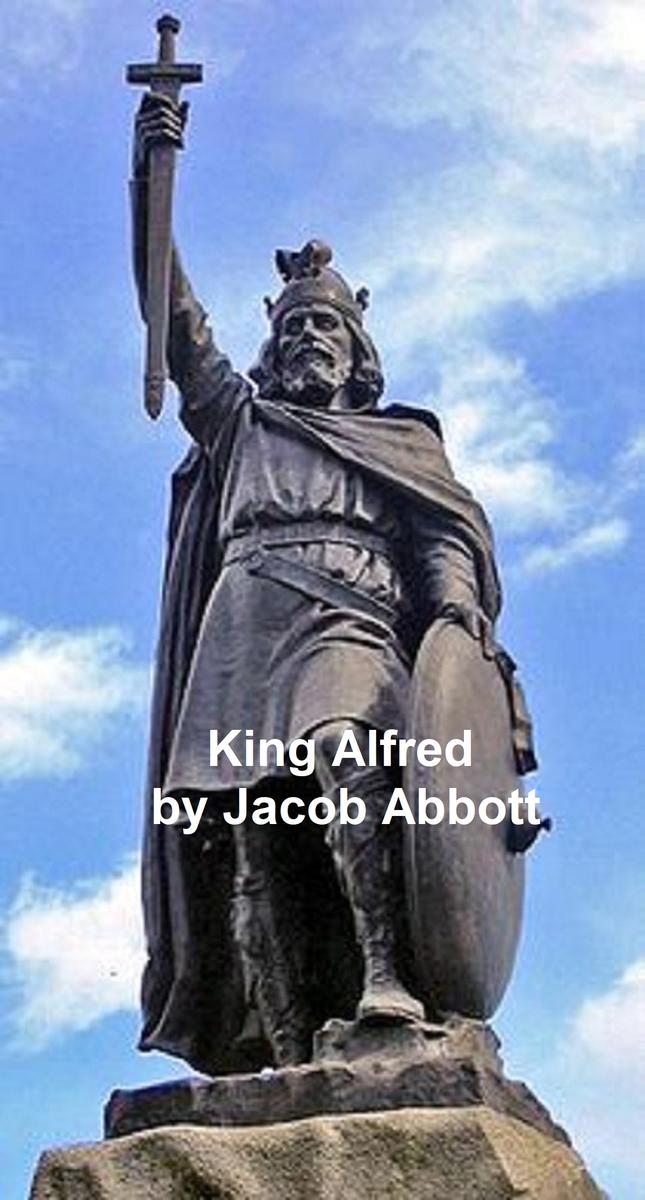
King Alfred of England
¥8.09
According to Wikipedia: "Jacob Abbott (November 14, 1803 – October 31, 1879) was an American writer of children's books. Abbott was born at Hallowell, Maine to Jacob and Betsey Abbott. He graduated from Bowdoin College in 1820; studied at Andover Theological Seminary in 1821, 1822, and 1824; was tutor in 1824-1825, and from 1825 to 1829 was professor of mathematics and natural philosophy at Amherst College; was licensed to preach by the Hampshire Association in 1826; founded the Mount Vernon School for Young Ladies in Boston in 1829, and was principal of it in 1829-1833; was pastor of Eliot Congregational Church (which he founded), at Roxbury, Massachusetts in 1834-1835; and was, with his brothers, a founder, and in 1843-1851 a principal of Abbott's Institute, and in 1845-1848 of the Mount Vernon School for Boys, in New York City. He was a prolific author, writing juvenile fiction, brief histories, biographies, religious books for the general reader, and a few works in popular science. He died in Farmington, Maine, where he had spent part of his time after 1839, and where his brother, Samuel Phillips Abbott, founded the Abbott School."
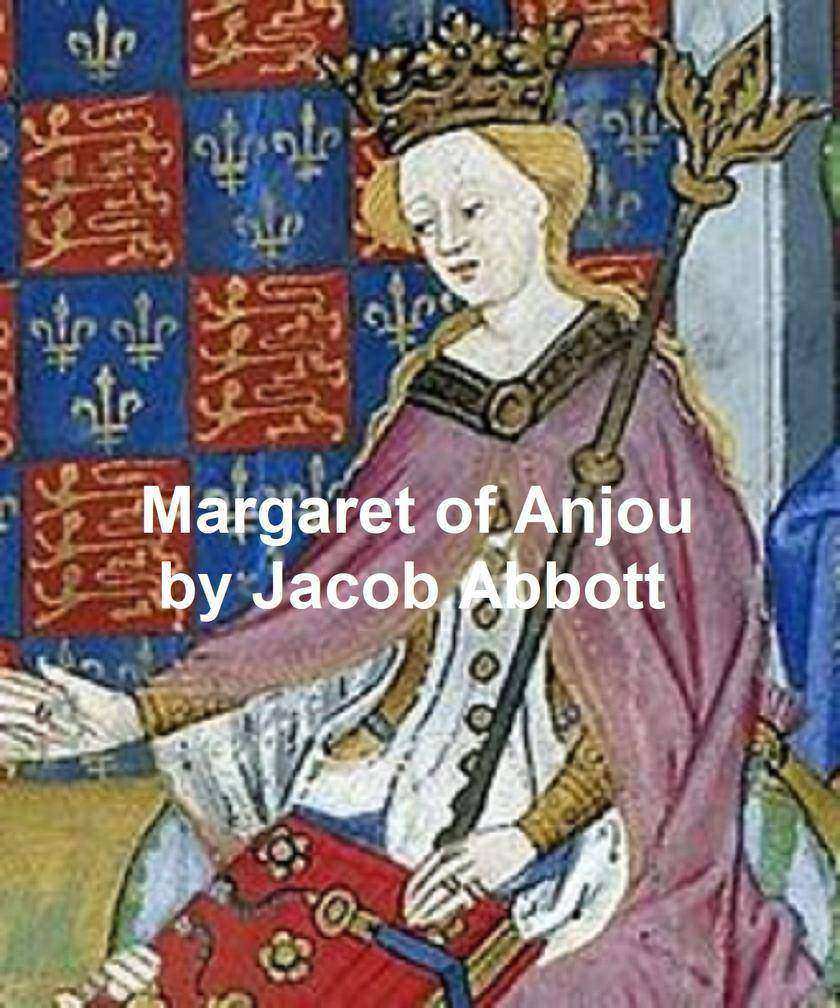
Margaret of Anjou
¥8.09
According to Wikipedia: "Jacob Abbott (November 14, 1803 – October 31, 1879) was an American writer of children's books. Abbott was born at Hallowell, Maine to Jacob and Betsey Abbott. He graduated from Bowdoin College in 1820; studied at Andover Theological Seminary in 1821, 1822, and 1824; was tutor in 1824-1825, and from 1825 to 1829 was professor of mathematics and natural philosophy at Amherst College; was licensed to preach by the Hampshire Association in 1826; founded the Mount Vernon School for Young Ladies in Boston in 1829, and was principal of it in 1829-1833; was pastor of Eliot Congregational Church (which he founded), at Roxbury, Massachusetts in 1834-1835; and was, with his brothers, a founder, and in 1843-1851 a principal of Abbott's Institute, and in 1845-1848 of the Mount Vernon School for Boys, in New York City. He was a prolific author, writing juvenile fiction, brief histories, biographies, religious books for the general reader, and a few works in popular science. He died in Farmington, Maine, where he had spent part of his time after 1839, and where his brother, Samuel Phillips Abbott, founded the Abbott School."
The Psychology of Nations
¥8.09
This "contribution to the philosophy of history" was first published soon after the First World War.

A Short History of England
¥8.09
History as seen by a famous novelist and essayist. The Introduction begins: "It will be very reasonably asked why I should consent, though upon a sort of challenge, to write even a popular essay in English history, who make no pretence to particular scholarship and am merely a member of the public. The answer is that I know just enough to know one thing: that a history from the standpoint of a member of the public has not been written. What we call the popular histories should rather be called the anti-popular histories. They are all, nearly without exception, written against the people; and in them the populace is either ignored or elaborately proved to have been wrong." According to Wikipedia: "Gilbert Keith Chesterton (29 May 1874 – 14 June 1936) was an influential English writer of the early 20th century. His prolific and diverse output included journalism, philosophy, poetry, biography, Christian apologetics, fantasy and detective fiction. Chesterton has been called the "prince of paradox." Time magazine, in a review of a biography of Chesterton, observed of his writing style: "Whenever possible Chesterton made his points with popular sayings, proverbs, allegories—first carefully turning them inside out."
The Civilization of Renaissance in Italy
¥8.09
Classic 19th century history book. According to Wikipedia: "Carl Jacob Christoph Burckhardt (May 25, 1818, Basel, Switzerland – August 8, 1897, Basel) was a historian of art and culture, and an influential figure in the historiography of each field. He is known as one of the major progenitors of cultural history, albeit in a form very different from how cultural history is conceived and studied in academia today. Siegfried Giedion described Burckhardt's achievement in the following terms: "The great discoverer of the age of the Renaissance, he first showed how a period should be treated in its entirety, with regard not only for its painting, sculpture and architecture, but for the social institutions of its daily life as well."Burckhardt's best known work is The Civilization of the Renaissance in Italy (1860).
History of the Britons
¥8.09
According to Wikipedia: "Nennius was a Welsh monk of the 9th century. He has traditionally been attributed with the authorship of the Historia Brittonum, based on the prologue affixed to that work, This attribution is widely considered a secondary (10th century) tradition. Nennius was a student of Elvodugus, commonly identified with the bishop Elfodd who convinced British ecclesiastics to accept the Continental dating for Easter, and who died in 809 according to the Annales Cambriae. Nennius is believed to have lived in the area made up by present day Brecknockshire and Radnorshire counties in Powys, Wales. He lived outside the Anglo-Saxon kingdoms, isolated by mountains in a rural society."
The Imitation of Christ
¥8.09
According to Wikipedia: "The Imitation of Christ (Latin: De Imitatione Christi) by Thomas à Kempis is a Christian devotional book. It was first composed in Latin ca.1418-1427.[1][2] It is a handbook for spiritual life arising from the Devotio Moderna movement, where Kempis was a member.[3] The Imitation is perhaps the most widely read devotional work next to the Bible,[2][4] and is regarded as a devotional and religious classic
Common Sense
¥8.09
The classic essay that helped ignite the American Revolution. According to Wikipedia: "Thomas Paine (Thetford, England, 29 January 1737 - 8 June 1809, New York City, U.S.) was an English pamphleteer, revolutionary, radical, classical liberal, inventor and intellectual. He lived and worked in Britain until the age of 37, when he migrated to the American colonies just in time to take part in the American Revolution. His main contribution was as the author of the powerful, widely read pamphlet, Common Sense (1776), advocating independence for the American Colonies from the Kingdom of Great Britain, and of The American Crisis, supporting the Revolution."
The History of the Peloponnesian War
¥8.09
The classic history of war between Athens and Sparta. According to Wikipedia: "Thucydides (c. 460 B.C. – c. 395 B.C.) was a Greek historian and author of the History of the Peloponnesian War, which recounts the 5th century B.C. war between Sparta and Athens to the year 411 B.C. Thucydides has been dubbed the father of "scientific history" due to his strict standards of evidence-gathering and analysis in terms of cause and effect without reference to intervention by the gods. He has also been called the father of the school of political realism, which views the relations between nations as based on might rather than right. His classical text is still studied at advanced military colleges worldwide, and the Melian dialogue remains a seminal work of international relations theory. More generally, Thucydides showed an interest in developing an understanding of human nature to explain behaviour in such crises as plague and civil war."
Doctrine and Practice of Yoga
¥8.09
According to Wikipedia: "Yoga is the Hindu practice of physical, mental, and spiritual discipline, originating in ancient India. The goal of yoga, or of the person practicing yoga, is the attainment of a state of perfect spiritual insight and tranquility while meditating on the Hindu concept of divinity or Brahman. The word is associated with meditative practices in Hinduism, Jainism, and Buddhism."
Till He Come
¥8.09
First published in 1896. Spurgeon was an English Baptist preacher, known as "the Prince of Preachers". The Preface begins: " For many years, whether at home or abroad, it was Mr. Spurgeon's constant custom to observe the ordinance of the Lord's supper every Sabbath-day, unless illness prevented. This he believed to be in accordance with apostolic precedent; and it was his oft-repeated testimony that the more frequently he obeyed his Lord's command, "This do in remembrance of Me," the more precious did his Saviour become to him, while the memorial celebration itself proved increasingly helpful and instructive as the years rolled by." According to Wikipedia: "Charles Haddon Spurgeon, commonly C.H. Spurgeon, ( 1834 – 1892) was a British Reformed Baptist preacher who remains highly influential among Christians of different denominations, among whom he is still known as the "Prince of Preachers." He also founded the charity organization now known as Spurgeon's, that works worldwide with families and children, as well as a famous theological college which after his death was called after him: Spurgeon's College. Spurgeon was a prolific author of many types of works including sermons, an autobiography, a commentary, books on prayer, a devotional, a magazine, and more. Many sermons were transcribed as he spoke and were translated into many languages during his lifetime. Arguably, no other author, Christian or otherwise, has more material in print than C.H. Spurgeon."
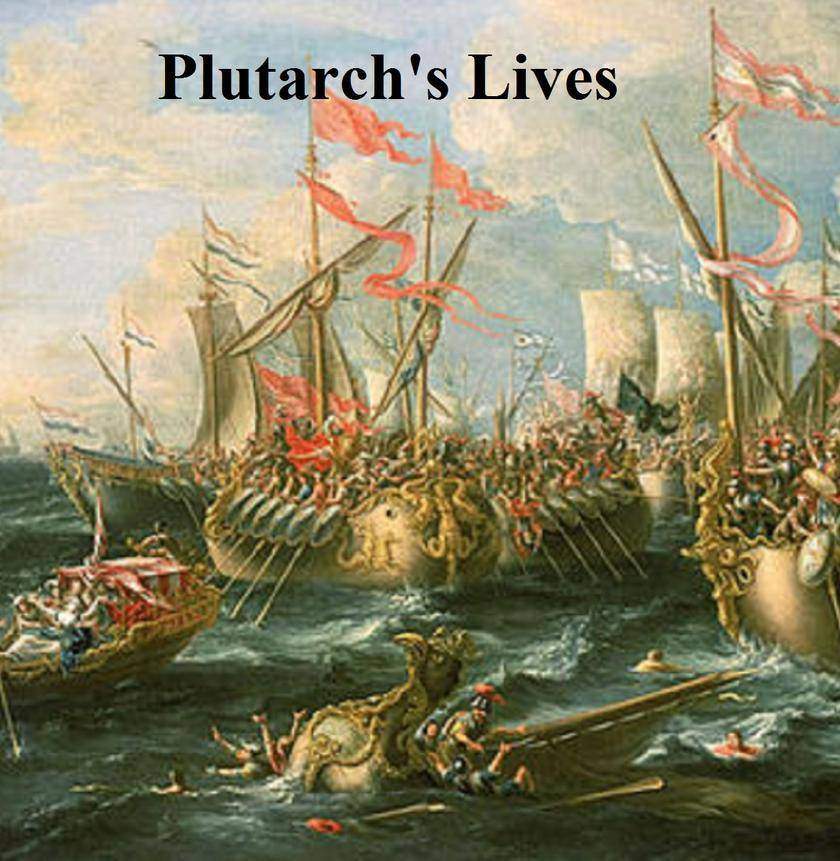
Plutarch's Lives
¥8.09
The complete multi-volume Lives, in a single file. The Clough translation. According to Wikipedia: "Lucius Mestrius Plutarchus (c. AD 46 - 120 — commonly known in English as Plutarch — was a Roman historian (of Greek ethnicity), biographer, essayist, and Middle Platonist. Plutarch was born to a prominent family in Chaeronea, Boeotia, a town about twenty miles east of Delphi. His known works consist of the Parallel Lives and the Moralia."
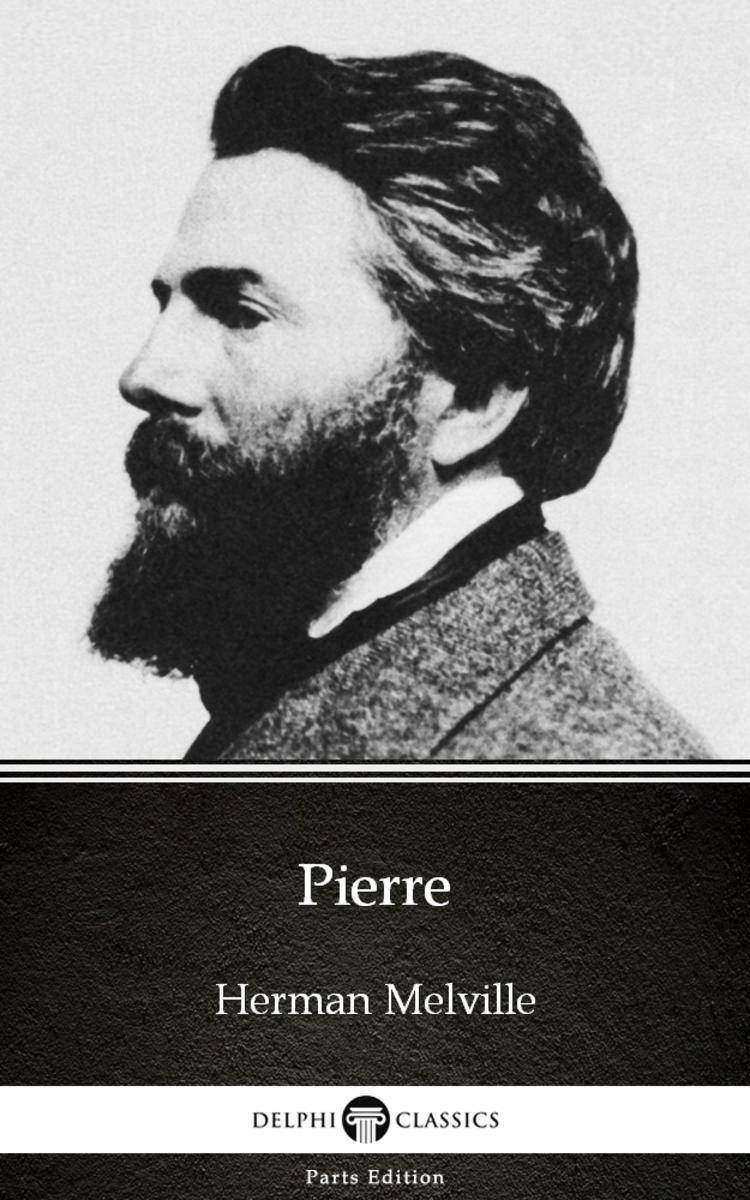
Pierre by Herman Melville - Delphi Classics (Illustrated)
¥8.09
This eBook features the unabridged text of ‘Pierre by Herman Melville - Delphi Classics (Illustrated)’ from the bestselling edition of ‘The Complete Works of Herman Melville’. Having established their name as the leading publisher of classic literature and art, Delphi Classics produce publications that are individually crafted with superior formatting, while introducing many rare texts for the first time in digital print. The Delphi Classics edition of Melville includes original annotations and illustrations relating to the life and works of the author, as well as individual tables of contents, allowing you to navigate eBooks quickly and easily. eBook features: * The complete unabridged text of ‘Pierre by Herman Melville - Delphi Classics (Illustrated)’ * Beautifully illustrated with images related to Melville’s works * Individual contents table, allowing easy navigation around the eBook * Excellent formatting of the text Please visit www.delphiclassics.com to learn more about our wide range of titles
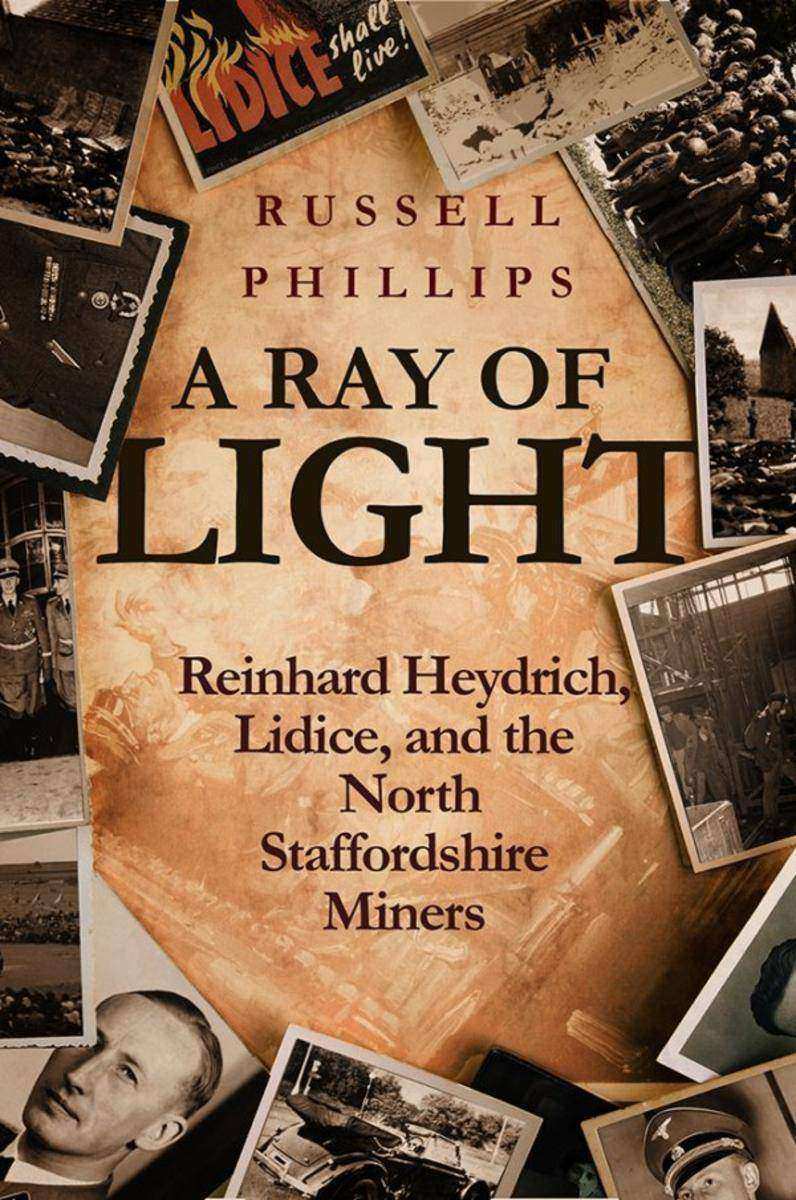
A Ray of Light:Reinhard Heydrich, Lidice, and the North Staffordshire Miners
¥24.44
This is the inspiring true story of what happens when ordinary people unite to make a stand against evil. Lidice was a peaceful and vibrant community in Czechoslovakia with a rich mining heritage. But an act of Nazi revenge saw this village wiped from existence in a horrifying chapter of European history. Disaster struck for Lidice in 1942 when the prominent Nazi official Reinhard Heydrich was assassinated. Described by Hitler as "the man with an iron heart", Heydrich was one of the key architects of the Holocaust. His death, after an attack by members of the Czech resistance, left Hitler furious and desperate for vengeance. Looking for a scapegoat to blame for Heydrich's death, he settled on the village of Lidice, which had been falsely linked to the assassination. In a brutal act which shocked the world, Lidice was completely destroyed. The men were shot while the women and children were rounded up and sent to their deaths in Nazi concentration camps. Hitler was determined that by the time he had finished, no one would even remember Lidice, let alone live there. What he hadn't reckoned on was the efforts of a group of campaigners in Britain, who resolved to make sure Lidice would never be forgotten. A Ray of Light tells the tale of Lidice's downfall and what happened next. Would the village simply be allowed to become a footnote in history, or would it rise from the ashes and forge a new future? This book is a compelling testament to the power of friendship and solidarity, and how empathy and compassion can help rebuild the world.


