


 购物车
购物车 个人中心
个人中心

Truly Scrumptious Baby: My complete feeding and weaning plan for 6 months and be
¥124.59
Holly Willoughby is best known for her presenting roles on This Morning, Surprise Surprise and Celebrity Juice. After she was discovered by Storm Modelling Agency on a school trip at the age of 14, she quickly went on to land modelling jobs and presenting roles for various CiTV children’s programmes, all before becoming the co-presenter of Dancing on Ice with Philip Schofield. Juggling her busy television career with being a mum to her three small children, she is also the author of Truly Happy Baby and co-author of a series of children’s books with her sister, Kelly.
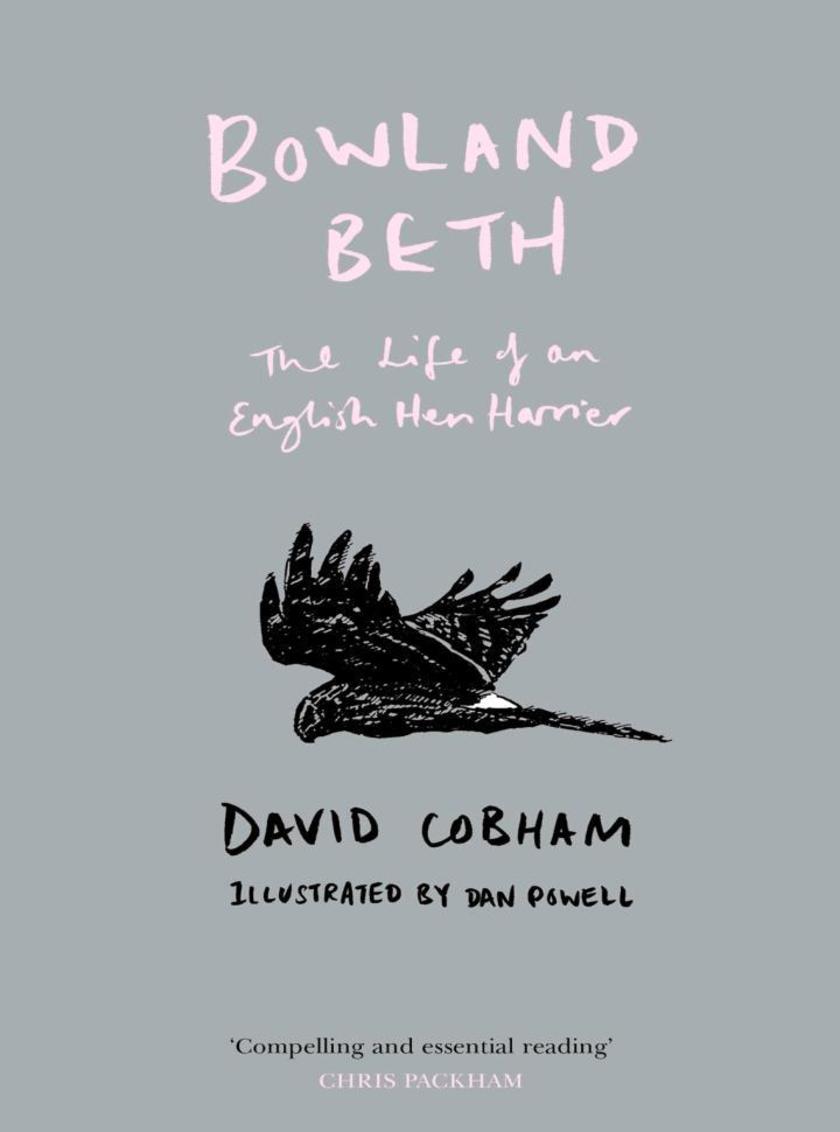
Bowland Beth: The Life of an English Hen Harrier
¥125.18
David Cobham was an internationally renowned filmmaker, well known for his films Tarka the Otter and The Goshawk. Dan Powell is a wildlife artist best known for the field guide to The Dragonflies of Great Britain. His drawings and paintings have appeared in numerous wildlife books and publications.
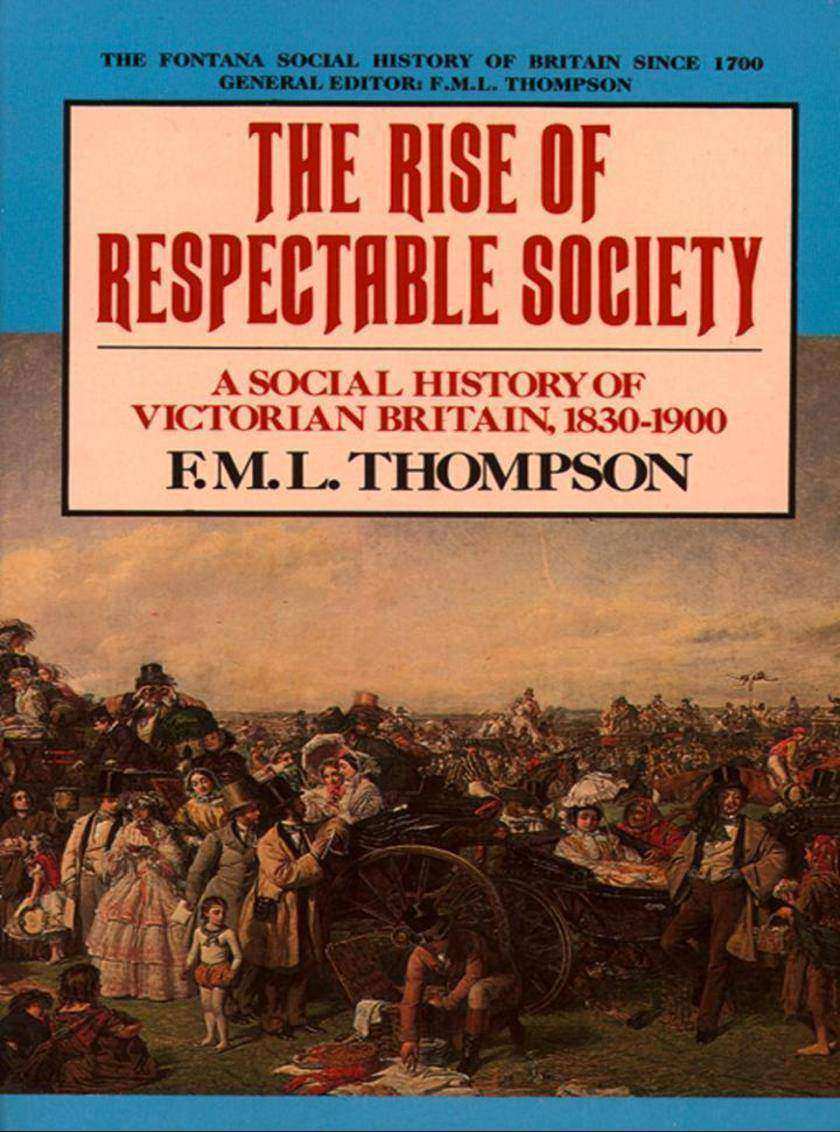
The Rise of Respectable Society: A Social History of Victorian Britain
¥73.48
By F. M. L. Thompson
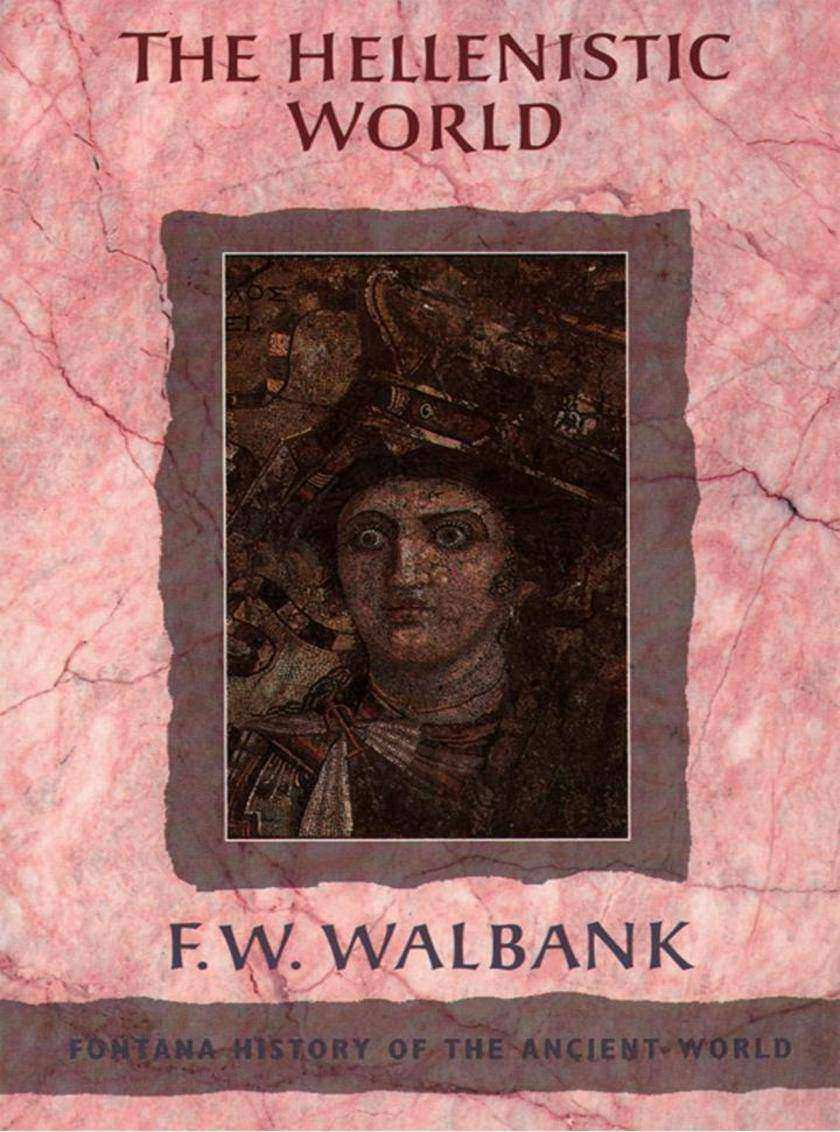
The Hellenistic World
¥88.39
F. W. Walbank was Rathbone Professor of Ancient History and Classical Archaeology at the University of Liverpool and a Fellow of the British Academy.
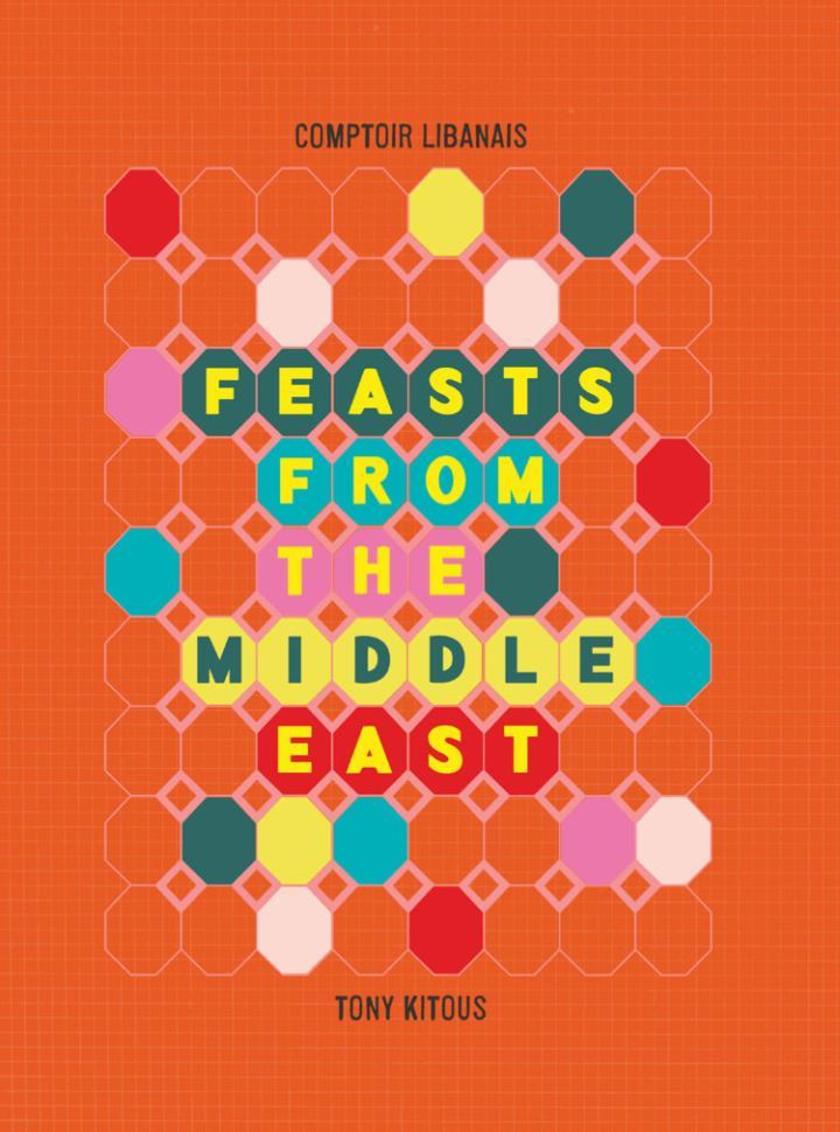
Feasts From the Middle East
¥147.35
Tony Kitous arrived in London for the first time on August 6, 1988, aged 18, he spent his 1st night sleeping in Victoria coach station and spent the next fortnight living off chocolate. The self-styled Algerian “street boy” had just ?70 in his pocket and was meant to be on a holiday with a school friend. More than 29 years later, the now hugely successful owner of the Comptoir Libanais canteen and delicatessen chain has 24 branches in and London and around the UK, employing around 1000 staff. They are part of an empire which also encompasses three Shawa - Lebanese grill outlets, as well as prestige restaurants such as Levant on Wigmore Street and Kenza in the city of London.
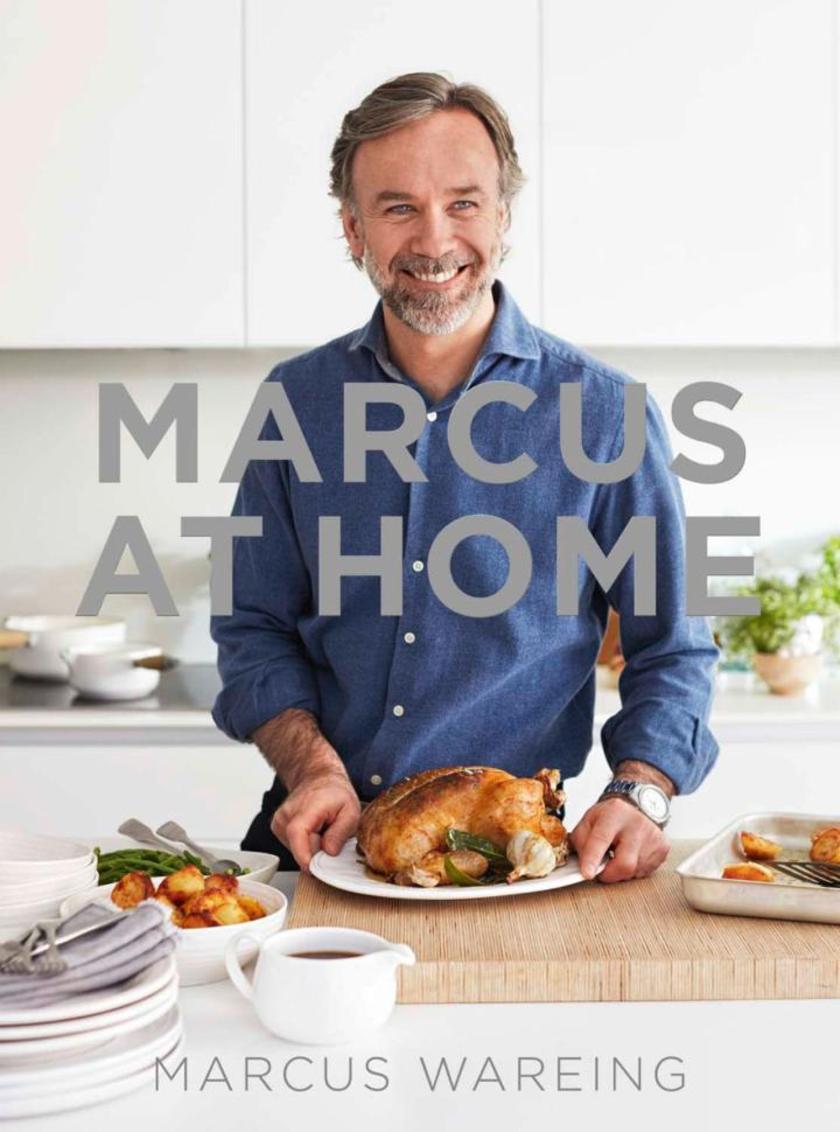
Marcus at Home
¥147.35
MARCUS WAREING is one of the most respected and acclaimed chefs and restaurateurs in Britain today. Originally from Southport, Merseyside, Marcus began his career at the age of 16. An incredible talent, he started acquiring Michelin stars aged just 26 – one of only a handful of chefs to be recognised at such a young age. Over the last 30 years Marcus has been involved in the creation of many of London’s most iconic and celebrated restaurants, including his own restaurant group, Marcus Wareing Restaurants, which he founded in 2008. With two Michelin stars at his flagship restaurant, Marcus, in the Berkeley Hotel, he also owns and operates two other London restaurants, The Gilbert Scott and Tredwell’s.Alongside his Michelin stars, Marcus has also won numerous coveted awards. These include the Acorn Award, Chef of the Year with Caterer and Hotelkeeper, Tatler Restaurateur of the Year and GQ Chef of the Year. A familiar face on our TV screens, Marcus took on the new role as judge on MasterChef:The Professionals in 2014. Marcus lives in London with his wife and three children.
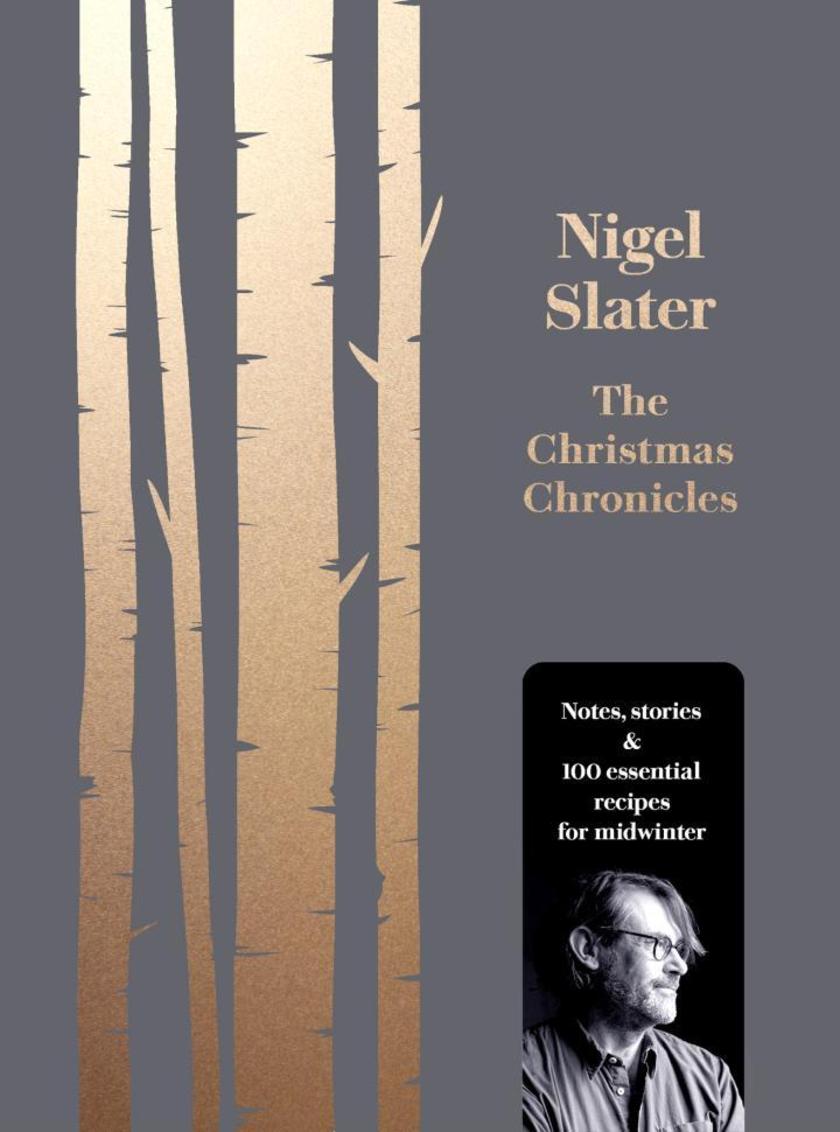
The Christmas Chronicles: Notes, stories & 100 essential recipes for midwinter
¥190.80
Nigel Slater is the author of a collection of best-selling books and presenter of BBC 1's Eating Together, Simple Cooking and Dish of the Day. He has been food columnist for The Observer for over twenty years. His books include the classics Appetite and The Kitchen Diaries and the critically acclaimed two-volume Tender. His award-winning memoir Toast – the Story of a Boy's Hunger won six major awards and is now a BBC film starring Helena Bonham Carter and Freddie Highmore. His writing has won the National Book Awards, the Glenfiddich Trophy, the André Simon Memorial Prize and the British Biography of the Year. He was the winner of a Guild of Food Writers' Award for his BBC 1 series Simple Suppers.
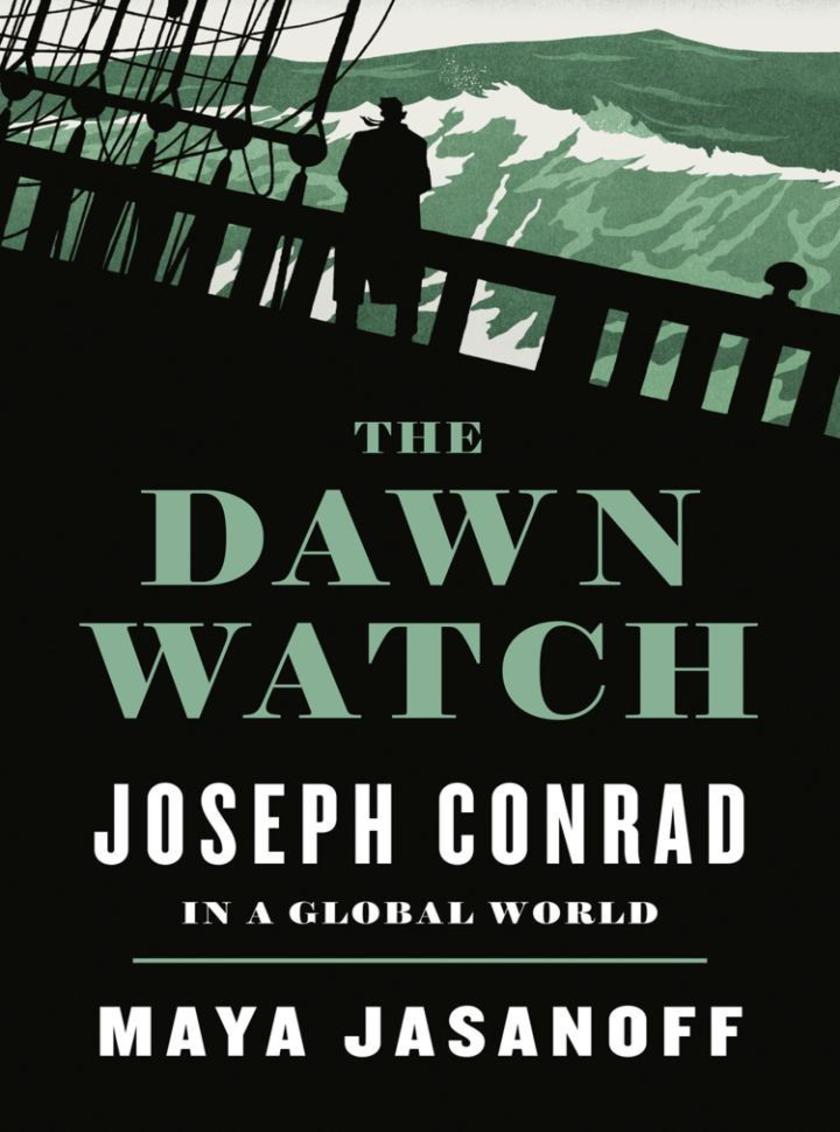
The Dawn Watch: Joseph Conrad in a Global World
¥73.58
Maya Jasanoff is Coolidge Professor of history at Harvard University. Her first book, Edge of Empire, was awarded the 2005 Duff Cooper Prize and was a book of the year selection in numerous publications including the Economist, Guardian and Sunday Times. Her second, Liberty’s Exiles was shortlisted for the 2011 Samuel Johnson Prize (now Baillie Gifford). A 2013 Guggenheim Fellow, Jasanoff won the prestigious 2017 Windham-Campbell Prize for Non-Fiction. Her essays and reviews appear frequently in publications including The Guardian, The New York Times, and The New York Review of Books.
Kindness: The Little Thing that Matters Most
¥73.58
‘Urgently needed – rugs.’ That was the message that started everything. I was searching online for second-hand furniture, when I came across the plea for help. It was a Wanted ad placed by a woman who sounded desperate. I emailed her and was heartbroken by what I learned. She needed the rugs to cover her broken floor so her young children wouldn’t cut their feet. She was a single mum who had fled a horrifying domestic situation and was starting all over again with nothing. I wanted to help her, and I was sure that if others knew about her, they would want to help, too. So I spread the word among my friends and family, and household goods soon started pouring in.I delivered everything to her one afternoon – piles of bedding, furniture, kitchenware, clothing, toys and some gift vouchers. I will never forget the look on her face when she opened the door. She was in complete shock that people she didn’t even know would be willing to help her. This was a woman very much in need of kindness, and strangers helped her feel loved when she needed it the most.
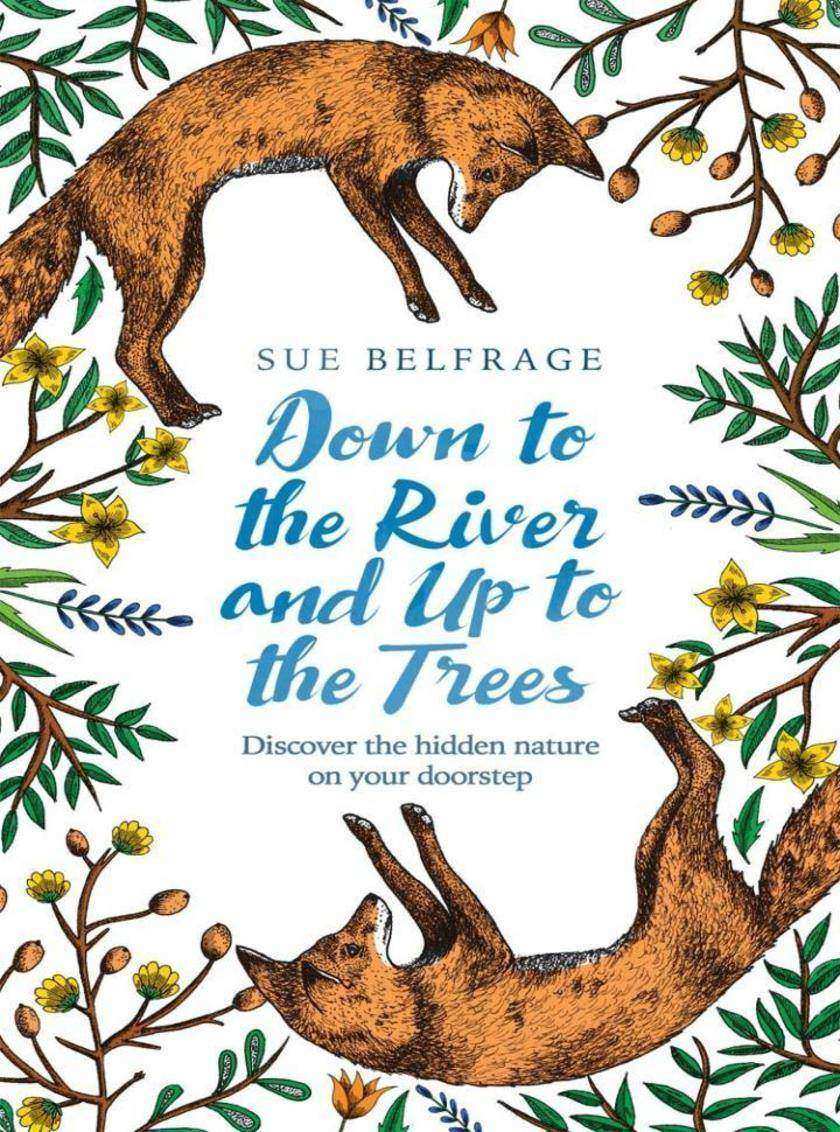
Down to the River and Up to the Trees: Discover the hidden nature on your doorst
¥66.22
Sue Belfrage lives in a cottage in rural Somerset with her husband and pet animals. A writer and artist, she draws inspiration from the land around her.
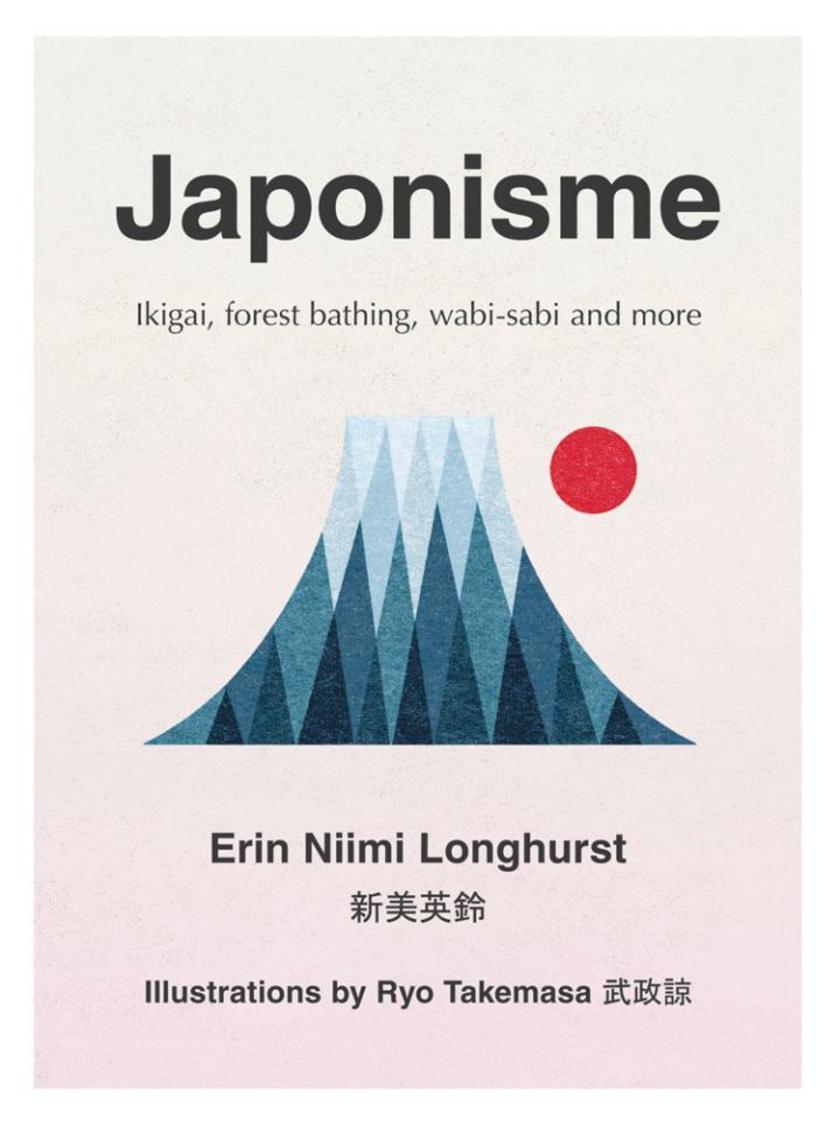
Japonisme: Ikigai, Forest Bathing, Wabi-sabi and more
¥73.58
Erin Niimi Longhurst has always treasured the Japanese traditions that shaped her upbringing. She spends time in Japan every year and currently lives in London. Her blog Island Bell focuses on food travel and lifestyle. She currently works freelance as a digital marketeer.
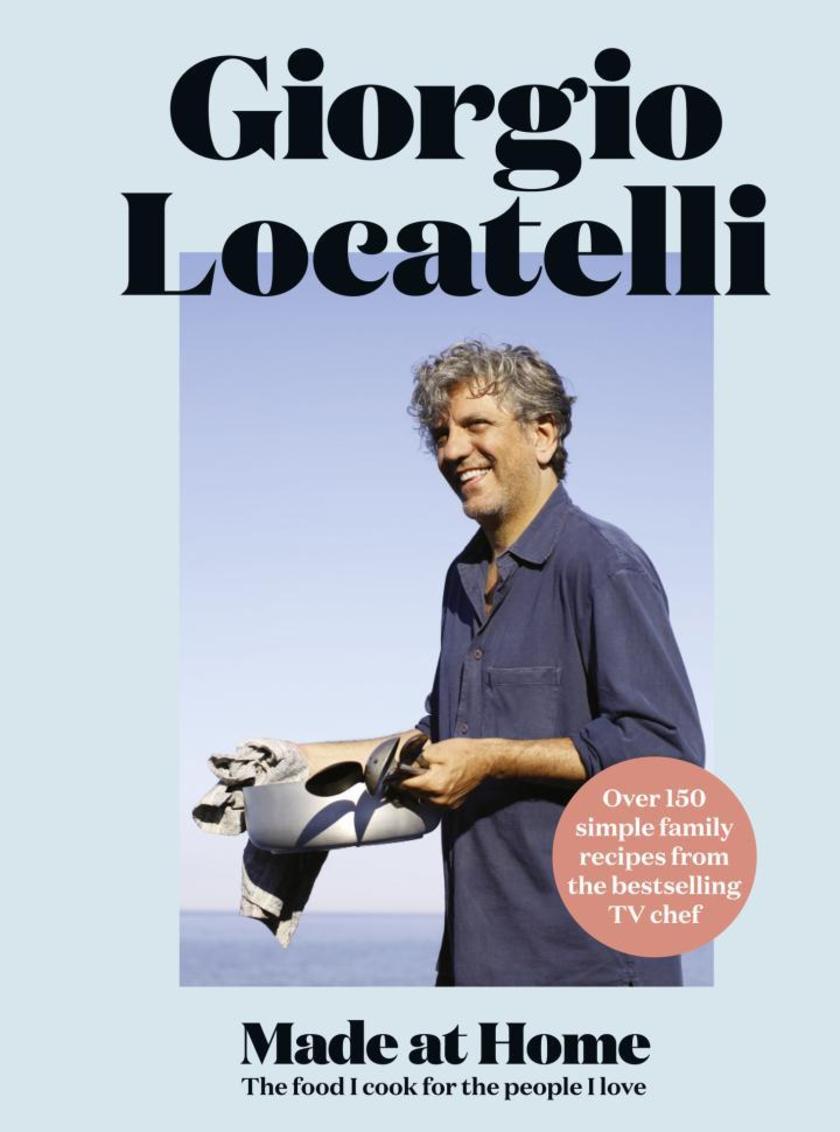
Made at Home: The food I cook for the people I love
¥191.59
Michelin-starred Giorgio Locatelli is one of Britain's best known Italian chefs. Giorgio began his career at his family's restaurant in Italy before coming to London. He was head chef at Zafferano in London from its opening to a storm of praise and press coverage in 1994, before moving in 2002 to open Locanda Locatelli, where he remains chef-patron.
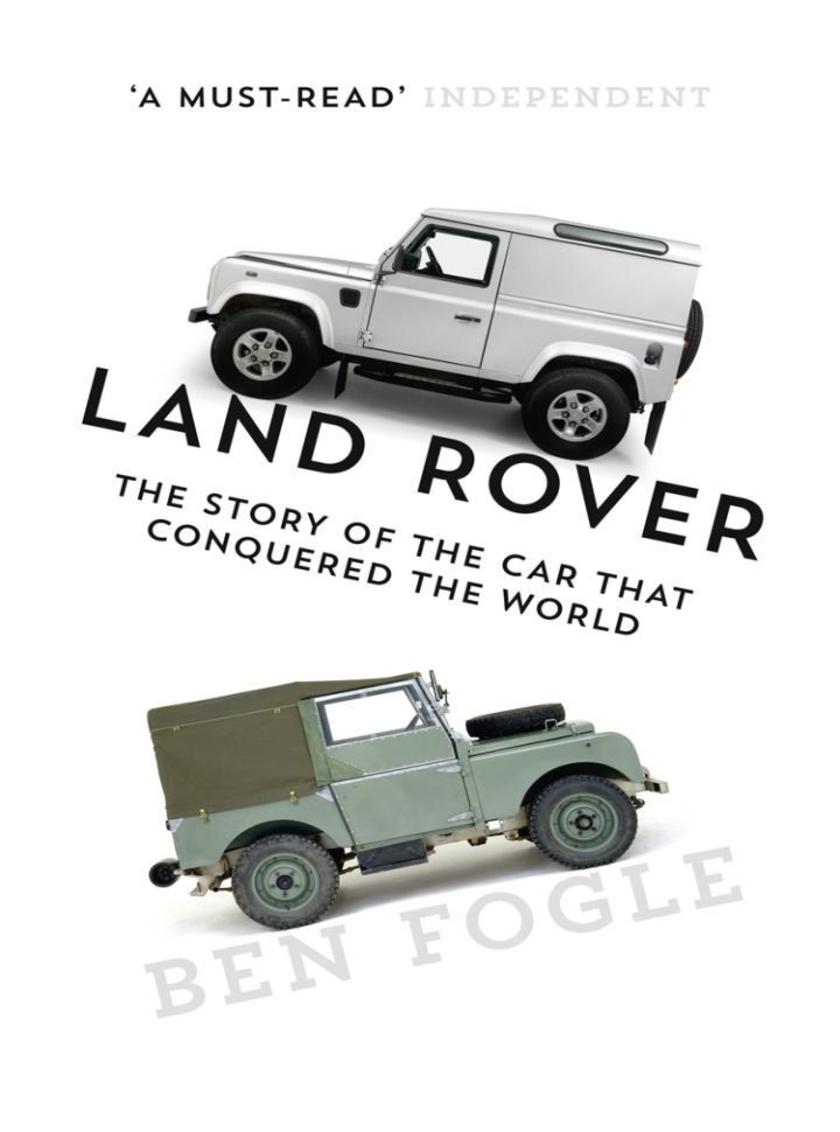
Land Rover: The Story of the Car that Conquered the World
¥66.22
In 1973, Ben Fogle was collected from hospital in a Honda Acty camper van converted into an Animal Ambulance, complete with green flashing lights (he is not a dog). He learnt to drive in a Toyota Space Cruiser and his first car was a Nissan Micra because his father is obsessed with all things Japanese. Ben finally got his first Land Rover Defender in 2001. It was a short wheel base blue 90. In a moment of madness he traded it in for an American Jeep before coming to his senses and getting a silver short wheel base Land Rover. Marriage obligations necessitated a swap to the more luxurious Land Rover Discovery, before being seduced back to another short wheel base Land Rover Defender. He currently lives in London with the love of his life, a Land Rover Defender, and his mistress a Land Rover Series 1. Ben quite likes Land Rovers.
World Religions: The esential reference guide to the world’s major faiths (Colli
¥69.26
As far back as we can discover, people have asked questions that still trouble us today, both practical questions about how to live, how to treat other people, how to avoid unhappiness, and transcendental questions such as What is the meaning of life? How did the universe come into being? Why does suffering exist? What happens after death?Religion in its many different forms sets out to answer these and other questions.As far back as we can discover, people have asked questions that still trouble us today, both practical questions about how to live, how to treat other people, how to avoid unhappiness, and transcendental questions such as What is the meaning of life? How did the universe come into being? Why does suffering exist? What happens after death?Religion in its many different forms sets out to answer these and other questions.
Forces of Nature
¥66.22
Professor Brian Cox, OBE is a particle physicist, a Royal Society research fellow, and a professor at the University of Manchester as well as researcher on one of the most ambitious experiments on Earth, the ATLAS experiment on the Large Hadron Collider in Switzerland. He is best known to the public as a science broadcaster and presenter of the popular BBC Wonders trilogy. Andrew Cohen is Head of the BBC Science Unit and the Executive Producer of the BBC series Human Universe. He has been responsible for a wide range of science documentaries including Horizon, the Wonders trilogy and Stargazing Live. He lives in London with his wife and three children.
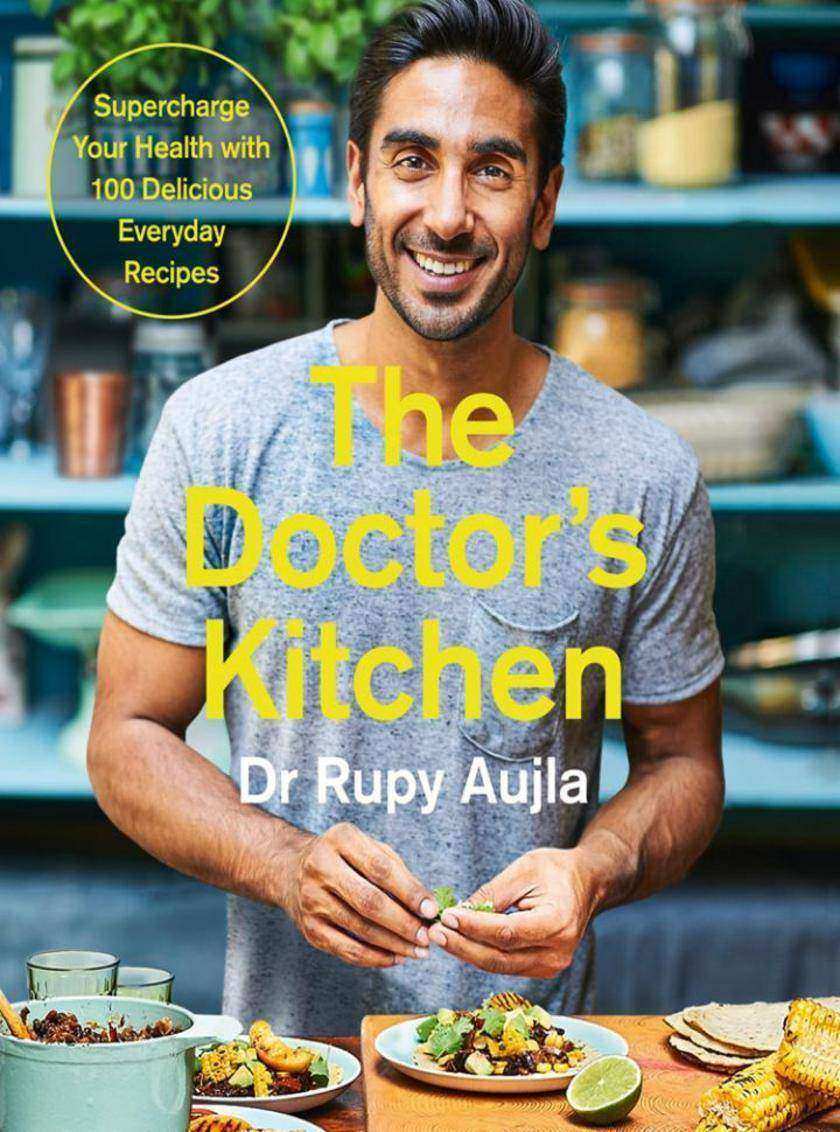
The Doctor’s Kitchen: Supercharge your health with 100 delicious everyday recipe
¥115.56
Dr Rupy Aujla is a practising GP in London. Trained at Imperial College London, his aim is to be the leading voice in how nutrition can heal and improve health. He is one of twenty global ‘I Quit Sugar’ experts, regular Doctor on BBC Asian Network’s Noreen Khan show with half a million listeners, Men’s Health Recipe Creator and Doctor, TEDxNHS Speaker, Huffington Post, Shortlist, Stylist, Metro contributor as well as leading nutrition websites including Nutritionfacts.org. Dr Rupy is developing The Doctors Kitchen social presence on You Tube, Instagram and Twitter.

Serious Survival: How to Poo in the Arctic and Other essential tips for explorer
¥115.56
Marshall Corwin is producer of the BBC TV series and has been on every expedition, so has first-hand experience of organising expeditions and living in far-away places.
A Free Spirit
¥68.57
Betty Shine is known worldwide for her powers as a medium and healer. She is the author of a number of bestselling books, including Mind Magic which was a Sunday Times No.1 bestseller. A former opera singer, she has been a therapist for over 40 years and a healer and medium for 25 years. She is a well-known television and radio personality and has been invited to lecture all over the world.
Arcadia: England and the Dream of Perfection (Text Only)
¥81.03
Adam Nicolson is the author of many books on history, travel and the environment. He is the winner of the Somerset Maugham Award, the British Topography Prize and the WH Heinemann Award. He lives on a farm in Sussex. This is his fith book for HarperCollins – his previous four being ‘Men of Honour’, ‘Sea Room’, ‘Power and Glory’ and ‘Seamanship’.
Game of Spies: The Secret Agent, the Traitor and the Nazi, Bordeaux 1942-1944
¥73.58
After service as a Royal Marine and as an intelligence officer for the UK security services, Paddy Ashdown was a Member of Parliament for Yeovil from 1983 to 2001, and leader of the Liberal Democrats from 1988 until 1999. Later he was the international High Representative for Bosnia and Herzegovina from 2002 to 2006. He was made a Knight Grand Cross of the Most Distinguished Order of Saint Michael and Saint George in 2006.
Zen in the Art of Writing
¥67.49
One of the greatest science fiction and fantasy writers of all time, Ray Bradbury was born in Waukegan, Illinois, in 1920. He moved with his family to Los Angeles in 1934. Since his first story appeared in Weird Tales when he was twenty years old, he published some 500 short stories, novels, plays, scripts and poems. Among his many famous works are Fahrenheit 451, The Illustrated Man and The Martian Chronicles. Ray Bradbury died in 2012 at the age of 91.


