


 购物车
购物车 个人中心
个人中心
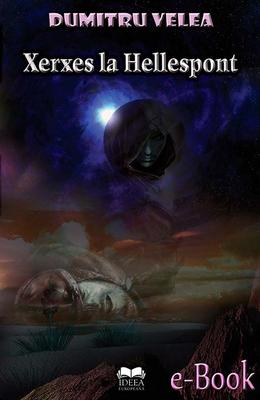
Xerxes la Hellespont
¥23.14
E cu putin?? ca un studiu despre Constantin Noica – unul care se respect? ?i vrea s? fie respectat – s? fie scris de un literat? Noica are la noi statutul filosofului tare (faptul se explic? poate tocmai prin absen?a unei filosofii tari ?n spa?iul cultural rom?nesc) ?i, ?n plus, a cam dezavuat literatura, consider?nd-o cumva frivol?. Poate chiar pe scriitori. Prin urmare, s?nt toate datele ca acest fapt s? par? cel pu?in riscant. Dac? nu o insolen??. Doar c? Dorin Popescu, autorul c?r?ii, de?i absolvent de studii filologice, nu e numai ceea ce se nume?te ?ndeob?te prin literat; pe de alt? parte, din confruntarea cu exerci?iul exegetic nici Constantin Noica nu mai iese la fel de ?ncorsetat ?n tiparele prejudec??ilor. Altfel spus, nici Constantin Noica nu mai este Constantin Noica – a?a cum apare ?n tratatele despre filosofia rom?neasc?. (Mircea A. Diaconu)
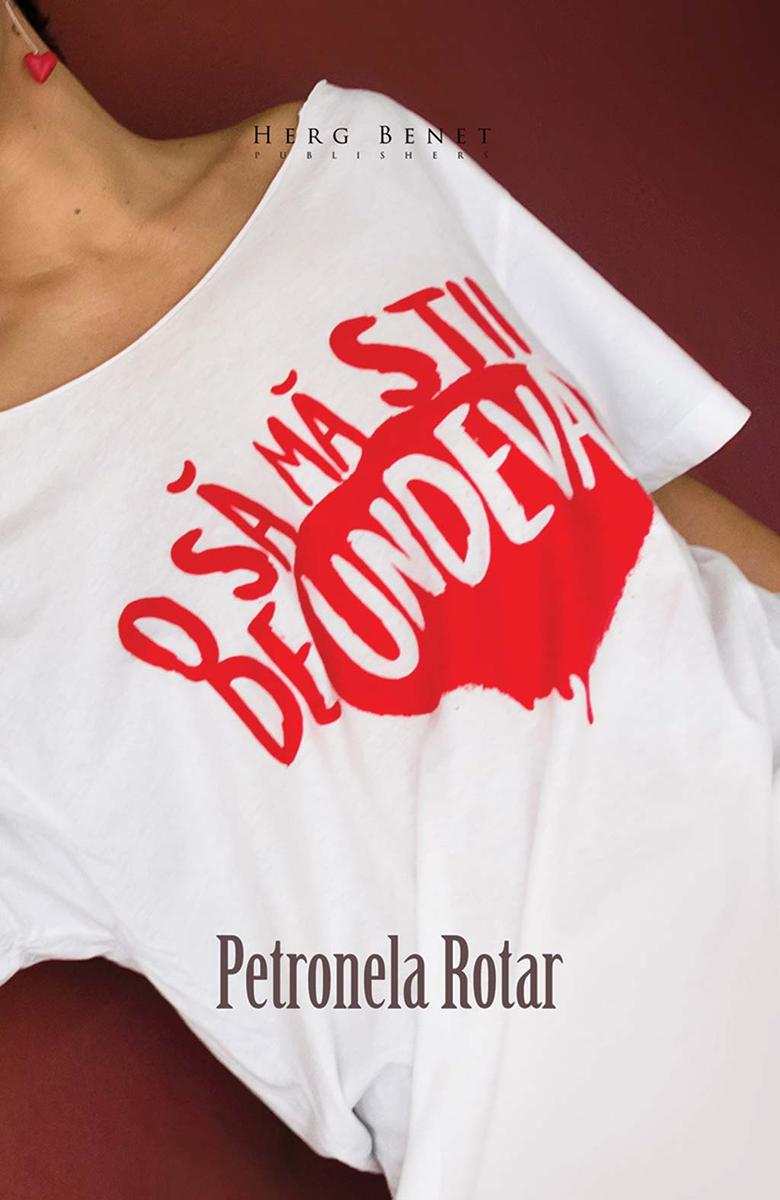
O s? m? ?tii de undeva
¥48.97
Cum se vede orbirea. ?ntr-o colec?ie de eseuri ?n care studiul biografic se ?mbin? p?n? la indistinc?ie cu fic?iunea, Julián Fuks face o incursiune puternic subiectiv? ?n via?a ?i opera a trei dintre cei mai cunoscu?i scriitori ai secolului XX. Inova?ia ?n literatur? nu este singurul punct comun al celor trei biografii, cel asupra c?ruia Fucks se va opri fiind orbirea, ca incident care ?i va afecta pe to?i. Trecerea de la lumea perceput? cu toate cele cinci sim?uri la universul ?n care culorile sunt proiec?ii ale min?ii ?i vagi amintiri difer? de la un autor la altul, iar Fucks va descrie ?i completa prin propria imagina?ie creatoare felul ?n care Borges, Jo?o Cabral ?i Joyce – deveni?i personaje – aleg s?-?i gestioneze limitele senzoriale.
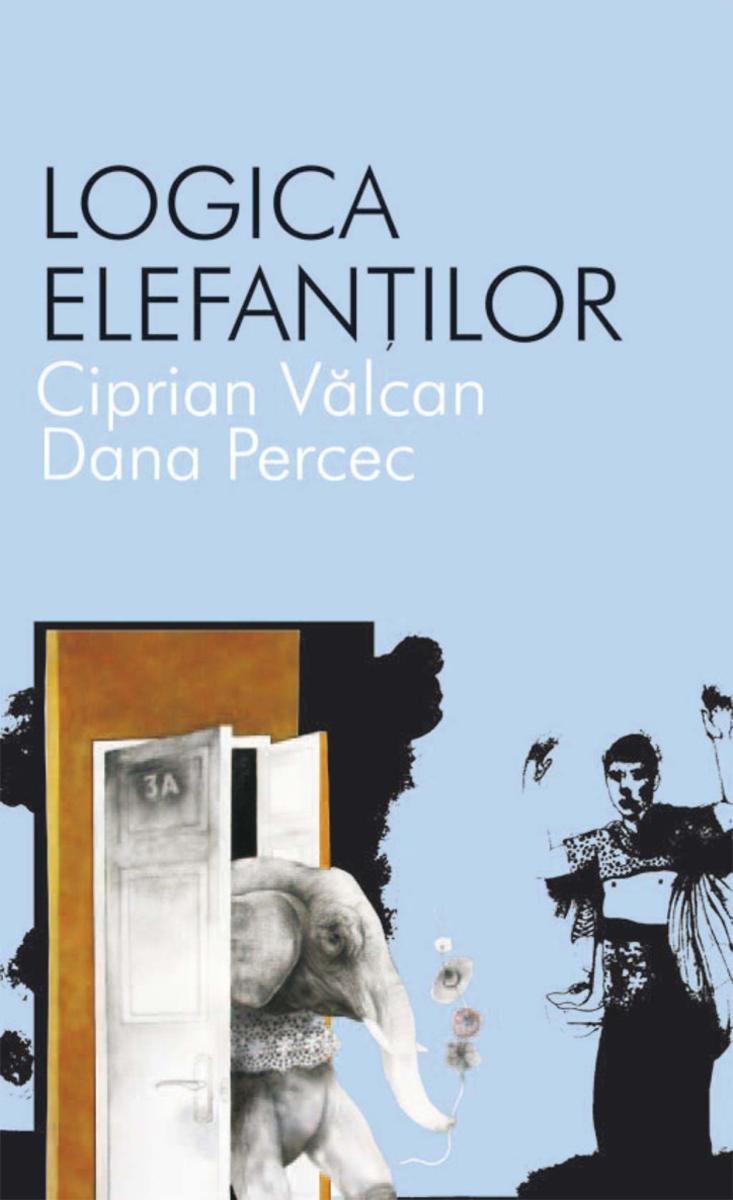
Logica elefan?ilor
¥48.97
M? numesc Valeriu Mircea Popa. M-am n?scut ?n 4 octombrie 1947. Eu ?i fratele meu Sorin (un matematician de elit?) suntem a patra genera?ie de intelectuali din familie. O familie de prin Ardeal.?n via?a de acum am fost (?i poate ?nc? mai sunt) golan, student, muzician (chitar? clasic? ?i instrumentul indian numit sitar), textier, fum?tor, afemeiat, b?utor de vodc?, culturist, defectolog, logoped ?i psihoterapeut ?n ?coli speciale, practicant de karate, contrabandist, marochiner, poet, ?ngrijitor de b?tr?ni ?ntr-un Altenheim din Germania, tat?, cre?tin gnostic, lector universitar, doctor ?n psihologia artei, t?mplar, designer de bijuterii, gravor, bijutier.De o vreme ?ncoace am impresia c? sunt un nimeni.Nu vreau s? ?tiu ce am fost ?n vie?ile anterioare.
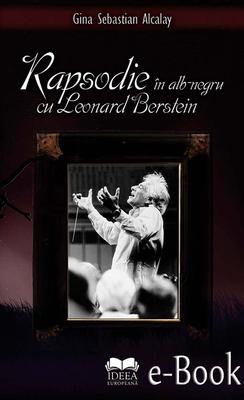
Rapsodie ?n alb-negru cu Leonard Berstein
¥61.83
Pata-Tata. ?ah nu este o carte de critic? literar?, nu este un experiment critific?ional hibrid, nu este nici o fic?iune pur?, ci este, ?n cel mai autentic sens pe care ?l permite literatura ast?zi, confesiunea unei sensibilit??i ?b?ntuite“. Despre paginile care ??i ?ntind umbrele prelungi asupra propriei vie?i ?i despre absen?ele care se strecoar? imperceptibil din autobiografic ?n c?r?ile pe care le cite?te, Diana Adamek scrie ?ntr-o tonalitate silen?ioas?, hipnotic?, cu talentul incontestabil al unui romancier. Evit?nd conven?iile obosite ale textualismului, sau problematiz?rile conceptuale ale teoriei literare, Pata-Tata. ?ah este romanul unei credin?e poetice care configureaz? deopotriv? spa?iul clipei vii ?i cel al memoriei livre?ti ?n liniile de for?? ale unei vibra?ii pasionale. ?ntre c?r?ile rom?ne?ti ale primului deceniu, acest eseu confesiv al Dianei Adamek r?m?ne cea mai patima?? ?i mai provocatoare m?rturie de credin?? a unui cititor avizat, ?i, dup? cum avea s? se dovedeasc? c??iva ani mai t?rziu, a unui excep?ional prozator.Ovidiu Mircean
C?ntul clipei
¥24.44
Marieta Rdoi Mihi face parte din acea restrns categorie de poei a cror creaie este lipsit de metafora spectaculoas (glgioas!), beneficiind ns de taina cuvintelor, dnd alturrii acestora acea imprevizibilitate, venind parc dinspre Mallarmé sau, i mai aproape de noi, de la Ion Barbu, acest farmec al imprecisului care asigur autoarei o indiscutabil originalitate i esenializare a acestei poetici.“ – Radu Crneci

Milliárdos fiú
¥58.94
Aura Christi posed numeroase virtui. Fora compoziiei pe multe planuri. Impactul personal ntre lecturi bogate i o viguroas inventivitate. Mijloace suple de caracterizare. O stilistic adaptat nevoilor expresive.” (Ion Ianoi) Corpul romanesc conine originalitate i – cel mai mare ctig – un timbru numai al su. E inclasificabil, n termenii triadei manolesciene doric-ionic-corintic. Dar, spre deosebire de alte scrieri tinere, i face s zvcneasc pe toi trei.” (Nicoleta Slcudeanu)
Turnul col?ei - ?ntre vreme ?i ve?nicie
¥39.24
Nout??ile critice sunt devastatoare: realul realului nu mai poate fi decodat, reinventat etc. dup? ?nt?lnirile sale repetate cu textul, dup? deform?rile sale repetate, dup? transfigur?rile ?i metamorfozele acestuia; cel mult, critica face posibil un real inventat, o inven?ie recombinatorie a ceea ce ar mai fi r?mas din realul realului dup? deform?rile sale repetate ?i multiplele ?ncifr?ri ?n text ale acestuia; o decodare a realului nu este posibil? nici m?car prin textul critic, odat? ce acesta se folose?te de un pattern similar celui literar ?n naiva sa tentativ? de a demola toate barierele ce ?l separ? de lumea realului; textul critic nu (mai) poate nici explica textul literar din perspectiva modului propriu ?n care acesta recombin?, inventeaz? sau numai deformeaz? realul ?i nici opera asupra lumii realului, a c?rei reinventare dup? dramatica ei suferin?? din tr?nta cu textul devine utopic?.Textul critic propune/ instituie un real propriu, un real critic, care nu este dec?t o form? (particular?) inventat? a tuturor ?nt?lnirilor anterioare dintre real ?i texte ca obiecte critice. El este o recompunere, o inven?ie, o masc?, o fantasm? care, spre deosebire de inven?iile literare (care au notorietatea de a deforma realul), mizeaz? pe minciuna cultural? (ori numai naivitatea) de a pretinde c? dispune de instrumente ?tiin?ifice (performante) de recuperare a realului din text ?i c? de?ine ?ntreg inventarul de recuperare a realului din cle?tii prea str?n?i ai corsetelor sale textuale. (Dorin Popescu)
Comparatism ?i germanistic?
¥65.32
Halucina?ii, semne ?i prevestiri, psihoze, scindare ?i panic?, abandon, decrepitudine, demen?? entropic?, suicid – iat? tot at?tea nume ale ?v?milor depresiunii”, ?n care sufletul nostru intrasecular se zbate, crucificat ?i, totu?i, cu speran?a m?ntuirii. Este tabloul crizei omului, profetizate de vizionari ai veacului al XIX-lea – Dostoevski, Kierkegaard, Nietzsche, Kafka – oferit acum ?n versiune milenarist? de naratori rom?ni precum Nicolae Breban, Augustin Buzura, Florin ?lapac, Radu Aldulescu, Dumitru ?epeneag, Marius Tupan. (Geo Vasile)

Végtelen nyár
¥56.57
ADY – Magyar – angol kétnyelv? kiadás – Hungarian-English bilingual edition Kocsi-út az éjszakában Milyen csonka ma a Hold, Az éj milyen sivatag, néma, Milyen szomoru vagyok én ma, Milyen csonka ma a Hold. Minden Egész elt?r?tt, Minden láng csak részekben lobban, Minden szerelem darabokban, Minden Egész elt?r?tt. Fut velem egy rossz szekér, Utána mintha jaj-szó szállna, Félig mély cs?nd és félig lárma, Fut velem egy rossz szekér. Ride in the night How broken’s today the Moon, And how dismal and mute is this night, Today I am how sad and not blithe, How broken’s today the Moon. All the Wholes are broken now, And all the flames flare up in small parts, And all the loves are broken in hearts, All the Wholes are broken now. Bad cart is running with me, As if a cry of pain would there sound, Profound’s the still and partly din’s round, Bad cart is running with me.
The Book of Dragons
¥8.18
Un b?ie?el singuratic ?i f?r? prieteni Un b?rbat secretos care a petrecut ani de zile ?ncerc?nd s? transforme metalele ?n aur Unul dintre cele mai mari genii ale tuturor timpurilor Toate cele de mai sus! ? Afl? mai multe despre adev?ratul Isaac Newton ?n aceast? biografie amuzant? ?i minunat ilustrat?!
Dezvoltare personal?, vindecare emo?ional? ?i maturizare. 12 povestiri terapeuti
¥40.79
n doar opt ani, Peggy Guggenheim a schimbat faa artei secolului XX; iar viaa sa, cea public i cea privat, a fost la fel de radical precum colecia pe care a deinut o. --The IndependentPatroan a artelor nc din anii 1930, Peggy Guggenheim ne ofer, ntr un autoportret plin de sinceritate, o perspectiv din interior asupra nceputului artei moderne, fcnd mrturisiri revelatoare despre familia sa bogat i excentric, despre relaiile sale personale i oferindu ne portrete adesea surprinztoare ale artitilor nii.Confesiunile unei dependente de art imortalizeaz un capitol nsemnat din istoria artei moderne, precum i personalitatea uneia dintre cele mai fervente susintoare a ei.Ar trebui s ne mulumim, deocamdat, cu ceea ce a produs secolul XX — Picasso, Matisse, Mondrian, Kandinsky, Klee, Léger, Braque, Gris, Ernst, Miró, Brncui, Arp, Giacometti, Lipchitz, Calder, Pevsner, Moore i Pollock. Astzi este vremea colecionrii, nu a creaiei.Haidei cel puin s conservm i s le oferim oamenilor toate marile comori pe care le avem. -- Peggy Guggenheimntlnirea cu frumosul ne modific. Arta, n toate formele ei de exprimare, ne vorbete despre frumuseea acestei lumi, indiferent ct de sublim sau atroce este ea.Prin Colecia StArt pe care o inaugureaz odat cu apariia Confesiunilor lui Peggy Guggenheim, Editura Pandora M i propune s familiarizeze cititorii cu arta modern a secolului XX i cu fabuloasa lume din spatele cortinelor care ascund de multe ori poveti extraordinare i viziuni inedite. Colecia StArt este un loc de ntlnire ntre cei care au curiozitatea de a citi viaa prin alt fel de lentile dect cele obinuite i cei mai importani actori ai scenei de art, fie c este vorba despre artiti, curatori, galeriti, colecionari, critici sau istorici.
Toamna se num?r? e?ecurile
¥65.32
Lectura este una dintre activit??ile umane cel mai frecvent investigate ?n diversele episteme care au ordonat g?ndirea uman? a ultimului secol. Ea a fost analizat? at?t ca proces diacronic, c?t ?i ca activitate sincronic? ?n paradigmele ?tiin?elor limbajului ?i ?n cele ale hermeneuticii ?i ofer? un c?mp conceptual foarte amplu, astfel ?nc?t orice nou demers care ?i?ar propune s??l acopere ?n integritate trebuie s? acceseze domenii variate, modalit??i distincte de conceptualizare.?

Educ?-m? cu viziune
¥90.84
Edgar Allan Poe's Complete Poetical Works' is an elegant edition boasting the entire Poe catalog. It features works from the famous gothic American writer. His works span the years from 1827 to his death in 1849.?This treasure book collects all of Poe's poetry in a single volume, some of the most evocative poetry in the English language.
Uncle Tom's Cabin
¥8.09
Eram ?n Her?str?u, la parcul de distrac?ii, ?Luna-parc“, cum i se spunea pe atunci, ?ase b?ie?i ?i o fat?: Vintil? Iv?nceanu, Virgil Mazilescu, Daniel Turcea, Mihai Teclu, George Almosnino, Iulian Neac?u ?i Nora Iuga. Infatua?ii, arogan?ii, scandalagii, cosmopoli?ii – ONIRICII. B?ie?ii trecuser? un pic de dou?zeci, ?fata“ trecuse bini?or de treizeci, important era c? nu se vedea. Ne d?deam ?n ma?inu?e; caramboluri ?i chiote! Pe urm?, la bere, Pur?i – a?a ?i spuneam eu lui Vintil? – se ia de Iulian: ?Da’ neagra ta, cum ?i zice, dactilografa de noapte, te mai viziteaz??“... ?i urechea mea p?lnie se f?cu ?i la dou? noaptea, la ma?ina mea, am b?tut eu mai departe ce-mi dicta ea. (Nora Iuga, iulie 2010)
Doamna Ataturk
¥81.67
Cartea aceasta reprezint o confesiune sincer despre tririle, sentimentele, nvmintele i convingerile mele. Am depnat aici amintiri din ntreaga mea via, cu bune i cu mai puin bune, cu frumoase i mai puin frumoase. Dragostea, acest sentiment minunat, este cea care mi-a ghidat destinul, ncepnd cu dragostea pentru prini, apoi cu cea pentru alesul inimii, continund cu dragostea pentru copii, pentru familia toat, pentru oameni n general i, alturi de toate acestea, dragostea pentru cntec.“ Maria Dragomiroiu
Ie?irea la suprafa??
¥106.19
Critic? literar? Editura ALLFA inaugureaz? seria de volume ?Eminescu, poem cu poem”, care va cuprinde ?ntreaga oper? poetic? antum? a marelui poet analizat? de scriitorul ?i criticul literar Alex. ?tef?nescu. Lucrarea ?Eminescu, poem cu poem. C?lin (file din poveste)” ne dezva?? de toate vechile obiceiuri de interpretare care au prezentat ?n limbaj de lemn poezia eminescian?. Alex. ?tef?nescu ne face din nou cuno?tin??, de data aceasta ?n cuvinte simple ?i idei proaspete, cu una dintre cele mai cunoscute poezii din literatura rom?n?. Analiza sa cuprinde observa?ii fresh ?i referin?e culturale pe gustul elevilor, tinerilor ?i iubitorilor de literatur? care (re)descoper? ast?zi poezia eminescian?. C?lin, ?voinicul” din basmele populare rom?ne?ti, ?i face o vizit? nocturn?, neanun?at?, fetei de ?mp?rat. Alex. ?tef?nescu scoate ?n eviden?? capacitatea poetului de a p?stra ritmul, de a nu precipita relatarea, de?i evenimentele se precipit?. Marii poe?i ai lumii, Homer ?i Dante, st?p?neau acelea?i mijloace. Mai mult dec?t at?t, o dezvoltare calm? a ideilor, cu toate nuan??rile necesare, se reg?se?te ?i ?n interiorul replicilor personajelor lui Shakespeare. Un mare scriitor ?tie c? spectacolul existen?ei este mai important dec?t succesul sau insuccesul ?ntreprinderilor omene?ti. Volumul cuprinde poemul ?C?lin (file din poveste)” ?nso?it de textul critic al lui Alex. ?tef?nescu.
Scriitorul de vagoane ?i alte povestiri aproape adev?rate
¥24.44
Camil L. A. Camil este un alt nume. Persoana din spatele lui Camil L. A. Camil nu-?i asum? responsabilitatea celor scrise, de?i voi crede?i c? i-ar apar?ine de drept. ?Probabil”, g?nde?te acea persoan?, poeziile scrise de Camil L. A. Camil sunt retu?uri ?n trans?.” Eu nu sunt la?, dar nu mai ?tiu unde ?i c?nd am scris cele ce urmeaz?! S? fie uitarea singurul meu viciu?
Munca
¥24.44
O carte pe s?pt?m?n? reprezint? norma decent? pentru un critic de ?nt?mpinare, cu at?t mai mult cu c?t el mai scrie ?i studii sau eseuri, ??i duce copilul la ?coal?, plimb? c?inele pe trasee lungi, dinainte calculate, petrece mult timp printre studen?i la cursuri ?i seminarii, formeaz? oameni tineri ?i ?ncurajeaz? debuturi, fiind prezent c?teva ore zilnic ?i pe Internet, pentru a prelua comenzi de colaborare sau ca s? onoreze unele mai vechi, cu scaden?e ?n general respectate. Cartea de fa?? prezint? jum?tatea pedanta, disciplinat? a celui care a scris, ca un program personal de evaziune, Visul lupului de step?: 52 de texte, dedicate scriitorilor rom?ni, formeaz? aici un ?an ideal“ consacrat literaturii recente, compus din respect pentru munca altora, din admira?ie ?i entuziasm, dar ?i din responsabilitatea critic? a disocierilor lucide, tran?ante, atunci c?nd cazurile o impun. Practic?nd cu pl?cere cronica de ?nt?mpinare de mai bine de 30 de ani, autorul c?r?ii de fa?? ?tie prea bine c? nu laude a?teapt? ?n primul r?nd scriitorul rom?n din partea criticului s?u, ci ?n?elegerea obiectiv? a demersului literar ?i onestitate. ?n consecin??, se prea cuvine ca recenzentul s? r?m?n? un om marginal ?i s? priveasc? vedetele din penumbr?. ?n ultim? instan??, critica de ?nt?mpinare devine stil prin coregrafia subtil? a distan??rilor reciproce: a scriitorului de sine ?nsu?i prin intermediul criticului s?u, ?i a acestuia din urm? de propria sa fixa?ie, prin mijlocirea c?r?ilor mereu noi pe care le cite?te.
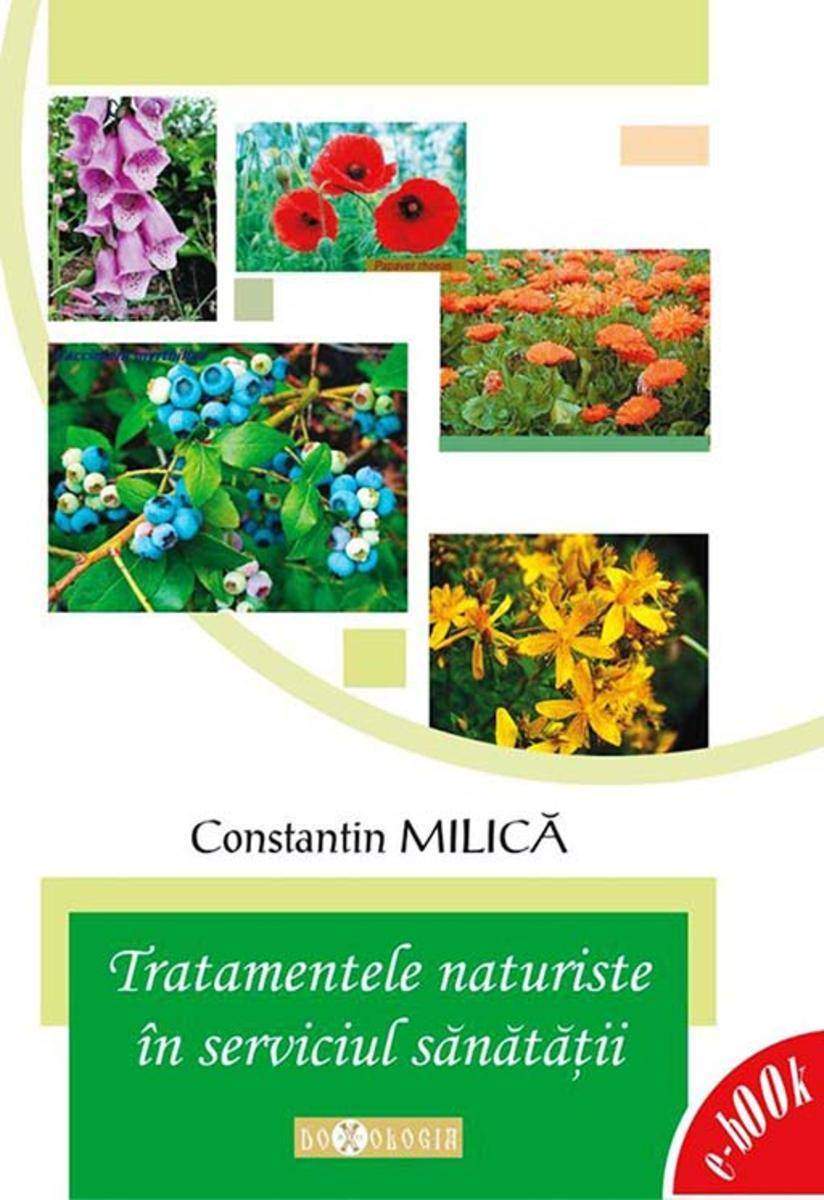
Tratamente naturiste ?n serviciul s?n?t??ii
¥40.79
O edi?ie aniversar?, dedicat? unuia dintre cei mai mari creatori europeni, realizat? cu participarea unor importante personalit??i ale culturii rom?ne (Nicolae Balota, Eugen Simion, Nicolae Manolescu etc.); edi?ie special? ce con?ine o bogat? iconografie. Textele sunt menite s? omagieze o legend? vie a literaturii rom?ne – ctitor, al?turi de Liviu Rebreanu ?i Hortensia Papadat-Bengescu, al romanului modern.
Nietzsche ?i muzica
¥48.97
De ce fr minotaur Fiindc literatura, din perspectiva mea, este un labirint, iar naintarea n ea, una plin de pericole, topite ns n pura iridiscen. Un labirint, dar unul radios, menit s atrag atenia asupra infinitii de jocuri ascunse n textul literar. Jocuri care te prind (mai bine-zis te seduc), doar ca s te poi elibera, s fii vzut n mijloc, schind un salut triumfator – poate spre nite prieteni nevzui. Cu nimic altceva n jur dect pietre ncinse, ncrustate cu nestemate. Nevoit s mergi mereu nainte, lai averea asta altcuiva, n-o poi lua cu tine – sensul e s iei din labirint cu totul nud (neatins de prejudeci ori de cliee), fr cicatrici literare, literatura s fie pentru tine o poart, nu o temni. Ea poart, ntr-adevr, n sine, aceast imens generozitate. Niciun minotaur care s te sfie, doar picurul de miere al bucuriei lecturii, pe lespezile arse de soare: suntem la amiaz, ateni, vigili (minotaurul ar fi doar creaia noastr). Senzaia de deschidere druit de literatur st deci la originea acestei cri, mai degrab un sinuos autoportret de cititor (nu att narcisiac, ct fidel siei) dect o lucrare sistematic. Un chip caleidoscopic, conturat din capricii reunite, firesc, ca rsplata pentru a fi urmrit cu ncredere traiectoria neregulat a lecturii – sinuozitate nelipsit totui de un sim al unitii, tradus n meditaia continu asupra unor noiuni precum familiaritate i alteritate, a relaiona ori a insolita.“ – Simona Grazia Dima
Karma s?n?t??ii
¥40.79
Lidia Lazu a scris aceste poeme. i pe urm a uitat c le-a scris. Le-a gsit pe marginea unei ferestre, ciugulite de psrile cerului, cu frumuseea pierdut pentru totdeauna – c toate lucrurile sortite s ntrein miracolul existenei. Acesta este mitul n jurul cruia ar putea s se consolideze o ntreag oper poetic. Eu cred c nici unul dintre poeii romni nu a reuit s construiasc o asemenea imagine, care ntr-adevr s ne reprezinte ntr-un asemenea chip i ntr-o asemenea msur. Lidia Lazu scrie din preaplinul firii sale. (...) Ea face parte dintre acei oameni care nu scriu din pricina slbiciunilor lor, ci din pricina prea multelor daruri cu care a fost nzestrat de Dumnezeu.“ – Mircea Ciobanu


