


 购物车
购物车 个人中心
个人中心
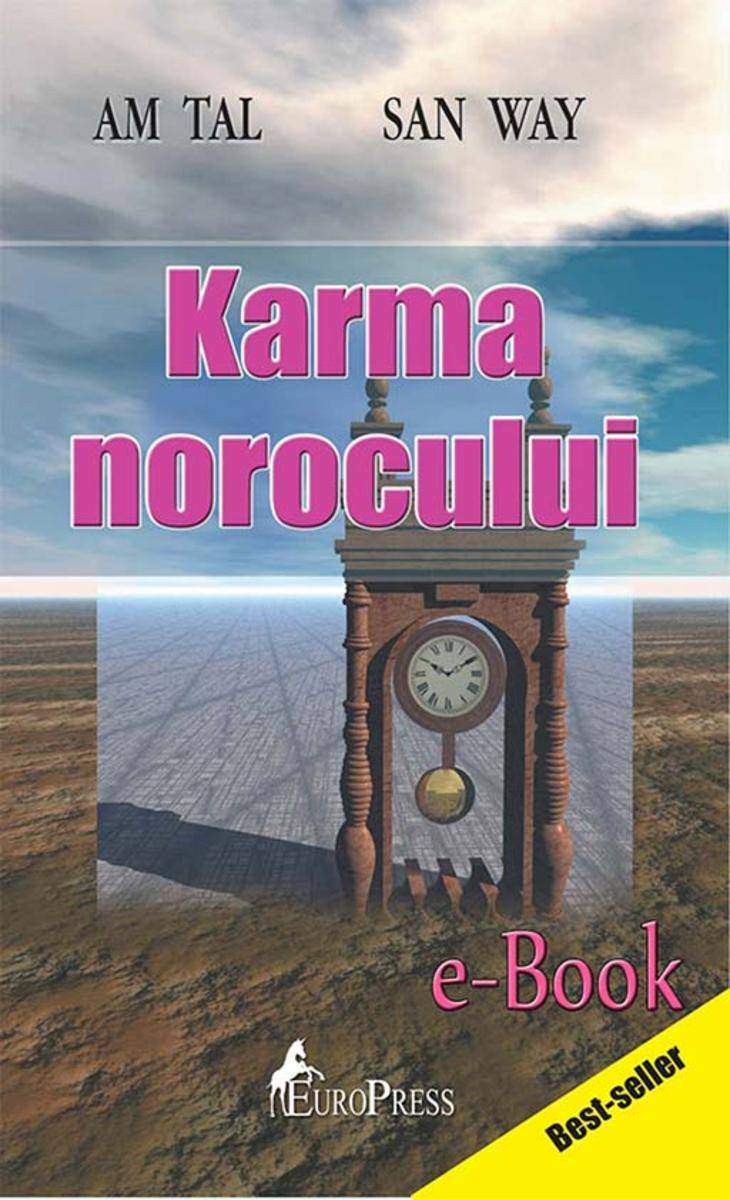
Karma norocului
¥40.79
Sub limita de detec?ieVorbi?i ?n ?oapt?Ceva se petreceSub pragul vostru auditiv.A?a cum silabele gurii taleSunt sorbite de timpanele ei, tot astfelAcolo, ?n ad?nc,Picur? ceva –P?m?ntului ?i scap? lacrimiPe care le-nghit r?d?cinile;Acolo, ?n ?naltSe spulbera ceva –V?zduhului ?i scap? lacrimiPe care le-nghit ?ngerii.E un plan?et f?r? istovAl lucrurilor, fertil –Doar c? se petreceSub limita de detec?ie.
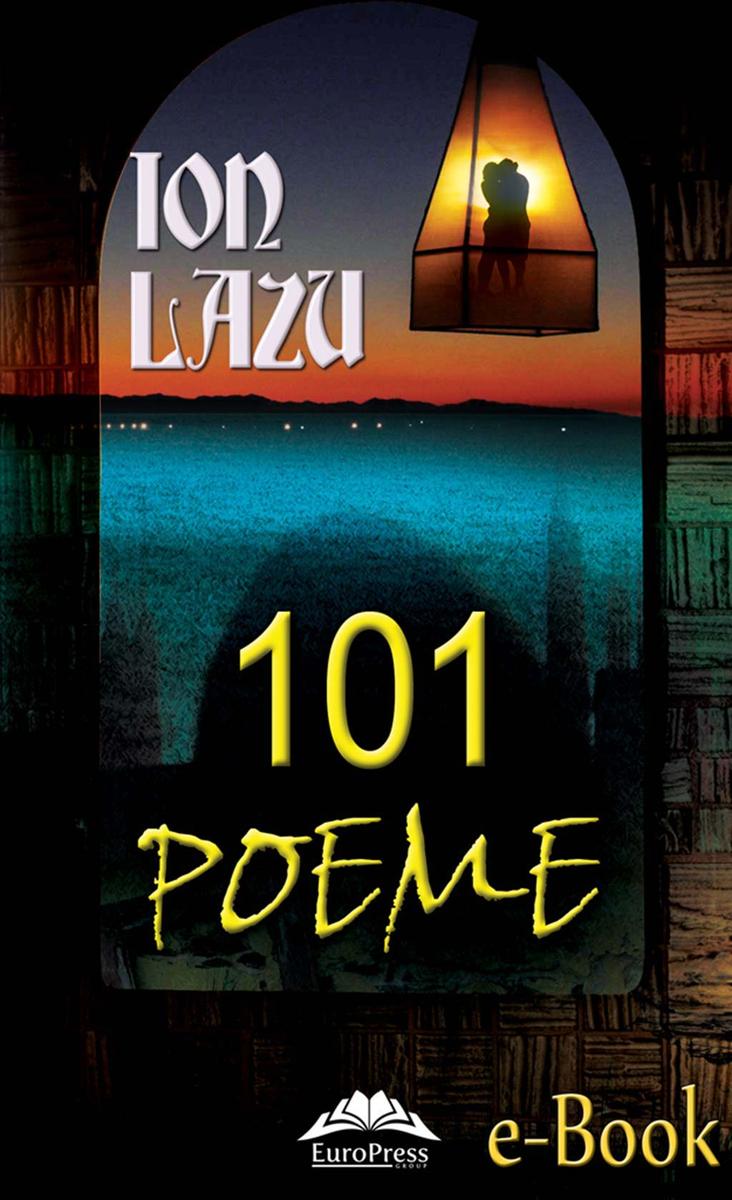
101 poeme
¥32.62
mi nchipui pe pmnt locuriUnde nu ajunge raza de soareLocuri unde nu adie vntulLocuri oarbe i surde, fr cldurFr memorie –Dar nu am destul putere s-mi nchipuiLocuri unde s nu ajungi s nu m ajungDurerea.
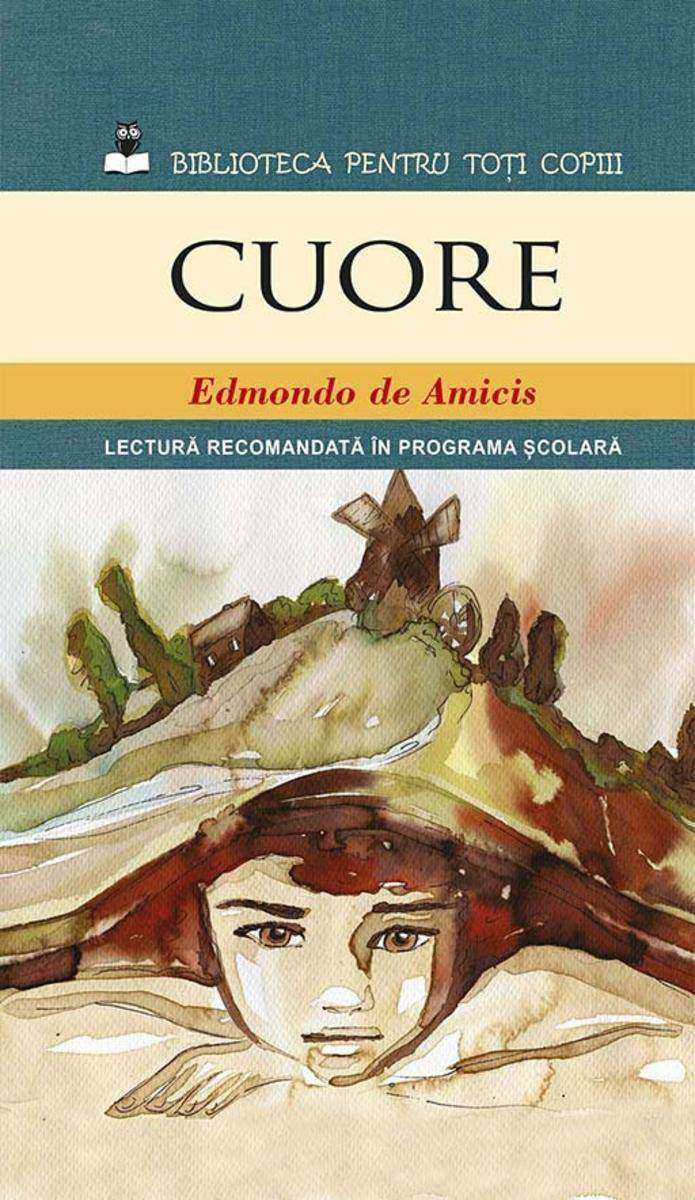
Cuore. Inim? de copil
¥34.25
Un roman textualist, un roman-experiment propus de o scriitoare care are un stil aparte, abrupt, dens, av?nd for?a de a recurge la mari desf??ur?ri epice, situate ?n siajul textuali?tilor europeni. ?Hidrapulper este o metafor? terifiant?, o bolgie ?n care se f?r?m?, se topesc deopotriv? destine, cuvinte, c?r?i, momente istorice, natura ?ns??i... toate trec?nd ?ntr-o past? inform?. Un roman "negru", unic, al adev?ratei atmosfere de “fabric?““. (Christian Cr?ciun)Cartea este destinat? unui public larg, iubitorilor de romane ce fac parte din onorabila tradi?ie a romanelor de citit ?n tren.
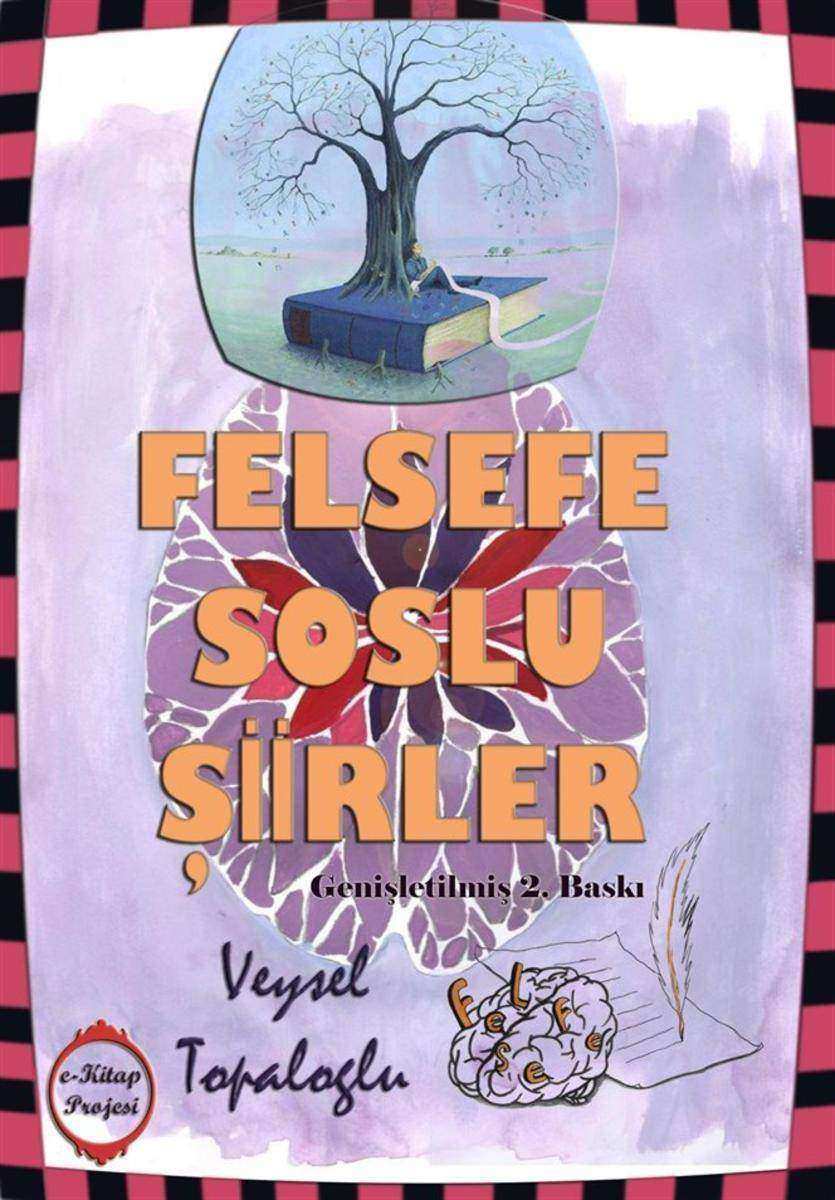
Felsefe Soslu ?iirler: (Geni?letilmi? 2. Bask?)
¥23.14
YAKINDA SIRA G?KY?Z?NE DE GELECEK! ? ?ilahi nizama(Yarat?l?? Yasalar?na) g?re, yeryüzünün hi? bir yeri; hi? bir insana ve zümreye ait de?ildir. ?nsani düzene g?re ise ger?ek tamamen farkl? olup yeryüzü parsel, parsel ya?malanm?? olup nehirler, g?ller, denizler ve hatta k?talar bir avu? az?nl??a ya da zümreye hizmet etmektedir. S?z konusu bu az?nl?klar dünyan?n kaynaklar?n? ?e?itli y?ntemlerle dev?irip s?mürmektedirler. ??S?mürü sadece do?al kaynaklarla s?n?rl? olmay?p dünya üzerinde ya?ayan tüm canl?lar? da kapsamaktad?r. Bundan, tek hücreli organizmalar da nasibini almakta ve efendilerinin ahlaks?z ama?lar?na hizmet etmeye mecbur kalmaktad?r. Bu azg?n küresel s?mürgeciler, insanlar?n beden ve beyin gü?lerini s?mürdükleri yetmezmi? gibi ?imdilerde zihinlerini de ele ge?irmeye y?nelik yo?un bir gayret i?indedirler. ??S?mürgeciler, kaynaklardan dev?irdikleri de?erleri ?nce paraya daha sonra ise parayla birlikte bu kaynaklar? da kullanarak gü? dev?irmekte olup ?bu b?yle katlanarak devam etmektedir. Küresel emperyalistler, s?mürü düzenini hepimizin iyi bildi?i yedi(S) arac?l???yla, yani onlar? de?er dev?irmekte kullanarak ger?ekle?tirir. ? Bunlar s?ras?yla: Su (G?da),Sa?l?k, Seks, Silah, Sanat, Spor ve Siyaset olarak s?ralanabilmektedir. S?ra gü? dev?irmeye gelince bu s?ralamada siyaset birinci s?raya ge?mektedir. Sebebine gelince s?mürgeci en ?ok siyaseti ?veya baz? siyaset?iyi, ?baz? siyaset?iler ise bu sayd?klar?m?z?n tümünü birden kullanmaktad?rlar. ??Birde s?mürgecilerin elinde, onlar?n ?ok sevdikleri bir ba?ka (S) olan ad?na Sava? denilen alt?n (S) vard?r. Sava?lar?n ara?lar? ise sizlerin de ?ok iyi bildi?i gibi temel iki unsura dayanmaktad?r. Bunlar, dindarl?k ve kindarl?k olup toplumlar ayr??t?r?l?p dü?man kamplara b?lüne bilmeleri i?in; ya inan? farkl?l?klar?, ya da tarihin bir d?neminde atalar?n?n birbirlerine yapt?klar? yanl?? davran??lar? k?rükleyerek dü?manl?klar? yaratmaktalar. Sonras?nda da dü?manla?t?r?lan toplumlara gaz verirler, onlar sava??rken bunlar bir yandan silah satarken bir yandan da ya?malar?n?(has?latlar?n?) hazinelerine katarlar? ???nsanlar?, insanl???ndan ??karan, herkesi paran?n pe?inden ko?turan; en ac?s? da para i?in her türlü de?erlerinden vazge?ebilmeyi ba?ar? gibi sunan bu ?arp?k sisteme kar??: Bizler akl?m?z? ba??m?za toplamaz ve s?mürgecilerin de?irmenine su ta??maya devam etmeyi sürdürürsek; ?o zaman g?kyüzüne iyi bakal?m! ?ünkü; korkar?m :Torunlar?m?z g?kyüzünü b?yle mavi olarak bir daha zor g?rebilecekler !!! ?SADEKUL ? Y ? Z L E ? M E ( MAN?FESTO ) ?- G ? R ? ? ?TOPLUMSAL PAST?R?ZASYONLAR VE SAKINCALARI "Sosyolojik Past?rizasyon ve Yeni Bir Düzen ?zerine ?zgün Yakla??m" Hepimizin ?ok iyi?bildi?i gibi; kurals?z ya?ayan insan topluluklar? tarih i?erisinde kurall? ya?ama ge?erek; birer düzen toplumlar? haline gelmi?lerdir ??te: Toplumlar?n egemen oldu?u bu topraklar üzerinde ya?ayan bireylerinin hak ve ?zgürlüklerinin s?n?rlar?n? belirleyen bu tek siyasi erkin ad?na devlet denilmektedir. Bu ?rgütün, en temel g?revi yurtta?lar?n?n i? ve d?? güvenli?ini sa?lamak olmakla birlikte; devlet bu sorumlu?unu yerine getirirken ise her zaman herkese kar?? tarafs?z ve e?itlik?i olmak mecburiyetindedir. ?zellikle de i? güvenli?i sa?larken; hem kendisinden yurtta?lar?n?, hem de yurtta?lar?n? yurtta?lar?ndan korumakla yükümlüdür. Ayr?ca bireylerin beden ve ruh sa?l??? da tamamen bu ?rgütün güvencesinde olup devletler her ko?ulda ki?ilerin beden bütünlü?ü ile zihin sa?l???n? da korumaktan da soruludurlar.

Tom Sawyer kalandjai
¥8.67
C?t?lin-Mihai ?tefan a reu?it s? scrie o carte tulbur?toare despre avatarurile unei identit??i ?n curs de revelare. Poemele sale, imagini fulgurante ale memoriei, sunt ofrande aduse unui timp deja tr?it, mici lumi disp?rute care ??i cer dumicatul de p?ine ?i linguri?a de vin. Ce am fi f?r? amintiri, ce ar fi amintirile f?r? noi cei de acum... Puzzle-ul acestor ?istorii“ personale prinde contur abia dup? ce lucrurile nespuse ?ncep s? se acumuleze ?i s? fie la fel de prezente ca ?i acelea rostite cu ap?sare. Dup? un debut onorabil Muza avatarului (2005), C?t?lin-Mihai ?tefan revine ?n poezie cu un volum c?t se poate de conving?tor, al?tur?ndu-se astfel, celor mai buni poe?i ai celui de-al doilea val dou?miist. (?erban Axinte)Apaosuri este volumul de poeme care te contamineaz? cu mult? candoare, cu un limbaj care te oblig? s? te copil?re?ti p?n? acolo, ?nc?t s? con?tientizezi c? de fapt fiecare etap? a vie?ii nu are s? ?nsemne dec?t ?nc? un pas de ?otron. Poetul divulg?, ?ntr-o manier? inedit?, aromele ?i energiile copil?riei postsocialiste. Altfel spus, Apaosuri este volumul unor holograme lirice pe care poetul, inspirat, ni le aduce ?n acest postmodernism natural-robotizat. Cred c? prin acest volum autorul ??i c??tig?, la propriu, locul binemeritat ?n peisajul poeziei 2000+. (Paul Gorban)
Istorie ?i sacralitate
¥16.27
Cartea v? propune spre lectur? o sum? de eseuri inedite, inspirate de la chestiuni cvasi-cotidiene sau rezultate din c?ut?ri la care ne ducem mai rar cu gândul. În plus, atât pentru condimentarea experien?ei de lectur?, cât mai ales pentru democratizarea conceptului de antropologie (în jurul c?ruia graviteaz? prozele din cuprins), seria de eseuri – fuzionând idei de psihologie, sociologie ori de filosofie – este punctat? (ini?ial, median ?i final) cu câte o proz? fic?ional? din seria interpret?rilor speculativ-antropologice de mituri ?i legende populare (aici fiind vizate baladele "Monastirea Arge?ului" ?i "Miori?a"), serie de autor început? odat? cu cartea "Întoarcerea fratelui risipitor" (Editura Europress, Bucure?ti, 2014). Volumul de fa?? aduce cititorului un amalgam de provoc?ri pentru minte ?i pentru inim?, într-un melanj pastelat, sus?inut pe tot parcursul de împletitura a trei filoane esen?iale: auto-ironie, umilin?? ?i duio?ie. De altfel, ideea de smerenie – atât cea subiectiv? cât ?i cea extins? la întreaga specie – constituie aici o reiterare definitorie. Parcurgerea c?r?ii se poate dovedi o experien?? deosebit? atât pentru cititorul pasionat de beletristic? cât ?i pentru cel atras de eseistica de idei. Profunzimile ?i perspectivele vor surprinde adesea.
Genul programului: dram?
¥16.27
n condiiile unei crize a lucrrilor de sintez, monografia marelui crturar Nicolae Balota despre literatura german, constituie un model de analiz a uneia dintre cele mai majore culturi ale lumii. Cartea apare pentru prima dat n colecia Ediii definitive.
DonQuijotisme AntropoLexice
¥47.42
Tenta?ia magnific?rii excesive a valorilor autohtone compor?t? nu pu?ine primejdii. Pe cele, mai ales, de a suscita acuza?ii de ?protocronism“, de etnocentrism, de ?localit?“, de p??unism sau ?esprit de clocher“, de ignorare a tabloului mondial al evolu?iilor ?n domeniul vizat, acuza?ii care, e adev?rat, pot fi drepte sau ne?drepte: criteriul r?m?ne legat de o chestiune de relativizare ?i de dozaj, deci de proced?ri ?nzestrate prin excelen?? cu o foarte firav? voca?ie consensual?. Am mai evocat, cu alt prilej – vorbind despre romanele lui D. ?epeneag, pe care nu le socoteam inferioare celor ale nobelizatului Claude Simon – de riscul reedit?rii sindromului ?Notre grand Arghiropoulos“, ironizat (cu simpatie, totu?i!) de E. Lovinescu ?n Aquaforte. Tot c?ut?nd, ?ns?, s? evit?m acest risc, ajungem s? ne expunem altuia: cel de a subaprecia, ?n pofida evi?den?ei, un num?r, deloc mic, de valori certe ale literaturii noastre postbelice. Nicolae B?rna
Tévúton
¥58.29
Tot ce urmeaz? s? sus?in ?n acest eseu nu poate fi de?monstrat cu precizie. ?ntr?un fel, nu fac altceva dec?t s? m? sabotez singur: sunt critic ?i istoric literar, profesor de lite?ratur? la Facultatea de Litere. Am, cum se spune, o ?cari?er? ?tiin?ific?“. Or, tot ce v? voi povesti ?n cele ce urmeaz? se a?az? contra tradi?iei, care la noi porne?te de la Mihail Dragomirescu, a ??tiin?ei literaturii“. C?linescu ironiza de fi?ecare dat? preten?iile pozitiviste ale unor cercet?tori care au impresia c? pot extrage, eventual cu cianuri, ca pe un mine?reu aurifer, adev?rul din textul literar. Literatura nu se las? disecat? cu instrumente ?tiin?ifice. C? analiza, interpreta?rea, hermeneutica literar? folosesc metode riguroase, fac uz sau caz de erudi?ie, e o alt? poveste. Dar nici o interpretare nu va ajunge la Adev?r. Pentru c? ?adev?rul“ literaturii nu e unul singur, ci o sum? de multe adev?ruri. Fiecare dintre ele depinz?nd de cititor, de inteligen?a lui, de cultura lui ?i, nu ?n ultimul and, de sensibilitatea lui. Bogdan Cre?u
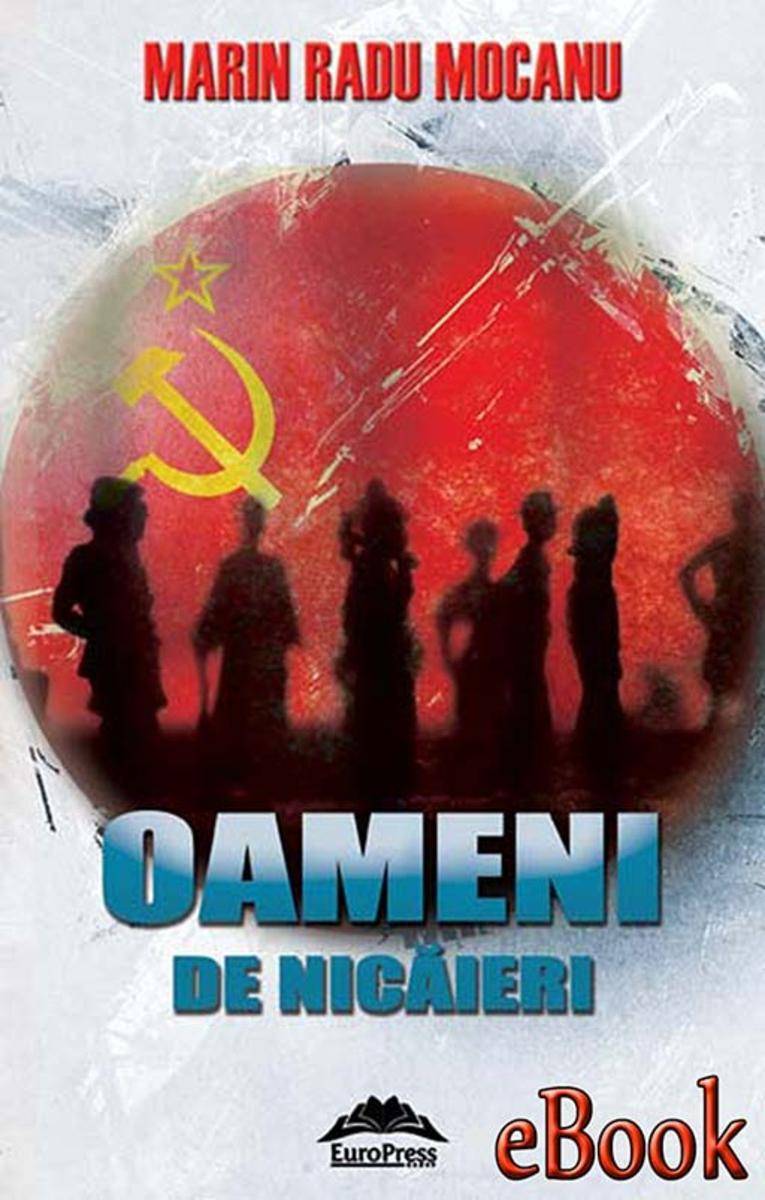
Oameni de nic?ieri
¥22.99
Atunci c?nd Iisus le spune ucenicilor, ?n Evanghelia dup? Matei, 5:14, enun??nd ?fericirile“ (?n Cuv?ntarea de pe munte) c? ?voi sunte?i lumina lumii. O cetate situat? pe un munte nu poate s? r?m?n? ascuns?“, accep?iunea e strict metaforic?, la fel cum se ?nt?mpl? ?i ?n foarte cunoscuta scen? a Schimb?rii la fa??, tot ?n Mat. 17:2, unde se spune c? ?El s-a schimbat la fa?? ?naintea lor; fa?a lui a str?lucit ca Soarele ?i hainele i s-au f?cut albe ca lumina“. ?n Evanghelia dup? Marcu, mai aspr? ?i – dup? cum ?tim – mai veche dec?t aceea a lui Matei, lumina are, de asemenea, o accep?iune metaforic?, fiind asociat? cunoa?terii ezoterice pe care, prin credin??, o vor dob?ndi cre?tinii, spre deosebire de celelalte neamuri, c?rora le este rezervat? doar o cunoa?tere exoteric?. ?tefan Borbély

12 szabály az élethez - ?gy kerüld el a káoszt!
¥70.80
A ?Védtelen város” elnevezés? irodalmi és fotópályázatot 2015 szeptemberében indította útjára az Underground Kiadó szerkeszt?sége. A beérkezett m?vekb?l állt ?ssze ez a válogatás. Kett?s célunk volt. Egyrészt terepet adni szépíróknak és fotósoknak, hogy végzettségt?l, kortól, minden címkét?l függetlenül, csupán a m?vészetcsinálás ?r?méért alkothassanak. Másrészt olyan tematikát akartunk k?rbejárni, amely sokaknak sokfélét jelent. ?gy teremtettünk meg egy városi kaleidoszkópot, egy életb?l merített, mégis fiktív teret, amely folyamatosan változik – a szemlél?t?l függ?en. /a szerkeszt?: Sós Dóra/
Asediu
¥38.62
Un fascinant atelier de crea?ie unde sunt convocate c?r?ile cele mai importante ap?rute ?n perioada postdecembrist?, meritul acestei monografii fiind acela de a aborda un domeniu marginalizat ?n ultimii ani ?i tratat pe nedrept ca o cenu??reas?. Rostul acestui studiu monografic este acela de a informa lectorul asupra poeziei majore scrise ?n Rom?nia, redeschiz?ndu-i apetitul pentru Poezie. Cartea se adreseaz? elevilor, studen?ilor, precum ?i publicului larg de cititori.
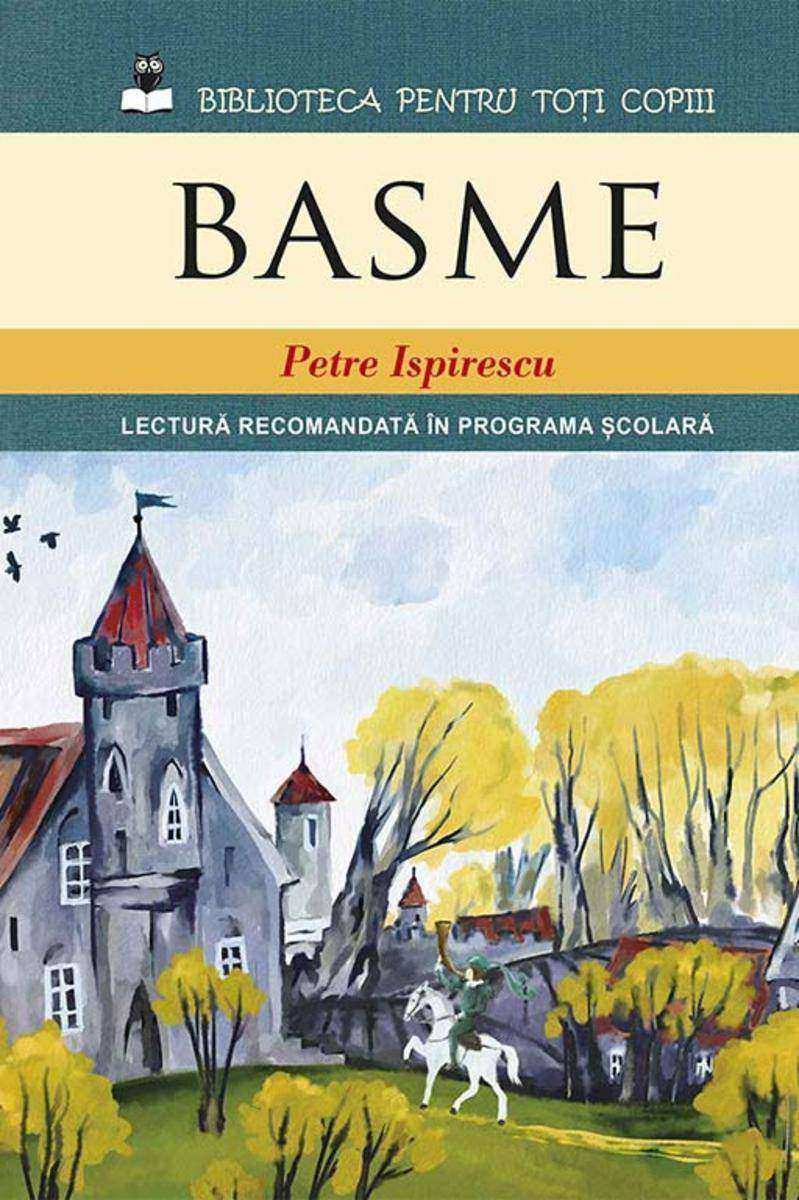
Basme
¥34.25
Existen?a diafana, care continu? volumele de autor Cercul de gra?ie (2003) ?i O carte pe s?pt?m?n? (2007), reprezint? o foarte echilibrat? ?i competent? radiografiere a simptomatologiei editoriale rom?ne?ti din anii 2000-2010, ?tefan Borbely unind ?ntre coper?ile aceluia?i volum at?t texte dedicate unor nume consacrate ale literaturii rom?ne (Marin Sorescu, Mircea Zaciu, Nicolae Breban, Marin Mincu, Livius Cioc?rlie, Adrian Marino, Horia-Roman Patapievici, Mircea C?rt?rescu, Paul Cornea, Dan C. Mih?ilescu), c?t ?i analize ale unor autori tineri, care s-au f?cut cunoscu?i ?n ultimii ani (Adrian Dohotaru, C?t?lin ?i Roxana Ghi??, Adriana Teodorescu, Florina Codreanu, Ioana Macrea-Toma, Constantina Raveca Buleu), cu c?r?i preponderent din domeniul istoriei ?i sintaxei mentalit??ilor ?i cel al studiilor culturale. Fire analitic?, scrut?toare, dotat? cu o bun? deschidere teoretic? ?i cu o impecabil? precizie a conceptelor, ?tefan Borbely este interesat cu prec?dere de idei ?i de simptomatologii culturale, textele dedicate jurnalului lui Adrian Marino (Via?a unui om singur), experimentalismului lui Marin Mincu sau modernit??ii ?n lectura lui Paul Cornea (toate prezente ?n carte) fiind dintre cele mai bune care s-au scris ?n domeniu. Pornind de la cazuri particulare ?i de la volume care au, f?r? excep?ie, o deschidere ideatic? vast?, incitant?, cartea profesorului Borbely reprezint? un foarte suplu efort de sintez? critic?, realizat? cu har, competen?a ?i profesionalism.

The Evolution of Modern Orchestration
¥27.88
It is not the purpose of this work to write a treatise on instrumentation or to prepare a pedagogical analysis of orchestration only, but rather to trace the evolu-tion of the orchestra and of orchestration in connection with the history of music proper. Special emphasis will be laid upon what may be termed the IMPELLING FORCES to which the development of orchestration is due. This necessitates a considerable repetition of familiar facts that do not lend themselves to further original treatment. The restatement of such facts, however, would seem to form an indispensable background for the main theme, which is thereby exposed with all its attending phases of logical evolution. In addition to extended studies of orchestral scores themselves, the standard works of Berlioz, Geva?rt, Riemann, Parry, and others have, as a matter of course, been referred to. The subject under discussion has already been admirably handled by Lavoix in his voluminous work entitled "Histoire de L'Instrumentation," but it was unquestionably done through French glasses, and the scores of not one German romanticist are submitted to careful analysis beyond those of Weber and Wagner. "Parsifal" had not been produced at the time when Lavoix's book went to press, nor had such representative composers as Brahms, Saint-Sa?ns, Tschaikowsky, Dvorak then won their full meed of recognition. It is obvious, therefore, that the orchestration especially of the nineteenth century offers a fertile field for further profitable research. Again, the present writer is not aware of the existence of any comprehensive work in the English language upon the history of the orchestra and of orchestration. Throughout these pages the achievements of the more prominent composers are set forth in such manner as to indicate not only the distinctive features of their orchestration but of their general creative ability as well. In each case, the general style of composition and its significance as a contribution to musical literature are first enlarged upon. This is followed by an examination of the differentiated treatment of the strings, the wood, the brass, presented in logical sequence. A final analysis is then made of the individual method of orchestration as a whole, together with its relative value in the evolution of orchestration. In the Appendix to this book will be found a few musical illustrations selected from representative orchestral scores. LOUIS ADOLPHE COERNE. Cambridge, Massachusetts, U.S.A.April 30, 1905.

The Road Home. Filip-Lucian Iorga In dialogue with Prince Nicholas of Romania
¥81.67
“Prima edi?ie din Jurnalul lui Lev Tolstoi a ap?rut la Editura Univers, ?n dou? volume (?n anii 1975 ?i 1976 – vol. I: 1847-1895, vol. II: 1896-1910), incluse ?n colec?ia ?Coresponden??, memorii, jurnale“. Traducerea a realizat-o Janina Iano?i; prefa??, tabelul cronologic, notele ?i comentariile – Ion Iano?i. Respectiva edi?ie a reprezentat o selec?ie din textul integral al edi?iei academice ruse?ti Polnoe sobranie socinenii (iubileinoe izdanie), Opere complete (edi?ie jubiliar?). Din volumele 1-90 (Moscova-Leningrad, 1928-1958), am folosit cele treisprezece volume de jurnal, 46-58 (ap?rute ?ntre 1934 ?i 1958). Orientativ, am consultat ?i o edi?ie de Opere ?n dou?zeci de volume (din 1965) – volumele 19 ?i 20. ?n alegerea textelor am urm?rit devenirea ?i dominantele cople?itoarei personalit??i a marelui scriitor, ?in?nd seama ?i de interesele publicului cititor rom?nesc. Edi?ia a II-a i s-a datorat Editurii Elit (tip?rit?, f?r? specificarea datei, ?n 2000). Ea a urmat, cu unele renun??ri ?i c?teva complet?ri, varianta ini?ial?, dar ?i pe baza confrunt?rii textelor cu cele re?inute ?ntr-o selec?ie ruseasc? ulterioar?, ?n dou?zeci ?i dou? de volume, Sobranie socinenii v dvadtati dvux tomah (Moscova, 1985), Opere ?n dou?zeci ?i dou? de volume, volumele 21 ?i 22. Am constatat cu acel prilej coinciden?a ?ntre majoritatea textelor re?inute ini?ial de noi ?i de alc?tuitorul respectivei edi?ii ruse?ti, dar ?i unele deosebiri: sunt acolo prezente fie pasaje ?teoretice“ mai ample, fie altele cu adres? recognoscibil? doar de c?tre cititorii autohtoni familiariza?i cu mediul specific vremii – ?n schimb, sunt omise at?t detalii biografice considerate a fi prea intime (mai ales erotice, ?n genere legate de starea corporal?, de s?n?tate ori boal?), c?t ?i multe accente sociale considerate de editorul rus de atunci ca indezirabile prin ascutisul lor critic (cu deosebire, cele la adresa revolu?iei, marxismului, socialismului). ?n ceea ce ne prive?te, le-am p?strat ?i pe unele, ?i pe celelalte, ?n schimb nu am dorit – cu rare excep?ii – s? ?nc?rcam selec?ia noastr? cu expozeuri lungite, care oricum variaza idei cunoscute. Amintita edi?ie rus? ne-a servit, mai degrab?, pentru suplimentarea acribiei de care am ?ncercat s? d?m dovada ?nc? din anii ?aptezeci ai secolului trecut. Am urmat aceea?i cale ?i la revederea ?i ?mbun?ta?irea textului pentru prezenta edi?ie, a III-a, finalizat?, dup? al?i cinci ani, prin bun?voin?a Editurii Ideea European?.“ (Ion Iano?i)

Felsefe ?iirleri: ?iir
¥27.71
Deniz fenerinin ki gibidir: Ayd?n?n da ?????. Birisi gemileri, di?eri insanlar? ayd?nlat?r. Onlar?n sayesinde: Gemiler ve toplumlar yollar?n? bulabilirler."Batmaktan" kurtulup ayakta kalabilirler. Yeter ki: I??klar? söndürülmesin. Hiçbir fener, hiçbir ko?ulda; bir geminin tonaj?n? ve band?ras?n? sormaz. Gerçek bir ayd?n da öyle: Ayd?nl???n?n bilgisini sunarken; insanlar?n hiçbirine, ne ?rk?n? ve cinsiyetini ne de inanç tercihini sormaz. Ayd?n dedi?in; ayn? zamanda gerçekçidir. Gördü?ü: Hiçbir kötü rüyay? da hayra yormaz!...Her ikisi de; ?ss?z ve sessiz geceler boyu çal??arak; ayd?nlatmaya çabalar karanl?klar?. Ayd?nlar da fenerler gibidirler: Ortakt?r yaln?zl?klar?!..Özetle:"Ben de;Küçük bir "burunda"Küçük bir deniz feneriyim,Hümanizmin ise; sad?k bir neferiyim.I????m? hep çakar?m, Her durumda.Ya?am benim kutsal?m:Ya?ayan her canl? benim umurumda.Fenerler, kimseleri aramazlar;Arayanlar, mutlaka onlar? bulurlar:Ço?u kez de zor durumda.Ben her daim i?ime bakar,Sürekli ?????m? çakar?m.Hiç y?lmam; bunu hep yapar?m!...FELSEFE ???RLER? tüm bu duygular? ifade etmek için, yeni bir ?iir türü olarak yaz?ld?..

Eu ?i Napoleon
¥48.97
„Bagdad, capitala devastat? a Irakului. ?i «Bagdad» – capitala unei combustii ontologice care pare a urm?ri, prin arheologia poeziei, ipostazierea întro stare de maxim? vulnerabilitate, splendoare ?i vinov??ie a acelor lucruri care sunt la limita vizibilit??ii, amalgamând realit??ile (sociale, istorice, existen?iale, memoriale etc.) întrun nod al autodemol?rilor ?i al infrarealit??ilor beligerante. Index de ecouri instinctive: tropismele lui Nathalie Sarraute ?i antiescapismul via Aktionsgruppe Banat. Iulia Modiga debuteaz? puternic ?i tran?ant, cu transfigur?ri germanice pe linie experimental?, cu rigoare lingvistic? ?i cu o atitudine imagistic? cu totul extrateritorial? în contextul actualelor poetici române?ti.“ (Liviu G. Stan) „Miar fi greu s? detectez motivele care au conduso pe Iulia Modiga spre poezie. Datele ei oficiale – doctorand? în sociologie, ma?tera unui site unionist ?i mama unui b?iat crescut frumos – nu l?sau loc b?nuielii c? Iulia ar avea ?i preocup?ri lirice. Uite îns? c? un sâmbure, ascuns bine pân? acum, a irumpt întrun volum de poezie care, sunt convins, va stârni interesul criticilor literari, pe care, îns?, îi desfid de pe acum dac? vor accesa tagul «poezie feminin?» ?i nu vor recunoa?te c? în «Bagdad» e poezie pur? ?i simpl?, scris? nu din ambi?ia de a încropi vreun manifest sau de a promova, în subsidiar, cine mai ?tie ce idei, ci din pl?cerea de a imagina ?i a formula tot cei trece prin minte Iuliei. Au f?cut vreodat? poe?ii altceva?“ (Dumitru B?di?a) „Poezia Iuliei Modiga din acest volum se na?te din nota?ii frânte ?i rapide, din înregistr?ri neutre ale unor st?ri acute de disperare ?i revolt?, din jocuri lingvistice, din ambiguit??i c?utate, din ciocnirea unei sensibilit??i exacerbate cu un cotidian agresiv, dintro luciditate sentimental? ie?it? din comun, din mici ilumin?ri personale, dar ?i din fel de fel de expresii scânteietoare memorabile, precum «u?ile se deschid în exterior»; «oameni în c?ma?? alb? de z?pad?»; «respir?m ca sub ap?»; «din cre?tet în t?lpi sârm? ghimpat?»; «deatunci ritmul cardiac î?i strânge genunchii la piept în slow motion/ precum troleele care trec pe bd. ?tefan cel Mare când efectueaz? o vizit? Merkel sau Biden»; «m? a?ez în praf întro prelungire de mesteac?n/ alt?dat? ai fi suflat ?i ar fi disp?rut tot». Dac? ar fi s?i caut un nume acestei poezii r?scolitoare, ia? spune c? e o poezie a a?tept?rii dup? ce nu mai ai niciun fel de a?tept?ri.“ (Dumitru Crudu) „Iulia Modiga scrie o poezie în care detaliile cotidiene primesc profiluri ferme, fundamentale, privind mereu spre un cel?lalt absent. Dar acest cel?lalt din volumul «Bagdad» este pentru poem o ocazie de a contura deopotriv? st?ri politice ?i personale. Uneori cel?lalt este poezia («copiii etnobotanici ?i masca?ii o conduc pe ultimul drum»), alteori cel?lalt este partenerul unei plastice discu?ii despre putere ?i istorie (unde «pe?ti?orii înoat? cu ciocane s? sparg?», iar «Bruce Lee plânge pentru c? ?i regii plâng câteodat?»). Versurile Iuliei nu cunosc ambiguitatea: «m?car am crescut un câine/ care nu te cunoa?te/ care tear sfâ?ia/ la o simpl? comand?». Reu?ita cea mai de seam? în «Bagdad» ?ine de claritatea cu care este decupat un spa?iu personal între atâtea detalii care au preten?ia c? sunt mai importante decât noi. ?i, de acolo, poezia Iuliei Modiga organizeaz? ap?rarea f?r? s? cedeze.“ (R?zvan ?upa)

11 elegii
¥24.44
Cartea lui Michael Finkenthal ofer o prim, ptrunztoare, lectur critic mai ampl a scrierilor suprarealiste ale lui Dolfi Trost, unul dintre membrii Grupului suprarealist romn – foarte activ ntre anii 1940 i 1947 la Bucureti –, coautor, alturi de Gherasim Luca, al celebrului manifest Dialectique de la dialectique. E o contribuie valoroas, revelatoare pentru suprarealismul frenetic al bucuretenilor angajai ntr-un ndrzne dialog cu micarea european de avangard. Documente inedite rotunjesc profilul unui spirit nonconformist, pe care interpretul su are grij s-l situeze, atent la nuane, n contextul agitat al epocii. O recuperare, aadar, salutar care mbogete substanial imaginea acestei ultime etape a avangardei istorice romneti.“ – Ion Pop
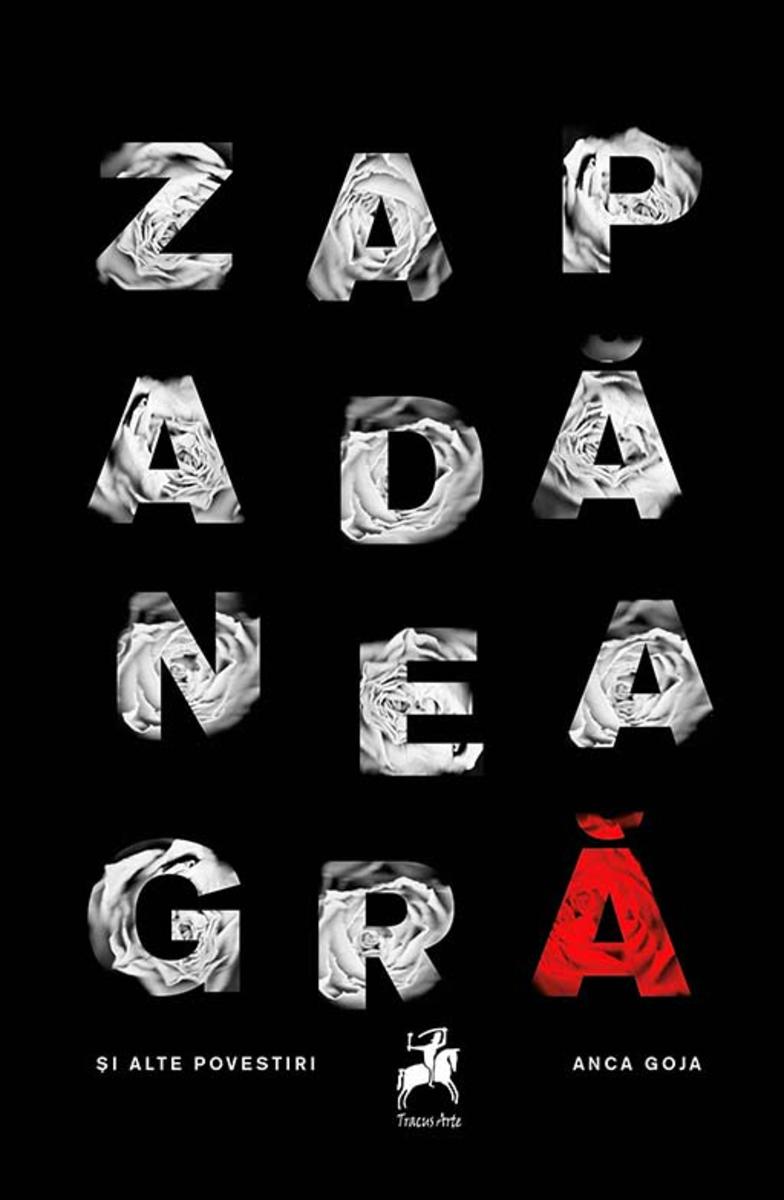
Z?pad? neagr? ?i alte povestiri
¥24.44
Dar mai bine las-m pe o strad pustie i privete cum nimic nu se schimb.“ – Laureniu Ion
Pove?ti de adormit adul?ii
¥57.14
ntr-o cultur temeinic articulat, ideile au ecouri. Antinomia lui Turgheniev a fost strlucit confirmat de arta urmtoarelor decenii, ntr-o polarizare tipologic esenial, confirmat anume de neierttorul su oponent. Idiotul“ Mkin, Makar Ivanovici Dolgoruki sau Aleoa Karamazov sunt ipostaze ale unui Don Quijote rusesc, iar n aceleai mprejurri Hamlet are chipul omului din subteran, al lui Raskolnikov, Ippolit, Stavroghin, Versilov, Ivan Karamazov. Hamlet are descendeni sntoi i morbizi. Diagnosticarea celor din urm este obsesia constant a lui Dostoievski. El a surprins genial spiritul analitic dizolvant, egoismul, cinismul, rceala, scepticismul devenit i indiferentism, a prezis profetic pactul unui tip de intelectual din secolul douzeci cu diavolul. Acestui Hamlet bolnav al epocii moderne i-am consacrat cteva lucrri... – Ion Ianoi

Cartea lui Andrei
¥16.27
Sunt un om modelat mai mult de literatur dect de prini i de coal, aa c practic nu-mi pot imagina cum a fi artat, n alt context social-familial, ce a fi devenit, cum a fi evoluat. Atras de lumea din cri. Poate i pentru c personajele din literatur sunt mai pregnante, mai coerente, mai plauzibile, cu noim i de neles, n ultim instan, iar nu indecise, confuze, lipsite de sens, ca n viaa obinuit. Cnd spun uneori c eu i fr studii superioare, rmas funcionar ori meteugar, a fi fost acelai om, cam la asta m refer. La faptul c pentru formarea mea decisive au fost crile, lecturile, lumea stilizat, nsmnat cu mesaj. Poate c abia prin asta m apropii de ali scribi...Exist suflet, m ntrebam azi, n parc, pe o slab ninsoare, dnd un semiocol lacului. Poate c nu exist, n sensul dat acestui cuvnt de cei care neag transcendentul. ns pentru unul ca mine sufletul exist, el este ceea ce a rmas din prinii mei i mi umple mie viaa, gndurile; ceea ce m face s fiu n comuniune cu ei.“ – Ion Lazu


