


 购物车
购物车 个人中心
个人中心
Fisica Spirituale: Filosofia, conoscenza e tecnologia dal futuro
¥69.81
n parcul acela mare dintr-o suburbie a Chicago-ului am descoperit un col mai prginit, cu un lac plin de ppuri, de ierburi acvatice al cror nume l ignoram, de rae slbatice, ceva cam ca pe la noi. Se pare c, pe ct de mult difer locurile n care omul i face viaa lui civilizat, tot pe att de mult se aseamn ntre ele locurile care i-au pstrat, ca printr-o minune, starea lor de la nceput, netulburat de homo faber. Poate n-o s credei, dar nu ne mai dezlipeam de acel loc, cruia unii i-ar putea spune prloag. M-a impresionat faptul c aceti copii s-au artat receptivi la mesajul natural. nseamn c omul, atunci cnd i se ofer ocazia, alege n modul cel mai firesc un peisaj linitit, odihnitor. La drept vorbind, sunt attea lucruri interesante de vzut aici, la fratele meu Ionel Americanul! i tocmai n momente ca stea, gndul meu se ntoarce la ce-a fost cndva. Se pare ca i sufletul i are ochii lui...“ – Lidia Lazu

Povesti minunate cu lucruri fermecate
¥40.79
Un demers hermeneutic grav, efectuat ?n profunzimile operei ionesciene, ?i demonstr?nd cu asupra de m?sur? c? ??n prima pies? a lui Ionesco, Engleze?te f?r? profesor, comunicarea este repetitiv? ?i alienant?. Recurenta cli?eelor limbii de lemn burgheze este efectul (cauz?) unei existen?e osificate. Alienarea ?ncepe prin a fi pa?nic? ?i sf?r?e?te ?n agresiune. La ?nceput, b?tr?nii so?i Smith se afund? ?n banalitatea comunic?rii. Tinerii so?i Martin fac la fel, potrivit psihologiei v?rstei lor. Primii au o ?n?elepciune senil?. Ultimii, o vitalitate copil?reasc?. Pe parcurs (in)comunicarea se ad?nce?te, cuvintele ??i ?ndep?rteaz? tot mai mult sensurile, p?n? la a le abandona ori livra unei anamneze enun?iative. Sensul, p?r?nd genetic absent, ??i caut? identitatea ontologic? fictiv?, ?ntr-o deriv? total?. Noile contexte generate de un astfel de tip de enun?are creeaz? spa?ii retorice ale (?n)comunic?rii, inabitual proliferante, sf?r?ind adesea, cum s-a observat, ?ntr-un joc de-a masacrul logocratic, rupt de comandamentele – instan?ele – enun??rii. Personajele rostesc replicile automat, ?ntr-un ritm tot mai accentuat“.

Desene naravase
¥40.79
Poemele dense, pline de miez ale lui Andrei Fischof curg unul dup altul. Fr ostentaie. Firesc, aa cum ploaia se scurge din orbitele zeilor fr nume, aa cum iarba poate fi numit iarb numai dac este pscut, din timp in timp, de pegaii morilor tineri. nfurat n toga marelui frig, poetul refuz zgomotul, nvlmeala, furtunile agitaiilor zadarnice, optnd mereu pentru ipostaza martorului tcut, marcat de o sensibilitate atent, ochiul su, da, cel triunghiular, din frunte, nregistrnd totul, aproape totul. Poemele-peisaje contureaz o lume a sfritului ntunecat, a degenerescentei, a decadenei i pierderii reperelor. E o lume de comar, o lume nurubat n albia apocalipsei care se inventa, clipa de clipa, provocnd martorul – adunat, strns n el nsui, atent la forurile-i luntrice i la vocea creia i se supune necondiionat – s imagineze discret, evaziv, surpat n uimirea de a fi el nsui: o ans de salvare. i martorul rspunde provocrii, aa cum un copil, fiind, pe malul mrii, harponat spre orizonturile mirabile ale dorinei de a fi, deseneaz, cu un beior, pe nisip, o uria corabie fantastic...“ – Aura Christi.
Olimpiada din Biblioteca Domnului Lemoncello
¥48.97
Simpatia fa de Legiune a fost indirect, prin Nae Ionescu, i n-a avut nici o influen n gndirea i scrierile mele“ (Mircea Eliade, 1978).Mircea Eliade. Anii tulburi: 1932-1938, iat o carte care te ndeamn s-o citeti nc de la lectura titlului. [...] ncearc s pun punctele pe toate i-urile n ceea ce privete relaiile lui Eliade cu micarea legionar. Obiectul de studiu sunt ndeosebi cele 17 articole evident legionare ale viitorului mare istoric al religiilor“ – Liviu Antonesei.Culpa lui Eliade rmne, ns nu trebuie s pierdem din vedere istovitoarea munc pe care a realizat-o pn la sfritul vieii sale i nici faptul c o ntreag coala de istorie a religiilor se revendic pornind de la cercetrile lui“ – Mihaela Gligor.
Pisicile r?zboinice. Cartea a V-a - O cale primejdioas?
¥73.49
Selecia prozatorilor din comunism se cere ceva mai struitor argumentat dect cea a prozatorilor interbelici (termen uzual, dar neacoperitor, pentru c includem n aceast perioad i vremurile de rzboi). Exemplaritatea, aici, e motivat de valoarea, originalitatea, insolitul, atipicitatea (stranietatea, cu termenul lui Harold Bloom) epicii. Urmresc – o spun riscnd simplificarea – fondul autohton i forma universal. Dau prioritate experimentului, dac nnoirea este substanial, se integreaz n – i face sau ncearc diferena de – epica occidental. Fac o concesie cu M. Preda, prozatorul emblematic al unei epoci istorice ntunecate (cu toate nuanele de ntuneric i rarele ei strfulgerri de lumin). Previn uor reproul de a ocoli n selecie prozatori care abia dac debutau sau publicau primele cri pn n 1989.“ – Marian Victor Buciu
Proz? scurt? cu postludii
¥24.44
...Lng zid sttea btrnul, demnul btrn al dimineilor mele. Zidul se continua neted dintr-o cldire, a unui spital poate, cci printr-o ferestruic de la subsol, zbrelit, zream n etajere maldre de cearafuri i de-acolo venea un abur sur i uneori barbotarea unor voci. ns btrnul sttea mai ncolo, lng zid: scund, destul de bine mbrcat pentru o asemenea vreme, cu palton i cciul cu margini, ca la vreo aptezeci de ani, nu mai mult, totdeauna n picioare, foarte lng zi, cu minile n buzunare. Am spus c btrnul era scund, ns lat n umeri, dar aa mi se prea mie, pentru c dura mult timp pn ce treceam de el. Uneori i ddeam un leu. Alteori nu. Plecam de acas i tiam c btrnul va fi acolo, lng zid – rareori se ntmpla s lipseasc, l-am vzut acolo doi ani la rnd, adic dou ierni la rnd, cci numai iarna i fcea apariia, n zori, niciodat dup ce se lumina bine de ziu – i niciodat nu tiam, pn n ultimul moment, dac am s-i dau sau nu moneda. Numai n ultima clip scoteam mna din buzunar (era mai mult o aciune pe cont propriu a braului), iar el, atent i prompt, ntindea mna i i strecuram n palm bnuul.“
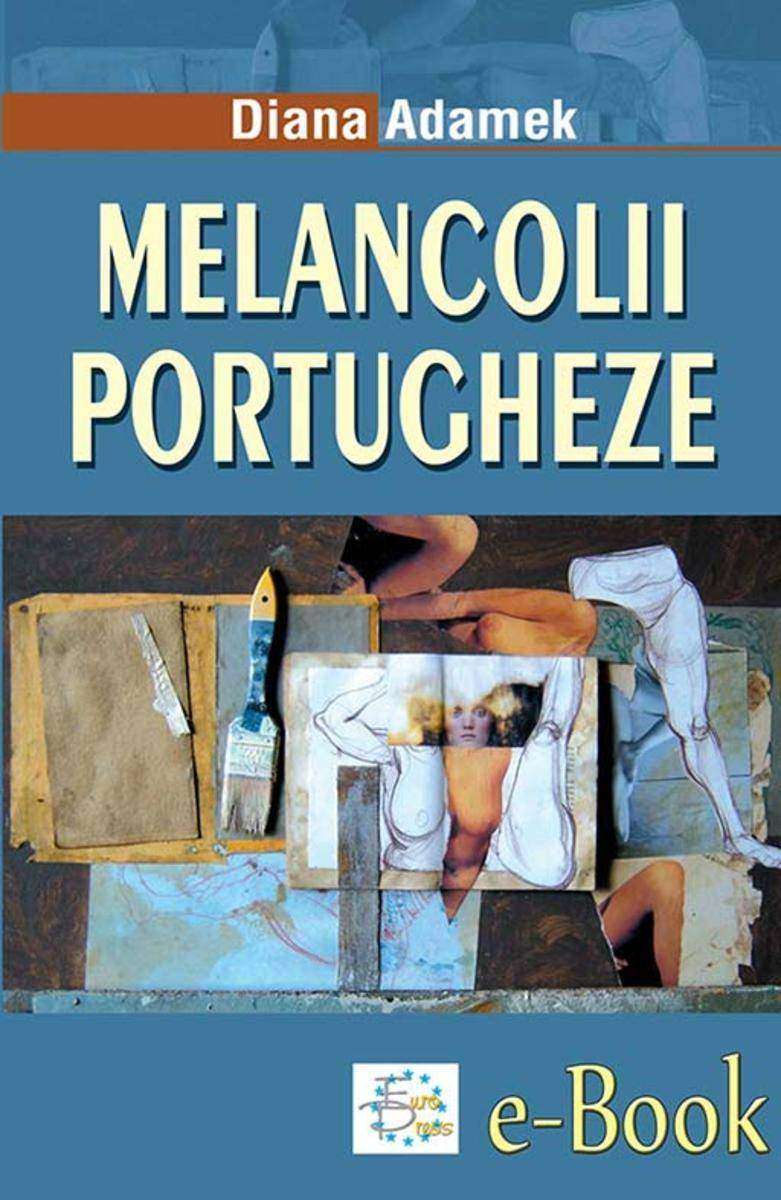
Melancolii portugheze
¥40.79
Agasat de o doamn? care gira rubrica monden? a unui ziar newyorkez, cu privire la preferin?ele sale, la ?ntrebarea care este obiectul s?u favorit din natur?, Mark Twain a r?spuns, ?n maniera sa unic?: ?O frumoas? mut?!“Ziarist, traduc?tor, autor de c?r?i, Irina Airinei ?ndepline?te doar una dintre condi?ii. Fiind universitar – doctor ?n filologie -, pred?nd cursuri, ?in?nd seminarii, preg?tind studen?i, nu prea are cum s? fie mut?. ?i, cu at?t mai mult, ca ziarist de pres? scris? ?i de radio. Urm?rind ?ns? transcrierile interviurilor luate de ea unor personalit??i din aproape toate domeniile, ??i dai seama c?, departe de a fi t?citurn?, Irina Airinei are o mare calitate: ?tie nu numai s? ?ntrebe, ci mai ales s? asculte. Este perfect con?tient? c? rolul reporterului, dincolo de a descoperi oameni cu vie?i ?i personalit??i interesante, nu este s? se pun? ?n valoare pe sine cu ?ntreb?ri ?inteligente“ p?n? la narcisism sau incisive p?n? la obr?znicie, dimpotriv?, ci s? se apropie de partenerul de discu?ie cu discre?ie, ?ncerc?nd s? scoat? din mintea ?i sufletul s?u tot ceea ce este mai semnificativ ?i mai interesant. Pentru c? oamenilor care au fost ?sorti?i s? vad?“ nu le prea place s? vorbeasc? despre ei ?n?i?i. Multe dintre interviurile sale aduc aminte de tehnicile arheologice, de migala dezgrop?rii cu delicate?e a frumosului ascuns ?n eul interlocutorului, ref?c?nd din cuvinte ceea ce, poate, altfel nu ar fi fost spus niciodat?. (Dorin Suciu)
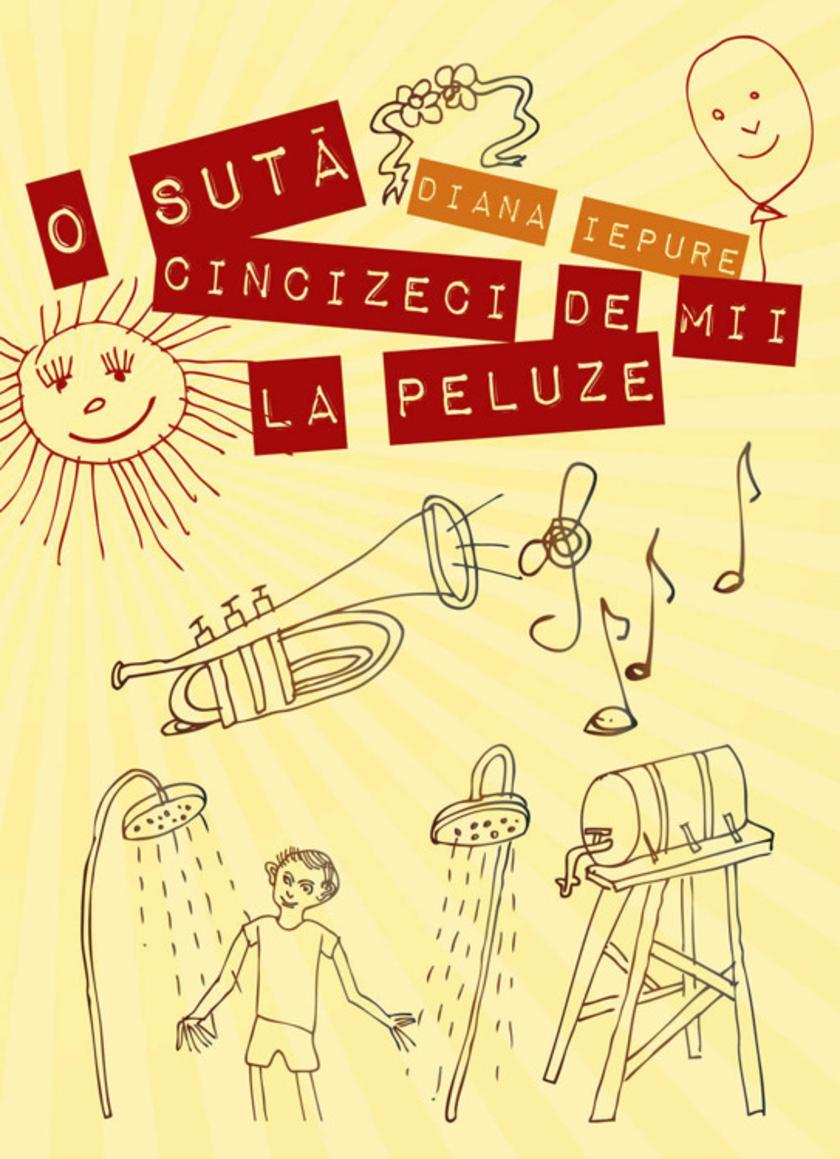
O sut? cincizeci de mii la peluze
¥24.44
Paul Arva schi?eaz? fr?nturi dintr-un prezent-trecut ale c?rui grani?e imaginare se ?ntrep?trund cu cele ale realului. Amintirile ies la lumin? dintr-un subteran ad?nc (o ?min?“) sub forma unor poeme ?n proz? scrise cu sinceritate ?i sensibilitate.
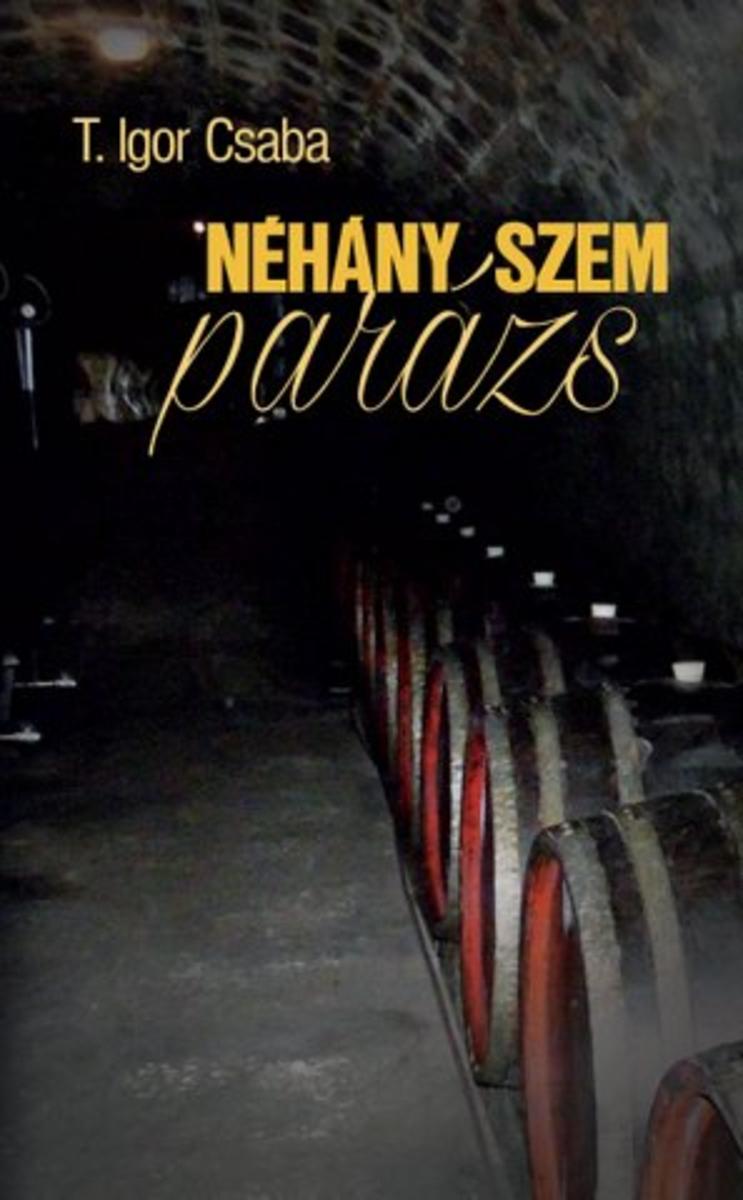
Néhány szem parázs
¥29.18
12 interviuri cu Ioan Es. Pop. Via?a ?i opera unuia dintre cei mai importan?i poe?i rom?ni ?n interviuri

Uronjeni
¥94.42
Aceast? carte de interviuri, pe care le-am realizat ?n timp, reprezint?, pentru mine, portrete scrise ?i vorbite ale unor scriitori de valoare cu care am avut ?ansa s? m? ?nt?lnesc. Dar ele nu au numai o valoare literar?, ci ?i una afectiv?.
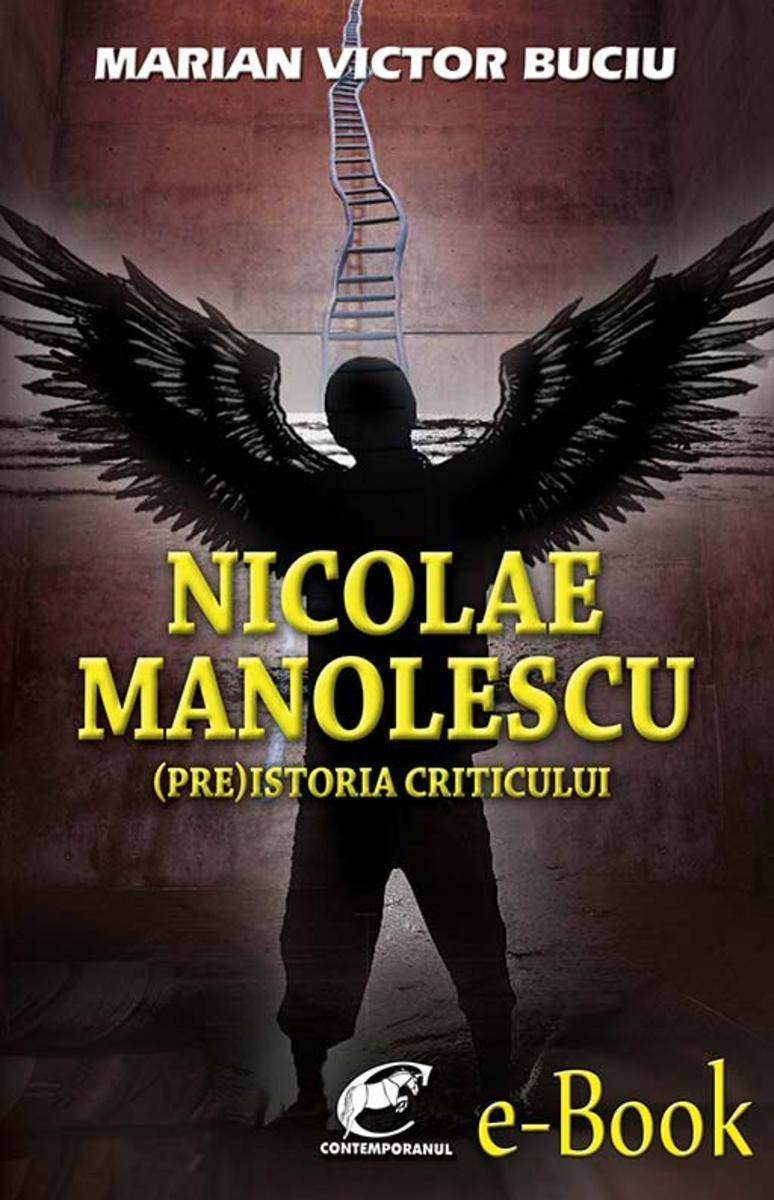
Nicolae Manolescu. (Pre)istoria criticului
¥81.67
A ncerca experiena rentoarcerii ctre firescul ce a fost nainte, adic o recuperare n registru postmodernist, o sprtur n cuirasa metatextului, spre o reevaluare a resurselor poetice, o revigorare natural, fr acea automacerare sisific, a te elibera de capcanele pe care i le-ai ntins singur n desiul textului, a evada din ngrdire zidindu-i alt cas a poeziei, iat direcia derulat contient de Rodica Braga, cu o implicare tonifiant […]. Contribuia poetic a Rodici Braga n aceast carte este fundamental, ntruct intrrile ei (s-ar putea scrie un studiu aparte despre organizarea muzical programatic a acestui Commentarius perpetuus..., organizare ce ar pune n eviden mai exact principiul tonal care st la baza ntregii construcii poetice) umplu material un spaiu rarefiat de eul autoscopic al lui Mircea Ivnescu…“. (Marin Mincu)Rodica Braga este o scriitoare deplin, cu acces egal la mai multe modaliti ale expresiei literare. […] Poemele cresc paralel cu proza nvluie concentric acelai miez tare al analizei: trecerea. Proza vibreaz nu de puíne ori poematic, iar poemele au o poveste discret n fundal.[…] Poezia Rodici Braga are un timbru propriu, modulat volum dup volum, cu un elegant echilibru ntre cntecul nalt-reflexiv al modernitii i frngerile de ritm ale postmodernitii dezvrjite“. (Irina Patra)Rodica Braga scrie o literatur oarecum special, cu sonoriti dramatice vtuite, cu vibraii de afectivitate […] ce se practic puin la noi i pe care am numi-o, mprumutnd termenii muzicali, de camer. O poezie de interior, dar un interior al fiinei, al sufletului ce reverbereaz n sine, profund, la zgomotul tumultuos din afar, capabil a nregistra, cu finee, ns cu fineea unui seismograf sentimental, seismele produse n omenescul vital de scurgerea implacabil a timpului...“. (Constantin Cublean)
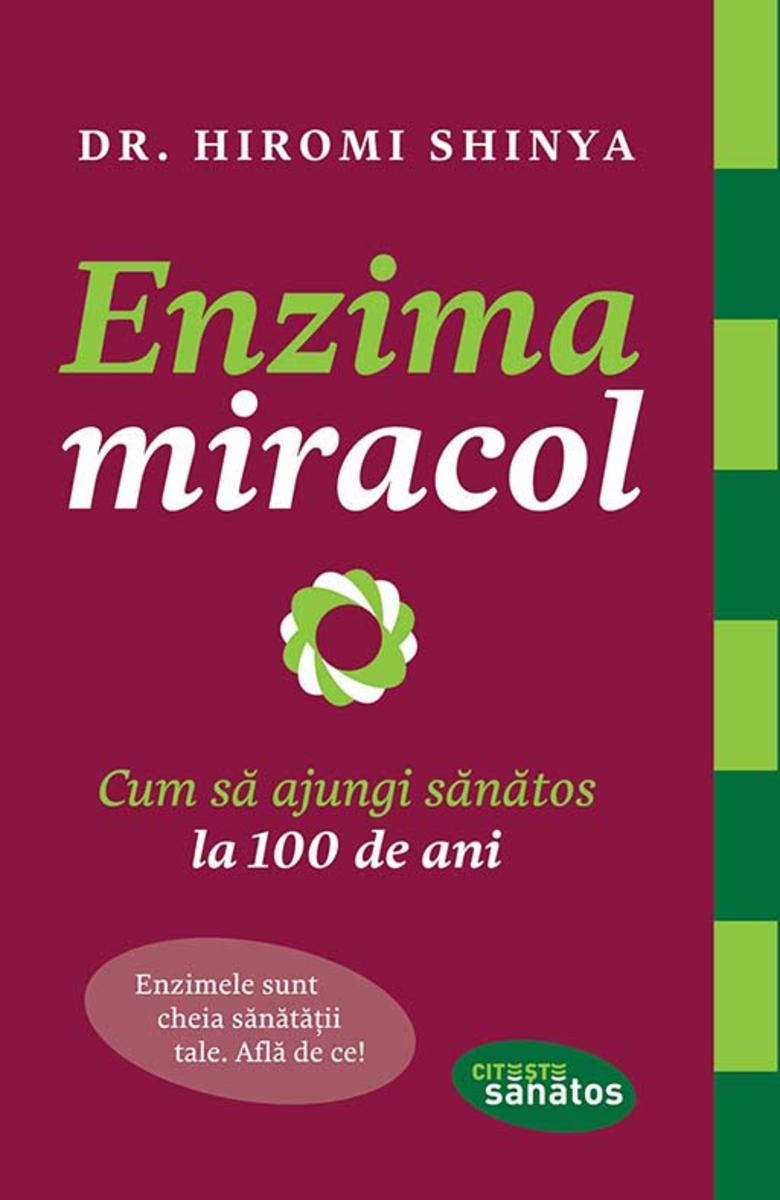
Enzima miracol. Cum s? ajungi s?n?tos la 100 de ani
¥57.14
Aleksandar Stoicovici mi se pare unul dintre cei mai interesani, vii, dinamici, vitali poei ai ultimului val. A risca s-l altur unei serii de poei ai graniei, de poei ai limitei, din care fac parte, lng Vasko Popa i Miodrag Pavlovici, excepionali autori bneni precum Duan Petrovici, Slavomir Gvozdenovici, Liubia Raichici. Poet al unui timp al literaturii, dar i al unui spaiu literar, Aleksandar Stoicovici definete cum puini o fac un Banat al scrisului tnr.“ (Cornel Ungureanu despre vineri)
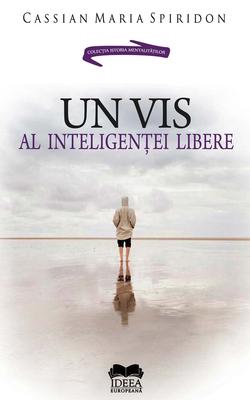
Un vis al inteligen?ei libere
¥53.40
Apreciat? la vremea ei pentru angajamentul ?i talentul de a media ?ntre culturi, Regina Elisabeta a Rom?niei (1843-1916) este considerat? p?n? ?n zilele noastre drept una dintre cele mai importante mediatoare ale literaturii ?i culturii rom?ne?ti ?n spa?iul de limb? german? de la sf?r?itul secolului al XIX-lea. Prin apari?ia sa neconven?ional? ca scriitoare, sub pseudonimul literar Carmen Sylva, angajat? ?n prop??irea dinastiei rom?ne, prima regin? a Rom?niei, Elisabeta, a demonstrat ?n fa?a publicului semnifica?ia modern? a ?profesiei“ de so?ie de monarh, un exemplu pe care succesoarea sa, Regina Maria a Rom?niei ?l va des?v?r?i.
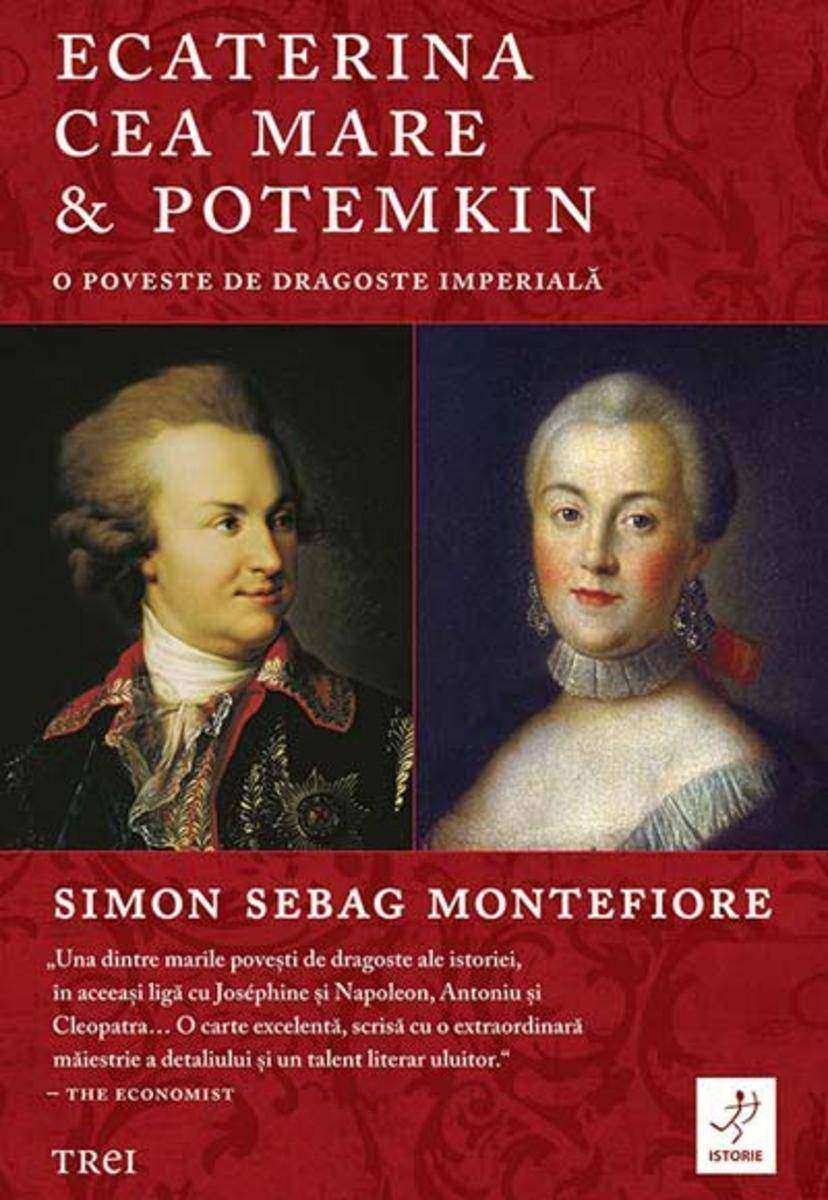
Ecaterina cea Mare & Potemkin: O poveste de dragoste imperial?
¥130.72
Actorii ne druiesc generos gnduri despre viaa pe care i ei o triesc ca orice oameni, cu necazuri i bucurii. Alexandru Arinel – fiind definit n timp de Marele Public drept o valoare artistic naional – se destinuie acum, cu privire la drumul parcurs din satul de batin Dolhasca pn pe Calea Victoriei. Citind amintirile sale sincere, vei cunoate un om, nu numai un artist, care evoc trei epoci istorice prin care a trecut, fiind prin argumentele invocate mai convingtor dect orice carte de istorie banal. i pune pe tav sufletul prin relatarea unei biografii netiute de nimeni. n aceste destinuiri, Alexandru Arinel ne propune discret s gndim atent la calea profesiei alese, de actor sau de orice fel, i s nu uitm nicio clip de cei din preajma noastr, de familie.“ – Ileana Lucaciu
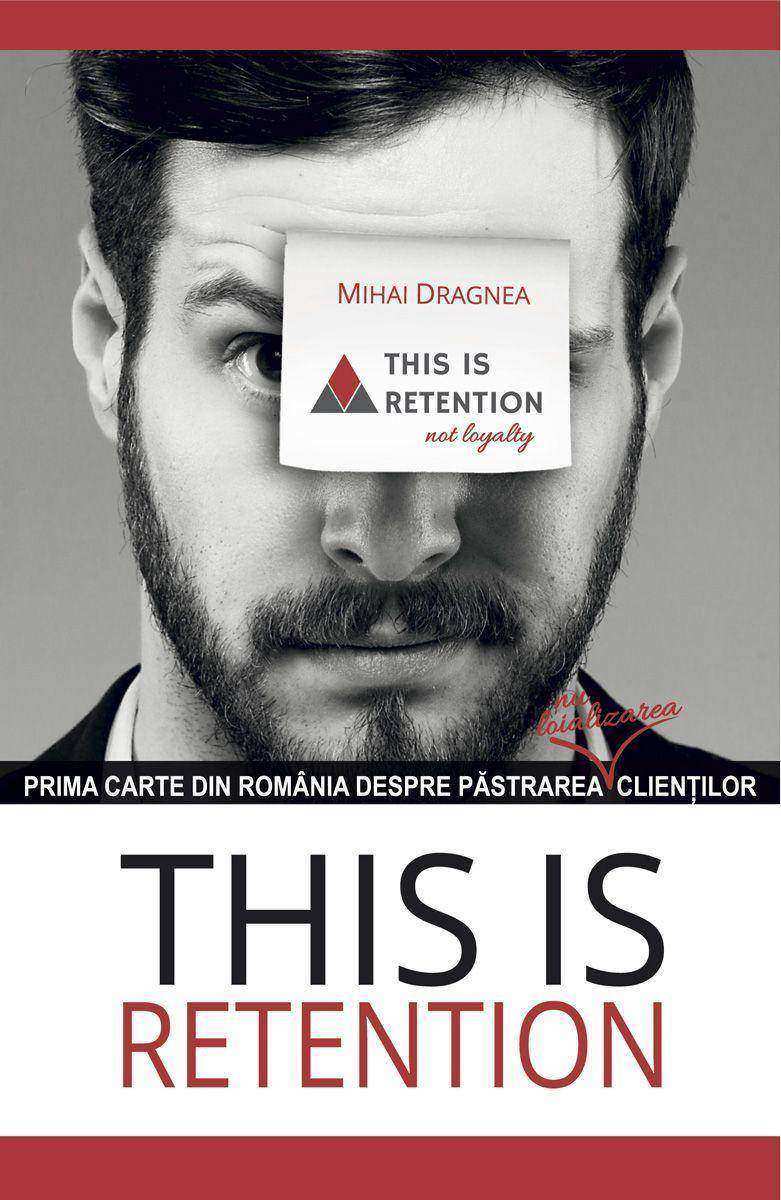
This is retention - Prima carte din Rom?nia despre p?strarea clien?ilo
¥57.14
Starting from the dialogue initiated by historian Filip-Lucian Iorga, this e-book introduces Prince Nicholas (Nicolae), the grandson of His Majesty King Michael I, from his first visit to Romania in 1992 to his decision to settle down in Romania, in 2012. The reader has the opportunity of knowing Prince Nicholas from his earliest childhood, a fan of knightly stories, but also willing to explore the world, a dynamic adolescent with a passion for cars, just like his royal grandfather, recounting with a genuine sense of humour the adventures he went through in his attempt to obtain a driver’s license in Kenya. As a young man, Prince Nicholas went to a traditional British college and studied management in England, while keeping to his passion for sports: he played football, cricket, grass hockey, lacrosse, and rugby, went scuba diving into the ocean and worked as a rafting instructor in Africa. Moreover, this is a young man who sat at the same table as Queen Elizabeth II of Great Britain, with his uncles and cousins of the European Royal Families, but also with homeless children and within charitable institutions. The same young man has assumed at present the duties of Prince of Romania.
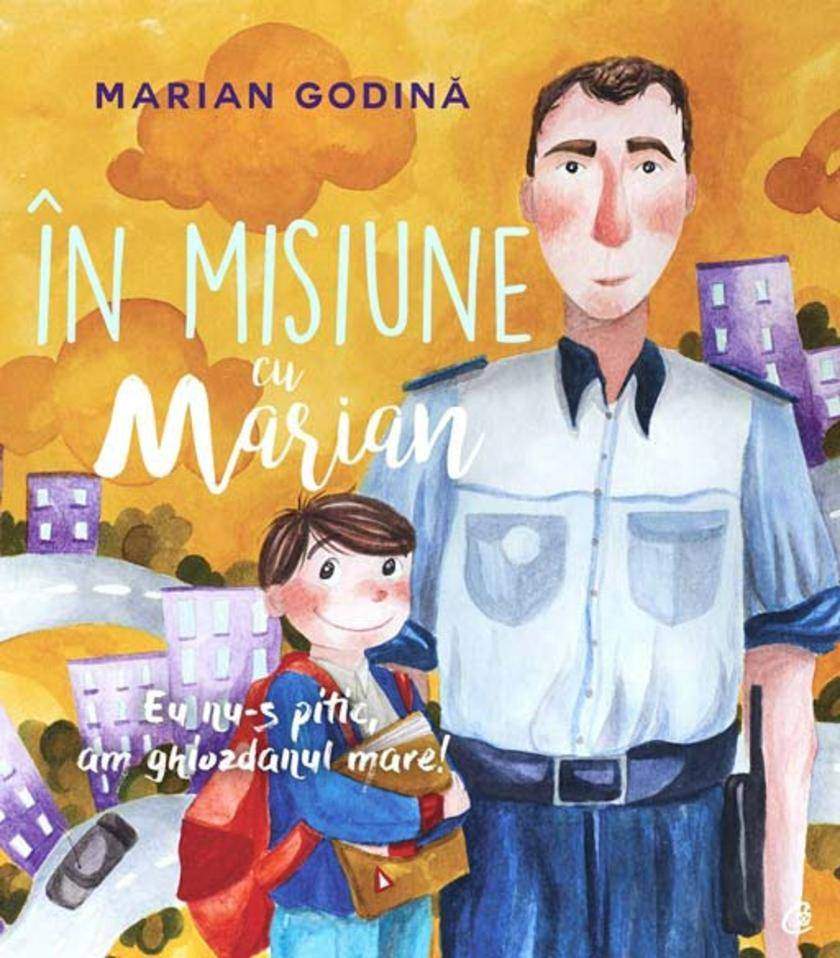
?n misiune cu Marian: Eu nu-s pitic, am ghiozdanul mare!
¥65.32
Monumentala monografie dedicat? unuia dintre cei mai mari romancieri ai lumii are avantajul de a sintetiza o bun? parte din bibliografia scris? pe marginea operei uria?ului care a semnat, ?ntre altele, capodopera Crima ?i pedeaps?. Ion Iano?i plaseaz? ?ac?iunea“, firul epic al cercet?rii ?ntreprinse ?n contextul secolului al XIX-lea, astfel ?nc?t eroii vie?ii literare de atunci se contureaz? pregnant, provoc?tor de viu.
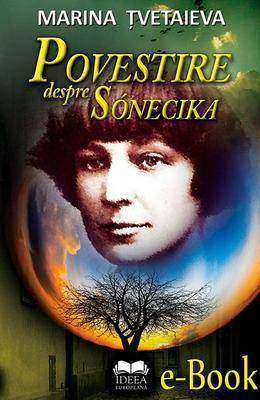
Povestire despre Sonecika
¥54.10
Lirica Aurei Christi s-a format i s-a modelat iute, ferm, cu o ndrzneal i o gravitate rar a tonului, mai ales n jurul poeziei de meditaie post-romantic, de la Rilke la vetaieva, de la Blaga la Nichita Stnescu. Necznd prad ispitelor culturale i mondene post-decembriste, ntre care aa-zisul post-modernism romnesc, ce afia cu o anume suficien refuzul valorilor clasice i moderne n favoarea unei lirici descompuse i uneori barbar improvizate sub scuza autenticismului, poeta noastr a uimit critica de specialitate prin ample volute metaforice, calde, ndrznee, abordnd, n cteva volume, printr-o splendid frond, clasicul sonet poetic i dovedind o excelent stpnire a limbii, a mijloacelor specifice, ntr-o liric a meditaiei grave, adnci, exprimat n metafore, n care modernitatea i sensibilitatea secolului se confund, cu vigoare clar, de o marcat originalitate, tumultuos i muzical aproape, ntr-o subtil rezonan eufonic, cu trimiteri, accente i imagini simbolice, cu marele torent al liricii europene de nalt nivel, de la Rimbaud i Baudelaire, la Rilke i Blaga. i, nc odat, la vetaieva i Nichita Stnescu.“ (Nicolae Breban)A scrie cderea apocaliptic nu e uor. E un merit al Aurei Christi faptul de a gsi singura soluie la aceast cdere fatal, dat din pornire: cel care o scrie o i oprete, incitnd rigoarea/ celui din urm frig. Doar un fel de zeu al poeziei, o divinitate descoperit cu greu, contient de destrmarea mitului, poate s impun din nou mitul: instituirea mai viului este cu putin doar datorit morii. nvierea nu e posibil dect datorit ei. Sensul celei mai mari dintre taine se dezleag, astfel, paradoxal, prin rsturnarea negativitii generale a sensului. (...) Descoperirea fcut de poet este c realul nsui are origine poetic (nu real!), prin cderea n emisfera cealalt, de parc Dante nsui ar fi acum reeditat n alt semantic: Ah, calul e fiu al pegailor dintotdeauna. Fiinele existente i au obria n himere, iar realitatea ia fiin din metafor. (...) Alt descoperire poetic: ntreg mitul temporal al omenirii poate fi ranversat. (…) Iat, deci, cum se poate recupera mitul ntr-o epoc n care toat lumea postmodern a visat la demitizare i dez-iluzionare pentru a se apropia de realul ca atare.“ (tefania Mincu)http://aurachristi.ro/
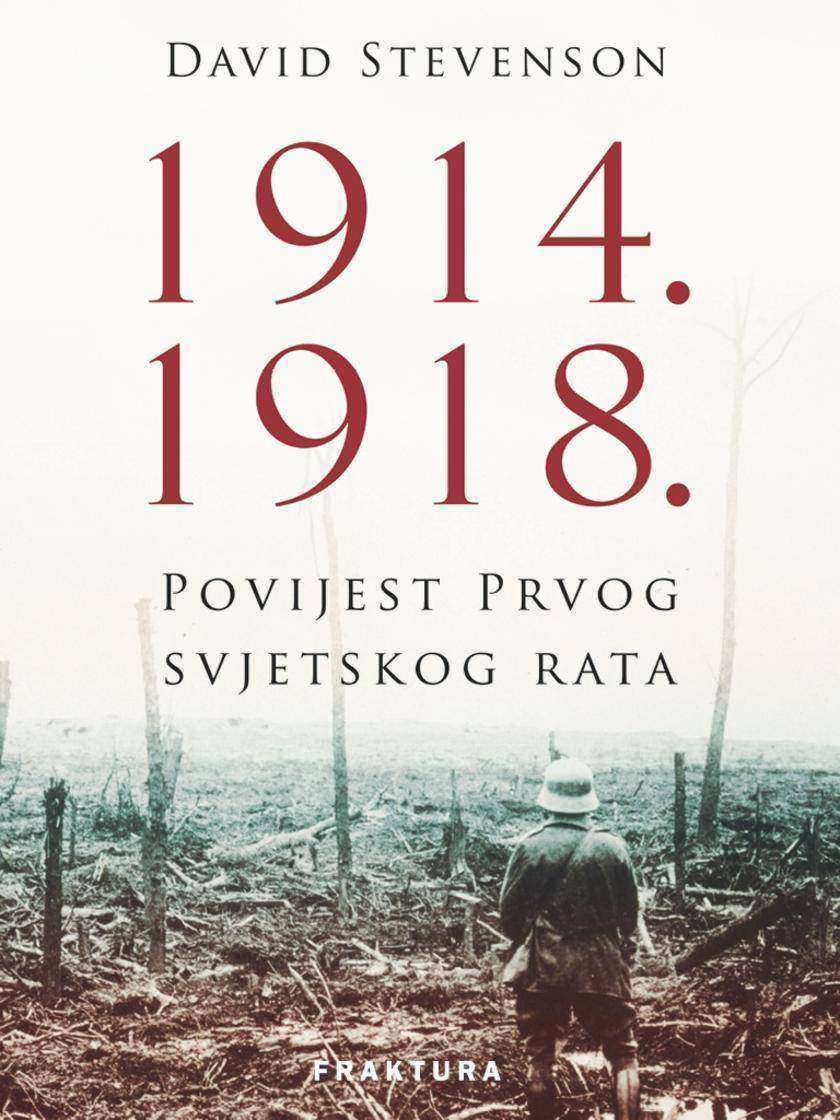
1914.–1918.: Povijest Prvoga svjetskog rata
¥255.39
Iat?, ?n cuvintele Aurei Christi, curg?nd abundent, din surse ascunse, fluidul vivifiant al poeziei, s? nu ne temem de retorica majusculelor, al marei Poezii. (Nicolae Balota).Aici totul e grav. Nici ludicul, nici parodicul, nici oboseala contextului postindustrial ?i nici tendin?ele destructurante ale postmodernilor nu au trecere. Modernitatea Aurei Christi e una esen?ial?, organic?, refractar? modelor, n?zuind spre reinterpretarea semnelor ?i universaliilor; ?ntreb?rile pe care ?i le pune ea au fost ?i ale inainta?ilor, iar r?spunsurile transcend achizi?iile, relev?nd evolu?ia con?tiin?ei ?n mers, relev?nd evolu?ia unei creatoare de m?na ?nt?i, cu totul personal?. Scrieri mai noi, Labirintul exilului (2000), Elegii nordice (2002) ?i altele confirma consecven?a cu sine a unei con?tiin?e exemplare. (Constantin Ciopraga)M? auzi tu, oare, ?nstr?inato? Am citit poeziile tale la ceas de sear?, pe o teras?, av?nd ?n fa?? colinele Ierusalimului. Eu nu sunt un bun comentator de poezie, cei care au scris despre poezia ta te-au “prins“ foarte bine, ai for??, un sim? rar al tragicului ?i antene pentru transcenden??, f?r? s? cazi (din fericire) ?n ceea ce se cheam? “poezie religioas?“. E un instinct p?g?n care te fere?te de o excesiva “cre?tinare“ a poeziei chiar ?i ?n Psalmi. (Leon Volovici). (fragment dintr-o scrisoare)E simplu: ?l vad pe Dumnezeu ca pe un partener de dialog, cu care ma cert nu rareori. Citesc adesea serile din Noul Testament mai ales; ei, ?i atunci ?ncepe fierberea... Nu prea merg la biseric? dec?t atunci c?nd simt imperios nevoia – adev?r pentru care Mama de pilda m? ceart? c?teodat?. Duc biserica mea cu mine; a?a pot s? m? rog oriunde, oric?nd. Spre deosebire de Cioran, eu cred ca nu Diavolul a f?cut lumea, ci Dumnezeu; doar c? spre sf?r?itul Facerii a obosit un pic; se ?nt?mpl? ?ntruc?tva c? ?ntr-o proza a lui Rilke, ?n care cele doua m?ini ale Domnului se iau la ?ntrecere ?i se pare ca st?nga profit? de oboseala dreptei... M? ?i ?ntreb uneori, pe urmele lui Unamuno: cine sunt eu s?-i cer socoteala lui Dumnezeu pentru ca lumea ?n care tr?im e a?a cum e? (Are dreptul, oare, o g?nganie s?-?i aroge obr?znicia de a se ciond?ni cu El, cu nimeni altcineva dec?t cu El?!!) ?i tot ca Unamuno, invoc?ndu-l pe Oberman, ?mi r?spund: da, c?ci pentru lume, pentru univers eu sunt nimeni, nu ?nsemn nimic, pentru mine ?ns? sunt totul.Gr?dini austere a stat – da, incredibil – ?n sertarele c?torva edituri circa ?apte ani; ani de izolare atroce, de singur?tate dorit?, iubit?, hulit? ?i, iar ?i iar, iubit?... E un volum publicat dup? o perioada de secet?, c?nd mi se p?rea – p?n? la o neagr? m?nie! – ca nu voi mai scrie niciodat? poezie... Nici cartea de debut n-am a?teptat-o at?tea... secole. E un volum care a circulat pe internet, prietenii trimi??ndu-mi mesaje, scrisori, cronici ad-hoc despre cartea mea de psalmi ?n r?sp?r. (Aura Christi)Faptul c? Gr?dinile austere au trecut prin PC-ul meu mi-a prilejuit o bucurie, o tulburare de zile aurorale. Nu m-am putut ab?ine ?i am citit c?teva poeme. N-am mai putut apoi s-o las din mana. M-a ?nv?luit ?i m-a luat pe sus cutremurata spiritualitate vital? care str?bate versurile. Asta nu mi se ?nt?mpl? prea des, citind poezie contemporan?. (Zoltan Terner)Mignona ?i b?t?ioas?, cheltuind pasionalitate, r?zboinic? ?n pofida fragilit??ii, ?mpr??tiind texte curajoase pe care amicii internau?i nu ezit? a le califica “dinamit? curat?“, sup?r?nd pe mul?i, scriind febril, asum?ndu-?i riscurile Balcaniei (“lin?at?“, pedepsit?, izolat? etc.), Aura Christi, cit?nd “vorbele atroce“ ale iubitului Nietzsche, vrea s? devin? ceea ce este: poet?. (...) Metamorfoza e izbitoare; discursul a devenit sincopat, auster, de o incanta?ie adumbrit?, celebr?nd “via?a de vis“, test?nd – prin “poemele de iubire“ – temele grave (rela?ia cu maestrul, divinitatea, moartea, poezia) pentru a conchide c?, doar povestit?, via?a e tr?it?. Mul?i dintre exege?ii Aurei Christi au subliniat “fulminant? ascensiune“ a poetei. Penetrant?, Aura Christi a avut ?ansa de a fi fost v?zut? ?n mediile bucure?tene. Dar meritele poetei, dincolo de suportul valoric, stau ?i ?n tenacitatea autoconstruc?iei, promov?nd – programatic – “ruptura“. (Adrian Dinu Rachieru)
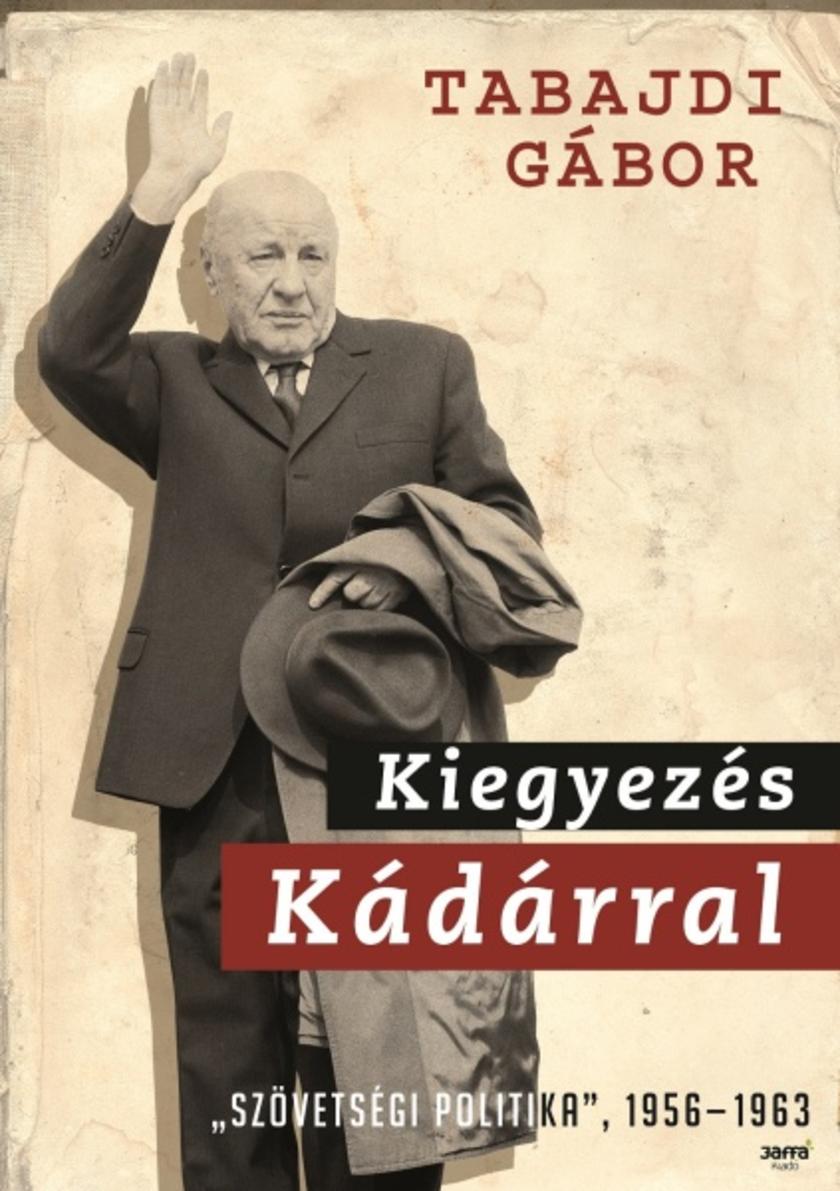
Kiegyezés Kádárral
¥57.31
Poeta, eseista ?i prozatoarea Aura Christi propune o radiografie a vie?ii literare ?i a celor mai interesante c?r?i ap?rute ?n ultimul deceniu literar. Cartea se adreseaz? elevilor, studen?ilor, precum ?i publicului larg de cititori.
Cum se fabric? o emo?ie
¥32.62
n paginile acestei cri, am redat situaia general din Paradisul Vestului“ i a exilatului romn venit aici, vzut n dublu avantaj de persoana particular i jurnalist. Majoritatea celor venii n perioada tranziiei romne“, dar i o buna parte din ceilali au fost i sunt buni aici – cu preponderen n Germania – la muncile de jos“ (…) Romnia nu e cunoscut n Occident dect ca zona srciei, a copiilor orfani, a hoilor i a corupiei“!

Zanna Bianca
¥32.54
Astfel de dic?ionare care s? te edifice asupra autorului, a operelor ?i a personajelor principale ale acestora n-au mai ap?rut p?n? acum la noi (desigur, ?n ce prive?te literatura universal?). Aici g?se?ti nu numai cuno?tin?ele necesare la orele rezervate lecturii obligatorii sau suplimentare din literatura universal?, ci ?i suficiente informa?ii care s? te incite la noi ?aventuri“ ale lecturii ?i, firesc, la l?rgirea universului intelectual.


