


 购物车
购物车 个人中心
个人中心

Henry the Second
¥19.52
A fascinating look at the life of Henry Plantagenet, King of England from 1154 to his death in 1189.
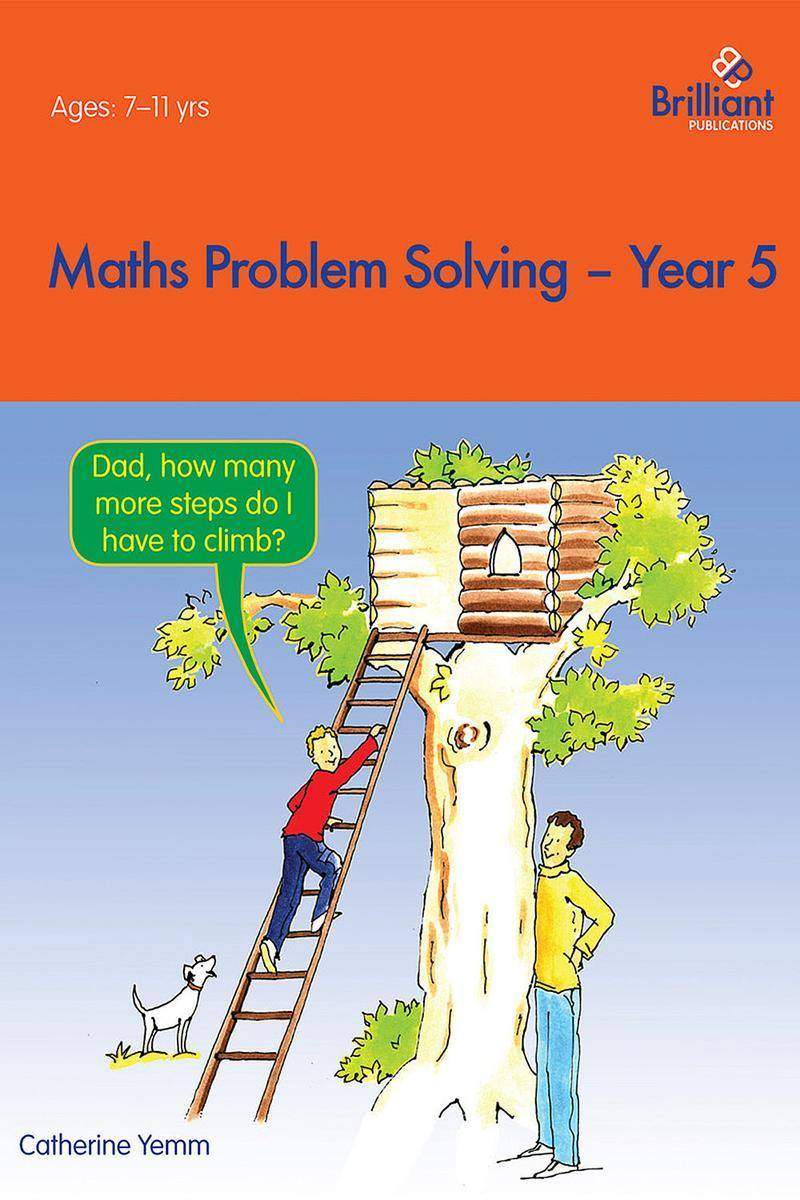
Maths Problem Solving Year 5
¥127.43
Maths Problem Solving - Year 5 is the fifth book in the Maths Problem Solving series. The books have been written for teachers to use during the numeracy lesson. They cover the 'solving problem' objectives from the numeracy framework. This book contains three chapters; Making decisions, Reasoning about numbers or shapes and Problems involving 'real life', money or measures. The books are designed in such a way that each section has six stages of questions to be worked through. Every stage is split into three levels, for example 1a, 1b or 1c, based on achievement. Each corresponding question from these levels follow the same line of questioning, so that when the teacher talks about a certain question, the solution process is the same for each level but the complexity of the sum varies.

Jamie
¥39.14
Jamie is a long-haired, bearded collie, bursting with life and energy, but his sense of fun and his lively curiosity are apt to lead him into trouble.Written in rhyme, Marian Bythell recounts some of the adventures of the rollicking, frolicking, lovable dog.This lovely book, which is skilfully illustrated, will not only captivate the imagination of young children, but will also appeal to all ages.
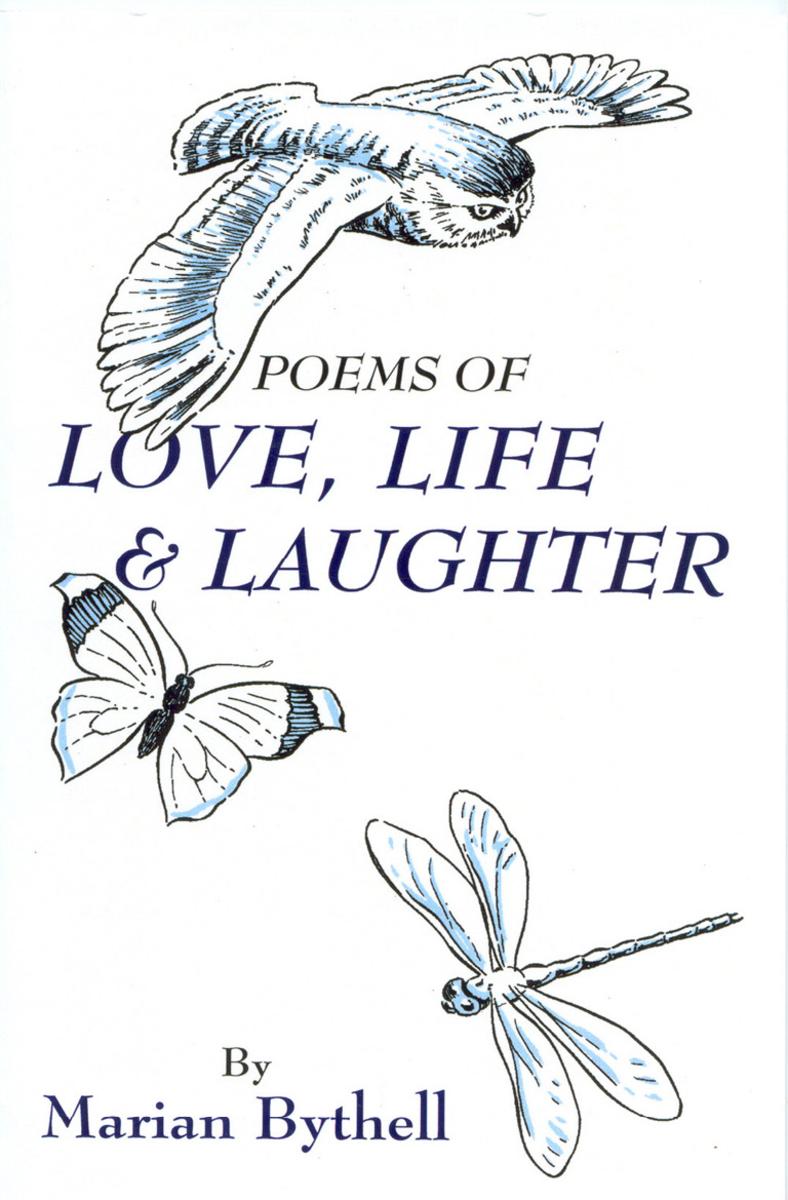
Poems of Love, Life and Laughter
¥34.24
Following on from the successful publication of her two holiday journals, Marian Bythell has now turned her passionate pen to poetry. Concentrating on the essential three Ls - Love, Life and Laughter - she has produced a considered collection of rhyming verse.

101 Amazing Women
¥29.33
Throughout human history, countless women have made important contributions to society. Some have made scientific discoveries vital to modern-day life, whereas others have fought for human rights, shaped entire countries and broken down barriers. This fascinating book introduces the reader to over one hundred such figures, with each having made important contributions in fields such as politics, science, literature, business and warfare. Women from all historical periods and walks of life are featured, from famous figures in ancient history including Cleopatra and Wu Zetian through to women changing the world today such as Emma Watson and Malala Yousafzai. Whereas the achievements of some of the 101 individuals featured are well known, some readers may be finding out about others for the first time, meaning that the book is also an excellent gateway to further reading.
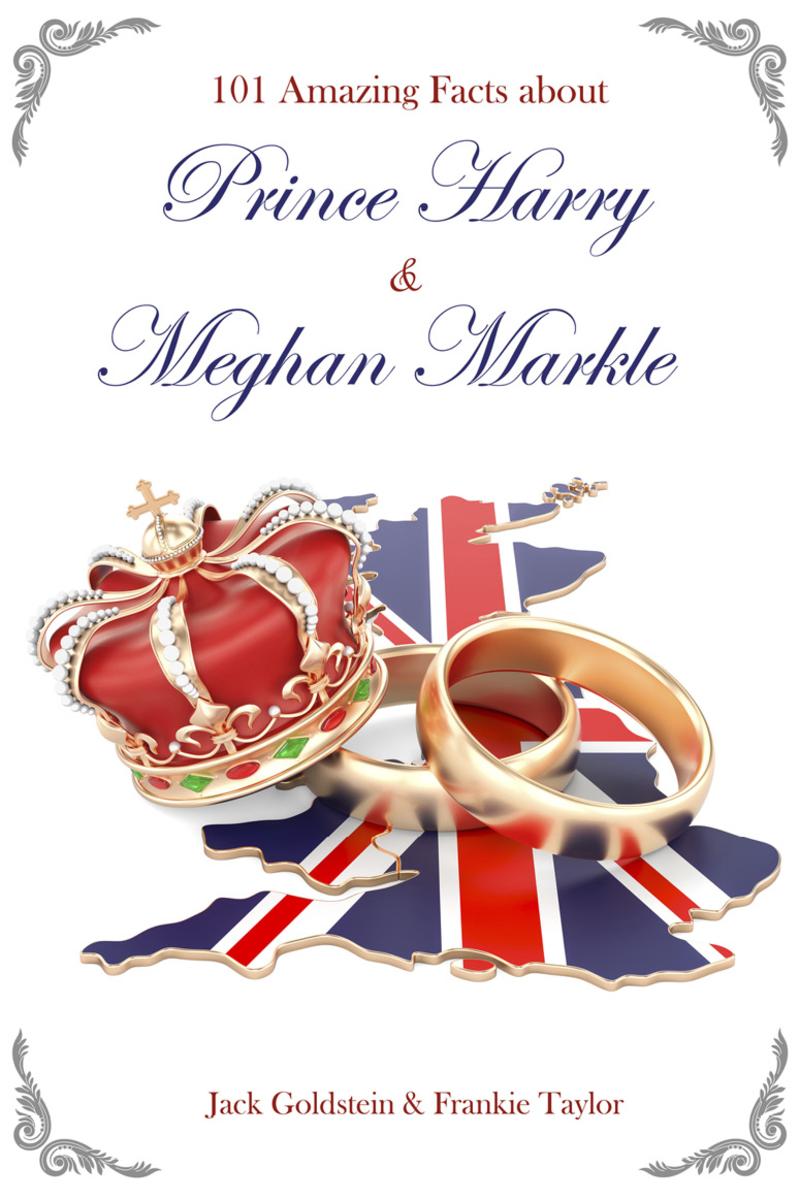
101 Amazing Facts about Prince Harry and Meghan Markle
¥19.52
On the 19th May 2018, Prince Harry and Meghan Markle tied the knot in a beautiful royal wedding ceremony. But just how much do you know about the Prince and his former actress wife? This fascinating eBook contains over one hundred amazing facts about the royal couple, covering everything from how the two of them met through to the many ways in which Meghan has broken the mould of a traditional princess. Whether you're interested in the royal rule book and official protocols, or you simply want to know more about the controversies that have surrounded both of these two prominent figures, this is the perfect book for you!

Celebrated Claimants
¥19.52
A fantastic look at thirty-five different historical figures who have made outrageous claims, including several pretenders to the English throne.

How to Sparkle at Science Investigations
¥112.72
Help to develop your pupils' investigation skills using the attractively laid out worksheets in How to Sparkle at Science Investigations. Using familiar contexts, the sheets provide opportunities for children to develop their observational skills, make measurements, plan and carry out investigations, and draw conclusions from their results. Worksheet themes include: Mr Happy and Healthy; what do plants need to grow?; is it see through?; which hat for Teddy?; we're going on a materials hunt; which magnet is the strongest?; making a circuit; and investigating sails.
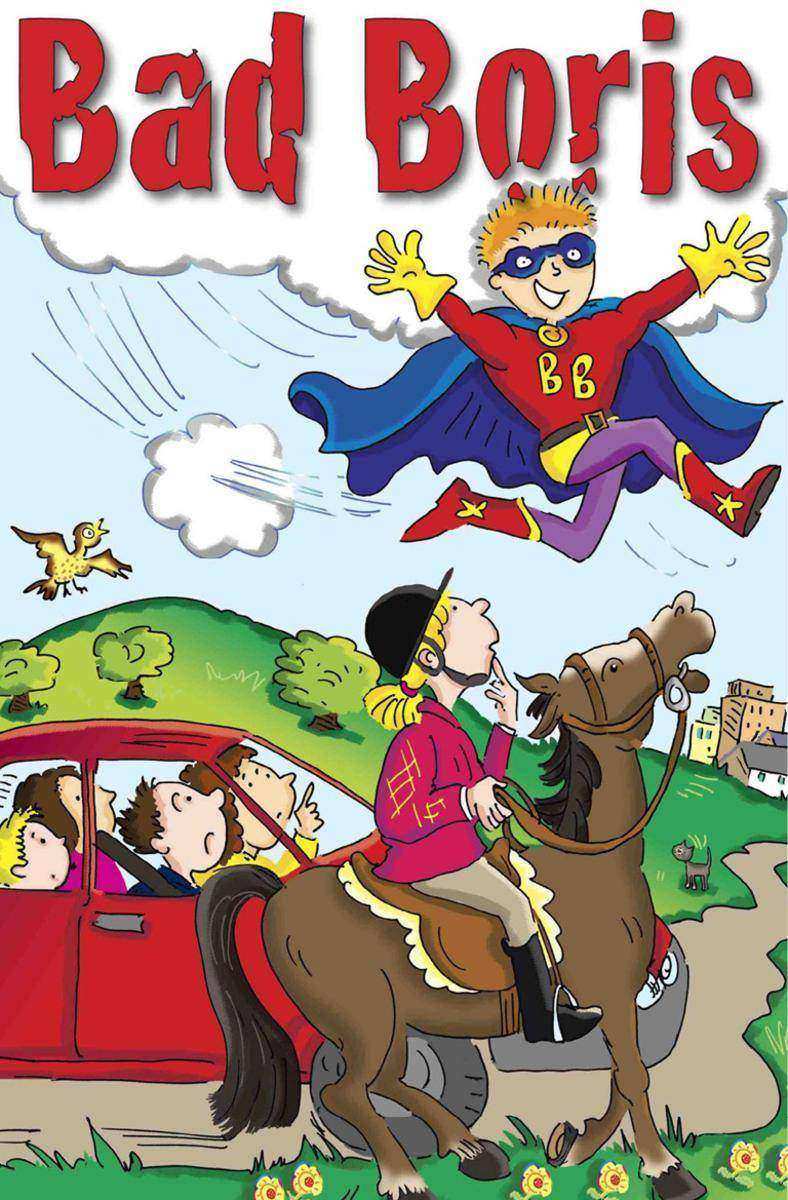
Bad Boris
¥58.76
Read all about the badness of Bad Boris... Though his mother's pride and joy, Boris was a nervous boy, But Boris had a cunning plan - one day he'd be superman, He whizzed around the crowded streets,Smash doors and stealing sweats,Whilst shouting out some very rude names,Boris stole computer games.

Evidently Yours
¥34.24
Ever get the feeling of that constant thought of someone on your mind? You've liked her a long time and she's all you ever think about. Everything about her that you know is perfect and her smile is always in your mind, but her smile is also the only thing that cheers you up. You wonder if she wants you and if she does you're the happiest guy on earth, but if she doesn't you know there's no one else you could ever want so much. I'm a fool in love with you and I can't quite explain why; you make me feel great every time that I see you and you are the only one in this world that matters. You're everything from nothing I've never ever truly known and you're the smile in my dreams. All the time I feel alone. This is my love poetry... at its finest - Dominic Clemow.

How to Sparkle at Nursery Rhymes
¥112.72
The rhythm of nursery rhymes helps children to remember the words which, in turn, helps to develop their auditory memory skills. When they have learned the words and then see them in print, they can 'read' them, Not only will this give them a greater understanding of how the written word represents the sung or spoken word, but it will also help to develop their visual memory. The worksheets contain a mixture of activities, including: putting pictures in the right sequence ;tracing letters and writing simple words; colouring pictures; attaching words to the right object; visual memory reinforcement; finding rhyming words.
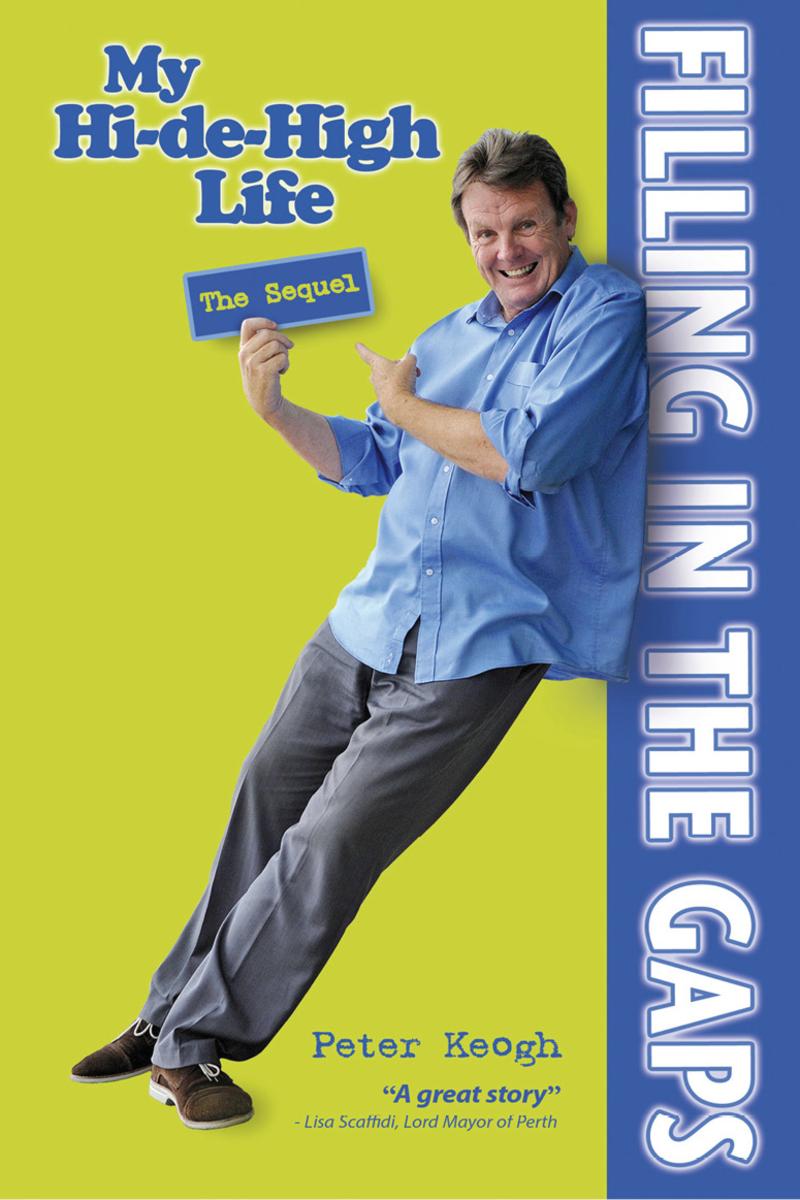
Filling in the Gaps
¥39.14
Filling in the Gaps follows on from Peter Keogh's acclaimed and popular autobiography My Hi-de-Highlife: Before, During and After Su Pollard. This exciting sequel explores aspects of Peter's life that were left out of his autobiography, including how a gay boy raised on a farm, and in spite of abuse both physical and emotional, was finally able to come out as a homosexual man. This book is at times comical, sexual and heartbreaking and provides further insight into Peter's relationships with people like Debbie Reynolds, Australian producer John Frost and a distasteful encounter with a famous English MP. The book also reveals more of Peter's life with the stars, his well-publicised trial in London and his relationship with his partner of 25 years, Sacha. Peter's life has been a complex mix of highs and lows and his experiences have ranged from hilarious to terrifying. Filling in the Gap details how, against difficult odds, Peter has managed to survive to be the man he is today and will inspire people of all ages, gay or straight, to realise that there is light at the end of every dark tunnel.

Just Jill
¥73.48
Just Jill is an inspirational and moving account of one woman's triumph over adversity and how she used her own experience of disability to benefit others.When she was growing up during the 1940s very few people were aware that Jill Allen-King had lost one eye as the result of measles when she was a baby. Her disability was a taboo subject and she attended a normal school, progressed to catering college and secured employment as a cook. However, tragedy struck for the second time when glaucoma rendered her completely blind at the age of 24 on what should have been one of the happiest occasions of her life - her wedding day.For the next seven years Jill barely left the house, too scared to go outside unaccompanied and afraid that she would never again be able to participate in the activities she loved, such as dancing. The birth of her daughter, Jacqueline, gave her renewed purpose but could not give her back the thing she desperately needed - her independence. It was only when Jill got her first guide dog that she began to rediscover the world outside her front door and take those first giant steps towards regaining her confidence and freedom. Jill's autobiography charts her journey from partially sighted child to totally blind adult and beyond, a process of readjusting and learning through grit and determination and then using her knowledge and experience to do everything in her power to help others and to campaign for reforms to secure a safer, fairer and more disability-aware environment. It is a story that will provide encouragement to those that are struggling to cope with disabilities and also educate people from all spheres of life about the challenges and needs of disabled people. At the age of 70, Jill continues to fight for the cause, and hopefully her story will inspire others to take up the baton.
First Class Phonics - Book 3
¥44.05
First Class Phonics is a series of books designed to help children quickly become proficient readers and writers.These books use Synthetic Phonics, a high-quality teaching method recognised all over the world. In Synthetic Phonics, children focus on the skills that enable them to read and spell words accurately. They recognise the importance of every sound they hear in the spoken word and learn to blend these sounds so that they can read words from the very beginning of the program.It is essential that children develop the ability to hear, identify and manipulate individual sounds in order to read fluently. This book provides a range of fun activities to ensure this happens.Book 3 introduces diagraphs (two-letter sounds) and trigraphs (three-letter sounds). It covers the sounds ch, sh, th, ng, nk, ee, e (as in be), ay, igh, oa, oo (as in moon), oo (as in cook), ar, or, ir and the ways 'o' can make a different sound at the end of tricky words. It teaches the tricky words are, was, to, do and your. The last chapter contains a story that uses only words built from the sounds taught in this book.
First Class Phonics - Book 5
¥44.05
First Class Phonics is a series of books designed to help children quickly become proficient readers and writers.These books use Synthetic Phonics, a high-quality teaching method recognised all over the world. In Synthetic Phonics, children focus on the skills that enable them to read and spell words accurately. They recognise the importance of every sound they hear in the spoken word and learn to blend these sounds so that they can read words from the very beginning of the program.It is essential that children develop the ability to hear, identify and manipulate individual sounds in order to read fluently. This book provides a range of fun activities to ensure this happens.Book 5 introduces more diagraphs (two-letter sounds) and trigraphs (three-letter sounds) as well as split diagraphs (i-e as in slide) It covers the sounds ire (fire), ou (mouse), ie (pie), i-e (slide), e-e (Pete), oe (toe), o-e (home), a-e (take), ue (blue), u-e (flute), er (hammer), ph (elephant), and 'u' (push). It teaches the tricky words there, were, could, would and should. The last chapter contains a story that uses only words built from the sounds taught in this and previous books.

101 Amazing Beyonce Facts
¥19.52
Are you the world's biggest Beyonce fan? Or do you want to find out everything there is to know about the ex Destiny's Child singer and global superstar?If so, then this is the book for you! Contained within are 101 amazing facts about how Beyonce got started in the music industry, the numerous awards she has won, her family life with husband Jay-Z and daughter Blue Ivy plus many more. The book is easily organised into sections so you can find the information you want fast and is perfect for all ages!

50 Quick Cleaning Tips
¥9.71
Contained within this book are 50 quick and easy common-sense tips to help you clean your home and possessions. Despite a huge number of specialist - and expensive - cleaning products on the market, time has taught us that you don't have to spend a fortune to make your household look like it has been cleaned by the professionals! This quick-read guide has been specially formatted for today's e-readers, with each tip indexed for easy access.
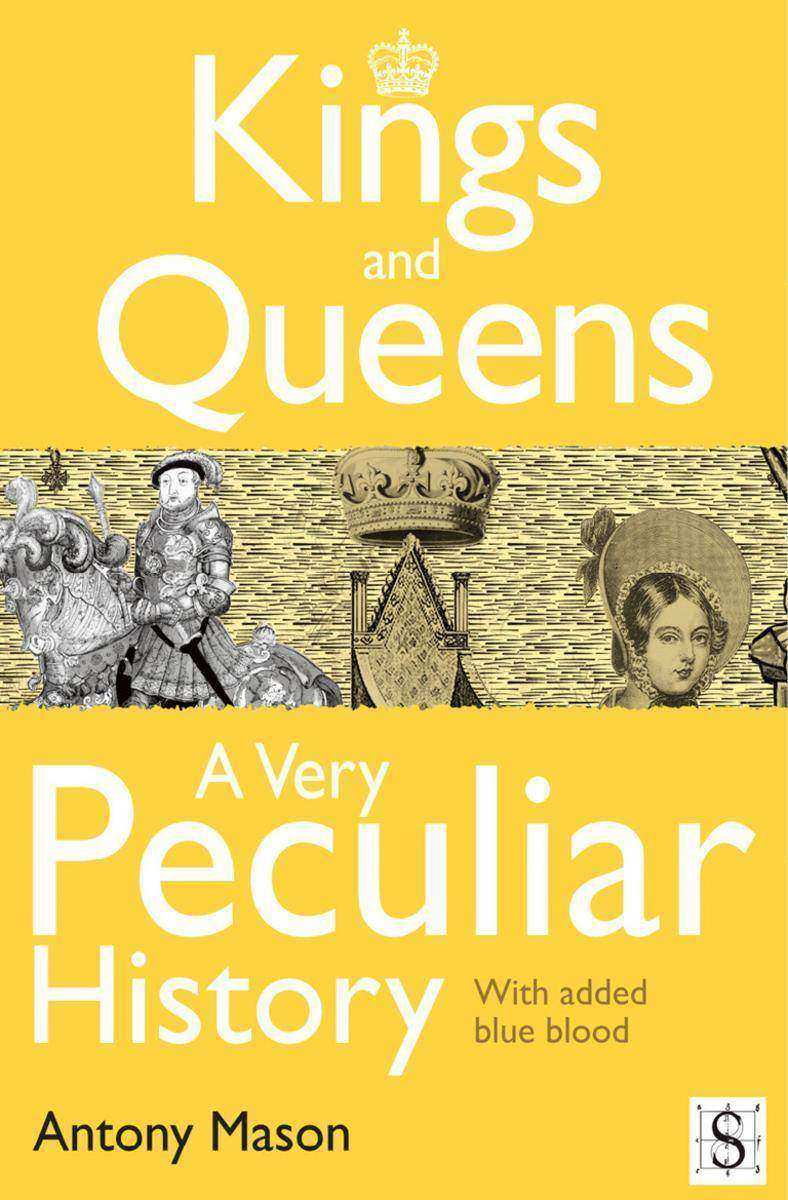
Kings and Queens - A Very Peculiar History
¥58.76
Which king's guards massacred a group of his supporters by mistake? Who had an oversized tongue and had to slobber when they ate food? Who was so large when they died that they had to be buried in a square coffin? Who survived seven assassination attempts? As you can tell from the bizarre questions above, it wasn't all thrones and sceptres for British kings and queens. Some of them were completely batty, and others were downright vicious. On the other hand, some monarchs were an icon to the people and represented the power and importance of Britain and England. 'Kings & Queens, A Very Peculiar History' explores some of the most marvellous monarchs to have ruled Britain and ekes out their bizarre habits and idiosyncracies, featuring quirky stories and fascinating facts and lists.
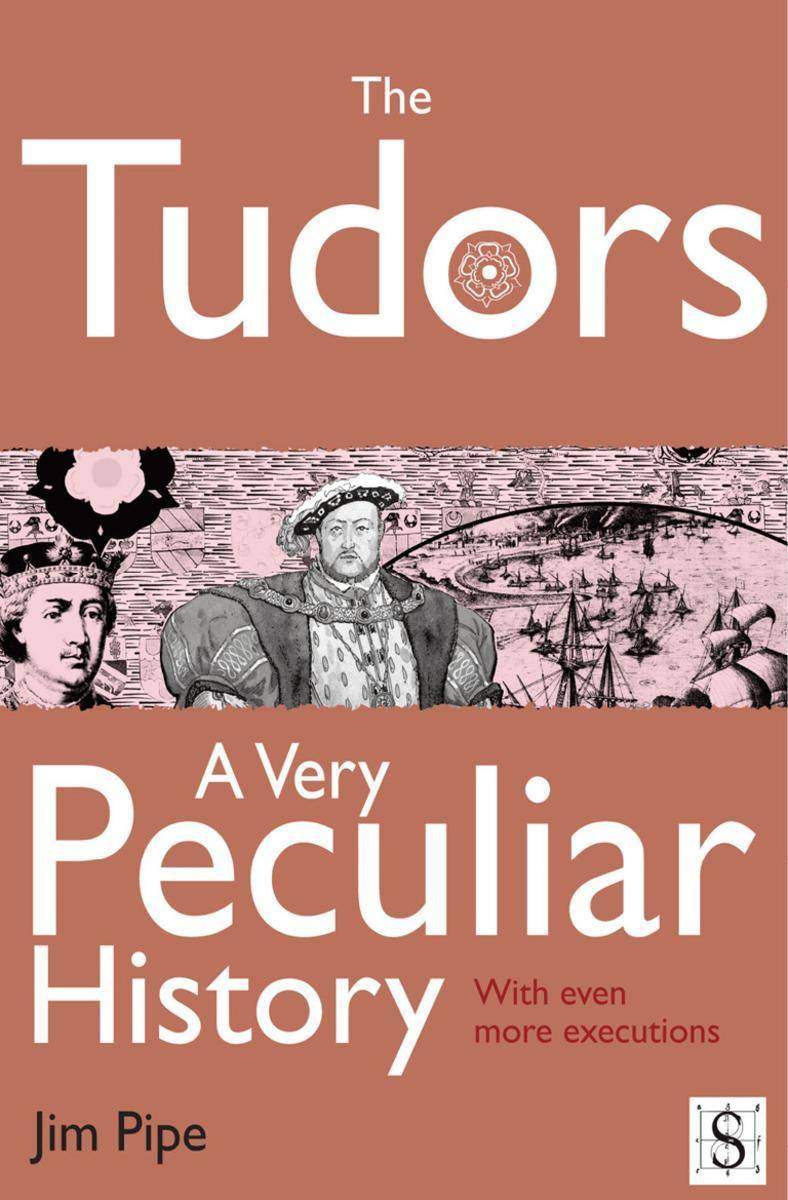
Tudors, A Very Peculiar History
¥58.76
The Tudors were an odd bunch, even weirder than their subjects, perhaps. When they weren't beheading wives and enemies they were threatening to, or going around earning themselves nicknames like 'Bloody Mary' and 'The 9 Day Queen'. 'The Tudors: A Very Peculiar History; tells the story of the Tudor monarchs, their castles, their lives and their subjects in a time when it was fashionable to slash up your clothes for that 'fresh from battle' look. The book details each monarch's reign and casts light on the more bizarre elements of their time in power, right down to an analysis of their seals and signatures and the various torture and execution methods they liked to use.
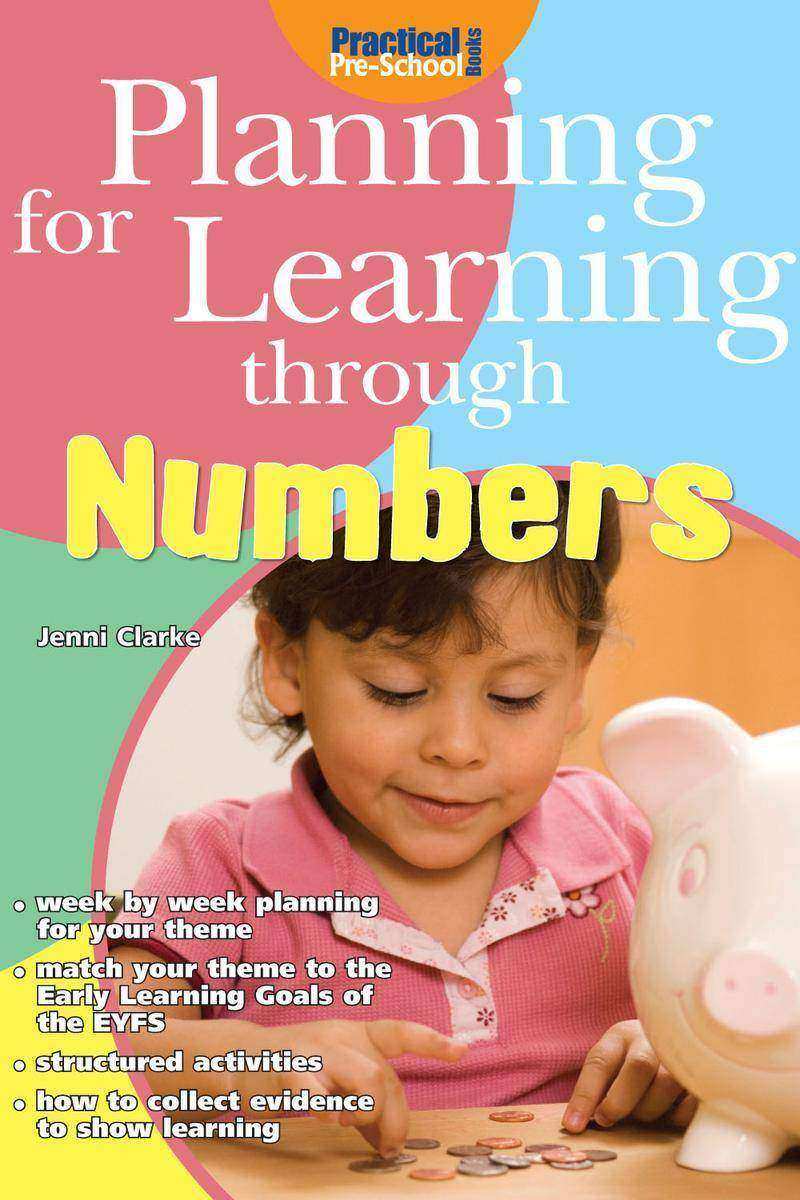
Planning for Learning through Numbers
¥73.48
Plan for six weeks of learning covering all six areas of learning and development of the EYFS through the topic of numbers. The Planning for Learning series is a series of topic books written around the Early Years Foundation Stage designed to make planning easy. This book takes you through six weeks of activities on the theme of numbers. Each activity is linked to a specific Early Learning Goal, and the book contains a skills overview so that practitioners can keep track of which areas of learning and development they are promoting. This book also includes a photocopiable page to give to parents with ideas for them to get involved with their children's topic, as well as ideas for bringing the six weeks of learning together. The weekly themes in this book include: finding numbers outdoors, musical numbers, cooking with numbers, arty numbers, shopping with numbers, and we love numbers. This book is a great way to bring numbers and early problem solving and numeracy skills into all areas of the curriculum so children learn about them in a fun and unpressured way.
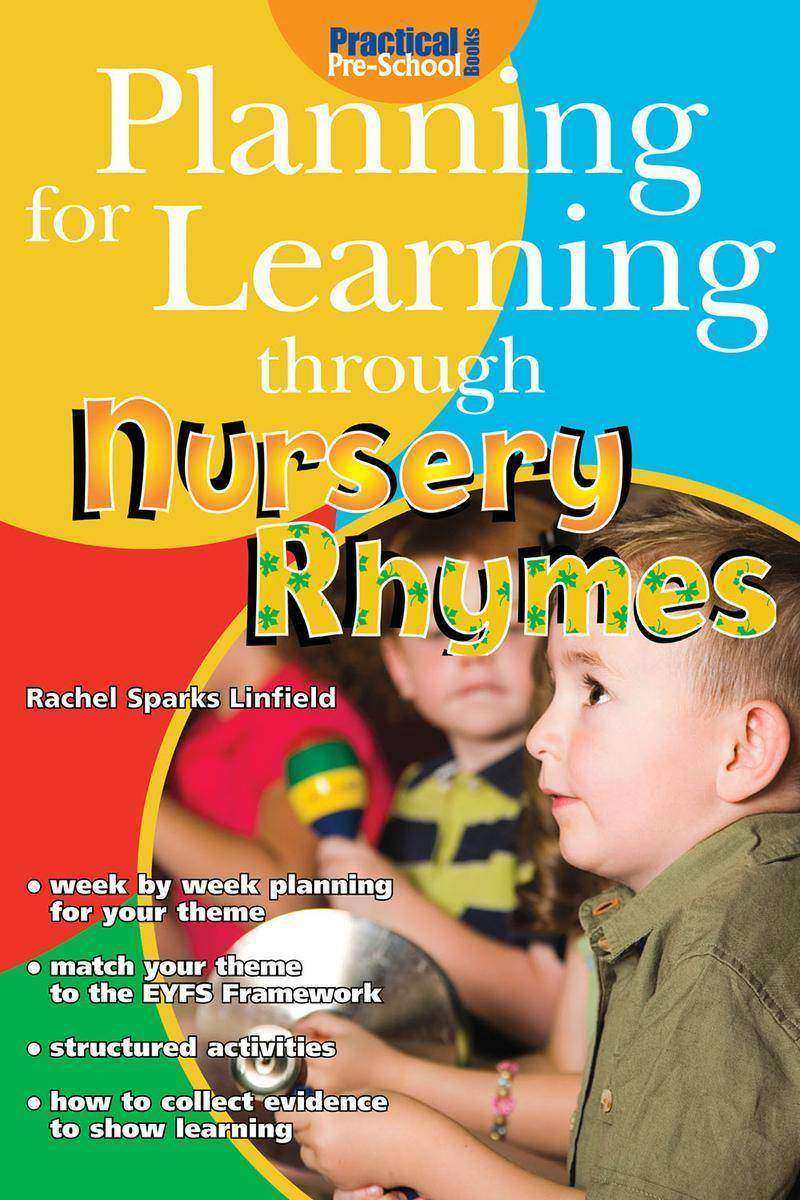
Planning for Learning through Nursery Rhymes
¥73.48
Plan for six weeks of learning covering all six areas of learning and development of the EYFS through the topic of nursery rhymes. The Planning for Learning series is a series of topic books written around the Early Years Foundation Stage designed to make planning easy. This book takes you through six weeks of activities on the theme of nursery rhymes. Each activity is linked to a specific Early Learning Goal, and the book contains a skills overview so that practitioners can keep track of which areas of learning and development they are promoting. This book also includes a photocopiable page to give to parents with ideas for them to get involved with their children's topic, as well as ideas for bringing the six weeks of learning together. The weekly themes in this book include: Humpty Dumpty, Little Miss Muffet, Jack and Jill, The Grand Old Duke of York, Hickory Dickory Dock and Little Bo Peep.


