


 购物车
购物车 个人中心
个人中心

Rock and a Hard Place
¥55.33
When you fall in love with a rock star, anything can happen. . . .Libby In an instant, Libby's life went from picture-perfect to a nightmare. After surviving a terrible car accident, Libby is abandoned by her father and left with her controlling aunt. A new town, a new school, no friends—Libby is utterly alone. But then she meets Peter.Peter The lead singer in a rock band with his brothers, Peter hates that his parents overly manage his life.Constantly surrounded by family, Peter just wants to get away. And when he meets Libby, he's finally found the one person who only wants to be with him, not the rock star.But while Peter battles his family's growing interference in both his music and his personal life, Libby struggles with her aunt, who turns nastier each day. And even though Libby and Peter desperately want to be together, their drastically different lives threaten to keep them apart forever.

Royally Lost
¥56.08
Perfect for fans of Sarah Dessen, Susane Colasanti, and Jenny Han, Angie Stanton's brand-new romance asks the question, What would it be like to fall in love with a prince?Dragged on a family trip to Europe, Becca wants nothing more than to go home. Trapped with her emotionally distant father, overeager stepmother, and a brother who only wants to hook up with European hotties, Becca is miserable. Until she meets Nikolai.Nikolai has everything—he's a crown prince, heir to the throne, and girls adore him. But the one thing he doesn't have is freedom . . . so he flees his kingdom and goes on his own European trip.And when Nikolai and Becca meet, sparks fly. But Becca's family vacation ends in a matter of days. Will Nikolai and Becca be forced to say good-bye, or will they change history forever?
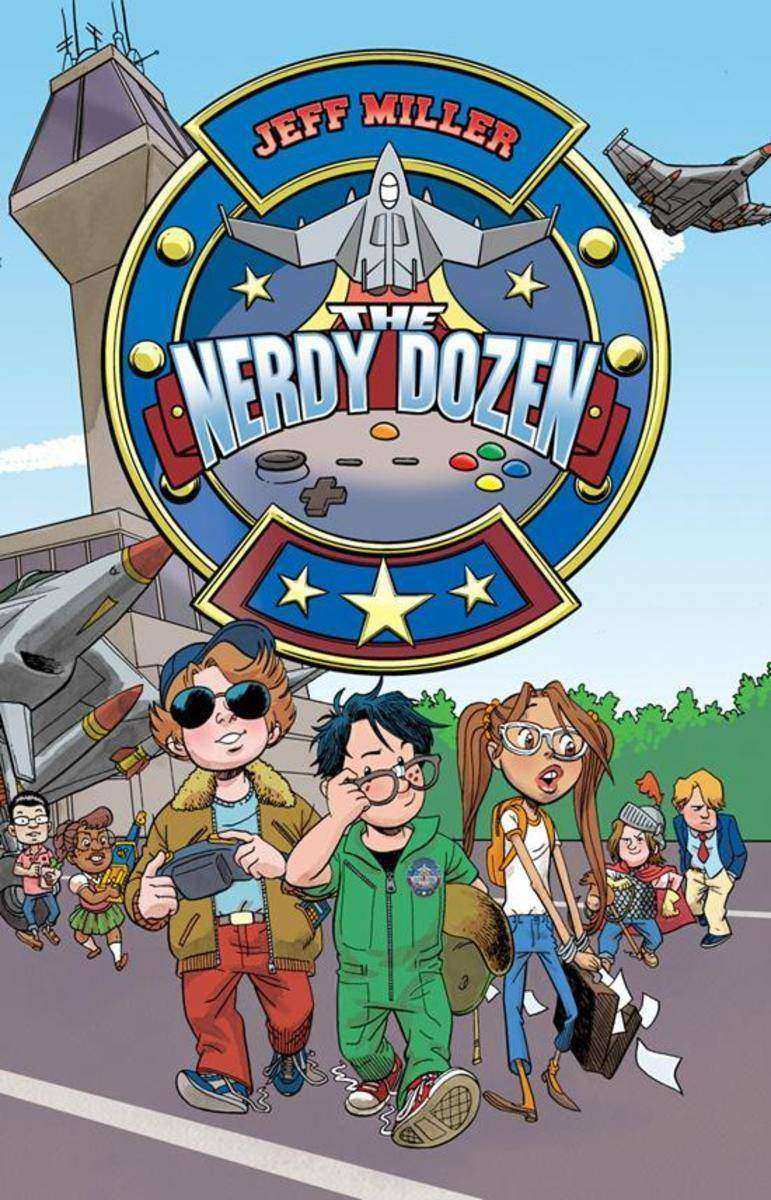
The Nerdy Dozen
¥39.24
When Neil Andertol and a motley crew of video-gaming whizzes accidentally download top-secret training software and are recruited by the military to restore a botched aircraft mission, they're no longer playing for points—they're playing to save the world! Part action movie, part slapstick comedy, debut author Jeff Miller's The Nerdy Dozen is a madcap adventure for the middle grade set.
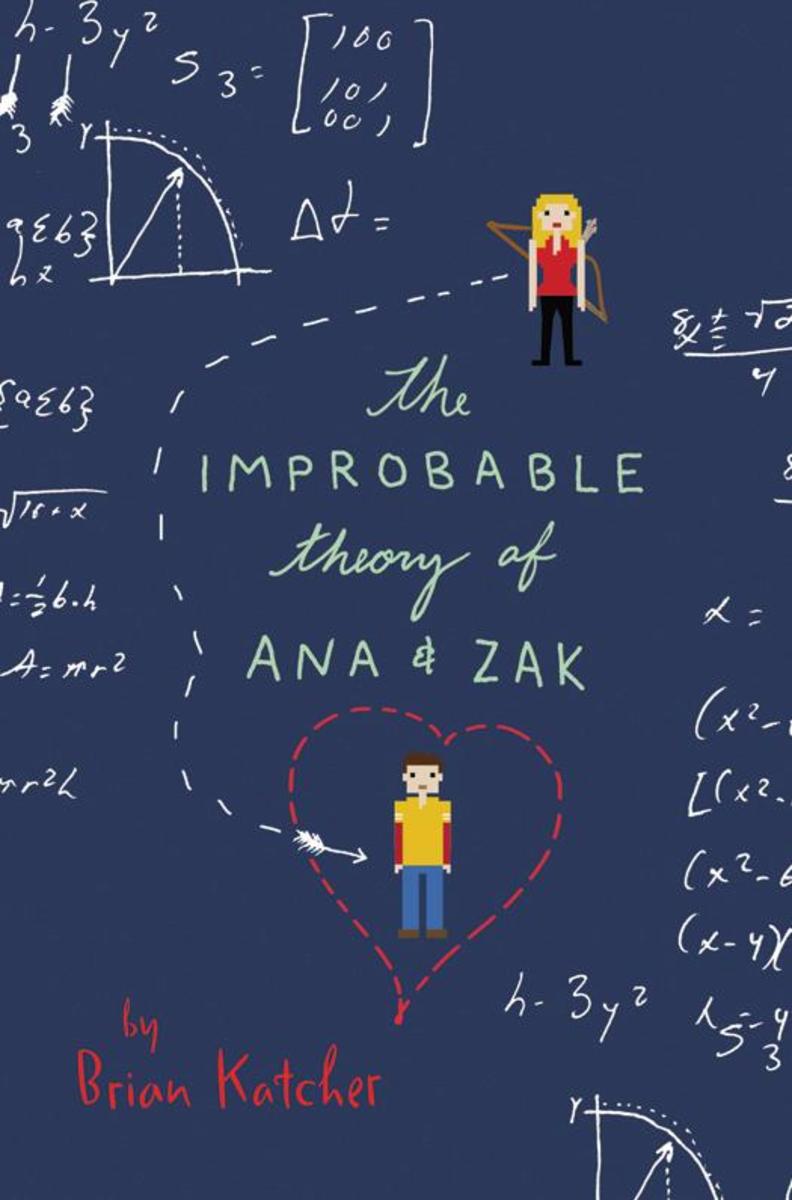
The Improbable Theory of Ana and Zak
¥99.65
Perfect for fans of Nick and Norah's Infinite Playlist and The Statistical Probability of Love at First Sight, The Improbable Theory of Ana and Zak is Stonewall Award-winning author Brian Katcher's hilarious he said/she said romance about two teens discovering themselves on an out-of-this-world accidental first date at a sci-fi convention.When Ana Watson's brother ditches a high school trip to run wild at Washingcon, type-A Ana knows that she must find him or risk her last shot at freedom from her extra-controlling parents.In her desperation, she's forced to enlist the last person she'd ever want to spend time with—slacker Zak Duquette—to help find her brother before morning comes.But over the course of the night, while being chased by hordes of costumed Vikings and zombies, Ana and Zak begin to open up to each other. Soon, what starts as the most insane nerdfighter manhunt transforms into so much more. . . .
Rising Sun
¥21.73
Rising Sun is a stand-alone novella, a prequel to David Macinnis Gill's acclaimed Black Hole Sun, of which Suzanne Collins said, "Black Hole Sun rockets readers to new frontiers . . . action-packed."Jacob Stringfellow, aka Durango, once had a promising career in the elite armed forces. That was before. Before his father betrayed him and his unit. Before he almost died and had an artificial intelligence flash-cloned to his brain. Now Durango and Mimi (the AI) are figuring out how to get along and figuring out how to stay in the game. Set on a violent and unforgettable dystopian Mars, this is a must read for fans of the author's Black Hole Sun trilogy and for anyone who loves intense, action-packed science fiction.Epic Reads Impulse is a digital imprint with new releases each month.
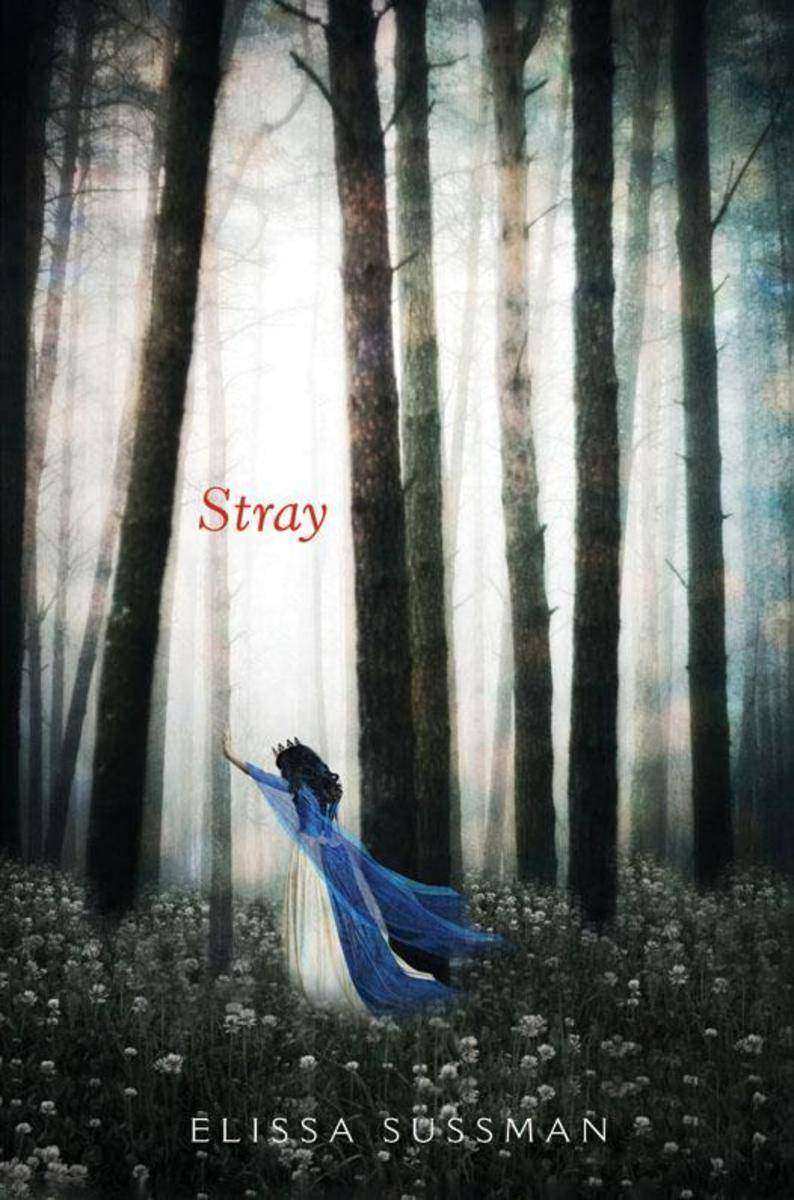
Stray
¥55.33
Epic, rewarding, and provocative, Elissa Sussman’s original fairy tale tells the story of Aislynn, a princess who misbehaves and must give up her royal trappings and enter a life of service as a fairy godmother. Booklist wrote, “Sussman delightfully mixed dystopian tension with retold fairy tales, and the result is something wholly original.”A cross between The Handmaid’s Tale and Wicked, with a dash of Grimm and Disney thrown in, this original fairy tale is part coming-of-age story, part adventure, part sweet romance. Will Aislynn remain true to her vows and her royal family and turn away from everything she longs forOr will she stray from The Path and discover her own wayIncludes a recipe for Fairy Godmother Bookbinder Bread, and a map.
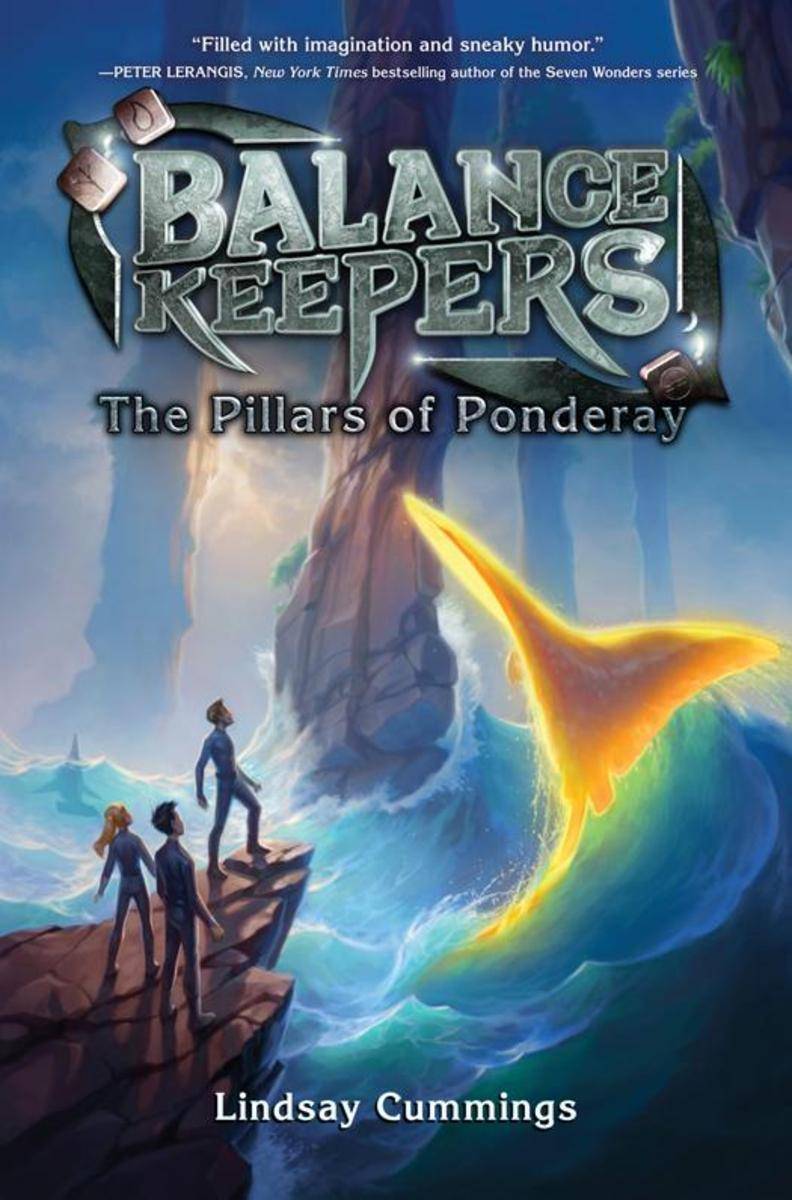
Balance Keepers, Book 2: The Pillars of Ponderay
¥39.24
This second book in Lindsay Cummings’s Balance Keepers series explodes with just as much magic, mystery, friendship, and humor as Book One. Fans of books like Brandon Mull's?The Candy Shop War?or the Unwanteds series by Lisa McMann will love the action and imagination in this epic fantasy adventure series.With both boy and girl main characters, creatures like Hammerfin sharks to battle, a traitor to expose, and a boarding school that could be described as Hogwarts underground, there's something for every reader to enjoy in this series reminiscent of the classic?Journey to the Center of the Earth. An anti-bullying theme also makes this great for in-classroom reading.In The Pillars of Ponderay, Balance Keepers Albert, Birdie, and Leroy enter the underground watery Realm of Ponderay along with their archrival, Hoyt, in an attempt to reset the Balance of the Realm. If they don’t succeed in time, all of California above could be consumed by tsunamis and hurricanes.

Love and Other Theories
¥56.08
Love and Other Theories is a fast-paced twist on the coming-of-age novel and the romantic comedy that Kirkus Reviews called "careful, subtle, and aching" in a starred review.Aubrey and her best friends made a pact to play by the guys' rules when it comes to dating. They're hoping the rules will keep them from experiencing high school heartbreak—they don't realize that these rules could just as easily keep them from opening their hearts and minds. And when new boy Nathan Diggs moves to town, Aubrey starts to think that some rules are meant to be broken.With equal parts bite and romance, topped off with an irresistibly engaging voice, Alexis Bass's novel is one you won't want to miss.
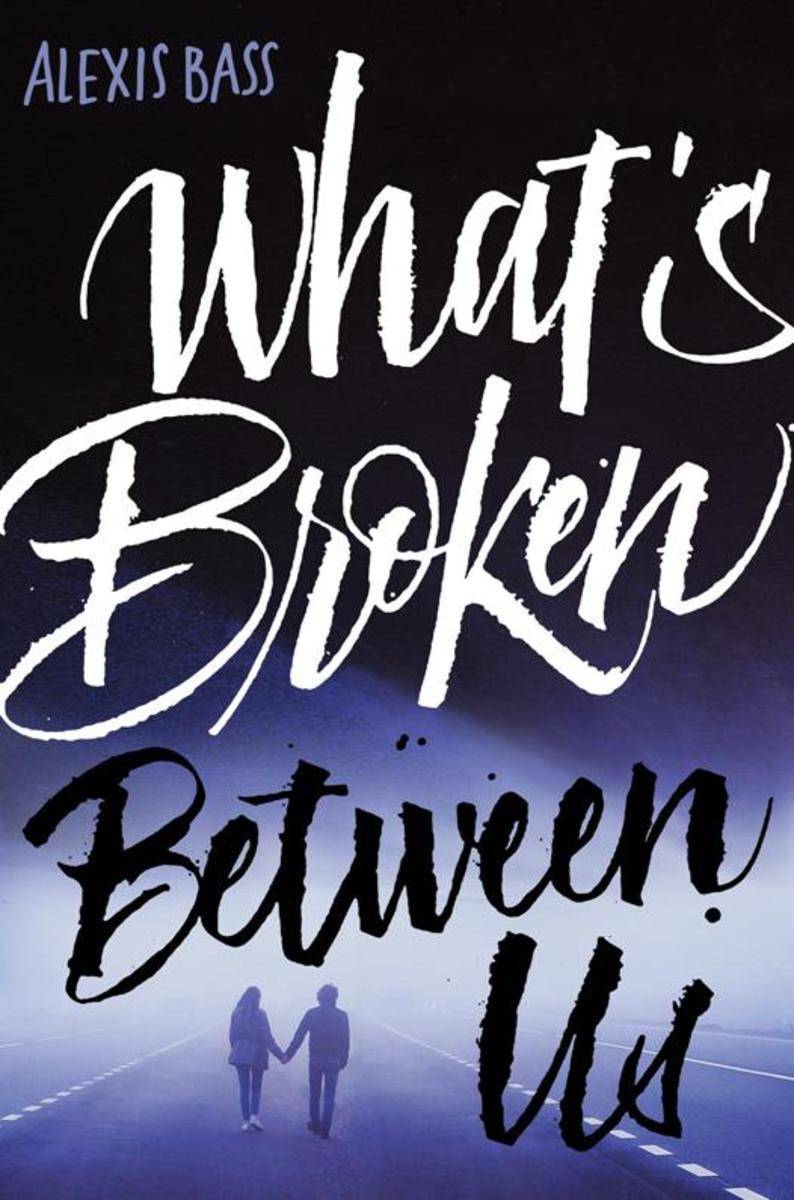
What's Broken Between Us
¥101.00
From Alexis Bass, author of Love and Other Theories, comes her heartbreakingly beautiful second novel, perfect for fans of Gayle Forman and of Robyn Schneider’s The Beginning of Everything.A year and a half ago, Amanda Tart’s brother got behind the wheel drunk, killed his best friend, and paralyzed his girlfriend. Today, he’s coming home from prison.Amanda’s been the one living with the fallout, made worse by her brother’s recent unapologetic TV interview. People think he’s a monster. Still, she loves him. It’s her dark secret, until she starts getting close to Henry again—whose sister is paralyzed from the accident.A year and a half ago, her brother destroyed his life. Now Amanda has to decide if she’ll let his choice destroy hers.
One Day More
¥10.83
This captivating and poignant 50-page digital original short story is a prequel to New York Times bestselling author Aprilynne Pike's Life After Theft—a haunting novel about the true cost of paying for one's mistakes.Most teenagers would do anything to have Kimberlee Schaffer's life. But beneath the beauty, the wealth, and the popularity, Kimberlee has a terrible problem: an uncontrollable, insatiable need to steal. Over the years, she's learned to hide her secret from those closest to her, but now it's completely consuming her life—and Kimberlee is afraid that if she doesn't find a way to put an end to her compulsion, she may see her perfect world come crumbling down.Epic Reads Impulse is a digital imprint with new releases each month.
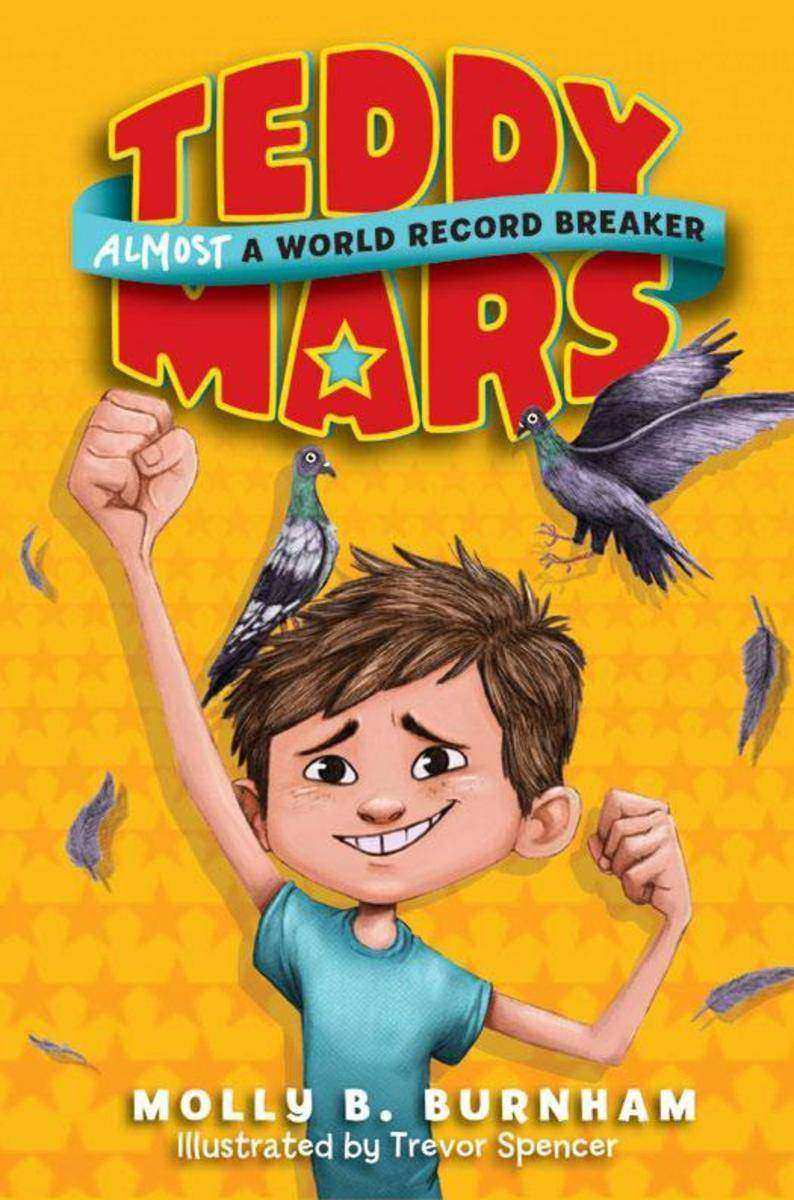
Teddy Mars Book #1: Almost a World Record Breaker
¥38.72
Fans of Jeff Kinney's humor and Sharon Creech's heartfelt stories will love this hilarious new series about a ten-year-old boy from a big family who dreams of making it into The Guinness Book of World Records.Teddy Mars is determined to stand out in a world full of wonders and a house bursting with siblings. With the help of his best friends, Teddy tries to build the biggest snow mound, stuff the most grapes in his mouth, and lift a chair with his teeth. He'll do anything to succeed—even if it means sleeping in a tent and cleaning up pigeon poop for Grumpy Pigeon Man. Too bad his pesky little brother, also known as The Destructor, always wrecks Teddy's record-breaking plans!Told in short, accessible sections, with memorable lists and winning illustrations, Molly B. Burnham's Teddy Mars #1: Almost a World Record Breaker is perfect for reading aloud. Teddy's never-give-up attitude will have readers laughing out loud and clamoring to break records of their own!
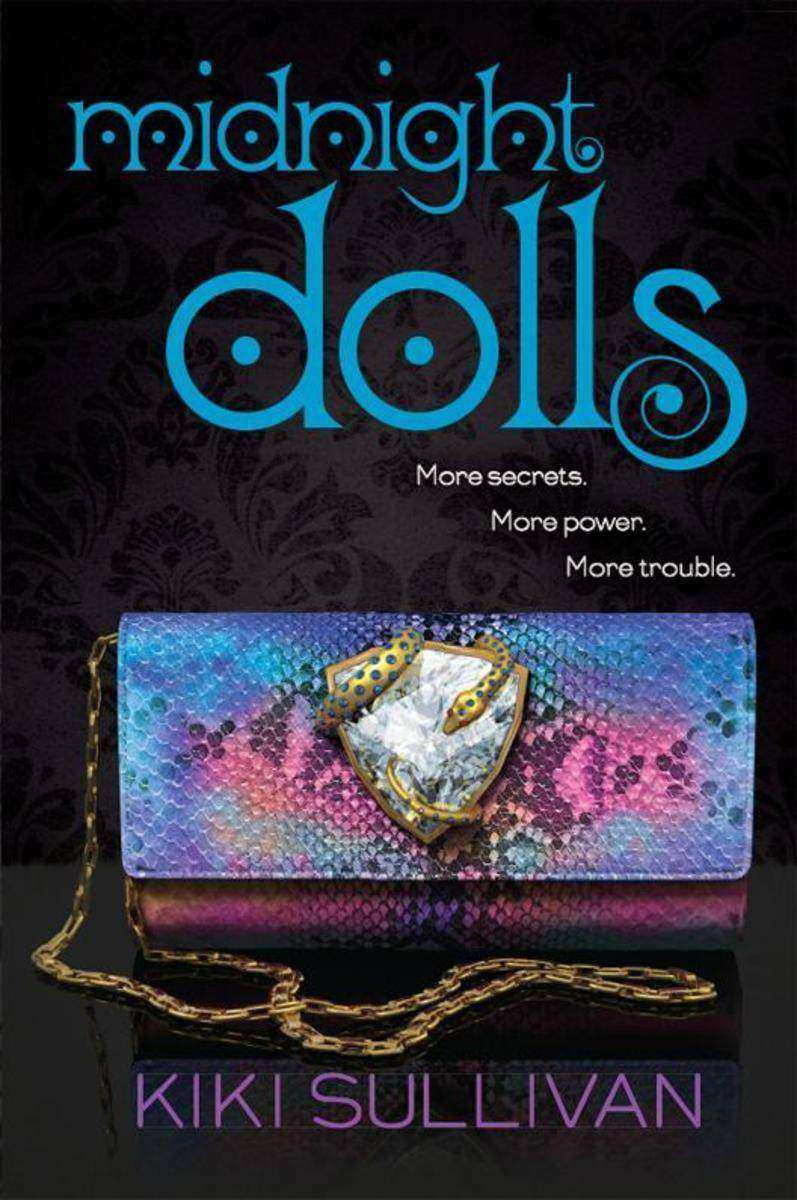
Midnight Dolls
¥56.68
Pretty Little Liars meets Beautiful Creatures in this thrilling follow-up to Kiki Sullivan's The Dolls.It's only been a couple of months since Eveny Cheval discovered that she's a powerful queen of zandara, the voodoo-like form of magic that has controlled the town of Carrefour for generations. She barely has time to consider what this means, though, before she's attacked by the murderous anti-magic organization Main de Lumière.Alarmed, her powerful father—who has returned to Carrefour to protect Eveny—takes her and her sister zandara queens, Peregrine and Chloe, to his home on mysterious Caouanne Island. But the island holds its own secrets about Eveny's past—and her future. Now she's torn between two magical traditions—and two boys: strong and silent Caleb, who's pushing her away, and charismatic Bram, who seems too good to be true.With Main de Lumière closing in and Carrefour's defenses crumbling, Eveny, her sister queens, and the townspeople she's supposed to protect are in danger. And as the revelations about her past continue to unfold, Eveny begins to realize that she might just be the only one who can save them all. She'll have to fight for the people and the town she loves—and for her own life.
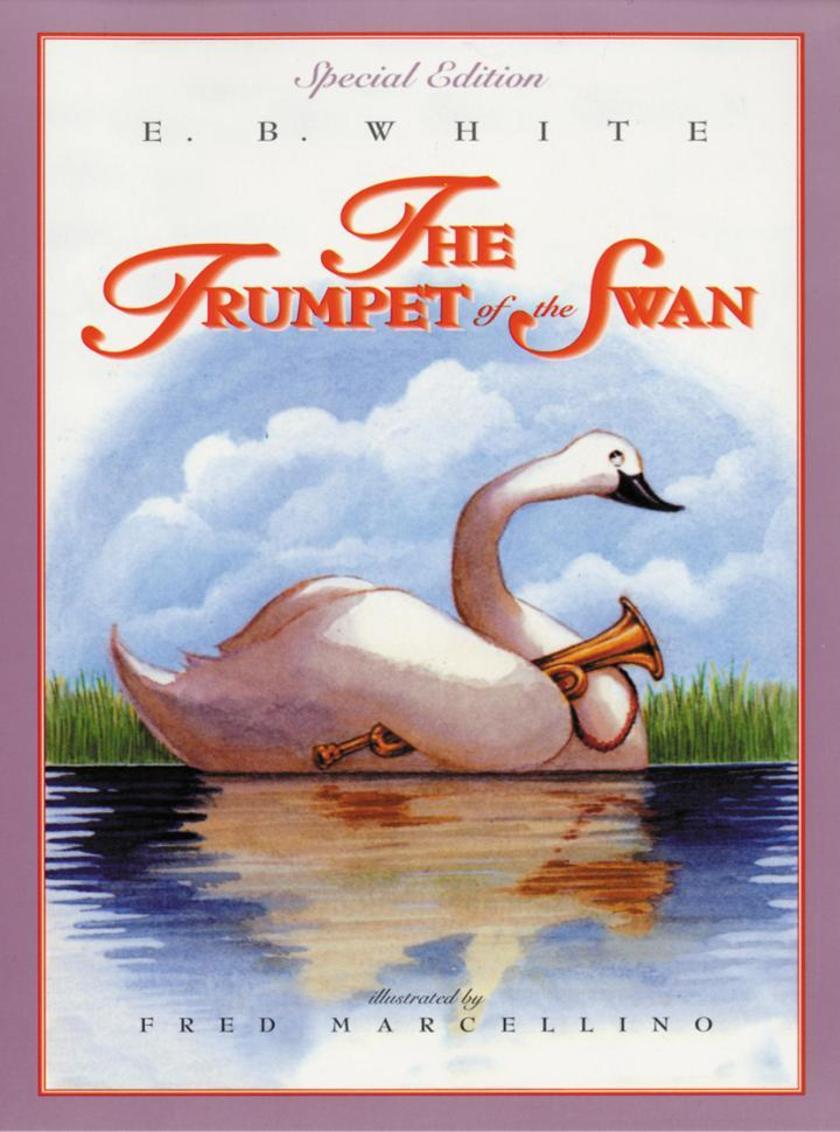
The Trumpet of the Swan
¥44.73
Now available for the first time as an ebook! Illustrations in this ebook appear in vibrant full color on a full-color device and in rich black-and-white on all other devices.This beloved book by E. B. White, author of Charlotte's Web and Stuart Little, is a classic of children's literature that perfectly describes what it's like to march to the beat of your own drummer.Louis is a trumpeter swan, but unlike the rest of his family, he can't make a sound. And since he can't trumpet his love, the beautiful swan Serena pays no attention to him. But when his father steals him a real brass trumpet, Louis has to find out if it's the key to what he's wanted all along.E. B. White's classic book is a tender novel of overcoming the odds and learning to do things on your own terms. It will continue to be enjoyed by generations to come. It contains evocative illustrations by Fred Marcellino, the acclaimed illustrator of Puss in Boots and I, Crocodile, among many other books.Correlates to the Common Core State Standards in English Language Arts
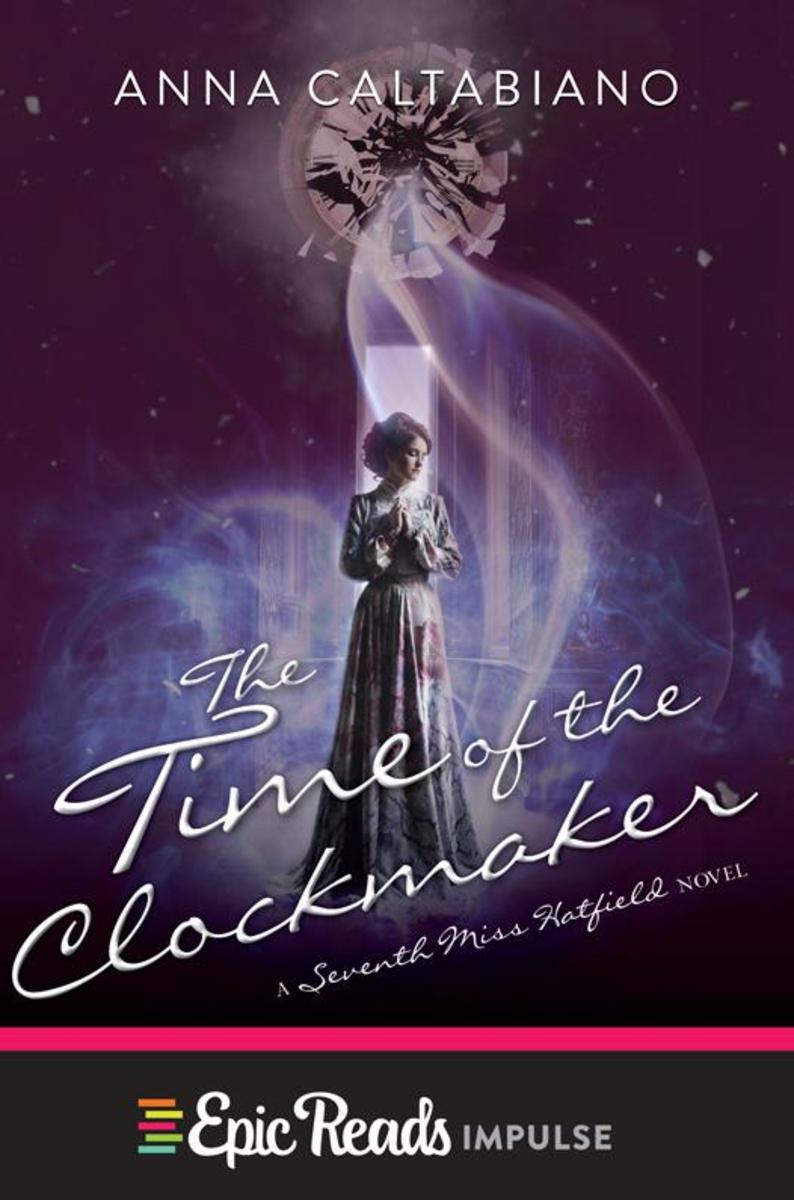
The Time of the Clockmaker
¥54.42
The Time of the Clockmaker, the sequel to The Seventh Miss Hatfield, is set in the lush court of Henry VIII and continues Rebecca's romantic and action-packed time-traveling adventures. With an epic romance that cannot be stopped by the bounds of time as well as deeper questions regarding immortality, this is perfect for fans of love stories such as The Time Traveler's Wife, as well as historical fiction with a fantastical twist, like Grave Mercy by Robin LaFevers.Cynthia, who is now known only as the seventh Rebecca Hatfield, has settled in to the regular routine of traveling with the sixth Miss Hatfield. But when Rebecca's mentor is shockingly killed in front of her, Rebecca must flee the place and time she knows. She has lost her family, her dearest love, and her ability to live a normal life. All she has left is the gift—or curse—of immortality, and the bizarre clock that allows her to travel in time.Just when Rebecca thinks she might be safe, she is attacked too. The mysterious black-clad figure steals the clock, but not before it transports them to a new time: Tudor England. Without her clock, Rebecca is stranded in the past. Alone, without friends or resources, she must find a way to survive in the beautiful—but dangerous—court of Henry VIII.And what of her love, Henley, a boy Rebecca met in another time and place, but whose ghostly figure follows Rebecca wherever she goes, even when she begins a whirlwind romance with a dashing apprentice to the king's alchemist?The mysterious attacker—someone who seems to possess the same powers as Rebecca—could be anyone at the lavish court. Can Rebecca escape him and find a way homeWould that mean once again sacrificing her heart for the sake of keeping the secret of immortality safe?Epic Reads Impulse is a digital imprint with new releases each month.
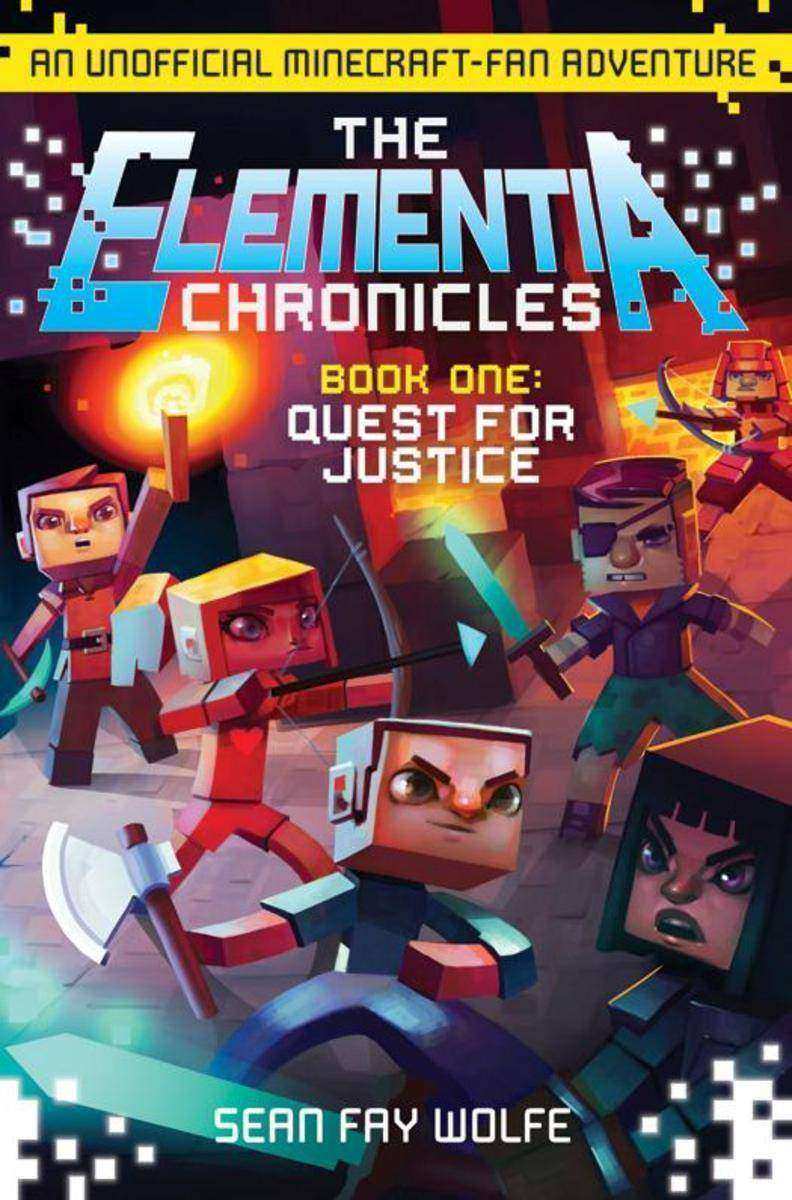
The Elementia Chronicles #1: Quest for Justice
¥56.08
Introducing an unofficial Minecraft-fan adventure series inspired by the bestselling game!Fans of the bestselling video game Minecraft, middle grade readers, and action-adventure story enthusiasts of all ages are about to embark on an exciting journey that will take them far beyond the world they know.Dark forces are at work on the Elementia server, and when new players Stan, Kat, and Charlie arrive on the scene, they quickly find themselves in peril. Targeted by more experienced players, the noobs must band together against the king, battle the natural forces of the game, and unravel the mysteries of Elementia in the name of justice.Written when he was sixteen, Sean Fay Wolfe's Quest for Justice is the debut novel by an unstoppable young storyteller and the first book in The Elementia Chronicles trilogy.Disclaimer: This book is not authorized, sponsored, endorsed or licensed by Mojang AB, Microsoft Corp. or any other person or entity owning or controlling any rights to the Minecraft name, trademarks or copyrights. Minecraft is a registered trademark of Mojang Synergies AB.
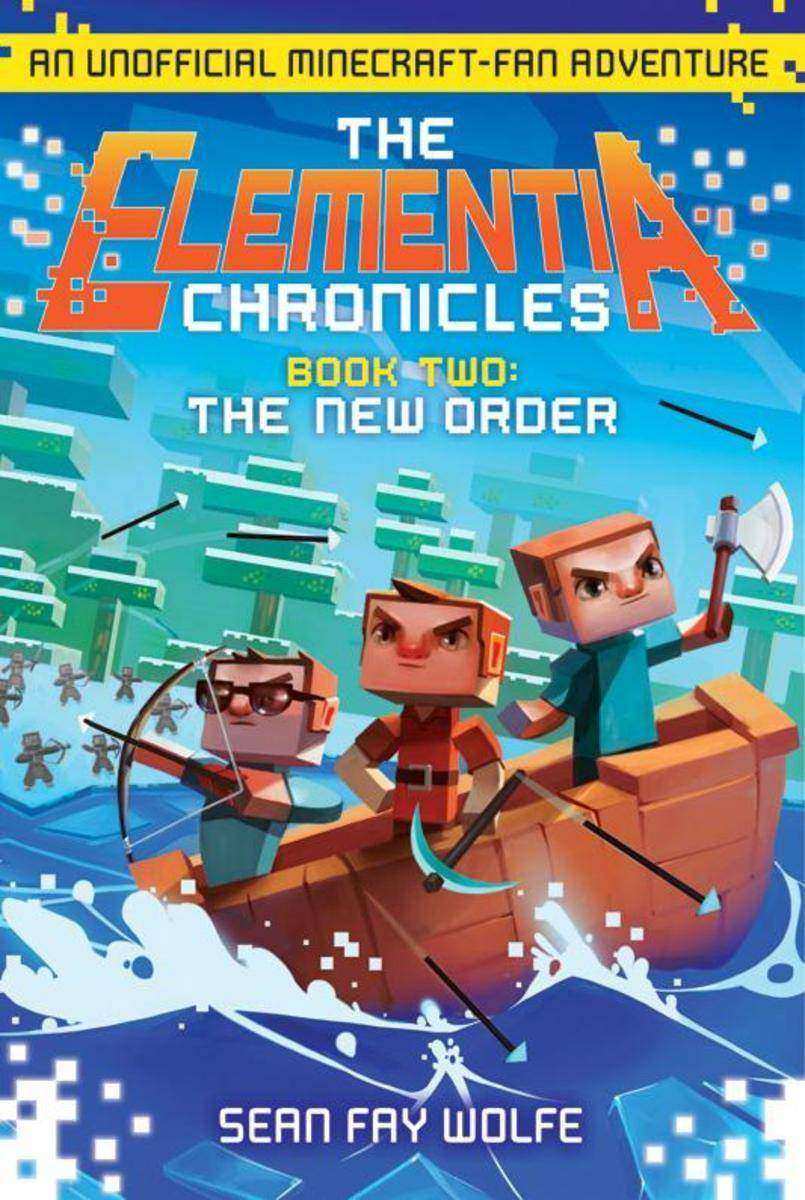
The Elementia Chronicles #2: The New Order
¥55.93
An unofficial Minecraft-fan adventure series inspired by the bestselling game!Fans of the bestselling video game Minecraft, middle grade readers, and action-adventure story enthusiasts of all ages experience an exciting journey that will take them far beyond the world they know.President Stan has led his people through an epic battle and brought peace to the Republic of Elementia. But dissent is rippling through the countryside. King Kev's loyal followers are still at large, and a new organization, the Noctem Alliance, is poised to strike terror throughout the land. With new threats on the horizon and citizens of the Republic dividing between two loyalties, Stan must decide the best way forward for his people and stop the Noctem Alliance before it destroys them all.Written when he was seventeen years old, Sean Fay Wolfe's The Elementia Chronicles Book Two: The New Order is the second novel in The Elementia Chronicles trilogy.Disclaimer: This book is not authorized, sponsored, endorsed, or licensed by Mojang AB, Microsoft Corp., or any other person or entity owning or controlling any rights to the Minecraft name, trademarks, or copyrights. Minecraft is a registered trademark of Mojang Synergies AB.
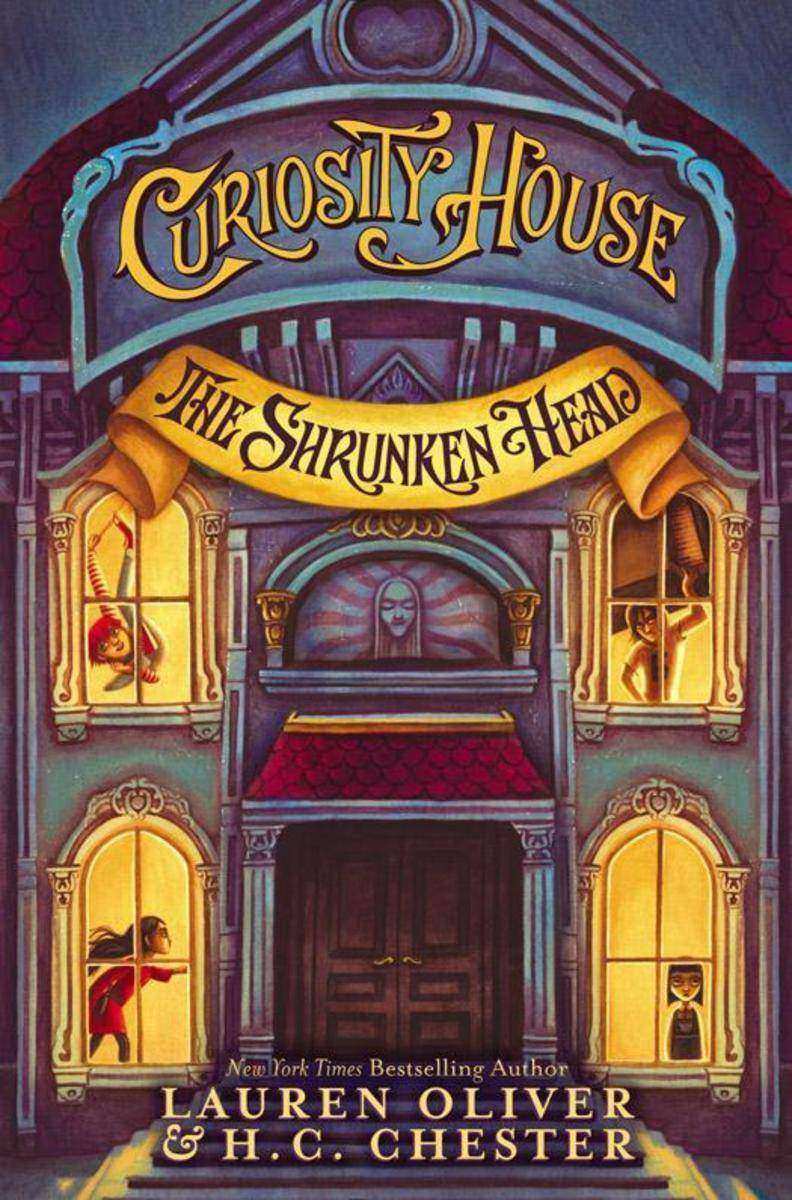
Curiosity House: The Shrunken Head
¥38.72
The book is about, among other things: the strongest boy in the world, a talking cockatoo, a faulty mind reader, a beautiful bearded lady and a nervous magician, an old museum, and a shrunken head.Blessed with extraordinary abilities, orphans Philippa, Sam, and Thomas have grown up happily in Dumfrey’s Dime Museum of Freaks, Oddities, and Wonders. But when a fourth child, Max, a knife-thrower, joins the group, it sets off an unforgettable chain of events.When the museum’s Amazonian shrunken head is stolen, the four are determined to get it back. But their search leads them to a series of murders and an explosive secret about their pasts. This sensational new series combines the unparalleled storytelling gifts of Lauren Oliver with the rich knowledge of the notorious relics collector H. C. Chester.What you will find in this book:A rather attractive bearded ladySeveral scandalous murdersA deliciously disgusting Amazonian shrunken headFour extraordinary children with equally extraordinary abilitiesA quite loquacious talking birdWhat you will NOT find in this book:An accountant named SeymourA never-ending line at the post officeBrussels sprouts (shudder)A lecture on finishing all your homework on timeA sweet, gooey story for nice little girls and boysLearn more about the series online at www.thecuriosityhouse.com.
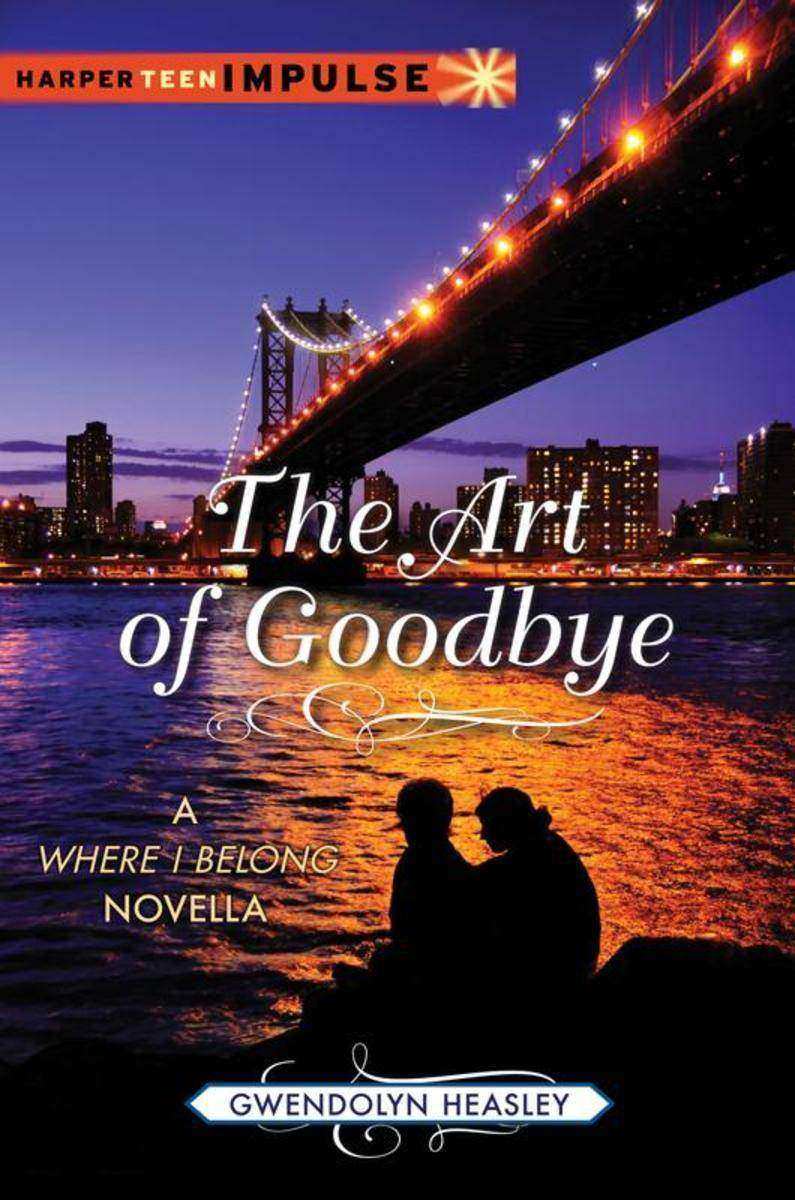
The Art of Goodbye
¥21.73
The heroine of Where I Belong is back in The Art of Goodbye, a romantic digital original novella about first loves and second chances.It's Corrinne Corcoran's last night in town before heading off to college, and she's determined it'll be the most epic night ever. She's planned every detail of each hour of the night, from what dresses she'll wear, to what parties she'll hit, to which of her best friends will be with her. But Corrinne's perfect plan for her last night in New York goes awry when she runs into a ghost from her past, and the boy she's never been able to forget—her ex-boyfriend, Bubby, from Broken Spoke. And Corrinne starts to wonder if her expertly planned goodbye to New York City was as perfect as it seemed. . . . Set over the twelve-hour period before Corrinne sets off for college, The Art of Goodbye will make you believe that true love can find you when you're least expecting it . . . again.Epic Reads Impulse is a digital imprint with new releases each month.
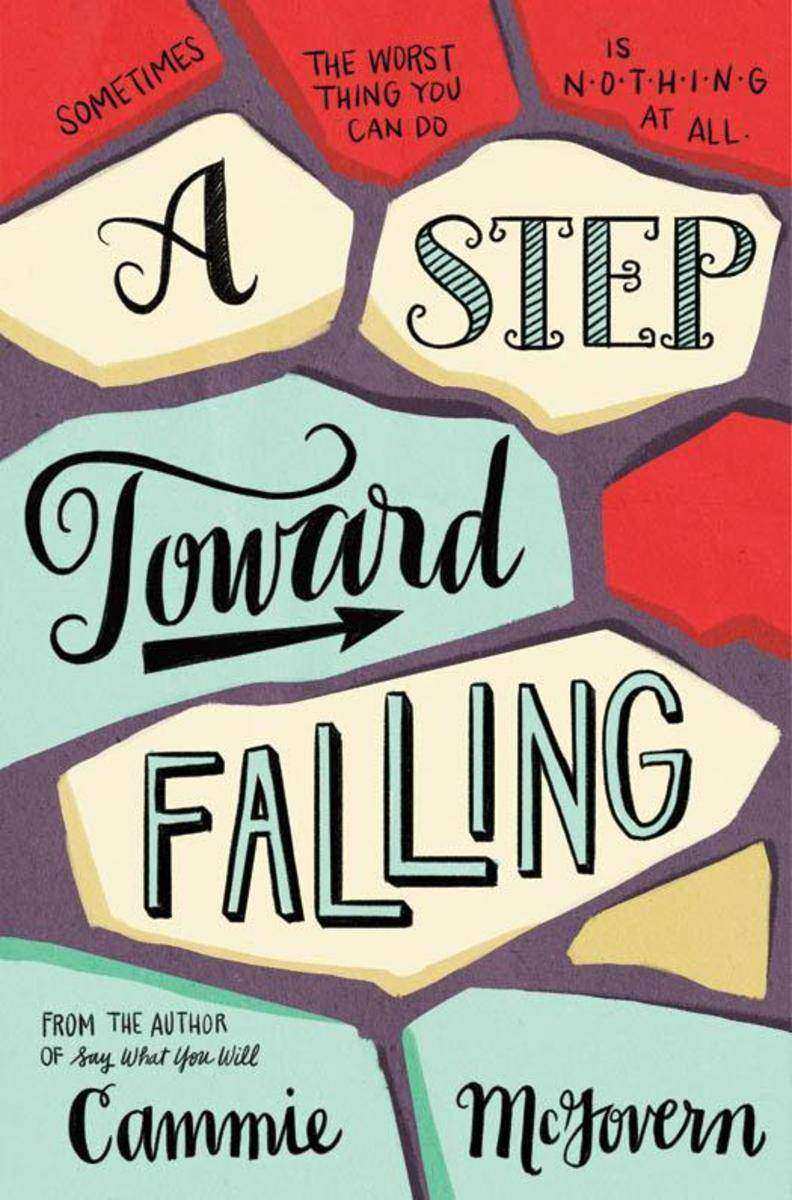
A Step Toward Falling
¥55.33
Cammie McGovern follows up her breakout young adult debut, Say What You Will, with this powerful and unforgettable novel about learning from your mistakes, and learning to forgive. Told in alternating points of view, A Step Toward Falling is a poignant, hopeful, and altogether stunning work that will appeal to fans of Jennifer Nevin, Robyn Schneider, and Jandy Nelson.Emily has always been the kind of girl who tries to do the right thing—until one night when she does the worst thing possible. She sees Belinda, a classmate with developmental disabilities, being attacked. Inexplicably, she does nothing at all.Belinda, however, manages to save herself. When their high school finds out what happened, Emily and Lucas, a football player who was also there that night, are required to perform community service at a center for disabled people. Soon, Lucas and Emily begin to feel like maybe they're starting to make a real difference. Like they would be able to do the right thing if they could do that night all over again. But can they do anything that will actually help the one person they hurt the most?
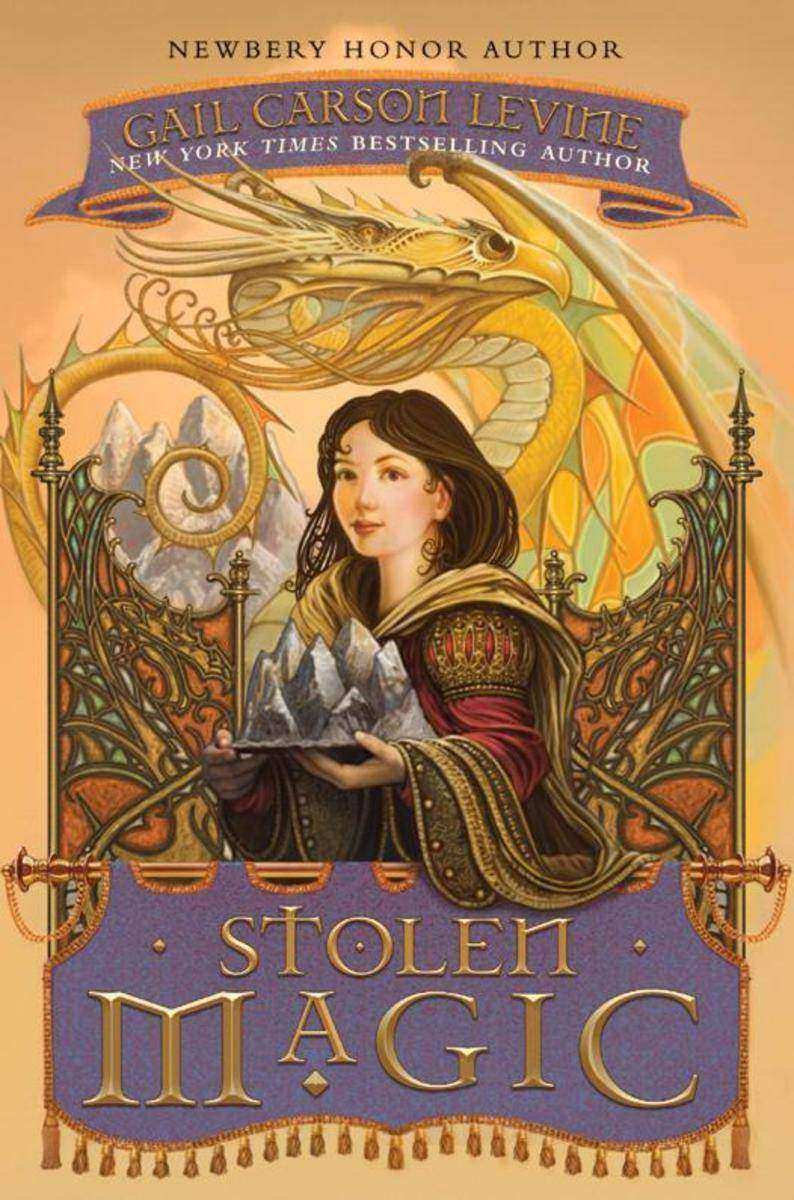
Stolen Magic
¥39.13
The Newbery Honor author of Ella Enchanted, Gail Carson Levine, weaves a thrilling tale of mystery in this companion to A Tale of Two Castles. Elodie, the dragon detective Meenore, and the kindly ogre Count Jonty Um are all on their way to Elodie's home island of Lahnt. Elodie has barely set foot on land before she learns that the Replica, a statue that keeps her island's deadly volcano from erupting, has been stolen! If the Replica isn't found in three days, a mountain will be destroyed. And when Elodie ends up alone with a cast of characters each of whom may be guilty, she has to use her wits to try to unravel a tangled web of lies.New York Times bestselling author Gail Carson Levine has written an imaginative, fast-paced mystery that will be enjoyed by fans of A Tale of Two Castles as well as those meeting Elodie, Meenore, and Count Jonty Um for the first time.
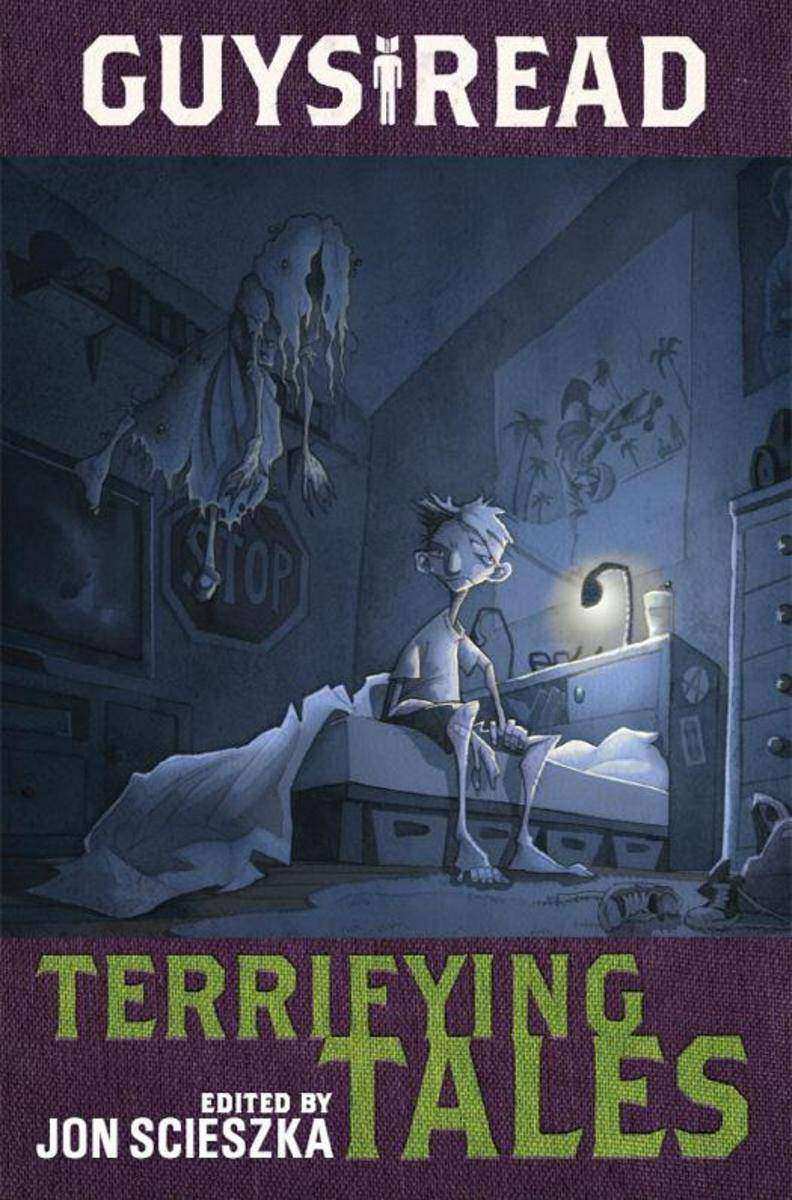
Guys Read: Terrifying Tales
¥44.73
Be afraid, be very afraid of Terrifying Tales, the sixth volume in the Guys Read Library of Great Reading.Eleven masters of suspense—Kelly Barnhill, Michael Buckley, Adam Gidwitz, Adele Griffin and Lisa Brown, Claire Legrand, Nikki Loftin, Daniel José Older, Dav Pilkey, R.L. Stine, and Rita Williams-Garcia—have come together to bring you a bone-chilling collection of original ghost stories with illustrations by Gris Grimly, perfect for sharing around the campfire, reading under the covers with a flashlight, and scaring your friends’ pants off.Compiled and edited by kid-lit madman Jon Scieszka, Guys Read: Terrifying Tales is a creepy-fun read (if you’re brave enough, that is).?


