


 购物车
购物车 个人中心
个人中心
Zece basarabeni pentru cultura rom?n? (interviuri cu tinerii dintre milenii)
¥8.09
Poemele lui Virgil Botnaru au una dintre cele mai rare caliti regsibile la un debutant: anume polifonia. Dei arat numaidect recognoscibil, ele sun diferit de la o seciune la alta a crii; se vede, vreau s spun, c-s produse de un acelai spirit i o aceeai energeia, ns sunetul lor e mereu altul. Uneori, ele par contaminate de un misticism aproape pios, ca-n poemul (aproape un haiku) n care poetul trece dimineaa devreme pe lng catedral i gsete c Dumnezeu doarme; pentru ca dup cteva pagini s gseti o strigtur licenioas de dou versuri, deucheat dar simpatic; iar, dup alte cteva pagini, poemele devin documente ale unei melancolii virile, alcoolizate & depresive. E limpede, pentru mine, c Virgil Botnaru e un poet, al crui instrument acoper cteva octave bune; i c tie, de la bun nceput, cum s i-l exploateze. E, adic, un poet despre care tiu sigur c voi mai vorbi–cu ncredere & apreciere.“ – Radu Vancu
Despre enigmele sufletului
¥32.62
Femeile vin de pe Venus, b?rba?ii de la b?ut s?a n?scut ?n paginile s?pt?m?nalului de umor Ca?avencii. La cererea insistent? a cititorilor, o parte dintre textele rubricii B?t?i ?n dialog sunt adunate acum ?n acest volum. De?i pare c? e vorba de un ?r?zboi ?ntre sexe“, ?n realitate, autorii n?au dus niciodat? un r?zboi, ci un dialog. Ei lanseaz?, alternativ, c?te o tem? la care r?spunde cel?lalt. R?nd pe r?nd, toate stereotipurile care circul? despre via?a de cuplu sunt puse ?ntr?o lumin? umoristic?, eliberatoare. ?n mod normal, paginile care urmeaz? ar trebui s? v? salveze de la divor? sau m?car s? v? scuteasc? de a mai da banii pe terapie de cuplu. Cu o singur? condi?ie: s? ave?i umor.

John Milton Complete Works – World’s Best Collection: 150+ Works
¥8.09
John Milton Complete Works World's Best Collection This is the world’s best John Milton collection, including the most complete set of Milton’s works available plus many free bonus materials. John Milton John Milton was an English poet, polemicist, man of letters, and civil servant for the Commonwealth of England under Oliver Cromwell, best known for his epic poem Paradise Lost. Milton wrote at a time of religious and political upheaval, and his works reflect a passion for freedom, self-determination, and deep personal conviction. He has been called one of the greatest English authors of all time The ‘Must-Have’ Complete Collection In this irresistible collection you get a full set of Milton’s work, with more than 150 works - All his poems, All poetry, All Letters, All Prose and All Non-Fiction Works. Plus a full length biography and extra Free Bonus material. Works Included: Poetry -?All Poems, Early Works And Collections, Including: Paradise Lost Paradise Regained Samson Agonistes All Psalms That Milton Set To Verse All Religious Poetry All Sonnets, Including: On His Blindness On the Late Massacre in Piedmont Methought I Saw my Late Espoused Saint All Tracts, Non Fiction And Writing, Including: Of Prelatical Episcopacy Animadversions The Reason of Church-Government Doctrine and Discipline of Divorce Judgement of Martin Bucer Concerning Divorce Tetrachordon Colasterion Areopagitica The Tenure of Kings and Magistrates Eikonoklastes Defensio pro Populo Anglicano – in English Defensio Secunda – in English A Treatise of Civil Power All Letters, Including: Letters Written In The Name Of The Parliament. Letters Written In The Name Of Oliver The Protector. Letters Written In The Name Of Richard, Protector. Your Free Special Bonuses Life Of Milton - A biography of Milton’s intriguing life. Milton – a second biography, written by Sir Walter Alexander Raleigh Get This Collection Right Now This is the best John Milton collection you can get, so get it now and start enjoying and being inspired by his words like never before!

Lord Byron Complete Works – World’s Best Collection: 350+ Works
¥8.09
Lord Byron Complete Works Ultimate Collection This is the world's best Byron collection, including the most complete set of Byron's works available plus many free bonus materials. Lord Byron Byron was an English poet and a leading figure in the Romantic Movement. He is still regarded as one of the all-time greatest British poets; and he remains widely read and extremely influential The Most Complete Collection Available In this irresistible collection you get a full set of Byron's work, All his poetry, All his longer pieces, All his rarities and All his legendary works. Plus a bonus Biography. Works Included: Poetry Including: Poems On Various Occasions Hours Of Idleness Poems Of The Separation Fugitive Pieces Hebrew Melodies Including poems such as: A Woman's Hair On The Death Of Mr. Fox She Walks In Beauty The Wild Gazelle Sun Of The Sleepless! The Destruction Of Sennacherib Love And Gold Stanzas For Music The Siege Of Corinth “By The Waters Of Babylon.” The Prisoner Of Chillon The Dream Darkness Prometheus Don Juan English Bards And Scotch Reviewers Longer Works Including: The Curse Of Minerva The Waltz Childe Harold's Pilgrimage The Giaour The Bride Of Abydos The Corsair Manfred Ravenna Sardanapalus The Deformed Transformed Your Free Special BonusesAlso included in this collection is the following: The Life Of Lord Byron – a biography detailing Byron's intriguing and fascinating life Historical Context and Literary Context Notes - Detailed explanations of the Regency Era and Romanticism, written specially for this collection Get This Collection Right Now This is the best Lord Byron collection you can get, so get it now and start enjoying and being inspired by his world like never before.

Micul print
¥34.25
Demersul exegetic al lui Constantin Cuble?an vine ?ntr-o perioad? ?n care scriitorii nu sunt trata?i a?a cum se cuvine ?n societatea actuala. Cartea include eseuri docte, ample, axate pe crea?ia unor importan?i scriitori ca, bun?oara, Valeriu Anania, Ioan Alexandru, Ion Barbu, Ana Blandiana, Nicolae Breban, Emil Brumaru, Augustin Buzura s.a. Un fragment important, sugestiv, din peisajul literaturii de dup? 1989. ?i nu numai.
Pensando a episteme comunicacional
¥57.14
P?rintele Dimitrie Bejan a r?mas ?n con?tiin?a posterit??ii drept unul din pu?inii martori p?timitori ai holocaustului comunist care a l?sat ?n urma sa o m?rturie scris? ce poart? amprenta unei autentice valori literare. Ca ?i celelalte c?r?i ale P?rintelui Bejan, Hotarul cu cet??i r?m?ne ?n cadrul memorialisticii, ?ns?, ?n paginile sale nu mai ?nt?lnim cutremur?toarele relat?ri zugr?vite ?n Oranki – Amintiri din captivitate. Aceast? carte este jurnalul c?l?toriei t?n?rului Dimitrie, membru al echipelor de cercetare sociologic? ale reputatului Dimitrie Gusti, trimis ?n Basarabia pentru a observa ?i consemna specificul locurilor. Mai mult dec?t simple ?nsemn?ri zilnice, Hotarul cu cet??i prezint? secven?e istorico-memorialistice, impresii de c?l?torie, observa?ii sociologice despre Basarabia perioadei interbelice.
Leopardi
¥30.25
Volumul, prefa?at de ASR Principele Radu al Rom?niei, con?ine texte ce abordeaz? aspecte privind istoria Casei Regale din Rom?nia, precum ?i rolul pe care aceasta l-a avut de-a lungul timpului ?n via?a social? ?i politic? rom?neasc?. Din punct de vedere publicistic, cartea deschide Anul Regal, c?nd se ?mpline?te un secol ?i jum?tate de la fondarea Casei Regale ?i a statului rom?n modern, anul care marcheaz? ?ntemeierea Dinastiei Regale ?i instituirea primei Constitu?ii moderne a statului rom?n.

Surori in luna de miere: Prietenie la cutite
¥40.79
Volumul de eseuri Melancolii portugheze radiografiaz? c?teva dintre v?rstele literaturii portugheze. Secven?ele alese ?i au ca protagoni?ti pe Luis de Camoes, Mariana Alcoforado, Fernando Pessoa, José Saramago ?i Antonio Lobo Antunes. De la ardoarea baroc? la melancolie, de la ie?iri patetice la replieri nostalgice, traseul puncteaz? treptele ?i centrii de tensiune ai unui tip de sensibilitate aparte, ?ntors, dup? expresia lui Camoes, ?cu spatele la p?m?nt ?i fa?a spre mare“. Demersul nu va fi str?in de procedeele, artificiile ?i ?ntregul arsenal al criti-fic?iunii.
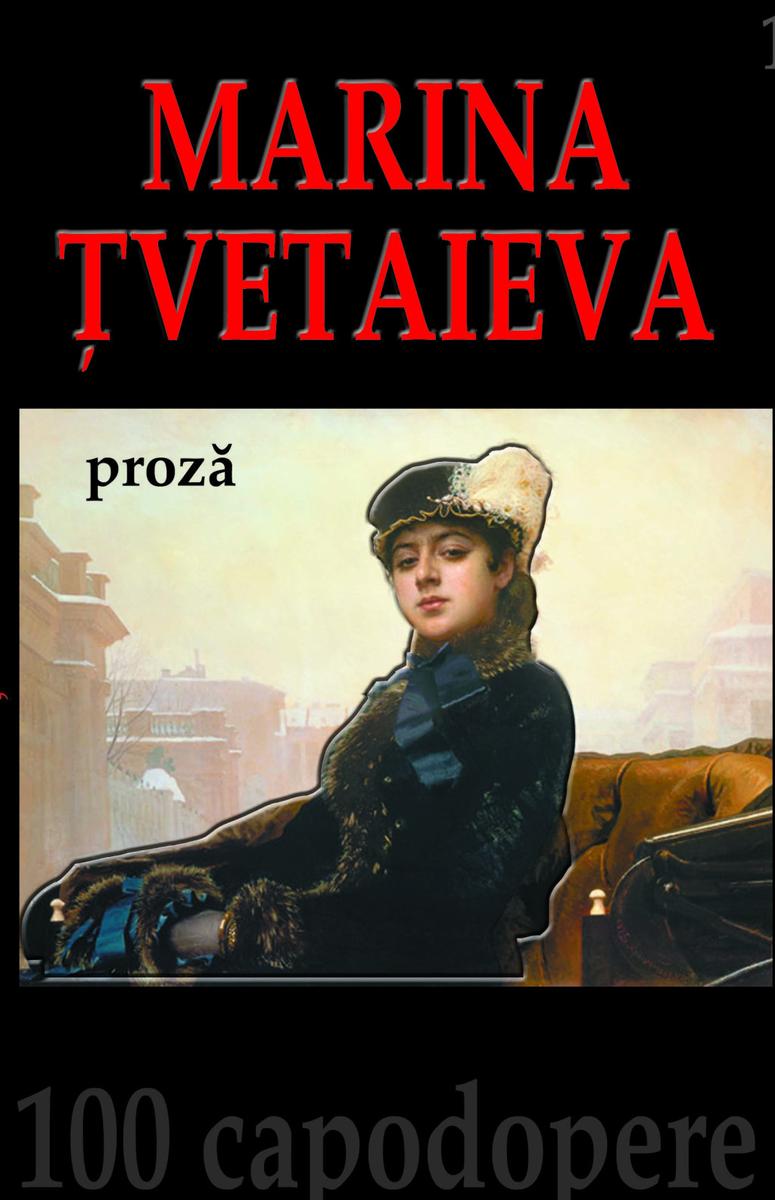
Proz?
¥90.84
Autoarea trece ?n revist? principalele direc?ii din teoria critic? a ultimelor dou? decenii, a c?ror surs? empiric? este literatura publicat? la grani?a dintre secole. Din studiul paralel, al limbajelor teoretice ?i al lumilor fic?ionale, se poate observa omogenitatea epistemic? ?i retoric? a operelor literare apar?in?nd unei faze din istoria literaturii, for?a modelatoare a unui spirit al timpului care se manifest? dincolo de grani?e geo-politice. Totodat?, printr-o lectur? comparatist?, se poate demonstra capacitatea impresionant? a unei literaturi na?ionale de a reface, ?ntr-un timp foarte scurt, leg?turile cu marile centre de cultur? ?i de a ?negocia“ cu succes forme ?i idei literare ale unei epoci comparabile, prin ambi?iile enciclopediste ?i de sinteza, cu Rena?terea. Abordarea are caracter interdisciplinar, la grani?a dintre studiul filologic ?i modelele epistemologice furnizate, ?n epoca numit? a ?complexit??ii“, de ?tiin?a dominant?: fizica cuantic?.
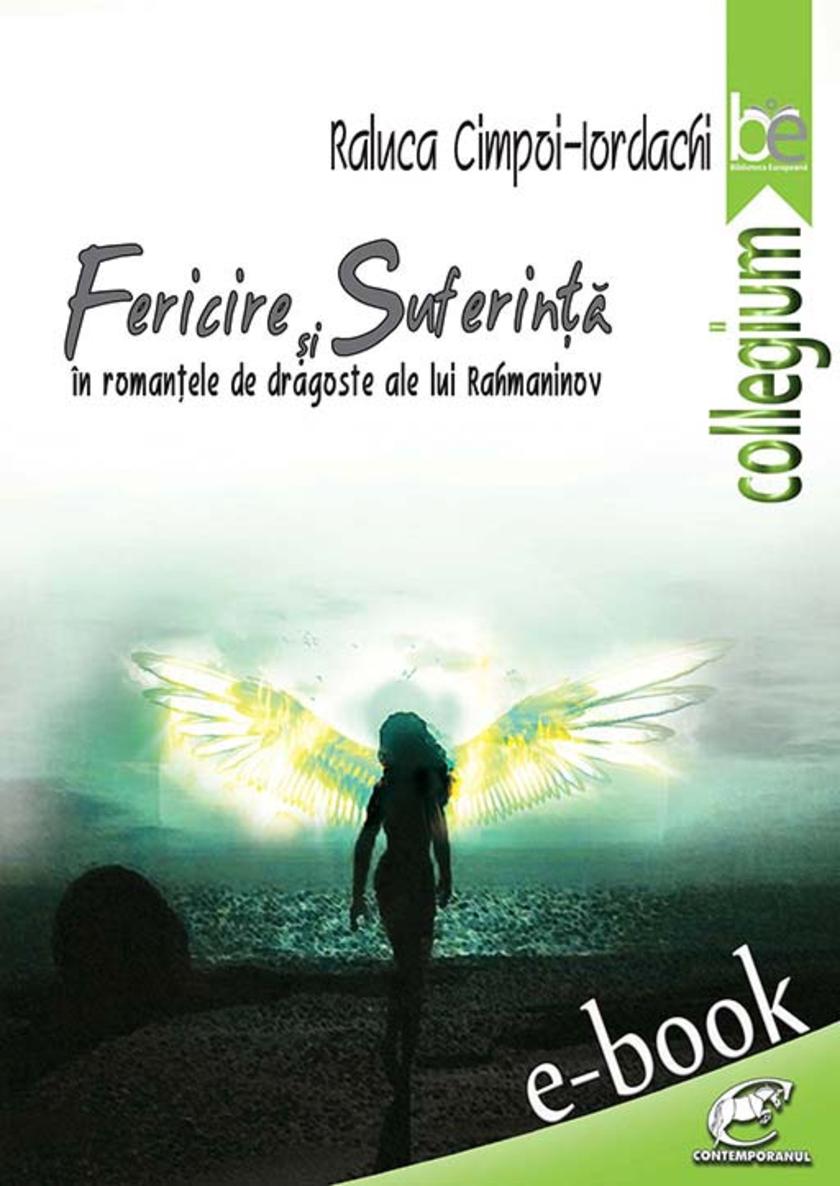
Fericire ?i suferin?? ?n roman?ele de dragoste ale lui Rahmaninov
¥57.14
Aceasta tnr scriitoare este animat de o rar pasiune formatoare. A se forma pe sine nseamn totodat a-i forma pe alii. Nu ne mir recursul frecvent al eseistei la modelele formatoare, chiar dac nu este nicidecum vorba de a repeta epigonic experiene consumate. Modelul poate (i trebuie s fie) ntructva jucu. Ion Barbu este, n aceast perspectiv, un magister ludi. Cu o generozitate spontan, Aura Christi i mprtete experienele, e gta s dea sfaturi unor tineri poei, n continuarea celor binecunoscute ale lui Rilke cel din Scrisorile ctre un tnr poet. Iat, aadar, cartea unei autoare cu un destin literar cert. Un destin pe care Aura Christi i-l asum. Mai mult, ea i-l construiete cu orice sacrificiu.“ – Nicolae Balot

A?ktan ve Hayattan Damlalar: Resimli Denemeler
¥9.16
A?k?n ve Hayat?n ??inden Damlalarla Merhaba ?? ?A?k?n; hafiften yüre?e dokunu?uyla, i?imizdeki tutkular?n dizginlenemez halde damla damla ak???d?r belki s?zcüklerde canlanan… Belki de sonsuz renk dans?n?n büyüsünde kaybolmakt?r bir anda hissedilen. Yeni bir y?l?n geli?iyle bir ba?ka rüzg?r?n ak???nda kendini bulmakt?r belki de hayal edilen… Bir de bakm??s?n hayaller i?inde hayat yolundaki serüvenin i?inde buluvermi?sin kendini… ?ocuklar?m?z ayr? bir yer tutarken, gidenlerin ac?s? da derin bir iz b?rakarak bizlerin ya?am?nda yerini al?r ya?ad?klar?mla birlikte. ?? K?r?lma noktam?z olur bazen hayat?n i?inden yüre?e dü?en ac? damlalar, bazen de sevgiliye d?nü?en bir ???l?k olur son s?zü vasiyet gibi yaz?lan ya da hayat ?etelesinde dola??rken, ayk?r? dü?üncelerle beyninin sol yan?yla sa? yan? ?at???r bulursun hayat yolunda… Bazen de s?yleyecek s?z bulamazs?n ve sessiz bir ???l?k g?nderirsin annene; ?aresizli?inin i?inde ?are arayarak… ? Hayat?n sorgularla, sevgilerle dolu ge?erken, gün gelir d??a kapal? dü?ünce kap?lar?n? k?rmak istersin. Kirlenmi?liklerle, ya?arken ?ürüyenlerle, kapanmayan yaralarla, maddiyatla maneviyat? yok etmeye ?al??anlarla ya?arken i?inden gelen bir sesle a?k?n ve hayat?n i?inden dü?en damlalar?n harf harf dizili?iyle ?rülü bir anlat? serüvenidir sayfalara yans?yan. ??yle bir an gelir ki seslenirsin; elveda son sayfam?n, son tümcesinin, son noktas?…?
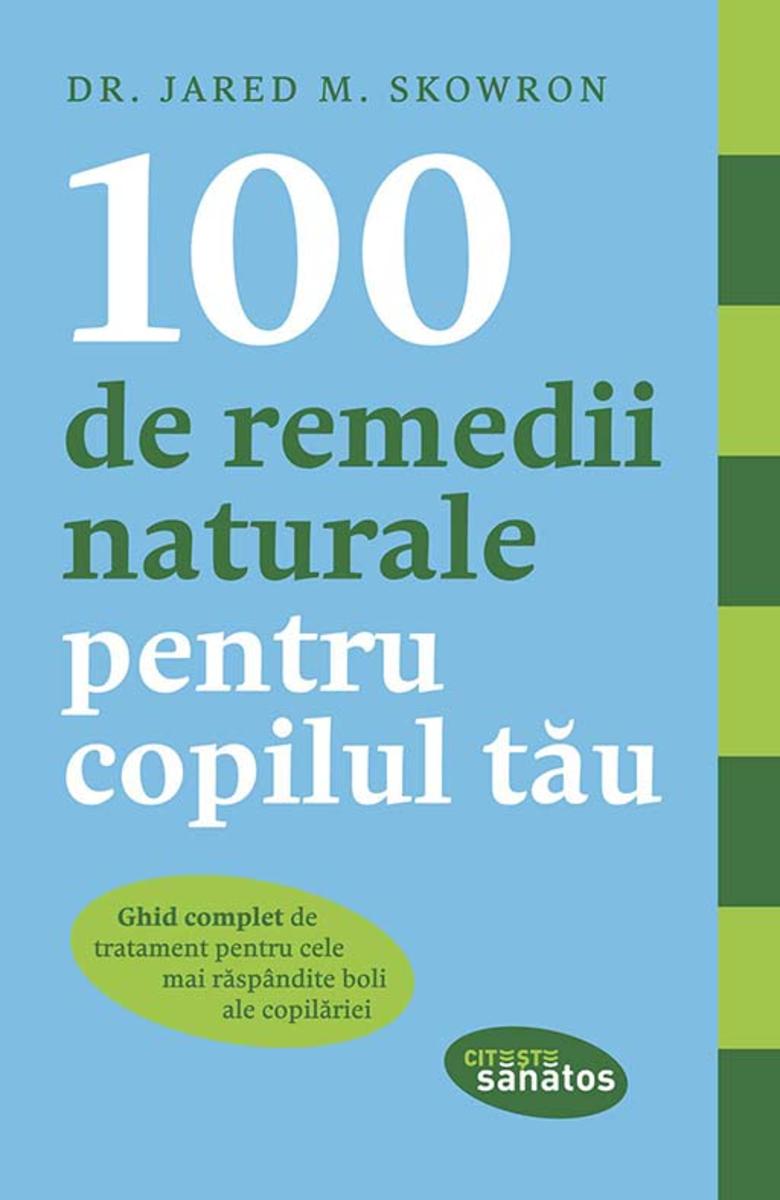
100 de remedii naturale pentru copilul t?u
¥81.67
La Zürich, c?nd intri ?ntr-un magazin, spui ?Grüetzi“, la Berlin, ?Hallo“, la Buenos Aires, ?Ola“, un ?Hallo“ ?ntors pe dos, poate unde-i pe emisfera cealalt?, la Viena, ?Grüss Gott“, dar ?i la Sibiu, acum 60 de ani, se spunea tot ?Grüss Gott“. Timi?oara nu cred c? f?cea opinie separat?, c? unde-i unu’ nu-i putere, o ?tie tot rom?nu’, dar nici Budapesta n-avea de ce s? fac? mofturi, de vreme ce Sisi, superba ?mp?r?teas? a Austriei, devenise regina Ungariei, datorit? unui foarte cool conte maghiar... cam a?a se ?ncruci?eaz? ?i limbile. ?Grüss Gott“ ?nseamn?: ?Salut?-l pe Dumnezeu“ sau ?Domnul s? te aibe ?n paz?“. Din binecuv?ntare a ajuns marcaj de grani?? a fostului imperiu habsburgic. Gata. Mi-am f?cut intrarea ?n scen?. De fapt n-am vrut dec?t s? v? spun ?Bun? ziua“. (Nora Iuga 29 decembrie 2009)
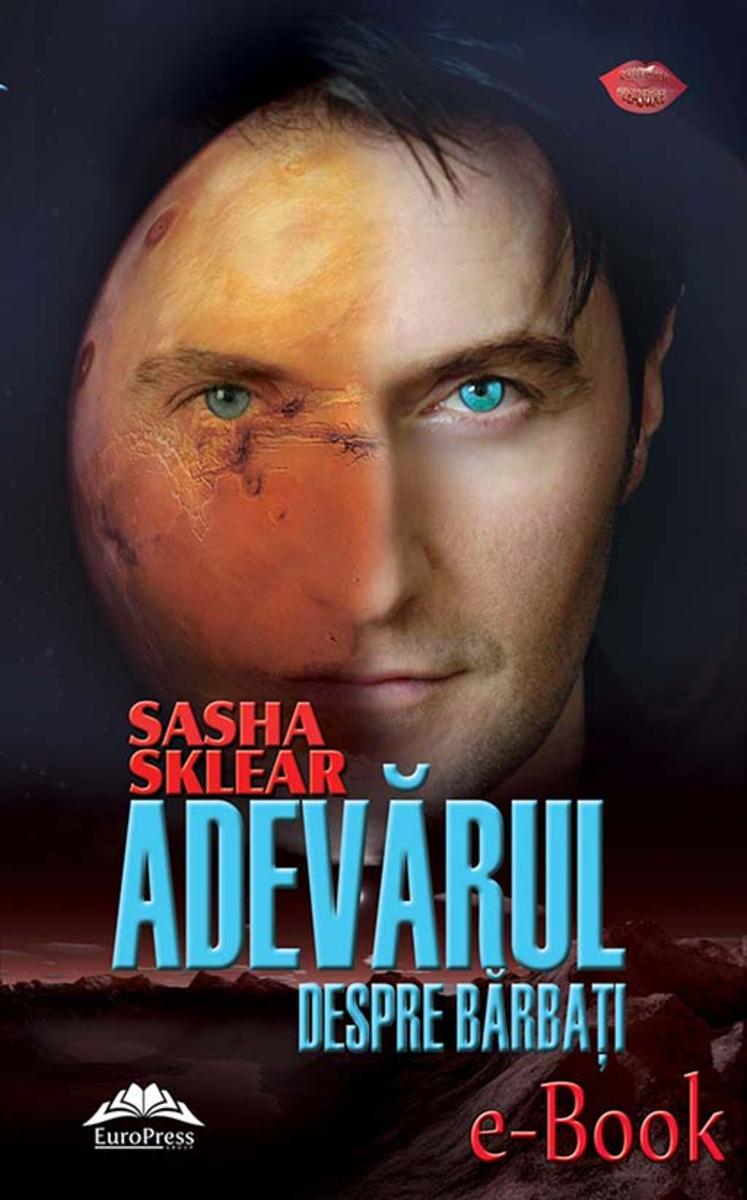
Adev?rul despre b?rba?i
¥48.97
Era t?n?r? pe-atuncea mama,De?i anii erau tri?ti ?i grei?i de-odat? se pornea s? c?nteNi?te c?ntece din satul ei.C?nd o auzeam a?a c?-ncepeMai aproape m? d?deam anume,M? mutam cu sufletul ?n stepe?i tr?iam o vraj? f?r? nume.Mai t?rziu, am ascultat prin ?ar?Voci m?iestre puse-n slujba gamei,?ns? vocea nu m? ?nfioar?Dac? nu se-aseaman? cu-a mamei...Iar acum, eu ?nsumi, prins de treab?,C?ntecul i-l morm?i, pe ascuns.Cei ce-aud se mir? ?i ?ntreab?.Eu doar c?nt. E singurul r?spuns.
Elegii noi / vechi
¥32.62
Culorile r?scolite ale oceanului, ce se arunc? furibund spre ??rm, nu cu puterea insuportabil? a unei M?ri, ci cu ?nmiita putere a Oceanului Suprem...; valuri translucide sau verzi, ca ?n Aivazovski, care ?i el trebuie s? fi sim?it Oceanul. Un schifist, siluet? neagr?, de-o grafie subtil?, ?nfrunt?nd coamele ?nspumate. Algele sofisticate de pe plaja cu pietri? foarte m?runt ?i viu colorat (?n locul tradi?ionalului nisip), st?ncile negre, vuietul autoritar al Oceanului, cel mai mare ?i puternic din lume. Extaz f?r? seam?n ?i f?r? cuvinte. Lidia c?nt?. Desc?tu?at?, leg?n?nd ?n m?n? o alg? supl?, coco?at? pe-o st?nc?, ?n cel mai v?dit gen romantic, ?n vreme ce ?iruri de valuri se n?pustesc spre ??rm, explod?nd, readun?ndu-se ?n evantaie de spum?. Ileana ?i Jerry se ?ndep?rteaz? c?teva zeci de pa?i, apoi revin, trec pe l?ng? mine, ?n timp ce filmez, vr?jit, hipnotizat. ?not?torul cu schif a ie?it din valuri, ?l percep cu coada ochiului, ??i adun? sc?ndura, ?ncepe s? urce treptele de lemn din buza falezei, cele pe care am cobor?t ?i noi, acum zece minute. Sau c?nd??i totu?i, ce mi se ?nt?mpl? de-am ame?it a?a? Mi?c infinitezimal aparatul, ?i tot ce intr? ?n cadru mi se pare de domeniul miraculosului. Nu vreau s? pierd nimic. Panoramez, trec de st?nci, spre cealalt? parte a plajei, unde se deschide un golfule? ?i unde coamele de valuri se r?stoarn? sacadat. La o mic? distan??, un ?ir de insuli?e negre, ca ni?te piloni lustrui?i, ?nfrunt?nd hula cea mare. Pelicani pe sus, trec?nd ?ntins spre nord. Extaz ?i sf??iere...
Jér?me
¥85.05
Proza rural“ ajunsese s nsemne, n percepia obteasc, o proz conservatoare, desuet, presupus simplist, schematic, dnd seam cu mijloace artistice modeste de o realitate uman mai degrab rudimentar, lipsit de rafinament, subtilitate ori profunzime sufleteasc. I se opunea, ntr-o viziune cvasi-maniheist, proz urban, presupus a fi n mod automat purttoarea complexitii, a nnoirii i rafinamentului, a valorii. n practic, ns, respectiva prejudecat a fost, de fapt, tot mai viguros contrazis de ivirea unor opere de proz rural“ nzestrate cu caracteristicile literaturii moderne de calitate. Acest studiu caut s depisteze, s reliefeze i expliciteze succint trei dintre etapele semnificative ale afirmrii unei proze efectiv moderne, cu tematic rural“, survenite de-a lungul ultimelor dou treimi ale secolului trecut i marcate de contribuia a trei scriitori reprezentativi: Pavel Dan, Marin Preda i Sorin Titel.
Femeia alb? pe bicicleta verde
¥49.62
Volumul Eroticele este o apariie insolit n peisajul poeziei romneti contemporane. Poemele lui Dominic Brezianu sunt concentrate, minimaliste, cu tietur sigur de montaj cinematografic. Biograficul e decantat prin lentila amintirilor i adus n prezent cu subtile strategii n care se mbin viziualul, tactilul i, din cnd n cnd, muzicalitatea rimelor rare.“ – Cornelia Maria Savu Asocierea lipsei de prejudeci n abordarea tematic cu rafinamentul modern – arhetipal al expresiei recomand Eroticele drept unul din cele mai sincronizate volume de poeme aprute n limba romn cu tipul de poeticitate cultivat astzi de civa mari creatori n lume. – Roxana Sorescu

A szegén ember meg a t?z: Bukovinai székely népmesék II.
¥32.05
Pentru c? jurnalul de scriitor al Aurei Christi – o parte a acestuia ap?rut ini?ial ?n dou? volume (Trei mii de semne ?i Foamea de a fi) – are circa o mie de pagini, la sugestia editorului, acestea au fost redistribuite ?n volume. Titlul Trei mii de semne (Editura Ideea European?, 2007) – edi?ie rev?zut? ?i ad?ugit? – a r?mas intact, pe c?nd Foamea de a fi (ed. I-a: Editura Contemporanul, 2010) apare cu titlul Coasta lui Apollo. Publicistica polemic? a fost organizat? ?ntr-un volum separat.?Am trecut pe l?ng? Academie, ?n a c?rei gr?din? am admirat ni?te castani b?tr?ni ?i at?t de m?ndri, Doamne, ?n solitudinea lor, dezvelit? ?n plin? urbe. Am urm?rit felul ?n care – ezit?nd parc? sau nu e dec?t o prejudecat? – c?deau ni?te castane; auzind pocnetul acela copil?ros ?i grav, care m-a dus cu g?ndul la o ?mplinire, apoi la un sf?r?it de drum, m-am oprit locului. Era o zi senin?; sufla un v?nt u?or ?i greu, de septembrie t?rziu, cu ochi ?ntuneca?i. Un septembrie cu cearc?ne de b?tr?n ?nsingurat. Dup? ce c?dea, straniu, nici o castan? parc? nu mai mi?ca; fiecare fruct r?m?nea pe locul desemnat parc? ?n timpul c?derii; da, fiecare castan? avea locul ei, ?tiut parc? ?nainte de a fi slobozit? pe asfaltul aleilor asimetrice sau pe p?m?ntul ?mp?nzit de frunze de un galben putred, uitat, ruginit. Privind acele castane, mi-am dorit ca poemele, eseurile ?i prozele mele s? se bucure de aceea?i, minunat?, ?nt?mplare: fiecare cuv?nt s? cad? ?n pagin? ca un fruct greu, copt, imposibil de urnit, fiecare cuv?nt s? r?m?n? ?n textura frazei, ca ?i cum ar fi acolo dintotdeauna.Prin urmare, rolul meu const? ?n dexteritatea r?bd?toare de a asista cuvintele, a?a cum Iosif – copilul f?nt?nii ?i al norocului – ajuta v?ntul ?n gr?dina de palmieri a prietenului faraonului, Putifar. (Aura Christi)

Dou? povestiri
¥16.27
[11 elegii este] debutul meu ... . Debutul meu este, evident, ntr-o criz de timp. A fost ntr-o criz de timp ... , debutul s-a produs ntr-o criz de timp interior, dar ... dar ntr-o maxim contemplare exterioar. 11 elegii, cel puin pentru mine, snt dovada nceputului poeziei mele.“ – Nichita Stnescu
C?lug?rul Negru
¥24.44
Firul alb Un om t?n?rVorbind singur pe strad?Gesticul?nd gata s?Te ating? din gre?eal?. O femeie ?ntre dou? v?rste fardat?U?or nedormit? vorbindsingur? la casa de bileteapoi ?n metrou O fat? care spune tareUnui perete: ?uime?te-m?“ Un fir alb sub?ire desparte lumea ?n dou?.
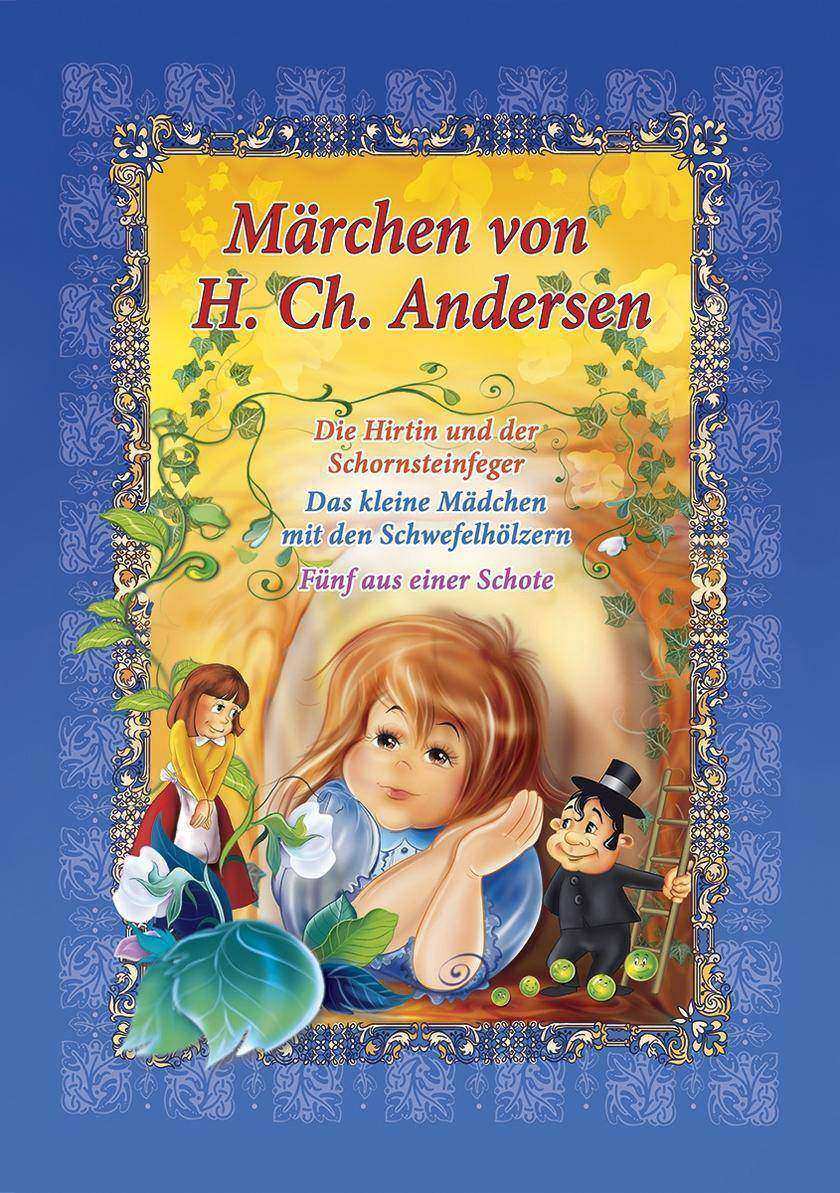
M?rchen von H. Ch. Andersen
¥18.56
Lucrarea de fa?? are ?n vedere tratarea unei adev?rate realit??i europene ?nc? nerezolvat?: migra?ia. Ea este un fenomen cu care se confrunt? aproape toate popoarele lumii, efectele ei marc?nd societatea, fie din perspectiva celor care pleac? dintr-o ?ar? (a emigran?ilor), fie din perspectiva celor care vin ?ntr-o ?ar? (a imigran?ilor). Personal eu am sim?it emigra?ia ca pe o tr?ire pe un interval ?n care omul vie?uie?te ?ntre dou? lumi, lumi ca dou? p?r?i din sine pe care nu poate s? le mai uneasc? pentru a fi un ?ntreg. Lectura acestei lucr?ri este o incursiune ?n via?a emigrantului, cu motiva?ia lui, cu lumea lui din ?ara de unde pleac?, cu lumea lui ?n ?ara unde se a?az?, cu efectele ?i schimb?rile pe care le provoac? acest fenomen la nivel individual ?i social. Este o incursiune ?n apropierea unor realit??i occidentale unde emigran?ii ?ncearc? s? supravie?uiasc? discrimin?rilor ?i umilin?elor. Este tr?irea re?ntoarcerii acas?, ?n apropierea anotimpurilor ?i a eternit??ilor rom?ne?ti.
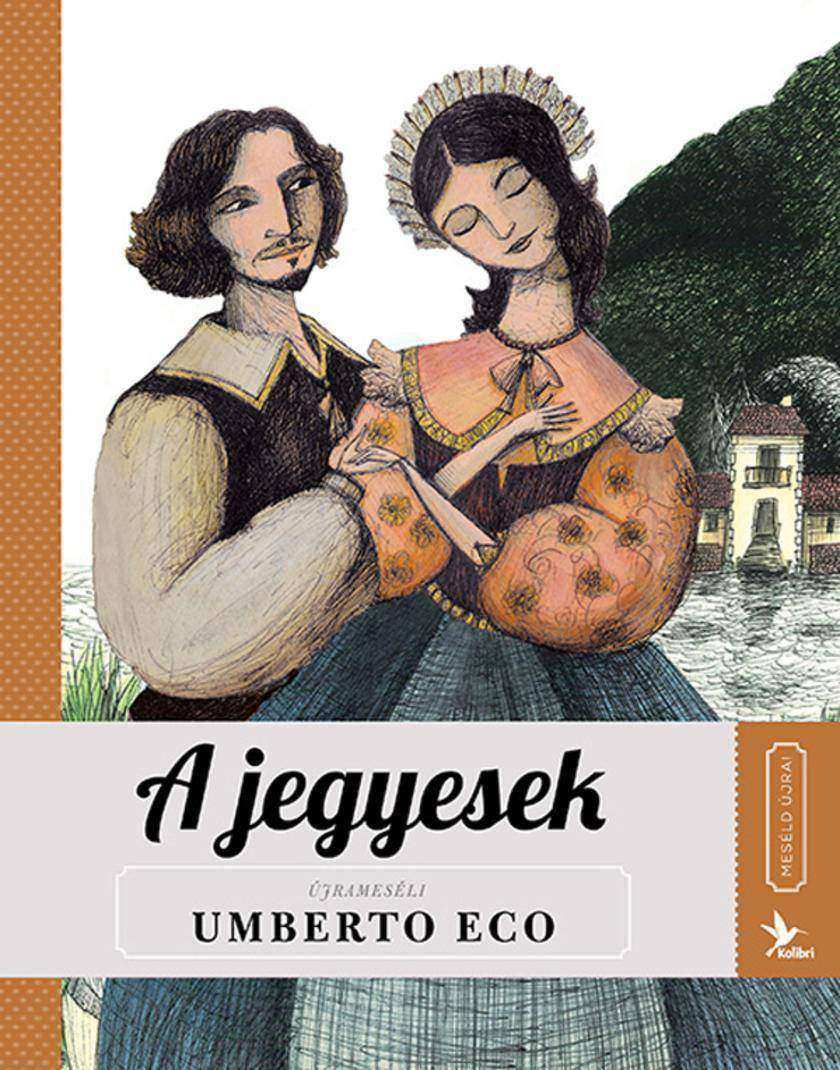
A jegyesek
¥58.94
Se poate comunica i e necesar sǎ se comunice cu valorile literaturii universale, pǎstrandu-se o perspectivǎ istoricǎ, citindu-l pe Sofocle ca pe contemporanul lui Pericle. Dar, am nceput sǎ nelegem, spre deosebire de secolul trecut, istoricist, cǎ tot att de necesarǎ, ba poate chiar mai fecundǎ, e o comunicare cu trecutul, adoptndu-se o perspectivǎ actualizatoare, citindu-l pe Sofocle ca pe contemporanul nostru. Dincolo de aceastǎ perspectivǎ care, n cele din urmǎ, e i ea oarecum istoricistǎ, doar cǎ istoria e localizatǎ n actualitate, se deschide o perspectivǎ a sincroniei literare care dispune sǎ-l citim pe Sofocle ca pe contemporanul nimǎnui ori al tuturor, ca pe un martor al esenialitǎii umane i nu numai al unei existene istoric cantonate. ncercare ambiioasǎ, ce nǎzuiete sǎ derelativizeze valorile literar-artistice, pǎstrnd totodatǎ contiina unei relativitǎi a formelor i figurilor pe care o hermeneuticǎ a textelor se cuvine sǎ o punǎ n luminǎ. Relativitate impusǎ chiar de prezena autorului, a cititorului interpret, a scriitorului i hermeneutului n comentariile sale. n cartea aceasta a attor cǎri, scribul interpret apare n textele sale ca i pictorul ce se zugrǎvete pictnd n propriile sale tablouri. Sǎ-i fie iertatǎ aceastǎ ultimǎ deertǎciune.” (Nicolae Balot)


