


 购物车
购物车 个人中心
个人中心

A férfi hanyatlása és bukása
¥76.07
Mindenkinél elérkezik egyszer az az id?pont az életében, hogy visszatekint. Ez nálam akkor érkezett el, amikor is bet?lt?ttem azt a bizonyos ?tvenet. Mindig jó tanuló voltam, így nem az ?t?ssel kezd?d? szám volt a sért?n mérvadó számomra. Inkább azon gondolkodtam, elmélkedtem, hogy ennyi évb?l már kell tudni levonni tanulságokat. Nehogy újra és újra elk?vessem ugyan azokat a hibákat. Hisz én nem egy mókuskerékben vagyok, ugye? Rengeteg mindent sikerült meg és átélnem, megértenem és értelmeznem. Ezekb?l szeretnék egy-egy csokrot átnyújtani olvasásra, vagy mondhatnám azt is, tanulságul. Imádom a verseket, sokszor úgy ébredek reggel, hogy csak úgy tolonganak a gondolataimban a szavak és mondatok elegye arra várva, hogy ki és leírjam ?ket. Pontosan én sem tudom honnan is j?nnek, ki is küldte, küldi nekem, de biztosan céllal teszi azt! A versek és a novellák, az elbeszélések adják a k?nyvem szivárványos sokszín?ségét, a n?i lélek érzékenységével és érzékiségével egyetemben. Szeretem látni az emberek arcán azt a kül?n?s mosolyt, amikor verseket olvasva, annak érzelemvilága ?ssze?lelkezik az ? lelkükkel. Engedjük, hagyjuk, merjünk mosolyogni!
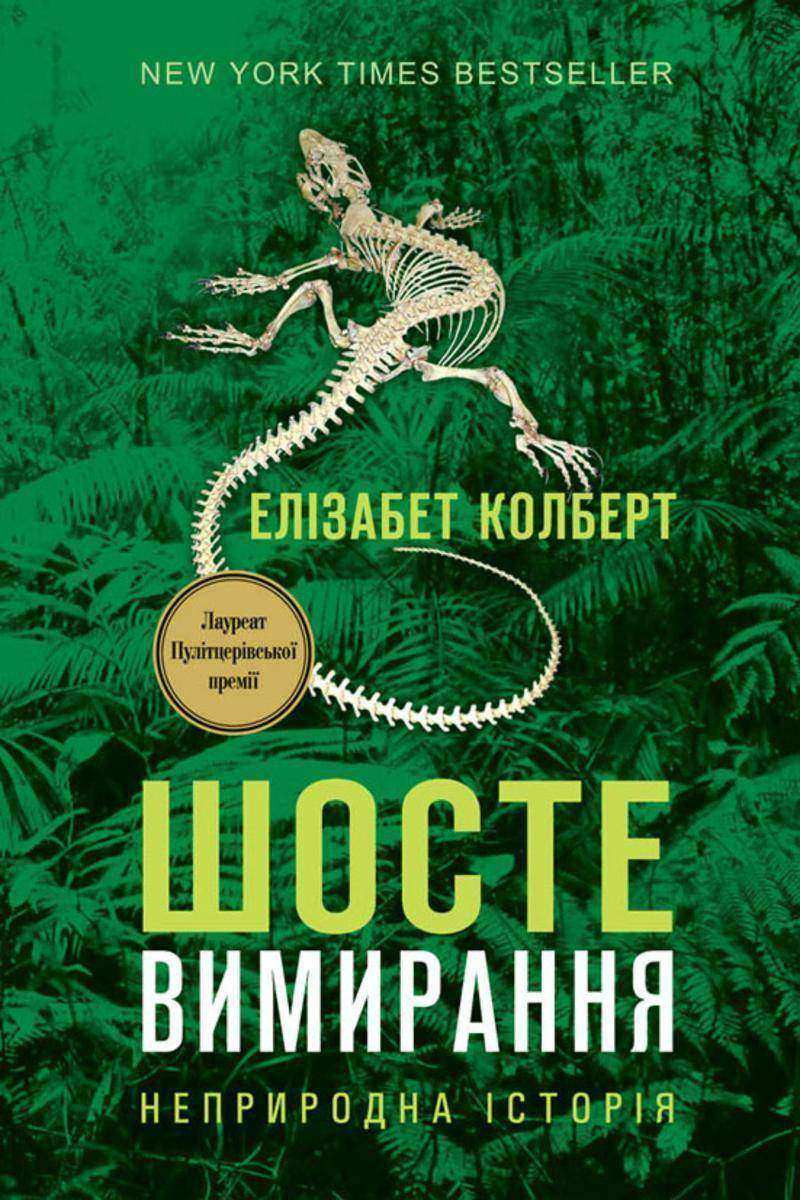
Шосте вимирання: Неприродна ?стор?я
¥28.61
Jedan od najve?ih poznavatelja hrvatske knji?evnosti Tvrtko Zane, poznatiji pod pseudonimom Branimir Donat, u svojem je prou?avanju hrvatske knji?evne ba?tine duljem od pola stolje?a objavio veliki broj tekstova i knjiga, a broj kartica koje je napisao jednak je njegovu znanju, koje mo?emo zvati enciklopedijskim. Iz goleme ostav?tine na?eg jedinog i najve?eg poznavatelja brojnih, ?esto zaboravljenih autora, ali jednako tako i velikan? knji?evnosti, urednik Goran Rem izabrao je one mo?da najva?nije tekstove. Druga knjiga iz serije Prakseologija hrvatske knji?evnosti posve?ena je modernosti i modernizmu. U njoj su izabrani tekstovi koji se bave autorima 20. stolje?a, simbolizmom, secesijom, dadizmom, eksprezionizmom, ali i - kola?ima, a uz tekstove o djelu hrvatskih autora, Krle?e, Mato?a, Cesarca, Nazora, Kamova i mnogih drugih, u ovaj je svezak uvr?ten i esej o Franzu Kafki. Zajedno s jo? tri sveska izabranih djela Branimira Donata ova ?e knjiga dati maleni uvid u ?irinu tema kojima se Tvrtko Zane bavio.

Doktor Proktor pukipora 4. - A nagy aranyrablás
¥56.98
Facerea unei case necesit? voin?a ?i pricepere, cu at?t mai mult facerea unei lumi. Acum, cred ca Muzulie Ceatpat avea geniu. ?mprejur?rile ?ns? i-au fost neprielnice. Amintirile mele legate de proiectul lui se pierd ?n tenebrele Templului s?pat, mai ?nainte de to?i vecii, ?n st?nca hercinic?, de natur?, de oamenii primitivi, ori de c?tre sfin?ii atra?i prin lucarna surprinz?toare a cupolei, ?n str?dania lor de a comunica cu o lume mai presus de fire. Templul Celui Foarte Mare, Bai Ulgun, cum se pomene?te el din str?vechime, este o caverna uria?? ascuns? vederii ?n inima gorganului ?nalt acoperit de zmeuri? ?i tufe de alun printre grohoti?uri. Calota lui, deschisa lumii de un trepan uria?, permite accesul ?n interior pe traseul ?erpuitor al unei sc?ri?e s?pat? ?n t?mpla de piatra p?n? la arhitrava care ?ncercuie?te naosul. De aici se ajunge la platforma principala mult mai u?or, pe scara solida de stejar, ce coboar? ?n fr?nturi de cate ?apte trepte, ?n jurul unei coloane de sus?inere, p?n? la locul unde se petrec toate: jertfe, impreca?ii, rug?ciuni. De jur ?mprejur, delimit?nd parca secven?ial spa?iul ?i timpul, pe suprafa?? concav? a platformei dou?sprezece ?an?uri sub?iri pornesc ?n raze, ca spi?ele unei ro?i ce se unesc ?ntr-un un punct virtual din mijlocul chepengului p?trat aflat ?n opozi?ie cu lucarna rotund? din acoperi?, ?i care prelungit sub podeaua naosului, duce ?ntr-un h?u b?nuit, unind astfel cerul cu p?m?ntul. (Ileana Cudalb) Un roman senza?ional.
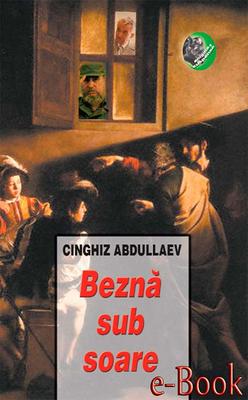
Bezn? sub soare
¥85.05
Poet? remarcabil?, Simona-Grazia Dima confirm? ?n aceast? carte un adev?r cunoscut: poe?ii ?i ?n?eleg cel mai bine pe poe?i. ?n mai mare m?sur? dec?t criticii, ei au cunoa?terea intim? a poeziei. ?ns? autoarea face mai mult: ??i extinde aria, pentru a cuprinde ?i prozatori, ?i esei?ti. ?i cite?te nu numai simpatetic, ci ?i critic, dar – cum m?rturise?te ?nc? din titlul volumului – este un ?scorpion bl?nd“. O intereseaz? mai presus de orice accesul la spiritualitate al scriitorilor comenta?i. Caut? la ei o Cale, un traseu ini?iatic. Spiritul se oglinde?te ?n spirit, altfel zis. (Livius Cioc?rlie)Oare poe?ii pot fi ?i critici literari? Primul nostru mare critic spunea c? nu. Poetul nu are ?transparen?a“, obiectivarea, impersonalizarea celui chemat s? analizeze ?i s? evalueze o carte. Dar a cunoa?te literatura dinl?untrul ei mi se pare un avantaj ?n plus. Simona-Grazia Dima, o voce liric? foarte personal?, ??i cite?te confra?ii cu fervoare ?i ?i critic? – bl?nd – cu acuitate. Poate fi un poet adev?rat ?i un critic, autentic, de identificare? Eu zic c? da. (Daniel Cristea-Enache)
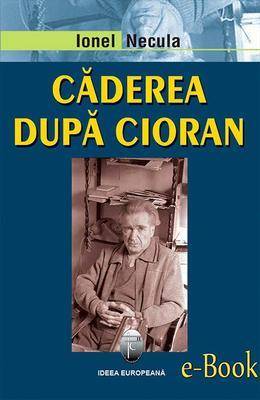
C?derea dup? Cioran
¥54.10
La ?mplinirea unui deceniu de la moartea filosofului de la R??inari, profesorul I. Necula ne ofer? un incitant studiu despre opera ?i via?a acestui controversat moralist francez de origine rom?neasc?. Cartea se adreseaz? elevilor, studen?ilor, precum ?i publicului larg de cititori.
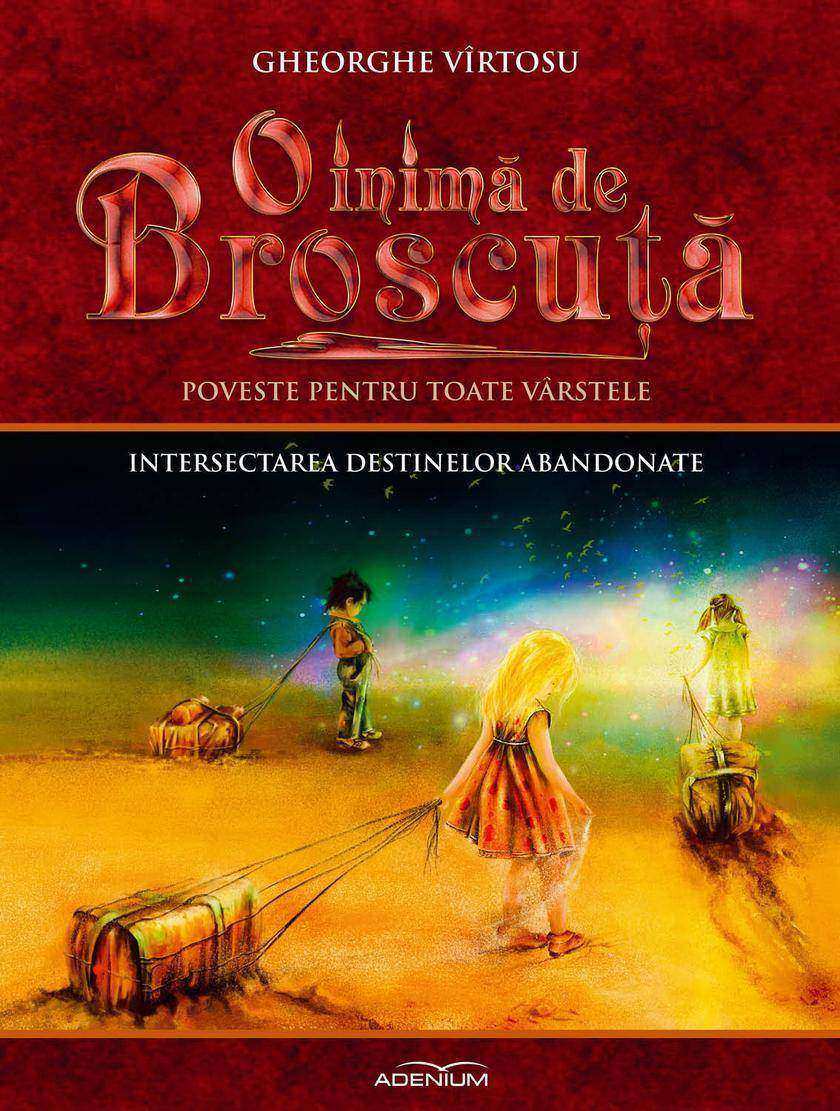
O inim? de Broscu??. Volumul 7. Intersectarea destinelor abandonate
¥65.32
Volumul reune?te c?teva studii ?i eseuri care interogheaz? rela?ia controversat? ?n ?tiin?a actual? dintre comparatism ?i germanistic?, respectiv noua paradigm? cu preten?ii salvatoare, ?germanistica intercultural?“, aduc?nd ?n scen? c?teva analize consacrate scriitorilor germani mai vechi ?i mai noi sau unor probleme de estetic? a crea?iei. Incitante sunt perspectivele deschise de investigarea fenomenologiei faustice ?n hermeneutica lui Ernst Bloch ?i Constantin Noica ?i nu mai pu?in interesante sunt spa?iile de cercetare asupra operei lui Lucian Blaga ?n context german ?i cele dedicate lui Heidegger ?i implica?iei sale politice.Reflex al dublei direc?ii pe care o reprezint? de fapt toate volumele lui Vasile Voia, cartea de fa?? este expresia unei dimensiuni de profunzime ?i, desigur, am putea spune, a unicit??ii ei ?n cultura noastr? actual?. Ea ?mbin? inspirat un comparatism al ideilor cu estetic? ?i filosofia, realiz?nd interferen?a ?i unitatea la nivelul superior al discursului critic.
O inim? de Broscu??. Volumul 1. Peni?a aurie, ?nger sau c?l?u?
¥48.97
O confesiune ?i o medita?ie despre mediul evreiesc din Rom?nia de dup? al doilea r?zboi mondial, pornind de la propria experien?? ?i biografie a autorului, ?n prezent conferen?iar la Universitatea Ebraic? din Ierusalim. Av?nd ca nucleu un dialog cu t?n?rul filozof Sandu Frunz?, de la Universitatea din Cluj, cartea reconstituie via?a evreilor din Ia?i (ora?ul natal al autorului), de dup? r?zboi, adolescen?a ?n perioada stalinist?, dilemele ?i reflec?iile stimulate de op?iunile mediului evreiesc din Rom?nia ?n noile condi?ii de dup? r?zboi, av?nd de ales ?ntre integrarea ?n viata social? ?i intelectual? rom?neasc? marcat? de tenta?ia ?i pervertirea comunist? sau, dimpotriv?, alternativa stabilirii ?n Israel. O semnificativ? parte a c?r?ii se concentreaz? asupra evolu?iei acelor intelectuali evrei care au p?r?sit Rom?nia ?n perioada ceau?ist?, dificult??ile ?i dramele adapt?rii la o noua ambian?? cultural?, ca ?i complexa rela?ie cu mediul ?i cultura ?n care s-au format. Pe parcursul a c?teva decenii, amintirile ?i reflec?iile autorului reconstituie, dintr-un unghi inedit ?i foarte personal, mediul universitar ie?ean, ca ?i universul spiritual al intelectualilor israelieni originari din Rom?nia.O medita?ie despre comunism ?i antisemitism, despre dramele dublei apartenen?e culturale, despre emigra?ie, despre tensiuni ?i interferen?e rom?no-evreie?ti, despre lumea v?zut? de la Ia?i ?i de la Ierusalim.

Будь дивом: 50 урок?в, щоб зробити неможливе можливим
¥17.99
Книжка ?Прода?ться все. Джефф Безос та ера Amazon? — не лише ?стор?я усп?ху найб?льш ?нновац?йно? св?тово? компан??, а й свого роду пос?бник, ?нструкц?я для тих, хто хоче створити св?й б?знес. ??Автор книжки, Бред Стоун, майстерно пише про зародження та розвиток Amazon — в?д моменту створення компан?? на Волл-Стр?т на початку 1990-х ? дотепер. Ця компан?я одн??ю з перших побачила необмежен? можливост? ?нтернету та назавжди зм?нила те, як ми купу?мо ? чита?мо.??Також автор розкрива? та?мниц? тр?умфу засновника Amazon Джеффа Безоса, одного ?з найвидатн?ших кер?вник?в, невтомного генератора ?дей. Стоун розпов?да?, як Безос дисципл?новано ? подекуди педантично вт?лю? новаторськ? ?де? у життя, як лама? стереотипи, не визна? загальноприйнятих правил, а запроваджу? сво?.??

The Cradle of Mankind: (Life in Eastern Kurdistan)
¥28.04
Oliver Cromwell, the future Lord Protector of the Commonwealth of England, was born at Huntingdon on April 25, 1599, receiving his baptismal name from his uncle, Sir Oliver Cromwell of Hinchingbrooke, a mansion hard by the little town. It was at Huntingdon that the father of the infant, Robert Cromwell, had established himself, farming lands and perhaps also adding to his income by the profits of a brewhouse managed by his wife, Elizabeth—a descendant of a middle-class Norfolk family of Steward—originally Styward—which, whatever writers of authority may say, was not in any way connected with the Royal House of Scotland. "I was," said Cromwell in one of his later speeches, "by birth a gentleman, living neither in any considerable height nor yet in obscurity. I have been called to several employments in the nation, and—not to be overtedious—I did endeavour to discharge the duty of an honest man in those services to God and His people's interest, and to the Commonwealth." The open secret of Cromwell's public life is set forth in these words:—his aim being: first, to be himself an honest man; secondly, to serve God and the people of God; and thirdly, to fulfil his duty to the Commonwealth. In this order, and in no other, did his obligations to his fellow-creatures present themselves to his eyes. For the work before him it could not be otherwise than helpful that his position in life brought him into contact with all classes of society. What powers and capacities this infant—or indeed any other infant—may have derived from this or the other ancestor, is a mystery too deep for human knowledge; but at least it may be noted that the descent of the Cromwells from Sir Richard Williams, the nephew of Thomas Cromwell, the despotic Minister of Henry VIII., brought into the family a Welsh strain which may have shown itself in the fervid idealism lighting up the stern practical sense of the warrior and statesman.Of Oliver's father little is known; but his portrait testifies that he was a man of sober Puritanism, not much given to any form of spiritual enthusiasm—very unlike his elder brother, Sir Oliver, who had inherited not only the estate, but the splendid ways of his father, Sir Henry Cromwell—the Golden Knight—and who, after running through his property, was compelled to sell his land and to retire into a more obscure position. As the little Oliver grew up, he had before his eyes the types of the future Cavalier and Roundhead in his own family. So far as parental influence could decide the question, there could be no doubt on which side the young Oliver would take his stand. His education was carried on in the free school of the town, under Dr. Beard, the author of The Theatre of God's Judgments Displayed, in which a belief in the constant intervention of Providence in the punishment of offenders was set forth by numerous examples of the calamities of the wicked. Though Oliver afterwards learned to modify the crudeness of this teaching, the doctrine that success or failure was an indication of Divine favour or disfavour never left him, and he was able, in the days of his greatness, to point unhesitatingly to the results of Naseby and Worcester as evidence that God Himself approved of the victorious cause.

Váláshelyzet: Egy féltékeny feleség dilis ámokfutása
¥51.26
Babits Mihály remekbe szabott válogatása és ezek m?fordításai 1947-ben jelent meg az Officina Kiadó gondozásában. Az Erato példás munka, mely hozza az eredeti nyelv? változatot, legyen az g?r?g, latin, olasz, francia, vagy angol nyelv?. Manapság az a generáció, mely egyként képes a digitális világban eligazodni és g?r?g, vagy latin nyelven olvasni és érteni, megszámlálhatóan kicsiny lélekszámú. Ezért úgy d?nt?ttünk, hogy elhagyjuk az eredeti változatban megtalálható g?r?g és latin nyelv? verseket és csak Babits magyar nyelv? m?fordítását k?z?ljük abban a sorrendben, ahogy az egykori k?tet oldalain megjelentek. Reméljük, hogy a digitális világ szerelemre, lírára fogékony és olvasni kedvel? lakói értékelik vállalkozásunkat. Jó olvasást, és felr?ppen? szerelmes sóhajokat kívánunk.
?szjárások-remix
¥66.87
Rónai Egon nagy siker? m?sorának legérdekesebb beszélgetéseib?l szerkesztett k?tetet. Vendégei a magyar kulturális, gazdasági és politikai élet legjavából kerültek ki. Az elgondolkodtató interjúkkal most k?nyv alakban találkozhat az olvasó. ?… remekül tudok élni, mert nagyon boldog tudok lenni, ha kisüt a nap… De ahogy múlik az id?, változik, mert tudja, jól vagyunk megteremtve. Fiatalon még sokkal k?nnyebben átlépünk tragédiákat… Ilyenkor meg már sokkal jobban nyomaszt az emberi szenvedés. Hihetetlen, hogy mit tudunk kitalálni egymás ellen!”/ T?r?csik Mari/?A kapitalista piacgazdaságban nincs teljes foglalkoztatás, az a szocializmusban volt, amikor a kapun belüli munkanélküliség formájában eltüntették a kapun kívüli munkanélküliséget. Teljesen értelmetlen azzal a tudatot torzítani, és az embereket ilyen értelemben butítani, hogy teljes lesz a foglalkoztatás.”/ Bokros Lajos/?Rengeteg telefonviccet meg egyebeket csináltam, szeretem az életben is a váratlan helyzeteket, ilyen pánik szituációkban elég jól viselkedem. Azt szoktam mondani, hogy velem koccanni autóval, az egy mámor a másiknak. Mert én r?h?gve szállok ki, nem ordítok, hogy maga barom.” /Szilágyi János/?Más id?k voltak, az igaz. 2002-t?l t?rt el valami ebben az országban. 2002-ben, amikor nagyon sokad magammal felültem oda a tribünre, Orbán Viktor beszéde m?gé, akkor ez nagyon érdekes hatással volt a k?rnyezetemre.” /Kovács ’Kokó’ István/ Rónai Egon újságíró, televíziós-rádiós m?sorvezet?. Ahogy mondja, 50 éves, de 60 éve van a szakmában: 15 év az írott sajtóban, 25 a rádiózásban, 20 a televízióban. Pályafutását a Népsportnál kezdte, azután a rádiózás k?vetkezett, a Magyar Rádió, majd a Danubius Rádió, amelynek alapító tagja, kés?bb program- és hírigazgatója volt. Vezette a Budapest Rádiót és a PontFM Rádiót. 2000-ben bábáskodott a Sport1 TV indulásánál is, ahol aztán egy évtizedet t?lt?tt. Ezután csábította el jelenlegi munkahelye, az ATV. Ezek mellett másfél évtizeden át tanította a rádiós utánpótlást, k?zben 12 éven át reklámügyn?kséget is vezetett. Az ATV-ben a Start! cím?, reggeli politikai magazin mellett Csatt címmel vitam?sort vezet. A k?tet beszélgetéseinek az alapja a 2011 óta minden héten - jelenleg is - jelentkez? portrém?sora, a Húzós.
Despre feminitate, moarte ?i alte eternit??i
¥61.83
Aceast crticic nu reprezint pariul unor mari ambiii auctoriale, nu urmrete s revoluioneze “filosofia iubirii“, nici s deschid vreun drum nou. Nu este nici un manual, un “ghid“ al relaiei de cuplu, cum au nceput sa apar attea, ca i cum ai putea da sfaturi n ceea ce privete iubirea! Scopul su este infinit mai modest – i anume de a depune mrturie despre un fenomen esenial cum este dragostea, n funcie de experiena proprie, de lecturile ce fac i ele parte din aceasta experien i de meditaia, cat s-a putut de onest, n jurul propriilor mele triri. Dac o singura pereche va nelege ce miracol i se ntmpl, dac un singur solitar ce sufer din dragoste va depi criza, dac un mare dezamgit va cpta puterea i curajul de a mai ncerca o dat, voi crede c n-am scris-o aiurea, c n-am nfruntat n zdar temperaturile unei veri incendiare. Pe deasupra, am crezut, cred i voi crede, pn la extincie, c se mai poate nc scrie despre dragoste i altfel dect n romanele “roz“, n filmele de serie X ori n celebrele telenovele. Dragostea este mult prea importanta pentru a fi abandonata complet i definitiv melodramei, vulgaritii, prostului gust. Un subiect vechi de cnd lumea, frecventat de pene ilustre, compromis de scribi mediocri, te poate solicita s-i ncerci puterile nelegerii, precum i pe cele expresive. M ntreb ct de sincer am reuit s fiu. Dar nu mai este, de-acum, problema mea, ci a eventualilor cititori. Ca niciodat, probabil, oricum nu n aceste proporii, m ncearc emoia. n cele din urm, nu te poi prezenta oricum fa n fa cu dragostea.“ (Liviu Antonesei)
Probleme vitale
¥24.44
Da. E despre mine. E despre tine. E despre noi. Din toate p?r?ile ?i toate direc?iile. Despre falimentul moral ?i trezirea spiritului. Despre cum e s? ui?i ?i c?t de bine e s? ??i reaminte?ti. (Beatrice, activist) Un volum de poezii despre poezia ?i nepoezia vie?ii. Mai degrab? despre ce omoar? poezia vie?ii. De citit dac? sunte?i odihni?i ?i cu chef de introspec?ie. Aten?ie, poate s? doar?. (Mihaela, manager) Am frunz?rit-o cu trufia c? nu e despre mine. Am citit-o cu teama c? ar putea fi despre mine. Am recitit-o cu ambi?ia s? nu devin? despre mine. (Ioana, manager formare) Am deschis cartea, am r?sfoit, am citit. Apoi am ?nchis Outlook-ul ?i m-am g?ndit la lucruri simple: prieteni, muzic?, sine. (Andrei, copywriter) Am avut permanent senza?ia c? navighez pe valuri, fel de fel de valuri, valuri peste valuri de via??, valuri cu gloata mijlocie, prins? ?n caden?a asta a noastr?, modern? ?i golit? de rost personal. (Carmen, strategic planner) O oglind? care reflect? ?n cuvinte propria via?? – care via??? – multiplicat? ?n mii de alte trupuri, care tr?iesc aceea?i nesf?r?it? ?zi a c?rti?ei“. (Sylvia, marketing manager) Mi-a transmis impresia de oper? rock, sau, m? rog, cum s-ar putea numi a?a ceva pe muzic? de Parov Stelar, Nicholas Jarr ?i al?ii mai de acum. (?tefan, student) ?Auzi, de ce nu scrie nimeni poezie despre corporati?ti?“ m-a ?ntrebat un prieten acum vreo cinci ani. La vremea aceea am pufnit ?n r?s de mi-a dat ?pri?ul pe nas, dar, anul trecut, mi-am dat seama c? se poate. Tocmai terminasem Saga – bilete la clasa din mijloc, un poem epic, ironic ?i ?ntins pe vreo 30 de pagini. Despre iubirea dintre doi corporati?ti, desp?r?i?i ?n adolescen?? ?i reg?si?i la disperare, pe la 30 de ani ?i ceva, cu ocazia unui infarct. L-am rugat pe Paul Hitter, ale c?rui desene cu miz? social? ?i tu?e cinice m? atr?geau demult, s? ilustreze c?teva scene din istoria celor doi eroi ai poemului. Au ie?it 7 desene care nu doar ajut? textul, ci duc povestea mai departe, o cresc ?i o dezvolt?. Din vagonul de accelerat Timi?oara-Bucure?ti p?n? pe malul m?rii, Paul a transcris vizual o hart? a nelini?tilor, fricilor, la?it??ilor ?i speran?elor unei genera?ii care a ?mb?tr?nit ?nainte de vreme, dar care ?nc? sper? la evadare. Saga – bilete la clasa din mijloc este o carte-album despre noi ?i despre voi, despre cei ce umplu sta?ia Pipera la 7 diminea?? ?i despre cei care r?d de ei ?ntorc?ndu-se din club, despre cei adu?i la nebunie de creditul ipotecar ?i cei ?ntor?i victorio?i ?i ar?i din Goa sau de la festivaluri. Este poezie pentru c? sunte?i poezie, este scris? pentru c? trebuia scris? ?i este desenat? ca s? nu mai existe niciun dubiu.“ (T?u?ance)
Robinson Crusoe
¥8.67
Azt mondják, egy zuhanó gépen nincs ateista. Azt hiszem, k?rül?ttem is mindenki a maga istenét szólongatta. Már a bal szárnyból is sivító hang hallatszott. Lehet, hogy ezek életem utolsó percei? A bosnyák asszony megragadta a karomat. – Nem akarok meghalni – suttogta. – Még én sem – mondtam neki, és mosolyt er?ltettem az arcomra. – ?gy terveztem, hogy nyolcvannyolc évig élek. Hátrad?ltem az ülésen, és nagy leveg?t vettem. Az élettel nem voltam valami nagy virtuóz, nézzük, mit tudok kezdeni a halállal! Figyeltem a saját félelmemet, ahogy j?tt és ment, ha beszívtam és kifújtam a leveg?t, úgy, ahogy a guru tanította. Talán abnormálisan hangzik, de kezdtem magam jól érezni. Mindig kíváncsi voltam, milyen lesz, hát tessék. Most megtudom. Pedig eszemben sem volt Indiába menni, eszemben sem volt megint a megfoghatatlannal kerget?zni, nem kerestem misztikus kalandot. Az utóbbi id?ben folyton úton voltam – pihenni akartam kicsit. A városnév csak egy cím volt a naptáramban, nem készültem bel?le. Arepül?útra tartogattam az útik?nyvet, de elaludtam. Halvány fogalmam sem volt, hogy ahová tartok, a világ egyik leghíresebb spirituális helye, ahová a f?ldgolyó minden pontjáról zarándokolnak emberek, és sokan haza sem mennek t?bbé. Fogva tartja ?ket egy ismeretlen er?, amelyszétdúl mindent, mint a rossz gyerek a homokvárat, ?sszet?r és porrá morzsol, hogy aztán a masszából gyúrjon valami újat, ami sokkal er?sebb lesz, mint amilyen el?tte volt.
Megfizethetetlen: ?gy szereztem vissza a világ elrabolt kincseit beépített FBI-ü
¥68.83
Nem voltam én szerelmes Adyba, vagy ha voltam, nem tudtam róla. A szerelem féltékeny, ragadozó, osztozni senkivel és semmiben nem tudó érzés, telítve testi vonatkozásokkal, ingerekkel, vágyakkal. ?n ezt a szerelmet nem is ismerhettem. Sohasem fájt, hogy idegen asszonyok szeretik, lányok szédülnek eléje, találkákra megy, vagy áldozó, nagy asszony-szerelmet terítenek lába elé. Deésfalvi Boncza Berta. Bimbi. Csinszka. Múzsa és k?lt?n?, emlékiratíró... Ady Endre, Tabéry Géza, Babits Mihály, Harsányi Zsolt, Márffy ?d?n jegyességek, szerelmek, szakítások, házasságok. Vallomás és kitárulkozás. Kiútkeresés egy nevel?intézet szobájából vagy fiatalon már a végzet asszonya? Románc a Svájcban tartozkodó Tabéryvel, kés?bb találkozás Adyval, de eljegyzés egy erdélyi mérn?k-íróval? Aztán házasság Adyval? Aki Léda szerint csak sovány, mint eserny?nyél, el?l-hátul sexuális duzzanatokkal. Ki is ez a h?lgy, aki végül eléri, hogy 1914. április 23-án találkozhasson Adyval Csucsán? Boncza Berta naplójának néhány részlete el?sz?r 1932-ben jelent meg a Nagyváradi Napló hasábjain, majd négy évtizeddel kés?bb a Magyar Nemzetben látott napvilágot az erdélyi író, újságíró Ruffy Péter tolmácsolásában, aki Csinszka kéziratos füzeteit és Kárpáti Aurél kiegészítéseit dolgozta fel. A memoár nem hiánytalan, hiszen a házasság t?rténetét már nem tudta megírni Csinszka, csupán az Ady halála után írt három Vallomás készült el 1919 és 1922 k?z?tt. A huszonkét fejezetre osztott írás el?sz?r jelenik meg ?nálló k?tetben, Márton István, a Ruffy Péter-hagyaték gondozójának utószavával, valamint néhány kül?nleges gépiratfotó, levél és dokumentum kíséretében, melyek fényt deríthetnek eddig nem vagy kevésbé ismert rejtélyre: mi lett az ?rmindszenten maradt Csinszka-levelekkel? A mendemondák szerint Ady rokonai elégették... Valóban agyvérzésben hunyt el a k?lt?n?, vagy más áll a háttérben? A mendemondák újabb szerelemr?l regéltek... Hova lettek a kiadatlan versek, amelyek nem kerültek be az egyetlen versesk?tetbe 1931-ben? Minden reggel és minden este imádkozott Nagymama velem. Eldolgozott két keze k?zé fogta az én parányi kezemet, és azt a másik imát, amit este a Miatyánk után mondottam el, ? találta ki. R?vid, egyszer? és jó kis ima volt. Kérésb?l és k?sz?netb?l állott. Mindazokért kértem a jó Istent, akik hozzám tartoztak. Apámért els?sorban, de a csucsai virágok, kutyák, madarak is bele lettek sz?ve...

Ne higgy a szemének!
¥70.80
Kanyó András a rendszerváltás hajnalán a már felfelé buktatott Kádár Jánossal készített interjúval vonta magára a figyelmet, az utóbbi évtizedben viszont sokan támadták a Horthy Miklósról és Mindszenty Józsefr?l készített k?tetei, illetve ?VH-s múltja miatt. Az egykori hírszerz? és újságíró most el?sz?r tárja fel élete t?rténetét, amelyben a t?bbsz?ri életpályaváltás, szerelmek és magán?életi tragédiák mellett nyíltan és részletesen beszél arról, hogy? milyen módszerekkel toborozta és képezte ki a hírszerz?ket az ?llamvédelmi Hatóság a Rákosi-korszakban;? hogyan élte meg a személyi kultusz éveit és mit csinált 1956-ban;? milyen kényes feladatokat kellett elvégeznie hírszerz?ként Londonban, majd itthon;? mik voltak azok a szakmai ellentétek, amelyek miatt szakított a ?Hivatallal”;? hogy talált új életpályát az irányított sajtó világában, és miként tudósította a Népszabadságot Berlinb?l, Moszkvából, majd Bonnból;? miért kezdeményezte a Kádár-interjút és hogyan érte el, hogy nyilatkozzon is neki az ??reg”;? hogy került Grósz Károly k?zelébe és miként élte meg a megalázó aradi találkozót Ceau?escuval.
Leveg?kovács
¥22.73
Nóra fels? k?zéposztálybeli, k?zépkorú n?, fiatalabbra lecserélt feleség, aki valamikor egy jó házasság reményében feladta ígéretes karrierjét. Az egész életét a férje k?ré építette fel, és csak a válás után szembesül azzal, hogy amíg ? az aranykalitkában üld?gélt, a világ k?rül?tte teljesen megváltozott. A férje a cégein keresztül minden pénzüket kimentette a k?z?sb?l, a lánya Londonba k?lt?zik, Nóra teljesen magára marad. Nem kap munkát, és a férfiak is úgy néznek át rajta, mint az ablaküvegen. Igazságtalan harc megvívására kényszerül az id? ellen, hiszen kultúránkban az évek múlásához leértékel?dés társul. Az ?regedéssel együtt járó elmagányosodás pedig – akár a nátha vagy az influenza – az élet természetes velejárójaként van jelen az életünkben. A t?rténtek után azonnal új társat kezd keresni, társkeres? oldalon regisztrál, ezáltal megalázó helyzetek sokaságának kitéve magát, melyeket a fiatal n?kre vadászó, macsó férfiaktól kell elszenvednie. Talajvesztett és elkeseredett, úgy érzi, minden és mindenki azt sugallja, t?r?dj?n bele, hogy vége, és kezdje el a visszaszámlálást. Mígnem egy reggel arra ébred, hogy…Nóra t?rténetéhez hasonlóak nap mint nap százával keresztezik utunkat, ám az ?vé azért lehet iránymutató, mert felismeri: az életkor nem az élet egyre meredekebb és egyre síkosabb lejt?je, hanem akár a felemelkedés természetes folyamata is lehet. Csupán d?ntés kérdése, melyik irány érvényesül.

A múlt árnyékában
¥58.29
Mayer Antal (1938-2008) magyar-t?rténelem szakos tanár a 2000-es évek elején jegyezte le emlékiratait. A k?nyvének gerincét alkotó családt?rténet szigorúan véve csak tíz év (1938-1948) esményeit ?r?kíti meg, ám kicsiben megtalálhatók benne mindazon események, amelyek a 20. században egy magyarországi, majd vajdasági német családot sújthattak: két világháború, asszimiláció, disszimiláció, a család kettészakadása ideológiák mentén, kollektív b?n?sség elvének alkalmazása, népirtás, el?zés, menekülés, majd a semmib?l t?rtén? újrakezdés. A szerz? – aki a leírtaknak részben szemtanúja volt, részben szóban meg?rz?tt hagyományokat jegyzett le –? mindezen eseményeket a kisgyermek szemével, de az az azóta eltelt sok évtized tapasztalatával ábrázolja, így azok számára is átélhet?vé teszi, akik szül?f?ldje, a bácskai régió t?rténetében kevésbé jártasak. A Mayer család 20. századi t?rténete sok szempontból sajátos, mégis tipikus bácskai sors; a t?rténet f?h?sei a (a szül?k és nagyszül?k) inkább elszenved?i, mintsem alakítói voltak annak. Sorsukon keresztül az olvasó betekintést nyerhet egy sajátos soknemzetiség? régió (a Bácska), két, a család életében meghatározó település (Bezdán és Bátmonostor), valamint a a Trianon után Jugoszláviába került bácskai németség világába is. A családt?rténet mellett a k?tet néhány kisebb írást is tartalmaz; ezek egy része a feln?tt korában tanítóként, majd tanárként dolgozó szerz? helyt?rténeti érdekl?dését mutatják, más része pedig saját, illetve családja t?rténetének a viszszaemékezésben nem tárgyalt szakaszához kapcsolódik. Az olvasó tájékozódását b?séges jegyzetanyag is segíti.

The Snow Image: "A Childish Miracle"
¥9.24
This book is merely a personal narrative, and not a pretentious history or a philosophical dissertation. It is a record of several years of variegated vagabondizing, and its object is rather to help the resting reader while away an idle hour than afflict him with metaphysics, or goad him with science. Still, there is information in the volume; information concerning an interesting episode in the history of the Far West, about which no books have been written by persons who were on the ground in person, and saw the happenings of the time with their own eyes. I allude to the rise, growth and culmination of the silver-mining fever in Nevada -a curious episode, in some respects; the only one, of its peculiar kind, that has occurred in the land; and the only one, indeed, that is likely to occur in it.Yes, take it all around, there is quite a good deal of information in the book. I regret this very much; but really it could not be helped: information appears to stew out of me naturally, like the precious ottar of roses out of the otter. Sometimes it has seemed to me that I would give worlds if I could retain my facts; but it cannot be. The more I calk up the sources, and the tighter I get, the more I leak wisdom. Therefore, I can only claim indulgence at the hands of the reader, not justification. THE AUTHOR."My brother had just been appointed Secretary of Nevada Territory--?an office of such majesty that it concentrated in itself the duties and dignities of Treasurer, Comptroller, Secretary of State, and Acting Governor in the Governor's absence. A salary of eighteen hundred dollars a year and the title of "Mr. Secretary," gave to the great position an air of wild and imposing grandeur. I was young and ignorant, and I envied my brother. I coveted his distinction and his financial splendor, but particularly and especially the long, strange journey he was going to make, and the curious new world he was going to explore. He was going to travel! I never had been away from home, and that word "travel" had a seductive charm for me. Pretty soon he would be hundreds and hundreds of miles away on the great plains and deserts, and among the mountains of the Far West, and would see buffaloes and Indians, and prairie dogs, and antelopes, and have all kinds of adventures, and may be get hanged or scalped, and have ever such a fine time, and write home and tell us all about it, and be a hero. And he would see the gold mines and the silver mines, and maybe go about of an afternoon when his work was done, and pick up two or three pailfuls of shining slugs, and nuggets of gold and silver on the hillside. And by and by he would become very rich, and return home by sea, and be able to talk as calmly about San Francisco and the ocean, and "the isthmus" as if it was nothing of any consequence to have seen those marvels face to face. What I suffered in contemplating his happiness, pen cannot describe. And so, when he offered me, in cold blood, the sublime position of private secretary under him, it appeared to me that the heavens and the earth passed away, and the firmament was rolled together as a scroll! I had nothing more to desire. My contentment was complete.At the end of an hour or two I was ready for the journey. Not much packing up was necessary, because we were going in the overland stage from the Missouri frontier to Nevada, and passengers were only allowed a small quantity of baggage apiece. There was no Pacific railroad in those fine times of ten or twelve years ago--?not a single rail of it. I only proposed to stay in Nevada three months--?I had no thought of staying longer than that. I meant to see all I could that was new and strange, and then hurry home to business. I little thought that I would not see the end of that three-month pleasure excursion for six or seven uncommonly long years!
Jung Psikolojisi: "Bir Psikoloji & Modern Psikanaliz Kurami"
¥45.78
Ezek a versek azoknak szólnak, akik úgy érzik, hogy életük felett a gondok hullámai készülnek ?sszecsapni. Szürke hétk?znapokban k?nnyen keseredünk el, vagy csüggedünk, ha nehezen j?nnek a sikerek, ha kevés a pozitív visszajelzés. Legyen szó pénzr?l, egészségr?l, kapcsolatokról, vagy a boldogságról. Néhány lélekemel? gondolat segíthet felfedezni a benned rejl? er?t, a kiaknázatlan er?forrásokat, amik képesek éreztetni veled, hogy olyan életet élsz, amilyet szeretnél és hogy senkivel nem cserélnél! M?nich Krisztina tapasztalta, hogy a szeretetnek és a hitnek hatalmas ereje van. Meger?sít benne, hogy a helyes úton jársz, gyógyít, inspirál és felemel. Verseivel és az Angyalokkal együtt szeretne biztatást, reményt nyújtani.

A mi kis k?ztársaságunk
¥72.59
1525, Wittenberg, Szászország A szász választófejedelem híres udvari fest?je, Lucas Cranach szomorú szem? fiatal n? portréját festi meg. A m? csak látszólag egyszer? arckép, a mester gondoskodik róla, hogy a festmény rejtett üzenetéb?l a figyelmes szemlél? kiolvashassa a lány tragikus t?rténetét. 1897, München Katharina, a magányos fiatal lány rokonai durvasága el?l menekülve a müncheni magyar fest?kolónia egyik m?vészéhez fordul segítségért. A találkozásból szerelem, majd házasság lesz, és a pár hamarosan Magyarországra k?lt?zik. De vajon el lehet-e felejteni azt a megrázó élményt, amely ?r?kre megváltoztatta a sorsukat? 2013, Budapest Kata, az elegáns pesti galéria m?vészett?rténésze a szakmájában nagyon sikeres, a szerelemben jóval kevésbé. Egy fájdalmas csalódást k?vet?en úgy d?nt, kipróbálja a Hellinger-féle családállítást, ahol bebizonyosodik, magánélete kudarcaira a múltban kell keresnie a magyarázatot. ?lményei akkor nyernek értelmet, amikor egy hetven évvel korábban elt?nt családi festmény után kutatva Németországba utazik és megismerkedik a m? új tulajdonosával. Johannes, a weimari ügyvéd nem hajlandó megválni a képt?l, ám meglep? ajánlatot tesz a lánynak. Kata igent mond a férfinak, akivel k?z?sen próbálják meg felderíteni a festményt ?vez? rejtélyt, és mik?zben egyre k?zelebb kerülnek egymáshoz, ráj?nnek, hogy a Madonna jóval t?bb titkot ?riz, mint valaha sejtették volna. A századel?t?l napjainkig ível? és a m?kincs-kereskedelem izgalmas világába vezet? regény egy fordulatos nyomozás és egy szenvedélyes szerelem t?rténete.


