


 购物车
购物车 个人中心
个人中心
Hedda Gabler (1890)
¥23.45
Henrik Ibsen (20th March, 1828 - 23rd May, 1906) is often referred to as the father of realism and ranked just below Shakespeare as Europe's greatest ever playwright especially as his plays are performed most frequently throughout the world after Shakespeare's. Ibsen was Norwegian and although set his plays in Norway, he wrote them in Danish and lived most of his professional life in Italy and Germany. His affect on the theatre is still evident today and shapes the distinction of plays being art as opposed to entertainment since he broke down all previous traditions and explored issues, developed characterisation, revealed uncomfortable truths, challenged assumptions and broke down facades in ourselves as well as society. These factors are clearly demonstrated in Hedda Gabler where Ibsen presents one of the most interesting and elusive heroines in theatrical history. Hedda is the daughter of a deceased General and enters into a loveless marriage with the lacklustre George Tesman. Hedda's desperation is totally misunderstood by those around yet portrayed so realistically with some of his finest most memorable prose that we can empathise with her behaviour. Hedda aptly points out: "e;I think I have a natural talent for boring myself to death."e; This Ibsen work certainly does not bore and is an essential riveting read.
Cave Girl - Death, only, renders hope futile.
¥29.33
Edgar Rice Burroughs was born on September 1, 1875, in Chicago, Illinois. His early career was unremarkable. After failing to enter West Point he enlisted in the 7th Calvary but was discharged after heart problems were diagnosed. A series of short term jobs gave no indication as to a career path but finally, in 1911, married and with two young children, he turned his hand to writing. He aimed his works squarely at the very popular pulp serial magazines. His first effort 'Under The Moons Of Mars' ran in Munsey's Magazine in 1912 under the pseudonym Norman Bean. With its success he began writing full time. A continuing theme of his work was to develop series so that each character had ample opportunities to return in sequels. John Carter was in the Mars series and there was another on Venus and one on Pellucidar among others. But perhaps the best known is Tarzan. Indeed Burroughs wanted so much to capitalise upon the brand that he introduced a syndicated Tarzan comic strip, movies and merchandise. He purchased a large ranch north of Los Angeles, California, which he named "e;Tarzana."e; The surrounding communities outside the ranch voted in 1927 to adopt the name as their own. By 1932 Burroughs set up his own company to print his own books. Here we publish 'The Cave Girl' a tale that shows just what Burroughs can do when his talents and craft are unleashed.
Indian Emperor - Boldness is a mask for fear, however great.
¥26.98
John Dryden was born on August 9th, 1631 in the village rectory of Aldwincle near Thrapston in Northamptonshire. As a boy Dryden lived in the nearby village of Titchmarsh, Northamptonshire. In 1644 he was sent to Westminster School as a King's Scholar. Dryden obtained his BA in 1654, graduating top of the list for Trinity College, Cambridge that year. Returning to London during The Protectorate, Dryden now obtained work with Cromwell's Secretary of State, John Thurloe. At Cromwell's funeral on 23 November 1658 Dryden was in the company of the Puritan poets John Milton and Andrew Marvell. The setting was to be a sea change in English history. From Republic to Monarchy and from one set of lauded poets to what would soon become the Age of Dryden. The start began later that year when Dryden published the first of his great poems, Heroic Stanzas (1658), a eulogy on Cromwell's death. With the Restoration of the Monarchy in 1660 Dryden celebrated in verse with Astraea Redux, an authentic royalist panegyric. With the re-opening of the theatres after the Puritan ban, Dryden began to also write plays. His first play, The Wild Gallant, appeared in 1663 but was not successful. From 1668 on he was contracted to produce three plays a year for the King's Company, in which he became a shareholder. During the 1660s and '70s, theatrical writing was his main source of income. In 1667, he published Annus Mirabilis, a lengthy historical poem which described the English defeat of the Dutch naval fleet and the Great Fire of London in 1666. It established him as the pre-eminent poet of his generation, and was crucial in his attaining the posts of Poet Laureate (1668) and then historiographer royal (1670). This was truly the Age of Dryden, he was the foremost English Literary figure in Poetry, Plays, translations and other forms. In 1694 he began work on what would be his most ambitious and defining work as translator, The Works of Virgil (1697), which was published by subscription. It was a national event. John Dryden died on May 12th, 1700, and was initially buried in St. Anne's cemetery in Soho, before being exhumed and reburied in Westminster Abbey ten days later.
Twelve Pound Look - A One Act Play
¥11.67
Sir James Matthew Barrie, 1st Baronet, OM, was born in Kirriemuir, Angus the ninth of ten children on May 9th, 1860. From early formative experiences, Barrie knew that he wished to follow a career as an author. His family wished otherwise and sought to persuade him to choose a profession, such as the ministry. The compromise was that he would attend university to study literature at the University of Edinburgh. He graduated with an M.A. on April 21st, 1882. His first job was as a staff journalist for the Nottingham Journal. The London editor of the St. James's Gazette "e;liked that Scotch thing"e; in Barrie's short stories about his mother's early life. They also served as the basis for his first novels. Barrie though was increasingly drawn to working in the theatre. His first play, a biography of Richard Savage, was only performed once and critically panned. Undaunted he immediately followed this with Ibsen's Ghost in 1891, a parody of Ibsen's plays Hedda Gabler and Ghosts. Barrie's third play, Walker, London, in 1892 led to an introduction to his future wife, a young actress by the name of Mary Ansell. The two became friends, and she helped his family to care for him when he fell very ill in 1893 and 1894. Barrie proposed and they were married, in Kirriemuir, on July 9th, 1894. By some accounts the relationship was unconsummated and indeed the couple had no children. The story of Peter Pan had begun to formulate when Barrie became acquainted with the Llewelyn Davis family in 1897, meeting George, Jack and baby Peter with their nanny in London's Kensington Gardens. In 1901 and 1902, Barrie had back-to-back theatre successes with Quality Street and The Admirable Crichton. The character of "e;Peter Pan"e; first appeared in The Little White Bird in 1902. This most famous and enduring of his works; Peter Pan, or The Boy Who Wouldn't Grow Up had its first stage performance on December 27th, 1904. Peter Pan would overshadow everything written during his career. He continued to write for the rest of his life contributing many other fine and important works. Sir James Matthew Barrie, 1st Baronet, OM, died of pneumonia on June 19th,1937 and was buried at Kirriemuir next to his parents and two of his siblings.
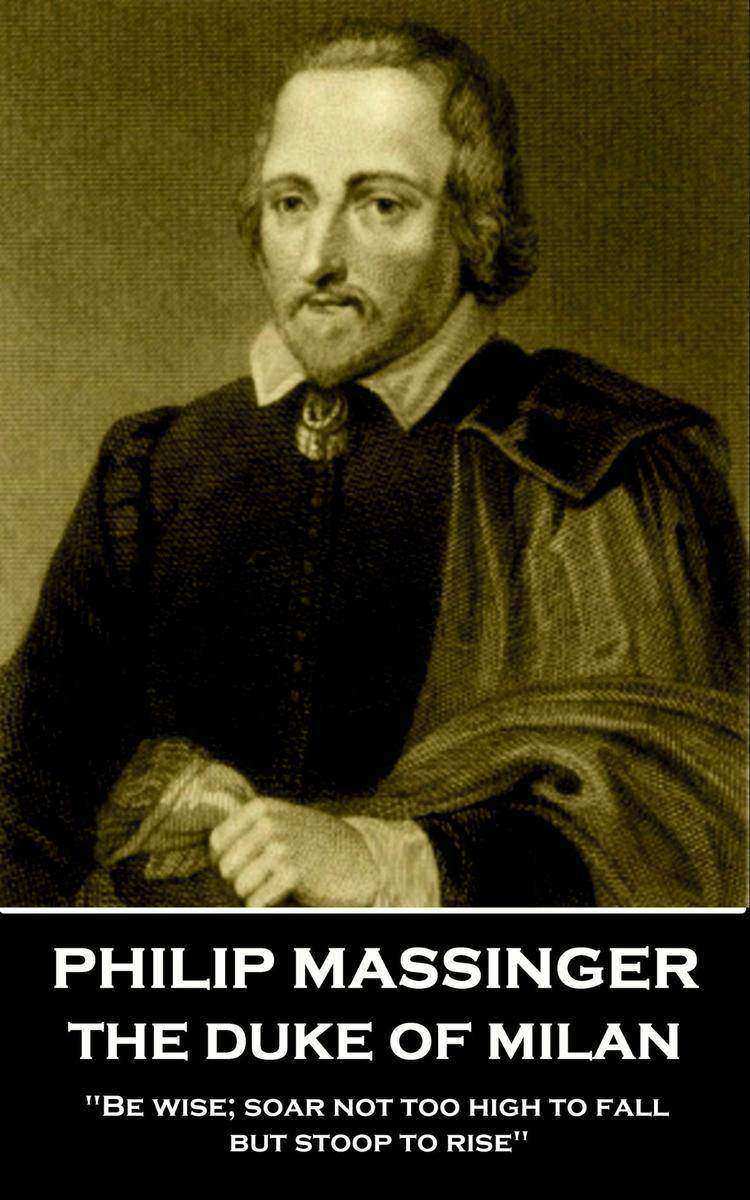
Duke of Milan - Be wise; soar not too high to fall; but stoop to rise
¥23.45
Philip Massinger was baptized at St. Thomas's in Salisbury on November 24th, 1583.Massinger is described in his matriculation entry at St. Alban Hall, Oxford (1602), as the son of a gentleman. His father, who had also been educated there, was a member of parliament, and attached to the household of Henry Herbert, 2nd Earl of Pembroke. The Earl was later seen as a potential patron for Massinger.He left Oxford in 1606 without a degree. His father had died in 1603, and accounts suggest that Massinger was left with no financial support this, together with rumours that he had converted to Catholicism, meant the next stage of his career needed to provide an income.Massinger went to London to make his living as a dramatist, but he is only recorded as author some fifteen years later, when The Virgin Martyr (1621) is given as the work of Massinger and Thomas Dekker.During those early years as a playwright he wrote for the Elizabethan stage entrepreneur, Philip Henslowe. It was a difficult existence. Poverty was always close and there was constant pleading for advance payments on forthcoming works merely to survive.After Henslowe died in 1616 Massinger and John Fletcher began to write primarily for the King's Men and Massinger would write regularly for them until his death.The tone of the dedications in later plays suggests evidence of his continued poverty. In the preface of The Maid of Honour (1632) he wrote, addressing Sir Francis Foljambe and Sir Thomas Bland: "e;I had not to this time subsisted, but that I was supported by your frequent courtesies and favours."e;The prologue to The Guardian (1633) refers to two unsuccessful plays and two years of silence, when the author feared he had lost popular favour although, from the little evidence that survives, it also seems he had involved some of his plays with political characters which would have cast shadows upon England's alliances.Philip Massinger died suddenly at his house near the Globe Theatre on March 17th, 1640. He was buried the next day in the churchyard of St. Saviour's, Southwark, on March 18th, 1640. In the entry in the parish register he is described as a "e;stranger,"e; which, however, implies nothing more than that he belonged to another parish.
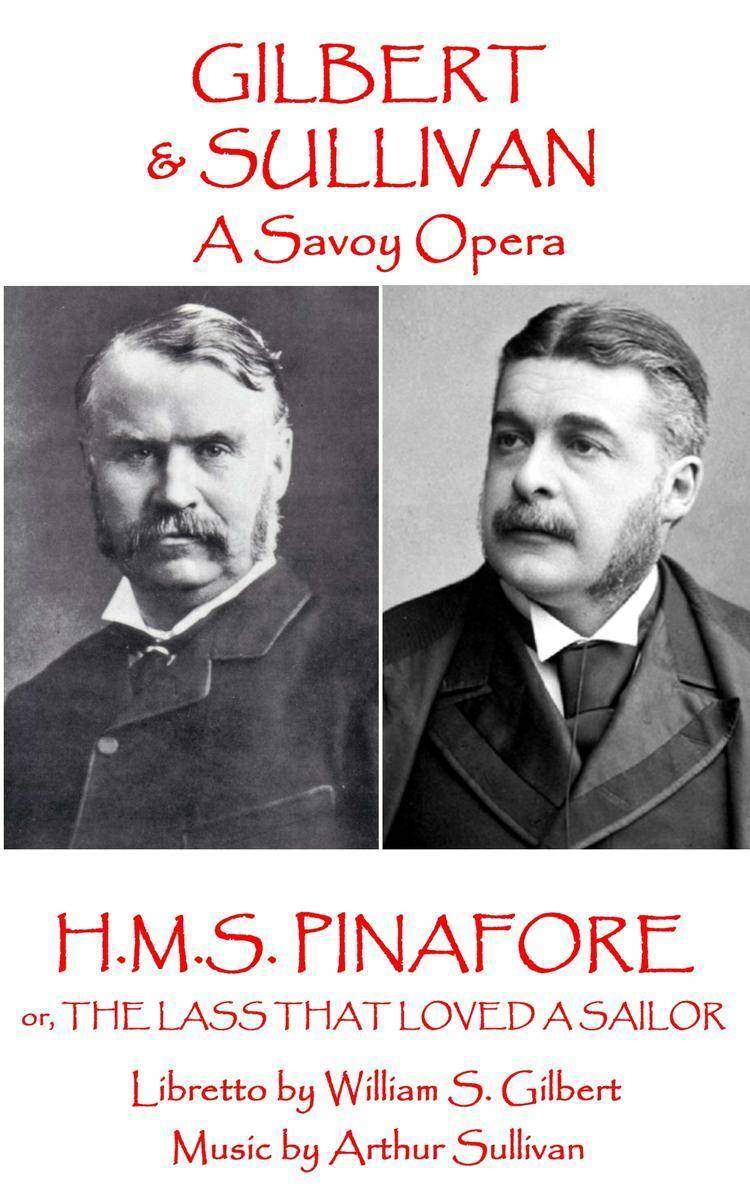
H.M.S. Pinafore - or, The Lass That Loved A Sailor
¥26.98
The partnership between William Schwenck Gilbert and Arthur Seymour Sullivan and their canon of Savoy Operas is rightly lauded by all lovers of comic opera the world over. Gilbert's sharp, funny words and Sullivan's deliciously lively and hummable tunes create a world that is distinctly British in view but has the world as its audience. Both men were exceptionally talented and gifted in their own right and wrote much, often with other partners, that still stands the test of time. However, together as a team they created Light or Comic Operas of a standard that have had no rivals equal to their standard, before or since. That's quite an achievement. To be recognised by the critics is one thing but their commercial success was incredible. The profits were astronomical, allowing for the building of their own purpose built theatre - The Savoy Theatre. Beginning with the first of their fourteen collaborations, Thespis in 1871 and travelling through many classics including The Sorcerer (1877), H.M.S. Pinafore (1878), The Pirates of Penzance (1879), The Mikado (1885), The Gondoliers (1889) to their finale in 1896 with The Grand Duke, Gilbert & Sullivan created a legacy that is constantly revived and admired in theatres and other media to this very day.

Notes From The Underground - To love is to suffer and there can be no love other
¥15.21
Fyodor Dostoyevsky's Notes from the Underground is both a fictional and philosophical work. It is considered by many critics as an early existentialist novella. The narrative takes the form of notes written by an unnamed narrator and is divided into two parts. In the first part entitled "e;Underground,"e; the protagonist is presented as a pessimist misanthrope who comments on a number of philosophical concepts such as the duality between determinism and free will. Basing his criticism on the work of Nikolay Chernyshevsky, he attacks modern schools of thought that purport to be founded solely on logical reasoning, namely utilitarianism and positivism. The second part of the book, entitled "e;Apropos of the Wet Snow,"e; is closer to fiction than to philosophical analysis. It rather seems to serve as a practical part for the theories exposed in the former through relating some events that happened to the narrator when he was a young man. The narrator often finds difficulty in socializing and even in interacting with the different people around him. Total misunderstanding and mistrust make him feel alienated in society. His feeling of indecision keeps on haunting him until the very end of the narrative when it is revealed that he has even been hesitating to conclude his notes.
Measure For Measure - The miserable have no other medicine but only hope
¥11.67
The life of William Shakespeare, arguably the most significant figure in the Western literary canon, is relatively unknown. Shakespeare was born in Stratford-upon-Avon in 1565, possibly on the 23rd April, St. George's Day, and baptised there on 26th April. Little is known of his education and the first firm facts to his life relate to his marriage, aged 18, to Anne Hathaway, who was 26 and from the nearby village of Shottery. Anne gave birth to their first son six months later. Shakespeare's first play, The Comedy of Errors began a procession of real heavyweights that were to emanate from his pen in a career of just over twenty years in which 37 plays were written and his reputation forever established. This early skill was recognised by many and by 1594 the Lord Chamberlain's Men were performing his works. With the advantage of Shakespeare's progressive writing they rapidly became London's leading company of players, affording him more exposure and, following the death of Queen Elizabeth in 1603, a royal patent by the new king, James I, at which point they changed their name to the King's Men. By 1598, and despite efforts to pirate his work, Shakespeare's name was well known and had become a selling point in its own right on title pages. No plays are attributed to Shakespeare after 1613, and the last few plays he wrote before this time were in collaboration with other writers, one of whom is likely to be John Fletcher who succeeded him as the house playwright for the King's Men. William Shakespeare died two months later on April 23rd, 1616, survived by his wife, two daughters and a legacy of writing that none have since yet eclipsed.
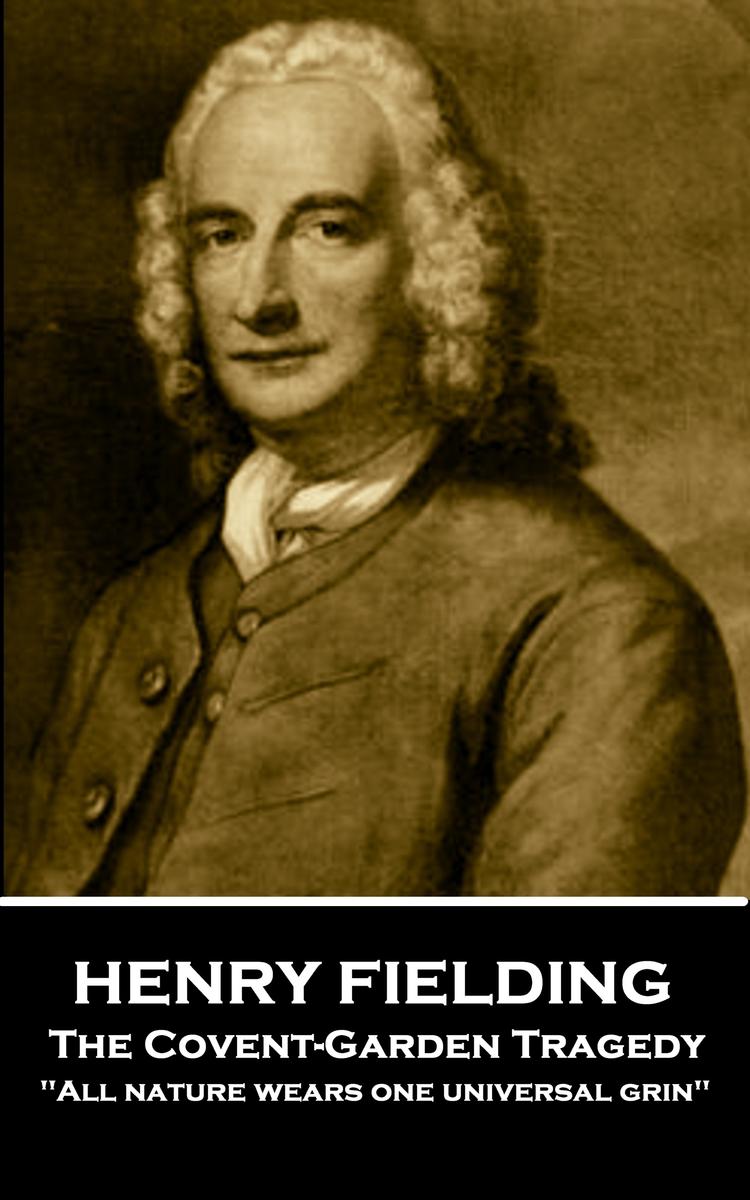
Covent-Garden Tragedy - All nature wears one universal grin
¥14.03
Henry Fielding was born at Sharpham Park, near Glastonbury, in Somerset on April 22nd 1707. His early years were spent on his parents' farm in Dorset before being educated at Eton.An early romance ended disastrously and with it his removal to London and the beginnings of a glittering literary career; he published his first play, at age 21, in 1728.He was prolific, sometimes writing six plays a year, but he did like to poke fun at the authorities. His plays were thought to be the final straw for the authorities in their attempts to bring in a new law. In 1737 The Theatrical Licensing Act was passed. At a stroke political satire was almost impossible. Fielding was rendered mute. Any playwright who was viewed with suspicion by the Government now found an audience difficult to find and therefore Theatre owners now toed the Government line.Fielding was practical with the circumstances and ironically stopped writing to once again take up his career in the practice of law and became a barrister after studying at Middle Temple. By this time he had married Charlotte Craddock, his first wife, and they would go on to have five children. Charlotte died in 1744 but was immortalised as the heroine in both Tom Jones and Amelia.Fielding was put out by the success of Samuel Richardson's Pamela, or Virtue Rewarded. His reaction was to spur him into writing a novel. In 1741 his first novel was published; the successful Shamela, an anonymous parody of Richardson's novel.Undoubtedly the masterpiece of Fielding's career was the novel Tom Jones, published in 1749. It is a wonderfully and carefully constructed picaresque novel following the convoluted and hilarious tale of how a foundling came into a fortune.Fielding was a consistent anti-Jacobite and a keen supporter of the Church of England. This led to him now being richly rewarded with the position of London's Chief Magistrate. Fielding continued to write and his career both literary and professional continued to climb.In 1749 he joined with his younger half-brother John, to help found what was the nascent forerunner to a London police force, the Bow Street Runners. Fielding's ardent commitment to the cause of justice in the 1750s unfortunately coincided with a rapid deterioration in his health. Such was his decline that in the summer of 1754 he travelled, with Mary and his daughter, to Portugal in search of a cure. Gout, asthma, dropsy and other afflictions forced him to use crutches. His health continued to fail alarmingly.Henry Fielding died in Lisbon two months later on October 8th, 1754.
Northanger Abbey
¥11.67
Northanger Abbey by Jane Austen (1775-1817) was published after the authors death in (1818). The main character is Catherine Morland, a young heroine 17 year old who loves to read gothic novels. Whilst staying in Bath, she meets John Thorpe and Henry Tilney and is one day invited by Henrys father to his estate, Northanger Abbey. Catherines love of gothic novels makes her unrealistic towards the world around her by envisioning life through fictional eyes and becomes frightened within the house by believing something dark is occurring within its mysterious rooms which no one has ever been seen to enter. John and Henry both develop a romantic interest towards Catherine but she has only one real love interest and that is towards Henry. This digital edition is beautifully formatted with an active Table of Contents that goes directly to each chapter of the story. Mermaids Classics, an imprint of Mermaids Publishing brings the very best of old book classics to a modern era of digital reading by producing high quality books in ebook format.
Lord Jim (Mermaids Classics)
¥35.22
Lord Jim by Joseph Conrad (1857-1924): ....a young British seaman, becomes first mate on the Patna, a ship full of pilgrims travelling to Mecca for the hajj. When the ship starts rapidly taking on water and disaster seems imminent, Jim joins his captain and other crew members in abandoning the ship and its passengers. A few days later, they are picked up by a British ship. However, the Patna and its passengers are later also saved, and the reprehensible actions of the crew are exposed (Citation from Wikipedia: The free Encyclopaedia)Mermaids Classics, an imprint of Mermaids Publishing brings the very best of old classic literature to a modern era of digital reading by producing high quality books in ebook format. All of the Mermaids Classics epublications are reproductions of classic antique books that were originally published in print format, mostly over a century ago and are now republished in digital format as ebooks. Begin to build your collection of digital books by looking for more literary gems from Mermaids Classics.
Secret Garden (Mermaids Classics)
¥35.22
The Secret Garden (1911) by Frances Hodgson Burnett (1849-1924) is a classic childrens novel based on a young ten year old rude and spoiled girl named Mary Lennox who is the child of wealthy parents. Her parents end up dying and she is orphaned in her house all alone in India until she is sent to live with her uncle who is based in England. Whilst living in England with her cousins, Mary discovers a key that unlocks a neglected garden and also hears crying and finds a little boy named Colin who lives all alone in a hidden room of the house. Colin cannot walk and has not been outside of the house in years so Mary decides to escort Colin in his wheelchair out into the secret garden for some fresh air. With the help of her cousins, Colin learns to walk in the garden and they rebuild it by nurturing it until it flourishes to become a beautiful in-bloom garden.Mermaids Classics, an imprint of Mermaids Publishing brings the very best of old classic literature to a modern era of digital reading by producing high quality books in ebook format. All of the Mermaids Classics epublications are reproductions of classic antique books that were originally published in print format, mostly over a century ago and are now republished in digital format as ebooks. Begin to build your collection of digital books by looking for more literary gems from Mermaids Classics.
Lorna Doone (Mermaids Classics)
¥35.22
Lorna Doone: A Romance of Exmoor (1869) by Richard Doddridge Blackmore (1825- 1900) is a romance novel set in 17th century England in the region of Exmoor. The story follows a farmer named John Ridd who falls in love with Lorna Doone (the granddaughter of the Lord of the Doones). The Doones are considered to be the most notorious and outlawed clan in the region and who also had murdered his father when he was just a boy. As John tries to prevent his feelings developing any further towards Lorna, he later learns that Lorna is not actually related to the Doone family but the long lost girl whos mother was robbed and murdered by the Doone family.Mermaids Classics, an imprint of Mermaids Publishing brings the very best of old classic literature to a modern era of digital reading by producing high quality books in ebook format. All of the Mermaids Classics epublications are reproductions of classic antique books that were originally published in print format, mostly over a century ago and are now republished in digital format as ebooks. Begin to build your collection of digital books by looking for more literary gems from Mermaids Classics.
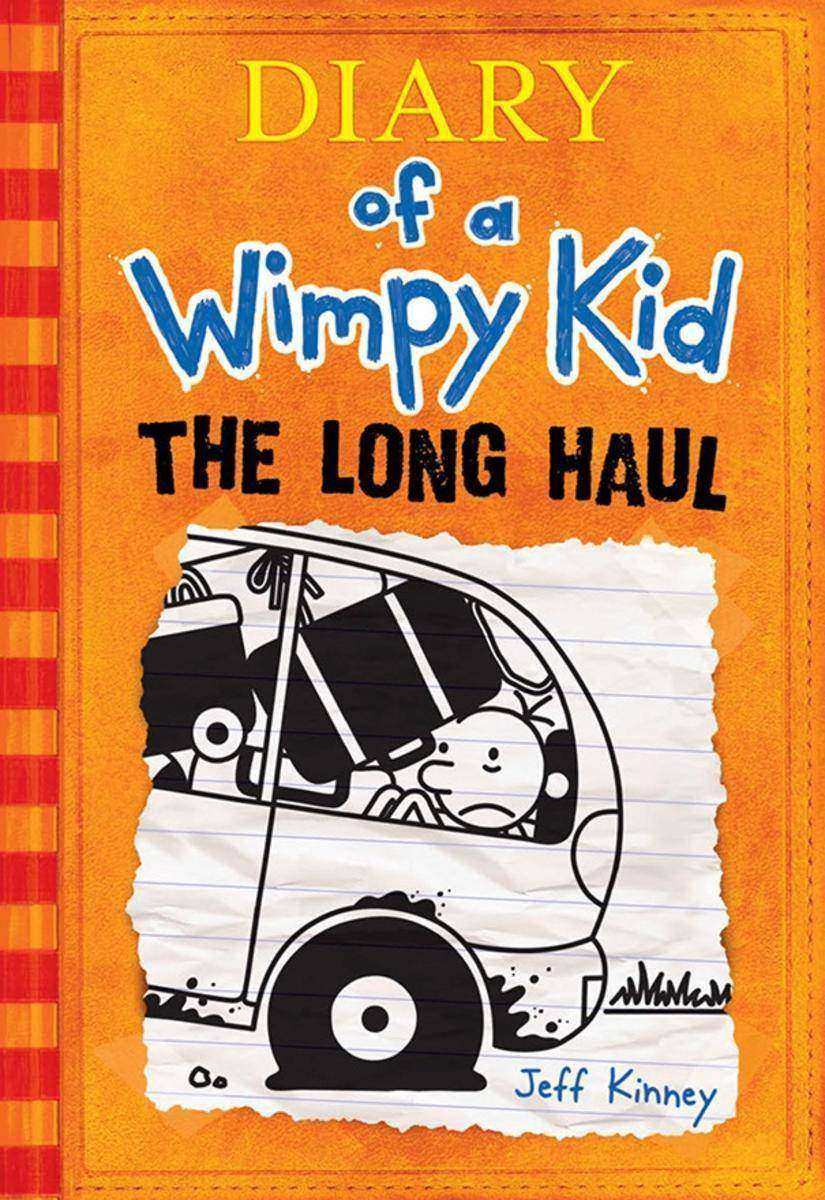
Long Haul (Diary of a Wimpy Kid #9)
¥158.82
A family road trip is supposed to be a lot of fun . . . unless, of course, you’re the Heffleys. The journey starts off full of promise, then quickly takes several wrong turns. Gas station bathrooms, crazed seagulls, a fender bender, and a runaway pig—not exactly Greg Heffley’s idea of a good time. But even the worst road trip can turn into an adventure—and this is one the Heffleys won’t soon forget.

Wes Anderson Collection: Bad Dads - Art Inspired by the Films of Wes Anderson
¥211.41
The third volume in the New York Times bestselling Wes Anderson Collection series showcases the best artwork from ';Bad Dads,' an annual exhibition of art inspired by the films of Wes Anderson. Curated by Spoke Art Gallery in San Francisco, ';Bad Dads' has continued to grow and progress as a dynamic group exhibition since its inaugural show in 2011, and has featured work from more than 400 artists from around the world. Those artworks range from paintings to sculptures to limited-edition screen prints and vary greatly in style, making for a diverse and lively show each year. Though each piece is distinct in its own right, the artworks' unifying element is the shared imagery and beloved characters from: Bottle Rocket Rushmore The Royal Tenenbaums The Life Aquatic with Steve Zissou The Darjeeling Limited Fantastic Mr. Fox Moonrise Kingdom The Grand Budapest Hotel The book features an original cover by graphic artist Max Dalton, a foreword by writer and director Wes Anderson himself, and an introduction by TV and movie critic Matt Zoller Seitz, author of the bestselling Wes Anderson Collectionbooks. A visual treasure trove, Bad Dads grants fans of Wes Anderson another creative avenue to explore his inspired worlds and movies. Also available from Matt Zoller Seitz: The Oliver Stone Experience, Mad Men Carousel, The Wes Anderson Collection: The Grand Budapest Hotel, and The Wes Anderson Collection.
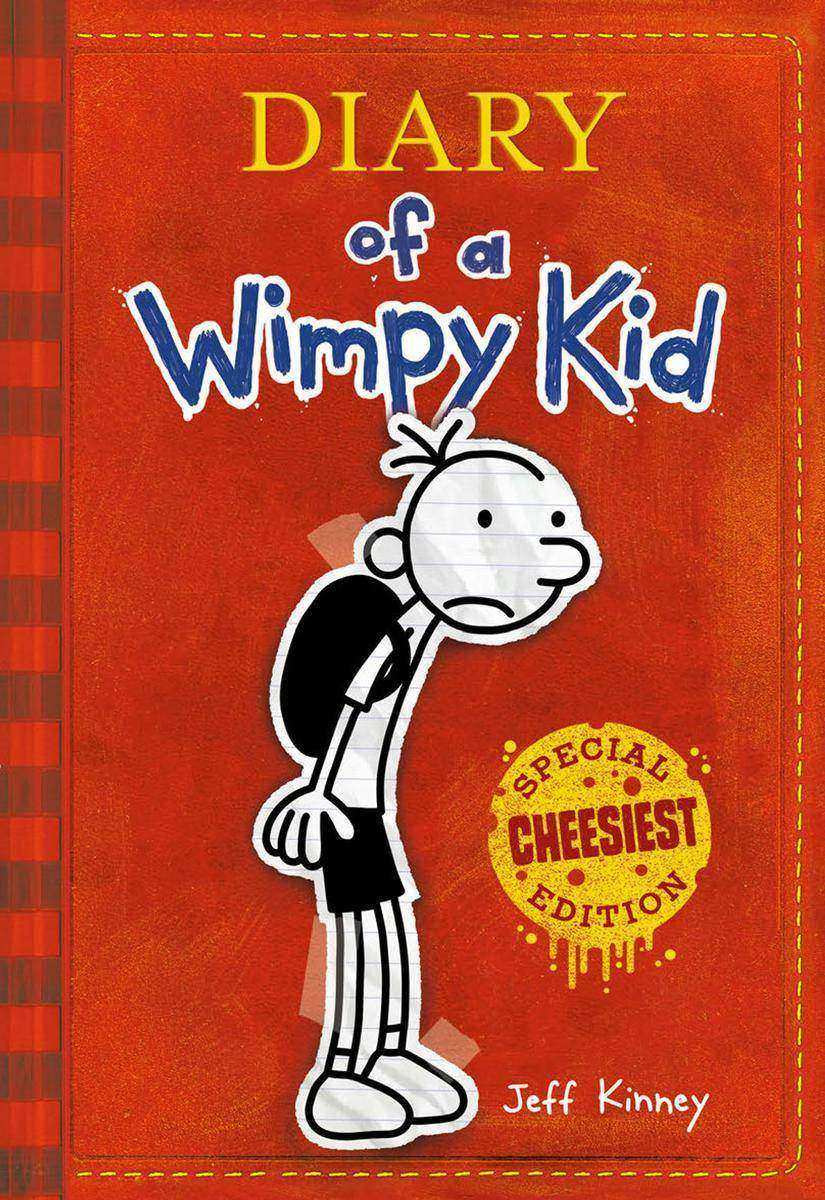
Diary of a Wimpy Kid - Special CHEESIEST Edition
¥138.32
Wimpy Kid Just Got a Lot Cheesier Now you can enjoy the bestselling Diary of a Wimpy Kid series in a whole new way with this Special CHEESIEST Edition! Relive your favorite moments from the book that started it all, with this collectible version printed on premium paper and with a bold new design. You'll never look at Greg, Rowley, Manny, Rodrick, and Fregley the same way again. This Special CHEESIEST Edition is a must-have for longtime fans of the series and new readers alike. But before you open this book, you might want to cross your fingers-you wouldn't want to get the Cheese Touch!

Coen Brothers (Text-Only Edition) - This Book Really Ties the Films Together
¥117.72
From such cult hits as Raising Arizona (1987) and The Big Lebowski (1998) to major critical darlings Fargo (1996), No Country for Old Men (2007), and Inside Llewyn Davis (2013), Ethan and Joel Coen have cultivated a bleakly comical, instantly recognizable voice in modern American cinema. In The Coen Brothers: This Book Really Ties the Films Together, film critic Adam Nayman carefully sifts through their complex cinematic universe in an effort to plot, as he puts it, "e;some Grand Unified Theory of Coen-ness."e; The book combines critical text-biography, close film analysis, and enlightening interviews with key Coen collaborators-with a visual aesthetic that honors the Coens' singular mix of darkness and levity. Featuring film stills, beautiful and evocative illustrations, punchy infographics, and hard insight, this book will be the definitive exploration of the Coen brothers' oeuvre.
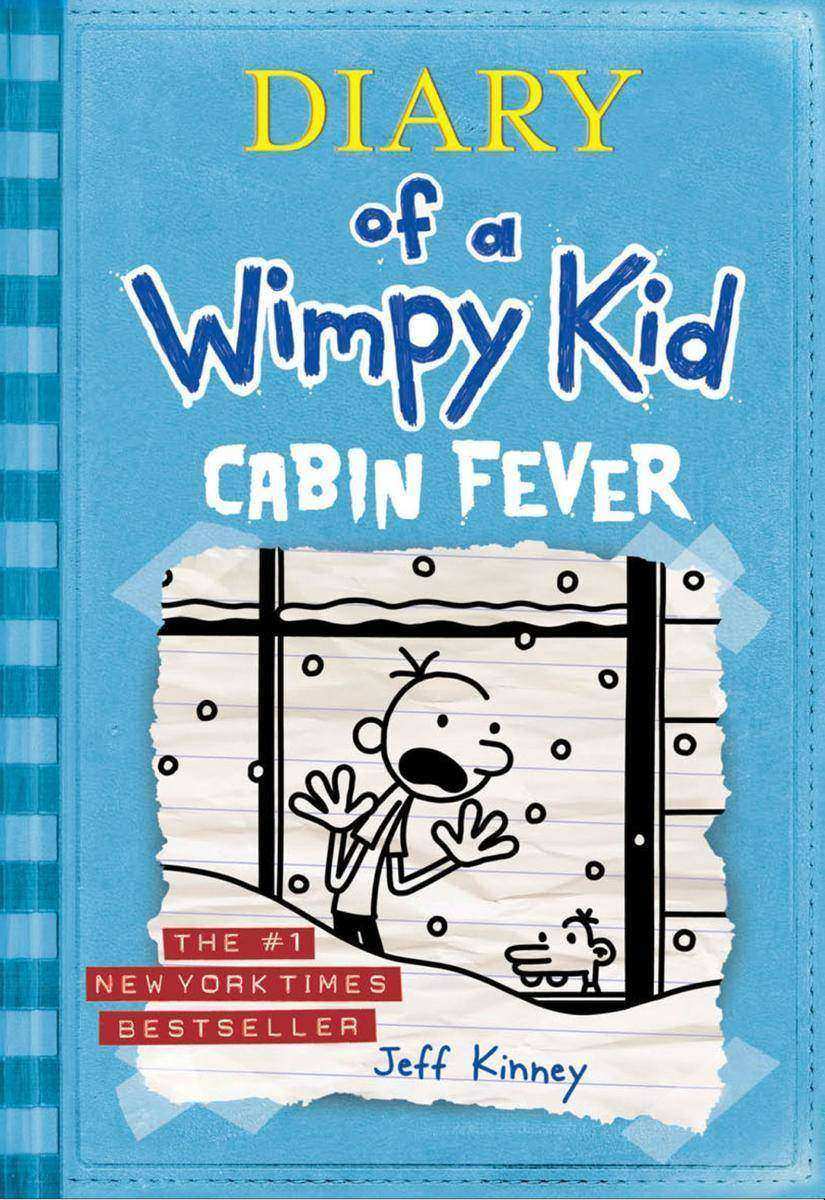
Cabin Fever (Diary of a Wimpy Kid #6)
¥158.82
Greg Heffley is in big trouble. School property has been damaged, and Greg is the prime suspect. But the crazy thing is, he’s innocent. Or at least sort of. The authorities are closing in, but when a surprise blizzard hits, the Heffley family is trapped indoors. Greg knows that when the snow melts he’s going to have to face the music, but could any punishment be worse than being stuck inside with your family for the holidays?
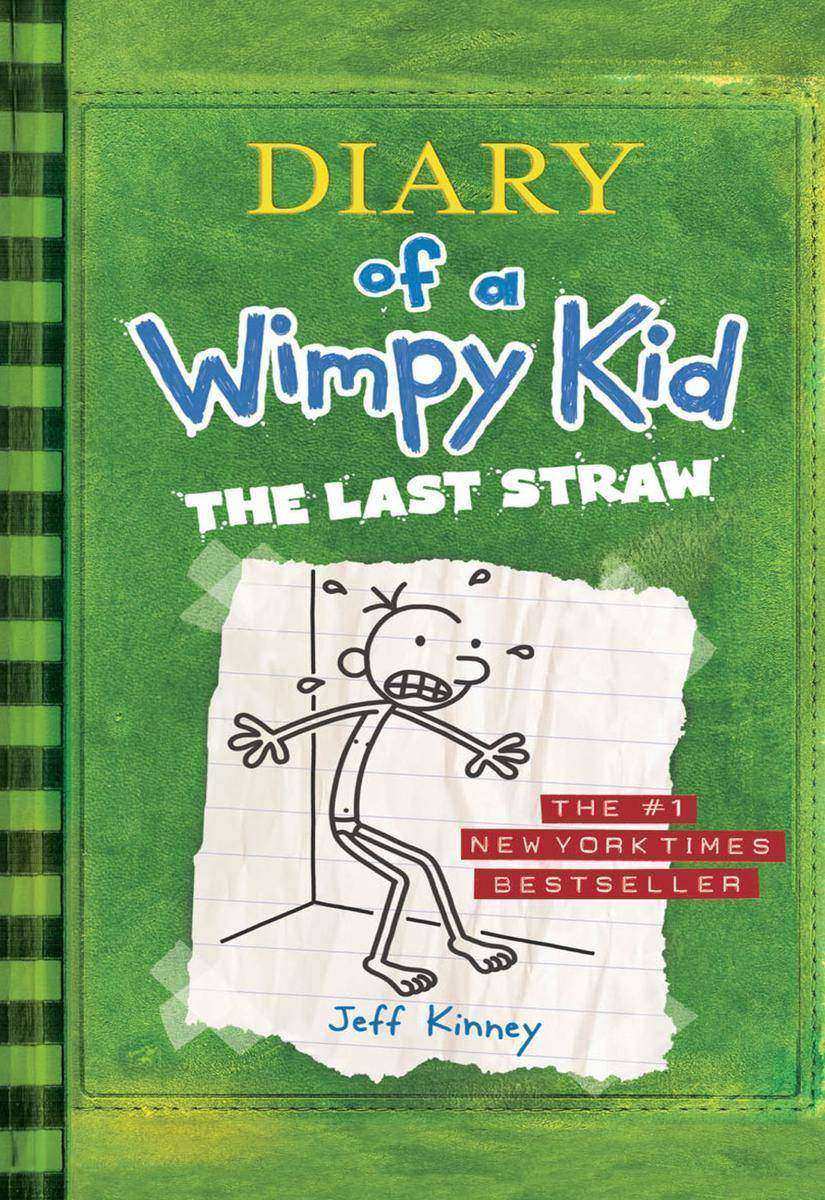
Last Straw (Diary of a Wimpy Kid #3)
¥158.82
The highly anticipated third book in the critically acclaimed and bestselling series takes the art of being wimpy to a whole new level. Let's face it: Greg Heffley will never change his wimpy ways. Somebody just needs to explain that to Greg's father. You see, Frank Heffley actually thinks he can get his son to toughen up, and he enlists Greg in organized sports and other "e;manly? endeavors. Of course, Greg is able to easily sidestep his father's efforts to change him. But when Greg's dad threatens to send him to military academy, Greg realizes he has to shape up . . . or get shipped out. Greg and his family and friends, who make the Diary of a Wimpy Kid books a must-read for middle school readers, are back and at their best in this hilarious new installment of the series, which is sure to please current fans while attracting new ones. Publishers Weekly-1/19/2009:The third book in this genre-busting series is certain to enlarge Kinney's presence on the bestseller lists, where the previous titles have taken up residence for the past two years. Kinney's spot-on humor and winning formula of deadpan text set against cartoons are back in full force. This time, Greg starts off on New Year's Day (he resolves to "e;help other people improve,? telling his mother, "e;I think you should work on chewing your potato chips more quietly?) and ends with summer vacation. As he fends off his father's attempts to make him more of a man (the threat of military school looms), Greg's hapless adventures include handing out anonymous valentines expressing his true feelings ("e;Dear James, You smell?), attempting to impress his classmate Holly and single-handedly wrecking his soccer team's perfect season. Kinney allows himself some insider humor as well, with Greg noting the "e;racket? children's book authors have going. "e;All you have to do is make up a character with a snappy name, and then make sure the character learns a lesson at the end of the book.? Greg, self-centered as ever, may be the exception proving that rule. Ages 8"e;12. (Jan.) F&P level: T
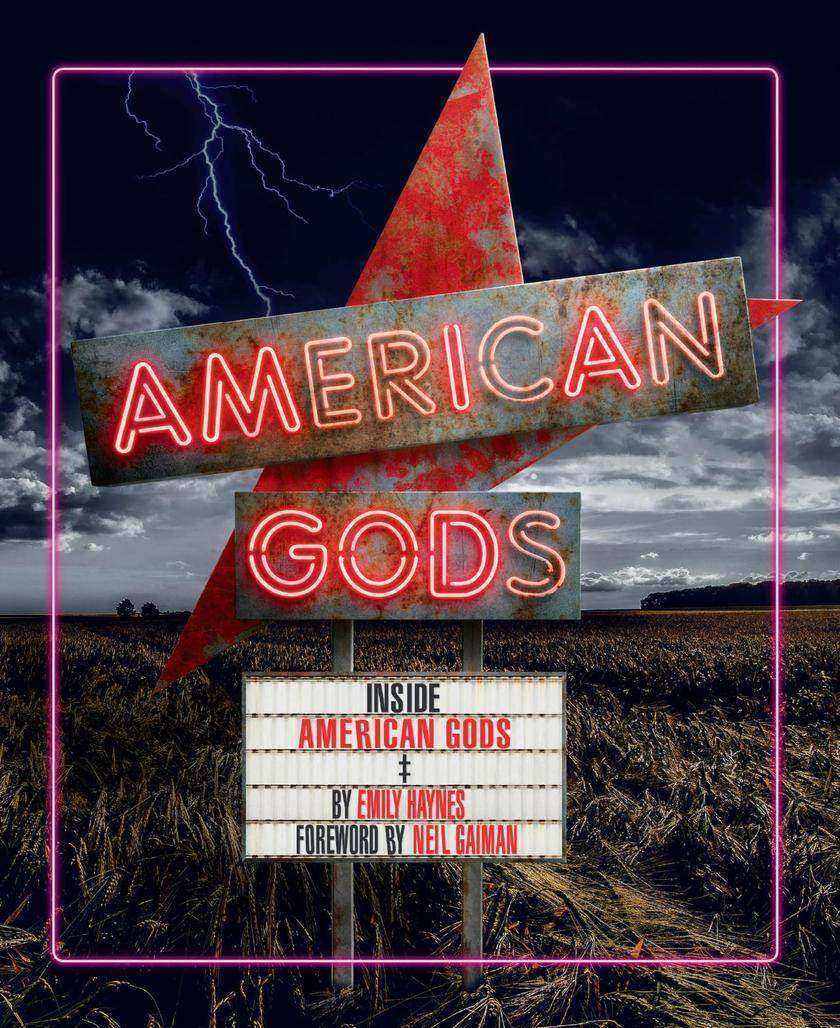
Inside American Gods
¥211.80
Starz American Gods a looking behind the scenesNeil Gaiman's American Gods: The bestselling and most beloved novel, American Gods, is now a critically acclaimed Starz television series. In this official companion to the series, Gaiman fans will see behind the scenes of this compelling, surreal show in which Old Gods and New Gods battle for the hearts and minds of modern-day people. Inside American Gods dives deep into the show's character development and world building. Inside American Gods features interviews with actors Gillian Anderson, Crispin Glover, and Ian McShane, revealing how they brought this cult favorite to the screen.Packed with previously unpublished set photos, concept art, and production designs: Inside American Gods covers Season 1aas well as a teaser of exclusive content for Season 2ain a spectacular hardcover package sure to please fans of the book and the series.Fans of books such as Claimed by Gods, All the Pieces Matter: The Inside Story of the Wire, and Notes from the Upside Down: An Unofficial Guide to Stranger Things will appreciate Emily Hayne's Inside American Gods2018 FremantleMedia. All rights reserved. American Gods and related trademarks are the property of FremantleMedia.
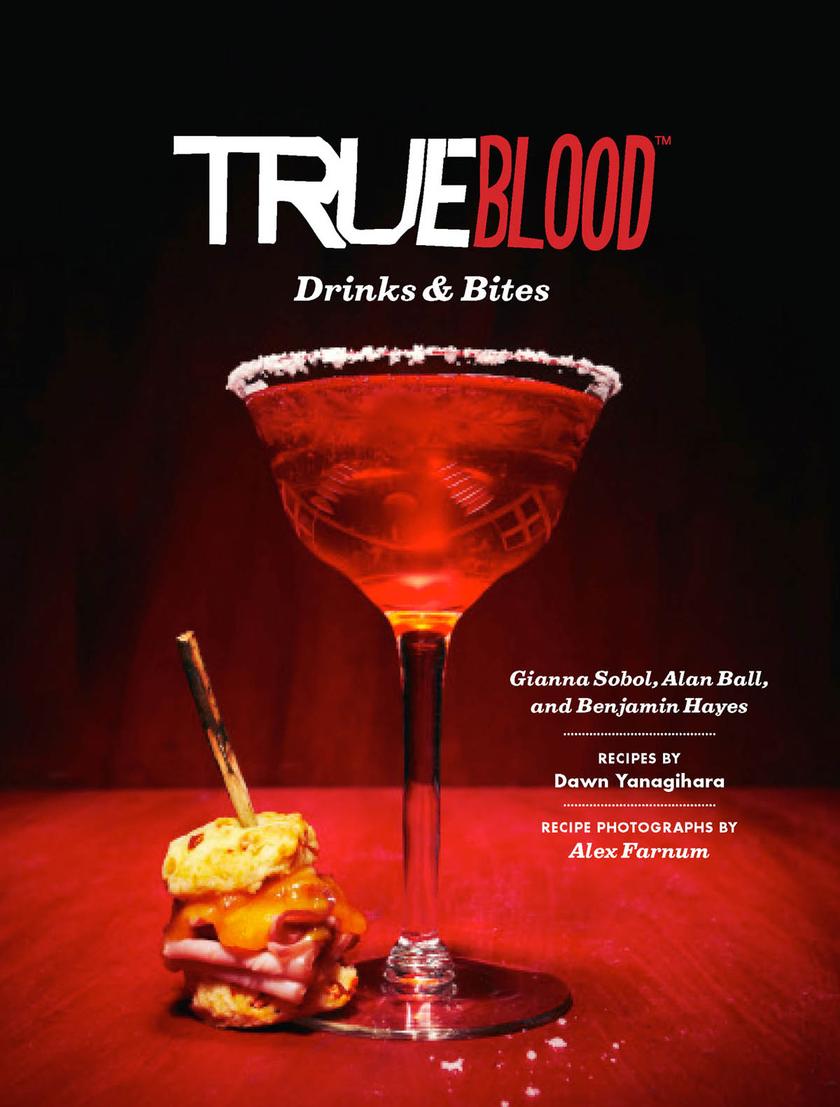
True Blood Drinks & Bites
¥117.62
For the ravenous fanbase of HBO's smash hit series, True Blood Drinks and Bites presents 45 quick and easy recipes for themed gatherings and weekly watch parties, all inspired by the series' most notorious vampires and victims. From the creator of True Blood and his writing team, these are deliciously &quote;in-world&quote; appetizers, cocktails, and nonalcoholic drinks to enjoy as the drama goes down in Bon Temps. Think Scorn Fritters and Hot Dates, washed down with an ice-cold Spirit Lifter. Entertaining and packed with noveltyincluding quotes and commentary from the characters themselves, plus original unpublished photography from seasons 1 through 5True Blood Drinks and Bites brings home a fun and tantalizing taste of the onscreen action.


