


 购物车
购物车 个人中心
个人中心
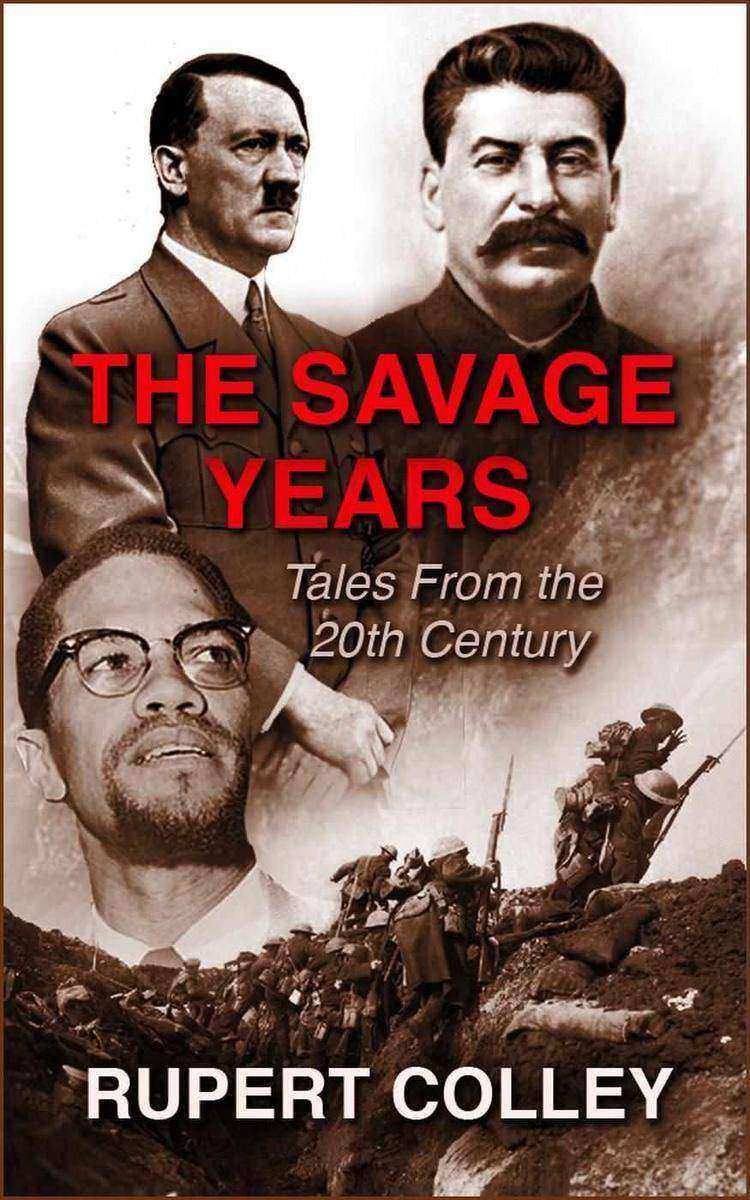
The Savage Years: Tales From the 20th Century
¥68.10
20th Century War and Misery.The suicide of Hitler’s niece, the assassinations of Malcolm X and Franz Ferdinand, the Battle of the Somme and Stalingrad, and the betrayal of Anne Frank – these are some of the stories you’ll find in Rupert Colley’s new collection of articles, The Savage Years: Tales From the 20th Century.?Covering World War One, World War Two, the Cold War, the Soviet Union, Nazi Germany, and much more besides, immerse yourself in sixty stories from some of the key moments of modern (and a few not so modern) history.?Fully illustrated with 140 photos, this makes perfect reading for commuters, students or the curious.?A paperback version of this title is also available – an ideal birthday present for those who love a bit of war and misery.?Within?The Savage Years: Tales From the 20th Century, you’ll also meet Vladimir Lenin, Douglas Haig, Horst Wessel, Nikolai Bukharin, Fritz Haber, Joseph Goebbels, Joseph McCarthy, Rudolph Hess, Stalin’s mother and daughter, Leon Trotsky, Edith Cavell, Charles de Gaulle, Wilhelm II, Abraham Lincoln, Grigori Rasputin, and many, many more.?
Nothing to Fear
¥34.79
The gifts were innocent… at first.After a traumatic assault, Hannah Novak returns to her home-town hoping for a fresh start. However, when strange gifts turn up on her doorstep, and a stalker fixates on her, she discovers that Blackbridge isn’t the safe?haven it once was. With no family left to turn to, she’s forced to seek help from the broody new cop in town.Ryan Kilpatrick has travelled across the country to create a stable home for his young son, but being a police officer makes that hard. He doesn’t need Hannah’s problems added to his own, yet her courage and vulnerability awakens the protector in him.With time running out, can Hannah learn to trust again before it’s too late?Because this time, there are no second chances.

The Wolf at the End of the World
¥43.51
A shapeshifter hero battles ancient spirits, a covert government agency, and his own dark past in a race to solve a murder that could mean the end of the world. Cree and Ojibwe legends mix with current day environmental conflict in this fast-paced urban fantasy that keeps you on the edge of your seat right up to its explosive conclusion. With an introduction by Charles de Lint. The Heroka walk among us. Unseen, unknown. Shapeshifters. Human in appearance but with power over their animal totems. Gwyn Blaidd is a Heroka of the wolf totem. Once he led his people in a deadly war against the Tainchel, the shadowy agency that hunts his kind. Now he lives alone in his wilderness home, wolves his only companions. But when an Ojibwe girl is brutally killed in Gwyn’s old hometown, suspicion falls on his former lover. To save her, Gwyn must return, to battle not only the Tainchel, but even darker forces: ancient spirits fighting to enter our world… And rule it. “An immersive and enjoyable reading experience. Readers will delight in learning more about Native American mythology, which is skillfully woven throughout the story. Smith’s novel is both well paced and deftly plotted—leaving readers curious about what comes next for the Heroka in the modern world.” — Publishers Weekly “What makes THE WOLF AT THE END OF THE WORLD such an engrossing read are the characters and Doug’s wonderful prose, a perfect blend between matter-of-fact and lyricism. I can’t remember the last time I read a book that spoke to me, so eloquently, and so deeply, on so many levels. ... I’ll be rereading it in the future because it’s that sort of book. Richly layered and deeply resonant. An old friend, from the first time you read it.” — Charles de Lint, World Fantasy Award winner
In the Pines
¥34.79
A ghost train carries a murderous secret deep through the North Georgia mountains. Betrayal colder than the wind blowing through the pines. A young girl with a burden a hundred years out of time.An old man’s tale of guilt and regret.A heartbroken woman caught in a mystery only she can solve.A boy long past living holds the key. Can unearthed secrets end the nightmare at last?
Akosua and Osman
¥17.35
Akosua Annan is a confident and fiercely intelligent student at a posh girls' school in Cape Coast, Ghana. There she comes under the influence of a charismatic feminist teacher. Osman Said's background is very different. Upon the death of his parents, a police sergeant and an unschooled market trader, immigrants to the capital, Accra, from the impoverished north of the country, he is adopted by a retired school teacher, Hajia Zainab. After a spell as an apprentice in an auto workshop, he returns to school. There, finding the teaching inadequate, he becomes an avid reader and educates himself. Akosua and Osman are thrown together by chance in the course of a school visit to the slave dungeon at Cape Coast Castle. Their paths cross again as finalists in the national school debating competition where the subject is "The problem of poverty in Ghana is insoluble." They meet for the third time as students at the University of Ghana and as we leave them, it looks as if their relationship might develop into something permanent. This story won a Burt Award for African Literature in 2011. The judges commented: "This fascinating novel tells the story of how these two young people from disparate backgrounds are brought together as if by an unseen hand, in a process that teaches us about our history, our common humanity despite ethnic differences, the need to pursue our ambitions, the strength of human sexuality and the need for self-discipline, and, above all, the power of love."

Fantastic Shorts: Volume 2
¥34.79
An enchanted bookstore in a town full of magic.A story of childhood and best friends revisited.A town forced to face the music.A modern myth from a land before time.A charming collision of numbers and magic.Unwelcome change in a land of dragons. In this second fantasy short story collection from Kari Kilgore, she visits lands familiar and strange, mythological and fantastic. From Allsentia to Appalachia to Atlanta, from modern mythology to dragons to joys of distant childhood. Join this talented storyteller on a journey through magical bookstores and haunted towns, lands lost in time and friendships forged across new dimensions. Includes Odds and Endings, Dawn Visitor,?The Earworms, The Spider Who Ate the Elephant,?Little Five, and The Last Dragonkeeper. Odds and EndingsVisit an enchanted bookstore in a town full of magic.Chris Ramsey grew up visiting the Odds and Endings Bookstore in Lightning Gap, Virginia.Wandering the shelves. Finding endless adventures in the pages.Wishing he helped create the magic.Years later, Chris gets his chance.What would you do for the opportunity of a lifetime? Dawn VisitorA beloved dog brings a special gift, especially to a young girl’s life.One that lasts and endures no matter how many years pass.Toby welcomes Ellie home as only a first best friend can.A touching story of childhood and best friends revisited. The EarwormsWhat if your whole town had to face the music?Estonoa, Virginia. A lovely little town tucked deep in the Blue Ridge Mountains.Hiking and ATV trails. Kayaking along the scenic Clinch River.A thriving community focused on the future.Erin Evans loves her hometown, except for one thing.The Earworms.Will Erin find the answer before the music drives her and everyone else crazy? The Spider Who Ate the ElephantA Modern Myth.?An eerie natural phenomenon.In the distant past, in a distant land…Grandmother Spider faces a sad problem far too big and difficult for her to solve.The end of her family and all the creatures in her land.Find out how her triumph echoes from then to now, and into forever.A tale of compassion, survival, and love. Little FiveBarry Evans: An oddball in the oddest land of all.A gray-suited accountant navigating colorful hair, crazy clothing, and questionable businesses.After three months in Little Five, nothing surprises Barry anymore.Until the day he meets a true stranger in town.What happens when numbers meet magic? The Last DragonkeeperWyja, Senior Dragonkeeper of the Upper Abramshire Academy, tends to young dragons and keepers alike.Each group challenging, and exhausting, in their own way.Unwelcome change sets in when dragon birthrates drop to dangerous levels.No one knows why.Can Wyja solve the problem before it’s too late?
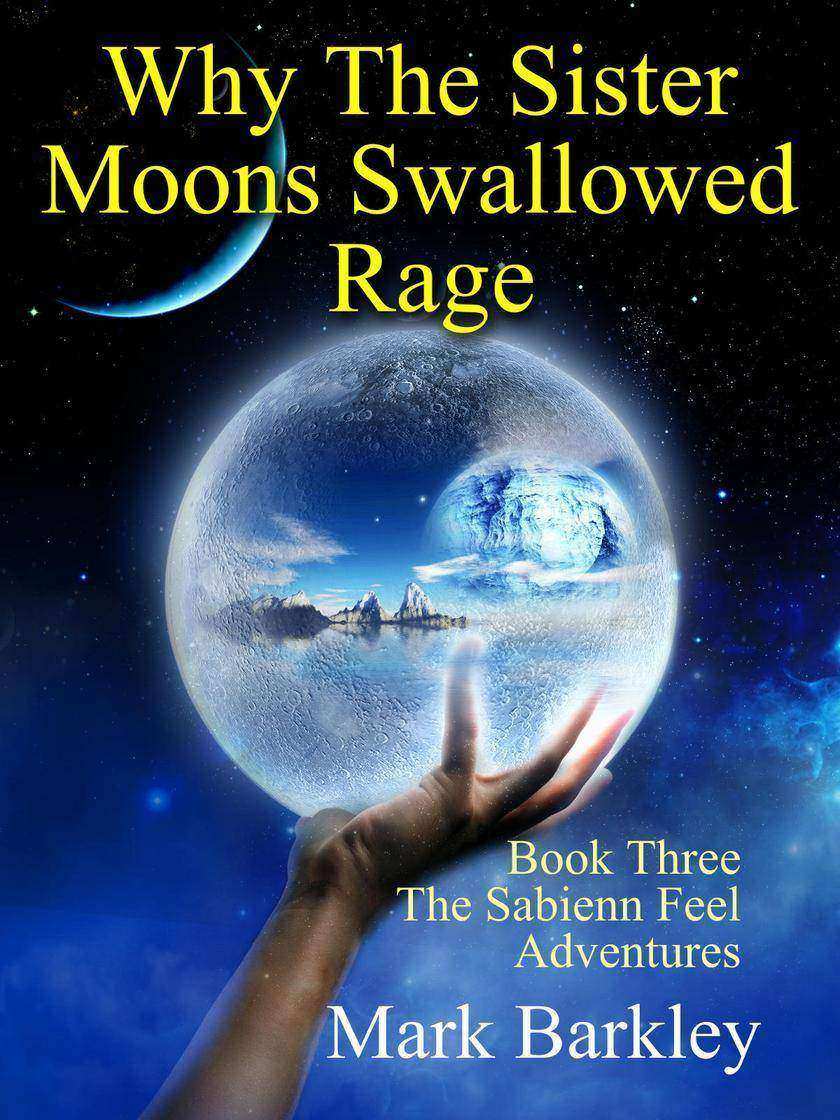
Why The Sister Moons Swallowed Rage: Book Three: The Sabienn Feel Adventures
¥26.07
In his quest, Sabienn Feel and his brothers venture to the country of Turrland, a land that his homeland of Hayddland has been at constant war with. His mission is to seek the occult stone, the Symbol of Military Success and make sure it never falls into the hands of his Father who wants only to push the planet into the abyss of war. In this journey, he needs to seek a book that was once owned by a mysterious monk. ? But what of Turrland? Is it to be invaded or not invaded? And how will he react when in his attempt to get answers, there is conflict within his group and a much loved brother dies? Why The Sister Moons Swallowed Rage is the third of twelve books in the Sabienn Feel Adventures.??? Interview with the Author Q – That’s three books down. How’s the journey unfolding? A - The characters are evolving. The more adversity they face the more they grow. There’s significant skin taken off Sabienn Feel in this book. His character is gaining wisdom. It was a pleasure to write this third book in the series. Q – Any news on the next book? The fourth in the series? A – I’m working with the tentative title, “The Two Men Who Kill to Be Carbon”. This is actually explained on the final page of “Why The Sister Moons Swallowed Rage” and also explains why the first book “When The Stone Shepherds Awaken” had to be so long. It is to be a study into the hunter and the hunted. Twins, two men, have been assigned to kill Sabienn and his brothers. One man is Sabienn’s best friend. The other has killed the woman he loved. It’s a mission of kill or be killed. Q - What inspired you to write?The Sabienn Feel Adventures? A – I’ve always loved the idea of the epic journey. I’m acquainted with the book?Journey to the West?but was more familiar with the TV series in the 80’s based on the book called?Monkey. The idea of four souls travelling across a wide expanse of geography to complete a quest appealed to me. So I planned a series of twelve books to go from one place in the south of this space colony that they live on twice removed from Earth, to end up in the north, meeting danger at every turn. Q – Why does your main character Sabienn Feel grow wings? A - Good question. I wanted something very drastic to occur to these people physically. Something that would be difficult to hide and offer an immediate prejudice. The idea of growing wings constantly came up for me. There’s a Pearl Jam song I found inspiring that says, “And?sometimes is seen a strange spot in the sky.?A?human being?that was?given to fly”. And in my mind’s eye, I could see this figure. Almost like the Led Zeppelin Icarus logo but with bat wings.?But they couldn’t fly otherwise they’d hit the sky and the journey would be over in no time. I made them only able to swim because being submerged in water has elements of dealing with the subconscious. To me it satisfies all elements of those prophecy, fantasy, epic adventure type of stories that involve friendship and brotherhood. Q - So, why should readers give these books a try? A – Well I would say they were humour-filled, page-turning, epic, fantasy adventure novels which involve a quest. But then that’s what you would expect me to say. Why not try and read one of the books and let me know what you think? Some of the books are free so you’ve got nothing to lose.
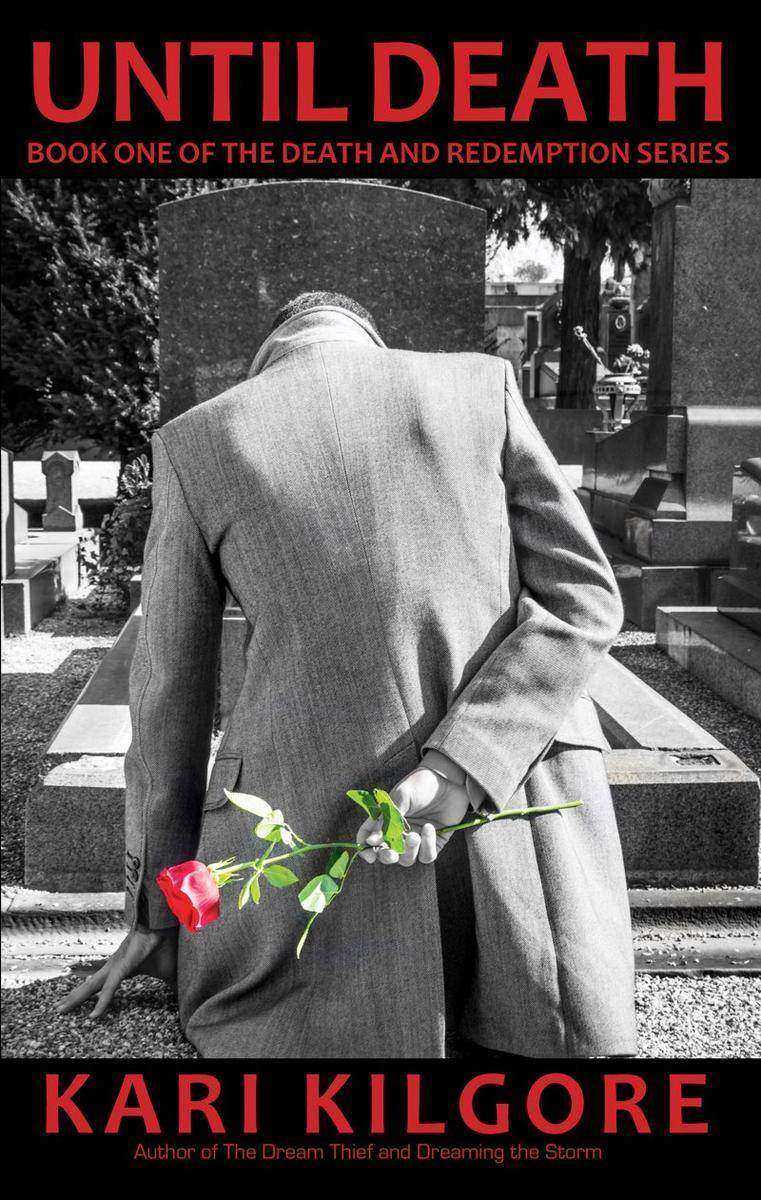
Until Death
¥43.51
Leo Sabov never imagined a day without his beloved wife Maria. Now he faces the rest of his life alone. After bringing Maria to rest in her native Transylvania, Leo only wants to escape the rumors and superstitions taking over the tiny mountain village. A former Communist Party boss, a string of unexplainable deaths, and an ancient mama dog force him into mysteries he can’t understand or explain. Will Leo survive a test even greater than the heartbreaking?death of his wife, one with life or death consequences?
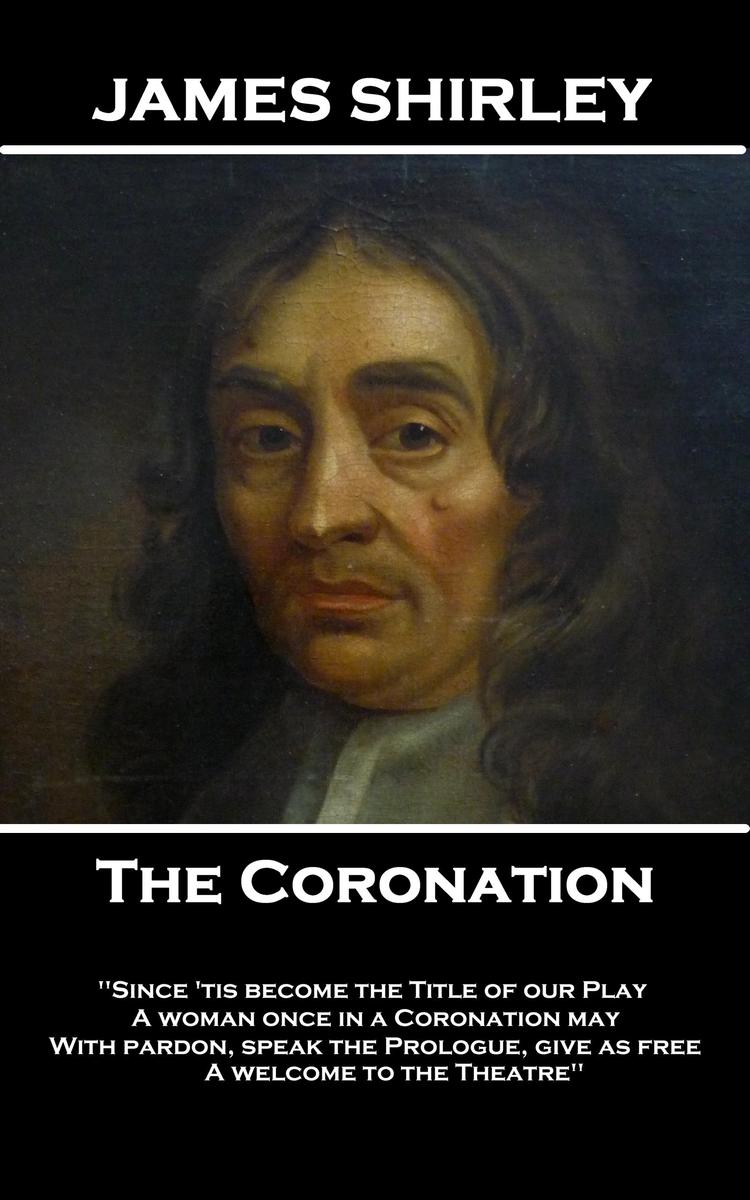
Coronation - What wind brought thee hither?
¥23.45
James Shirley was born in London in September 1596.His education was through a collection of England's finest establishments: Merchant Taylors' School, London, St John's College, Oxford, and St Catharine's College, Cambridge, where he took his B.A. degree in approximately 1618.He first published in 1618, a poem entitled Echo, or the Unfortunate Lovers.As with many artists of this period full details of his life and career are not recorded.He wrote his first play, Love Tricks, or the School of Complement, which was licensed on February 10th, 1625.For the next two decades, he would write prolifically and with great quality, across a spectrum of thirty plays; through tragedies and comedies to tragicomedies as well as several books of poetry. Unfortunately, his talents were left to wither when Parliament passed the Puritan edict in 1642, forbidding all stage plays and closing the theatres.His death, at age seventy, along with that of his wife, in 1666, is described as one of fright and exposure due to the Great Fire of London which had raged through parts of London from September 2nd to the 5th.He was buried at St Giles in the Fields, in London, on October 29th, 1666.
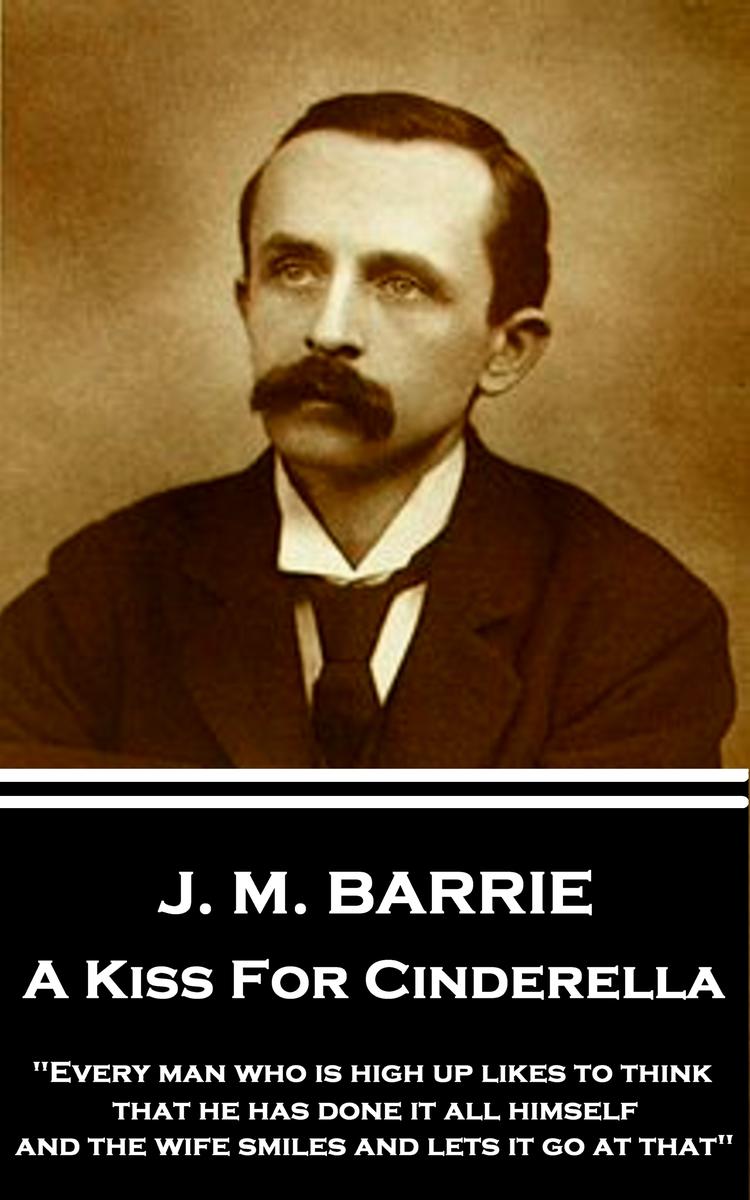
Kiss for Cinderella
¥16.38
Sir James Matthew Barrie, 1st Baronet, OM, was born in Kirriemuir, Angus the ninth of ten children on May 9th, 1860. From early formative experiences, Barrie knew that he wished to follow a career as an author. His family wished otherwise and sought to persuade him to choose a profession, such as the ministry. The compromise was that he would attend university to study literature at the University of Edinburgh. He graduated with an M.A. on April 21st, 1882. His first job was as a staff journalist for the Nottingham Journal. The London editor of the St. James's Gazette "e;liked that Scotch thing"e; in Barrie's short stories about his mother's early life. They also served as the basis for his first novels. Barrie though was increasingly drawn to working in the theatre. His first play, a biography of Richard Savage, was only performed once and critically panned. Undaunted he immediately followed this with Ibsen's Ghost in 1891, a parody of Ibsen's plays Hedda Gabler and Ghosts. Barrie's third play, Walker, London, in 1892 led to an introduction to his future wife, a young actress by the name of Mary Ansell. The two became friends, and she helped his family to care for him when he fell very ill in 1893 and 1894. Barrie proposed and they were married, in Kirriemuir, on July 9th, 1894. By some accounts the relationship was unconsummated and indeed the couple had no children. The story of Peter Pan had begun to formulate when Barrie became acquainted with the Llewelyn Davis family in 1897, meeting George, Jack and baby Peter with their nanny in London's Kensington Gardens. In 1901 and 1902, Barrie had back-to-back theatre successes with Quality Street and The Admirable Crichton. The character of "e;Peter Pan"e; first appeared in The Little White Bird in 1902. This most famous and enduring of his works; Peter Pan, or The Boy Who Wouldn't Grow Up had its first stage performance on December 27th, 1904. Peter Pan would overshadow everything written during his career. He continued to write for the rest of his life contributing many other fine and important works. Sir James Matthew Barrie, 1st Baronet, OM, died of pneumonia on June 19th,1937 and was buried at Kirriemuir next to his parents and two of his siblings.

Machine - Fascism is capitalism plus murder.
¥26.98
Upton Sinclair (1878-1968) was a prolific American novelist and a political activist. Apart from his bestselling novels, which told in black and white, illuminated the realities of the United States at the turn of the twentieth century, he is remembered today for championing socialist causes that were naturally unpopular in conservative America. In classics like 'The Jungle' his work had considerable effects on American politics and legislation. Sinclair's socialist ideals and dreams found their way to his fiction as he believed that no art can be practiced for art's sake as long as humanity still suffers from persistent dangers and evils. Such orientations have often subjected Sinclair to harsh criticism and even to demonization from numerous critics and politicians of his time, the most distinguished among which was probably President Theodore Roosevelt. However his legacy is that of a successful and established novelist and activist who if not always righting the balance was able to bring an incisive mind and mass exposure to many areas and industries.
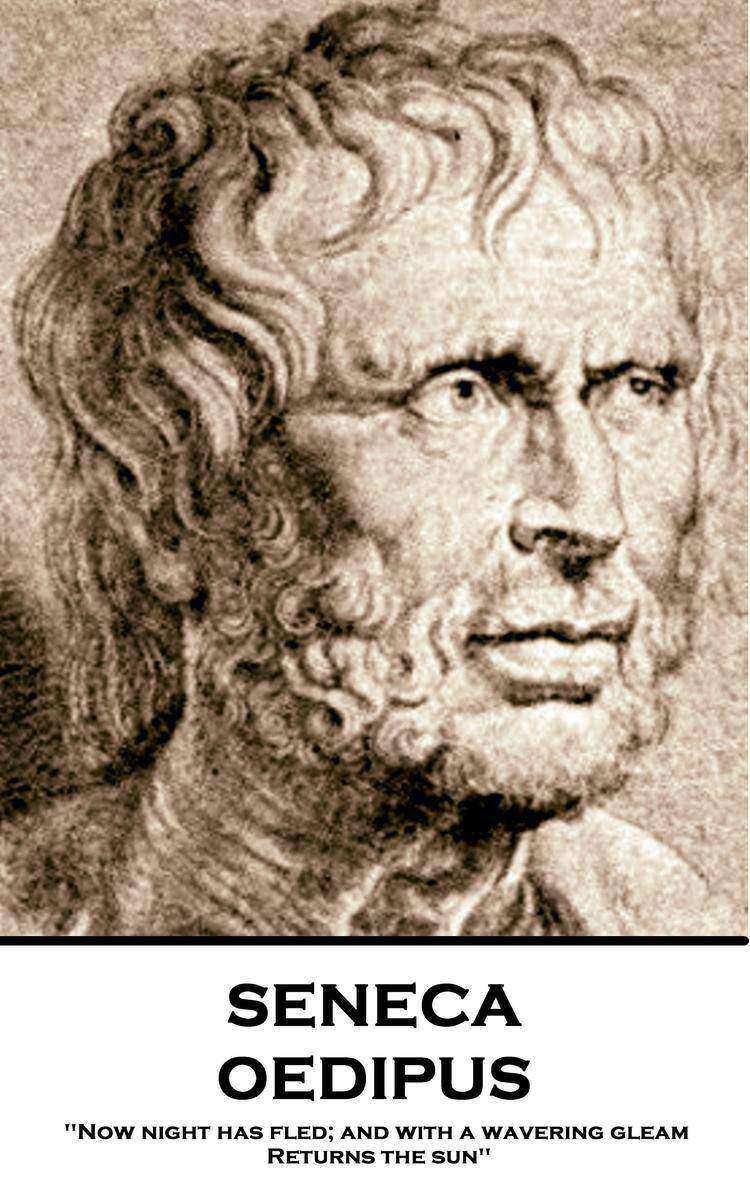
Oedipus - 'Now night has fled; and with a wavering gleam Returns the sun''
¥14.03
Lucius Annaeus Seneca, more readily known as Seneca the Younger, was born at Cordoba in the Roman province of Baetica in Hispania in approx 4 BC.Seneca attests that he was taken to Rome at a young age and educated in literature, grammar, and rhetoric; the standard education of high-born Romans. He also received philosophical training.Much of his life is not well documented but accounts do lean towards a pattern of ill-health at times. His breathing difficulties are thought to be the result of asthma and during his mid-twenties he contracted tuberculosis.He was sent to Egypt to live with his aunt, whose husband, Gaius Galerius, was Prefect of Egypt. In 31 AD he returned to Rome with her and, with her influence, was elected quaestor and with it the right to sit in the Roman Senate.Seneca's early career as a senator was successful and he was fulsomely praised for his oratory. A story related that emperor Caligula was so offended by Seneca's oratorical success that he ordered him to commit suicide. Seneca's ill-health prevented that.In 41 AD, Claudius became emperor, and Seneca was promptly cited by the new empress Messalina of adultery with Julia Livilla, the sister of Caligula and Agrippina.After trial the Senate pronounced a death sentence, which Claudius then commuted to exile. Seneca was to now spend the next eight years in Corsica. From this period of exile survive two of his earliest works-both consolations.In 49 AD Agrippina married her uncle Claudius, and through her Seneca was recalled to Rome. Agrippina appointed him, as tutor to her son, the future emperor Nero.Nero's early rule, during which he followed the advice of Seneca and Burrus, was competent. However, within a few years both Seneca and Burrus had lost their influence.In 58 AD the senator Publius Suillius Rufus made a series of public attacks on him saying that, Seneca had acquired a personal fortune of three hundred million sestertii. In response, Seneca brought a series of prosecutions for corruption against him. Suillius was dispatched into exile.After Burrus's death in 62 AD, Seneca's influence further declined. He adopted a quiet lifestyle at his country estates, concentrating on his studies and seldom visiting Rome. It was during these final few years that he composed two of his greatest works: 'Naturales Quaestiones'-an encyclopedia of the natural world; and his 'Letters to Lucilius'-which document his philosophical thoughts.In AD 65, Seneca was caught up in the aftermath of the Pisonian plot to kill Nero. Nero ordered him to kill himself. Seneca followed tradition by opening several veins in order to bleed to death. It was a sad conclusion for a man who has been called the first great Western thinker on the complex nature and role of gratitude in human relationships.
Tempest
¥17.56
William Shakespeare was born in Stratford-upon-Avon in late April 1565 and baptised there on 26th April. He was one of eight children. Little is known about his life but what is evident is the enormous contribution he has made to world literature. His writing was progressive, magnificent in scope and breathtaking in execution. His plays and sonnets helped enable the English language to speak with a voice unmatched by any other. William Shakespeare died on April 23rd 1616, survived by his wife and two daughters. He was buried two days after his death in the chancel of the Holy Trinity Church. The epitaph on the slab which covers his grave includes the following passage, Good friend, for Jesus's sake forbear, To dig the dust enclosed here. Blessed me the man that spares these stones, And cursed be he that moves my bones. Here we publish his comedy from 1611 'The Tempest'.
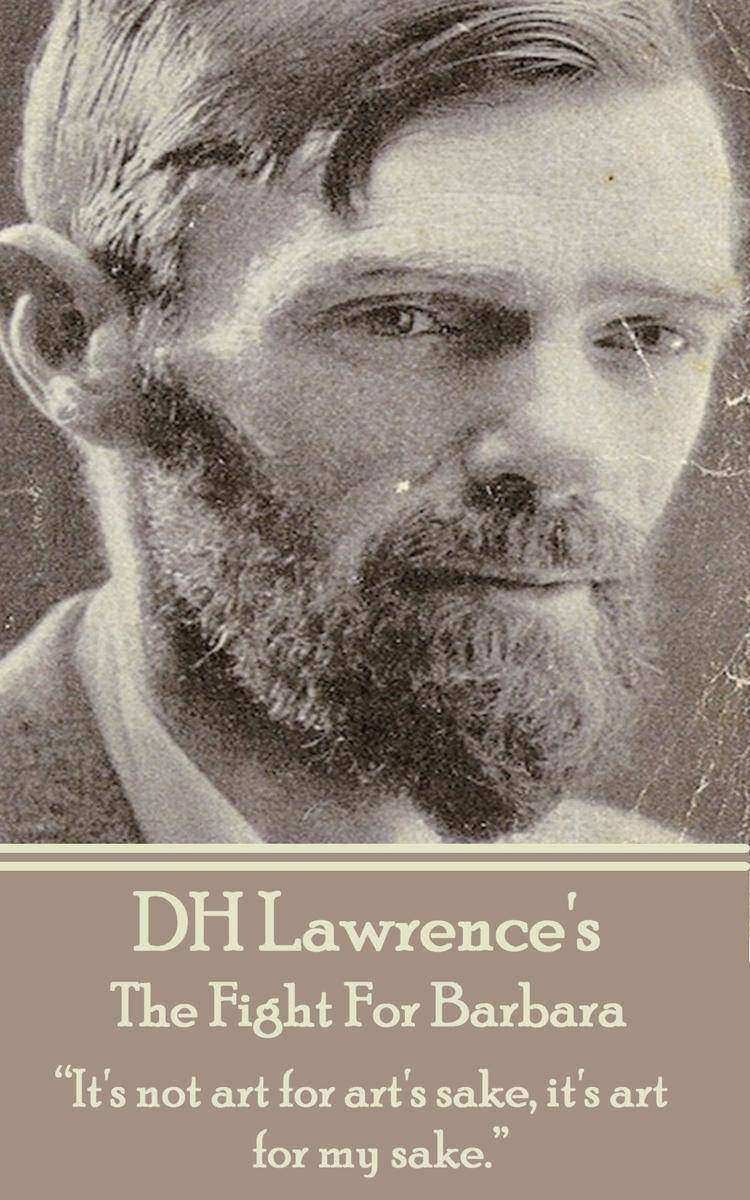
Fight For Barbara - It's not art for art's sake, it's art for my sake.
¥35.22
For many of us DH Lawrence was a schoolboy hero. Who can forget sniggering in class at the mention of Women In Love or Lady Chatterley's Lover? Lawrence was a talented if nomadic writer whose novels were passionately received, suppressed at times and generally at odds with Establishment values. This of course did not deter him. At his death in 1930 at the young age of 44 he was more often thought of as a pornographer but in the ensuing years he has come to be more rightly regarded as one of the most imaginative writers these shores have produced. As well as his novels and of course his poetry - he wrote in excess of 800 of them he was also a very talented playwright. These works have not been given quite the attention they deserve. Here we publish 'The Fight For Barbara'.
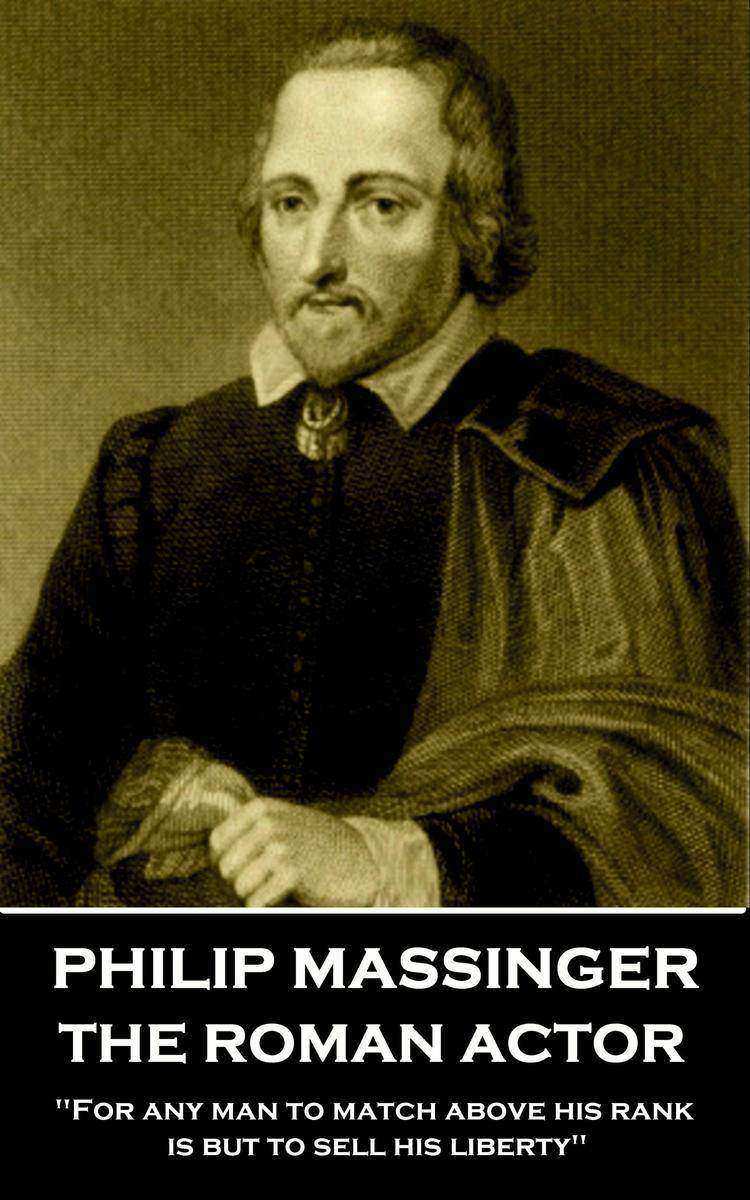
Roman Actor - For any man to match above his rank is but to sell his liberty
¥23.45
Philip Massinger was baptized at St. Thomas's in Salisbury on November 24th, 1583.Massinger is described in his matriculation entry at St. Alban Hall, Oxford (1602), as the son of a gentleman. His father, who had also been educated there, was a member of parliament, and attached to the household of Henry Herbert, 2nd Earl of Pembroke. The Earl was later seen as a potential patron for Massinger.He left Oxford in 1606 without a degree. His father had died in 1603, and accounts suggest that Massinger was left with no financial support this, together with rumours that he had converted to Catholicism, meant the next stage of his career needed to provide an income.Massinger went to London to make his living as a dramatist, but he is only recorded as author some fifteen years later, when The Virgin Martyr (1621) is given as the work of Massinger and Thomas Dekker.During those early years as a playwright he wrote for the Elizabethan stage entrepreneur, Philip Henslowe. It was a difficult existence. Poverty was always close and there was constant pleading for advance payments on forthcoming works merely to survive.After Henslowe died in 1616 Massinger and John Fletcher began to write primarily for the King's Men and Massinger would write regularly for them until his death.The tone of the dedications in later plays suggests evidence of his continued poverty. In the preface of The Maid of Honour (1632) he wrote, addressing Sir Francis Foljambe and Sir Thomas Bland: "e;I had not to this time subsisted, but that I was supported by your frequent courtesies and favours."e;The prologue to The Guardian (1633) refers to two unsuccessful plays and two years of silence, when the author feared he had lost popular favour although, from the little evidence that survives, it also seems he had involved some of his plays with political characters which would have cast shadows upon England's alliances.Philip Massinger died suddenly at his house near the Globe Theatre on March 17th, 1640. He was buried the next day in the churchyard of St. Saviour's, Southwark, on March 18th, 1640. In the entry in the parish register he is described as a "e;stranger,"e; which, however, implies nothing more than that he belonged to another parish.
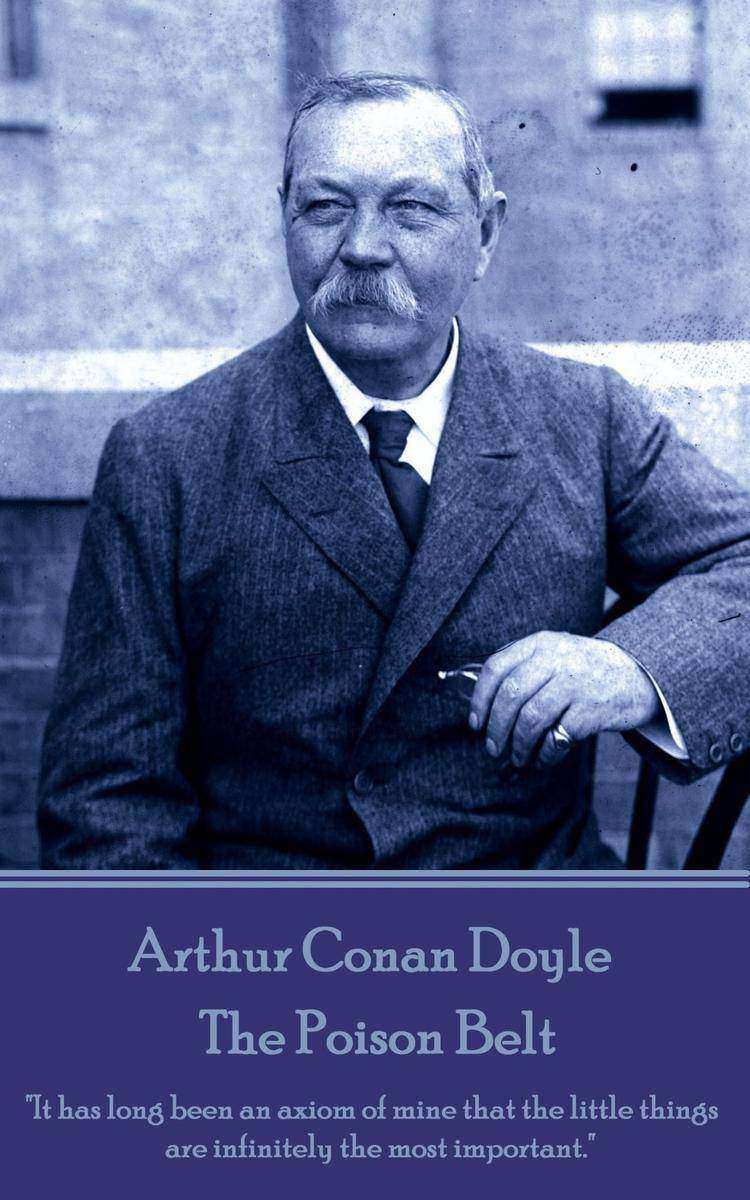
Arthur Conan Doyle
¥21.09
Arthur Conan Doyle's The Poison Belt is another work of fiction by the author of the celebrated masterpiece The Adventures of Sherlock Holmes. The novella centers around apocalyptic disasters that threaten to end human existence on Earth. Professor Challenger, an English scientist who is interested in preserving nature and human life, anticipates the Earth's contact with a poison belt of ether. The dangerous gas is believed to have the power to suffocate all living beings to death. Professor Challenger invites his closest companions, Malone, Roxton and Summerlee, to join him and his wife in his house. They are asked to bring oxygen tanks with them to find that Challenger has prepared a sealed room to protect their lives. Later, from their little shelter, Challenger's team watch the destruction of the outside world and the dying of almost everything. When they finally run out of oxygen, they are pushed to get out of the sealed room. Yet, to their surprise, they do not die. The Earth has passed through the poison belt and humanity has survived.
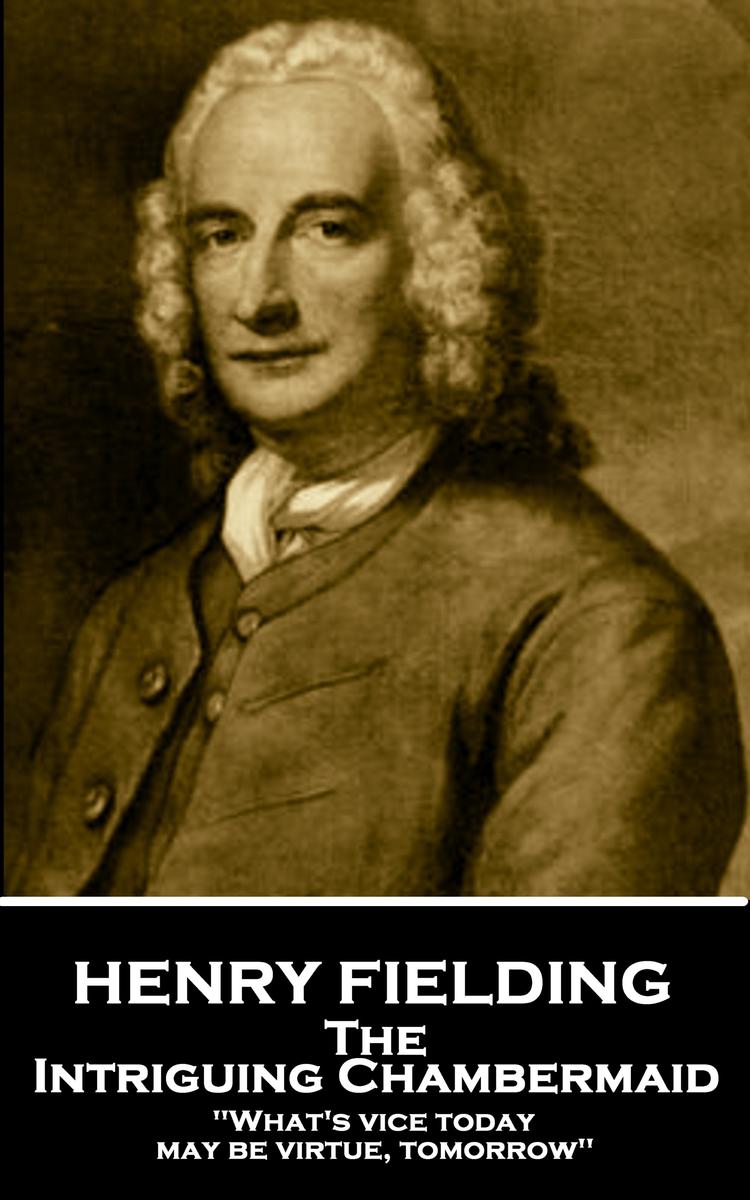
Intriguing Chambermaid - What's vice today may be virtue, tomorrow
¥14.03
Henry Fielding was born at Sharpham Park, near Glastonbury, in Somerset on April 22nd 1707. His early years were spent on his parents' farm in Dorset before being educated at Eton.An early romance ended disastrously and with it his removal to London and the beginnings of a glittering literary career; he published his first play, at age 21, in 1728.He was prolific, sometimes writing six plays a year, but he did like to poke fun at the authorities. His plays were thought to be the final straw for the authorities in their attempts to bring in a new law. In 1737 The Theatrical Licensing Act was passed. At a stroke political satire was almost impossible. Fielding was rendered mute. Any playwright who was viewed with suspicion by the Government now found an audience difficult to find and therefore Theatre owners now toed the Government line.Fielding was practical with the circumstances and ironically stopped writing to once again take up his career in the practice of law and became a barrister after studying at Middle Temple. By this time he had married Charlotte Craddock, his first wife, and they would go on to have five children. Charlotte died in 1744 but was immortalised as the heroine in both Tom Jones and Amelia.Fielding was put out by the success of Samuel Richardson's Pamela, or Virtue Rewarded. His reaction was to spur him into writing a novel. In 1741 his first novel was published; the successful Shamela, an anonymous parody of Richardson's novel.Undoubtedly the masterpiece of Fielding's career was the novel Tom Jones, published in 1749. It is a wonderfully and carefully constructed picaresque novel following the convoluted and hilarious tale of how a foundling came into a fortune.Fielding was a consistent anti-Jacobite and a keen supporter of the Church of England. This led to him now being richly rewarded with the position of London's Chief Magistrate. Fielding continued to write and his career both literary and professional continued to climb.In 1749 he joined with his younger half-brother John, to help found what was the nascent forerunner to a London police force, the Bow Street Runners. Fielding's ardent commitment to the cause of justice in the 1750s unfortunately coincided with a rapid deterioration in his health. Such was his decline that in the summer of 1754 he travelled, with Mary and his daughter, to Portugal in search of a cure. Gout, asthma, dropsy and other afflictions forced him to use crutches. His health continued to fail alarmingly.Henry Fielding died in Lisbon two months later on October 8th, 1754.
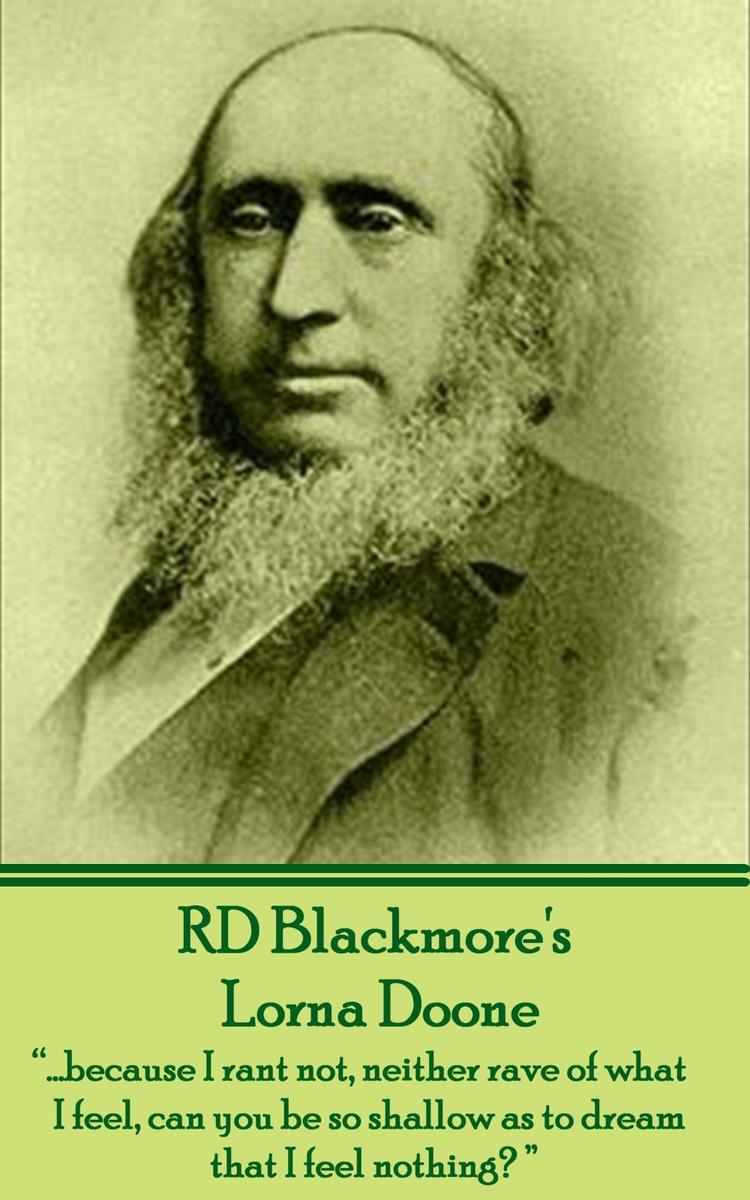
Lorna Doone - ....because I rant not, neither rave of what I feel
¥23.45
Lorna Doone is a romance that tells the story of a seventeenth-century successful farmer, John Ridd, whose father is killed by the Doones, a clan of unruly brigands living in the wilderness. When John once accidently ventures into the clan's area, he meets the beautiful Lorna and falls in love with her. In order to rescue his beloved from the life that she hates, he has to go through a long and violent struggle with his rival Carver Doone who also claims Lorna's hand. He eventually succeeds in helping her escape from the clan to his family's home which is later attacked by Carver. Later, a family friend reveals to them that Lorna does not really belong to the Doone clan and that she was kidnapped after a raid during which her noble and extremely wealthy mother was murdered. As an heiress to her mother's fortunes, Lorna is now legally asked to leave for London and become her great-uncle's ward. Political upheaval shakes the whole kingdom and John is arrested for false accusations. After being brought to London and absolved from guilt, he meets Lorna who is still in love with him. Lorna is eventually allowed to go back to the country and marry John. In the midst of their wedding ceremony, Carver suddenly enters the church and hits Lorna. John follows him and they engage in a fight that ends in Carver's death.
Wounds of Civil War
¥21.09
As can be easily understood presenting an exact chronicle of the facts in the life of a 16th Century playwright is often difficult. Thomas Lodge is no exception. Thomas Lodge, born around 1558 in west Ham, was the second son of Sir Thomas Lodge, the Lord Mayor of London, and his third wife Anne. Lodge was educated at Merchant Taylors' School and thence to Trinity College, Oxford; taking his BA in 1577 and his MA in 1581. Lodge, disregarded his parents career wishes in order to take up literature. When the penitent Stephen Gosson published his Schoole of Abuse in 1579, Lodge responded with Defence of Poetry, Music and Stage Plays (1579 or 1580). His pamphlet was banned, but appears to have been circulated privately. Already in 1580 Lodge had published a volume of poems entitled Scillaes Metamorphosis, Enterlaced with the Unfortunate Love of Glaucus, also more briefly known as Glaucus and Scilla. Lodge seems to have married his first wife Joan in or shortly before 1583, when, "e;impressed with the uncertainty of human life"e;, he made a will. That his family viewed his conduct at the time with disdain may be noted by the absence of his name from his father's will in 1583. The marriage of Lodge and Joan produced a daughter, Mary. However, without an income from his family Lodge would have to provide it by other means. The debate in pamphlets between Lodge and Gosson continued with Gosson's Playes Confuted in Five Actions; and Lodge retorting with his Alarum Against Usurers (1585)-a "e;tract for the times"e;. That same year, 1585, he produced his first tale written in prose and verse, The Delectable History of Forbonius and Prisceria. Lodge appears to have been at sea on a number of long voyages. Usually these are described as 'freebooting voyages', an interchangeable term also used for piracy and plunder. Many nations endorsed these tactics and it seems fairly safe to suggest that these voyages were a source of revenue which would keep Joan and Mary with their heads above water. These long voyages also provided something else that Lodge would have been keen to gather and usefully use; time. During the expedition to Terceira and the Canaries (around 1586), to set aside the tedium of his voyage, Lodge composed his prose tale of Rosalynde, Euphues Golden Legacie, which, printed in 1590, would later be used by Shakespeare as the basis for As You Like It. Before starting on his next voyage, this time to South America, Lodge published a historical romance, The History of Robert, Second Duke of Normandy, surnamed Robert the Devil; and he left behind him for publication Catharos Diogenes in his Singularity, a discourse on the immorality of Athens (London). Both appeared in 1591. By now Lodge was on a voyage with Thomas Cavendish to Brazil and the Straits of Magellan and would only be able to return home in 1593. Whilst he was travelling another romance in the manner of Lyly, Euphues Shadow, the Battaile of the Sences, appeared in 1592. At either end of this voyage Lodge appears to have worked on some dramas, most notably with Robert Greene. It is thought that in 1590, together with Greene, he wrote A Looking Glass for London and England (published 1594). He had already written The Wounds of Civil War (produced perhaps as early as 1587, and published in 1594, and put on as a play reading at the Globe Theatre on 7 February 1606), a good second-rate piece in the half-chronicle fashion of its age. His second historical romance, the Life and Death of William Longbeard (1593), was more successful than the first. Lodge also brought back with him from the new world voyage A Margarite of America (published 1596), a romance between a Peruvian prince and a daughter of the king of Muscovy interspersed with many lyrics. The composition of Phillis, a volume and an early sonnet cycle sequence (an increasingly popular format in Elizabethan times), was published with the narrative poem, The Complaynte of Elsired, in 1593. A Fig for Momus was published in 1595 and gained him the accolade of being the earliest English satirist. This work contains eclogues addressed to Daniel and others as well as an epistle addressed to Michael Drayton. In the latter part of his life-possibly about 1596, when he published his Wits Miserie and the World's Madnesse, which is dated from Low Leyton in Essex, and the religious tract Prosopopeia (if, as seems probable, it was his), in which he repents of his "e;lewd lines"e; of other days-he became a Catholic and engaged in the practice of medicine, for which Wood says he qualified himself by a degree at Avignon, in France, in 1600. Two years later he received the degree of M.D. from Oxford University. Early in 1606 he seems to have left England, to escape the persecution then directed against the Catholics; and a letter from him dated 1610 thanks the English ambassador in Paris for enabling him to return in safety. At some point in his later life Lodge appears to have married again. T
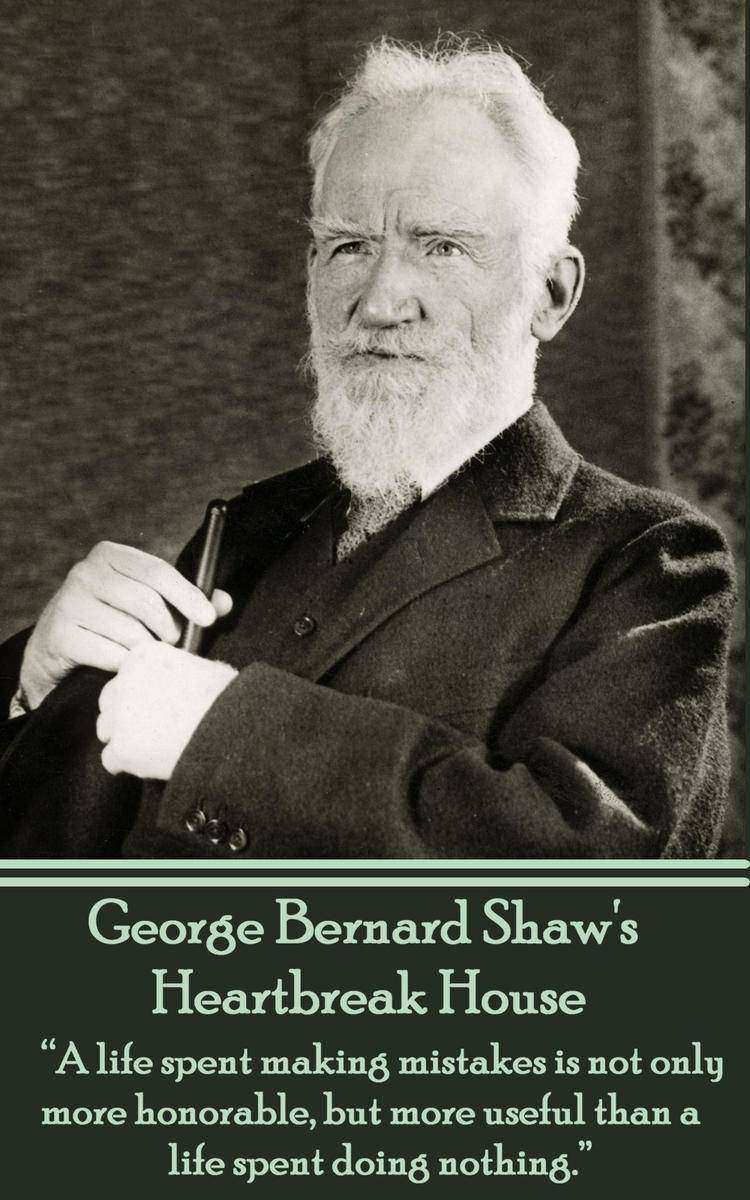
Heartbreak House (Nobel Prize)
¥23.45
Heartbreak House is a play written by George Bernard Shaw one of the truly great literary figures of our age. First published in 1919 and first played at the New York's Garrick Theatre in 1920. It is not often performed due to its complex structure. Based around a dinner party it's a mixture of farce, social manners and British Society's sad decline with their indifferent self-indulgent attitude. As the play progresses Shaw reveals each character as somewhat different to their starting position.
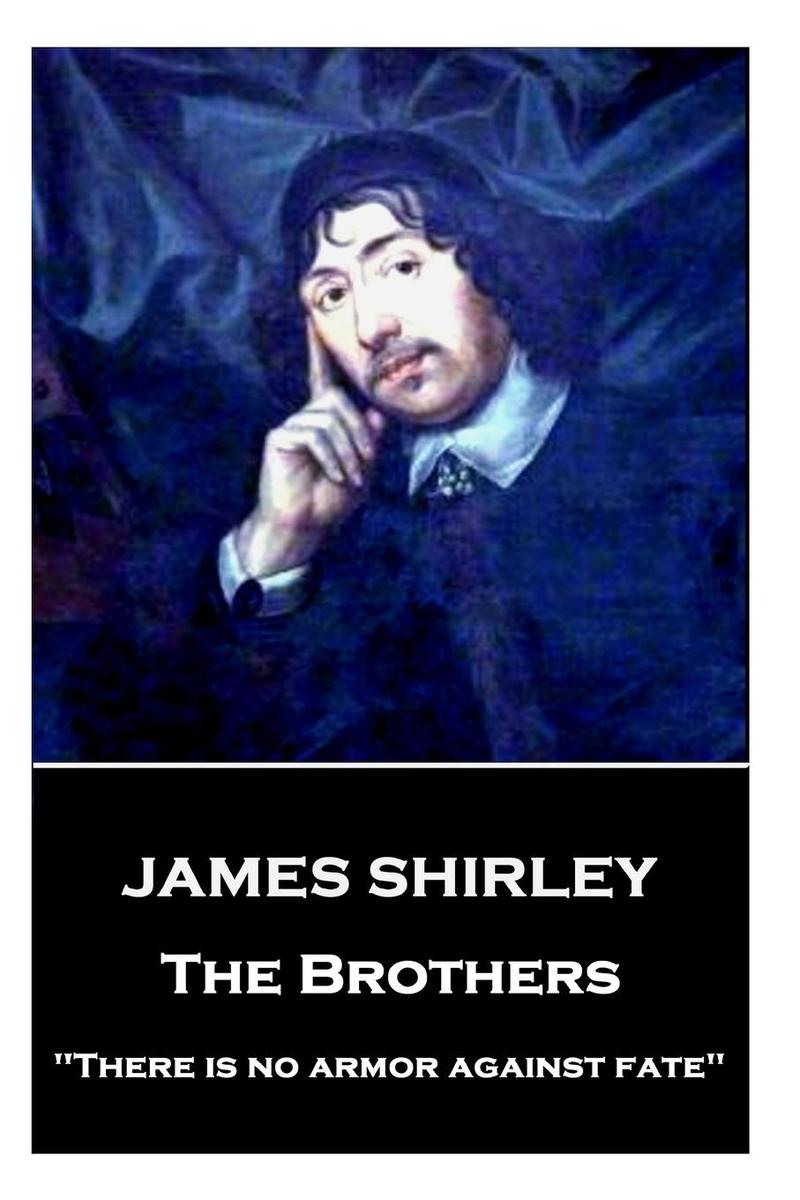
Brothers - There is no armor against fate
¥25.80
James Shirley was born in London in September 1596. His education was through a collection of England's finest establishments: Merchant Taylors' School, London, St John's College, Oxford, and St Catharine's College, Cambridge, where he took his B.A. degree in approximately 1618. He first published in 1618, a poem entitled Echo, or the Unfortunate Lovers. As with many artists of this period full details of his life and career are not recorded. Sources say that after graduating he became "e;a minister of God's word in or near St Albans."e; A conversion to the Catholic faith enabled him to become master of St Albans School from 1623-25. He wrote his first play, Love Tricks, or the School of Complement, which was licensed on February 10th, 1625. From the given date it would seem he wrote this whilst at St Albans but, after its production, he moved to London and to live in Gray's Inn. For the next two decades, he would write prolifically and with great quality, across a spectrum of thirty plays; through tragedies and comedies to tragicomedies as well as several books of poetry. Unfortunately, his talents were left to wither when Parliament passed the Puritan edict in 1642, forbidding all stage plays and closing the theatres. Most of his early plays were performed by Queen Henrietta's Men, the acting company for which Shirley was engaged as house dramatist. Shirley's sympathies lay with the King in battles with Parliament and he received marks of special favor from the Queen. He made a bitter attack on William Prynne, who had attacked the stage in Histriomastix, and, when in 1634 a special masque was presented at Whitehall by the gentlemen of the Inns of Court as a practical reply to Prynne, Shirley wrote the text-The Triumph of Peace. Shirley spent the years 1636 to 1640 in Ireland, under the patronage of the Earl of Kildare. Several of his plays were produced by his friend John Ogilby in Dublin in the first ever constructed Irish theatre; The Werburgh Street Theatre. During his years in Dublin he wrote The Doubtful Heir, The Royal Master, The Constant Maid, and St. Patrick for Ireland. In his absence from London, Queen Henrietta's Men sold off a dozen of his plays to the stationers, who naturally, enough published them. When Shirley returned to London in 1640, he finished with the Queen Henrietta's company and his final plays in London were acted by the King's Men. On the outbreak of the English Civil War Shirley served with the Earl of Newcastle. However when the King's fortunes began to decline he returned to London. There his friend Thomas Stanley gave him help and thereafter Shirley supported himself in the main by teaching and publishing some educational works under the Commonwealth. In addition to these he published during the period of dramatic eclipse four small volumes of poems and plays, in 1646, 1653, 1655, and 1659. It is said that he was "e;a drudge"e; for John Ogilby in his translations of Homer's Iliad and the Odyssey, and survived into the reign of Charles II, but, though some of his comedies were revived, his days as a playwright were over. His death, at age seventy, along with that of his wife, in 1666, is described as one of fright and exposure due to the Great Fire of London which had raged through parts of London from September 2nd to the 5th. He was buried at St Giles in the Fields, in London, on October 29th, 1666.


