


 购物车
购物车 个人中心
个人中心
Hedda Gabler (1890)
¥23.45
Henrik Ibsen (20th March, 1828 - 23rd May, 1906) is often referred to as the father of realism and ranked just below Shakespeare as Europe's greatest ever playwright especially as his plays are performed most frequently throughout the world after Shakespeare's. Ibsen was Norwegian and although set his plays in Norway, he wrote them in Danish and lived most of his professional life in Italy and Germany. His affect on the theatre is still evident today and shapes the distinction of plays being art as opposed to entertainment since he broke down all previous traditions and explored issues, developed characterisation, revealed uncomfortable truths, challenged assumptions and broke down facades in ourselves as well as society. These factors are clearly demonstrated in Hedda Gabler where Ibsen presents one of the most interesting and elusive heroines in theatrical history. Hedda is the daughter of a deceased General and enters into a loveless marriage with the lacklustre George Tesman. Hedda's desperation is totally misunderstood by those around yet portrayed so realistically with some of his finest most memorable prose that we can empathise with her behaviour. Hedda aptly points out: "e;I think I have a natural talent for boring myself to death."e; This Ibsen work certainly does not bore and is an essential riveting read.
Cave Girl - Death, only, renders hope futile.
¥29.33
Edgar Rice Burroughs was born on September 1, 1875, in Chicago, Illinois. His early career was unremarkable. After failing to enter West Point he enlisted in the 7th Calvary but was discharged after heart problems were diagnosed. A series of short term jobs gave no indication as to a career path but finally, in 1911, married and with two young children, he turned his hand to writing. He aimed his works squarely at the very popular pulp serial magazines. His first effort 'Under The Moons Of Mars' ran in Munsey's Magazine in 1912 under the pseudonym Norman Bean. With its success he began writing full time. A continuing theme of his work was to develop series so that each character had ample opportunities to return in sequels. John Carter was in the Mars series and there was another on Venus and one on Pellucidar among others. But perhaps the best known is Tarzan. Indeed Burroughs wanted so much to capitalise upon the brand that he introduced a syndicated Tarzan comic strip, movies and merchandise. He purchased a large ranch north of Los Angeles, California, which he named "e;Tarzana."e; The surrounding communities outside the ranch voted in 1927 to adopt the name as their own. By 1932 Burroughs set up his own company to print his own books. Here we publish 'The Cave Girl' a tale that shows just what Burroughs can do when his talents and craft are unleashed.
Indian Emperor - Boldness is a mask for fear, however great.
¥26.98
John Dryden was born on August 9th, 1631 in the village rectory of Aldwincle near Thrapston in Northamptonshire. As a boy Dryden lived in the nearby village of Titchmarsh, Northamptonshire. In 1644 he was sent to Westminster School as a King's Scholar. Dryden obtained his BA in 1654, graduating top of the list for Trinity College, Cambridge that year. Returning to London during The Protectorate, Dryden now obtained work with Cromwell's Secretary of State, John Thurloe. At Cromwell's funeral on 23 November 1658 Dryden was in the company of the Puritan poets John Milton and Andrew Marvell. The setting was to be a sea change in English history. From Republic to Monarchy and from one set of lauded poets to what would soon become the Age of Dryden. The start began later that year when Dryden published the first of his great poems, Heroic Stanzas (1658), a eulogy on Cromwell's death. With the Restoration of the Monarchy in 1660 Dryden celebrated in verse with Astraea Redux, an authentic royalist panegyric. With the re-opening of the theatres after the Puritan ban, Dryden began to also write plays. His first play, The Wild Gallant, appeared in 1663 but was not successful. From 1668 on he was contracted to produce three plays a year for the King's Company, in which he became a shareholder. During the 1660s and '70s, theatrical writing was his main source of income. In 1667, he published Annus Mirabilis, a lengthy historical poem which described the English defeat of the Dutch naval fleet and the Great Fire of London in 1666. It established him as the pre-eminent poet of his generation, and was crucial in his attaining the posts of Poet Laureate (1668) and then historiographer royal (1670). This was truly the Age of Dryden, he was the foremost English Literary figure in Poetry, Plays, translations and other forms. In 1694 he began work on what would be his most ambitious and defining work as translator, The Works of Virgil (1697), which was published by subscription. It was a national event. John Dryden died on May 12th, 1700, and was initially buried in St. Anne's cemetery in Soho, before being exhumed and reburied in Westminster Abbey ten days later.
Twelve Pound Look - A One Act Play
¥11.67
Sir James Matthew Barrie, 1st Baronet, OM, was born in Kirriemuir, Angus the ninth of ten children on May 9th, 1860. From early formative experiences, Barrie knew that he wished to follow a career as an author. His family wished otherwise and sought to persuade him to choose a profession, such as the ministry. The compromise was that he would attend university to study literature at the University of Edinburgh. He graduated with an M.A. on April 21st, 1882. His first job was as a staff journalist for the Nottingham Journal. The London editor of the St. James's Gazette "e;liked that Scotch thing"e; in Barrie's short stories about his mother's early life. They also served as the basis for his first novels. Barrie though was increasingly drawn to working in the theatre. His first play, a biography of Richard Savage, was only performed once and critically panned. Undaunted he immediately followed this with Ibsen's Ghost in 1891, a parody of Ibsen's plays Hedda Gabler and Ghosts. Barrie's third play, Walker, London, in 1892 led to an introduction to his future wife, a young actress by the name of Mary Ansell. The two became friends, and she helped his family to care for him when he fell very ill in 1893 and 1894. Barrie proposed and they were married, in Kirriemuir, on July 9th, 1894. By some accounts the relationship was unconsummated and indeed the couple had no children. The story of Peter Pan had begun to formulate when Barrie became acquainted with the Llewelyn Davis family in 1897, meeting George, Jack and baby Peter with their nanny in London's Kensington Gardens. In 1901 and 1902, Barrie had back-to-back theatre successes with Quality Street and The Admirable Crichton. The character of "e;Peter Pan"e; first appeared in The Little White Bird in 1902. This most famous and enduring of his works; Peter Pan, or The Boy Who Wouldn't Grow Up had its first stage performance on December 27th, 1904. Peter Pan would overshadow everything written during his career. He continued to write for the rest of his life contributing many other fine and important works. Sir James Matthew Barrie, 1st Baronet, OM, died of pneumonia on June 19th,1937 and was buried at Kirriemuir next to his parents and two of his siblings.
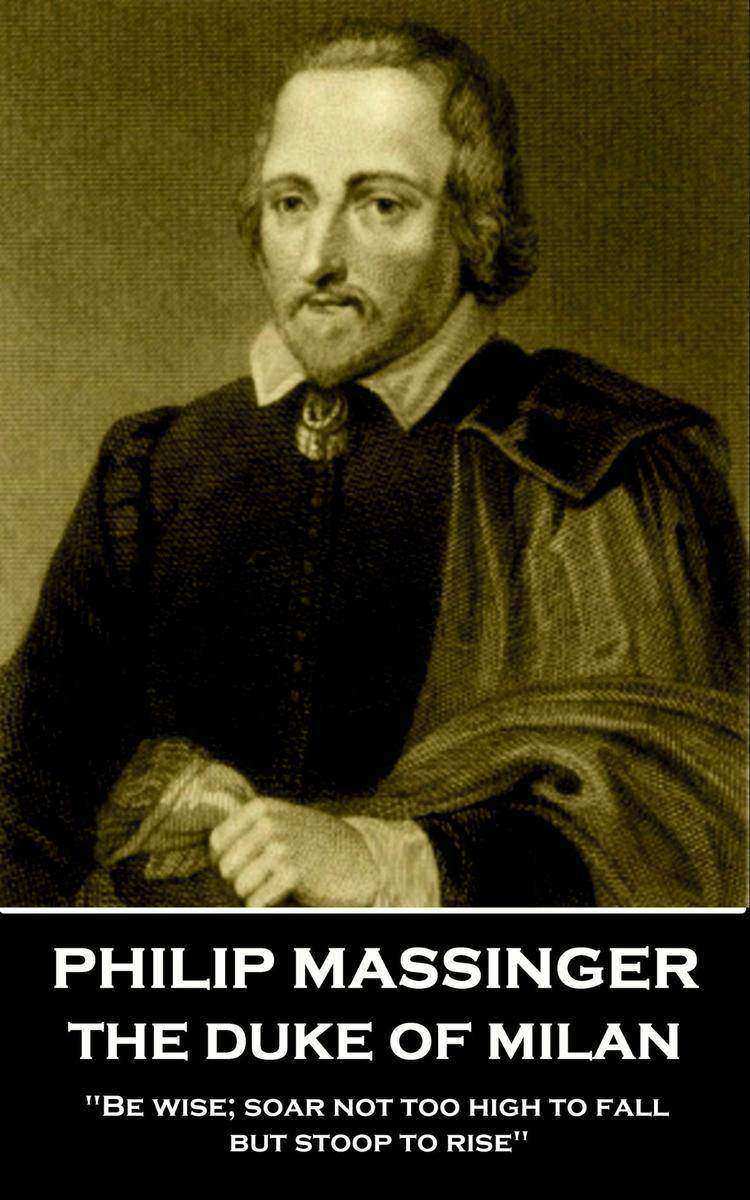
Duke of Milan - Be wise; soar not too high to fall; but stoop to rise
¥23.45
Philip Massinger was baptized at St. Thomas's in Salisbury on November 24th, 1583.Massinger is described in his matriculation entry at St. Alban Hall, Oxford (1602), as the son of a gentleman. His father, who had also been educated there, was a member of parliament, and attached to the household of Henry Herbert, 2nd Earl of Pembroke. The Earl was later seen as a potential patron for Massinger.He left Oxford in 1606 without a degree. His father had died in 1603, and accounts suggest that Massinger was left with no financial support this, together with rumours that he had converted to Catholicism, meant the next stage of his career needed to provide an income.Massinger went to London to make his living as a dramatist, but he is only recorded as author some fifteen years later, when The Virgin Martyr (1621) is given as the work of Massinger and Thomas Dekker.During those early years as a playwright he wrote for the Elizabethan stage entrepreneur, Philip Henslowe. It was a difficult existence. Poverty was always close and there was constant pleading for advance payments on forthcoming works merely to survive.After Henslowe died in 1616 Massinger and John Fletcher began to write primarily for the King's Men and Massinger would write regularly for them until his death.The tone of the dedications in later plays suggests evidence of his continued poverty. In the preface of The Maid of Honour (1632) he wrote, addressing Sir Francis Foljambe and Sir Thomas Bland: "e;I had not to this time subsisted, but that I was supported by your frequent courtesies and favours."e;The prologue to The Guardian (1633) refers to two unsuccessful plays and two years of silence, when the author feared he had lost popular favour although, from the little evidence that survives, it also seems he had involved some of his plays with political characters which would have cast shadows upon England's alliances.Philip Massinger died suddenly at his house near the Globe Theatre on March 17th, 1640. He was buried the next day in the churchyard of St. Saviour's, Southwark, on March 18th, 1640. In the entry in the parish register he is described as a "e;stranger,"e; which, however, implies nothing more than that he belonged to another parish.
Pisicile r?zboinice. Cartea I - ?n inima p?durii
¥32.62
O s m tii de undeva e ca o matrioc din ppui de sticl, cu care umbli c-un fel de team, s nu le scapi i s se strice, dar apas fr fric, intr, trage, privete-le, studiaz-le, citete – au trecut prin multe, au rezistat n lumea real i au s reziste i-n varianta lor hrtioas. (…) Dup ce-o s citeti cartea ei de debut, o s exclami precum o tenismen care tocmai a ctigat un turneu foarte important – WOW! – i de aici ncolo o s tii exact de unde o cunoti.“ – Mihail Vakulovski Scrisul acestei femei frumoase din toate unghiurile de vedere i de simire nu se savureaz. Se muc, se mestec, se-nghite drag. E dulce i te ustur. Incantaie amanic este aceasta, nu scriitur. Vrjitorie curat creia n-ai cu ce s vrei s i te sustragi. Curgi cu ea, te-amesteci i te umpli de bun mireasm. Pentru c ea e bun i se d. Pentru c ea e att de bun nct te restituie ie-i. Cuvinte-flori-de-cmp care nu se adun-n mnuchiuri, ci se rsfir-n… poeme. L-am auzit pe Iulian Tnase zicnd c-aa se cheam povetile-poeme. ndat m-am gndit la Petronela, c-o tiu de undeva, din miezul nestricat al lumii, din timpurile-n care nu i se despriser apele i nici vntoasele n asta i cealalt. Pe cnd aveam noi ochi muli de heruvimi i aripi ase de serafimi.“ – Ana Barton Scrie cu pasiune, tie s rite, s-i transforme experiena de via n poeme. Este recognoscibil i nu plictisete. Petronela Rotar are toate ansele unei traiectorii literare memorabile.“ – Alexandru Petria
Cel?lalt Arghezi
¥57.14
nainte de orice altceva, Poezia de la Gndirea este o carte despre slbiciunea conceptelor. Ce mai definesc azi cuvinte precum tradiionalism sau modernism ntre rzboaie, termenii au polarizat probabil toate disputele, nelsnd n stare de neutralitate aproape nimic. Nu-i vorba, nu ideologiile fac literatura. Iar cnd este vorba despre poezie, lucrurile sunt cu atat mai complicate. Or, privind napoi cu suspiciune, Mircea A. Diaconu realizeaz nu doar o descriere comparativa a principalelor constante ale poeziei de la Gndirea, ci si o anatomie – sceptic mcar – a conceptelor n disputa lor cu realitatea de fapt. Criticii conceptelor – dublate de o ncercare de refundamentare a lor – i rspunde o analiz minuioas, fr parti-pris-uri, a realitii de fapt. n distana aceasta, dintre concept i realitate, ptrunde ochiul deopotriv al istoricului i al criticului literar. Iar ceea ce rezult nu mai este o sum de adevruri apodictice, ci o proiecie hermeneutic fundamentat interogativ.
S?nge albastru
¥32.62
Citindu-l, recitindu-l pe Nietzsche, citind i recitind nietzscheenii, dostoievskienii, m recream, m remodelam, strunjindu-m pe mine nsmi i, n acelai timp, m reapropiam altminteri, de fiecare dat, de continentul Nietzsche, iar n timp probabil, iari i iari, mai rapid – prin intermediul celui care l-a creat pe Zarathustra – de mine nsmi. Scrierile mele, romanele, poemele, eseurile se afl, volens nolens, sub auspiciile dionisiace ale acestui scriitor spre care m harponeaz, instinctiv, de bun seam, i voina de a deveni ceea ce sunt: poet. Un poet care propaga un soi de stranie religie a viului, n esen de neexprimat, o religie-mit de sorginte nietzschean, construit pe un exces de personalitate.(...) Boala, cu un pic de noroc, poate fi pintenul dat de un nesfrit zeu rutcios i perspicace n bolgiile luminoase ale destinului. ntlnirea mea cu acest spectacol de un dramatism randiose – care este Nietzsche – din ntmplare cred c s-a transformat n destin. Da. i totodat n voina de Destin“. – Aura Christi.Am terminat de citit cu nfrigurare Nietzsche i Marea Amiaz (oricum, verbul a citi nu sintetizeaz dect imperfect efortul sinestezic pe care-l necesit o carte att de complex i de bogat n idei). La un prim nivel, volumul poate fi lecturat ca un impresionant catalog al marilor teme“ din literatura european (german, francez, englez, rus, romn), aceea nrudit, direct sau indirect, cu suflul zarathustrian al fostului profesor de la Universitatea din Basel. La un nivel secund ns, mult mai profund i mai semnificativ, el este un elogiu excepional adus vitalismului injectat de solarul divin, reflectat magistral prin textele unor Berdiaev, Sestov, Kierkegaard i mai ales Nietzsche. Filiaia cea mai puternic i mai transparent care mi vine n minte dup parcurgerea paginilor tale este Rudolf Otto: dei nu are nevoie s-l citeze niciodat explicit, cartea este infuzat de conceptul de numinos, acel sacru inefabil intuit de teologul german n lucrarea sa capital, Das Heilige. Te felicit pentru acest volum, exemplar n toate sensurile, i sunt convins c oamenii crora li se adreseaz nu vor mai fi aceiai dup parcurgerea sa.“ – Ctlin Ghi.

Puterea nev?zut?
¥90.84
Aproxima?ii o carte de critic? literar? ?n care autorul a ?nregistrat cele mai importante apari?ii din literatura rom?n? a ultimilor ani, ?n studii critice, cronici literare ?i eseuri care comenteaz? c?r?i, scriitori sau tendin?e ale momentului actual. Structurat? ?n trei cicluri, cartea lui Iulian Boldea se remarc? prin precizia formul?rilor, obiectivitatea enun?urilor ?i prin metodele critice adecvate valorificate. Tototdata, ea con?ine numeroase puncte de vedere, perspective ?i ipoteze critice meritorii, dup? cum v?de?te o extrem? aten?ie la nuan?ele textului, la relieful s?u subliminal. Demersul critic al autorului se caracterizeaz?, ?nainte de toate, prin rigoarea aser?iunilor ?i relevan?a demonstra?iei. ?ntre autorii comenta?i ?n aceast? carte, pot fi aminti?i Virgil Nemoianu, Al. Paleologu, Nicolae Manolescu, Gabriel Liiceanu, Adrian Marino, Ion Vartic, Marta Petreu, Mircea Muthu, Dan Culcer, ?tefan Borbély, Horia B?descu, Vasile Dan, Eugen Dorcescu, Ion Zuba?cu s.a.

Podró? marzeń. Brunetka w Australii wyd.II
¥35.32
Pornind de la Ioana Em. Petrescu, studiul propus urm?re?te s? probeze cu arsenalul criticii de descenden?? fenomenologic?, mereu actualizat?, o teorie referitoare la asumarea eminescianismului de c?tre cei mai importan?i poe?i ai secolului trecut. Actualitatea lui Eminescu se dovede?te astfel ?i prin ve?nica recitire ?i asumare a poeziei sale de c?tre poe?i precum Bacovia, Blaga, Barbu, Arghezi, Labi?, Nichita St?nescu. Aceast? prezen?? eminescian?, asumat? teoretic (vezi Blaga) sau topit? ?n profunzimile textelor poetice (vezi Labi? sau Nichita St?nescu), sus?ine valabilitatea canonului eminescian. Eminescu este astfel inactual doar dac? privim o parte ?nsemnat? a poeziei actuale, prea ancorat? ?ntr-o realitate golit? de semnifica?ie, o poezie s?r?cit? de profunzimea transfigurat? a Creatorului. (In)actualitatea lui Eminescu probeaz? astfel doar tragic? noastr? inactualitate./ – Florin Oprescu

Cele cinci trepte ale s?n?t??ii
¥73.49
Poeziile lui Giorgio Baffo (1694-1768), mentor al lui Casanova, sunt de o sinceritate dezarmant?. Un limbaj poetic picant, cu un efect direct asupra cititorului. Erotismul abund? ?n rostogoliri de imagini fierbin?i, iar sonetele autorului italian par o petrecere ?n rime, care iau peste picior bunele moravuri ale epocii.?F?r? Baffo, n?am avea idee de decaden?a voluptuoas? a Serenissimei Republici. Prin el, cunoa?tem via?a sexual? a Vene?iei, cu serb?ri, cu osterii, cu cazinouri, cu jocuri de noroc, cu dansatoare ?i cu c?lug?ri?e liber?tine“ – Guillaume Apollinaire
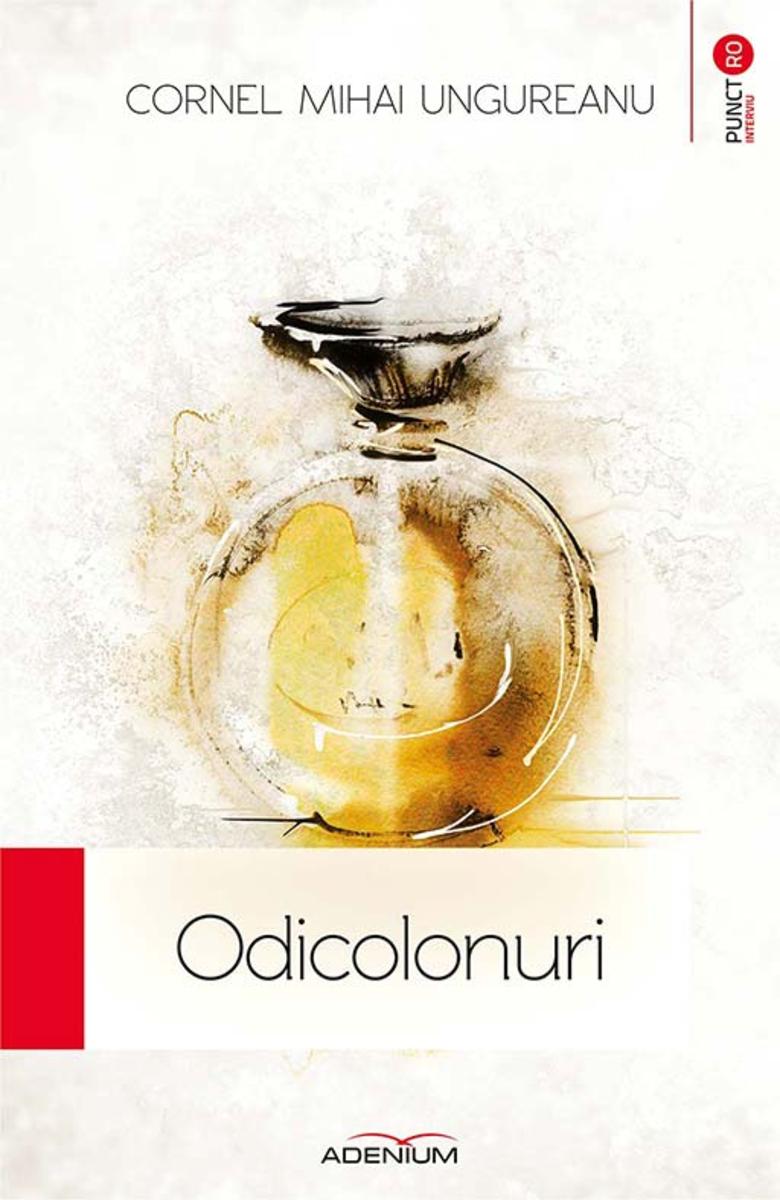
Odicolonuri
¥57.14
Volumul Save Point e un prilej bun de ?mp?care intre cele 2 p?r?i vitale autorului, cea tehnologic? ?i cea literat?, un mediu analog ?n care se gasesc instantanee, deseori in format ludic, ale unor lumi ?n care au loc evenimente at?t de mici ?i at?t de subit ?nc?t s-ar putea spune despre ele c? aproape nu au avut loc vreodat?.
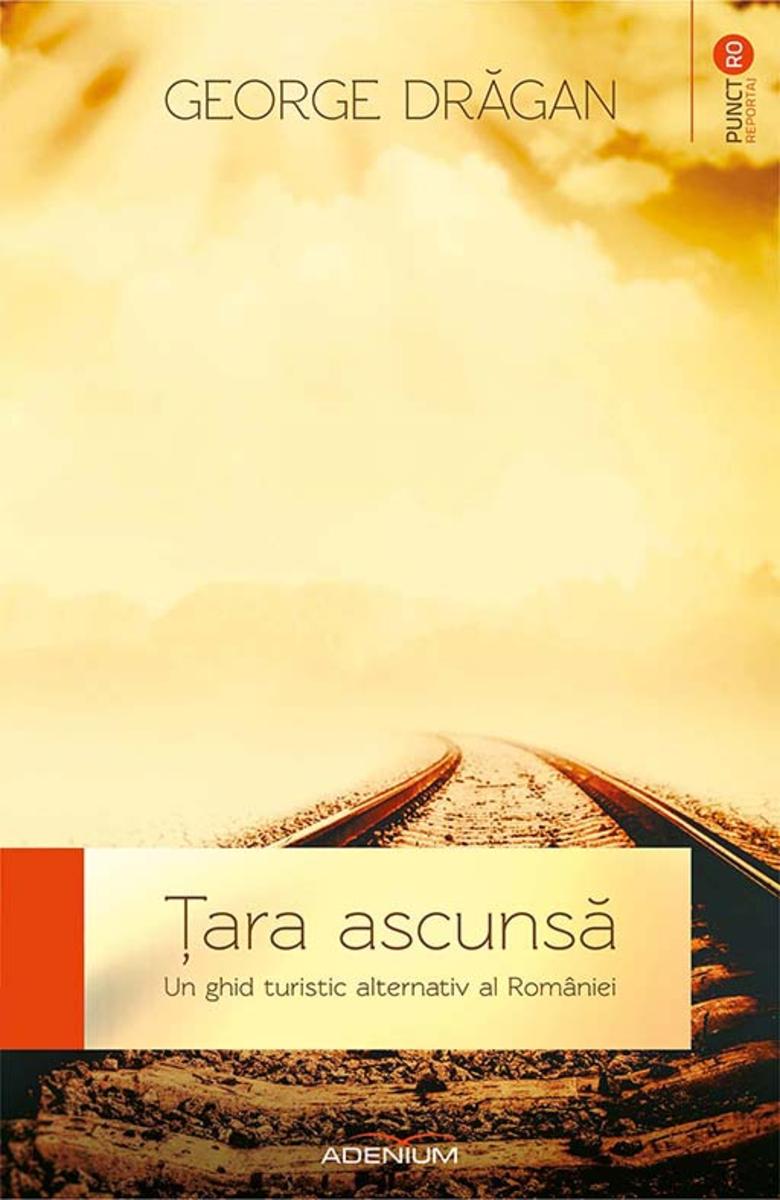
?ara ascuns?. Un ghid turistic alternativ al Rom?niei
¥32.62
ntre crile de poezie ale autoarei, Inima ca un pumn de boxeur este una dintre cele mai interesante deveniri“, una dintre multiplele sale viei“ artistice. Prima via a acestei cri a nceput n 1982 prin publicarea volumului la Editura Cartea Romneasc, constituind mpreun cu Scrisori neexpediate i Opinii despre durere revenirea n literatur a Norei Iuga dup aproape un deceniu n care poeta a avut interdicie de publicare. (Cezar Gheorghe)

Strigoi f?r? ?ar?
¥57.14
Nu ?tiu c?nd au trecut 15 ani. ?n mai 2000 nu m-am g?ndit o clip? unde voi fi peste 15 ani, ?tiam c? voi face acest ziar, dac? m? va ?ine Dumnezeu ?n via??, ?nc? un an, doi, zece, dar nu m-am v?zut o clip? m?car peste un num?r at?t de mare de ani. Pentru o publica?ie, de orice fel, 15 ani ?nseamn? enorm, aproape istorie, mai ales c?nd traverseaz? vremuri de criz?, cu fluctua?ii economice uria?e, cu schimb?ri politice care pot pune cap?t ?i celui mai minunat proiect.

Un taur ?n vitrina de piatr?. Antologie liric? (1977-2012)
¥40.79
Un b?ie?el c?ruia ?i pl?cea s? colec?ioneze insecte mult mai mult dec?t s? mearg? la ?coal? Un pasager (cu r?u de mare) care a c?l?torit ?n jurul lumii ?ntr-un voiaj ce a durat cinci ani Savantul care, formul?nd teoria evolu?ionist?, a declan?at o ?revolu?ie a g?ndirii" Toate cele de mai sus!Afl? mai multe despre adev?ratul Charles Darwin din aceast? biografie amuzant? ?i minunat ilustrat?!

Pisica rupt?
¥81.67
Cea mai mare dintre Marile Piramide e una dintre cele mai impresionante construc?ii din lumeDintre cele ?apte minuni ale lumii antice, piramidele sunt singurele care ?nc? mai exist?Nimeni nu ?tie sigur cum le-au construit egipteniiToate cele de mai sus!Afl? mai multe despre Marile Piramide din aceast? carte amuzant? ?i minunat ilustrat?!
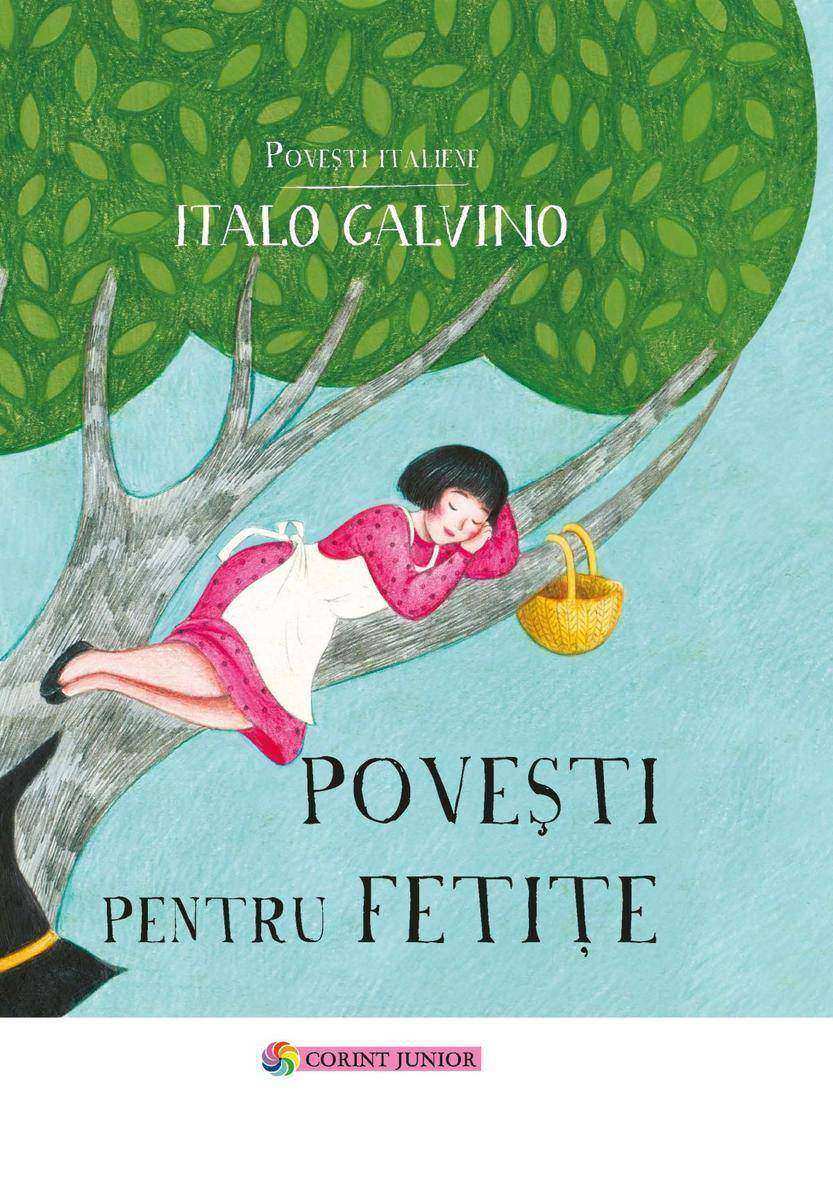
Povesti pentru fetite
¥40.79
Ianoi e viu, atent i emoionat de orice problem de parc acum abia ar ntra, aplecndu-se uor, sub naltul portic al Cunoaterii. Curios, profesnd acea dubl curiozitate, rar azi – fa de problem, dar i fa de cel ce o ridic. Fa de Fiin. Cultura romn se poate felicita, n zilele i anii notri un pic buimaci, unde Nordul valorilor pare a se fi rtcit undeva, n alte secole sau pe alte continente, c posed un cercettor, un profesor i un ins capabil de o asemenea cuprindere a unor platforme culturale att de auguste i, aparent, contradictorii. Unul din puinii supravieuitori ai acelei Mitteleuropa sapieniale, acei ndrgostii fr pricin de misterele artei i ale gndului, unul dintre acei, rari azi i n Europa, ce pesc uor peste granie istorice i mentale, rigide pentru atia, cu o graie, cu o uurin ce ne poate nela asupra acelui depozit afund de suferin i travaliu, de tenacitate unic pe care numai prezena unui ideal poate s-o explice. Iat unde putem gsi Idealul su Modelul, dezorientai nu rareori de propriile noastre ezitri i eecuri.“ (Nicolae Breban)Ianoi este un om pentru care problema morala exist, iar faptul acesta l aaz ntr-o postur extrem de fecund i de necesar, de mediator. ntr-o lume care devine tot mai conflictual, uneori n mod stupid, cu totul superficial i aberant. Ion Ianoi cred ca ne d o lecie de economie de conflict. Vd n aceast lecie i n persoana lui un model de senintate, de sinceritate intelectual, de europenitate.“ (Mircea Martin)[...] stilul Ianoi; un stil unic n cultura romn. Nu e vorba, n cazul d-sale, de cri de erudiie pedant, seac, ci de cri scrise cu un mare talent literar, cred eu, i cu extraordinare capaciti de evocare.“ (Gabriel Dimisianu)Am spus i cu alte prilejuri, am scris i cu alte ocazii c Ion Ianoi este un dar fcut literaturii romne. Oare avem puterea de a ne bucura de acest dar Avem fora de a-l onora i de a ne minuna de el, aa cum se cuvine Printre scriitorii romni, prietenul nostru e perceput drept un crturar evreu-maghiar atipic. Printre evrei e tratat drept un romn sadea. n Ianoi vd un model de prim rang, un mare crturar ce s-a nzidit n literatura romn, un scriitor care ar face onoare oricrei culturi majore a lumii. Ianoi este, apoi, un spectacol, n pofida felului su de a fi, aproape n ciuda sa...“ (Aura Christi)

Dosarele Scarlet: Sp?rg?toare la ?n?l?ime
¥40.79
Edi?ie alc?tuit?, coordonat? ?i ?ngrijit? de Iulian Boldea?Profilul c?rturarului Nicolae Balot?, pe care acest volum se str?duie?te s?-l contureze, adun? laolalt? expresivitatea, rigoarea ?i erudi?ia eseistului ?i criticului literar, dar ?i afectivitatea sublimat? a memorialistului. Sumarul c?r?ii e alc?tuit din mai multe texte semnate de Nicolae Balot?, relevante pentru concep?ia sa critic? ?i estetic?, dintr-o schi?? de portret apar?in?nd lui Matei Boil?, din dou? dialoguri ?n care se ?mpletesc accentele confesive ?i proiec?iile teoretice ?i din dou? sec?iuni exegetice. Prima, Interpret?ri, con?ine abord?ri ale operei critice sau memorialistice a lui Nicolae Balot? ?n ansamblul ei, ?n timp ce a doua, Lecturi, cuprinde analize aplicate asupra unei anumite c?r?i. La toate acestea se adaug? necesarele repere bio-bibliografice. Textele au fost ini?ial tip?rite ?ntr-un num?r al revistei Vatra consacrat lui Nicolae Balot?; a?a se explic? unele referiri ale autorilor la binecunoscuta revist? din T?rgu-Mure?. Le mul?umesc, ?i pe aceast? cale, domnului Nicolae Balot?, pentru amabilitatea cu care a r?spuns provoc?rii noastre, ?i celorlal?i autori, pentru disponibilitatea domniilor lor, f?r? de care acest volum ar fi fost imposibil de realizat.“ – Iulian Boldea

Bismarck
¥8.09
Bismarck

Cardinal Richelieu
¥8.09
Cardinal Richelieu

History of Germany
¥8.09
History of Germany


