


 购物车
购物车 个人中心
个人中心

The Three Bears
¥40.79
Once upon a time there were Three Bears, who lived together in a house of their own, in a wood. One of them was a Little, Small, Wee Bear; and one was a Middle-sized Bear, and the other was a Great, Huge Bear. They had each a pot for their porridge; a little pot for the Little, Small, Wee Bear; and a middle-sized pot for the Middle Bear, and a great pot for the Great, Huge Bear. And they had each a chair to sit in; a little chair for the Little, Small, Wee Bear; and a middle-sized chair for the Middle Bear, and a great chair for the Great, Huge Bear. And they had each a bed to sleep in; a little bed for the Little, Small, Wee Bear; and a middle-sized bed for the Middle Bear, and a great bed for the Great, Huge Bear.
The Trimmed Lamp
¥40.79
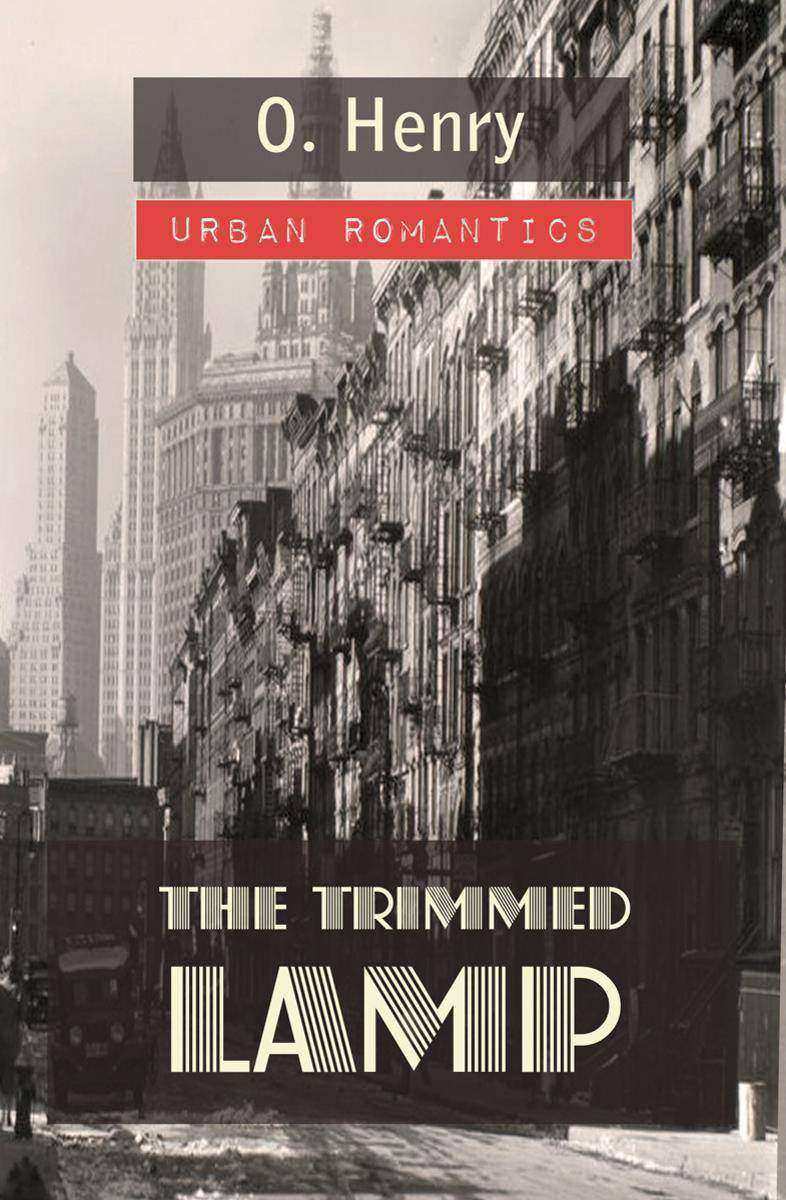
Lou and Nancy were chums. They came to the big city to find work because there was not enough to eat at their homes to go around. Nancy was nineteen; Lou was twenty. Both were pretty, active, country girls who had no ambition to go on the stage.
Rikki-Tikki-Tavi and Other Tales
¥40.79
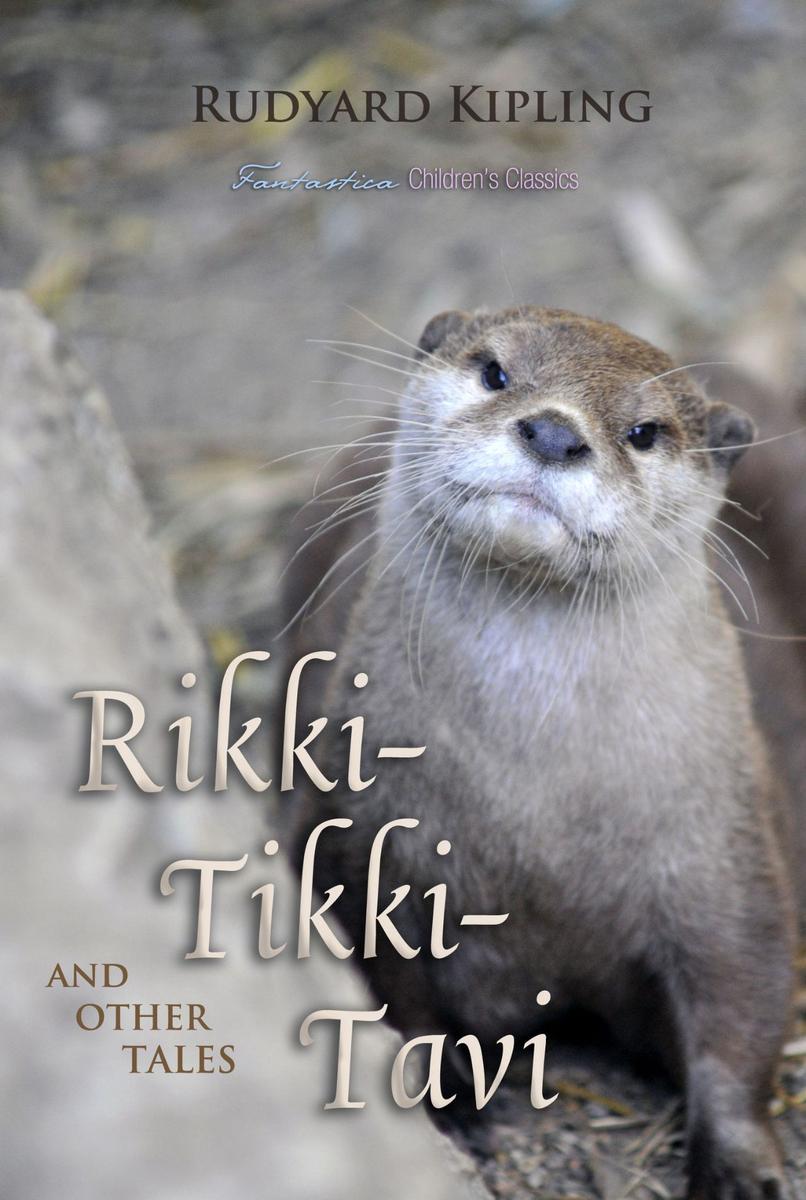
A a young mongoose named Rikki-Tikki-Tavi is adopted into a British family residing in India. After becoming friendly with some of the other creatures inhabiting the garden, Rikki is warned of two cobras Nag and Nagaina, who are angered by the family's presence on their territory.
A Midsummer Night's Dream
¥40.79
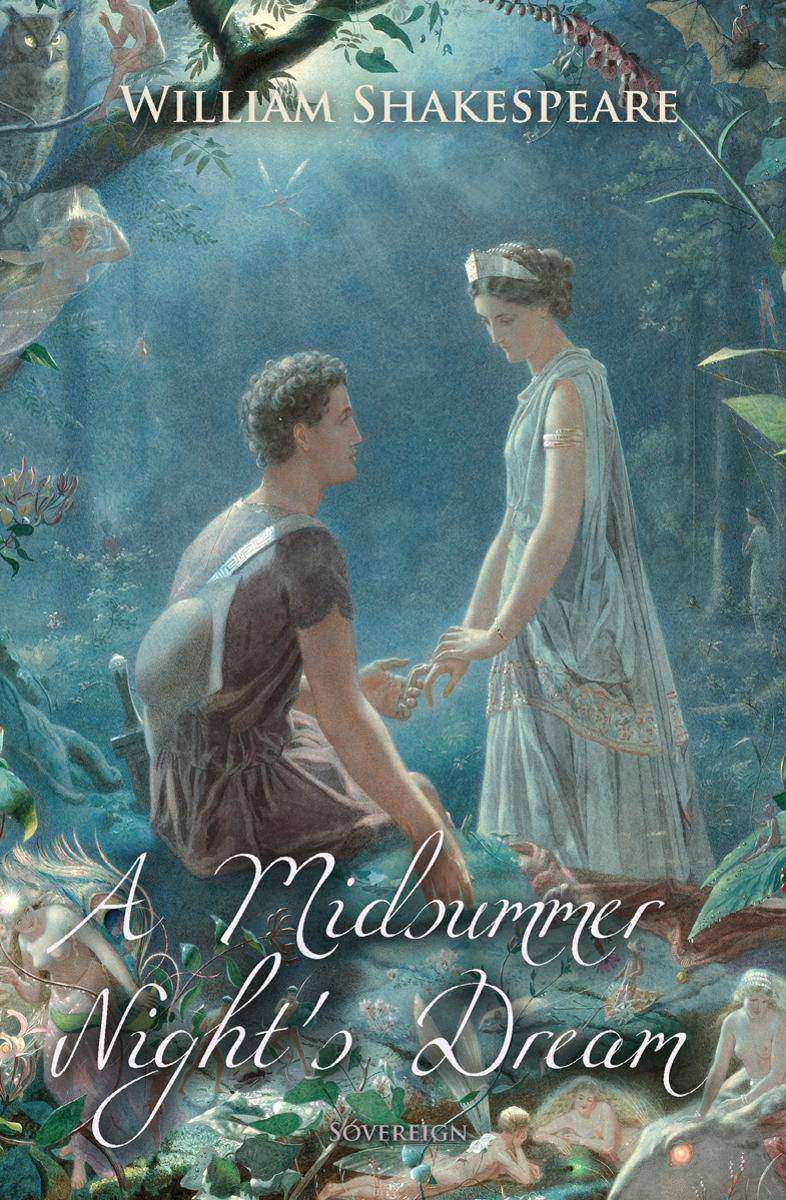
One of Shakespeare's most popular works, A Midsummer Night's Dream is a comedy play following events surrounding marriage of the Duke of Athens, Theseus, and Hippolyta. The play is set in a forest where several young Athenian lovers and a group of six amateur actors are being controlled and manipulated by the fairies inhabiting the forest.
The Heracleidae
¥40.79
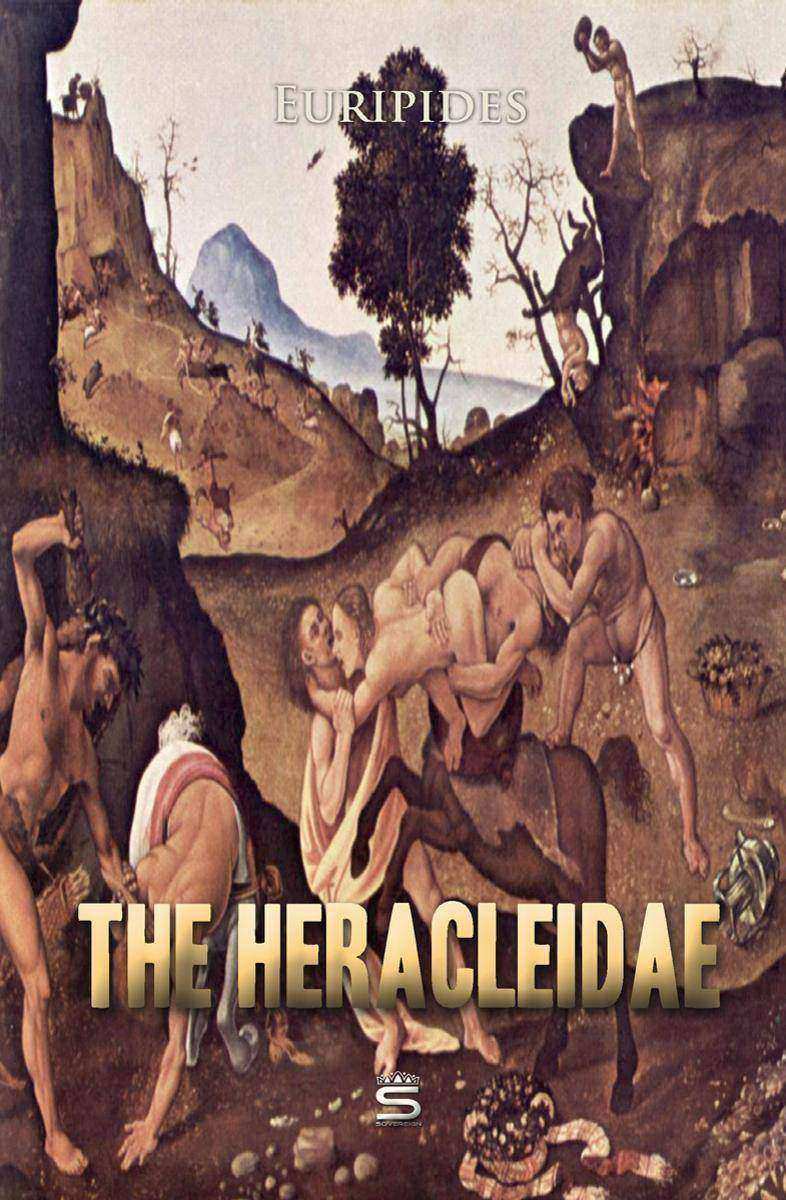
Iolaus, Heracles’ nephew and his companion during his Twelve Labours but now an old man, is in hiding with Heracles’ fatherless children at the altar of the temple of Zeus at Marathon, near Athens. They have been moving from city to city, as Iolaus tries to protect them from the vengeful King Eurystheus of Argos, who has vowed to kill them. A herald from Eurystheus appears calling on them once more to return to Argos to face the consequences, and Iolaus begs the Chorus of aged Athenians to take pity and help them.
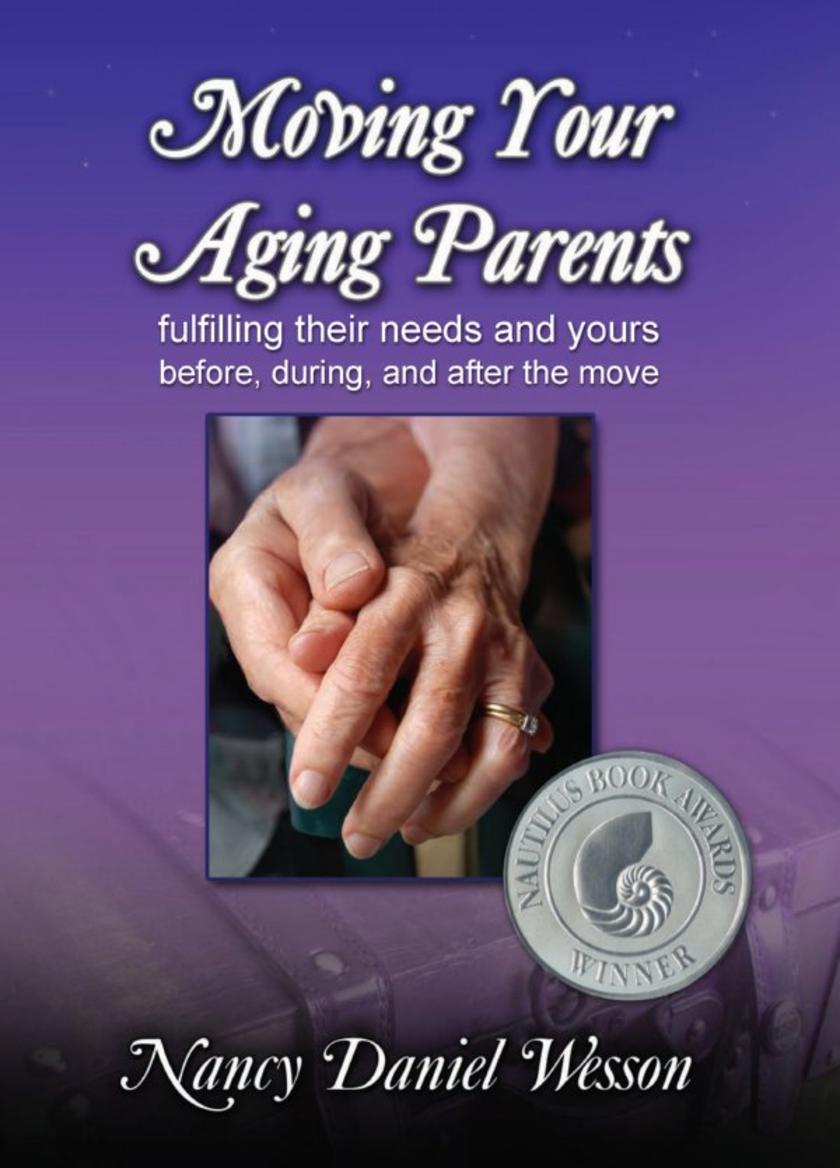
Moving Your Aging Parents
¥65.99
Will you be ready when it's time...? Whether whittling down to the essentials for a parent moving into a room or two or downsizing for ourselves, ignoring the spirit and basing decisions on health and safety alone could have devastating results. In this hope filled book you will learn how to: ·Identify needs and desires to create a quality new life ·Cope with the Depression Era mind-set ·Create emotionally sustaining environments to nurture the soul ·Ready and sell the family home ·Ask the RIGHT questions to help divest of treasures ·Manage your energy and spirit throughout the process ·Determine when it's time to consider alternative placement ·Perform the ordinary in a non-ordinary way -- allowing you to preserve and heal family relationships Expert's Acclaim for Moving Your Aging Parents "A creative and inspiring godsend for helping Mom and Dad transition to the next phase of life. Valuable for caregivers, healthcare professionals, and seniors interested in aging with independence, dignity and grace." --Jacqueline Marcell, author Elder Rage, host of Coping With Caregiving radio show "What a truly remarkable and elegantly written book. The information is relevant for every relocation regardless of the age or circumstances of the client." --Sally B. Yaryan, Director, Professional Development & Education; Austin Board of REALTORS (r) "As a thirty-five year plus veteran of health care practice as a Registered Nurse, specializing in the care of the elderly, I offer my heart-felt endorsement of this excellent book. It offers concrete plans to follow and emphasizes the emotional and spiritual counterparts that transform seemingly difficult chores into acts of mutual joy, growth, and love." --Mary Durfor for Rebecca Reads Learn more about this author at www.FocusOnSpace.com From the Aging With Grace Series at Loving Healing Press www.LovingHealing.com
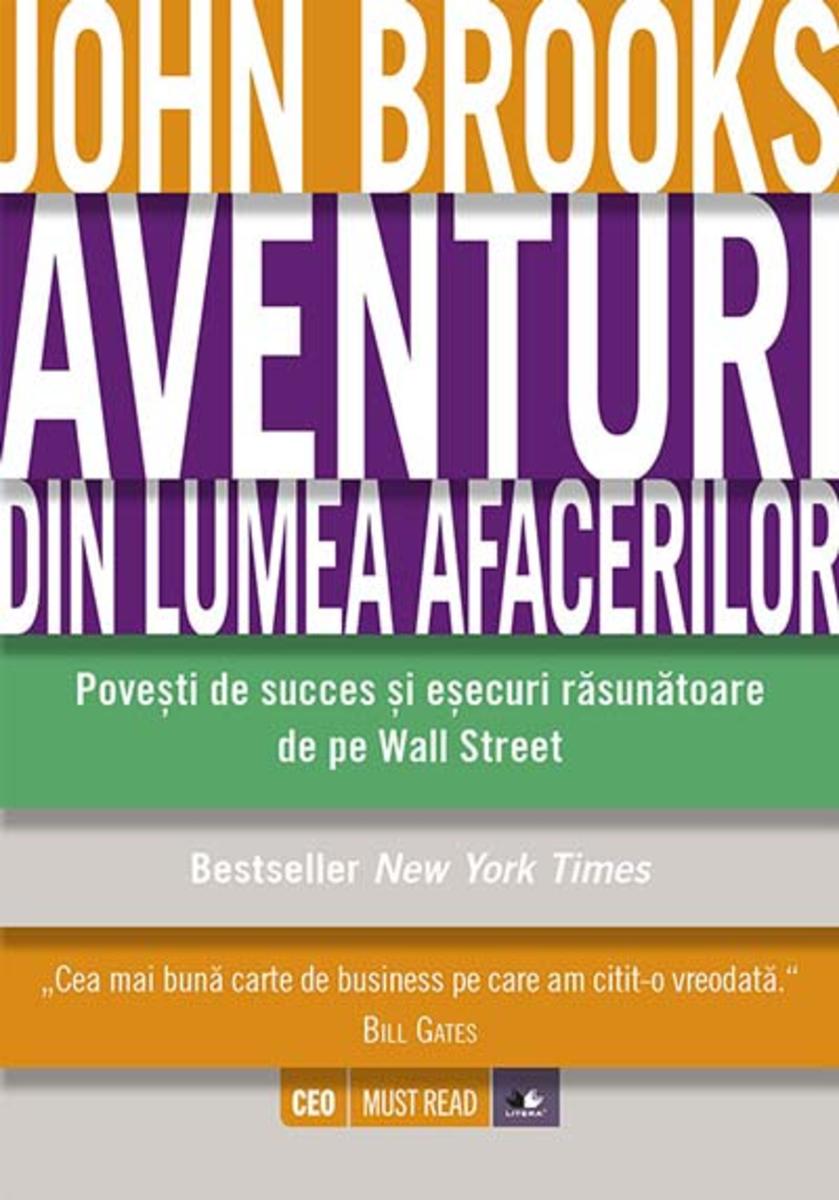
Aventuri din lumea afacerilor. Pove?ti de succes ?i e?ecuri r?sun?toare de pe Wa
¥86.00
Bazat? pe studii ?tiin?ifice care au demonstrat c?t de periculos este zah?rul De ce m?nc?m at?t de mult zah?r? Care sunt pericolele sale ascunse? Ce putem face pentru a renun?a la dependen?a de el? Savantul John Yudkin a fost primul care a demonstrat ?tiin?ific c? zah?rul este nociv pentru s?n?tatea noastr?, avertiz?nd despre leg?tura dintre acesta ?i cariile dentare, gut?, afec?iunile autoimune, boala coronarian? ?i cancer. Cartea sa ne arat? c? zah?rul, aflat ?n cantit??i din ce ?n ce mai mari ?n alimenta?ia noastr?, nu este deloc un pericol de neglijat. Un avertisment valabil ?n prezent mai mult dec?t oric?nd. ?O ?ncercare curajoas? de a ne avertiza cu privire la pofta noastr? de dulce.“ – The British Medical Journal
Ancient Medicine
¥40.79
The art of Medicine would not have been invented at first, nor would it have been made a subject of investigation (for there would have been no need of it), if when men are indisposed, the same food and other articles of regimen which they eat and drink when in good health were proper for them, and if no others were preferable to these. But now necessity itself made medicine to be sought out and discovered by men, since the same things when administered to the sick, which agreed with them when in good health, neither did nor do agree with them.
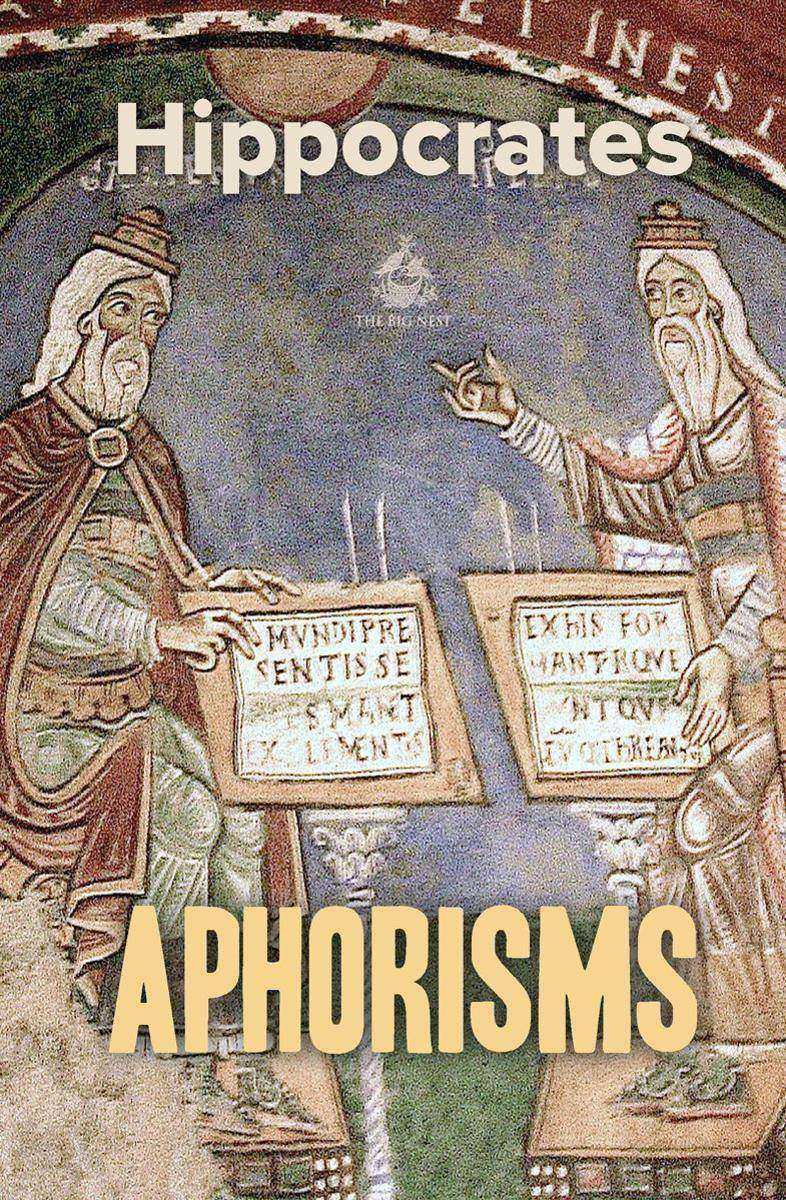
Aphorisms
¥40.79
Life is short, and Art long; the crisis fleeting; experience perilous, and decision difficult. The physician must not only be prepared to do what is right himself, but also to make the patient, the attendants, and externals cooperate.
Epidemics
¥40.79
Early in the beginning of spring, and through the summer, and towards winter, many of those who had been long gradually declining, took to bed with symptoms of phthisis; in many cases formerly of a doubtful character the disease then became confirmed; in these the constitution inclined to the phthisical. Many, and, in fact, the most of them, died; and of those confined to bed, I do not know if a single individual survived for any considerable time; they died more suddenly than is common in such cases. But other diseases, of a protracted character, and attended with fever, were well supported, and did not prove fatal: of these we will give a description afterwards.

The Sacred Disease
¥40.79
It is thus with regard to the disease called Sacred: it appears to me to be nowise more divine nor more sacred than other diseases, but has a natural cause from the originates like other affections. Men regard its nature and cause as divine from ignorance and wonder, because it is not at all like to other diseases. And this notion of its divinity is kept up by their inability to comprehend it, and the simplicity of the mode by which it is cured, for men are freed from it by purifications and incantations. But if it is reckoned divine because it is wonderful, instead of one there are many diseases which would be sacred; for, as I will show, there are others no less wonderful and prodigious, which nobody imagines to be sacred.

Surviving a Stroke—or Two: The Secret to Recovery
¥8.09
Having a stroke isn't bad. I didn't even know it was happening. It's afterward that all the fun starts. When you can't move or talk—even blink your eyes. That's a scary feeling. This book is a record of my journey—how the strokes happened—and more importantly, the long road to recovery ?

Fundamentele comunic?rii interpersonale
¥48.97
Puericultur? ?i pediatrie pentru asisten?i medicali ofer? elevilor ?colilor postliceale sanitare un instrument de studiu al particularit??ilor fiziologice ?i patologice ale copilului, necesar identific?rii nevoilor fundamentale ale copilului s?n?tos ?i bolnav ?i aplic?rii tehnicilor specifice de ?ngrijire a acestuia.Aceast? carte se dore?te a fi un ghid teoretic pentru elevii ?i asisten?ii medicali care ?ngrijesc copii ?n diverse perioade de dezvoltare, pornind de la premisa c? un copil nu este un adult ?n miniatur?.Lucrarea este astfel conceput? ?nc?t informa?ia oferit? s? acopere cerin?ele programei analitice, s? fie simplu de accesat ?i s? fie u?or de ?n?eles.
Scriitori evrei din Rom?nia
¥46.36
Pornind de la rezultatele unor cercet?ri ?i experimente ?ndelungate ?n domeniul alimenta?iei, F?nic?-Voinea Ene, renumit specialist ?n medicin? complementar?, ne demonstreaz? c? numai o diet? naturist? ne poate conduce spre o pierdere ?n greutate lesnicioas?, cu pu?ine frustr?ri ?i f?r? s? ne afecteze s?n?tatea, fiindc? ea presupune consumul alimentelor integrale, a?a cum se g?sesc ele pe planeta aceasta de milioane de ani, ?i care au suferit pu?ine prelucr?ri termice sau chimice. Este o diet? bazat? pe respectarea unor reguli specifice: meniul zilnic trebuie s? con?in? numai alimente cu calorii negative, trebuie s? se consume doar ape minerale alcaline plate ?i alimente alcaline; se pune accent pe consumul de gr?simi nesaturate, carbohidra?i cu indice glicemic sc?zut, nu trebuie s? se utilizeze nutrimente glucido-lipidice ?i nici asocieri de glucide cu lipide la aceea?i mas?...
Lucrarea iubirii
¥48.97
Propor?iile epidemice ale artritei sunt cu at?t mai ?ngrijor?toare dac? avem ?n vedere faptul c?, de?i este considerat? ?n general o boal? a v?rstei a treia, v?rsta medie la care debuteaz? boala a sc?zut la 47 de ani.Dar exist? ?i ve?ti bune: artrita poate fi ?nt?rziat? sau gestionat?, ceea ce poate ?mbun?t??i ?n mod spectaculos calitatea vie?ii. Noua ?tiin?? a gestion?rii artritei ofer? solu?ii pentru to?i cei care doresc s? previn? suferin?a, disconfortul ?i limit?rile asociate cu artrita sau chiar s?-i opreasc? evolu?ia.Este prima carte despre artrit? care include ultimele cercet?ri ?tiin?ifice ?i strategiile de tratament pentru o boal? cu care se confrunt? marea majoritate a celor din genera?ia ?baby-boom“, de dup? cel de-al Doilea R?zboi Mondial. Iar genera?iile mai tinere au la dispozi?ie un plan u?or de urmat pentru minimizarea ?i chiar evitarea aspectelor debilitante ale artritei.Cartea de fa?? ofer? r?spunsuri la ?ntreb?ri de maxim interes precum:* De ce ne ?mboln?vim de artrit??* Ce suplimente pentru artrit? sunt eficiente?* Care sunt cele mai bune exerci?ii fizice ?i strategii dietetice?* Ce terapii alternative pot fi folosite f?r? riscuri?* Care sunt cele mai noi descoperiri ?tiin?ifice cu privire la celulele stem ?i terapiile viitoare legate de genele ?i biologia uman??InfoDad.com, 16.01.2014?O lucrare scris? ?ntr-un limbaj accesibil despre artrit? ?i cum s?-i facem fa??, despre o boal? deloc pl?cut? pentru cei ?n cauz?… o excelent? trecere ?n revist? a concep?iilor curente referitoare la acest complex de afec?iuni, la tratament ?i la direc?ia spre care se ?ndreapt? cercet?rile din domeniu.“Chatelaine.com: ?10 Best Health Books of 2014“, 03.02.2014?De ce ne place cartea: autorul nu inten?ioneaz? s? ne sperie, ci s? arunce lumin? asupra adev?rului… De asemenea, nu sus?ine o diet? riguroas? sau restrictiv?, ci ?ndeamn? la un regim alimentar echilibrat, care s? contribuie la men?inerea greut??ii ?i a imunit??ii.“

San-Antonio. Arhipelagul mitocanilor
¥32.62
Una dintre cele mai cuprinz?toare ?i mai bine v?ndute c?r?i despre tratamentul ?i supravie?uirea ?n cazurile de cancer mamar Aceast? edi?ie revizuit? ?i actualizat? a Manualului de supravie?uire ?n cancerul mamar ofer? nout??i esen?iale legate de tratament ?i ?ngrijire, f?c?nd din volumul de fa?? cel mai important ghid din ultimii zece ani pentru femeile diagnosticate cu cancer la s?n. Prezenta edi?ie cuprinde cele mai actuale informa?ii medicale privind: noua clasificare genomic? a cancerului mamar ?i importan?a acesteia ?n planificarea tratamentului; testarea genelor canceroase, prin care se determin? dac? pacienta va beneficia de pe urma chimioterapiei; noile progrese din chirurgia cancerului mamar ?i extirparea chirurgical? a ganglionilor limfatici; necesitatea ob?inerii unei a doua opinii: de ce este important s? o ob?inem, ce ?ntreb?ri trebuie s? punem ?i cum s? decidem care echip? de doctori este cea mai potrivit?. Con?tient de evolu?ia rapid? a spectrului op?iunilor de tratament, dr. John Link descrie ultimele experimente clinice din domeniu ?i ofer? sfaturi pentru pacientele aflate ?n c?utarea celui mai eficient plan de tratament. Manualul de supravie?uire ?n cancerul mamar r?m?ne o lectur? obligatorie pentru femeile care au nevoie de informa?ii corecte ?i accesibile cu privire la gestionarea cancerului mamar ?n zilele noastre. ?Ar fi o gre?eal? imens? s? trat?m cancerul mamar f?r? a ne g?ndi la femeia ?ns??i. V?rsta, statusul hormonal, starea general? de s?n?tate, re?eaua de sprijin emo?ional, sexualitatea, sistemul imunitar ?i femeia din punct de vedere psihologic ?i spiritual sunt toate extrem de importante pentru planificarea tratamentului ?i men?inerea st?rii de s?n?tate.“ – Dr. John Link ?Este o carte pe care nimeni n-ar vrea s? fie nevoit s-o citeasc?, dar cuprinde multe dintre informa?iile pe care trebuie s? le ?tim c?nd ne confrunt?m cu diagnosticarea acestei maladii teribile.“ – Beverly Deal
Pove?ti de moarte ?i de s?nge
¥32.62
Ce este tensiunea arterial? ?i de ce ne poate face r?u o valoare ridicat? a acesteia? Cum se ajunge la hipertensiune ?i cum poate fi prevenit?? ?i, cel mai important, ce se poate face pentru tratarea ei?Pornind de la ultimele cercet?ri ?n domeniu, William Manger ?i colegii ofer? o serie de r?spunsuri la ?ntreb?ri legate de exerci?iile fizice, regimul alimentar, Viagra, estrogen, vitamine, sare, alcool ?i fumat. Informa?iile privind analizele de s?nge ?i medicamentele folosite ?n mod curent ?i ajut? pe cititori s? discute ?n cuno?tin?? de cauz? cu medicul despre tratamentul prescris, s? ?n?eleag? ce li se ?nt?mpl? ?i s? dezvolte o rela?ie doctorstr?ns?, esen?ial? pentru ?inerea sub control a tensiunii arteriale.Men?in?ndu-?i tensiunea arterial? ?n limite normale, ??i salvezi via?a. Ce poate fi mai important?Cele 101 ?ntreb?ri ?i r?spunsuri preg?tite de exper?i de frunte din domeniul hipertensiunii arteriale reprezint? un instrument necesar pentru dob?ndirea unui stil de via?? s?n?tos ?i gestionarea cu succes a tensiunii arteriale ridicate.Dr. Alberto Zanchetti, profesor emerit de medicin? la Universitatea din MilanoAutorii au f?cut o treab? excelent? formul?nd ?i r?spunz?nd la numeroasele ?ntreb?ri pe care oamenii ?i le pun cu privire la tensiunea arterial? ridicat?: ce este, cum se manifest? ?i ce putem face ?n privin?a ei. Pentru modul ?n care au clarificat ?i au corectat multe dintre miturile ?i concep?iile eronate legate de aceast? boal?, merit? toate felicit?rile.Dr. Marvin M. Moser, profesor de medicin? clinic?, Facultatea de Medicin? Yale, redactor emerit, Journal of Clinical Hypertension.PRINTRE CELE 101 SUBIECTE SE NUM?R?:? cea mai bun? metod? de monitorizare a tensiunii arteriale? principalii factori de risc care duc la apari?ia hipertensiunii? sugestii pentru diet?, combaterea stresului, renun?area la fumat ?i exerci?ii fizice? diferite medicamente pentru tratarea hipertensiunii? boli ?i medicamente care cresc riscul de hipertensiune? c?i de prevenire a hipertensiunii la copiiAcum po?i s? ?ncepi s? faci schimb?rile necesare ca s?-?i protejezi inima ?i s? duci o via?? lung? ?i fericit?!
Un american la Chi?in?u
¥48.97
Medicina modern? a f?cut progrese imense. Cu toate acestea, nu a reu?it s? ?nving? cancerul, boala nemiloas? care face milioane de victime ?n fiecare an, la nivel mondial. ?i totu?i, dr. Max Gerson (1881-1959) ne-a oferit o raz? de speran??, prin terapia alternativ? care ?i poart? numele. ?n 1958, el a fost primul medic din lume care a spus despre cancer c? ar fi cauzat de mai mul?i factori independen?i. Dintre cei 49 de astfel de factori identifica?i p?n? ?n prezent (deficien?ele de nutri?ie, radia?iile de diverse tipuri, ingerarea aditivilor alimentari, stresul cronic, consumul de tutun ?i de alcool etc.), ?n mod surprinz?tor, alimentele toxice fac cel mai mare r?u. Peste 70% dintre tumorile maligne sunt cauzate, ?ntr-un fel sau altul, de ceea ce m?nc?m. Tocmai de aceea, Terapia Gerson are la baz? o diet? care include fructe ?i legume proaspete, cultivate organic, ?i 13 pahare de sucuri proaspete pe zi, la intervale fixe. Dup? 70 de ani de la apari?ia terapiei, timp ?n care mii de pacien?i au fost trata?i cu succes, fiica dr. Gerson, Charlotte, ea ?ns??i terapeut ?n medicina alternativ?, ?mpreun? cu dr. Morton Walker ofer? ?i mai multe informa?ii despre efectele puternice de vindecare ale fructelor ?i legumelor organice. Afl?: cum s? ?nvingi cancerul schimb?nd chimia organismului;cum s? prepari sucuri prin tehnici speciale pentru a le maximiza puterea de vindecare;cum s? scapi de alergii, obezitate, hipertensiune, SIDA, lupus ?i alte boli;ce suplimente ?nt?resc sistemul imunitar. Terapia Gerson – cea mai bun? metod? pentru oricine a spus vreodat? ?Vreau s? m? fac bine. Ar?ta-mi cum“ A func?ionat ?i pentru al?ii, va func?iona ?i pentru tine! ?nvinge boala cu ajutorul Terapiei Gerson!
Fiul risipitor
¥68.75
Se spune c? ?nceputurile pot fi uneori ca o cea?? de nep?truns. A?a este ?i cazul acestei pove?ti, care ?ncepe cu apari?ia unei noi specii, probabil ?n urm? cu dou? mii de ani. Specia nu are ?nc? un nume – nimic nu are ?nc? unul – dar are capacitatea de a numi lucruri.Asemenea oric?rei alte noi specii, starea acesteia este fragil?. Num?rul membrilor s?i este mic, iar teritoriul pe care ?l ocup? este redus la o bucat? din estul Africii. Popula?ia sa cre?te treptat, dar apoi, destul de probabil, aceasta se diminueaz? din nou – unii ar spune c? asta se ?nt?mpl? ?ntr-un mod aproape fatal – ajung?nd la doar c?teva mii de perechi.Membrii speciei nu sunt neap?rat foarte rapizi sau puternici sau fertili. Ei sunt ?ns? nemaipomenit de descurc?re?i. Progresiv, ei ?ncep s? exploreze teritorii cu diferite climate, diferi?i pr?d?tori ?i diferite tipuri de v?nat. Nici una dintre constr?ngerile aduse de habitat sau de geografia locului nu pare s? ?i afecteze prea tare.
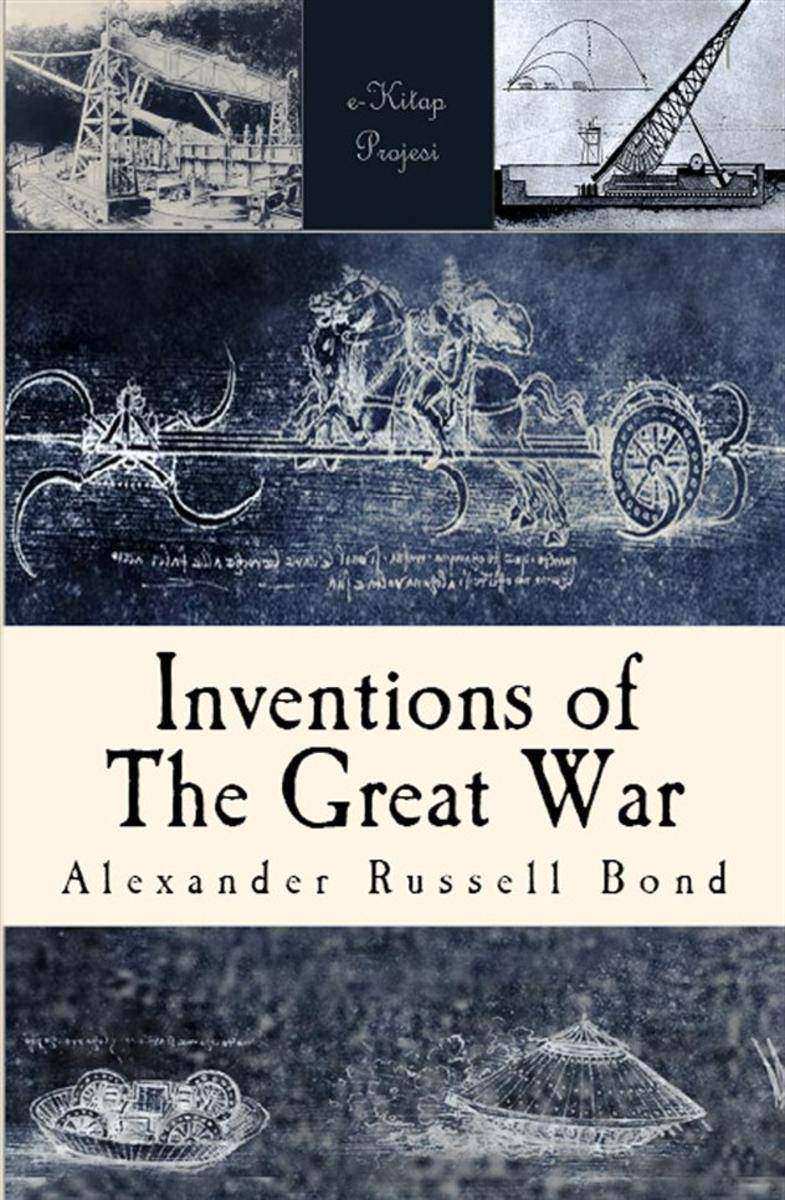
Inventions of the Great War
¥27.88
The great World War was more than two-thirds over when America entered the struggle, and yet in a sense this country was in the war from its very beginning. Three great inventions controlled the character of the fighting and made it different from any other the world has ever seen. These three inventions were American. The submarine was our invention; it carried the war into the sea. The airplane was an American invention; it carried the war into the sky. We invented the machine-gun; it drove the war into the ground. It is not my purpose to boast of American genius but, rather, to show that we entered the war with heavy responsibilities. The inven-tions we had given to the world had been developed marvelously in other lands. Furthermore they were in the hands of a determined and unscrupulous foe, and we found before us the task of overcoming the very machines that we had created. Yankee ingenuity was faced with a real test. The only way of overcoming the airplane was to build more and better machines than the enemy possessed. This we tried to do, but first we had to be taught by our allies the latest refinements of this machine, and the war was over before we had more than started our a?rial program. The machine-gun and its accessory, barbed wire (also an American invention), were overcome by the tank; and we may find what little comfort we can in the fact that its invention was inspired by the sight of an American farm tractor. But the tank was a British creation and was undoubtedly the most important invention of the war. On the sea we were faced with a most baffling problem. The U-boat could not be coped with by the building of swarms of submarines. The essential here was a means of locating the enemy and destroying him even while he lurked under the surface. Two American inventions, the hydrophone and the depth bomb, made the lot of the U-boat decidedly unenviable and they hastened if they did not actually end German frightfulness on the sea. But these were by no means the only inventions of the war. Great Britain showed wonderful ingenuity and resourcefulness in many di-rections; France did marvels with the airplane and showed great clev-erness in her development of the tank and there was a host of minor inventions to her credit; while Italy showed marked skill in the crea-tion of large airplanes and small seacraft.
Superimunitatea. F?r? injec?ii, f?r? medicamente, f?r? concedii medicale
¥81.67
E u?or s? te ba?i cu pumnul ?n piept c? iube?ti Rom?nia. E simplu s?-?i cumperi un fular ?n culorile tricolorului – ro?u, galben ?i albastru – ?i s? ie?i ?n pia?? de 1 Decembrie, la un pahar de vin gratis. E comod s? te cer?i ?n diferite grupuri pe Facebook cu ?nenoroci?ii care nu iubesc trupul patriei mam? ?i-l p?ng?resc“. E la ?ndem?n? s?-?i lipe?ti pe man?et? o etichet? care url? c? ?rom?nii sunt frumo?i“. E confortabil s? te ?mp?unezi cu reu?itele altor rom?ni, al?ii dec?t tine – fie c? vorbim despre filme rom?ne?ti premiate ?n lume, fie c? vorbim despre o echip? de fotbal sau ni?te liceeni olimpici la matematic?. E ideal s? spui, de acas?, din fotoliul t?u, scuip?nd o coaj? de s?m?n?? pe covor: ?E buni, domle, e rom?ni de-ai no?tri!“ Dar, de fiecare dat? c?nd e?ti tentat s? spui asta, pune-?i ?i ?ntrebarea: c?nd am f?cut, cu adev?rat, ceva real ?i personal PENTRU Rom?nia?


