


 购物车
购物车 个人中心
个人中心
Secret of the Sands
¥57.09
She was a slave. He was her master. Both of them long to be free… 1833 – The British Navy are conducting a survey of the Arabian Peninsula where slavery is as rife as ever despite being abolition. Zena, a headstrong and determined young Abyssinian beauty has been torn from her remote village, subjected to a tortuous journey and is now being offered for sale in the market of Muscat. Lieutenant James Wellstead is determined that his time aboard HMS Palinurus will be the conduit to fame and fortune. However, all his plans are thrown into disarray when two of his fellow officers go missing while gathering intelligence in the desert. By an unexpected twist of fate – Zena finds herself the property of Wellstead, now on a daring rescue mission into forbidding territory. Master and slave are drawn ever closer, but as danger faces them at every turn, they must endure heartache and uncertainty – neither of them knowing what fortune awaits them as they make their hazardous way through the shifting sands. A rich and epic novel that will appeal to fans of The Pirate's Daughter and East of the Sun.

The Chosen One
¥58.86
Number One bestseller Sam Bourne, author of The Righteous Men, delivers this page-turning political conspiracy thriller that goes right to the heart of the US establishment. Bruised by years of disappointments, political advisor Maggie Costello is finally working for a leader she can believe in. She, along with the rest of America, has put her trust in President Stephen Baker, believing he can make the world a better place. But suddenly an enemy surfaces: a man called Vic Forbes reveals first one scandal about the new president, and then another. He threatens a third revelation – one that will destroy Baker entirely. When Forbes is found dead, Maggie is thrown into turmoil. Could the leader she idolizes have been behind Forbes’s murder? Has she been duped by his message of change and hope? Who is the real Stephen Baker? On the trail of the truth, Maggie is led into the roots of a massive conspiracy that reaches back into history - and goes right to the heart of the US establishment…
Wonders of a Godless World
¥95.75
An electrifying, tumultuous story of inner demons, desire and devastation. On an unnamed island, in a Gothic hospital sitting in the shadow of a volcano, a wordless orphan girl works on the wards housing the insane and the incapable. She counts amongst her patients a virgin, an archangel, a duke and a witch. Everything appears fine until a silent, unmoving and unnerving new patient arrives from foreign climes. He claims to be immortal. Suddenly strange phenomena occur, bizarre murders take place, and the lives of the patients and the island's inhabitants are thrown into turmoil. What happens between the orphan and her beguiling new patient is an extraordinary exploration of consciousness, reality and madness.

Whicker’s War
¥69.26
Alan Whicker is quite simply a legend. A visionary and master of his craft, his television shows from the fifties to the nineties almost single handed invented the language of travel television and earned him the status of one of the most foremost of British media icons. Yet throughout his forty years in TV he was steadfast in his belief that his programmes should not be about himself but about those people he encountered. Until this year when he was persuaded, as part of the 60th anniversary of the invasion of Italy, to tell his remarkable war experiences in two fabulously reviewed hour-long television pieces. This book uses these programmes as the starting point to tell the story of Alan Whicker's remarkable war. Alan Whicker joined the Army Film and Photo Unit as an 18-year-old army officer, following the Allied advance through Italy, from Sicily to Venice. He filmed the troops on the front line, met Montgomery, and other military luminaries, filmed the battered body of Mussolini after his execution and accepted the surrender of the SS in Milan. This is remarkable account of the Italian campaign of 1943 and 1944 as he retraces of his steps over sixty years later. Beautifully written, poignant with humour and pathos this is a masterful book by one of the 20th centuries greatest TV journalists.
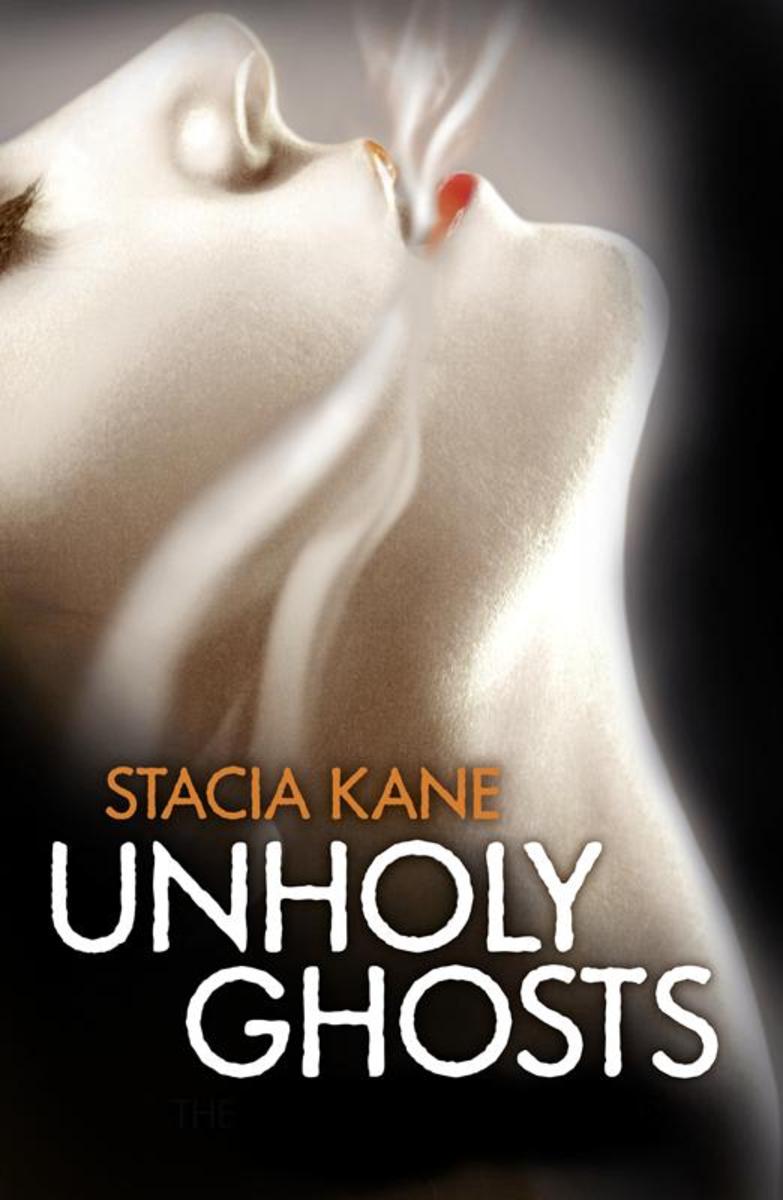
Unholy Ghosts (Downside Ghosts, Book 1)
¥56.11
If you liked the compelling characters in 50 Shades of Grey, you’ll love the Downside Ghosts series. Murderous spirits and ruthless drug dealers combine to create serious problems for fiercely independent heroine, Chess, in these fast-paced, sexy and addictive novels. The world is not the way it was. The dead have risen and constantly attack the living. The powerful Church of Real Truth, in charge since the government fell, has sworn to reimburse citizens being harassed by the deceased. Consequently, there are many false claims of hauntings from those hoping to profit. Enter Chess Putnam, a fully-tattooed witch and freewheeling Debunker and ghost hunter. She's got a real talent for nailing the human liars or banishing the wicked dead. But she's keeping a dark secret from the Church: a little drug problem that's landed her in hot and dangerous water. Chess owes a murderous drug lord named Bump a lot of money. And Bump wants immediate payback. All Chess has to do is dispatch a very nasty species of undead from an old airport. But the job involves black magic, human sacrifice, a nefarious demonic creature, and crossing swords with enough wicked energy to wipe out a city of souls. Toss in lust with a rival gang leader and a dangerous attraction to Bump's ruthless enforcer, and Chess begins to wonder if the rush is really worth it. Hell, yeah.
I Heart Hollywood (I Heart Series, Book 2)
¥65.16
I Heart series book 2. Celebs, sunshine and beautiful boys…enough to lead a girl astray? Angela Clark can’t believe her luck… she’s an English girl living in New York with a dream job at hip magazine The Look and a sexy boyfriend. Her latest assignment takes her to Hollywood to interview hot actor and fellow Brit James Jacobs.Thrown in at the deep end she heads west with best friend Jenny dreaming of Rodeo Drive and Malibu beach. Soon Angela discovers that celebrity life in Hollywood is not all glamour, gloss and sunshine. Despite his lady-killer reputation, the only person who seems genuine is James. Then a paparazzi snaps them in an uncompromising position and suddenly Angela is thrust into the spotlight for all the wrong reasons… Can she convince all those close to her – especially her boss and her boyfriend – not to believe everything they read? And will Hollywood ever win Angela’s heart?

Blood Brothers
¥45.62
Another page-turning story of tragedy and triumph from the No.1 bestselling author of The Loner and The Journey. Alice Jacobs has finally found the family she always wanted… With her shy smile and kind nature, Alice wins the hearts of the Arnold family. A decent and well respected couple,Tom and Nancy Arnold have raised two very different sons, Frank and Joe. Frank is a devious, brutal man. Seeing Alice as the key to his fortune, he is determined to have her for himself. However, his younger brother Joe has fallen in love with Alice, so when she and Frank become engaged to marry, Joe leaves home, determined to put a distance between himself and temptation. He reluctantly returns when Frank summons him to be his best man. Alice finds herself inexplicably drawn to Joe, but feeling it to be her duty, she goes ahead and marries Frank, not wishing to hurt him. On their wedding night Frank shows his true colours and when he forces Alice to reveal a devastating secret, his evil nature reaps a shocking revenge. In his blind hatred, intent on punishing those who have crossed him, Frank plans the final, ultimate retribution. An act that could tear apart not only the Arnold family, but shatter the lives of those around them forever. Unless someone can stop him …
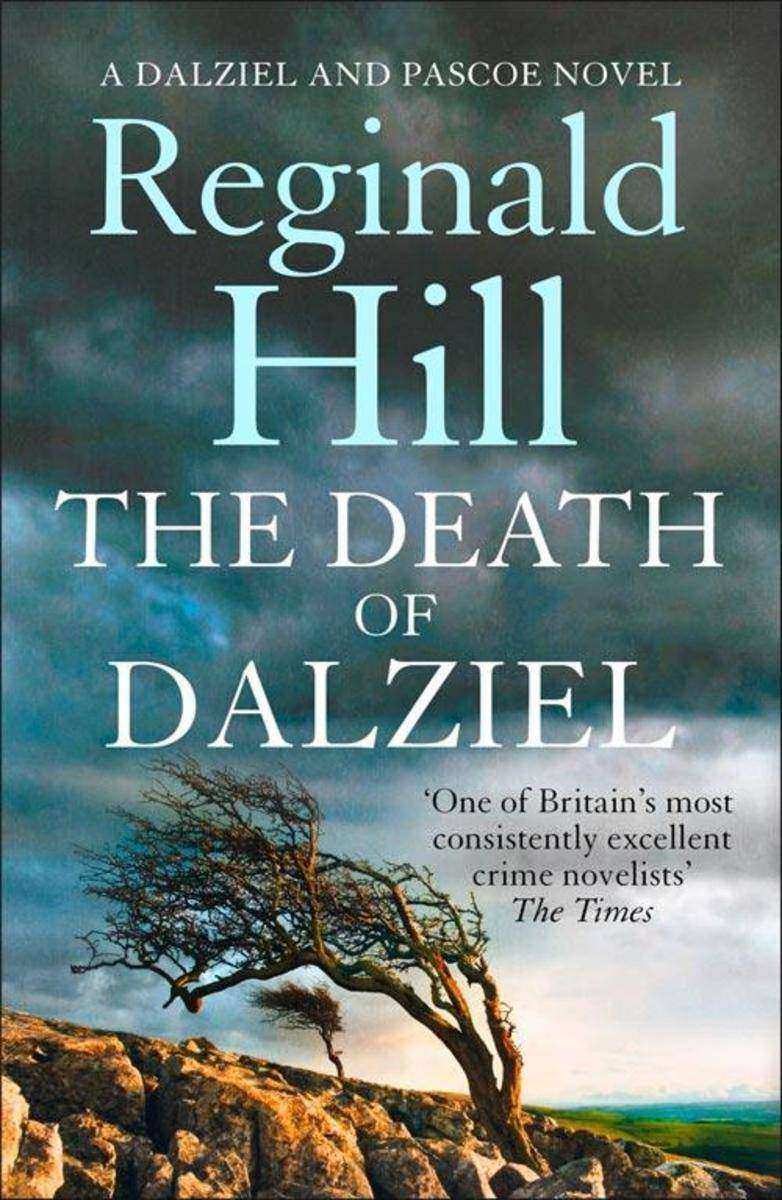
The Death of Dalziel: A Dalziel and Pascoe Novel (Dalziel & Pascoe, Book 20)
¥63.18
The highly anticipated return of Dalziel and Pascoe, the hugely popular police duo and stars of the long-running BBC TV series, in a new psychological thriller. Caught in a huge Semtex explosion, it seems the only thing preventing Superintendent Andy Dalziel from death is his size – and sheer bloody-mindedness. An injured DCI Peter Pascoe is convinced there’s a conspiracy at work, despite the security services concluding the blast was in fact an accident. Who, then, are the mysterious Knights Templar with their gruesome acts of vengeance? And what of a hit-and-run on one of Pascoe’s colleagues? And, most importantly, will Dalziel ever wake up to hear the truth…?
Cool Irish Names for Babies
¥73.58
A must-have guide for parents-to-be everywhere. Whether you’re Irish, of Irish heritage or you simply love Celtic-inspired names, this book is packed full of the most popular, unusual and creative names around. By the best-selling authors of Cool Names for Babies and Brilliant Book of Baby Names, this collection takes you beyond the straightforward listings of other books and gives opinion on what’s hot and what’s not in the world of Irish baby names. The information given really helps parents to make the right choices and includes loads of original features – pronunciation guides; which names are going up and which down in popularity; which are unisex, which are good as middle but not first names; and which should really be avoided at all costs. Packed full of creative lists such as Names that are Classic But Not Boring, Place Names, Names from Literature, Spiritual Names and Names of Irish Heroes and Heroines this is every new parent’s one-stop guide to selecting the coolest Irish name for their baby.
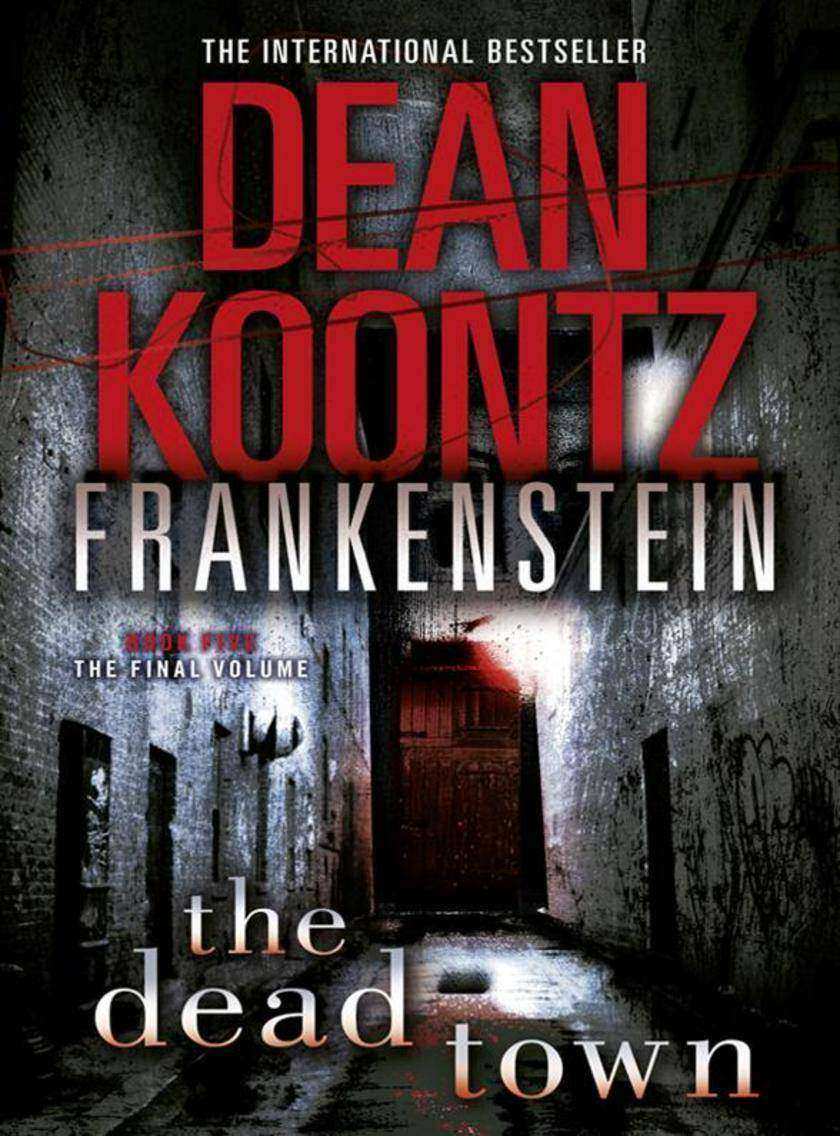
The Dead Town (Dean Koontz’s Frankenstein, Book 5)
¥59.84
The cataclysmic conclusion to Koontz’s brilliant reworking of the classic tale. The war against humanity is raging. As the small town of Rainbow Falls, Montana, comes under siege, scattered survivors come together to weather the onslaught. Victor Frankenstein’s nihilistic plan is to remake the future: a future in which mankind will be annihilated. To accomplish this aim he has created nothing less than the shock troops of the Apocalypse. Now the alliance of the good must make their last, best stand and do battle against overwhelming odds. And Deucalion, Frankenstein's original and flawed attempt at replicating life, must finally confront his evil creator. In a climax that will shatter every expectation, the fate of humanity hangs in the balance…
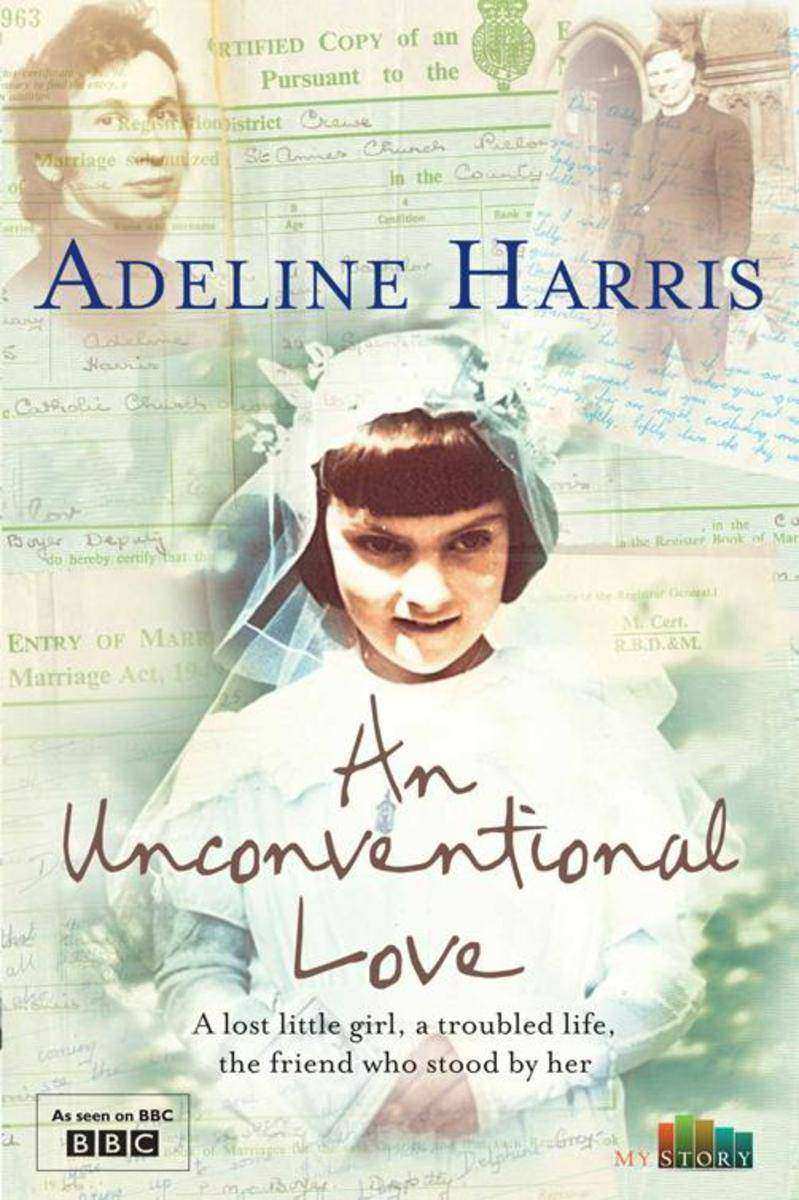
An Unconventional Love
¥51.50
Adeline Harris grew up in surroundings steeped in religion, from the beloved ayah in India who told her stories of Jesus wrestling tigers, to the strict father in England who placed a stone under her knee when she said the Rosary. It was no wonder that she always wanted to be a nun and a saint. Brought up to respect the church’s authority, the parish priest was an important early influence in her life. And when she met the new charismatic priest, Father Kelly, her interest and amazement instantly deepened. She enjoyed spending time with him and rapidly began to spend every spare moment at the church, learning much from the principled man. Following her father’s death, Adeline’s mother struggled to cope and Adeline was sent to live with Father Kelly. As Adeline grew up, she found herself falling in love with her guardian and hoped he might return her feelings. Then, when she was 18, she met a young man, Andrew, at a local dance. Soon she was pregnant and turned to the one person she could always rely on for help. He offered to look after Adeline and her baby, but he couldn’t understand her affections for Andrew. And, as time passed, deep down she always knew it was a friendship that was destined to end in heartache.
In My Dreams I Dance
¥58.86
Struck down with polio at the age of two and a half, Anne overcame the prejudice rife in her native village in Kenya, where neighbours believed she was cursed and called her a snake because of her disability, which left her paralysed below the waist. Losing her mother at a tender age, and sent to a school far away from home, she achieved fantastic academic results, amidst the challenges of a military coup. She went to university and qualified as a teacher, and fell in love with a British man who truly valued her defiant spirit. She moved from a world with no running water to make a life for herself in modern Britain. Where, against all odds, she bore a child, and went on to being the first East African to compete in her sport internationally. Anne is currently in further training, hoping to represent Great Britain at the 2012 Paralympics.
More Than Just Coincidence
¥51.50
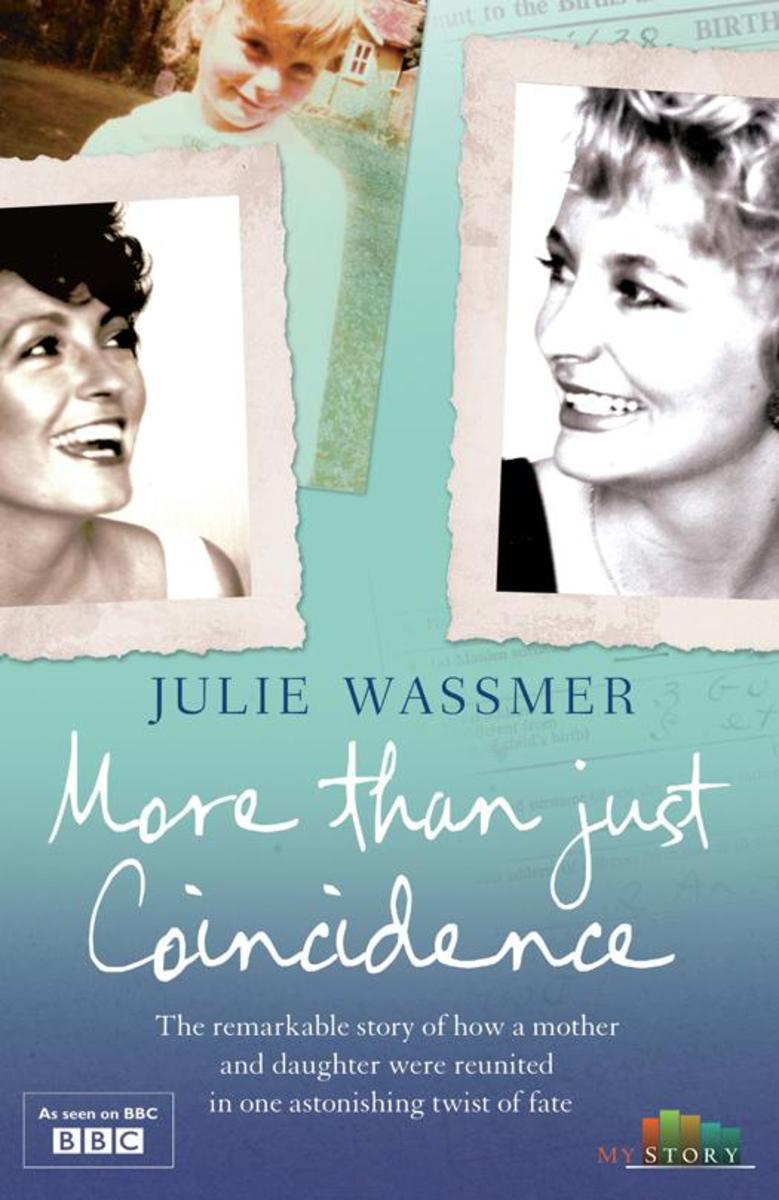
Heartwarming, compelling and genuinely remarkable, More Than Just Coincidence is the true story of a mother who was reunited with her daughter, twenty years after she gave her up for adoption, in the most incredible of circumstances. One hot summer day in 1970, teenaged Julie dressed her 10-day-old baby daughter for the last time. Then she placed her newborn into a nurse's arms and walked away, taking with her only a tiny plastic bracelet on which were written two words - 'Baby Wassmer'. Over the next twenty years, the print on the bracelet began to fade, but the memory of Julie's lost child continued to run, like thread, through the fabric of her life. Julie travelled the world and led an adventurous life, but at the back of her mind always remained the daughter she had let go. On 5 November 1990, a struggling writer, aged 36, Julie stared at the reflection in a mirror on her bathroom wall as she prepared for her first meeting with a literary agent. All of sudden a thought came into her mind: now might be the perfect time for her daughter to re-enter her life. A few hours later, in the most astonishing way, two worlds were about to collide. Real life can be stranger than fiction.
A Fighting Spirit
¥51.50
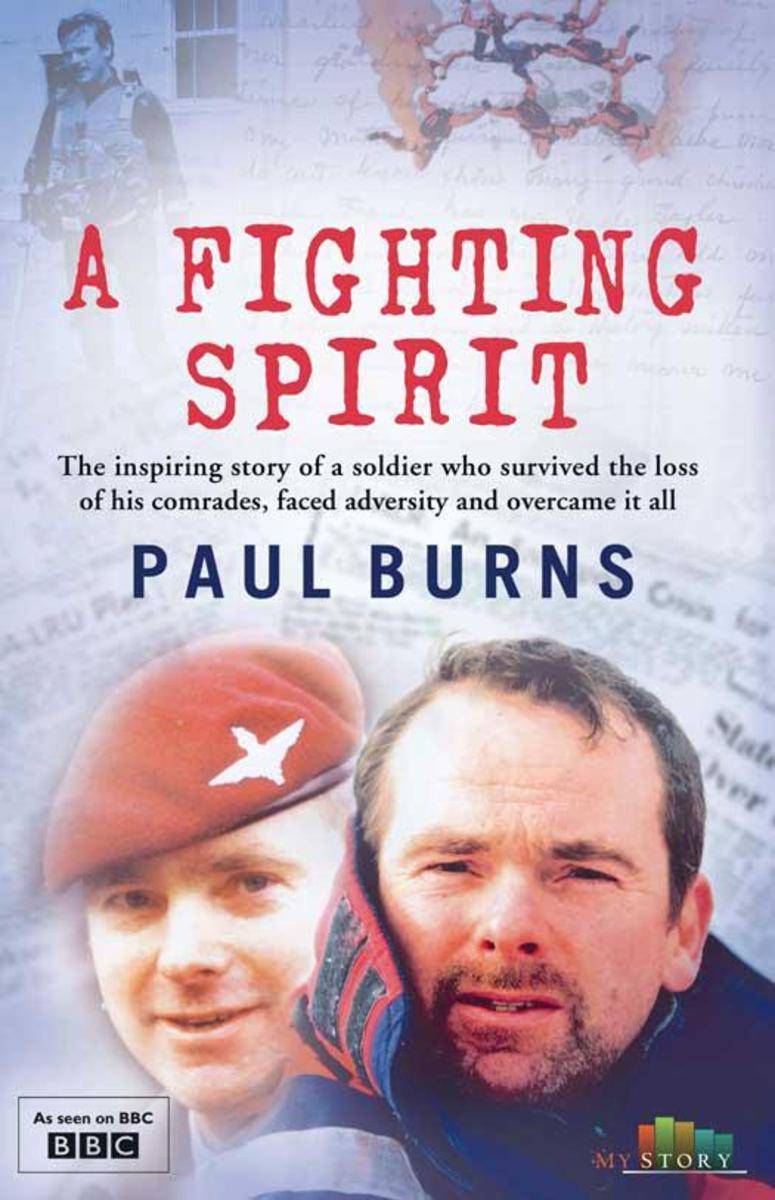
On 27 August 1979, Paul Burns’ life changed forever. Travelling through Warren Point in Northern Ireland when the IRA detonated two massive bombs, he was involved in a devastating explosion--eighteen soldiers were killed that day; Paul was one of only two who survived. His story is a remarkable tale of one man’s determination to make the most of his life against the odds.

A Place of Greater Safety
¥70.34
From the double Man Booker prize-winner comes an extraordinary work of historical imagination – this is Hilary Mantel’s epic novel of the French Revolution. Georges-Jacques Danton: zealous, energetic and debt-ridden. Maximilien Robespierre: small, diligent and terrified of violence. And Camille Desmoulins: a genius of rhetoric, charming and handsome, yet also erratic and untrustworthy. As these young men, key figures of the French Revolution, taste the addictive delights of power, the darker side of the period’s political ideals is unleashed – and all must face the horror that follows.
The Yummy Mummy’s Survival Guide
¥72.40
Becoming a mother is as challenging as ever. Help is at hand, with this indispensable guide to surviving the biggest transition of your life. Liz Fraser is a (mostly) stylish mother of three young children, and offers a much-needed, fresh look at what happens to us, our relationships and our wardrobes when we take the plunge and fill our tidy homes with Lego. Hilarious, honest and poignant, Liz uses her experiences of motherhood to help you through pregnancy and the first year with your baby, making the whole event seem manageable – even desirable. This indispensable guide is the stylist, personal trainer, box of anti-depressants, bar of chocolate and best friend which every woman can carry around in her handbag. Because becoming a mother doesn't mean you stop wanting to look and feel fabulous – it just becomes a little trickier!

Every Day Is Mother’s Day
¥66.22
From the author of the Man Booker prize-winners ‘Wolf Hall’ and ‘Bring Up the Bodies’ comes a story of suburban mayhem and merciless, hilarious revenge. Barricaded inside their house filled with festering rubbish, unhealthy smells and their secrets, the Axon family baffle Isabel Field, the latest in a long line of social workers. Isabel has other problems too: a randy, untrustworthy father and a slackly romantic lover, Colin Sidney, history teacher to unresponsive yobs and father of a parcel of horrible children. With all this to worry about, how can Isabel begin to understand what is going on in the Axon household?

Vacant Possession
¥66.22
From the Man Booker Prize-winning author of ‘Wolf Hall’ and ‘Bring Up the Bodies’, a savagely funny tale that revisits the characters from the much-loved ‘Every Day is Mother’s Day’. Muriel Axon is about to re-enter the lives of Colin Sidney, hapless husband, father and schoolmaster, and Isabel Field, failed social worker and practising neurotic. It is ten years since her last tangle with them, but for Muriel this is not time enough. There are still scores to be settled, truths to be faced and rather a lot of vengeance to be wreaked.
The Giant, O’Brien
¥66.22
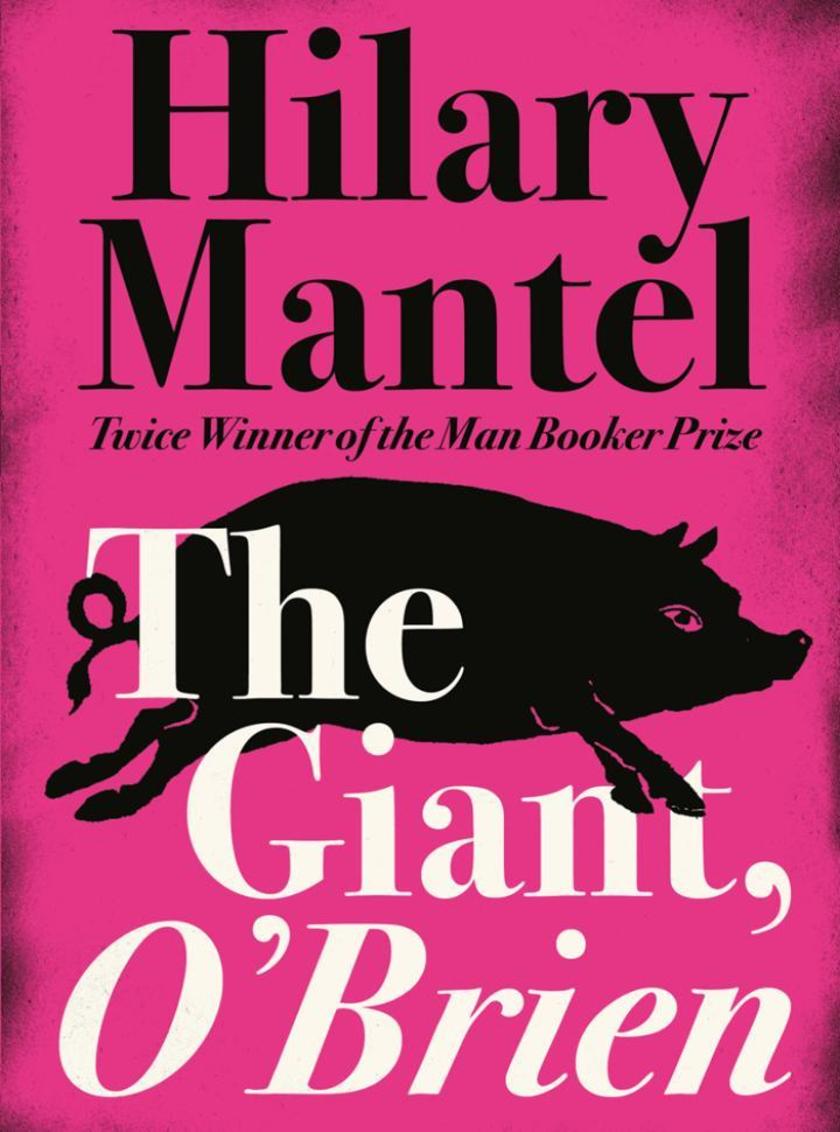
From the two-time Man Booker winner, the story of the 18th Century Irish giant, Charles O’Brien. Charles O’Brien, bard and giant. The cynical are moved by his flights of romance; the craven stirred by his tales of epic deeds. But what of his own story as he is led from Ireland to seek his fortune beyond the seas in England? The Surprising Irish Giant may be the sensation of the season but only his compatriots seem to attend to his mythic powers of invention. John Hunter, celebrated surgeon and anatomist, buys dead men from the gallows and babies’ corpses by the inch. Where is a man as unique as The Giant to hide his bones when he is yet alive? The Giant, O’ Brien is an unforgettable novel; lyrical, shocking and spliced with black comedy.
Quantico
¥35.32
Three FBI agents. One armageddon. It's the near future – sooner than you might hope – and the war against terrorism is almost lost. Nuclear and biological weapons are in the hands of Islamic radicals, and new weapons are being spawned in remote labs that can be used against entire populations. These are some of the problems facing three young agents as they finish their training at the FBI Academy in Quantico, Virginia. And still the threat is escalating to ever crazier heights. The Dome of the Rock has been blown to pieces by terrorists, and in retaliation thousands have died in another major attack on the United States, the equal of 9/11. Rumours fly through international capitals of a plague targeted to ethnic groups―Jews or Muslims or both. No one feels safe. Like the Anthrax terror that followed 9/11, the new plague results from domestic terror, the province of the FBI. The FBI seeks one man who appears to be on a bitter mission to wipe history's slate clean and close the curtain on the last act of the modern world. But the FBI itself is under threat of political extinction. There is a good chance the new agents will be part of the last class at Quantico, ‘Cop Valhalla’. As investigations reveal horror upon horror in the US and the rest of the world, the agents join forces with a veteran bioterror expert to foil attacks on the world's greatest religious cities―Jerusalem, Rome, and Mecca. In the second decade of the War on Terror, victory may be hard to define.
Mastering Java Machine Learning
¥99.18
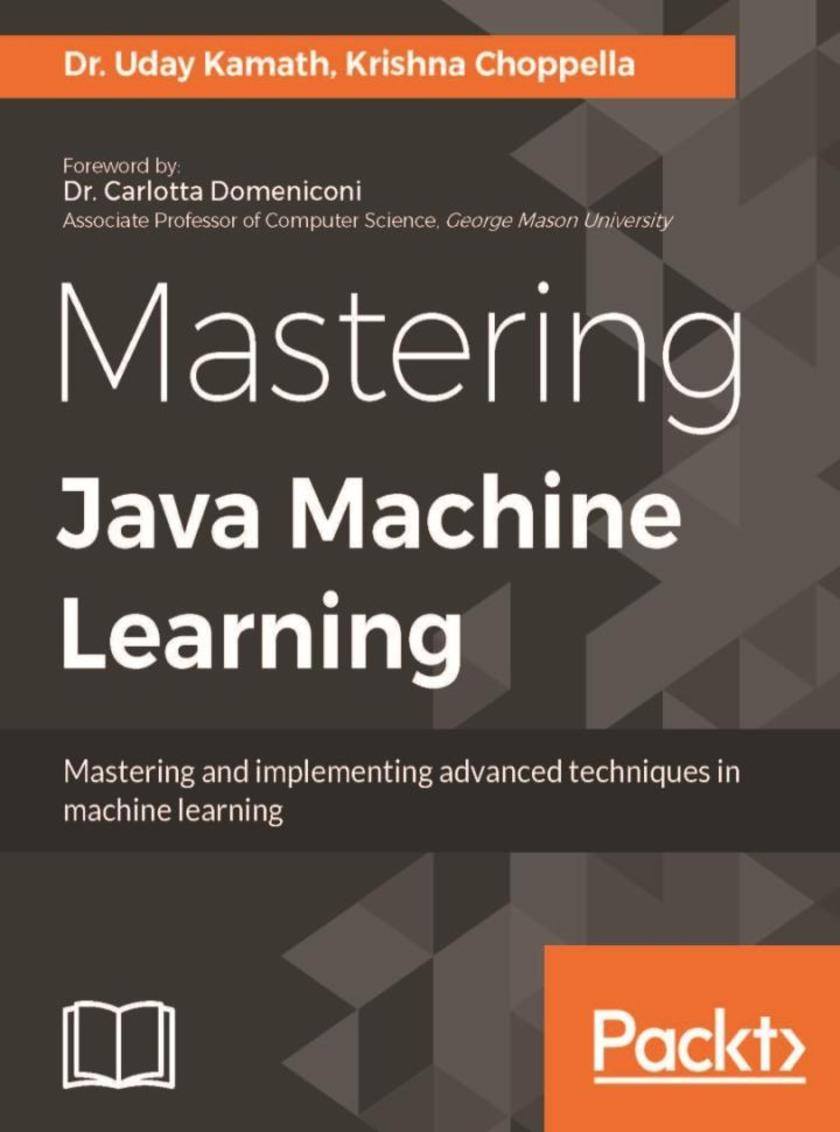
Become an advanced practitioner with this progressive set of master classes on application-oriented machine learning About This Book ? Comprehensive coverage of key topics in machine learning with an emphasis on both the theoretical and practical aspects ? More than 15 open source Java tools in a wide range of techniques, with code and practical usage. ? More than 10 real-world case studies in machine learning highlighting techniques ranging from data ingestion up to analyzing the results of experiments, all preparing the user for the practical, real-world use of tools and data analysis. Who This Book Is For This book will appeal to anyone with a serious interest in topics in Data Science or those already working in related areas: ideally, intermediate-level data analysts and data scientists with experience in Java. Preferably, you will have experience with the fundamentals of machine learning and now have a desire to explore the area further, are up to grappling with the mathematical complexities of its algorithms, and you wish to learn the complete ins and outs of practical machine learning. What You Will Learn ? Master key Java machine learning libraries, and what kind of problem each can solve, with theory and practical guidance. ? Explore powerful techniques in each major category of machine learning such as classification, clustering, anomaly detection, graph modeling, and text mining. ? Apply machine learning to real-world data with methodologies, processes, applications, and analysis. ? Techniques and experiments developed around the latest specializations in machine learning, such as deep learning, stream data mining, and active and semi-supervised learning. ? Build high-performing, real-time, adaptive predictive models for batch- and stream-based big data learning using the latest tools and methodologies. ? Get a deeper understanding of technologies leading towards a more powerful AI applicable in various domains such as Security, Financial Crime, Internet of Things, social networking, and so on. In Detail Java is one of the main languages used by practicing data scientists; much of the Hadoop ecosystem is Java-based, and it is certainly the language that most production systems in Data Science are written in. If you know Java, Mastering Machine Learning with Java is your next step on the path to becoming an advanced practitioner in Data Science. This book aims to introduce you to an array of advanced techniques in machine learning, including classification, clustering, anomaly detection, stream learning, active learning, semi-supervised learning, probabilistic graph modeling, text mining, deep learning, and big data batch and stream machine learning. Accompanying each chapter are illustrative examples and real-world case studies that show how to apply the newly learned techniques using sound methodologies and the best Java-based tools available today. On completing this book, you will have an understanding of the tools and techniques for building powerful machine learning models to solve data science problems in just about any domain. Style and approach A practical guide to help you explore machine learning—and an array of Java-based tools and frameworks—with the help of practical examples and real-world use cases.


