


 购物车
购物车 个人中心
个人中心

Gemini 2018: Your Personal Horoscope
¥13.15
Joseph Polansky is a leading US astrologer who has been practising astrology for over 20 years.

Scorpio 2018: Your Personal Horoscope
¥13.15
Joseph Polansky is a leading US astrologer who has been practising astrology for over 20 years.

Capricorn 2018: Your Personal Horoscope
¥13.15
Joseph Polansky is a leading US astrologer who has been practising astrology for over 20 years.

Aquarius 2018: Your Personal Horoscope
¥13.15
Joseph Polansky is a leading US astrologer who has been practising astrology for over 20 years.

A Year of New Adventures: The hilarious romantic comedy that is the perfect holi
¥17.76
'A breezy feel-good read that made me laugh out loud!' Phillipa Ashley, bestselling author of the Cornish Cafe series ‘A Year of New Adventures is like a dose of sunshine in book form. I can't wait to read what Maddie writes next.’ Chrissie Manby, author of The Worst Case Scenario Cookery Club

A Christmas Affair (Ransom Canyon)
¥16.28
A shy soul and an adventurous heart. As the holidays approach, can they find happiness together? Maria Anne Davis was on her way to an exciting career as a chef in Dallas, until a terrible car accident left her blind. Ever resilient, Maria has reinvented her life on her own terms, starting a business out of her home kitchen, selling her jams and jellies to the local grocery. Maria loves romance novels, and despite her bold spirit, she fears she’ll never have a big love affair like ones her heroines experience. That is, until she realizes how much she cares about the quiet Wes Whitman, the owner of the grocery. Wes can’t keep Maria’s wildly popular jam on his shelves—just like he can’t keep the fierce, beautiful Maria out of his thoughts. But how could a firecracker like Maria come to love a shy, nervous man like him? Maybe all they need is a grand affair. Wes needs to convince Maria that some affairs last forever, though—just in time for Christmas.
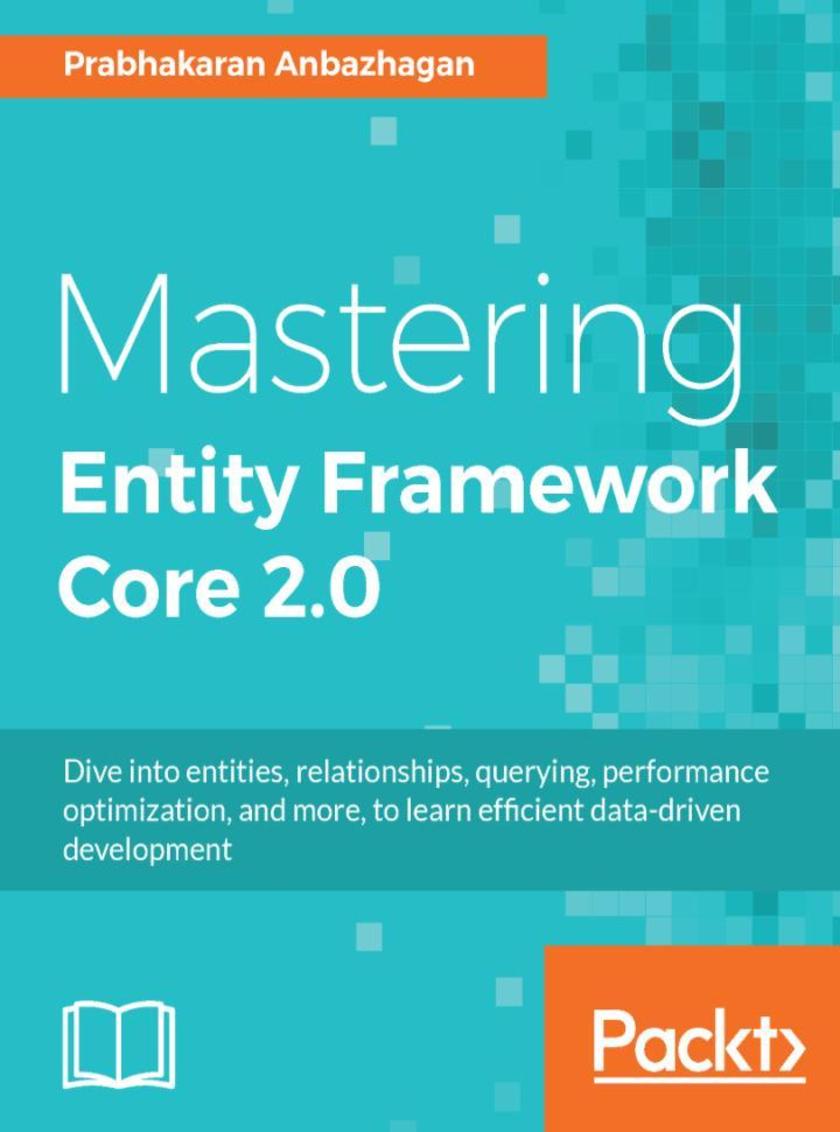
Mastering Entity Framework Core 2.0
¥90.46
Learn how to leverage the features of the new Entity Framework Core APIs and use them to build pure .NET Core applications. About This Book ? Learn how to effectively manage your database to make it more productive and maintainable. ? Write simplified queries using LINQ to acquire the desired data easily ? Raise the abstraction level from data to objects so teams can function independently, resulting in easily maintainable code Who This Book Is For This book is for .NET Core developers who would like to integrate EF Core in their application. Prior knowledge of .NET Core and C# is assumed. What You Will Learn ? Create databases and perform CRUD operations on them ? Understand and build relationships (related to entities, keys, and properties) ? Understand in-built, custom, and remote validation (both client and server side) ? You will learn to handle concurrency to build responsive applications ? You will handle transactions and multi-tenancy while also improving performance In Detail Being able to create and maintain data-oriented applications has become crucial in modern programming. This is why Microsoft came up with Entity Framework so architects can optimize storage requirements while also writing efficient and maintainable application code. This book is a comprehensive guide that will show how to utilize the power of the Entity Framework to build efficient .NET Core applications. It not only teaches all the fundamentals of Entity Framework Core but also demonstrates how to use it practically so you can implement it in your software development. The book is divided into three modules. The first module focuses on building entities and relationships. Here you will also learn about different mapping techniques, which will help you choose the one best suited to your application design. Once you have understood the fundamentals of the Entity Framework, you will move on to learn about validation and querying in the second module. It will also teach you how to execute raw SQL queries and extend the Entity Framework to leverage Query Objects using the Query Object Pattern. The final module of the book focuses on performance optimization and managing the security of your application. You will learn to implement failsafe mechanisms using concurrency tokens. The book also explores row-level security and multitenant databases in detail. By the end of the book, you will be proficient in implementing Entity Framework on your .NET Core applications. Style and approach This book is filled with various examples that will help you use Entity Framework Core 2.0 to write efficient software.
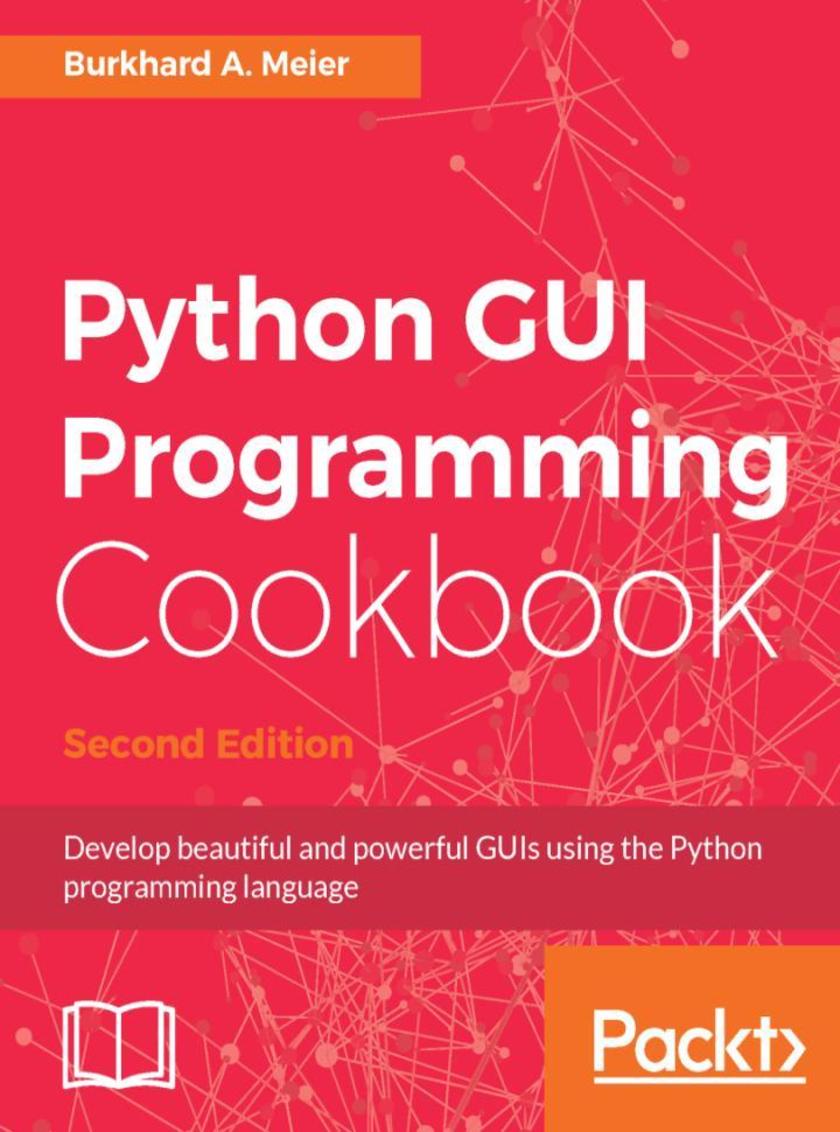
Python GUI Programming Cookbook - Second Edition
¥90.46
Master over 80 object-oriented recipes to create amazing GUIs in Python and revolutionize your applications today About This Book ? Use object-oriented programming to develop amazing GUIs in Python ? Create a working GUI project as a central resource for developing your Python GUIs ? Easy-to-follow recipes to help you develop code using the latest released version of Python Who This Book Is For This book is for intermediate Python programmers who wish to enhance their Python skills by writing powerful GUIs in Python. As Python is such a great and easy to learn language, this book is also ideal for any developer with experience of other languages and enthusiasm to expand their horizon. What You Will Learn ? Create the GUI Form and add widgets ? Arrange the widgets using layout managers ? Use object-oriented programming to create GUIs ? Create Matplotlib charts ? Use threads and talking to networks ? Talk to a MySQL database via the GUI ? Perform unit-testing and internationalizing the GUI ? Extend the GUI with third-party graphical libraries ? Get to know the best practices to create GUIs In Detail Python is a multi-domain, interpreted programming language. It is a widely used general-purpose, high-level programming language. It is often used as a *ing language because of its forgiving syntax and compatibility with a wide variety of different eco-systems. Python GUI Programming Cookbook follows a task-based approach to help you create beautiful and very effective GUIs with the least amount of code necessary. This book will guide you through the very basics of creating a fully functional GUI in Python with only a few lines of code. Each and every recipe adds more widgets to the GUIs we are creating. While the cookbook recipes all stand on their own, there is a common theme running through all of them. As our GUIs keep expanding, using more and more widgets, we start to talk to networks, databases, and graphical libraries that greatly enhance our GUI’s functionality. This book is what you need to expand your knowledge on the subject of GUIs, and make sure you’re not missing out in the long run. Style and approach This programming cookbook consists of standalone recipes, and this approach makes it unique.. While each recipe explains a certain concept, throughout the book you’ll build a more and more advanced GUI, recipe after recipe. In some of the advanced topics, we simply create a new GUI in order to explore these topics in depth.
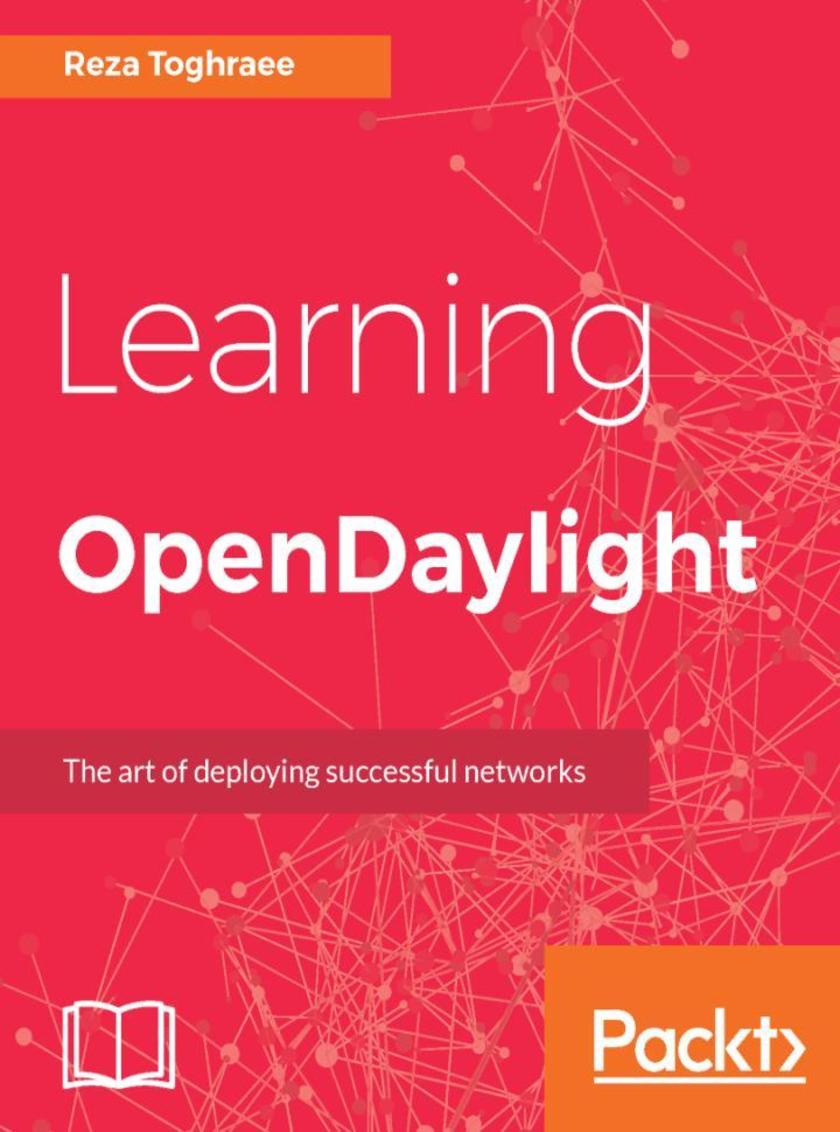
Learning OpenDaylight
¥80.65
A practical guide to building programmable networks using OpenDaylight About This Book ? Learn and understand how SDN controllers operate and integrate with networks; this book's step-by-step tutorials will give you a strong foundation in SDN, NVF, and OpenDayLight. ? Learn how to map legacy Layer 2/3 networking technologies in the SDN world ? Add new services and capabilities to your infrastructure and quickly adopt SDN and NFV within your organization with OpenDayLight. ? Integrate and manage software-defined networks efficiently in your organization. ? Build innovative network applications with OpenDayLight and save time and resources. Who This Book Is For This book targets network engineers, network programmers and developers, administrators, and anyone with some level of networking experience who'd like to deploy OpenDayLight effectively. Familiarity with the day-to-day operations of computer networks is expected What You Will Learn ? Transition from legacy networking to software-defined networking ? Learn how SDN controllers work and manage a network using southbound and northbound APIs ? Learn how to deploy the OpenDayLight SDN controller and integrate it with virtual switches ? Understand the basic design and operation of the OpenDaylight platform ? Build simple MD-SAL OpenDaylight applications ? Build applications on top of OpenDayLight to trigger network changes based on different events ? Integrate OpenStack with OpenDayLight to build a fully managed network ? Learn how to build a software-defined datacenter using NFV and service-chaining technologies In Detail OpenDaylight is an open source, software-defined network controller based on standard protocols. It aims to accelerate the adoption of Software-Defined Networking (SDN) and create a solid foundation for Network Functions Virtualization (NFV). SDN is a vast subject; many network engineers find it difficult to get started with using and operating different SDN platforms. This book will give you a practical bridge from SDN theory to the practical, real-world use of SDN in datacenters and by cloud providers. The book will help you understand the features and use cases for SDN, NFV, and OpenDaylight. NFV uses virtualization concepts and techniques to create virtual classes for node functions. Used together, SDN and NFV can elevate the standards of your network architecture; generic hardware-saving costs and the advanced and abstracted software will give you the freedom to evolve your network in the future without having to invest more in costly equipment. By the end of this book, you will have learned how to design and deploy OpenDaylight networks and integrate them with physical network switches. You will also have mastered basic network programming over the SDN fabric. Style and approach This is a step-by-step tutorial aimed at getting you up-to-speed with OpenDayLight and ready to adopt it for your SDN (Software-Defined Networking) and NFV (Network Functions Virtualization) ecosystem.

CORS Essentials
¥63.21
Share code and assets across domains in Web applications with CORS About This Book ? A step-by-step guide but at a high level/fast pace. Not all steps are covered as a basic knowledge is assumed ? Provides a basic overview of the concepts but the focus is on providing the practical skills required to develop applications ? Focuses on providing practical examples Who This Book Is For Web developers have been limited by the Same Origin Policy and often wish they could spread their application across different domains. You know JavaScript and AJAX, and have run up against the Same Domain Policy, which is limiting your applications. What You Will Learn ? Why you need CORS: Bending the Same Origin Policy and basic CORS implementation, headers and XMLHttpRequest ? Creating proxies for CORS: Sometimes the header is not enough ? Security: vulnerabilities and how to secure your CORS application ? CORS implementations in Content Management systems ? Learn about CORS in Windows applications ? Take CORS on the Cloud ? Apply CORS in Node.js ? Best practices for CORS In Detail This book explains how to use CORS, including specific implementations for platforms such as Drupal, WordPress, IIS Server, ASP.NET, JBoss, Windows Azure, and Salesforce, as well as how to use CORS in the Cloud on Amazon AWS, YouTube, Mulesoft, and others. It examines limitations, security risks, and alternatives to CORS. It explores the W3C Specification and major developer documentation sources about CORS. It attempts to predict what kinds of extension to the CORS specification, or completely new techniques, will come in the future to address the limitations of CORS Web developers will learn how to share code and assets across domains with CORS. They will learn a variety of techniques that are rather similar in their method and syntax. The book is organized by similar types of framework and application, so it can be used as a reference. Developers will learn about special cases, such as when a proxy is necessary. And they will learn about some alternative techniques that achieve similar goals, and when they may be preferable to using CORS Style and approach A step-by-step guide filled with real-world applications
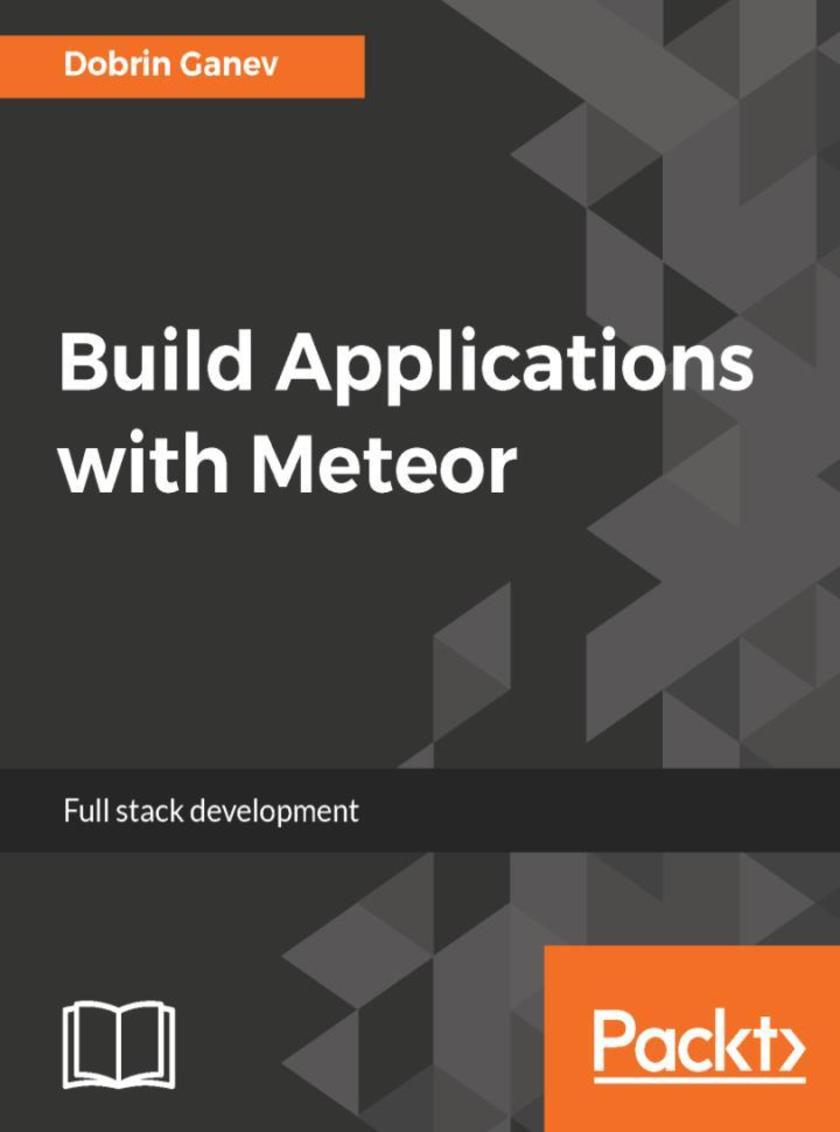
Build Applications with Meteor
¥80.65
Build a variety of cross-platform applications with the world’s most complete full-stack JavaScript framework— Meteor About This Book ? Develop a set of real-world applications each exploring different features of Meteor ? Make your app more appealing by adding reactivity and responsiveness to it ? Work with the most powerful feature of Meteor—the “full stack reactivity”—through building real-time applications with many third party libraries Who This Book Is For If you are a developer who is looking forward to taking your application development skills with Meteor to next level by getting your hands-on different projects, this book is for you. What You Will Learn ? See how Meteor fits in the modern web application development by using its reactive data system ? Make your front-end behave consistently across environments by implementing a predictable state container with Redux ? Get familiar with React and overview of Angular 2 ? Add a map to your application with a real-time geolocation ? Plugin into Meteor social media APIs like Twitter’s streaming and Facebook’s Messenger ? Add search functionality from scratch to your existing app and data ? Add responsiveness with Bootstrap 4 and Google’s Material Design using Less and Sass ? Distribute your data across machines and data centers by adding Apache Cassandra to your existing stack. ? Learn how to scale your microservices with the high performant language neutral framework gRPC. ? Learn how to query multiple data sources using GraphQL. In Detail This book starts with the basic installation and overview of the main components in Meteor. You’ll get hands-on multiple versatile applications covering a wide range of topics from adding a front-end views with the hottest rendering technology React to implementing a microservices oriented architecture.All the code is written with ES6/7 which is the latest significantly improved JavaScript language. We’ll also look at real-time data streaming, server to server data exchange, responsive styles on the front-end, full-text search functionality, and integration of many third-party libraries and APIs using npm. By the end of the book, you’ll have the skills to quickly prototype and even launch your next app idea in a matter of days. Style and Approach This book takes an easy-to-follow project-based approach. Each project starts with the goal of what you will learn and an overview the technologies used.
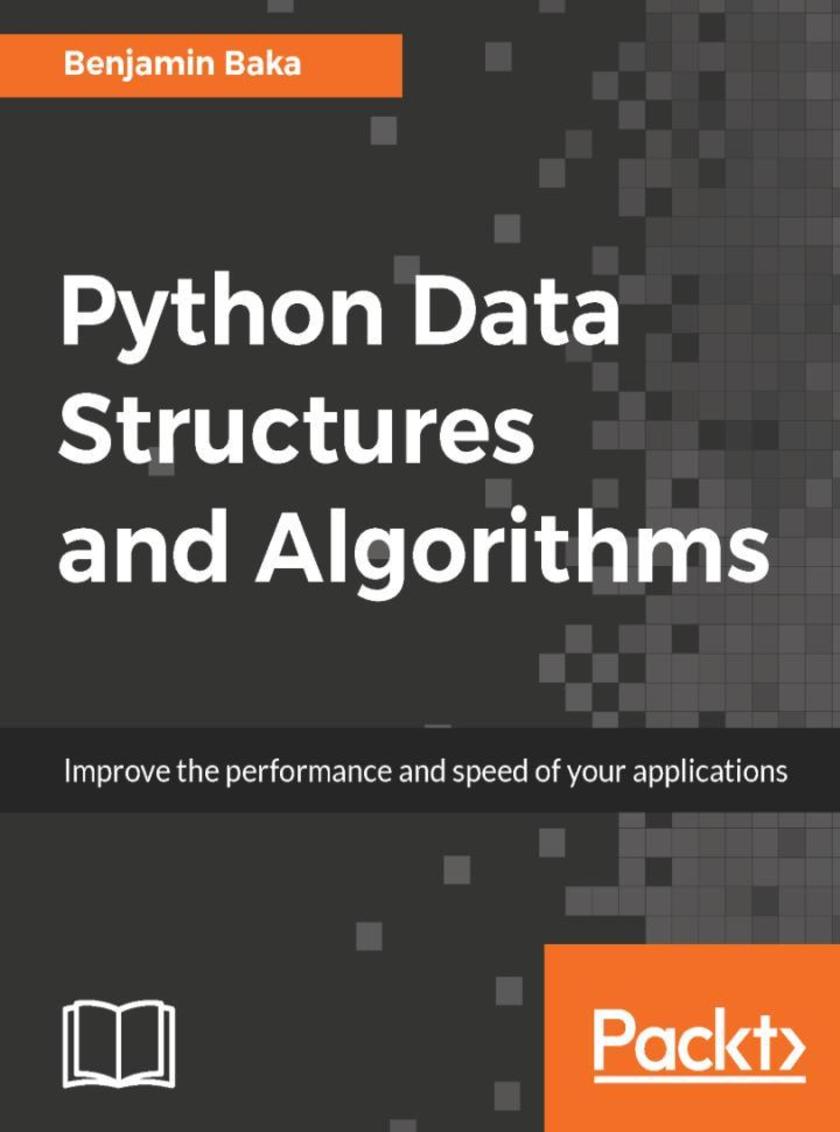
Python Data Structures and Algorithms
¥80.65
Implement classic and functional data structures and algorithms using Python About This Book ? A step by step guide, which will provide you with a thorough discussion on the analysis and design of fundamental Python data structures. ? Get a better understanding of advanced Python concepts such as big-o notation, dynamic programming, and functional data structures. ? Explore illustrations to present data structures and algorithms, as well as their analysis, in a clear, visual manner. Who This Book Is For The book will appeal to Python developers. A basic knowledge of Python is expected. What You Will Learn ? Gain a solid understanding of Python data structures. ? Build sophisticated data applications. ? Understand the common programming patterns and algorithms used in Python data science. ? Write efficient robust code. In Detail Data structures allow you to organize data in a particular way efficiently. They are critical to any problem, provide a complete solution, and act like reusable code. In this book, you will learn the essential Python data structures and the most common algorithms. With this easy-to-read book, you will be able to understand the power of linked lists, double linked lists, and circular linked lists. You will be able to create complex data structures such as graphs, stacks and queues. We will explore the application of binary searches and binary search trees. You will learn the common techniques and structures used in tasks such as preprocessing, modeling, and transforming data. We will also discuss how to organize your code in a manageable, consistent, and extendable way. The book will explore in detail sorting algorithms such as bubble sort, selection sort, insertion sort, and merge sort. By the end of the book, you will learn how to build components that are easy to understand, debug, and use in different applications. Style and approach The easy-to-read book with its fast-paced nature will improve the productivity of Python programmers and improve the performance of Python applications.
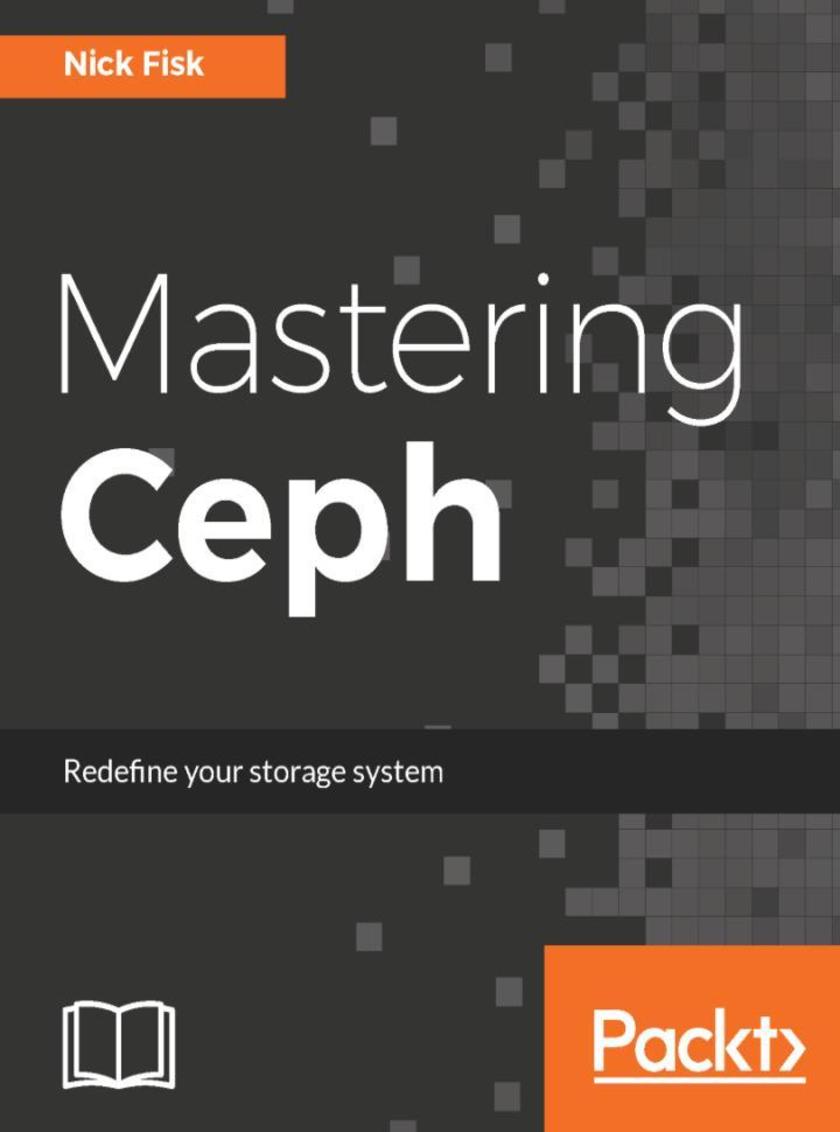
Mastering Ceph
¥80.65
Deep dive into the unified, distributed storage system in order to provide excellent performance About This Book ? Leverage Ceph's advanced features such as erasure coding, tiering, and Bluestore ? Solve large-scale problems with Ceph as a tool by understanding its strengths and weaknesses to develop the best solutions ? A practical guide that covers engaging use cases to help you use advanced features of Ceph effectively Who This Book Is For If you are a developer and an administrator who has deployed a Ceph cluster before and are curious about some of the most advanced features in order to improve performance then this book is for you What You Will Learn ?Know when and how to use some of Ceph's advanced new features ? Set up a test cluster with Ansible and some virtual machines using VirtualBox and Vagrant ?Develop novel solutions to massive problems with librados and shared object classes. ? Choose intelligent parameters for an erasure coded pool and set it up. ? Configure the Bluestore settings and see how they interact with different hardware configurations. ? Keep Ceph running through thick and thin with tuning, monitoring and disaster recovery advice. In Detail Mastering Ceph covers all that you need to know to use Ceph effectively. Starting with design goals and planning steps that should be undertaken to ensure successful deployments, you will be guided through to setting up and deploying the Ceph cluster, with the help of orchestration tools. Key areas of Ceph including Bluestore, Erasure coding and cache tiering will be covered with help of examples. Development of applications which use Librados and Distributed computations with shared object classes are also covered. A section on tuning will take you through the process of optimisizing both Ceph and its supporting infrastructure. Finally, you will learn to troubleshoot issues and handle various scenarios where Ceph is likely not to recover on its own. By the end of the book, you will be able to successfully deploy and operate a resilient high performance Ceph cluster. Style and approach A practical guide which has each chapter explaining the concept, sharing tips and tricks and a use case to implement the most powerful features of Ceph
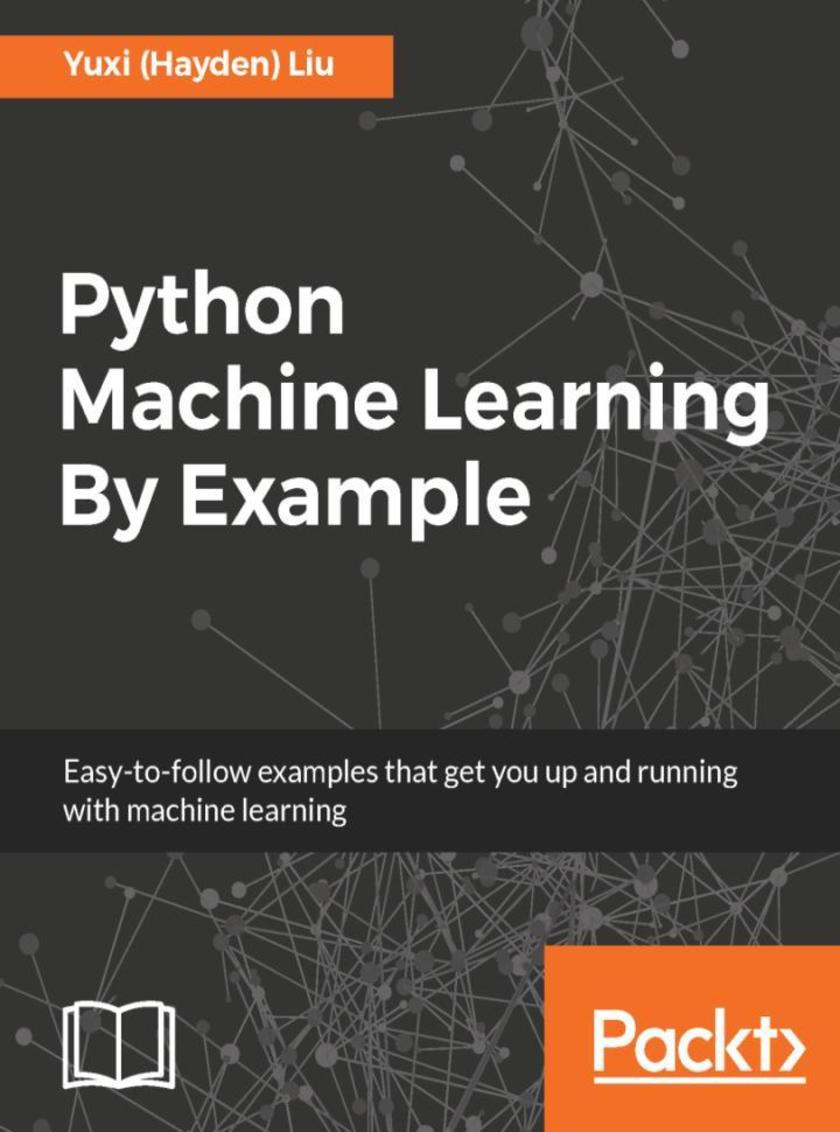
Python Machine Learning By Example
¥90.46
Take tiny steps to enter the big world of data science through this interesting guide About This Book ? Learn the fundamentals of machine learning and build your own intelligent applications ? Master the art of building your own machine learning systems with this example-based practical guide ? Work with important classification and regression algorithms and other machine learning techniques Who This Book Is For This book is for anyone interested in entering the data science stream with machine learning. Basic familiarity with Python is assumed. What You Will Learn ? Exploit the power of Python to handle data extraction, manipulation, and exploration techniques ? Use Python to visualize data spread across multiple dimensions and extract useful features ? Dive deep into the world of analytics to predict situations correctly ? Implement machine learning classification and regression algorithms from scratch in Python ? Be amazed to see the algorithms in action ? Evaluate the performance of a machine learning model and optimize it ? Solve interesting real-world problems using machine learning and Python as the journey unfolds In Detail Data science and machine learning are some of the top buzzwords in the technical world today. A resurging interest in machine learning is due to the same factors that have made data mining and Bayesian analysis more popular than ever. This book is your entry point to machine learning. This book starts with an introduction to machine learning and the Python language and shows you how to complete the setup. Moving ahead, you will learn all the important concepts such as, exploratory data analysis, data preprocessing, feature extraction, data visualization and clustering, classification, regression and model performance evaluation. With the help of various projects included, you will find it intriguing to acquire the mechanics of several important machine learning algorithms – they are no more obscure as they thought. Also, you will be guided step by step to build your own models from scratch. Toward the end, you will gather a broad picture of the machine learning ecosystem and best practices of applying machine learning techniques. Through this book, you will learn to tackle data-driven problems and implement your solutions with the powerful yet simple language, Python. Interesting and easy-to-follow examples, to name some, news topic classification, spam email detection, online ad click-through prediction, stock prices forecast, will keep you glued till you reach your goal. Style and approach This book is an enticing journey that starts from the very basics and gradually picks up pace as the story unfolds. Each concept is first succinctly defined in the larger context of things, followed by a detailed explanation of their application. Every concept is explained with the help of a project that solves a real-world problem, and involves hands-on work—giving you a deep insight into the world of machine learning. With simple yet rich language—Python—you will understand and be able to implement the examples with ease.
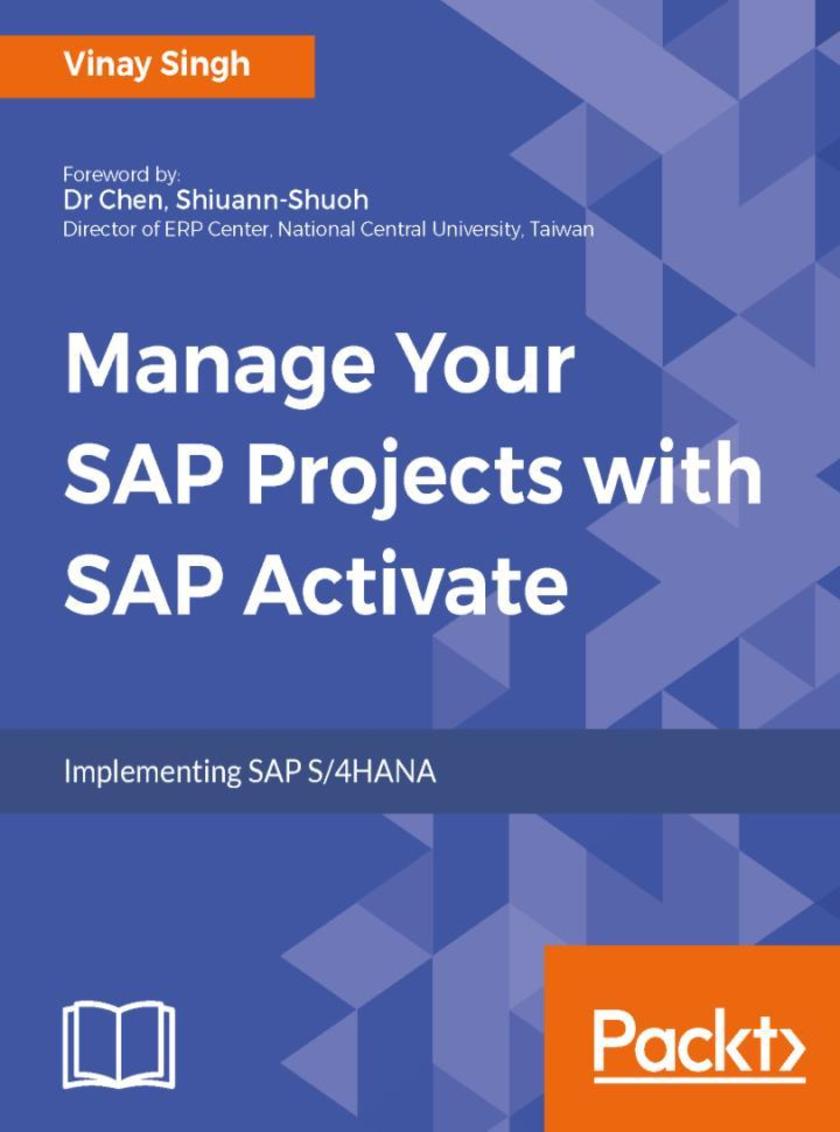
Manage Your SAP Projects With SAP Activate
¥71.93
Explore and use the agile techniques of SAP Activate Framework in your SAP Projects. About This Book ? Explore the three pillars of SAP Activate and see how it works in different scenario. ? Understand and Implement Agile and Scrum concepts in SAP Activate. ? Get to Grisp with SAP Activate framework and manage your SAP projects effectively. Who This Book Is For This book is for readers who want to understand the working of SAP Activate and use it to manage SAP projects. Prior knowledge of SAP Hana is must. What You Will Learn ? Understand the fundamentals of SAP S4/HANA. ? Get familiar with the structure and characteristics of SAP Activate. ? Explore the application scenarios of SAP Activate. ? Use Agile and Scrum in SAP Projects effectively and efficiently ? Implement your learning into a sample project to explore and understand the benefits of SAP Activate methodology. In Detail It has been a general observation that most SAP consultants and professionals are used to the conventional waterfall methodology. Traditionally, this method has been there for ages and we all grew up learning about it and started practicing it in real world. The evolution of agile methodology has revolutionized the way we manage our projects and businesses. SAP Activate is an innovative, next generation business suite that allows producing working deliverables straight away. Manage your SAP Project with SAP Activate, will take your learning to the next level. The book promises to make you understand and practice the SAP Activate Framework. The focus is to take you on a journey of all the phases of SAP Activate methodology and make you understand all the phases with real time project examples. The author explains how SAP Activate methodology can be used through real-world use cases, with a comprehensive discussion on Agile and Scrum, in the context of SAP Project. You will get familiar with SAP S4HANA which is an incredibly innovative platform for businesses which can store business data, interpret it, analyze it, process it in real time, and use it when it's needed depending upon the business requirement. Style and approach An easy to follow approach with concepts explained via scenarios and project examples
AMP: Building Accelerated Mobile Pages
¥80.65
Engineer naturally lean web pages and leverage the latest web platform features to dramatically boost page speed About This Book ? The first book for web developers that shows how to put AMP to work ? Improve your website's mobile experience and get more traffic ? Practical methods to achieve a step change in performance quickly and easily Who This Book Is For This book is for experienced web developers who are aware of the impact of slow-loading web pages on conversion rates and user engagement, and who are seeking to serve content to their end users in a rich and enticing way using the Accelerated Mobile Pages framework. You should be familiar with HTML5, CSS3, JavaScript, and JSON. What You Will Learn ? Build, validate, and deploy AMP pages ? Create interactive user notifications, navigation menus, accordions, contact pages with forms and maps ? Monetize your traffic with a variety of ad styles and providers ? Analyze your traffic by integrating analytics providers and tracking user-behavior along several dimensions ? Embed social media with amp-youtube, amp-instagram, amp-twitter, and amp-facebook ? Build e-commerce functionality including product pages and shopping carts ? Deliver rich media experiences using AMP custom elements ? Use advanced deployment techniques to extend functionality ? Install ServiceWorkers and build Progressive Web Apps for offline use In Detail Google introduced the Accelerated Mobile Pages (AMP) project to give mobile users lightning-fast response times when accessing web pages on mobile devices. AMP delivers great user experiences by providing a framework for optimizing web pages that otherwise would take much longer to load on a mobile platform. This book shows how to solve page performance issues using the mobile web technologies available today. You will learn how to build instant-loading web pages, and have them featured more prominently on Google searches. If you want your website to succeed on mobile, if you care about SEO, and if you want to stay competitive, then this book is for you! You will go on a mobile web development journey that demonstrates with concrete examples how to build lightning-fast pages that will keep your visitors on-site and happy. This journey begins by showing how to build a simple blog article-style web page using AMP. As new concepts are introduced this page is gradually refined until you will have the skills and confidence to build a variety of rich and interactive mobile web pages. These will include e-commerce product pages, interactive forms and menus, maps and commenting systems, and even Progressive Web Apps. Style and approach Get step-by-step instructions to build web pages of different types, gain expert tricks to brand your pages without bloating them, and see methods to embed advertising.
Learn C# in 7 days
¥71.93
Learn C# in 7 days with practical examples, build a foundation for C# programming, and boost your skills to an advanced level About This Book ? Learn the basics of C# in 7 days ? Works as a reference guide describing the major features of C# ? Build easy and simple code through real-world example scenarios Who This Book Is For The book is for aspiring developers and absolute novices who want to get started with the world of programming. You do not need any knowledge of C# for this book. What You Will Learn ? Understand and set up the .NET environment ? Code in C# using the Visual Studio 2017 RC (preferable community edition) IDE ? Define variables, syntax, control flows, statements, and arrays etc through examples ? Understand the concepts of Object-Oriented Programming using C# ? Get acquainted with attributes, collection, generics, and LINQ ? Get your hands on class members such as Modifiers, Methods, Properties, Indexers, File I/O, Exception Handling, and Regex ? Build a real-world application using C# 7 In Detail This book takes a unique approach to teach C# to absolute beginners. You’ll learn the basics of the language in seven days. It takes a practical approach to explain the important concepts that build the foundation of the C# programming language. The book begins by teaching you the basic fundamentals using real-world practical examples and gets you acquainted with C# programming. We cover some important features and nuances of the language in a hands-on way, helping you grasp the concepts in a fluid manner. Later, you’ll explore the concepts of Object-Oriented Programming (OOP) through a real-world example. Then we dive into advanced-level concepts such as generics and collections, and you’ll get acquainted with objects and LINQ. Towards the end, you’ll build an application that covers all the concepts explained in the book. By the end of this book, you will have next-level skills and a good knowledge of the fundamentals of C#. Style and approach Fast paced guide to get you up-to-speed with the language. Every chapter is followed by an exercise that focuses on building something with the language. The codes of the exercises can be found on the Packt website
Swift 4 Protocol-Oriented Programming - Third Edition
¥71.93
Build fast and powerful applications by harnessing the power of protocol-oriented programming in Swift 4 About This Book ? Leverage the power of protocol-oriented programming in your applications and learn from real-world use cases ? Create a flexible code base with protocols and protocol extensions ? Leverage the power of generics in Swift 4 to create very flexible frameworks Who This Book Is For This book is for Swift developers who want to learn and implement protocol-oriented programming in their real-world applications.. What You Will Learn ? Understand the differences between object-oriented programming and protocol-oriented programming ? Explore the different types that Swift offers and what pitfalls to avoid ? Delve into generics and generic programming ? Learn how to implement Copy-On-Write within your custom types ? Implement several design patterns in a protocol-oriented way ? Design applications by prioritizing the protocol first and the implementation types second In Detail Swift has become the number one language used in iOS and macOS development. The Swift standard library is developed using protocol-oriented programming techniques, generics, and first-class value semantics; therefore, every Swift developer should understand these powerful concepts and how to take advantage of them in their application design. This book will help you understand the differences between object-oriented programming and protocol-oriented programming. It will demonstrate how to work with protocol-oriented programming using real-world use cases. You will gain a solid knowledge of the various types that can be used in Swift and the differences between value and reference types. You will be taught how protocol-oriented programming techniques can be used to develop very flexible and easy-to-maintain code. By the end of the book, you will have a thorough understanding of protocol-oriented programming and how to utilize it to build powerful and practical applications. Style and approach This book is written for developers who learn best by working with code, so every concept discussed in this book is reinforced with real code examples.
Mastering CSS
¥71.93
Rich Finelli's modern CSS training course, based on his bestselling Mastering CSS video, now available in a book. Master CSS from best practices to practical CSS coding. About This Book ? Learn CSS directly from Rich Finelli, author of the bestselling Mastering CSS training course ? From best practices to deep coding, Rich Finelli shares his CSS knowledge with you ? Rich Finelli covers the latest CSS updates with flexbox and works with retina devices Who This Book Is For This book is for web designers who wish to master the best practices of CSS in their web projects. You already know how to work with a web page, and want to use CSS to master website presentation. What You Will Learn ? Master fundamental CSS concepts like the anatomy of a rule set, the box model, and the differences between block and inline elements ? Employ flexbox to layout and align elements simply and cleanly ? Become proficient with CSS3 properties such as transitions, transforms, gradients, and animations ? Delve into modular, reusable, and scalable CSS for more organized and maintainable style sheets ? Understand media queries and other pillars of responsive web design ? Get creative with the @font-face property, Google Web Fonts, font services such as Typekit, as well as, icon fonts ? Understand the workflow for HiDPI (retina) devices using 2x images, SVG, and the srcset attribute In Detail Rich Finelli trains you in CSS deep learning and shows you the techniques you need to work in the world of responsive, feature-rich web applications. Based on his bestselling Mastering CSS training video, you can now learn with Rich in this book! Rich shares with you his skills in creating advanced layouts, and the critical CSS insights you need for responsive web designs, fonts, transitions, animations, and using flexbox. Rich begins your CSS training with a review of CSS best practices, such as using a good text editor to automate your authoring and setting up a CSS baseline. You then move on to create a responsive layout making use of floats and stylable drop-down menus, with Rich guiding you toward a modular-organized approach to CSS. Your training with Rich Finelli then dives into detail about working with CSS and the best solutions to make your websites work. You'll go with him into CSS3 properties, transforms, transitions, and animations. You’ll gain his understanding of responsive web designs, web fonts, icon fonts, and the techniques used to support retina devices. Rich expands your knowledge of CSS so you can master one of the most valuable tools in modern web design. Style and approach Let Rich Finelli train you in CSS! This book has a direct training style because it is based on Rich's bestselling Mastering CSS training course.
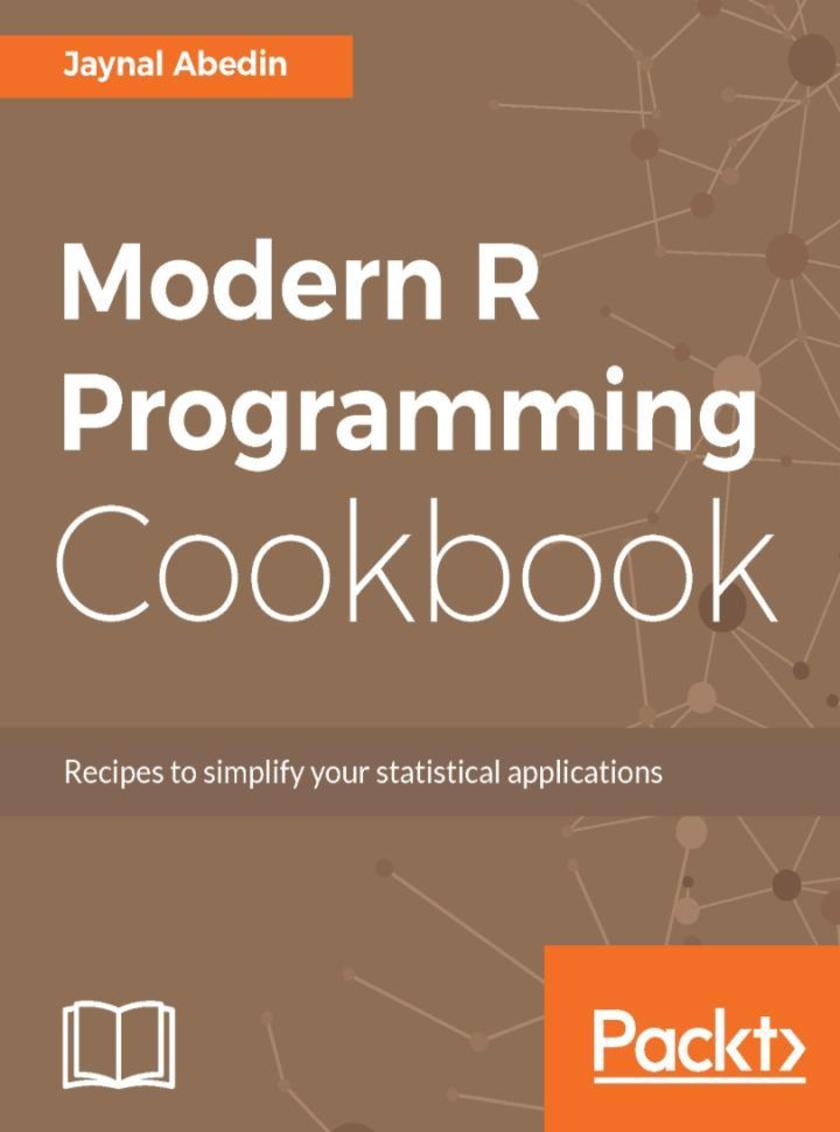
Modern R Programming Cookbook
¥80.65
Recipes for emerging developers in R programming and data scientists to simplify their R programming capabilities About This Book ? Develop strategies to speed up your R code ? Tackle programming problems and explore both functional and object-oriented programming techniques ? Learn how to address the core problems of programming in R with the most popular R packages for common tasks Who This Book Is For This book is for developers who would like to enhance the R programming skills. Basic knowledge of R programming is assumed. What You Will Learn ? Install R and its various IDE for a given platform along with installing libraries from different repositories and version control ? Learn about basic data structures in R and how to work with them ? Write customized R functions and handle recursions, exceptions in R environments ? Create the data processing task as a step by step computer program and execute using dplyr ? Extract and process unstructured text data ? Interact with database management system to develop statistical applications ? Formulate and implement parallel processing in R In Detail R is a powerful tool for statistics, graphics, and statistical programming. It is used by tens of thousands of people daily to perform serious statistical analyses. It is a free, open source system whose implementation is the collective accomplishment of many intelligent, hard-working people. There are more than 2,000 available add-ons, and R is a serious rival to all commercial statistical packages. The objective of this book is to show how to work with different programming aspects of R. The emerging R developers and data science could have very good programming knowledge but might have limited understanding about R syntax and semantics. Our book will be a platform develop practical solution out of real world problem in scalable fashion and with very good understanding. You will work with various versions of R libraries that are essential for scalable data science solutions. You will learn to work with Input / Output issues when working with relatively larger dataset. At the end of this book readers will also learn how to work with databases from within R and also what and how meta programming helps in developing applications. Style and approach This book will be a companion for R programmer and emerging developers in R programming areas. This book will contain recipes related to advanced R programming which will enable users to solve complex problems efficiently.
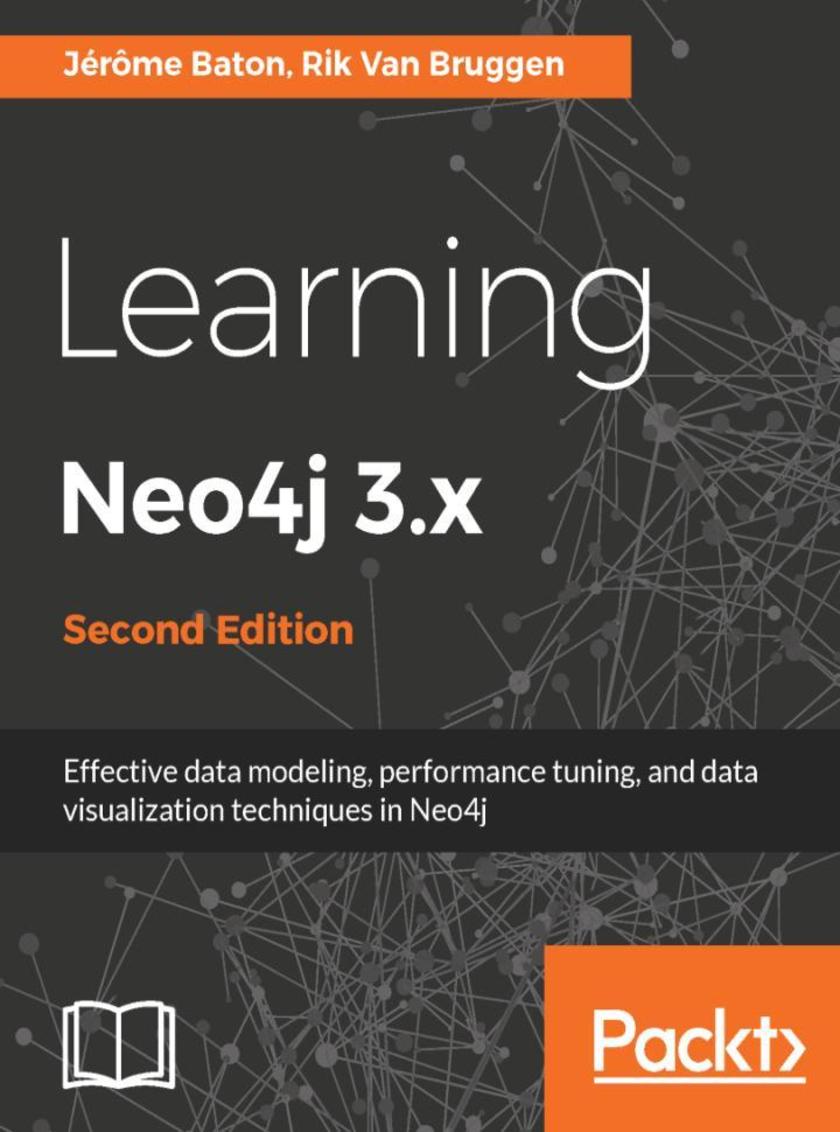
Learning Neo4j 3.x - Second Edition
¥90.46
Run blazingly fast queries on complex graph datasets with the power of the Neo4j graph database About This Book ? Get acquainted with graph database systems and apply them in real-world use cases ? Use Cypher query language, APOC and other Neo4j extensions to derive meaningful analysis from complex data sets. ? A practical guide filled with ready to use examples on querying, graph processing and visualizing information to build smarter spatial applications. Who This Book Is For This book is for developers who want an alternative way to store and process data within their applications. No previous graph database experience is required; however, some basic database knowledge will help you understand the concepts more easily. What You Will Learn ? Understand the science of graph theory, databases and its advantages over traditional databases. ? Install Neo4j, model data and learn the most common practices of traversing data ? Learn the Cypher query language and tailor-made procedures to analyze and derive meaningful representations of data ? Improve graph techniques with the help of precise procedures in the APOC library ? Use Neo4j advanced extensions and plugins for performance optimization. ? Understand how Neo4j's new security features and clustering architecture are used for large scale deployments. In Detail Neo4j is a graph database that allows traversing huge amounts of data with ease. This book aims at quickly getting you started with the popular graph database Neo4j. Starting with a brief introduction to graph theory, this book will show you the advantages of using graph databases along with data modeling techniques for graph databases. You'll gain practical hands-on experience with commonly used and lesser known features for updating graph store with Neo4j's Cypher query language. Furthermore, you'll also learn to create awesome procedures using APOC and extend Neo4j's functionality, enabling integration, algorithmic analysis, and other advanced spatial operation capabilities on data. Through the course of the book you will come across implementation examples on the latest updates in Neo4j, such as in-graph indexes, scaling, performance improvements, visualization, data refactoring techniques, security enhancements, and much more. By the end of the book, you'll have gained the skills to design and implement modern spatial applications, from graphing data to unraveling business capabilities with the help of real-world use cases. Style and approach A step-by-step approach of adopting Neo4j, the world's leading graph database. This book includes a lot of background information, helps you grasp the fundamental concepts behind this radical new way of dealing with connected data, and will give you lots of examples of use cases and environments where a graph database would be a great fit


