


 购物车
购物车 个人中心
个人中心

The Islands of Chaldea
¥51.50
The brand new and final novel from the magical pen of ‘the Godmother of Fantasy’, Diana Wynne Jones; co-authored with her sister Ursula Jones. Now in paperback. How are you supposed to turn into a Wise Woman if your powers just won’t show up? Aileen is convinced she’ll never become as magical as her Aunt Beck. Then one day her aunt is set a seemingly impossible mission. She must go to the island of Logra and rescue the kidnapped High Prince from the enemy, and Aileen must go with her. They set off along with Ivar, Aileen’s spoilt cousin, and Ogo his clophopping servant, recruiting on their way a huge and elusive cat, a monk with an uncannily wise parrot, and a boy inventor who keeps a pet lizard up his sleeve. But this is no band of mighty warriors, and the evil Lograns and their wizards have blocked their way with an invisible barrier in the sea. Aileen doubts that even with all the magic in the Islands of Chaldea, including Aunt Beck’s, they will be able to penetrate it. But Aileen is about to discover that she could be more important to the mission than she realises. Perhaps it is her, above all, who is being drawn to Logra, and for a very special purpose…

Fighter: The True Story of the Battle of Britain
¥66.22
Summer, 1940: western Europe has been conquered, and all that stands between Hitler and the invasion of England is the matter of air supremacy. And the RAF… Hitler’s top-secret Directive No. 16, July 1940: ‘The English air force must be beaten down to such an extent, that it can no longer muster any power of attack worth mentioning against the German advance.’ ‘Fighter’ is Len Deighton’s thrilling history of the ensuing Battle of Britain – the aerial combat between the RAF and the Luftwaffe that was fought over the summer of 1940. Ex-RAF pilot Deighton has written a balanced study of strategies and tactics that also expertly recounts the development of the aeroplanes that fought each other in the skies – the Spitfires and Messerschmitts – and of radar. Behind the strategies and tactics, and in the cockpits of the aeroplanes, are the men brought vividly to life by Deighton’s skill as a novelist.

Aztec Attack (Time Hunters, Book 12)
¥44.15
Join Tom on an incredible treasure hunt through time and battle history’s mightiest warriors. The twelfth book in an action-packed, time-travelling series – perfect for fans of Beast Quest. Travel through time with Tom as he battles the mightiest warriors of the past! When Tom bangs on a drum in a museum he releases an ancient curse. Now he must go back in time and track down six golden coins… On this adventure, Tom travels back to the ancient Aztec Empire where he must face the rain god Tlaloc! Can Tom outsmart a god and snatch the missing treasure before it’s too late?

The Complete Helen Forrester 4-Book Memoir
¥268.30
The complete four-volume collection of classic memoir recounting a poverty-stricken childhood in 1930s Liverpool that started with Twopence To Cross the Mersey. Twopence To Cross The Mersey – When Helen Forrester’s father went bankrupt in 1930 she and her six siblings were forced into dreadful poverty in Depression-ridden Liverpool. Managing the household and caring for the younger children all fell on twelve-year-old Helen. Written without self-pity, Forrester’s memoir of these grim days is as heart-warming as it is shocking. Liverpool Miss – Life remains extremely tough for fourteen-year-old Helen. Her continuing struggles against malnutrition, dirt and, above all, the selfish demands of her parents, are deeply shocking. But Helen’s fortitude in the most harrowing of situations makes this a story of amazing courage. By The Waters Of Liverpool – though her parents are as financially irresponsible as ever, wasting money while their children go without, for Helen the future is brightening. At seventeen, she has fought won some important battles with her parents and won, then she meets Harry… Lime Street At Two – It is 1940 and Helen, now twenty, is working at a welfare centre. Her wages are pitifully low and her mother claims the whole of them for housekeeping but she is still thrilled to be gaining some independence. As WWII rages, tragedy isn’t very far away, but Helen faces it with courage and determination.

The Life You Left
¥62.59
The life you lived. The life you loved. The life you left… For fans of Jojo Moyes and Cecelia Ahern. It started out like any other day for Sarah Lawler; getting the kids ready for school, making the pack lunches and juggling baby Ella’s feeds. There was no way of knowing that her husband, Paul, would leave for work that morning and simply not come home. Now the questions are piling up quicker than the unpaid bills and, unable to answer her children’s questions about where their Daddy is, Sarah is getting desperate. But it turns out she isn’t quite as alone as she thought she was. When her beloved childhood friend, Edward, comes back into her life, Sarah thinks she’s finally been thrown a life line. There’s just one problem with Edward: Sarah is the only person who can see him. “Carmel Harrington has done it again! Brilliantly written… it surpasses all expectations.” ChickLitClub
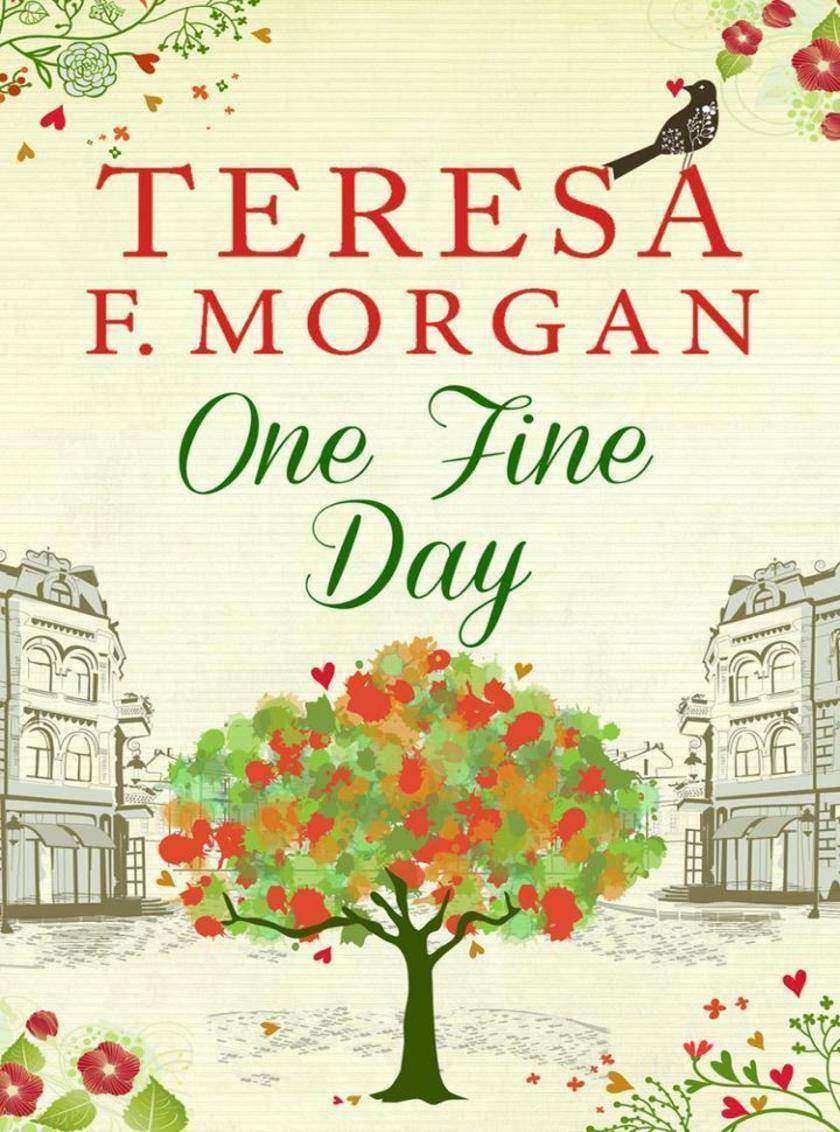
One Fine Day
¥45.42
Just a boy standing in front of a girl… Actor Steve Mason has it all … gorgeous looks, the perfect starlet girlfriend hanging on his arm and his name on every Hollywood producer’s lips. That is, until it turns out the ‘perfect girl’ is actually a perfect PR stunt! Dumped and with his name plastered across every tabloid headline, Steve decides to head home to England, questioning if he’ll ever find a woman who genuinely loves him for who he is, and not just his place on the Sexiest Man Alive list. It’s been fifteen long years since Ruby last saw her big brother – but the new LA version of Steve complete with designer wardrobe, California tan and an American accent is too much to bear – Ruby hardly recognises him and decides it’s time to get her brother back! With Ruby’s help, Steve goes undercover as he plays the part of a regular guy who leads a regular life. And then one perfectly fine, ordinary day he meets lovely, funny, down-to-earth Lydia. But when Hollywood comes calling, will Steve be able to leave both Lydia and his little sister behind?

Emma
¥66.22
Jane Austen teased readers with the idea of a 'heroine whom no one but myself will much like', but Emma is irresistible. 'Handsome, clever, and rich', Emma is also an 'imaginist', 'on fire with speculation and foresight'. She sees the signs of romance all around her, but thinks she will never be married. Her matchmaking maps out relationships that Jane Austen ironically tweaks into a clearer perspective. Judgement and imagination are matched in games the reader too can enjoy, and the end is a triumph of understanding.
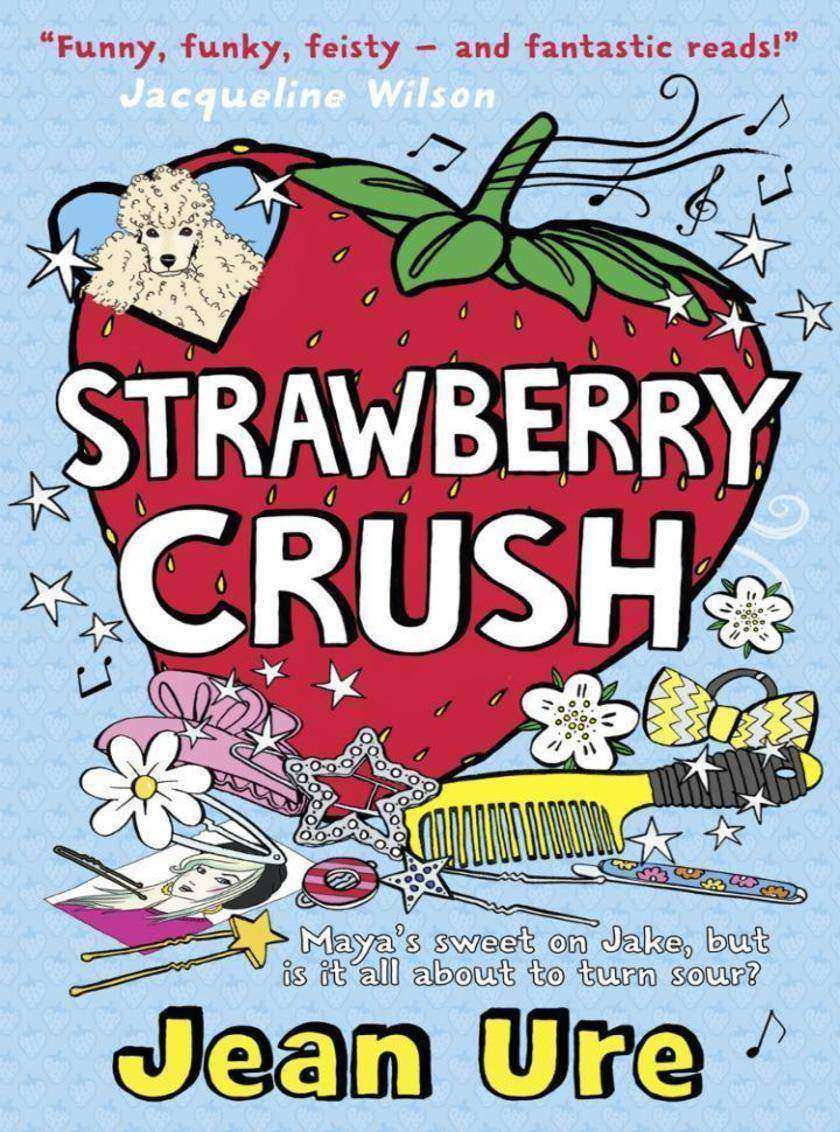
Strawberry Crush
¥44.44
A brand new story of crushes, first love and friendship from the original Queen of Tween – Jean Ure! When Maya falls off her bike and into the arms of Jake Harper, her cousin Mattie thinks the crush that follows will be as short-lived as the rest – especially as Maya is a Year 8 nobody and Jake is a Year 12 god. Mattie’s pretty sure that Jake's taken, anyway. But if Jake’s got a girlfriend then why does he keep offering Maya lifts around town? And why does Maya accuse Mattie of being jealous of her? Perhaps there’s more to this crush than meets the eye…
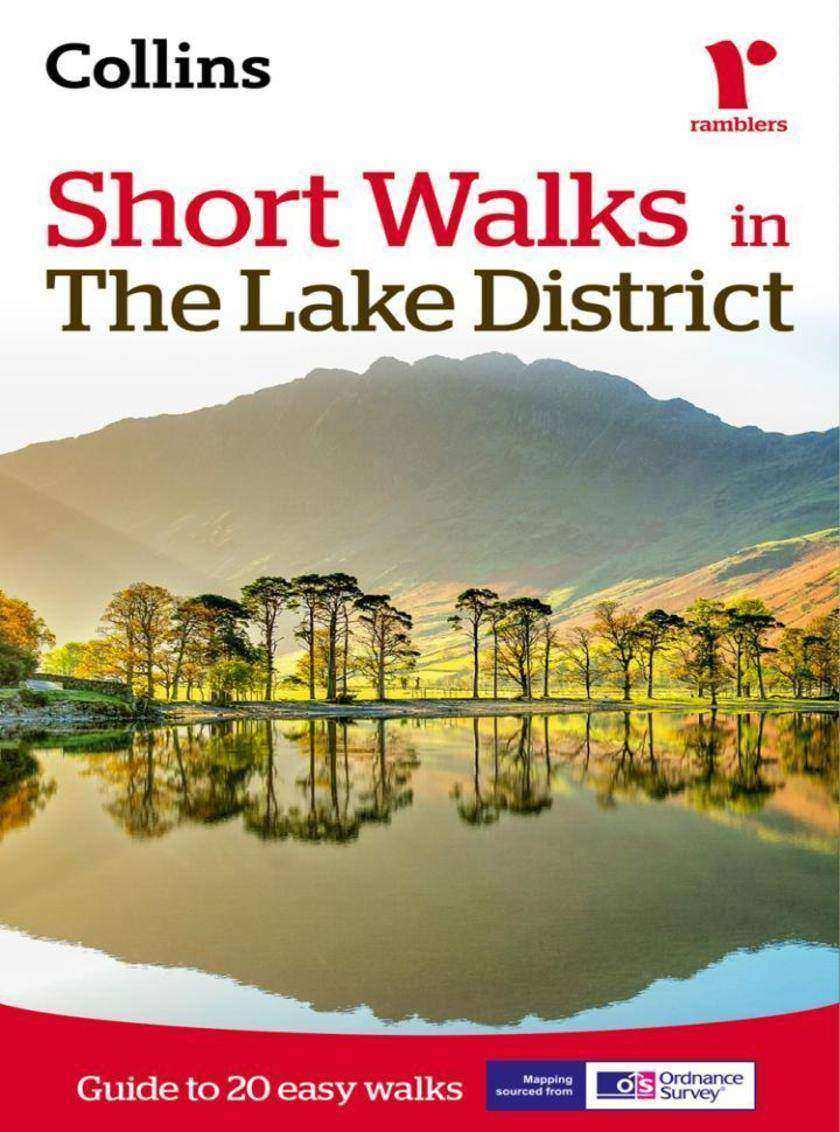
Short walks in the Lake District
¥51.50
The Lake District contains some of the most spectacular landscapes in Britain with superb walking areas. These can be explored with these 20 walks, all of which are 5 miles or under in length and can easily be completed in less than 3 hours. This guide, produced in co-operation with the Ramblers and featuring Ordnance Survey mapping, is the perfect way to really appreciate the landscapes of the Lake District. INCLUDES: ? 20 easy to follow walks which can be completed in 3 hours and under. ? Each walk has a detailed 1:25 000 Ordnance Survey map with the route clearly marked plus a detailed de*ion of the route. ? The walks have been chosen with issues like parking and refreshments in mind to make life easy for families. ? Packed with colour photographs of scenes you will see along the walk. The perfect guide for afternoon walks near to Keswick, Windermere, Coniston, Grasmere and Ambleside.
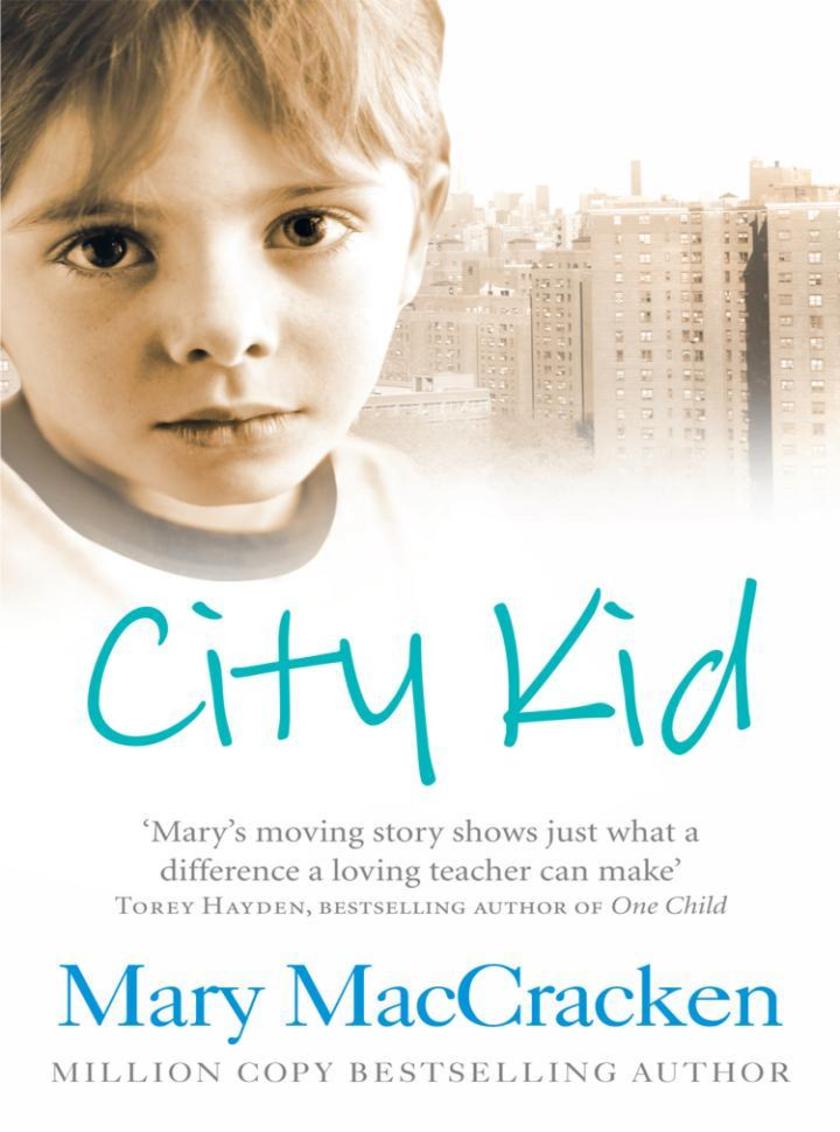
City Kid
¥58.86
From the author of international bestsellers A Circle of Children and Lovey comes an inspiring true story of a gifted teacher’s determination to understand the ‘rotten’ city kid everyone has given up on. Sitting quiet and withdrawn at a battered school desk, Luke had the looks of a shy angel – and a past that special needs teacher Mary MacCracken could barely believe. Already Luke had been picked up 24 times by the police. He’d set over a dozen major fires, and had a staggering record of thefts. No adult could reach him, no teacher could control him, and no policeman could cow him. All this – and Luke was only seven and a half years old. Trying to help Luke was Mary MacCracken’s job – and a seemingly impossible challenge. This is the remarkable story of how the impossible came true.

United States of Love
¥54.65
‘If you want a fun, emotional and really enjoyable read, don’t miss United States of Love by Sue Fortin.’ – Sara at Harlequin Junkie Since splitting from her husband, single mum Anna Barnes is enjoying her new found freedom and independence. However, she didn't bank on working for Tex Garcia – or the sparks that fly between them. The gorgeous American chef is getting the locals hot under the collar and not just because of his culinary prowess! One problem: Tex can't commit and women pass through his life like dishes going out to service! Will it be the same with Anna? One thing’s for sure, this All American man is determined to break her self-imposed rule of never mixing business with pleasure – and add some spice into the mix…
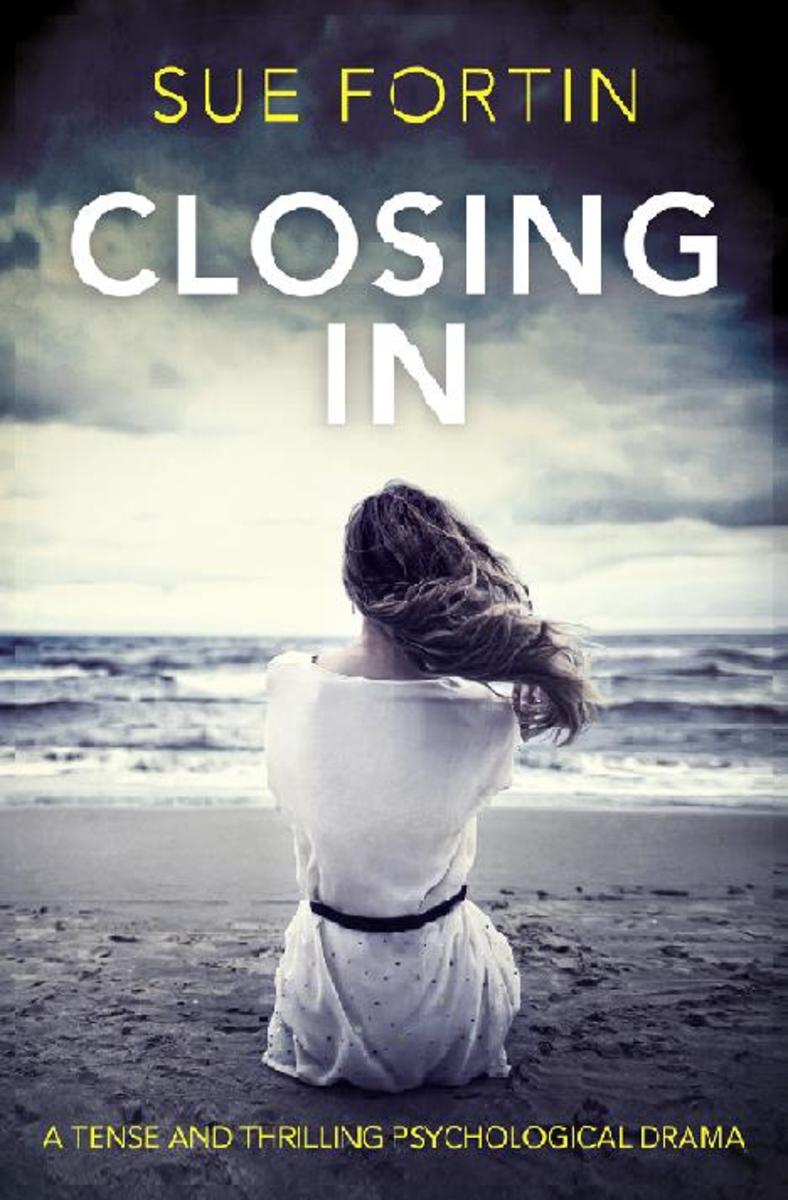
Closing In
¥45.42
‘Compelling and gripping’ – Blabbering about Books ‘Thoroughly gripping…full of suspense’ – Kim The Bookworm She thinks she’s escaped. She thinks she’s safe… Helen has had to leave everything she’s ever known behind; her home, her family, even her own name. Now, returning to the UK as Ellen Newman, she moves to a small coastal village, working as a nanny for Donovan, a criminal psychologist. Attractive, caring and protective, this single father and his sweet daughter are a world away from Ellen’s brutal past. But Ellen can’t shake the feeling that something’s wrong. Strange incidents begin to plague her new family, and their house of calm is about to become one of suspicion and fear. Who can be trusted? Who is the target? Who is closing in?
Negotiation Skills in 7 simple steps
¥61.51
7 simple steps to flawless negotiations A successful negotiation results in a win-win agreement for both parties. But where do you start if you’re up against people or organisations with conflicting objectives? Or people who are just downright difficult? Getting what you want requires determination and tact. You need to be assertive but know when to compromise. We’ll help you refine your persuasive skills through verbal and non-verbal communication. We’ll show you how to identify and understand the key issues, distinguish between needs and interests and come to an agreement that benefits everyone. With our 7 simple steps you’ll be a pro in no time.
Get that Job in 7 simple steps
¥61.51
7 simple steps to help you find your perfect job Kickstart your job applications and get the job you want. If you’re new to the job market, back for a restart, or want a change of scene, we’ll help you target what you want and show you how to get there. The job market is tougher than ever, and making a great first impression is everything. We’ll debunk the myths of applying for jobs, help get your CV into shape and prepare you for the interview. Just make sure you get there on time (that bit’s up to you).
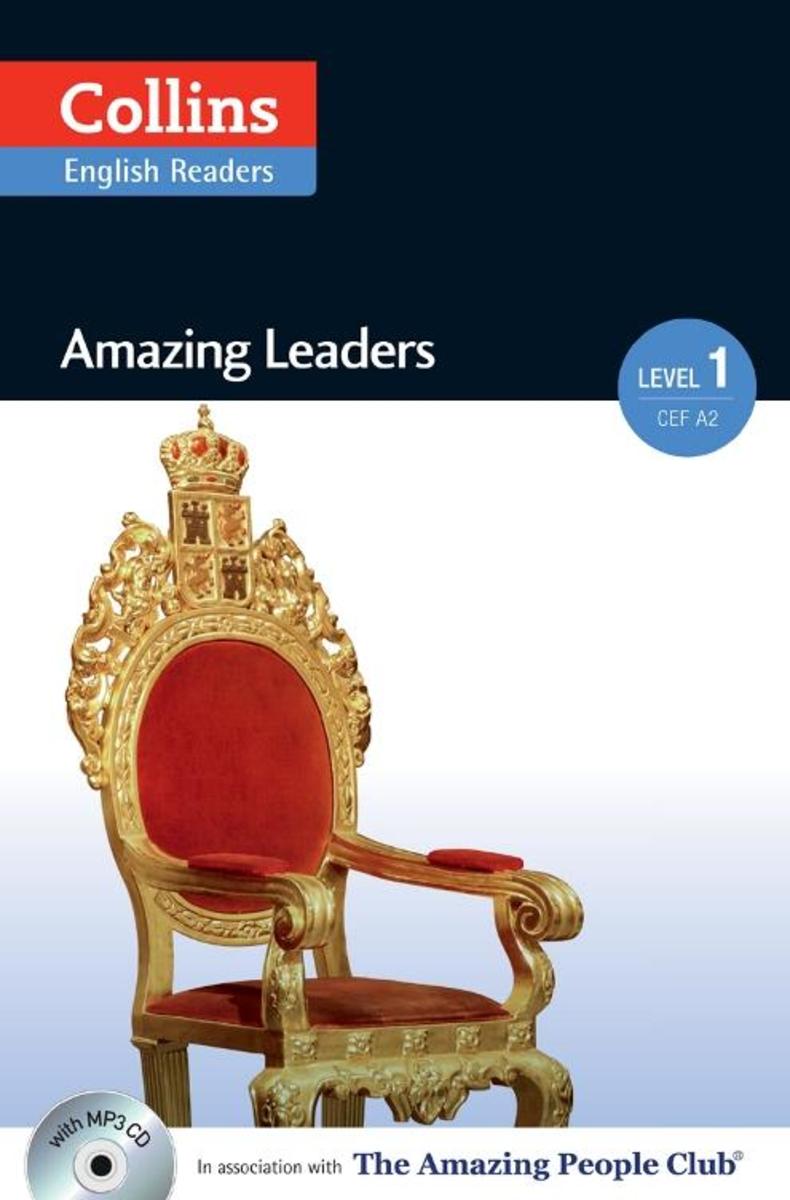
Amazing Leaders: A2 (Collins Amazing People ELT Readers)
¥42.67
The inspiring stories of 6 people who changed history. Contents: Gaius Julius Caesar, the powerful Roman leader Queen Elizabeth I who ruled England for 45 years George Washington, the first president of the USA King Louis XVI, the last king of France Winston Churchill who led Britain in the Second World War Che Guevara, the Argentinian doctor who fought for revolution BRITISH ENGLISH Word count: 18,924 Headword count: 1,654 Each book includes a free CD with a full recording of each story. PLUS: visit www.collinselt.com/readers for videos, teacher resources and self-study materials. This book is Level 4 in the Collins ELT Readers series. Level 4 is equivalent to CEF level B2. About the Amazing People series: A unique opportunity for learners of English to read about the exceptional lives and incredible abilities of some of the most insightful people the world has seen. Each book contains six short stories, told by the characters themselves, as if in their own words. The stories explain the most significant parts of each character’s life, giving an insight into how they came to be such an important historic figure. After each story, a timeline presents the most major events in their life in a clear and succinct fashion. The timeline is ideal for checking comprehension or as a basis for project work or further research. Created in association with The Amazing People Club. About Collins ELT Readers: Collins ELT Readers are divided into four levels: Level 1 - elementary (A2) Level 2 - pre-intermediate (A2–B1) Level 3 - intermediate (B1) Level 4 - upper intermediate (B2) Each level is carefully graded to ensure that the learner both enjoys and benefits from their reading experience.

Amazing Entrepreneurs & Business People: A2
¥42.67
The inspiring stories of 6 people who changed history. Contents: Mayer Amschel Rothschild who started a bank which made his family rich Cornelius Vanderbilt who became one of the richest people in the USA W. K. Kellogg who started the world’s biggest cereal company Elizabeth Arden who built the Elizabeth Arden cosmetics company Walt Disney who started the famous entertainment company Soichiro Honda who started the Honda motorbike and car company BRITISH ENGLISH Word count: 6,901 Headword count: 623 Each book includes a free CD with a full recording of each story. PLUS: visit www.collinselt.com/readers for videos, teacher resources and self-study materials. This book is Level 1 in the Collins ELT Readers series. Level 1 is equivalent to CEF level A2. About the Amazing People series: A unique opportunity for learners of English to read about the exceptional lives and incredible abilities of some of the most insightful people the world has seen. Each book contains six short stories, told by the characters themselves, as if in their own words. The stories explain the most significant parts of each character’s life, giving an insight into how they came to be such an important historic figure. After each story, a timeline presents the most major events in their life in a clear and succinct fashion. The timeline is ideal for checking comprehension or as a basis for project work or further research. Created in association with The Amazing People Club. About Collins ELT Readers: Collins ELT Readers are divided into four levels: Level 1 - elementary (A2) Level 2 - pre-intermediate (A2–B1) Level 3 - intermediate (B1) Level 4 - upper intermediate (B2) Each level is carefully graded to ensure that the learner both enjoys and benefits from their reading experience.

Amazing Women: A2 (Collins Amazing People ELT Readers)
¥42.67
The inspiring stories of 6 people who changed history. Contents: Harriet Tubman, the slave who helped hundreds of other slaves to escape Emmeline Pankhurst who wanted women to be able to vote Maria Montessori, the doctor who found a new way to teach children Helen Keller, the deaf and blind woman who became a famous teacher Eva Perón, the actress who helped poor and sick people in Argentina Nancy Wake, the Second World War spy BRITISH ENGLISH Word count: 7,001 Headword count: 665 Each book includes a free CD with a full recording of each story. PLUS: visit www.collinselt.com/readers for videos, teacher resources and self-study materials. This book is Level 1 in the Collins ELT Readers series. Level 1 is equivalent to CEF level A2. About the Amazing People series: A unique opportunity for learners of English to read about the exceptional lives and incredible abilities of some of the most insightful people the world has seen. Each book contains six short stories, told by the characters themselves, as if in their own words. The stories explain the most significant parts of each character’s life, giving an insight into how they came to be such an important historic figure. After each story, a timeline presents the most major events in their life in a clear and succinct fashion. The timeline is ideal for checking comprehension or as a basis for project work or further research. Created in association with The Amazing People Club. About Collins ELT Readers: Collins ELT Readers are divided into four levels: Level 1 - elementary (A2) Level 2 - pre-intermediate (A2–B1) Level 3 - intermediate (B1) Level 4 - upper intermediate (B2) Each level is carefully graded to ensure that the learner both enjoys and benefits from their reading experience.

Single Father:Wife and Mother Wanted (Mills & Boon Medical)
¥23.05
Caring vet Caitlin Butler-Brown has come to this small Australian town to find the family she’s never known – but she’ll never admit that her eagerness to stay has anything to do with gorgeous GP Matt Gardiner! Whether she’s delivering foals or mothering abandoned puppies, Caitlin has well and truly captured the dedicated single dad’s heart – and has certainly put the smile back on his young son’s face. Caitlin longs to fulfil all their dreams and become part of their family permanently – but first she has a secret to reveal. A secret that could change everything…

Italian Groom, Princess Bride (Mills & Boon Romance)
¥23.05
Princess Regina Vittorio must soon leave her beloved kingdom of Castelmare and become queen of another realm. Gina has devoted her life to royal duty, but as the day of her arranged wedding approaches, she wants just one moment with the man she loves....Royal gardener Dizo Fornese has watched Princess Regina blossom like the roses he tends at the palace. He knows she is untouchable, but he has one chance to risk all--and claim his princess bride!
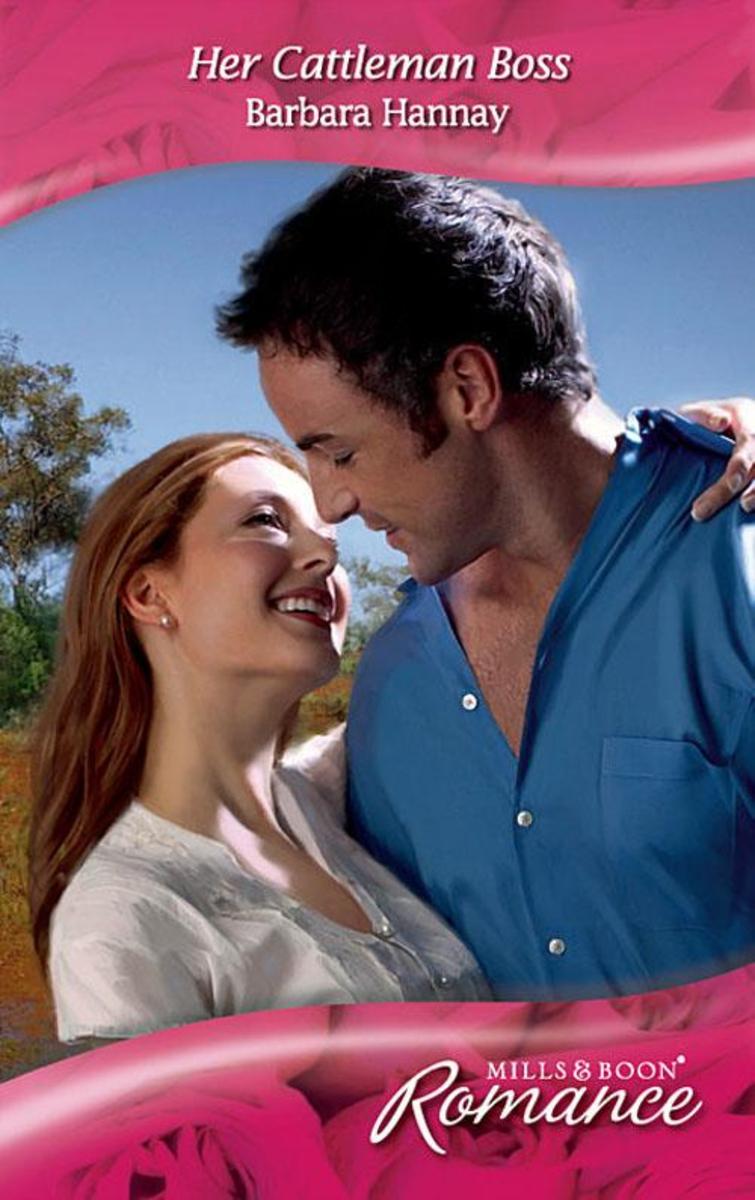
Her Cattleman Boss (Mills & Boon Romance)
¥23.05
When Kate Brodie inherits half a rundown cattle station she doesn’t expect to have a sexy cattleman boss to contend with! Noah Carmody doesn’t need a city-girl like Kate trying her pretty hand at Outback life, but he’s a single dad now, and needs help restoring Radnor to its former glory. Kate’s the only person within a hundred miles who will help him, so he’ll grudgingly show her the ropes… As they toil together under the Outback sun, romance should be the last thing on their minds…shouldn’t it?
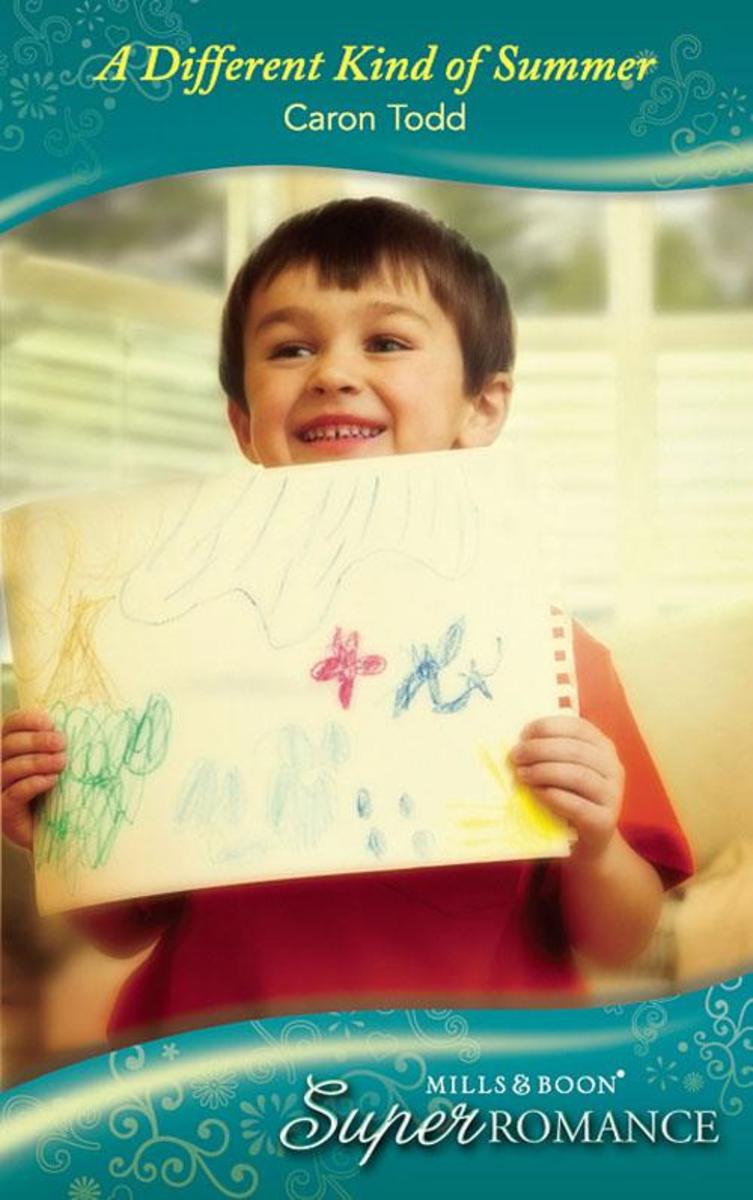
A Different Kind of Summer (Mills & Boon Superromance)
¥28.35
"Is there life after motherhood?"Widowed before her son, Chris, was born, Gwyn Sinclair has put all her energies into being a great mom. But after meeting David Bretton, she starts to wonder if it's time to be more than a mother. And she' s starting to realize Chris needs more, too. David would love to be the man who helps Gwyn find the answer to her question. Too bad his ideas about parenting Chris are completely opposite hers!


