


 购物车
购物车 个人中心
个人中心
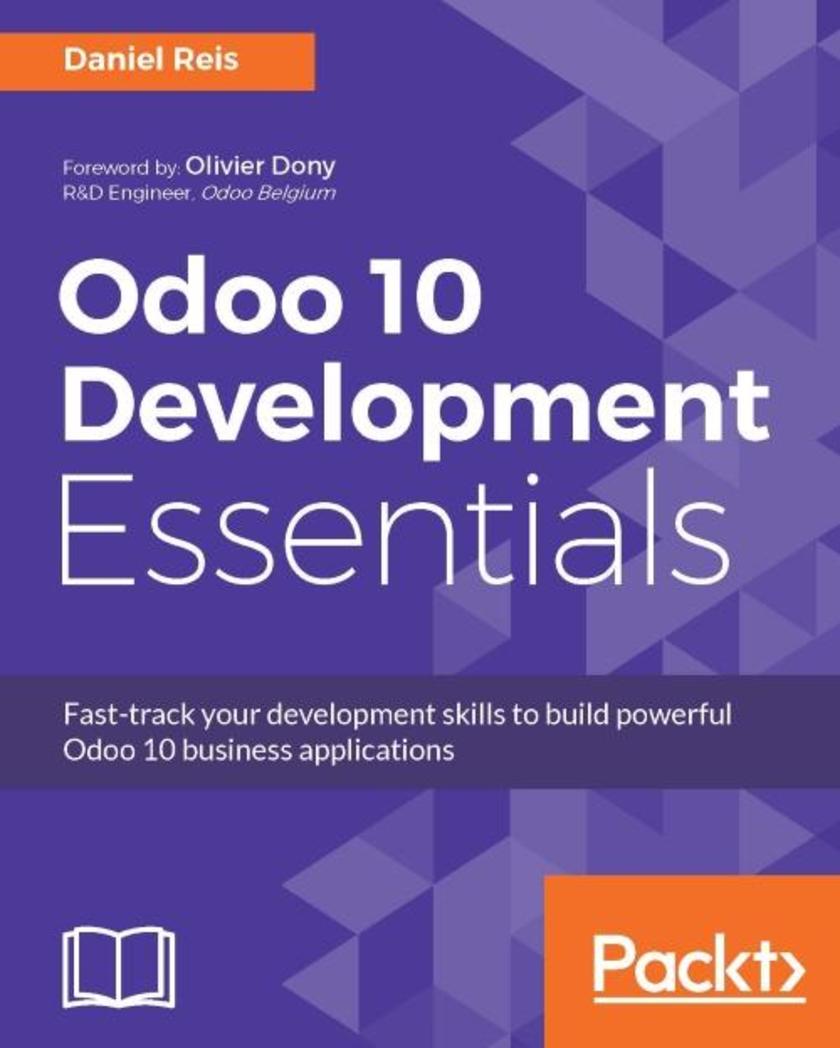
Odoo 10 Development Essentials
¥80.65
Fast-track your development skills to build powerful Odoo 10 business applications About This Book Get the most up-to-date guide on Odoo 10 and learn how to build excellent business applications with Odoo This example-rich, easy-to-follow guide enables you to build apps appropriate to your business needs Create solid business applications with the help of this precise, to-the-point guide Who This Book Is For This book caters to developers who are familiar with Python and MVC design and now want to build effective business applications using Odoo. What You Will Learn Install Odoo from source code and use all the basic techniques to setup and manage your Odoo server instances Create your first Odoo application Add Odoo's social and messaging features to your own modules Get to know the essentials of Models and Views Understand and use the server API to add business logic Use Qweb to create custom Reports Extend Odoo CMS features to create your own website controllers and pages Leverage Odoo Workflows on your applications Write module automated tests and debugging techniques Deploy your Odoo applications for production use In Detail Odoo is one of the fastest growing open source, business application development software products available. With announcement of Odoo 10, there are many new features added to Odoo and the face of business applications developed with Odoo has changed. This book will not only teach you how to build and customize business applications with Odoo, but it also covers all the new features that Odoo has to offer. This book is the latest resource on developing and customizing Odoo 10 applications. It comes packed with much more and refined content than its predecessor. It will start with building business applications from scratch and will cover topics such as module extensions, inheritance, working with data, user interfaces, and so on. The book also covers the latest features of Odoo 10, in addition to front end development, testing and debugging techniques. The book will also talk about Odoo Community and Odoo Enterprise. Style and approach This book follows a step-by-step practical approach where you will learn new concepts with every progressing chapter and create apps for business development.

Tableau 10 Business Intelligence Cookbook
¥90.46
Create powerful, effective visualizations to help analyze your data with Tableau 10 by your side About This Book Cook your favorite Tableau 10 business intelligence recipe with the help of this easy-to-follow book Build beautiful, interactive dashboards and visualizations in Tableau 10 that help you make informed decisions This rich collection of independent recipes cover everything needed to become an advanced Tableau user and get an edge over other Tableau users Who This Book Is For This book is targeted to business, data, and analytics professionals who want to build rich interactive visualizations using Tableau. Familiarity with previous versions of Tableau would be helpful, but is not necessary. What You Will Learn Become familiar with the Tableau interface Build basic to more advanced charts with step-by-step recipes Use filters, calculated fields, parameters, and actions to add interactivity to charts and dashboards Prepare and transform data for analysis using Tableau’s built-in tools and functions Create effective and compelling dashboards and story points Leverage Tableau’s mapping capabilities to visualize location and shape data Integrate analytics and forecasting to enhance data analysis Get to know tips and tricks to work more quickly and effectively in Tableau Increase your confidence and competence in creating rich, interactive visualizations in Tableau In Detail Tableau is a software tool that can speed up data analysis through its rich visualization capabilities, and help uncover insights for better and smarter decision making. This book is for the business, technology, data and analytics professionals who use and analyze data and data-driven approaches to support business operations and strategic initiatives in their organizations. This book provides easy-to-follow recipes to get the reader up and running with Tableau 10, and covers basic to advanced use cases and scenarios. The book starts with building basic charts in Tableau and moves on to building more complex charts by incorporating different Tableau features and interactivity components. There is an entire chapter dedicated to dashboard techniques and best practices. A number of recipes specifically for geospatial visualization, analytics, and data preparation are also covered. By the end of this book, you’ll have gained confidence and competence to analyze and communicate data and insights more efficiently and effectively by creating compelling interactive charts, dashboards, and stories in Tableau. Style and approach This book is a collection of independent recipes that cover a wide range of options for data visualization on offer with Tableau. With the help of the recipes in this book, you can explore Tableau and pick the business intelligence solution that’s best suited for your needs.

F# 4.0 Design Patterns
¥80.65
Learn how to apply functional F# design patterns to a huge range of programming challenges, and discover a smart route to building better applications About This Book This book provides a path if you are coming from imperative and object-oriented paradigms It will take you to an intermediate level of functional programming in very practical manner to write enterprise-quality idiomatic F# code Tackle complex computing problems with simple code by fully embracing the functional-first F# paradigm Packed full of practical coding examples to help you master F# programming and author optimal code Who This Book Is For This book is for .NET developers, web programmers, C# developers, and F# developers. So, if you have basic experience in F# programming and developing performance-critical applications, then this book is for you. What You Will Learn Acquire the practical knowledge to use the main functional design patterns Realign some imperative and object-oriented principles under the functional approach Develop your confidence in building and combining first-order and higher-order functions Learn to use core language pattern matching effectively Make use of native F# algebraic data types in place of custom-built classes Recognize and measure the difference in resource consumption between sequences and materialized data collections Navigate and use F# Core libraries with ease by seeing patterns behind specific library functions Master writing generic polymorphic code In Detail Following design patterns is a well-known approach to writing better programs that captures and reuses high-level abstractions that are common in many applications. This book will encourage you to develop an idiomatic F# coding skillset by fully embracing the functional-first F# paradigm. It will also help you harness this powerful instrument to write succinct, bug-free, and cross-platform code. F# 4.0 Design Patterns will start off by helping you develop a functional way of thinking. We will show you how beneficial the functional-first paradigm is and how to use it to get the optimum results. The book will help you acquire the practical knowledge of the main functional design patterns, the relationship of which with the traditional Gang of Four set is not straightforward. We will take you through pattern matching, immutable data types, and sequences in F#. We will also uncover advanced functional patterns, look at polymorphic functions, typical data crunching techniques, adjusting code through augmentation, and generalization. Lastly, we will take a look at the advanced techniques to equip you with everything you need to write flawless code. Style and approach This book will teach you how to write F# code in an idiomatic functional-first manner, thereby improving the productivity of F# programmers. This book is ideal for an F# programmer who wants using F# in functional-first way.
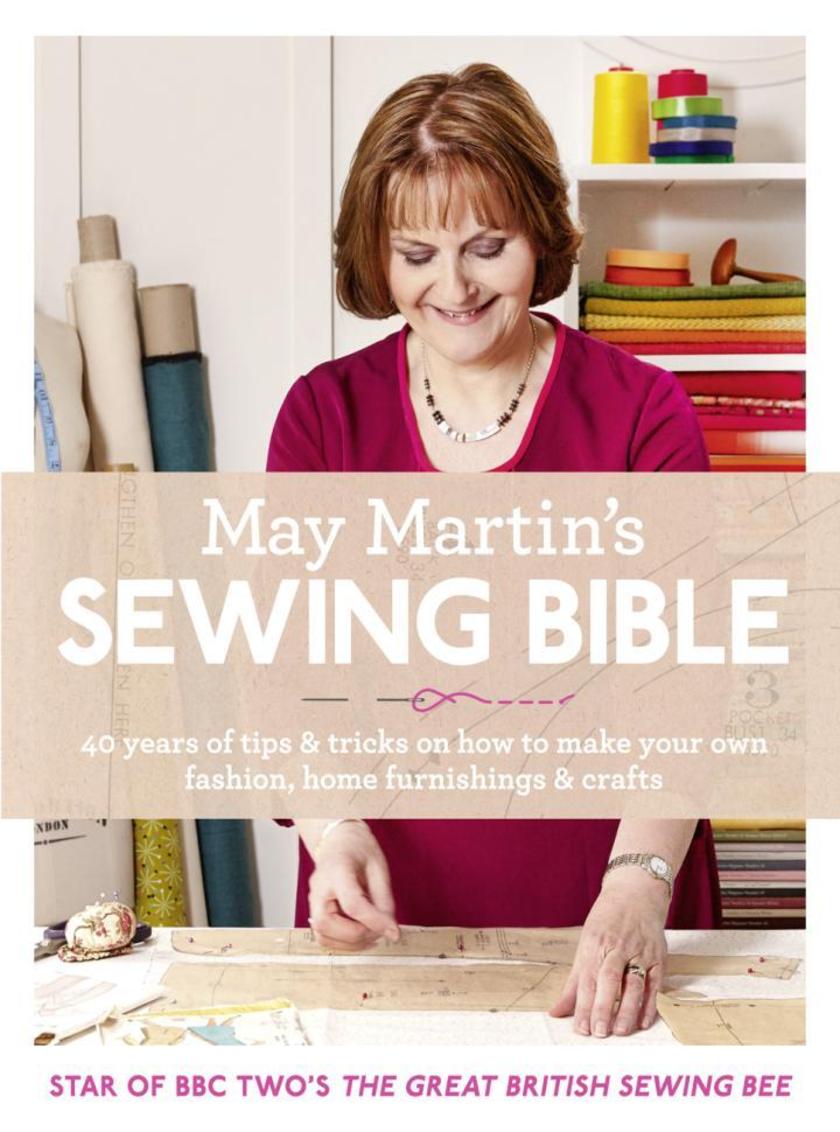
May Martin’s Sewing Bible: 40 years of tips and tricks
¥184.23
Star of the Great British Sewing Bee and doyenne of the Women’s Institute, May Martin has been teaching sewing for over 40 years. Now for the first time she shares her tips and tricks, offering the ultimate beginners’ guide to sewing. Beautifully styled and simple-to-follow, this authoritative sewing bible gives readers information on everything they need to know to get started with sewing. Providing all the essential background information on sewing, setting up your sewing space and detailed lists of all the equipment you’ll need; step-by-step instructions for over 40 projects; and a wealth of general sewing tips and techniques to help you finally master overlocking, seams, fastenings, hemming and much much more, with this book May will simplify all the skills and terms you need, demystify sewing and inspire you to unpack your sewing machine and have a go. It contains over 40 beautiful projects, including crafts, accessories, womenswear, kidswear, menswear and home furnishings. With a range of difficulties for each category – from super-easy but stylish ideas to get even the most nervous sewers started to more elaborate ideas for the aspiring sewer looking for a challenge.

The Windmill Girls
¥58.86
A compelling wartime drama from the author of The Street, perfect for fans of Pam Weaver and Kitty Neale. The Windmill Theatre was one of the most famous clubs of the 20th century. Its heyday was during WWII when it famously ‘never closed’ and it became famous for its ‘tasteful’ nude performances. Dawn is a pretty and feisty blonde. Losing her job as a chambermaid, she goes to work as a dancer at The Windmill Theatre. Despite refusing to appear on stage naked, Dawn is taken on and soon gets a glimpse of London’s dark and seductive underbelly. She meets Olive, Renee and Rosie, women all with their own secrets to bear. Each of them will be have to draw on their courage to survive, not just Hitler and his bombs, but by the life they have chosen and the men that they cannot escape…
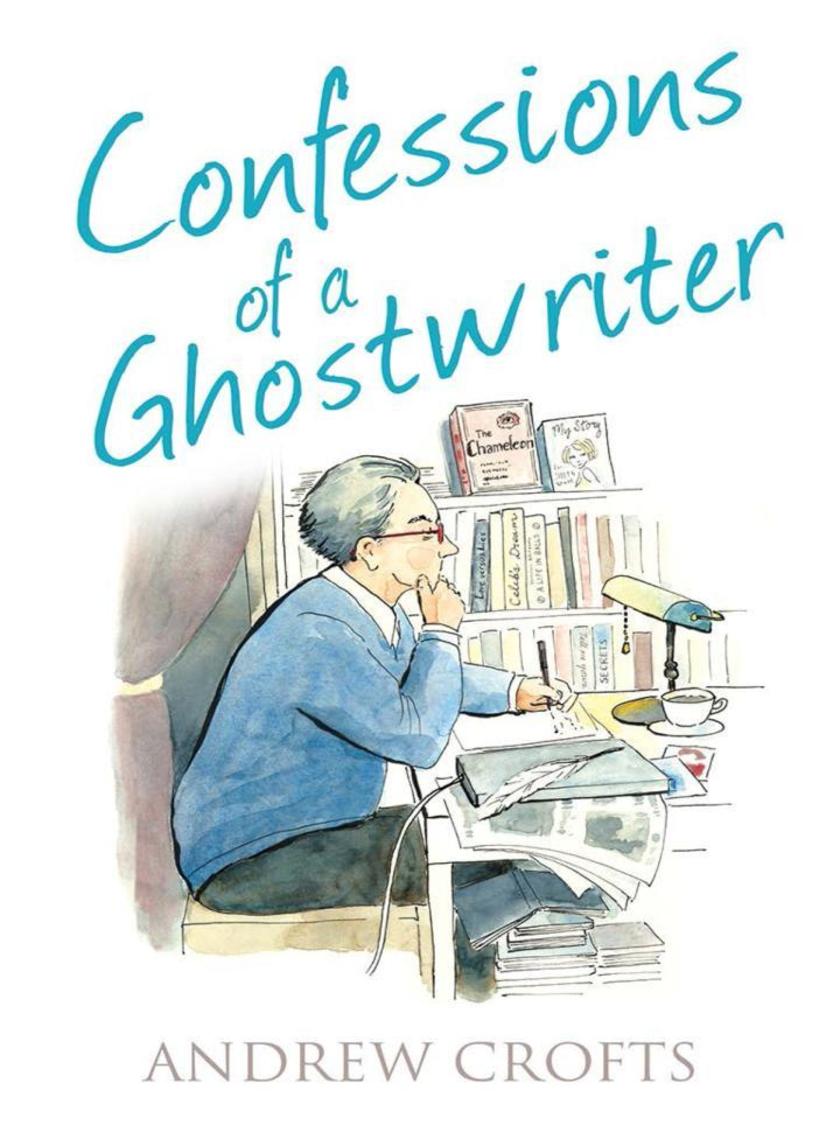
Confessions of a Ghostwriter (The Confessions Series)
¥34.14
HE’S WRITTEN MORE THAN 80 BOOKS. HE’S SOLD MILLIONS OF COPIES ACROSS THE WORLD. HE IS THE MAN BEHIND A DOZEN SUNDAY TIMES TOP 10 HITS, SPENDING OVER 120 WEEKS IN THE BESTSELLER CHARTS. BUT YOU PROBABLY HAVEN’T HEARD OF HIM. Andrew Crofts is a ghostwriter, an author for hire, employed to write other people’s stories – everyone from film stars to footballers, hitmen to hookers, world leaders to abused children. Ghostwriters are confidantes to the most famous people on earth, and they help give a voice to some of the most vulnerable and inspiring. They dip their toes into every corner of life, and inhabit worlds that are both shadowy and glamorous. They are the ones who write the books that top the bestseller charts. Andrew is one of the world’s most sought-after ghosts. In this book he confesses the truth about ghosting; how it feels to be an invisible author, to be given first class tickets to travel anywhere and permission to ask whatever questions you like. Confessions of a Ghostwriter gives an unrivalled peek into private worlds that few others gain admission to.
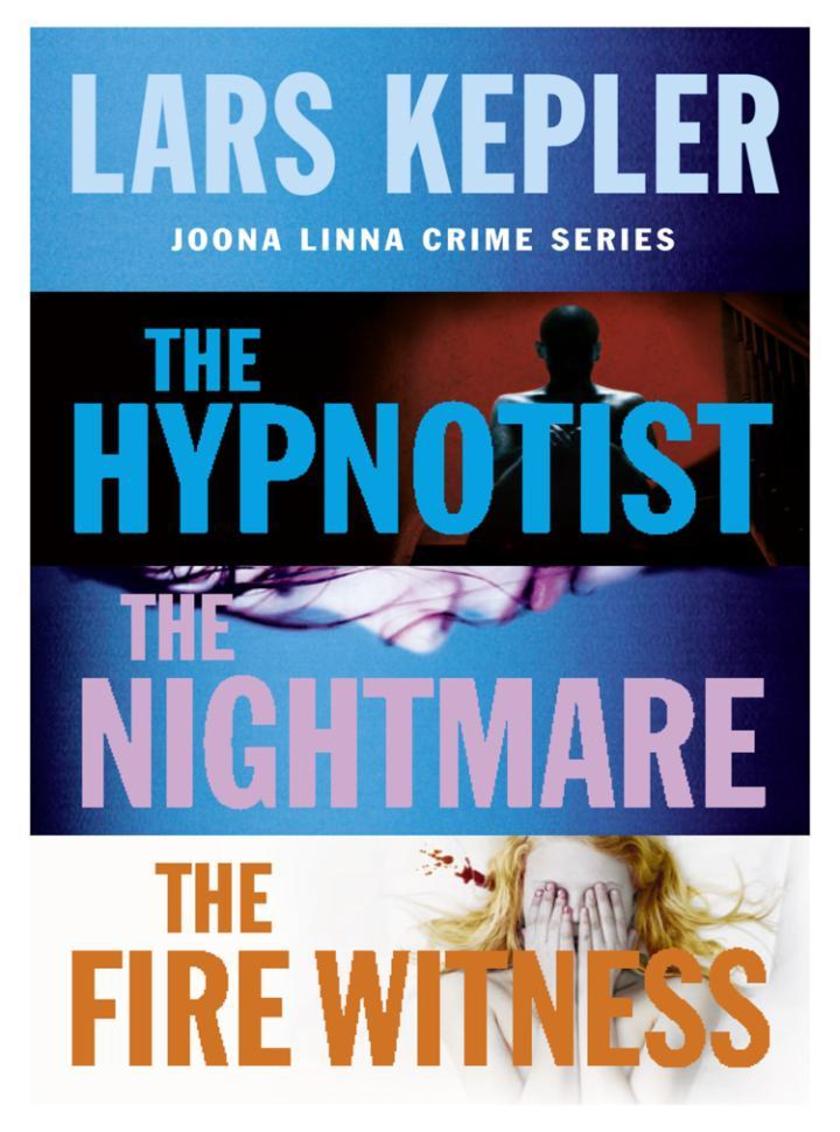
Joona Linna Crime Series Books 1-3
¥228.08
Read the first three Detective Joona Linna thrillers in the Swedish crime sensation taking the world by storm The Hypnotist Detective Inspector Joona Linna is faced with a boy who witnessed the gruesome murder of his family. He’s suffered more than one hundred knife wounds and is comatose with shock. With a killer on the run and Linna running out of time, a hypnotist who vowed never to practice again is brought in to the investigation unfurling a terrifying chain of events. The Nightmare The lifeless body of a young woman is discovered on an abandoned boat. A man is found hanging alone in his apartment. The question for Detective Inspector Joona Linna: suicide or murder? Only four people know the answer. And one man wants them dead. The Fire Witness One girl is dead. One girl is missing. One girl claims to have witnessed it all. When a young girl is found brutally murdered in a home for troubled teenagers, Joona Linna is called in to investigate. As he refuses to accept the easy answers, his search leads him into darker, more violent territory, and, finally, to a shocking confrontation with his past. This edition contains an exclusive extract of Kepler’s fourth explosive thriller, The Sandman.
A History of Sweets in 50 Wrappers
¥15.60
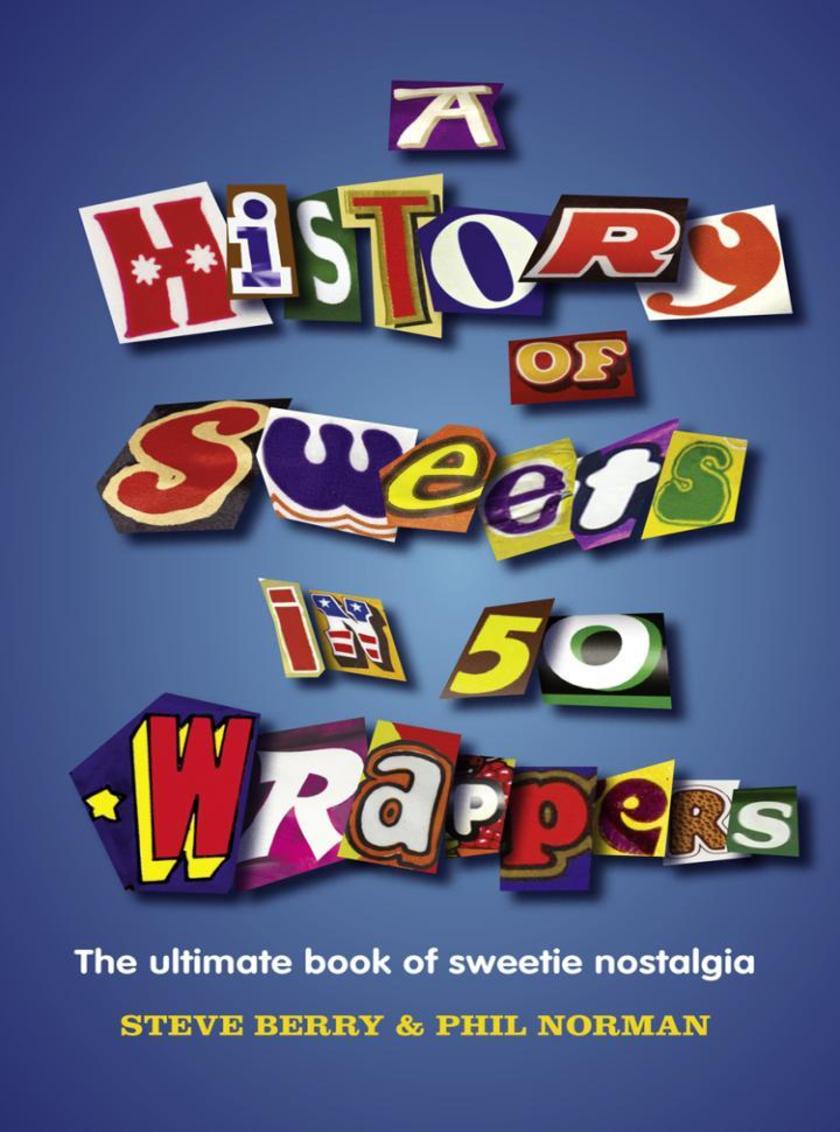
A super-sweet guide to all your favourite sweets from years gone by. A History of Sweets in 50 Wrappers is a colourful and comical history of sweets and chocolates. If you ever dreamt of being the Milkybar Kid, if you remember when Snickers were Marathons and Double Deckers had raisins in them, if you ever checked the colour of your next Fruit Pastille before offering it out, this book is for you. It will lead you down memory lane until you reach the corner shop and load up a 10p mix-up bag. Fully illustrated, with hundreds of classic wrappers and adverts, A History of Sweets in 50 Wrappers is packed full of memories, fun facts, historical research … … and lots and lots of sweets!

Triumph Over Adversity 3-in-1 Collection
¥182.66
For the first time, Casey Watson’s The Girl Without a Voice, Torey Hayden’s Beautiful Child and Mary MacCracken’s Lovey are combined in an exclusive e-book bundle. Discover the moving stories of three inspirational teachers as they try to pull their students out of the darkness. The Girl Without a Voice is the shocking story from bestselling author and foster carer Casey Watson. Thirteen-year-old Imogen joins Casey’s class and suffers from selective mutism – although her grandparents insist they have no idea why. Not content with the explanation that Imogen is just playing up, Casey starts digging and it’s not long before she starts to discover a very different side to Imogen’s character. After months of silence, Imogen utters her first, terrified, words to Casey: ‘I thought she was going to burn me.’ Internationally bestselling author Torey Haydon returns with Beautiful Child, a stunning and poignant account of an extraordinary teacher's determination never to abandon a child in need. Seven-year-old Venus Fox never spoke or listened. Yet an accidental playground 'bump' would release a rage frightening to behold. The school year that followed would prove to be one of the most trying, perplexing, and ultimately rewarding of Torey's career, as she struggled to reach a silent child in obvious pain. Mary MacCracken’s deeply moving memoir Lovey is the account of eight-year-old Hannah, who joins Mary’s class and retires to a cupboard, refusing to come out. Howling almost non-stop she was displaying the worst symptoms that Mary had ever seen. How could Mary help a child who had been shut up in closets and treated like an animal? How could she reach this lost girl?
Sour: My Story - Part 2 of 3
¥40.52
Sour can either be read as a full-length eBook or in 3 serialised eBook-only parts. This is PART 1 of 3. They call me Sour. The opposite of sweet. Shanking, stabbing, steaming, robbing, I did it all, rolling with the Man Dem. I did it because I was bad. I did it because I had heart. And the reason I reckon I got away with it for so long? Because I was a girl. SOUR is the true story of a former Brixton gang girl, drug dealer and full-time criminal. A member of the Younger 28s, a notorious gang that terrorised the postcodes around Brixton in the 90s, Sour escapes a troubled family life to immerse herself in the street life of likking and linking. She never leaves her house without a knife. At the age of fifteen, she stabs an innocent man in the street, earning her unrivalled respect and ‘Top-Dog’ status amongst her crew. She believes she is invincible. But the consequences of her actions are soon to catch up with her. Waking for the second time in two weeks in a hospital bed, to the news that she is pregnant, she realises it’s time to turn her life around. Motherhood will be a rude awakening, but it may also be her saving grace. Told with raw emotions and ferocious honesty, this is the real, on-the-record, story of one woman’s descent down the rabbit hole of gangland, and her efforts, as a daughter, mother and girlfriend, to claw herself out.
City Kid: Part 2 of 3
¥28.45
City Kid can either be read as a full-length eBook or in 3 serialised eBook-only parts. This is PART 2 of 3. You can read Part 2 one week ahead of release of the full-length eBook and paperback. From the author of international bestsellers A Circle of Children and Lovey comes an inspiring true story of a gifted teacher’s determination to understand the ‘rotten’ city kid everyone has given up on. Sitting quiet and withdrawn at a battered school desk, Luke had the looks of a shy angel – and a past that special needs teacher Mary MacCracken could barely believe. Already Luke had been picked up 24 times by the police. He’d set over a dozen major fires, and had a staggering record of thefts. No adult could reach him, no teacher could control him, and no policeman could cow him. All this – and Luke was only seven and a half years old. Trying to help Luke was Mary MacCracken’s job – and a seemingly impossible challenge. This is the remarkable story of how the impossible came true.
City Kid: Part 3 of 3
¥47.48
City Kid can either be read as a full-length eBook or in 3 serialised eBook-only parts. This is PART 3 of 3. You can read Part 3 on release of the full-length eBook and paperback. From the author of international bestsellers A Circle of Children and Lovey comes an inspiring true story of a gifted teacher’s determination to understand the ‘rotten’ city kid everyone has given up on. Sitting quiet and withdrawn at a battered school desk, Luke had the looks of a shy angel – and a past that special needs teacher Mary MacCracken could barely believe. Already Luke had been picked up 24 times by the police. He’d set over a dozen major fires, and had a staggering record of thefts. No adult could reach him, no teacher could control him, and no policeman could cow him. All this – and Luke was only seven and a half years old. Trying to help Luke was Mary MacCracken’s job – and a seemingly impossible challenge. This is the remarkable story of how the impossible came true.
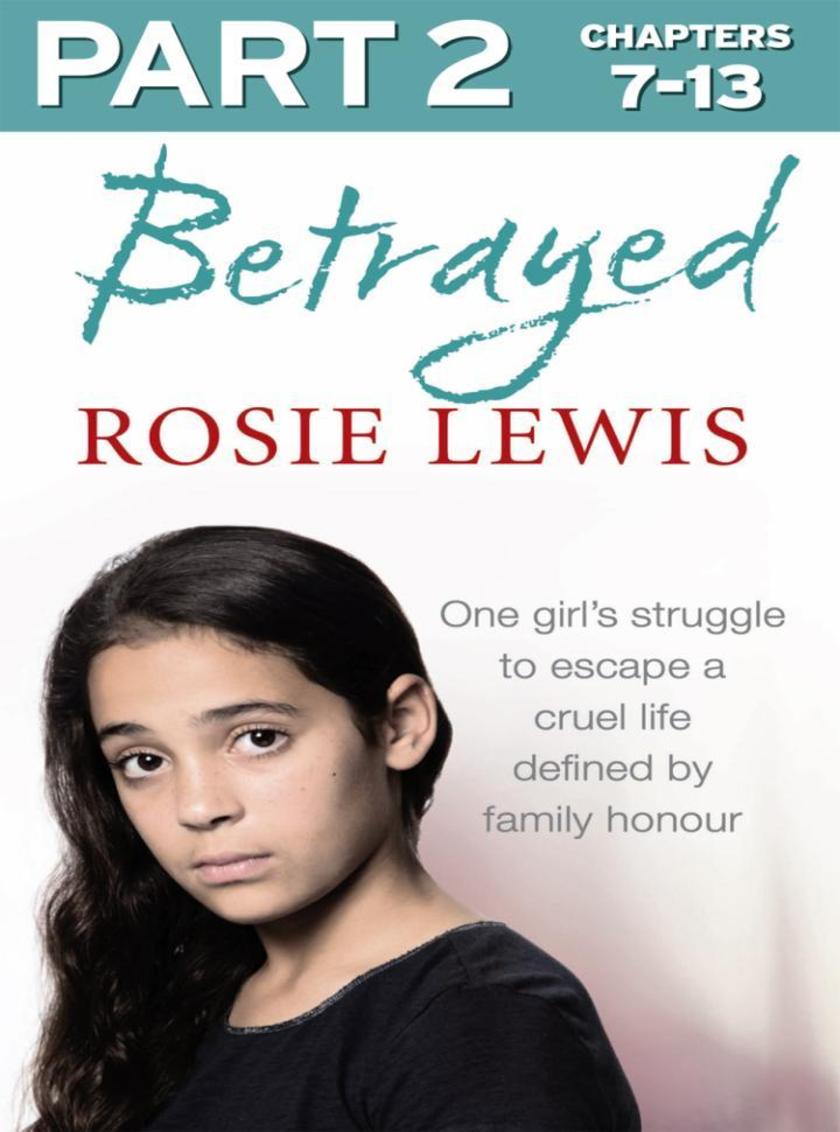
Betrayed: Part 2 of 3
¥28.45
Betrayed can either be read as a full-length eBook or in 3 serialised eBook-only parts. This is PART 2 of 3. You can read Part 2 one week ahead of release of the full-length eBook and paperback. In the much-anticipated follow-up to Sunday Times bestseller Trapped, foster carer Rosie Lewis tells the heartbreaking true story of 13-year-old Zadie. When the young teenage girl runs away and is discovered hiding on the city streets by the police, it is clear that all is not as it should be. Taught to believe that Westerners should not be trusted, when Zadie is initially delivered into the experienced hands of foster carer Rosie she is polite and well-behaved, but understandably suspicious of the family around her. Through Rosie’s support and understanding, gradually Zadie begins to settle into her new surroundings, but loyalty to her relatives, and fear of bringing shame on those around her, prevents her from confessing the horrifying truth about her troubled past. When the shocking truth finally emerges, Rosie and her family can hardly believe that Zadie had managed to keep the shocking secrets to herself for so long.

Trilogy Collection (Tales of the Notorious Hudson Family)
¥182.47
The first three titles in a series of gritty family sagas, Our Vinnie, My Uncle Charlie and My Mam Shirley chart the lives of three of the most infamous members of Yorkshire’s real-life notorious criminal family, the Hudsons. Dramatic and shocking, these three explosive true stories document a community forsaken by society - one brother’s unrelenting determination to take justice into his own hands, one man’s ascendancy to power, and the tragedy that brought it all crashing down, and, finally, the vivid account of the ‘Tucker’ girls; the resourceful women at the helm of a notorious Bradford family who will never be forgotten.
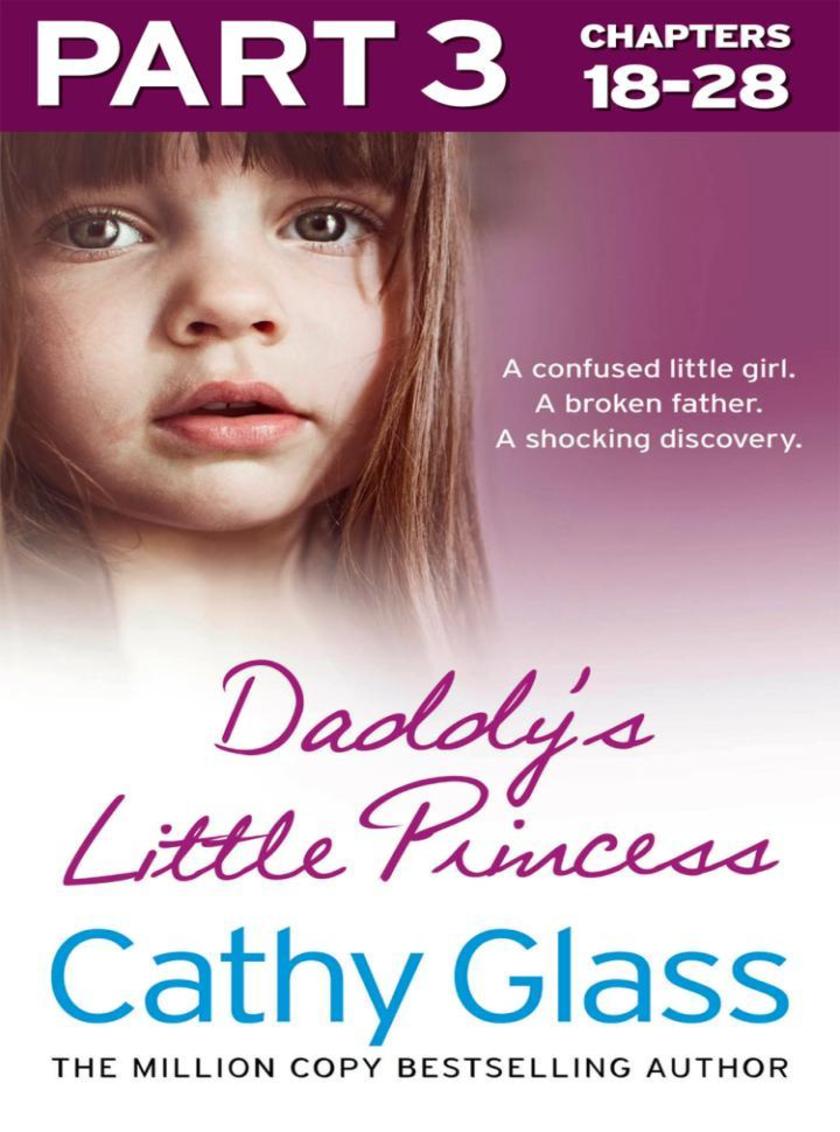
Daddy’s Little Princess: Part 3 of 3
¥47.48
The latest title from the internationally bestselling author and foster carer Cathy Glass. Beth is a sweet-natured child who appears to have been well looked after. But it isn’t long before Cathy begins to have concerns that the relationship between Beth and her father is not as it should be. Little Beth, aged 7, has been brought up by her father Derek after her mother left when she was a toddler. When Derek is suddenly admitted to hospital with psychiatric problems Beth is taken into care and arrives at Cathy’s. Beth and her father clearly love each other very much and Derek spoils his daughter, treating her like a princess, but there is something bothering Cathy, something she can’t quite put her finger on. Meanwhile Cathy’s husband is working away a lot and coming home less at weekends. Then, suddenly, everything changes. Events take a dramatic turn for both Beth and Cathy and her family; as Cathy strives to pick up the pieces all their lives are changed forever.

Josephine Cox Mother’s Day 3-Book Collection
¥165.91
Josephine Cox’s classic novels get straight to the heart and heartbreak of family drama. THE BEACHCOMBER In the summer of 1952, two lonely people arrive in the pretty seaside hamlet of West Bay. Tom Arnold has abandoned all his possessions and walked away from a highly paid job. A year ago, the car he was driving with his family was deliberately run off the road high above the cliffs. He was the only survivor. The driver was never found. Kathy Wilson has tried to cling on to her zest for life through times of pain and loneliness. Recovering from her divorce, she seeks comfort in the arms of other men. But a shocking, revealing row with her mother is the final straw, and when she inherits a rundown house in West Bay, she flees to Dorset. For both Tom and Kathy, it seems there is a light at the end of the tunnel. But a brutal killer is still on the loose, and suddenly West Bay is no longer the peaceful place it seemed… LOVERS AND LIARS In the sleepy Lancashire village of Salmesbury, childhood sweethearts Emily and John are secretly planning a life together when they are cruelly forced apart. Already abandoned by her father, and unhappy at home, Emily is heartbroken when John leaves the village. Her life takes a devastating turn for the worse when she gives birth to a child. Many miles away, John is trying to forget Emily and forge a new life. When it looks as though history is about to repeat itself, Emily must put the past – and John – behind her and safeguard her daughter. But can she really forget him? LIVE THE DREAM Luke Hammond: handsome, rich, charismatic, cursed by private tragedy. Amy Atkinson: humble and kind with a good – but wounded – heart. When they meet by chance, a spark of love takes hold of their hearts. But neither are sure that they can dare to love again. Amy is torn between her head and her heart, but her sense of honour is paramount – and when she discovers his true identity, she is thrown into even greater turmoil.

Poems, Letters and Memories of Philip Sidney Nairn
¥110.46
A poignant memoir and tribute to the Oxford poet Nairn by the author who went on to create The Worm Ouroboros and the groundbreaking Zimiamvia fantasy trilogy. Eric Rucker Eddison’s first book, originally published privately in hardback during the First World War, is a poignant memoir and tribute to the Oxford poet Philip Sidney Fletcher Nairn, whose work was so inspired by his Scottish ancestry, life in the Lake District, and his subsequent travels across Asia. This first official paperback edition includes a poignant and evocative biography, a dozen photographs, and more than 50 of Nairn’s poems, and marks the centenary of his untimely death in Kuala Lumpur in May 1914, aged just 30 years old.

Egil’s Saga
¥110.46
Egil’s Saga is the 10th-century Nordic equivalent of The Iliad and The Odyssey. Translated from the Icelandic with an introduction, notes and an essay, this is the first time Eddison’s version of this epic heroic saga has been published in paperback. The saga of Egil, son of Grim the Bald, tells the exciting tale of a medieval warrior-poet and his many Viking adventures. Challenged by his ugly appearance and haunted by rumours that his grandfather was a werewolf, Egil devotes himself to Odin, god of kings, warriors and poets, and determines to avenge his father’s exile from Norway. With action ranging across Iceland and Scandinavia down to Scotland and England, Egil’s thrilling encounters include kings, sorcerers, berserkers and outlaws, as the story follows his transformation from youthful savagery to mature wisdom. Sometimes considered the greatest of the Icelandic sagas, Egil’s Saga is the 10th-century Nordic equivalent of The Iliad and The Odyssey. Eddison’s acclaimed translation, published in 1930, has been long unavailable, and demonstrates the author’s amazing capacity for evocative and erudite language. It reflects the swift dramatic terseness and vivid character-drawing which made the saga style in prose narrative such an enduring model for modern historical and fantasy literature, and his meticulous translation includes elaborate notes and annotations.

Mistress of Mistresses (Zimiamvia, Book 1)
¥95.75
The first volume in the classic epic trilogy of parallel worlds, admired by Tolkien and the great prototype for The Lord of the Rings and modern fantasy fiction. According to legend, the Gates of Zimiamvia lead to a land ‘that no mortal foot may tread, but that souls of the dead that were great upon earth do inhabit.’ Here they forever live, love, do battle, and even die again. Edward Lessingham – artist, poet, king of men and lover of women – is dead. But from Aphrodite herself, the Mistress of Mistresses, he has earned the promise to live again with the gods in Zimiamvia in return for her own perilous future favours. This sequel to The Worm Ouroboros recounts the story of Lessingham’s first day in this strange Valhalla, where a lifetime is a day and where – among enemies, enchantments, guile and triumph – his destiny can be rewritten.

The Complete Zimiamvia (Zimiamvia)
¥273.90
The classic epic trilogy of parallel worlds, admired by Tolkien and the great prototype for The Lord of the Rings and modern fantasy fiction. Also includes The Worm Ouroboros. When Tolkien’s The Lord of the Rings was published, reviewers saw that there was only one author with whom he could legitimately be compared: Eric Rucker Eddison (1882-1945). He met both Tolkien and Lewis, and was cited by both as the game-changer in fantastic literature and a key influence on them. His two principal works – the sprawling and opulent fantasy trilogy Zimiamvia (which has been favourably compared to Mervyn Peake’s Gormenghast) and the earlier hedonistic The Worm Ouroboros (a cross between H.P. Lovecraft and Lord Dunsany) – put Eddison up among the masters of his craft. Admirers including Ursula Le Guin, Robert Silverberg and Clive Barker have all lined up to praise his books. This complete eBook edition includes the three books of the Zimiamvia Trilogy - Mistress of Mistresses, A Fish Dinner in Memison, and The Mezentian Gate, together with the epic prelude novel The Worm Ouroboros.

Beyond The Stars
¥51.50
A collection of short stories from a stellar line-up of Irish authors and illustrators, edited by bestselling author Sarah Webb. The anthology is completed by a final winter-themed tale from the winner of HarperCollins’ competition for young writers, which will be illustrated by Irish Children’s Laureate, Niamh Sharkey. 12 wintry tales of wonder, from the funny to the ghostly, from the heartfelt to the action-packed – there is something here for everyone to love… Written by some of the most outstanding talents in children’s fiction today, including Eoin Colfer, Roddy Doyle, Derek Landy and John Boyne, and with stunning illustrations from the likes of PJ Lynch, Chris Haughton and Niamh Sharkey, to name but a few. This is a gorgeous hardback that no family bookshelf should be without. All profits go to Fighting Words – the Irish Story Centre in support of Creative Writing for Children and Adults. Fighting Words was inspired by Dave Eggers’ 826 Valencia project in the USA, as have been creative writing centres all over the world since then, including Milan, Stockholm, London, Barcelona and Sydney. All of these creative writing centres are informally linked together – they communicate regularly, sharing ideas and experience.


