


 购物车
购物车 个人中心
个人中心
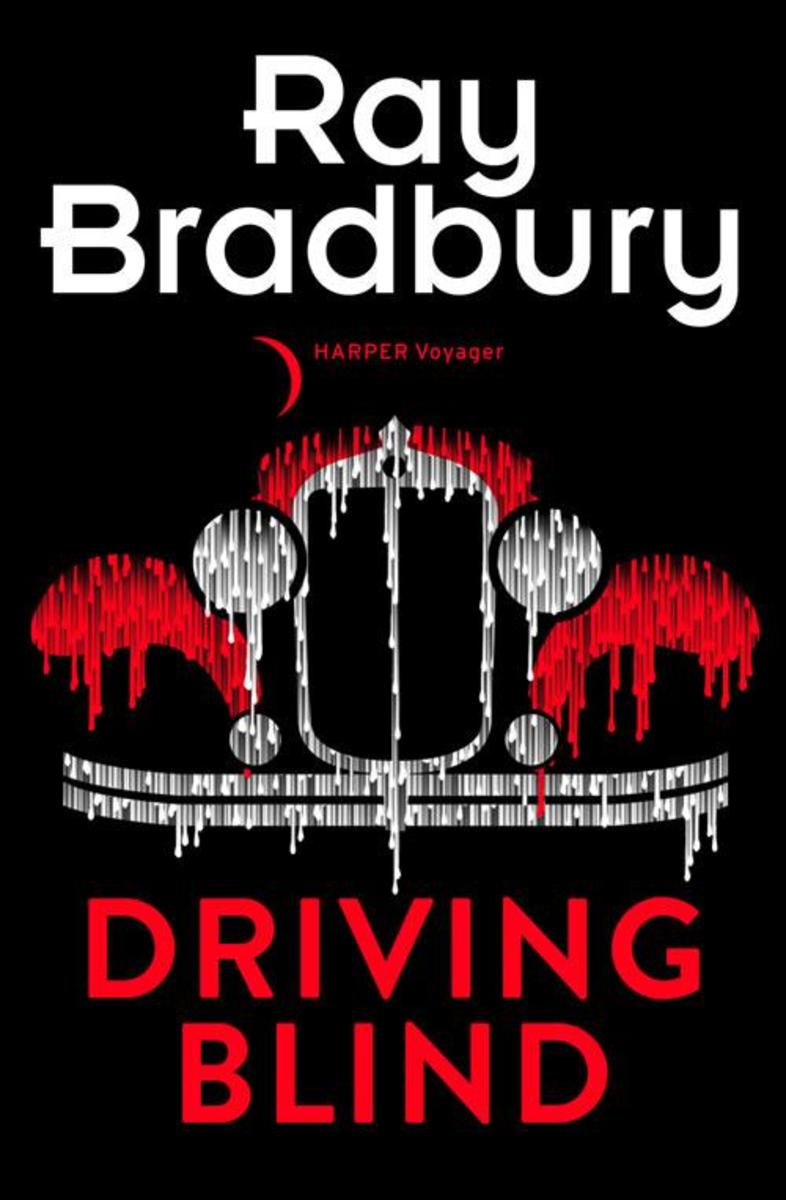
Driving Blind
¥72.99
One of Ray Bradbury’s classic short story collections, available in ebook for the first time. Over the course of a long and celebrated career, Ray Bradbury has traveled many roads: cruising down country highways that wound through the unseen heart of small-town America; exploring rutted backwoods paths that led to dark and dangerous places; racing at mach-speed along shimmering celestial turnpikes as limitless and exciting as the unbound imagination. DRIVING BLIND is a stunning collection of short fiction. With a steady hand on the wheel, the master once again transports us to remarkable places – and to warm and achingly familiar destinations of the heart, revealed as we've never seen them before in the brilliance of day or gloom of night. Here are unforgettable excursions to the fantastic, glorious grand tours through time and memory – interspersed with strange, unexpected side trips to the disturbing and eerie – where surprises are waiting around every curve and just beyond each mile marker. These are new roads we have never ridden before – sprawling interstates and lush, twisting rural routes fraught with dangers and delights of all manner, shape and substance. With Ray Bradbury in the driver's seat, the journey promises to be a memorable one. Come along and enjoy the ride.
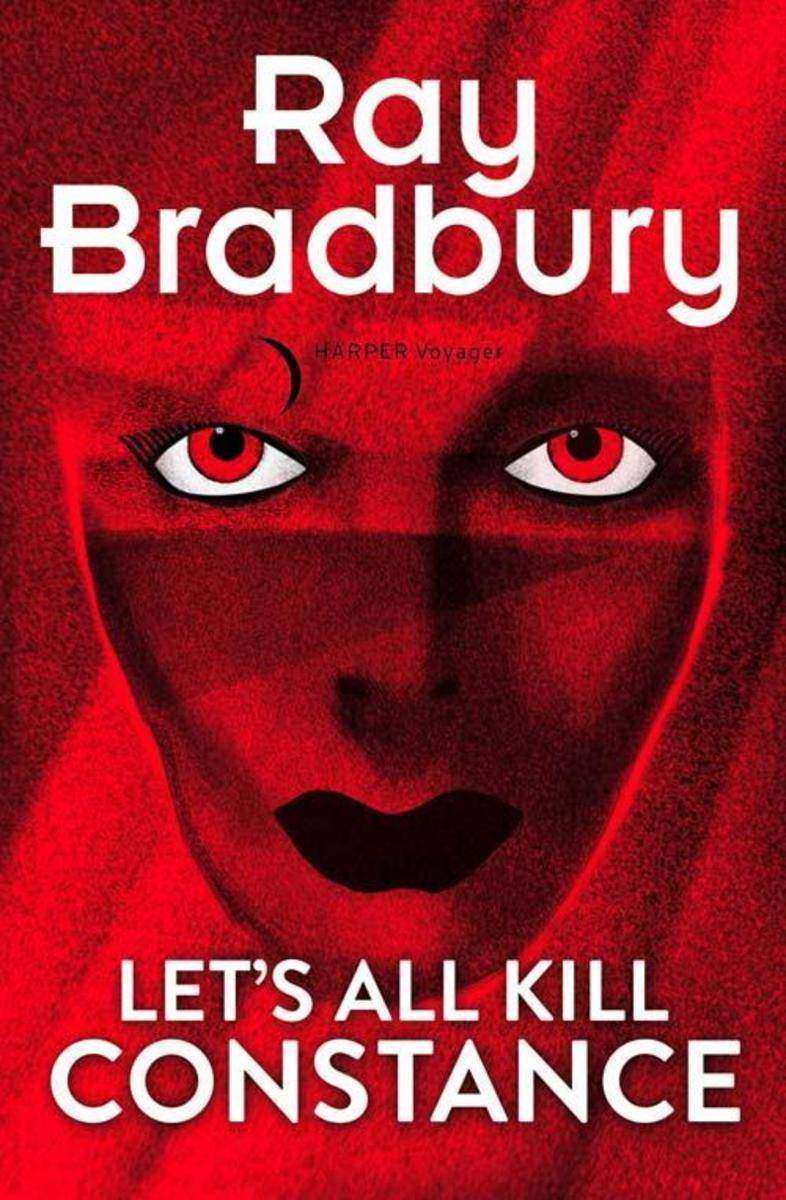
Let’s All Kill Constance
¥72.99
On a dismal evening in the previous century, an unnamed writer in Venice, California, answers a furious pounding at his beachfront bungalow door and again admits Constance Rattigan into his life. An aging, once-glamorous Hollywood star, Constance is running in fear from something she dares not acknowledge -- and vanishes as suddenly as she appeared, leaving the narrator two macabre books: twin listings of the Tinseltown dead and soon to be dead, with Constance's name included among them. And so begins an odyssey as dark as it is wondrous, as the writer sets off in a broken-down jalopy with his irascible sidekick Crumley to sift through the ashes of a bygone Hollywood -- a graveyard of ghosts and secrets where each twisted road leads to grim shrines and shattered dreams ... and, all too often, to death.
Lost Days (Emily the Strange)
¥66.22
Emily is not your average thirteen year-old girl. She wears the same black dress every day. She loves maths and science. Her best friends are four black cats and she's into old rock and punk music. Emily is anything but typical and so is this exciting new series of novels about her life. 13 elements you will find in the first Emily the Strange novel: ? Mystery ? A beautiful golem ? Souped-up slingshots ? Four black cats ? Amnesia ?Calamity Poker ? Angry ponies ? A shady truant officer ? Top-13 lists ? A sandstorm generator ? Doppelgangers ? A secret mission ?Earwigs

Dark Times (Emily the Strange)
¥57.09
Emily's uniquely strange homeschool syllabus includes . . . 1. Time Travel 101 2. Advanced Spy Photography 3. Bonnet Basics 4. Great-Aunts Through the Ages 5. Intro to Germ Theory 6. Care and Feeding of 'Squito Fish 7. Fundamentals of Black Rock 8. Spiderweb Embroidery 9. Historical & Contemporary Felines 10. Pop Quizzes 11. Foodstuffs of the 1790s 12. Thwarting Ancestral Enemies 13. Techniques in Parallel Universe Management
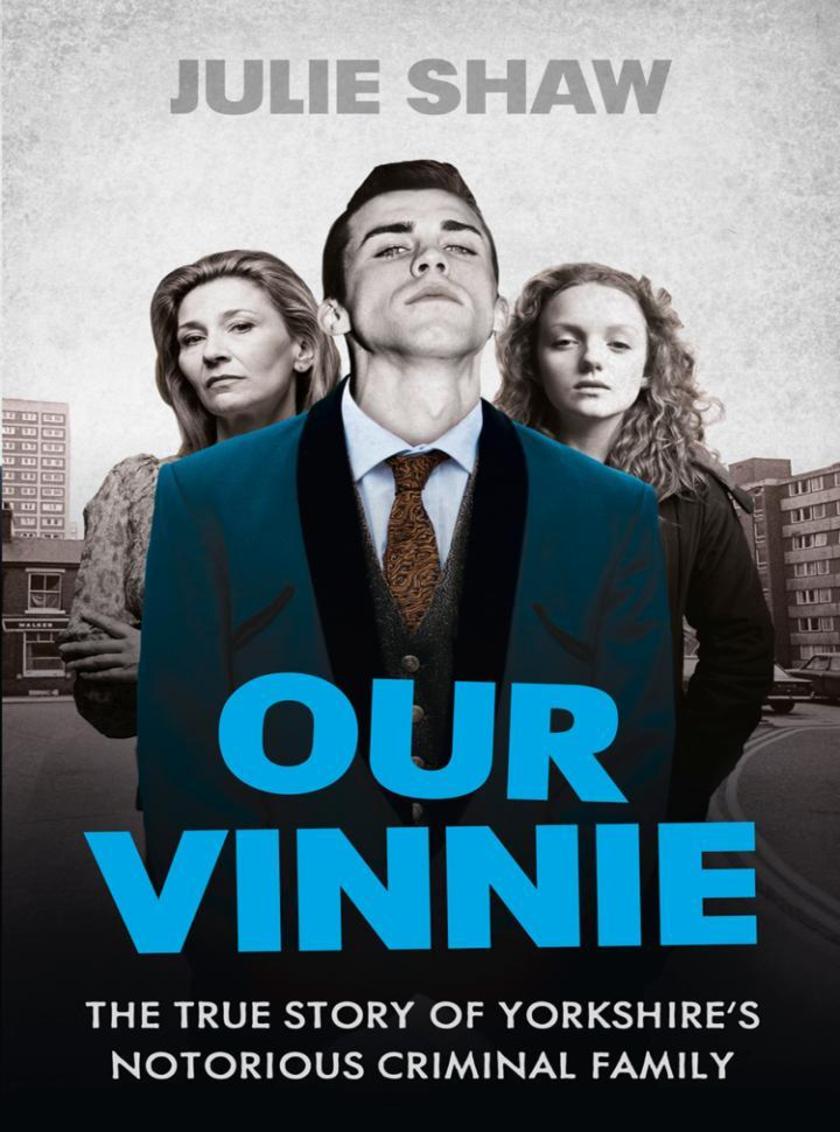
Our Vinnie
¥58.86
The infamous Canterbury Estate in Bradford, a hotbed of crime, drink and drugs, was a law unto itself in the ’70s. So when one of their own was wronged in any way, the community always had its own way of dealing with it. The first title in a series of gritty family sagas, Our Vinnie accounts the dramatic true story of a brother’s determination to avenge his younger sister’s rape. Josie was just 11 when her Vinnie, then 14, was taken away to a detention centre. Distraught by his absence and left alone with indifferent parents, when she escapes from one of their rows she naively enters the house of a neighbour, Melvin, who – horrifically – leads her upstairs and overpowers her. Convinced by her friend Carol, Josie tells her sister Lyndsey about the rape but, with Vinnie out of the picture, Lyndsey uses the information for her own ends. When Vinnie returns, hardened by years inside the system, his outrage on discovering the truth is severe. And with new abuses continually coming to light, a cataclysmic series of violent events begins to spiral out of control… Dramatic and shocking, Our Vinnie is an unbelievable page-turner, documenting a community forsaken by society, and one brother’s unrelenting determination to take justice into his own hands.
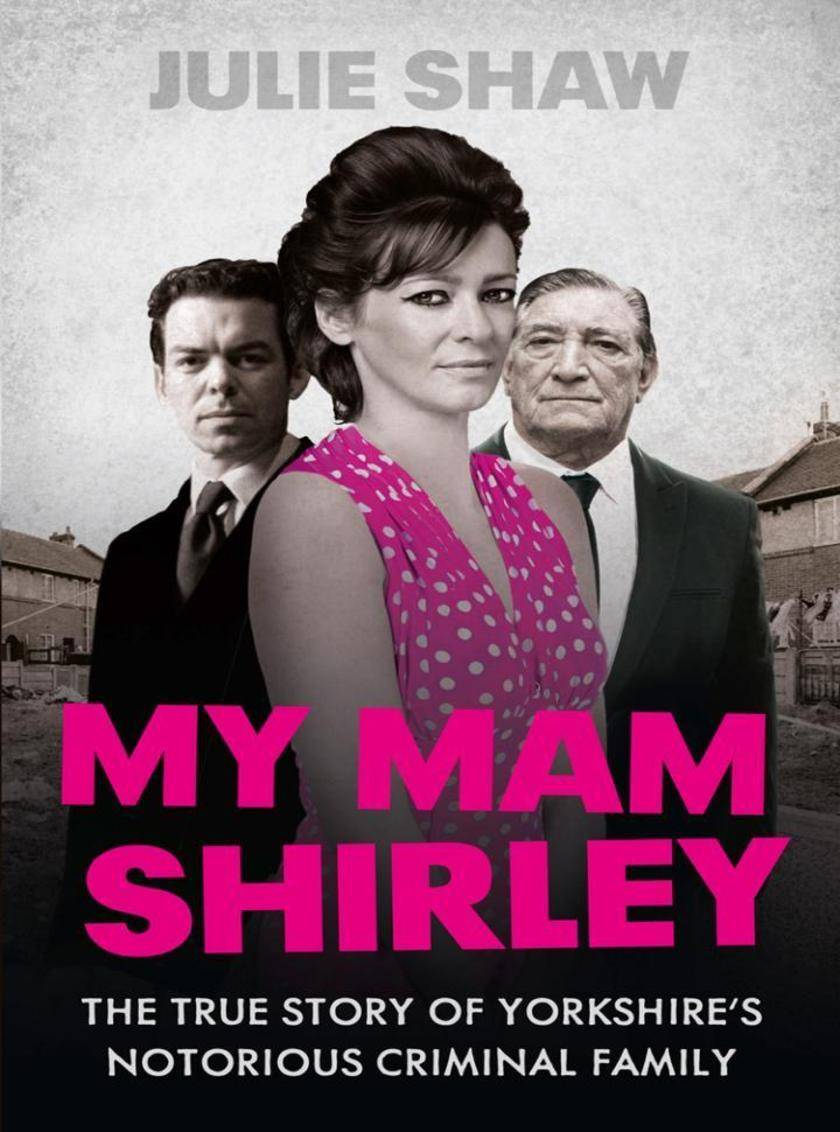
My Mam Shirley (Tales of the Notorious Hudson Family, Book 3)
¥58.86
Behind the notorious Hudson men who dominated the Canterbury Estate for over 30 years were the girls, and my mam Shirley. Whether marrying into or determined to escape from it, the third instalment of this gritty series recounts the incredible stories of the unflinching women behind the legendary Hudson family. The Canterbury Estate in Bradford during the ’50s and ’60s was a tight-knit community reared on poverty, crime and violence, and at the top of the heap were the infamous Hudson family. But it wasn’t just the boys who had a story to tell: from matriarch Annie, who gave birth to 13 children, to daughters Margaret and Eunice, who married up and out, each had a personality as indomitable as the last. Then came Shirley Read, who was just 17 when she fell in love with Keith, one of the Hudson lads. To Shirley, the only child of affluent parents, the poverty of the unruly estate was as exciting as it was mysterious; newspapers for tablecloths, jam jars for cups, and, even by that time, no electricity. But it was a friendship forged with Annie and June, the younger Hudson sisters, that would teach Shirley not only to how to survive, Canterbury-style, but would also give her the strength to overcome an unexpected personal tragedy that would soon become a nightmare for women across the world… Eye-opening and warm, this is the vivid account of the ‘Tucker’ girls; the resourceful women at the helm of a notorious Bradford family who will never be forgotten.
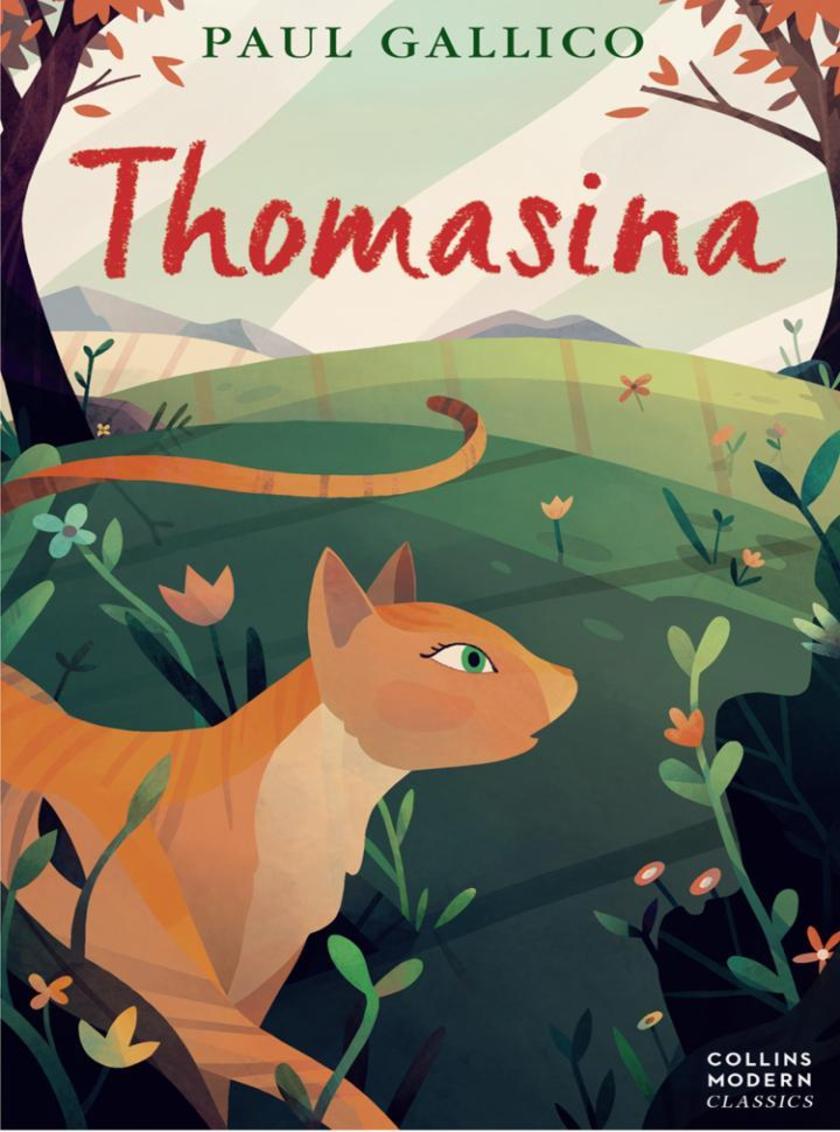
Thomasina (Essential Modern Classics)
¥48.07
Collins Modern Classics are re-launched in gorgeous new covers bringing these familiar stories to a new generation. From the author of best-loved classic ‘The Snow Goose’. “I was aware, from the very beginning, that I was a most unusual cat…” Thomasina is the beloved pet cat of 7-year-old Mary Ruadh, whose strict father is the town's vet. When Thomasina falls ill, her father sees no other option but to put the cat down. Heartbroken by his cruelty, Mary stops speaking to her father and falls dangerously ill herself. Meanwhile, Thomasina is rescued by Lori, a young woman who lives alone in an isolated glen and is rumoured to be a witch with healing powers. While Lori helps Thomasina recover from her ordeal, Mary's health continues to deteriorate and it is only when Thomasina makes her miraculous return, on a dark and stormy night, and is reunited with her owner that Mary is pulled from the brink of death.

The Holocaust: History in an Hour
¥22.76
Love history? Know your stuff with History in an Hour. The Holocaust, in which 11 million people died, was the largest atrocity of the 20th century and perhaps the hardest to understand. Approximately 6 million Jews and 5 million others including Roma people, Poles, Russian prisoners of war, political prisoners, homosexuals, people of colour, Jehovah's Witnesses, and various other minorities were first persecuted and then murdered. How, both morally and logistically, had this came to happen? From received sentiments of anti-Semitism at the beginning of the 20th century, through the rise of Hitler and the Nazi party, to the Nuremberg Laws of 1935 and finally Second World War, the victimisation of these minorities intensified beyond precedent. With the complicity of a nation hatred became policy. Under the control of sadists, bureaucrats and even ordinary soldiers, irrational acts were then enacted on an industrial scale, and with the use of concentration camps, Western Europe witnessed its most shocking treatment of humanity in modern history. Love history? Know your stuff with History in an Hour…
Proud Man Walking
¥72.99
Betrayed by his club but beloved by the fans, former Chelsea manager Claudio Ranieri has been a constant headline-maker in 2004. Occasionally puzzling, often eccentric, but always fascinating and refreshing, the Italian describes the highs and lows of an extraordinary season at Stamford Bridge - and the dramatic end to his English journey. 'Hello, my sharks. Welcome to the funeral.' 'People have said I am a dead man walking - but I am still moving!' 'Tonight I am a crazy man and Roman Abramovich is also going mad like me!' We rejoiced with him. We laughed with him. And we cried with him. In what turned out to be a year for the Blues resembling more a soap opera than a season of football, Claudio Ranieri reveals the highlights and the hurt of his farewell twelve months in England. This collaboration between Italian journalist Massimo Marianella and Ranieri promises to reveal the inside story of a rollercoaster year at Stamford Bridge, with a first-hand account of coaching the most expensively assembled team in the Premiership, alongside the increasing pressures of satisfying his bosses as Chelsea's season threatened to turn into anticlimax. How did Ranieri keep all his players contented, when the value of his subs bench often exceeded that of most Premiership teams? What were the skills required to mould a group of exciting individuals into a team capable of challenging the likes of Arsenal and Manchester United at the top of the tree? With the media suggesting an uneasy alliance between Ranieri and Roman Abramovich, what was it that drove their complex relationship? What was the real truth behind the allegations that Ranieri's position was being undermined by his bosses? And when did the 'Tinkerman' discover his final denouement? Just some of the questions that will be answered in this book by arguably the most talked-about man in English football in 2004.
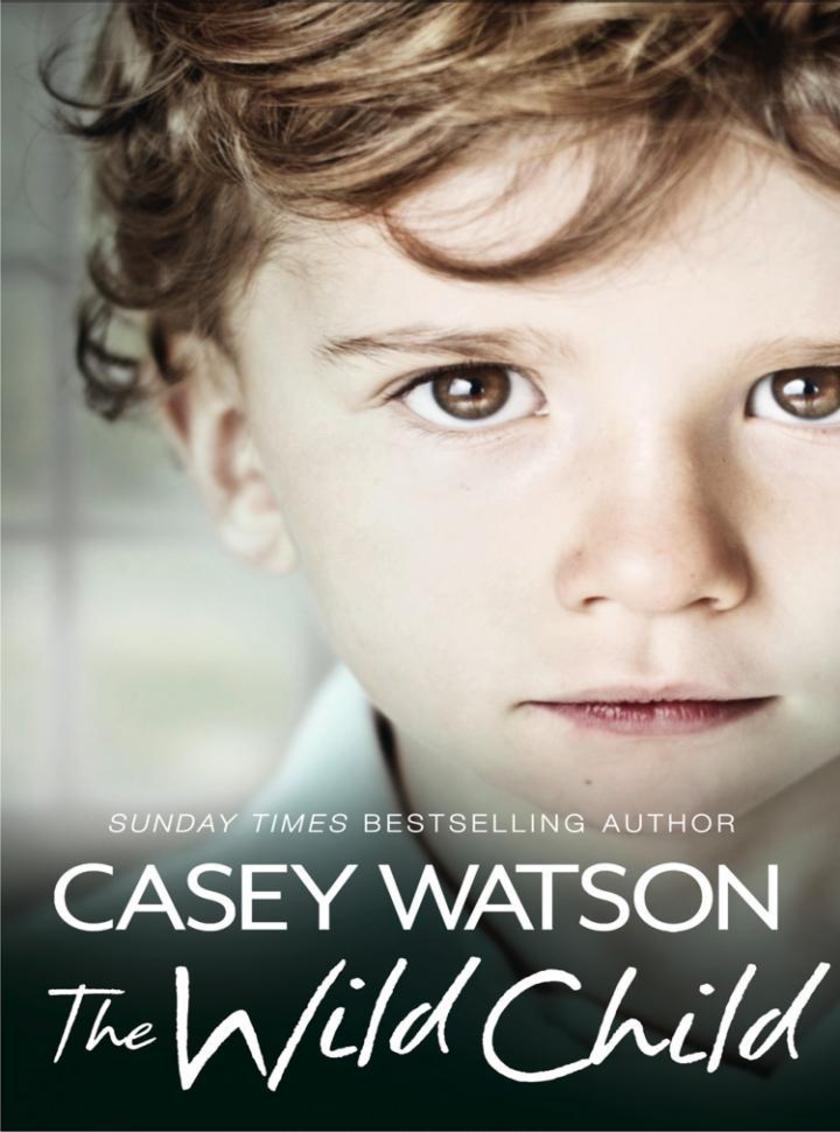
The Wild Child
¥11.77
Casey tells the harrowing story of Connor, an eight year old boy from a broken home who comes to stay with her family. It’s a Saturday morning when Casey and Mike are asked to take in eight year old Connor – an emergency placement, just for a couple of days, following a violent incident at his now former care home. And Casey’s instinct, as ever, is to say yes. With long term foster son Tyler off to football, and no particular plans for the weekend, even the fact that Connor arrives in what looks like a prison van doesn’t phase her – after all, challenging children are what she and Mike have trained for. And how much trouble can he really be? He’s eight. A lot, as it turns out. Connor is as streetwise as they come, and, hurt and angry, seems determined to cause trouble from the off. But despite the attitude, there’s something strangely endearing about their little visitor that makes Casey want to tease out the frightened child behind the swagger. So much so that, with Connor and Tyler getting on so well, she wonders – should they say they’ll keep him longer? It seems like the easiest decision in the world …
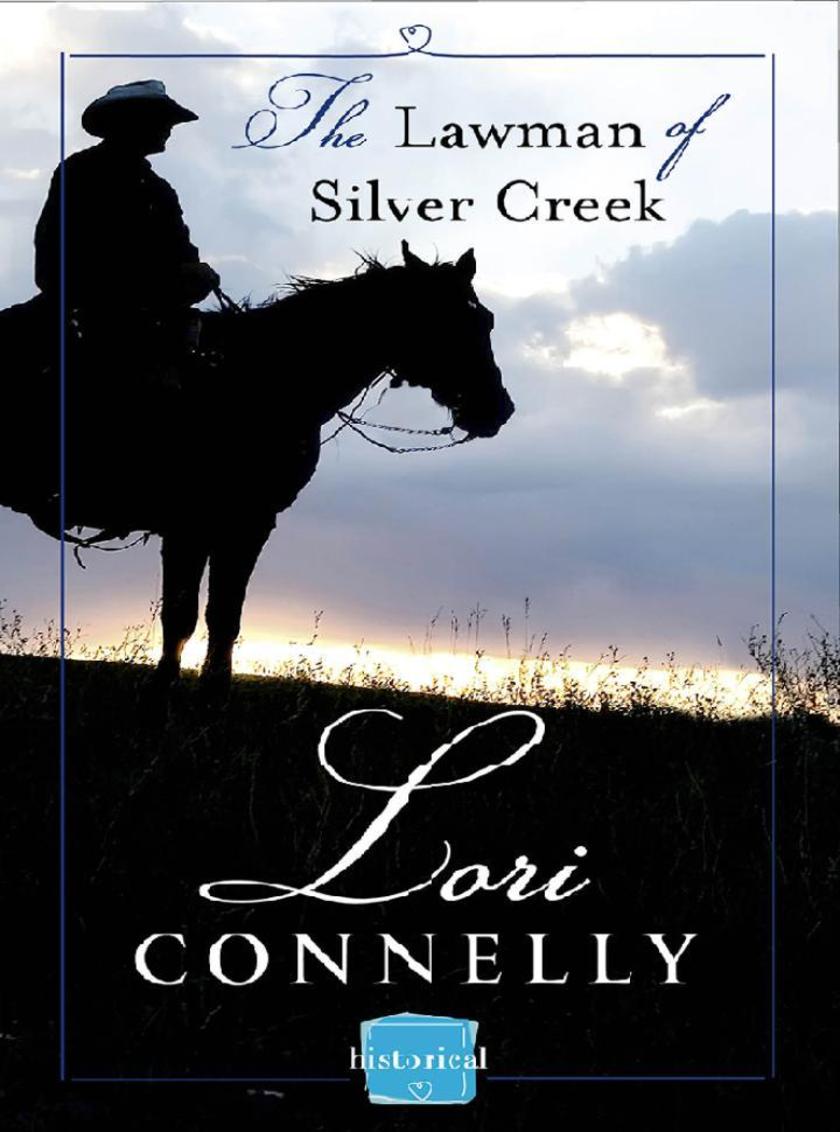
The Lawman of Silver Creek: (A Novella) (The Men of Fir Mountain)
¥18.65
"If you want an emotional romantic adventure to nineteenth century frontier America this is for you." Jane Hunt Reviews For fans of Diana Palmer and Linda Lael Miller comes a new novella in The Men of Fir Mountain series. As sheriff of Silver Creek, Matthew Marston's job is to look after his town. But when he fails to protect the most important person in his life, Claire, from an attack, Matt feels as though he will never be able to forgive himself. Her husband-to-be's newly found overprotectiveness drives the headstrong Claire from his arms. She can't see a future with a man who won't allow her to follow her dreams. In a small town where everybody knows your name and your business, it's impossible for the pair to stay apart, especially as Claire finds that she can't completely turn her back on the lawman that she loves.

Worlds Explode (Darkmouth, Book 2)
¥51.50
The second book in the monstrously funny and action-packed new series: Darkmouth. It’s going to be legendary. The adventures of the most unfortunate Legend Hunter ever to don fighting armour and pick up a Dessicator continue… On a list of things Finn never thought he'd wish for, a gateway bursting open in Darkmouth was right up there. But that's about his only hope for finding his missing father. He's searched for a map, he's followed Steve into dead ends, but found nothing. And he's still got homework to do. But soon Finn and Emmie must face bizarre Legends, a ravenous world and a face from the past as they go where no Legend Hunter has gone before. Or, at least, where no legend Hunter has gone before and returned with their limbs in the correct order.
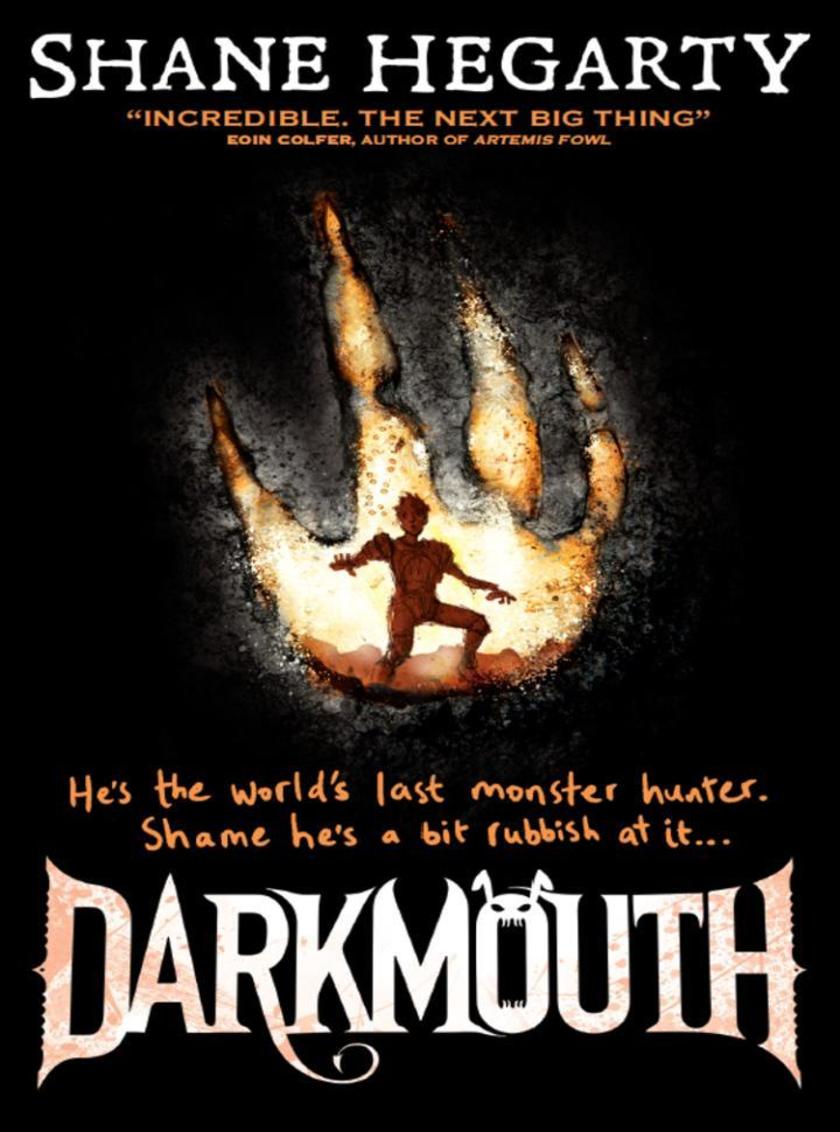
Darkmouth (Darkmouth, Book 1)
¥51.50
A monstrously funny debut from the new star of middle-grade adventure. THEY’RE COMING! Legends (also known as terrifying, human-eating monsters) have invaded the town of Darkmouth and aim to conquer the world. But don’t panic! The last remaining Legend Hunter - Finn - will protect us. Finn: twelve-years-old, loves animals, not a natural fighter, but tries really, really hard, and we all know good intentions are the best weapons against a hungry Minotaur, right? On second thoughts, panic. PANIC NOW!
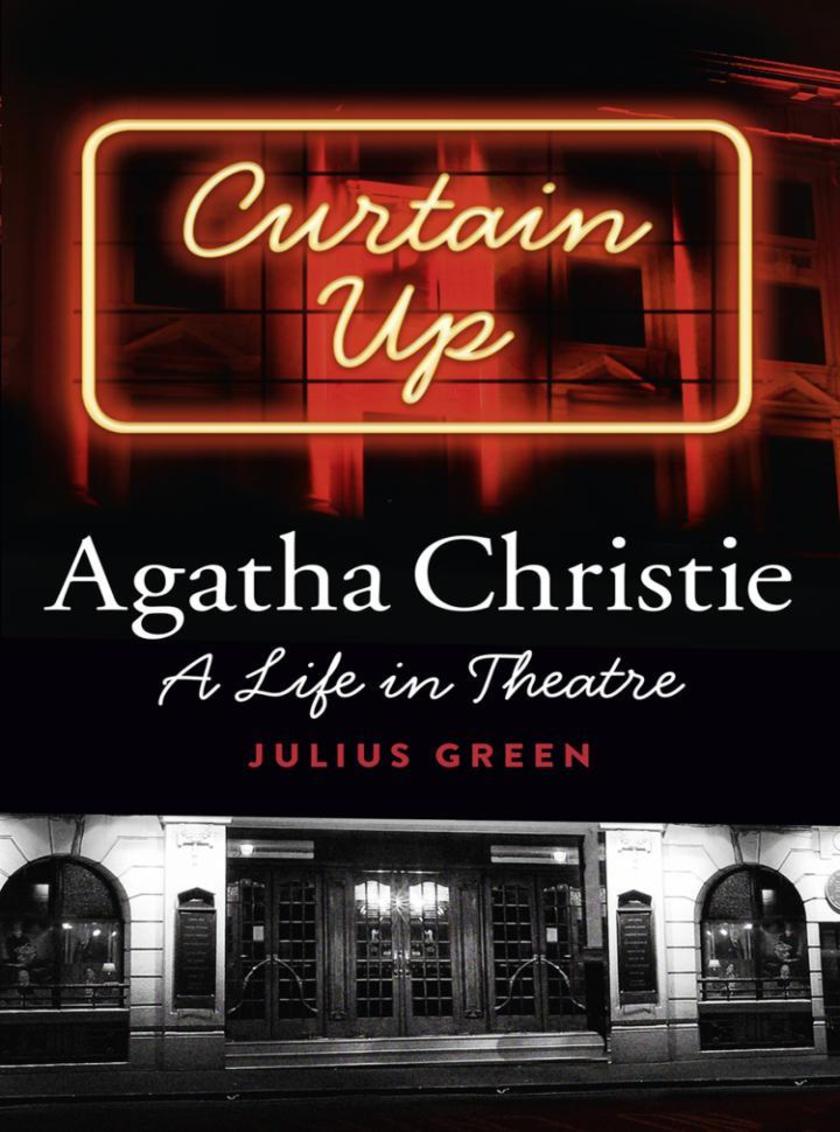
Curtain Up: Agatha Christie: A Life in Theatre
¥125.18
A revealing and witty new examination of how Agatha Christie became the world’s most successful and popular female playwright, including details of never-before-published *s and stories. Published in celebration of Agatha Christie's 125th birthday, Curtain Up! is an essential purchase for Agatha Christie fans worldwide. Everyone knows that The Mousetrap is the world’s longest-running play, but this first ever book dedicated to Agatha Christie as a playwright tells how Christie prevailed against the male-dominated establishment to be the only woman to have three plays in the West End at the same time and became the most popular and successful female playwright in the world. Author and theatre producer Julius Green has been given unprecedented access to archives in the UK and USA and has uncovered unpublished and unperformed plays, as well as previously unknown facts and correspondence. Agatha Christie was a skilful and accomplished stage writer, and this long-awaited book is a fascinating, funny and revealing tale that theatregoers and Agatha Christie fans won't want to miss.
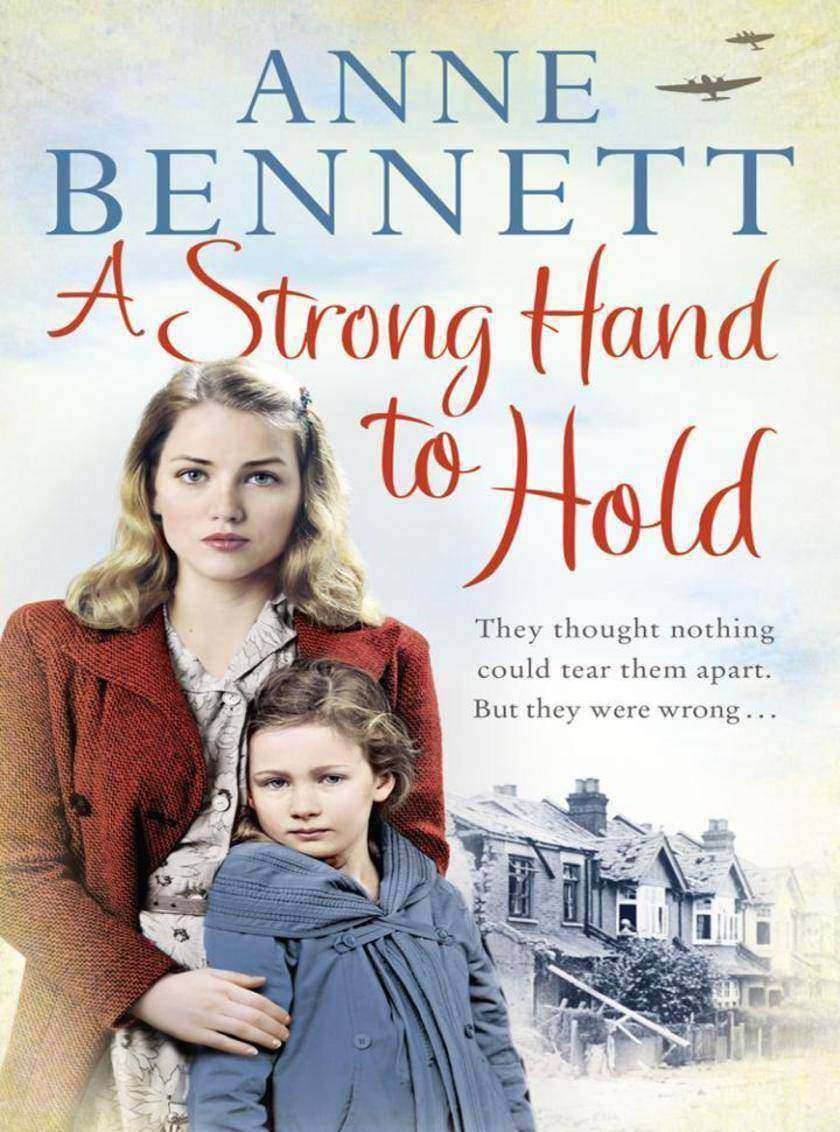
A Strong Hand to Hold
¥53.76
A heartbreaking tale of love and loss in a time of war, perfect for fans of Katie Flynn and Annie Groves. Jenny O’Leary is devastated one morning in 1940 when she receives a telegram giving her the dreadful news that one of her brothers has been killed in action. Grief threatens to engulf her, but as an ARP warden, tending to Birmingham’s injured after the nightly raids, she is well-used to the suffering that thousands are enduring every day. Linda Prosser is just twelve years old and desperately close to her mother and two tiny brothers. As the bombs drop around them one fateful night, Linda takes a risk which has disastrous consequences. Terrified, and buried beneath a mass of debris after her home takes a direct hit, it is Jenny who crawls through the wreckage of the house to rescue her. So begins a friendship which is last through the years. But when Linda falls in love with a man that Jenny despises, she is faced with sacrificing her future happiness for the friend who has given her everything…

Love Me Tender
¥54.84
A heartrending tale of love and tragedy during The Birmingham Blitz. Perfect for fans of Katie Flynn and Annie Groves. For Kathy O’Malley, life has not been easy with her husband, Barry, out of work and with two children to feed. Then when war breaks out in 1939, many of the local men enlist, including Barry, leaving the women to cope as best they can. The years that follow are full of hardship: rationing, nightly air raids and endless shifts working at the local munitions factory all take their toll on Kathy who longs to feel the strong arms of her husband around her once more. When she meets Doug, a handsome American GI, she is drawn immediately drawn to him but determined to honour her marriage vows. But after she receives a telegram informing that her husband is missing, presumed dead, she makes a decision that will have consequences, not just for herself, but for the lives of all those she loves too…
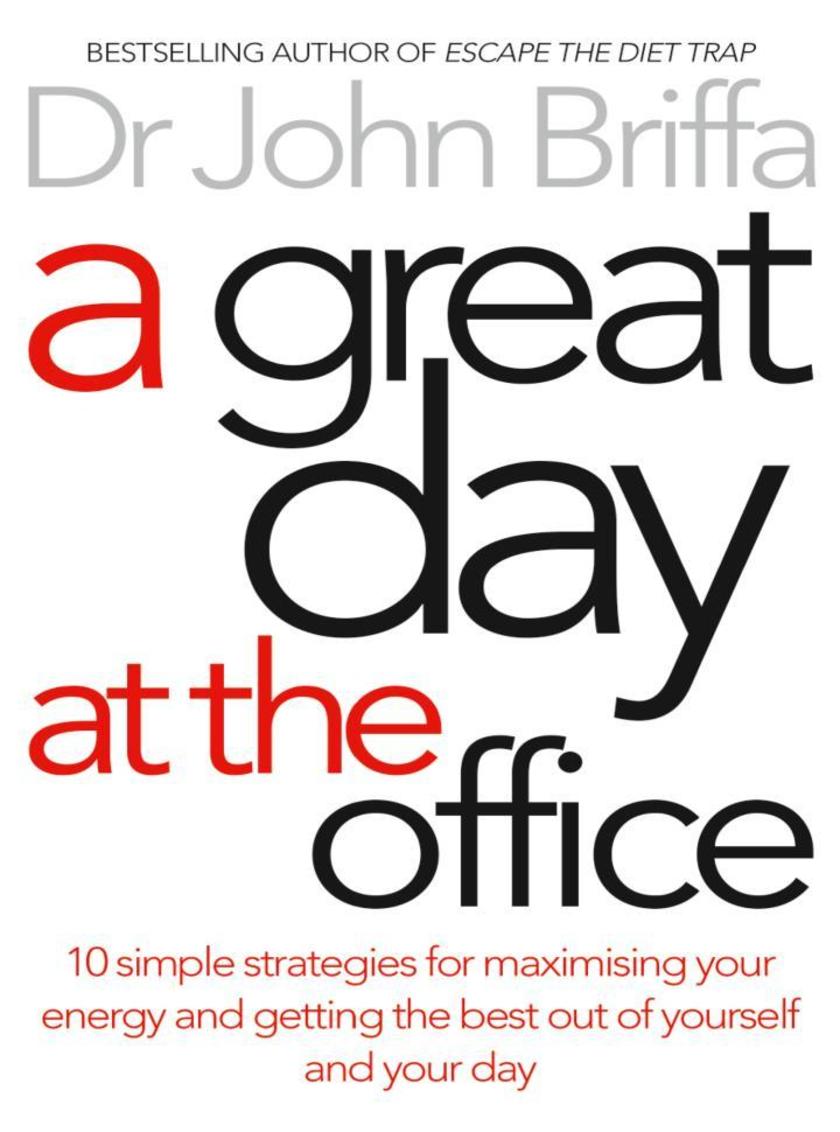
A Great Day at the Office
¥66.22
Dreading work? Tired of a 9 to 5 that’s more like an 8 to 10? Feeling overwhelmed by your job? A Great Day at the Office offers practical solutions to the challenges of modern-day business life for a healthier, happier and more productive time at the office and away. For almost two decades, Dr John Briffa has worked with a wide range of organisations, both in the UK and abroad, to inspire literally thousands of people to live and work more healthily, effectively and sustainably. His techniques have proven, time and again, that small changes to your lifestyle will recharge your batteries and boost your performance and productivity. Areas he will cover include: diet, hydration, the amount of alcohol you drink, and the relation these bear to your quantity and quality of sleep. Many of his solutions go against conventional wisdom, but are based on the most recent and cutting-edge studies.
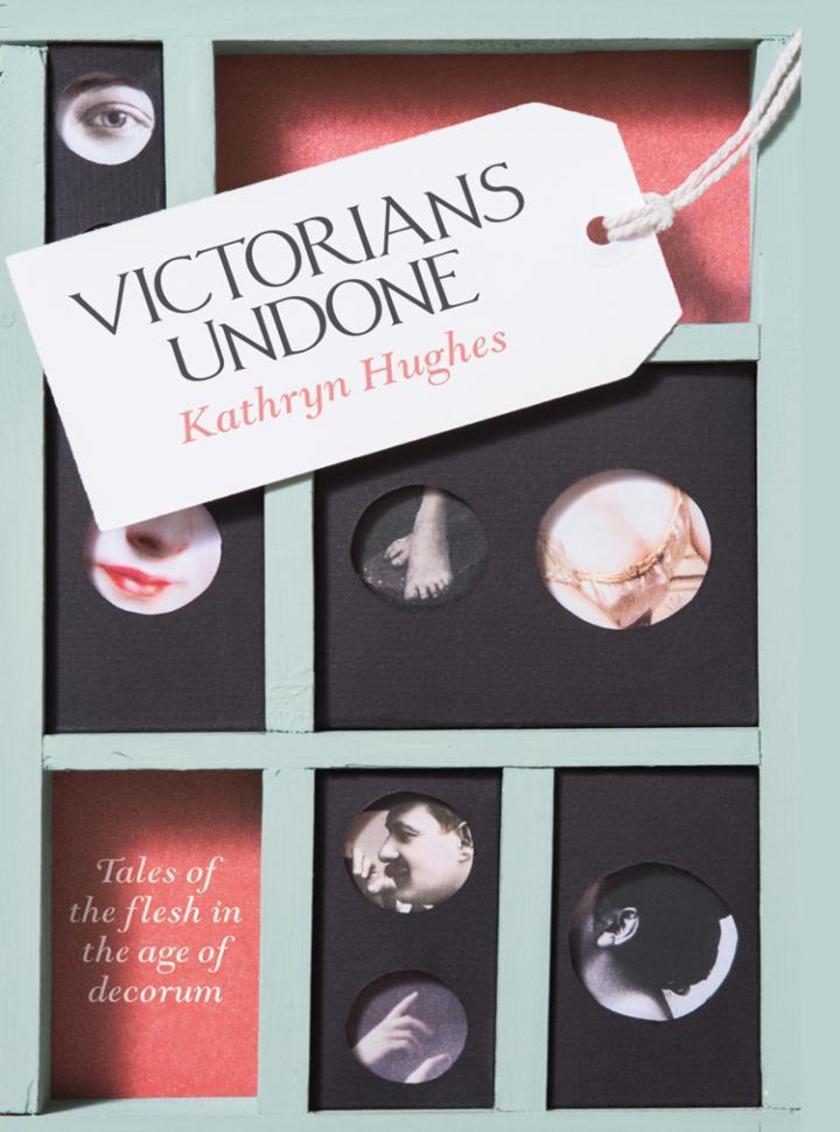
Victorians Undone: Tales of the Flesh in the Age of Decorum
¥73.58
‘Intriguing, gleefully contentious and – appropriately enough – fizzing with life, Victorians Undone is the most original history book I have read in a long while’ John Preston, Daily Mail A groundbreaking account of what it was like to live in a Victorian body from one of our best historians. Why did the great philosophical novelist George Eliot feel so self-conscious that her right hand was larger than her left? Exactly what made Darwin grow that iconic beard in 1862, a good five years after his contemporaries had all retired their razors? Who knew Queen Victoria had a personal hygiene problem as a young woman and the crisis that followed led to a hurried commitment to marry Albert? What did John Sell Cotman, a handsome drawing room operator who painted some of the most exquisite watercolours the world has ever seen, feel about marrying a woman whose big nose made smart people snigger? How did a working-class child called Fanny Adams disintegrate into pieces in 1867 before being reassembled into a popular joke, one we still reference today, but would stop, appalled, if we knew its origins? Kathryn Hughes follows a thickened index finger or deep baritone voice into the realms of social history, medical discourse, aesthetic practise and religious observance – its language is one of admiring glances, cruel sniggers, an implacably turned back. The result is an eye-opening, deeply intelligent, groundbreaking account that brings the Victorians back to life and helps us understand how they lived their lives.

Wing Girl
¥45.62
‘One of the top 20 books of 2013’ – I Heart… Chick Lit ‘E-book novel of the year’ – Chick Lit Chloe Wing Girl: [wing-gurl] noun 1. A young, single woman frequenting liquor-serving establishments who attracts then later repels eligible men that are eventually picked up by her friends. 2. The essential accessory for dating in Manhattan. For years guys have cruised bars using the "wing man" as a divide and conquer weapon designed to liberate a gorgeous woman from her not-so-beautiful friend. Meet Belinda Carson, Wing Girl. She's a kick-ass, take-no-prisoners investigative reporter fighting for truth, justice and higher ratings. But while her fame draws in the hotties, it’s unfortunate that you can’t buy a new personality at Bloomingdales! Because up close and personal these unsuspecting suitors get fried by a snarky attitude that's sharp enough to slice a stale bagel… which leaves her grateful friends to swoop in for the delectable leftovers! Only enough is enough – isn’t it time for Belinda to stop taking one for the team and land her own Mr Right?

Boss Girl
¥54.65
Sydney Hack is the single, thirtysomething VP of news for a failing network… and she also has a taste for younger men. She soon realizes a whole lot of over-thirty female viewers do as well, so she sets out to give these women what they want; a chiseled, trophy buck in his twenties sitting on the anchor desk next to a woman… Just. Like. Them. With nothing to lose she does the unthinkable; along with three female managers who happen to be her best friends she brings out the casting couch and turns it into a sleeper sofa. Doesn't matter that the men have no television experience. As long as they look good. And there’s a hint of romance in every newscast. Ratings skyrocket as a result, but Sydney and her female cohorts discover something else along the way… True love is not always age appropriate.

Snow in May
¥66.22
SHORTLISTED FOR THE DYLAN THOMAS PRIZE The stories of Kseniya Melnik’s debut collection are small-town miracles, each a miniature epic. Their focus is Magadan, a town in the Northern Far East of Russia, and the unvisited lives of its inhabitants and emigrants – schoolchildren, doctors, teachers, mothers, daughters. Some characters span several stories. Some of their stories span decades and continents. The measure of their telling, though, is invariably the measure of everyday existence. Their dramas, too, are made of quotidian stuff, each life with its own sly or suppressed tragedies, and its brief, often unexpected ecstasies. Kseniya Melnik’s sensibility is sober and humorous; her stories are moving and funny. In their patient, deliberate unfolding – at once surprising and convincing – and in the fitness of their details – vital because they are suggestive – we sense, above all, an assurance that is dazzling.


