


 购物车
购物车 个人中心
个人中心

Ο Κ?ριο? Προκ?πη? Διηγε?ται την Ιστορ?α τη? Μα?μο?? Τεμπ?λα?
¥31.56
Η Λυδ?α Γαλανο? προσφ?ρει στον κ?σμο τη? παιδικ?? λογοτεχν?α?, ?να υπ?ροχο μικρ? παραμ?θι που μιλ? για την σημαντικ?τητα του σχολε?ου και τη? παιδε?α? γενικ?τερα και για το π?? με ?να ?μορφο και παραστατικ? τρ?πο μπορε?? να του? περ?σει? σημαντικ?? συμβουλ?? για το μ?λλον του?!
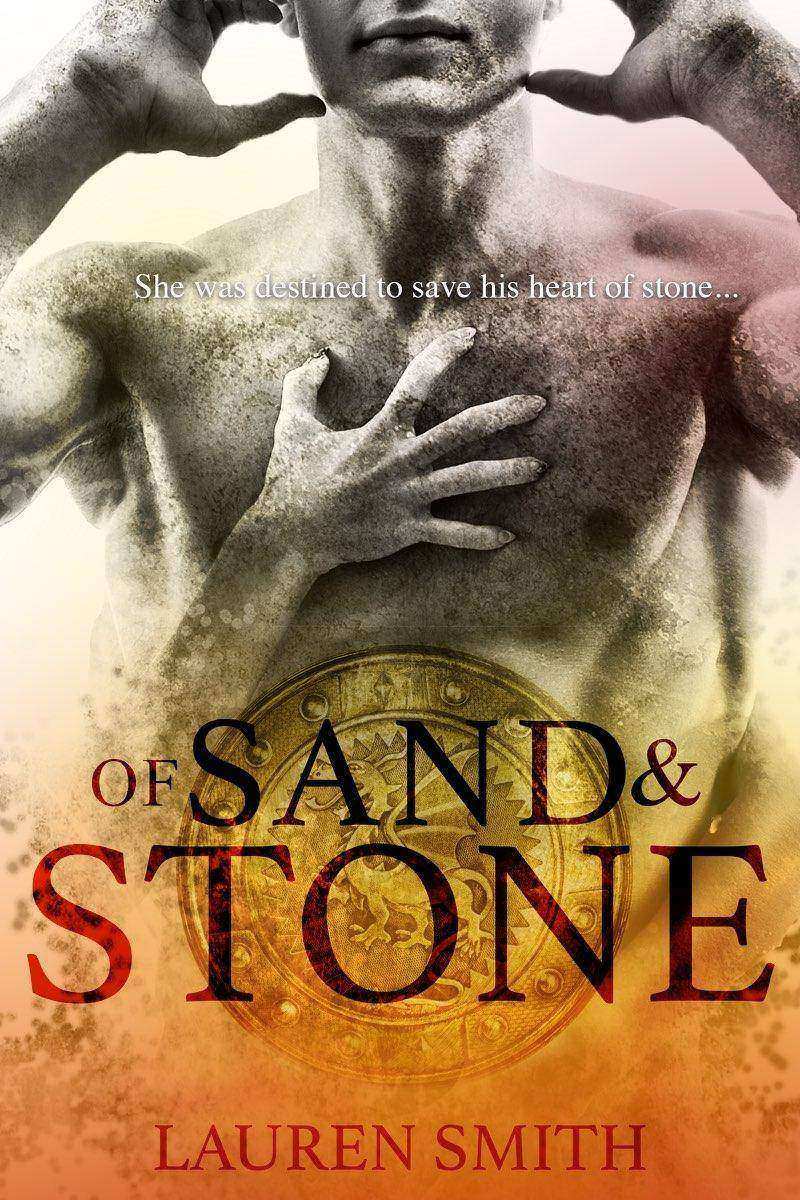
Of Sand and Stone: A Time Travel Romance
¥8.09
She was destined to save his heart of stone... Bookish museum curator Rebecca Clark has given up on dating. Real life men aren’t nearly as perfect as the men in the paintings and statues she sees every day at her job. But one night she whispers a prayer to the universe to send her the perfect man. She had no idea a goddess is listening…Devon Blake was Regency London’s most wicked lover but when he sleeps with the wrong woman and leaves her unsatisfied, he finds himself cursed by none other than the Goddess of love herself. After living two centuries trapped as a marble statue, Aphrodite gives Devon one chance to redeem himself or he’ll face an eternity of made of stone. He must prove he can satisfy a woman’s every desire without satisfying his own.When Rebecca discovers a naked man in her art gallery instead of a priceless statue at midnight she has no idea he’s the answer to her prayers. Aphrodite has sent Devon to be Rebecca’s perfect man. Can Devon earn Rebecca’s love and trust by proving his selflessness or will it be too late?
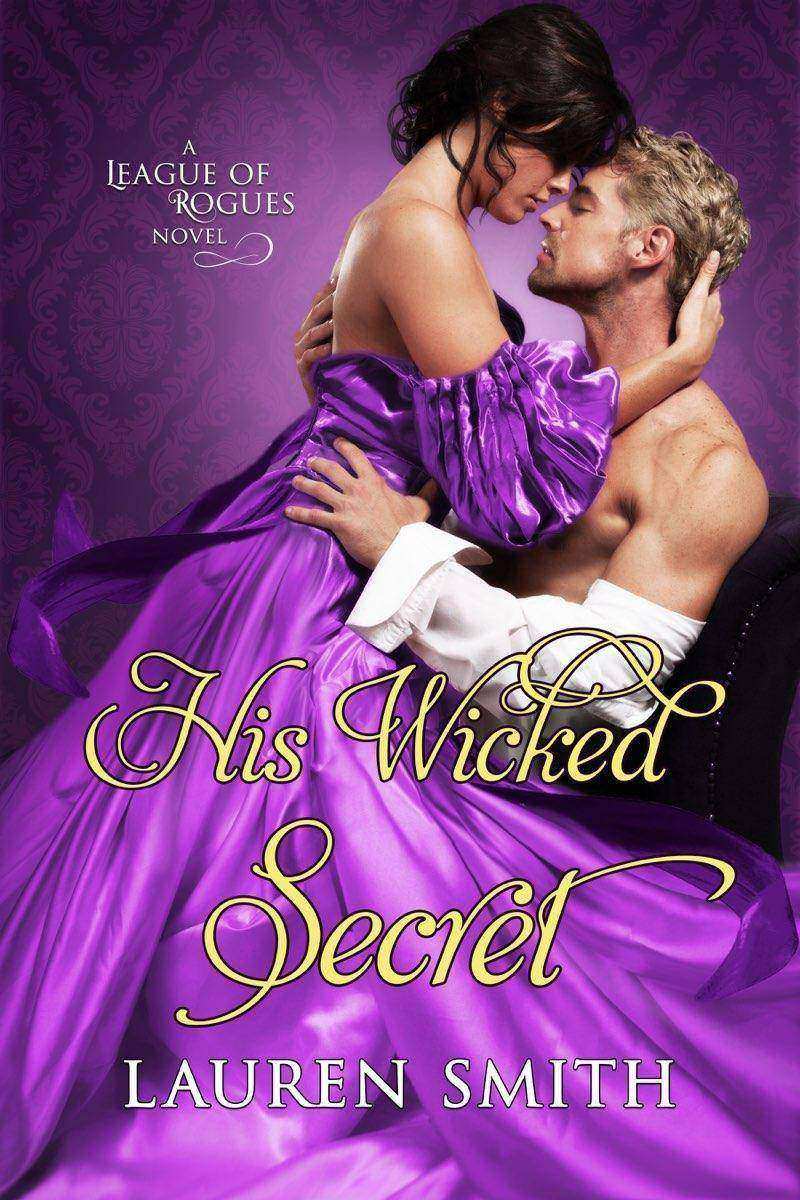
His Wicked Secret
¥40.79
When a lady decides to become a spy, she must resist all temptation…especially love. Audrey Sheridan is London’s sweetheart, a position that allows her access to the ton and all its secrets. As the enigmatic writer, Lady Society, she is wild, reckless, and speaks her mind. She matchmakes wicked rogues with their perfect wives. But there’s one thing she’s failed to find since her debut. A husband for herself. And there’s only one man she’s ever wanted. There’s just one problem…he doesn’t want her. What’s a lady to do to mend her broken heart? Run off to become a spy… Jonathan St. Laurent is anything but a saint and certainly not husband material. He spent nearly his entire life as a servant to his half-brother the Duke of Essex. He’s trying to play the gentleman now, but it’s damned hard when he’s tempted by the ton’s darling spitfire Audrey. There’s something about her that makes him want to abandon the rules of polite society and show her just how wicked he can be…which is why it’s better to avoid the minx altogether. When Audrey’s plan to be a spy is discovered, Jonathan knows he must move heaven and earth to protect her while guarding his own secret…
Λευκ? Πεταλο?δα
¥84.20
ζησε τη ζω τη εν λευκ...Οι επιλογ τη ταν επιλογ λλων...Η Μυρτ, η ηρωδα, μια γυνακα που αγαπθηκε και αγπησε στα ρια, που κυριαρχθηκε απ τον πθο εν ανεκπλρωτου ρωτα που την οδγησε στη φωτι, ναν ρωτα που αναγεννθηκε απ’ τι στχτε του πολλ φορ και σαν τυφνα πρασε και φησε πσω του συντρμμια και πνο...Ο Πρη, ο Μνο, ο λκη... ντρε διαφορετικο, ντρε που την αγπησαν ο καθνα με τον τρπο του, με πθο, με εγωισμ, με εκδικητικ μανα, ντρε που πρασαν απ’ τη ζω τη κι ο καθνα στιγμτισε με τον τρπο του την ψυχ τη, σημδεψαν ανεξτηλα το δρμο τη...Η Μυρτ, γυνακα, ερωμνη, σζυγο, μητρα, κρη, φλη, γυνακα καριρα... τσοι ρλοι και εκενη χαμνη μσα στα δικ τη θλω και στα θλω που τελικ τη επβαλλαν οι λλοι...Τελικ καθορζει η ελεθερη βοληση τι επιλογ μα η μορα μα και το πεπρωμνο μα αποφασζει για μα, πριν απ μα;
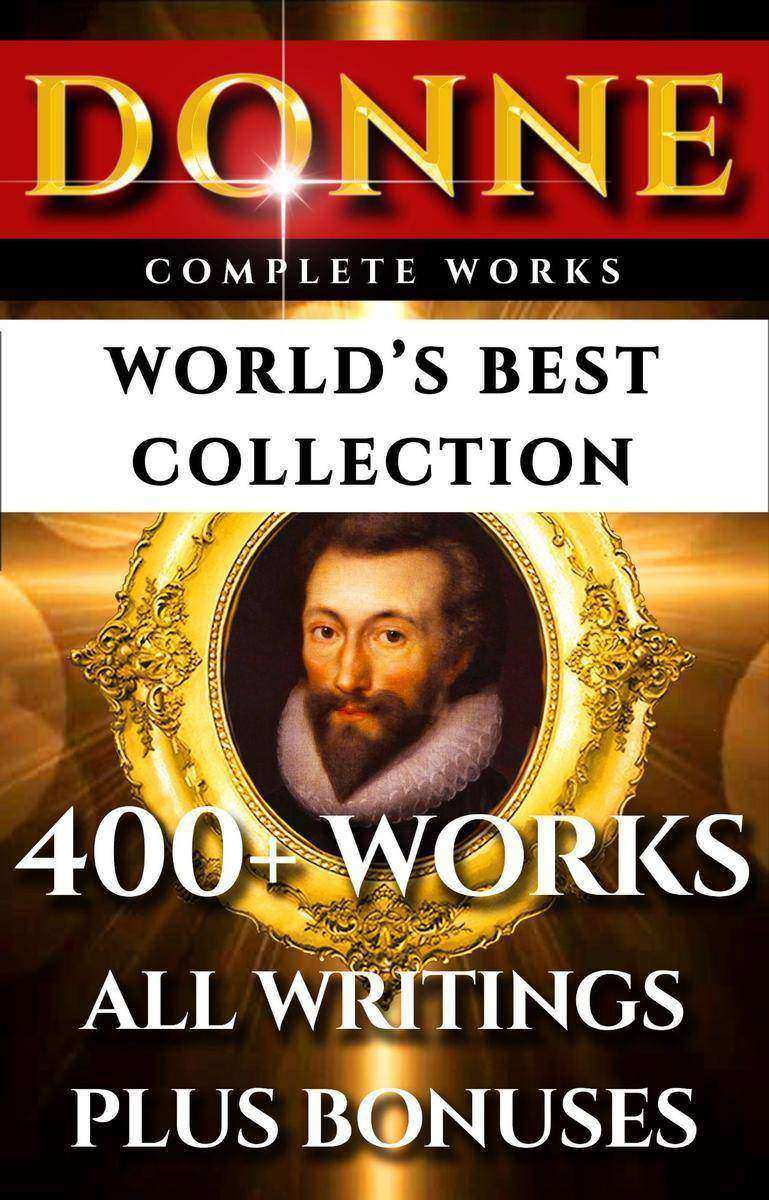
John Donne Complete Works – World’s Best Collection: 400+ Works
¥8.09
John Donne Complete Works World's Best Collection This is the world’s best John Donne collection, including the most complete set of Donne’s works available plus many free bonus materials. John Donne John Donne was an English poet, satirist, lawyer and a cleric in the Church of England. He is considered the pre-eminent representative of the metaphysical poets, his works noted for their strong, sensual style. Vibrancy of language and inventiveness of metaphor, and include sonnets, love poetry, religious poems, Latin translations, epigrams, elegies, songs, satires and sermons The ‘Must-Have’ Complete Collection In this irresistible collection you get Donne’s work, with more than 400 works - All his poems, All his poetry, All his Letters, All his Sermons, All his Devotions, All his Satires and Elegies, with notes and annotation, plus several full length biographies so you can experience the life of the man behind the words. With extra Bonus Material. Works Included: Holy Sonnets -?Full set of Donne’s sonnets, including among others: Holy Sonnet I: Thou Hast Made Me Holy Sonnet Iv: Oh my black soul! Holy Sonnet V: I Am A Little World Made Cunningly Elegies -?Full set of Donne’s elegies, including among others: Elegy Xii - Come Fates ; I fear you not ! All whom I owe Elegy Xvi. The Expostulation Elegy Xx (Alternate) Love’s War An Anatomy Of The World -?Including: The First Anniversary The Second Anniversary Satires -?Full Set of Donne’s satires Epicedes And Obsequies Upon The Death Of Sundry Personages Juvenilia: Or Certain Paradoxes And Problems Letters To Several Personages -?Known as other poems, these are letter Donne wrote to historical figures of the time.? Other Poetical Works -?Full set of Donne’s Poems in alphabetical order, including among many others: Death Be Not Proud The Canonization Devotions Upon Emergent Occasions -?Full set of Donne’s Devotions, Meditations and Expostulations Notes To Poems Sermons Of John Donne - Comlpete set of Donne’s 148 Sermons, including Donne’s famous final sermon: Death’s Duel Your Free Special BonusesBiographies Historical and Literary Context Notes on Metaphysical Poetry -?written specially for this collection Life Of John Donne By Izaak Walton Life Of John Donne By Augustus Jessopp Life Of Dr. Donne By Henry Alford Three biographies from different perspectives, the first being the famous Walton bio, Walton being closely connected with Donne and being one of those Donne wrote to often. Letters Of John Donne And Notes -?Rare additional letters Donne wrote. Doubtful Poems And Notes -?A set of poems attributed to Donne, but not always collected or known with certainty to have come from him, including: On a Flea on his Mistress’s Bosom Dr. Donne’s Farewell to the World Get This Collection Right Now This is the best John Donne collection you can get, so get it now and start enjoying and being inspired by his world like never before!

Virgin Soil
¥8.82
VIRGIN SOIL by Ivan Sergeyevich Turgenev (1818-1883) is his last and longest novel. In it he finally says everything yet unsaid on the subject of social change, idealism and yet futility of revolutions, serfs and peasants, and the upper classes. The hero, Nezhdanov -- the disillusioned young son of a nobleman -- and the Populist movement are young idealists working to bridge the gap between the common people and the nobility, and through them Turgenev works out his own troubled thoughts about social reform and tradition, vitality and stagnation. The ideas of gradual reform shown here are eventually to be supplanted by the extremism of the Russian Revolution -- but that is yet to come.
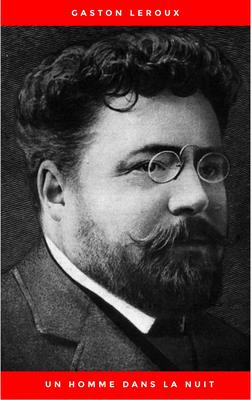
Un homme dans la nuit
¥8.82
Jonathan Smith, le ?roi de l'huile?, est immensément riche. Mary, enfant de rien, du hasard, de la misère, qu'il a ramassée, un jour de promenade, avec sa mère, va devenir son centre du monde, ses beaux grands yeux clairs l'ayant séduit tout de suite. Mais Mary en aime un autre et va être amenée à ?tuer? Jonathan. Celui-ci, laissé pour mort, en réchappe par miracle et après vingt ans de préparatifs, il lance sa ?terrible? vengeance, corrompant et achetant tous ceux qui lui permettront d'atteindre le but qu'il s'est fixé...
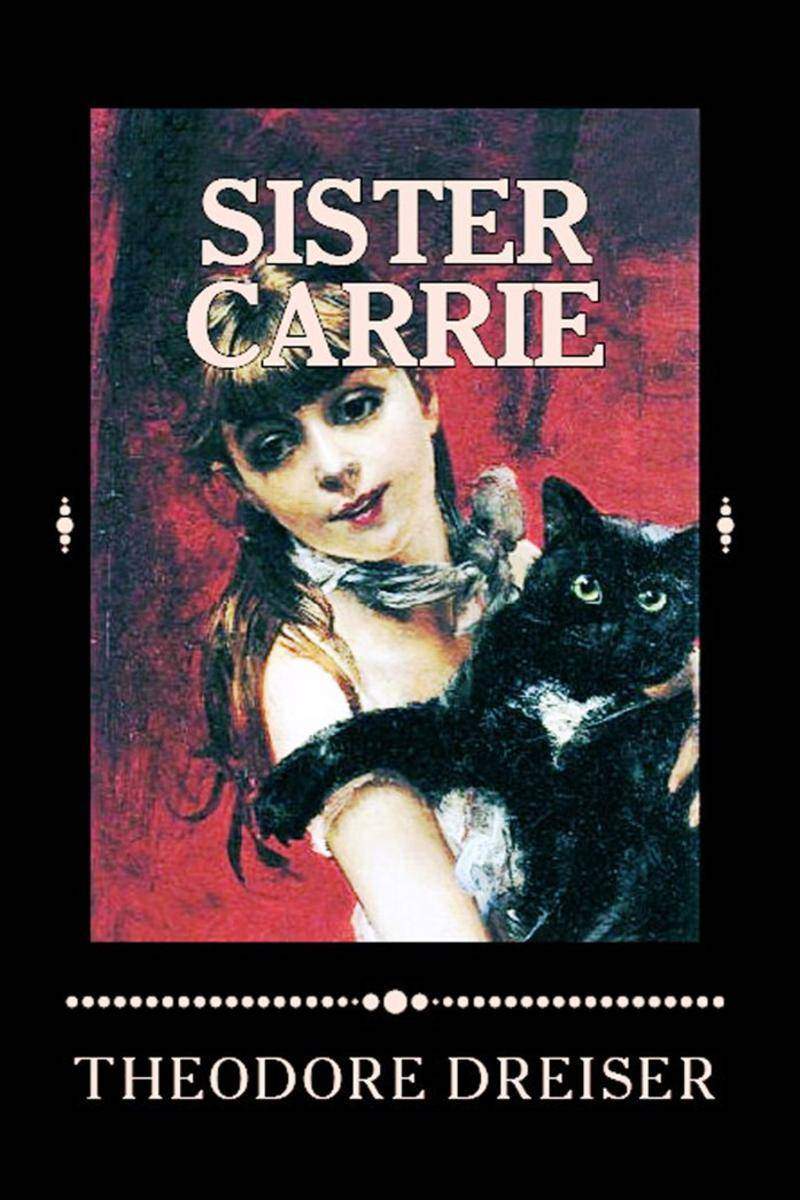
Sister Carrie
¥27.88
In Sister Carrie, Dreiser portrayed a changing society, writing about a young woman who flees rural life for the city (Chicago) and struggles with poverty, complex relationships with men, and prostitution. It sold poorly and was considered controversial because of moral objections to his featuring a country girl who pursues her dreams of fame and fortune through relationships with men. The book has since acquired a considerable reputation. It has been called the "greatest of all American urban novels." It was adapted as a 1952 film by the same name, directed by William Wyler and starring Laurence Olivier and Jennifer Jones.??"..When Caroline Meeber boarded the afternoon train for Chicago, her total outfit consisted of a small trunk, a cheap imita-tion alligator-skin satchel, a small lunch in a paper box, and a yellow leather snap purse, containing her ticket, a scrap of paper with her sister's address in Van Buren Street, and four dollars in money. It was in August, 1889. ??She was eighteen years of age, bright, timid, and full of the illusions of ignorance and youth. Whatever touch of regret at parting characterised her thoughts, it was certainly not for advantages now being given up. A gush of tears at her mother's farewell kiss, a touch in her throat when the cars clacked by the flour mill where her father worked by the day, a pathetic sigh as the familiar green environs of the village passed in review, and the threads which bound her so lightly to girlhood and home were irretrievably broken.."
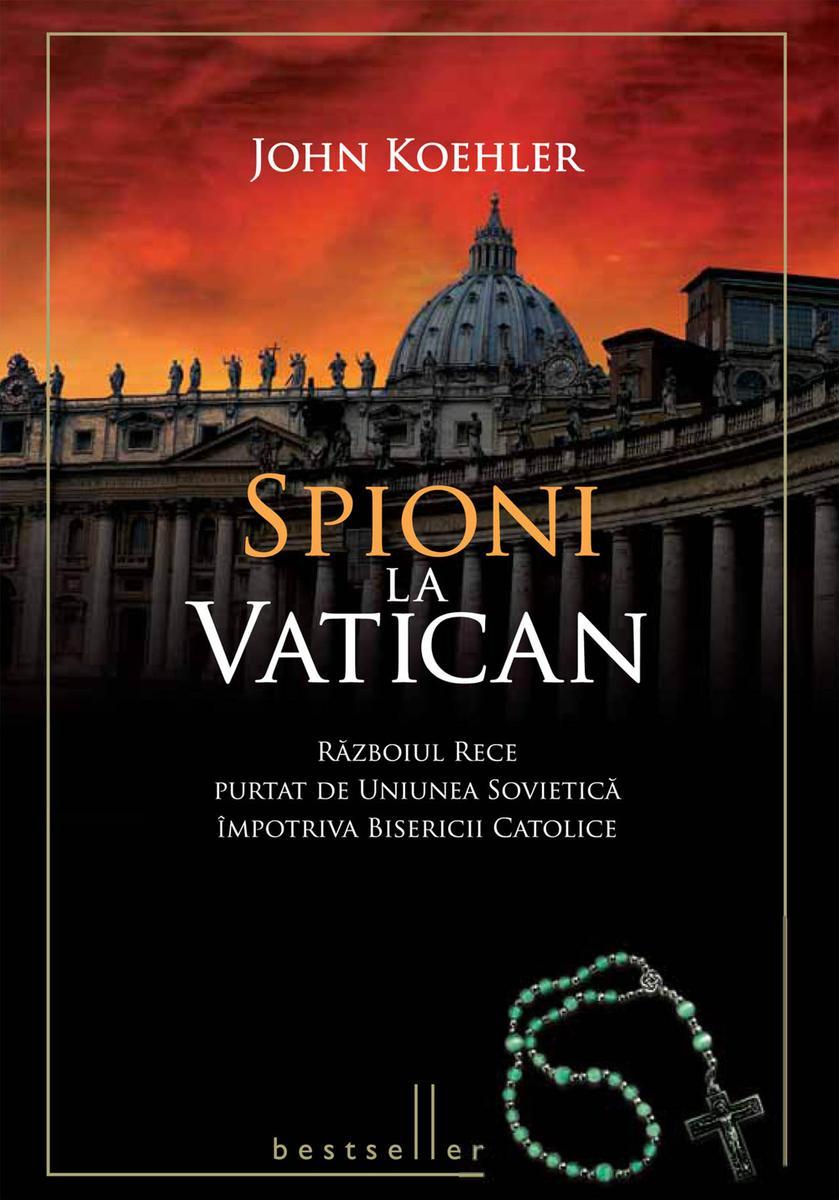
Spioni la Vatican
¥66.22
Non abbiate paura! Nu v? fie team?!Cuvintele rostite de papa Ioan Paul al II-lea ?n octombrie 1978, la inaugurarea pontificatului s?u, aveau s? trezeasc? ?n sufletele polonezilor ?i ale tuturor celor oprima?i de comunism dorin?a de a fi liberi ?i curajul de a lupta pentru libertate. ?n urm?torii ani, papa a devenit cel mai puternic simbol al luptei anticomuniste. Uniunea Sovietic? ?l considera pe Ioan Paul al II-lea (?i, implicit, Biserica Catolic?) o amenin?are la adresa stabilit??ii ?n Europa de Est ?i inamicul num?rul unu al statului. Deloc surprinz?tor, KGB-ul a pus la punct o re?ea impresionant? de spioni ?i agen?i dubli ?i chiar a ?ncercat s?-l asasineze pe pap?.Paradoxal ?ns?, cu c?t erau mai persecuta?i pentru credin?a lor, cu at?t oamenii erau dispu?i s?-?i ri?te via?a pentru libertate. Dovezile lor de curaj sunt impresionante, a?a cum impresionante sunt, dar ?n sens negativ, cazurile preo?ilor care ?i-au tr?dat biserica, trec?nd de partea celui mai mare du?man al acesteia, regimul comunist.Jurnalist ?i ofi?er ?n rezerv? al serviciului de informa?ii al Armatei SUA, John Koehler prezint? cititorilor documente ?i transcrieri ale unor stenograme necunoscute p?n? acum, realiz?nd o cronic? f?r? precedent a R?zboiului Rece dus de URSS ?mpotriva Bisericii Catolice ?i contribuind, astfel, decisiv la cunoa?terea istoriei secolului XX.

Jake Djones ?i p?zitorii istoriei. Misiunea Vene?ia
¥66.22
nchipuiete-i c i-ai pierdut prinii, dar nu ntr-un loc, ci ntr-un alt timp…Londra, secolul XXI. ntr-o zi ploioas, la ntoarcerea de la coal, Jake Djones un puti de paisprezece ani, este rpit de nite brbai ciudai. Acetia pretind c acioneaz pentru propria lui siguran i l duc n cartierul general al organizaiei lor, n Normandia, n… veacul al XIX-lea! Acolo, Jake afl c prinii lui au disprut i c ar putea fi oriunde, din Epoca Pietrei pn n secolul al XIX-lea, pentru c sunt cltori n timp i membri ai Serviciului Secret al Pzitorilor Istoriei. Responsabilitatea lor este aceea de a pzi istoria aa cum o tim noi, mpiedicnd un duman extrem de periculos s schimbe cursul evenimentelor.Veneia, iulie 1506. Diabolicul prin Zeldt i acoliii si pun la cale un plan minuios de a declana ciuma i de distruge epoca Renaterii. Alturi de cei trei ageni desemnai de organizaia secret, Jake se mbarc ntr-o cltorie plin de suspans, hotrt s-i gseasc prinii. Avnd ca arme doar calitile sale nnscute, curajul i o sticlu cu un lichid care nlesnete saltul n timp, putiul i asum misiunea de a lupta mpotriva teribilei armate a prinului Zeldt. Aventurile lui sunt pline de rsturnri neateptate de situaie, n care se confrunt cu spionaj de nalt clas, rpiri periculoase, chiar i o crim!Trecutul este n primejdie! Numai Jake l poate salva!A sosit clipa s faci cunotin cu un nou erou!Roman tradus n peste 25 de limbin curs de ecranizare la Working Title Films
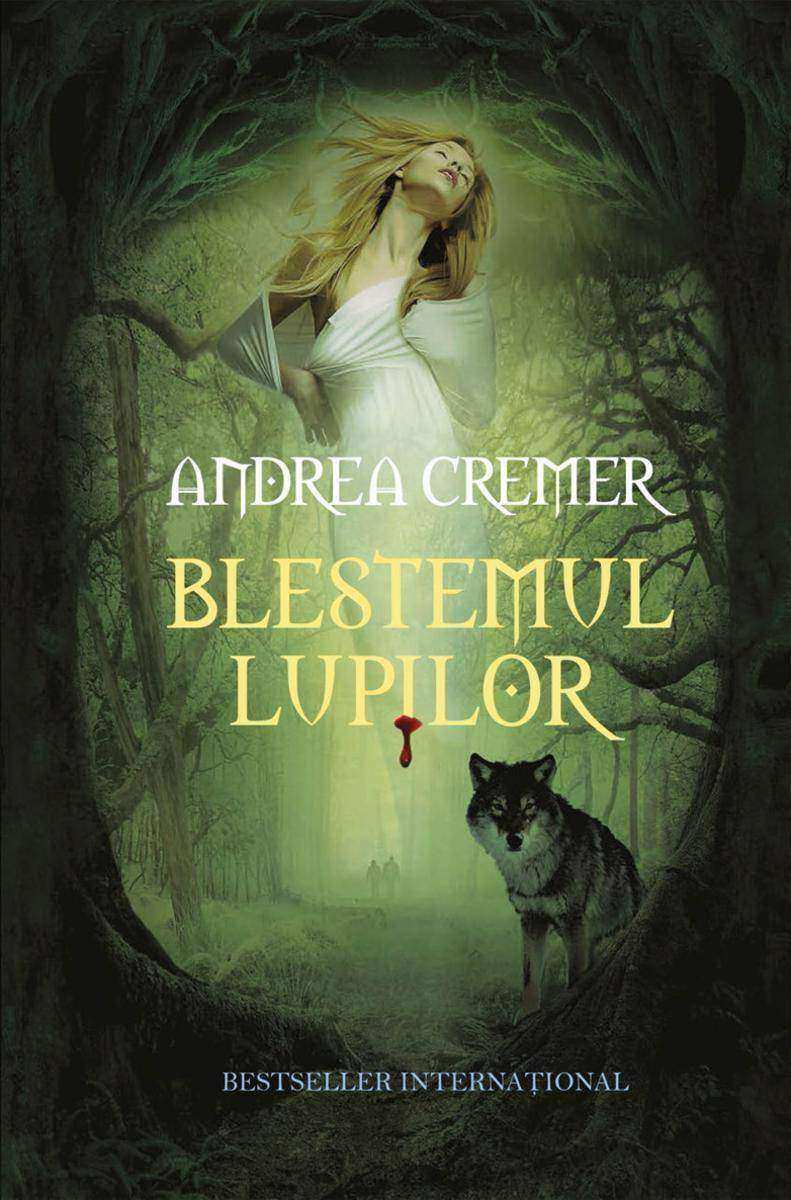
Blestemul lupilor
¥66.22
C?nd se treze?te ?n cartierul general al C?ut?torilor, du?manii ei dintotdeauna, Calla Tor este sigur? c? zilele ?i sunt num?rate. Dar C?ut?torii ?i fac o ofert? care ?i d? ?ansa de a-?i distruge fo?tii st?p?ni ?i de a-?i salva haita ?i partenerul, pe care a fost nevoit? s?-i abandoneze. Merit? oare Ren pre?ul libert??ii ei? ?i va r?m?ne Shay al?turi, orice s-ar ?nt?mpla? Lu?ndu-?i soarta ?n propriile m?ini, Calla trebuie s? ?nve?e ce b?t?lii merit? purtate ?i prin c?te ?ncerc?ri poate trece adev?rata dragoste f?r? s? se sting?.Merit? oare dragostea sacrificiul suprem? R?spunsul ?l vei g?si ?n ultima parte a trilogiei.?O poveste tulbur?toare, plin? de ac?iune, de suspans ?i, evident, de dragoste… ??i vei dori mai mult!“ – Romantic Times Book Reviews?O saga fantasy construit? inteligent, care te ?ine cu sufletul la gur?.“ – The Associated Press?Sexy ?i palpitant?.“ – Becca Fitzpatrick
The Merchant of Venice
¥8.82
The Merchant of Venice is a play by William Shakespeare, believed to have been written between 1596 and 1598. Although classified as a comedy in the First Folio, and while it shares certain aspects with Shakespeare's other romantic comedies, the play is perhaps more remembered for its dramatic scenes, and is best known for the character of Shylock. The title character is the merchant Antonio, not the Jewish moneylender Shylock, who is the play's most prominent and more famous villain. Though Shylock is a tormented character, he is also a tormentor, so whether he is to be viewed with disdain or sympathy is up to the audience (as influenced by the interpretation of the play's director and lead actors). As a result, The Merchant of Venice is often classified as one of Shakespeare's problem plays.
Bronte Sisters Complete Works – World’s Best Collection: 80+ Works of Charlotte
¥8.09
Bronte Sisters Complete Works World's Best Collection This is the world’s best Bronte Sisters collection, including the most complete set of Bronte’s works available plus many free bonus materials. Bronte Sisters The Bront?s were a nineteenth-century literary family consisting of Charlotte, Emily and Anne, all well known as poets and novelists. They originally published their poems and novels under masculine pseudonyms, following the custom of the times. Their stories immediately attracted attention for their passion and originality The ‘Must-Have’ Complete Collection In this irresistible collection you get the complete collection of all three Bronte’s work, with All of Charlotte Bronte, All of Anne Bronte and All of Emily Bronte, including All their novels and poetry. Plus Bonus Materials. Works Included:By Anne Bronte (as Acton Bell) Agnes Grey The Tenant Of Wildfell Hall By Charlotte Bronte (as Currer Bell) Jane Eyre Shirley Villette Professor By Emily Bronte (as Ellis Bell) Wuthering Heights Your Free Special Bonuses Historical Context and Literary Context Notes?- Detailed explanations of the Victorian Era and Victorian Literature written specially for this collection. Life Of Charlotte Bronte?By Elizabeth Gaskell Poetry Of All Three Bronte Sisters Scraps And Literary Remains?of Charlotte, Anne and Emily Bronte Get This Collection Right Now This is the best Bronte Sisters collection you can get, so get it now and start enjoying and being inspired by their world like never before!
Mo?tenitorii
¥41.37
„Romanele ?i povestirile lui Golding nu sunt numai parabole morale sobre ?i mituri întunecate despre for?ele distrug?toare ?i perfide ale r?ului, ci ?i istorii aventuroase, pline de farmec, ce pot fi citite ca atare, debordând de pl?cerea de a povesti, de inventivitate ?i suspans.“ – Comitetul Nobel „Compact ?i plin de vigoare… O poveste captivant?.“ – The New York Times Book Review „Golding a fost un scriitor […] cu o minunat? voca?ie epopeic?. [S-a priceput s? spun?] pove?ti originare, despre cum a înv??at omul s? vorbeasc?, despre izvoarele r?ului, despre straniile surse ale artei.“ – Malcom Bradbury Clasici moderni Litera pune laolalt? scriitori moderni ale c?ror opere au devenit deja repere clasice. Cele mai importante, mai provocatoare, mai emo?ionante, mai revolu?ionare opere din ultimii 125 de ani – c?r?i care vor continua s? fie citite de la o genera?ie la alta.
Portretul lui Dorian Gray
¥41.37
Kafka se pricepe s dezvluie pretutindeni lumina tinuit. Ai impresia c descoperi o mare nsorit, cu valuri ce sunt niri de lumin i n faa creia trebuie s nchizi, orbit, ochii, pentru a te adposti la umbr.“ (Max Brod) Kafka este cel mai mare scriitor de limb german al timpului nostru. Poei precum Rilke, romancieri precum Mann par fies pleasc n comparaie cu el, fie s radieze o lumin puternic, dar artificial.“ (Vladimir Nabokov) Poate cel mai interesant scriitor al generaiei sale... Un geniu straniu i deconcertant.“ (Edwin Muir) Cu ct opera e mai desvrit, cu att mai puin ne trimite ea spre autorul ei. [...] Franz Kafka este scriitorul care i-a consumat experiena de via n asemenea msur, nct referirea la biografie devine superflu.“ (Martin Walser)
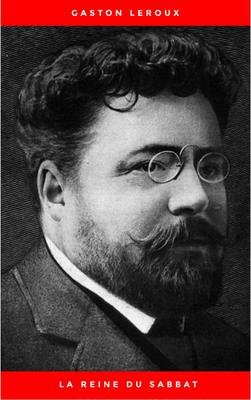
La Reine du Sabbat
¥8.82
L’action se passe dans un pays que l’auteur nomme Austrasie par pure convenance, car sa capitale est Vienne, on y parle allemand et la famille impériale est décimée par des deuils, dont une double mort à Mayerling. C’est dire que l’on est en Autriche et que l’auteur donne sa version très personnelle des drames qu’a réellement connus la dynastie des Habsbourg. Le livre a été écrit en 1911, alors que l’empereur Fran?ois-Joseph (Fran?ois tout court dans le texte) régnait encore et que ces deuils étaient tout récents, ce qui expliquerait la très relative pudeur de l’auteur. Il n’est pas possible de résumer ce roman sans en donner les clés et par là en g?cher irrémédiablement la lecture. Disons que c’est une histoire de vengeance et de mort, une histoire terriblement sanglante. L’assassinat qui constitue le prologue du livre n’est qu’un aspect, presque secondaire, de l’intrigue. Mais si le feuilleton ne compte plus les invraisemblances, si l’auteur a recours à tous les artifices les plus classiques du genre : sosies, portes secrètes, déguisements, talents extraordinaires des héros, il faut reconna?tre que l’histoire est remarquablement construite, se développe de fa?on à soutenir constamment l’intérêt du lecteur et que les épisodes s’embo?tent parfaitement les uns à la suite des autres.
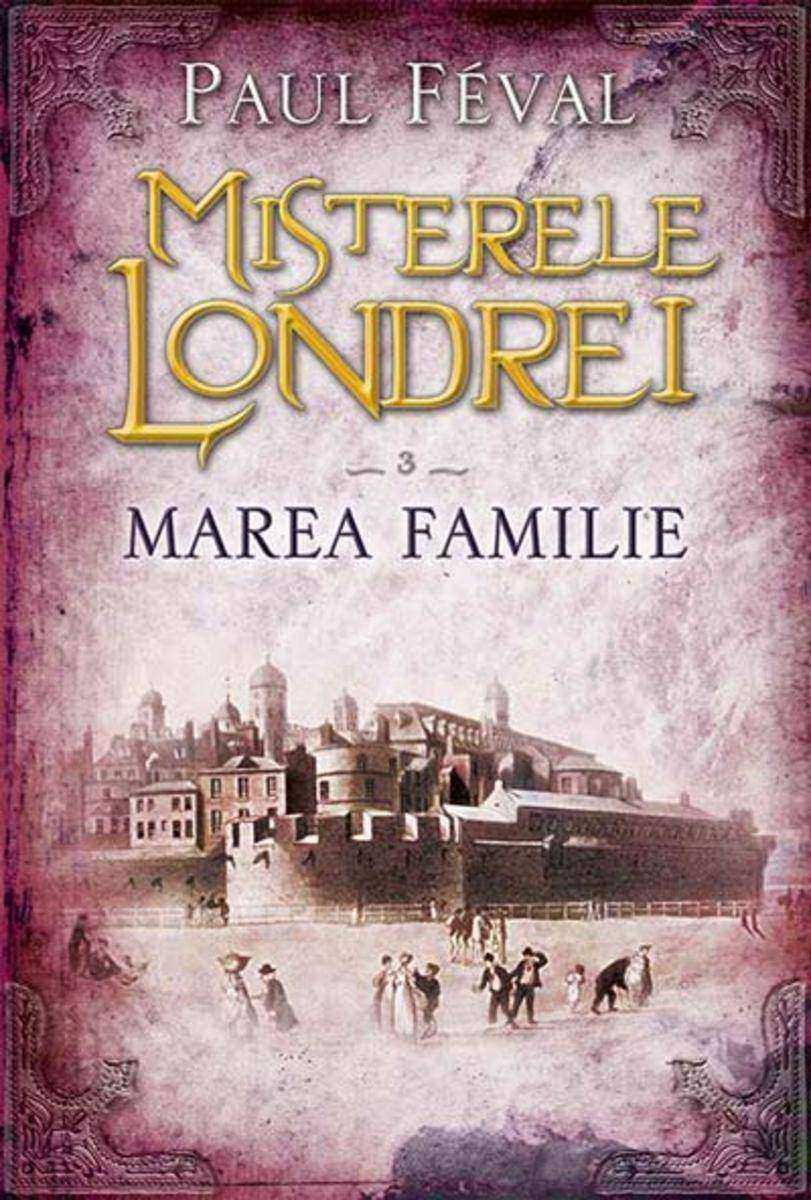
Marea familie
¥42.92
Cine-ar fi crezut c? lumea afacerilor poate fi at?t de fascinant? ?i plin? de dramatism? 350 de milioane de dolari investite ?ntr-un model de automobil plin de imperfec?iuni, f?r? s? fie g?sit m?car un responsabil pentru acest e?ec; ascensiunea spectaculoas? a unei mici companii produc?toare de h?rtie fotografic? p?n? la actualul gigant Xerox, ?nceput? de o m?n? de oameni care ?i-au riscat chiar ?i averea personal? pentru o inova?ie revolu?ionar?; b?t?lia titanic? dus? de Rezerva Federal? a Statelor Unite pentru ap?rarea lirei sterline de atacurile speculatorilor; sunt doar c?teva dintre exemplele ce arat? c?, ?n lumea afacerilor ?i a Wall Streetului, oamenii pot da dovad? fie de geniu, spirit de cooperare ?i ?n?elepciune, fie de ?nc?p???nare ?i lips? de ra?iune, indiferent de miza aflat? ?n joc. Un avertisment c? istoria se poate oric?nd repeta.
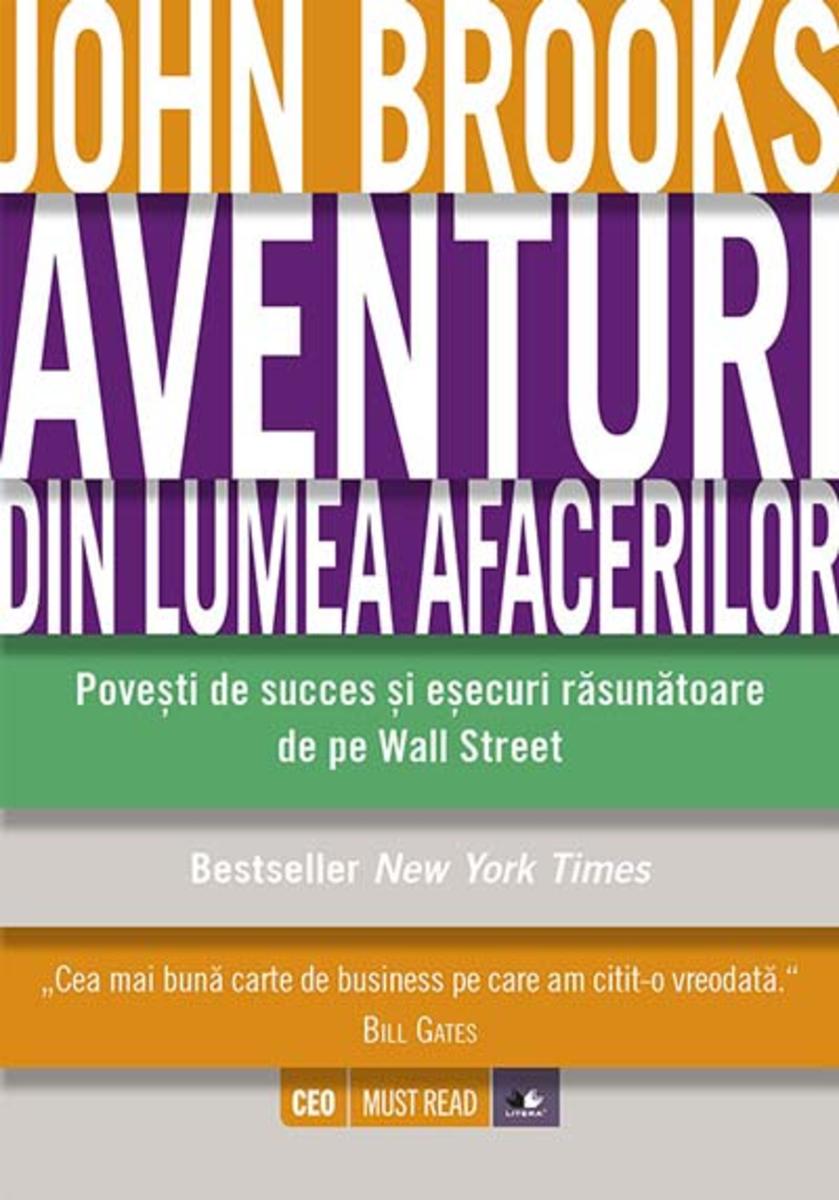
Aventuri din lumea afacerilor. Pove?ti de succes ?i e?ecuri r?sun?toare de pe Wa
¥86.00
Bazat? pe studii ?tiin?ifice care au demonstrat c?t de periculos este zah?rul De ce m?nc?m at?t de mult zah?r? Care sunt pericolele sale ascunse? Ce putem face pentru a renun?a la dependen?a de el? Savantul John Yudkin a fost primul care a demonstrat ?tiin?ific c? zah?rul este nociv pentru s?n?tatea noastr?, avertiz?nd despre leg?tura dintre acesta ?i cariile dentare, gut?, afec?iunile autoimune, boala coronarian? ?i cancer. Cartea sa ne arat? c? zah?rul, aflat ?n cantit??i din ce ?n ce mai mari ?n alimenta?ia noastr?, nu este deloc un pericol de neglijat. Un avertisment valabil ?n prezent mai mult dec?t oric?nd. ?O ?ncercare curajoas? de a ne avertiza cu privire la pofta noastr? de dulce.“ – The British Medical Journal

Vrtoglave godine: Europa, 1900.–1914.
¥207.99
Biografia sugereaz?, ?n chip aproape inevitabil, prin relatarea cronologic? a faptelor vie?ii acelui individ, ?ncep?nd de la na?tere ?i continu?nd cu experien?ele tr?ite pe parcursul anilor, c? evenimentele respective au avut o importan?? mai larg?, mai cuprinz?toare dec?t cele ale unui om oarecare, c? au contribuit, ?ntr-un fel sau altul, la scrierea istoriei acelor vremuri. ?n cazul lui Napoleon Bonaparte, merit? s? ne aplec?m ?i asupra mitologiei, ad?ug?nd-o impresiei generale, create de-a lungul deceniilor de nenum?ra?i istorici ?i biografi, conform c?reia ceea ce a contat ?n principal a fost omul ?nsu?i, viziunile ?i ambi?iile sale, ?i nu vremurile ?n care a tr?it ori circumstan?ele ?nt?lnite ?n cale. Pu?ine personaje istorice s-au bucurat de at?ta notorietate ?i de at?tea scrieri dedicate ?i pu?ine au fost descrise ?ntr-o manier? at?t de subiectiv?, prezent?nd ?ntrega istorie a epocii de parc? ar fi fost o reflectare a voin?ei ?i a dorin?ei de putere ?i de glorie a unui singur om. Din acest motiv poate c? ar fi mai ?n?elept ca, ?nainte de orice, s? ne oprim un pic ?i s? ?ncepem aceast? carte cu un soi de avertisment.
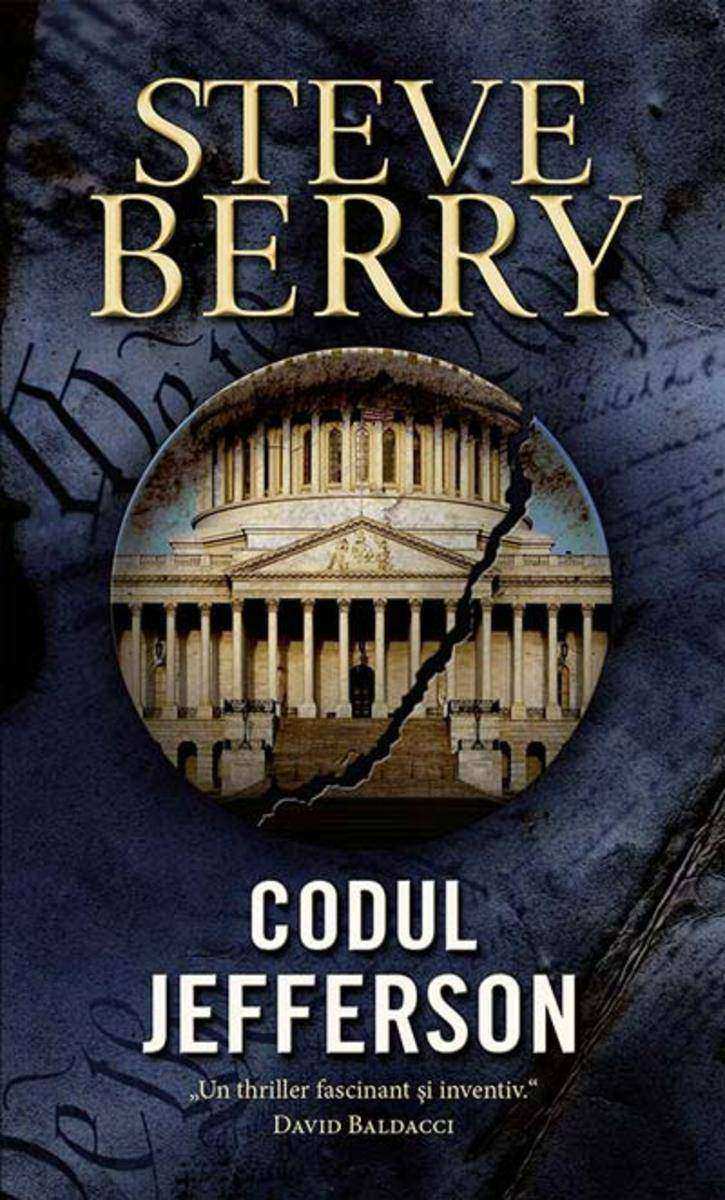
Codul Jefferson
¥73.41
Al Doilea R?zboi Mondial nu va ajunge niciodat? s?-?i dezv?luie ?ntreaga groz?vie. ?n spatele faptelor de arme, al atrocit??ilor ?i al crimelor monstruoase comise ?mpotriva civililor se ascunde o alt? realitate. Aceea a miilor de femei sovietice trimise pe front ?mpotriva inamicului nazist. Svetlana Aleksievici ?i-a dedicat ?apte ani din via?? colect?rii m?rturiilor unor femei care, multe dintre ele, la momentul acela erau abia ie?ite din copil?rie. Dup? primele sentimente de euforie, asist?m la o schimbare radical? de ton, pe m?sur? ce ajungem la ?ncercarea fatal? a luptei, ?nso?it? de partea sa de ?ntreb?ri ?i de suferin??. Abandon?nd t?cerea ?n care ?i-au g?sit refugiul, aceste femei ?ndr?znesc, ?n sf?r?it, s? prezinte r?zboiul a?a cum l-au tr?it. ?Svetlana Aleksievici este unul dintre cei mai valoro?i scriitori ai vremurilor noastre. Proza ei nu este feminin?, ci aspr? precum r?zboiul […], dar, prin expresivitatea ei, devine artistic?, palpabil?, profund emo?ionant?.” – Vladimir Voinovici
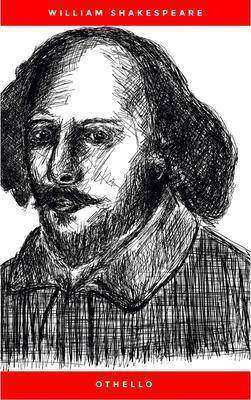
Othello, The Moor of Venice
¥9.00
Othello, The Moor of Venice is a tragedy by William Shakespeare based on the short story "Moor of Venice" by Cinthio, believed to have been written in approximately 1603. The work revolves around four central characters: Othello, his wife Desdemona, his lieutenant Cassio, and his trusted advisor Iago. Attesting to its enduring popularity, the play appeared in 7 editions between 1622 and 1705. Because of its varied themes — racism, love, jealousy and betrayal — it remains relevant to the present day and is often performed in professional and community theatres alike. The play has also been the basis for numerous operatic, film and literary adaptations.


