


 购物车
购物车 个人中心
个人中心
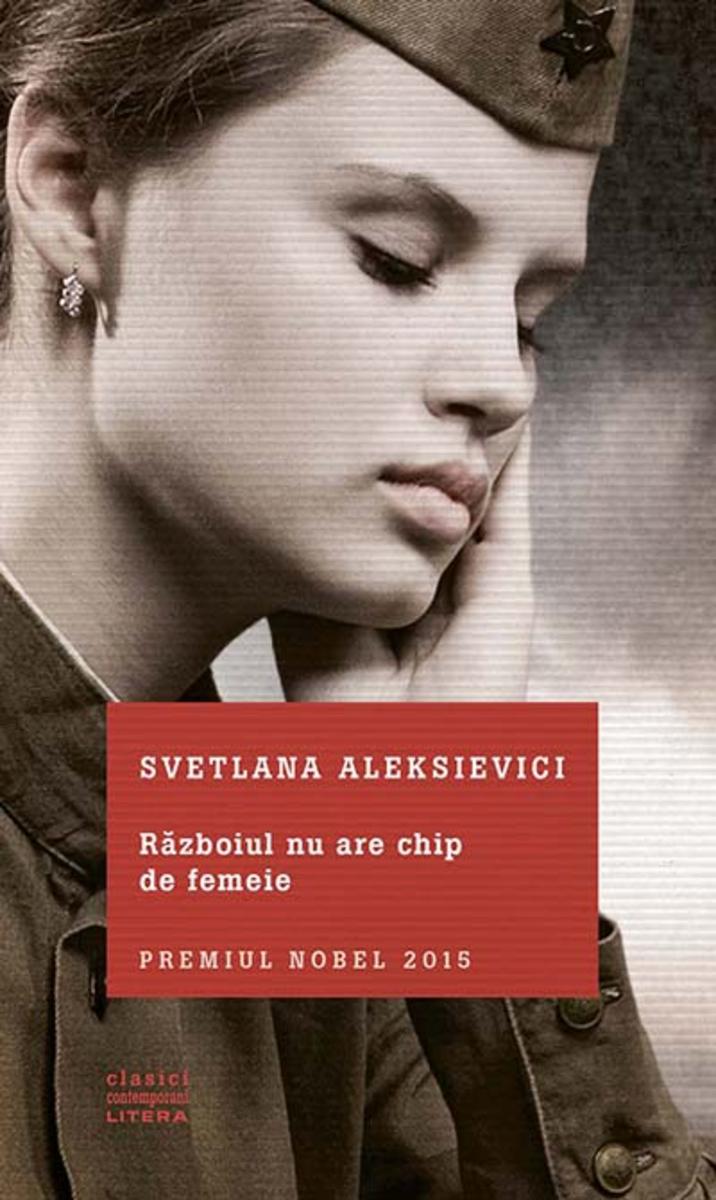
R?zboiul nu are chip de femeie
¥51.50
Cum s? dezvolt?m poten?ialul real al copiilor no?tri ?Strategii pentru a ne ajuta copiii s? interac?ioneze cu succes cu al?i copii, cu profesorii ?i cu membrii familiei.“ – Kirkus Reviews Dezvoltarea motiva?iei Construirea rela?iilor Gestionarea sensibilit??ii Gestionarea cooper?rii ?i a competi?iei Atitudinea fa?? de autoritate Copiii no?tri, de?i inteligen?i, pot avea dificult??i la ?coal? ?i ?n via?? din diverse motive: fie sunt perfec?ioni?ti, fie se tem de efort, fiind obi?nui?i cu succesele imediate, fie au dificult??i ?n a se ?n?elege cu cei de v?rsta lor. Cartea de fa?? reprezint? o solu?ie concis? ?i plin? de idei practice, pe care le putem folosi pe m?sur? ce copiii cresc ?i se dezvolt?. Strategiile descrise de autori, psihologi cu experien??, pot fi puse ?n aplicare ?n via?a de zi cu zi, ajut?ndu-i pe copii s? ??i gestioneze sentimentele, s? le plac? ?nv???tura ?i s? ??i construiasc? rela?ii armonioase, pentru o via?? ?mplinit?.
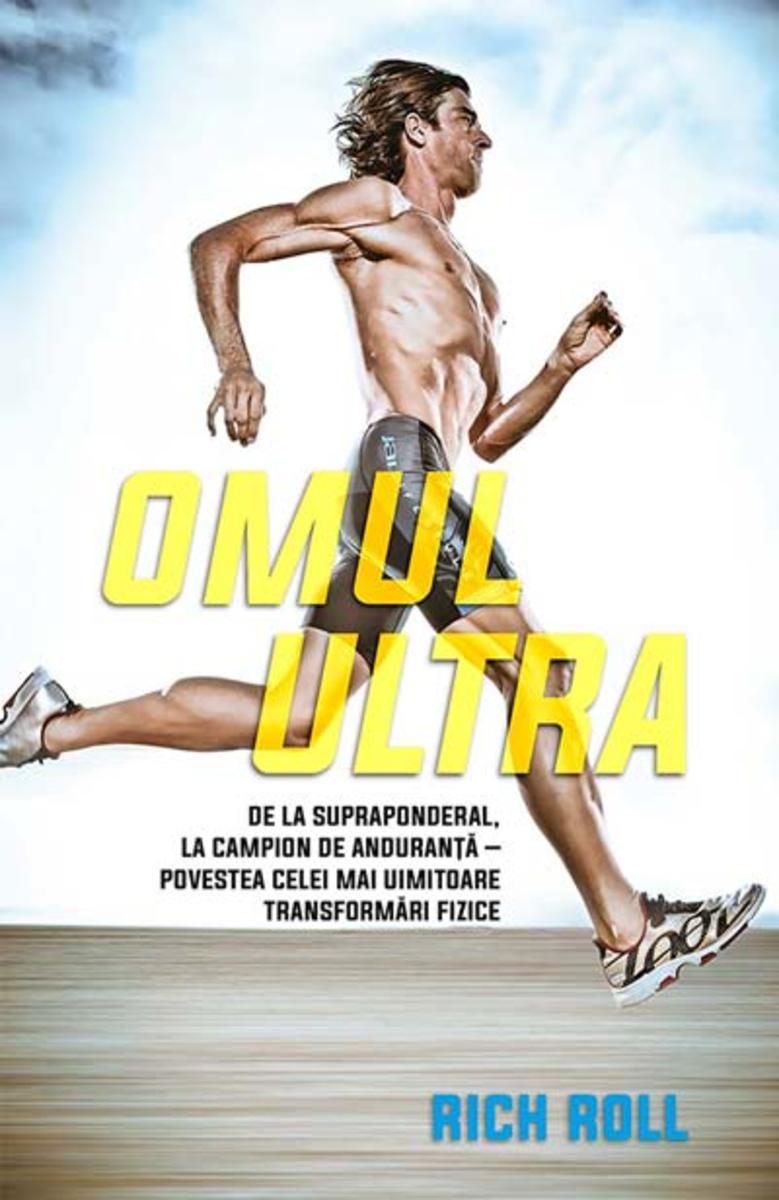
Omul ultra. De la supraponderal, la campion de anduran??
¥60.17
Cartea care a schimbat vie?ile a milioane de oameni Jocul A?adar, vedem c?, pentru a juca cu succes jocul vie?ii, trebuie s? ne antren?m facultatea de a ne imagina. Un om cu aceast? abilitate, antrenat s? ??i imagineze doar binele, va atrage ?n via?a sa ?toate dreptele dorin?e ale inimii“ – s?n?tate, bog??ie, iubire, prieteni, expresia perfect? a sinelui, idealurile cele mai ?nalte. Imagina?ia a fost supranumit? ?foarfeca min?ii“, care taie ?i taie, zi dup? zi, imaginile v?zute, iar omul ??i ?nt?lne?te propriile crea?ii, mai devreme sau mai t?rziu, ?n lumea exterioar?. Pentru a ?i antrena cu succes imagina?ia, omul trebuie s? ?n?eleag? cum ?i func?ioneaz? mintea. Grecii au spus ?Cunoa?te te pe tine ?nsu?i!“ Exist? trei planuri ale min?ii: subcon?tientul, con?tientul ?i supracon?tientul. Subcon?tientul este, pur ?i simplu, putere f?r? direc?ie. El este ca aburul sau electricitatea ?i face ceea ce este direc?ionat s? fac?; el nu are putere s? influen?eze. Tot ceea ce omul simte profund sau imagineaz? cu claritate este imprimat ?n subcon?tient ?i este executat ?n cele mai mici detalii. Iubirea Adev?rata iubire este dezinteresat? ?i eliberat? de team?. Ea se revars? asupra obiectului afec?iunii ei f?r? a cere nimic ?n schimb. Bucuria ei se g?se?te ?n bucuria de a d?rui. Iubirea este Dumnezeu manifestat ?i cea mai puternic? for?? magnetic? din univers. Iubirea pur?, lipsit? de egoism, atrage ceea ce ?i apar?ine; nu trebuie s? caute sau s? cear?. Foarte pu?ini au o vag? idee despre adev?rata iubire. Omul este egoist, tiranic ?i tem?tor ?n afec?iunile lui, pierz?nd astfel obiectul iubirii lui. Gelozia este cel mai r?u du?man al iubirii, c?ci imagina?ia se dezl?n?uie?te, v?z?nd fiin?a iubit? atras? de altcineva, ?i, inevitabil, aceste temeri devin realitate dac? nu sunt neutralizate.
Henry IV, Part 1
¥9.00
Henry IV, Part 1 is a history play by William Shakespeare, believed to have been written no later than 1597. It is the second of Shakespeare's tetralogy that deals with the successive reigns of Richard II, Henry IV (2 plays), and Henry V. Henry IV, Part 1 depicts a span of history that begins with Hotspur's battle at Homildon against the Douglas late in 1402 and ends with the defeat of the rebels at Shrewsbury in the middle of 1403. From the start it has been an extremely popular play both with the public and the critics.
The Merry Wives of Windsor
¥8.82
The Merry Wives of Windsor is a comedy by William Shakespeare, first published in 1602, though believed to have been written prior to 1597. It features the fat knight Sir John Falstaff, and is Shakespeare's only play to deal exclusively with contemporary Elizabethan era English middle class life. It has been adapted for the opera on occasions.

Parada de Pa?te
¥51.50
O ?nt?lnire ?nt?mpl?toare ?ntre dou? femei singure, de condi?ii diferite, duce la o poveste de dragoste pasional? ?n acest roman-cult scris de Patricia Highsmith. Therese, o t?n?r? v?nz?toare ?ntr-un mare magazin, care viseaz? la o via?? mai bun?, ?i Carol, o femeie ?nst?rit? aflat? ?n mijlocul unui divor? amar, abandoneaz? rutina ap?s?toare de zi cu zi, aleg?nd libertatea de a c?l?tori ?i dragostea neconven?ional?. Dar fericirea nou descoperit? este spulberat? atunci c?nd Carol este obligat? s? aleag? ?ntre feti?a ei ?i noua sa iubit?... ?Un roman despre c?utarea dragostei ?i a adev?ratei fericiri, scris ?ntr-un stil vibrant ?i plin de tensiune.” The Sunday Times ?O carte care pune ?n discu?ie un subiect exploziv, cu sinceritate ?i bun-gust.” New York Times ?Are tensiunea unui thriller ?i farmecul unei pove?ti de dragoste.” Val McDermid Romanul Carol a fost ecranizat de regizorul Todd Haynes ?ntr-un film de excep?ie, cu Cate Blanchett ?i Rooney Mara ?n rolurile principale.
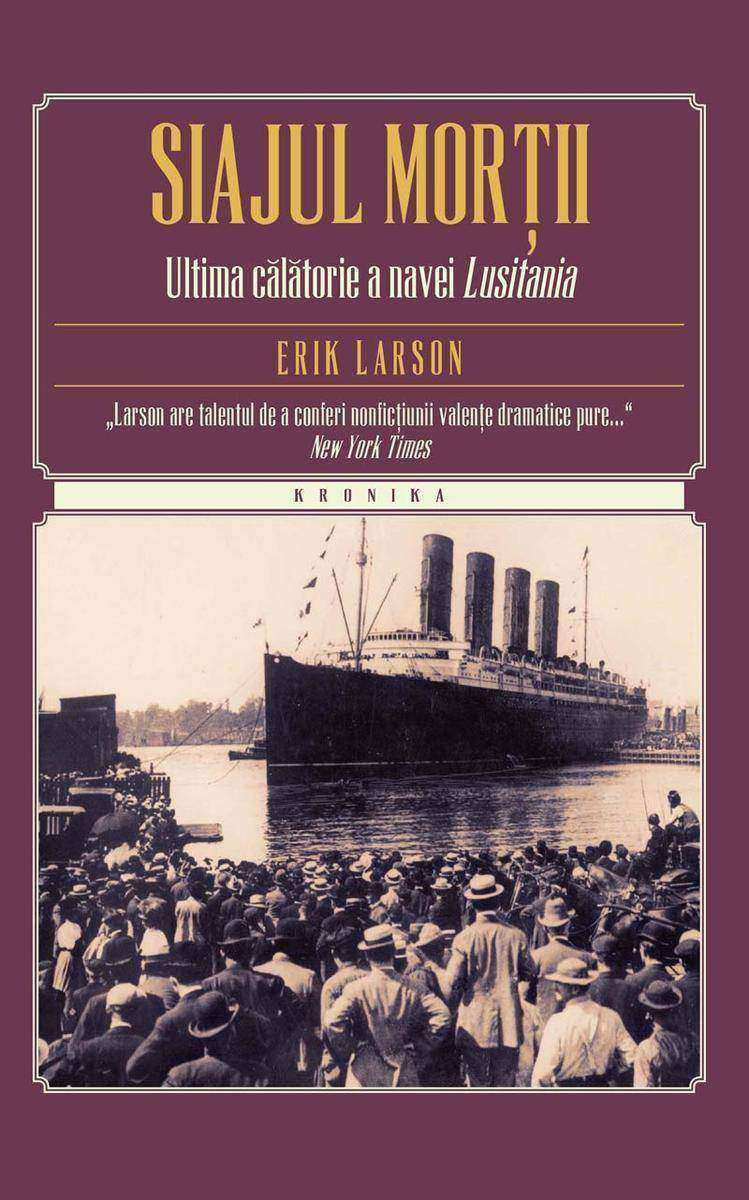
Siajul mor?ii. Ultima c?l?torie a navei Lusitania
¥68.75
i-a dorit o aventur. Dar nu i-a imaginat c va ajunge att de departe. Totul ncepe cu un reality-show. Doisprezece concureni sunt trimii n pdure pentru a fi supui unor provocri extrem de dure. n rstimp, lumea e devastat de o catastrof, despre care, izolai de societate, concurenii nu tiu nimic. Cnd d ntmpltor peste anumite indicii, tnra Zoo, una dintre participante, i imagineaz c totul face parte din joc. Singur i dezorientat, ea refuz totui s se dea btut. Ptrunznd tot mai adnc ntr-un teritoriu necunoscut, Zoo i testeaz toate abilitile de supravieuire. Dar, pe msur ce puterile i scad, ea ncepe s neleag c lumea real s-a schimbat n mod neateptat i c viaa ei depinde acum de capacitatea de a dezlega aceast enigm. Sofisticat i provocator, Supravieuitoarea pune n discuie rolul jucat de mass-media n mecanismul prin care desprim realitatea de nchipuire: ct de pripit emitem judeci de valoare i ct de uor ne lsm manipulai. n Supravieuitoarea, dou dintre obsesiile noastre contemporane – ameninarea unei catastrofe globale i drama reality-show-urilor – se contopesc ntr-o poveste plin de imaginaie despre psihicul uman afectat de stres. Un debut lipsit de compromisuri i provocator.” Justin Cronin Romanul Alexandrei Oliva este, la fel ca Jocurile foamei, plin de suspans i profund tulburtor.” Rosamund Lupton
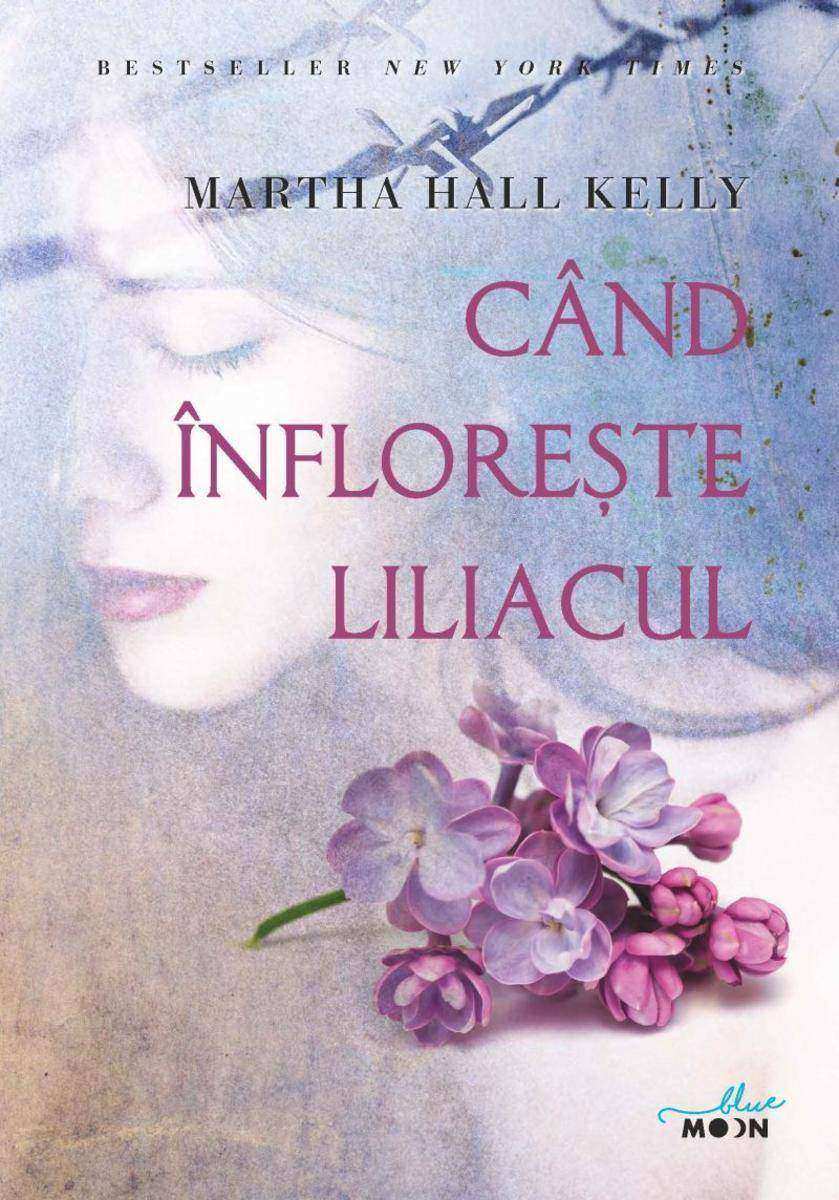
C?nd ?nflore?te liliacul
¥68.75
G?nde?ti exagerat de mult ?nainte de a ac?iona? E?ti ?nclinat s? faci previziuni negative? ??i faci griji c? e posibil s? se ?nt?mple ce poate fi mai r?u? Te afecteaz? prea tare feedbackul negativ? E?ti foarte autocritic? Dac? r?spunsul este afirmativ, suferi de anxietate. Vestea bun? este c? po?i ?nv??a s? ??i gestionezi capcanele anxiet??ii – ezitarea excesiv? ?nainte de a ac?iona, reflectarea ?ndelungat? ?i ?ngrijorarea, perfec?ionismul paralizant, teama de feedback ?i critic? ?i evitarea (inclusiv procrastinarea). R?spunde mai ?nt?i la chestionarele care te vor ajuta s? apreciezi ?n ce stadiu te afli ?n raport cu un blocaj specific anxiet??ii, apoi afl? ce schimb?ri de g?ndire ?i modific?ri comportamentale ??i recomand? autoarea. Bazate pe principiile terapiei cognitiv?comportamentale, acestea pot fi folosite ?n via?a de zi cu zi pentru a dep??i blocajele ?i a avea succes ?n rela?ii, at?t ?n via?a personal?, c?t ?i ?n cea profesional?.
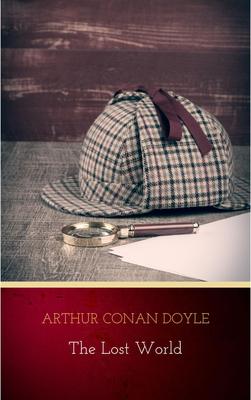
The Lost World
¥8.82
The Lost World is a novel released in 1912 by Arthur Conan Doyle concerning an expedition to a plateau in South America where prehistoric animals (dinosaurs and other extinct creatures) still survive. The character of Professor Challenger was introduced in this book. Interestingly, for a seminal work of dinosaur-related fiction, the animals only occupy a small portion of the narrative. Much more time is devoted to a war between early human hominids and a vicious tribe of ape-like creatures.
Cum s? scapi de anxietate
¥51.50
De peste 160 de ani, impozanta Cavendon Hall este re?edin?a a dou? familii ale c?ror destine s-au ?ntrep?truns inexorabil: aristocra?ii Ingham ?i slujitorii lor loiali, membrii familiei Swann Charles Ingham, al ?aselea conte de Mowbray, locuie?te aici cu so?ia lui Felicity ?i cu cei ?ase copii. Lady Daphne, cea mai frumoas? dintre cele patru fiice ale contelui, se preg?te?te s?-?i fac? debutul ?n ?nalta societate, iar acest eveniment capteaz? aten?ia ?ntregii familii. ?ns? cineva ?i-a pus ?n g?nd s? distrug? totul ? ?i a ales cel mai crud mod cu putin??. Consecin?ele pot fi dezastruoase at?t pentru via?a ?i reputa?ia frumoasei tinere, c?t ?i pentru ?ntreaga familie ?i pentru numele de Ingham. Re?ntoarcerea lui Hugo Ingham Stanton, v?rul primar al contelui, alungat de la Cavendon Hall cu ?aisprezece ani ?n urm? de c?tre propria mam?, va fi pentru Lady Daphne nu numai o salvare providen?ial?, ci ?i g?sirea unei iubiri pentru o via??. Sub amenin?area Primului R?zboi Mondial, familiile Ingham ?i Swann vor fi supuse unor ?ncerc?ri pe care nu le-ar fi crezut niciodat? posibile – loialit??i vor fi puse sub semnul ?ntreb?rii, secrete vor fi dezv?luite ?i iubiri vor fi tr?date. ?n acele vremuri pline de incertitudini, un singur lucru este sigur: pentru cele dou? familii, via?a nu va mai fi niciodat? la fel. Roman a c?rui ac?iune se desf??oar? pe o perioad? de ?aisprezece ani, ?ntre 1913 ?i 1929, Cavendon Hall nu-i va dezam?gi pe cititorii Barbarei Taylor Bradford. ?Fani Downton Abbey, preg?ti?i-v?! Ac?iunea urm?torului bestseller al Barbarei Taylor Bradford se petrece ?n Anglia edwardian?, unde membrii familiei Swann i-au slujit cu credin?? pe aristocra?ii Ingham vreme de secole. Dar, odat? cu Primul R?zboi Mondial, totul se schimb?…” Library Journal ?Barbara Taylor Bradford scrie o saga clasic? despre loialit??i, secrete, pasiuni ?i intrigi. O carte pentru fanii Downton Abbey.” Mail Online ?n cele aproape patru decenii de carier?, Barbara Taylor Bradford a scris 35 de bestselleruri, v?ndute ?n 92 de milioane de exemplare, ?n 90 de ??ri ?i traduse ?n 40 de limbi. Zece dintre romanele sale au fost ecranizate, bucur?ndu-se, ca ?i c?r?ile, de un succes remarcabil.
The Sign of the Four
¥8.82
First published in 1890, The Sign of Four is Sir Arthur Conan Doyle's second book starring legendary detective Sherlock Holmes. The story is complex, involving a secret between four ex-cons from India and a hidden treasure. More complex than the first Holmes novel, The Sign of Four also introduces the detective's drug habit and leaves breadcrumbs for the reader that lead toward the final resolution.

Through the Magic Door
¥8.82
Through the Magic Door (1907) is an essay by Arthur Conan Doyle: his subject is the charisma and charm of books. Doyle invites readers to enjoy the greatest minds of all times through what they have left behind and argues that, when we read, the selfishness and hopelessness of the world can be left behind.
The Orange Fairy Book
¥8.82
Andrew Lang's Fairy Books — also known as Andrew Lang's "Coloured" Fairy Books or Andrew Lang's Fairy Books of Many Colors — are a series of twelve collections of fairy tales, published between 1889 and 1910.
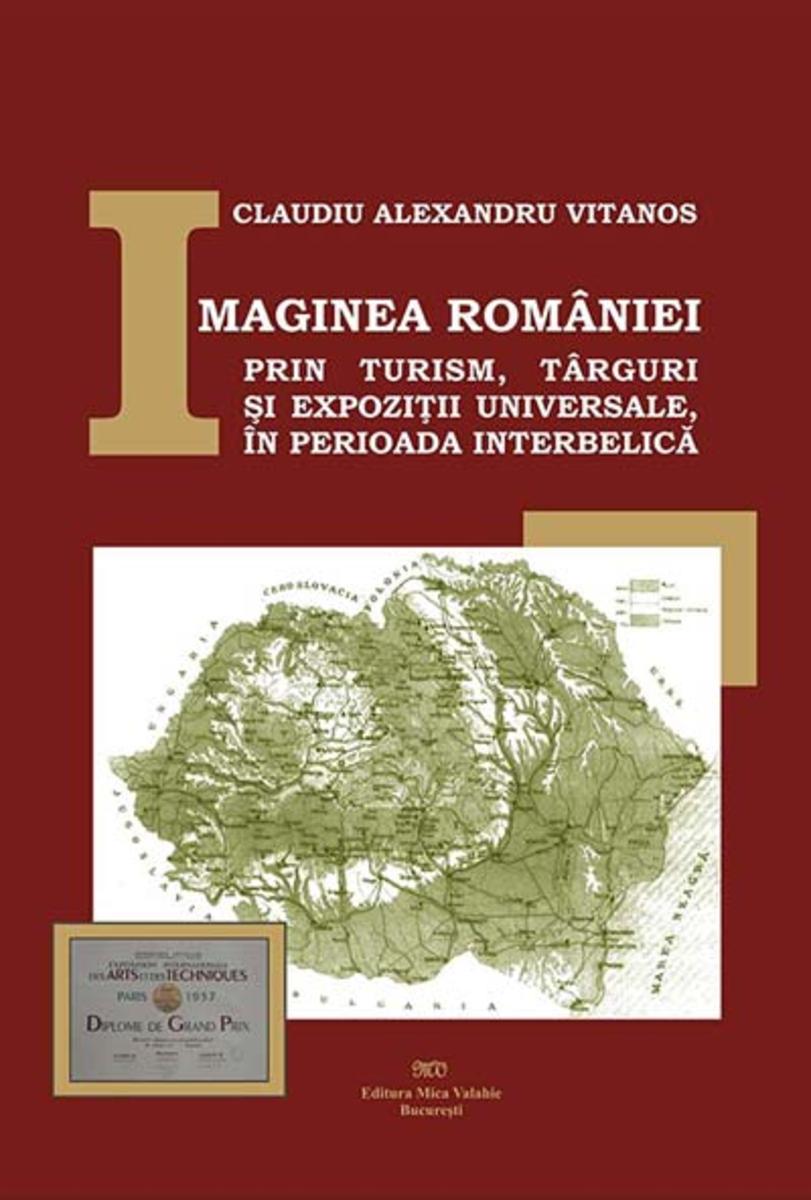
Imaginea Rom?niei prin turism, t?rguri ?i expozi?ii universale, ?n perioada inte
¥147.07
Anna Benz aminte?te de Karenina, combin?nd ?n plus senzualitatea periculoas? din 50 de umbre ale lui Grey ?i disperarea Doamnei Bovary.Anna Benz, o americanc? ?n v?rst? de aproape 40 de ani, locuie?te cu so?ul s?u elve?ian, Bruno – care este bancher – ?i cei trei copii mici ai lor ?ntr-un or??el lini?tit de l?ng? Zürich. De?i duce o via?? prosper? ?i a?ezat?, Anna simte c? e ?n pragul unui colaps mental. ?n deriv? ?i incapabil? s? comunice cu so?ul ei ?i s?-?i ?n?eleag? propriile g?nduri ?i sentimente, Anna ?ncearc? s?-?i reg?seasc? entuziasmul cu ajutorul unor experien?e noi: cursuri de german?, analiz? jungian? ?i o serie de aventuri sexuale ?n care intr? cu o non?alan?? ce o uime?te p?n? ?i pe ea.Dar situa?ia devine tot mai ap?s?toare ?i v?rtejul de minciuni ?i scap? de sub control.Pentru c? a trecut dincolo de limitele moralei, Anna va descoperi c? nu mai exist? ?ntoarcere.“Un roman de debut despre Anna, o casnic? plictisit? care, asemenea eroinei cu acela?i nume din romanul lui Tolstoi, se arunc? ?ntr-o aventur? psihologic? ?i sexual? a autocunoa?terii.“ - The Oprah MaMagazine“Senzual ?i profund, acest roman extraordinar de bine scris dezv?luie sufletul sf??iat al unei femei.“ - People“Cartea lui Essbaum e construit? impecabil, meticulos, iar alternan?a trecut-prezent e redat? cu mare virtuozitate.“ - Chicago Tribune“?n copil?rie visam s? ajung o romancier? faimoas?. Scriam pove?ti care erau minunate, a?a cum sunt inven?iile copil?riei, dar sunau ?ngrozitor. Mai t?rziu mi-am dat seama c? m? pricep la jocul poeziei, apoi versurile au devenit paragrafe…“ - Jill Alexanander Essbaum
Helen of Troy
¥8.82
In Greek mythology, Helen, better known as Helen of Sparta or Helen of Troy, was daughter of Zeus and Leda, wife of king Menelaus of Sparta and sister of Castor, Polydeuces and Clytemnestra. Her abduction by Paris brought about the Trojan War. Helen was described as having the face that launched a thousand ships. Helen or Helene is probably derived from the Greek word meaning "torch" or "corposant" or might be related to "selene" meaning "moon".
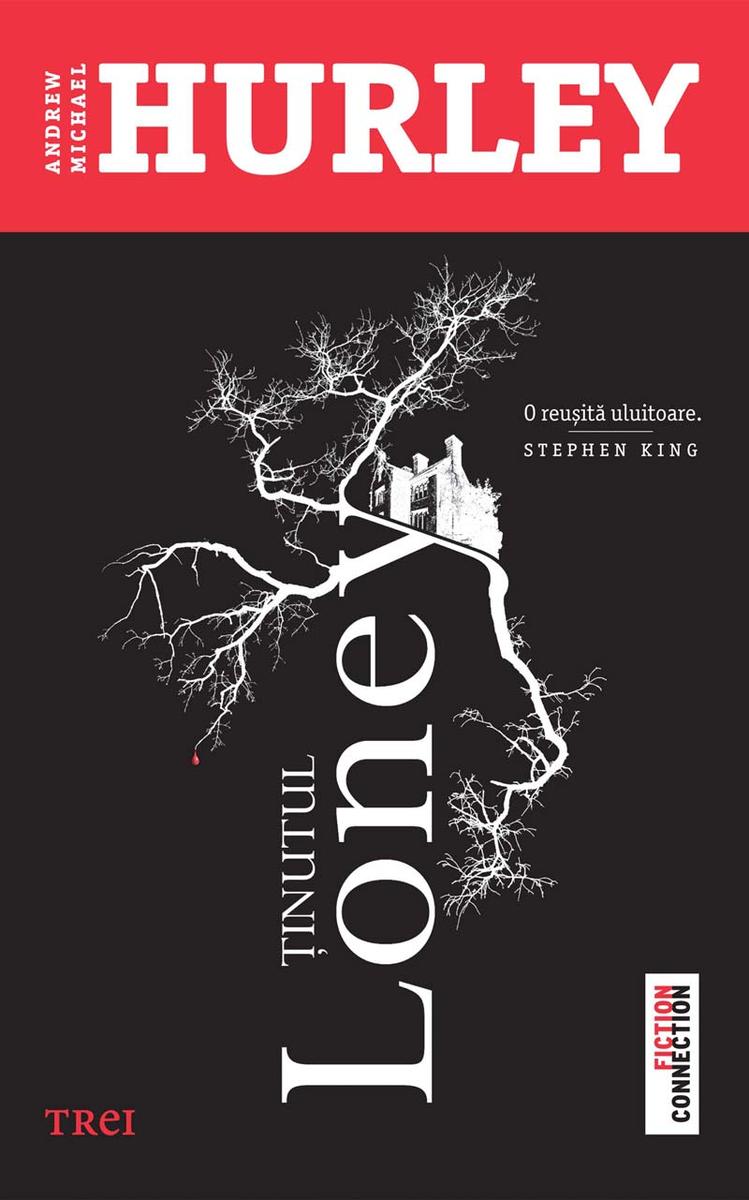
?inutul Loney
¥73.49
Fanii primului volum din trilogia Alb?-ca-z?pada au motive de bucurie: Lumikki Andersson, adolescenta ciudat? ?i rebel?, vine cu o nou? poveste!Lumikki c?l?tore?te la Praga, unde o cunoa?te pe Zelenka. Aceasta ?i dezv?luie c? este sora ei, iar povestea i se pare veridic? lui Lumikki.?n scen? apare ?i Jiri, reporter la canalul de ?tiri Super8. ?mpreun? cu el, Lumikki ?ncearc? s? afle adev?rul legat de secta numit? Familia Alb?, din care face parte ?i Zelenka. Liderul sectei, Adam, pune la cale sinuciderea ?n mas? a membrilor acesteia.Lucrurile se precipit?, iar finalul aduce dezv?luiri surprinz?toare ?i ?nc? o lec?ie de via?? pentru Lumikki: fiecare om are o latur? ascuns? ?i inocen?a nu e ne?ntinat? ca z?pada.?Salla Simukka e o t?n?r? autoare extraordinar de talentat?. Trilogia Alb?-ca-Z?pada poate sta al?turi de cele mai dure thrillere nordice ?i are o eroin? nonconformist? pe m?sur?. ?n tu?e de ro?u, alb ?i negru, povestea lui Lumikki are o aur? de magie ?nghe?at?.“ – Kirkus Reviews?Lumea pe care o creeaz? Salla Simukka are un farmec exotic aparte. Finlanda, cu peisajele ?i locuitorii ei, r?m?ne un ?inut misterios, ?nc?rcat de legend?.“ – Publishers Weekly?Lumikki privea acum str?lucirea soarelui ?i albul norilor, g?ndindu-se c?, de?i c?l?toria nu-i d?duse vreun r?spuns la ?ntreb?rile trecutului, g?sise indicii. Era mai sigur? ca niciodat? c? Zelenka se apropiase surprinz?tor de adev?r. Visele ?i amintirile lui Lumikki erau adev?rate. Zelenka i le trezise, prin minciuna ei. Lumikki ?tia c? nu ??i imaginase jocul de-a Alb?-ca-Z?pada ?i Ro?ie-ca-Trandafirul. Totul se ?nt?mplase cu adev?rat.C?ndva, avusese o sor?.“
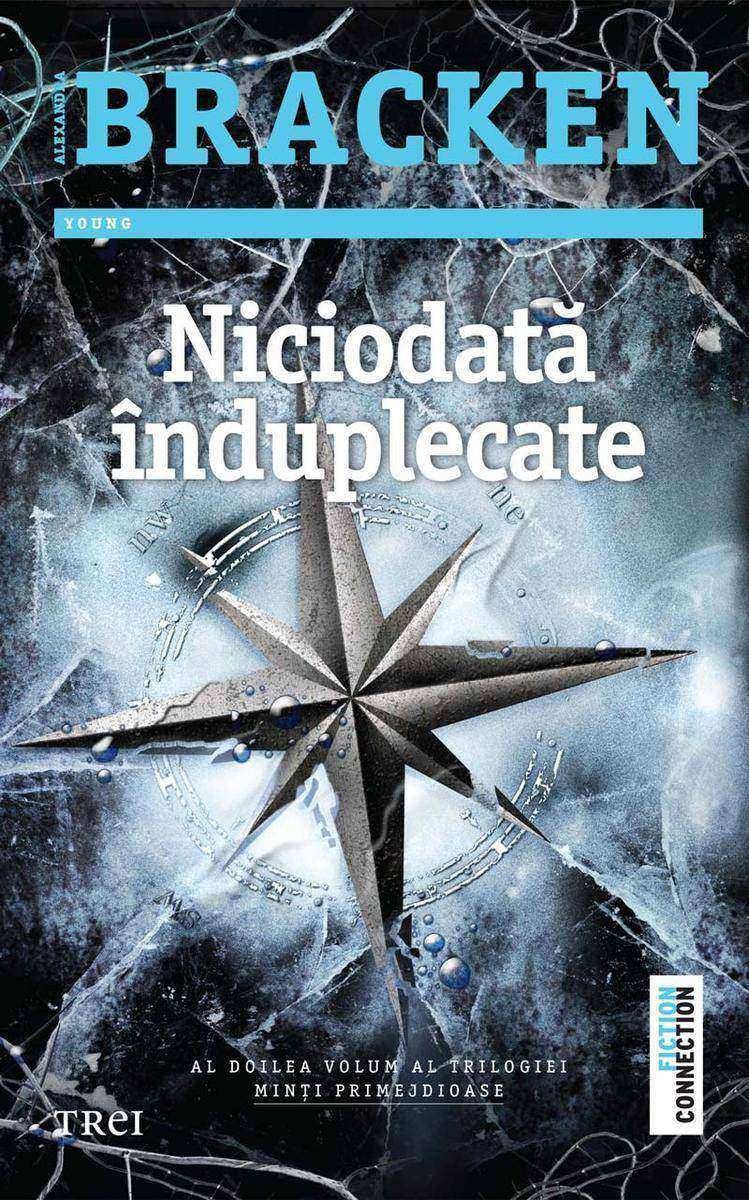
Niciodat? ?nduplecate. Al doilea volum al trilogiei Min?i primejdioase
¥106.19
Fascinant – cea mai bun lucrare de istorie militar din ultimii ani i o analiz edificatoare a disputelor care continu s mocneasc amenintor i azi. O carte extraordinar sub toate aspectele." – The New York Times O relatare palpitant i revelatoare a uneia dintre cele mai zbuciumate i legendare perioade din istoria secolului al XX-lea – Revolta Arab i marele joc" secret de a controla Orientul Mijlociu. CARTE INCLUS PE LISTA CELOR MAI BUNE TITLURI ALE ANULUI DE New York Times Christian Science Monitor NPR Seattle Times St. Louis Dispatch Chicago Tribune American Library Association Bazat pe cercetri extinse i intense, munc asidu n arhive, Lawrence n Arabia aduce o nou perspectiv asupra modului n care s-a configurat lumea Orientului Mijlociu. Cu o aciune de proporii epice, portretizri expresive, accente critice n condamnarea distrugerilor provocate de comploturile coloniale europene, volumul surprinde strlucit felul n care nesbuina trecutului declaneaz suferina prezentului. Printre numeroasele istorii individuale din Primul Rzboi Mondial care vor fi povestite i repovestite n cadrul centenarelor commemorate ntre 2014 i 2018, cea a lui T.E. Lawrence iese n eviden… Cartea lui Anderson nu putea fi mai oportun. Acum, cnd atenia ntregii lumi se concentreaz asupra Siriei i Egiptului, este uluitor s priveti n urm cu o sut de ani i s vezi un tablou asemntor…. Apelnd la o distribuie bogat, Anderson reuete s exploreze haosul din Orientul Mijlociu de la nceputul secolului al XX-lea dintr-o varietate de perspective distincte i revelatoare totodat. O mrturie captivant, de o mare complexitate i profunzime. – The New York Times Book Review Vast, hipnotic i – s ndrznim s o spunem – cinematografic n detaliu, Lawrence n Arabia ilustreaz modul n care biografia i istoria se poteneaz reciproc. – The Wall Street Journal Absorbii de mcelul ce avea loc n traneele Europei n Primul Rzboi Mondial, combatanii occidentali acordau prea puin importan teatrului de lupt din Orientul Mijlociu. Ca urmare, conflictul de aici a fost influenat surprinztor de mult de o mn de aventurieri i ofieri de rang mrunt aflai departe de marile coridoare ale puterii: Curt Prüfer – universitar tern, ataat pe lng Ambasada German din Cairo, Aaron Aaronsohn – renumit agronom provenit din Romnia i sionist nflcrat. William Yale – descendent scptat al unei familii aristocratice americane. n centrul acestui cerc se afla Lawrence – la nceputul lui 1914, doar un arheolog care lucre la spturi prin deerturile Siriei. n 1917 ajunsese deja cea mai romantic figur din Primul Rzboi Mondial, luptndu-se att cu inamicii Marii Britanii, ct i cu propriul guvern pentru a-i transforma n realitate viziunea sa asupra destinului poporului arab. Drumurile ncruciate ale acestor patru personaje – intrigile pe care le-au pus la cale, btliile pe care le-au purtat, trdrile pe care le-au suferit sau le-au uneltit ei nii – oglindesc grandoarea, complexitatea i tragedia rzboiului din deert.

Confesiuni psy. Psihologii, psihiatrii ?i psihoterapeu?ii se dest?inuie
¥90.84
Un angajat cu experien?? ajunge s? ia decizii financiare nes?buite, repet?nd, f?r? s? ?tie, istoria t?t?lui s?u, un parior "ratat" pe care nici m?car nu-l cunoscuse. O t?n?r? depresiv? vrea s? se sinucid? prin "evaporare", pentru ca mai apoi s? afle c? bunica ei supravie?uise camerelor de gazare de la Auschwitz. Un b?iat e cuprins de senza?ii inexplicabile de frig, f?r? s? ?tie c? unchiul s?u murise ?nghe?at.?Cartea de fa?? vorbe?te despre acele fobii, depresii ?i g?nduri obsesive care ne cople?esc f?r? s? ne d?m seama de unde ni se trag. Combin?nd cercet?rile din neuro?tiin?e cu interven?iile specifice constela?iilor familiale, autorul demonstreaz? ?n ce fel uneori ajungem s? mo?tenim ?i s? retr?im, ?n mod incon?tient, suferin?ele ?i traumele nerezolvate ale str?mo?ilor. Cititorul are la ?ndem?n? c?i utile pentru eliberarea de traumele mo?tenite pe cale transgenera?ional?. Aceste tehnici merg de la identificarea anxiet??ilor mascate dup? cuvinte ?i comportamente aparte p?n? la genogram?, dialogul imaginar cu str?mo?ii ?i eliberarea, prin compasiune, de suferin?ele genera?iilor trecute.
Saratoga Trunk
¥88.56
The basis for the classic film starring Gary Cooper and Ingrid Bergman, Saratoga Trunk unfolds the story of Clio Dulaine, an ambitious Creole beauty who more than meets her match in Clint Maroon, a handsome Texan with a head for business -- and an eye for beautiful young women. Together they do battle with Southern gentry and Eastern society, but in their obsession to acquire all they've ever wanted, they fail to realize they already have all they'll ever need -- each other.
Killer Chameleon
¥49.57
Former D.C. cop Leigh Ann Warren is starting a new job and looking forward to a blissful wedded life. But someone is not willing to let her escape so easily -- a lethal adversary with a grudge who's determined to make Leigh Ann pay ... and keep paying.What begins as a series of petty harassments quickly escalates into more serious crimes, as a stranger driven by hate and unburdened by conscience steals Leigh Ann's identity to threaten her extended family. And when her invisible enemy graduates to murder, Leigh Ann realizes that there's only one way to take back her life and stop the terror: She must beat a killer at her own twisted game.
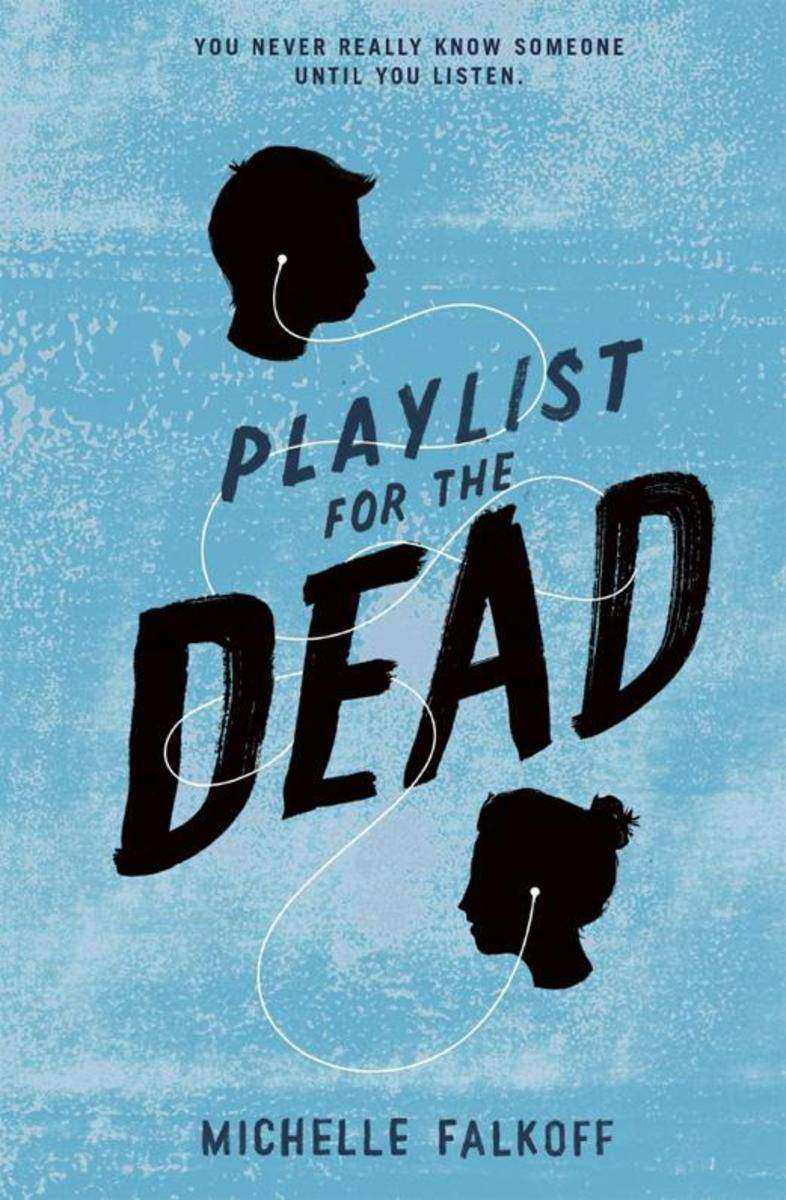
Playlist for the Dead
¥55.93
Part mystery, part love story, and part coming-of-age tale in the vein of The Perks of Being a Wallflower and The Spectacular Now.There was a party. There was a fight. The next morning, Sam's best friend, Hayden, was dead. And all he left Sam was a playlist of songs and a suicide note: For Sam—listen and you'll understand. To figure out what happened, Sam has to rely on the playlist and his own memory. But the more he listens, the more he realizes that his memory isn't as reliable as he thought. And it might only be by taking out his earbuds and opening his eyes to the people around him that he'll finally be able to piece together his best friend's story. And maybe have a chance to change his own.Playlist for the Dead is an honest and gut-wrenching first novel about loss, rage, what it feels like to outgrow a friendship that's always defined you—and the struggle to redefine yourself. But above all, it's about finding hope when hope seems like the hardest thing to find.
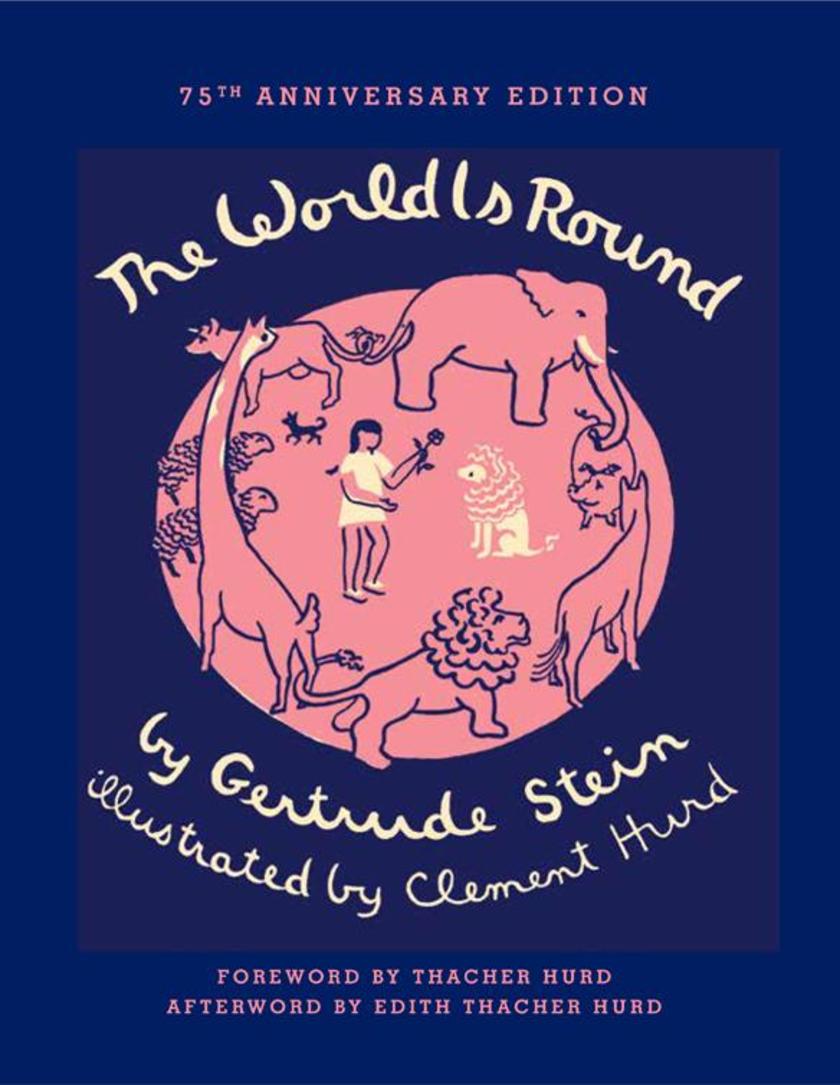
The World Is Round
¥110.71
Published to commemorate its 75th anniversary, The World Is Round brings back into print the classic story created by Gertrude Stein and Clement Hurd.Written in her unique prose style, Gertrude Stein's The World Is Round chronicles the adventures of a young girl named Rose—a whimsical tale that delights in wordplay and sound while exploring the ideas of personal identity and individuality. This stunning volume replicates the original 1939 edition to a T, including all of Clement Hurd's original blue-and-white art printed on the rose-pink paper that Stein insisted upon. Also featured here are two essays that provide an inside view to the making of the book. The first, a foreword by Clement Hurd's son, author and illustrator Thacher Hurd, includes previously unpublished photographs and sheds light on a creative family life in Vermont, where his father and mother, author Edith Thacher Hurd, often collaborated on children's books. The second essay, an afterword by Edith Thacher Hurd, takes readers behind the scenes of the making of The World Is Round, including the numerous letters exchanged between Hurd and Stein as well as images of Stein with the real-life Rose and her white poodle, Love.


