


 购物车
购物车 个人中心
个人中心

Opposites Attract
¥101.00
Does your partner want to go out on Friday nights when you prefer to curl up at home with a movieDoes your neat-freak boyfriend always want to clean up your cluttered officeDoes your wife want to plan trips six months in advance while you're a fly-by-the-seat-of-your-pants kind of personThe truth is, opposites attract. People who are different from each other in fundamental ways often catch each other's attention. We are attracted to the very qualities we wish we had ourselves. A shy person looks for a mate who is outgoing and gregarious to provide a social circle, and the outgoing person may need to be with someone who won't compete with him for attention. It seems like the perfect match that is, until those very differences that originally attracted us start to drive us crazy. But these differences don't have to drive couples apart. Renee Baron, a marriage and family therapist with more than twenty-five years of experience, uses the Myers-Briggs Type Indicator to provide a practical program for learning to appreciate our differences, rather than fight over them. The MBTI is the most widely used personality indicator in the world. By discovering your innate personality preferences and those of your partner, you can stop having the same fights over and over again and start appreciating the gifts each of you offers to the relationship.
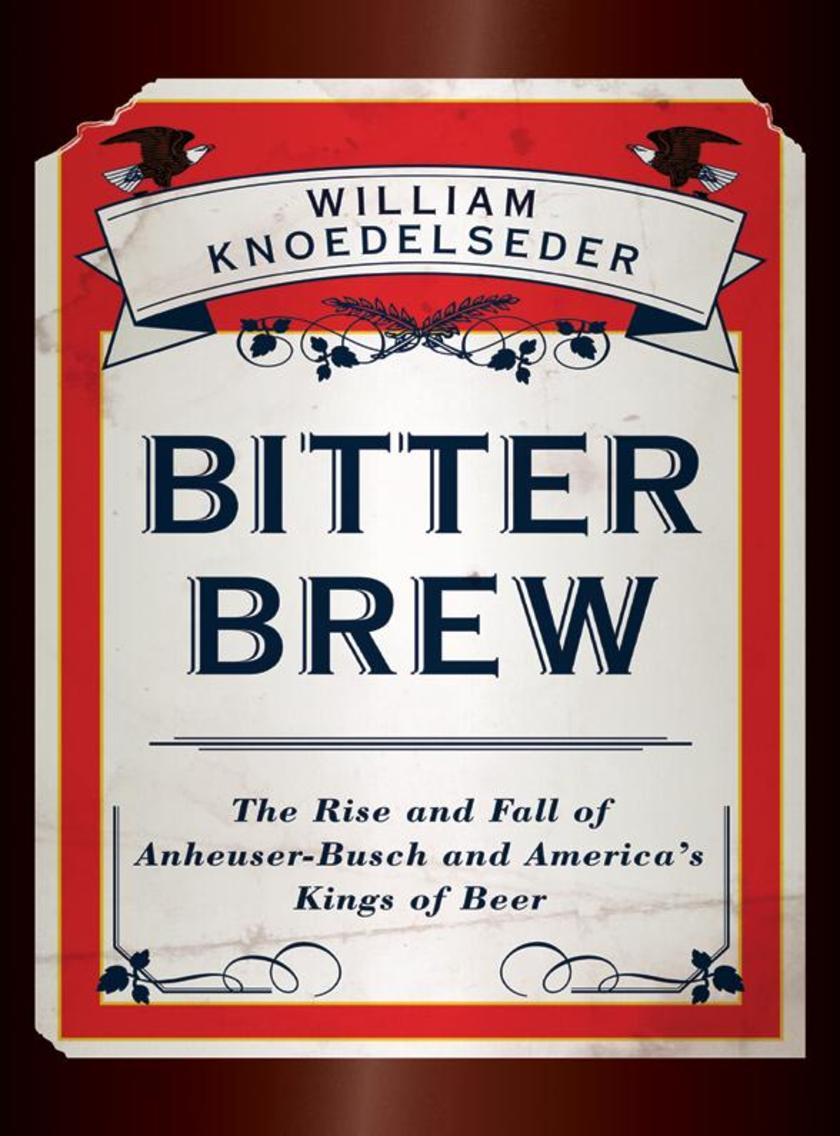
Bitter Brew
¥99.65
The engrossing, often scandalous saga of one of the wealthiest, longest-lasting, and most colorful family dynasties in the history of American commerce a cautionary tale about prosperity, profligacy, hubris, and the blessings and dark consequences of success.From countless bar signs, stadium scoreboards, magazine ads, TV commercials, and roadside billboards, the name Budweiser has been burned into the American consciousness as the "King of Beers." Over a span of more than a century, the company behind it, Anheuser-Busch, has attained legendary status. A jewel of the American Industrial Revolution, in the hands of its founders the sometimes reckless and always boisterous Busch family of St. Louis, Missouri it grew into one of the most fearsome marketing machines in modern times. In Bitter Brew, critically acclaimed journalist Knoedelseder paints a fascinating portrait of immense wealth and power accompanied by a barrelful of scandal, heartbreak, tragedy, and untimely death.This engrossing, vivid narrative captures the Busch saga through five generations. At the same time, it weaves a broader story of American progress and decline over the past 150 years. It's a cautionary tale of prosperity, hubris, and loss.
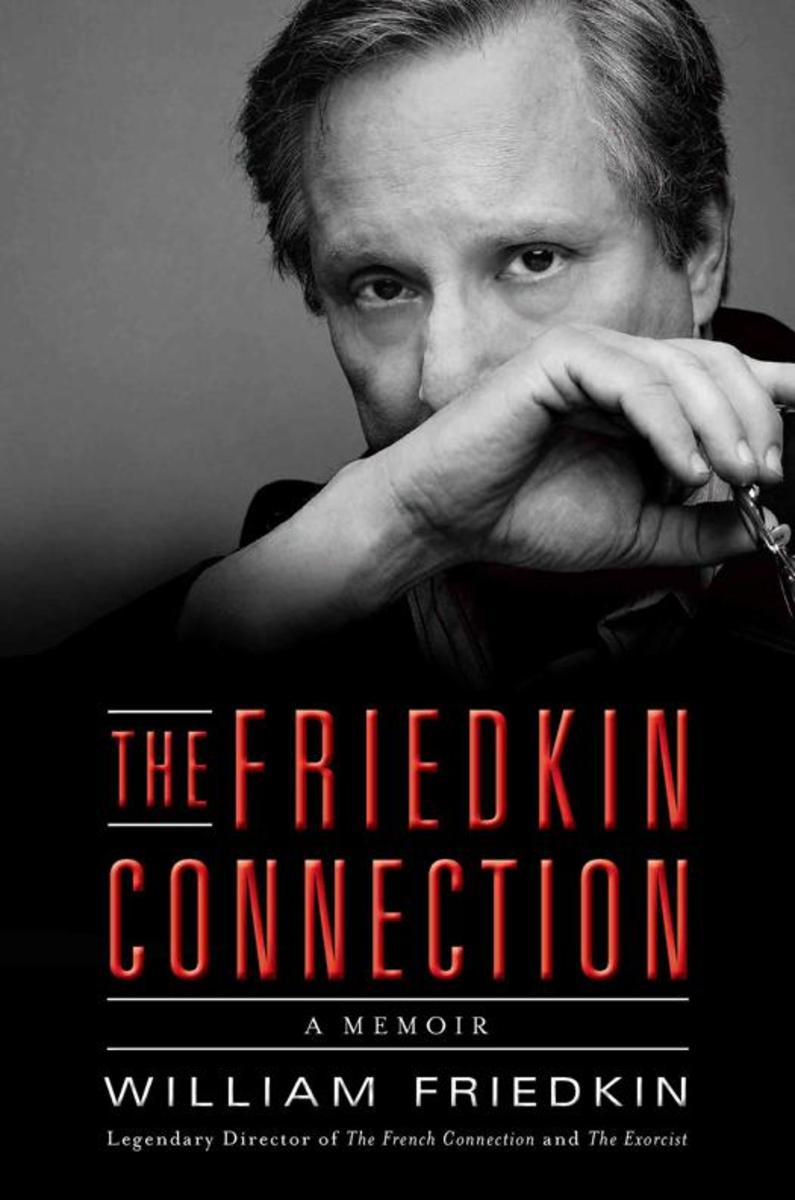
The Friedkin Connection
¥99.65
With such seminal movies as The Exorcist and The French Connection, Academy Award-winning director William Friedkin secured his place as a great filmmaker. A maverick from the start, Friedkin joined other young directors who ushered in Hollywood's second Golden Age during the 1970s. Now, in his long-awaited memoir, Friedkin provides a candid portrait of an extraordinary life and career.His own success story has the makings of classic American film. He was born in Chicago, the son of Russian immigrants. Immediately after high school, he found work in the mailroom of a local television station, and patiently worked his way into the directing booth during the heyday of live TV. An award-winning documentary brought him attention as a talented new filmmaker, as well as an advocate for justice, and it caught the eye of producer David L. Wolper, who brought Friedkin to Los Angeles. There he moved from television (one of the last episodes of The Alfred Hitchcock Hour) to film (The Birthday Party, The Boys in the Band), displaying a versatile stylistic range. Released in 1971, The French Connection won five Academy Awards, including Best Picture and Best Director, and two years later, The Exorcist received ten Oscar nominations and catapulted Friedkin's career to stardom.Penned by the director himself, The Friedkin Connection takes readers on a journey through the numerous chance encounters and unplanned occurrences that led a young man from a poor urban neighborhood to success in one of the most competitive industries and art forms in the world.From the streets of Chicago to the executive suites of Hollywood, from star-studded movie sets to the precision of the editing room, from a pas-sionate new artistic life as a renowned director of operas to his most recent tour de force, Killer Joe, William Friedkin has much to say about the world of moviemaking and his place within it.Written with the narrative drive of one of his finest films, The Friedkin Connection is a wonderfully engaging look at an artist and an industry that has transformed who we are and how we see ourselves.

When Someone You Love Needs Nursing Home, Assisted Living, or In-Home Care
¥95.16
When an aging family member needs some extra help and care, whether a parent, spouse, sibling, or friend, this is the book to get. It delivers bottom-line, no-nonsense, practical information for every stage of need, from the earliest signs of illness, through the nursing home, and beyond.Written by two distinguished psychologists with specialties in eldercare counseling and research, this frank, friendly, time-tested guide is meticulously organized to provide answers, dispel myths, anticipate needs, and help you learn strategies for dealing with every aspect of in-home and facility care, including caring for the caregiver in the process. Also includes checklists, phone and Internet lists, budget worksheets, questionnaires, and a detailed index.
Bulletproof Your Job
¥112.00
There's no doubt about it, today's workplace is an uncertain and treacherous territory. Newspaper headlines are proclaiming near record-high levels of unemployment, and, in these tough times, companies are making swift judgments about human capital. The bottom line: No job is safe. But there are tried and true ways to fight off sudden unemployment successfully, and the number one weapon in your arsenal is workplace expert and television and radio personality Stephen Viscusi's career manifesto, Bulletproof Your Job. Based on four simple strategies for dodging the layoff bullet and a long list of ways to implement these strategies, Bulletproof Your Job may save you from your worst enemy at work which just so happens to be you.Quite simply, observe these imperative rules:Be visible. Be easy. Be useful. Be ready. With plenty of distinct action items, dozens of anecdotal illustrations and examples, and lists and tips for adapting bulletproof strategies to your own situation, Bulletproof Your Job will show you how to leverage the black-and-white stuff your title, salary, and tenure with the gray stuff your relationship with coworkers, visibility in the workplace, and ability to make your boss look good to ward off the pink stuff the dreaded layoff notice. While you're at it, you'll be creating a long-term strategy for job security and career advancement that ensures you'll never feel this vulnerable again.
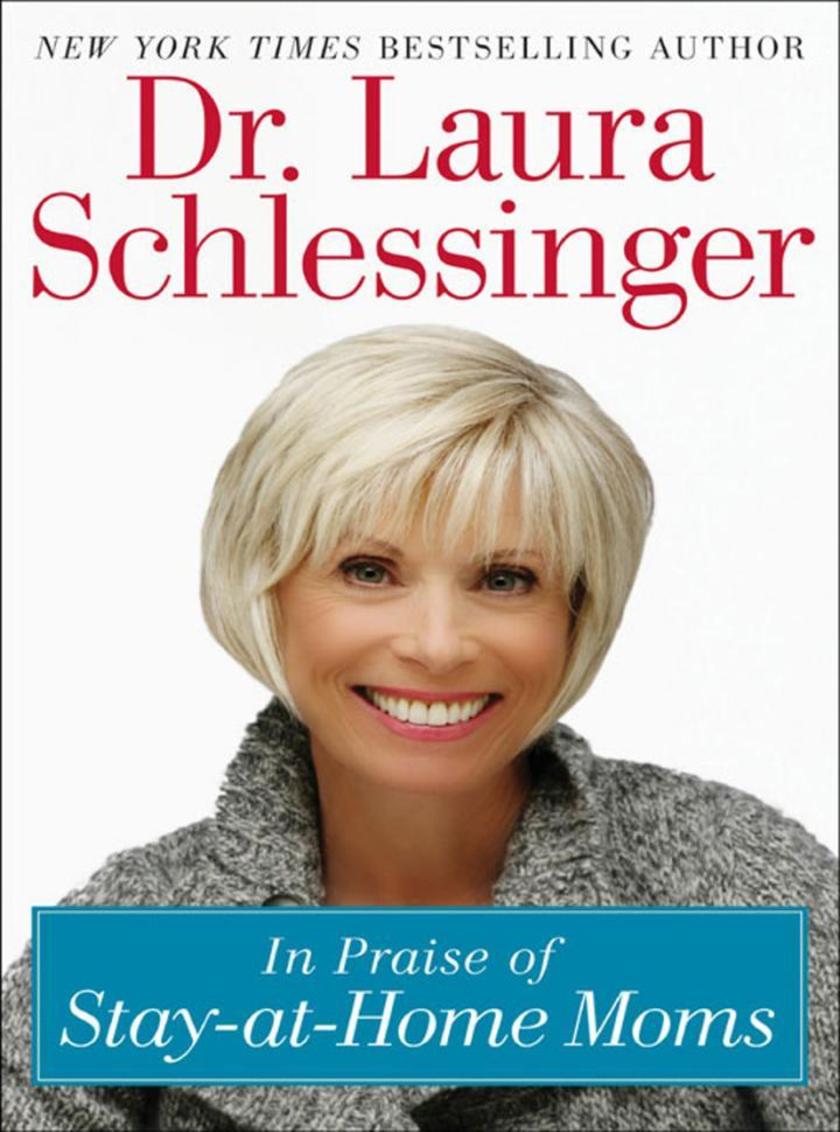
In Praise of Stay-at-Home Moms
¥77.49
They number in the millions and they are incredibly important to families and to our society, yet they are underappreciated, little respected, and even controversial.Who are theyThey are the stay-at-home moms.These are women who know in their hearts that staying home to raise their children is the right choice for the whole family. Some do it from the outset of their marriages, while others make the difficult transition from career-driven women to homemakers. Either way, it is a choice that is incredibly rich and rewarding, not to mention challenging.Now Dr. Laura, building on principles developed during her long career as a licensed marriage and family therapist, provides a wealth of advice and support, as well as compassion and inspiration, to women as they navigate the wonders and struggles of being stay-at-home moms. Learn how: to hold your head high and deal with naysayers; to see the benefits of being home not only for your children but also for your marriage; to understand the changes you see in yourself; to realize that the sacrifices you endure now will make for lasting bonds and a stronger family, in addition to a more cohesive community. In Praise of Stay-at-Home Moms is a special book, a profound and unique understanding of how important it is for mothers to raise their own children.

Immoveable Feast
¥90.77
A witty cultural and culinary education, Immoveable Feast is the charming, funny, and improbable tale of how a man who was raised on white bread and didn't speak a word of French unexpectedly ended up with the sacred duty of preparing the annual Christmas dinner for a venerable Parisian family.Ernest Hemingway called Paris "a moveable feast" a city ready to embrace you at any time in life. For Los Angeles based film critic John Baxter, that moment came when he fell in love with a French woman and impulsively moved to Paris to marry her. As a test of his love, his skeptical in-laws charged him with cooking the next Christmas banquet for eighteen people in their ancestral country home. Baxter's memoir of his yearlong quest takes readers along his misadventures and delicious triumphs as he visits the farthest corners of France in search of the country's best recipes and ingredients. Irresistible and fascinating, Immoveable Feast is a warmhearted tale of good food, romance, family, and the Christmas spirit, Parisian style.

Depression Fallout
¥84.16
Using the vivid, poignant and personal stories of the members of a website support group she founded (www.depressionfallout.com), Anne Sheffield, the author of two highly acclaimed books on depression, provides an honest record of what happens to a love relationship once depression enters the picture, and offers solid advice on what the nondepressed partner can do to improve his or her own life and the relationship. Of the millions of people who suffer from a depressive illness, few suffer in solitude. They draw the people they love spouses, parents, children, lovers, friends into their illness. In her first book, How You Can Survive When They're Depressed, Anne Sheffield coined the phrase 'depression fallout' to describe the emotional toll on the depressive's family and close friends who are unaware of their own stressful reactions and needs. She outlined the five stages of depression fallout (confusion, self doubt, demoralisation, anger, and the need to escape) and explained that these reactions are a natural result of living with a depressed person.

The Great Theft
¥83.03
Despite President George W. Bush's assurances that Islam is a peaceful religion and that all good Muslims hunger for democracy, confusion persists and far too many Westerners remain convinced that Muslims and terrorists are synonymous. In the aftermath of the attacks of 9/11, the subsequent wars in Afghanistan and Iraq, and the recent bombings in London, an unprecedented amount of attention has been directed toward Islam and the Muslim world. Yet, even with this increased scrutiny, most of the public discourse regarding Islam revolves around the actions of extremist factions such as the Wahhabis and al-Qa'ida. But what of the Islam we don't hear about?As the second-largest and fastest-growing religion in the world, Islam is deemed by more than a billion Muslims to be a source of serenity and spiritual peace, and a touchstone for moral and ethical guidance. While extremists have an impact upon the religion that is wildly disproportionate to their numbers, moderates constitute the majority of Muslims worldwide. It is this rift between the quiet voice of the moderates and the deafening statements of the extremists that threatens the future of the faith.In The Great Theft, Khaled Abou El Fadl, one of the world's preeminent Islamic scholars, argues that Islam is currently passing through a transformative period no less dramatic than the movements that swept through Europe during the Reformation. At this critical juncture there are two completely opposed worldviews within Islam competing to define this great world religion. The stakes have never been higher, and the future of the Muslim world hangs in the balance.Drawing on the rich tradition of Islamic history and law, The Great Theft is an impassioned defense of Islam against the encroaching power of the extremists. As an accomplished Islamic jurist, Abou El Fadl roots his arguments in long-standing historical legal debates and delineates point by point the beliefs and practices of moderate Muslims, distinguishing these tenets from the corrupting influences of the extremists. From the role of women in Islam to the nature of jihad, from democracy and human rights to terrorism and warfare, Abou El Fadl builds a vital vision for a moderate Islam. At long last, the great majority of Muslims who oppose extremism have a desperately needed voice to help reclaim Islam's great moral tradition.

Why Good People Do Bad Things
¥83.03
Discover a Life Filled with Passion, Meaning, and Purpose New York Times bestselling author Debbie Ford leads us into the heart of the duality that unknowingly operates within each one of us. Providing the tools to end self-sabotage, Ford ultimately knocks down the fade of the false self and shows us how to heal the split between light and dark and live the authentic life within our reach.

Creating a Charmed Life
¥88.56
How Does She Do ItWe all know-and envy-women who appear to live "charmed" lives. They seem to unhurriedly and effortlessly manage the whirlwind of their busy lives with grace and poise. Good things happen to them, and their lives are filled with serendipity, joy, and prosperity. But it's not a matter of luck, according to Victoria Moran; a charmed life isn't something that happens to you-it's something you create! In Creating a Charmed Life, Victoria Moran unveils practical, spiritual secrets for expanding your capacity to love, know, and experience a fuller, richer life. Her insight, humor, and unassailable wisdom shine through each page to illuminate the magic in all our lives.Relish the calmCreate miraclesNurture your dreamsSavor simplicityInvite adventureNourish your spirit
You'll See It When You Believe It
¥94.10
Dr. Wayne W. Dyer, psychotherapist, lecturer, and world'famous author of the phenomenal bestseller, Your Erroneous Zones, now takes us to new plateaus of selfawareness in his most powerful book yet. You'll See It When You Believe It will show you how, by tapping the truly amazing power that lies within you, you can direct the course of your own destiny. Using examples from his own highly successful experiences, Wayne Dyer will convince you that, with his proven techniques, you can make your most impossible dreams come true. Believe that you have the power to: Make your life anything you wish it to be; Set real goals and achieve them; Turn obstacles into opportunities; Rid yourself of guilt and inner turmoil; Develop a strong inner confidence; Dramatically improve relationships; Choose a life of abundance; Spend every day doing the things you love to do.

Manifest Your Destiny
¥94.10
From the inspirational leader and author of the international bestsellers Your Sacred Self and the classic Your Erroneous Zones comes this mind-awakening guidebook for making your desires reality. Based on ancient principles and spiritual practices, Manifest Your Destiny introduces the Nine Spiritual Principles that will help you overcome the barriers--both within and around you--that prevent you from getting what you want, including: Developing spiritual awareness Trusting yourself Reconnecting to your environment Attracting your desires Accepting your own worthiness Practicing unconditional love Meditating to unlock the power within you Letting go of demands Filled with warmth and insight, this invaluable book will help you achieve your goals--and take you to a level higher than you've ever dreamed.
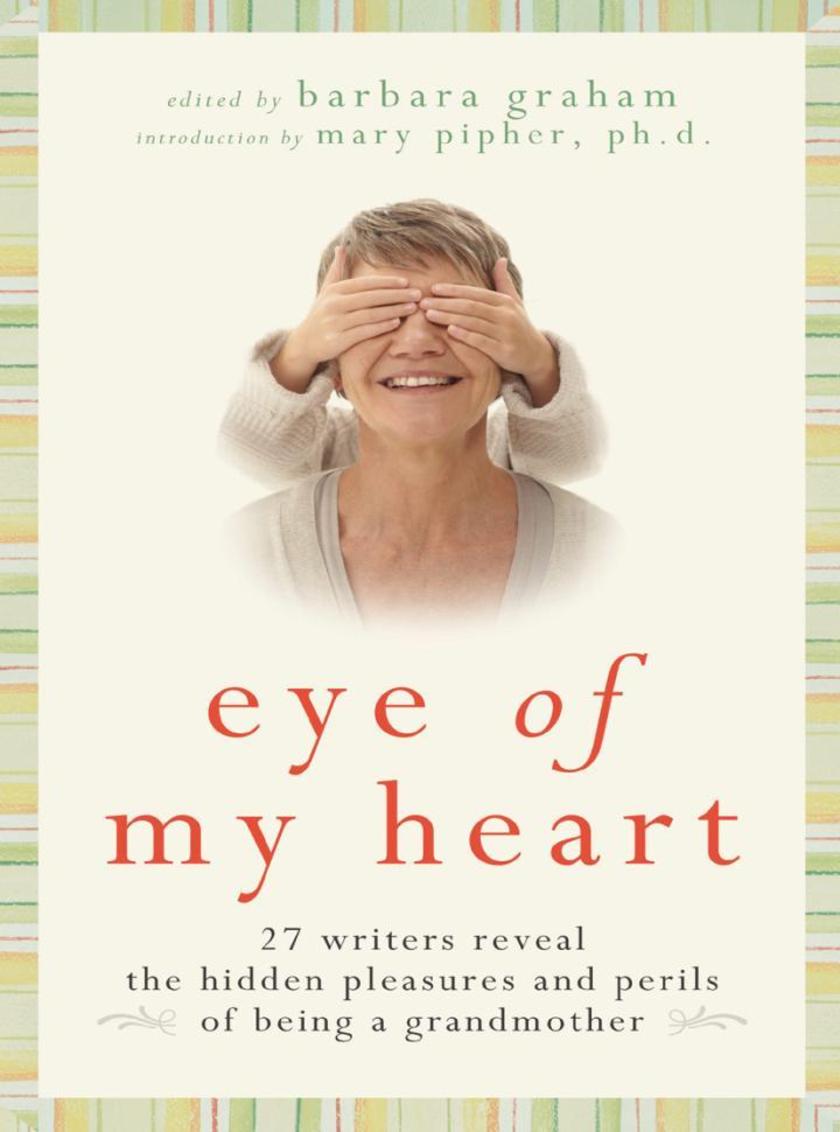
Eye of My Heart
¥83.03
In Eye of My Heart, twenty-seven smart, gutsy writers explode myths and stereotypes and tell the whole crazy, complicated truth about being a grandmother in today's world. Among the contributors: Anne Roiphe learns the hard way to keep her mouth shut and her opinions to herself.Elizabeth Berg marvels at witnessing her child give birth to her child.Beverly Donofrio makes amends for her shortcomings as a teenage mother.Judith Viorst exposes the high-stakes competition for Most Fabulous Grandchild.Jill Nelson grapples with mother-daughter tensions triggered by the birth of her grandson.Judith Guest confesses her failed attempt to emulate her own saintly grandmother.Bharati Mukherjee transcends her strict Hindu upbringing to embrace her adopted Chinese grand-daughters.Lynn Lauber finds joy in grandmotherhood that she missed out on as a mother.Sallie Tisdale pays a high price financially and emotionally for her fast-growing brood of grandkids.Ellen Gilchrist reveals how grandparenthood has eased her fear of death.Molly Giles is spurned by her toddler granddaughter during a trip to Paris.Susan Shreve finally accepts that she's the grandmother, not the mother.Roxana Robinson realizes, with relief, that she doesn't have to worry so much anymore.Abigail Thomas plots her escape when she can't bear to bake one more cake.Letty Cottin Pogrebin longs to leave a lasting impression on her grandchildren.Mary Pipher explores the primal role of grandmothers in a fast-changing world.In this groundbreaking collection, you will encounter the real stories that usually go untold. Free of platitudes and clichs, the essays in Eye of My Heart are linked by a common thread: a love for grandchildren that knows no bounds, despite inescapable obstacles and limitations.
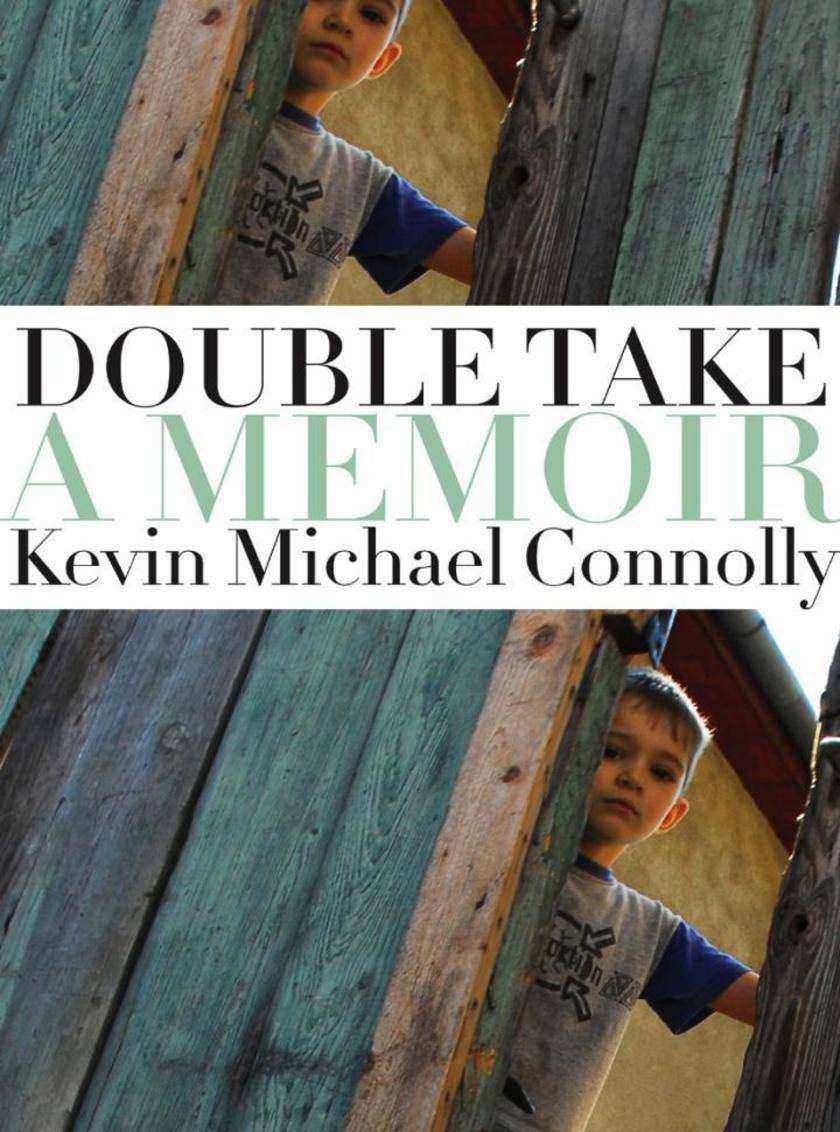
Double Take
¥83.03
Double take A rapid or surprised second look, either literal or figurative, at a person or situation whose significance has not been completely grasped at first.Kevin Michael Connolly is a twenty-three-year-old man who has seen the world in a way most of us never will. Whether swarmed by Japanese tourists at Epcot Center as a child or holding court at the X Games on his mono-ski, Kevin Connolly has been an object of curiosity since the day he was born without legs. Growing up in rural Montana, he was raised like any other kid (except, that is, for his fathers MacGyver-like contraptions such as the butt boot). As a college student, Kevin traveled to seventeen countries on his skateboard, including Bosnia, China, Ukraine, and Japan. In an attempt to capture the stares of others, he took more than 33,000 photographs of people staring at him. In this dazzling memoir, Connolly casts the lens inward to explore how we view ourselves and what it is to truly see another person. We also get to know his quirky and unflappable parents and his girlfriend. From the home of his family in Helena, Montana, to the streets of Tokyo and Kuala Lumpur, Kevin's remarkable journey will change the way you look at others, and the way you see yourself.
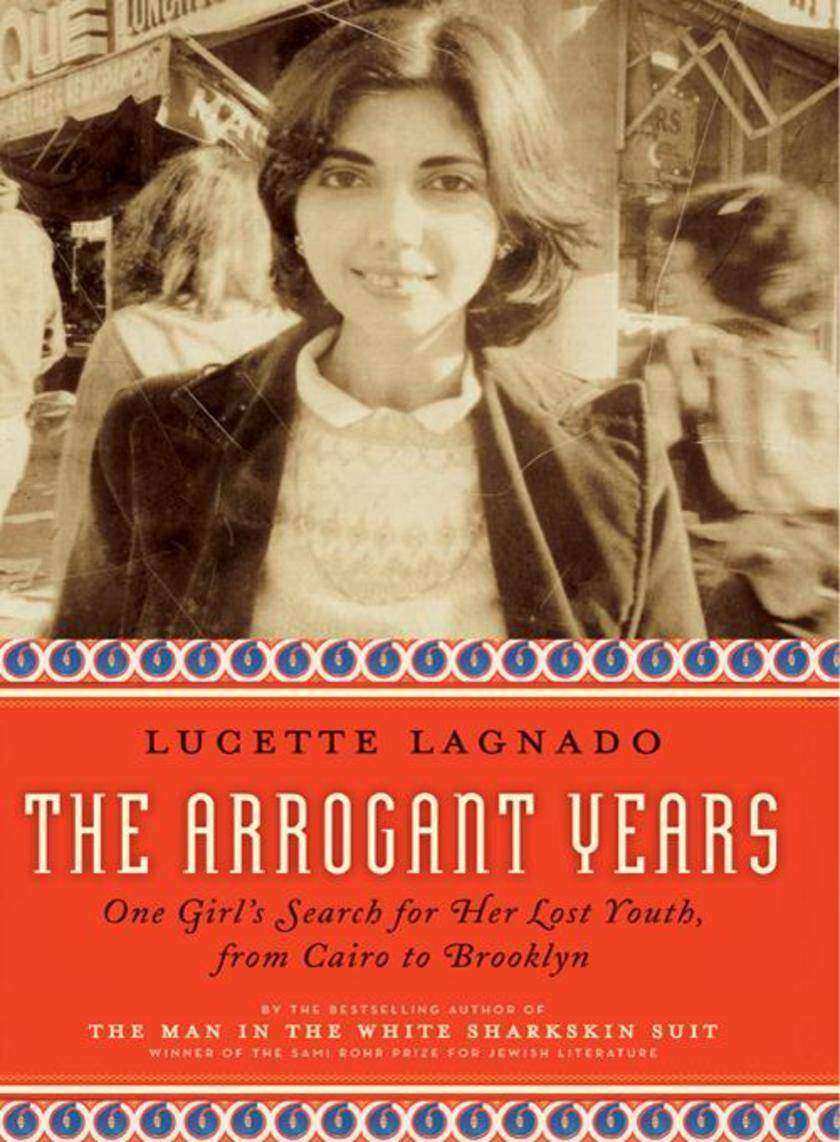
The Arrogant Years
¥95.39
In the follow-up to her beloved, bestselling The Man in the White Sharkskin Suit, Lagnado tells the story of her mother, Edith, coming of age in a magical old Cairo of dusty alleyways and grand villas. Then Lagnado revisits her own years in America as a schoolgirl in Brooklyn's immigrant enclaves, where she dreams of becoming the fearless Mrs. Emma Peel of The Avengers, coming of age in the turbulence of New York City's 1970s, and, later, as an "avenging" reporter for some of America's most prestigious newspapers. Not only a searing account of strangers in a strange land, The Arrogant Years is a lasting "meditation on exile and assimilation, feminism and the enduring ties of family." (San Francisco Chronicle)

The Genius in the Design
¥88.56
The rivalry between the brilliant seventeenth-century Italian architects Gianlorenzo Bernini and Francesco Borromini is the stuff of legend. Enormously talented and ambitious artists, they met as contemporaries in the building yards of St. Peter's in Rome, became the greatest architects of their era by designing some of the most beautiful buildings in the world, and ended their lives as bitter enemies. Engrossing and impeccably researched, full of dramatic tension and breathtaking insight, The Genius in the Design is the remarkable tale of how two extraordinary visionaries schemed and maneuvered to get the better of each other and, in the process, created the spectacular Roman cityscape of today.

The Templars
¥100.71
The first history of the legendary knights since the Vatican momentously released the records of their trial and exonerationWho were the TemplarsWhat was the secret of their wealth and powerWhy did the pope and the king of France act to destroy themThe Knights Templar were founded on Christmas Day 1119, on the very spot in Jerusalem where Jesus Christ was crucified. A religious order of fighting knights, the Templars defended the Holy Land and Christian pilgrims in the decades after the First Crusade. Legendary for their bravery and dedication, the Templars became one of the wealthiest and most powerful bodies of the medieval world until they were condemned for heresy two centuries after their foundation, when the order was abolished and its leaders were burned at the stake.In The Templars, renowned historian Michael Haag investigates the origins and history, the enduring myths, and the soaring architecture of an enigmatic order long shrouded in mystery and controversy. The hand of the Templars, many believe, can be found in everything from Cathar heresy to Masonic conspiracies, and the Knights Templar still inspire popular culture, from Indiana Jones to Xbox games, to the novels of Dan Brown.Some images that appeared in the print edition of this book are unavailable in the electronic edition due to rights reasons.

The Collected Poetry of Nikki Giovanni
¥88.56
This omnibus covers Nikki Giovanni's complete work of poetry from 1967-1983. THE COLLECTED POETRY OF NIKKI GIOVANNI will include the complete volumes of five adult books of poetry: Black Feeling Black Talk/Black Judgement, My House, The Women and the Men, Cotton Candy on a Rainy Day, and Those Who Ride the Night Winds. Nikki self published her first book Black Feeling, Black Talk/BlackJudgement in 1969, selling 10,000 copies; William Morrow published in 1970. Know for its iconic revolutionary phrases, it is heralded as one of the most important volumes of modern African American poetry and is considered the seminal volume of Nikki's body of work. My House (Morrow 1972) marks a new dimension in tone and philosphy.This is Giovanni's first foray into the autobiographical. In The Women and the Men (Morrow 1975), Nikki displays her compassion for the people, things and places she has encountered She reveres the ordinary and is in search of the extraordinary. Cotton Candy on a Rainy Day (Morrow 1978) is one of the most poignant and introspective of all Giovanni's collections. These poems chronicle the drastic change that took place during the 1970s when the dreams of the Civil Rights era seemed to have evaporated. Those Who Ride the Night Winds (Morrow 1983) is devoted to "the day trippers and midnight cowboys," the ones who have devoted their lives to pushing the limits of the human condition and shattered the constraints of the stautus quo.

Lost in Shangri-La
¥94.10
On May 13, 1945, twenty-four American servicemen and WACs boarded a transport plane for a sightseeing trip over Shangri-La, a beautiful and mysterious valley deep within the jungle-covered mountains of Dutch New Guinea.Unlike the peaceful Tibetan monks of James Hilton's bestselling novel Lost Horizon, this Shangri-La was home to spear-carrying tribesmen, warriors rumored to be cannibals. But the pleasure tour became an unforgettable battle for survival when the plane crashed. Miraculously, three passengers pulled through. Margaret Hastings, barefoot and burned, had no choice but to wear her dead best friend's shoes. John McCollom, grieving the death of his twin brother also aboard the plane, masked his grief with stoicism. Kenneth Decker, too, was severely burned and suffered a gaping head wound.Emotionally devastated, badly injured, and vulnerable to the hidden dangers of the jungle, the trio faced certain death unless they left the crash site. Caught between man-eating headhunters and enemy Japanese, the wounded passengers endured a harrowing hike down the mountainside a journey into the unknown that would lead them straight into a primitive tribe of superstitious natives who had never before seen a white man or woman.Drawn from interviews, declassified U.S. Army documents, personal photos and mementos, a survivor's diary, a rescuer's journal, and original film footage, Lost in Shangri-La recounts this incredible true-life adventure for the first time. Mitchell Zuckoff reveals how the determined trio dehydrated, sick, and in pain traversed the dense jungle to find help; how a brave band of paratroopers risked their own lives to save the survivors; and how a cowboy colonel attempted a previously untested rescue mission to get them out.By trekking into the New Guinea jungle, visiting remote villages, and rediscovering the crash site, Zuckoff also captures the contemporary natives remembrances of the long-ago day when strange creatures fell from the sky. A riveting work of narrative nonfiction that vividly brings to life an odyssey at times terrifying, enlightening, and comic, Lost in Shangri-La is a thrill ride from beginning to end.
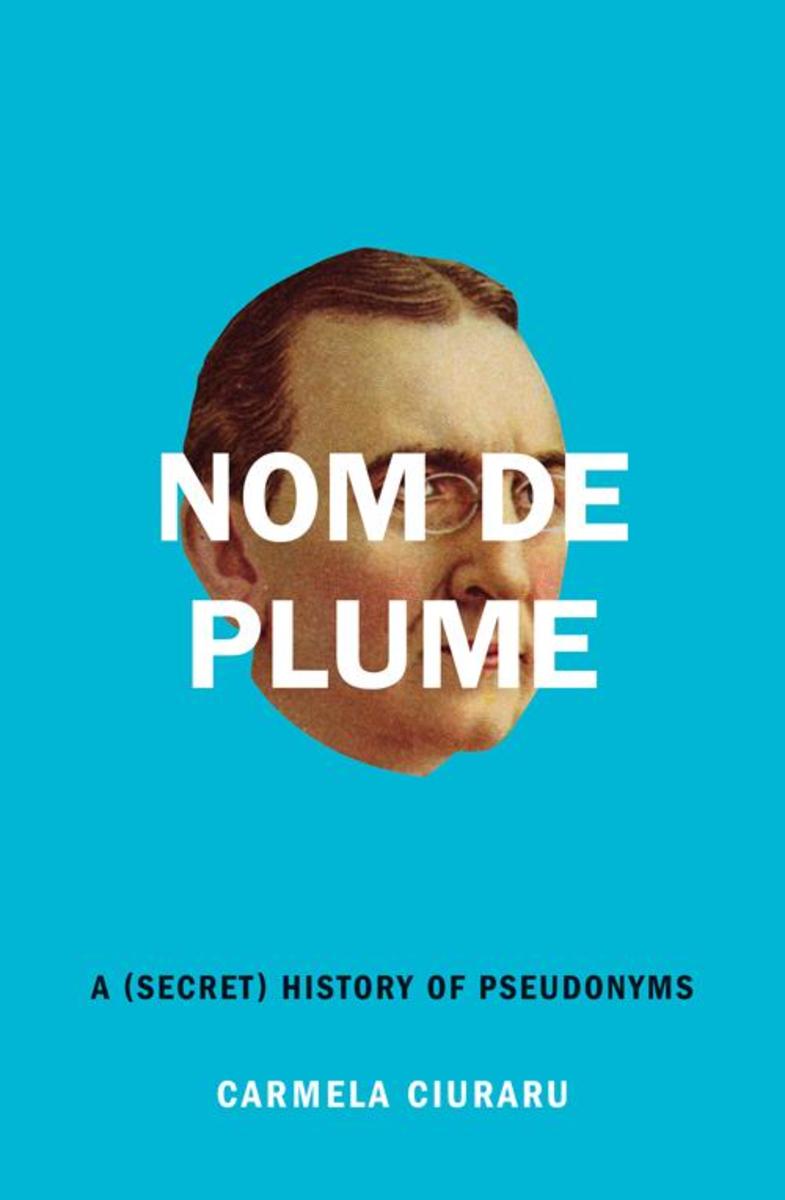
Nom de Plume
¥90.73
What's in a nameIn our "look at me" era, everyone's a brand. Privacy now seems a quaint relic, and self-effacement is a thing of the past. Yet, as Nom de Plume reminds us, this was not always the case. Exploring the fascinating stories of more than a dozen authorial impostors across several centuries and cultures, Carmela Ciuraru plumbs the creative process and the darker, often crippling aspects of fame. Biographies have chronicled the lives of pseudonymous authors such as Mark Twain, Isak Dinesen, and George Eliot, but never before have the stories behind many noms de plume been collected into a single volume. These are narratives of secrecy, obsession, modesty, scandal, defiance, and shame: Only through the protective guise of Lewis Carroll could a shy, half-deaf Victorian mathematician at Oxford feel free to let his imagination run wild. The "three weird sisters" (as they were called by the poet Ted Hughes) from Yorkshire the Brontes produced instant bestsellers that transformed them into literary icons, yet they wrote under the cloak of male authorship. Bored by her aristocratic milieu, a cigar-smoking, cross-dressing baroness rejected the rules of propriety by having sexual liaisons with men and women alike, publishing novels and plays under the name George Sand.Grounded by research yet highly accessible and engaging, these provocative, astonishing stories reveal the complex motives of writers who harbored secret identities sometimes playfully, sometimes with terrible anguish and tragic consequences. A wide-ranging examination of pseudonyms both familiar and obscure, Nom de Plume is part detective story, part exposé, part literary history, and an absorbing psychological meditation on identity and creativity.


