


 购物车
购物车 个人中心
个人中心
Heidegger's Confessions
¥370.82
Although Martin Heidegger is nearly as notorious as Friedrich Nietzsche for embracing the death of God, the philosopher himself acknowledged that Christianity accompanied him at every stage of his career. In Heidegger's Confessions, Ryan Coyne isolates a crucially important player in this story: Saint Augustine. Uncovering the significance of Saint Augustine in Heidegger's philosophy, he details the complex and conflicted ways in which Heidegger paradoxically sought to define himself against the Christian tradition while at the same time making use of its resources.?Coyne first examines the role of Augustine in Heidegger's early period and the development of his magnum opus, Being and Time. He then goes on to show that Heidegger owed an abiding debt to Augustine even following his own rise as a secular philosopher, tracing his early encounters with theological texts through to his late thoughts and writings. Bringing a fresh and unexpected perspective to bear on Heidegger's profoundly influential critique of modern metaphysics, Coyne traces a larger lineage between religious and theological discourse and continental philosophy.
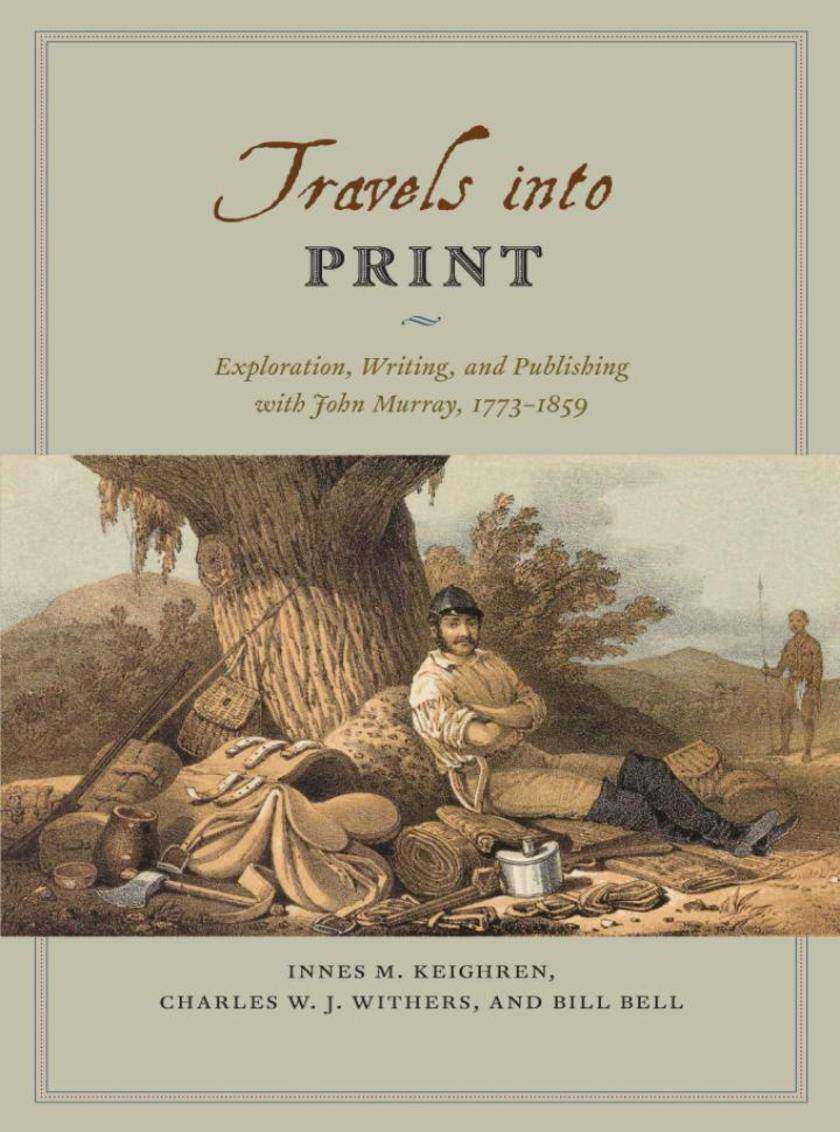
Travels into Print
¥370.82
In eighteenth- and nineteenth-century Britain, books of travel and exploration were much more than simply the printed experiences of intrepid authors. They were works of both artistry and industry-products of the complex, and often contested, relationships between authors and editors, publishers and printers. These books captivated the reading public and played a vital role in creating new geographical truths. In an age of global wonder and of expanding empires, there was no publisher more renowned for its travel books than the House of John Murray.Drawing on detailed examination of the John Murray Archive of manu*s, images, and the firm's correspondence with its many authors-a list that included such illustrious explorers and scientists as Charles Darwin and Charles Lyell, and literary giants like Jane Austen, Lord Byron, and Sir Walter Scott-Travels into Print considers how journeys of exploration became published accounts and how travelers sought to demonstrate the faithfulness of their written testimony and to secure their personal credibility. This fascinating study in historical geography and book history takes modern readers on a journey into the nature of exploration, the production of authority in published travel narratives, and the creation of geographical authorship-a journey bound together by the unifying force of a world-leading publisher.
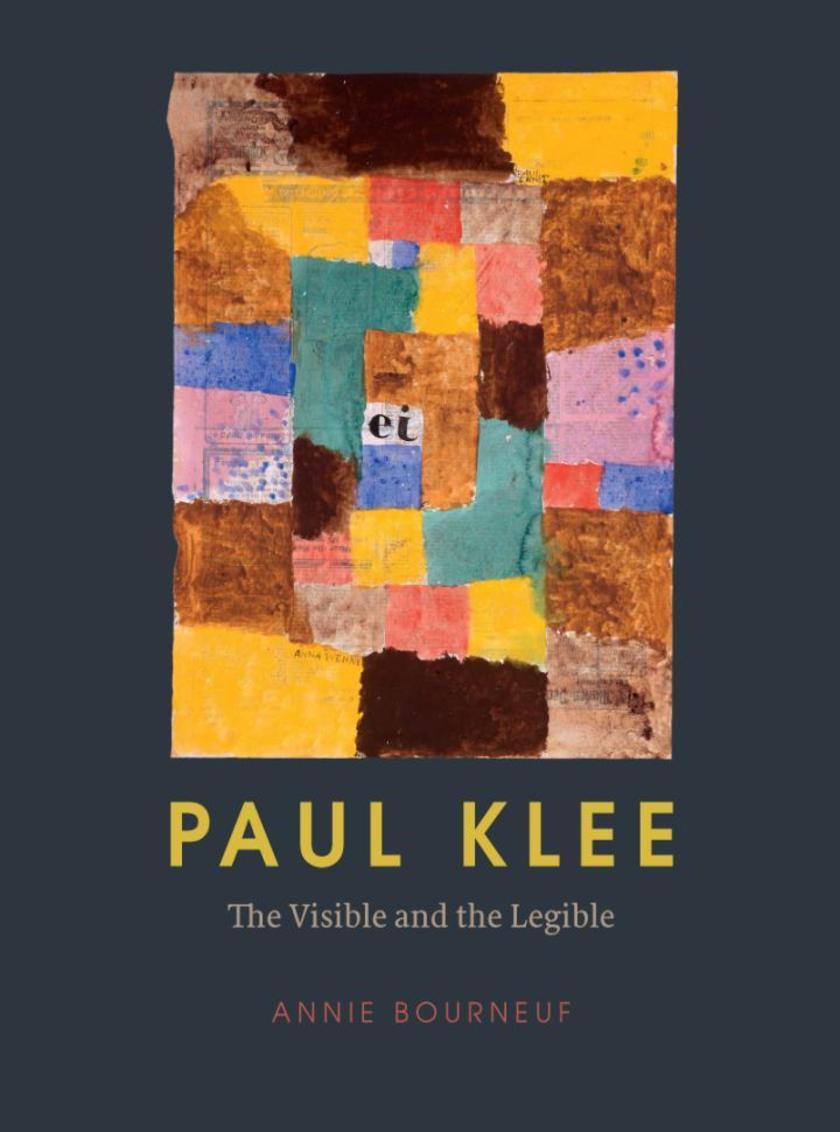
Paul Klee
¥370.82
The fact that Paul Klee (1879-1940) consistently intertwined the visual and the verbal in his art has long fascinated commentators from Walter Benjamin to Michel Foucault. However, the questions it prompts have never been satisfactorily answered-until now. In?Paul Klee, Annie Bourneuf offers the first full account of the interplay between the visible and the legible in Klee's works from the 1910s and 1920s.Bourneuf argues that Klee joined these elements to invite a manner of viewing that would unfold in time, a process analogous to reading. From his elaborate titles to the small scale he favored to his metaphoric play with materials, Klee created forms that hover between the pictorial and the written. Through his unique approach, he subverted forms of modernist painting that were generally seen to threaten slow, contemplative viewing. Tracing the fraught relations among seeing, reading, and imagining in the early twentieth century, Bourneuf shows how Klee reconceptualized abstraction at a key moment in its development.
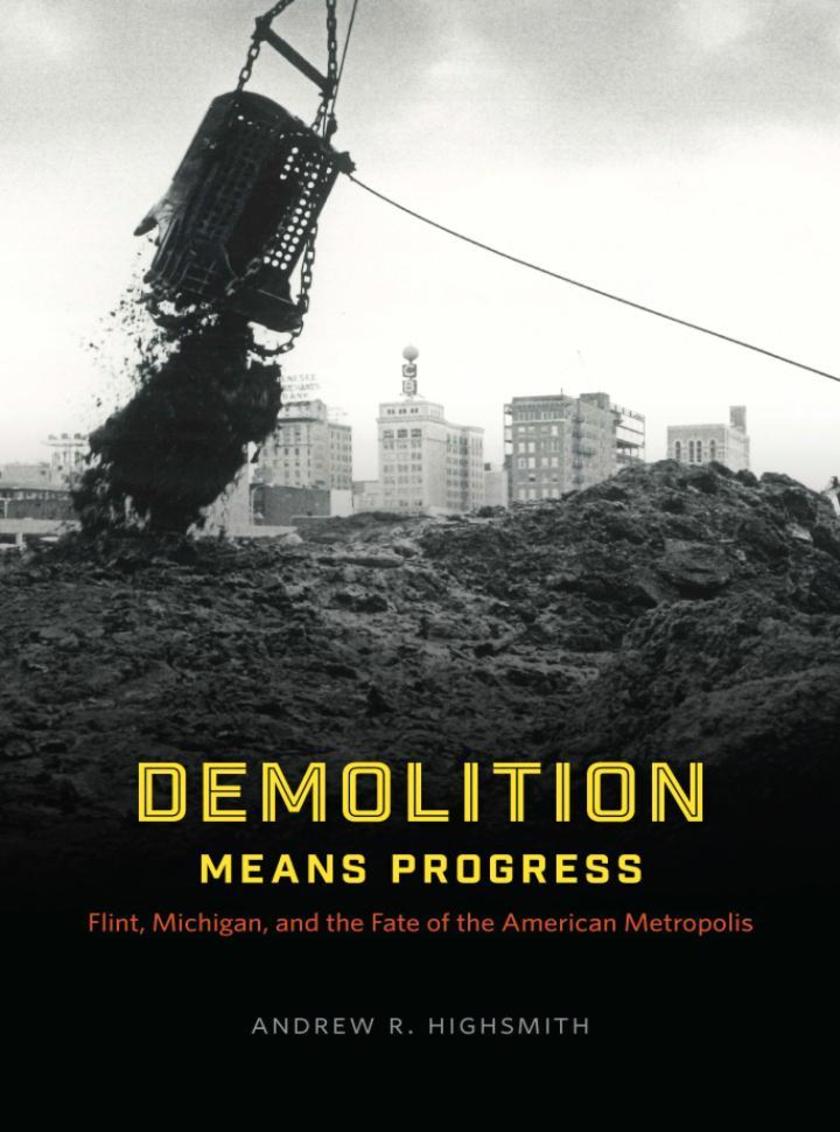
Demolition Means Progress
¥370.82
In 1997, after General Motors shuttered a massive complex of factories in the gritty industrial city of Flint, Michigan, signs were placed around the empty facility reading, "e;Demolition Means Progress,"e; suggesting that the struggling metropolis could not move forward to greatness until the old plants met the wrecking ball. Much more than a trite corporate slogan, the phrase encapsulates the operating ethos of the nation's metropolitan leadership from at least the 1930s to the present. Throughout, the leaders of Flint and other municipalities repeatedly tried to revitalize their communities by demolishing outdated and inefficient structures and institutions and overseeing numerous urban renewal campaigns-many of which yielded only more impoverished and more divided metropolises. After decades of these efforts, the dawn of the twenty-first century found Flint one of the most racially segregated and economically polarized metropolitan areas in the nation.In one of the most comprehensive works yet written on the history of inequality and metropolitan development in modern America, Andrew R. Highsmith uses the case of Flint to explain how the perennial quest for urban renewal-even more than white flight, corporate abandonment, and other forces-contributed to mass suburbanization, racial and economic division, deindustrialization, and political fragmentation. Challenging much of the conventional wisdom about structural inequality and the roots of the nation's "e;urban crisis,"e; Demolition Means Progress shows in vivid detail how public policies and programs designed to revitalize the Flint area ultimately led to the hardening of social divisions.
Vital Minimum
¥370.82
What constitutes a needWho gets to decide what people do or do not needIn modern France, scientists, both amateur and professional, were engaged in defining and measuring human needs. These scientists did not trust in a providential economy to distribute the fruits of labor and uphold the social order. Rather, they believed that social organization should be actively directed according to scientific principles. They grounded their study of human needs on quantifiable foundations: agricultural and physiological experiments, demographic studies, and statistics.The result was the concept of the "e;vital minimum"e;--the living wage, a measure of physical and social needs. In this book, Dana Simmons traces the history of this concept, revealing the intersections between technologies of measurement, such as calorimeters and social surveys, and technologies of wages and welfare, such as minimum wages, poor aid, and welfare programs. In looking at how we define and measure need, Vital Minimum raises profound questions about the authority of nature and the nature of inequality.
Enigma of the Aerofoil
¥353.16
Why do aircraft flyHow do their wings support themIn the early years of aviation, there was an intense dispute between British and German experts over the question of why and how an aircraft wing provides lift. The British, under the leadership of the great Cambridge mathematical physicist Lord Rayleigh, produced highly elaborate investigations of the nature of discontinuous flow, while the Germans, following Ludwig Prandtl in Gottingen, relied on the tradition called "e;technical mechanics"e; to explain the flow of air around a wing. Much of the basis of modern aerodynamics emerged from this remarkable episode, yet it has never been subject to a detailed historical and sociological analysis.?In The Enigma of the Aerofoil, David Bloor probes a neglected aspect of this important period in the history of aviation. Bloor draws upon papers by the participants-their restricted technical reports, meeting minutes, and personal correspondence, much of which has never before been published-and reveals the impact that the divergent mathematical traditions of Cambridge and Gttingen had on this great debate. Bloor also addresses why the British, even after discovering the failings of their own theory, remained resistant to the German circulation theory for more than a decade. The result is essential reading for anyone studying the history, philosophy, or sociology of science or technology-and for all those intrigued by flight.
Gravity's Ghost
¥353.16
In theory, at least, gravitational waves do exist. We are constantly bathed in gravitational radiation, which is generated when stars explode or collide and a portion of their mass becomes energy that ripples out like a disturbance on the surface of a serene pond. But unfortunately no gravitational wave has ever been directly detected even though the search has lasted more than forty years.As the leading chronicler of the search for gravitational waves, Harry Collins has been right there with the scientists since the start. The result of his unprecedented access to the front lines of physical science is Gravity's Ghost, a thrilling chronicle of high-stakes research and cutting-edge discovery. Here, Collins reveals that scientific discovery and nondiscovery can turn on scientific traditions and rivalries, that ideal statistical analysis rests on impossible procedures and unattainable knowledge, and that fact in one place is baseless assumption in another.?He also argues that sciences like gravitational wave detection, in exemplifying how the intractable is to be handled, can offer scientific leadership a moral beacon for the twenty-first century. In the end, Gravity's Ghost shows that discoveries are the denouements of dramatic scientific mysteries.
History of the Federal Reserve, Volume 1
¥265.87
Allan H. Meltzer's monumental history of the Federal Reserve System tells the story of one of America's most influential but least understood public institutions. This first volume covers the period from the Federal Reserve's founding in 1913 through the Treasury-Federal Reserve Accord of 1951, which marked the beginning of a larger and greatly changed institution.To understand why the Federal Reserve acted as it did at key points in its history, Meltzer draws on meeting minutes, correspondence, and other internal documents (many made public only during the 1970s) to trace the reasoning behind its policy decisions. He explains, for instance, why the Federal Reserve remained passive throughout most of the economic decline that led to the Great Depression, and how the Board's actions helped to produce the deep recession of 1937 and 1938. He also highlights the impact on the institution of individuals such as Benjamin Strong, governor of the Federal Reserve Bank of New York in the 1920s, who played a key role in the adoption of a more active monetary policy by the Federal Reserve. Meltzer also examines the influence the Federal Reserve has had on international affairs, from attempts to build a new international financial system in the 1920s to the Bretton Woods Agreement of 1944 that established the International Monetary Fund and the World Bank, and the failure of the London Economic Conference of 1933.Written by one of the world's leading economists, this magisterial biography of the Federal Reserve and the people who helped shape it will interest economists, central bankers, historians, political scientists, policymakers, and anyone seeking a deep understanding of the institution that controls America's purse strings."e;It was 'an unprecedented orgy of extravagance, a mania for speculation, overextended business in nearly all lines and in every section of the country.' An Alan Greenspan rumination about the irrational exuberance of the late 1990sTry the 1920 annual report of the board of governors of the Federal Reserve. . . . To understand why the Fed acted as it did-at these critical moments and many others-would require years of study, poring over letters, the minutes of meetings and internal Fed documents. Such a task would naturally deter most scholars of economic history but not, thank goodness, Allan Meltzer."e;-Wall Street Journal"e;A seminal work that anyone interested in the inner workings of the U. S. central bank should read. A work that scholars will mine for years to come."e;-John M. Berry, Washington Post"e;An exceptionally clear story about why, as the ideas that actually informed policy evolved, things sometimes went well and sometimes went badly. . . . One can only hope that we do not have to wait too long for the second installment."e;-David Laidler, Journal of Economic Literature"e;A thorough narrative history of a high order. Meltzer's analysis is persuasive and acute. His work will stand for a generation as the benchmark history of the world's most powerful economic institution. It is an impressive, even awe-inspiring achievement."e;-Sir Howard Davies, Times Higher Education Supplement
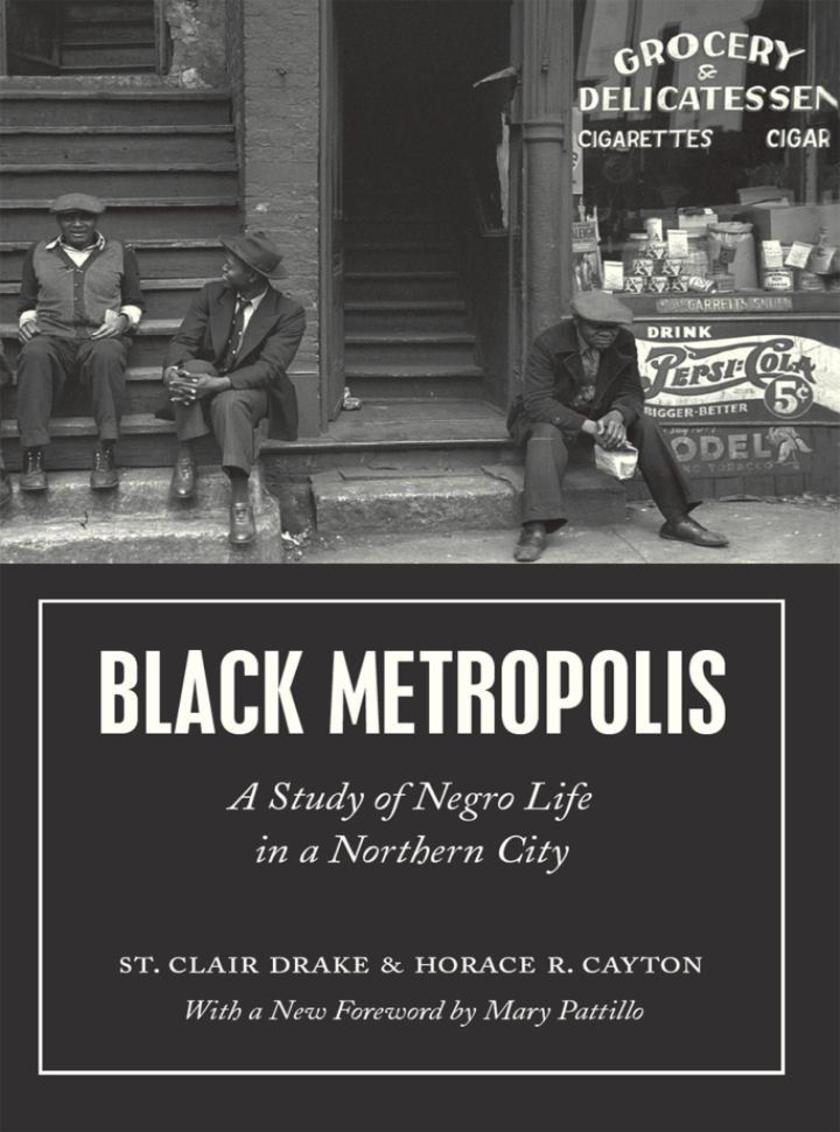
Black Metropolis
¥329.62
Ground-breaking when first published in 1945, Black Metropolis remains a landmark study of race and urban life. Few studies since have been able to match its scope and magnitude, offering one of the most comprehensive looks at black life in America. Based on research conducted by Works Progress Administration field workers, it is a sweeping historical and sociological account of the people of Chicago's South Side from the 1840s through the 1930s. Its findings offer a comprehensive analysis of black migration, settlement, community structure, and black-white race relations in the first half of the twentieth century. It offers a dizzying and dynamic world filled with captivating people and startling revelations.A new foreword from sociologist Mary Pattillo places the study in modern context, updating the story with the current state of black communities in Chicago and the larger United States and exploring what this means for the future. As the country continues to struggle with race and our treatment of black lives, Black Metropolis continues to be a powerful contribution to the conversation.
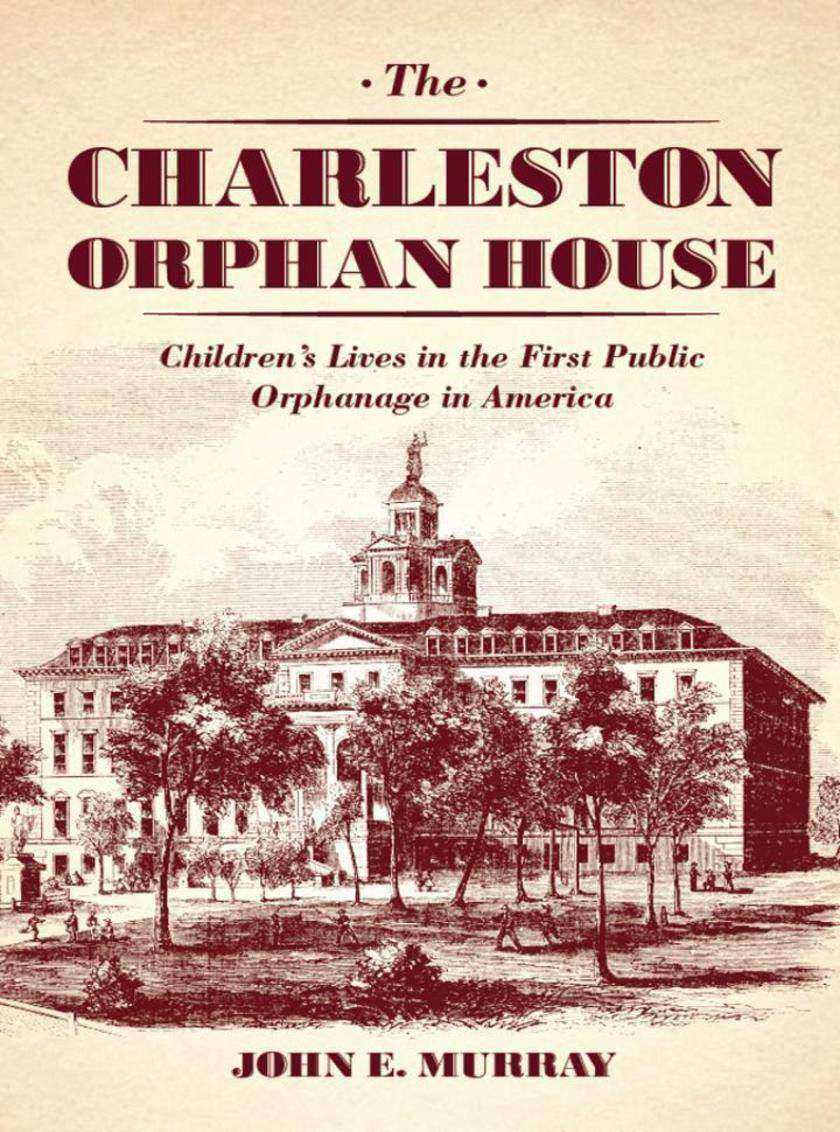
Charleston Orphan House
¥265.87
The first public orphanage in America, the Charleston Orphan House saw to the welfare and education of thousands of children from poor white families in the urban South. From wealthy benefactors to the families who sought its assistance to the artisans and merchants who relied on its charges as apprentices, the Orphan House was a critical component of the city's social fabric. By bringing together white citizens from all levels of society, it also played a powerful political role in maintaining the prevailing social order.?John E. Murray tells the story of the Charleston Orphan House for the first time through the words of those who lived there or had family members who did. Through their letters and petitions, the book follows the families from the events and decisions that led them to the Charleston Orphan House through the children's time spent there to, in a few cases, their later adult lives. What these accounts reveal are families struggling to maintain ties after catastrophic loss and to preserve bonds with children who no longer lived under their roofs.?An intimate glimpse into the lives of the white poor in early American history, The Charleston Orphan House is moreover an illuminating look at social welfare provision in the antebellum South.
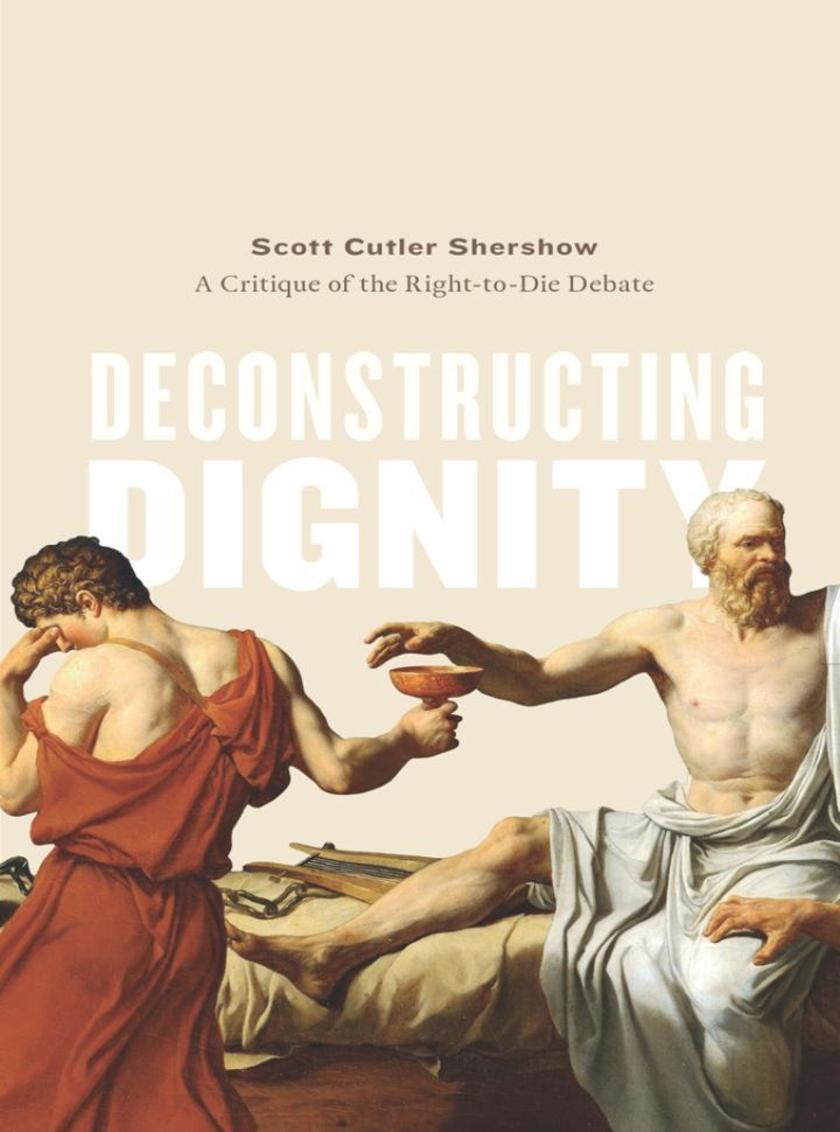
Deconstructing Dignity
¥311.96
The right-to-die debate has gone on for centuries, playing out most recently as a spectacle of protest surrounding figures such as Terry Schiavo. In?Deconstructing Dignity, Scott Cutler Shershow offers a powerful new way of thinking about it philosophically. Focusing on the concepts of human dignity and the sanctity of life, he employs Derridean deconstruction to uncover self-contradictory and damaging assumptions that underlie both sides of the debate.Shershow examines texts from Cicero's?De Officiis?to Kant's?Groundwork of the Metaphysics of Morals?to court decisions and religious declarations. Through them he reveals how arguments both supporting and denying the right to die undermine their own unconditional concepts of human dignity and the sanctity of life with a hidden conditional logic, one often tied to practical economic concerns and the scarcity or unequal distribution of medical resources. He goes on to examine the exceptional case of self-sacrifice, closing with a vision of a society-one whose conditions we are far from meeting-in which the debate can finally be resolved. A sophisticated analysis of a heated topic,?Deconstructing Dignity?is also a masterful example of deconstructionist methods at work.?

Afterlife Is Where We Come From
¥265.87
When a new baby arrives among the Beng people of West Africa, they see it not as being born, but as being reincarnated after a rich life in a previous world. Far from being a tabula rasa, a Beng infant is thought to begin its life filled with spiritual knowledge. How do these beliefs affect the way the Beng rear their children?In this unique and engaging ethnography of babies, Alma Gottlieb explores how religious ideology affects every aspect of Beng childrearing practices-from bathing infants to protecting them from disease to teaching them how to crawl and walk-and how widespread poverty limits these practices. A mother of two, Gottlieb includes moving discussions of how her experiences among the Beng changed the way she saw her own parenting. Throughout the book she also draws telling comparisons between Beng and Euro-American parenting, bringing home just how deeply culture matters to the way we all rear our children.All parents and anyone interested in the place of culture in the lives of infants, and vice versa, will enjoy The Afterlife Is Where We Come From."e;This wonderfully reflective text should provide the impetus for formulating research possibilities about infancy and toddlerhood for this century."e; - Caren J. Frost, Medical Anthropology Quarterly?"e;Alma Gottlieb's careful and thought-provoking account of infancy sheds spectacular light upon a much neglected topic. . . . [It] makes a strong case for the central place of babies in anthropological accounts of religion. ?Gottlieb's remarkably rich account, delivered after a long and reflective period of gestation, deserves a wide audience across a range of disciplines."e;-Anthony Simpson, Critique of Anthropology?
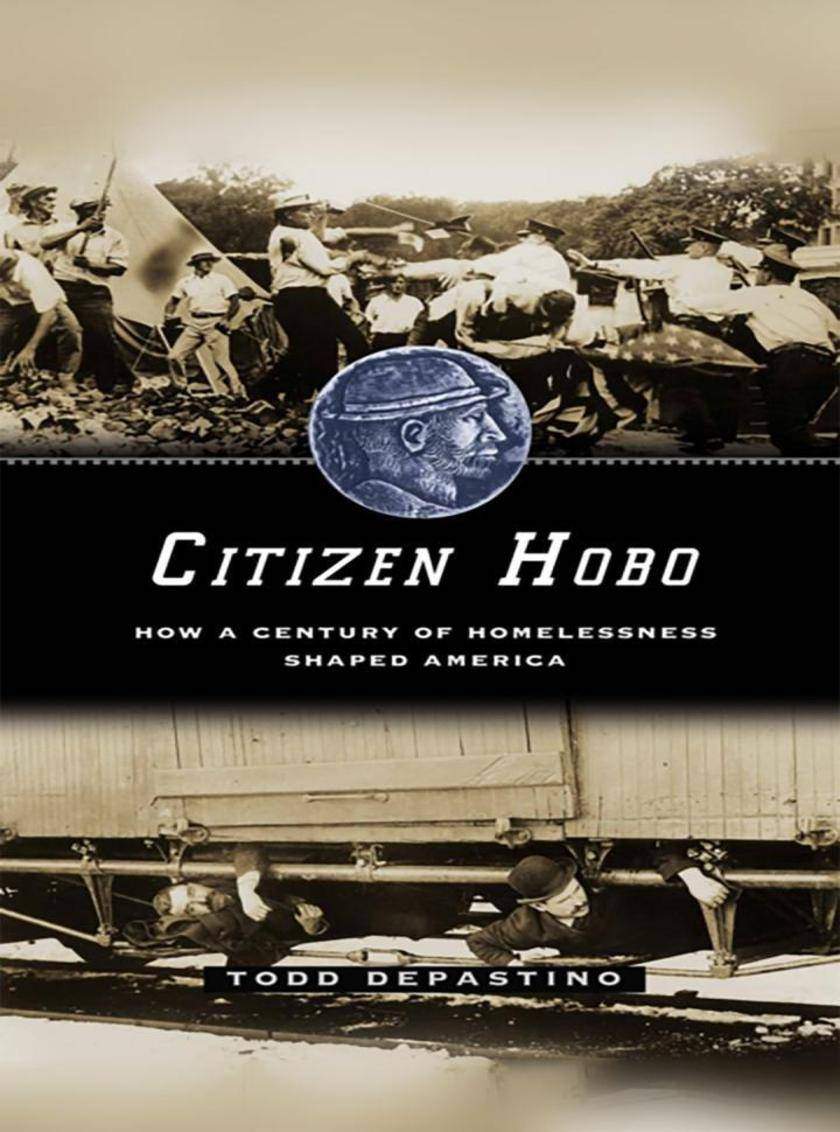
Citizen Hobo
¥253.10
In the years following the Civil War, a veritable army of homeless men swept across America's "e;wageworkers' frontier"e; and forged a beguiling and bedeviling counterculture known as "e;hobohemia."e; Celebrating unfettered masculinity and jealously guarding the American road as the preserve of white manhood, hoboes took command of downtown districts and swaggered onto center stage of the new urban culture. Less obviously, perhaps, they also staked their own claims on the American polity, claims that would in fact transform the very entitlements of American citizenship.In this eye-opening work of American history, Todd DePastino tells the epic story of hobohemia's rise and fall, and crafts a stunning new interpretation of the "e;American century"e; in the process. Drawing on sources ranging from diaries, letters, and police reports to movies and memoirs, Citizen Hobo breathes life into the largely forgotten world of the road, but it also, crucially, shows how the hobo army so haunted the American body politic that it prompted the creation of an entirely new social order and political economy. DePastino shows how hoboes-with their reputation as dangers to civilization, sexual savages, and professional idlers-became a cultural and political force, influencing the creation of welfare state measures, the promotion of mass consumption, and the suburbanization of America. Citizen Hobo's sweeping retelling of American nationhood in light of enduring struggles over "e;home"e; does more than chart the change from "e;homelessness"e; to "e;houselessness."e; In its breadth and scope, the book offers nothing less than an essential new context for thinking about Americans' struggles against inequality and alienation.
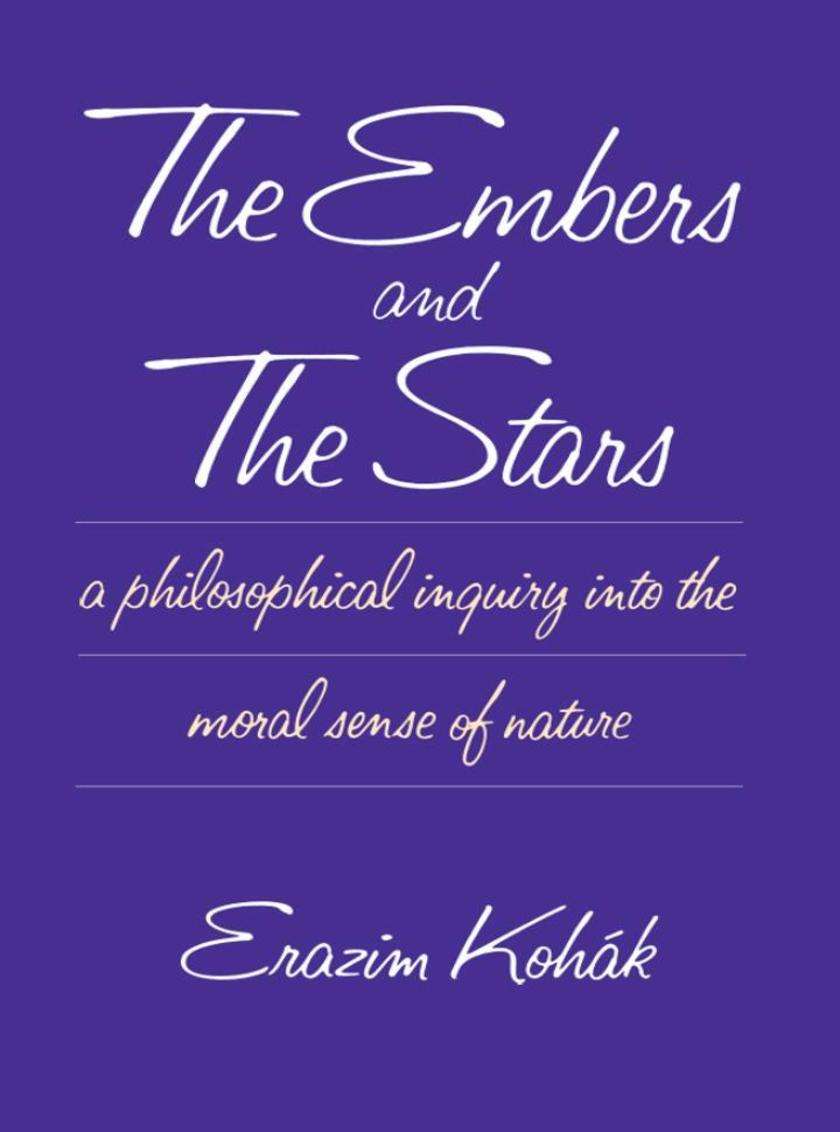
Embers and the Stars
¥247.21
"e;It is hard to put this profound book into a category. Despite the author's criticisms of Thoreau, it is more like Walden than any other book I have read. . . . The book makes great strides toward bringing the best insights from medieval philosophy and from contemporary environmental ethics together. Anyone interested in both of these areas must read this book."e;-Daniel A. Dombrowski, The Thomist"e;Those who share Kohk's concern to understand nature as other than a mere resource or matter in motion will find his temporally oriented interpretation of nature instructive. It is here in particular that Kohk turns moments of experience to account philosophically, turning what we habitually overlook or avoid into an opportunity and basis for self-knowledge. This is an impassioned attempt to see the vital order of nature and the moral order of our humanity as one."e;-Ethics
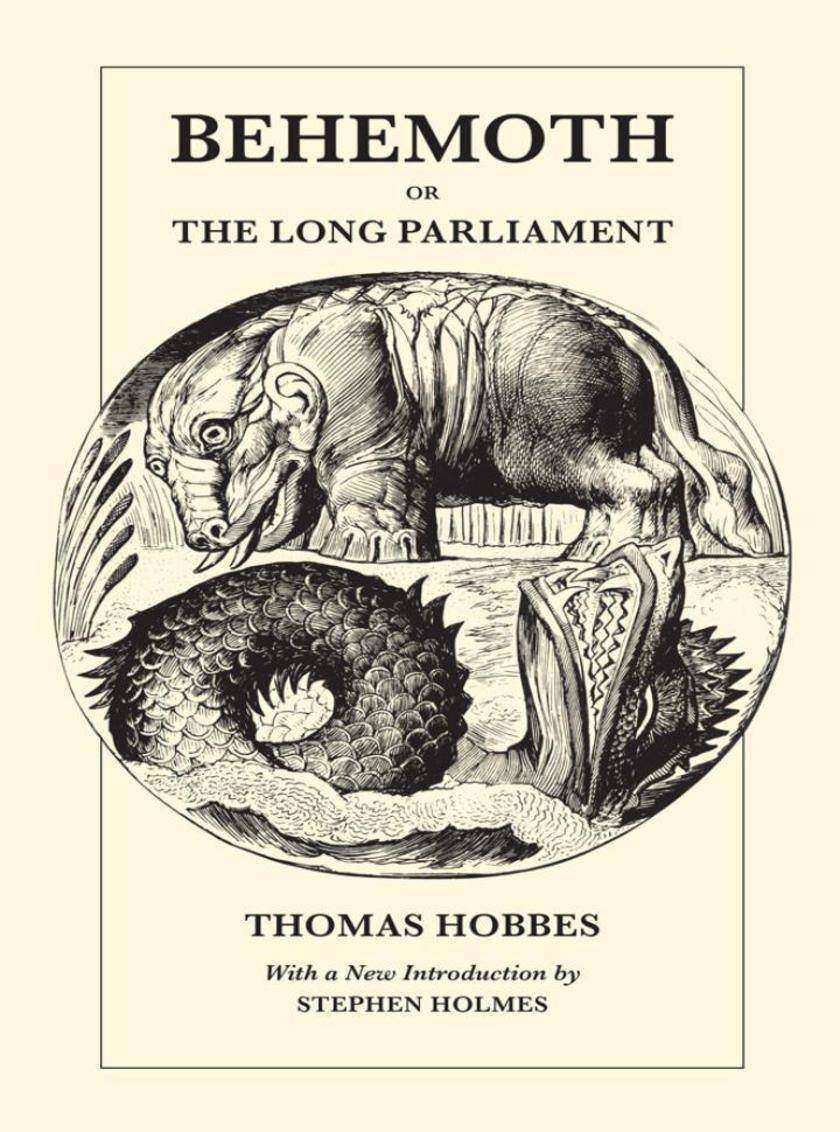
Behemoth or The Long Parliament
¥247.21
Behemoth, or The Long Parliament is essential to any reader interested in the historical context of the thought of Thomas Hobbes (1588-1679). In De Cive (1642) and Leviathan (1651), the great political philosopher had developed an analytical framework for discussing sedition, rebellion, and the breakdown of authority. Behemoth, completed around 1668 and not published until after Hobbe's death, represents the systematic application of this framework to the English Civil War.In his insightful and substantial Introduction, Stephen Holmes examines the major themes and implications of Behemoth in Hobbes's system of thought. Holmes notes that a fresh consideration of Behemoth dispels persistent misreadings of Hobbes, including the idea that man is motivated solely by a desire for self-preservation. Behemoth, which is cast as a series of dialogues between a teacher and his pupil, locates the principal cause of the Civil War less in economic interests than in the stubborn irrationality of key actors. It also shows more vividly than any of Hobbe's other works the importance of religion in his theories of human nature and behavior.
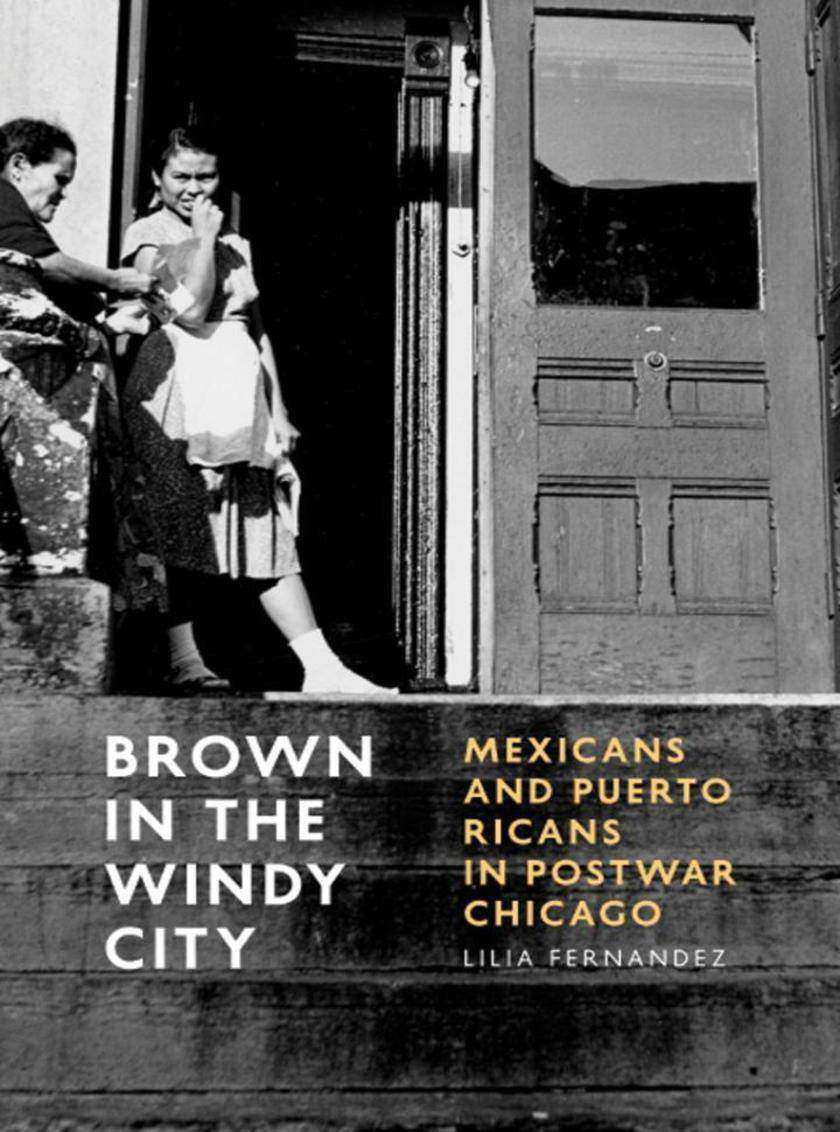
Brown in the Windy City
¥247.21
Brown in the Windy City?is the first history to examine the migration and settlement of Mexicans and Puerto Ricans in postwar Chicago. Lilia Fernndez reveals how the two populations arrived in Chicago in the midst of tremendous social and economic change and, in spite of declining industrial employment and massive urban renewal projects, managed to carve out a geographic and racial place in one of America's great cities. Through their experiences in the city's central neighborhoods over the course of these three decades, Fernndez demonstrates how Mexicans and Puerto Ricans collectively articulated a distinct racial position in Chicago, one that was flexible and fluid, neither black nor white.?
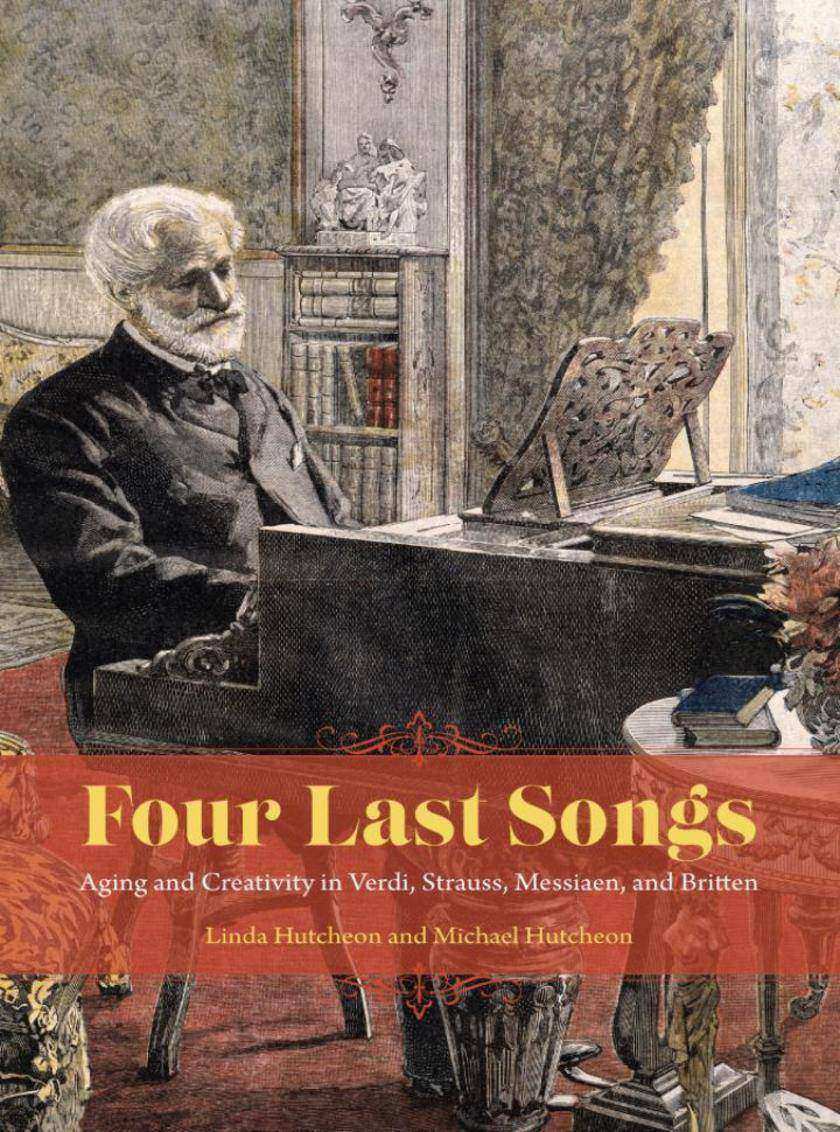
Four Last Songs
¥247.21
Aging and creativity can seem a particularly fraught relationship for artists, who often face age-related difficulties as their audience's expectations are at a peak. In?Four Last Songs, Linda and Michael Hutcheon explore this issue via the late works of some of the world's greatest composers.Giuseppe Verdi (1813-1901), Richard Strauss (1864-1949), Olivier Messiaen (1908-92), and Benjamin Britten (1913-76) all wrote operas late in life, pieces that reveal unique responses to the challenges of growing older. Verdi's?Falstaff, his only comedic success, combated Richard Wagner's influence by introducing young Italian composers to a new model of national music. Strauss, on the other hand, struggling with personal and political problems in Nazi Germany, composed the self-reflexive?Capriccio, a "e;life review"e; of opera and his own legacy. Though it exhausted him physically and emotionally, Messiaen at the age of seventy-five finished?his only opera,?Saint Franois d'Assise, which marked the pinnacle of his career. Britten, meanwhile, suffering from heart problems, refused surgery until he had completed his masterpiece,?Death in Venice. For all four composers, age, far from sapping their creative power, provided impetus for some of their best accomplishments.With its deft treatment of these composers' final years and works, Four Last Songs provides a valuable look at the challenges-and opportunities-that present themselves as artists grow older.
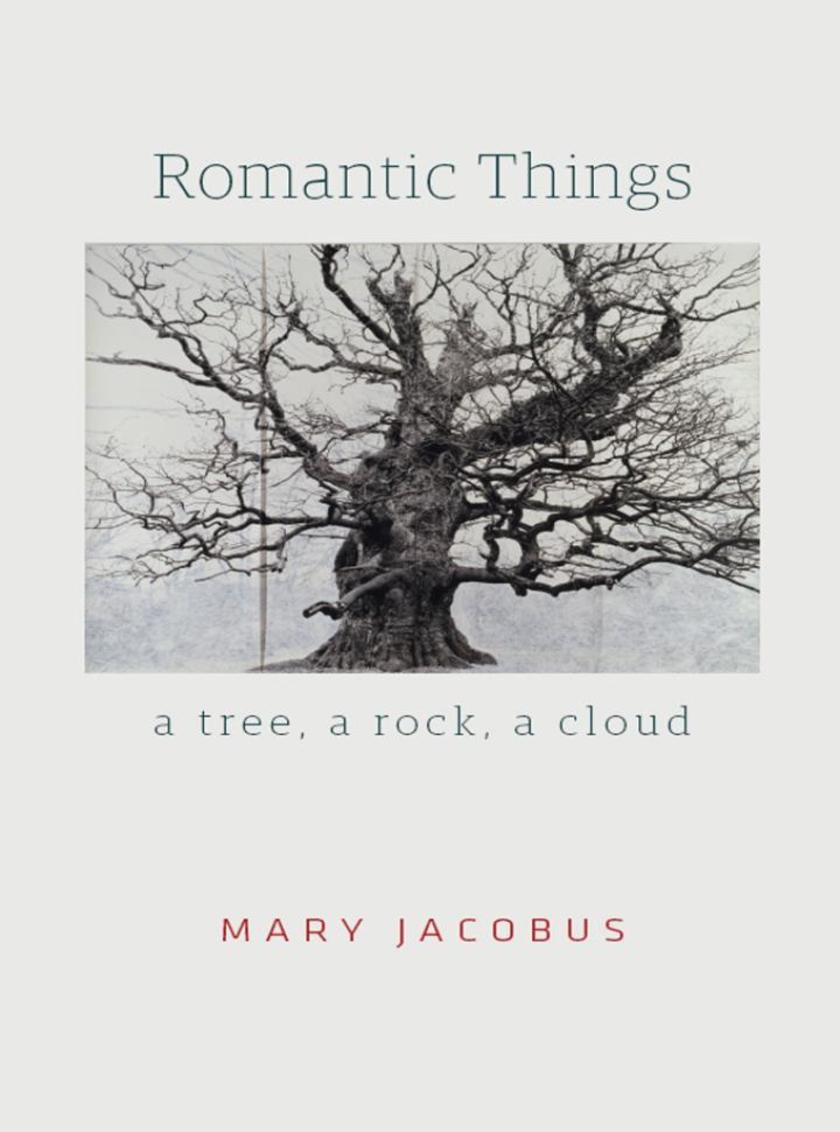
Romantic Things
¥247.21
Our thoughts are shaped as much by what things make of us as by what we make of them. Lyric poetry is especially concerned with things and their relationship to thought, sense, and understanding. In Romantic Things, Mary Jacobus explores the world of objects and phenomena in nature as expressed in Romantic poetry alongside the theme of sentience and sensory deprivation in literature and art.?Jacobus discusses objects and attributes that test our perceptions and preoccupy both Romantic poetry and modern philosophy. John Clare, John Constable, Rainer Maria Rilke, W. G. Sebald, and Gerhard Richter make appearances around the central figure of William Wordsworth as Jacobus explores trees, rocks, clouds, breath, sleep, deafness, and blindness in their work. While she thinks through these things, she is assisted by the writings of Maurice Merleau-Ponty, Jacques Derrida, and Jean-Luc Nancy. Helping us think more deeply about things that are at once visible and invisible, seen and unseen, felt and unfeeling, Romantic Things opens our eyes to what has been previously overlooked in lyric and Romantic poetry.

Socrates and the Jews
¥247.21
"e;What has Athens to do with Jerusalem?"e; Asked by the early Christian Tertullian, the question was vigorously debated in the nineteenth century. While classics dominated the intellectual life of Europe, Christianity still prevailed and conflicts raged between the religious and the secular. Taking on the question of how the glories of the classical world could be reconciled with the Bible, Socrates and the Jews explains how Judaism played a vital role in defining modern philhellenism.Exploring the tension between Hebraism and Hellenism, Miriam Leonard gracefully probes the philosophical tradition behind the development of classical philology and considers how the conflict became a preoccupation for the leading thinkers of modernity, including Matthew Arnold, Moses Mendelssohn, Kant, Marx, Nietzsche, and Freud. For each, she shows how the contrast between classical and biblical traditions is central to writings about rationalism, political subjectivity, and progress. Illustrating how the encounter between Athens and Jerusalem became a lightning rod for intellectual concerns, this book is a sophisticated addition to the history of ideas.

Honest Courtesan
¥241.33
The Venetian courtesan has long captured the imagination as a female symbol of sexual license, elegance, beauty, and unruliness. What then to make of the cortigiana onesta-the honest courtesan who recast virtue as intellectual integrity and offered wit and refinement in return for patronage and a place in public lifeVeronica Franco (1546-1591) was such a woman, a writer and citizen of Venice, whose published poems and familiar letters offer rich testimony to the complexity of the honest courtesan's position.Margaret F. Rosenthal draws a compelling portrait of Veronica Franco in her cultural social, and economic world. Rosenthal reveals in Franco's writing a passionate support of defenseless women, strong convictions about inequality, and, in the eroticized language of her epistolary verses, the seductive political nature of all poetic contests. It is Veronica Franco's insight into the power conflicts between men and women-and her awareness of the threat she posed to her male contemporaries-that makes her literary works and her dealings with Venetian intellectuals so pertinent today.Combining the resources of biography, history, literary theory, and cultural criticism, this sophisticated interdisciplinary work presents an eloquent and often moving account of one woman's life as an act of self-creation and as a complex response to social forces and cultural conditions."e;A book . . . pleasurably redolent of Venice in the 16th-century. Rosenthal gives a vivid sense of a world of salons and coteries, of intricate networks of family and patronage, and of literary exchanges both intellectual and erotic."e;-Helen Hackett, Times Higher Education SupplementThe Honest Courtesan is the basis for the film Dangerous Beauty (1998) directed by Marshall Herskovitz. (The film was re-titled The Honest Courtesan for release in the UK and Europe in 1999.)

What Did the Romans Know?
¥229.55
What did the Romans know about their worldQuite a lot, as Daryn Lehoux makes clear in this fascinating and much-needed contribution to the history and philosophy of ancient science. Lehoux contends that even though many of the Romans' views about the natural world have no place in modern science-the umbrella-footed monsters and dog-headed people that roamed the earth and the stars that foretold human destinies-their claims turn out not to be so radically different from our own.?Lehoux draws upon a wide range of sources from what is unquestionably the most prolific period of ancient science, from the first century BC to the second century AD. He begins with Cicero's theologico-philosophical trilogy On the Nature of the Gods, On Divination, and On Fate, illustrating how Cicero's engagement with nature is closely related to his concerns in politics, religion, and law. Lehoux then guides readers through highly technical works by Galen and Ptolemy, as well as the more philosophically oriented physics and cosmologies of Lucretius, Plutarch, and Seneca, all the while exploring the complex interrelationships between the objects of scientific inquiry and the norms, processes, and structures of that inquiry. This includes not only the tools and methods the Romans used to investigate nature, but also the Romans' cultural, intellectual, political, and religious perspectives. Lehoux concludes by sketching a methodology that uses the historical material he has carefully explained to directly engage the philosophical questions of incommensurability, realism, and relativism.?By situating Roman arguments about the natural world in their larger philosophical, political, and rhetorical contexts, What Did the Romans Knowdemonstrates that the Romans had sophisticated and novel approaches to nature, approaches that were empirically rigorous, philosophically rich, and epistemologically complex.


