


 购物车
购物车 个人中心
个人中心

Urban Blues
¥211.90
Charles Keil examines the expressive role of blues bands and performers and stresses the intense interaction between performer and audience. Profiling bluesmen Bobby Bland and B. B. King, Keil argues that they are symbols for the black community, embodying important attitudes and roles-success, strong egos, and close ties to the community. While writing Urban Blues in the mid-1960s, Keil optimistically saw this cultural expression as contributing to the rising tide of raised political consciousness in Afro-America. His new Afterword examines black music in the context of capitalism and black culture in the context of worldwide trends toward diversification."e;Enlightening. . . . [Keil] has given a provocative indication of the role of the blues singer as a focal point of ghetto community expression."e;-John S. Wilson, New York Times Book Review"e;A terribly valuable book and a powerful one. . . . Keil is an original thinker and . . . has offered us a major breakthrough."e;-Studs Terkel, Chicago Tribune"e;[Urban Blues] expresses authentic concern for people who are coming to realize that their past was . . . the source of meaningful cultural values."e;-Atlantic"e;An achievement of the first magnitude. . . . He opens our eyes and introduces a world of amazingly complex musical happening."e;-Robert Farris Thompson, Ethnomusicology?"e;[Keil's] vigorous, aggressive scholarship, lucid style and sparkling analysis stimulate the challenge. Valuable insights come from treating urban blues as artistic communication."e;-James A. Bonar, Boston Herald?
Commentary on The Complete Greek Tragedies. Aeschylus
¥211.90
This commentary offers a rich introduction and useful guide to the seven surviving plays attributed to Aeschylus. Though it may profitably be used with any translation of Aeschylus, the commentary is based on the acclaimed Chicago translations, The Complete Greek Tragedies, edited by David Grene and Richmond Lattimore.James C. Hogan provides a general introduction to Aeschylean theater and drama, followed by a line-by-line commentary on each of the seven plays. He places Aeschylus in the historical, cultural, and religious context of fifth-century Athens, showing how the action and metaphor of Aeschylean theater can be illuminated by information on Athenian law athletic contests, relations with neighboring states, beliefs about the underworld, and countless other details of Hellenic life. Hogan clarifies terms that might puzzle modern readers, such as place names and mythological references, and gives special attention to textual and linguistic issues: controversial questions of interpretation; difficult or significant Greek words; use of style, rhetoric, and commonplaces in Greek poetry; and Aeschylus's place in the poetic tradition of Homer, Hesiod, and the elegiac poets. Practical information on staging and production is also included, as are maps and illustrations, a bibliography, indexes, and extensive cross-references between the seven plays. Forthcoming volumes will cover the works of Sophocles and Euripides.
"e;Do You Know...?"e;
¥211.90
Every night, somewhere in the world, three or four musicians will climb on stage together. Whether the gig is at a jazz club, a bar, or a bar mitzvah, the performance never begins with a note, but with a question. The trumpet player might turn to the bassist and ask, "e;Do you know 'Body and Soul'?"e;-and from there the subtle craft of playing the jazz repertoire is tested in front of a live audience. These ordinary musicians may never have played together-they may never have met-so how do they smoothly put on a show without getting booed offstage.In "e;Do You Know . . . ?"e; Robert R. Faulkner and Howard S. Becker-both jazz musicians with decades of experience performing-present the view from the bandstand, revealing the array of skills necessary for working musicians to do their jobs. While learning songs from sheet music or by ear helps, the jobbing musician's lexicon is dauntingly massive: hundreds of thousands of tunes from jazz classics and pop standards to more exotic fare. Since it is impossible for anyone to memorize all of these songs, Faulkner and Becker show that musicians collectively negotiate and improvise their way to a successful performance. Players must explore each others' areas of expertise, develop an ability to fake their way through unfamiliar territory, and respond to the unpredictable demands of their audience-whether an unexpected gang of polka fanatics or a tipsy father of the bride with an obscure favorite song."e;Do You Know . . . ?"e; dishes out entertaining stories and sharp insights drawn from the authors' own experiences and observations as well as interviews with a range of musicians. Faulkner and Becker's vivid, detailed portrait of the musician at work holds valuable lessons for anyone who has to think on the spot or under a spotlight.

Wittgenstein's Lectures on the Foundations of Mathematics, Cambridge, 1939
¥211.90
For several terms at Cambridge in 1939, Ludwig Wittgenstein lectured on the philosophical foundations of mathematics. A lecture class taught by Wittgenstein, however, hardly resembled a lecture.He sat on a chair in the middle of the room, with some of the class sitting in chairs, some on the floor. He never used notes. He paused frequently, sometimes for several minutes, while he puzzled out a problem. He often asked his listeners questions and reacted to their replies. Many meetings were largely conversation.These lectures were attended by, among others, D. A. T. Gasking, J. N. Findlay, Stephen Toulmin, Alan Turing, G. H. von Wright, R. G. Bosanquet, Norman Malcolm, Rush Rhees, and Yorick Smythies. Notes taken by these last four are the basis for the thirty-one lectures in this book.The lectures covered such topics as the nature of mathematics, the distinctions between mathematical and everyday languages, the truth of mathematical propositions, consistency and contradiction in formal systems, the logicism of Frege and Russell, Platonism, identity, negation, and necessary truth. The mathematical examples used are nearly always elementary.
Born in Sin
¥55.91
Stunning Caledonia MacNeely fights an unfamiliar shiver when she is offered in marriage to the infamous 'Lord Sin'. Though Callie fears this mysterious knight less for the dark whispers that damn him than for the burning desire he invokes she is under order of the English King. And with the fate of her troubled clan hanging in the balance, she has little recourse.
Return of the Viscount
¥55.31
Her marriage of convenience seems far too convenient . . .Desperation drove Cecilia Mallory to seek a union with a stranger one who would wed her sight unseen and grant her full access to her inheritance with no expectations whatsoever. She anticipated, perhaps, an older, undesirable, equally desperate husband never the young, vibrant, and devastatingly attractive man who answered her call. What could such a man really be afterUnknown to Cecilia, Viscount Michael Blackthorne, a soldier and gentleman, owes a debt of honor to Lady Cecilia's father, and granting her unusual request to wed seemed a worthy way to repay it. But an unseen threat perilously close at hand is convincing Michael thathis true responsibility is to protect the beautiful, warm-hearted lady he has married . . . the woman he is unexpectedly coming to love.

In the Arms of a Marquess
¥55.31
She'd never forgotten him . . .Miss Octavia Pierce is witty, well-off . . . and shockingly unwed. Still, she is far too successful insociety to remain on the shelf forever, and her family has hopes that Octavia will finally make the perfect match. What they don't know is that, years earlier, Octavia was scandalouslytempted by the one man capable of sweeping her off her feet the man now known as the Marquess of Dore.A third son, never meant to inherit, Lord Ben Dore has abandoned his past and grown accustomed to his illustrious new position of wealth and power. But he has never forgotten Octavia, and now she desperately needs his help in a most dangerous, clandestine matter. Although she claims she has put the memories of the passion they shared behind her, Ben is determined toonce again have her in his arms and in his bed.
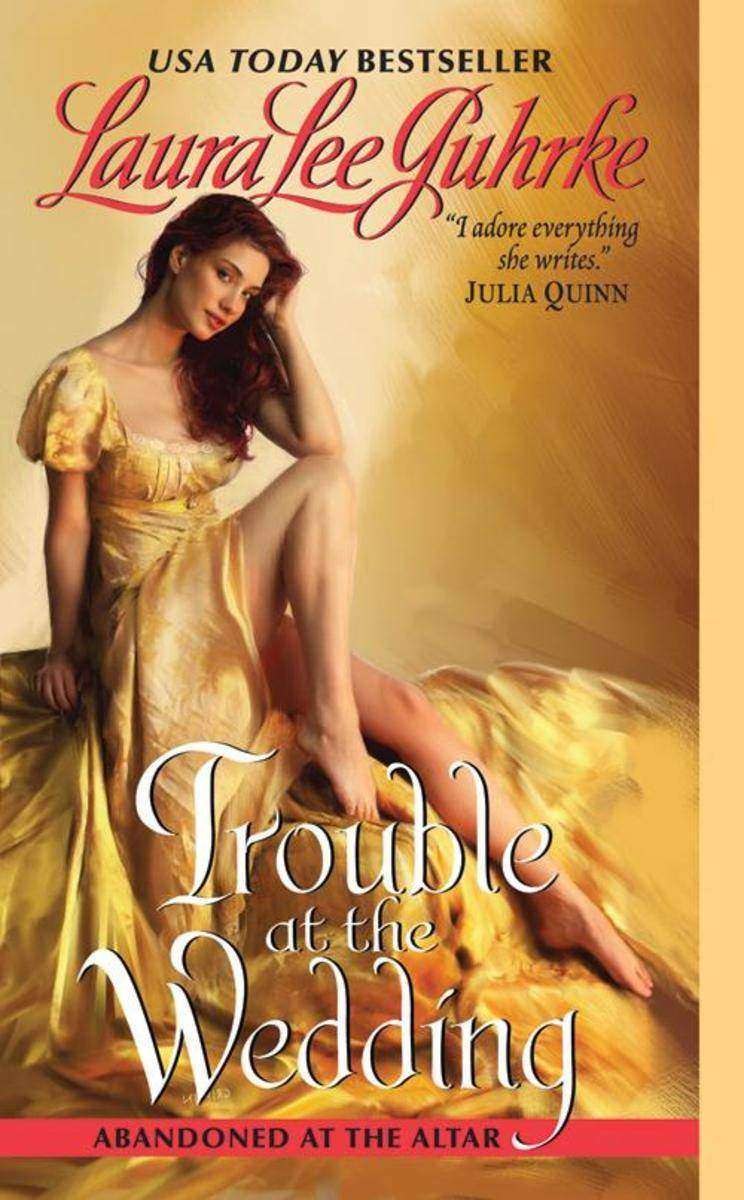
Trouble at the Wedding
¥56.07
Annabel is about to marry the perfect man . . .The last thing Miss Annabel Wheaton desires is true love. She learned the hard way that love makes a woman foolish and leads only to heartache. That's why she agreed to marry an earl who needs her money. He's got a pedigree and a country estate, and he won't ever break her heart. There's only one problem . . .Christian isn't about to let her marry that pompous prig . . .Christian Du Quesne, Duke of Scarborough, thinks the stubborn heiress is about to make the biggest mistake of her life, and he's determined to stop her. Tempting beautiful women is Christian's forte, after all. When her family offers him a nice sum of money to stop the wedding, he's happy to accept.Falling in love with Annabel was never supposed to be part of the bargain . . .
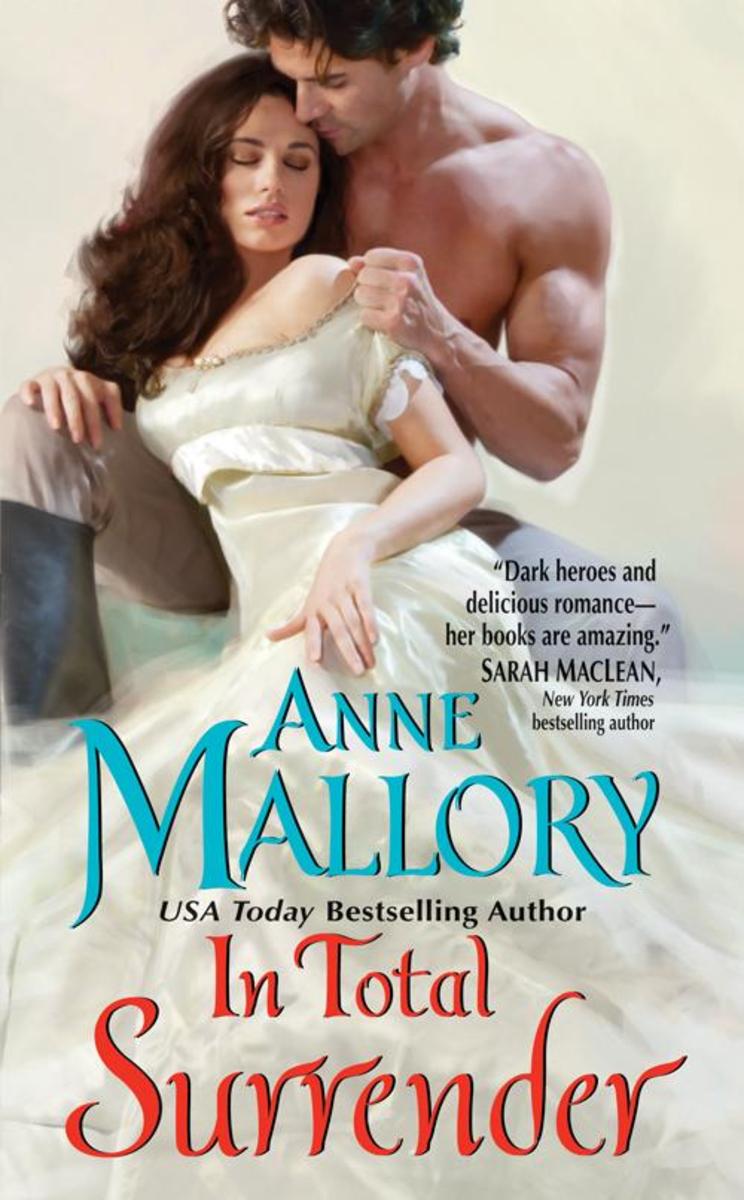
In Total Surrender
¥55.31
Andreas Merrick is the king of London's dark underworld, having amassedunimaginable wealth and power . . . and afierce reputation that leaves even thebravest men quaking in their boots. Yet one person is maddeningly unintimidated byhis fearsome presence: the persistent Miss Phoebe Pace. And one kiss always leads to another . . .Equal parts honey and steel, Phoebe willstop at nothing to find her missing brotherand save her family. Though associatingwith Andreas means peril and scandal,she never expects to experience a passionso intense that it threatens to consume her. But enigmatic Andreas is no ordinary manto love. He brings dangers from all sides without and within while tempting herbeyond her wildest dreams . . .

The Bite Before Christmas
¥56.07
This holiday season, join two of today's most popular paranormal authors for a special look into their worlds, where creatures are always stirring and no one sleeps through the night. . . . The Bite Before Christmas The Gift by Lynsay SandsTeddy Brunswick knows about the immortals among us. He's worked with them, called them friend but he never counted on being snowed in with one over Christmas. Katricia Argeneau is a tasty little bundle and she seems to feel the same way about him. Problem is, he's not sure she feels quite the same way. After all, the snowstorm has derailed her blood delivery, which leaves him the only available meal on the menu. . . .Home for the Holidays by Jeaniene FrostCat and Bones are looking forward to a normal holiday at least as normal as it gets for the combustible vampire couple and their otherworldly friends and family. But their yuletide plans are shattered when a stranger shows up and reveals long-buried family secrets that threaten to take a bite out of their holiday cheer . . . and lives.

Treasure of the Sun
¥56.07
Theirs was a Passion as Fierce as the Land that Claimed ThemBlack-eyed Damian de la Sola was like no man Katherine Maxwell had ever known. Powerful and seductive, the aristocratic Spaniard unleashed a passion the Boston beauty vowed to resist. De la Sola's blood ran hot for the bewitching widow of his most trusted American ally.Consumed by love and honor-bound to protect her, he relentlessly pursued her into the California wilderness.Together, they followed their destinies. From a magnificent hacienda to a glittering cave carved deep in the mountainside, they searched for a golden treasure--and discovered a priceless love.A Magnificent Novel of Love and Adventure in the Untamed American West

Sins of a Wicked Princess
¥56.07
In the scorching finale of Anna Randol's wickedly tempting Trio series, the Wraith takes on a mission and a princess he'll never forget . . .Ian Maddox, aka the Wraith, is happy to leave his life as a spy as soon as he discovers who's been trying to kill his friends. All clues lead him to the bedroom of an exiled princess. Yet Princess Juliana isn't the simpering royal he expects, and this irresistible beauty agrees to give him the information he seeks . . . for a price.Princess Juliana has never cowered not even as she fled her burning castle in the midst of a rebellion so she won't tremble before the darkly charismatic man who appears in her bedchamber and holds a knife to her throat. Instead, she bargains with the infamous spy to help her retrieve sensitive documents and restore her kingdom. But Juliana quickly finds that Ian is no humble servant, and she never imagines that lessons in thievery will lead to schooling in seduction.
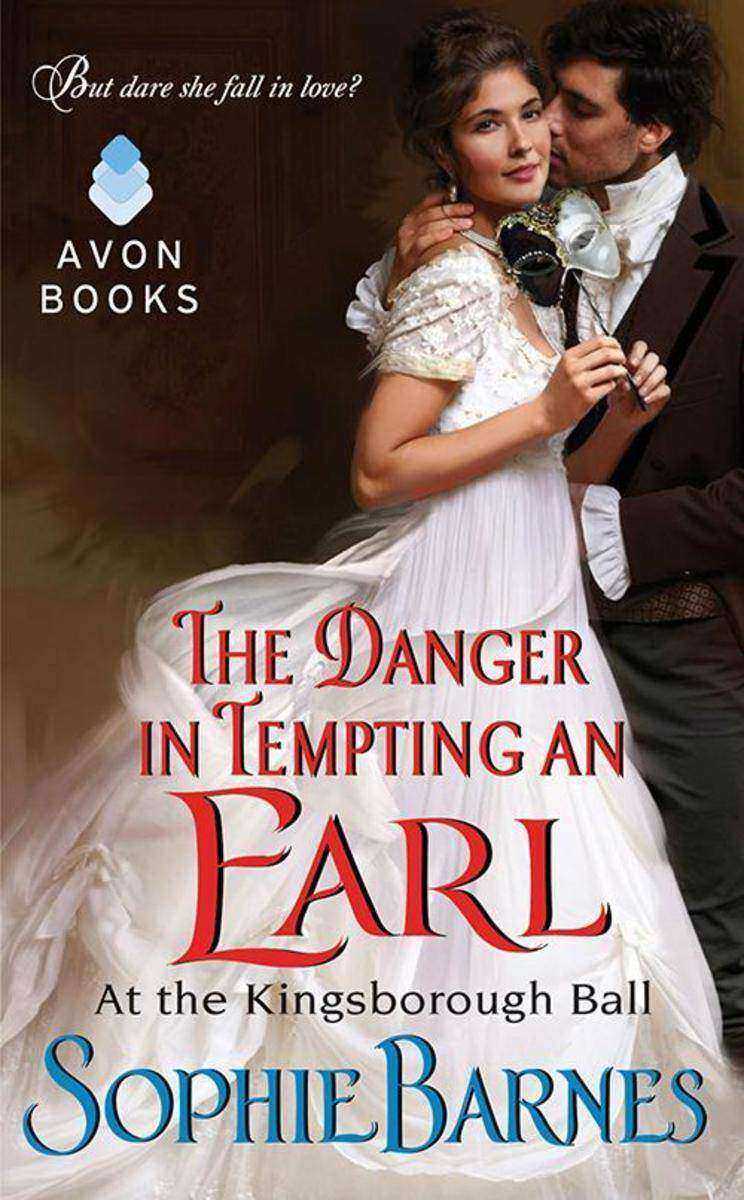
The Danger in Tempting an Earl
¥55.31
Sophie Barnes does it again in this sizzling Regency-set romance where anything can happen at the Kingsborough BallLucien Marvaine never thought he was good enough for Katherine. As the younger son of an earl, he didn't have a title or prospects. Then fate steps in and gives him a second chance, and this new Earl of Roxbury is determined to make the beautiful Kate his own . . . one touch . . . one kiss at a time.Katherine never thought of herself as a temptress, certainly not with Lucien. Why, she's known him almost all her life! Yet as she waltzes in Lucien's arms at the Kingsborough Ball, she can't help but be drawn to him. Has he always been this hard and masculineAnd where did those dimples come fromKate is not looking for a husband . . . but how can she not surrender to Lucien's charms when love is at stake?

Beautiful Child
¥55.91
In the tradition of David Pelzer's A Child Called 'It' comes the unsettling story of a mute, almost catatonic seven year old and the special education teacher who tries to save her from the silence and abuse of her world.Hayden has chronicled experiences from her long career as a special education teacher in several books, including One Child and The Tiger's Child. Successes in this difficult and often frustrating field can be few and hard won, a fact which Hayden deftly illustrates while simultaneously offering hope and joy in small victories. This time she brings to life the story of a scruffy seven year old, Venus, who is so unresponsive that Hayden searches for signs of deafness, brain damage or mental retardation. The author is relentless in her attempt to diagnose the cause of Venus's 'almost catatonic' state, which is punctuated by occasional violent outbursts. In this first person narrative, Hayden also shares her own thoughts, worries and reflections on the strained relationship with a mismatched classroom aide, creating a rich tapestry of the dynamics of a group of special needs youngsters and the adults who try to help them.

Falling Hard
¥55.31
After a grueling assignment with the black ops force known as the Alliance, Weston Brown is craving downtime. Instead, he's pulled into his deadliest operation, in the one place he never wanted to see again. No-nonsense and so damn hot, Lexi Turner lied to get him to her mountain clinic in Pakistan. But the threat is terrifyingly real.Lexi has been asking too many questions, drawing the wrong kind of attention. As soon as she lays eyes on West, she can tell he's quiet yet tough and has a rescue complex which will come in handy for going up against the world's most ruthless gunrunners.Cut off from the rest of the Alliance, Lexi and West navigate the brutal terrain and a primal sexual attraction. Sticking around has never been West's way, but now he'll use every resource to keep Lexi by his side, safe from a killer who leaves no loose ends behind.

The Legend of Lyon Redmond
¥55.91
Bound by centuries of bad blood, England's two most powerful families maintain a veneer of civility . . . until the heir to the staggering Redmond fortune disappears, reviving rumors of an ancient curse: a Redmond and an Eversea are destined to fall disastrously in love once per generation.An Enduring Legend Rumor has it she broke Lyon Redmond's heart. But while many a man has since wooed the dazzling Olivia Eversea, none has ever won her which is why jaws drop when she suddenly accepts a viscount's proposal. Now London waits with bated breath for the wedding of a decade . . . and wagers on the return of an heir.An Eternal LoveIt was instant and irresistible, forbidden . . . and unforgettable. And Lyon now a driven, dangerous, infinitely devastating man decides it's time for a reckoning. As the day of her wedding races toward them, Lyon and Olivia will decide whether their love is a curse destined to tear their families apart . . . or the stuff of which legends are made.

The Spinster's Guide to Scandalous Behavior
¥55.91
In New York Times bestselling author Jennifer McQuiston's enticing new Seduction Diaries entry, a mysterious journal may provide a potential spinster with instruction or lead her to her heart's desireFree-spirited Lucy Westmore isn't yet a spinster, although she fully intends to be. Fortunately, an eccentric aunt has left her both a diary detailing the secrets to spinsterhood and a cottage in Cornwall. Unfortunately, an insufferable marquess is angling for her prize! Turning Lord Thomas Branston down flat should be easy. So why does this man who won't take no for an answer make Lucy's body and soul sigh yesThomas knows the real value of Heathmore Cottage, and he has no intention of letting some silly Society miss get her hands on it. He'll simply have to charm Lucy into selling. But the clever young woman he encounters, first in London, then en route to Cornwall, stands stubbornly on her own two (quite lovely) feet. And now, Thomas can think only of sweeping her off them.

Scotsman of My Dreams
¥55.31
In New York Times bestselling author Karen Ranney's second novel in her breathtaking series, an unconventional woman and a former scoundrel embark on a daring mission of desireOnce the ton's most notorious rake, Dalton MacIain has returned from his expedition to America during the Civil War wounded and a changed man. Instead of returning to his old haunts, he now spends his time at home. But Dalton's peace is disturbed when Minerva Todd barges into his London townhouse, insisting he help search for her missing brother Neville. Though Dalton would love to spend more time with the bewitching beauty, he has no interest in finding Neville, whom he blames for his injury.Minerva has never met a more infuriating man than the Earl of Rathsmere, yet she is intrigued by the torrid rumors she has heard about him . . . and the fierce attraction pulling her toward him.Dalton does not count on Minerva's persistence, or the desire she awakens in him, compelling him to discover her brother's fate. But when danger surrounds them, Dalton fears he will lose the tantalizing, thoroughly unpredictable woman he has come to love.

Truly Sweet
¥55.31
When the one you've always wanted . . .At sixteen, Annabelle Morgan hoped her crush on Jake Wilder was just a passing phase. Now she's twenty-nine and nothing has changed except Jake. The once-carefree Marine has come home with a giant chip on his shoulder. He insists a single mom like Annie deserves more than he can offer. Yet no matter how gruff his gorgeous exterior may be, Jake's toe-curling kisses convince her that this attraction is definitely mutual.Becomes the one who wants you back . . .Butting heads with feisty Annie was always a thrill. Add other body parts to the mix, and Jake is in serious trouble. He can't be a forever-and-family guy and Annie's not a friends-with-benefits kind of woman. But love has a way of changing the best-laid plans, and surrender has never been so tempting . . .The outcome is truly sweet.

Forever Your Earl
¥55.31
Eva Leigh's irresistible new series introduces the Wicked Quills of London: a group of bold, brilliant female writers whose spirited allure is beyond seductive . . .Eleanor Hawke loves a good scandal. And readers of her successful gossip rag live for the exploits of her favorite subject: Daniel Balfour, the notorious Earl of Ashford. So when the earl himself marches into her office and invites her to experience his illicit pursuits firsthand, Eleanor is stunned. Gambling hells, phaeton races, masquerades . . . What more could a scandal writer want than a secret look into the life of this devilishly handsome rakeDaniel has secrets, and if The Hawk's Eye gets wind of them, a man's life could be at stake. And what better way to distract a gossip than by feeding her the scandal she desperately cravesBut Daniel never expected the sharp mind and biting wit of the beautiful writer, and their desire for each other threatens even his best-laid plans.But when Eleanor learns the truth of his deception, Daniel will do anything to prove a romance between a commoner and an earl could really last forever.
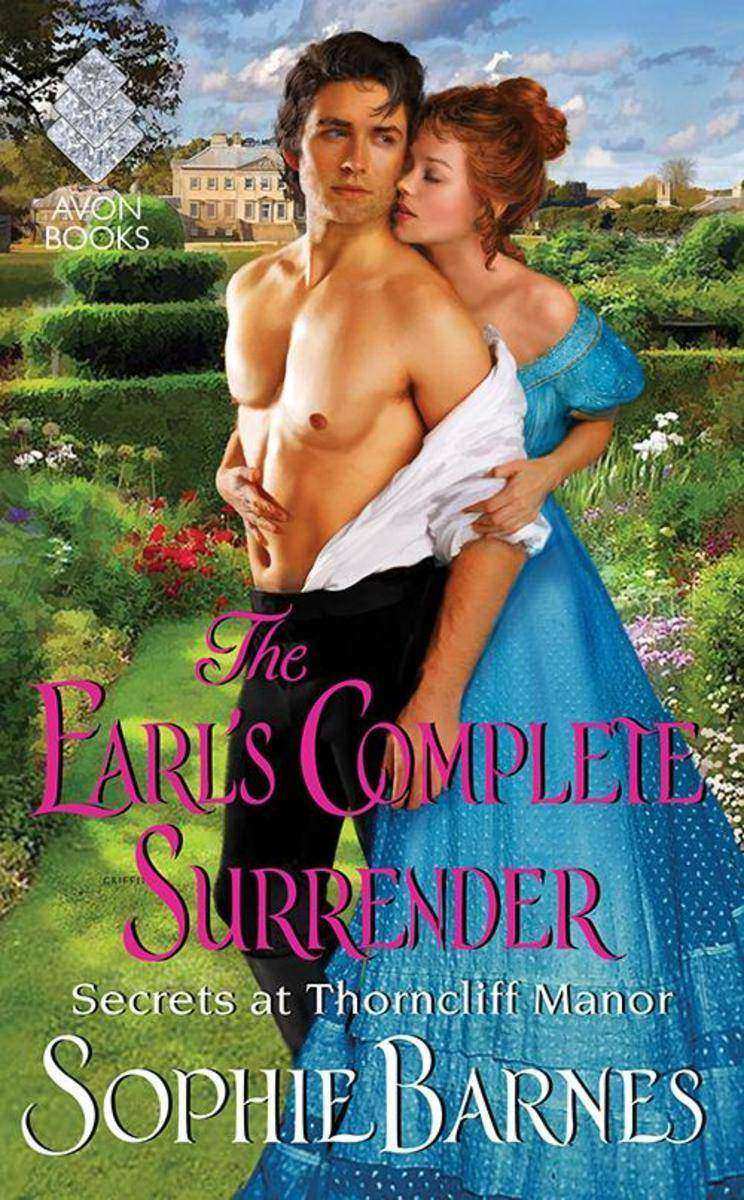
The Earl's Complete Surrender
¥55.91
An unexpected passion ignites as secrets are exposed in Sophie Barnes's captivating Regency-set romanceDespite the diversions offered at Thorncliff Manor, former spy James, the Earl of Woodford, has one purpose in staying there. He must find an encoded book that exposes a conspiracy within the British aristocracy. And he must do so without revealing his purpose to the clever, tempting Chloe Heartly. The lady has a knack for appearing wherever it is least convenient. In the library. In the salon. And, especially, in his arms . . .Somewhere within Thorncliff's labyrinth of rooms lies the journal Chloe desperately seeks. When she realizes the brooding, handsome earl is hunting the same quarry, Chloe enters into an uneasy partnership. But in the face of public danger and enemies hiding in plain sight, both must decide how much they're willing to risk to solve the mysteries of the heart.


