


 购物车
购物车 个人中心
个人中心

Take Me All the Way
¥55.31
You can't go too far when you're fighting for love . . . Tamra Day swore off men a long time ago. Her art, her friends, and her garden have always been enough . . . until now. Suddenly, Tamra is aching for a connection. Unfortunately, Coral Cove's most eligible bachelor is the troublemaker who's building the mini-golf course she's designing. Brusque and sarcastic, he's made a habit of annoying Tamra. But more infuriating is the fact that Tamra can't help noticing how sexy he is.They call him a war hero, but Jeremy Sheridan knows better. Still haunted by painful memories from Afghanistan, he's just hoping for a fresh start. So far, the only problem is his new boss, Tamra, a control freak who's easy on the eyes and way too fun to tease.Despite their differences, Tamra and Jeremy aren't as alone as they think they are. And together, with a little Coral Cove magic, they'll discover how good it feels to embrace a bright new future.
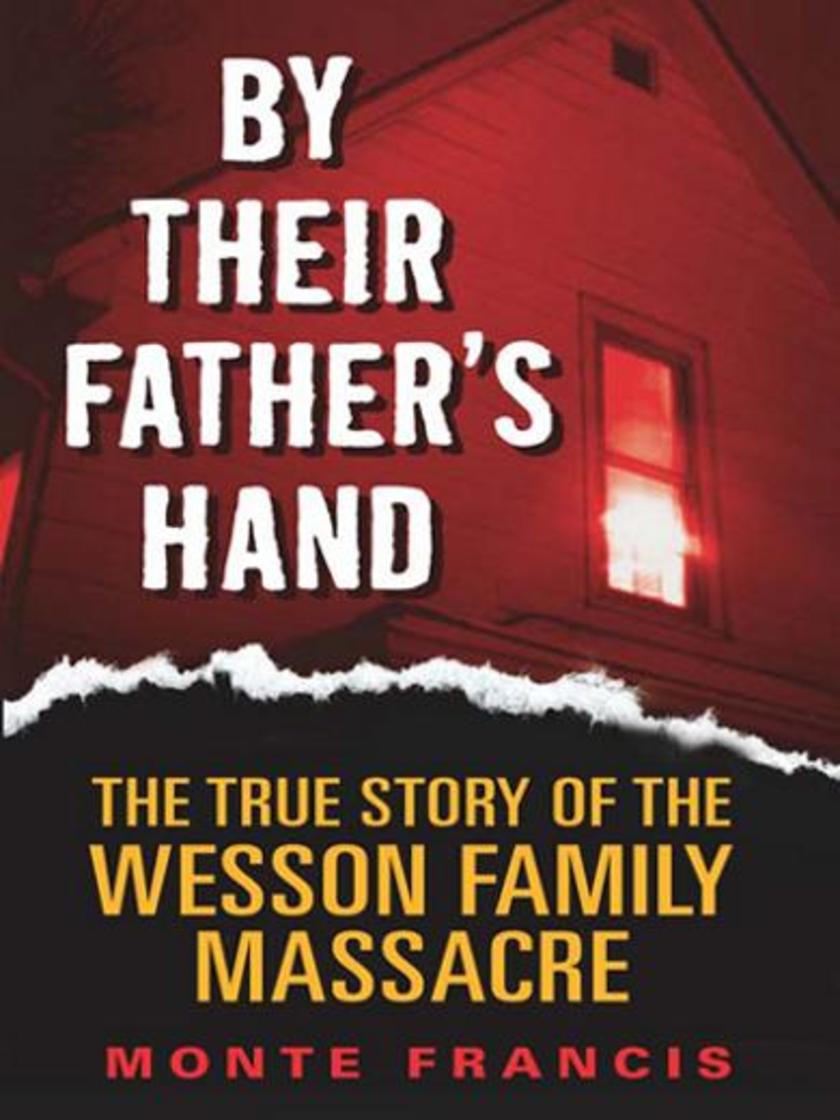
By Their Father's Hand
¥56.07
Neighbors were unaware of what went on behind the tightly closed doors of a house in Fresno, California the home of an imposing, 300-pound Marcus Wesson, his wife, children, nieces, and grandchildren. But on March 12, 2004, gunshots were heard inside the Wesson home, and police officers responding to what they believed was a routine domestic disturbance were horrified by the senseless carnage they discovered when they entered.By Their Father's Hand is a chilling true story of incest, abuse, madness, and murder, and one family's terrible and ultimately fatal ordeal at the hands of a powerful, manipulative man a cultist who envisioned vengeful gods and vampires, and totally controlled those closest to him before their world came to a brutal and bloody halt.

The Color of Death
¥55.31
The name Elizabeth Lowell has become synonymous with electrifying fiction that seamlessly combines suspense, intrigue, and passion. And now the phenomenal New York Times bestselling author brilliantly displays her incomparable talents in a story of treachery, greed, conspiracy, and murder that will hold the reader spellbound until the final word.It is the opportunity of a lifetime for Kate Chandler, the chance to cut seven rare, priceless sapphires and solidify her reputation as a world-class jewel cutter. But something goes horribly, tragically wrong during what should have been a simple transfer of goods. The sapphires vanish without a trace. Missing also is the man Kate trusted to transport the gems: her half brother, Lee, who now, quite possibly, is dead. And suddenly she is on the run, pursued by federal agents who suspect her of being the criminal mastermind of a cunning bait-and-switch scheme.Special agent Sam Groves is one of the best of the best, an essential member of the FBI's elite crime strike force and the perfect man to lead the hunt, since he could never be scammed by a beautiful confidence woman. But something is troubling about this assignment, because someone else is chasing Kate Chandler as well.Only Kate suspects the awful truth: She's unwittingly stumbled into a conspiracy of deceit, betrayal, and cold-blooded murder that goes far beyond a simple jewel heist. And a chilling, threatening voice on the telephone only confirms her worst suspicions. Getting Sam Groves, the FBI agent who's her constant shadow, to believe her is a step in the right direction -- but it may be one that's too little too late in a bloody game where terror dictates her every move and the rules are constantly changing. Because the order has already been passed down to a ruthlessly efficient assassin: Kate Chandler must not be allowed to live ...

Forever in Your Embrace
¥56.07
On a dark and dangerous road a daring British adventurer saves the life of a countess of royal blood. In all his travels Colonel Tyrone Rycroft has never encountered a woman as breathtaking alluring and inscrutably mysterious as the bewitching Synnovea. But his selfless bravery has drawn him into peril and into an inescapable web of intrigue and seduction. In an opulent and treacherous imperial court the proud headstrong lady's dashing champion has become a pawn in a dangerous game of power and influence and only his great courage and wits will enable him to survive it. But Rycroft's enflamed desire will not let him escape to the safety of his own world not until his dream is realized and the enigmatic highborn beauty has given herself to him freely honestly and forever.

The Marriage Contract
¥55.31
He was a man exiled from society handsome unpredictable and proud. Dark rumours surrounded his name. But Anne Burnett had signed a marriage contract binding her to Aiden Black the Earl of Tiebauld. And although she'd never met him she's determined to keep her word and make theirs a marriage in truth. Because a well bred lady with little fortune to recommend her has no choice. From the moment she arrived Anne fell in love with Kelwin Castle and its roguishly handsome laird. By day he instils a fierce loyalty in his people with his masterful ways...and by night he tempts Anne to surrender her innocence to him. But while he is willing to offer his body Aiden refuses to give Anne his heart...making her wonder what prevents him from truly claiming her as his wife.

Fashion Victims
¥123.24
Pairing hilarious poetry with the stunning collage work for which he is famous, Michael Roberts takes on the fashion world letter by letter and in the way only a true insider can in Fashion Victims. This gorgeous, stylish book illustrated and written by the Vanity Fair fashion director, influential stylist, and artist is a witty send-up of the fashion world that will delight style lovers, popular culture aficionados, and art lovers alike with its wit, acute observations, truth, and poignancy. Impeccably designed by Roberts himself, Fashion Victims is a perfect tongue-in-chic gift and a timeless collectible.

Stepping Out Within
¥53.88
Stepping Out Within by Robert W. Olsen has de*ive copy which is not yet available from the Publisher.

You Send Me
¥91.71
The daughter of an over-protective father, Millicent Anderson has never been permitted an ounce of freedomher father has kept her completely sheltered from boys, and even quashed her dream of being a teacher. But when a family trip leads her to tiny Moose Falls, Montana, and she catches sight of bad boy Johnny Pickett, her heart flips -- and before she knows it, she's breaking all the rules to be near him. In Johnny's arms, Millie discovers passion, and Millie is just what Johnny needs to heal after war. When her father tries to separate them by dangling her old dreams before her, however, Millie's forced to make a choice: Will she choose the love of her family and the opportunity to build a career -- or will she leave everything behind for the hot guy she's fallen for?

Always to Remember
¥108.99
Branded a traitor and imprisoned for refusing to fight for the Confederacy, Clayton Holland returns home to Cedar Grove, only to be spurned by the townspeople, except for vengeful Meg Warner, who finds her hatred and grief transformed by love.

Schools Without Fail
¥90.77
The author of the bestselling Reality Therapy offers daring recommendations to "shake up educators" (Alexander Bassin).

Beyond Moralism
¥107.82
This thought-provoking guide takes a candid look at the moral issues we face in our daily lives. Using the Ten Commandments as a starting point, the authors bring fresh analysis to such problems as the morality of war in a nuclear age, equitable tax structures, abortion, marital fidelity, capital punishment, care of aging parents, euthanasia, homosexuality, and other contemporary concerns. Beyond Moralism offers solid guidance that is consistent with the Word of God as heard throughout the ages.

Good To Great And The Social Sectors
¥78.32
Building upon the concepts introduced in Good to Great, Jim Collins answers the most commonly asked questions raised by his readers in the social sectors. Using information gathered from interviews with over 100 social sector leaders, Jim Collins shows that his "Level 5 Leader" and other good-to-great principles can help social sector organizations make the leap to greatness.

The Fall of Rogue Gerrard
¥32.73
From New York Times bestselling author Stephanie Laurens comes her RITA-Award winning tale that shows how one night can change everything . . . forever.Robert "Rogue" Gerrard's reputation paints him as one of the ton's most notorious rakes. But once, long ago, he fell in love . . . and he's never forgotten the scintillating emotion he, then too young, turned his back on. But one stormy night, he discovers himself stranded at an inn with his childhood sweetheart, Lydia Makepeace, who has no business being there alone.Lydia, meanwhile, is horrified to find the one man in England guaranteed to protect her standing between her and the scandalous letter she must, simply must, retrieve.

Holy the Firm
¥72.01
In 1975 Annie Dillard took up residence on an island in Puget Sound in a wooded room furnished with "one enormous window, one cat, one spider and one person." For the next two years she asked herself questions about time, reality, sacrifice death, and the will of God. In Holy the Firm she writes about a moth consumed in a candle flame, about a seven-year-old girl burned in an airplane accident, about a baptism on a cold beach. But behind the moving curtain of what she calls "the hard things -- rock mountain and salt sea," she sees, sometimes far off and sometimes as close by as a veil or air, the power play of holy fire.This is a profound book about the natural world -- both its beauty and its cruelty -- the Pulitzer Prize-winning Dillard knows so well.

The Irrational Bundle
¥323.63
Dan Ariely's three New York Times bestselling books on his groundbreaking behavioral economics research, Predictably Irrational, The Upside of Irrationality, and The (Honest) Truth About Dishonesty, are now available for the first time in a single volume.

The Official Narnia Cookbook
¥65.33
The only OFFICIAL Narnia cookbook! Explore over 60 illustrated recipes inspired by the classic fantasy series The Chronicles of Narnia. Illustrations in this ebook appear in vibrant full color on a full-color ebook device, and in rich black-and-white on all other devices.From the White Witch's spellbinding Turkish Delight to the centaurs' mouthwatering oatcakes and the Dryads' favorite gooseberry fools, each recipe in The OFFICIAL Narnia Cookbook is a culinary tribute to the overwhelming influence The Chronicles of Narnia has had on generations of readers. With anecdotes by C. S. Lewis's stepson, Douglas Gresham, and illustrations by the original artist, Pauline Baynes, this is a delicious way to expand your journey into Narnia whether you are a fan of the books or like to cook and read about food.Enjoy these treats with any or all of the seven books from The Chronicles of Narnia The Magician's Nephew; The Lion, the Witch and the Wardrobe; The Horse and His Boy; Prince Caspian; The Voyage of the Dawn Treader; The Silver Chair; and The Last Battle.
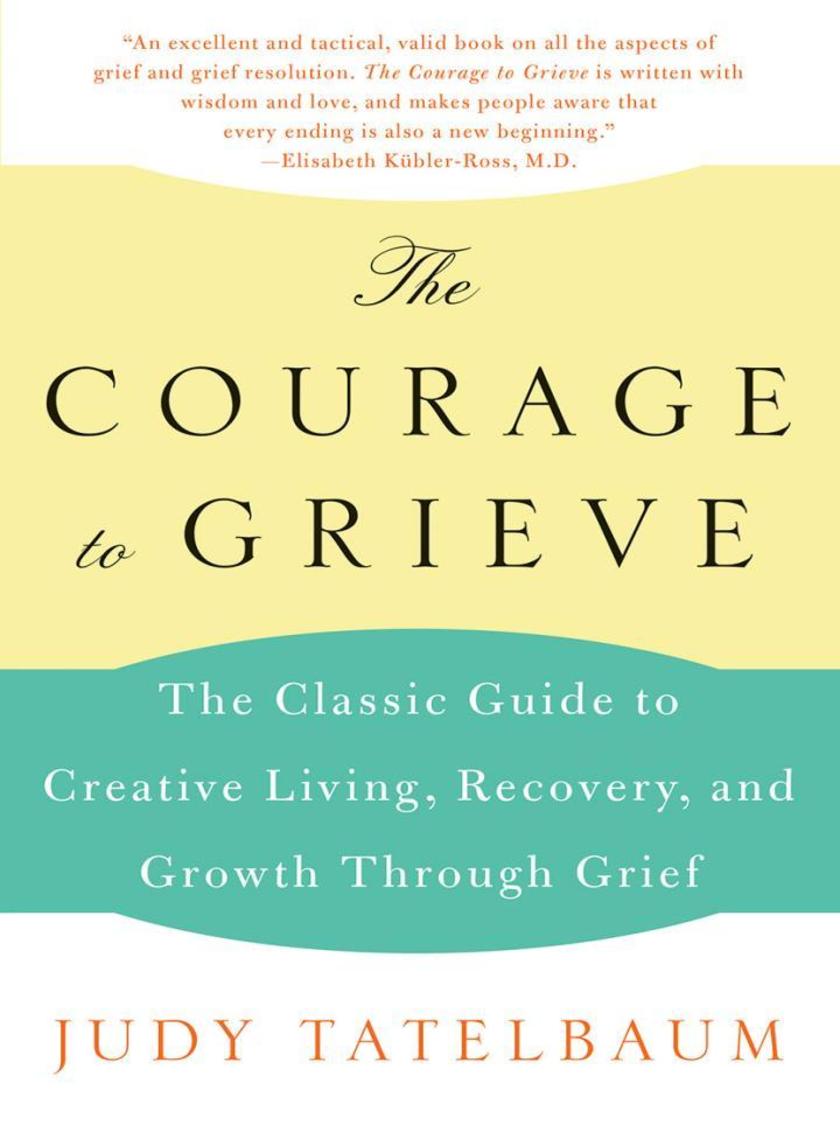
The Courage to Grieve
¥88.56
This unusual self-help book about surviving grief offers the reader comfort and inspiration. Each of us will face some loss, sorrow and disappointment in our lives, and The Courage to Grieve provides the specific help we need to enable us to face our grief fully and to recover and grow from the experience. Although the book emphasizes the response to the death of a loved one, The Courage to Grieve can help with every kind of loss and grief.Judy Tatelbaum gives us a fresh look at understanding grief, showing us that grief is a natural, inevitable human experience, including all the unexpected, intense and uncomfortable emotions like sorrow, guilt, loneliness, resentment, confusion, or even the temporary loss of the will to live. The emphasis is to clarify and offer help, and the tone is spiritual, optimistic, creative and easy to understand. Judy Tatelbaum provides excellent advice on how to help oneself and others get through the immediate experience of death and the grief that follows, as well as how to understand the special grief of children. Particularly useful are the techniques for completing or "finishing" grief--counteracting the popular misconception that grief never ends. The Courage to Grieve shows us how to live life with the ultimate courage: not fearing death. This book is about so much more than death and grieving it is about life and joy and growth.

The Pocket Enneagram
¥55.33
The Enneagram -- a centuries-old psychological system -- is catching fire across the country, being applied to everything from career management to relationships to conflict resolution. Now nationally acclaimed Enneagram expert and bestselling author Helen Palmer condenses the ideas from her popular books into a compact guide that will appeal to newcomers as well as to longtime Enneagram enthusiasts, with its succinct presentation of the nine types, how to optimize them, and how the different types relate to one author.

Blackstone's Bride
¥109.31
California rancher Jarrod Blackstone is stunned when Abby Miller appears on his doorstep to deliver his sister's orphaned children. But even more surprising and disturbing are the sparks that ignite between the rugged bachelor and the and the independent beauty. From the author of Reckless Destiny and Winter Bride.

Devil to Pay
¥21.51
Blake Turner had it all until a demon decided to take residence in his soul. Plagued with constant black outs and a trail of dead bodies in his wake, Blake thinks vampire Elise is his best chance at ending the nightmare. It's just too bad he's fallen in love with the gorgeous vamp right before he has to die; Featuring characters from New York Times bestselling author Jeaniene Frost's Night Huntress world. (Originally appeared in Four Dukes and a Devil anthology)

Avon
¥107.82
Previously published in the print anthologies Five Gold Rings and A Historical Christmas Present.Brinna, a twelfth-century scullery maid, gets the chance to play a lady and win the true love of an impoverished lord. Her fate changes when a new guest, Lady Joan, arrives at the castle. Desperate to escape her arranged marriage to Royce of Thurleah, Joan suggests that look-alike Brinna take her place at the Christmas festivities. Suddenly, Brinna finds herself being wooed by a true gentleman, getting perhaps the best Christmas present of all: a new life. A classic novella from New York Times bestselling author Lynsay Sands.


