


 购物车
购物车 个人中心
个人中心
Broadside e-books
¥109.31
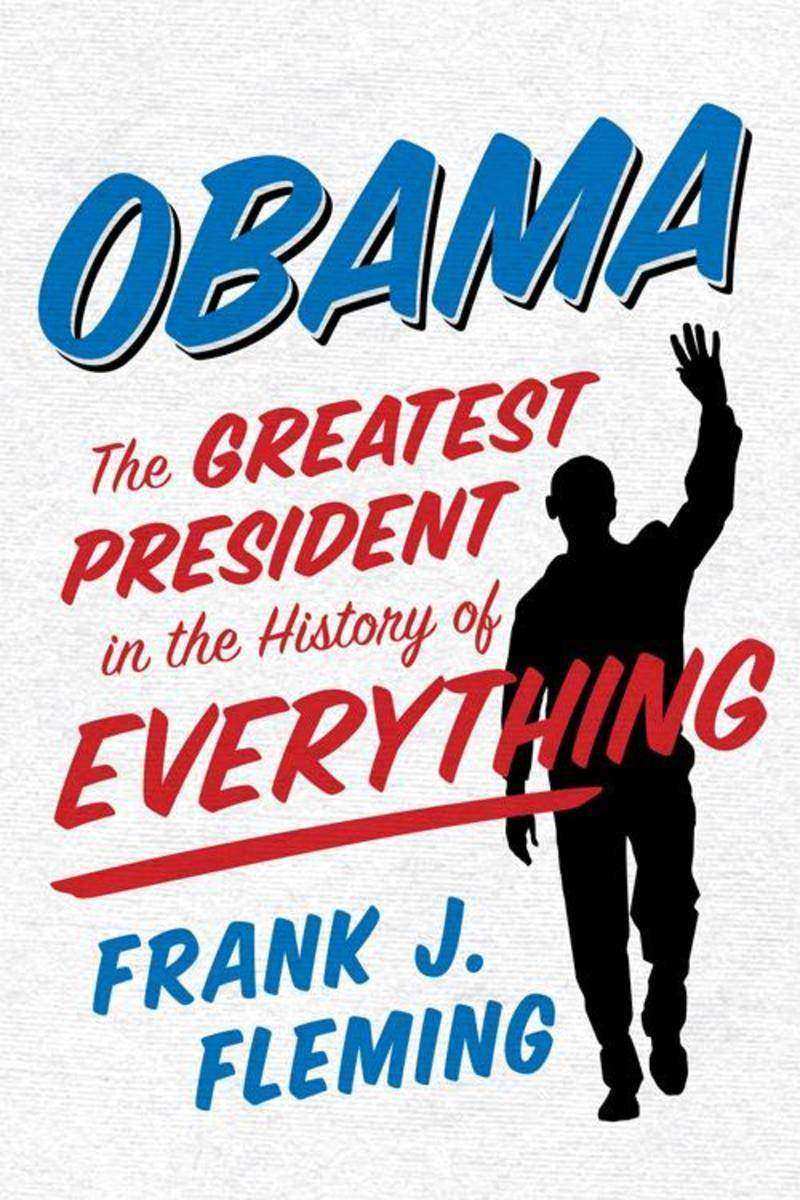
It's hard to remember the dark days before 2008. It was a time of hatred, racism, violence, obese children, war, untaxed rich people, and incandescent light bulbs -- perhaps the worst days we had ever seen. And at the heart of it all was a thuggish, thoughtless man, George W. Bush, who lashed out angrily at whatever he didn't understand -- and he understood so very little. Then there was that laugh of his -- that horrible snicker that mocked everything intelligent and nuanced. Also, he looked like a chimp. It seemed like the end for the United States of America. We would crumble in the hands of vicious, superstitious dimwits determined to hunt "ter'ists" or other figments of Bush's rotten mind. There was nothing left to do but head to Whole Foods to prepare our organic, sustainable, fair-trade last meal as the country ended around us. Despair had overtaken us, and we wondered aloud whether we could ever feel hope again. And then a man emerged who firmly answered, "Yes we can!" Oh, but Barack Obama was no mere man. He was a paragon of intelligence and civilized society. A savior to the world's depressed. A lightbringer. A genius thinking thoughts the common man could never hope to comprehend. And his words -- his beautiful words read from crystal panes -- reached down to our souls and told us all would be well. With the simple act of casting a ballot for Barack Obama, we could make the world an immeasurably better place -- a world of peace, of love, of understanding, of unicorns, of rainbows, of expanded entitlements. This was his promise. And now, having had him as president for more than two years, we can say without reservation that he has delivered all his promises and more and is the best president this country -- or any country -- has ever had or could even imagine to have.

Putting Education to Work
¥78.32
With its revolutionary work-study program and focus on character development, the Cristo Rey Network's values-based education model has presented a new vision in school administration and reinvented urban education. In Putting Education to Work, the inspiring Cristo Rey story is told from its humble beginnings in an inner-city Chicago neighborhood to its current network of 28 participating schools and 9,000 students in underserved communities across the nation, boasting an unprecedented 100 percent college acceptance rate. Through amazing stories of hardship and transformation, the effectiveness of the Cristo Rey method is brought to life, embodied by lifelong learners who can now reimagine their futures, unleash their inner potential, and fulfill their hopes and dreams by preparing for success in college and in life.Proceeds from this book will go toward the Cristo Rey Network's mission of providing quality Catholic college preparatory education to young people who live in urban communities with limited educational options. By purchasing this book, you become part of the Network, joining schools, employers, university partners, and other benefactors in providing the opportunity for college success to thousands of students across America today.

Winning the Wallflower
¥21.80
Lady Lucy TowertonPlain and tall. (According to the lady herself.)Titled, and irreproachably proper. (According to her fiancé.)Until, overnight, she becomesLady Lucy TowertonHeiress. (Thanks to an aged aunt's bequest.)Belle of the Ball. (So say the fortune hunters of the ton.)In charge of her own destiny (finally!), Lucy breaks her engagement and makes up her mind to never be proper again...

The Wedding Planner
¥10.86
Originally appeared in the e-book anthology Royal Weddings and in The Capture of the Earl of Glencrae. She planned every wedding of importance but never her own.Was that now about to changeBeautiful Lady Margaret Dawlish, the daughter of a duke, is proud to plan the ton's most important weddings including that of a prince! But now it's Lady Margaret who falls in love, with dashing Gaston Devilliers, the Duke of Perigord. This breathtaking man always ends up where he wants to be and, in this case, that means in Margaret's arms! And, suddenly, her best-laid plans to guard her heart come completely undone.
Hello, How Are You
¥24.44
"Hello. How are you?" "I am fine. How are you?"
Legislating in the Dark
¥247.21
The 2009 financial stimulus bill ran to more than 1,100 pages, yet it wasn't even given to Congress in its final form until thirteen hours before debate was set to begin, and it was passed twenty-eight hours later. How are representatives expected to digest so much information in such a short time.The answerThey aren't. With Legislating in the Dark, James M. Curry reveals that the availability of information about legislation is a key tool through which Congressional leadership exercises power. Through a deft mix of legislative analysis, interviews, and participant observation, Curry shows how congresspersons-lacking the time and resources to study bills deeply themselves-are forced to rely on information and cues from their leadership. By controlling their rank-and-file's access to information, Congressional leaders are able to emphasize or bury particular items, exploiting their information advantage to push the legislative agenda in directions that they and their party prefer.Offering an unexpected new way of thinking about party power and influence, Legislating in the Dark will spark substantial debate in political science.

Philosophy of Pseudoscience
¥288.41
What sets the practice of rigorously tested, sound science apart from pseudoscienceIn this volume, the contributors seek to answer this question, known to philosophers of science as "e;the demarcation problem."e; This issue has a long history in philosophy, stretching as far back as the early twentieth century and the work of Karl Popper. But by the late 1980s, scholars in the field began to treat the demarcation problem as impossible to solve and futile to ponder. However, the essays that Massimo Pigliucci and Maarten Boudry have assembled in this volume make a rousing case for the unequivocal importance of reflecting on the separation between pseudoscience and sound science. Moreover, the demarcation problem is not a purely theoretical dilemma of mere academic interest: it affects parents' decisions to vaccinate children and governments' willingness to adopt policies that prevent climate change. Pseudoscience often mimics science, using the superficial language and trappings of actual scientific research to seem more respectable. Even a well-informed public can be taken in by such questionable theories dressed up as science. Pseudoscientific beliefs compete with sound science on the health pages of newspapers for media coverage and in laboratories for research funding. Now more than ever the ability to separate genuine scientific findings from spurious ones is vital, and The Philosophy of Pseudoscience provides ground for philosophers, sociologists, historians, and laypeople to make decisions about what science is or isn't.
Wildlife Conservation in a Changing Climate
¥394.36
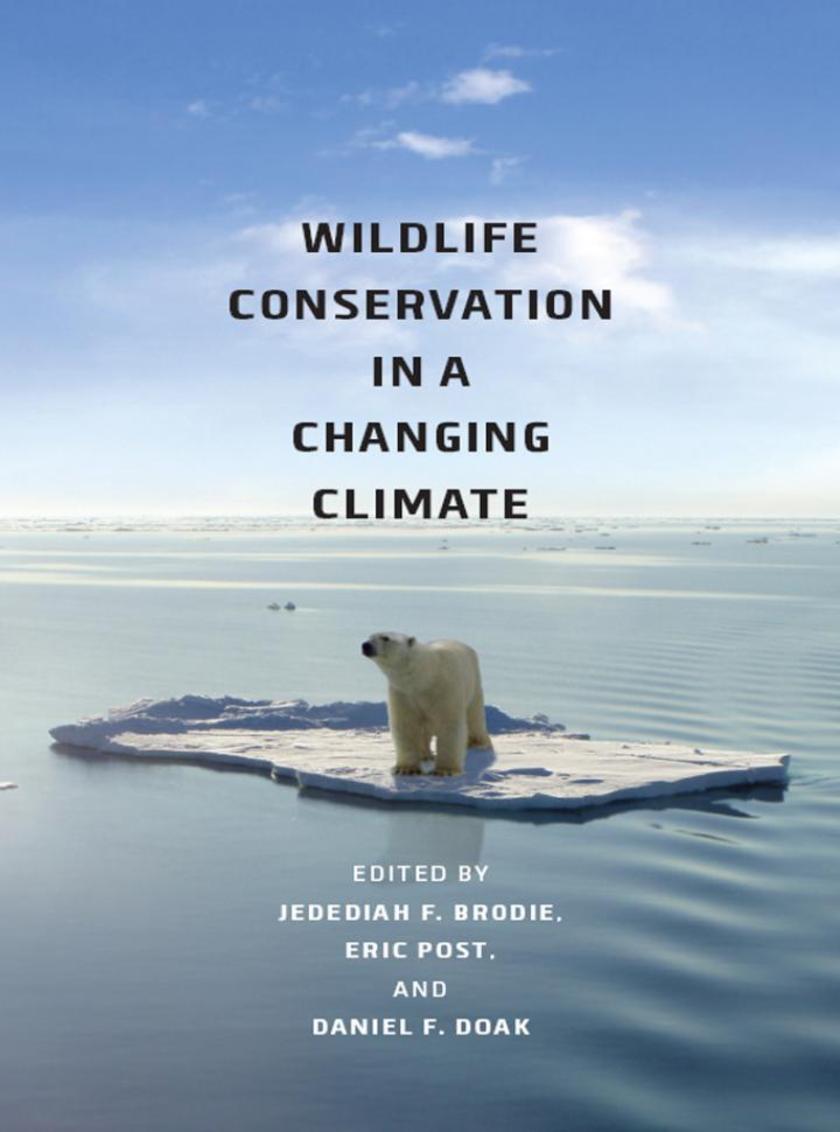
Human-induced climate change is emerging as one of the gravest threats to biodiversity in history, and while a vast amount of literature on the ecological impact of climate change exists, very little has been dedicated to the management of wildlife populations and communities in the wake of unprecedented habitat changes. Wildlife Conservation in a Changing Climate is an essential resource, bringing together leaders in the fields of climate change ecology, wildlife population dynamics, and environmental policy to examine the impacts of climate change on populations of terrestrial vertebrates. Chapters assess the details of climate change ecology, including demographic implications for individual populations, evolutionary responses, impacts on movement patterns, alterations of species interactions, and predicting impacts across regions. The contributors also present a number of strategies by which conservationists and wildlife managers can counter or mitigate the impacts of climate change as well as increase the resilience of wildlife populations to such changes. A seminal contribution to the fields of ecology and conservation biology, Wildlife Conservation in a Changing Climate will serve as the spark that ignites a new direction of discussions about and action on the ecology and conservation of wildlife in a changing climate.

Scientific Babel
¥147.15
English is the language of science today. No matter which languages you know, if you want your work seen, studied, and cited, you need to publish in English. But that hasn't always been the case. Though there was a time when Latin dominated the field, for centuries science has been a polyglot enterprise, conducted in a number of languages whose importance waxed and waned over time-until the rise of English in the twentieth century.?So how did we get from there to hereHow did French, German, Latin, Russian, and even Esperanto give way to EnglishAnd what can we reconstruct of the experience of doing science in the polyglot pastWith Scientific Babel, Michael D. Gordin resurrects that lost world, in part through an ingenious mechanism: the pages of his highly readable narrative account teem with footnotes-not offering background information, but presenting quoted material in its original language. The result is stunning: as we read about the rise and fall of languages, driven by politics, war, economics, and institutions, we actually see it happen in the ever-changing web of multilingual examples. The history of science, and of English as its dominant language, comes to life, and brings with it a new understanding not only of the frictions generated by a scientific community that spoke in many often mutually unintelligible voices, but also of the possibilities of the polyglot, and the losses that the dominance of English entails.?Few historians of science write as well as Gordin, and Scientific Babel reveals his incredible command of the literature, language, and intellectual essence of science past and present. No reader who takes this linguistic journey with him will be disappointed.
Subject of Murder
¥241.33
The subject of murder has always held a particular fascination for us. But, since at least the nineteenth century, we have seen the murderer as different from the ordinary citizen-a special individual, like an artist or a genius, who exists apart from the moral majority, a sovereign self who obeys only the destructive urge, sometimes even commanding cult followings. In contemporary culture, we continue to believe that there is something different and exceptional about killers, but is the murderer such a distinctive typeAre they degenerate beasts or supermen as they have been depicted on the page and the screenOr are murderers something else entirely?In The Subject of Murder, Lisa Downing explores the ways in which the figure of the murderer has been made to signify a specific kind of social subject in Western modernity. Drawing on the work of Foucault in her studies of the lives and crimes of killers in Europe and the United States, Downing interrogates the meanings of media and texts produced about and by murderers. Upending the usual treatment of murderers as isolated figures or exceptional individuals, Downing argues that they are ordinary people, reflections of our society at the intersections of gender, agency, desire, and violence.
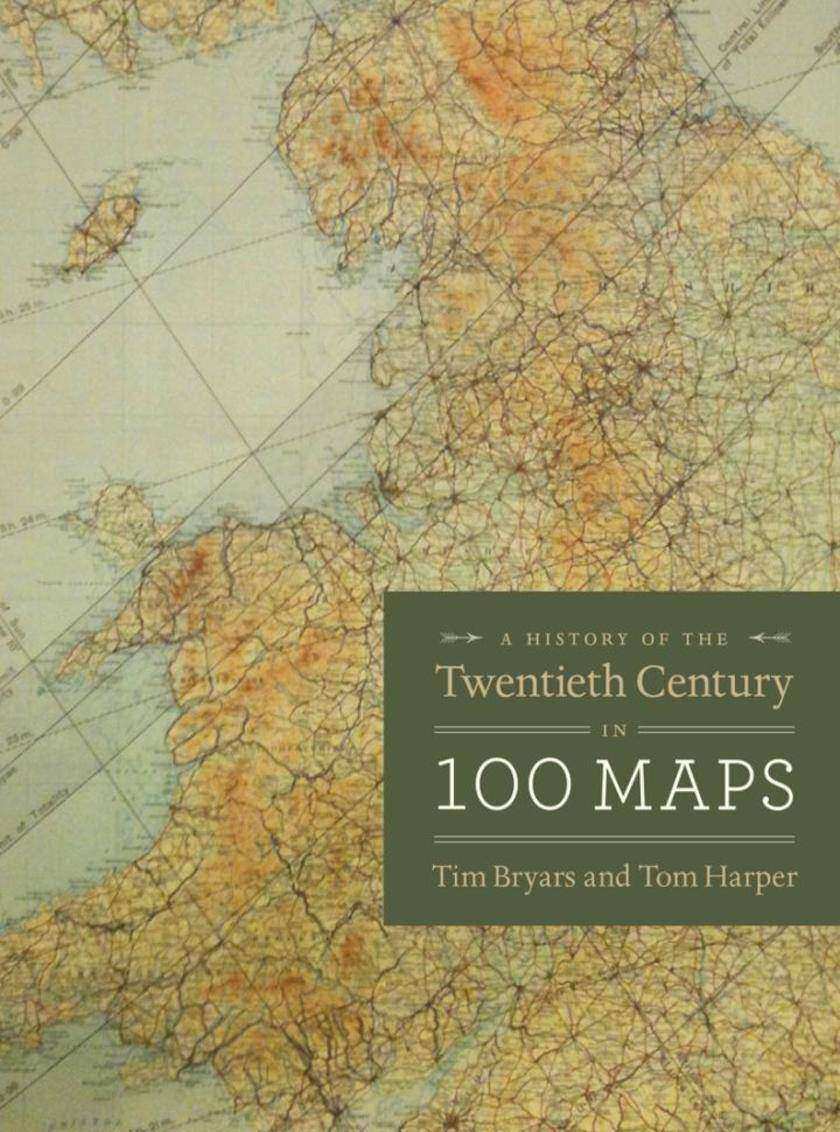
History of the Twentieth Century in 100 Maps
¥317.84
The twentieth century was a golden age of mapmaking, an era of cartographic boom. Maps proliferated and permeated almost every aspect of daily life, not only chronicling geography and history but also charting and conveying myriad political and social agendas. Here Tim Bryars and Tom Harper select one hundred maps from the millions printed, drawn, or otherwise constructed during the twentieth century and recount through them a narrative of the century's key events and developments.?As Bryars and Harper reveal, maps make ideal narrators, and the maps in this book tell the story of the 1900s-which saw two world wars, the Great Depression, the Swinging Sixties, the Cold War, feminism, leisure, and the Internet. Several of the maps have already gained recognition for their historical significance-for example, Harry Beck's iconic London Underground map-but the majority of maps on these pages have rarely, if ever, been seen in print since they first appeared. There are maps that were printed on handkerchiefs and on the endpapers of books; maps that were used in advertising or propaganda; maps that were strictly official and those that were entirely commercial; maps that were printed by the thousand, and highly specialist maps issued in editions of just a few dozen; maps that were envisaged as permanent keepsakes of major events, and maps that were relevant for a matter of hours or days.?As much a pleasure to view as it is to read, A History of the Twentieth Century in 100 Maps celebrates the visual variety of twentieth century maps and the hilarious, shocking, or poignant narratives of the individuals and institutions caught up in their production and use.
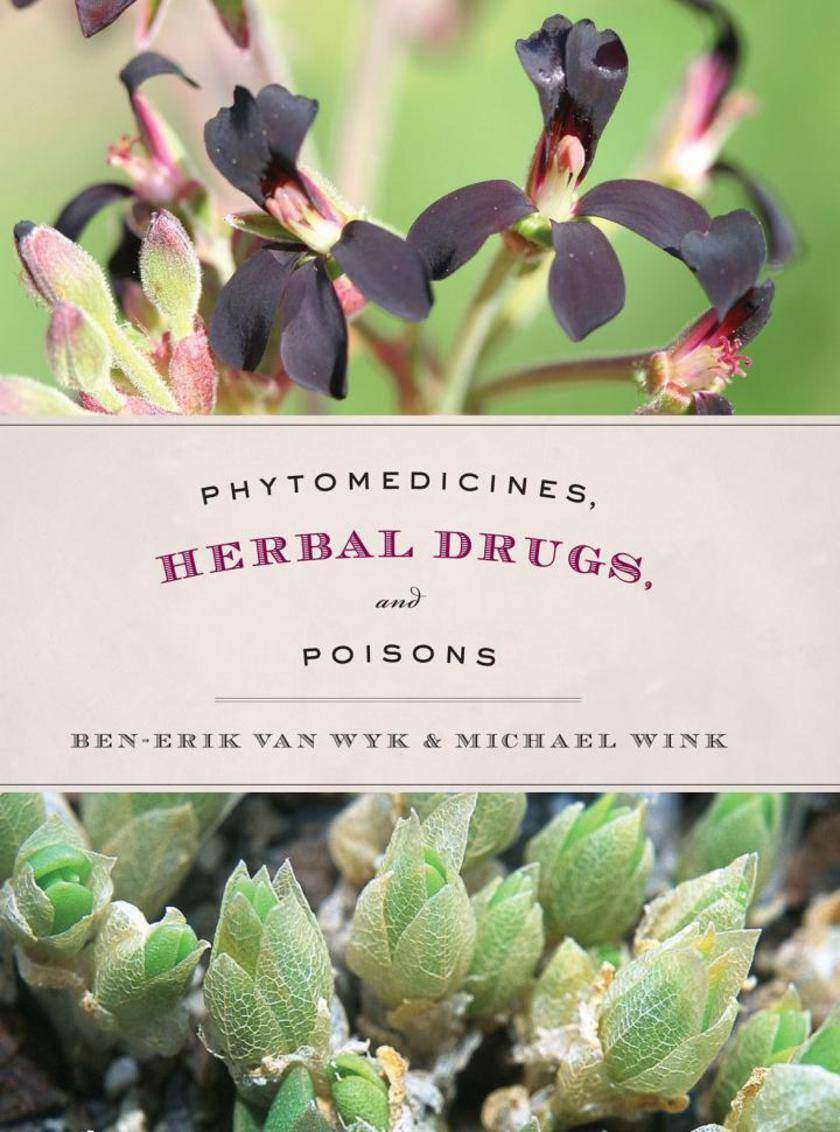
Phytomedicines, Herbal Drugs, and Poisons
¥317.84
Plants have been used to treat disease throughout human history. On a clay slab that dates back approximately five thousand years, the Sumerians recorded medicinal recipes that made use of hundreds of plants, including poppy, henbane, and mandrake. During the Middle Ages, monks commonly grew and prescribed plants such as sage, anise, and mint in their monasteries. And as the market for herbal remedies and natural medicine grows, we continue to search the globe for plants and plant compounds to combat our various ailments.?In Phytomedicines, Herbal Drugs, and Poisons, Ben-Erik van Wyk offers a richly illustrated, scientific guide to medicinal and poisonous plants, including those used for their mind-altering effects. Van Wyk covers approximately 350 species-from Aloe vera and Ephedra sinica to Cannabis sativa and Coffea arabica-detailing their botanical, geographical, pharmacological, and toxicological data as well as the chemical structures of the active compounds in each. Readers learn, for example, that Acacia senegal, or gum acacia, is used primarily in Sudan and Ethiopia as a topical ointment to protect the skin and mucosa from bacterial and fungal infections, and that Aconitum napellus, more commonly known as aconite, is used in cough syrups but can be psychedelic when smoked or absorbed through the skin. With 350 full-color photographs featuring the plants and some of their derivative products, Phytomedicines, Herbal Drugs, and Poisons will be an invaluable reference not only for those in the health care field but also for those growing their own medicinal herb gardens, as well as anyone who needs a quick answer to whether a plant is a panacea or a poison.

Ethical Condition
¥247.21
Written over a thirty-year span, Michael Lambek's essays in this collection point with definitive force toward a single central truth: ethics is intrinsic to social life. As he shows through rich ethnographic accounts and multiple theoretical traditions, our human condition is at heart an ethical one-we may not always be good or just, but we are always subject to their criteria. Detailing Lambek's trajectory as one anthropologist thinking deeply throughout a career on the nature of ethical life, the essays accumulate into a vibrant demonstration of the relevance of ethics as a practice and its crucial importance to ethnography, social theory, and philosophy.Organized chronologically, the essays begin among Malagasy speakers on the island of Mayotte and in northwest Madagascar. Building from ethnographic accounts there, they synthesize Aristotelian notions of practical judgment and virtuous action with Wittgensteinian notions of the ordinariness of ethical life and the importance of language, everyday speech, and ritual in order to understand how ethics are lived. They illustrate the multiple ways in which ethics informs personhood, character, and practice; explore the centrality of judgment, action, and irony to ethical life; and consider the relation of virtue to value. The result is a fully fleshed-out picture of ethics as a deeply rooted aspect of the human experience.?
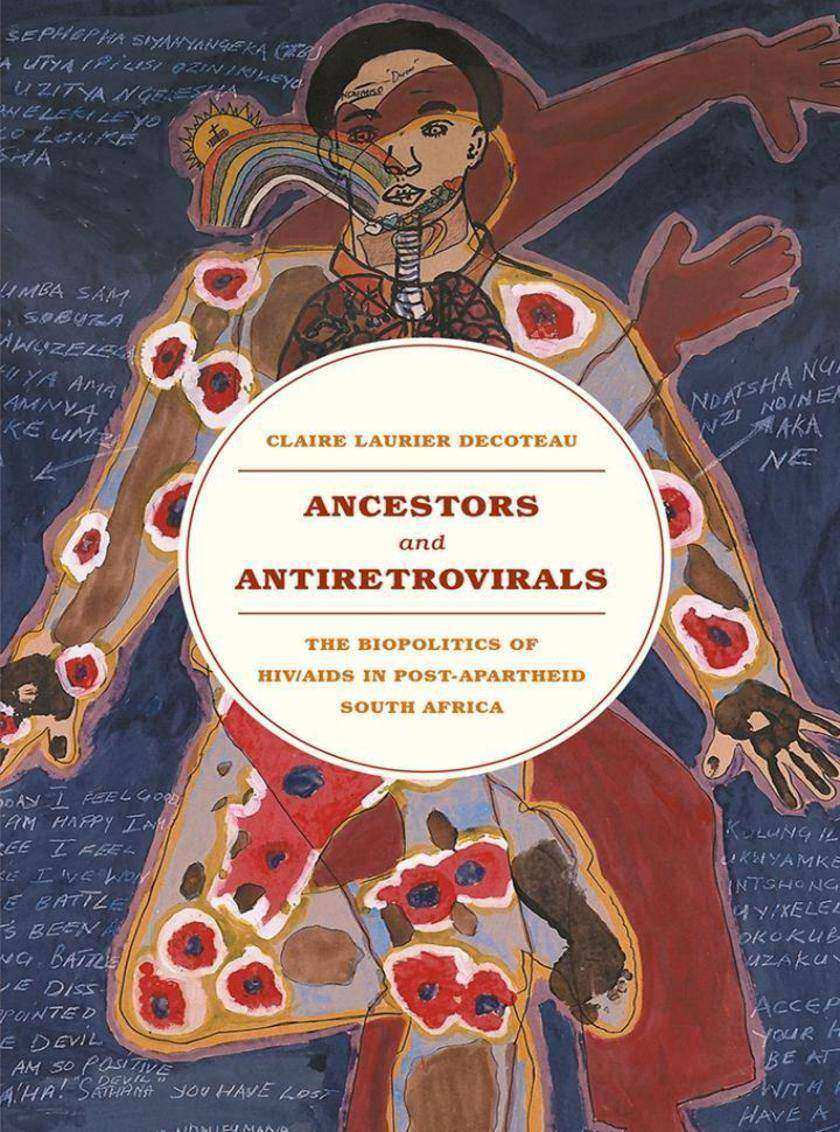
Ancestors and Antiretrovirals
¥265.87
In the years since the end of apartheid, South Africans have enjoyed a progressive constitution, considerable access to social services for the poor and sick, and a booming economy that has made their nation into one of the wealthiest on the continent. At the same time, South Africa experiences extremely unequal income distribution, and its citizens suffer the highest prevalence of HIV in the world. As Archbishop Desmond Tutu has noted, "e;AIDS is South Africa's new apartheid."e;In Ancestors and Antiretrovirals, Claire Laurier Decoteau backs up Tutu's assertion with powerful arguments about how this came to pass. Decoteau traces the historical shifts in health policy after apartheid and describes their effects, detailing, in particular, the changing relationship between biomedical and indigenous health care, both at the national and the local level. Decoteau tells this story from the perspective of those living with and dying from AIDS in Johannesburg's squatter camps. At the same time, she exposes the complex and often contradictory ways that the South African government has failed to balance the demands of neoliberal capital with the considerable health needs of its population.
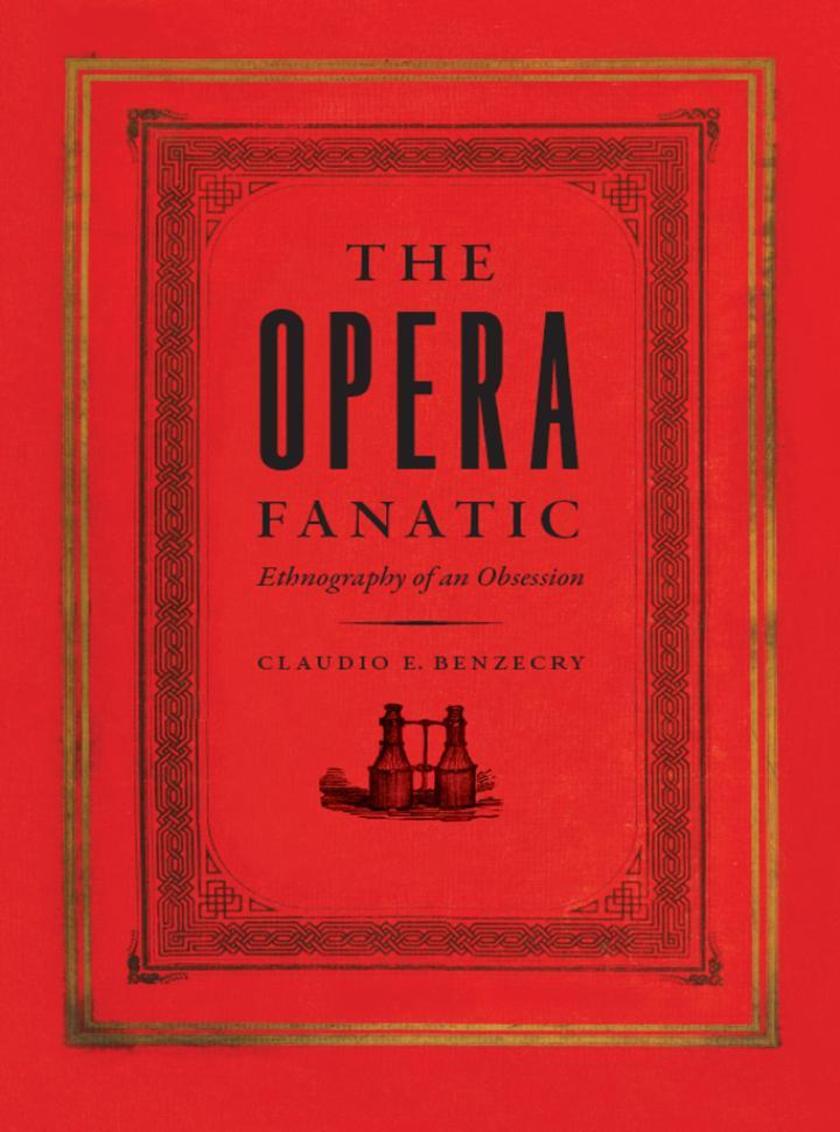
Opera Fanatic
¥270.76
Though some dismiss opera as old-fashioned, it shows no sign of disappearing from the world's stage. So why do audiences continue to flock to itGiven its association with wealth, one might imagine that opera tickets function as a status symbol. But while a desire to hobnob with the upper crust might motivate the occasional operagoer, for hardcore fans the real answer, according to The Opera Fanatic, is passion-they do it for love.Opera lovers are an intense lot, Claudio E. Benzecry discovers in his look at the fanatics who haunt the legendary Coln Opera House in Buenos Aires, a key site for opera's globalization. Listening to the fans and their stories, Benzecry hears of two-hundred-mile trips for performances and nightlong camp-outs for tickets, while others testify to a particular opera's power to move them-whether to song or to tears-no matter how many times they have seen it before. Drawing on his insightful analysis of these acts of love, Benzecry proposes new ways of thinking about people's relationship to art and shows how, far from merely enhancing aspects of everyday life, art allows us to transcend it.
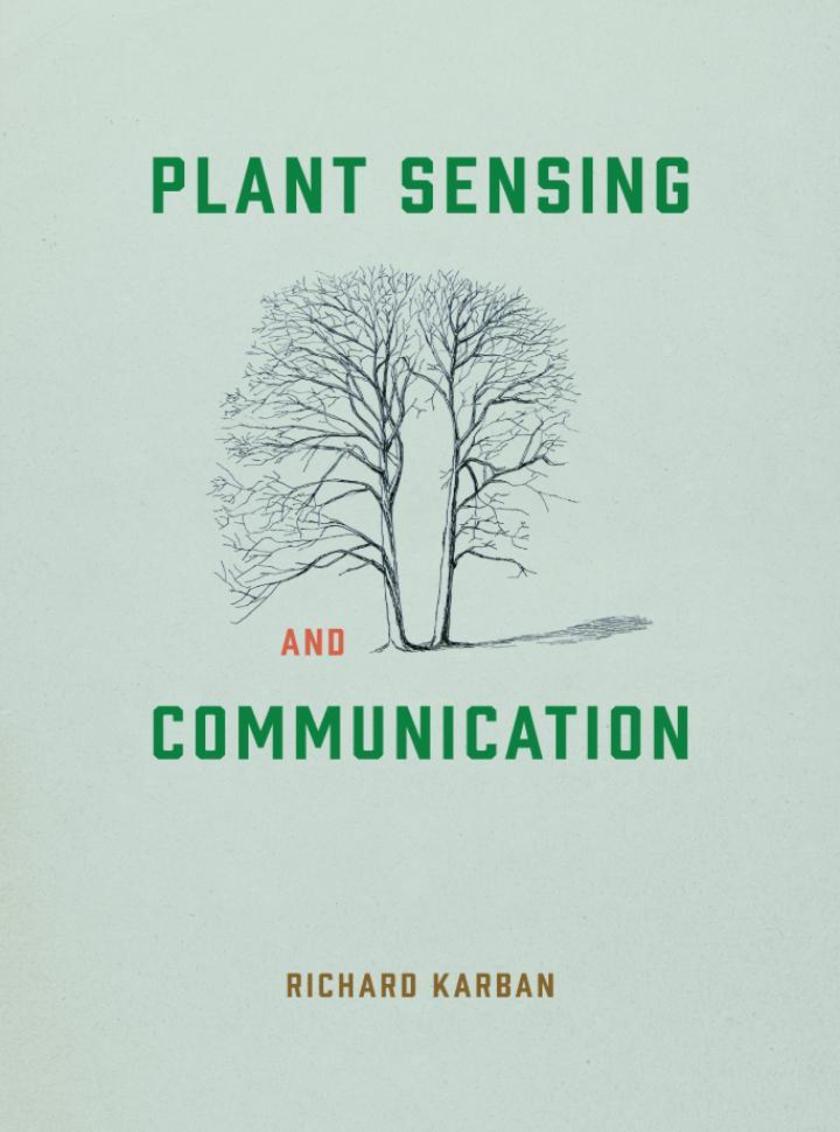
Plant Sensing and Communication
¥288.41
The news that a flowering weed-mousear cress (Arabidopsis thaliana)-can sense the particular chewing noise of its most common caterpillar predator and adjust its chemical defenses in response led to headlines announcing the discovery of the first "e;hearing"e; plant. As plants lack central nervous systems (and, indeed, ears), the mechanisms behind this "e;hearing"e; are unquestionably very different from those of our own acoustic sense, but the misleading headlines point to an overlooked truth: plants do in fact perceive environmental cues and respond rapidly to them by changing their chemical, morphological, and behavioral traits.In Plant Sensing and Communication, Richard Karban provides the first comprehensive overview of what is known about how plants perceive their environments, communicate those perceptions, and learn. Facing many of the same challenges as animals, plants have developed many similar capabilities: they sense light, chemicals, mechanical stimulation, temperature, electricity, and sound. Moreover, prior experiences have lasting impacts on sensitivity and response to cues; plants, in essence, have memory. Nor are their senses limited to the processes of an individual plant: plants eavesdrop on the cues and behaviors of neighbors and-for example, through flowers and fruits-exchange information with other types of organisms. Far from inanimate organisms limited by their stationary existence, plants, this book makes unquestionably clear, are in constant and lively discourse.
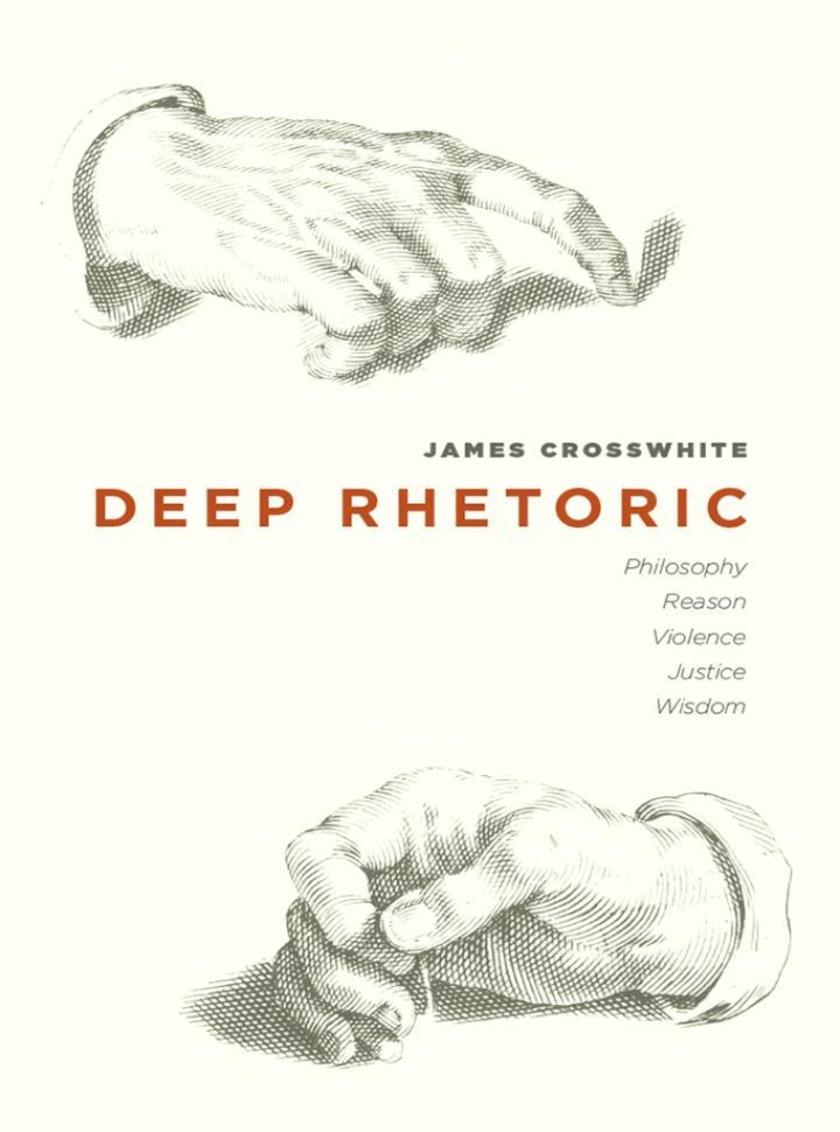
Deep Rhetoric
¥311.96
"e;Rhetoric is the counterpart of logic,"e; claimed Aristotle. "e;Rhetoric is the first part of logic rightly understood,"e; Martin Heidegger concurred. "e;Rhetoric is the universal form of human communication,"e; opined Hans-Georg Gadamer. But in Deep Rhetoric, James Crosswhite offers a groundbreaking new conception of rhetoric, one that builds a definitive case for an understanding of the discipline as a philosophical enterprise beyond basic argumentation and is fully conversant with the advances of the New Rhetoric of Chaim Perelman and Lucie Olbrechts-Tyteca.Chapter by chapter, Deep Rhetoric develops an understanding of rhetoric not only in its philosophical dimension but also as a means of guiding and conducting conflicts, achieving justice, and understanding the human condition. Along the way, Crosswhite restores the traditional dignity and importance of the discipline and illuminates the twentieth-century resurgence of rhetoric among philosophers, as well as the role that rhetoric can play in future discussions of ontology, epistemology, and ethics. At a time when the fields of philosophy and rhetoric have diverged, Crosswhite returns them to their common moorings and shows us an invigorating new way forward.
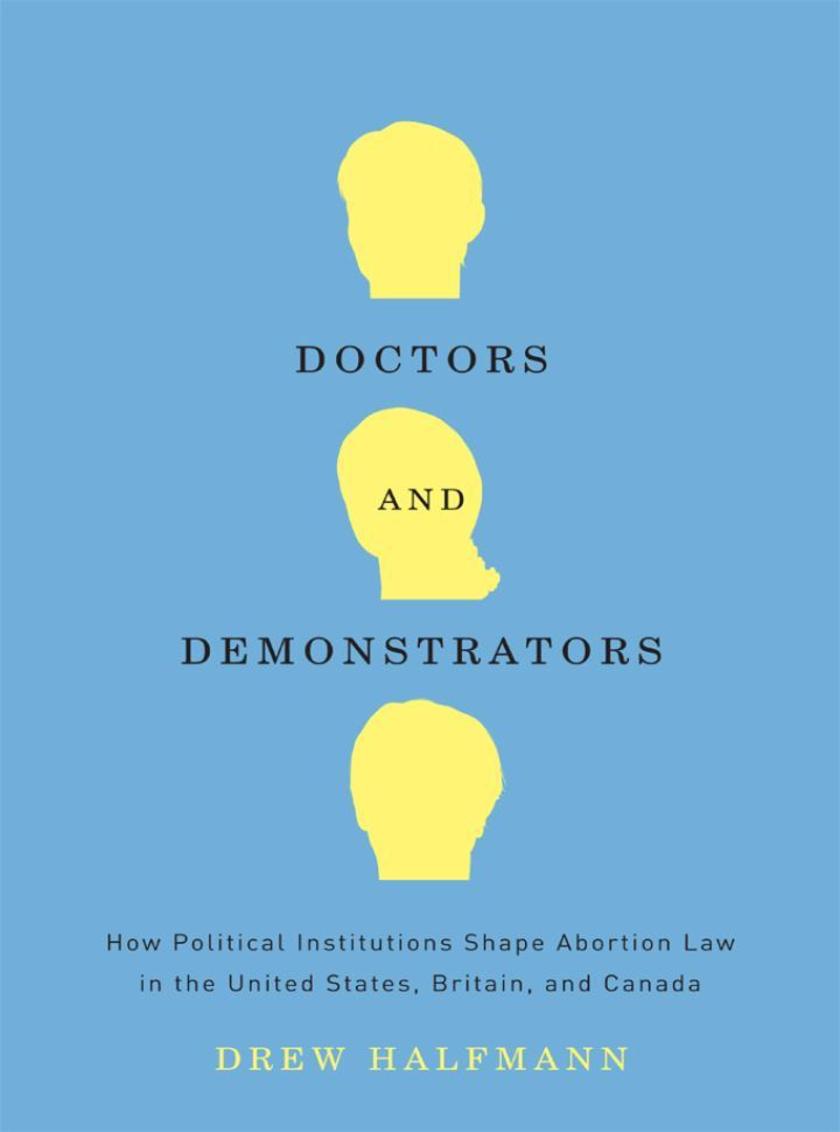
Doctors and Demonstrators
¥353.16
Since Roe v. Wade, abortion has continued to be a divisive political issue in the United States. In contrast, it has remained primarily a medical issue in Britain and Canada despite the countries' shared heritage. Doctors and Demonstrators looks beyond simplistic cultural or religious explanations to find out why abortion politics and policies differ so dramatically in these otherwise similar countries.?Drew Halfmann argues that political institutions are the key. In the United States, federalism, judicial review, and a private health care system contributed to the public definition of abortion as an individual right rather than a medical necessity. Meanwhile, Halfmann explains, the porous structure of American political parties gave pro-choice and pro-life groups the opportunity to move the issue onto the political agenda. A groundbreaking study of the complex legal and political factors behind the evolution of abortion policy, Doctors and Demonstrators will be vital for anyone trying to understand this contentious issue.
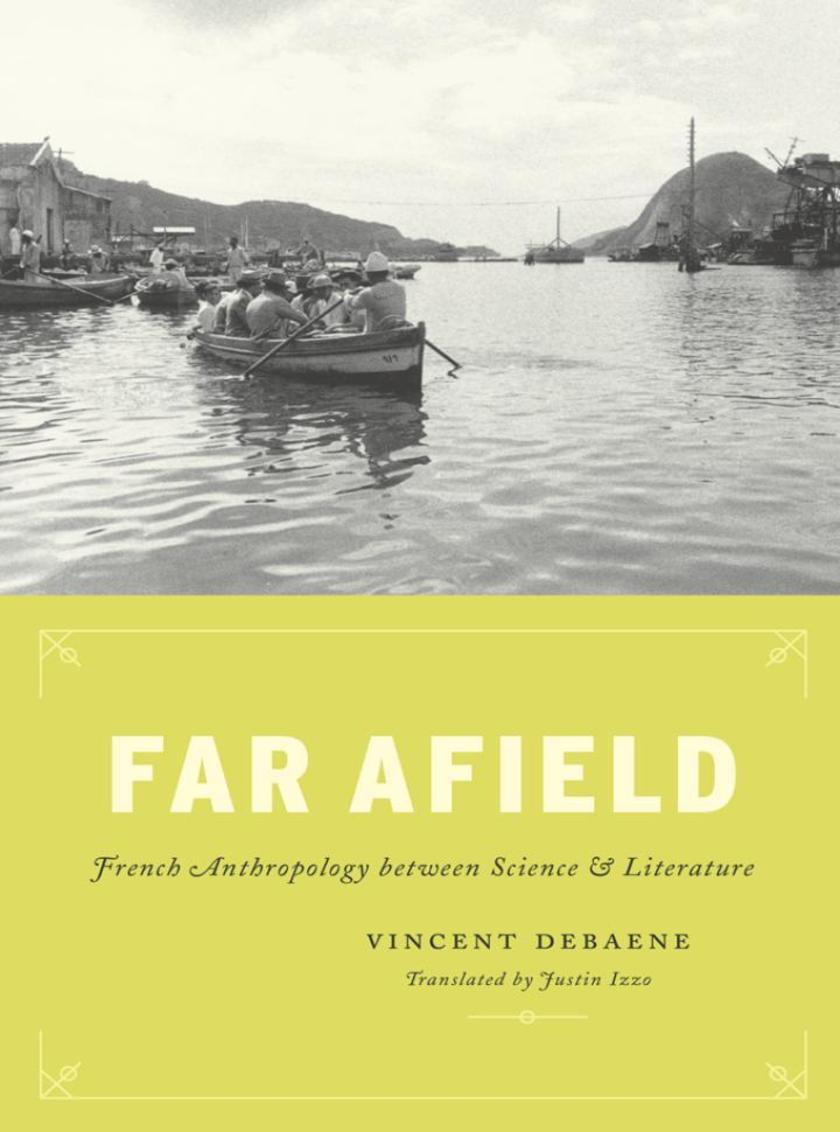
Far Afield
¥288.41
Anthropology has long had a vexed relationship with literature, and nowhere has this been more acutely felt than in France, where most ethnographers, upon returning from the field, write not one book, but two: a scientific monograph and a literary account. In?Far Afield-brought to English-language readers here for the first time-Vincent Debaene puzzles out this phenomenon, tracing the contours of anthropology and literature's mutual fascination and the ground upon which they meet in the works of thinkers from Marcel Mauss and Georges Bataille to Claude Levi-Strauss and Roland Barthes.?The relationship between anthropology and literature in France is one of careful curiosity. Literary writers are wary about anthropologists' scientific austerity but intrigued by the objects they collect and the issues they raise, while anthropologists claim to be scientists but at the same time are deeply concerned with writing and representational practices. Debaene elucidates the richness that this curiosity fosters and the diverse range of writings it has produced, from Proustian memoirs to proto-surrealist diaries. In the end he offers a fascinating intellectual history, one that is itself located precisely where science and literature meet.
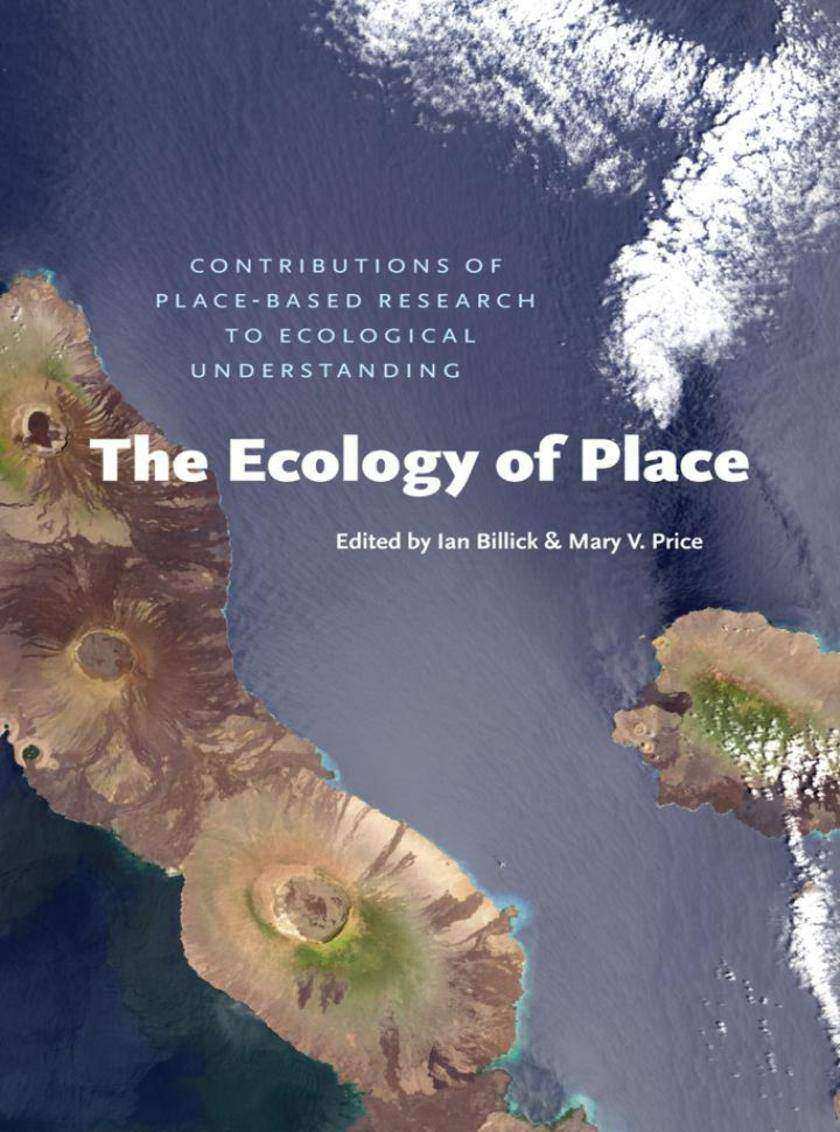
Ecology of Place
¥447.34
Ecologists can spend a lifetime researching a small patch of the earth, studying the interactions between organisms and the environment, and exploring the roles those interactions play in determining distribution, abundance, and evolutionary change. With so few ecologists and so many systems to study, generalizations are essential. But how do you extrapolate knowledge about a well-studied area and apply it elsewhere?Through a range of original essays written by eminent ecologists and naturalists, The Ecology of Place explores how place-focused research yields exportable general knowledge as well as practical local knowledge, and how society can facilitate ecological understanding by investing in field sites, place-centered databases, interdisciplinary collaborations, and field-oriented education programs that emphasize natural history. This unique patchwork of case-study narratives, philosophical musings, and historical analyses is tied together with commentaries from editors Ian Billick and Mary Price that develop and synthesize common threads. The result is a unique volume rich with all-too-rare insights into how science is actually done, as told by scientists themselves.
Black New Orleans, 1860-1880
¥282.53
Reissued for the first time in over thirty years, Black New Orleans explores the twenty-year period in which the city's black population more than doubled. Meticulously researched and replete with archival illustrations from newspapers and rare periodicals, John W. Blassingame's groundbreaking history offers a unique look at the economic and social life of black people in New Orleans during Reconstruction. Not a conventional political treatment, Blassingame's history instead emphasizes the educational, religious, cultural, and economic activities of African Americans during the late nineteenth century."e;Blending historical and sociological perspectives, and drawing with skill and imagination upon a variety of sources, [Blassingame] offers fresh insights into an oft-studied period of Southern history. . . .In both time and place the author has chosen an extraordinarily revealing vantage point from which to view his subject.?"e;-Neil R. McMillen, American Historical Review


