


 购物车
购物车 个人中心
个人中心
Clash
¥56.08
The second book in the New York Times bestselling Crash trilogy!Their Romeo-and-Juliet-level passion is the only thing Jude and Lucy agree on. That, and fighting all the time . . .Also not helpingLucy's raging jealousy of the cheerleader who's wormed her way into Jude's life.While trying to hang on to her quintessential bad boy and also training to be the top ballet dancer in her class, Lucy knows something's going to give . . . soon.How can she live without the boy she lovesHow can she live with herself if she gives up on her dreamsIf Lucy doesn't make the right choice, she could lose everything.

The Girl with a Clock for a Heart
¥83.92
An atmospheric tale of romantic noir with shades of Hitchcock about a man who is swept into a vortex of irresistible passion and murder when an old love mysteriously reappearsGeorge Foss, a forty-year-old employee of a Boston literary magazine, has passed the age when he thinks he might fall madly in love or take the world by storm, or have anything truly remarkable happen to him. He spends most of his evenings at his local tavern talking about the Red Sox and the minutiae of everyday life, and obsessing over a lost love from his college days who vanished twenty years earlier. Until she reappears.George has both dreamed of and dreaded seeing Liana Decter again. She isn't just an ex-girlfriend or the first love George could never forget. She's also an enigma and quite possibly someone who was involved in a murder years ago, a woman whose transgressions are more in line with Greek tragedy than youthful indiscretion. But suddenly, she's back—and she needs his help. She says that some men are after her and that they believe she's stolen money from them. And now they will do whatever it takes to get it back.George knows Liana is trouble. But he can't say no—he never could—and soon his quiet life is gone as he is pulled into a terrifying whirlpool of lies, betrayal, and murder from which there is no sure escape.Bold and masterful, full of malevolent foreboding and subtle surprises, The Girl with a Clock for a Heart is an addictive, nonstop reading experience—an ever-tightening coil of suspense that will hold you in its grip right up to its electrifying end.

When the Cypress Whispers
¥88.56
On a beautiful Greek island, myths, magic, and a colorful cast of mortals come together in a lushly atmospheric debut celebrating the powerful bond between an American woman and her Greek grandmother.The daughter of Greek immigrants, Daphne has been brought up to believe in the American dream. When her husband dies in a car accident, leaving her with an inconsolable baby and stacks of bills, she channels everything she has into opening her own Greek restaurant. Now an acclaimed chef and restaurateur, she has also found a second chance at love with her wealthy, handsome fiancé. Although American by birth, Daphne spent many blissful childhood summers on the magical Greek island of Erikousa, which her grandmother still calls home. At her Yia-yia's side, she discovered her passion for cooking and absorbed the vibrant rhythms of island life, infused with ancient myths and legends lovingly passed down through generations. Somehow her beloved grandmother could always read her deepest thoughts, and despite the miles between them Daphne knows Yia-yia is the one person who can look beyond Daphne's storybook life of seeming perfection to help her stay grounded. With her wedding day fast approaching, Daphne returns to Erikousa and to Yia-yia's embrace.The past and the present beautifully entwine in this glorious, heartfelt story about a woman trapped between the siren call of old-world traditions and the demands of a modern career and relationship. When Daphne arrives on Erikousa with her daughter, Evie, in tow, nothing is the way she recalls it, and she worries that her elderly Yia-yia is losing her grip on reality. But as the two of them spend time together on the magical island once again, her grandmother opens up to share remarkable memories of her life there—including moving stories of bravery and loyalty in the face of death during World War II—and Daphne remembers why she returned. Yia-yia has more than one lesson to teach her: that security is not the same as love, that her life can be filled with meaning again, and that the most important magic to believe in is the magic of herself.
The Year of Billy Miller
¥44.85
A 2014 Newbery Honor BookA New York Times BestsellerAward-winning, nationally bestselling author Kevin Henkes introduces second-grader Billy Miller in this fast-paced and funny story about friendship, sibling rivalry, and elementary school. The Year of Billy Miller includes black-and-white art by Kevin Henkes and is perfect for fans of the Ramona books; Frindle, by Andrew Clements; and the Clementine series.The New York Times declared: "Henkes's delightful story is restrained and vivid . . . forgoing the overdramatic or zany, it shows the substance, warmth and adaptability of beautifully common family love." When Billy Miller has a mishap at the statue of the Jolly Green Giant at the end of summer vacation, he ends up with a big lump on his head. What a way to start second grade, with a lump on your head! As the year goes by, though, Billy figures out how to navigate elementary school, how to appreciate his little sister, and how to be a more grown up and responsible member of the family and a help to his busy working mom and stay-at-home dad. Newbery Honor author and Caldecott Medalist Kevin Henkes delivers a short, satisfying, laugh-out-loud-funny school and family story that features a diorama homework assignment, a school poetry slam, cancelled sleepovers, and epic sibling temper tantrums. This is a perfect short novel for the early elementary grades.

Loteria
¥83.03
Prepare to be enthralled by this lyrical, achingly human debut novel about a young girl's remarkable resilience in the face of loss. Struggling to cope as her family falls apart, eleven-year-old Luz María Castillo retreats into her beloved set of Lotería cards—a Mexican game featuring riddles and vibrant images. Each card represents a different memory, and as Luz shuffles through the deck, she weaves her recollections into a compelling story of love, loyalty, tragedy, and hope.By turns affecting and inspiring, Lotería is a powerful novel that heralds the arrival of an outstanding new writer, one who reminds us of the importance of remembering, even when we are trying to forget.

Epic Reads Impulse
¥107.82
The enticing world of Valkyrie Rising, Ingrid Paulson's debut teen novel, is introduced in Valkyrie Symptoms, a prequel short story.This twenty-page original story introduces the characters from the perspective of the ever-flippant, if undeniably alluring, Tucker Halloway. It also includes a teaser to Valkyrie Rising, a novel in which deadly legends, hidden identities, and tentative romance swirl together into an unexpectedly epic adventure when seventeen-year-old Ellie travels to Norway with her big brother and Tuck, his best friend, and encounters Valkyries: the legendary women warriors of Norse mythology.Epic Reads Impulse is a digital imprint with new releases each month.

The End Is Here: Teen Romance Sampler
¥38.06
The end is here! At least, the end of these popular series is almost here. Before they reach their conclusion, read selections from the first books. You'll fall in love with the paranormal worlds of Angelfire by Courtney Allison Moulton, Once in a Full Moon by Ellen Schreiber, A Touch Mortal by Leah Clifford, and Unearthly by Cynthia Hand.
A Bloodsmoor Romance
¥94.10
Finally returned to print, Joyce Carol Oates's lost classic: the satirical, often surreal, and beautifully plotted Gothic romance that follows the exploits of the audacious Zinn sisters, whose nineteenth-century pursuit of adventurous lives turns a lens on contemporary American culture When their sister is plucked from the shores of the Bloodsmoor River by an eerie black-silk hot air balloon that sails in through a clear blue sky, the lives of the already extraordinary Zinn sisters are radically altered. The monstrous tragedy splinters the family, who must not only grapple with the mysterious and shameful loss of their sister and daughter but also seek their way forward in the dawn of a new era—one that includes time machines, the spirit world, and the quest for women's independence.Breathlessly narrated in the Victorian style by an unnamed narrator who is herself shocked and disgusted by the Zinn sisters' sexuality, impulsivity, and rude rejection of the mores of the time, the novel is a delicious filigree of literary conventions, "a novel of manners" in the tradition of Austen, Dickens, and Alcott, which Oates turns on its head. Years ahead of its time, A Bloodsmoor Romance touches on murder and mayhem, ghosts and abductions, substance abuse and gender identity, women's suffrage, the American spiritualist movement, and sexual aberration, as the Zinn sisters come into contact with some of the nineteenth century's greatest characters, from Mark Twain to Oscar Wilde.Pure Oates in its mordant wit, biting assessment of the American landscape, and virtuosic transformation of a literary genre we thought we knew, A Bloodsmoor Romance is a compelling, hilarious, and magical antiromance, a Little Women wickedly recast for the present day.
American Appetites
¥83.03
For twenty-six years, Ian McCullough, a demographics researcher at a social science think tank, has been happily married to Glynnis, a successful cookbook writer and a brilliant hostess.When a drunken argument about a suspected infidelity turns physical, Ian accidentally pushes Glynnis through a plate–glass window—or did she fallNow, Glynnis is dead, Ian is charged with murder, and their American dream is shattered. And soon, in a courtroom where guilt and responsibility become two very separate issues, Ian will stand trial, fighting for his life.A sophisticated, witty, and chilling novel from the incomparable Joyce Carol Oates, American Appetites explores our insatiable hunger for power, love, and success, and how comfortable, privileged lives—and the course of fate—can be dramatically transformed in an instant.

My Heart Laid Bare
¥83.03
Finally returned to print in a beautiful paperback edition, a haunting gothic tale of a nineteenth-century immigrant family of confidence artists—a story of morality, duplicity, and retribution that explores the depths of human manipulation and vulnerabilityThe patriarch of the Licht family, Abraham has raised a brood of talented con artists, children molded in his image, and experts in The Game, his calling and philosophy of life. Traveling from one small town to the next across the continent, from the Northeast to the frontier West, they skillfully swindle unsuspecting victims, playing on their greed, lust, pride, and small-mindedness. Despite their success, Abraham cannot banish a past that haunts him: the ghost of his ancestor Sarah Licht, a former con woman who met with a gruesome fate.As Abraham involves his family in more and more complex and impressive schemes, he finds himself caught between the specter of Sarah and the growing terrors of his present. While his carefully crafted lies and schemes begin to fracture and disintegrate before his eyes, Abraham discovers that the bond of family is as tenuous and treacherous as the tricks he perpetrates upon unsuspecting strangers.
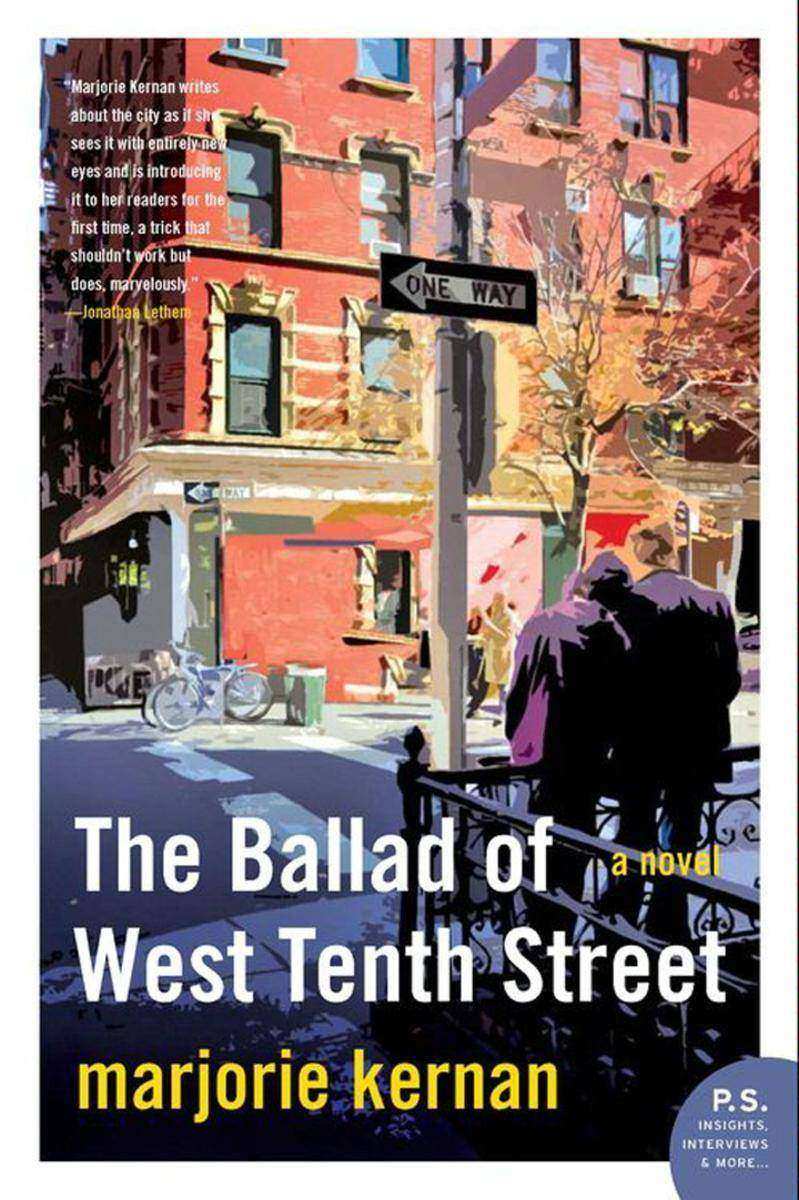
The Ballad of West Tenth Street
¥79.38
Once upon a time in Manhattan . . .. . . there stood a pair of fine old brick townhouses on West Tenth Street. One had a blue door with a tarnished brass knocker in the shape of a dolphin. The other was empty. Behind the blue door lived Sadie, the widow of a famous British rocker who died of an overdose, and two of her children, Hamish and Deen.The children manage to muddle along as best they can with a loving but distracted mother. But their whole world changes when the house next door gets a new owner—a mysterious Southerner who quickly endears himself to his new neighbors, taking them—and their friends—under his protective wing. In doing so, he transforms everything.Magical, lively, lovely, and unique, The Ballad of West Tenth Street is a contemporary urban fairy tale that delightfully reimagines real life.
Life Sentences
¥83.92
Author Cassandra Fallows has achieved remarkable success by baring her life on the page. Her two widely popular memoirs continue to sell briskly, acclaimed for their brutal, unexpurgated candor about friends, family, lovers—and herself. But now, after a singularly unsuccessful stab at fiction, Cassandra believes she may have found the story that will enable her triumphant return to nonfiction.When Cassandra was a girl, growing up in a racially diverse middle-class neighborhood in Baltimore, her best friends were all black: elegant, privileged Donna; sharp, shrewd Tisha; wild and worldly Fatima. A fifth girl orbited their world—a shy, quiet, unobtrusive child named Calliope Jenkins—who, years later, would be accused of killing her infant son. Yet the boy's body was never found and Calliope's unrelenting silence on the subject forced a judge to jail her for contempt. For seven years, Calliope refused to speak and the court was finally forced to let her go. Cassandra believes this still unsolved real-life mystery, largely unknown outside Baltimore, could be her next bestseller.But her homecoming and latest journey into the past will not be welcomed by everyone, especially by her former friends, who are unimpressed with Cassandra's success—and are insistent on their own version of their shared history. And by delving too deeply into Calliope's dark secrets, Cassandra may inadvertently unearth a few of her own—forcing her to reexamine the memories she holds most precious, as the stark light of truth illuminates a mother's pain, a father's betrayal . . . and what really transpired on a terrible day that changed not only a family but an entire country.

Forbidden Boy
¥50.47
Julianne's Summer Rules:Finish all art projects by AugustSurvive summer job surrounded by cute boysHit the beach every dayAvoid the new neighbors (even though their son is hot!) When Julianne falls for Remi at a bonfire party, her summer is off to a perfect start. Sure, her obnoxious new neighbors are muscling her family off their beachfront property, but she has weeks of fun in the sun to look forward to, a painting to finish, and an amazing guy to get to know. Then Jules discovers that her awful new neighbors are Remi's parents. That makes him a forbidden boy—but she can't seem to let him go. What do you do when your worst enemy is also the boy of your dreams?
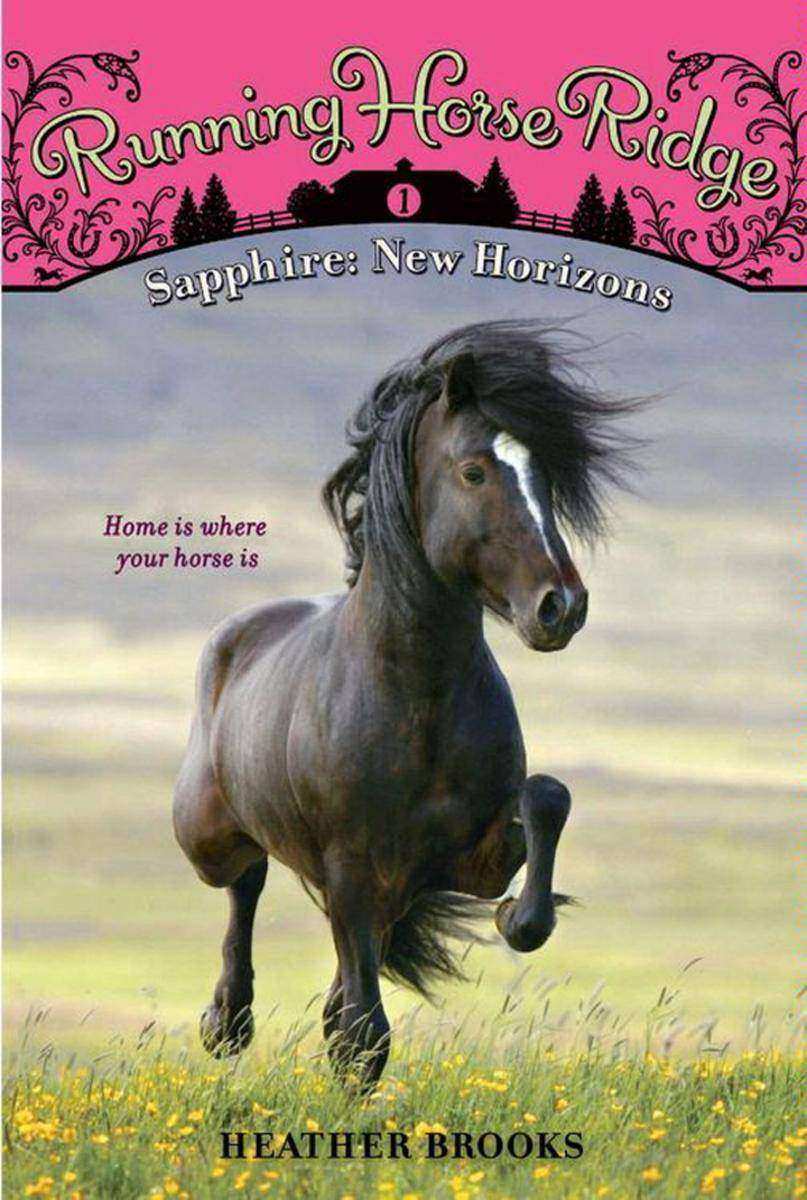
Running Horse Ridge #1: Sapphire: New Horizons
¥28.01
Home is where your horse isEmily Summers does not want to go to Oregon. Why would she want to leave her friends and Rhapsody, her perfect dressage horse, to move to a horse rescue ranch all the way across the countryThen Emily discovers that at Running Horse Ridge, she'll be living her dream of riding and caring for horses 24/7, and after she meets the roguish black stallion named Sapphire, she feels she's found a true friend. There's just one catch: Sapphire is at Running Horse Ridge to be retrained and sold. Has Emily met the horse of her dreams only to lose him?
Serendipity Market
¥50.47
When Toby breathes on Mama Inez's bird-shaped invitations, giving them the power to fly, plans for the Serendipity Market begin. Soon, eleven honored guests travel from afar and make their way to the storytellers' tent to share their stories. Each tale proves what Mama Inez knows—that magic is everywhere. Sometimes it shows itself subtly—a ray of sun glinting on a gold coin, or a girl picking a rose without getting pricked by the thorn—and sometimes it makes itself known with trumpets and fireworks. But when real magic is combined with the magic of storytelling, it can change the world.This is a breathtaking debut novel written with elegance and grace.
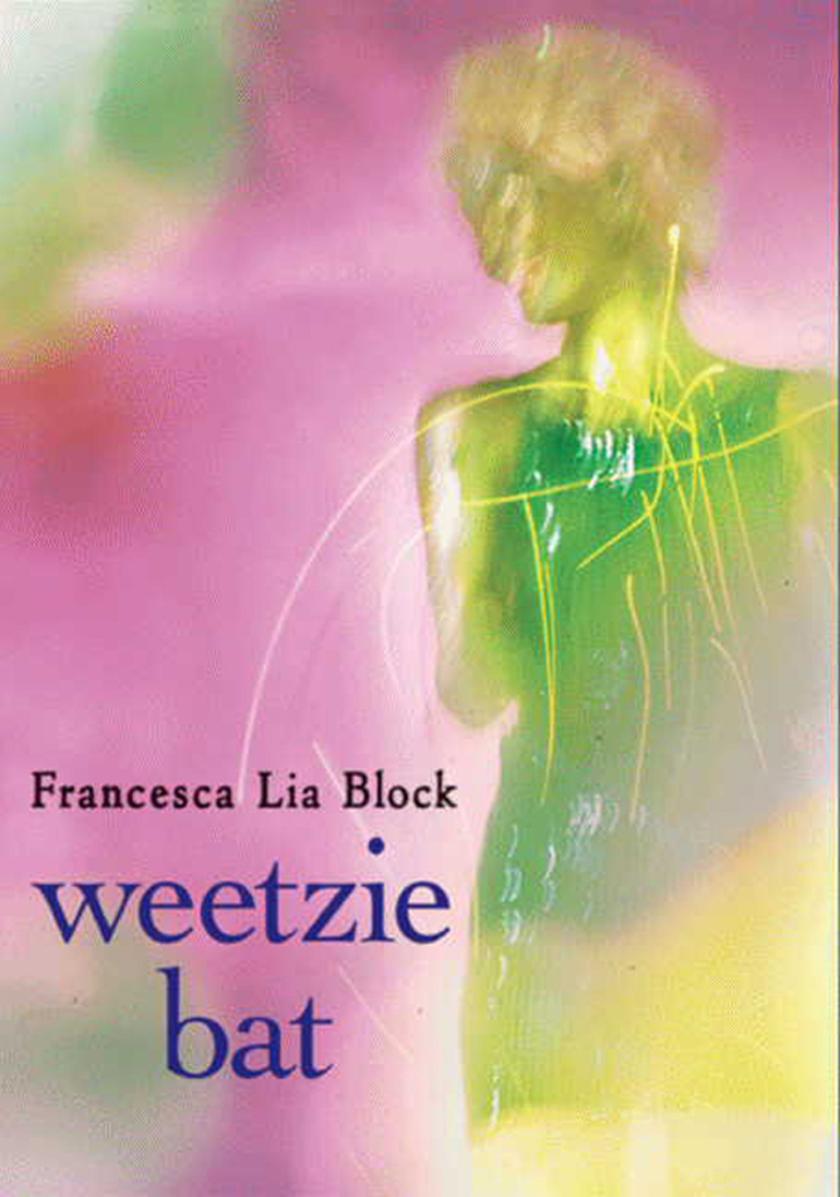
Weetzie Bat
¥56.08
Fifteen years ago Francesca Lia Block made a dazzling entrance into the literary scene with what would become one of the most talked-about books of the decade: Weetzie Bat. This poetic roller coaster swoop has a sleek new design to match its new sister and brother books, Goat Girls and Beautiful Boys. Rediscover the magic of Weetzie Bat, Ms. Blocks sophisticated, slinkster-cool love song to L.A.the book that shattered the standard, captivated readers of all generations, and made Francesca Lia Block one of the most heralded authors of the last decade.
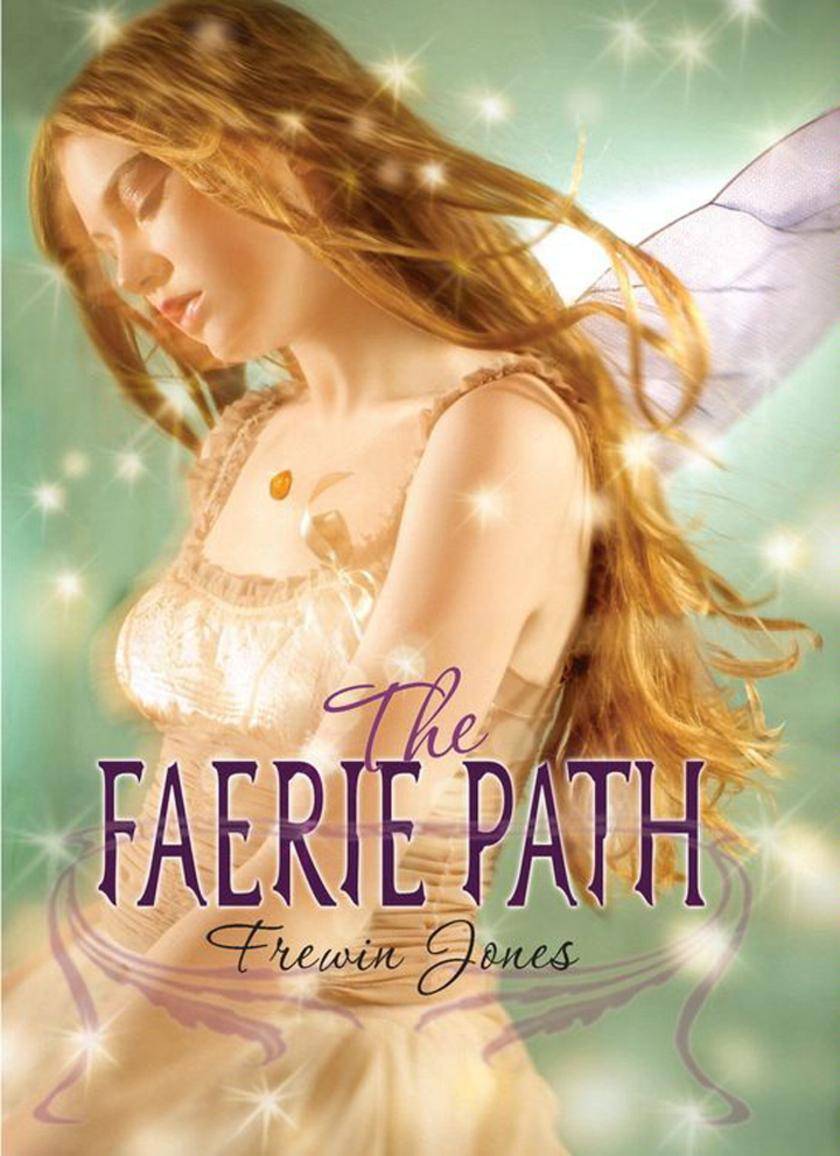
The Faerie Path
¥56.08
Swept away into a court of magic and beauty, she discovers she is Tania, the lost princess of Faerie: the youngest daughter of Oberon and Titania. Since Tania's mysterious disappearance on the eve of her wedding five hundred years before, Faerie has been sunk in darkness and gloom. The courtly Lord Gabriel Drake, who Tania was once to marry, has found her and brought her back.With Tania's return, Faerie comes alive again as a land of winged children, glittering balls, and fantastic delights. But Tania can't forget Anita's world, or the boy she loved there. Torn between two loves and between two worlds, Tania slowly comes to discover why she disappeared so long ago. She possesses a singular magical ability and she must use it to stop a sinister plan that threatens the entire world of Faerie.
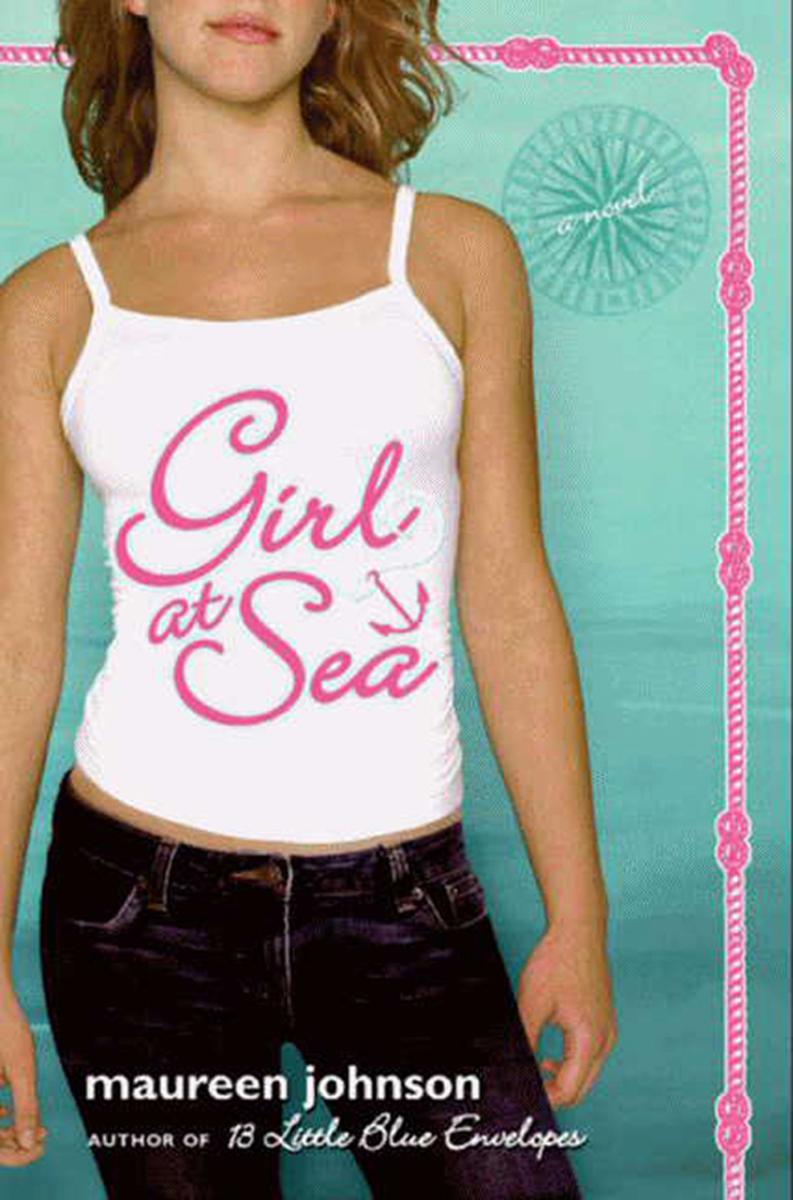
Girl at Sea
¥50.33
Sometimes you have to get lost . . .The Girl: Clio Ford, seventeen, wants to spend the summer smooching her art-store crush, not stuck on a boat in the Mediterranean. At least she'll get a killer tan.The Mission: Survive her father's crazy antics. Oh, and also find some missing underwater treasure that could unlock the secrets of civilization.The Crew: Dad's wacky best friend Martin, his bizarre research partner Julia, her voluptuous daughter Elsa . . . and then there's Aidan, Julia's incredibly attractive, incredibly arrogant assistant.What's going on behind Aidan's intellectual, intensely green eyes, anyway?As Clio sails into uncharted territory she unveils secrets that have the power to change history. But her most surprising discovery is that there's something deeper and more cryptic than the sea—her own heart.. . . to find what you're looking for
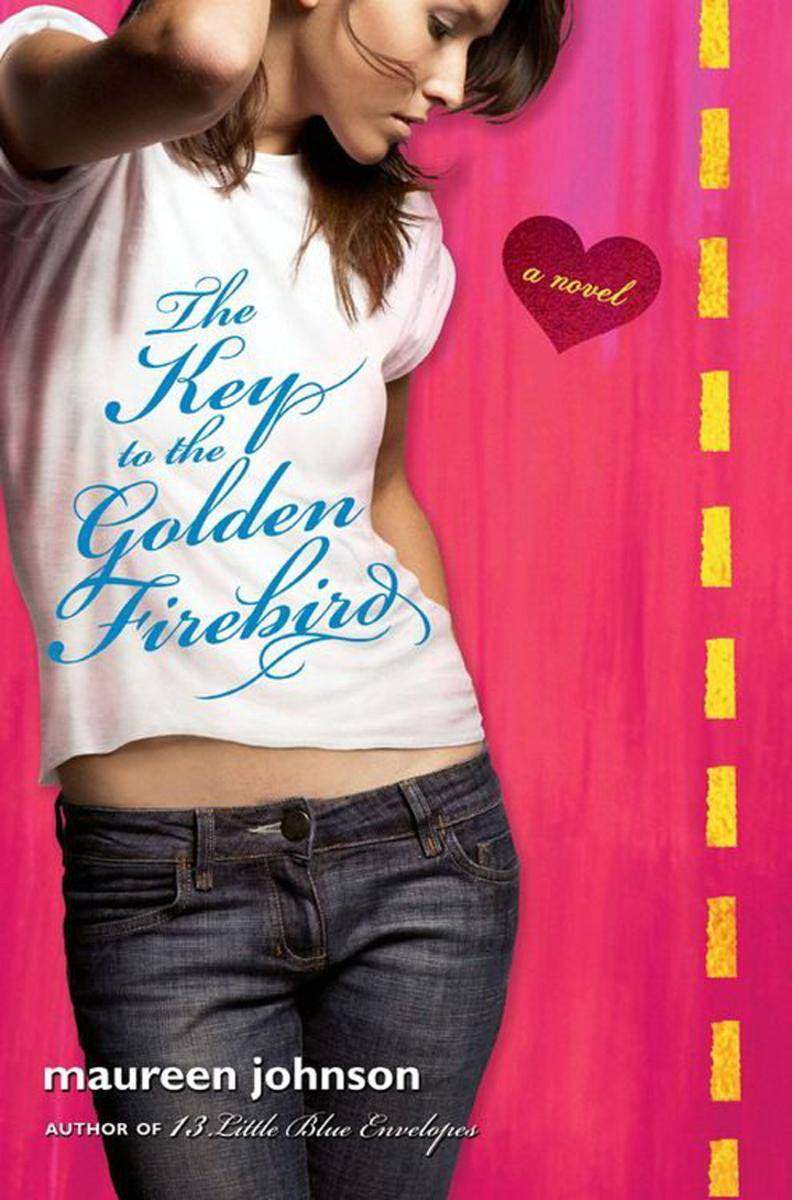
The Key to the Golden Firebird
¥50.33
The funny thing about stop signs is that they're also start signs. Mayzie is the brainy middle sister, Brooks is the beautiful but conflicted oldest, and Palmer's the quirky baby of the family. In spite of their differences, the Gold sisters have always been close. When their father dies, everything begins to fall apart. Level–headed May is left to fend for herself (and somehow learn to drive), while her two sisters struggle with their own demons. But the girls learn that while there are a lot of rules for the road, there are no rules when it comes to the heart. Together, they discover the key to moving on – and it's the key to their father's Pontiac Firebird. This critically acclaimed, totally compelling book is perfect for readers looking for both a fun ride and a life–changing journey from one of today's best new YA writers. And it fits perfectly in the glove compartment.
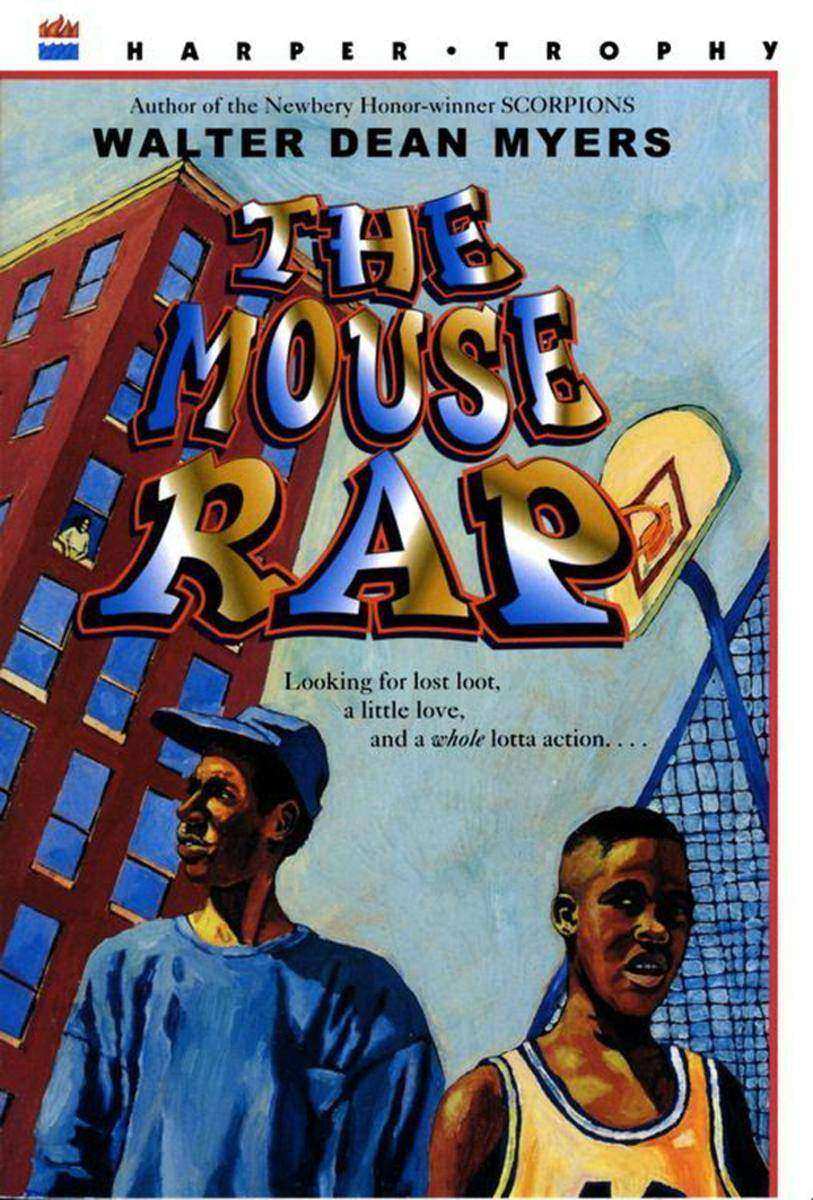
The Mouse Rap
¥44.73
You can call me Mouse, 'cause that's my tag I'm into it all, everything's my bag my ace is Styx, he'll always do Add Bev and Sheri, and you got my crew...and a crew it is! For fourteen-year-old Mouse, this summer is anything but boring. His father, who checked out from the family eight years ago, is now trying to make a comeback as a dad. Beverly, a new girl from California, seems to like locking lips with the Mouse--but she seems to like other guys, as well. Sheri is trying to persuade the gang to join a dance contest. And there's a rumor that a lot of money--the loot from a '30's bank heist, to be exact--is hidden somewhere in an abandoned Harlem building, and you know the Mouse is determined to get a piece of that action."It's summer in Harlem, and The Mouse (as he calls himself) and his friends look beyond dance contests and basketball for diversion.The rumor of a huge cash stash in an abandoned building left by [a 1930s] gangster offers possibilities. . . . Tightly integrated subplots strengthen an already well-crafted novel. Myers deftly paints a humor-laced picture of Harlem in sparkling prose, with characters that have universal appeal." —BL. 1991 Best Books for Young Adults (ALA)Children's Choices for 1991 (IRA/CBC)Children's Books of 1990 (Library of Congress)1991 Books for the Teen Age (NY Public Library)Parenting Honorable Mention, Reading Magic Award
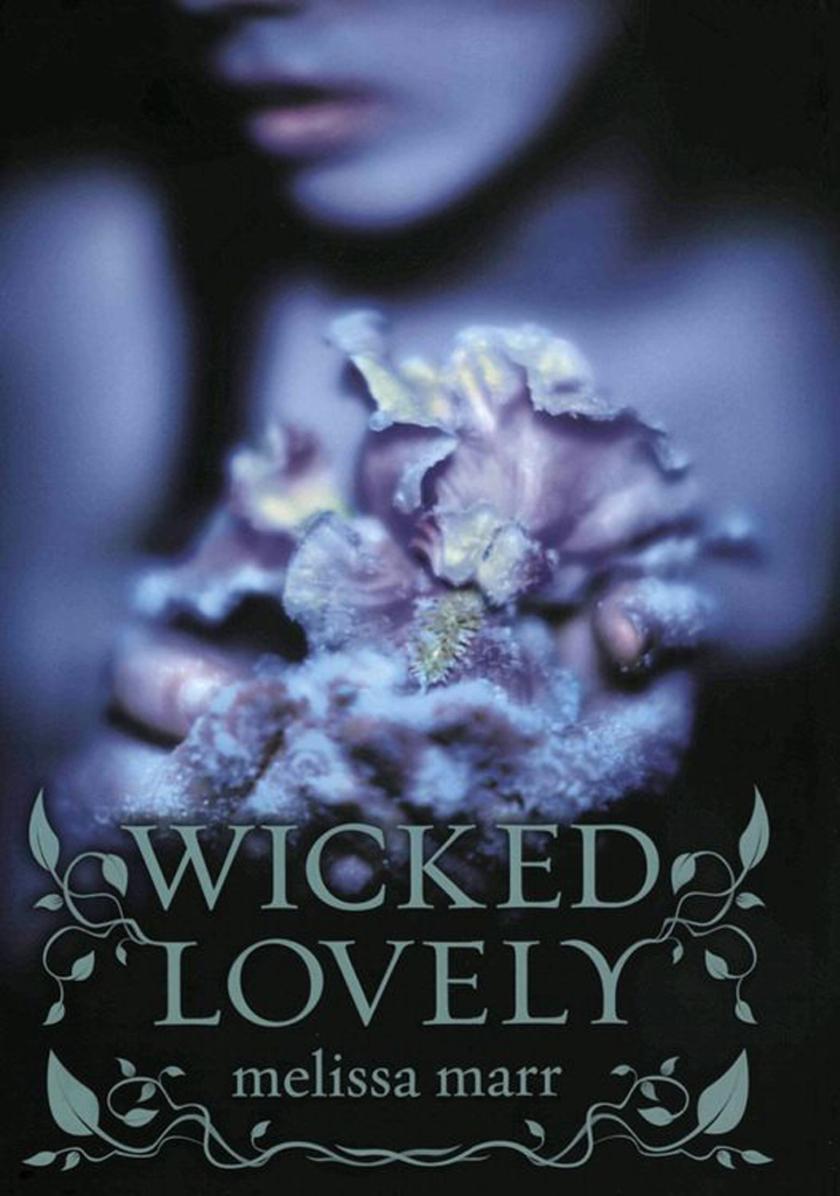
Wicked Lovely
¥55.93
Rule #3: Don't stare at invisible faeries.Aislinn has always seen faeries. Powerful and dangerous, they walk hidden in mortal world. Aislinn fears their cruelty—especially if they learn of her Sight—and wishes she were as blind to their presence as other teens.Rule #2: Don't speak to invisible faeries.Now faeries are stalking her. One of them, Keenan, who is equal parts terrifying and alluring, is trying to talk to her, asking questions Aislinn is afraid to answer.Rule #1: Don't ever attract their attention.But it's too late. Keenan is the Summer King who has sought his queen for nine centuries. Without her, summer itself will perish. He is determined that Aislinn will become the Summer Queen at any cost—regardless of her plans or desires.Suddenly none of the rules that have kept Aislinn safe are working anymore, and everything is on the line: her freedom; her best friend, Seth; her life; everything.Faerie intrigue, mortal love, and the clash of ancient rules and modern expectations swirl together in Melissa Marr's stunning 21st century faery tale.


