


 购物车
购物车 个人中心
个人中心
HTML5 Game Development with GameMaker
¥80.65
The book is a friendly but explosive reference for all skill levels, with several action packed projects. You will develop the ability to build games from scratch with a comprehensive practical tutorial guide. This book is assured to boost your skill set to another level. This book is for anyone with a passion to create fun and action packed web browser games using GameMaker Studio. This intuitive practical guide appeals to both beginners and advanced users wanting to create and release online games to share with the world, using the powerful GameMaker tool.

PlayStation?Mobile Development Cookbook
¥90.46
Written as a series of engaging and practical recipes, this essential Cookbook has been meticulously designed and reviewed in order to provide you with the ultimate reference for PlayStation?Mobile development. If you've got some prior experience with C# and want to create awesome projects for the PlayStation?Vita and PlayStation?Certified devices, then this book is for you.
Instant LinkedIn Customization How-to (MnM)
¥35.96
Filled with practical, step-by-step instructions and clear explanations for the most important and useful tasks. Get the job done and learn as you go. Step-by step application of the features of LinkedIn provides a good grounding in creating effective résumés and optimizing your search. If you’re looking for a job, genuinely interested in expanding your lifelong professional network, or simply want to learn about the tips and tricks of LinkedIn, then this is the right book for you.
Learning Pixelmator
¥45.77
A fast paced, example driven approach to learning Pixelmator. Learning Pixelmator is great for photographers of any level who are looking to learn to take advantage of Pixelmator to edit images. Without any prior knowledge of image editing software needed, we will start with the basics and move onto more advanced image editing techniques. No matter what your current artistic level is, this book will give you the power to unleash the artist within!

Appcelerator Titanium Application Development by Example Beginner’s Guide
¥90.46
"Appcelerator Titanium Application Development by Example Beginner's Guide" is an example-driven tour of the language that guides you through all the stages of app design. The style is relaxed and friendly whilst remaining concise and structured. If you are new to this technology or curious about the possibilities of Appcelerator Titanium then this book is for you. If you are a web developer who is looking for a way to craft cross-platform apps, then this book and the Titanium language is the choice for you.

Raspberry Pi for Secret Agents
¥54.49
A playful, informal approach to using the Raspberry Pi for mischief! Raspberry Pi for Secret Agents is for all mischievous Raspberry Pi owners who’d like to see their computer transform into a neat spy gadget to be used in a series of practical pranks and projects. No previous skills are required to follow along and if you’re completely new to Linux, you’ll pick up much of the basics for free. Apart from the Raspberry Pi board itself, a USB microphone and/or a webcam is required for most of the audio/video topics and a Wi-Fi dongle is recommended for the networking examples. A Windows/Mac OS X/Linux computer (or second Raspberry Pi) is also recommended for remote network access.
Instant Galleria How-to
¥35.96
Get to grips with a new technology, understand what it is and what it can do for you, and then get to work with the most important features and tasks. This is a how-to book with practical recipes to make you an expert user of Galleria. This book is for Java* developers and designers looking to learn how to create beautiful galleries for their web projects. It’s assumed you know some JavaScript, JQuery, HTML, and CSS. Readers are expected to have images available to use with the galleries, a text editor, and a modern web browser to develop with.

Instant RESS Implementation: How To
¥41.41
Filled with practical, step-by-step instructions and clear explanations for the most important and useful tasks .Written with developers in mind this guide will show you how to make use of RESS using easy to follow examples and step by step solutions. Using PHP, HTML5, JavaScript and CSS this book will give you a solid foundation in RESS. You will need to have a good grasp of these languages as the techniques used are advanced.

Gracie
¥39.02
The only tie-in book to the summer family movie about a 16-year-old girl who fought for and won the right for girls everywhere to play competitive soccer, inspired by one family's real story.Set in 1978 in South Orange, New Jersey, Gracie tells the moving story of 16-year-old Gracie Bowen (Carly Schroeder of TV's Lizzie McGuire), whose middle-class family life revolves almost entirely around soccer. Tragedy unexpectedly strikes when Gracie's older brother, star of the high school varsity team and her closest confidant, is killed in a drunk-driving accident. Wracked with grief over her family's loss, Gracie decides to fill the void left on her brother's team by petitioning the local school board to allow her to play in the boys' soccer league.At first, no one can understand what Gracie is up to, not her mom (Elisabeth Shue), her former soccer star dad (Dermot Mulroney), the team or school officials. Everyone warns Gracie that pursuing her dream is a waste of time—that soccer is a sport for boys and boys only. Undeterred, Gracie finds reserves of strength she never knew existed, and persists in changing everyone's beliefs in what she is capable of, including her own.Based on true events in the lives of the Shue family (producer and co-star Andrew Shue, Academy Award?-nominated actress Elisabeth Shue and their family), Gracie is an exciting and emotional sports story that marks the dramatic feature debut of Academy Award?-winning director Davis Guggenheim (An Inconvenient Truth). This young adult novel includes an eight-page color photo section and a Q&A with Andrew Shue and Elisabeth Shue about the real-life story behind the film. 8-page color photo insert.
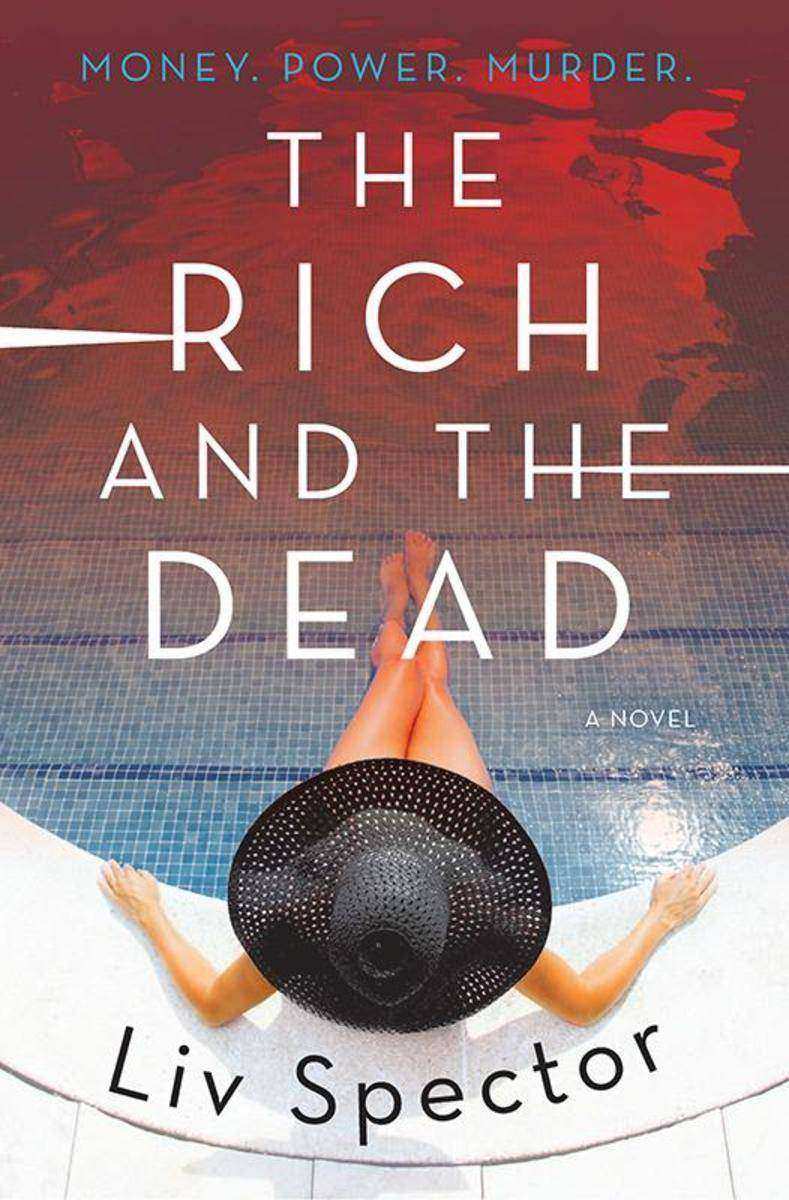
The Rich and the Dead
¥78.55
To solve the crime of the century, she'll have to go back in time....Welcome to Star Island, where Miami's wealthiest residents lead private lives behind the tall gates of their sprawling mansions. It's a blissful escape from the hot and dirty city—or it was, until New Year's Day 2015, when twelve of the most powerful people in the world were found murdered in the basement of a Star Island mansion. The massacre shocked the nation and destroyed the life of investigator Lila Day. Her hunt for the Star Island killer consumed her. But the case went unsolved, resulting in her dismissal from the Miami PD.Now, three years later, life hands Lila an unexpected second chance: reclusive billionaire Teddy Hawkins approaches Lila and asks her to solve the case. But how do you investigate a crime when all the leads have long ago gone coldThe answer, Teddy tells her, is to solve the case before it happens. He's going to send Lila back in time.With nothing left to lose, an incredulous Lila travels back to 2014, determined to find the Star Island killer once and for all. But as she goes undercover among the members of Miami's high society, she finds herself caring for—and falling for—people who are destined to die that fateful night. Now she must either say good-bye or risk altering the future forever.
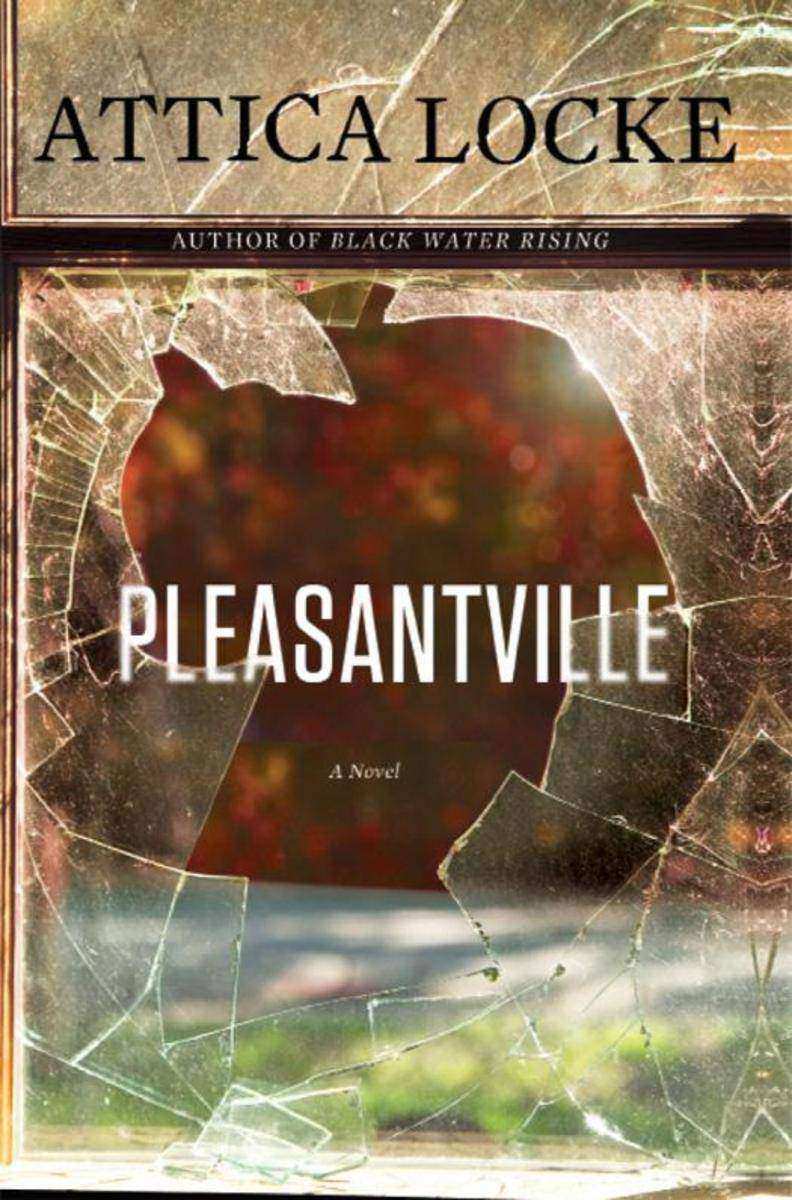
Pleasantville
¥90.51
Jay Porter, the hero of the critically acclaimed bestseller Black Water Rising, becomes embroiled in a toxic case involving politics, corruption, and murder in this electrifying and atmospheric tale from Attica Locke, a writer "akin to George Pelecanos or Dennis Lehane" (New York Times).Fifteen years after his career-defining case against Cole Oil, Jay Porter is broke and tired. That victory might have won the environmental lawyer fame, but thanks to a string of appeals, he hasn't seen a dime. His latest case—representing Pleasantville in the wake of a chemical fire—is dragging on, shaking his confidence and raising doubts about him within this upwardly mobile black community on Houston's north side. Though Jay still believes in doing what's right, he is done fighting other people's battles. Once he has his piece of the settlement, the single father is going to devote himself to what matters most—his children.His plans are abruptly derailed when a female campaign volunteer vanishes on the night of Houston's mayoral election, throwing an already contentious campaign into chaos. The accused is none other than the nephew and campaign manager of one of the leading candidates—a scion of a prominent Houston family headed by the formidable Sam Hathorne. Despite all the signs suggesting that his client is guilty—and his own misgivings—Jay can't refuse when a man as wealthy and connected as Sam asks him to head up the defense. Not if he wants that new life with his kids. But he has to win.Plunging into a shadowy world of ambitious enemies and treacherous allies armed with money, lies, and secrets, Jay reluctantly takes on his first murder trial—a case that will put him and his client, and an entire political process, on trial.
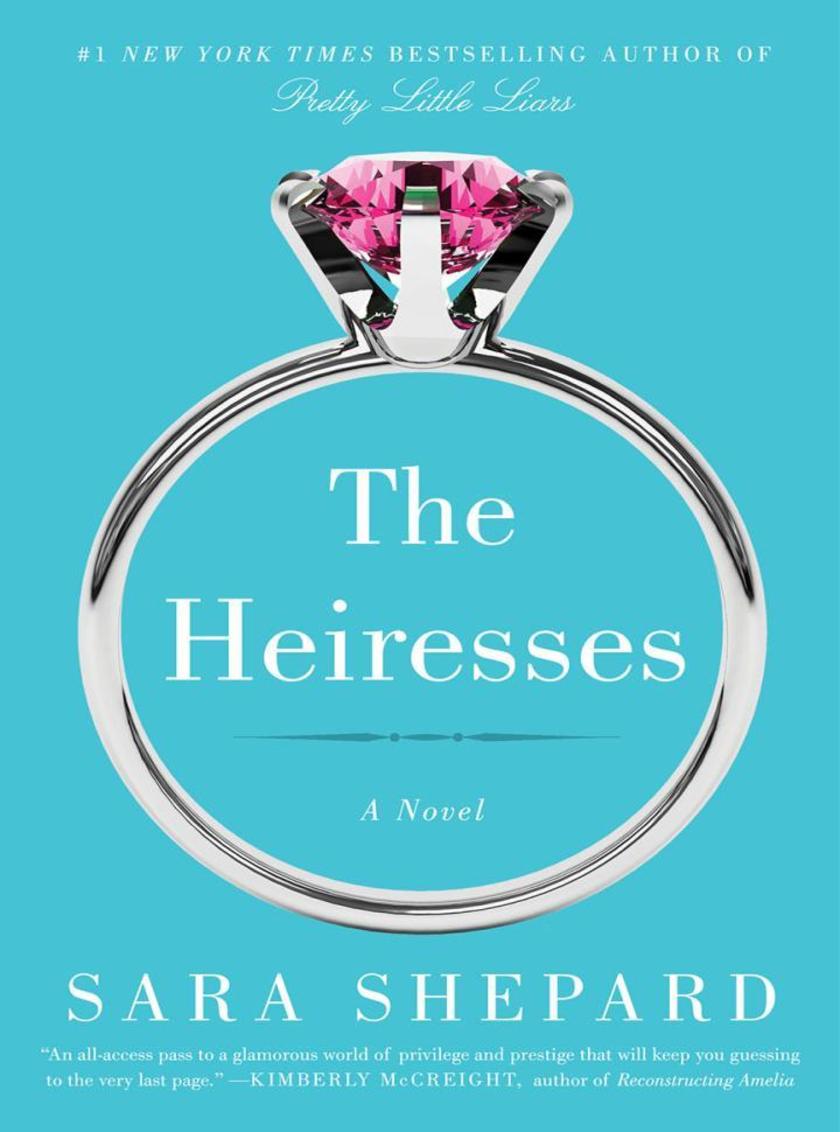
The Heiresses
¥88.56
You know the Saybrooks. Everyone does. Perhaps you've read a profile of them in People or have seen their pictures in the society pages of Vogue. Perhaps while walking along that choice block on Fifth Avenue, you've been tempted to enter the ornate limestone building with their family name etched into the pediment above the door.The only thing more flawless than a Saybrook's diamond solitaire is the family behind the jewelry empire. Beauties, entrepreneurs, debutantes, and style mavens, they are the epitome of New York City's high society. But being a Saybrook comes at a price—they are heirs not only to a dizzying fortune but also to a decades-old family curse.Tragedy strikes the prominent family yet again when thirty-four-year-old Poppy, the most exquisite Saybrook of them all, flings herself from the window of her TriBeCa office. Everyone is shocked that a woman who had it all would end her own life. Then her cousins receive an ominous threat: one heiress down, four to go. Was it suicide . . . or murderIn the aftermath of the tragedy, the remaining heiresses—Corinne, the perfectionist; Rowan, the workaholic; Aster, the hedonist; and Natasha, the enigma—wrestle with feelings of sadness, guilt, and, most of all, fear. Now they must uncover the truth about their family before they lose the only thing money can't buy: their lives. The Heiresses is a whip-smart mystery that simmers with the wicked sense of humor and intrigue that made Sara Shepard's number one New York Times bestselling Pretty Little Liars series a must-read, must-watch phenomenon.

The Secrets of Lily Graves
¥56.08
Gone Girl meets Six Feet Under in bestselling author Sarah Strohmeyer's romantic YA mystery about a girl who must unravel a web of lies in her small town before it's too late.Descended from a long line of female morticians, Lily Graves knows all about buried secrets. So after senior-class president Erin Donohue—perfect saint to the community—turns up dead, Lily believes it's her job to find the culprit. But Lily has feelings for Erin's ex-boyfriend, Matt, which makes both of them suspects and makes Lily's investigation . . . complicated. As her world crumbles around her, Lily must figure out the difference between truth and deception, between genuine love and a web of lies. And she must do it quickly, before the killer claims another victim.Fans of Sara Shepard who enjoy realistic contemporary fiction with a dash of mystery will love the secrets, lies, and romance swirling in this sexy, intriguing novel.
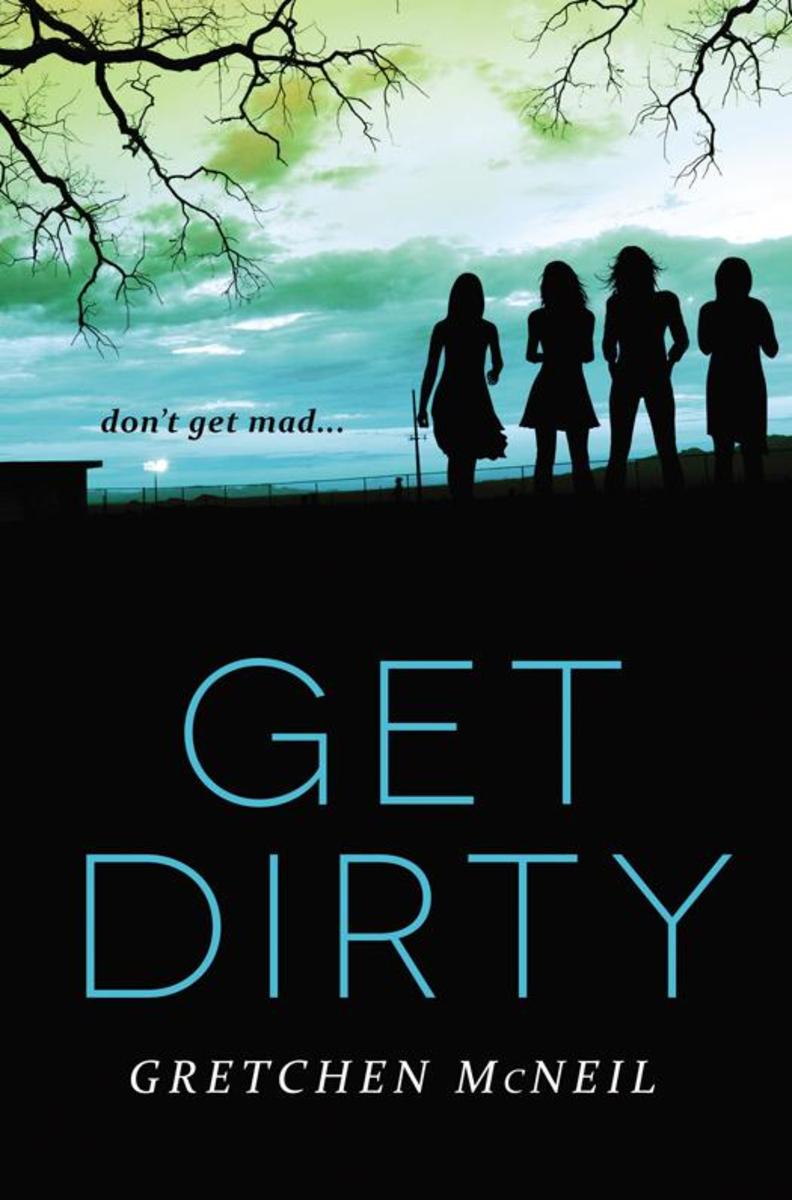
Get Dirty
¥55.93
The Breakfast Club meets Pretty Little Liars in Gretchen McNeil's witty and suspenseful sequel to Get Even. The members of Don't Get Mad aren't just mad anymore . . . they're afraid. And with Margot in a coma and Bree under house arrest, it's up to Olivia and Kitty to try to catch their deadly tormentor. But just as the girls are about to go on the offensive, Ed the Head reveals a shocking secret that turns all their theories upside down. The killer could be anyone, and this time he—or she—is out for more than just revenge.The girls desperately try to discover the killer's identity as their personal lives are falling apart: Donté is pulling away from Kitty and seems to be hiding a secret of his own, and Olivia's mother is on an emotional downward spiral. The killer is closing in, the threats are becoming more personal, and when the police refuse to listen, the girls have no choice but to confront their anonymous friend . . . or die trying.
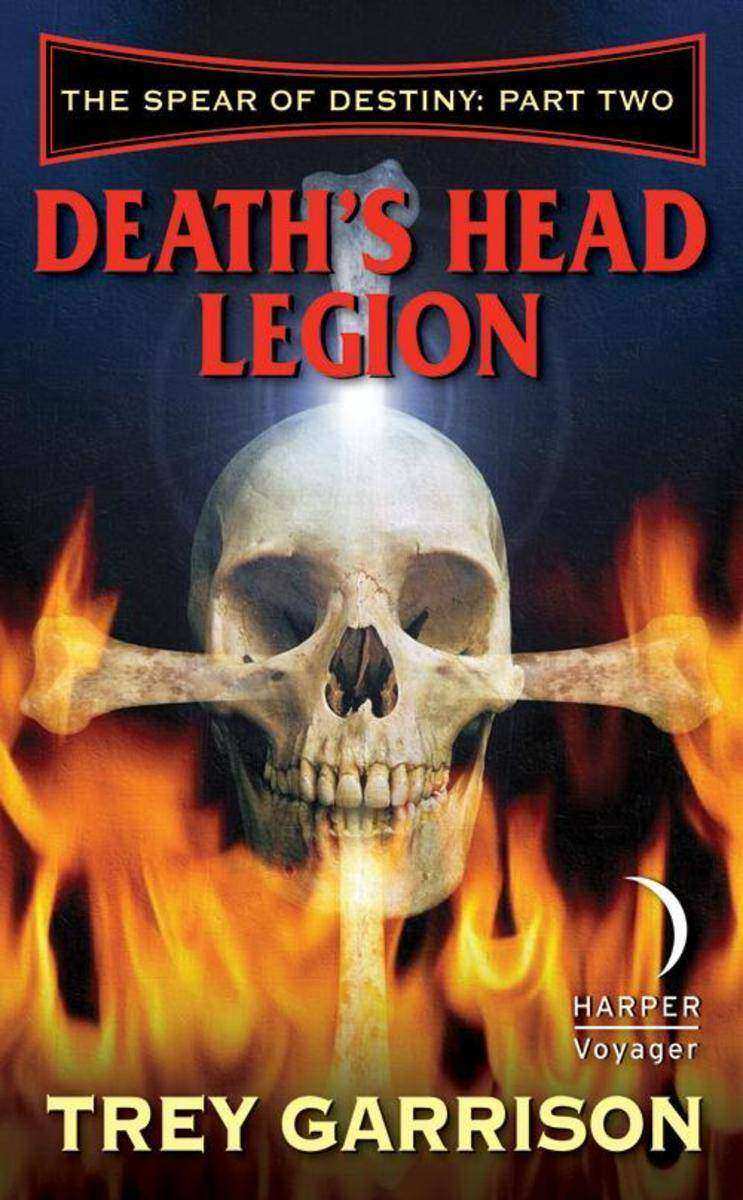
Death's Head Legion
¥10.86
Death's Head Legion: Part Two of three in The Spear of Destiny, the first novel in a new steampunk, horror, alternate history, action-adventure series set in a 1920s where the Nazis have begun their subjugation of the world using the occult, advanced science, and a holy relic with awesome powers.And don't miss the other parts of this serialized novel—Part One: Black Sun Reich and Part Three: Shadows Will Fall.Trey Garrison recaptures the unapologetic adventure, wonder and excitement of the classic pulp fiction of the 1930s and 1940s, blending elements of steampunk with deeply-researched historical fiction and a good dose of humor. The novel also explores major philosophical and moral issues relevant to our contemporary world: the trade-off between security and liberty, the morality of preemptive war, and what fundamentally separates good from evil.The North American continent is made up of several rival nations, and a Cold War is building between them. The Nazis rose to power a decade earlier. People travel by airship and powerful organizations calculate with Babbage's Difference Engine. The Nazis have hatched a plot to raise a legion of undead soldiers.Enter Sean Fox Rucker, Jesus D'Anconia Lago, two Great War veterans and freelance pilots who are pulled into the quest. They are joined by a brash Greek merchant, a brilliant Jewish cowboy, and the woman who once broke Rucker's heart. This ragtag band of reluctant, bickering, swashbuckling heroes soon is locked in a globe-spanning race against Nazi occultists, clockwork assassins, and a darkly charismatic commando. In a world where science and the supernatural coexist, and the monsters of legend are as real necromancers who summon them from dark realms, our heroes alone stand before the rising darkness. But all their efforts may not be enough.
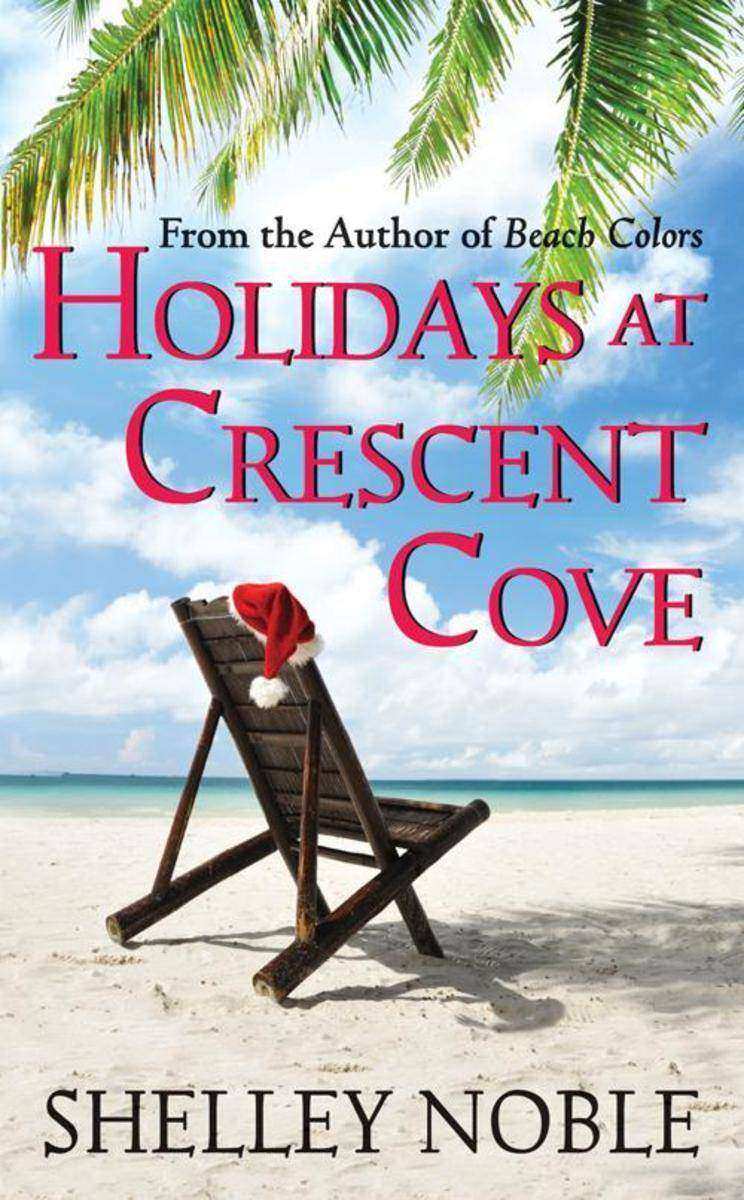
Holidays at Crescent Cove
¥34.91
From the acclaimed author of Beach Colors come two fabulous stories of holidays spent by the beautiful shoreThanksgiving and Christmas are all about friends, family, and good food. But this year, the holidays will truly bring the residents of Crescent Cove home.Thanksgiving At Crescent CoveAmidst visions of turkey and pumpkin pie, sweet Grace is ready to greet Thanksgiving in a quiet celebration of home and heart. But things don't go according to plan. Her father—to whom she hasn't spoken in years—comes walking through the door, expecting a reunion and her help. And of course this is the exact moment her friend Jake has finally decided to make a declaration. Will the spirit of Thanksgiving be enough to help Grace accept her family and her friend's love?Christmas At Crescent CoveIt's Christmas, and Bri never expected to find a handsome stranger sleeping in her barn. But she never expected to be living in Crescent Cove again with her two adopted daughters. Since 'tis the season to open your home to those in need, Bri decides to let David spend the holidays with her new family, and he gives her and the girls a precious gift—the true meaning of Christmas.

Stargazey Nights
¥28.00
Take a trip to the South Carolina coast and indulge in the beautiful sunsets that lead to perfect Stargazey Nights.A call from the past and a mysterious inheritance bring Cabot Reynolds to a magical town and force him to make a decision that will change his life forever. Stargazey Point, once a slice of Southern heaven, is in need of tender love and care, something Cab learns he is in desperate need of himself. Stargazey Nights is a tantalizing glimpse into a world that will come to life in the forthcoming novel Stargazey Point.

How to Meet Boys
¥56.08
Find out what happens when you fall for your best friend's worst enemy in this hilarious tale of a forbidden first love and forever friendship. The author of Maine Squeeze and Love and Other Things I'm Bad At, Catherine Clark, has once again crafted a romantic coming-of-age story that will stay with you long after you turn the last page.Lucy can't wait to spend the summer at the lake with her best friend, Mikayla. But when Jackson, the boy she's been avoiding ever since he rejected her, reappears in her life, Lucy wonders if this summer to remember is one she'd rather forget.Mikayla's never had much luck talking to boys, but when she (literally) runs into the cutest guy she's ever seen, and sparks fly, she thinks things might be looking up . . . until she realizes the adorable stranger is the same boy who broke her best friend's heart.As things begin to heat up between Mikayla and the one guy she should avoid, will Lucy be able to keep her cool or will the girls' perfect summer turn into one hot mess?

Woman with a Gun
¥88.56
This compelling thriller, from new york times bestseller Phillip Margolin, centers on an intriguing photograph that may contain long-hidden answers to the mystery of a millionaire's murder.At a retrospective on the work of acclaimed photographer Kathy Moran, aspiring novelist Stacey Kim is fascinated by the exhibition's centerpiece: the famous Woman with a Gun, which launched the artist's career. Shot from behind, the enigmatic black-and-white image depicts a woman in a wedding dress standing on the shore at night, facing the sea. But this is no serene, romantic portrait. In her right hand, which is hidden behind her back, she holds a six-shooter.The picture captures Stacey's imagination and raises a host of compelling questions: Who is this womanIs this a photograph of her on her wedding dayDoes she plan to kill herself or someone elseObsessed with finding answers, she soon discovers the identity of the woman: a suspect in a ten-year-old murder investigation. Convinced that proof of the woman's guilt, or innocence, is somehow connected to the photograph, Stacey embarks on a relentless investigation.Drawn deeper into the case, Stacey finds that everyone involved has a different opinion of the woman's culpability. But the one person who may know the whole story—Kathy Moran—isn't talking. Stacey must find a way to get to the reclusive photographer, and get her to talk, or the truth about what happened that day will stay forever hidden in the shadows.

Secret Daughter
¥62.24
Secret Daughter by Shilpi Somaya Gowda has de*ive copy which is not yet available from the Publisher.
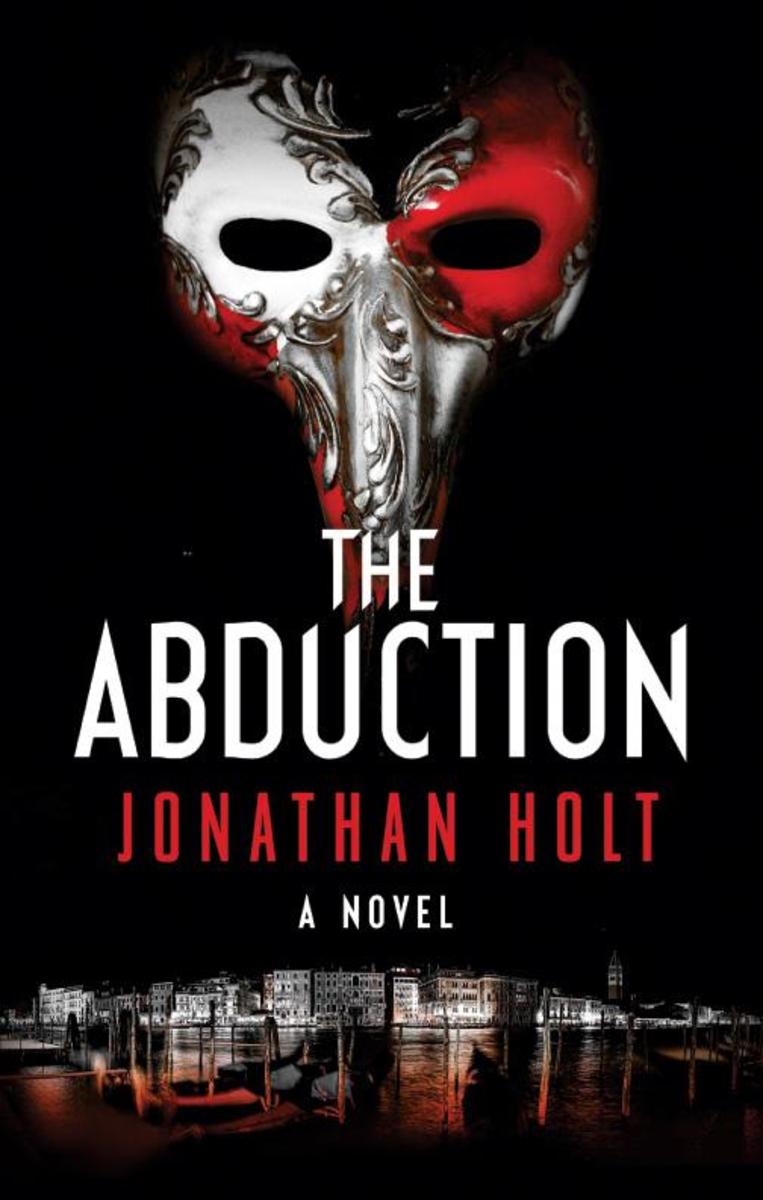
The Abduction
¥90.77
The Abduction is an adrenaline-fuelled tale of mystery and intrigue that moves between the physical world of Venice, Italy, and its online counterpart, blurring the boundary between dark fantasy and even darker reality.Captain Kat Tapo of the Venice Carabinieri knows that the social media site Carnivia.com harbors disturbing secrets—she's already endured one encounter with this digital incarnation of Venice and its creator, the reclusive hacker Daniele Barbo. But she's shocked to discover a webcam feed that streams video of a terrified teenage girl, hooded and shackled. A strand of text repeatedly scrolls across the screen: Stressful Standing Is Not Torture.At the same time, Second Lieutenant Holly Boland is desperately trying to find the daughter of a US Army officer, missing from an American military base near the city. An intelligence analyst trained to look for clues that others miss, Holly is sure the kidnappers are after more than just money.When responsibility is claimed by a group demanding an end to US bases in Italy, it seems that the motive behind the kidnapping is clear. But the more the two women investigate, the more the case becomes as murky as the dark waters of Venice's lagoon itself.Uncooperative at the best of times, Daniele has never before allowed Carnivia.com to yield its hidden truths to the authorities. But when secrets from Italy's complicated wartime past begin to surface, revelations that could put them all in danger, he must make a difficult choice. How far will he let them inIf the shocking truth is not discovered, more than one innocent life will be sacrificed....With The Abduction, the second book in the Carnivia Trilogy, Jonathan Holt delivers a heart-pounding sequel to his acclaimed international thriller The Abomination.


