


 购物车
购物车 个人中心
个人中心
![Microsoft Forefront UAG Mobile Configuration Starter [Instant]](https://platform-permanent.ddimg.cn/pt-media-info-soa-resource/digital/product/24/87/1900482487_ii_cover.jpg?version=0015800a-9284-44a4-8d90-e682d496a761)
Microsoft Forefront UAG Mobile Configuration Starter [Instant]
¥50.13
Get to grips with a new technology, understand what it is and what it can do for you, and then get to work with the most important features and tasks. A no-nonsense Starter guide, designed to give you maximum guidance with minimum fuss. This book is written for system administrators, I.T. professionals, unified communication technicians, and decision makers, in general. No knowledge of UAG is required to understand the book and start setting up UAG immediately.
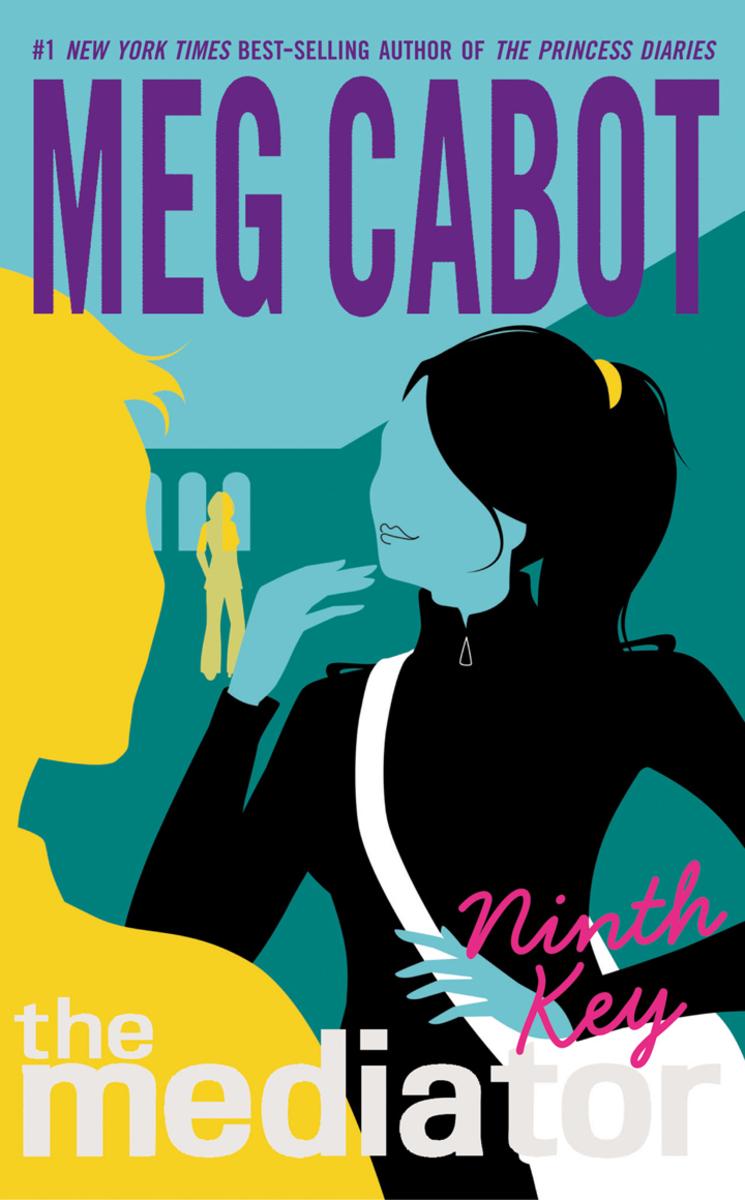
The Mediator #2: Ninth Key
¥44.73
Everything is going great for Suze. Her new life in California is a whirlwind of parties and excellent hair days. Tad Beaumont, the hottest boy in town, has even asked Suze out on her very first date. Suze is so excited that she's willing to ignore her misgivings about Tad... particularly the fact that he's not Jesse, whose ghostly status—not to mention apparent disinterest in her—make him unattainable.What Suze can't ignore, however, is the ghost of a murdered woman whose death seems directly connected to dark secrets hidden in none other than Tad Beaumont's past.
Total Constant Order
¥43.09
Fin can't stop counting. She's always heard a voice inside her head, ordering her to listen, but ever since she's moved to the Sunshine State and her parents split up, numbers thump like a metronome, rhythmically keeping things in control. When a new doctor introduces terms such as "clinical depression" and "OCD" and offers a pre*ion for medication, the chemical effects make Fin feel even more messed up. Until she meets Thayer, a doodling, rule-bending skater who buzzes to his own beat—and who might just understand Fin's hunger to belong, and her struggle for total constant order. Crissa-Jean Chappell's candid and vividly told debut novel shares the story of a young teen's experience with obsessive compulsive disorder and her remarkable resolve to find her own inner strength.

Vamps
¥49.70
When the sun goes down, New York's true elite all head to one place: Bathory Academy, where the young ladies of the finest vampire families are trained in shapeshifting and luring their prey. Bathory's reigning queen, Lilith Todd, is the daughter of a powerful vampire businessman, and she knows exactly what she wants from life. She wants to look beautiful for eternity and party till the sun comes up with her gorgeous boyfriend, Jules. And she doesn't want any New Blood upstarts standing in her way.Enter Cally Monture, an unexpected threat from a trash zip code. When their first meeting leads to tragic results, Lilith is hungry for revenge.
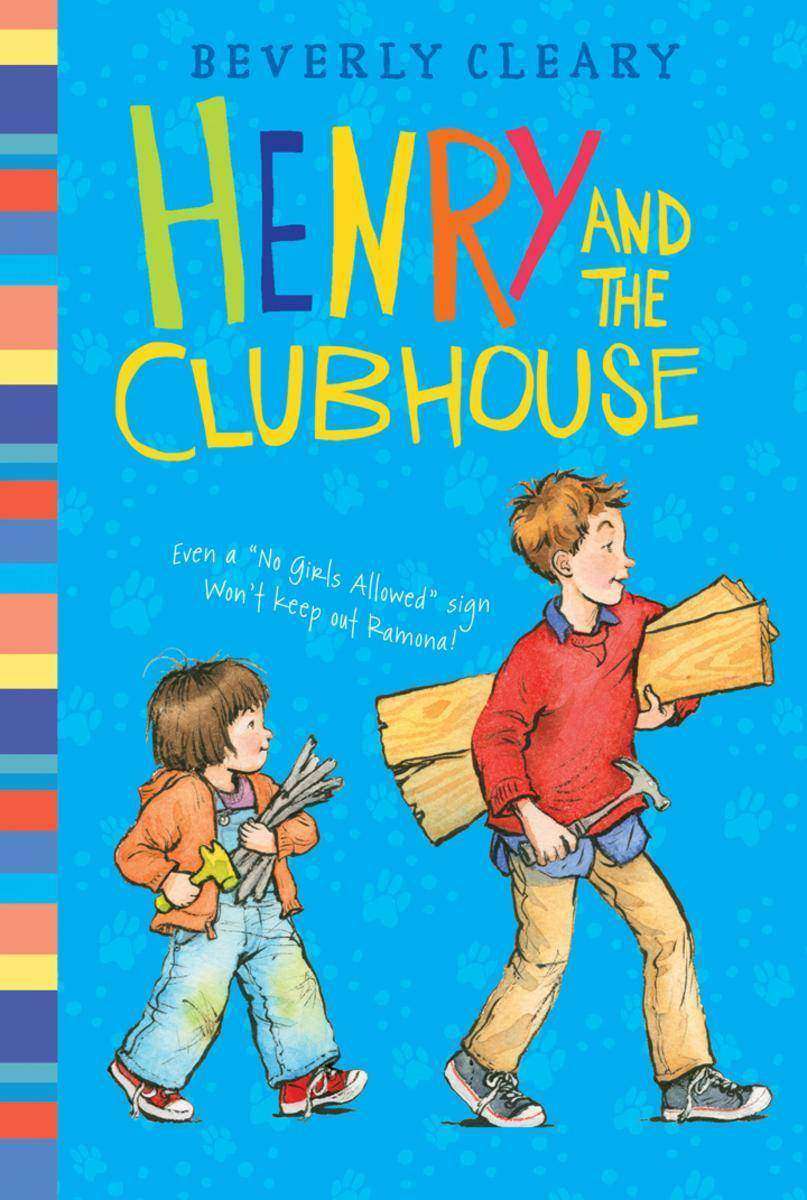
Henry and the Clubhouse
¥44.73
Fiery Ramona Quimby and the well-meaning Henry Huggins may clash, but in this delightful and hilariously told novel by Newbery Medal-winning author Beverly Cleary, an unlikely compromise wins the day.Henry and his friends are building a no-girls-allowed clubhouse. With a private space of their own away from everyone else—and even a top secret entry password—they're all thrilled with their boy fort. But Henry's about to find out that nothing—not even a sign—will keep gutsy Ramona out of their clubhouse…and her retaliation may just ruin Henry's newspaper career.
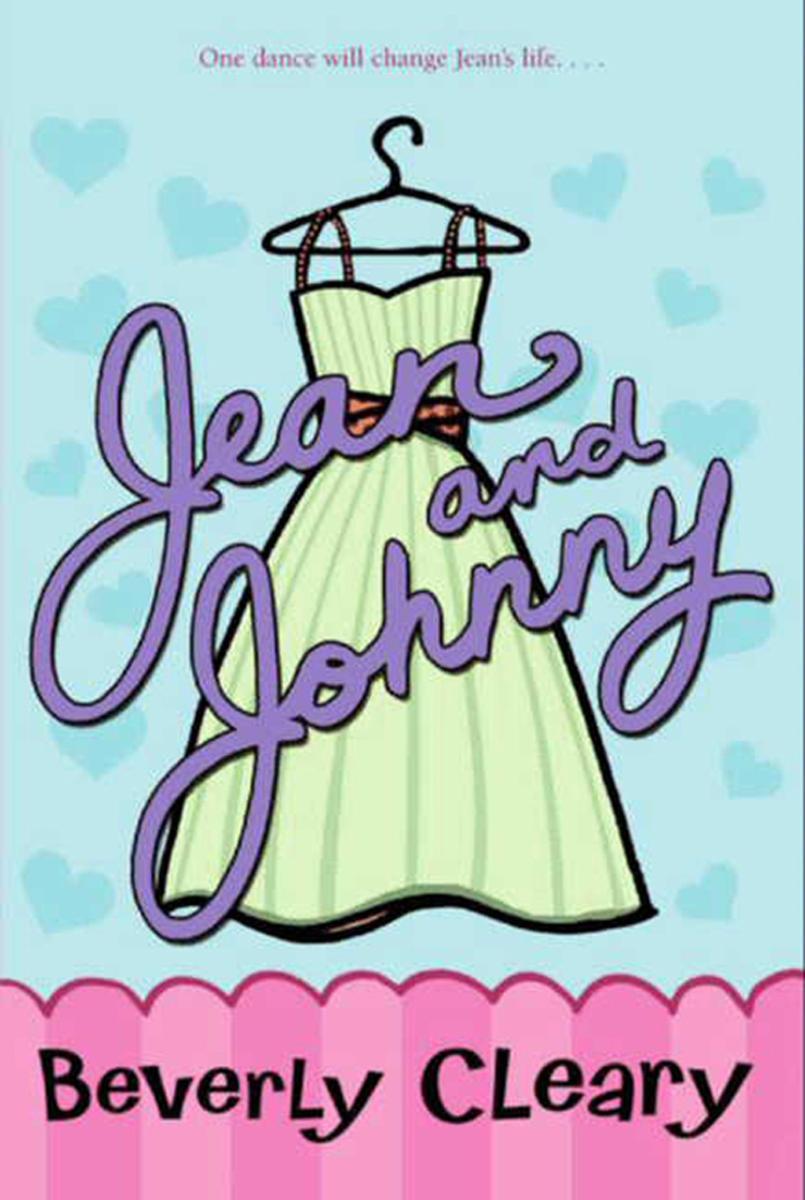
Jean and Johnny
¥60.87
First DateFifteen-year-old Jean is astonished when a handsome Johnny whirls her ‘round the dance floor. She's never given much thought to boys before; now Johnny is all that's on her mind. Finally she finds the courage to invite him to a dance. But the excitement of a new dress and a scheme to take Johnny's photograph cannot stop jean's growing uneasiness that she likes Johnny a lot more than he likes her . . .This high-school story, which is both funny and touching, is about a girl who lacks self-confidence, and a boy who has too much.
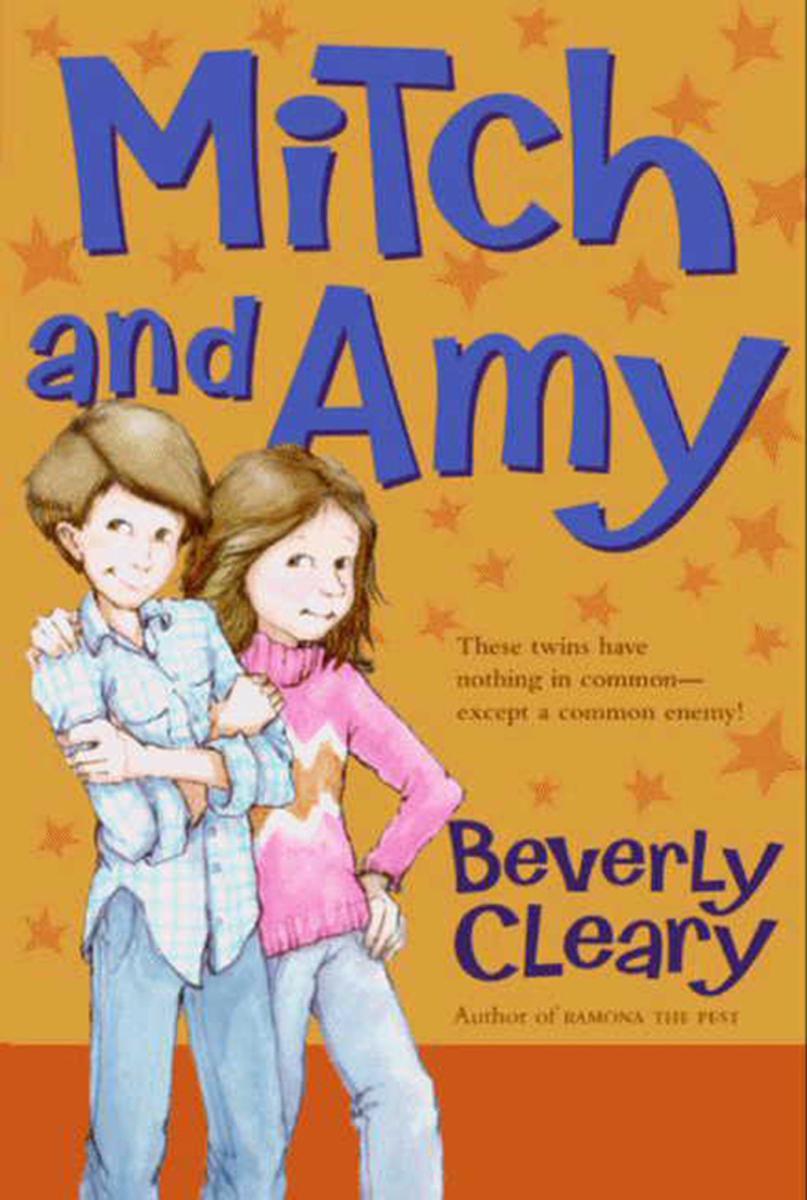
Mitch and Amy
¥38.72
Mitch and Amy both think being twins is fun, but that doesn't stop them from squabbling. Amy is good at reading. Mitch is a math whiz. Amy likes to play pretend. Mitch would rather skateboard. They never want to watch the same television show. And they always try to get the better of each other.Then the school bully starts picking on Mitch-and on Amy, too. Now the twins have something rotten in common: Alan Hibbler. This twosome must set aside their squabbles and band together to defeat a bully!

Replay
¥38.72
Newbery Medal winner Sharon Creech's inspired novel tells the story of a boy who fantasizes about who he is in order to discover who he will become. Now with fresh and gorgeous new cover art, this touching tale has received many starred reviews, and was called a "warm, funny, philosophical novel" by Kirkus Reviews.With the backdrop of a large family and a theater as its frame, this is a story about twelve-year-old Leo, who has a talent for transforming the ordinary into the extraordinary. That's why he's called "fog boy." He's always dreaming, always replaying things in his brain. As an actor in the school play, he is poised and ready for the curtain to open. But in the play that is his life, he is eager to discover what part will be his.With the universal theme of finding one's true identity, and set amid a loud, noisy, memorable family, Leo's story is one that all kids will relate to. And there's a full play at the end of the book that kids and teachers can perform!
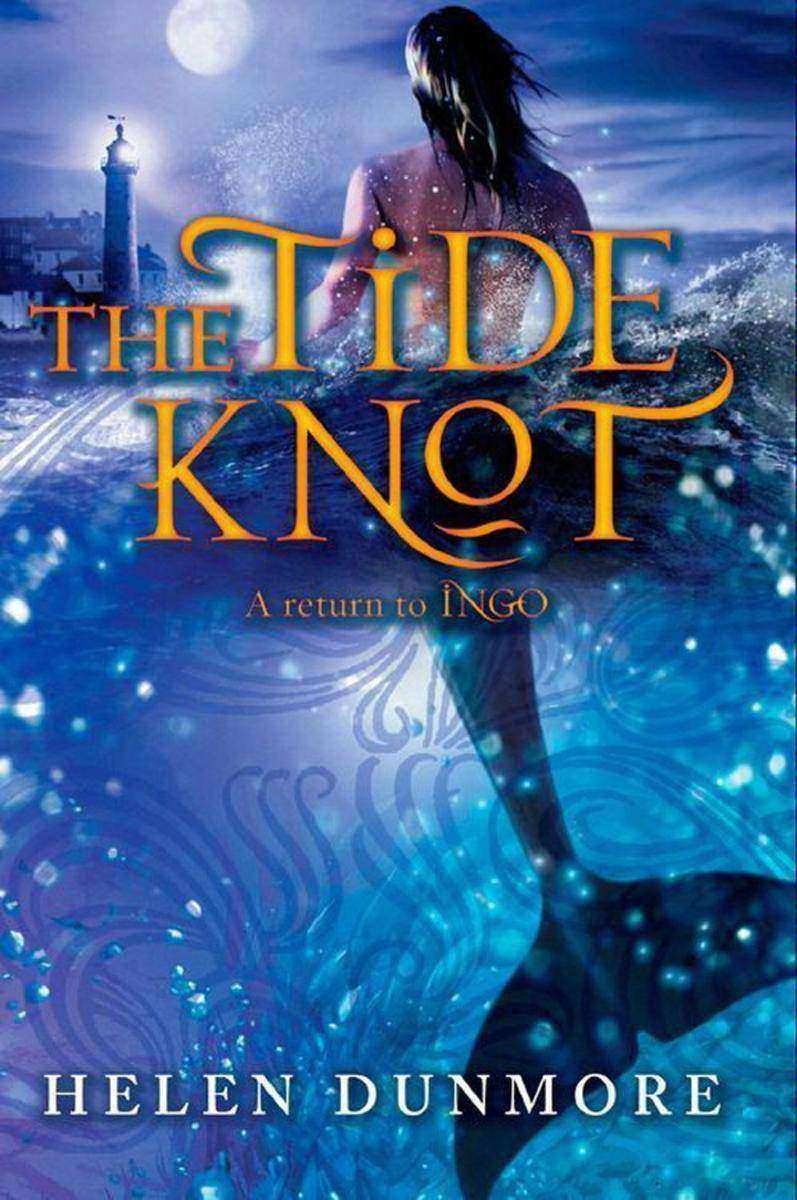
The Tide Knot
¥95.11
In a seaside town of sandy beaches and ocean breezes, Sapphy has never felt so far from the sea. The crowded shore at St. Pirans is nothing like the cove at Sapphy's old home, where she first found her way into the underwater world of Ingo.But Ingo's pull is strong, and it always finds a way. Soon Sapphy and her brother, Conor, are swimming beneath the waves again, riding the currents and teasing their Mer friend Faro. As Sapphy goes deeper into Ingo, she learns to feel more at home in the sea—even as she begins to be aware of its dangers.There's the danger of going in too deep, and breaking the delicate balance between Sapphy's life on land and her life in Ingo. There's the mysterious disappearance of Sapphy's father, an experienced sailor who should never have drowned. And then there's Ingo itself—a restless power as old as the world, as strong as the tides, and more dangerous than anything Sapphy has ever known.

Walking on Glass
¥107.82
Your mother's suicide attempt has left her in a coma from which she's never waking up. You know that she wouldn't want to live like this, but could you really help her dieHere you are, making the hardest decision of your life and there's no one to help you: Your father has disappeared into depression. Your best friend is becoming someone you no longer want to know. There is a girl who could help, maybe, if you'd let her. But in the end, it's all up to you. A free-verse novel from debut author Alma Fullerton plunges deep inside the psyche of a young man faced with a life-and-death decision.
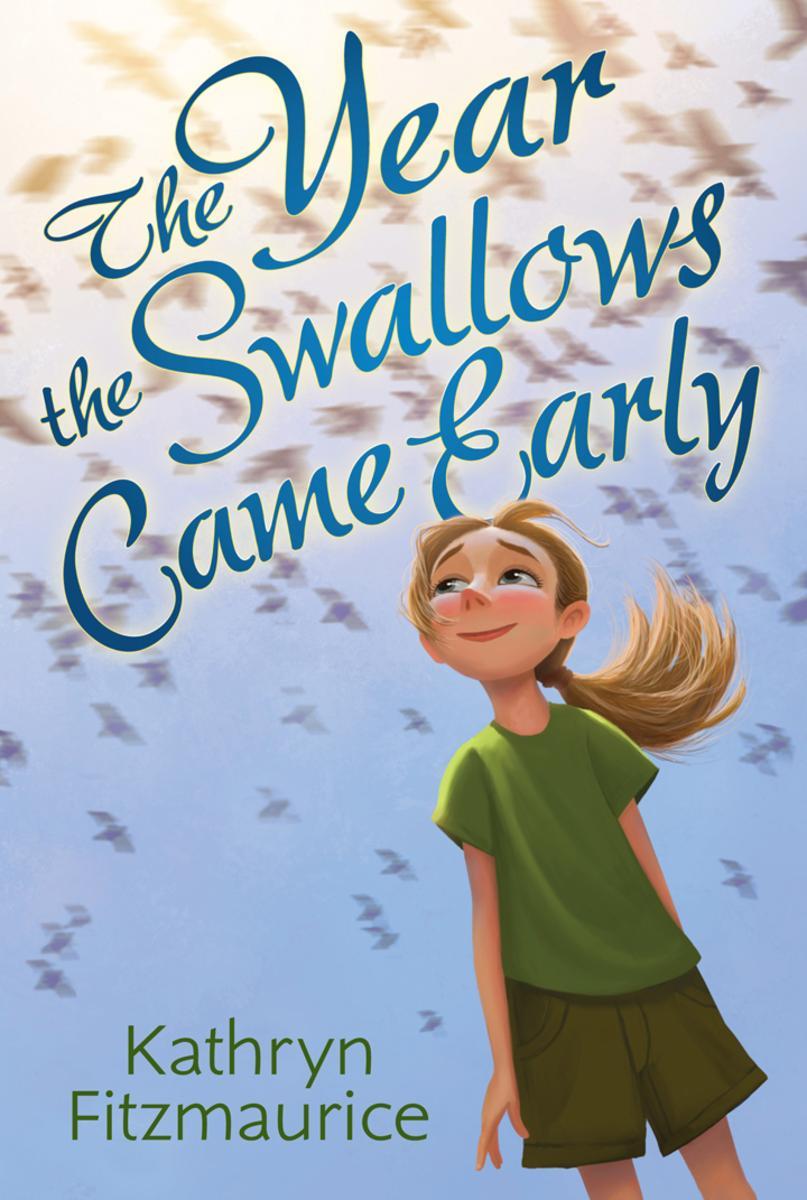
The Year the Swallows Came Early
¥39.24
Eleanor "Groovy" Robinson loves cooking and plans to go to culinary school just as soon as she's old enough. But even Groovy's thoughtfully—planned menus won't fix the things that start to go wrong the year she turns eleven—suddenly, her father is in jail, her best friend's long-absent mother reappears, and the swallows that make their annual migration to her hometown arrive surprisingly early. As Groovy begins to expect the unexpected, she learns about the importance of forgiveness, understands the complex stories of the people around her, and realizes that even an earthquake can't get in the way of a family that needs to come together. Kathryn Fitzmaurice's lovely debut novel is distinctively Californian in its flavor. Her rich characters and strong sense of place feel both familiar and fresh at first meeting—and worth revisiting, again and again.
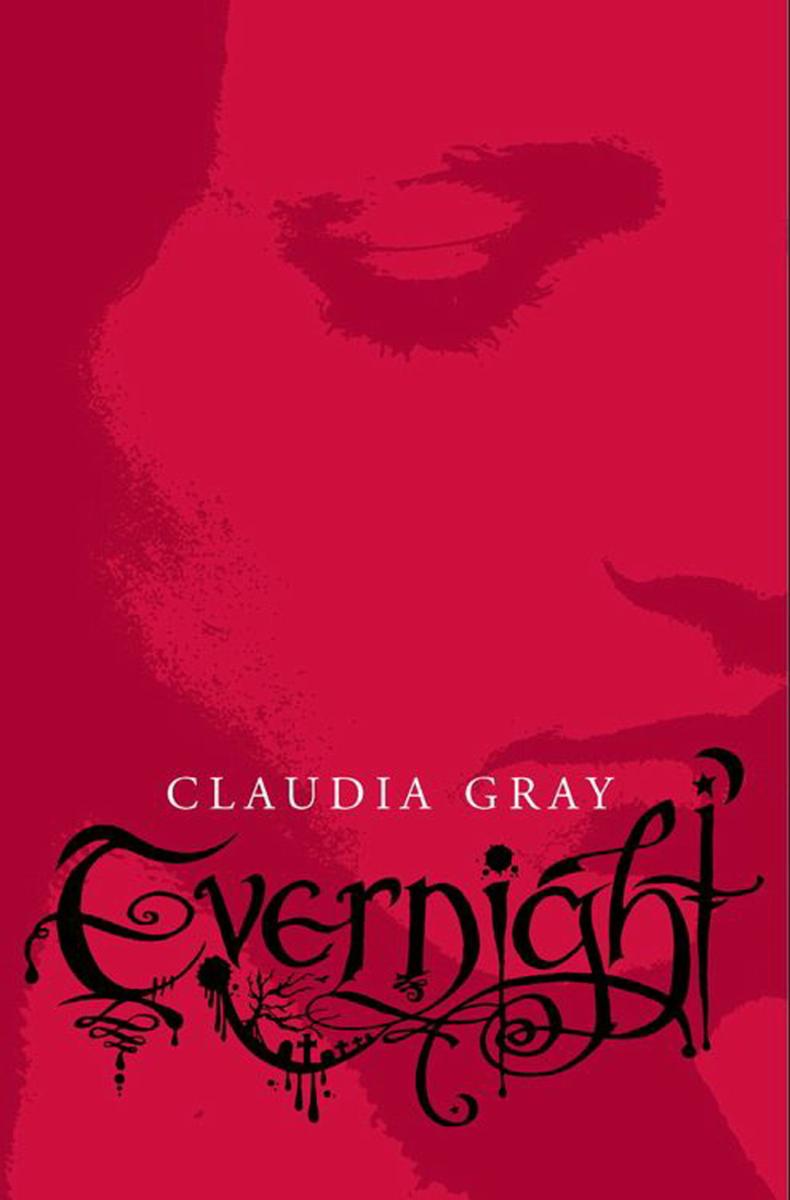
Evernight
¥50.33
Bianca wants to escape.She's been uprooted from her small hometown and enrolled at Evernight Academy, an eerie Gothic boarding school where the students are somehow too perfect: smart, sleek, and almost predatory. Bianca knows she doesn't fit in.Then she meets Lucas. He's not the "Evernight type" either, and he likes it that way. Lucas ignores the rules, stands up to the snobs, and warns Bianca to be careful—even when it comes to caring about him."I couldn't stand it if they took it out on you," he tells Bianca, "and eventually they would." But the connection between Bianca and Lucas can't be denied. Bianca will risk anything to be with Lucas, but dark secrets are fated to tear them apart . . . and to make Bianca question everything she's ever believed.

Can I Freeze It?
¥105.17
Freezers are one of the most useful––and most neglected––tools in the kitchen. Particularly great for those dark winter months when you want to get dinner on the table 15 minutes after you get home from work––think lasagna, stews, curries, and soups––freezers are also useful for entertaining friends when time is short. In Can I Freeze ItSusie Theodorou explains the tips, tricks, and rules of freezing food, from containers and wrappers (foil or Tupperware?), to the best methods for retaining moisture and flavor, to what ingredients and dishes can and can't be frozen. She provides a wealth of recipes, along with color photographs, for whole and part dishes. Some are completely pre–assembled (think chicken in a marinade) and then frozen and cooked later. Still others combine frozen ingredients with fresh ones–pair a pastry from the freezer with berries from the farm stand, or defrost a sauce and use it to top fish straight from the market. Can I Freeze Itis the ultimate guide to saving time and money in the kitchen.

Don't Look Twice
¥69.16
In this dramatic new novel following the bestselling The Dark Tide, a drive-by shooting rocks the posh suburb of Greenwich, Connecticut, and an innocent bystander is left dead. Detective Ty Hauck plunges into what seems like a vicious case of retribution and follows the trail to a sinister gambling scheme at an upstate casino. Until Annie Fletcher, a young restaurateur in the midst of rebuilding her life, witnesses something she shouldn't have—and immediately runs to him with what she knows. Suddenly, Hauck is pulled into a rising storm far greater than it first appeared—a storm wide enough to encompass corruption inside Greenwich's circle of wealthy and powerful citizens. And punishing enough to consume Hauck's own family, and tear brothers apart forever . . . if it doesn't kill them first.Don't Look Twice is a gripping story of profiteering on an international scale and an emotionally resonant domestic thriller from one of the hottest new talents in suspense fiction.
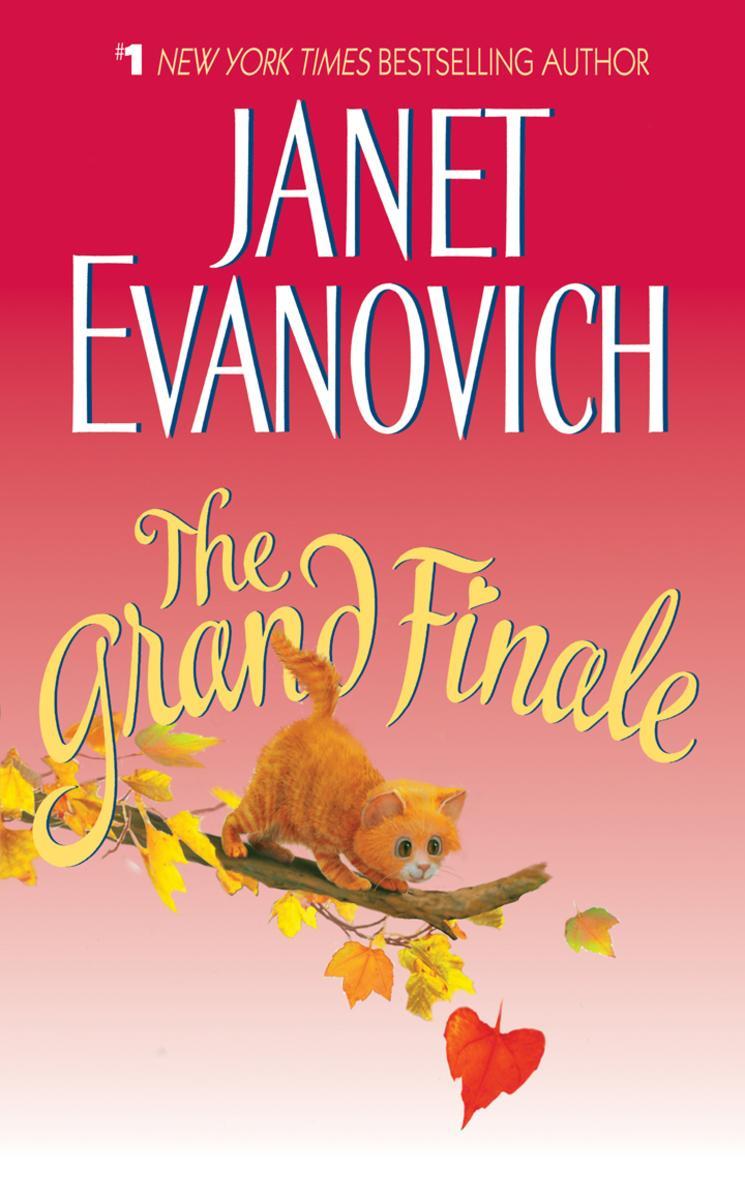
The Grand Finale
¥55.31
From the #1 New York Times bestselling author comes a revised, repackaged novel sure to please her many fans. She writes "high speed comic mayhem" (Detroit Free Press); she's "a blast of fresh air" (Washington Post); "side-splitting funny" (Publishers Weekly) and "a winner" (Glamour). In other words, she's Janet Evanovich.Berry Knudson had a talent for disaster, but when she climbed a tree to rescue a kitten, she wasn't prepared for the scrumptious hunk undressing in a nearby window, or her dive downward that smashed Jake Sawyer's pizza and won his heart! But was there room in her chaotic schedule for a risk-taking inventor with dreamsShe took classes, delivered pizzas, and cared for three eccentric old ladies she rescued from the train station. But Jake thrived on a challenge, and he could be very inventive. Could he teach her there was time to make butterscotch pudding and let herself be loved?
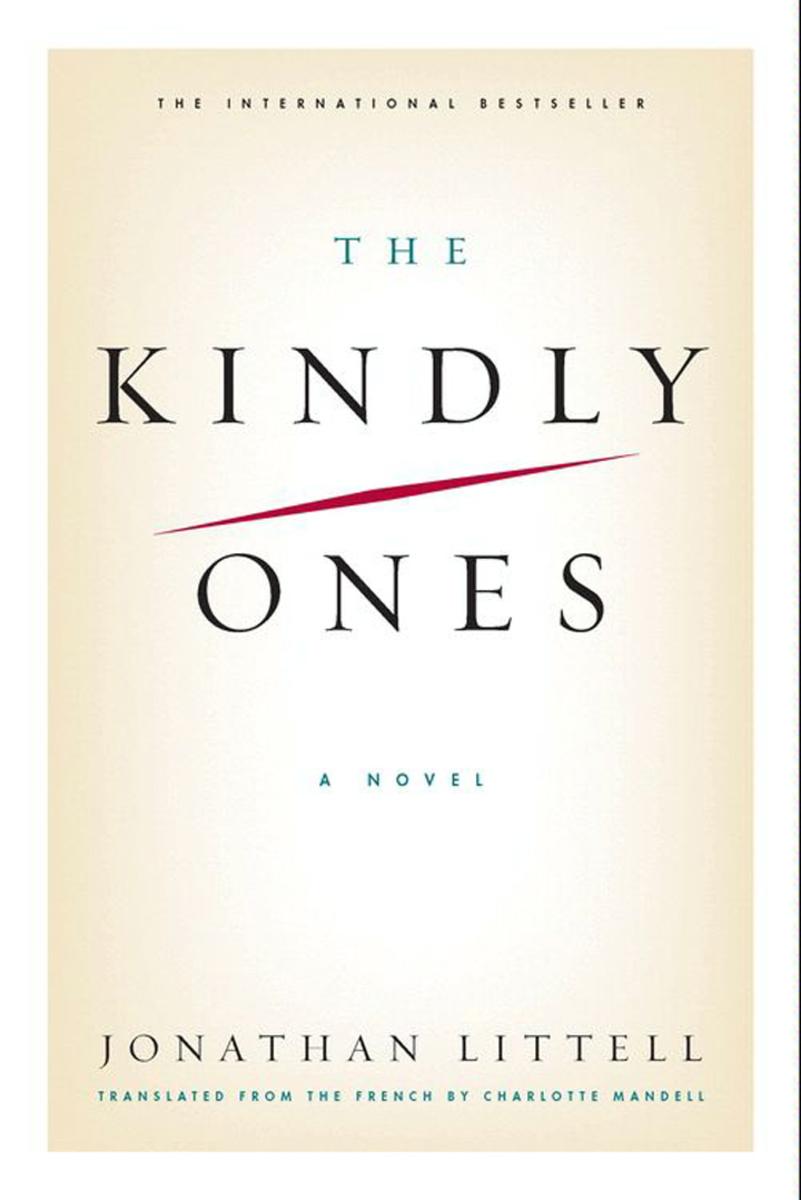
The Kindly Ones
¥95.11
Named one of the "100 Best Books of the Decade" by The Times of London "Oh my human brothers, let me tell you how it happened."A former Nazi officer, Dr. Maximilien Aue has reinvented himself, many years after the war, as a middle-class family man and factory owner in France. An intellectual steeped in philosophy, literature, and classical music, he is also a cold-blooded assassin and the consummate bureaucrat. Through the eyes of this cultivated yet monstrous man we experience in disturbingly precise detail the horrors of the Second World War and the Nazi genocide of the Jews. Eichmann, Himmler, G?ring, Speer, Heydrich, H?ss—even Hitler himself—play a role in Max's story. An intense and hallucinatory historical epic, The Kindly Ones is also a morally challenging read. It holds a mirror up to humanity—and the reader cannot look away.
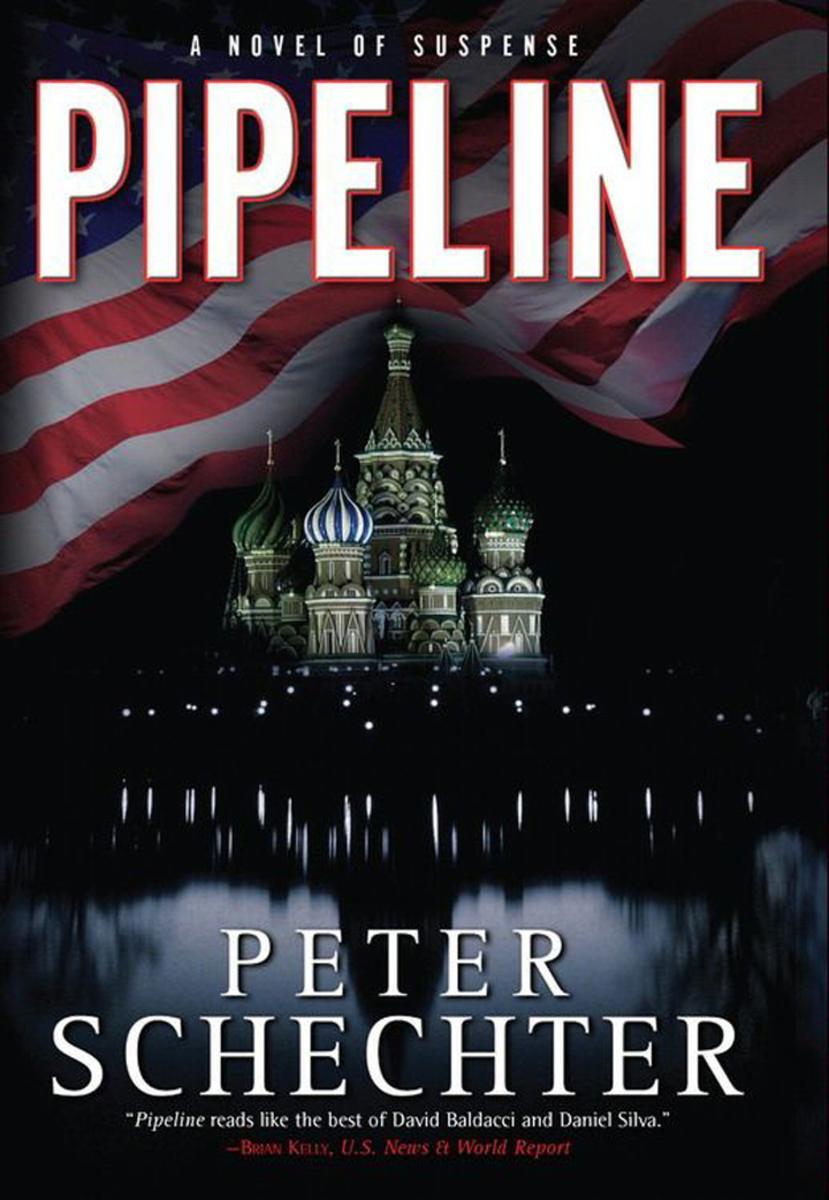
Pipeline
¥56.67
A new Cold War has arrived, posing deep threats to our national security. Country after country is bending to the will of a newly resurgent Russia willing to use its vast natural gas reserves as a foreign policy sword. Suddenly the United States also finds itself needing energy from an increasingly hostile Russia. And only a handful of unsuspecting insiders can save America from ruthless Moscow oligarchs who seek to ensnare our country in ever-deeper energy dependence. In a small apartment, in the middle of a damp D.C. summer night, Tony Ruiz, special assistant to the president, gets a phone call from the White House. Blackouts in California are causing panic, the electric fences at the prison in Sacramento have powered down and prisoners are escaping, California is being plunged into a hellish nightmare. . .In a hotel room in Germany, the brilliant and feared American environmental activist Blaise Ryan is relieved to be away from the steady deterioration in her home state of California. A heated dinner argument with a powerful Russian energy executive lays bare the new alignments of world power. . .On an ordinary evening in an upscale neighborhood in Lima, a powerful Peruvian senator has a backseat conversation with managers from one of the world's most powerful natural gas companies. The senator's conversation could change the balance of power in the Western Hemisphere, and threaten the national security of the United States. . .With a master's touch for capturing the essence of the day's more dangerous scenarios, Peter Schechter's Pipeline will leave readers questioning the possibilities of what our future holds, and who has the true power to harm the world.
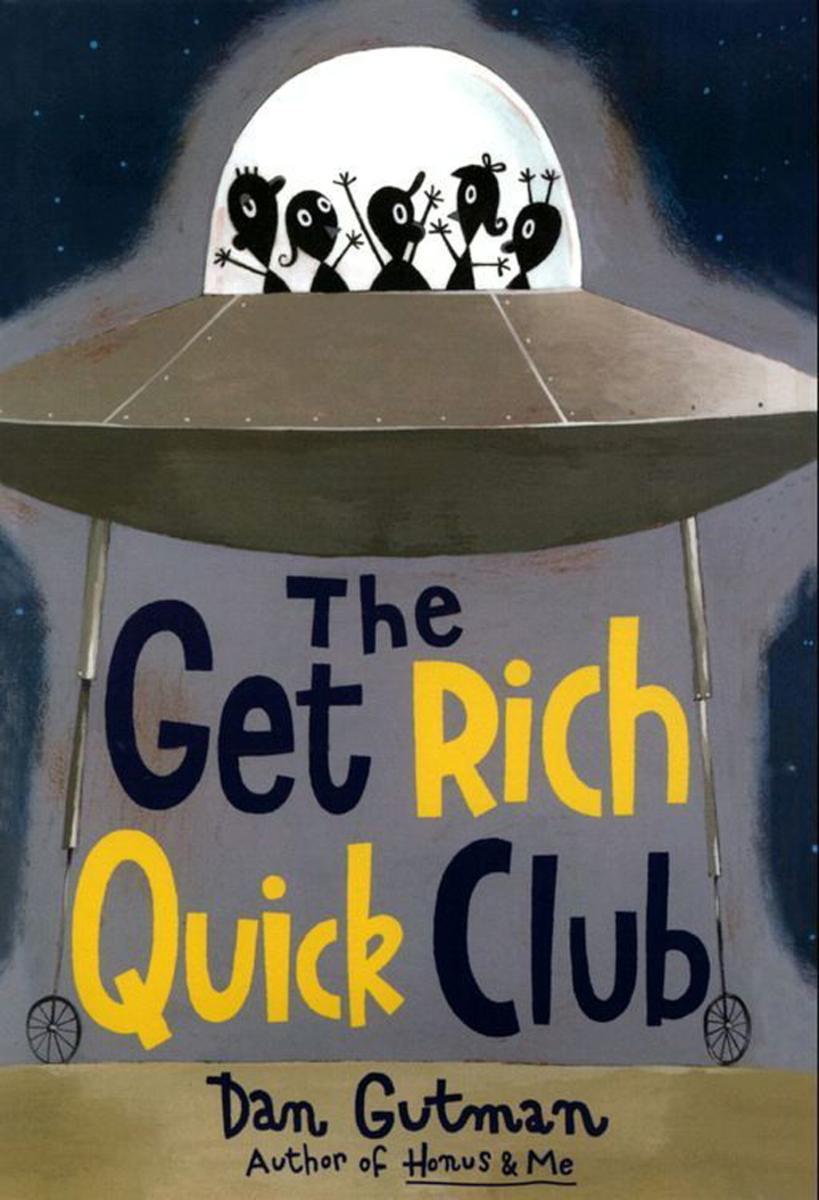
The Get Rich Quick Club
¥33.53
We, the members of the Get Rich Quick Club, in order to form a more perfect summer, vow that we will figure out a way to make a million dollars by September. We agree that neither rain nor snow nor gloom of night will prevent us from achieving our stated goal, till death do us part.Gina Tumolo and her Get Rich Quick Club are determined to make their summer pay off. They're going to make a pact and hatch a scheme, and their small-town life will never be the same again.
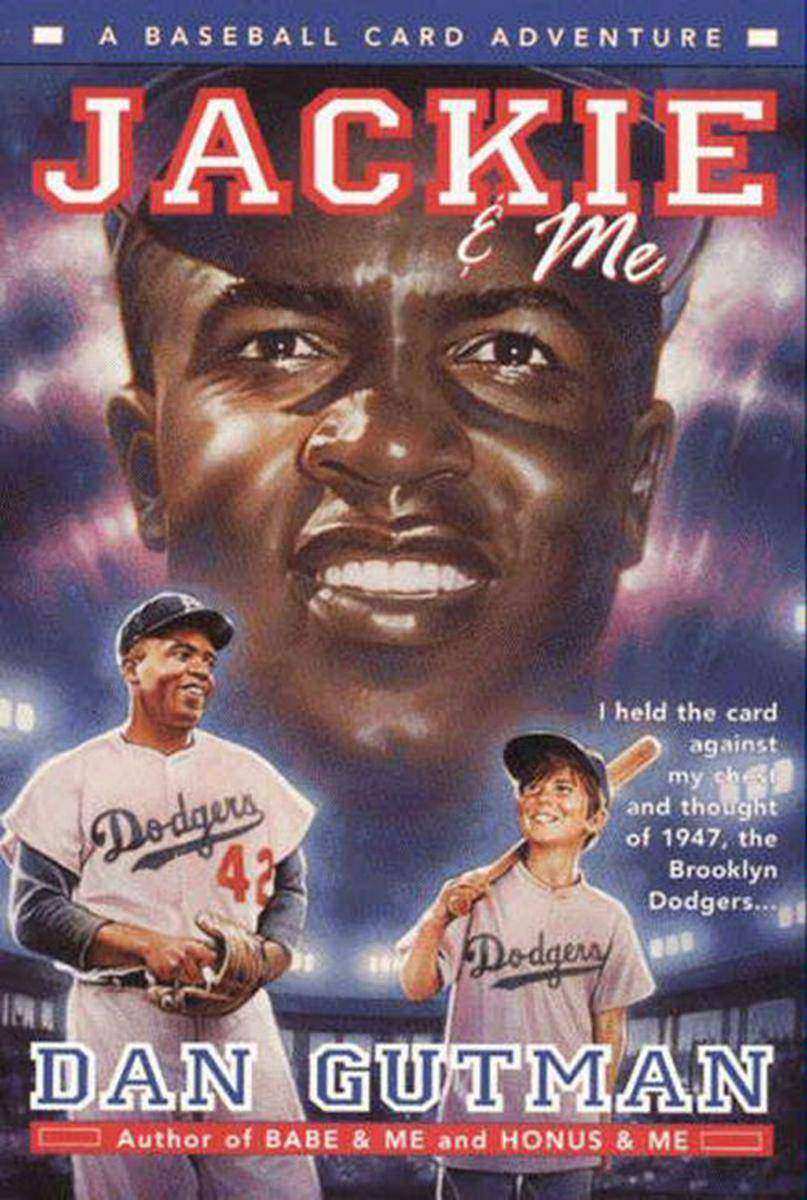
Jackie & Me
¥39.13
Like every other kid in his class, Joe Stoscack has to write a report on an African American who's made an important contribution to society. Unlike every other kid in his class, Joe has a special talent: with the help of old baseball cards, he can travel through time. So for his report, Joe decides to go back to meet one of the greatest baseball players ever, Jackie Robinson, to find out what it was like to be the man who broke baseball's color barrier. Joe plans on writing a prize-winning report. But he doesn't plan on a trip that will for a short time change the color of his skin--and forever change his view of history and his definition of courage.Joe Stoshack has really done it this time. When a pitcher insults his Polish heritage, Joe flings his bat and prompts an on-field brawl that ends in a two-team pileup. he's suspended from Little League...indefinitely. At school, his teacher assigns an oral report for Black History Month. The topicAn African-American who has made a significant contribution to American society. The prize for the best report is four tickets to a cool local amusement park. But Joe doesn't know where to begin. If he could just get his hands on a certain Jackie Robinson baseball card...
Mac Application Development by Example: Beginner's Guide
¥80.65
This book is a beginners guide that teaches the topic using a learn by example method. This book is for people who are programming beginners and have a great idea for a Mac OS X app and need to get started.

Augmented Reality using Appcelerator Titanium Starter
¥35.96
It's a quick start tutorial to help you get started with creating Augmented Reality applications and acquainting yourself with essential aspects of creating AR applications using the Appcelerator Titanium Framework. The instructions are clear with easy to follow examples. This book is for anybody who wishes to understand how to build an Augmented Reality Application. It uses the Appcelerator Titanium mobile development framework, but the techniques and practices can be applied to other frameworks and native code. You will need to have a good working knowledge of development and JavaScript, it is not aimed at the beginner.


