


 购物车
购物车 个人中心
个人中心
Poet's Freedom
¥229.55
Why do we need new artHow free is the artist in makingAnd why is the artist, and particularly the poet, a figure of freedom in Western cultureThe MacArthur Award-winning poet and critic Susan Stewart ponders these questions in The Poet's Freedom. Through a series of evocative essays, she not only argues that freedom is necessary to making and is itself something made, but also shows how artists give rules to their practices and model a self-determination that might serve in other spheres of work.Stewart traces the ideas of freedom and making through insightful readings of an array of Western philosophers and poets-Plato, Homer, Marx, Heidegger, Arendt, Dante, and Coleridge are among her key sources. She begins by considering the theme of making in the Hebrew Scriptures, examining their accountof a god who creates the world and leaves humans free to rearrange and reform the materials of nature. She goes on to follow the force of moods, sounds, rhythms, images, metrical rules, rhetorical traditions, the traps of the passions, and the nature of language in the cycle of making and remaking. Throughout the book she weaves the insight that the freedom to reverse any act of artistic making is as essential as the freedom to create.?A book about the pleasures of making and thinking as means of life, The Poet's Freedom explores and celebrates the freedom of artists who, working under finite conditions, make considered choices and shape surprising consequences. This engaging and beautifully written notebook on making will attract anyone interested in the creation of art and literature.
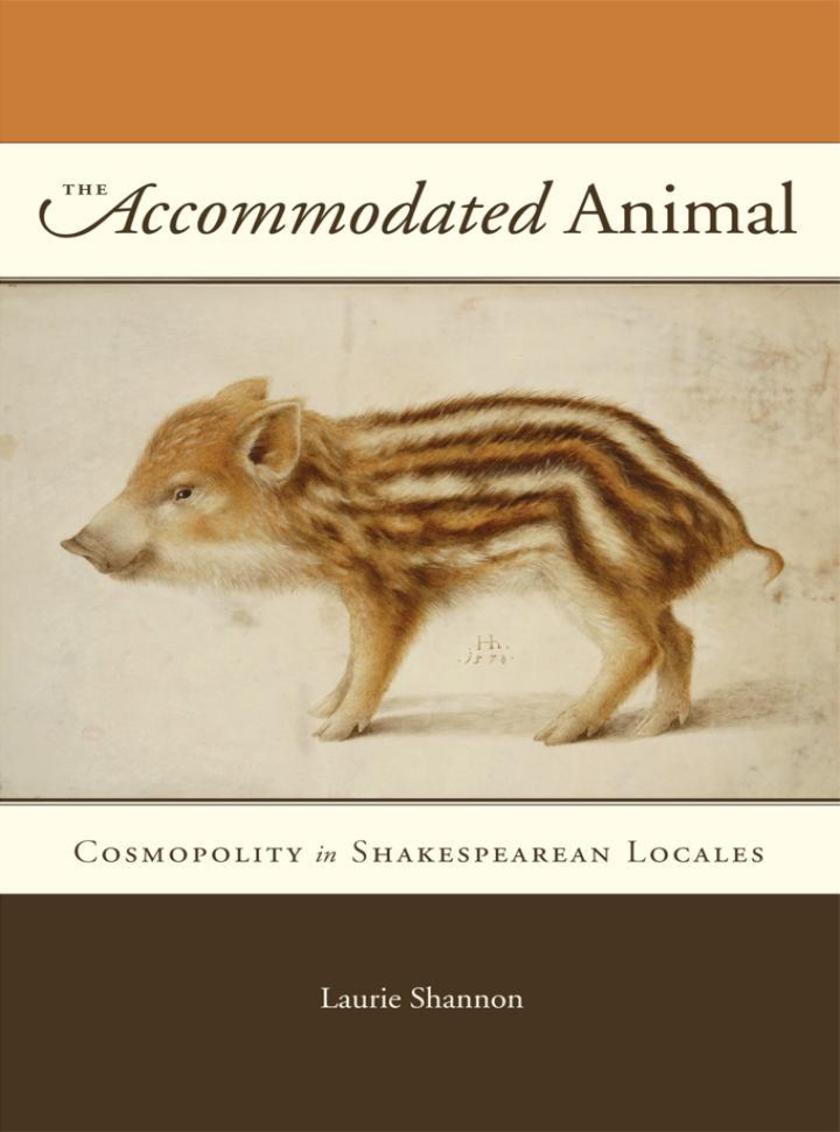
Accommodated Animal
¥229.55
Shakespeare wrote of lions, shrews, horned toads, curs, mastiffs, and hellhounds. But the word "e;animal"e; itself only appears very rarely in his work, which was in keeping with sixteenth-century usage. As Laurie Shannon reveals in The Accommodated Animal, the modern human / animal divide first came strongly into play in the seventeenth century, with Descartes's famous formulation that reason sets humans above other species: "e;I think, therefore I am."e; Before that moment, animals could claim a firmer place alongside humans in a larger vision of belonging, or what she terms cosmopolity.?With Shakespeare as her touchstone, Shannon explores the creaturely dispensation that existed until Descartes. She finds that early modern writers used classical natural history and readings of Genesis to credit animals with various kinds of stakeholdership, prerogative, and entitlement, employing the language of politics in a constitutional vision of cosmic membership. Using this political idiom to frame cross-species relations, Shannon argues, carried with it the notion that animals possess their own investments in the world, a point distinct from the question of whether animals have reason. It also enabled a sharp critique of the tyranny of humankind. By answering "e;the question of the animal"e; historically, The Accommodated Animal makes a brilliant contribution to cross-disciplinary debates engaging animal studies, political theory, intellectual history, and literary studies.

Moralizing Technology
¥253.10
Technology permeates nearly every aspect of our daily lives. Cars enable us to travel long distances, mobile phones help us to communicate, and medical devices make it possible to detect and cure diseases. But these aids to existence are not simply neutral instruments: they give shape to what we do and how we experience the world. And because technology plays such an active role in shaping our daily actions and decisions, it is crucial, Peter-Paul Verbeek argues, that we consider the moral dimension of technology.?Moralizing Technology offers exactly that: an in-depth study of the ethical dilemmas and moral issues surrounding the interaction of humans and technology. Drawing from Heidegger and Foucault, as well as from philosophers of technology such as Don Ihde and Bruno Latour, Peter-Paul Verbeek locates morality not just in the human users of technology but in the interaction between us and our machines. Verbeek cites concrete examples, including some from his own life, and compellingly argues for the morality of things. Rich and multifaceted, and sure to be controversial, Moralizing Technology will force us all to consider the virtue of new inventions and to rethink the rightness of the products we use every day.

Before the Law
¥188.35
Animal studies and biopolitics are two of the most dynamic areas of interdisciplinary scholarship, but until now, they have had little to say to each other. Bringing these two emergent areas of thought into direct conversation in Before the Law, Cary Wolfe fosters a new discussion about the status of nonhuman animals and the shared plight of humans and animals under biopolitics.?Wolfe argues that the human-animal distinction must be supplemented with the central distinction of biopolitics: the difference between those animals that are members of a community and those that are deemed killable but not murderable. From this understanding, we can begin to make sense of the fact that this distinction prevails within both the human and animal domains and address such difficult issues as why we afford some animals unprecedented levels of care and recognition while subjecting others to unparalleled forms of brutality and exploitation. Engaging with many major figures in biopolitical thought-from Heidegger, Arendt, and Foucault to Agamben, Esposito, and Derrida-Wolfe explores how biopolitics can help us understand both the ethical and political dimensions of the current questions surrounding the rights of animals.

Ethics of Interrogation
¥265.87
The act of interrogation, and the debate over its use, pervades our culture, whether through fictionalized depictions in movies and television or discussions of real-life interrogations on the news. But despite daily mentions of the practice in the media, there is a lack of informed commentary on its moral implications. Moving beyond the narrow focus on torture that has characterized most work on the subject, An Ethics of Interrogation is the first book to fully address this complex issue.In this important new examination of a controversial subject, Michael Skerker confronts a host of philosophical and legal issues, from the right to privacy and the privilege against compelled self-incrimination to prisoner rights and the legal consequences of different modes of interrogation for both domestic criminal and foreign terror suspects. These topics raise serious questions about the morality of keeping secrets as well as the rights of suspected terrorists and insurgents. Thoughtful consideration of these subjects leads Skerker to specific policy recommendations for law enforcement, military, and intelligence professionals.
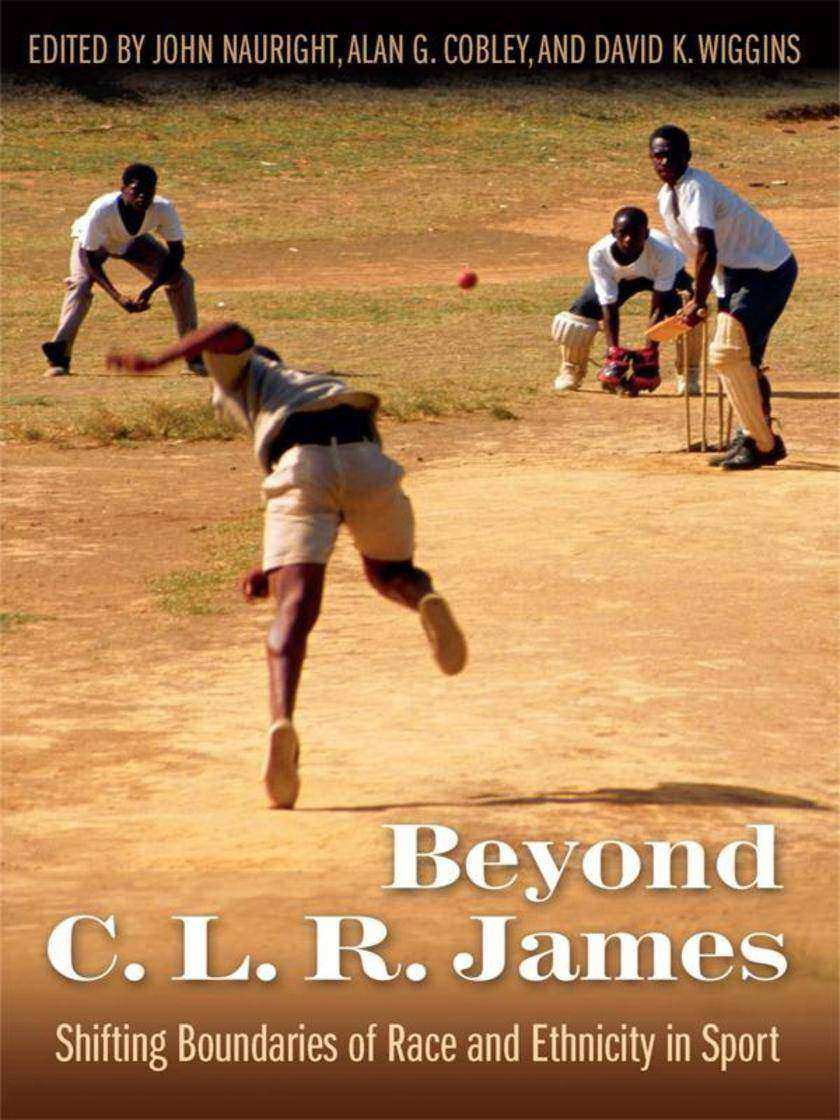
Beyond C. L. R. James
¥261.34
Beyond C. L. R. James brings together essays analyzing the interconnections among race, ethnicity, and sport. Published in memory of C. L. R. James, the revolutionary sociologist and writer from Trinidad who penned the famous autobiographical account of cricket titled Beyond a Boundary, this collection of essays, many of which originated at the 2010 conference on race and ethnicity in sport at the University of West Indies, Cave Hill in Barbados, cover everything from Aborigines in sport and cricket and minstrel shows in Australia to Zulu stick fighting and football and racism in northern Ireland. The essays, divided into four sections that include introductory comments by each editor, are written by some of the more well-known sport historians in the world and characterized by a focus on the role of culture and sport in society in the context of both political economies and the state as well as colonial and postcolonial struggles. Included also are discussions on how sport at once brings people together, shapes the identities of its participants, and reflects the continuing search for social justice.

Scars of Project 459
¥243.09
The Scars of Project 459 tells the environmental story of the Lake of the Ozarks, built by the Union Electric Company in 1931. At 55,000 acres, the lake was the biggest manmade lake in the United States at the time of its completion, and it remains the biggest in the Midwest, with 1,100 miles of shoreline in four different Missouri counties. Though created to generate hydroelectric power, not for development, the "e;Magic Dragon,"e; as it is popularly known because of its serpentine shape, has become a major recreational area. Located in some of the most spectacular Ozark scenery, the giant lake today attracts three million visitors annually and has more than 70,000 homes along its shoreline. Traci Angel shows how the popularity of the Lake of the Ozarks has resulted in major present-day problems, including poor water quality, loss of habitat, and increasing concerns about aging waste-management systems for the homes surrounding the lake. Many in the area, especially business owners whose incomes depend on tourism, resist acknowledging these problems. The Scars of Project 459 aims to make public the challenges facing this important resource and ensure that its future is not to be loved to death.
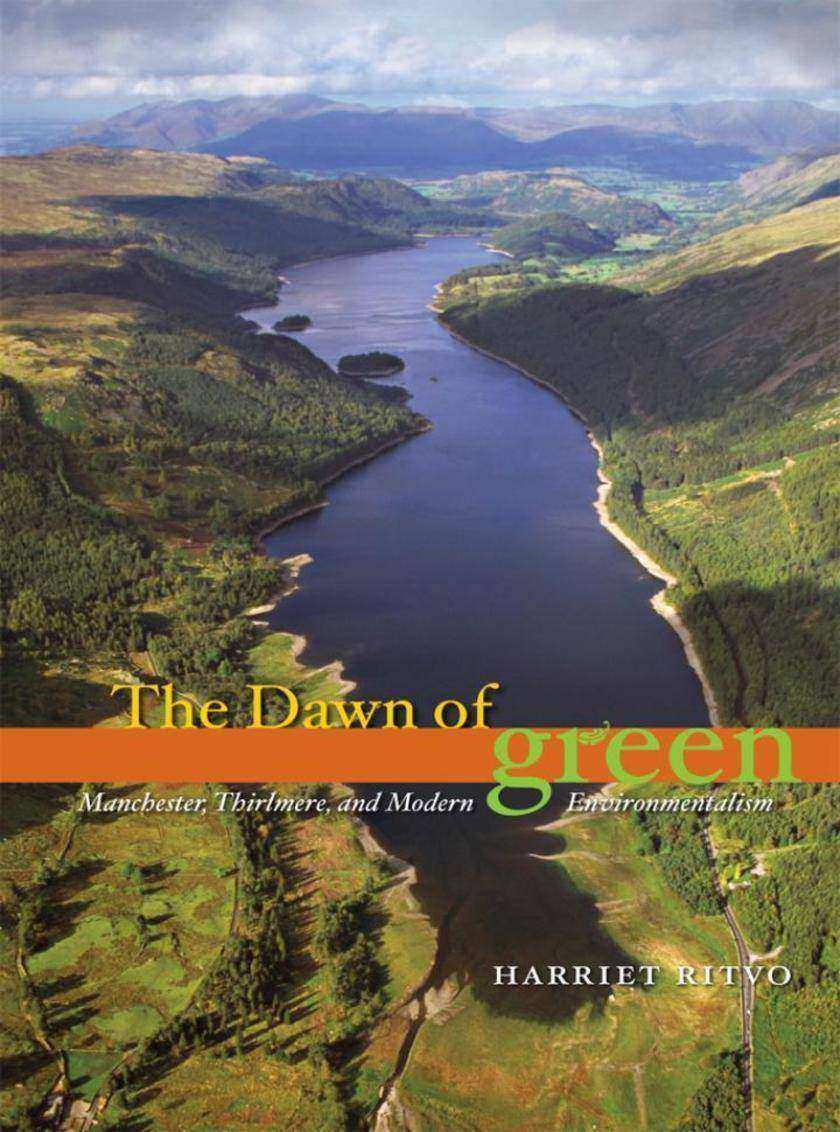
Dawn of Green
¥147.15
Located in the heart of England's Lake District, the placid waters of Thirlmere seem to be the embodiment of pastoral beauty. But under their calm surface lurks the legacy of a nineteenth-century conflict that pitted industrial progress against natural conservation-and helped launch the environmental movement as we know it. Purchased by the city of Manchester in the 1870s, Thirlmere was dammed and converted into a reservoir, its water piped one hundred miles south to the burgeoning industrial city and its workforce. This feat of civil engineering-and of natural resource diversion-inspired one of the first environmental struggles of modern times. The Dawn of Green re-creates the battle for Thirlmere and the clashes between conservationists who wished to preserve the lake and developers eager to supply the needs of a growing urban population. Bringing to vivid life the colorful and strong-minded characters who populated both sides of the debate, noted historian Harriet Ritvo revisits notions of the natural promulgated by romantic poets, recreationists, resource managers, and industrial developers to establish Thirlmere as the template for subsequent-and continuing-environmental struggles.
Enigma of Diversity
¥229.55
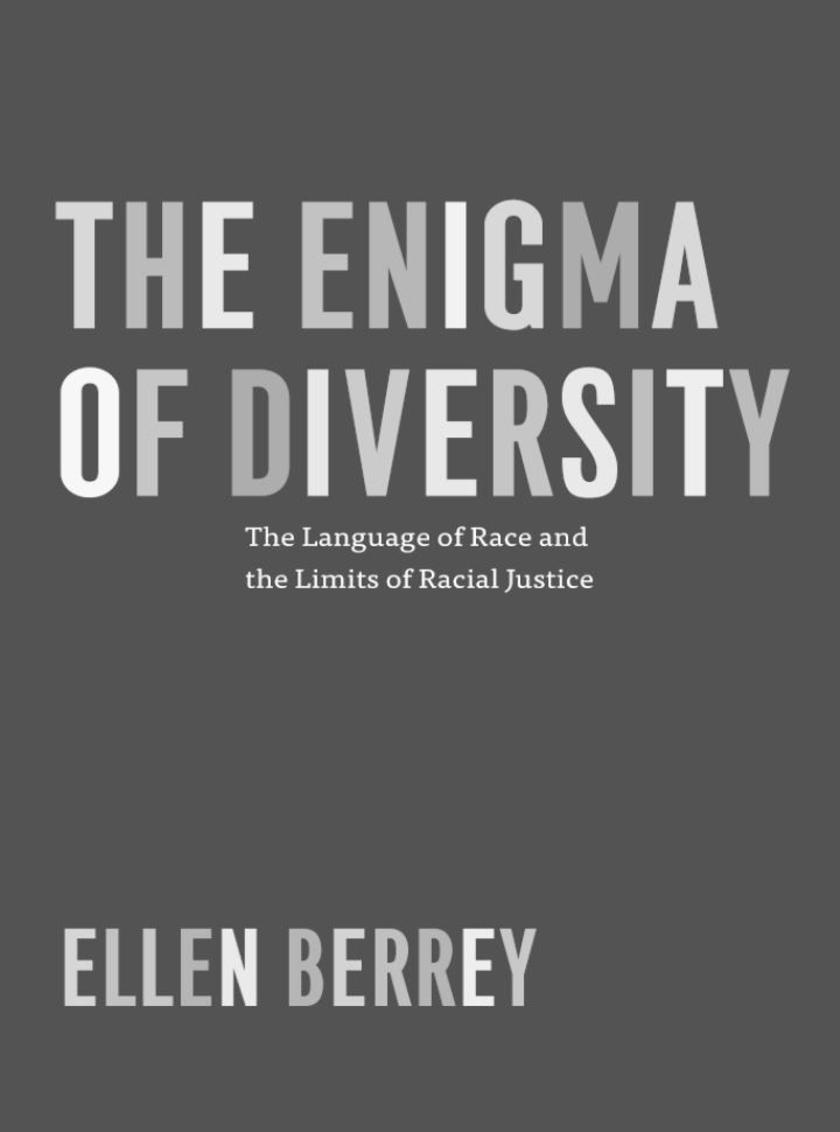
Diversity these days is a hallowed American value, widely shared and honored. That's a remarkable change from the Civil Rights era-but does this public commitment to diversity constitute a civil rights victoryWhat does diversity mean in contemporary America, and what are the effects of efforts to support it?Ellen Berrey digs deep into those questions in The Enigma of Diversity. Drawing on six years of fieldwork and historical sources dating back to the 1950s and making extensive use of three case studies from widely varying arenas-housing redevelopment in Chicago's Rogers Park neighborhood, affirmative action in the University of Michigan's admissions program, and the workings of the human resources department at a Fortune 500 company-Berrey explores the complicated, contradictory, and even troubling meanings and uses of diversity as it is invoked by different groups for different, often symbolic ends. In each case, diversity affirms inclusiveness, especially in the most coveted jobs and colleges, yet it resists fundamental change in the practices and cultures that are the foundation of social inequality. Berrey shows how this has led racial progress itself to be reimagined, transformed from a legal fight for fundamental rights to a celebration of the competitive advantages afforded by cultural differences.Powerfully argued and surprising in its conclusions, The Enigma of Diversity reveals the true cost of the public embrace of diversity: the taming of demands for racial justice.

Conjugations
¥229.55
Bollywood movies have been long known for their colorful song-and-dance numbers and knack for combining drama, comedy, action-adventure, and music. But when India entered the global marketplace in the early 1990s, its film industry transformed radically. Production and distribution of films became regulated, advertising and marketing created a largely middle-class audience, and films began to fit into genres like science fiction and horror. In this bold study of what she names New Bollywood, Sangita Gopal contends that the key to understanding these changes is to analyze films' evolving treatment of romantic relationships.Gopalargues that the form of the conjugal duo in movies reflects other social forces in India's new consumerist and global society. She takes a daring look at recent Hindi films and movie trends-the decline of song-and-dance sequences, the upgraded status of the horror genre, and the rise of the multiplex and multi-plot-to demonstrate how these relationships exemplify different formulas of contemporary living. A provocative account of how cultural artifacts can embody globalization's effects on intimate life, Conjugations will shake up the study of Hindi film.
Daguerreotypes
¥288.41
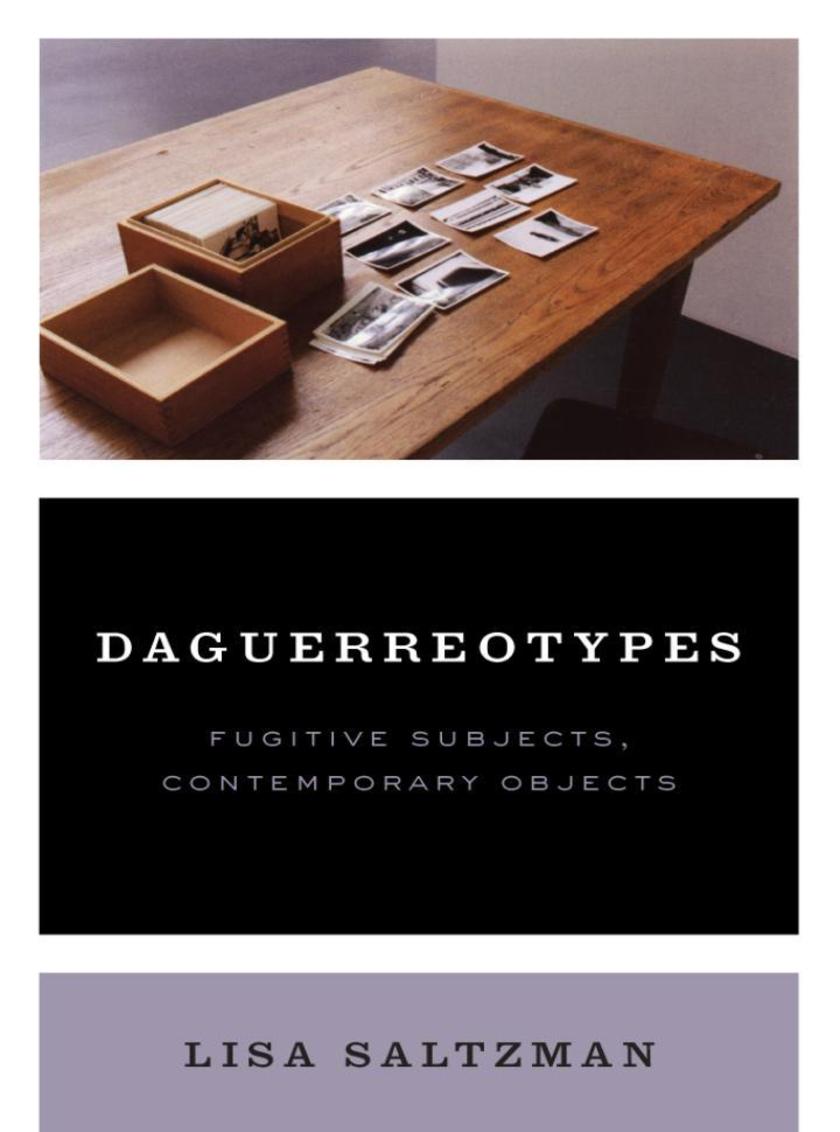
In the digital age, photography confronts its future under the competing signs of ubiquity and obsolescence. While technology has allowed amateurs and experts alike to create high-quality photographs in the blink of an eye, new electronic formats have severed the original photochemical link between image and subject. At the same time, recent cinematic photography has stretched the concept of photography and raised questions about its truth value as a documentary medium. Despite this situation, photography remains a stubbornly substantive form of evidence: referenced by artists, filmmakers, and writers as a powerful emblem of truth, photography has found its home in other media at precisely the moment of its own material demise.By examining this idea of photography as articulated in literature, film, and the graphic novel, Daguerreotypes demonstrates how photography secures identity for figures with an otherwise unstable sense of self. Lisa Saltzman argues that in many modern works, the photograph asserts itself as a guarantor of identity, whether genuine or fabricated. From Roland Barthes's Camera Lucida to Ridley Scott's Blade Runner, W. G. Sebald's Austerlitz to Alison Bechdel's Fun Home-we find traces of photography's "e;fugitive subjects"e; throughout contemporary culture. Ultimately, Daguerreotypes reveals how the photograph, at once personal memento and material witness, has inspired a range of modern artistic and critical practices.
Interanimations
¥288.41
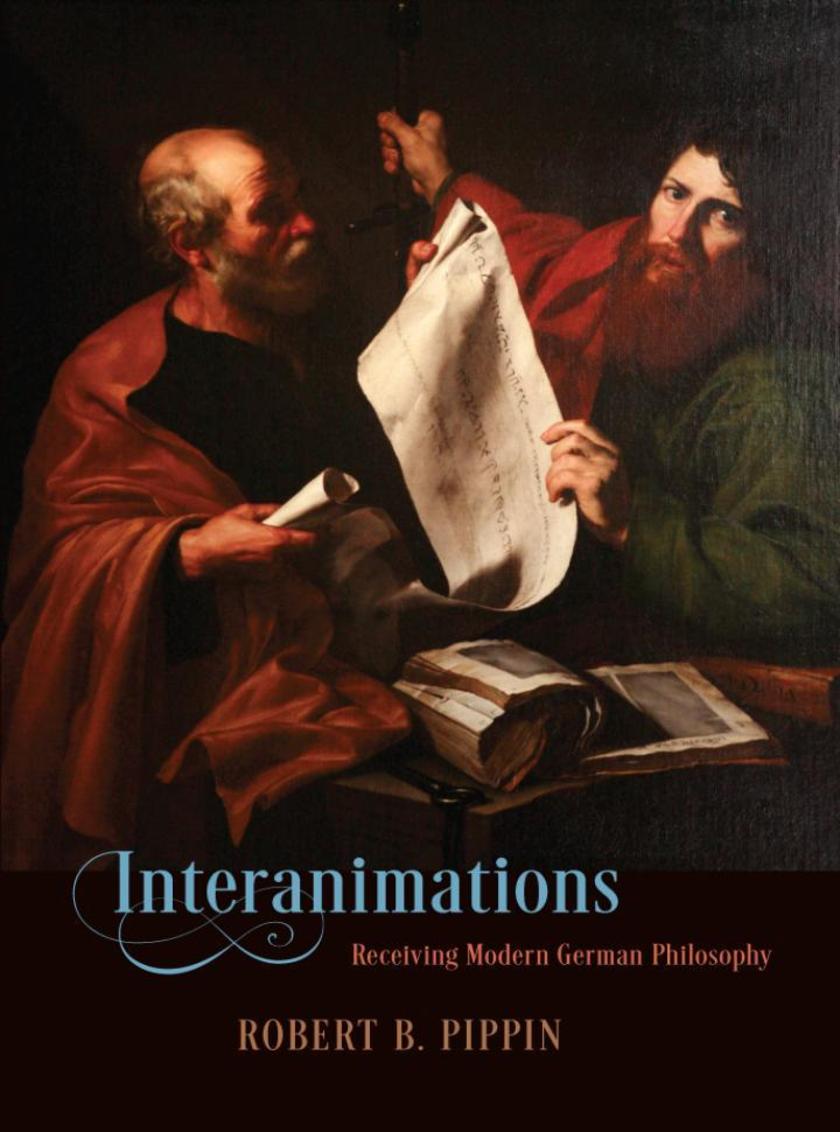
In this latest book, renowned philosopher and scholar Robert B. Pippin offers the thought-provoking argument that the study of historical figures is not only an interpretation and explication of their views, but can be understood as a form of philosophy itself. In doing so, he reconceives philosophical scholarship as a kind of network of philosophical interanimations, one in which major positions in the history of philosophy, when they are themselves properly understood within their own historical context, form philosophy's lingua franca. Examining a number of philosophers to explore the nature of this interanimation, he presents an illuminating assortment of especially thoughtful examples of historical commentary that powerfully enact philosophy.After opening up his territory with an initial discussion of contemporary revisionist readings of Kant's moral theory, Pippin sets his sights on his main objects of interest: Hegel and Nietzsche. Through them, however, he offers what few others could: an astonishing synthesis of an immense and diverse set of thinkers and traditions. Deploying an almost dialogical, conversational approach, he pursues patterns of thought that both shape and, importantly, connect the major traditions: neo-Aristotelian, analytic, continental, and postmodern, bringing the likes of Heidegger, Honneth, MacIntyre, McDowell, Brandom, Strauss, Williams, and A iA ek-not to mention Hegel and Nietzsche- into the same philosophical conversation.By means of these case studies, Pippin mounts an impressive argument about a relatively under discussed issue in professional philosophy-the bearing of work in the history of philosophy on philosophy itself-and thereby he argues for the controversial thesis that no strict separation between the domains is defensible.

Reinventing Public Education
¥288.41
A heated debate is raging over our nation's public schools and how they should be reformed, with proposals ranging from imposing national standards to replacing public education?altogether with a voucher system for private schools. Combining decades of experience in education, the authors propose an innovative approach to solving the problems of our school system and find a middle ground between these extremes.Reinventing Public Education shows how contracting would radically change the way we operate our schools, while keeping them public and accessible to all, and making them better able to meet standards of achievement and equity. Using public funds, local school boards would select private providers to operate individual schools under formal contracts specifying the type and quality of instruction.In a hands-on, concrete fashion, the authors provide a thorough explanation of the pros and cons of school contracting and how it would work in practice. They show how contracting would free local school boards from operating schools so they can focus on improving educational policy; how it would allow parents to choose the best school for their children; and, finally, how it would ensure that schools are held accountable and academic standards are met.While retaining a strong public role in education, contracting enables schools to be more imaginative, adaptable, and suited to the needs of children and families. In presenting an alternative vision for America's schools, Reinventing Public Education is too important to be ignored.

Healthy Snacks Coookbook: 75 Low Carb Delicious and Tasty Snacks for Healthy Fam
¥24.44
Healthy Snacks Coookbook: 75 Low Carb Delicious and Tasty Snacks for Healthy Families

Dear Big Brother
¥101.24
Dear Big Brother
Janet A. Wilson Poems and Prose
¥194.84
Janet A. Wilson Poems and Prose
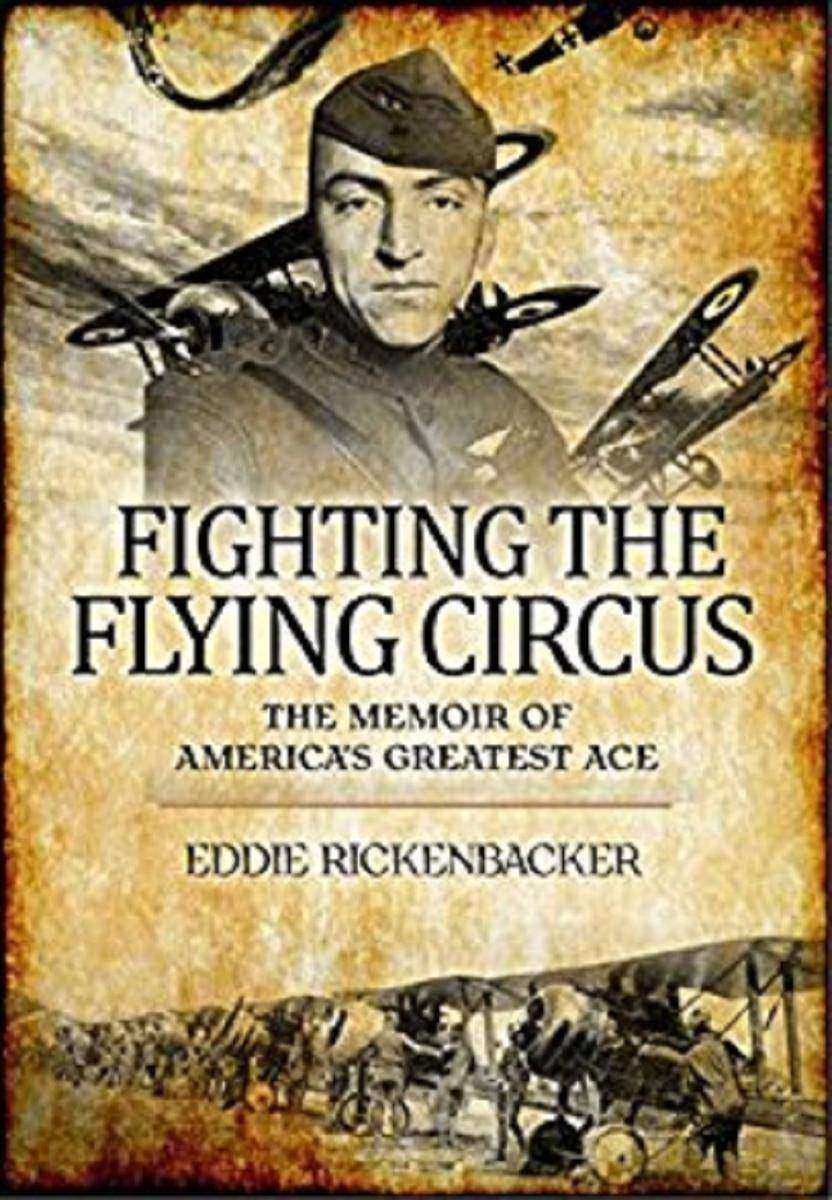
Fighting the Flying Circus: The Memoirs of America's Greatest Ace
¥8.09
Fighting the Flying Circus: The Memoirs of America's Greatest Ace

A Tale of Three Lions
¥8.09
A Tale of Three Lions
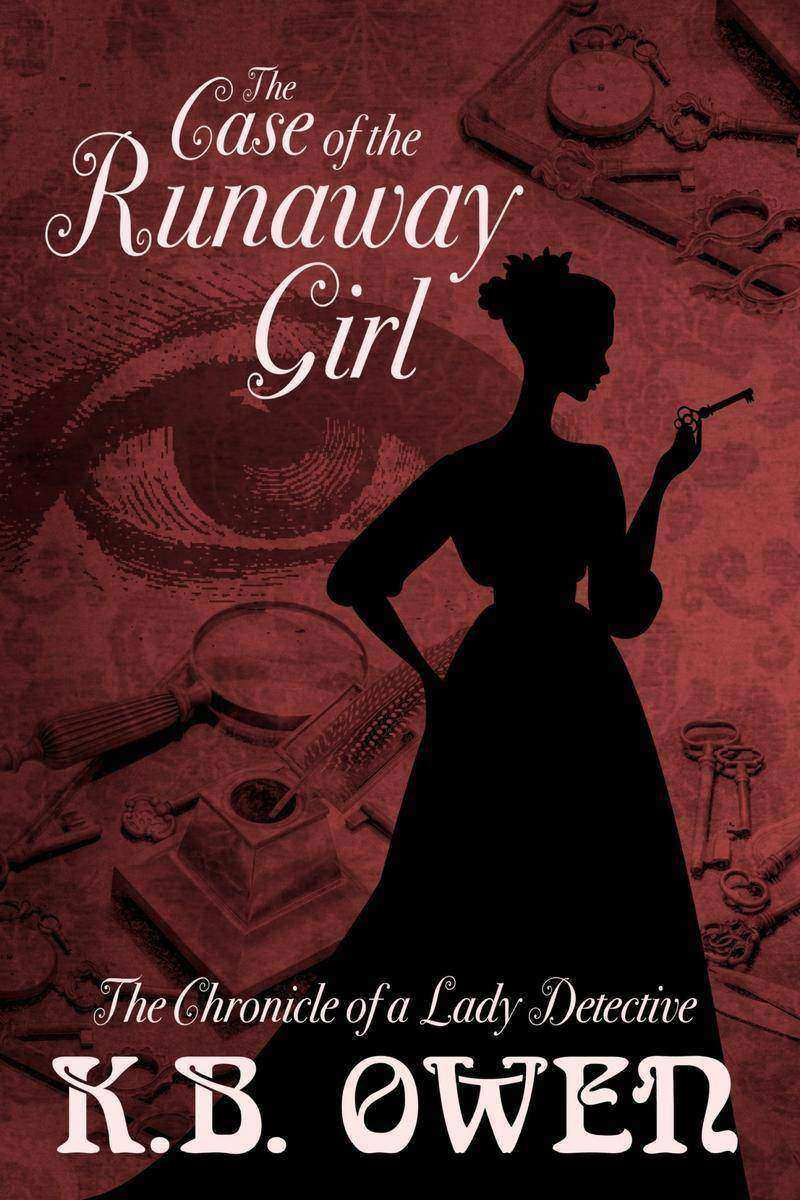
The Case of the Runaway Girl: The Chronicle of a Lady Detective, #3
¥24.44
The Case of the Runaway Girl: The Chronicle of a Lady Detective, #3

Cook's Big Day: An Angie & Friends Food & Spirits Mystery
¥40.79
Cook's Big Day: An Angie & Friends Food & Spirits Mystery
Develop Your Ideas: Practical Steps for Developing Ideas and Strategies for Succ
¥32.62
Develop Your Ideas: Practical Steps for Developing Ideas and Strategies for Success


