万本电子书0元读

万本电子书0元读

哲学是很好玩儿的(套装共15册)
哲学是很好玩儿的(套装共15册)
(英)J.F.沃芬登 著,黄俊洁 译,(美)尤金·奥尼尔 著 刘霞 译,(日)武内义雄 著 汪馥泉 译
¥229.99
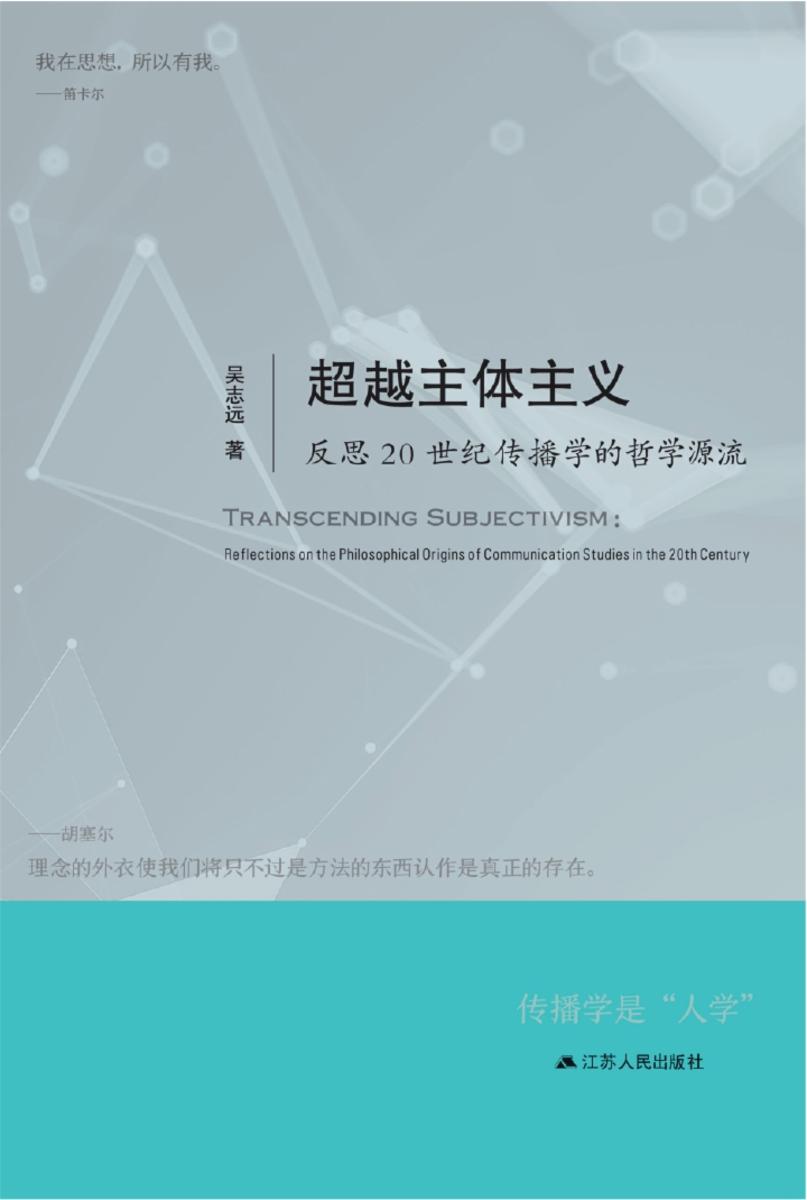
《哲学是很好玩儿的》(套装共15册)包括生命哲学、心灵哲学等多种哲学思想结晶,读者可以从入门开始,通过通俗易懂的方式学会如何用哲学思维思考,感受哲学里的自我和世界,帮读者重新审视自我和我们栖居的世界,以及和这个世界的关系,捕捉心中迸发的迷惑与感悟,进而把它们锤炼为人生的智慧。
Mindig is éjjel lesz
Liz Nugent
¥69.65
Sri Krsna számtalan univerzum vitathatatlan Ura, akit korlátlan er?, gazdagság, hírnév, tudás és lemondás jellemez, ám ezek az ?r?kké diadalmas energiák csupán részben  tárják fel ?t. Végtelen dics?ségét csak az ismerheti meg, aki elb?v?l? szépségénél keres menedéket, ?sszes t?bbi fenséges tulajdonsága forrásánál, melynek páratlan transzcendentális teste ad otthont. Szépségének legf?bb jellemz?je az a mindenek f?l?tt álló édes íz, ami t?mény kivonata mindennek, ami édes. Minden édes dolgot túlszárnyal, és nem más, mint az édes íz megízlelésének képessége. Sri Krsna édes természete finom arany sugárzásként ragyog át transzcendentális testén. Govinda páratlanul gy?ny?r? testének legszebb és legédesebb része ragyogó arca. ?des hold-arcán rejtélyes mosolya a legédesebb, az az arcáról ragyogó ezüst holdsugár, ami nektárral árasztja el a világot. Mosolyának sugárzása nélkül keser? lenne a cukor, savanyú a méz, és a nektárnak sem lenne íze. Amikor mosolyának holdsugara elvegyül teste ragyogásával, a kett? együtt a kámfor aromájára emlékeztet. Ez a kámfor aztán ajkán keresztül a fuvolába kerül, ahonnan megfoghatatlan hangvibrációként t?r el?, és er?nek erejével rabul ejti azoknak az elméjét, akik hallják. Ahogy a szavak gondolatok mondanivalóját hordozzák, ahogy a gondolatok a szemben tükr?z?dnek, ahogy egy mosoly a szív érzelmeir?l árulkodik, úgy a fuvola hangja Sri Krsna szépségét viszi a fül?n keresztül a szív templomának oltárára.
A kalózkirály
A kalózkirály
Jókai Mór
¥8.67
Euthyphro (Ancient Greek: Euthuphron) is one of Plato's early dialogues, dated to after 399 BC. Taking place during the weeks leading up to Socrates' trial, the dialogue features Socrates and Euthyphro, a religious expert also mentioned at Cratylus 396a and 396d, attempting to define piety or holiness. Background The dialogue is set near the king-archon's court, where the two men encounter each other. They are both there for preliminary hearings before possible trials (2a).Euthyphro has come to lay manslaughter charges against his father, as his father had allowed one of his workers to die exposed to the elements without proper care and attention (3e–4d). This worker had killed a slave belonging to the family estate on the island of Naxos; while Euthyphro's father waited to hear from the expounders of religious law (exegetes cf. Laws 759d) about how to proceed, the worker died bound and gagged in a ditch. Socrates expresses his astonishment at the confidence of a man able to take his own father to court on such a serious charge, even when Athenian Law allows only relatives of the deceased to sue for murder. Euthyphro misses the astonishment, and merely confirms his overconfidence in his own judgment of religious/ethical matters. In an example of "Socratic irony," Socrates states that Euthyphro obviously has a clear understanding of what is pious and impious. Since Socrates himself is facing a charge of impiety, he expresses the hope to learn from Euthyphro, all the better to defend himself in his own trial. Euthyphro claims that what lies behind the charge brought against Socrates by Meletus and the other accusers is Socrates' claim that he is subjected to a daimon or divine sign which warns him of various courses of action (3b). Even more suspicious from the viewpoint of many Athenians, Socrates expresses skeptical views on the main stories about the Greek gods, which the two men briefly discuss before plunging into the main argument. Socrates expresses reservations about such accounts which show up the gods' cruelty and inconsistency. He mentions the castration of the early sky god, Uranus, by his son Cronus, saying he finds such stories very difficult to accept (6a–6c). Euthyphro, after claiming to be able to tell even more amazing such stories, spends little time or effort defending the conventional view of the gods. Instead, he is led straight to the real task at hand, as Socrates forces him to confront his ignorance, ever pressing him for a definition of 'piety'. Yet, with every definition Euthyphro proposes, Socrates very quickly finds a fatal flaw (6d ff.). At the end of the dialogue, Euthyphro is forced to admit that each definition has been a failure, but rather than correct it, he makes the excuse that it is time for him to go, and Socrates ends the dialogue with a classic example of Socratic irony: since Euthyphro has been unable to come up with a definition that will stand on its own two feet, Euthyphro has failed to teach Socrates anything at all about piety, and so he has received no aid for his own defense at his own trial (15c ff.).
境界形而上学——中国哲学的一种解读
境界形而上学——中国哲学的一种解读
宁新昌
¥39.90
本书论述了形而上学的基本含义,比较说明了中西形而上学的差异与会通,探讨了境界形而上学的内涵,主张哲学意义上的实事求是与真善美的自由人格的内在统一。本书通过境界形而上学的视角探索中国哲学中儒释道的本体、工夫、境界三者的统一,揭示了儒释道所说的本体与人的关系,即本体与人的存在内在相连,并由人的道德实践而呈现在精神境界上。
南怀瑾国学八经典(套装共12册)(南怀瑾独家授权定本种子书)
南怀瑾
¥218.00
南怀瑾先生的著述涉及儒、释、道等中国传统文化经典,他常以经史合参的讲述方式、生动幽默语言,结合古今中外历史人文典故,结合当下的日常生活,引领新世代的人们直入文化的核心智慧,让读者更乐于了解历史人文的博大精深。本套装收录东方出版社已出版的南怀瑾作品。
59元6本 廿一世纪初的前言后语(下册)
廿一世纪初的前言后语(下册)
南怀瑾
¥22.80
本书稿是关于《老子》的讲记,内容涉及《老子》的后半部分。南怀瑾先生以深厚的文史功底,敏锐的社会洞察力,对《老子》的内涵做了充分的阐解、辨正和引述。书内容具有深浅出,明白通畅等的特。
59元6本 漫谈中国文化:企管、国学、金融
漫谈中国文化:企管、国学、金融
南怀瑾
¥21.00
本书为南怀瑾先生于二〇〇七年应几方敦请举行三次演讲之记录,内容包括:新旧文化的企业家反思,国学与中国文化,漫谈中国文化与金融问题。本书从《管子》《货殖列传》《食货志》等中国古代典籍的财货观切入,分析讲述近一个世纪的金融、企业及管理体制的演进,化古为今,视野广阔。 本书原由台湾老古文化事业公司出版。兹经版权方台湾老古文化事业公司授权,复旦大学出版社将老古公司二〇〇八年十二月版校订出版,以供研究。
20世纪马克思主义发展史·第二卷(马克思主义研究论库·第二辑)
孙来斌 刘军
¥74.00
19世纪末20世纪初,是人类社会发生深刻变化的关键时期,也是马克思主义发展的重要时期。如何认识资本主义新变化的本质?马克思主义在时代新变化面前还有没有生命力?在新的历史条件下无产阶级面临的*紧迫任务及其实现路径是什么?以列宁为代表的马克思主义者,科学地回答了时代提出的重大问题,与各种错误思潮展了坚决斗争,有力地推了马克思主义的重大发展,为马克思主义在20世纪波澜壮阔的历史揭了精彩的序幕。 在《20世纪马克思主义发展史》(九卷本)的体系结构中,本卷具有反映历史承、时代转换和内容综合的特殊性质,总体遵循逻辑与历史相统一的思路,采用史论结合的叙述方法,着力考察19世纪末至十月革命前马克思主义发展史上的重大事件、重要人物、重著作,力图全面、准确地反映这一时期马克思主义发展的历史风貌。
Heart of Darkness
Heart of Darkness
Joseph Conrad
¥9.07
The Republic (Greek: Politeia) is a Socratic dialogue, written by Plato around 380 BC, concerning the definition of (justice), the order and character of the just city-state and the just man, reason by which ancient readers used the name On Justice as an alternative title (not to be confused with the spurious dialogue also titled On Justice). The dramatic date of the dialogue has been much debated and though it must take place some time during the Peloponnesian War, "there would be jarring anachronisms if any of the candidate specific dates between 432 and 404 were assigned". It is Plato's best-known work and has proven to be one of the most intellectually and historically influential works of philosophy and political theory. In it, Socrates along with various Athenians and foreigners discuss the meaning of justice and examine whether or not the just man is happier than the unjust man by considering a series of different cities coming into existence "in speech", culminating in a city (Kallipolis) ruled by philosopher-kings; and by examining the nature of existing regimes. The participants also discuss the theory of forms, the immortality of the soul, and the roles of the philosopher and of poetry in society. Short Summary (Epilogue):X.1—X.8. 595a—608b. Rejection of Mimetic ArtX.9—X.11. 608c—612a. Immortality of the SoulX.12. 612a—613e. Rewards of Justice in LifeX.13—X.16. 613e—621d. Judgment of the Dead The paradigm of the city — the idea of the Good, the Agathon — has manifold historical embodiments, undertaken by those who have seen the Agathon, and are ordered via the vision. The centre piece of the Republic, Part II, nos. 2–3, discusses the rule of the philosopher, and the vision of the Agathon with the allegory of the cave, which is clarified in the theory of forms. The centre piece is preceded and followed by the discussion of the means that will secure a well-ordered polis (City). Part II, no. 1, concerns marriage, the community of people and goods for the Guardians, and the restraints on warfare among the Hellenes. It describes a partially communistic polis. Part II, no. 4, deals with the philosophical education of the rulers who will preserve the order and character of the city-state.In Part II, the Embodiment of the Idea, is preceded by the establishment of the economic and social orders of a polis (Part I), followed by an analysis (Part III) of the decline the order must traverse. The three parts compose the main body of the dialogues, with their discussions of the “paradigm”, its embodiment, its genesis, and its decline.The Introduction and the Conclusion are the frame for the body of the Republic. The discussion of right order is occasioned by the questions: “Is Justice better than Injustice?” and “Will an Unjust man fare better than a Just man?” The introductory question is balanced by the concluding answer: “Justice is preferable to Injustice”. In turn, the foregoing are framed with the Prologue (Book I) and the Epilogue (Book X). The prologue is a short dialogue about the common public doxai (opinions) about “Justice”. Based upon faith, and not reason, the Epilogue describes the new arts and the immortality of the soul. ? About Author: Plato (Greek: Platon, " 428/427 or 424/423 BC – 348/347 BC) was a philosopher in Classical Greece. He was also a mathematician, student of Socrates, writer of philosophical dialogues, and founder of the Academy in Athens, the first institution of higher learning in the Western world. Along with his mentor, Socrates, and his most-famous student, Aristotle, Plato helped to lay the foundations of Western philosophy and science. Alfred North Whitehead once noted: "the safest general characterization of the European philosophical tradition is that it consists of a series of footnotes to Plato." Plato's sophistication as a writer is evident in his Socratic dialogues; thirty-six dialogues and thirteen letters have been ascribed to him, although 15–18 of them have been contested. Plato's writings have been published in several fashions; this has led to several conventions regarding the naming and referencing of Plato's texts. Plato's dialogues have been used to teach a range of subjects, including philosophy, logic, ethics, rhetoric, religion and mathematics. Plato is one of the most important founding figures in Western philosophy. His writings related to the Theory of Forms, or Platonic ideals, are basis for Platonism. ? Early lifeThe exact time and place of Plato's birth are not known, but it is certain that he belonged to an aristocratic and influential family. Based on ancient sources, most modern scholars believe that he was born in Athens or Aegina between 429 and 423 BC. His father was Ariston. According to a disputed tradition, reported by Diogenes Laertius, Ariston traced his descent from the king of Athens, Codrus, and the king of Messenia, Melanthus. Plato's mother was Perictione, whose family boasted of a relationship with the famous Athenian lawmaker an
59元6本 半小时喵星哲学史
半小时喵星哲学史
胖乐胖乐
¥44.40
写给大忙人的喵喵漫画哲学书 不读哲学,少了文青感;想读哲学,又怕深奥难懂? 这套书破你对哲学的认知! 国内以猫猫形象来讲解哲学的图书,用独创的漫画形式,按时间线为横轴,融合了中西方的哲学思想,随手翻,就能轻松有趣的哲学世界。 本套书分为古代·中世纪、现代和近代三册,全部精选当时*有代表性的大咖喵! 37位有着人类大智慧的哲学喵,例如“有哲学就够了”的苏格喵底(地球名:苏格拉底)、改变世界的大神牛顿喵(地球名:牛顿);一统哲学江山的康德喵(地球名:康德);“英年早疯”的尼采喵(地球名:尼采)等等。大家平时对他们耳熟能详,但未必真正了解他们的生平事迹和观主张,我们把它画出来给你看,保证你是哲学小白也能看得懂、学得会!
交往理性与权力批判(曹卫东学术文集)
交往理性与权力批判(曹卫东学术文集)
曹卫东
¥25.00
  《交往理性与权力批判》既是作者对法兰克福学派发展沿革的小记、对哈贝马斯个人及其思想关键词的剖析,也同时阐明了作者自身如何从理论和思想上向哈贝马斯靠近,涵盖作者同哈贝马斯的个人交往、哈贝马斯与中国学界的交往、国人对哈贝马斯思想理论的受过程,等等;此外作者还专门梳理了著名的“1968”学生运动的历史细节,重凸显了在此运动中法兰克福学派与学生的各种互动及交锋。
贺麟全集:文化与人生(全新升级版)
贺麟全集:文化与人生(全新升级版)
贺麟
¥69.00
  《文化与人生》是哲学家贺麟撰写于抗战时期的论文集,是贺麟先生前期思想的代表作。《文化与人生》中每一篇文字都是为中国当时迫切的文化问题、伦理问题和人生问题所引起,而根据贺麟先生读书思想体验所得去加以适当的解答。这些解答所取的途径,如从学派的分野来看,似乎比较近中国的儒家思想,和西洋康德、费希特、黑格尔所代表的理想主义。《文化与人生》中大都系亲切地自道所思所感和所体察到的新意思,以与青年朋友们谈心论学。   《文化与人生》涉及人生、道德、教育、法制、宗教、中西文化与哲学各个方面,贺麟先生针对当时的现实问题行了思考与解答。贺麟先生注重将中国传统文化与西方哲学融合在一起,相互吸收、补充。同时,拒绝空谈自由、民主、平等等口号,而是讨论在现实生活中,如何使人们树立起自由、民主、平等的精神。
历史唯物主义与当代中国(马克思主义理论研究与当代中国书系)
陈先达
¥46.80
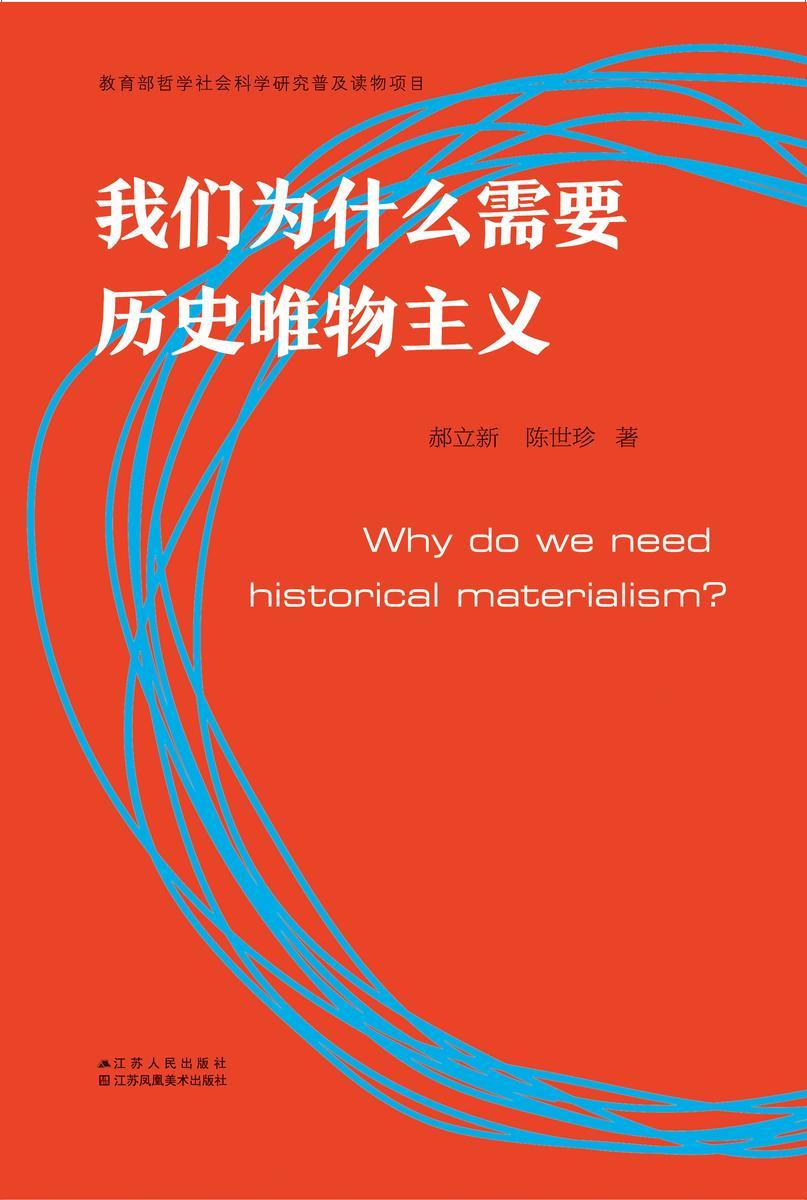
本书坚持马克思主义社会历史观的基本观和基本原理,在存在论的高度上阐释了马克思的生产、劳动、资本、现代和历史等概念。主要内容包括:历史唯物主义是科学的历史观、人类社会和自然界、生产力和生产关系、经济基础和上层建筑、社会意识、科学及其在社会历史中的地位和作用等。
Our Friend the Charlatan
George Gissing
¥40.79
As he waited for his breakfast, never served to time, Mr. Lashmar drummed upon the window-pane, and seemed to watch a blackbird lunching with much gusto about the moist lawn of Alverholme Vicarage. But his gaze was absent and worried. The countenance of the reverend gentleman rarely wore any other expression, for he took to heart all human miseries and follies, and lived in a ceaseless mild indignation against the tenor of the age.
Emelian And The Empty Drum
Leo Tolstoy
¥40.79
Emelian was a labourer and worked for a master. He was walking through a field one day on his way to work, when a frog hopped in front of him and he just missed crushing it by stepping across. Suddenly some one called to him from behind. He turned, and there stood a beautiful maiden, who said to him, 'Why don’t you marry, Emelian?'
The Mysterious Island
Jules Verne
¥40.79
The story follows adventures of five Americans on an uncharted island in the South Pacific. The five Americans escape from prison during the siege of Richmond, Virginia, by hijacking a balloon.
An Antarctic Mystery
Jules Verne
¥40.79
A wealthy American Jeorling is looking for a passage back to the USA after private studies of the wildlife on the Kerguelen Islands. Halbrane is one of the first ships to arrive at Kerguelen, and its captain Len Guy somewhat reluctantly agrees to have Jeorling as a passenger as far as Tristan da Cunha. Underway, they meet a stray iceberg with a dead body on it, which turns out to be a sailor from Jane. A note found with him indicates that he and several others including Jane's captain William Guy had survived the assassination attempt at Tsalal and are still alive.
The Wisdom of Father Brown
G. K. Chesterton
¥40.79
Two men appeared simultaneously at the two ends of a sort of passage running along the side of the Apollo Theatre in the Adelphi. The evening daylight in the streets was large and luminous, opalescent and empty. The passage was comparatively long and dark, so each man could see the other as a mere black silhouette at the other end. Nevertheless, each man knew the other, even in that inky outline; for they were both men of striking appearance and they hated each other.
Bobok
Bobok
Fyodor Dostoyevsky
¥40.79
Ivan Ivanovitch attends the funeral of a casual acquaintance and falls to contemplation in the graveyard. He hears the voices of the recently deceased and buried, and he listens to their conversation. They discuss card games and political scandals. As the deceased entertain themselves by revealing all of the shameful details of their earthly lives, Ivan Ivanovitch sneezes.
The Water-Babies: A Fairy Tale for a Land-Baby
Charles Kingsley
¥40.79
Tom is a young chimney sweep, who falls into a river after meeting an upper-class girl named Ellie and being chased out of her house. There he drowns and is transformed into a water-baby. Tom embarks on a series of adventures and lessons, and enjoys the community of other water-babies once he proves himself a moral creature.
The Jewel of Seven Stars
Bram Stoker
¥40.79
Malcolm Ross, a young barrister, is awakened in the middle of the night and summoned to the house of famous Egyptologist Abel Trelawny at the request of his daughter, Margaret, with whom Malcolm is enamored. Once Malcolm arrives at the house, he meets Margaret, Superintendent Dolan, and Doctor Winchester, and learns why he has been called: Margaret, hearing strange noises from her father’s bedroom, woke to find him unconscious and bloodied on the floor of his room, under some sort of trance.