


 购物车
购物车 个人中心
个人中心


字解人生:汉字中的生命智慧
¥12.49
汉字,深沉而博大,古老而神秘,青山绿水中掩映着汉字的形,古刹庙宇间隐藏着汉字的义。本书于浩瀚的字海中择取三百多个常用汉字,用故事串起它们的演变,解释其形与义,辨其异同,与你一同走进汉字的王国,回顾汉字的前世今生,探寻汉字的起源,品味汉字的魅力与人生的智慧。

周易文化导读
¥8.65
《周易》是中华传统文化之根,同时又充满了神秘色彩,人们往往视其为预测吉凶祸福的“占筮之书”,对其文化内涵则敬而远之。《周易文化导读》力图揭开《周易》神秘的面纱,从文化的角度去解读《周易》。作者介绍了研习《周易》不可回避的一系列基本问题,并通过对《周易》六十四卦经文的今译和文化导读,以深入浅出的方式和通俗易懂的文字揭示《周易》博大精深的文化内涵,旨在引导初学《周易》者以及广大传统文化爱好者洞悉《周易》之人文精神和教化意义。
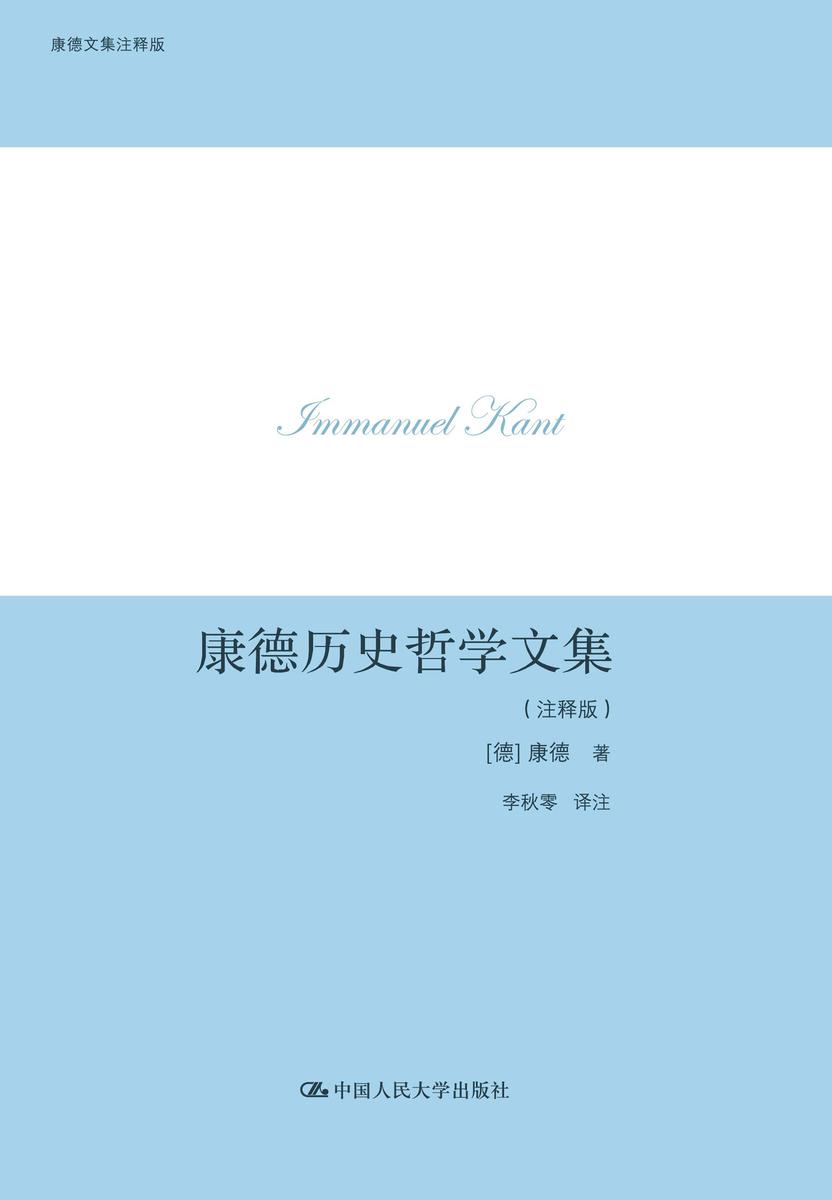
康德历史哲学文集(注释版)
¥19.90
本书收入康德历史哲学全部相关著述,含《关于一种世界公民观点的普遍历史理念》、《人类历史揣测的开端》、《关于在地上逐步建立善的原则的统治的历史观念》等十篇文章,书中所收入的文章均由译者增译了《科学院版编者导言》和科学院版编者注,并在必要的地方加了少量的译者注。

世界哲学史
¥36.99
本书讲述了公元前两千多年至今的哲学思想史,既有婆罗门教、佛教、儒家、道家等东方思想,也涵括了从古希腊罗马哲学、中世纪哲学一直到当下的存在主义等西方流派。当然,它不可能穷尽所有的思想,更没法解答一切疑问,但通过把其中那些*杰出的成果,那些关于人生*根本问题的回答,以简洁有力的方式传达出来,让我们得以穿透漫长的时空,从这些伟大心灵中汲取养分和勇气,去追寻自己的答案。我们将会发现,四千年来,从古印度的无名作者到哲学巨擘康德,从中国到欧洲,对何以为人、何为良好生活的追问从来没有停止过。 本书是为这样一些人写的:不管他们是否接受过正规的学院式教育,当面对工作中和日常生活中的烦恼,以及我们时代的巨大历史变迁和社会灾难时,他们从不气馁,总是试图通过独立思考来揭示世界之谜,努力去寻找永恒的人生问题的答案。他们从不否认这样一种观点,即所有时代的伟大思想家及其作品都会对我们有所裨益。 ——汉斯·约阿西姆·施杜里希
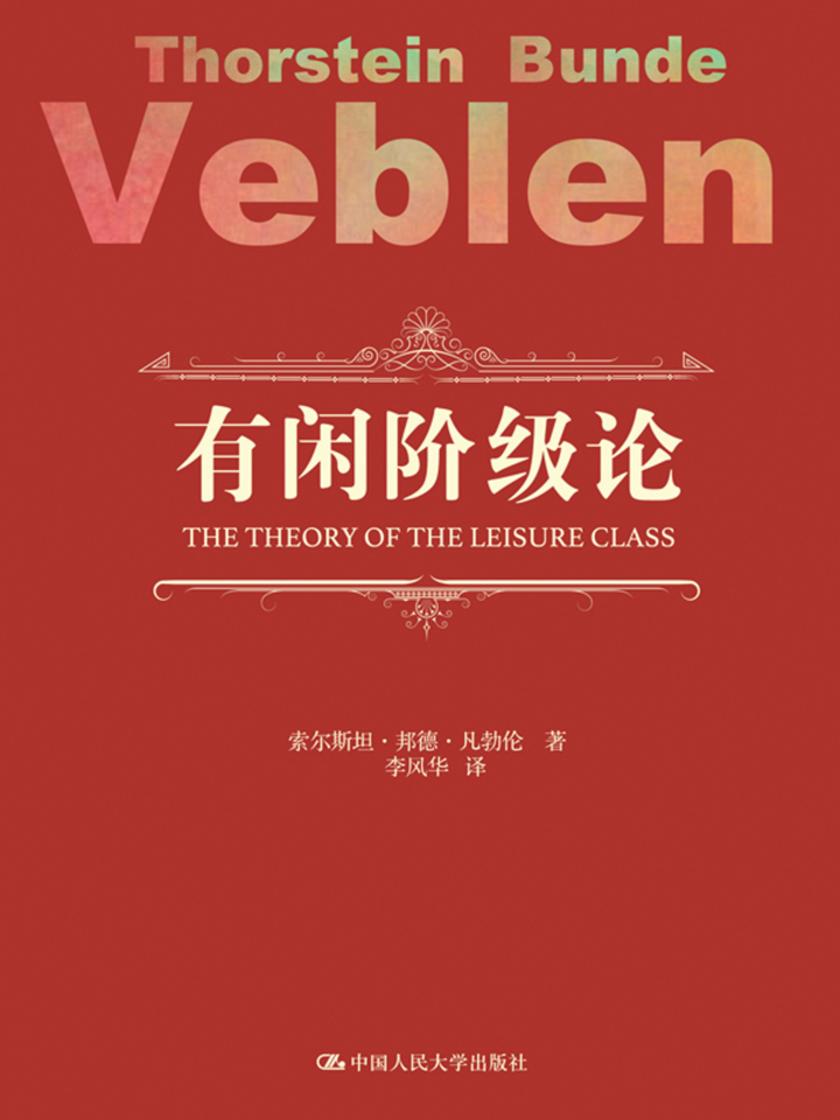
有闲阶级论
¥27.78
此书从金钱攀比动机出发,围绕着炫耀性休闲和炫耀性消费这两种阶级行为特征展分析,从社会演的角度探讨了有闲阶级的起源、有闲阶级的生活方式、消费标准、精神特征以及相关文化现象等方面的内容。学术上游走在经济学与社会学之间,方法上兼具阶级分析与制度分析之利,风格上一本正经地讽刺而不失学术底蕴。 本书1899年出版,逾百年而弥新;专注上层阶级,放四海而皆准,每个读者各取所需,百家流派或引或驳,乃当之无愧的人类文明史上的经典之作。

庄子浅说:陈鼓应著作集 中华书局出品
¥26.04
本书由《庄子浅说》、《庄子思想散步》和附录《老庄思想要旨》三部分构成。《庄子浅说》包括生活篇、生死篇、思想篇、终结篇几部分,对庄子的思想行了全面的刻划;《庄子思想散步》则由四篇关于庄子思想的演讲稿组成;《老庄思想要旨》则精要地介绍了老子和庄子的思想的基本内容。本书对迅速、全面了解庄子其人其书具有高屋建瓴的引导作用。
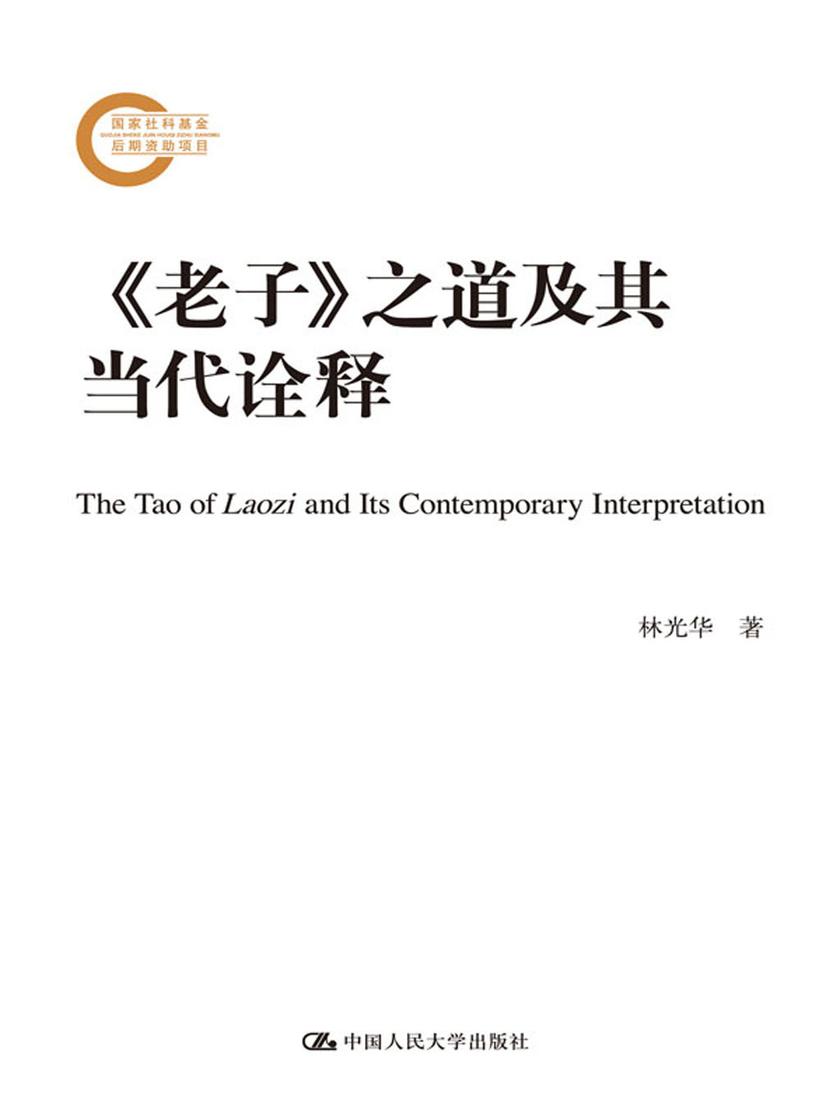
《老子》之道及其当代诠释(国家社科基金后期资助项目)
¥31.20
《老子》之道为什么“不可说”?如何说“不可说”之道?这是《老子》注疏、诠释与研究史上的大问题。如何突破主客对立的二元论的认识模式,用现代话语将其描述清楚,提供一个既契合《老子》又能嵌现代哲学话语体系的诠释,是本书的问题意识。本书选取了三个古代的诠释个案、三个当代的诠释个案,用比较的方法,检省这些诠释及其方法论。《老子》中有“常道”与“非常道”之分,前者是非对象化的,后者是对象化的。“非对象化之道”是《老子》的重心,它不是*的不可说,而是需要用特殊的方式去说,老子本人提供了这样的言说典范。非对象化的“常道”具有四个特:动而无死、生而无名、妙而可观、虚而可法,这正是其不可对象化地行言说的原因,其提醒后世在理解与解释“常道”时既要借助语言又要超越语言。由“非对象化”之道延伸出来的规律之道、处世之道与治国之道构成了《老子》的宇宙论、人生论与治国论。

经典常谈(全新修订古典启蒙版)先哲的精神,后生的楷范
¥12.46
《经典常谈》是朱自清先生介绍中国古代文学、历史、哲学经典的启蒙读物,内容包括《说文解字》、《周易》、《尚书》、《诗经》、《三礼》、《春秋三传》、《四书》、《战国策》、《史记》、《汉书》、诸子、诗、文等十三篇,全书见解精辟,文笔优美,通俗流畅,深入浅出,是读者了解中国古代文化典籍的经典指南,也是国学入门书。《经典常谈》此次出版,补充了很多国学经典原文,并请著名哲学家武汉大学郭齐勇教授和南京师范大学刘立志副教授做了注释。《经典常谈》使读者能循着朱自清先生的指引,亲自去感受经典的无限魅力和隽永之味,提高国学修养,成为博雅君子。
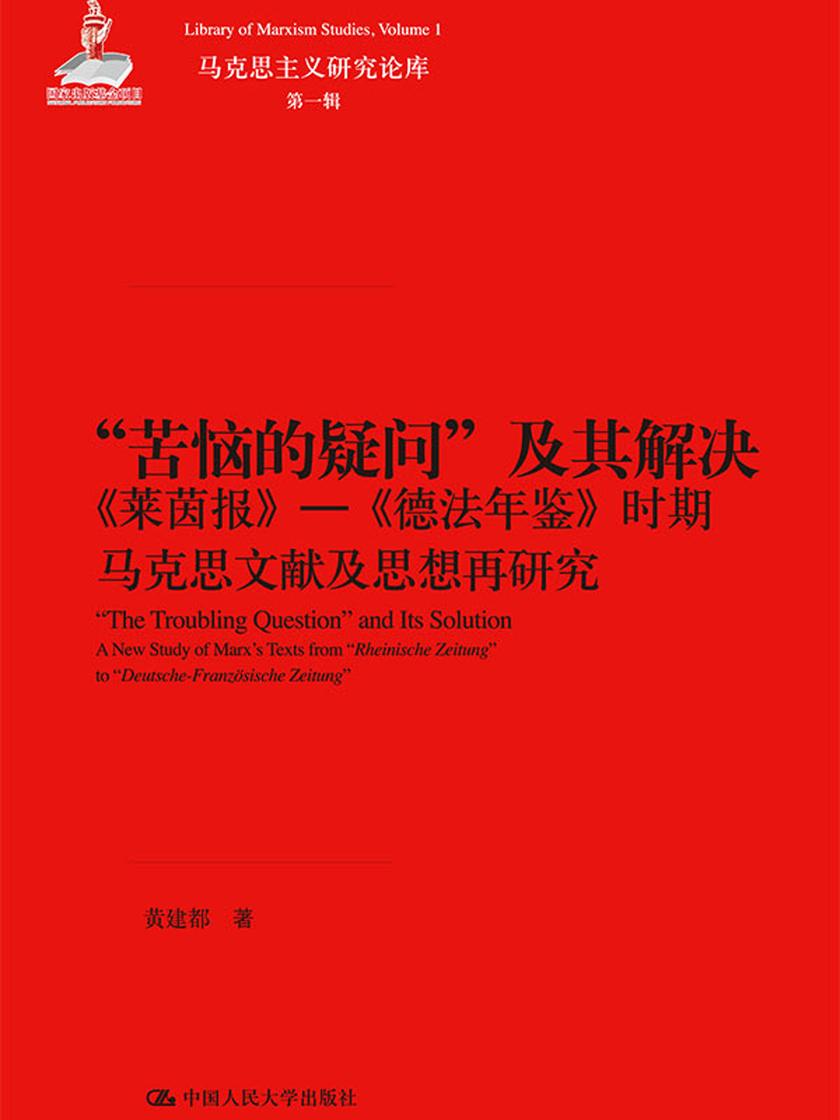
“苦恼的疑问”及其解决:《莱茵报》—《德法年鉴》时期马克思文献及思想再研究(马克思主义研究论库·第一辑)
¥43.20
马克思一生的思想始终处于不断探索、深化和拓展之中,而《莱茵报》—《德法年鉴》时期是其思想变化的个时期。起初,他携带着深受启蒙思潮、浪漫派学说和自由主义的熏陶而在德国思想论坛崭露头角的青春朝气走来,但遭逢的一系列现实问题与以往的理念相矛盾,以至于在其头脑中产生了“苦恼的疑问”。为解决这些疑问,他不断地阅读、思考和尝试,提出了探究社会问题的基本思路,为以后哲学思想的变革启了方向。本书以此为中心线索,对这一时期马克思的全部文献重新行了解读,详尽地展示了马克思思想转变的环境、动机、过程、环节、性质和标志,有助于读者理解和把握马克思当时思想的复杂性和丰富性,以及这一时期在马克思一生理论创造、在整个马克思主义思想史上的重要地位。
A Lear of the Steppes by Ivan Turgenev - Delphi Classics (Illustrated)
¥8.09
This eBook features the unabridged text of ‘A Lear of the Steppes by Ivan Turgenev - Delphi Classics (Illustrated)’ from the bestselling edition of ‘The Collected Works of Ivan Turgenev’. Having established their name as the leading publisher of classic literature and art, Delphi Classics produce publications that are individually crafted with superior formatting, while introducing many rare texts for the first time in digital print. The Delphi Classics edition of Turgenev includes original annotations and illustrations relating to the life and works of the author, as well as individual tables of contents, allowing you to navigate eBooks quickly and easily. eBook features: * The complete unabridged text of ‘A Lear of the Steppes by Ivan Turgenev - Delphi Classics (Illustrated)’ * Beautifully illustrated with images related to Turgenev’s works * Individual contents table, allowing easy navigation around the eBook * Excellent formatting of the text Please visit www.delphiclassics.com to learn more about our wide range of titles
King Solomon’s Mines by H. Rider Haggard - Delphi Classics (Illustrated)
¥8.09
This eBook features the unabridged text of ‘King Solomon’s Mines by H. Rider Haggard - Delphi Classics (Illustrated)’ from the bestselling edition of ‘The Complete Works of H. Rider Haggard’. Having established their name as the leading publisher of classic literature and art, Delphi Classics produce publications that are individually crafted with superior formatting, while introducing many rare texts for the first time in digital print. The Delphi Classics edition of Haggard includes original annotations and illustrations relating to the life and works of the author, as well as individual tables of contents, allowing you to navigate eBooks quickly and easily. eBook features: * The complete unabridged text of ‘King Solomon’s Mines by H. Rider Haggard - Delphi Classics (Illustrated)’ * Beautifully illustrated with images related to Haggard’s works * Individual contents table, allowing easy navigation around the eBook * Excellent formatting of the text Please visit www.delphiclassics.com to learn more about our wide range of titles
Faust by Ivan Turgenev - Delphi Classics (Illustrated)
¥8.09
This eBook features the unabridged text of ‘Faust by Ivan Turgenev - Delphi Classics (Illustrated)’ from the bestselling edition of ‘The Collected Works of Ivan Turgenev’. Having established their name as the leading publisher of classic literature and art, Delphi Classics produce publications that are individually crafted with superior formatting, while introducing many rare texts for the first time in digital print. The Delphi Classics edition of Turgenev includes original annotations and illustrations relating to the life and works of the author, as well as individual tables of contents, allowing you to navigate eBooks quickly and easily. eBook features: * The complete unabridged text of ‘Faust by Ivan Turgenev - Delphi Classics (Illustrated)’ * Beautifully illustrated with images related to Turgenev’s works * Individual contents table, allowing easy navigation around the eBook * Excellent formatting of the text Please visit www.delphiclassics.com to learn more about our wide range of titles
Acia by Ivan Turgenev - Delphi Classics (Illustrated)
¥8.09
This eBook features the unabridged text of ‘Acia by Ivan Turgenev - Delphi Classics (Illustrated)’ from the bestselling edition of ‘The Collected Works of Ivan Turgenev’. Having established their name as the leading publisher of classic literature and art, Delphi Classics produce publications that are individually crafted with superior formatting, while introducing many rare texts for the first time in digital print. The Delphi Classics edition of Turgenev includes original annotations and illustrations relating to the life and works of the author, as well as individual tables of contents, allowing you to navigate eBooks quickly and easily. eBook features: * The complete unabridged text of ‘Acia by Ivan Turgenev - Delphi Classics (Illustrated)’ * Beautifully illustrated with images related to Turgenev’s works * Individual contents table, allowing easy navigation around the eBook * Excellent formatting of the text Please visit www.delphiclassics.com to learn more about our wide range of titles
Torrents of Spring by Ivan Turgenev - Delphi Classics (Illustrated)
¥8.09
This eBook features the unabridged text of ‘Torrents of Spring by Ivan Turgenev - Delphi Classics (Illustrated)’ from the bestselling edition of ‘The Collected Works of Ivan Turgenev’. Having established their name as the leading publisher of classic literature and art, Delphi Classics produce publications that are individually crafted with superior formatting, while introducing many rare texts for the first time in digital print. The Delphi Classics edition of Turgenev includes original annotations and illustrations relating to the life and works of the author, as well as individual tables of contents, allowing you to navigate eBooks quickly and easily. eBook features: * The complete unabridged text of ‘Torrents of Spring by Ivan Turgenev - Delphi Classics (Illustrated)’ * Beautifully illustrated with images related to Turgenev’s works * Individual contents table, allowing easy navigation around the eBook * Excellent formatting of the text Please visit www.delphiclassics.com to learn more about our wide range of titles

Eugenie Grandet
¥40.79
Eugenie's father Felix is a former cooper who has become wealthy through both business ventures and inheritance. However, he is very miserly, and he, his wife, daughter and their servant Nanon live in a run-down old house which he is too miserly to repair. His banker des Grassins wishes Eugenie to marry his son Adolphe, and his lawyer Cruchot wishes Eugenie to marry his nephew President Cruchot des Bonfons, both parties eyeing the inheritance from Felix.
Queen Zixi of Ix by L. Frank Baum - Delphi Classics (Illustrated)
¥8.09
This eBook features the unabridged text of ‘Queen Zixi of Ix by L. Frank Baum - Delphi Classics (Illustrated)’ from the bestselling edition of ‘The Complete Works of L. Frank Baum’. Having established their name as the leading publisher of classic literature and art, Delphi Classics produce publications that are individually crafted with superior formatting, while introducing many rare texts for the first time in digital print. The Delphi Classics edition of Baum includes original annotations and illustrations relating to the life and works of the author, as well as individual tables of contents, allowing you to navigate eBooks quickly and easily. eBook features: * The complete unabridged text of ‘Queen Zixi of Ix by L. Frank Baum - Delphi Classics (Illustrated)’ * Beautifully illustrated with images related to Baum’s works * Individual contents table, allowing easy navigation around the eBook * Excellent formatting of the text Please visit www.delphiclassics.com to learn more about our wide range of titles
The Daring Twins by L. Frank Baum - Delphi Classics (Illustrated)
¥8.09
This eBook features the unabridged text of ‘The Daring Twins by L. Frank Baum - Delphi Classics (Illustrated)’ from the bestselling edition of ‘The Complete Works of L. Frank Baum’. Having established their name as the leading publisher of classic literature and art, Delphi Classics produce publications that are individually crafted with superior formatting, while introducing many rare texts for the first time in digital print. The Delphi Classics edition of Baum includes original annotations and illustrations relating to the life and works of the author, as well as individual tables of contents, allowing you to navigate eBooks quickly and easily. eBook features: * The complete unabridged text of ‘The Daring Twins by L. Frank Baum - Delphi Classics (Illustrated)’ * Beautifully illustrated with images related to Baum’s works * Individual contents table, allowing easy navigation around the eBook * Excellent formatting of the text Please visit www.delphiclassics.com to learn more about our wide range of titles
Our Landlady by L. Frank Baum - Delphi Classics (Illustrated)
¥8.09
This eBook features the unabridged text of ‘Our Landlady by L. Frank Baum - Delphi Classics (Illustrated)’ from the bestselling edition of ‘The Complete Works of L. Frank Baum’. Having established their name as the leading publisher of classic literature and art, Delphi Classics produce publications that are individually crafted with superior formatting, while introducing many rare texts for the first time in digital print. The Delphi Classics edition of Baum includes original annotations and illustrations relating to the life and works of the author, as well as individual tables of contents, allowing you to navigate eBooks quickly and easily. eBook features: * The complete unabridged text of ‘Our Landlady by L. Frank Baum - Delphi Classics (Illustrated)’ * Beautifully illustrated with images related to Baum’s works * Individual contents table, allowing easy navigation around the eBook * Excellent formatting of the text Please visit www.delphiclassics.com to learn more about our wide range of titles
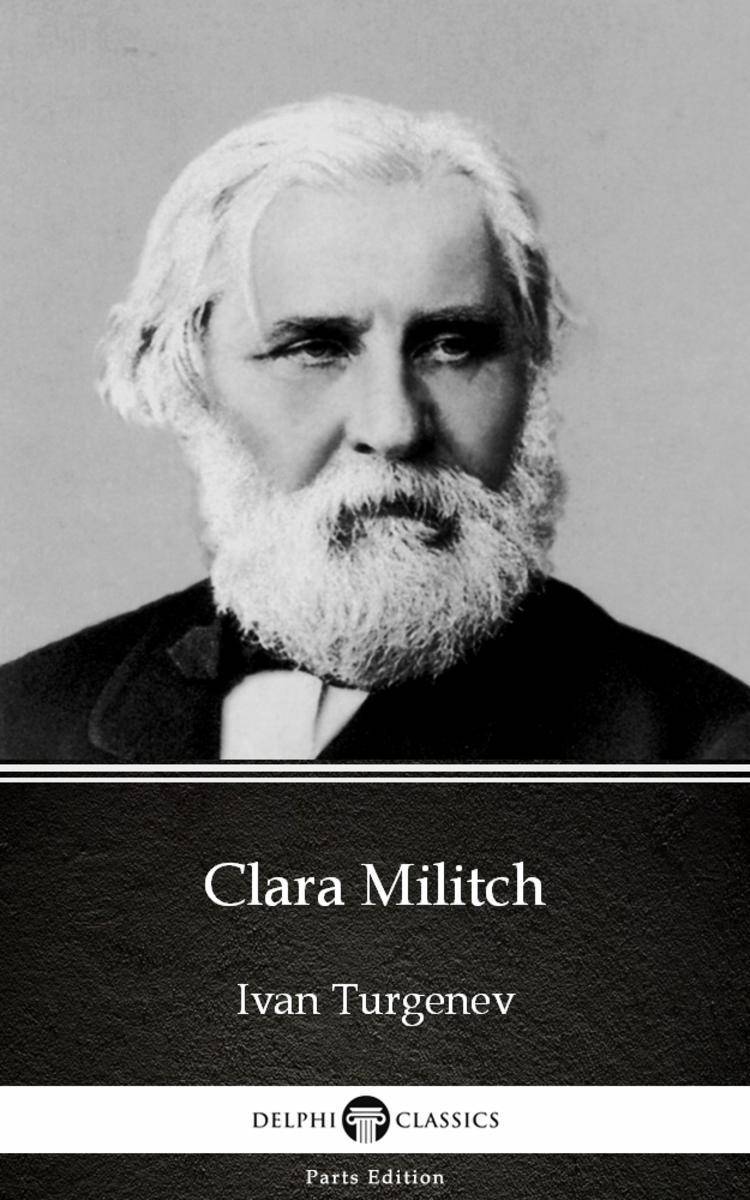
Clara Militch by Ivan Turgenev - Delphi Classics (Illustrated)
¥8.09
This eBook features the unabridged text of ‘Clara Militch by Ivan Turgenev - Delphi Classics (Illustrated)’ from the bestselling edition of ‘The Collected Works of Ivan Turgenev’. Having established their name as the leading publisher of classic literature and art, Delphi Classics produce publications that are individually crafted with superior formatting, while introducing many rare texts for the first time in digital print. The Delphi Classics edition of Turgenev includes original annotations and illustrations relating to the life and works of the author, as well as individual tables of contents, allowing you to navigate eBooks quickly and easily. eBook features: * The complete unabridged text of ‘Clara Militch by Ivan Turgenev - Delphi Classics (Illustrated)’ * Beautifully illustrated with images related to Turgenev’s works * Individual contents table, allowing easy navigation around the eBook * Excellent formatting of the text Please visit www.delphiclassics.com to learn more about our wide range of titles
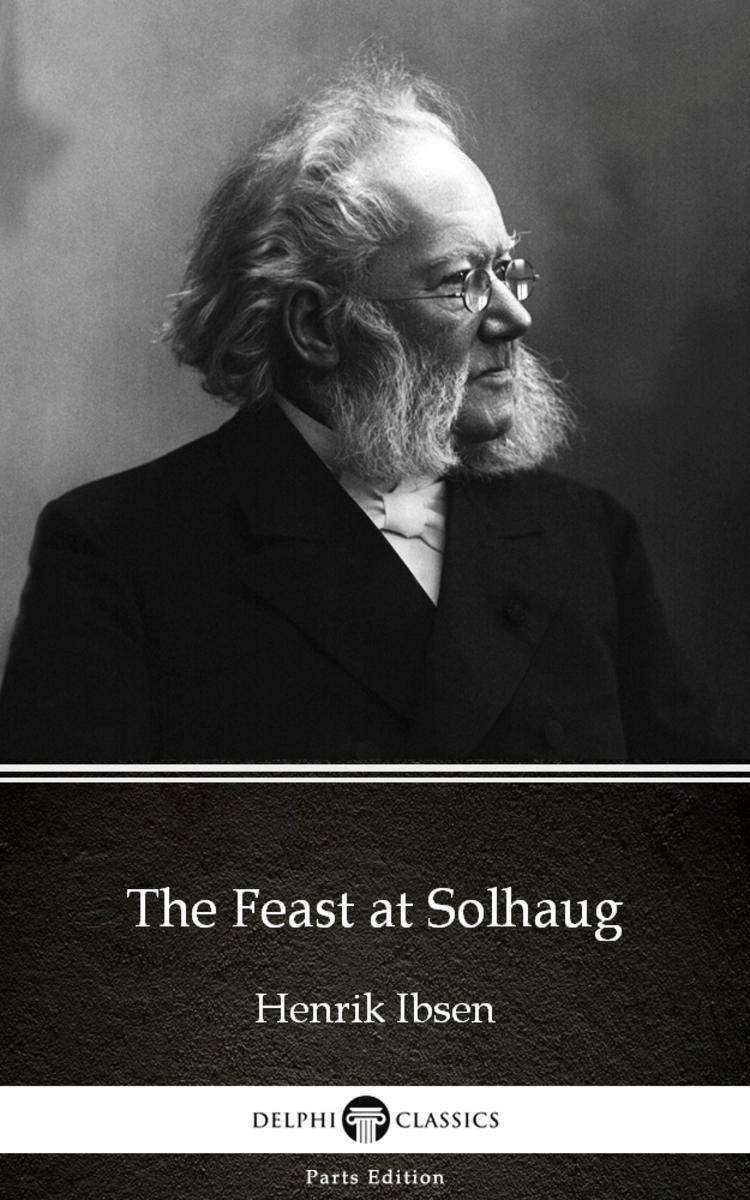
The Feast at Solhaug by Henrik Ibsen - Delphi Classics (Illustrated)
¥8.09
This eBook features the unabridged text of ‘The Feast at Solhaug by Henrik Ibsen - Delphi Classics (Illustrated)’ from the bestselling edition of ‘The Complete Works of Henrik Ibsen’. Having established their name as the leading publisher of classic literature and art, Delphi Classics produce publications that are individually crafted with superior formatting, while introducing many rare texts for the first time in digital print. The Delphi Classics edition of Ibsen includes original annotations and illustrations relating to the life and works of the author, as well as individual tables of contents, allowing you to navigate eBooks quickly and easily. eBook features: * The complete unabridged text of ‘The Feast at Solhaug by Henrik Ibsen - Delphi Classics (Illustrated)’ * Beautifully illustrated with images related to Ibsen’s works * Individual contents table, allowing easy navigation around the eBook * Excellent formatting of the text Please visit www.delphiclassics.com to learn more about our wide range of titles
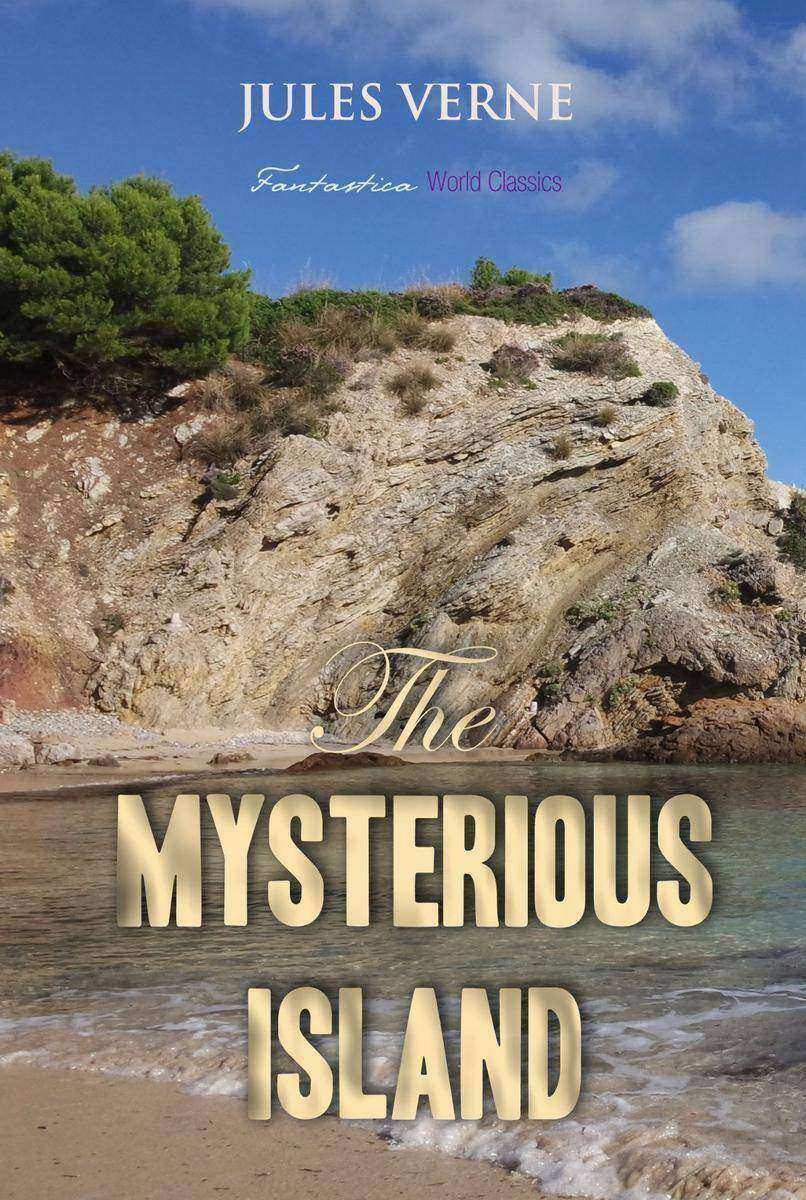
The Mysterious Island
¥40.79
The story follows adventures of five Americans on an uncharted island in the South Pacific. The five Americans escape from prison during the siege of Richmond, Virginia, by hijacking a balloon.


