


 购物车
购物车 个人中心
个人中心
Meteorology
¥40.79
We have already discussed the first causes of nature, and all natural motion, also the stars ordered in the motion of the heavens, and the physical element-enumerating and specifying them and showing how they change into one another-and becoming and perishing in general. There remains for consideration a part of this inquiry which all our predecessors called meteorology. It is concerned with events that are natural, though their order is less perfect than that of the first of the elements of bodies. They take place in the region nearest to the motion of the stars. Such are the milky way, and comets, and the movements of meteors.
On the Motion of Animals
¥40.79
Elsewhere we have investigated in detail the movement of animals after their various kinds, the differences between them, and the reasons for their particular characters (for some animals fly, some swim, some walk, others move in various other ways); there remains an investigation of the common ground of any sort of animal movement whatsoever.
There is No Thinker Only Thought
¥73.49
In these talks given in New Delhi, Bombay, London, Saanen, Paris and Madras, Krishnamurti begins by defining what he means by the word discussion and what it means to go beyond thought. "I think, before we begin, it should be made clear what we mean by discussion. To me it is a process of discovery through exposing oneself to the fact. That is, in discussing I discover myself, the habit of my thought, the way I proceed to think, my reactions, the way I reason, not only intellectually but inwardly. It is really exposing oneself not merely verbally but actually so that the discussion becomes a thing worth while - to discover for ourselves how we think. Because, I feel if we could be serious enough for an hour or a little more and really fathom and delve into ourselves as much as we can, we shall be able to release, not through any action of will, a certain sense of energy which is all the time awake, which is beyond thought."
Choiceless Awareness
¥73.49
In these talks in India , Krishnamurti begins by stating his intention to begin answering questions put forth to him by others. He points out that if an answer is to be right, the question itself must also be. "...a serious question put by a serious person, by an earnest person who is seeking out the solution of a very difficult problem, then, obviously, there will be an answer befitting that question."? An extensive compendium of Krishnamurti's talks and discussions in the USA, Europe, India, New Zealand, and South Africa from 1933 to 1967—the Collected Works have been carefully authenticated against existing transcripts and tapes. Each volume includes a frontispiece photograph of Krishnamurti , with question and subject indexes at the end. The content of each volume is not limited to the subject of the title, but rather offers a unique view of Krishnamurti's extraordinary teachings in selected years. The Collected Works offers the reader the opportunity to explore the early writings and dialogues in their most complete and authentic form.


文德尔班哲学导论(文德尔班代表作,关注哲学主题蕴含的内在力量,呈现新康德主义哲学的基本纲领!)
¥19.92
本书是新康德主义弗莱堡学派创始人文德尔班的代表作,与广为人知的《哲学史教程》相互配合,构成新康德主义哲学的基本纲领,对哲学门者也有很好的引导作用。全书以存在(理论)问题和价值问题的区分为基础,以价值的存在与存在的价值之间的关系立论,探讨了本体论、发生论、认识论、伦理学、美学、宗教等各类哲学问题。作者关注重大哲学主题所蕴含的内在力量,以日常生活和科学中的朴素预设为出发,从哲学史的流变手,试图解释处理这些问题的各种趋势及其分歧,并将生命中的基本问题简明扼要地呈现出来,旨在呼唤读者思索生命中的重大问题。

Revistele literare ale exilului rom?nesc. Luceaf?rul
¥69.57
Adam Smith (1723-1790) este p?rintele g?ndirii economice moderne. ?n volumul de fa?? au fost culese c?teva dintre cele mai importante capitole din lucrarea care a marcat ?nceputurile disciplinare ale unui domeniu pentru care ast?zi se acord? Premiul Nobel, dar ?i paragraful care ofer? cititorului o explica?ie sintetic? a conceptului pentru care autorul va r?m?ne ?n istorie: m?na invizibil?. Chiar daca unele concepte-cheie ale teoriei g?nditorului sco?ian par dep??ite, ?n esen?a observa?iile ?i explica?iile sale privitoare la natura economic? a socialului r?m?n c?t se poate de subtile ?i conving?toare.

Disconfort ?n cultur?
¥24.44
Jonathan Swift (1667-1745) este cunoscut publicului larg ca autor al C?l?toriilor lui Gulliver. A fost considerat de mul?i un mizantrop des?v?r?it, de?i a f?cut parte din clerul Bisericii Anglicane. Va r?m?ne ?ns? ?n istorie ca primul pamfletar de limba englez?. Povestea unui poloboc este cea mai consistent? lucrare de acest gen, de care ?nsu?i autorul s-a declarat ?ntotdeauna foarte satisf?cut. ?n aceast? ?poveste“ satiristul irlandez ne propune o ingenioas? alegorie, ?n egal? m?sur? un atac la adresa bisericilor occidentale care au pervertit p?n? la desfigurare credin?a mo?tenit? de la biserica primar? ?i la adresa modelor care au infestat at?t operele spiritului, c?t ?i discursul teologic.Pus? la index la vremea apari?iei ei de regina Ana a Angliei din cauza nest?p?nitelor ?arje la adresa papismului ?i a puritanismului britanic, considerat? un text ?reac?ionar“ ?n Rom?nia epocii lui Ceau?escu, aceast? carte nu este, cu siguran??, o lectur? confortabil?, dar r?m?ne una dintre cele mai spumoase ?i mai fine satire scrise vreodat?.

Pagini de istorie american?
¥46.36
Aceasta este prima lucrare scris? ?n limba rom?n? care se concentreaz? asupra operei lui Thomas Kuhn, probabil cel mai influent filosof al ?tiin?ei din ultima jum?tate a secolului trecut. ?n particular, lucrarea analizeaz? ?n detaliu, ?ntr-o manier? original?, o idee foarte provocatoare a filosofului american, teza incomensurabilit??ii conceptuale, conform c?reia, ?n dezvoltarea cunoa?terii ?tiin?ifice, teoriile noi utilizeaz? un limbaj ireductibil la cel al teoriilor anterioare. Totodat?, lucrarea se apleac? ?ntr-o manier? sistematic? asupra conceptului de paradigm?, introdus de Kuhn, care avea s? fie utilizat ulterior pe scar? larg? ?n filosofie ?i ?tiin?ele sociale.

Comandorul Sablin. Liderul monarhi?tilor ru?i urm?rit de Siguran?? ?i de Securit
¥61.83
Volumul de fa?? cuprinde trei eseuri ale autorului francez despre ,,r?sul provocat ?n mod special de c?tre comic“. Acestea au la baz? ideile urm?toare: comicul este uman, r?sul are nevoie de o deta?are emo?ional? fa?? de obiectul/subiectul vizat, r?sul are o func?ie social?. Autorul exploreaz? diferite ipostaze ale comicului ?n art? sau ?n via?a de zi cu zi ?n func?ie de cauza care a produs efectul respectiv. Un om care se ?mpiedic? ?i cade poate st?rni r?sul trec?torilor. ?n aceast? situa?ie comicul survine ca urmare a rigidit??ii mecanice a personajului care a c?zut pentru nu a putut evita un obstacol. ?i o diformitate poate st?rni r?sul, ?nsa una care poate fi imitat? de o persoan? care nu are acea diformitate. Exist? ?i un comic al mi?c?rilor, de exemplu, gesturile unui orator. ?n cel de-al doilea capitol, autorul analizeaz? alt? dou? categorii: comicul de situa?ie ?i pe cel de limbaj. ?n fine, al treilea capitol este consacrat comicului de caracter. Anexa de la sf?r?itul lucr?rii curprinde o scurt? discu?ie despre defini?iile comicului, dar ?i despre metoda utilizat? de autor ?n cele trei capitole. Comicul ?ine de aceast? dimensiune a persoanei prin care se seam?n? cu un lucru, acest aspect al evenimentelor umane care imit? prin rigiditatea sa de un fel cu totul spe-cial, mecanismul pur ?i simplu, automatismul, de fapt mi?carea f?r? via??. El exprim?, a?adar, o imperfec?iune individual? sau colectiv? care necesit? o corec?ie imediat?. R?sul este ?ns??i aceast? corec?ie. R?sul este un anumit tip de gest social care subliniaz? ?i reprim? o distragere special? a oamenilor ?i evenimentelor.

R?sul
¥16.27
Publicat? ini?ial, ?n trei articole, ?n 1861, o lucrare fundamental?, cu o influen?? de necontestat ?n domeniul ?tiin?elor sociale, Utilitarismul lui J.S.Mill cuprinde o serie de discu?ii despre principiile care stau la baza doctrinei filosofice a utilitarismului. Structura lucr?rii, cu cinci capitole clare ?i concise (Considera?ii generale, Ce este utilitarismul, Despre sanc?iunea fundamental? a principiului utilit??ii, De ce fel de demonstra?ie este susceptibil principiul utilit??ii, Despre leg?tura dintre dreptate ?i utilitate), este elegant? ?i faciliteaz? ?n?elegerea ideilor aprofundate de g?nditorul englez. ?ntr-un sens, Utilitarismul reprezint? o rafinare a ideilor lui Jeremy Bentham despre ceea ce ar trebui s? constituie m?sura binelui ?i a r?ului: exigen?a de a ob?ine cea mai mare fericire pentru un num?r c?t mai mare de oameni. ?ntr-un alt sens, mai larg ?i mai important, cartea de fa?? formuleaz? ?i analizeaz? ?n profunzime toate implica?iile, pentru moral?, ale principiului utilit??ii. John Stuart Mill aduce etica ?n vecin?tatea economiei (maximizarea fericirii, ierarhizarea pl?cerilor ?n func?ie de profit, decizia bazat? pe calcularea utilit??ii alternativelor etc.) ?i ?ncearc? s? rezolve toate dificult??ile rezultate din acest mod de a trata problema drept??ii. Mill ofer? r?spunsuri la c?teva ?ntreb?ri esen?iale precum: ,,?n ce const? fericirea?“, ,,Ce urm?rim, de fapt, atunci c?nd alegem o anumit? conduit??“, ,,Ce pl?ceri sunt preferabile?“, ,,Cum trebuie s? arate legile (?i sanc?iunile inerente) dac? morala se ?ntemeieaz? pe utilitate?“, ,,De ce este preferabil principiul utilit??ii, at?t din perspectiva binelui personal, c?t ?i din aceea a binelui public?“
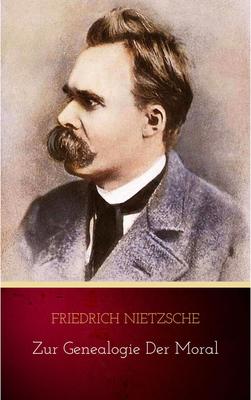
Zur Genealogie der Moral
¥8.82
Das Werk, das aus einer Vorrede und drei ?Abhandlungen“ besteht, geh?rt zu den einflussreichsten Schriften Nietzsches. Er legte hier keine Aphorismen vor wie in den meisten anderen seiner Werke, sondern l?ngere, systematische Texte mit durchaus wissenschaftlichem Anspruch: Er stellt darin soziologische, historische und psychologische Thesen auf. Nietzsche wollte anders als klassische Moralphilosophen keine Moral herleiten oder begründen, sondern die geschichtliche Entwicklung und die psychischen Voraussetzungen bestimmter moralischer Wertvorstellungen nachvollziehen. Er fragt also nicht, wie die Menschen handeln sollten, sondern warum Menschen (Einzelne oder Gruppen) glauben, sie sollten auf bestimmte Weise handeln, oder andere dazu bringen wollen, so oder so zu handeln.

Istoria se repet?. Momente, Schi?e, Amintiri
¥33.03
Antropologie ?i antroposofie ? Max Dessoir despre antroposofie ? Franz BrentanoAlc?tuind cuprinsul acestei lucr?ri, Rudolf Steiner reveleaz? ?c?teva din firele ?tiin?ifice care trebuie trasate pornind de la antropozofie la filozofie, la psihologie ?i la fiziologie“. Cunoa?terea omului va trebui atunci s? fie extins? ?in?nd cont de enigmaticele aspecte ale vie?ii sale interioare, privite din perspective multiple. ?n aceast? carte, Rudolf Steiner prezint? ?n scris aspectele semnificative ale configur?rii ?ntreite a fiin?ei omene?ti: corpul fizic, organismul sufletesc ?i configura?ia spiritual?.

61 de ore
¥81.67
Cartea este o culegere de eseuri pe teme de istorie literar?, istoria ideilor ?i probleme generale de estetica artelor, toate acestea fiind abordate dintr-un accentuat unghi filozofic ?i ?tiin?ific deopotriv?.

Michel Foucault: crítico-esteta-cínico mitigado
¥57.14
S?rmanul Nietzsche, ?bestia blond?“, a avut ?i el parte de crucificare. Multor profe?i ?i m?ntuitori li se ?nt?mpl? asta: eventual ?i ?n timpul vie?ii, ?i dup? moarte. Nietzsche, r?zvr?titul ?mpotriva legilor celor vechi, ?ntemeietorul orgolios al noii sale ?religii“, a trebuit s? suporte ?i el toate e?ecurile ?i r?st?lm?cirile posibile, ba chiar ?i punerea terifiant? ?n practic? a unora dintre ideile lui, care nici nu mai erau ale lui ?i, ?ndeob?te, nu mai erau idei…?Viclenia ra?iunii“, implicit a istoriei, o descrisese Hegel, unul dintre cei mul?i pe care Nietzsche nu-i agrea. Dincoace de istorie ?i chiar dincolo de ea, r?m?n c?r?ile. Omul n-a fost s? fie m?ntuit de Nietzsche. C?r?ile lui vor d?inui printre oameni: pentru oameni.
Discovery of the Future: Illustrated
¥13.98
Such is the system which underlies the Meditations of Marcus Aurelius. Some knowledge of it is necessary to the right understanding of the book, but for us the chief interest lies elsewhere. We do not come to Marcus Aurelius for a treatise on Stoicism. He is no head of a school to lay down a body of doctrine for students; he does not even contemplate that others should read what he writes. His philosophy is not an eager intellectual inquiry, but more what we should call religious feeling. The uncompromising stiffness of Zeno or Chrysippus is softened and transformed by passing through a nature reverent and tolerant, gentle and free from guile; the grim resignation which made life possible to the Stoic sage becomes in him almost a mood of aspiration. His book records the innermost thoughts of his heart, set down to ease it, with such moral maxims and reflections as may help him to bear the burden of duty and the countless annoyances of a busy life. It is instructive to compare the Meditations with another famous book, the Imitation of Christ. There is the same ideal of self-control in both. It should be a man's task, says the Imitation, 'to overcome himself, and every day to be stronger than himself.' 'In withstanding of the passions standeth very peace of heart.' 'Let us set the axe to the root, that we being purged of our passions may have a peaceable mind.' To this end there must be continual self-examination. 'If thou may not continually gather thyself together, namely sometimes do it, at least once a day, the morning or the evening. In the morning purpose, in the evening discuss the manner, what thou hast been this day, in word, work, and thought.' But while the Roman's temper is a modest self-reliance, the Christian aims at a more passive mood, humbleness and meekness, and reliance on the presence and personal friendship of God. The Roman scrutinises his faults with severity, but without the self-contempt which makes the Christian 'vile in his own sight.' The Christian, like the Roman, bids 'study to withdraw thine heart from the love of things visible'; but it is not the busy life of duty he has in mind so much as the contempt of all worldly things, and the 'cutting away of all lower delectations.' Both rate men's praise or blame at their real worthlessness; 'Let not thy peace,' says the Christian, 'be in the mouths of men.' But it is to God's censure the Christian appeals, the Roman to his own soul. The petty annoyances of injustice or unkindness are looked on by each with the same magnanimity. 'Why doth a little thing said or done against thee make thee sorry? It is no new thing; it is not the first, nor shall it be the last, if thou live long. At best suffer patiently, if thou canst not suffer joyously.' The Christian should sorrow more for other men's malice than for our own wrongs; but the Roman is inclined to wash his hands of the offender. 'Study to be patient in suffering and bearing other men's defaults and all manner infirmities,' says the Christian; but the Roman would never have thought to add, 'If all men were perfect, what had we then to suffer of other men for God?' The virtue of suffering in itself is an idea which does not meet us in the Meditations. Both alike realise that man is one of a great community. 'No man is sufficient to himself,' says the Christian; 'we must bear together, help together, comfort together.' But while he sees a chief importance in zeal, in exalted emotion that is, and avoidance of lukewarmness, the Roman thought mainly of the duty to be done as well as might be, and less of the feeling which should go with the doing of it. To the saint as to the emperor, the world is a poor thing at best. 'Verily it is a misery to live upon the earth,' says the Christian; few and evil are the days of man's life, which passeth away suddenly as a shadow. ? ? ? ? ? ? ? ? ? ? ? ? ? ? ? ? ? ? ? ? ? ? ? ? ? ? ? ? ? ? ? ? ? ? ? ? ? ? ? ? ? ?*** ? "MARCUS AURELIUS ANTONINUS" was born on April 26, A.D. 121. His real name was M. Annius Verus, and he was sprung of a noble family which claimed descent from Numa, second King of Rome. Thus the most religious of emperors came of the blood of the most pious of early kings. His father, Annius Verus, had held high office in Rome, and his grandfather, of the same name, had been thrice Consul. Both his parents died young, but Marcus held them in loving remembrance. On his father's death Marcus was adopted by his grandfather, the consular Annius Verus, and there was deep love between these two. On the very first page of his book Marcus gratefully declares how of his grandfather he had learned to be gentle and meek, and to refrain from all anger and passion. The Emperor Hadrian divined the fine character of the lad, whom he used to call not Verus but Verissimus, more Truthful than his own name. He advanced Marcus to equestrian rank when six years of age, and at the age of eight made him a member of the ancient Salian priesthood. The boy's aunt, A

MALARIA: История военного переводчика
¥11.77
A partir de uma sugest?o de Gilles Deleuze e Félix Guattari – a de que todos os filósofos ocidentais terminaram construindo, no interregno do seu pensamento, personagens conceituais, uma espécie de assinatura do filósofo – este livro objetiva identificar esse tra?o a partir da obra de Michel Foucault. A tese em quest?o é que este autor n?o se enquadra em uma imagem única, como a do Juiz em Kant, ou a do sedutor em Kierkegaard, mas em uma imagem híbrida e triádica, fazendo coro com muitos filósofos chamados de transversais e que se instalaram no horizonte de filosofias chamadas de pós-estruturalistas, como Deleuze.

Безжальна правда про нещадний б?знес
¥24.53
Em Vida sem Princípio , Henry David Thoreau nos apresenta um verdadeiro manual de como viver em sociedade e em contato com a Natureza respeitando a natureza e ao próximo.? puro Transcendentalismo , um apelo para que cada um siga a sua própria luz interior.Este ensaio foi obtido a partir da palestra''What Shall It Profit? ''apresentada ao publico em 06 de dezembro de 1854, no Sal?o Railroad em Providence Rhode Island.Foi publicado pela primeira vez na edi??o de outubro de 1863 The Atlantic Monthly, onde foi dado o título moderno.Vida sem Princípio é um ensaio em que Thoreau coloca o seu programa para viver bem. Incluem-se aqui as suas ideias sobre a forma de abordagem da comunica??o interpessoal, modos de trabalho, sustento financeiro e outros códigos de conduta baseados na filosofia de de vida de Thoreau.'

贺麟全集:马克思博士论文 黑格尔辩证法和哲学一般的批判
¥42.00
《马克思博士论文黑格尔辩证法和哲学一般的批判》(“贺麟全集”第九卷)是贺麟译述马克思早年经典哲学论著的重要成果。收发表于1842年的博士论文《德谟克里特的自然哲学与伊壁鸠鲁的自然哲学的差别》,该文对于用辩证法观研究古代自然哲学史有很大贡献,1958年由贺麟完成中译,1961年人民出版社出版单行本,后收《马恩全集》。《黑格尔辩证法和哲学一般的批判》于1955年翻译出版,对黑格尔哲学批判研究很有指导作用。本书另收四篇贺麟所撰相关文章,以备研究参考之用。

赫尔墨斯的口误(增订)(曹卫东学术文集)
¥25.00
《赫尔墨斯的口误(增订)》是作者的学术译文合集,涉及形而上学批判、话语政治、文艺理论等,收录了霍克海默、哈贝马斯、伽达默尔、克吕格、巴尔塔萨、罗曼·茵伽登、顾彬等著名学者的经典文章。译文难度较大,可见译者译笔矫健,这些文章也为学术界提供了颇具学术价值的成果。

陌生人社会的伦理问题研究(当代中国社会道德建设理论与实践研究丛书)
¥40.80
“陌生人社会”的来临,为当代中国展示了全新的生活场景和伦理视野,同时导致了许多未曾遇到的新挑战、新困惑:面对数不清的“陌生人”,我们应该以怎样的伦理经验与其交往?以往的伦理规范和处事准则能否被简单移植到“陌生人”身上?在喧闹的现代都市,陌生的居民之间如何和睦相处?以往人们对“陌生人”的道德想象,能否作为直面“陌生人”时的道德推理机制?如何解决“人情味”与“公德心”之间的内在冲突?……本书围绕“陌生人社会”所生发的一系列伦理道德问题,从思辨和经验两个层面做出了有益思考和尝试性回答,对解决“陌生人社会”的道德困境有所助益。

新教伦理与资本主义精神
¥79.00
《新教伦理与资本主义精神》是马克斯·韦伯著名的作品。在这部作品中,韦伯提出了一个知名的论:新教教徒的思想影响了资本主义的发展。宗教教徒往往排斥世俗的事务,尤其是经济成就上的追求,但为什么新教教徒却是例外? 韦伯在该书中论述宗教观念(新教伦理)与隐藏在资本主义发展背后的某种心理驱力(资本主义精神)之间的关系。韦伯列举了新教、清教、加尔文教等教徒生活、学习的例子并加以分析得出:资本主义的兴起和成功与新教盛行存在着相互影响的关系。新教世禁欲主义伦理为资本主义企业家提供了心理驱动力和道德能量,从而成为现代资本主义得以兴起的重要条件之一。


