万本电子书0元读

万本电子书0元读

A Light to Yourself
A Light to Yourself
J. Krishnamurti
¥57.14
In these talks, given in Europe and India, Krishnamurti goes into the importance of going into problems openly, without conclusions. "..because we approach our problems partially, through all these various forms of conditioning, it seems to me that we are thereby not understanding them. I feel that the approach to any problem is of much more significance than the problem itself, and that if we could approach our many difficulties without any particular form of conditioning or prejudice, then perhaps we would come to a fundamental understanding of them." An extensive compendium of Krishnamurti's talks and discussions in the USA, Europe, India, New Zealand, and South Africa from 1933 to 1967—the Collected Works have been carefully authenticated against existing transcripts and tapes. Each volume includes a frontispiece photograph of Krishnamurti , with question and subject indexes at the end. The content of each volume is not limited to the subject of the title, but rather offers a unique view of Krishnamurti's extraordinary teachings in selected years. The Collected Works offers the reader the opportunity to explore the early writings and dialogues in their most complete and authentic form.
Secretele ?ntineririi. S?n?tatea ideal? prin controlul pH-ului
Whang Sang
¥57.14
Pamfletul Sim?ul comun (1776) a fost un veritabil best-seller ?n epoc?, succesul de care s-a bucurat reflect?ndu-se ?n numeroasele republic?ri. Lucrarea pledeaz?, cu argumente solide, pentru separarea total? a coloniilor americane de Marea Britanie, invoc?nd drepturile naturale ale oamenilor, egalitatea ?i suveranitatea fiec?rei fiin?e, supunerea doar fa?? de lege ?i caracterul absurd al institu?iei monarhiei. Autorul surprinde cu verv? ?i fine?e toate circumstan?ele favorabile desprinderii de patria-mam?, ?ndemn?ndu-?i concet??enii s?-?i decid? singuri soarta.
Ultimii martori
Ultimii martori
Svetlana Aleksievici
¥51.50
Lucrarea aceasta se bazeaz? pe teza de doctorat a autorului, sus?inut? ?n iunie 2008, Problema drept??ii ?i restituirea propriet??ilor ?n Rom?nia post-decembrist?, fiind ?ns? o versiune modificat? a tezei. Dup? cum m?rturise?te autorul, unele pasaje tehnice au fost adaptate, pentru a putea fi u?or inteligibile pentru publicul larg. Cartea de fa?? este rezultatul unor ample cercet?ri, ?ncepute ?n 2002. ?Nu mai cred c? principala datorie a filosofului moral este de a produce ?solu?ii? (sentin?e) la problemele etice percepute ca atare ?ntr-un univers social. […] La fel ca ?ntr-un tribunal, pledoariile sunt utile, ?i e bine s? se foloseasc? de argumente c?t mai puternice ?i mai rafinate. Dar, la fel cum cercetarea ?n materie de drept nu-?i poate propune ca obiectiv principal producerea de pledoarii specific avoca?ilor (cu toate c? examinarea fundamentelor legii poate conferi o greutate suplimentar? unei pledoarii particulare sau alteia), tot a?a cercetarea de ordin etic nu-?i poate propune ca obiectiv ceva similar pledoariilor.“ Con?inutul este organizat ?n 7 capitole, concluzii ?i o bibliografie, util? f?r? ?ndoial? pentru oricine ar dori s? aprofundeze chestiunile abordate de autor. Introducerea este urmat? de o discu?ie conceptual? ?i metodologic? despre repara?ie (capitolul 2), rectificare, restitu?ie, drepturile de proprietate ?i evaluarea moral? a restitu?iei. Celelalte capitole se ocup? de urm?toarele teme: nedreptatea na?ionaliz?rii (capitolul 3), restitu?ia post-comunist? (capitolul 4), argumentul coasian (capitolul 5), restitu?ia ?i dreptatea transgenera?ional? (capitolul 6), principiul nozickian al rectific?rii nedrept??ilor (capitolul 7). ?Am ?ncercat apoi s? analizez ce anume presupune c?utarea unui r?spuns la o ?ntrebare de tipul ?Este restitu?ia justificat? ?? (?n 2.3.) Rezultatul important, cred, a fost acela c? nu exist? un r?spuns simplu, ?i c? o astfel de ?ntrebare este prost formulat?. Am propus ?n loc alte cinci ?ntreb?ri, mai precise : dac? actul na?ionaliz?rii a fost unul nedrept, dac? o politic? restitutiv? risc? sau nu s? ?ndrepte o nedreptate trecut? ?nf?ptuind o alta, dac? putem identifica cu precizie obiectele restitu?iei ?i dac? orizontul temporal introduce elemente importante ?n cadrul de evaluare moral? (at?t ca atare, c?t ?i ?n dimensiunea sa intergenera?ional?). ?n primul r?nd, putem afirma c? politica aleas? imediat dup? 1989 (cea a men?inerii status-quo-ului, ?n speran?a c? lucrurile se vor rezolva cumva de la sine sau ca o solu?ie ideal? se va prezenta ?n mod miraculos) a fost at?t lipsit? de vreo justificare moral?, c?t ?i neinspirat? din punct de vedere pragmatic.“
A fekete vér
A fekete vér
Jókai Mór
¥8.67
The present publication is intended to supply a recognised deficiency in our literature—a library edition of the Essays of Montaigne. This great French writer deserves to be regarded as a classic, not only in the land of his birth, but in all countries and in all literatures. His Essays, which are at once the most celebrated and the most permanent of his productions, form a magazine out of which such minds as those of Bacon and Shakespeare did not disdain to help themselves; and, indeed, as Hallam observes, the Frenchman's literary importance largely results from the share which his mind had in influencing other minds, coeval and subsequent. But, at the same time, estimating the value and rank of the essayist, we are not to leave out of the account the drawbacks and the circumstances of the period: the imperfect state of education, the comparative scarcity of books, and the limited opportunities of intellectual intercourse. Montaigne freely borrowed of others, and he has found men willing to borrow of him as freely. We need not wonder at the reputation which he with seeming facility achieved. He was, without being aware of it, the leader of a new school in letters and morals. His book was different from all others which were at that date in the world. It diverted the ancient currents of thought into new channels. It told its readers, with unexampled frankness, what its writer's opinion was about men and things, and threw what must have been a strange kind of new light on many matters but darkly understood. Above all, the essayist uncased himself, and made his intellectual and physical organism public property. He took the world into his confidence on all subjects. His essays were a sort of literary anatomy, where we get a diagnosis of the writer's mind, made by himself at different levels and under a large variety of operating influences. Of all egotists, Montaigne, if not the greatest, was the most fascinating, because, perhaps, he was the least affected and most truthful. What he did, and what he had professed to do, was to dissect his mind, and show us, as best he could, how it was made, and what relation it bore to external objects. He investigated his mental structure as a schoolboy pulls his watch to pieces, to examine the mechanism of the works; and the result, accompanied by illustrations abounding with originality and force, he delivered to his fellow-men in a book. W. C. H. KENSINGTON, November 1877. THE LIFE OF MONTAIGNE The author of the Essays was born, as he informs us himself, between eleven and twelve o'clock in the day, the last of February 1533, at the chateau of St. Michel de Montaigne. His father, Pierre Eyquem, esquire, was successively first Jurat of the town of Bordeaux (1530), Under-Mayor 1536, Jurat for the second time in 1540, Procureur in 1546, and at length Mayor from 1553 to 1556. He was a man of austere probity, who had "a particular regard for honour and for propriety in his person and attire . . . a mighty good faith in his speech, and a conscience and a religious feeling inclining to superstition, rather than to the other extreme. Between 1556 and 1563 an important incident occurred in the life of Montaigne, in the commencement of his romantic friendship with Etienne de la Boetie, whom he had met, as he tells us, by pure chance at some festive celebration in the town. From their very first interview the two found themselves drawn irresistibly close to one another, and during six years this alliance was foremost in the heart of Montaigne, as it was afterwards in his memory, when death had severed it.
Reverie cu flori de cire
Gwyneth Rees
¥40.79
A fi rom?n? ?E o ru?ine!“, exclama Cioran. ?n ce m?sur? filosoful de la Paris avea dreptate? Ce ?nseamn? ?a fi rom?n“ ?ntr-o fals? tranzi?ie care aparent nu se mai termin?? La aceste ?i multe alte ?ntreb?ri ?ncearc? s? r?spund? scriitorul Ionel Necula ?n opus-ul de fa??, care ?nsumeaz? analize ale r?sturn?rilor sociale evidente, ?nregistrate ?n ultimii ?aptesprezece ani. Nu ?ntotdeauna comod, spiritul coroziv al autorului ??i spune cuv?ntul, av?nd uneori accente incendiare.
Liberty Girl
Liberty Girl
Lena I. Halsey
¥19.05
Human reason, in one sphere of its cognition, is called upon to consider questions, which it cannot decline, as they are presented by its own nature, but which it cannot answer, as they transcend every faculty of the mind. It falls into this difficulty without any fault of its own. It begins with principles, which cannot be dispensed with in the field of experience, and the truth and sufficiency of which are, at the same time, insured by experience. With these principles it rises, in obedience to the laws of its own nature, to ever higher and more remote conditions. But it quickly discovers that, in this way, its labours must remain ever incomplete, because new questions never cease to present themselves; and thus it finds itself compelled to have recourse to principles which transcend the region of experience, while they are regarded by common sense without distrust. It thus falls into confusion and contradictions, from which it conjectures the presence of latent errors, which, however, it is unable to discover, because the principles it employs, transcending the limits of experience, cannot be tested by that criterion. The arena of these endless contests is called Metaphysic.Time was, when she was the queen of all the sciences; and, if we take the will for the deed, she certainly deserves, so far as regards the high importance of her object-matter, this title of honour. Now, it is the fashion of the time to heap contempt and scorn upon her; and the matron mourns, forlorn and forsaken, like Hecuba: At first, her gover Modo maxima rerum, Tot generis, natisque potens... Nunc trahor exul, inops. —Ovid, Metamorphoses. xiii under the administration of the dogmatists, was an absolute despotism. But, as the legislative continued to show traces of the ancient barbaric rule, her empire gradually broke up, and intestine wars introduced the reign of anarchy; while the sceptics, like nomadic tribes, who hate a permanent habitation and settled mode of living, attacked from time to time those who had organized themselves into civil communities. But their number was, very happily, small; and thus they could not entirely put a stop to the exertions of those who persisted in raising new edifices, although on no settled or uniform plan. In recent times the hope dawned upon us of seeing those disputes settled, and the legitimacy of her claims established by a kind of physiology of the human understanding—that of the celebrated Locke. But it was found that—although it was affirmed that this so-called queen could not refer her descent to any higher source than that of common experience, a circumstance which necessarily brought suspicion on her claims—as this genealogy was incorrect, she persisted in the advancement of her claims to sovereignty. Thus metaphysics necessarily fell back into the antiquated and rotten constitution of dogmatism, and again became obnoxious to the contempt from which efforts had been made to save it. At present, as all methods, according to the general persuasion, have been tried in vain, there reigns nought but weariness and complete indifferentism—the mother of chaos and night in the scientific world, but at the same time the source of, or at least the prelude to, the re-creation and reinstallation of a science, when it has fallen into confusion, obscurity, and disuse from ill directed effort. I do not mean by this a criticism of books and systems, but a critical inquiry into the faculty of reason, with reference to the cognitions to which it strives to attain without the aid of experience; in other words, the solution of the question regarding the possibility or impossibility of metaphysics, and the determination of the origin, as well as of the extent and limits of this science. All this must be done on the basis of principles. ABOUT AUTHOR: That all our knowledge begins with experience there can be no doubt. For how is it possible that the faculty of cognition should be awakened into exercise otherwise than by means of objects which affect our senses, and partly of themselves produce representations, partly rouse our powers of understanding into activity, to compare to connect, or to separate these, and so to convert the raw material of our sensuous impressions into a knowledge of objects, which is called experience? In respect of time, therefore, no knowledge of ours is antecedent to experience, but begins with it. But, though all our knowledge begins with experience, it by no means follows that all arises out of experience. For, on the contrary, it is quite possible that our empirical knowledge is a compound of that which we receive through impressions, and that which the faculty of cognition supplies from itself (sensuous impressions giving merely the occasion), an addition which we cannot distinguish from the original element given by sense, till long practice has made us attentive to, and skilful in separating it. It is, therefore, a question which requires close investigation, and not to b
?tvenezer lándzsa: Anjouk - V. rész
Bíró Szabolcs
¥75.54
"A megsemmisülés rejtélyes sz?vege egyszerre filozófiai traktátus, misztikus beavatás és poszthumán próza. A kortárs irodalomban egyre inkább feler?s?dik ez a nem-antropocentrikus hang, mely nem emberi sorsokat akar elbeszélni, hanem a nyelv és az ember k?z?s hiányt?rténetére mutat rá. ?Mennyien kapaszkodtak a létbe, mint egy végtelen fa t?rzsébe” - írja Horváth Márk és Lovász ?dám, hiszen az emberi állapot csak a társadalmi, nyelvi és metafizikai katasztrófa terében értelmezhet?. Apokaliptikus (neo)romantika és abszurd k?ltészet. Az utolsó ember kézik?nyve a túlélés lehetetlenségér?l."Nemes Z. Márió Az Idegenre hárult a sors ajándéka, hogy els?ként az utolsó emberek k?zu?l végignézze minden ku?ls?dleges k?telék pusztulását, és bizalmát lelkébe, s?t a lelkén is túlra helyezze, minden emberit maga m?g?tt hagyva. Minden ház gerendái k?z?tt barátságok és szerelmek jól táplált holttestei indultak oszlásnak, míg csak a csont fehérlett ki a vízb?l. Mint rég elhagyott kik?t?k tornyai, olyan hívogatóak voltak ezek a csontok az új kor embere számára.
O slobodi
O slobodi
Džon Stjuart Mil
¥37.20
Iako je napisao veoma zna?ajne radove iz drugih podru?ja filozofije?(npr. Sistem logike, gde izla?e na?ela induktivnog zaklju?ivanja, ili Utilitarizam, gde izla?e shvatanje da svako treba da dela tako da proizvede najve?u sre?u za najve?i broj ljudi), Mil je najtrajniji utjecaj ostavio svojim radovima iz politi?ke filozofije i etike. Njegovo delo O slobodi smatra se jednim od temeljnih tekstova savremenog liberalizma. U njemu Mil zagovara na?elo da je ljudsku slobodu dozvoljeno ograni?avati samo ukoliko ?teti drugima. Na?elo ?tete, kako se to na?elo ?esto naziva, u svojoj primeni na ure?enje dru?tvenih odnosa isklju?uje sve despotske i autoritarne oblike vlasti koji gu?e slobodu pojedinaca i njihovu individualnost. Od posebne va?nosti za sre?u pojedinca i dru?tva u celini jeste sloboda govora, koja ni?im ne sme biti ograni?ena. Na Milovoj raspravi O slobodi njen prevodilac, kralj Petar I Kara?or?evi?, tvorac dr?ave Srba, Hrvata i Slovenaca, zasnovao je svoj politi?ki program.
Phaedrus
Phaedrus
Plato
¥40.79
The Phaedrus is closely connected with the Symposium, and may be regarded either as introducing or following it. The two Dialogues together contain the whole philosophy of Plato on the nature of love, which in the Republic and in the later writings of Plato is only introduced playfully or as a figure of speech. But in the Phaedrus and Symposium love and philosophy join hands, and one is an aspect of the other. The spiritual and emotional part is elevated into the ideal, to which in the Symposium mankind are described as looking forward, and which in the Phaedrus, as well as in the Phaedo, they are seeking to recover from a former state of existence.
Protagoras
Protagoras
Plato
¥40.79
The Protagoras, like several of the Dialogues of Plato, is put into the mouth of Socrates, who describes a conversation which had taken place between himself and the great Sophist at the house of Callias—'the man who had spent more upon the Sophists than all the rest of the world'—and in which the learned Hippias and the grammarian Prodicus had also shared, as well as Alcibiades and Critias, both of whom said a few words—in the presence of a distinguished company consisting of disciples of Protagoras and of leading Athenians belonging to the Socratic circle.
On Generation and Corruption
Aristotle
¥40.79
Our next task is to study coming-to-be and passing-away. We are to distinguish the causes, and to state the definitions, of these processes considered in general-as changes predicable uniformly of all the things that come-to-be and pass-away by nature. Further, we are to study growth and 'alteration'. We must inquire what each of them is; and whether 'alteration' is to be identified with coming-to-be, or whether to these different names there correspond two separate processes with distinct natures.
Fundamental Principles of the Metaphysic of Morals
Immanuel Kant
¥40.79
The first of Immanuel Kant's mature works on moral philosophy and remains one of the most influential in the field. Kant conceives his investigation as a work of foundational ethics, one that clears the ground for future research by explaining the core concepts and principles of moral theory and showing that they are normative for rational agents. Kant aspires to nothing less than this: to lay bare the fundamental principle of morality and show that it applies to us.
The Great Learning
The Great Learning
Confucius
¥40.79
What the great learning teaches, is to illustrate illustrious virtue; to renovate the people; and to rest in the highest excellence. The point where to rest being known, the object of pursuit is then determined; and, that being determined, a calm unperturbedness may be attained to. To that calmness there will succeed a tranquil repose. In that repose there may be careful deliberation, and that deliberation will be followed by the attainment of the desired end.
The Civil Wars, Book 3
Julius Caesar
¥40.79
Julius Caesar, holding the election as dictator, was himself appointed consul with Publius Servilius; for this was the year in which it was permitted by the laws that he should be chosen consul. This business being ended, as credit was beginning to fail in Italy, and the debts could not be paid, he determined that arbitrators should be appointed: and that they should make an estimate of the possessions and properties of the debtors, how much they were worth before the war, and that they should be handed over in payment to the creditors. This he thought the most likely method to remove and abate the apprehension of an abolition of debt, the usual consequence of civil wars and dissensions, and to support the credit of the debtors.
每满80减40 空的哲理
空的哲理
道安
¥18.00
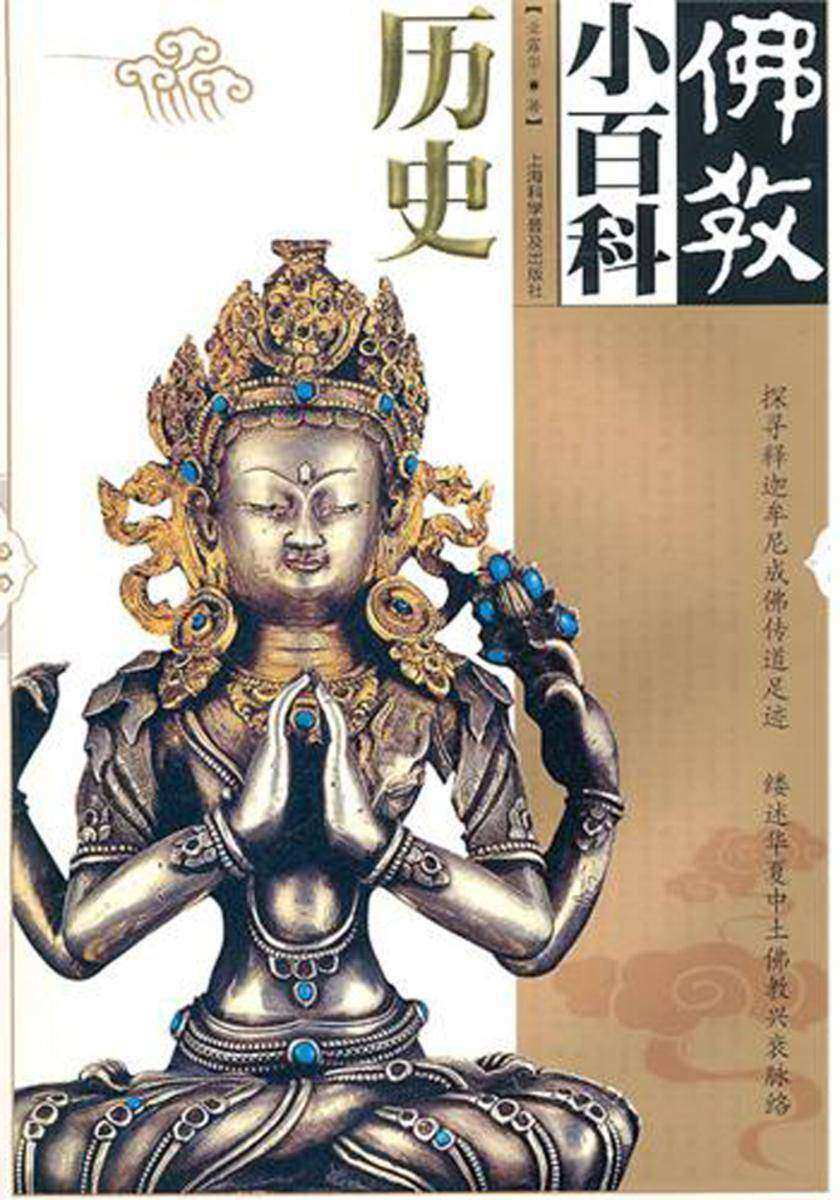
空理不但是将近八百卷般若经的精华,而且是大小显密佛学的核心和特质,同时也是人类智慧文化中至高的结晶品。佛教哲学中的空理,多彩多姿。作者在文学、哲学、科学各个不同角度,引领我们空的哲学世界。本书还收录有道安法师的其他精彩佛理研究文字。
每满80减40 佛堂讲话
佛堂讲话
道源法师
¥18.00
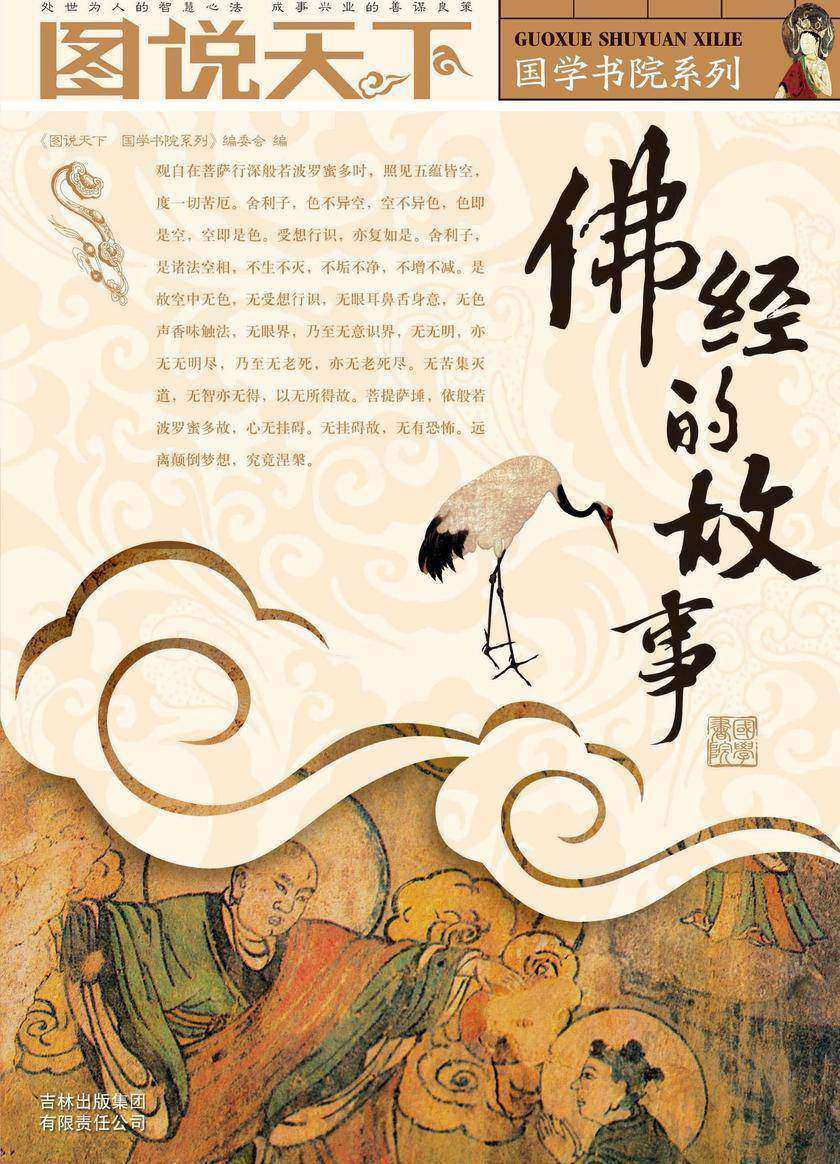
道源法师关于念佛的完整示,包括对念佛的目的、方法、功德等的详细的讲解,为修行净土宗的修行者提供了如何正确念佛的方便法门。
Пришестя робот?в.
Пришестя робот?в.
Martin Ford
¥31.07
"Wilde è profetico sin dalle prima righe, quando denuncia la prevalenza dell’emozione sulla razionalità, male principe del nostro tempo, e poi del pietismo sull’emancipazione, male di tanta politica di pseudo sinistra" (dall'Introduzione di Alfredo Sgarlato). Wilde: ?perché la vita raggiunga la sua più elevata perfezione, ci vuole qualche cosa di più. Ciò che ci vuole è l'individualismo?, ?Utopia? Una carta geografica del mondo in cui non sia segnato il paese dell'Utopia, non varrebbe la pena d'essere guardata, perché vi mancherebbe il paese in cui l'Umanità atterra ogni giorno. Ma non appena v'è sbarcata, ella guarda più lontano, scorge una terra ancora più bella, e spiega di nuovo le vele. Progredire significa realizzare l'Utopia?. SOMMARIO: Introduzione (di Alfredo Sgarlato) - Postfazione. Breve biblio-nota ai testi e alla traduzione (di Fabrizio Pinna) - OSCAR WILDE Società e libertà: elogio dell'individualismo - APPENDICE I Oscar Wilde, Rapporti fra il socialismo e l'individualismo (di Luigi Fabbri, 1913) - APPENDICE II The Soul of Man under Socialism (1891). LA COLLANA IN/DEFINIZIONI
生存还是毁灭:人生终极困境的坦率指南
生存还是毁灭:人生终极困境的坦率指南
(南非)大卫·贝纳塔
¥36.75
我们出世,我们生活,我们一路上受苦,然后我们死去,此后永远地被抹除。我们的存在不过是宇宙时空中的一次小小波动。难怪很多人要问?:“这一切到底是为了什么?” 我在本书中主张,对上述问题的正确回答是?:“说到底,不为什么。”尽管有不多的慰藉,人的境况实际上仍是一种悲剧性的困境,这种困境无人可逃,因为困境不仅在于生,也在于死。 …… 书店里有整片的“自助”书籍区及其他鸡汤读物,却没有“无力自助”区和“悲观主义”区,因为这类思想的市场规模微乎其微。 我不是在认真主张我们无力自助。我是认为存在一些事情,我们的确对之无能为力,但即使依据一种现实的悲观看法,我们仍然可以做些事来减轻我们的困境。 一本悲观的书*有可能慰藉到的对象,是已经有同样看法却因此感到孤独或觉得自己有病的人。若能发觉有人跟自己看法相同,而且这些看法有不错的论证来支撑,这些人或许能因此得到安慰。 …… 无可否认,找到正确的道路很难,因为既要避免大而无当的宣言和过度修辞造成的故弄玄虚,也要避免深奥、乏味、细而又细的条分缕析。换言之,对复杂问题做出易懂、有趣而严格的探讨,并非易事。……不过,本书的写作确实有个目标,那就是既让有悟性的非专业读者能读、能懂,又足够严格,能满足构成本书期望读者群的另一部分人,即专业哲学家(及有志于哲学专业的读者)。但愿我取得了恰切的平衡。?
每满80减40 迟到民族与激进思想(曹卫东学术文集)
迟到民族与激进思想(曹卫东学术文集)
曹卫东
¥25.00
  在《迟到民族与激思想》中,作者以《德国思想的他者视角》篇,从著名学者卡尔·曼海姆、马丁·格莱芬哈根、库尔特·伦克的研究成果出发,考察了有关保守主义的不同定义,揭示了德国保守主义思想的发生语境,分析了德国保守主义的思想结构,发掘其背后隐藏的思想关联、社会关联,特别是政治关联,揭示出德国作为后发现代化国家的激思想;从宏观上勾画出德国保守主义的发展脉络。
每满80减40 施米特文集:论断与概念
施米特文集:论断与概念
(德)卡尔·施米特
¥88.00
  施米特称,“德国问题”乃为“20世纪重大问题”之样板   立足新兴民族国家的政治处境,自编政论集,为现代性问题展思想斗争 ???   《论断与概念》是施米特生前自编过的两部政论集之一,包含讲演、书评、法庭陈词等,涉及范围广泛,如公法、政治思想史、国际和国内政治,立足于德国作为新兴民族国家的政治处境。施米特从作为现代性问题的“德国问题”出发,纵横捭阖,针对国内政治思想的混乱,尤其针对帝国主义对德国的压迫,展了思想上的政治斗争。施米特称“德国问题”为“20世纪重大问题”的样板,此书对于中国学人思考“中国问题”应有诸多启发。
每满80减40 康德政治哲学讲稿
康德政治哲学讲稿
(美)汉娜·阿伦特
¥59.00
系统思考人类的精神活动,是汉娜·阿伦特晚年收官大作《心智生活》的旨意,遗憾的是,终篇“《判断》”未及展,阿伦特便辞别人世。本书汇编了阿伦特关于判断问题的核心文献,并对她在这一问题上的思考方向作出了解读。 如何摆脱生命的平庸和自由的虚无? 以重建康德的政治哲学为口,阿伦特认为:只有作出判断,只有对公共世界里上演的事件运用我们独立的判断能力,世界对我们来说才具有意义。 政治地思索本身就是一种政治行动。