


 购物车
购物车 个人中心
个人中心


中国名家(国学大观丛书)
¥19.50
所谓“名家”,就是指以探讨名实关系为核心,注重对名词概念行深细致的分析,提倡“控名责实”学说为其基本特征的学术思想流派。名家学派的创始者为春秋末期的邓析,此后相继形成了三个基本学派:宋尹学派、惠施学派和公孙龙学派。从这三派的学说内容和各自所具有的基本思想倾向来看,我们可以将它们分别称为人文主义、科学主义和逻辑主义。本书的宗旨就在于通过对名家学说的分析,对名家学派的理论贡献和不足做出实事求是的公正评价,摈弃被传统观念强加于名家的种种诽毁之辞,以求还名家的真实面目。
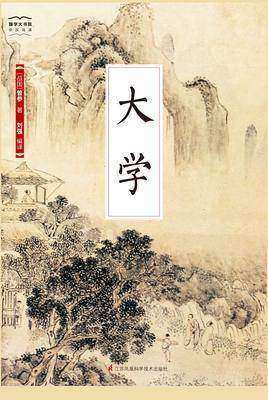
国学大书院02:大学
¥8.67
《大学》原本是《礼记》中的一篇。宋代人把它从《礼记》中抽出来,与《论语》《孟子》《中庸》相配合,便成了“四书”之一,是讨论古代教育理论的重要著作,宗旨在于弘扬光明正大的品德,在于让百姓仁爱敦睦、明理向善。
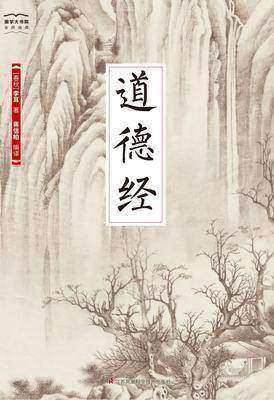
国学大书院06:道德经
¥12.67
时下,世界上掀起了一股学习老子的热潮,老子的《道德经》也因此风靡全球。据调查:在德国,几乎每个家庭都备有一本德文版《道德经》;在日本,《道德经》成为企业管理者的案头藏书,用以指导自己企业的经营和管理;在美国,一家出版公司竟花13万美元的天价得仅有5000字的《道德经》的英文版权;更值得一提的是,美国学者蒲克明声称:“《道德经》肯定会成为未来社会家喻户晓的一部书。”由此可见《道德经》已跨出国门走向了世界。
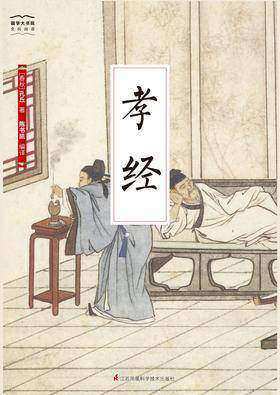
国学大书院07:孝经
¥7.33
《孝经》一书, 共计十八章, 将社会上各种阶层的人士——上自国家元首,下至平民百姓,分为五个层级,而就各人的地位与职业,标示出其实践孝亲的法则与途径。《孝经》作为儒家经典之一, 不仅有它的文学和文化价值,而且具备了宣扬孝道、净化心灵的精神和社会价值。今人看《孝经》一书,要与时俱,辩证看待文中的内容。此外,本书还收录了《二十四孝》故事,辑录古代所传二十四个孝子的故事。
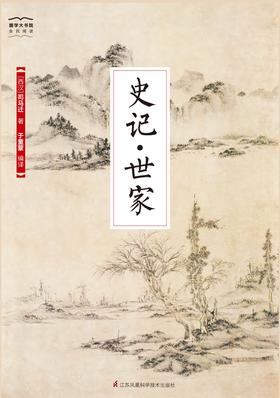
国学大书院10:史记·世家
¥12.67
《史记·世家》主要记述的是子孙世袭的王侯封国史迹和特别重要的人物事迹。虽然孔子和陈涉并非诸侯或贵族,但在世家中也对他们行详细地描绘,只因他们在历史上的作用和影响非同寻常。各诸侯王的成败得失,更加真实地还原了历史的面貌,更深层地了解和认识中国古代社会政治、文化的特质及渊源。
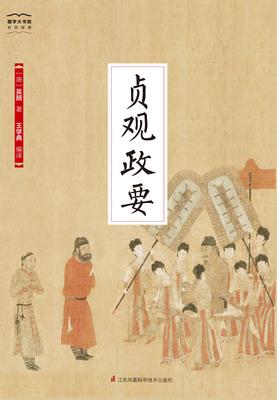
国学大书院12:贞观政要
¥12.67
《贞观政要》是唐代史学家吴兢著的一部政论性史书。全书十卷四十篇,分类编辑了唐太宗在位的二十三年中,与魏徵、房玄龄等大臣在治政时的问题,大臣们的诤议等,以规范君臣思想道德和治同军政思想,此外也记载了一些政治、经济上的重大措施。
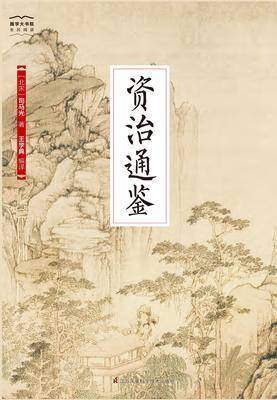
国学大书院13:资治通鉴
¥16.00
《资治通鉴》是我国*部编年体通史,逐年记载了长达1362年的历史。书中描绘了战国至五代时期的历史发展脉络,探讨了几十个政权的盛衰之由,生动地刻画了帝王将相们为政治国、待人处世之道,以及他们在历史旋涡中的生死悲欢。本书在《资治通鉴》原典的基础上,撷取其精华,解读其精要,以期让广大读者在阅读历史的同时有所获。
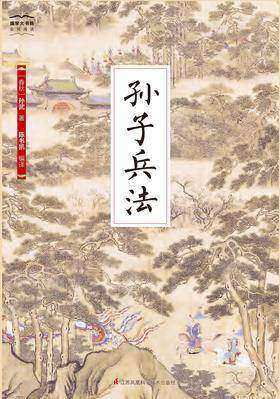
国学大书院14:孙子兵法
¥11.40
《孙子兵法》是中国*早的一部兵书,也是世界上*早的军事著作,被誉为“兵学圣典”,是中国古代军事文化遗产中的璀璨瑰宝,《孙子兵法》是中国*早的一部兵书,也是世界上*早的军事著作,被誉为“兵学圣典”,是中国古代军事文化遗产中的璀璨瑰宝,优秀传统文化的重要组成部分,在我国古代汉族军事学术和战争实践中,都起过极其重要的指导作用。
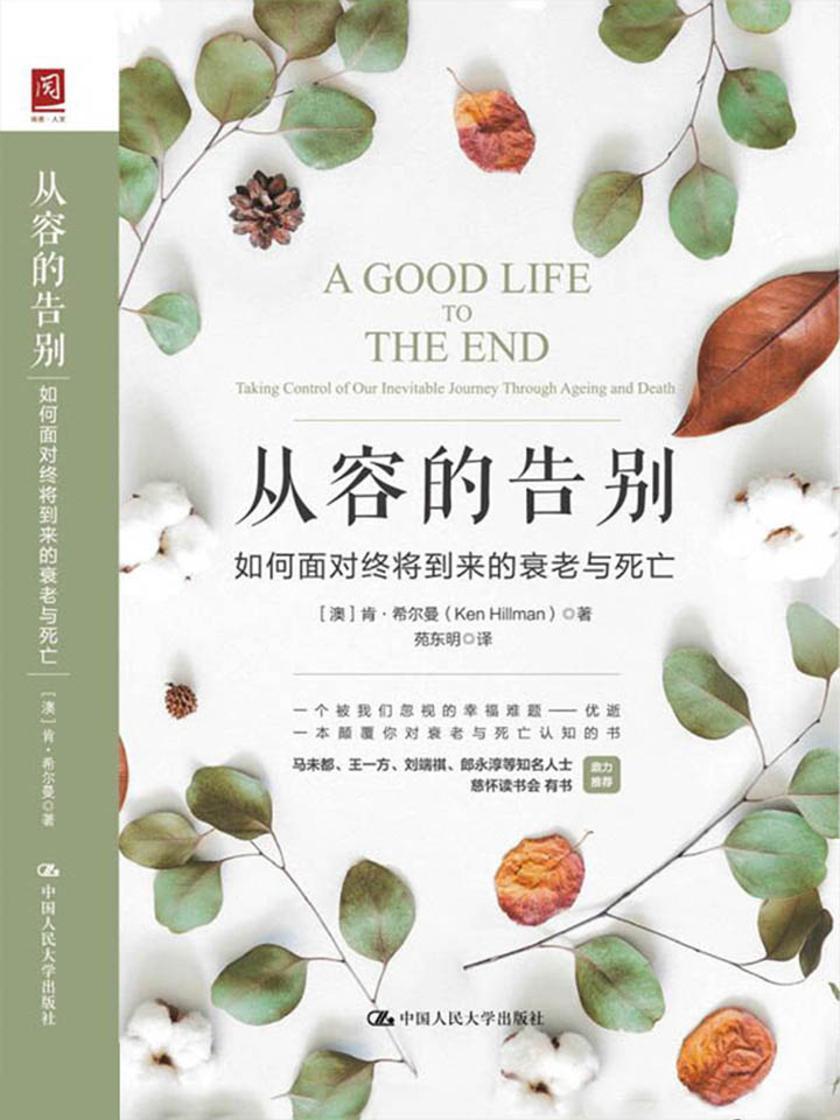
从容的告别:如何面对终将到来的衰老与死亡
¥24.15
一个被我们忽视的幸福难题——优逝 一本颠覆你对衰老与死亡认知的书 ICU重症监护专家关于衰老与临终选择的理性思考 王一方、刘端祺、郎永淳等知名人士 慈怀读书会陈晓峰 鼎力推荐 在中国,每年至少有成百上千例濒死抢救案例,人们一生75%的医疗费用都花在了*后的无效治疗上,有时甚至会为延续亲人几天的生命而倾家荡产。作为幸福指数的核心指标之一,中国的死亡质量却在世界排名极低。 之所以会形成这种局面,一方面是因为医生认为自己的职责就是救死扶伤,治疗病人,永不放弃,放弃就意味着失败;另一方面是因为家属背负了巨大的情感压力,觉得即使倾家荡产,也不可轻易放弃亲人,放弃就意味着不爱、不孝。而此时,病人自身已经丧失了决策能力。结果就是,人们的死亡已经被过度医疗化了,这不仅给当事人及其亲属带来了折磨,还导致了医疗资源的过度消耗。 要改变这一状况,我们就需要对自己的临终负责,清楚地思考如何面对不可逆转的衰老与死亡,如何告别人世,补上人生重要的一课。 当然,要改变这一,除了个人,还需要我们的社会以及医疗系统共同努力。

Παιδι? τη? Μεσογε?ου
¥63.19
Ν?ο-ιστορικ?, ρεαλιστικ?, κοινωνικ?-πολιτικ? μυθιστ?ρημα, ιδια?τερα επ?καιρο, μια δυνατ? αναφορ? στην προσφυγικ? κρ?ση, που χτυπ? κυρ?ω? τα παιδι?, τα ασυν?δευτα προσφυγ?πουλα.Το φθιν?πωρο του 2014, η Λητ?, φιλ?λογο?, τοποθετε?ται ω? αναπληρ?τρια καθηγ?τρια σε Γυμν?σιο του νησιο? τη? Κω. Εκε?, συναντ? πρ?σφυγε? που καταφθ?νουν με σαπιοκ?ραβα απ? τι? τουρκικ?? ακτ??. Αποφασ?ζει συνειδητ? να βοηθ?σει του? πρ?σφυγε?, ω? εθελ?ντρια, στο ?Ιπποκρ?τειο? νοσοκομε?ο τη? Κω. Στο θ?λαμο του νοσοκομε?ου συναντ? τρει? Σ?ριου? πρ?σφυγε?, βαρι? τραυματισμ?νου?, τον Ασλ?ν, παλι? γν?ριμο, απ? τι? κοιν?? του? μεταπτυχιακ?? σπουδ?? στη Σκωτ?α, μαζ? με ?λλου? δυο Σ?ριου? φ?λου? του, τον Τζαμ?λ και τον Οσ?μα, που συνοδε?ουν ενν?α μικρ? παιδι?, προσφυγ?πουλα, ορφαν? πολ?μου. Η Λητ? εμπλ?κεται στη ζω? των τρι?ν ανδρ?ν και των ενν?α παιδι?ν. Το προσφυγικ? ζ?τημα γ?νεται δικ? τη? θ?μα, κομμ?τι του ψυχισμο? τη?, πρ?γμα που εκφρ?ζεται ?ντονα στα τραγο?δια που πα?ζει στην κιθ?ρα τη?, στου? μαθητ?? τη? στο σχολε?ο τη? Κω, στη ζω? τη?, στον τρ?πο που αναζητ? τι? θ?σει? τη? Ευρωπα?κ?? ?νωση?, τη? ?πατη? Αρμοστε?α? του ΟΗΕ, των εμπλεκ?μενων κρατ?ν. Στηρ?ζει με ιδια?τερη ευαισθησ?α τα ασυν?δευτα παιδι? - προσφυγ?πουλα, που π?φτουν θ?ματα επικ?νδυνων εγκληματι?ν και χ?νονται κατ? τη δι?ρκεια τη? πορε?α? του? προ? την κεντρικ? και β?ρεια Ευρ?πη, σε βρ?μικα κυκλ?ματα εκμετ?λλευση?, πορνε?α?, παιδεραστ?ν, εμπορ?ου ανθρωπ?νων οργ?νων, ναρκωτικ?ν, κ.?. Ο δυνατ?? ?ρωτ?? τη? για τον Ασλ?ν και η αγ?πη τη? για τα παιδι? την οδηγε? μαζ? του?, στην κεντρικ? Ευρ?πη και στην ενεργ? συμμετοχ? τη? στο προσφυγικ? ζ?τημα καθ?? και στην τοποθ?τησ? τη? με πρακτικ? τρ?πο, σε ?να θ?μα που αφορ? ?λη την Ευρ?πη, την παγκ?σμια κοιν?τητα, τον ΟΗΕ, καθ?? χτυπ?ει β?ναυσα, εδ? και χρ?νια, του? λαο?? τη? Μεσογε?ου και υποθ?λπει κρυφ?, ?νομα, αλλ? και φανερ? συμφ?ροντα.Ε?ναι ?να βιβλ?ο που χτυπ? τον ρατσισμ?, την ξενοφοβ?α, τι? θρησκευτικ?? προκαταλ?ψει?, στηρ?ζει τον ?νθρωπο και τι? πανανθρ?πινε? αξ?ε?, που κουρελι?ζονται απ? πολ?μου?, εμφυλ?ου?, μ?ση, φανατισμο?? και ζητ? αλληλεγγ?η και πιστ? εφαρμογ? των ν?μων και καν?νων του ΟΗΕ, που ?χουν να κ?νουν με τα ανθρ?πινα δικαι?ματα.
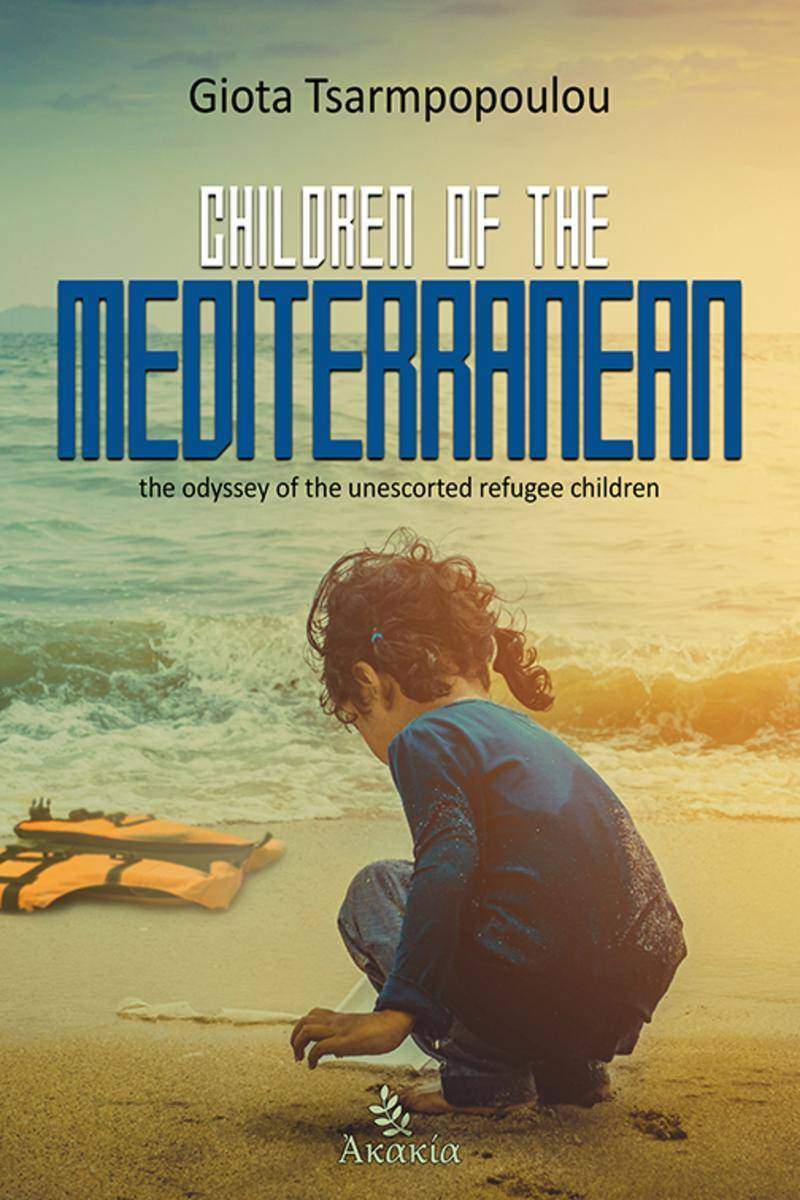
Children of the Mediterranean: The odyssey of the Unescorted Refugee Children
¥63.19
A new-historical, realistic, social-political novel. A current, strong reference to the refugee crisis, which strikes the unescorted innocent refugee children.At the beginning of the autumn of 2014, Leto, a teacher of Greek literature is assigned in a secondary school of Kos, as a contract teacher. There, she meets a lot of refugees from Syria, who arrive on the island, with old and rusty boats, from the Turkish shores. After a big wreck, she consciously decides to help them as a volunteer in “Hippokratio” hospital of Kos. There, she is responsible for three heavily injured men from Syria. One of them is Aslan, a friend from their common post graduate studies in Aberdeen University, Scotland. In the same room, there are two other friends of him, Jamal and Ossama. They all accompany nine refugee children, orphans of the war. Leto is involved in the life of the three injured men and the nine refugee children. The refugee issue becomes her own issue, a part of her, which she wholeheartedly expresses through playing her guitar to her students of Kos throughout her whole life. She challenges the attitudes of European Union and the United Nations High Commissioner for Refugees, as well as all the involved nations. She stands by the unescorted refugee children, sensitively, who become victims of dangerous criminals and they get lost in den of vices of prostitution, pederasty, trafficking in human organs, drugs and so on, on their way to the Central and North Europe. Leto’s strong love for Aslan and her love for children leads her to the Central Europe where she participates energetically to the refugee matter, and she takes position practically, to an item which overconcerns all Europe, the whole world, the United Nations, as it brutally beats all the nations of Mediterranean Sea, pandering hidden and illegal interests, but obvious too.A book which challenges racism, xenophobia and religious prejudice, stands by the human and supports the universal values that are torn up by the war, the civil war, the total hatreds, and fanatics. It is asking for solidarity and faithful implementation of laws and rules of the U.N., which are closely linked to the human rights.
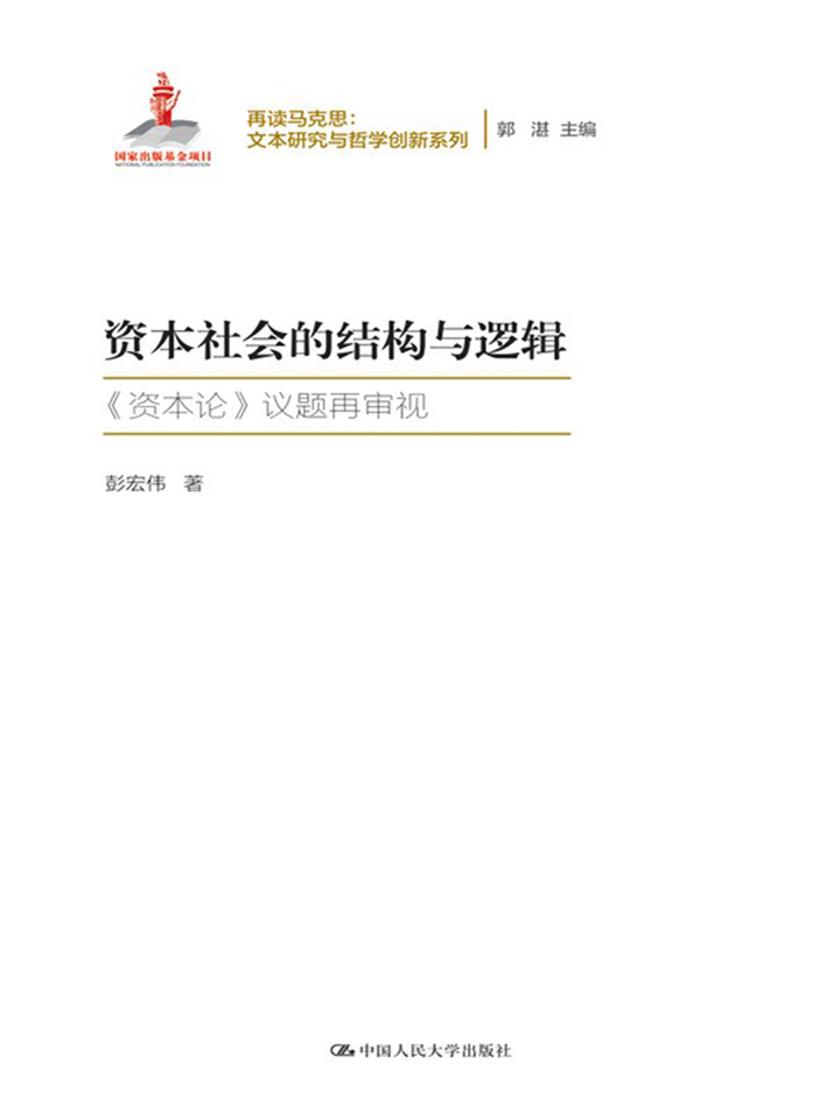
资本社会的结构与逻辑
¥53.40
本书遵循恩格斯提出的“按照作者写作的原样去阅读自己要加以利用的著作,并且首先不要读出原著中没有的东西”的原则,重新研究了《资本论》三卷内容,从中提炼出若干个重大议题,从文本学视角重新审视和讨论了马克思的解决思路和方案。而对于诸如使用价值是不是经济学研究的对象、劳动价值论的科学性、斯密教条批判、经济危机的必然性、资本家在创造剩余价值中的作用、剩余价值是否消失了等具有强烈现实意义的重大理论问题,也给予了新的甄别和分析。
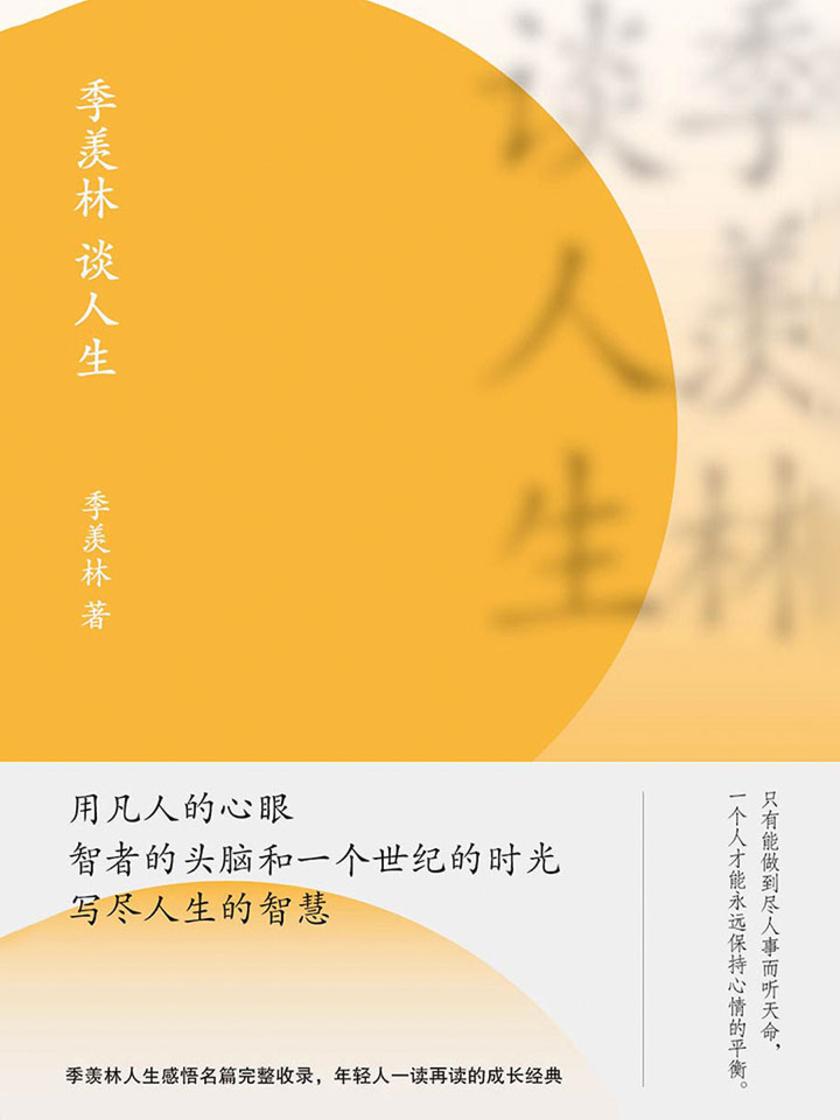
季羡林谈人生(新版)
¥16.51
如何在人生的被动与偶然之中追求意义,收获幸福? 除了天赋与勤奋,成功的第三要素是什么? 我们一生必须处理的三种关系是什么? 人生在世,福祸莫测,如何做到宠辱不惊? 在耄耋之年,季羡林先生写了一系列关于人生感悟的散文,几乎囊括了人生所有的基本课题,包括人生的意义、命运的偶然、时光的流逝、成功的要素、处世的态度等等。作者不空谈概念,而是根据亲身经历,从小事出发,以朴素的文字道出一个平凡老人的所思所感,引领我们人生课堂,学习自我成长之道。
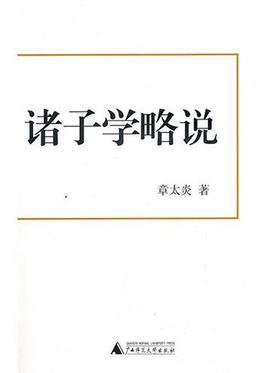
诸子学略说
¥6.00
本书以《诸子学略说》和《诸子略说》为主,汇集太炎先生论诸子之大部分文字,精心编辑校而成。太炎先生治学,贯通经、史、子、集,其于先秦之儒、道、墨、法等家学说尤有深研究,其论诸子之是非得失,每有独到之见解,而又能深浅出引人胜。本书为太炎先生治诸子学之毕生心血,实为先秦诸子思想门之*读物。
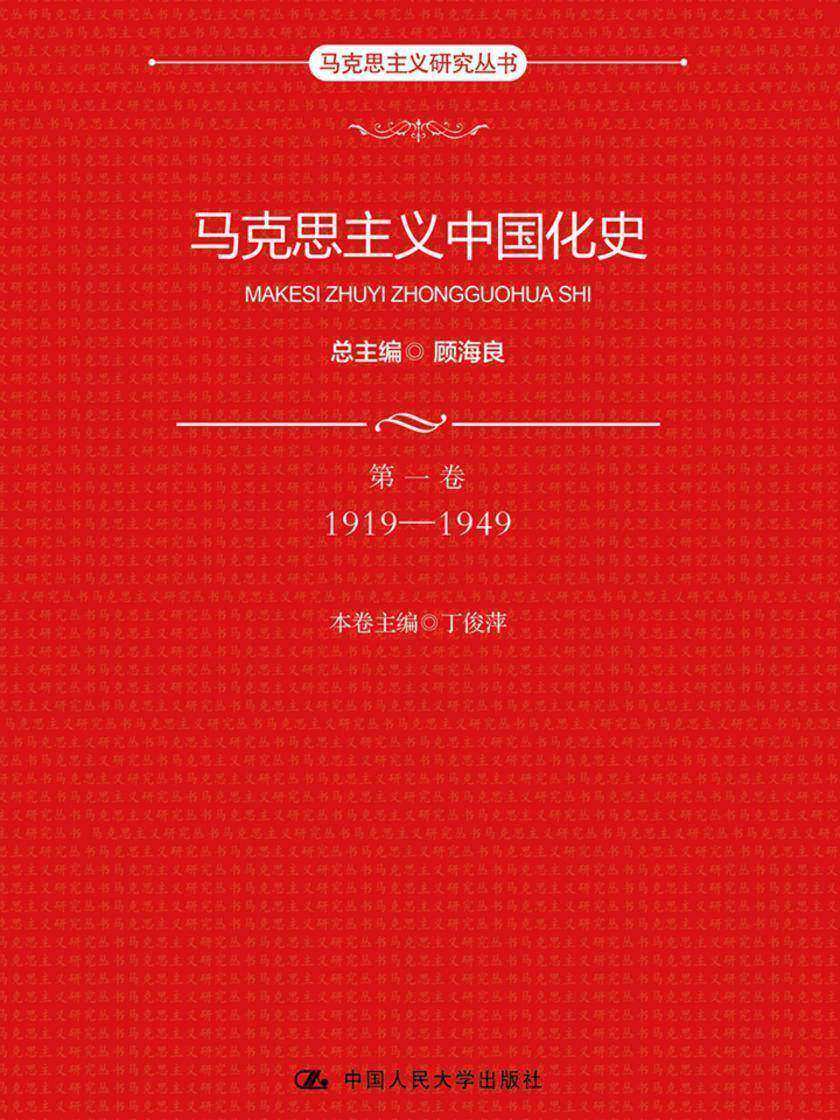
马克思主义中国化史·第一卷·1919-1949
¥65.80
马克思主义传中国并成为中国革命指导思想的理论基础,是近代以来中国历史和人民的选择。中国共产党人在领导中国革命的实践中,把马克思主义基本原理和中国革命具体实际相结合,使马克思主义中国化,在新民主主义革命时期实现了马克思主义中国化的*次历史性飞跃。*是马克思主义中国化的伟大拓者,*思想以独创性理论丰富和发展了马克思列宁主义,是马克思主义中国化*次历史性飞跃的理论成果。本卷对1919年至1949年间马克思主义在中国运用和发展的历史程及理论创新、实践创新行了系统研究,系统展示了以*为代表的中国共产党人探索新民主主义革命道路、实现马克思主义与中国实际“*次结合“的理论成果。
The Beauty of Death
¥73.49
"Only in peace can a human being flower in goodness - not in war, not in violence, not in disorder, but only when there is a deep abiding peace. And to understand this whole phenomenon of hate, destruction and disorder, one has to enquire not merely intellectually - because such an enquiry is futile, worthless and has no meaning whatsoever - but actually what order means, what violence means, and the significance of peace; one has to enquire non-verbally, non-intellectually - [intellectual inquiry] really has very little meaning, because most of us have read or indulged in theory what peace should be, how to get rid of violence, and how to establish order.." Krishnamurti gave these talks in India and Europe. The talks span the whole of human existence, exploring what it means to live rightly in a world full of confusion and misery.
The Mirror of Relationship
¥73.49
Within the process of daily relations with people, with nature, and with society, our own causes of sorrow are revealed. 'In relationship the important thing to bear in mind is not the other but oneself,' states Krishnamurti, 'It is within oneself that harmony in relationship can be found, not in another, nor in environment.' (p. 160) This is not cause for isolation but the beginning of a process of self-revelation which creates the foundation for true relationship.
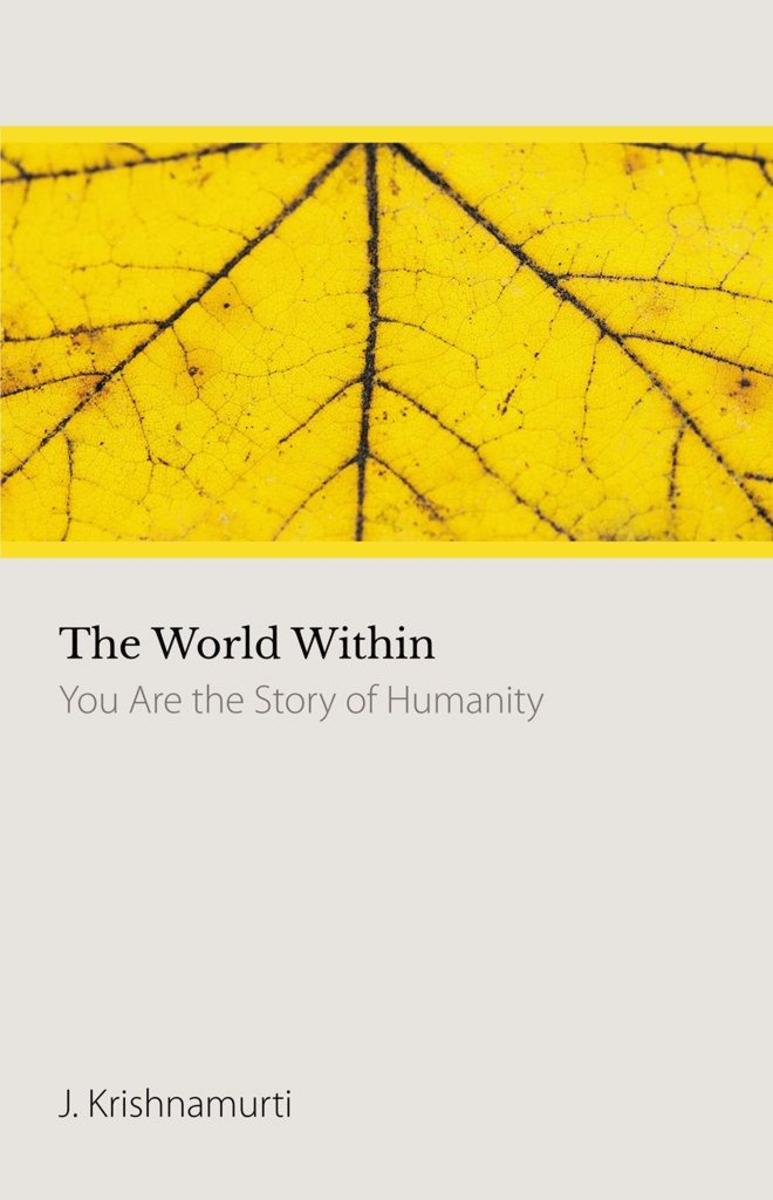
The World Within
¥73.49
"Truth is not something that is mysterious; truth is where you are. From there you can begin. The truth is that I am angry, I am jealous, I am aggressive, I quarrel. That is a fact. So one must begin, if one may most respectfully point out, from where one is. That is why it is important to know yourself, to have complete knowledge of yourself, not from others, not from psychologists, brain specialists and so on, but to know what you are. Because, you are the story of mankind. If you know how to read that book which is yourself, then you know all the activities and brutalities and stupidities of mankind because you are the rest of the world." – J. Krishnamurti Reading the teachings of J. Krishnamurti, one is immediately struck by how personal the words are to one’s own thinking and what a close mirror they are of our human psychological activity. His language is not bound by time, place, or circumstance, and so readers in any era or on any continent can find themselves clearly and compassionately made plain. Krishnamurti’s heuristic approach was typical not only of his dialogues or interviews, but also of his public talks where an attendee in an audience of thousands felt in direct contact with the speaker. His language was simple, without jargon or without any assumptions about the audience by the speaker. Krishnamurti helped the interviewees, without intending to, to see for themselves the intricacies of their thinking and of their problems. During the Second World War (1939-1945) Krishnamurti did not speak publicly in the United States, but lived quietly in Ojai, California. People sought him out and came to dialogue with him on many issues of the times or their own personal dilemmas. Their problems were universal human problems, and each made true his statement that ‘You are the world.’ As Krishnamurti unwound the tight threads of their thinking and feeling, the core or source of a concern was revealed, unadorned and without blame or guilt. After the Second World War years, there was a set of three volumes of interviews with Krishnamurti that appeared worldwide, titled Commentaries on Living. This new book, The World Within, out of the Krishnamurti Archives, is a compendium of additional perennial questions with their timeless answers. The inquiry is still fresh, after seventy years, and readers will find themselves in both the questions and the responses.
On Memory and Reminiscence
¥40.79
We have, in the next place, to treat of Memory and Remembering, considering its nature, its cause, and the part of the soul to which this experience, as well as that of Recollecting, belongs. For the persons who possess a retentive memory are not identical with those who excel in power of recollection; indeed, as a rule, slow people have a good memory, whereas those who are quick-witted and clever are better at recollecting.
Metaphysics
¥40.79
All men by nature desire to know. An indication of this is the delight we take in our senses; for even apart from their usefulness they are loved for themselves; and above all others the sense of sight. For not only with a view to action, but even when we are not going to do anything, we prefer seeing (one might say) to everything else. The reason is that this, most of all the senses, makes us know and brings to light many differences between things.
What is Right Action
¥73.49
This volume covers talks given in New Zealand, Ojai, New York, South America and Mexico. Krishnamurti begins by stating "What we call problems are merely symptoms, which increase and multiply because we do not tackle the whole life as one but divide it as economic, social or religious problems. ..Now it is my intention to show that so long as we deal with these problems apart, separately, we but increase the misunderstanding, and therefore the conflict, and thereby the suffering and the pain..." An extensive compendium of Krishnamurti's talks and discussions in the USA, Europe, India, New Zealand, and South Africa from 1933 to 1967—the Collected Works have been carefully authenticated against existing transcripts and tapes. Each volume includes a frontispiece photograph of Krishnamurti , with question and subject indexes at the end. The content of each volume is not limited to the subject of the title, but rather offers a unique view of Krishnamurti's extraordinary teachings in selected years. The Collected Works offers the reader the opportunity to explore the early writings and dialogues in their most complete and authentic form.


