


 购物车
 个人中心


Puterea miraculoas? a apei. Nu e?ti bolnav, doar ?nsetat! Nu trata setea cu medi
¥40.79
Cartea publicat? ?n 1983 este ?mp?r?it? ?n cinci p?r?i (ce cuprind treisprezece capitole). Fiecare capitol este constituit dintr-un dialog sau dialoguri, povestiri sau ra?ionamente ce abordeaz?, ?n general, paradoxuri, probleme de filosofie, logic? ?i matematic?. Printre temele redate ?n aceast? lucrare se num?r? problema p?catului ?i a virtu?ii (capitolul 4, intitulat ,,O ?ntrebare“), percep?ia ?i reprezentarea realit??ii (capitolul 7 ,,O fantezie minte-corp“), ontologia (capitolul 10 ,,Ce este existen?a?“), solipsismul (capitolul 12 ,,Solipsismul luminat“), problema adev?rului (capitolul 1 ,,De ce spui adev?rul?“ ?i capitolul 2 ,,O problem?“), problema vie?ii ?i a mor?ii (capitolul 9 ,,Zen de via?? ?i de moarte“). Lucrarea se remarc? printr-o formul? dens? ?i, ?n egal? m?sur?, elegant?, care ?i permite autorului s? prezinte chestiuni de altfel complexe ?n c?teva pagini revelatoare, prin povestiri sau dialoguri, f?r? a-?i plictisi cititorii. Ca ?ntr-un num?r de magie, art? de care autorul nu este str?in, publicul este atras ?i captivat de aparenta simplitate ?i ingeniozitate a ra?ionamentelor expuse. Probabil, ceea ce face cartea mai u?or de citit este atitudinea autorului, tonul s?u glume?, ludic ?n cea mai mare parte din cele 200 de pagini. Putem ilustra aceast? idee prin c?teva exemple. ?n cadrul capitolului 3, denumit ,,C?teva fragmente“, Raymond Smullyan poveste?te c? le-ar fi declarat studen?ilor ?n timpul unui examen c? dac? ei ?i-ar da cuv?ntul de onoare c? nu vor copia, atunci el ?i-ar da cuv?ntul c? nu va raporta mai departe dac? ei ar ?ncerca s? copieze. Cineva l-ar fi ?ntrebat la un moment dat dac? crede ?n astrologie. El a r?spuns c? nu crede ?n astrologie deoarece este ?n zodia Gemeni. Lista de propozi?ii care se contrazic singure, a lui Saul Gorn, un specialist ?n informatic?, pe care Smullyan le citeaz?, reprezint? ?i ele o mostr? de umor. Printre acestea se reg?sesc afirma?ii precum: ,,?nainte de a ?ncepe s? vorbesc, a? vrea s? v? spun ceva.“, ,,Jum?tate dintre minciunile pe care ei le spun despre mine sunt adev?rate.“ sau ,,Te ai dep??it pe tine ?nsu?i, ca de obicei.“
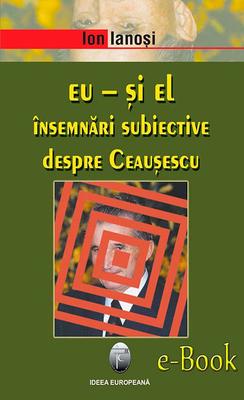
Eu - ?i el. ?nsemn?ri subiective despre Ceau?escu
¥54.10
De?i frecvent contestat f?r? s? fie citit, Karl Marx r?m?ne a fi unul dintre cei mai importan?i g?nditori ai omenirii, r?u ?n?eles ?i, ?n ciuda celebrit??ii sale, r?u cunoscut; selec?ia – prima de dup? 1990 – f?cut? de marele c?rturar Ion Iano?i demonstreaz? r?spicat acest lucru.
Il mago di Oz
¥32.54
Nietzsche despre filologia clasic? – iat? un subiect cu adev?rat pasionant, prilej de satisfac?ii unice pentru amatorul de a urm?ri fascinantul spectacol al form?rii ?i al cunoa?terii de sine. C?ci acest subiect ?nseamn?, de fapt, Nietzsche despre el ?nsu?i ?i ?n acest sens pledeaz? chiar propria sa m?rturie – ?Filologii sunt asemenea oameni care folosesc sentimentul ap?s?tor pe care ?l provoac? infirmitatea proprie omului modern pentru a c??tiga cu el bani ?i p?ine. ?i cunosc, eu ?nsumi sunt unul dintre ei“ (Noi, filologii, fr. 170). Mai precis, este vorba despre o ipostaz? a personalit??ii spirituale nietzscheene considerat? din unghiul evolu?iei sale interioare; dar, nu o ipostaz? oarecare, ci una esen?ial?. ?i aceasta nu pentru simplul motiv c? este cea dint?i, ci pentru c? este cea mai profund?, cea care i-a marcat definitiv orizontul de cultur? ?i de g?ndire ?i a l?sat o amprent? durabil? ?n desf??urarea destinului personal al omului. (Vasile Musc?)
Horda
¥72.27
Un mare vinovat f?r? vin?, sihastrul de la Sils-Maria a dinamitat g?ndirea secolului al XIX-lea, figur?nd – al?turi de Dostoievski – printre uria?ii profe?i ai omenirii, care au proorocit nenorocirile ce-au urmat, crimele ?n numele unei idei, rasismul, precum ?i devastatorul totalitarism ro?u. Dincolo de bine ?i de r?u e una dintre capodoperele g?nditorului de la na?terea c?ruia se va s?rb?tori ?n toamna anului 2014 (15 octombrie) 170 de ani.
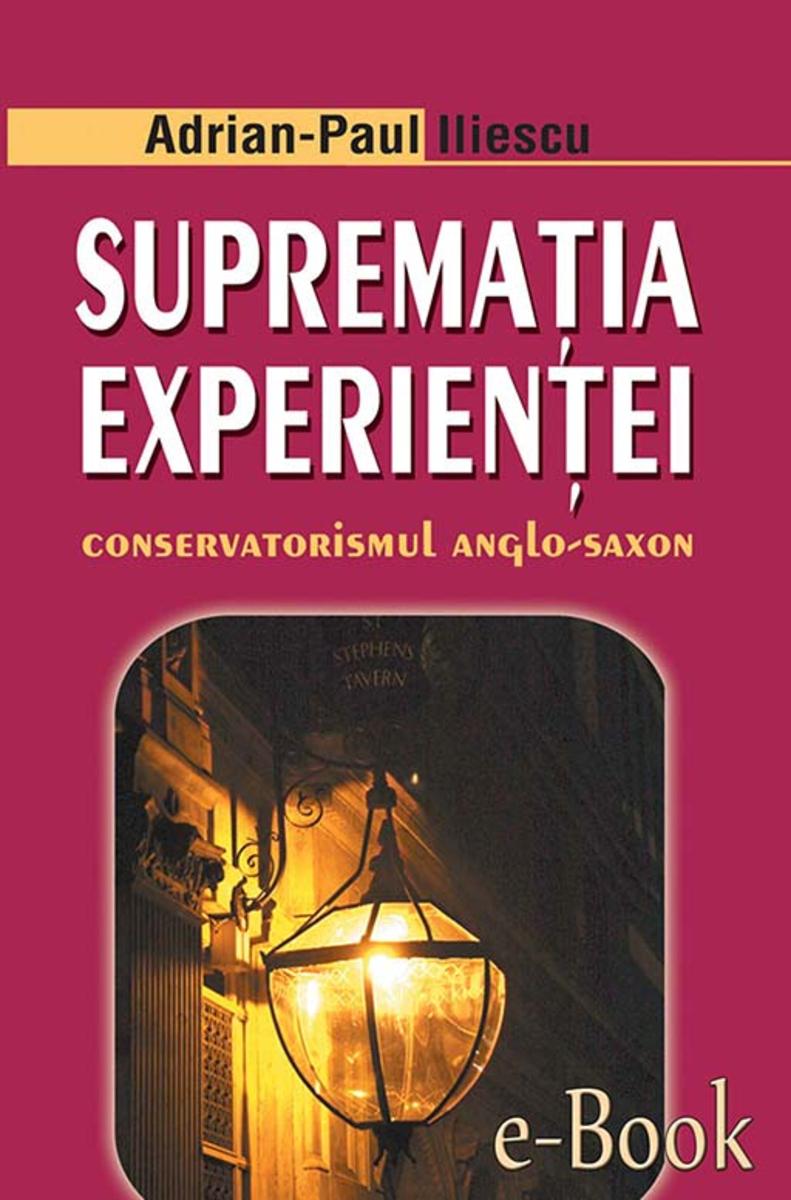
Suprema?ia experien?ei. Conservatorismul anglo-saxon
¥57.14
Via?a fiec?ruia dintre noi se desf??oar? pe fundalul unor nara?iuni?sau teorii filosofice discrete ?i insesizabile, care ne ofer? sens ?i ne ?ndrum? ?n momentele de cump?n?.Au o istorie fascinant? ?i uneori extrem de agitat?, care st? m?rturie?pentru str?daniile noastre de a ?n?elege lumea ?i de a o transforma ?ntr-un mediu familiar.Cartea de fa?? ne prezint? istoriile a trei dintre aceste nara?iuni,?cunoscute mai mult filosofilor, cu toate c? ele ?ncearc? s? ofere r?spuns?la ?ntreb?ri tulbur?toare ?i de?o importan?? cov?r?itoare pentru?noi to?i: de ce exist? lumea, ?n ce const? identitatea persoanei, ce?este realitatea.
ALL, biografia unui succes
¥24.44
Charles Sanders Peirce (1839-1914) este o figur? important? a filosofiei secolului XIX ?i unul dintre prefa?atorii principalelor curente de g?ndire din secolul XX, fiind considerat fondatorul pragmatismului american. Cele dou? eseuri prezentate aici, primele din seria cunoscut? sub numele Ilustr?ri ale logicii ?tiin?ei, sunt reprezentative pentru opera sa, caracterizat? de profunzimi ?i subtilit??i specifice unui g?nditor care beneficiaz? ?i de preg?tirea unui om de ?tiin?a.Cu toate c? sunt uneori pur abstracte, observa?iile privitoare la convingeri ?i idei r?m?n, indiferent de sistem, puncte principale de sprijin pentru distinc?ia ?ntre g?ndirea s?n?toas? ?i cea viciat?.“ Este groaznic s? vezi cum o singur? idee neclar?, o singur? formul? f?r? ?n?eles, care se furi?eaz? ?n capul unui t?n?r, va ac?iona uneori ca un obstacol de materie inert? ?ntr-o arter?, ?mpiedic?nd circula?ia ?n creier ?i condamn?ndu-?i victima spre ofilire ?n plenitudinea vigorii intelectuale ?i ?n mijlocul abunden?ei intelectuale.“ - Charles Sanders Peirce
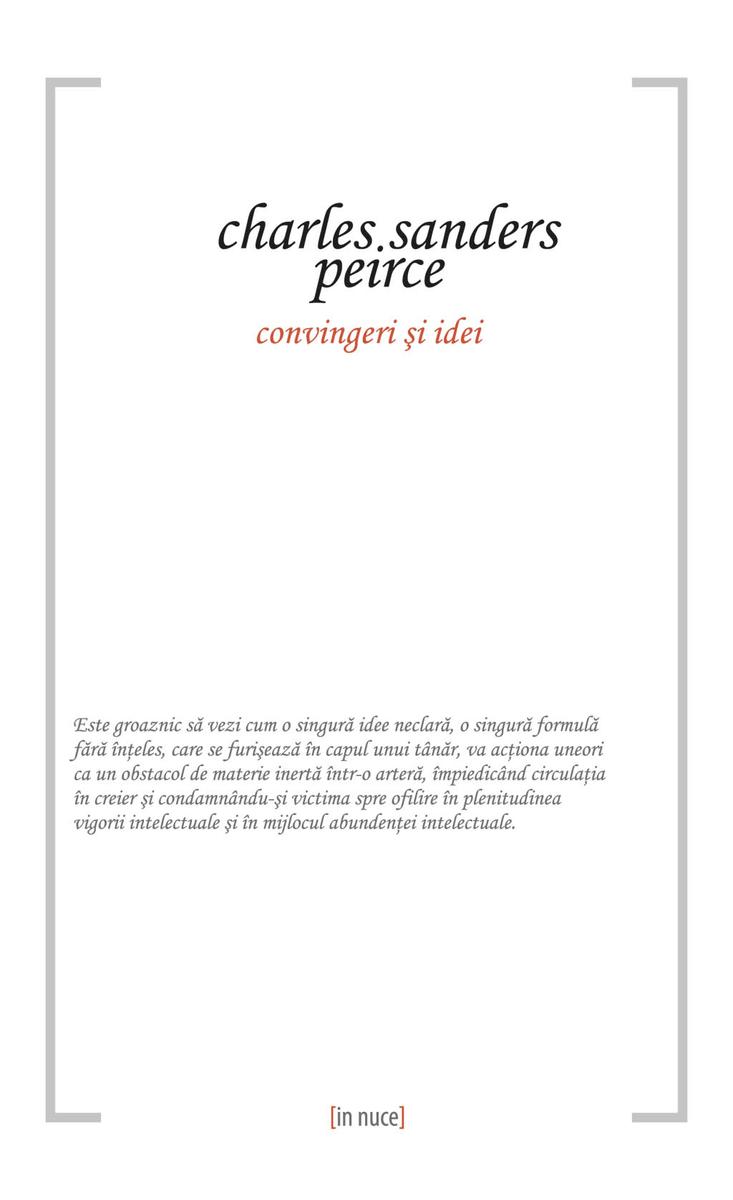
Convingeri ?i idei
¥24.44
Critic erudit ?i pamfletar de for??, Paul Zarifopol (1874-1934) a fost un fin observator al omului ?i al fibrei care alc?tuie?te ?es?turile sociale profunde. Volumul de fa?? cuprinde eseuri care au r?mas de o actualitate acut?, chiar ?i la aproape un secol dup? ce au fost scrise.Coroziv ?i doct, discursul aduce ?n fa?a cititorului concepte esen?iale pentru morala ?i politica mai mult sau mai pu?in balcanice ale Rom?niei interbelice. Lumina ?n care ne sunt prezentate tipul politic ?i geniul organizator, de pild?, ne ofer? at?t senza?ia unei glacia?iuni temporale, c?t ?i pe aceea a unei familiarit??i inefabile.

Will Grayson, Will Grayson
¥73.49
Pornind de la leg?tura natural? care se creeaz? ?ntre mam? ?i copil, D.W. Winnicott exploreaz? o serie de probleme cotidiene din via?a unui bebelu? ?i a mamei lui, cum ar fi hr?nirea, pl?nsul ?i joaca, grijile, primele mi?c?ri spre independen??, precum ?i, mai t?rziu, probleme serioase, cum sunt furtul ?i minciuna. Importan?a mamei la ?nceputul vie?ii, timiditatea, educa?ia sexual? ?n ?coal? ?i r?d?cinile agresivit??ii sunt expuse ?ntr-o manier? direct?, accesibil? ?i prietenoas?. Pe parcursul fiec?rui capitol, Winnicott scoate ?n eviden?? abilit??ile ?nn?scute ale mamei ?i ale p?rin?ilor ?n general ?i face diferen?a ?ntre acestea ?i deprinderile care trebuie achizi?ionate de-a lungul timpului de c?tre cei care cresc ?i educ? un copil. Capacitatea voastr? de a ?ti ceea ce este real ?i ceea ce nu este real ?i este de mare ajutor copilului din toate punctele de vedere, pentru c? el nu reu?e?te s? ?n?eleag? dec?t treptat c? lumea nu este a?a cum ne o imagin?m ?i c? imagina?ia nu este chiar ca lumea real?. Dar fiecare are nevoie de cealalt?. ?ti?i prea bine c? primul obiect pe care ?l iube?te bebelu?ul – o buc??ic? de p?tur? sau o juc?rie moale –?nseamn? pentru el o parte din propria persoan? ?i, dac? i o lua?i sau o da?i la sp?lat, este o tragedie. C?nd bebelu?ul ?ncepe s? arunce obiectul iubit ?i alte obiecte (a?tept?ndu-se, desigur, s? le ridice cineva ?i s? i le dea ?napoi), atunci ?ti?i c? a venit momentul ?n care ave?i ?i voi permisiunea de a pleca ?i a v? ?ntoarce. Unele persoane cred c? un copil este ca lutul ?n m?inile unui olar. Ele ?ncep s? ?l modeleze ?i se simt responsabile de ceea ce vor ob?ine. Total gre?it. Dac? asta este ceea ce sim?i?i, ve?i fi cople?i?i de o responsabilitate pe care nu trebuie s? v-o asuma?i. Dac? accepta?i ideea c? bebelu?ul con?ine ?n el tot ce ?i trebuie pentru a tr?i, atunci ve?i putea acorda mai mult? aten?ie procesului de dezvoltare ?i ve?i fi ferici?i s? r?spunde?i nevoilor lui.

Grani?ele alegoriei medievale
¥34.05
Are femeia vreun rol ?n evolu?ia spiritual? a b?rbatului? Ce anume, ?n iubire ?i ?n erotism, declan?eaz? intui?ii ?i tr?iri care dep??esc datul, ordinarul, norma? Otto Weininger, un g?nditor catalogat drept misogin ?i antisemit, repune ?n discu?ie opera Peer Gynt al lui Ibsen, st?ruind asupra temelor sale favorite: superioritatea masculinului, asociat spiritului, fa?? cu femininul, asociat instinctualit??ii oarbe, lipsite de spirit, de perspectiv?, deci ?i de valoare. Aforistica acestui autor, deopotriv? prezent? ?n volumul de fa??, abordeaz? problematica sadismului ?i a masochismului, imoralitatea dus? p?n? la ilegalitate ?i crim?, culmin?nd cu – sau decurg?nd din – p?catul originar.
Despre prostie
¥16.27
Volumul cuprinde o culegere de eseuri scrise de un filosof despre c?teva teme fierbin?i ale actualit??ii. Este un exerci?iu de ?angajare“ ?n cotidian, explor?nd statutul ?i ?utilitatea“ abord?rii filosofice ?ntr-o lume care pare s? -?i fi pierdut direc?ia. Valentin Mure?an scrie despre criza filosofiei, despre felul ?n care ar trebui reformat sistemul de ?nv???m?nt, despre anomaliile culturale ale dragostei ori despre secretul construirii unor institu?ii morale. Reflec?iile, amare ?n constat?ri, dar entuziaste ?n construirea solu?iilor, sunt completate de c?teva portrete sentimentale ale unor colegi.

Enders
¥65.32
Dialoguri cu Vasile Dem. Zamfirescu consemnate de Leonid DragomirLa Facultatea de Filosofie din Bucure?ti unde eram studen?i exista pe atunci mult? libertate ?n alegerea cursurilor pe care doream s? le urm?m. Se afi?a la ?nceputul anului universitar o list? a cursurilor obligatorii ?i op?ionale, acestea din urm? fiind majoritare. A?a am descoperit cursul de Psihanaliz? filosofic? al profesorului Vasile Dem. Zamfirescu, despre care ?tiam vag c? fusese unul dintre discipolii lui Constantin Noica. Atmosfera de libertate ?n care ne mi?cam se reg?sea ?n totalitate aici. Cursul ne interesa at?t prin con?inutul lui — care adolescent n-a fost fascinat de psihanaliz?! — c?t ?i prin rigoarea ?i claritatea expunerii. De?i nu mai predase p?n? atunci, Vasile Dem. Zamfirescu era cu adev?rat profesor. Seminariile erau ?ns? ale noastre. Aici se iscau polemici, se propuneau interpret?ri insolite, se scriau ?i se citeau eseuri inspirate de noile probleme ?i lecturi. De obicei dep??eam limitele temei propuse, astfel ?nc?t totul ar fi putut degenera ?ntr-un dialog al surzilor sau ?n divaga?ii sterile dac? n-ar fi existat polul magnetic: profesorul. Nu numai c? el aducea, cu mult tact, discu?ia pe f?ga?ul normal, la obiect, dar opiniile noastre, oric?t de ?ndr?zne?e, vizau direct sau indirect aprobarea lui. Aceasta uneori venea, alteori nu, dar ceea ce conta pentru noi era faptul de a ne ?ti asculta?i. Sim?eam c? el poate s? vad? ?n spusele noastre sau dincolo de ele personalitatea noastr? ?ntreag?. De aceea voiam s? d?m totul ?n acele seminarii care treceau at?t de repede, de?i discu?iile se prelungeau ?n pauze ?i dup? ?ncheierea lor.
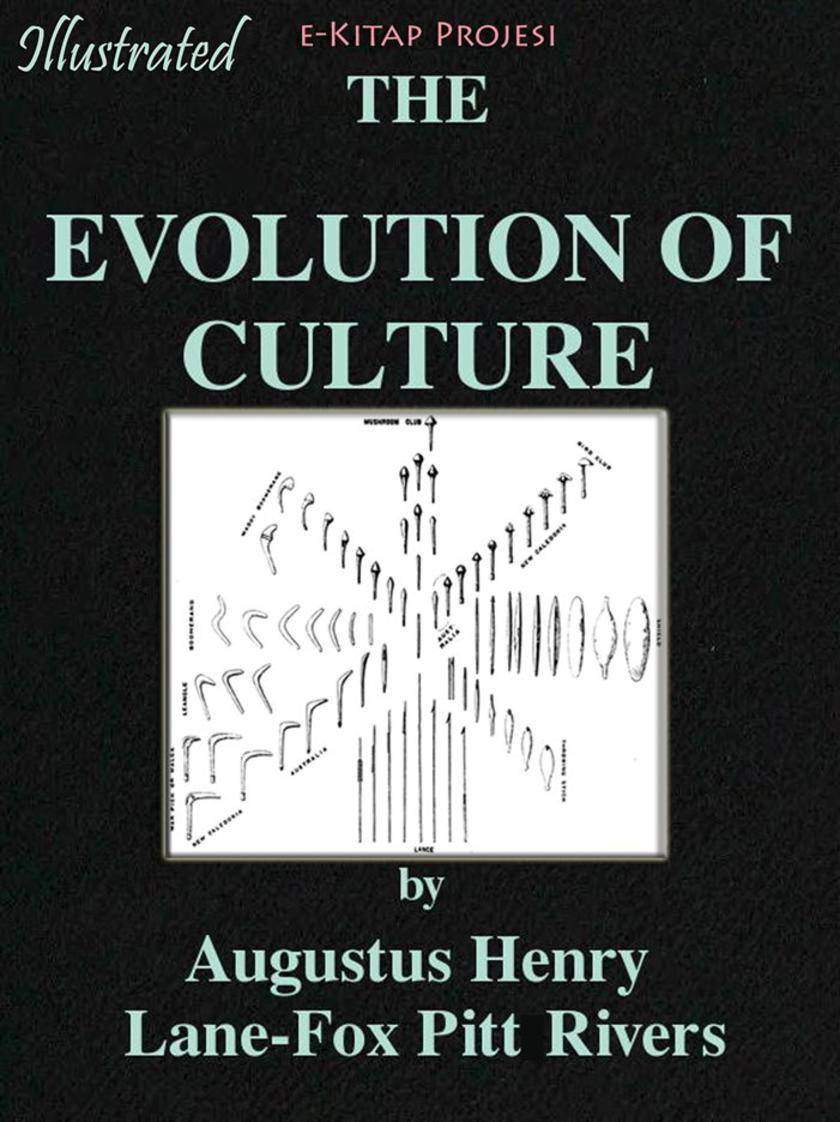
Evolution of the Culture
¥28.04
Paradise Lost is an epic poem in blank verse by the 17th-century English poet John Milton (1608–1674). The first version, published in 1667, consisted of ten books with over ten thousand lines of verse. A second edition followed in 1674, arranged into twelve books (in the manner of Virgil's Aeneid) with minor revisions throughout and a note on the versification. It is considered by critics to be Milton's "major work", and helped solidify his reputation as one of the greatest English poets of his time. The poem concerns the Biblical story of the Fall of Man: the temptation of Adam and Eve by the fallen angel Satan and their expulsion from the Garden of Eden. Milton's purpose, stated in Book I, is to "justify the ways of God to men" Short Summary:The poem is separated into twelve "books" or sections, the lengths of which vary greatly (the longest is Book IX, with 1,189 lines, and the shortest Book VII, with 640). The Arguments at the head of each book were added in subsequent imprints of the first edition. Originally published in ten books, a fully "Revised and Augmented" edition reorganized into twelve books was issued in 1674, and this is the edition generally used today. The poem follows the epic tradition of starting in medias res (Latin for in the midst of things), the background story being recounted later.Milton's story has two narrative arcs, one about Satan (Lucifer) and the other following Adam and Eve. It begins after Satan and the other rebel angels have been defeated and banished to Hell, or, as it is also called in the poem, Tartarus. In Pand?monium, Satan employs his rhetorical skill to organise his followers; he is aided by Mammon and Beelzebub. Belial and Moloch are also present. At the end of the debate, Satan volunteers to poison the newly created Earth and God's new and most favoured creation, Mankind. He braves the dangers of the Abyss alone in a manner reminiscent of Odysseus or Aeneas. After an arduous traversal of the Chaos outside Hell, he enters God's new material World, and later the Garden of Eden. At several points in the poem, an Angelic War over Heaven is recounted from different perspectives. Satan's rebellion follows the epic convention of large-scale warfare. The battles between the faithful angels and Satan's forces take place over three days. At the final battle, the Son of God single-handedly defeats the entire legion of angelic rebels and banishes them from Heaven. Following this purge, God creates the World, culminating in his creation of Adam and Eve. While God gave Adam and Eve total freedom and power to rule over all creation, He gave them one explicit command: not to eat from the Tree of the knowledge of good and evil on penalty of death.

Heart of Darkness
¥9.07
The Republic (Greek: Politeia) is a Socratic dialogue, written by Plato around 380 BC, concerning the definition of (justice), the order and character of the just city-state and the just man, reason by which ancient readers used the name On Justice as an alternative title (not to be confused with the spurious dialogue also titled On Justice). The dramatic date of the dialogue has been much debated and though it must take place some time during the Peloponnesian War, "there would be jarring anachronisms if any of the candidate specific dates between 432 and 404 were assigned". It is Plato's best-known work and has proven to be one of the most intellectually and historically influential works of philosophy and political theory. In it, Socrates along with various Athenians and foreigners discuss the meaning of justice and examine whether or not the just man is happier than the unjust man by considering a series of different cities coming into existence "in speech", culminating in a city (Kallipolis) ruled by philosopher-kings; and by examining the nature of existing regimes. The participants also discuss the theory of forms, the immortality of the soul, and the roles of the philosopher and of poetry in society. Short Summary (Epilogue):X.1—X.8. 595a—608b. Rejection of Mimetic ArtX.9—X.11. 608c—612a. Immortality of the SoulX.12. 612a—613e. Rewards of Justice in LifeX.13—X.16. 613e—621d. Judgment of the Dead The paradigm of the city — the idea of the Good, the Agathon — has manifold historical embodiments, undertaken by those who have seen the Agathon, and are ordered via the vision. The centre piece of the Republic, Part II, nos. 2–3, discusses the rule of the philosopher, and the vision of the Agathon with the allegory of the cave, which is clarified in the theory of forms. The centre piece is preceded and followed by the discussion of the means that will secure a well-ordered polis (City). Part II, no. 1, concerns marriage, the community of people and goods for the Guardians, and the restraints on warfare among the Hellenes. It describes a partially communistic polis. Part II, no. 4, deals with the philosophical education of the rulers who will preserve the order and character of the city-state.In Part II, the Embodiment of the Idea, is preceded by the establishment of the economic and social orders of a polis (Part I), followed by an analysis (Part III) of the decline the order must traverse. The three parts compose the main body of the dialogues, with their discussions of the “paradigm”, its embodiment, its genesis, and its decline.The Introduction and the Conclusion are the frame for the body of the Republic. The discussion of right order is occasioned by the questions: “Is Justice better than Injustice?” and “Will an Unjust man fare better than a Just man?” The introductory question is balanced by the concluding answer: “Justice is preferable to Injustice”. In turn, the foregoing are framed with the Prologue (Book I) and the Epilogue (Book X). The prologue is a short dialogue about the common public doxai (opinions) about “Justice”. Based upon faith, and not reason, the Epilogue describes the new arts and the immortality of the soul. ? About Author: Plato (Greek: Platon, " 428/427 or 424/423 BC – 348/347 BC) was a philosopher in Classical Greece. He was also a mathematician, student of Socrates, writer of philosophical dialogues, and founder of the Academy in Athens, the first institution of higher learning in the Western world. Along with his mentor, Socrates, and his most-famous student, Aristotle, Plato helped to lay the foundations of Western philosophy and science. Alfred North Whitehead once noted: "the safest general characterization of the European philosophical tradition is that it consists of a series of footnotes to Plato." Plato's sophistication as a writer is evident in his Socratic dialogues; thirty-six dialogues and thirteen letters have been ascribed to him, although 15–18 of them have been contested. Plato's writings have been published in several fashions; this has led to several conventions regarding the naming and referencing of Plato's texts. Plato's dialogues have been used to teach a range of subjects, including philosophy, logic, ethics, rhetoric, religion and mathematics. Plato is one of the most important founding figures in Western philosophy. His writings related to the Theory of Forms, or Platonic ideals, are basis for Platonism. ? Early lifeThe exact time and place of Plato's birth are not known, but it is certain that he belonged to an aristocratic and influential family. Based on ancient sources, most modern scholars believe that he was born in Athens or Aegina between 429 and 423 BC. His father was Ariston. According to a disputed tradition, reported by Diogenes Laertius, Ariston traced his descent from the king of Athens, Codrus, and the king of Messenia, Melanthus. Plato's mother was Perictione, whose family boasted of a relationship with the famous Athenian lawmaker an
The Sorrows of Young Werther
¥18.74
Among the notable books of later times-we may say, without exaggeration, of all time--must be reckoned The Confessions of Jean Jacques Rousseau. It deals with leading personages and transactions of a momentous epoch, when absolutism and feudalism were rallying for their last struggle against the modern spirit, chiefly represented by Voltaire, the Encyclopedists, and Rousseau himself--a struggle to which, after many fierce intestine quarrels and sanguinary wars throughout Europe and America, has succeeded the prevalence of those more tolerant and rational principles by which the statesmen of our own day are actuated. On these matters, however, it is not our province to enlarge; nor is it necessary to furnish any detailed account of our author's political, religious, and philosophic axioms and systems, his paradoxes and his errors in logic: these have been so long and so exhaustively disputed over by contending factions that little is left for even the most assiduous gleaner in the field. The inquirer will find, in Mr. John Money's excellent work, the opinions of Rousseau reviewed succinctly and impartially. The 'Contrat Social', the 'Lattres Ecrites de la Montagne', and other treatises that once aroused fierce controversy, may therefore be left in the repose to which they have long been consigned, so far as the mass of mankind is concerned, though they must always form part of the library of the politician and the historian. One prefers to turn to the man Rousseau as he paints himself in the remarkable work before us. That the task which he undertook in offering to show himself--as Persius puts it--'Intus et in cute', to posterity, exceeded his powers, is a trite criticism; like all human enterprises, his purpose was only imperfectly fulfilled; but this circumstance in no way lessens the attractive qualities of his book, not only for the student of history or psychology, but for the intelligent man of the world. Its startling frankness gives it a peculiar interest wanting in most other autobiographies. Many censors have elected to sit in judgment on the failings of this strangely constituted being, and some have pronounced upon him very severe sentences. Let it be said once for all that his faults and mistakes were generally due to causes over which he had but little control, such as a defective education, a too acute sensitiveness, which engendered suspicion of his fellows, irresolution, an overstrained sense of honour and independence, and an obstinate refusal to take advice from those who really wished to befriend him; nor should it be forgotten that he was afflicted during the greater part of his life with an incurable disease. Lord Byron had a soul near akin to Rousseau's, whose writings naturally made a deep impression on the poet's mind, and probably had an influence on his conduct and modes of thought: In some stanzas of 'Childe Harold' this sympathy is expressed with truth and power; especially is the weakness of the Swiss philosopher's character summed up in the following admirable lines: "Here the self-torturing sophist, wild Rousseau, The apostle of affliction, he who threw Enchantment over passion, and from woe Wrung overwhelming eloquence, first drew The breath which made him wretched; yet he knew How to make madness beautiful, and cast O'er erring deeds and thoughts a heavenly hue Of words, like sunbeams, dazzling as they passed The eyes, which o'er them shed tears feelingly and fast. "His life was one long war with self-sought foes, Or friends by him self-banished; for his mind Had grown Suspicion's sanctuary, and chose, For its own cruel sacrifice, the kind, 'Gainst whom he raged with fury strange and blind. But he was frenzied,-wherefore, who may know? Since cause might be which skill could never find; But he was frenzied by disease or woe To that worst pitch of all, which wears a reasoning show."
The Tragedy of Julius Caesar
¥18.74
Mülkiyet kar??t? ya?l? anar?ist, hayat?n?n son y?llar?nda ironik bir durumda kald?. ?svi?re vatanda?l???na girmenin yollar?n? arayan Bakunin'e sunulan se?enek, orada bir ev sahibi olmas?yd? ve belki de en hazini, sahip olaca?? bu ev nedeniyle, polisin, resm? tutanaklara “Michael Bakunin, rantiye” notunu dü?mesiydi. 18 May?s 1814'te Rusya'da do?an Michael Aleksandrovich Bakunin, 1 Temmuz 1876'da ?ldü?ünde ülkesinden ?ok uzaklardayd? ve cenazesinde yaln?zca 30–40 ki?i vard?. Gen? Bakunin i?in, “A?k, insan?n yeryüzündeki en üst misyonuydu. Bir insan?n kendini a?ks?z vermesi, Kutsal Ruh’a kar?? i?lenmi? bir günaht?”.. ?Kad?nlar taraf?ndan olduk?a ?ekici bulunan Mihail'in ise kad?nlarla ili?kisi hep ruhsal bir a?k olarak kald?.??svi?re'nin muhte?em manzaras? e?li?inde George Sand romanlar? okuyan Bakunin, Frans?z dü?üncesinin Alman dü?üncesinden üstün oldu?u inanc?n? sa?lamla?t?r?yordu. ? Bakunin, Marx i?in, “O, beni duygusal idealist olarak adland?r?yordu; hakl?yd?. Ben de onu, hoyrat, kendini be?enmi? ve ac?mas?z olarak de?erlendiriyordum; ben de hakl?yd?m” diyordu.. ? Kendisine ili?kin konularda kindar olmayan Bakunin, Herzen'in kar?s?na g?sterdi?i so?uklu?u hayat?n?n sonuna kadar unutamad?.?“Art?k reaksiyonun muzaffer gü?lerine kar?? Sisifos'un ta??n? yuvarlamak i?in ne gerekli güce ne de güvene sahibim. Bu yüzden, mücadeleden ?ekiliyor ve arkada?lar?mdan tek bir iyilik bekliyorum: "Unutulmak”,?Orta ve ge? on dokuzuncu yüzy?lda, radikal sol –yani, a?g?zlü kapitalizm ele?tirmenleri ve sanayi i??ilerinin ?zgürlü?ünün savunucular?– iki temel franksiyona ayr?l?yordu: Marksistler ve anar?istler. Kabaca s?ylemek gerekirse (ki bu son derece kar???k bir hik?yedir), kazanan Marksistler oldu ve yirminci yüzy?l?n tüm ba?ar?l? sol devrimleri –Rus, ?in ve Küba, ?rne?in– Marksist ilkelere ba?l?l?klar?n? ilan ettiler. ? Marksistler ile anar?istler aras?ndaki sava? bu noktada tarihsel bir meraktan ?te devam eden bir meseledir. Pi?man olmayan ya da ele?tirilmeyen tek ger?ek Marksist sol Kim Jong Il ve taraf etraftaki birka? entelektüel ve profes?rdür. Anar?izm ise uygulanabilir bir toplumsal hareket olarak ?kinci Dünya Sava??yla yava? yava? tükenmeye yüz tutmu?ken küreselle?me kar??t? hareket ve d?nemimizin di?er radikalizmleri i?inde yeniden dirilmeye ba?lam??t?r. ? Ne var ki, d?neminde –Marx’?n di?erleriyle aras?ndaki– bu sava? bir ?lüm kal?m meselesiydi ve Marksizm muhtemel kapitalizm kar??t? olarak ve yan? s?ra anar?izm kar??t? olarak tan?mlan?yordu. Asl?nda, Marx’?n yazarl??? anar?izme y?nelik sald?r?lar? a??s?ndan handiyse gülün? bir geni?li?e ula?m??t?r. Marx’?n Alman ?deolojisi kitab?n?n büyük b?lümü –yüzlerce sayfas?– bireyci/anar?ist Max Stirner’e y?nelik bir sald?r?dan ibarettir. Felsefenin Sefaleti Proudhon’a kar?? büyük?e bir fikir sava??d?r. Marx onca zaman ve enerjisini Bakunin’e sald?rmaya harcam??t?r: ?“dangalak!”?“canavar, et ve ya? y???n?,” “sap?k” vesaire: ?bu tabirler, has?mlar? s?z konusu oldu?unda Marx’?n bildik üslubudur: yazarl??? yar? bilimsel inceleme, yar? s?zlü tacizdir. Marx’?n, gerek kendi a?z?ndan gerekse de kimi s?zcülerini kullanarak ony?llar boyunca y?neltti?i ve muhtemelen di?erleri denli e?lenceli olmayan var olan su?lamas?, Bakunin’in bir muhbir oldu?u y?nündeydi ve Marx’?n bu ba?ar?l? sald?r?lar? nihayetinde Bakunin’in Enternasyonal ???i Z?mb?rt?s?ndan tasfiyesine yol a?t?.. ?

三个逻辑学家去酒吧(上瘾!边“头秃”边催更的大脑保健操!)
¥26.99
三个逻辑学家走酒吧,酒保问“每个人都来杯啤酒吗?”*、第二个逻辑学家都说:“我不知道。”第三个逻辑学家说:“好的!”这时酒保应该端上几杯?逻辑学家的世界就是如此“令人头秃”。 翻本书,经典谜题、逻辑谜题、数学谜题、几何题、脑洞题,100个谜题向你扑面而来。你需要创造力、想象力、横向思维、立体空间感、非凡的脑洞,还有对世界的观察与思考。

马克思主义中国化史·第一卷·1919-1949
¥65.80
马克思主义传中国并成为中国革命指导思想的理论基础,是近代以来中国历史和人民的选择。中国共产党人在领导中国革命的实践中,把马克思主义基本原理和中国革命具体实际相结合,使马克思主义中国化,在新民主主义革命时期实现了马克思主义中国化的*次历史性飞跃。*是马克思主义中国化的伟大拓者,*思想以独创性理论丰富和发展了马克思列宁主义,是马克思主义中国化*次历史性飞跃的理论成果。本卷对1919年至1949年间马克思主义在中国运用和发展的历史程及理论创新、实践创新行了系统研究,系统展示了以*为代表的中国共产党人探索新民主主义革命道路、实现马克思主义与中国实际“*次结合“的理论成果。

马克思主义中国化史·第四卷·1992年以来(马克思主义研究丛书)
¥70.80
20世纪90年代初以来,以*、胡锦涛、*为代表的中国共产党人,在实现中华民族的伟大复兴中,用马克思列宁主义指导中国的实践,推了以*、邓小平为主要代表的两代中央领导集体辟的马克思主义中国化的伟大事业。以*、胡锦涛、*为代表的中国共产党人,围绕中国特色社会主义发展的主题,集中全党的智慧,坚持理论创新和实践创新,形成了“三个代表”重要思想、科学发展观、“中国梦”等中国特色社会主义理论体系的*理论成果,在中国特色社会主义建设和发展的重大问题上提出了一系列新思想、新观、新论断,推了马克思主义中国化的新发展。本卷主要对1992年党的十四大召至2013年党的十八届三中全会召这一时期,马克思主义中国化发展的过程及其规律性,以及理论创新和实践创新行了较为全面而系统的分析和研究。

诸子学略说
¥6.00
本书以《诸子学略说》和《诸子略说》为主,汇集太炎先生论诸子之大部分文字,精心编辑校而成。太炎先生治学,贯通经、史、子、集,其于先秦之儒、道、墨、法等家学说尤有深研究,其论诸子之是非得失,每有独到之见解,而又能深浅出引人胜。本书为太炎先生治诸子学之毕生心血,实为先秦诸子思想门之*读物。

儒(南怀瑾独家授权定本种子书)
¥281.40
汇集了南怀瑾先生讲述儒家经典的所有著述。既有讲述人们熟知的“四书”(《论语》《孟子》《大学》《中庸》)的著述,又有讲述被奉为群经之首的《易经》和《周易·系辞》的著述。“四书”蕴含了儒家思想的核心内容,是儒学认识论和方法论的集中体现,更是中国传统文化中的核心要义;《易经》更被奉为群经之首,广大精微,包罗万象,是儒家、道家共同的经典,是中华文明源头和代表。南怀瑾先生讲经典,从不仅止于阐释经义,而是通过儒释道等思想的融会贯通,通过上下五千年人文历史的佐证,通过古今中外世事的投射,通过南先生自身的生命体认,把遥远的经典讲到了当代人的日常行止之中,讲到了当下人事的方方面面,让经典靠近读者。

禅话
¥11.70
本书是台湾著名学者南怀瑾先生撰写的一部介绍早期禅宗的人物和史事的著作。通俗易懂,简明扼要,甚便初学者阅读。


