


 购物车
购物车 个人中心
个人中心
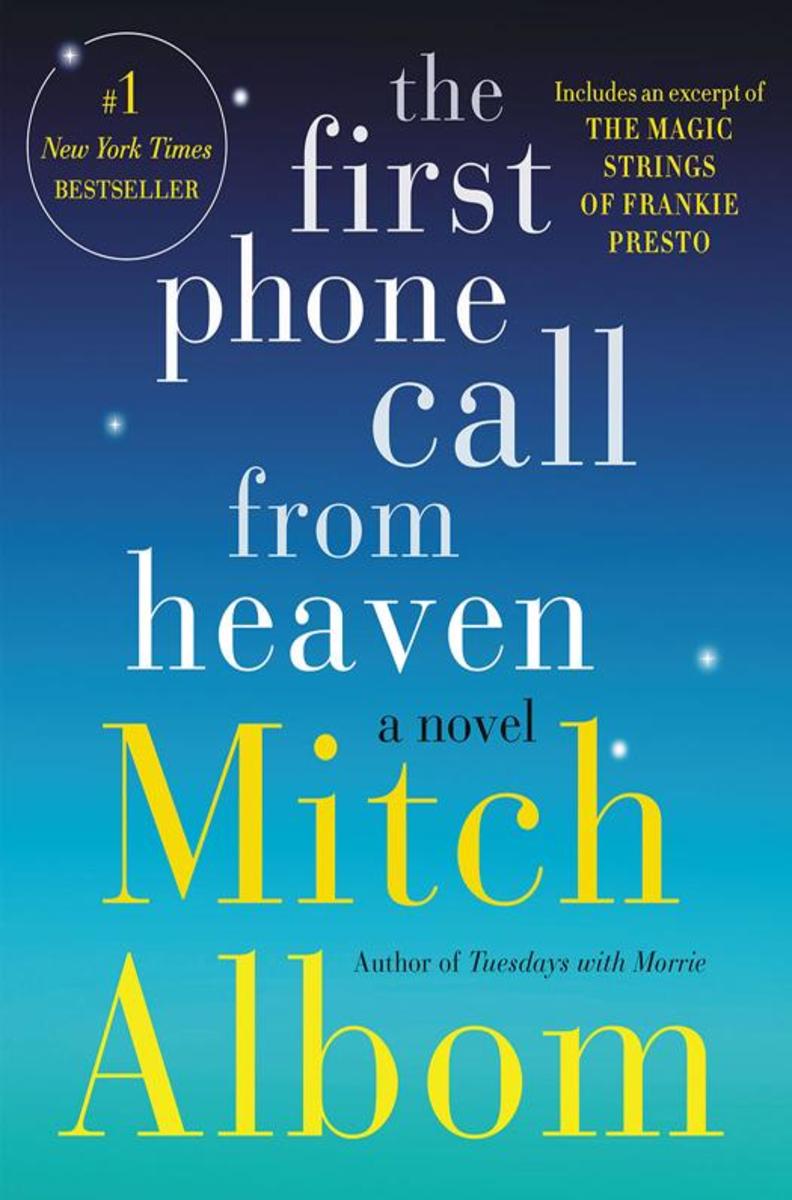
The First Phone Call From Heaven
¥90.77
"What if the end is not the end?" From the beloved author of the #1 New York Times bestsellers Tuesdays with Morrie and The Five People You Meet in Heaven comes his most thrilling and magical novel yet—a page-turning mystery and a meditation on the power of human connection.One morning in the small town of Coldwater, Michigan, the phones start ringing. The voices say they are calling from heaven. Is it the greatest miracle everOr some cruel hoaxAs news of these strange calls spreads, outsiders flock to Coldwater to be a part of it.At the same time, a disgraced pilot named Sully Harding returns to Coldwater from prison to discover his hometown gripped by "miracle fever." Even his young son carries a toy phone, hoping to hear from his mother in heaven.As the calls increase, and proof of an afterlife begins to surface, the town—and the world—transforms. Only Sully, convinced there is nothing beyond this sad life, digs into the phenomenon, determined to disprove it for his child and his own broken heart.Moving seamlessly between the invention of the telephone in 1876 and a world obsessed with the next level of communication, Mitch Albom takes readers on a breathtaking ride of frenzied hope.The First Phone Call from Heaven is Mitch Albom at his best—a virtuosic story of love, history, and belief.
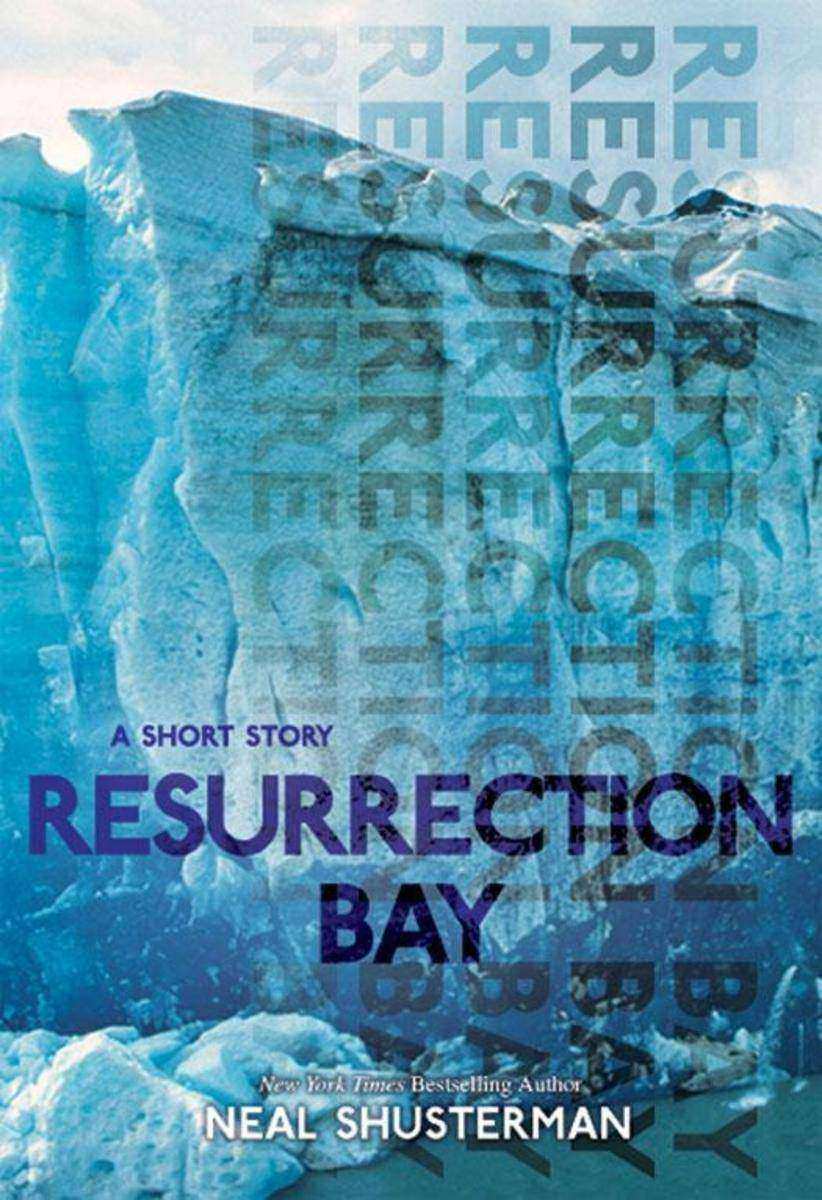
Resurrection Bay
¥32.65
From New York Times bestselling author Neal Shusterman comes a thrilling, spine-tingling 32-page original short story that's perfect for fans of Unwind and UnWholly.Bones. They know the call of the ice.Anika knows the call of the ice, too. Living in an isolated port town in Alaska with her father and younger brother, Anika is practically steps away from the Harding Icefield, and Exit Glacier has always been her favorite place.But after a couple tragically dies there, Exit Glacier seems to come alive and begins moving toward the town with unnatural speed. Anika feels deep in her bones that the ice wants something. . . .After the glacier finally stops in the town's cemetery, Anika and her on-again, off-again boyfriend, Rav, face a sinister truth: The soul of the glacier is looking for bodies to inhabit . . . and where better to find them than the graveyard?This fast-paced, eerie short story is a deft blend of suspense and horror that will leave readers breathless . . . and chilled to the bone.Epic Reads Impulse is a digital imprint with new releases each month.
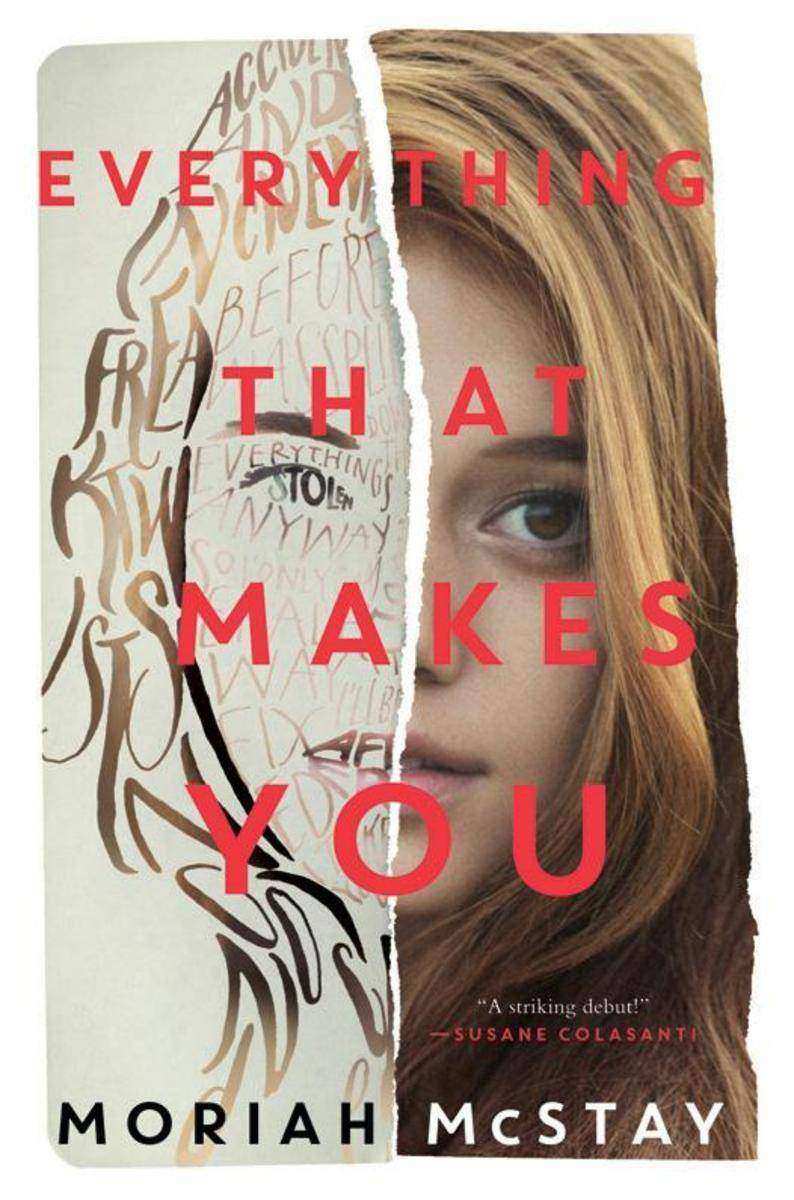
Everything That Makes You
¥56.08
Ever wonder "What if?" Everything That Makes You is a romantic, epic story about one girl—and her two possible lives after an accident changes her fate.Fiona Doyle's face was horribly scarred as a child. She writes about her frustrations and dreams in notebooks, penning song lyrics. But she'd never be brave enough to sing those songs in public. Fi Doyle never had an accident. She's the best lacrosse player in the state and can't be distracted by her friend who wants to be more than that. But then her luck on the field goes south.Alternating chapters between Fiona and Fi tell two stories about the same girl—hopes and dreams and crushes, fears and failures and loss. This beautifully written realistic contemporary novel with a twist is perfect for fans of If I Stay by Gayle Forman and Before I Fall by Lauren Oliver.
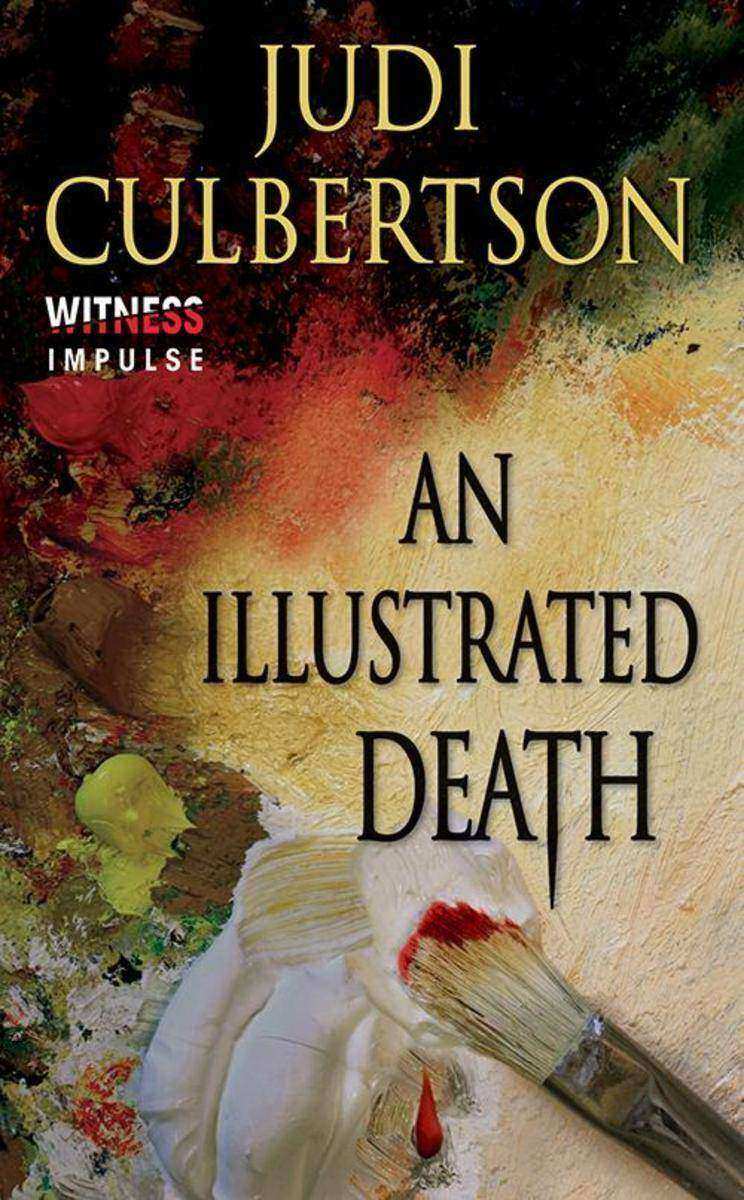
An Illustrated Death
¥42.03
It's not every day you get an inside peek at the world of a famous artist. So when bookseller Delhi Laine gets the opportunity to appraise the late Nate Erikson's library, she jumps at the chance, despite the mysterious circumstances surrounding the illustrator's death. But as she spends more time with the eccentric Erikson clan at the family compound in the Hamptons, Delhi can't help but wonder what really happened to the lost patriarch.When death visits the family once more and another Erikson is found murdered, dark secrets come to light. Left coping with a charmed family not quite as idyllic as she first believed, Delhi is determined to solve the murders once and for all. But digging up truths can get you dirty . . . and Delhi is about to discover just how far some will go to keep them buried.
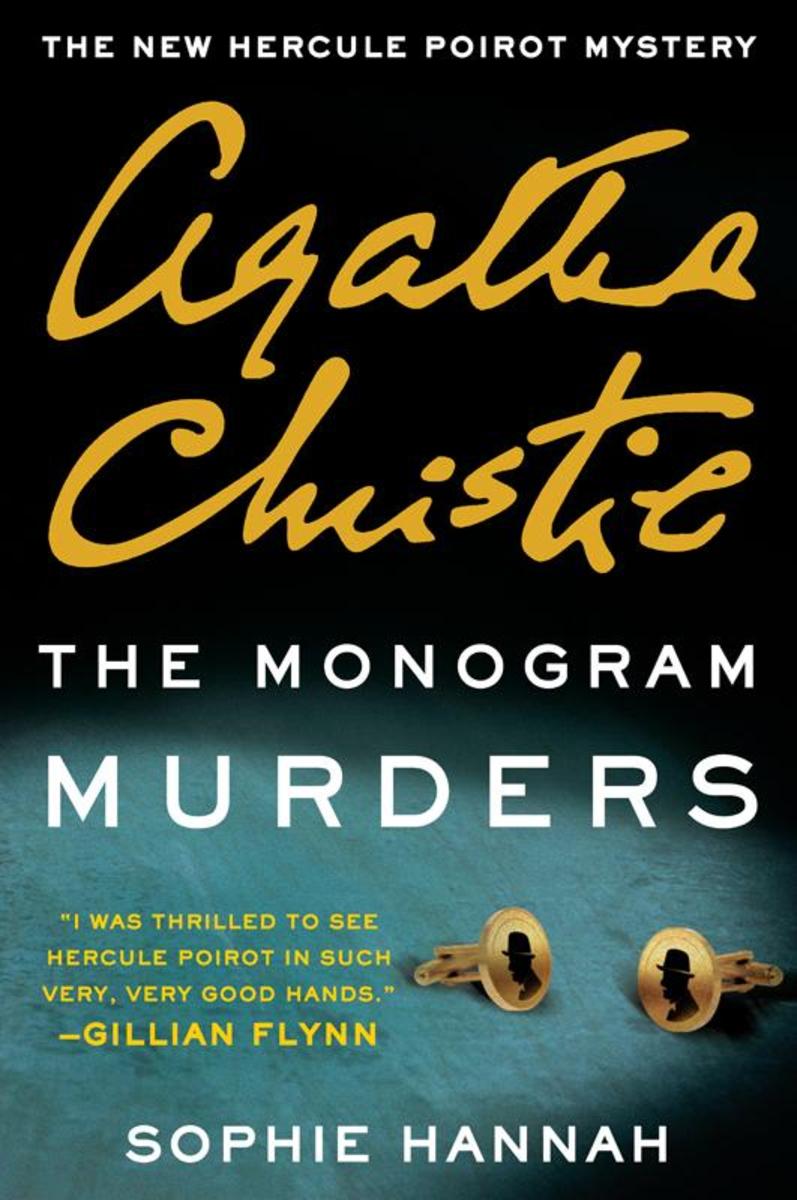
The Monogram Murders
¥88.56
"Equal parts charming and ingenious, dark and quirky and utterly engaging. Reading The Monogram Murders was like returning to a favorite room of a long-lost home" -Gillian Flynn, #1 New York Times bestselling author of Gone Girl"Perfect... a pure treat." -Tana French, New York Times bestselling author of The Secret Place"As tricky as anything written by Agatha Christie. The Monogram Murders has a life and freshness of its own. Poirot is still Poirot. Poirot is back." -The New York Times Book Review"Christie herself, some might say, could do no better . . . . Enough twists, turns, revelations and suspects to cook up a most satisfying red-herring stew. Literary magic." -The Washington Post"Terrific . . . . uncanny. As Hercule Poirot himself would say, 'Bravo, Madame Hannah. Bravo.' " -The Boston GlobeNEW YORK TIMES BESTSELLERSince the publication of her first novel in 1920, more than two billion copies of Agatha Christie’s books have been sold around the globe. Now, for the first time ever, the guardians of her legacy have approved a brand new novel featuring Dame Agatha’s most beloved creation, Hercule Poirot.‘I’m a dead woman, or I shall be soon…’Hercule Poirot's quiet supper in a London coffeehouse is interrupted when a young woman confides to him that she is about to be murdered. ?She is terrified – but begs Poirot not to find and punish her killer.?Once she is dead, she insists, justice will have been done.Later that night, Poirot learns that three guests at a fashionable London Hotel have been murdered, and a cufflink has been placed in each one’s mouth. Could there be a connection with the frightened womanWhile Poirot struggles to put together the bizarre pieces of the puzzle, the murderer prepares another hotel bedroom for a fourth victim...
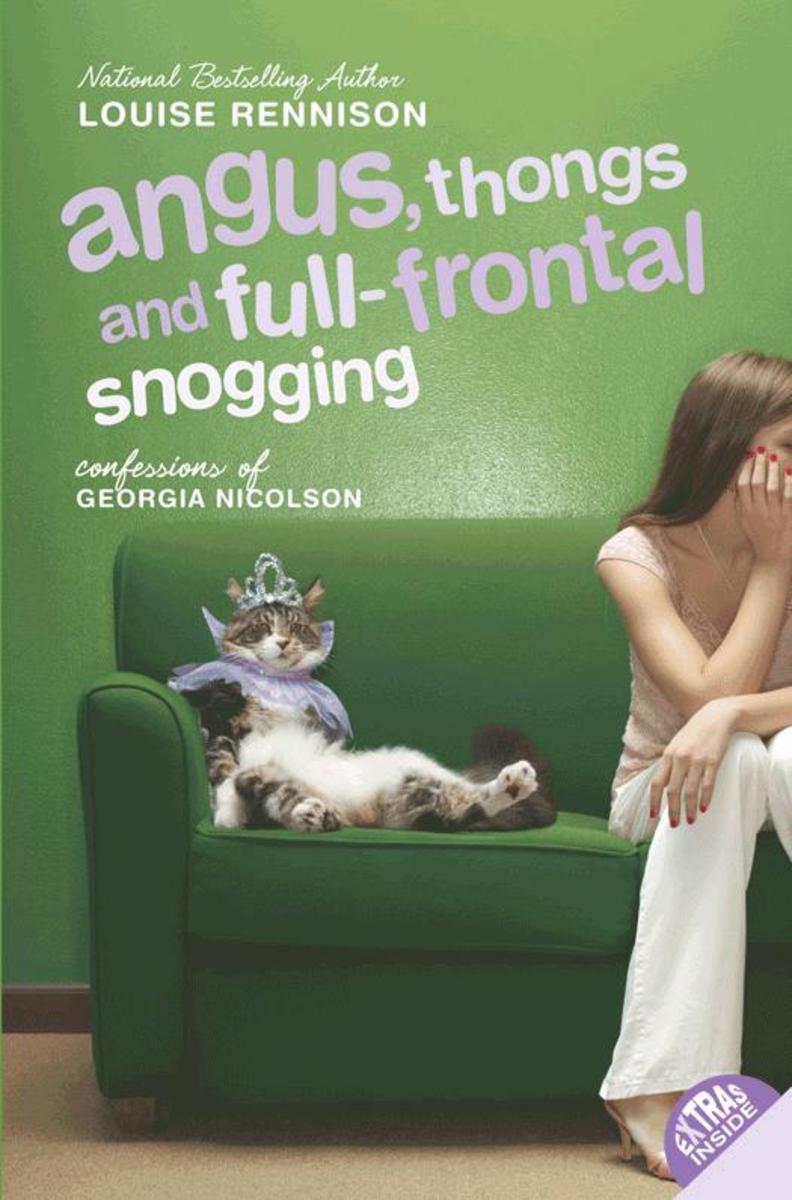
Angus, Thongs and Full-Frontal Snogging
¥60.87
Angus:My mixed-breed cat, half domestic tabby, half Scottish wildcat. The size of a small Labrador, only mad.Thongs:Stupid underwear. What's the point of them, anywayThey just go up your bum, as far as I can tell.Full-Frontal Snogging:Kissing with all the trimmings, lip to lip, open mouth, tongues ... everything.Her dad's got the mentality of a Teletubby (only not so developed). Her cat, Angus, is trying to eat the poodle next door. And her best friend thinks she looks like an alien -- just because she accidentally shaved off her eyebrows. Ergghhhlack. Still, add a little boy-stalking, teacher-baiting, and full-frontal snogging with a Sex God, and Georgia's year just might turn out to be the most fabbitty fab fab ever!
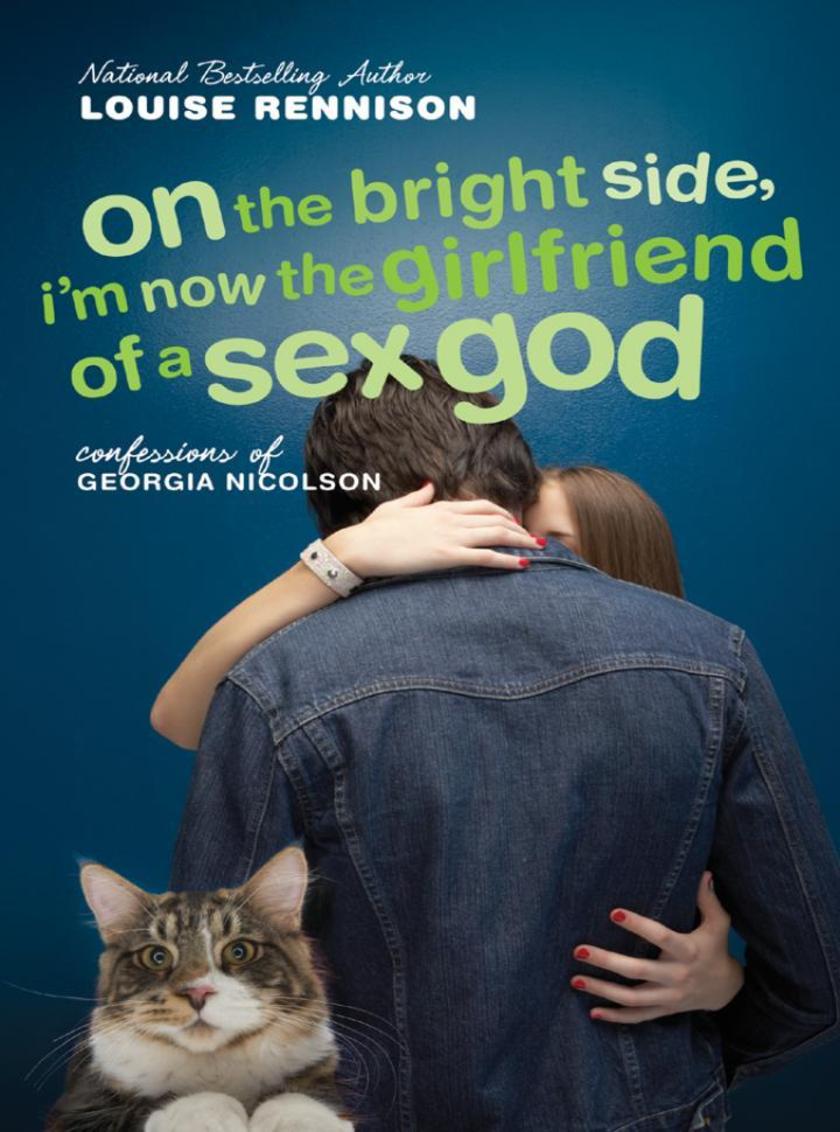
On the Bright Side, I'm Now the Girlfriend of a Sex God
¥55.33
Georgia Nicolson has started dating the Sex God (aka Robbie). So life should be perfect . . . except in Georgia's life, nothing is ever perfect. Her cat, Angus (the size of a small Labrador), is terrorizing the neighborhood. Her sister, Libby (who is slightly mad), hides her pooey knickers at the bottom of Georgia's bed.Then the Sex God breaks it off because she's too young. It's time for a plan. It's time for a Red Herring. It's time for Georgia to become a "heartless boy magnet!"
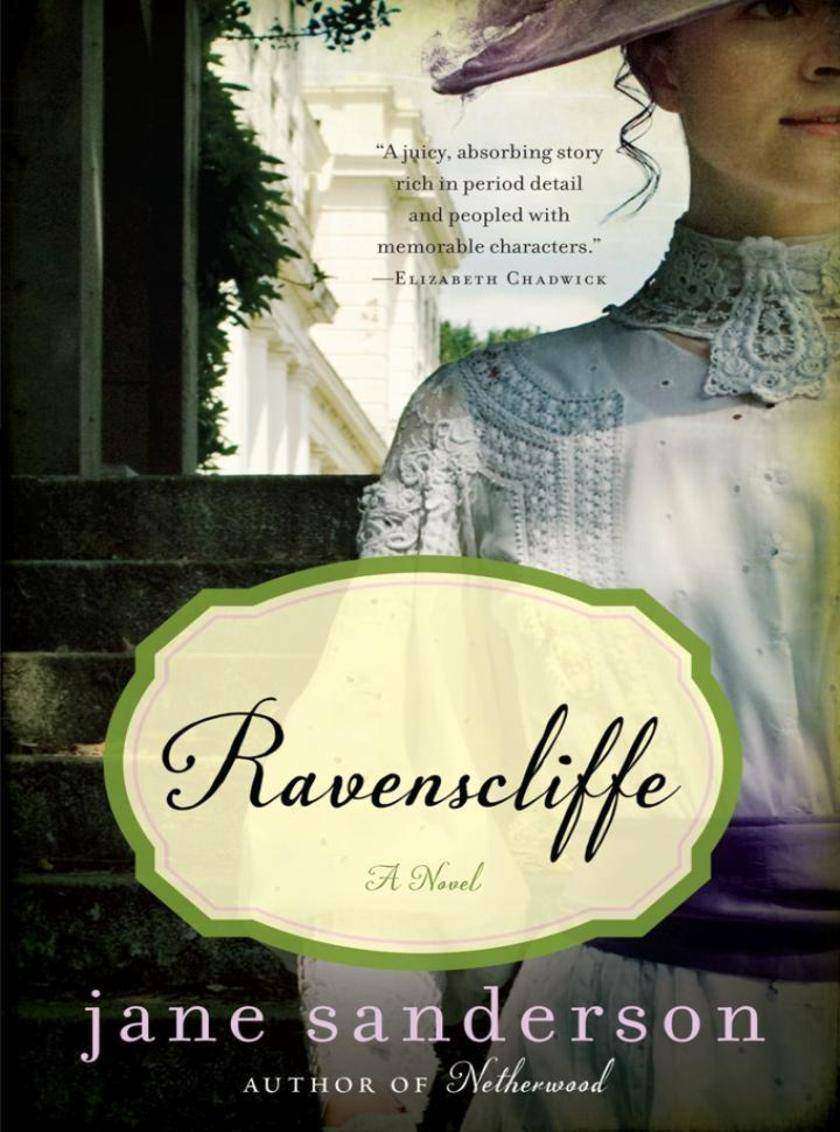
Ravenscliffe
¥88.56
For fans of Downton Abbey . . . The peaceful beauty of the English countryside belies the turmoil of forbidden love and the apprehension of a changing world for the families of NetherwoodYorkshire, 1904. On Netherwood Common, Russian émigré Anna Rabinovich shows her dear friend Eve Williams a gracious Victorian villa—Ravenscliffe—the house Anna wants them to live in. There's a garden and a yard and room enough for their children to play and grow. Something about the house speaks to Anna, and you should listen to a house, she believes...Ravenscliffe holds the promise of happiness. Across the square, Clarissa and her husband, the Earl of Netherwood, are preparing for King Edward's visit. Clarissa is determined to have everything in top shape at Netherwood Hall—in spite of the indolent heir to the estate, Tobias, and his American bride—and much of it depends on the work going on downstairs as the loyal servants strive to preserve the noble family's dignity and reputation.As Anna restores Ravenscliffe to its full grandeur, she strikes up a relationship with hardworking Amos Sykes—who proposed to Eve just one year ago. But when Eve's long-lost brother Silas turns up in their close-knit mining community, cracks begin to appear in even the strongest friendships.As change comes to the small town and society at large, the residents of Netherwood must find their footing or lose their place altogether.
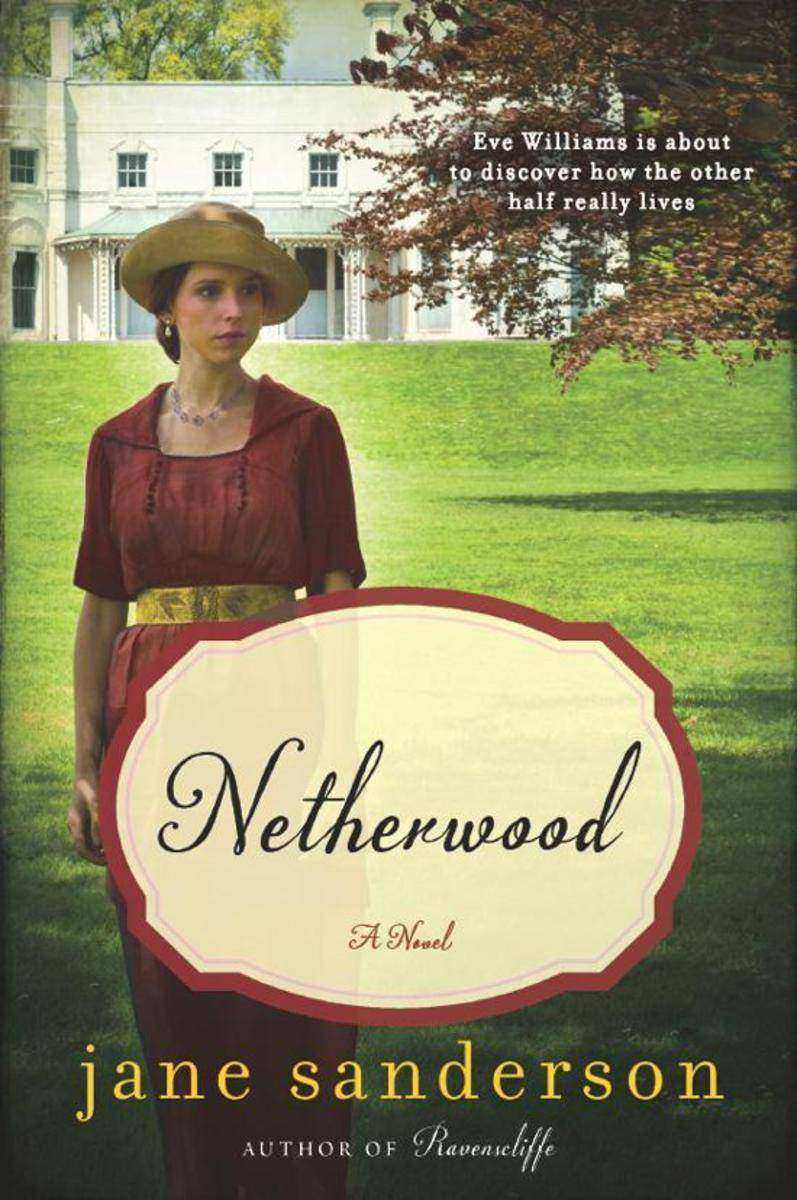
Netherwood
¥90.51
Two remarkably different worlds—one of wealth and privilege, the other of poverty and desperation—are about to collide in one shattering moment in this mesmerizing tale of high drama, forbidden love, and families fighting to hold on to what they haveUpstairs: Lord Netherwood, a coal baron, earns his considerable wealth from the three mines he owns. Supplying a bustling industrial empire with the highest-quality coal keeps his coffers filled—money he needs to run his splendid estate, Netherwood Hall, and to dress his wife and daughters in the latest fashions. And keeping his heir, the charming but feckless Tobias, out of trouble, doesn't come cheap.Downstairs: Eve Williams, the wife of one of Lord Netherwood's most stalwart employees, cleverly manages her family's well-being on the low wages her hardworking husband earns in the mines. But when her ordered life amid the terraced rows of miners' houses is brought crashing down by the twin arrivals of tragedy and charity, Eve must look to her own self-sufficiency and talent to provide for her three young children. And soon the divide between "upstairs" and "downstairs" is about to close . . .and neither world will ever be the same.
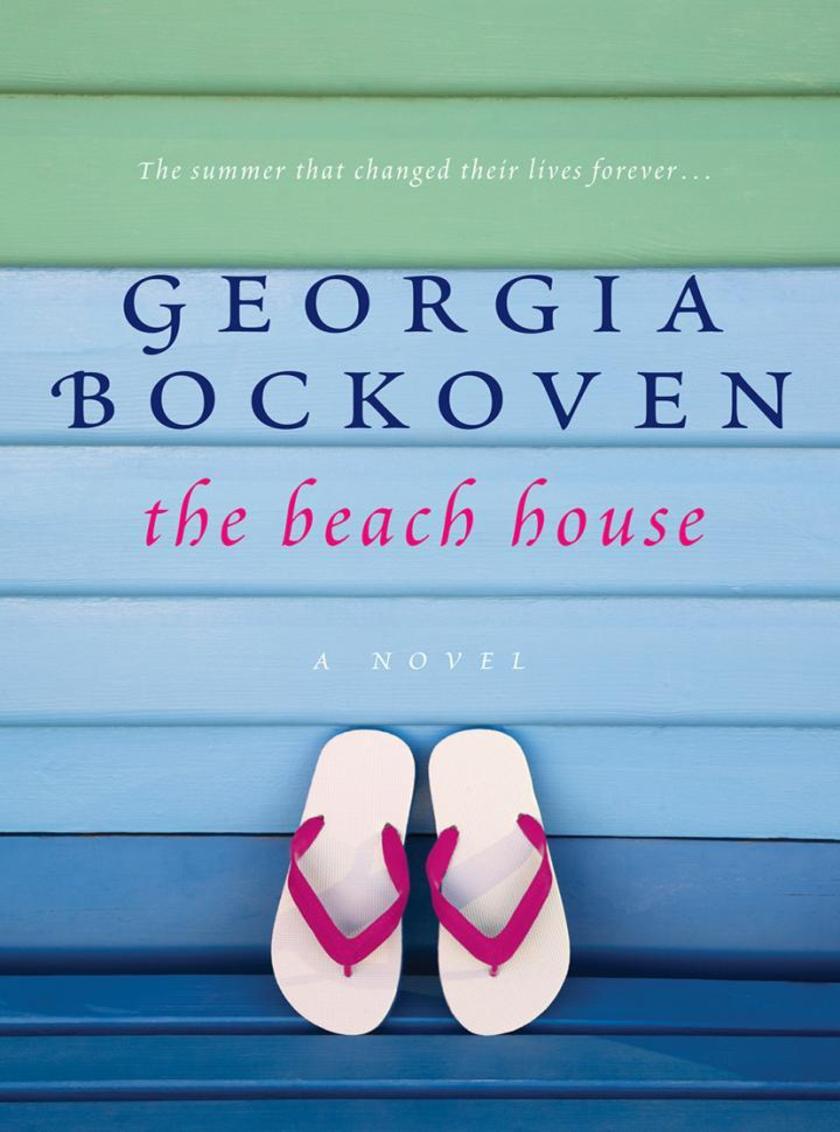
The Beach House
¥78.55
The beach house is a peaceful haven, a place to escape everyday problems. Here, three families find their feelings intensified and their lives transformed each summer.When thirty-year-old Julia, mourning the death of her husband, decides to sell the Santa Cruz beach house they owned together, she sets in motion a final summer that will change the lives of all the families who rent it year after year. Teenaged Chris discovers the bittersweet joy of first love. Maggie and Joe, married sixty-five years, courageously face a separation that even their devotion cannot prevent. The married woman Peter yearns for suddenly comes within his reach. And Julia ultimately finds the strength to rebuild her life—something she once thought impossible.With equal measures of heartbreak and happiness, bestselling author Georgia Bockoven's unforgettable novel tells of the beauty of life and the power of love, and speaks to every woman who has ever clung to a child or loved a man.
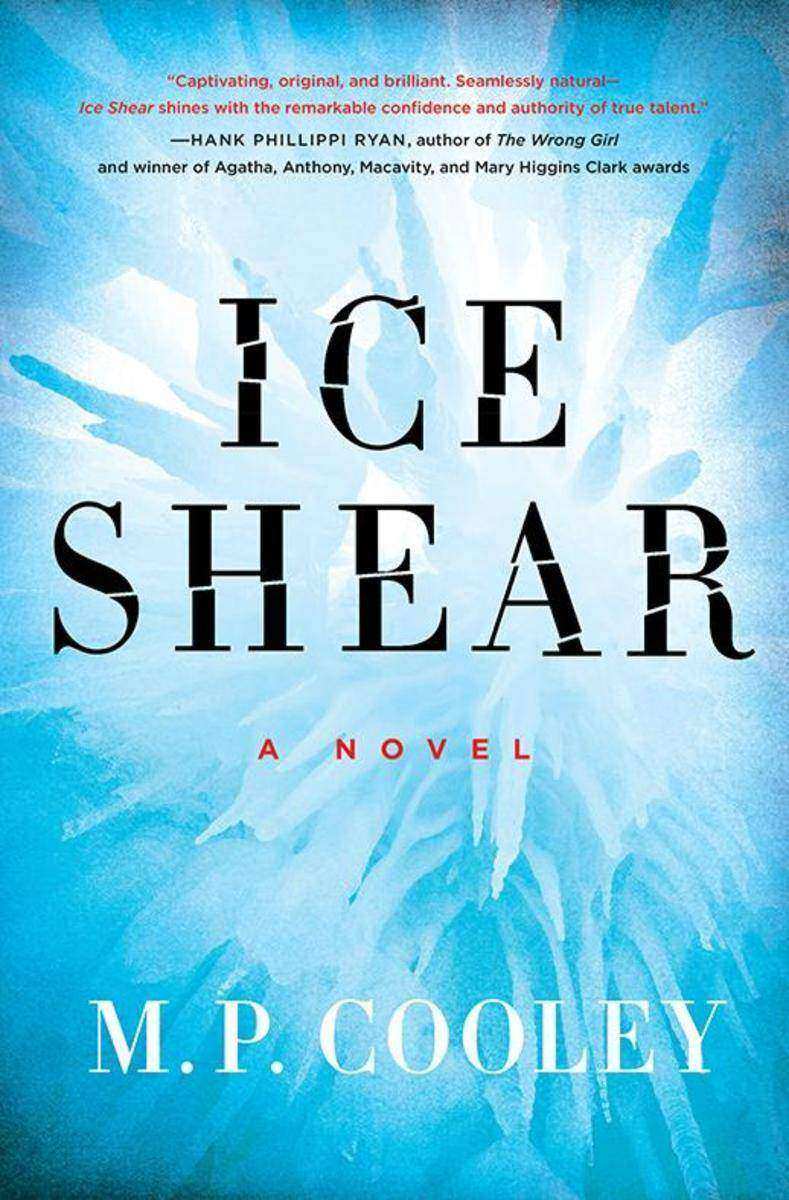
Ice Shear
¥84.16
As a cop on the night shift in Hopewell Falls, New York, June Lyons drives drunks home and picks up the doughnuts. A former FBI agent, she left the Bureau when her husband died, and now she and her young daughter are back in upstate New York, living with her father, the town's retired chief of police.When June discovers a young woman's body impaled on an ice shear in the frozen Mohawk River, news of the murder spreads fast; the dead girl was the daughter of a powerful local congresswoman, and her troubled youth kept the gossips busy. Though June was born and raised in Hopewell Falls, the local police see her as an interloper—resentment that explodes in anger when the FBI arrive and deputize her to work on the murder investigation. But June may not find allies among the feds. The agent heading the case is someone from her past—someone she isn't sure she can trust.As June digs deeper, her already tumultuous murder case turns red-hot when it leads to a notorious biker gang and a meth lab hidden in plain sight—and an unmistakable sign that the river murder won't be the last.
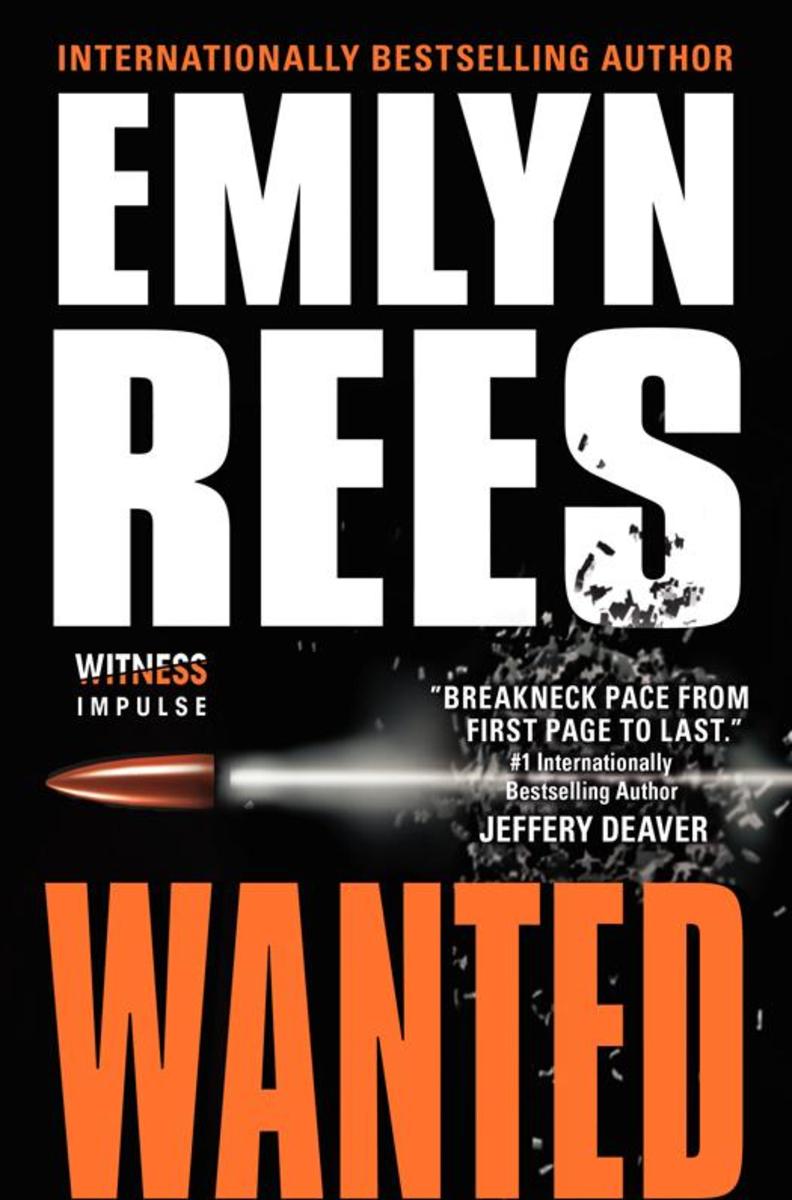
Wanted
¥67.32
Danny Shanklin is the world's most wanted man.Hunted by nine international intelligence agencies for a terrorist atrocity he did not commit, he's now trapped in a deadly race against the clock to protect his life, his family, and the world from the people responsible—people intent on true destruction. For though they framed him, these terrorists are really after a much bigger target: six lethal smallpox formulations, any one of which could trigger a global pandemic, leaving only one in three people alive.With the help of a Ukrainian mercenary and a ruthless female assassin, Danny soon finds himself forced into the roles of both predator and prey—as he tries desperately to win the fight of his life.

The Other Joseph
¥146.11
“A poignant and sly magic trick of a book.”—San Francisco ChronicleHaunted by the disappearance of his older brother in the first Gulf War, the tragic deaths of his parents, and a lingering felony conviction, for almost a decade Roy Joseph has worked on oil rigs off the coast of Louisiana and lived in lonesome exile. Then, on the cusp of his thirtieth birthday, Roy is contacted by a teenager from California claiming to be his lost brother’s biological daughter. Yearning for the prospect of family, Roy embarks on a journey across America, visiting childhood haunts in the South to confront his troubled past, and making a stop in Nevada to call on a retired Navy SEAL who may hold the answer to his brother’s fate. Roy’s ultimate destination is San Francisco, where his potential long-lost niece awaits. The Other Joseph is a powerful, spellbinding tale of a man nearly defeated by life who is given one last chance at redemption—one last shot to find meaning and alter the course of his solitary existence.“Big, tough, and ravishing, a ghost story in the voice of a lost brother, an elegy with the ache and grace of deeply lived life in it.”—Lauren Groff, author of Fates and Furies and Arcadia

Traitor
¥65.65
The Elizabethan Bond is back . . .Under the threat of a second Spanish Armada, John Shakespeare is sent to Lancashire to guard over England's secret weapon and its inventor, the maverick magician Dr. Dee.But nothing is so simple when the country is a hotbed of secret loyalties and civil unrest. During his mission, Shakespeare stumbles upon Catholic priests in hiding, a mysterious Bohemian seductress, and—of course—murder.Between facing off with a nefarious witch hunter and attending one of the first performances of A Midsummer Night's Dream, the intrepid John Shakespeare fights to stay alive while on the hunt for a deadly traitor.
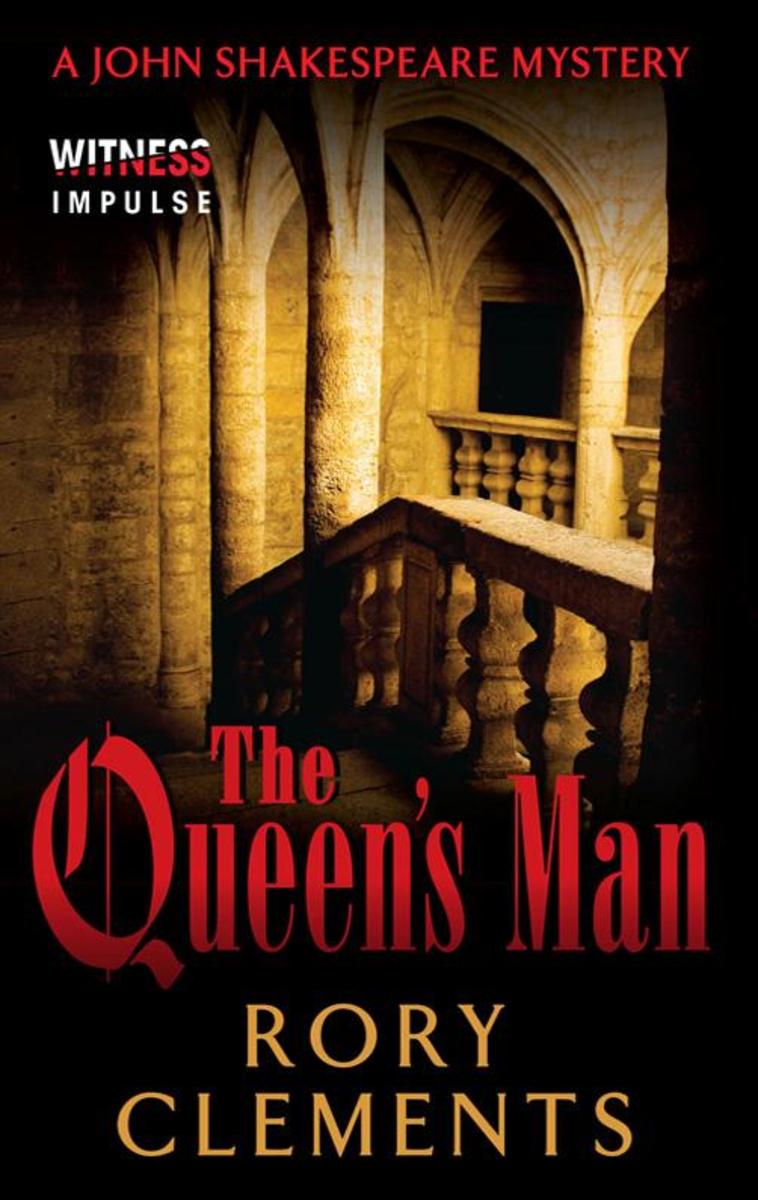
The Queen's Man
¥65.33
England is a viper's nest of conspiracy.It is 1852, and the conflict between Protestants and Catholics threatens to tear the country in two. While Queen Elizabeth I holds the reins of power, there are those whose loyalty lies with her imprisoned cousin—Mary, Queen of Scots.On his first major mission for Sir Francis Walsingham, the young John Shakespeare is ordered to untangle a conspiracy to free the Stuart queen from Sheffield Castle. All too soon, he realizes that the tentacles of the plot reach deep into his native Warwickshire and threaten his own friends and family. His duty lies with Elizabeth … but how far will he go to protect those he loves?
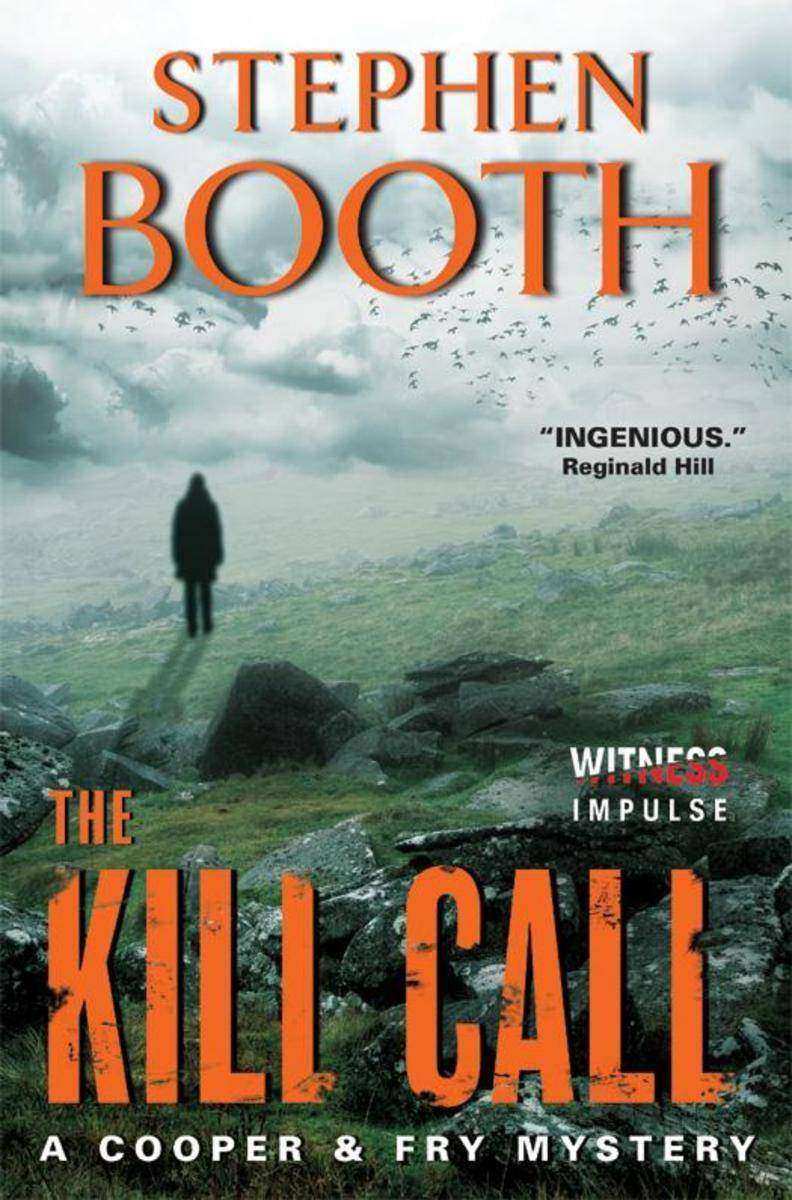
The Kill Call
¥67.12
On a rain-swept hillside, hounds from the local foxhunt discover the body of a well-dressed man. At that exact moment, an anonymous caller reports the same body . . . lying half a mile away.It's only the first in a series of baffling clues as Ben Cooper and Diane Fry—partners and rivals on the detective force —plunge into a case involving horses, spectacular wealth, and a mysterious "plague village" where a centuries-old outbreak of Black Death has been transformed into a modern tourist attraction.As the spring rain falls and the body count rises, Cooper and Fry's investigation twists back to the recent past. A killer lurks in the shadows there—a killer now hiding in plain sight . . .Atmospheric and ingenious, packed with suspense and secrets, The Kill Call is an unforgettable thriller from an unforgettable writer.

Welcome to Braggsville
¥83.03
From the PEN/Faulkner finalist and critically acclaimed author of Hold It 'Til It Hurts comes a dark and socially provocative Southern-fried comedy about four UC Berkeley students who stage a dramatic protest during a Civil War reenactment—a fierce, funny, tragic work from a bold new writerWelcome to Braggsville. The City That Love Built in the Heart of Georgia. Population 712.Born and raised in the heart of old Dixie, D'aron Davenport finds himself in unfamiliar territory his freshman year at UC Berkeley. Two thousand miles and a world away from his childhood, he is a small-town fish floundering in the depths of a large hyperliberal pond. Caught between the prosaic values of his rural hometown and the intellectualized multicultural cosmopolitanism of "Berzerkeley," the nineteen-year-old white kid is uncertain about his place, until one disastrous party brings him three idiosyncratic best friends: Louis, a "kung fu comedian" from California; Candice, an earnest do-gooder from Iowa claiming Native roots; and Charlie, an introspective inner-city black teen from Chicago. They dub themselves the "4 Little Indians."But everything changes in the group's alternative history class, when D'aron lets slip that his hometown hosts an annual Civil War reenactment, recently rebranded "Patriot Days." His announcement is met with righteous indignation and inspires Candice to suggest a "performative intervention" to protest the reenactment. Armed with youthful self-importance, makeshift slave costumes, righteous zeal, and their own misguided ideas about the South, the 4 Little Indians descend on Braggsville. Their journey through backwoods churches, backroom politics, Waffle Houses, and drunken family barbecues is uproarious at first but has devastating consequences.With the keen wit of Billy Lynn's Long Halftime Walk and the deft argot of The Brief Wondrous Life of Oscar Wao, T. Geronimo Johnson has written an astonishing, razor-sharp satire. Using a panoply of styles and tones, from tragicomic to Southern Gothic, he skewers issues of class, race, intellectual and political chauvinism, Obamaism, social media, and much more.A literary coming-of-age novel for a new generation, written with tremendous social insight and a unique, generous heart, Welcome to Braggsville reminds us of the promise and perils of youthful exuberance, while painting an indelible portrait of contemporary America.
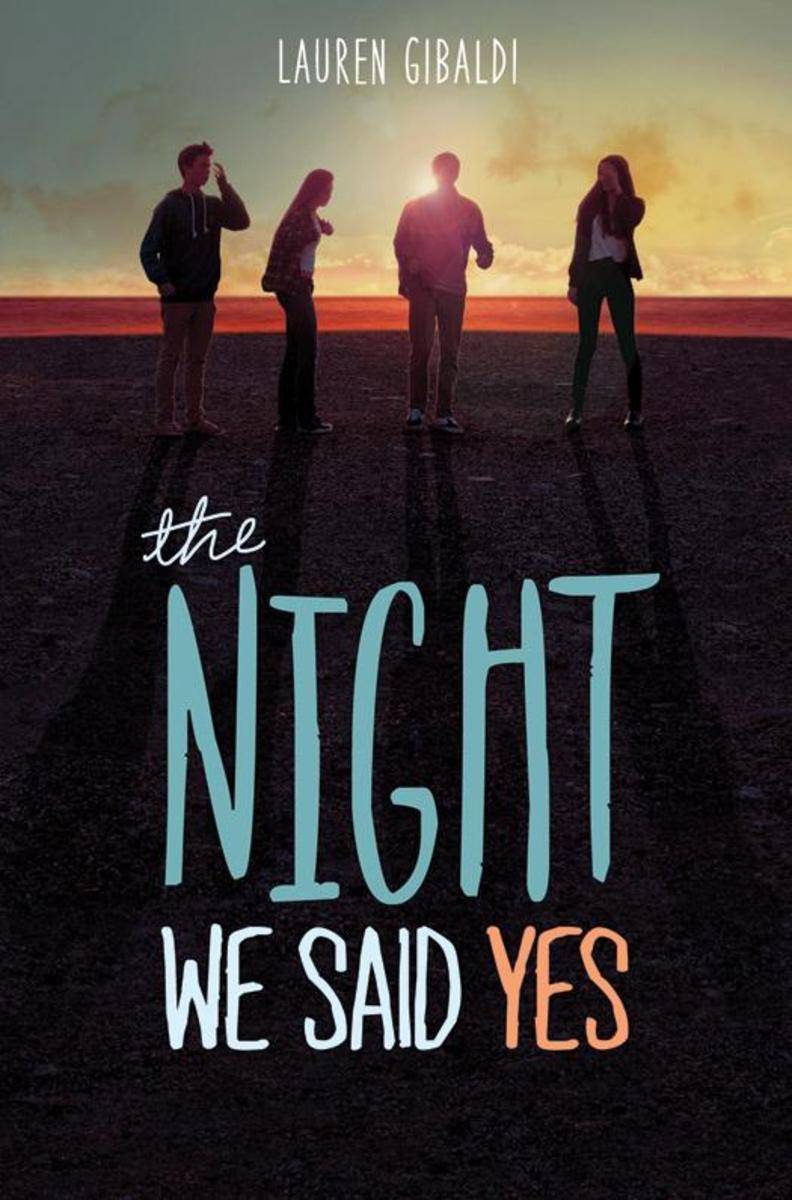
The Night We Said Yes
¥55.93
A fun, romantic read, perfect for fans of Sarah Dessen and Susane Colasanti! What happens when Matt and Ella reunite one year after their breakupAre second chances really possible?Before Matt, Ella had a plan. Get over her ex-boyfriend and graduate high school—simple as that. But Matt—the cute, shy, bespectacled bass player—was never part of that plan. And neither was attending a party that was crashed by the cops just minutes after they arrived. Or spending an entire night saying "yes" to every crazy, fun thing they could think of.But then Matt leaves town, breaking Ella's heart. And when he shows up a year later—wanting to relive the night that brought them together—Ella isn't sure whether Matt's worth a second chance. Or if re-creating the past can help them create a different future.
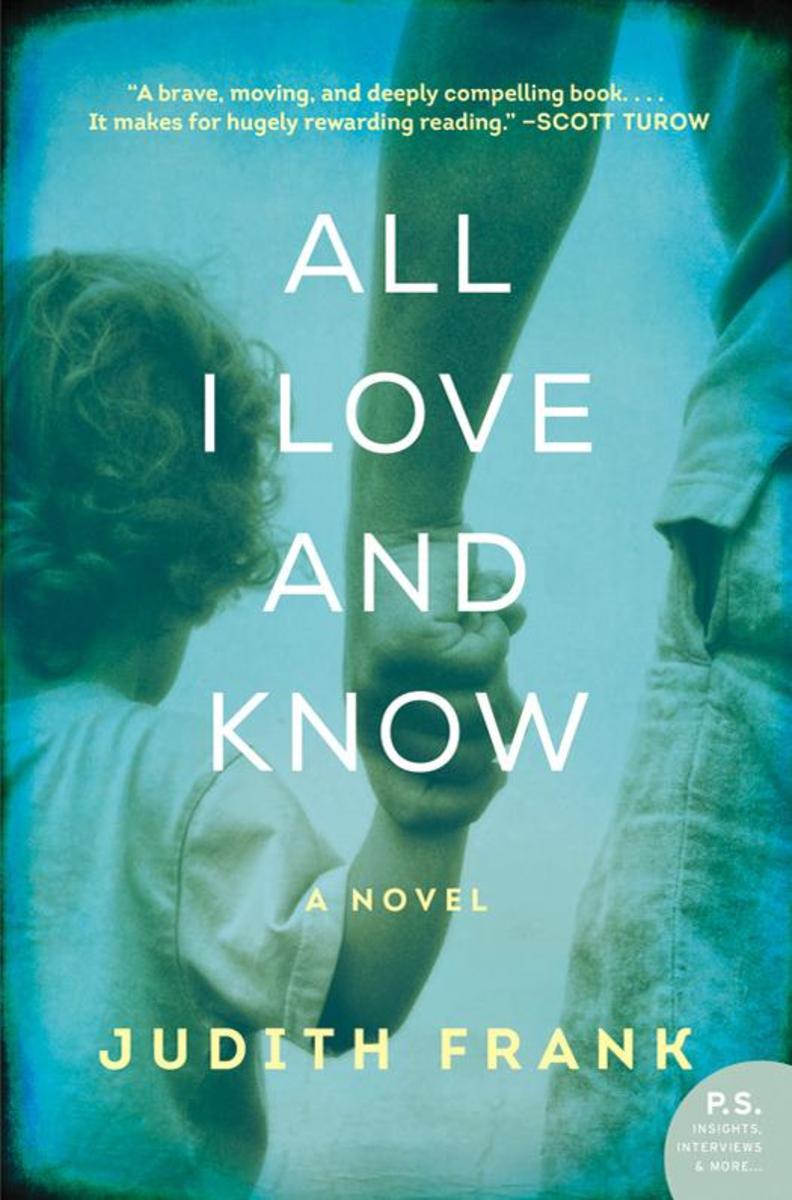
All I Love and Know
¥88.56
With the storytelling power of Wally Lamb and the emotional fidelity of Lorrie Moore, this is the searing drama of an American family on the brink of dissolution, one that explores adoption, gay marriage, and true love lost and found For years, Matthew Greene and Daniel Rosen have enjoyed a contented domestic life in Northampton, Massachusetts. Opposites in many ways, they have grown together and made their relationship work. But when they learn that Daniel's twin brother and sister-in-law have been killed in a Jerusalem bombing, their lives are suddenly, utterly transformed. The deceased couple have left behind two young children, and their shocked and grieving families must decide who will raise six-year-old Gal and baby Noam. When it becomes clear that Daniel's brother and sister-in-law had wanted Matt and Daniel to be the children's guardians, the two men find themselves confronted by challenges that strike at the heart of their relationship. What is Matt's place in an extended family that does not completely accept him or the commitment he and Daniel have madeHow do Daniel's complex feelings about Israel and this act of terror affect his ability to recover from his brother's deathAnd what kind of parents can these two men really be to children who have lost so muchThe impact that this instant new family has on Matt, Daniel, and their relationship is subtle and heartbreaking, yet not without glimmers of hope. They must learn to reinvent and redefine their bond in profound, sometimes painful ways. How does a family become strong enough to stay together and endure when its very basis has drastically changedAnd are there limits to honesty or commitment—or love?
Star Over Bethlehem
¥78.55
Previously published in the print anthology Star Over Bethlehem: Poems and Holiday Stories.A retelling of the Christmas story like you've never heard it before.Mary is alone in the stable with the baby Jesus when an angel arrives and offers her a difficult decision to make.
Promotion in the Highest
¥10.86
Previously published in the print anthology Star Over Bethlehem: Poems and Holiday Stories.It is New Year's Eve in the year 2000. In the dead of night, a drunken man, Jacob Narracott, sees a strange procession making its way down a hill from a church. There are fourteen people, among them a woman carrying a wheel and a man holding a gridiron. Narracott tells the local police constable about his sighting, feeling that he has seen them somewhere before …


