


 购物车
购物车 个人中心
个人中心
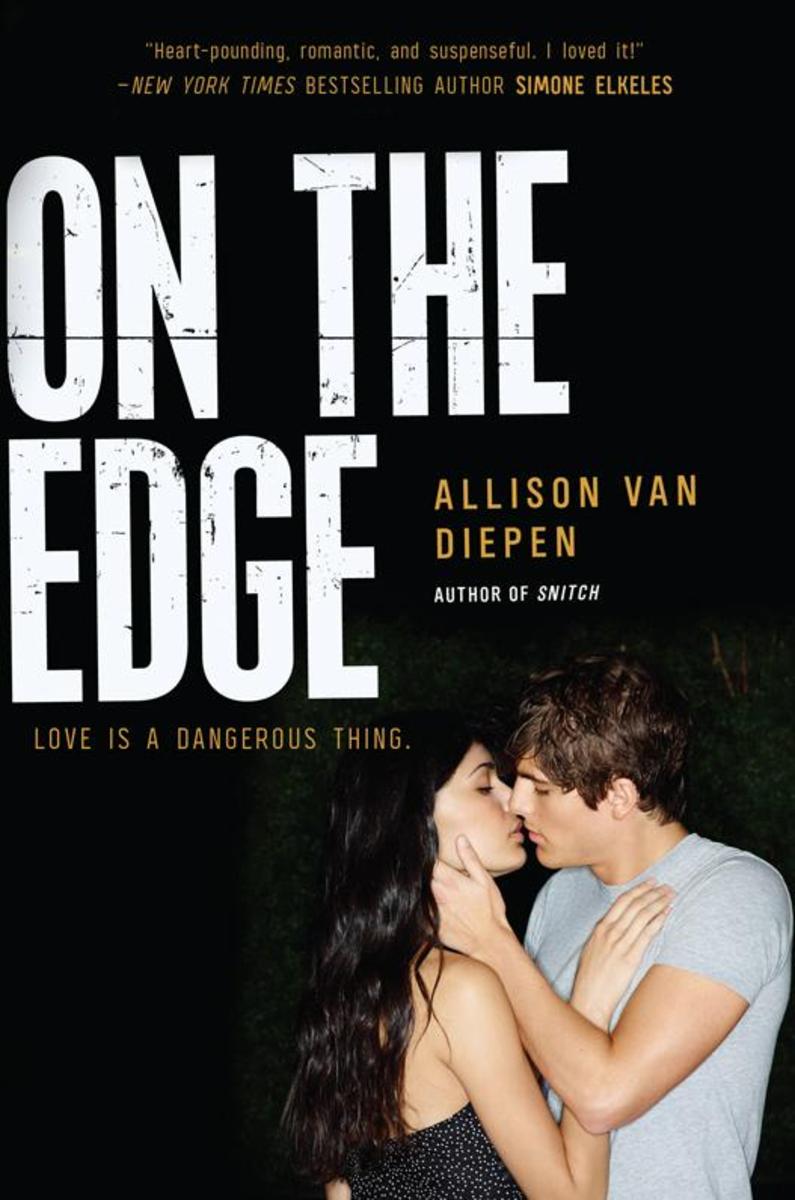
On the Edge
¥55.33
From Allison van Diepen, author of Light of Day, Snitch, and Street Pharm, comes a sexy, dangerous novel—perfect for fans of Simone Elkeles and Paul Griffin—about a teen who witnesses a murder and gets caught up in the seedy world of Miami's gangs.Maddie Diaz never should have taken that shortcut through the park. If she hadn't, she wouldn't have seen two members of the Reyes gang attacking a homeless man. Now, as the only witness, she knows there's a target on her back.But when the Reyes jump her on the street, Maddie is protected by a second gang and their secretive leader, Lobo, who is determined to take down the Reyes himself. Lobo is mysterious and passionate, and Maddie begins to fall for him. But when they live this close to the edge, can their love survive?
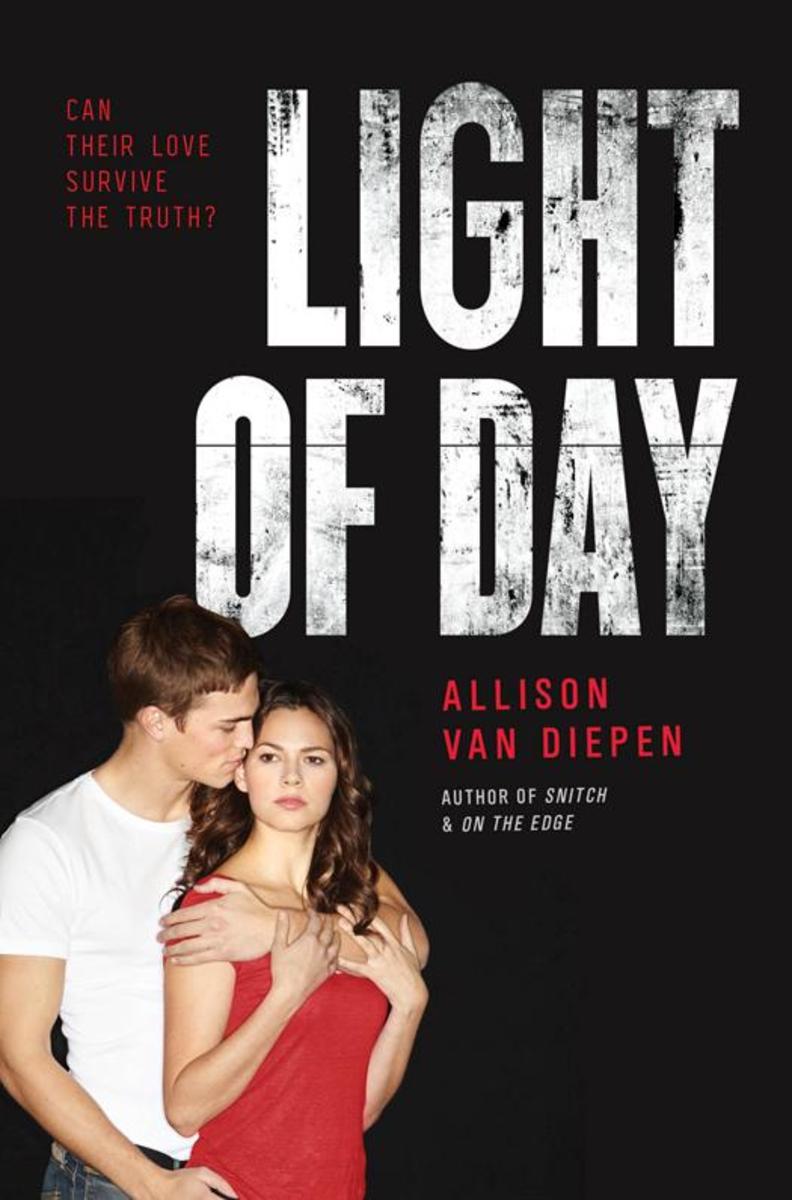
Light of Day
¥101.00
From the author of On the Edge and Snitch comes a dangerous, sexy novel perfect for fans of Simone Elkeles.When Gabby Perez is almost drugged at a nightclub, she decides to take action. Teaming up with a mysterious stranger known as X, the two go after a gang who is drugging and kidnapping innocent girls off the Miami streets and forcing them into prostitution. As their search deepens, Gabby and X can't ignore their undeniable attraction to each other. Then Gabby discovers the truth about who X really is and the danger that surrounds him. Can their love survive the light of day?Light of Day is set in the same world as On the Edge (readers will recognize some of their favorite characters in this book) and features a diverse cast. With romance, action, and realistic friendships, this is a gripping story about finding out where you belong, discovering the power to make a difference, and finding true love along the way.
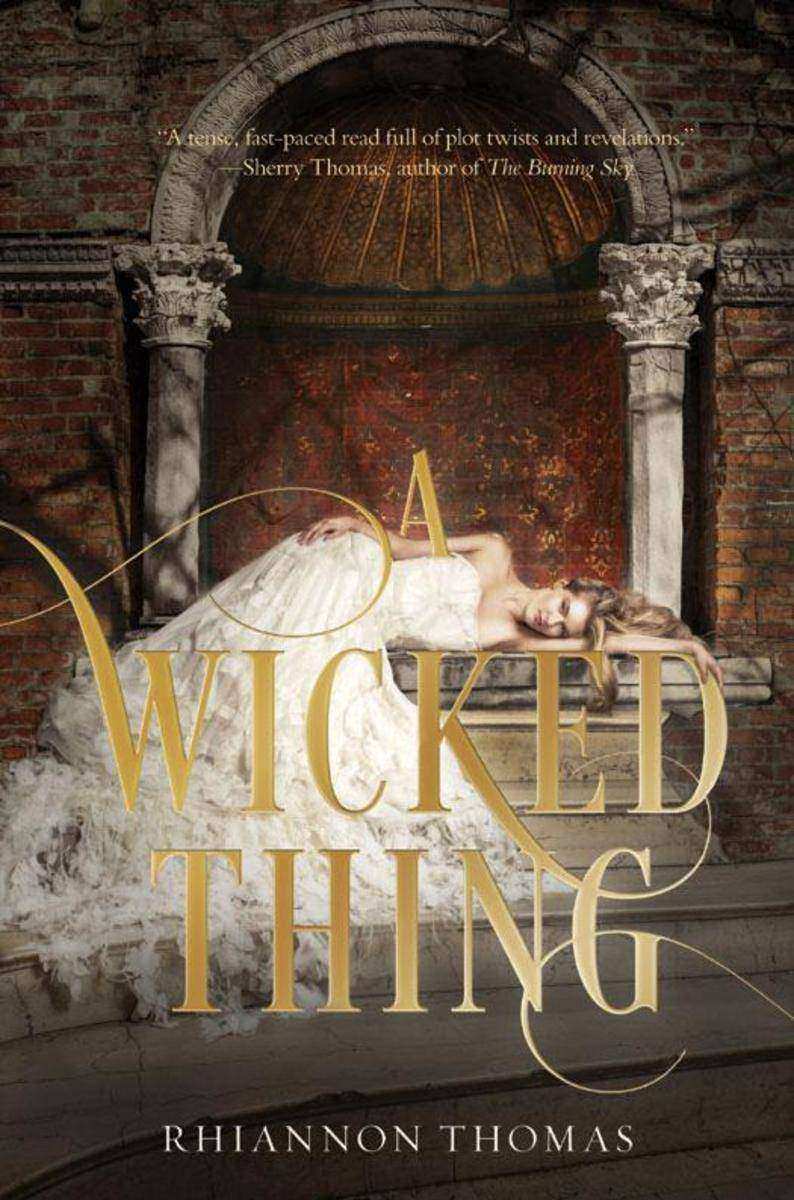
A Wicked Thing
¥55.33
Rhiannon Thomas's dazzling debut novel is a spellbinding reimagining of what happens after happily ever after. Vividly imagined scenes of action, romance, and political intrigue are seamlessly woven together to reveal a richly created world . . . and Sleeping Beauty as she's never been seen before.One hundred years after falling asleep, Princess Aurora wakes up to the kiss of a handsome prince and a broken kingdom that has been dreaming of her return. All the books say that she should be living happily ever after. But as Aurora understands all too well, the truth is nothing like the fairy tale.Her family is long dead. Her "true love" is a kind stranger. And her whole life has been planned out by political foes while she slept.As Aurora struggles to make sense of her new world, she begins to fear that the curse has left its mark on her, a fiery and dangerous thing that might be as wicked as the witch who once ensnared her. With her wedding day drawing near, Aurora must make the ultimate decision on how to save her kingdom: marry the prince or run.

Beowulf
¥55.33
A verse translation of the first great narrative poem in the English language that captures the feeling and tone of the original.
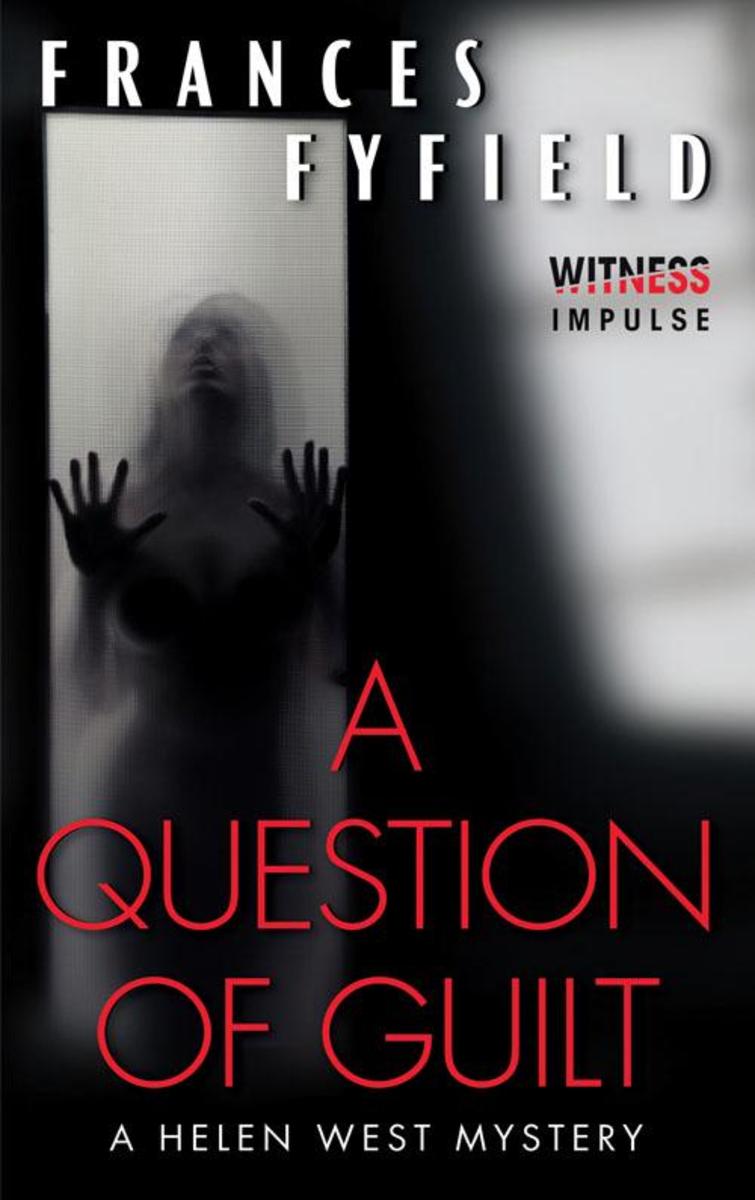
A Question of Guilt
¥32.73
Cunning and evil, poisoned by a lifetime of love withheld, Eileen Cartwright has an unrivaled passion for revenge. When the rich, middle-aged widow falls in love with her lawyer, she goes to fatal lengths to make him hers. Prosecutor Helen West is assigned to the case, but when Eileen's extraordinary evil reaches out even from behind prison bars, the investigation reaches a climax of frightening and frenzied violence.

Half Light
¥32.73
Elisabeth is a picture restorer. This gives her the solitude and independence she needs—living and working alone in her flat. Despite her skills and reliability, Elisabeth undercharges for her work—valuing the worth of the paintings rather more than she values herself. Her ambitions are modest: beauty to look upon, unintrusive friendships, and complete privacy. But when a mysterious and obviously wealthy man commissions her to restore his fabulous collection, an uncharacteristic combination of curiosity and financial need prompts her to accept his offer. Elisabeth soon realizes her error, as the past and the present combine to make privacy her nemesis. As she becomes a hostage to her patron, her lover and her friend realize they know nothing about her, or where she might be.
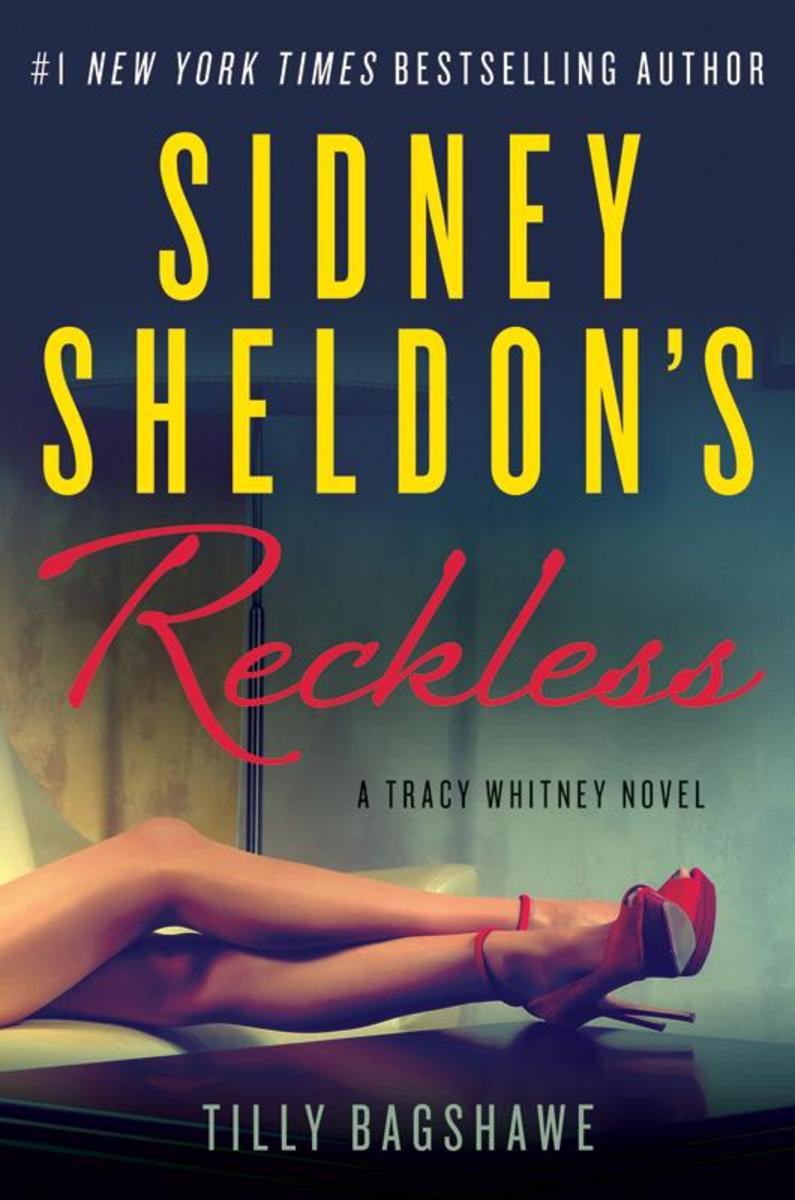
Sidney Sheldon's Reckless
¥55.31
#1 New York Times bestselling author Sidney Sheldon’s most popular and enduring heroine—Tracy Whitney of If Tomorrow Comes and Sidney Sheldon’s Chasing Tomorrow—finds herself caught in a nefarious and far-reaching scheme involving international terrorism and corruption in this compelling thriller packed with heart-stopping twists and breathtaking actionOnce upon a time, Tracy Whitney was one of the best thieves in the business. Then she settled down and had a child—a beautiful, bright, mischievous boy who was the center of her life. Tracy planned to spend the rest of her days quietly, living anonymously deep in the stunning Colorado mountains, devoted to raising her son. But tragedy forces her to face her greatest nightmare. Now, with nothing left to protect, this superb con artist, jewel thief, computer wizard, and cat burglar returns to the hunt, more dangerous, ruthless, and reckless than ever.The world faces a new terror threat from Group 99, a diverse collection of global hackers intent on thecollapse of capitalism and private wealth and the creation of a new world order. When the group turns to violence—kidnapping an American investigative journalist, shooting a British military hostage, and blowing up an international industrialist—the mysterious woman pulling their strings, a wily and wealthy American known only as Althea, becomes the CIA’s most sought criminal.But their only hope of finding her is a woman with a dark and dangerous past of her own. A woman who has also successfully evaded detection by the authorities around the world: Tracy.Convinced that Althea is behind the deadly act that shattered her life, Tracy sets out on a global hunt to flush out her prey. But as she soon discovers, the truth is as elusive as her target. Hampered by corruption, lies, and enemies masked as allies, Tracy will be pushed to the brink, where she must face her darkest demons. All of her experience tells Tracy that the answers are right in front of her—if only she can look at the clues in the right way.Propelled by an unquenchable thirst for revenge, and with the fate of so many resting in her hands, just how reckless will Tracy become when she has nothing left to lose?An addictive tale of espionage, mystery, passion, greed, betrayal, and vengeance that takes you from the beautiful Rocky Mountains to Europe’s oldest and grandest cities, filled with a cast of intriguing characters both new and familiar, Sidney Sheldon’s Reckless is a glamorous thrill ride that will leave you breathless until its shocking end.

The Playroom
¥66.50
An unforgettable psychological thriller reminiscent of Emma Donoghue's Room and V. C. Andrews' Flowers in the AtticKatherine and David have the perfect life: they are beautiful, rich, debonair, and gifted. But cracks begin to form beneath the smooth exterior when David suspects that one of their two children is not his. There is no other reason why chubby, petulant Jeanetta does not conform to David's standards of perfection and order.Soon, David's mood swings become more violent and irrational. In an attempt to exercise some control over his world, he sends Jeanetta to the playroom . . . and locks the door. With harrowing precision, Fyfield tells the story of a family's descent into madness.

The Damage
¥68.04
Power has its price.David Blake should be enjoying the high life now that he's top dog, controlling everything in the city that's worth controlling.But when it becomes clear that someone wants him dead, Blake struggles to maintain his restraint. From the heroin-laced high-rises of Newcastle to the seedy back streets of Bangkok, in a world of contract killers, corrupt politicians, bent detectives, fast women, and dangerous men, Blake is in a race against time to find—and stop—his potential assassin.Packed with action and attitude, The Damage is a gripping gangland thriller for fans of the hit films The Town and Goodfellas.
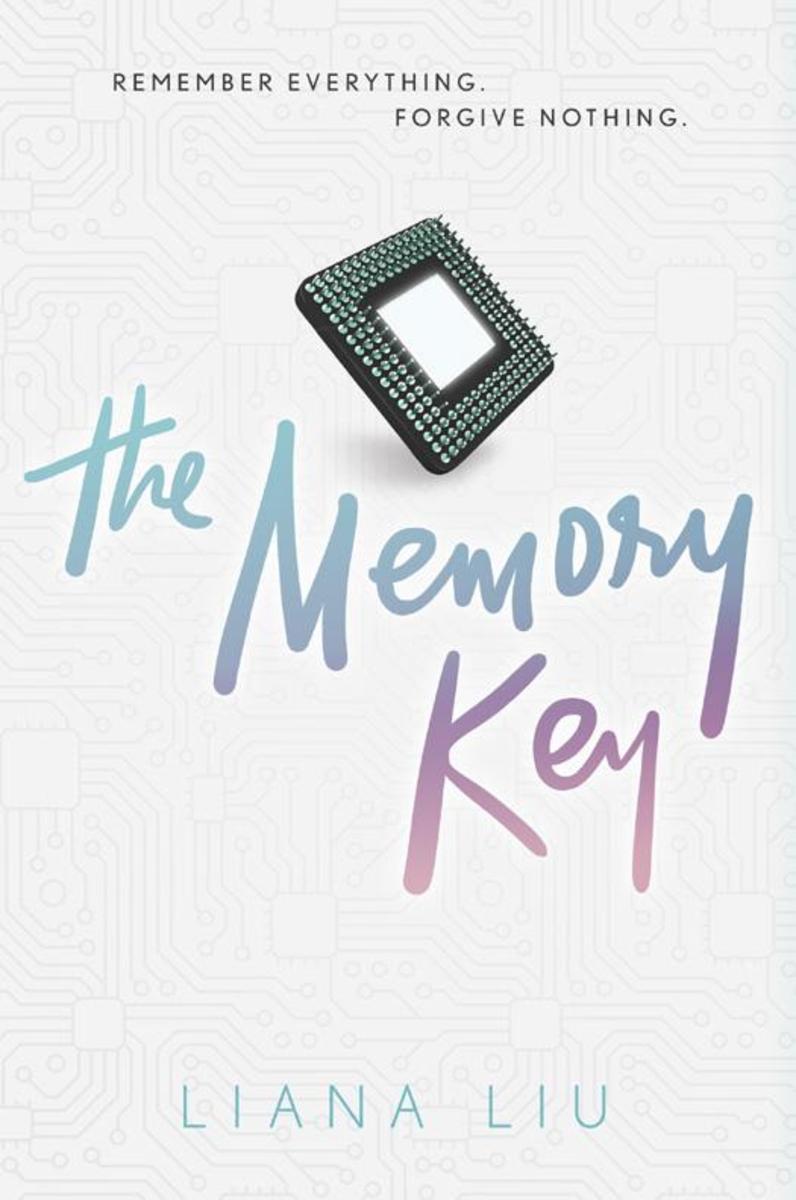
The Memory Key
¥56.08
Lora Mint is determined not to forget.Though her mother's been dead for five years, Lora struggles to remember every detail about her—most important, the specific events that occurred the night she sped off in her car, never to return.But in a world ravaged by Vergets disease, a viral form of Alzheimer's, that isn't easy. Usually Lora is aided by her memory key, a standard-issue chip embedded in her brain that preserves memories just the way a human brain would. Then a minor accident damages Lora's key, and her memories go haywire. Suddenly Lora remembers a moment from the night of her mother's disappearance that indicates her death was no accident. Can she trust these formerly forgotten memoriesOr is her ability to remember every painful part of her past driving her slowly mad—burying the truth forever?Lora's story of longing for her lost mother—and for the truth behind her broken memories—takes readers on a twisty ride. The authentic, emotional narrative sparks fascinating questions about memory and privacy in a world that increasingly relies on electronic recall.
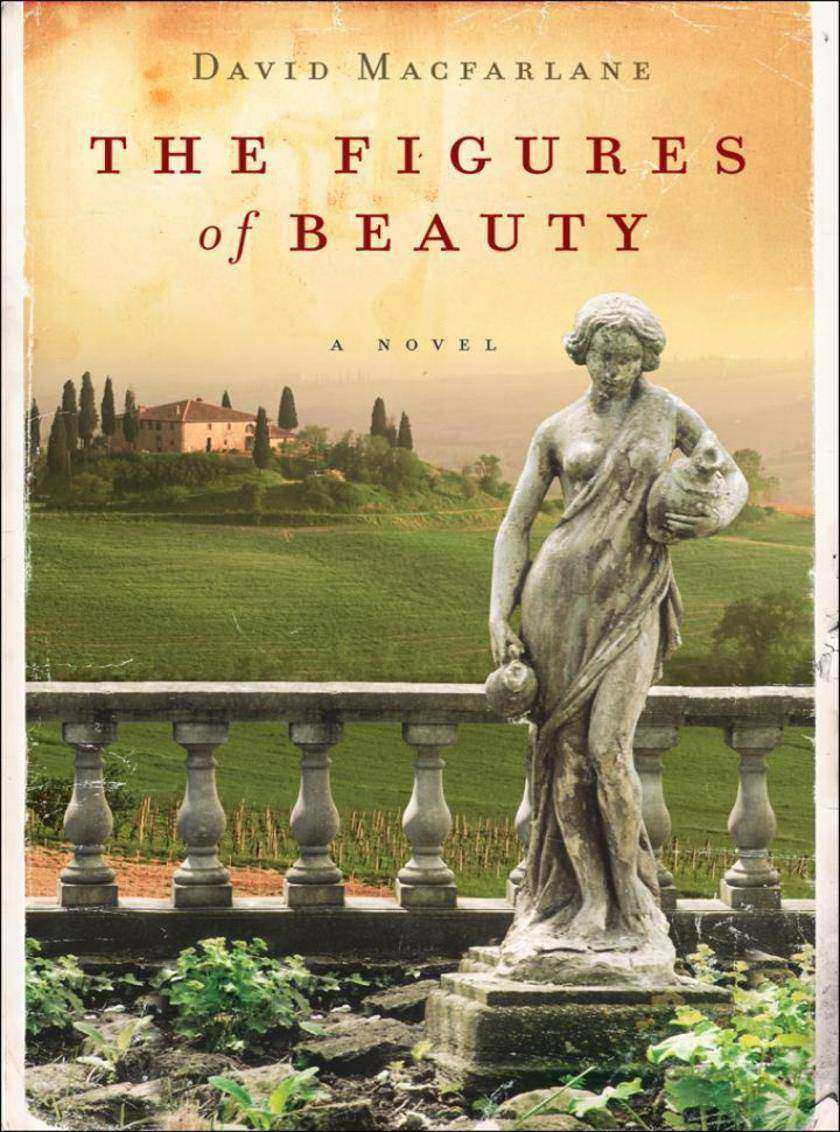
Harper
¥147.48
A sensuous, heartbreaking novel about art, beauty, and the choices we make that define us for lifeIn 1968 a young man travels to Paris, where a series of unlikely events take him to a tiny village in Italy—and to the one great love of his life. A marble merchant meets a couple on their honeymoon, introducing them to the sensual beauty of Carrara. An Italian woman arrives in Canada to find the father she never knew. A terrible accident in a marble quarry changes the course of a young boy's life and, ultimately, sets in motion each of these stories, which David Macfarlane masterfully shapes into a magnificent whole.Oliver Hughson falls in love with wild, bohe-mian Anna over the course of one glorious summer in Italy. Bound by a sense of responsibility to his adoptive parents back home in Canada, however, he leaves her, an act he will regret for the rest of his life. Narrated by the daughter he never knew he had, The Figures of Beauty is a love story of mythic proportions. Through luck, fate, and great good fortune, Oliver found the one place and the one woman he should never have left. This is the story of his trying to find his way back.
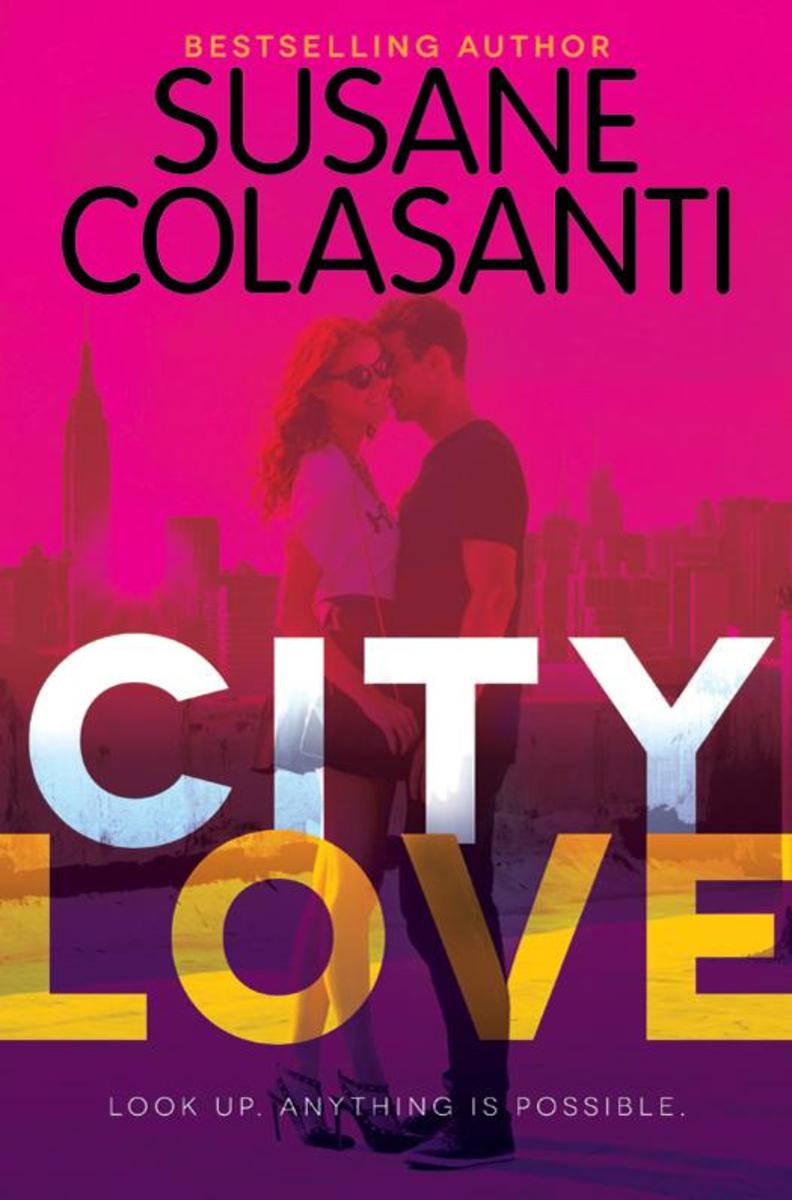
City Love
¥56.08
Three teenage girls learn how to navigate their hearts and NYC. Book one of the trilogy, City Love, is the start of a romantic new series for fans of Sarah Dessen, Stephanie Perkins, and the Carrie Diaries, from bestselling author Susane Colasanti.Roommates Sadie, Darcy, and Rosanna have big plans for their summer before college. Sadie is looking for love, Darcy is living for the next adventure, and Rosanna is reinventing herself. There will be plenty of distractions—irresistible guys, wrong guys, awkward encounters, 2 a.m. breakfasts, fangirl moments, Nasty Girl, and more—but if they look up they will discover the true meaning of city love.
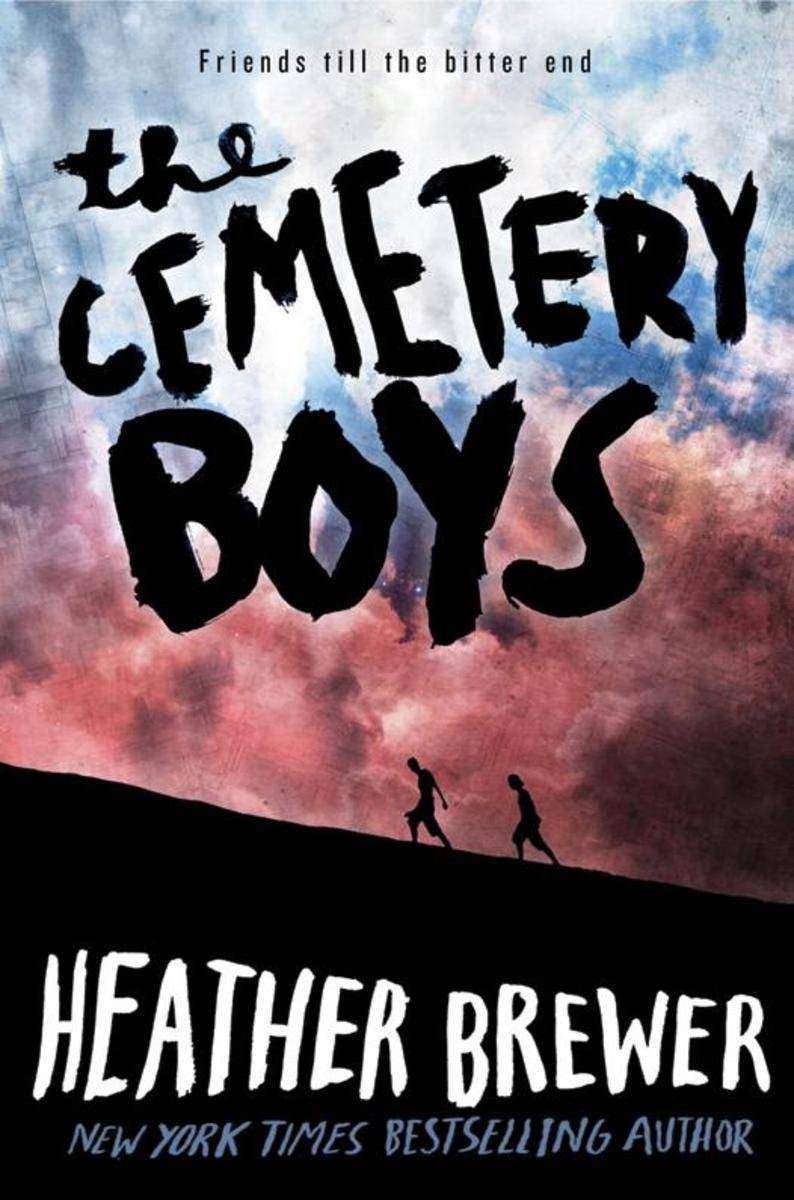
The Cemetery Boys
¥99.65
Welcome to Spencer. Population: 814. It's a backward town—and it's hiding a terrible secret.When Stephen's dad says they're moving, Stephen knows it's pointless to argue. They're broke from paying Mom's hospital bills, and now the only option left is to live with Stephen's grandmother, a woman as bitter and stuck as the town of Spencer itself.Stephen's summer starts looking up when he meets punk girl Cara and her charismatic twin brother, Devon. The twins have family problems of their own and aren't exactly close, but Stephen is drawn to them, each for different reasons. With Cara, he feels safe and understood—and yeah, okay, she's totally hot. In Devon and his group, he sees a chance at making real friends.Only, as the summer presses on, and harmless nights hanging out in the cemetery take a darker turn, Stephen starts to suspect that Devon is less a friend than a leader. And he might be leading them to a very sinister end.Mixing classic horror elements with a darkly funny coming-of-age story, New York Times bestselling author Heather Brewer brings her razor-sharp edge to a story about the dangerous power of belief and the cost of blind loyalty, taking readers to the brink of madness and past the point of no return.
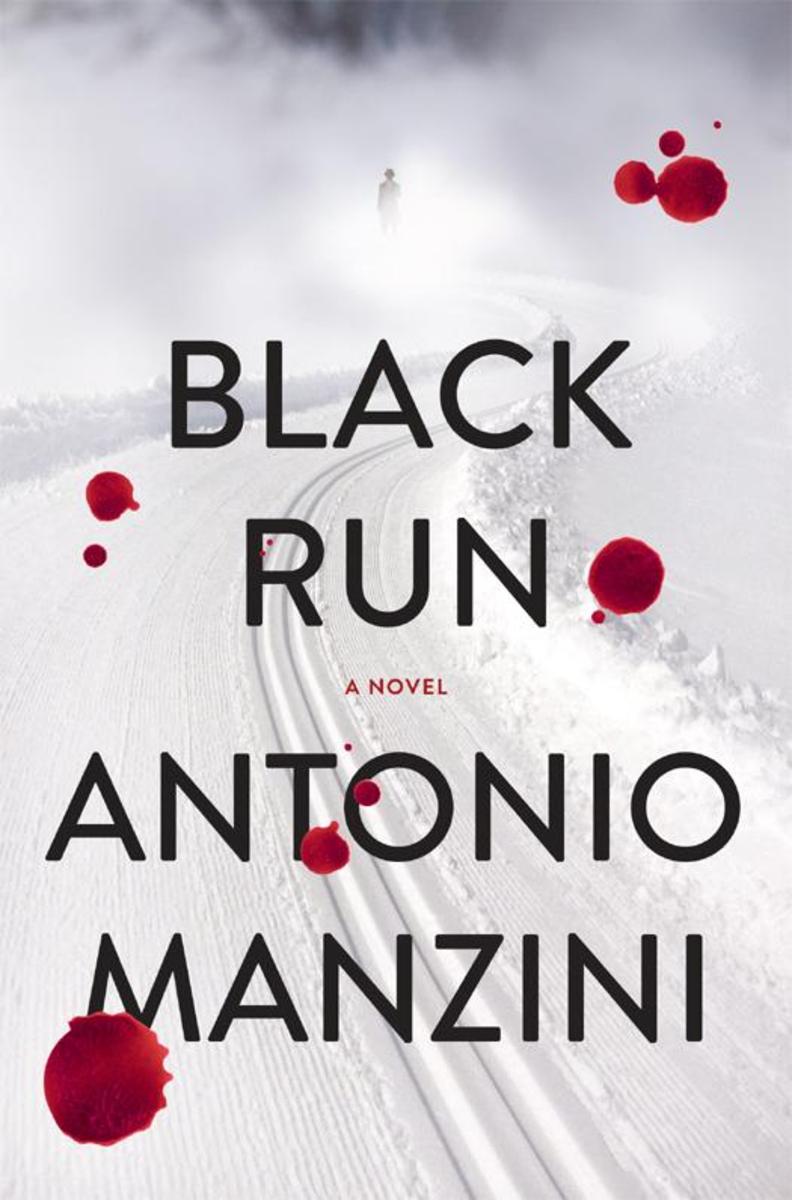
Black Run
¥83.03
Already an international hit, a sly, sizzling mystery—the first in a sensational crime series—set in the Italian Alps, reminiscent of the works of Andrea Camilleri, Donna Leon, and Henning MankellAfter getting into serious trouble with the wrong people, Deputy Police Chief Rocco Schiavone is exiled to Aosta, a small, touristy alpine town far from his beloved Rome. The sophisticated yet crotchety Roman despises mountains, snow, and the provincial locals as much as he disdains his superiors and their petty rules. But he loves solving crimes.When a mangled body is discovered on a slope above Champoluc, Rocco immediately faces his first challenge—identifying the victim, a complex procedure complicated by his ignorance of the customs, dialect, and history of his new home. Proud and undaunted, Rocco makes his way among the ski runs, mountain huts, and aerial tramways, meeting instructors, alpine guides, the enigmatic folk of Aosta, and a few beautiful locals eager to give him a warm welcome. It won't be easy, this mountain life, especially with a corpse or two in the mix. But then there's nothing that makes Rocco feel more at home than an investigation.An insightful observer of human nature, Antonio Manzini writes with sly humor and a dash of irony, introducing an irresistible hero—a fascinating blend of swagger, machismo, and vulnerability—in a colorful and atmospheric mystery series that is European crime fiction at its best.

The Appetite Solution
¥149.48
Dr. Joe Colella knows the science of weight loss. He has been helping thousands of patients lose weight—and keep it off—for over twenty years. And here's one of his secrets: any diet that leaves you feeling constantly hungry is almost certainly destined to fail.In fact, hunger should be your first clue that your diet isn't working. Sound crazyIt's not. There is science behind it, and in The Appetite Solution, Dr. Colella reveals what is holding you back from the weight loss you desire and provides a six-week, three-phase plan to help you start to shed those pounds in a sustainable way.His revolutionary "Appetite Scale" is a measurement that shows which foods lead to weight gain and cravings, no matter how much you've cut back on calories. Often, much of our weight gain comes from failing to recognize how many simple sugars we consume. Once aware of those secret saboteurs of weight loss, you'll begin the six-week plan. In phase one, you start to incorporate more protein into your diet. Phase two involves a progressive reduction of the simple sugars that lead to weight gain. And in phase three, you gradually begin to incorporate moderate exercise. This step-by-step process allows your body to adjust to the changes without going into survival mode and a decreased metabolism. This means you are increasing your metabolism for the long run, allowing you to slim down and maintain your ideal weight forever.After following the program in The Appetite Solution, you will have the metabolism of a teenager and no longer feel like you pack on pounds despite the yo-yo diet lifestyle you've experienced. Whether you have twenty pounds to lose or two hundred, Dr. Colella provides a practical and realistic way to control your appetite, lose weight, and stay healthy for the rest of your life.
![The Quinoa [Keen-Wah] Cookbook](https://platform-permanent.ddimg.cn/pt-media-info-soa-resource/digital/product/63/28/1900546328_ii_cover.jpg?version=fee85d06-5ee2-4077-acf9-e53959dcdc6e)
The Quinoa [Keen-Wah] Cookbook
¥132.87
Kale. Cupcakes. Sriracha. Bacon-wrapped . . . anything. Each passing year seems to bring with it a new culinary darling, an ingredient or dish that enjoys a moment in the limelight—making its mark on restaurant menus, grocery store shelves, and, yes, in cookbooks.Quinoa is the latest heir to the food-trend throne, and with good reason: the protein-packed, gluten-free seed is a bona fide superfood. But while the nutritional attributes of quinoa are widely acknowledged, its ability to entice has, until now, been debated. Enter The Quinoa Cookbook, in which you will find more than seventy-five recipes that utilize quinoa in unexpected, creative, and delicious ways. From Nutty Quinoa Granola to Breakfast Coconut Quinoa; Roasted Peppers with Lamb-Quinoa Stuffing to Matzo Ball–Style Quinoa Soup; Charred Romaine Greek Salad with Quinoa-Crusted Feta to Quinoa, Sweet Potato, and Walnut Veggie Burgers; Quinoa, Cashew, and Orange Blossom Brittle to Quinoa PB&J Cookies; The Quinoa Cookbook will inspire you to reconsider your go-to quinoa dishes. You will also discover the tricks to cooking quinoa perfectly; learn how to make your own quinoa flour, flakes, and puffs; master the art of swapping in quinoa for other starches, like rice and pasta; and find out how to use quinoa in both savory and sweet applications, including baked goods.After all, quinoa is here to stay—so why not have some fun with it?
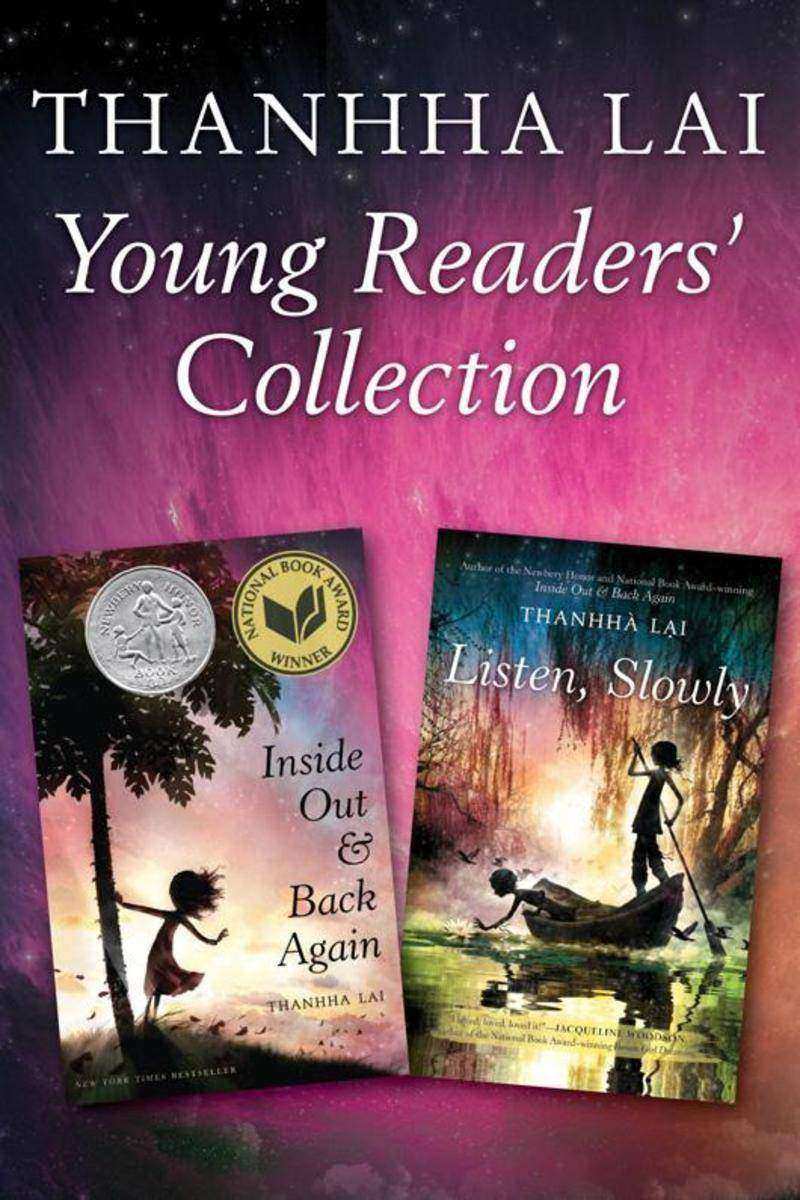
Thanhha Lai Young Readers' Collection
¥107.82
Acclaimed New York Times bestselling author Thanhha Lai won the National Book Award for Young People's Literature and the Newbery Honor for her debut novel, Inside Out and Back Again. This collection includes Inside Out and Back Again along with her newest novel, Listen, Slowly. Inside Out and Back Again: Inspired by the author's childhood experience of fleeing Vietnam after the Fall of Saigon and immigrating to Alabama, this coming-of-age debut novel told in verse has been celebrated for its touching child's-eye view of family and immigration. For all the ten years of her life, Hà has only known Saigon: the thrills of its markets, the joy of its traditions, and the warmth of her friends close by. But now the Vietnam War has reached her home. Hà and her family are forced to flee as Saigon falls, and they board a ship headed toward hope. In America, Hà discovers the foreign world of Alabama: the coldness of its strangers, the dullness of its food . . . and the strength of her very own family.Listen, Slowly: Twelve-year-old Mia's parents are sending her, along with her father, on a trip to Vietnam so she can learn more about her roots—and also help her grandmother figure out what really happened to Mia's grandfather during the Vietnam War. Since Mia barely knows the language or customs, she is desperately counting down the days until she can go back home. But the next few weeks are a life-changing experience. As time passes, Mia begins to have a change of heart, growing closer to her family and developing an understanding of a culture and an entire world which that she never really knew about.

Dorothy Must Die: The Other Side of the Rainbow Collection
¥327.12
There's a new wicked witch in Oz—and her name is Dorothy. The Wonderful Wizard of Oz meets Kill Bill in this edgy, fast-paced, fantasy-adventure series from New York Times bestselling author Danielle Paige. The first two novels and three novellas are available together here for the first time:Dorothy Must Die: Oz has turned into a savage dystopia under Dorothy's rule—and now a new girl from Kansas must take her down. Amy Gunn been recruited by the Revolutionary Order of the Wicked. Her mission: Remove the Tin Woodman's heart. Steal the Scarecrow's brain. Take the Lion's courage. And—Dorothy must die.The Wicked Will Rise: With the Revolutionary Order of the Wicked scattered across Oz, Amy Gumm is on her own in the twisted fairyland. As she searches the kingdom in the hopes of destroying Dorothy once and for all, Amy realizes that nothing is what it seems in Oz and everyone has their own agenda.This collection also contains the three prequel novellas No Place Like Oz, The Witch Must Burn, and The Wizard Returns.
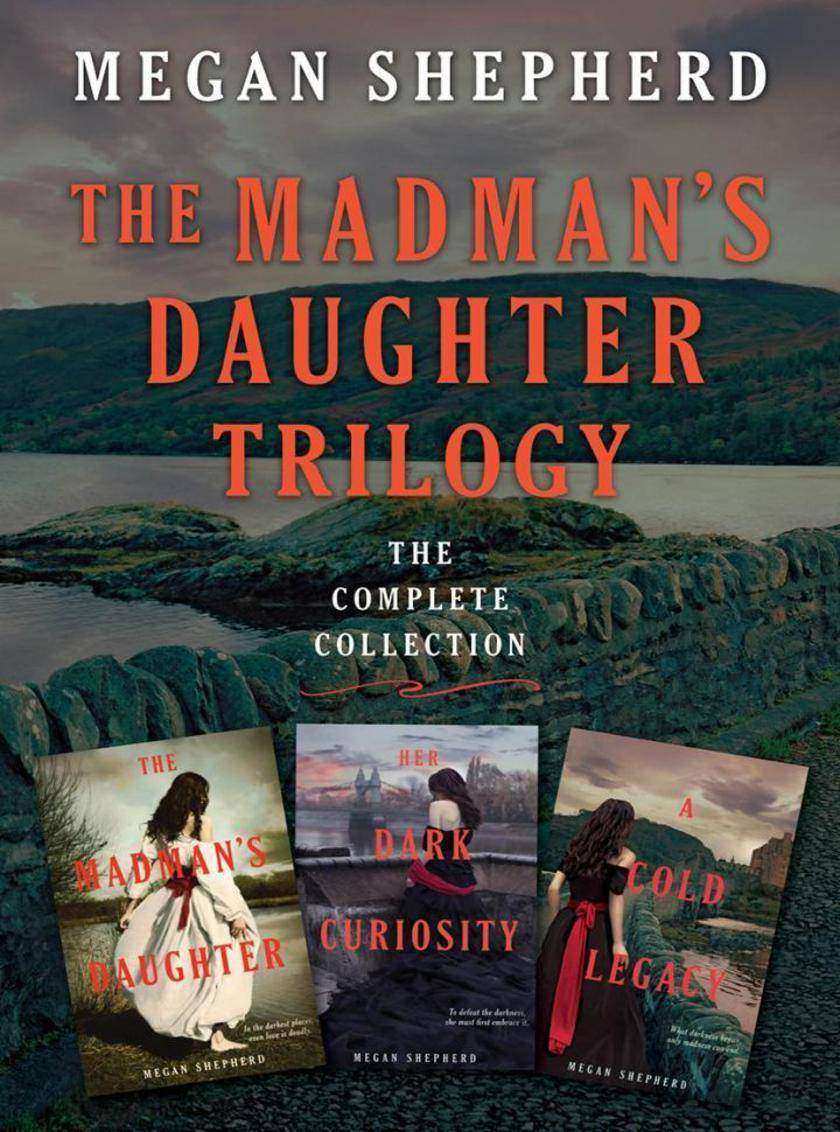
The Madman's Daughter Trilogy: The Complete Collection
¥261.65
Megan Shepherd's gothic suspense trilogy, inspired by the stories of H.G. Wells, Robert Louis Stevenson, and Mary Shelley, is perfect for fans of Libba Bray, Leigh Bardugo, and classic horror and science fiction. This collection also contains a sneak peek of The Cage, the first book in Megan Shepherd's gripping new series about teens held captive in a human zoo by an otherworldly race.The Madman's Daughter, inspired by The Island of Dr. Moreau, is the story of Dr. Moreau's daughter Juliet, who travels to her estranged father's island only to encounter murder, madness, and a scintillating love triangle.Her Dark Curiosity: Inspired by The Strange Case of Dr. Jekyll and Mr. Hyde, this tantalizing sequel explores the hidden natures of those we love and how far we'll go to save them from themselves.A Cold Legacy: With inspiration from Mary Shelley's Frankenstein, this breathless conclusion to the Madman's Daughter trilogy explores the things we'll sacrifice to save those we love . . . even our own humanity.
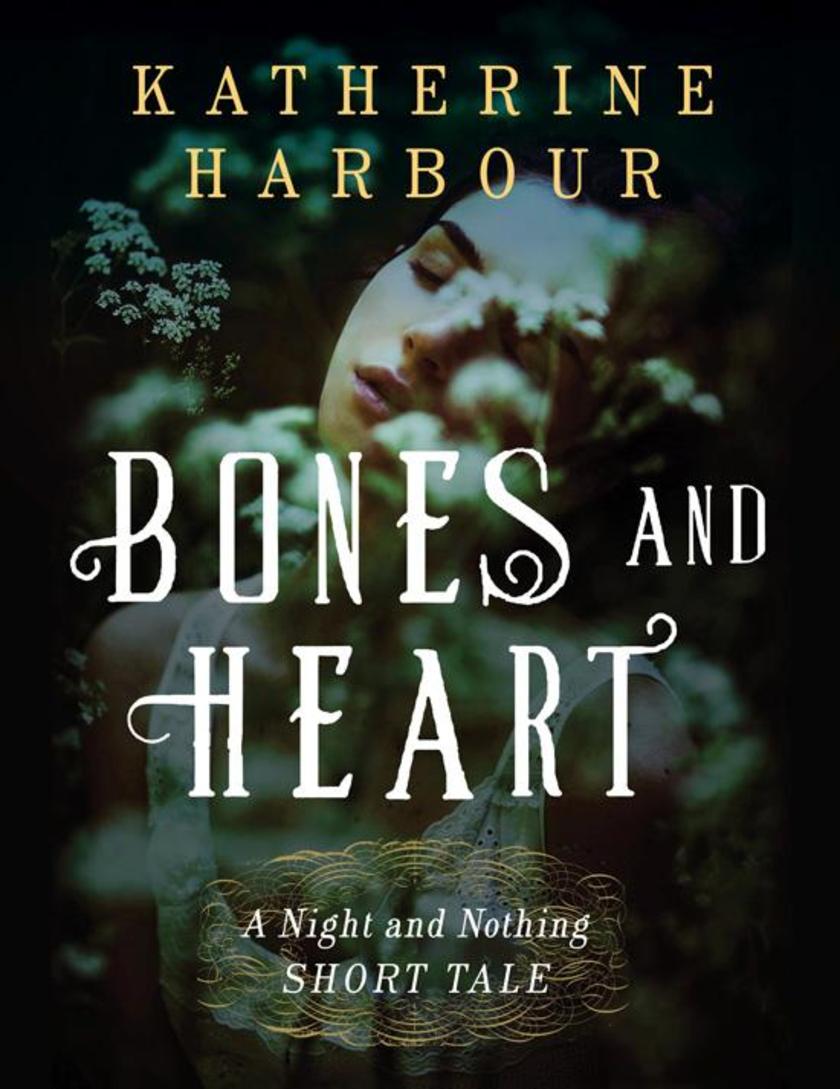
Bones and Heart
¥21.51
Bones and Heart by Katherine Harbour has de*ive copy which is not yet available from the Publisher.

Dead Ringer
¥66.50
Orchestra practice hits the wrong chord when a fellow musician is found dead, and violinist (and now amateur sleuth) Midori Bishop finds herself investigating more than just a new concerto in Sarah Fox's new cozy mystery, Dead RingerMidori Bishop's life is hitting all the right notes. She has her dream job playing violin in the Point Grey Philharmonic Orchestra, and is embarking on a new relationship with the symphony's hot maestro. But when Midori finds a cellist strangled to death during a rehearsal, the maestro soon becomes the number-one suspect and Midori his only supporter.Midori sets out to prove the maestro's innocence, but soon discovers that he and many others have secrets they would rather keep hidden. For someone who was only a ringer—a temporary member of the orchestra—the dead cellist had certainly made a lot of enemies. And as the investigation takes Midori closer to the truth, the killer gears up for a grand finale—with Midori as the intended victim.


