


 购物车
购物车 个人中心
个人中心
Frankenstein of 1790 and Other Lost Chapters from Revolutionary France
¥394.36
The French Revolution brings to mind violent mobs, the guillotine, and Madame Defarge, but it was also a publishing revolution: more than 1,200 novels were published between 1789 and 1804, when Napoleon declared the Revolution at an end. In this book, Julia V. Douthwaite explores how the works within this enormous corpus announced the new shapes of literature to come and reveals that vestiges of these stories can be found in novels by the likes of Mary Shelley, E. T. A. Hoffmann, Honore de Balzac, Charles Dickens, Gustave Flaubert, and L. Frank Baum.?Deploying political history, archival research, and textual analysis with eye-opening results, Douthwaite focuses on five major events between 1789 and 1794-first in newspapers, then in fiction-and shows how the symbolic stories generated by Louis XVI, Robespierre, the market women who stormed Versailles, and others were transformed into new tales with ongoing appeal. She uncovers a 1790 story of an automaton-builder named Franknsten, links Baum to the suffrage campaign going back to 1789, and discovers a royalist anthem's power to undo Balzac's Pre Goriot. Bringing to light the missing links between the ancien rgime and modernity, The Frankenstein of 1790 and Other Lost Chapters from Revolutionary France is an ambitious account of a remarkable politico-literary moment and its aftermath.
Nietzsche's Enlightenment
¥394.36
While much attention has been lavished on Friedrich Nietzsche's earlier and later works, those of his so-called middle period have been generally neglected, perhaps because of their aphoristic style or perhaps because they are perceived to be inconsistent with the rest of his thought. With Nietzsche's Enlightenment, Paul Franco gives this crucial section of Nietzsche's oeuvre its due, offering a thoughtful analysis of the three works that make up the philosopher's middle period: Human, All too Human; Daybreak; and The Gay Science.?It is Nietzsche himself who suggests that these works are connected, saying that their "e;common goal is to erect a new image and ideal of the free spirit."e; Franco argues that in their more favorable attitude toward reason, science, and the Enlightenment, these works mark a sharp departure from Nietzsche's earlier, more romantic writings and differ in important ways from his later, more prophetic writings, beginning with Thus Spoke Zarathustra. The Nietzsche these works reveal is radically different from the popular image of him and even from the Nietzsche depicted in much of the secondary literature; they reveal a rational Nietzsche, one who preaches moderation instead of passionate excess and Dionysian frenzy. Franco concludes with a wide-ranging examination of Nietzsche's later works, tracking not only how his outlook changes from the middle period to the later but also how his commitment to reason and intellectual honesty in his middle works continues to inform his final writings.
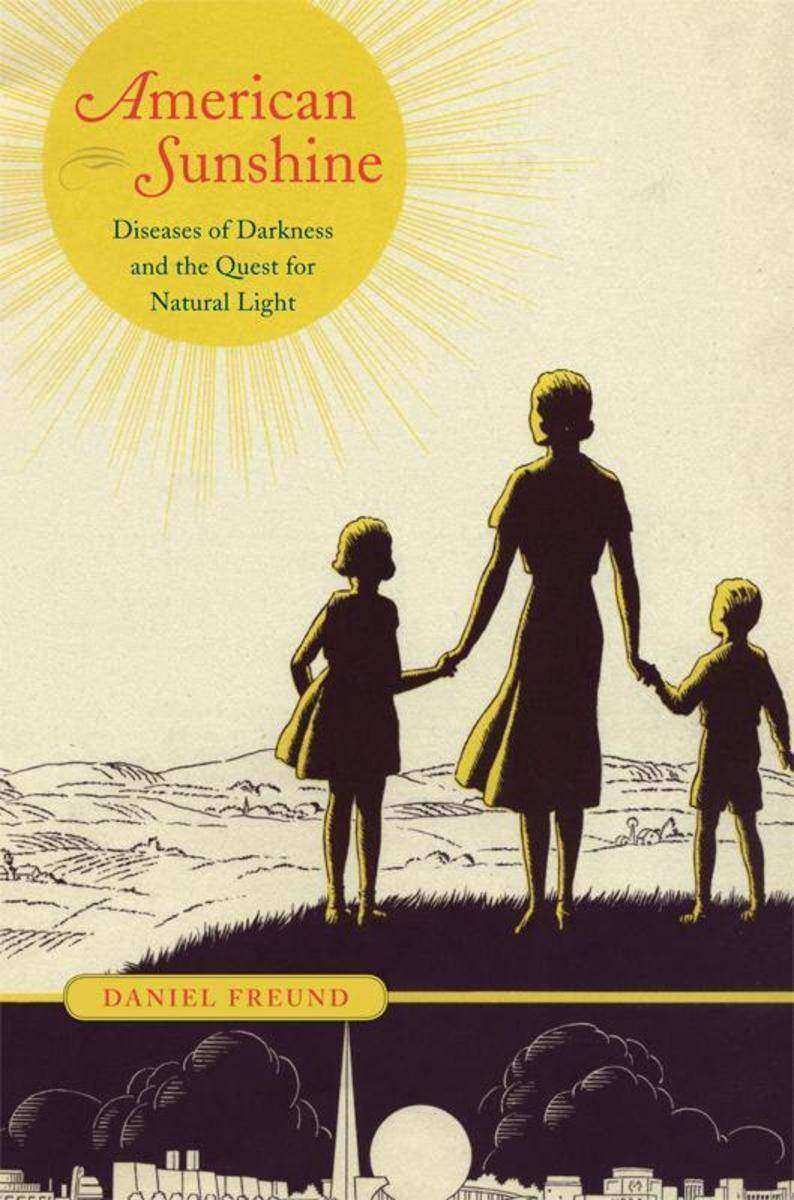
American Sunshine
¥394.36
In the second half of the nineteenth century, American cities began to go dark. Hulking new buildings overspread blocks, pollution obscured the skies, and glass and smog screened out the health-giving rays of the sun. Doctors fed anxities about these new conditions with claims about a rising tide of the "e;diseases of darkness,"e; especially rickets and tuberculosis.In American Sunshine, Daniel Freund ?tracks the obsession with sunlight from those bleak days into the twentieth century. ?Before long, social reformers, medical professionals, scientists, and a growing nudist movement proffered remedies for America's new dark age. Architects, city planners, and politicians made access to sunlight central to public housing and public health. and entrepreneurs, dairymen, and tourism boosters transformed the pursuit of sunlight and its effects into a commodity. Within this historical context, Freund sheds light on important questions about the commodification of health and nature and makes an original contribution to the histories of cities, consumerism, the environment, and medicine.

Planning the Home Front
¥370.82
Before Franklin Roosevelt declared December 7 to be a "e;date which will live in infamy"e;; before American soldiers landed on D-Day; before the B-17s, B-24s, and B-29s roared over Europe and Asia, there was Willow Run. Located twenty-five miles west of Detroit, the bomber plant at Willow Run and the community that grew up around it attracted tens of thousands of workers from across the United States during World War II. Together, they helped build the nation's "e;Arsenal of Democracy,"e; but Willow Run also became the site of repeated political conflicts over how to build suburbia while mobilizing for total war.In Planning the Home Front, Sarah Jo Peterson offers readers a portrait of the American people-industrialists and labor leaders, federal officials and municipal leaders, social reformers, industrial workers, and their families-that lays bare the foundations of community, the high costs of racism, and the tangled process of negotiation between New Deal visionaries and wartime planners. By tying the history of suburbanization to that of the home front, Peterson uncovers how the United States planned and built industrial regions in the pursuit of war, setting the stage for the suburban explosion that would change the American landscape when the war was won.
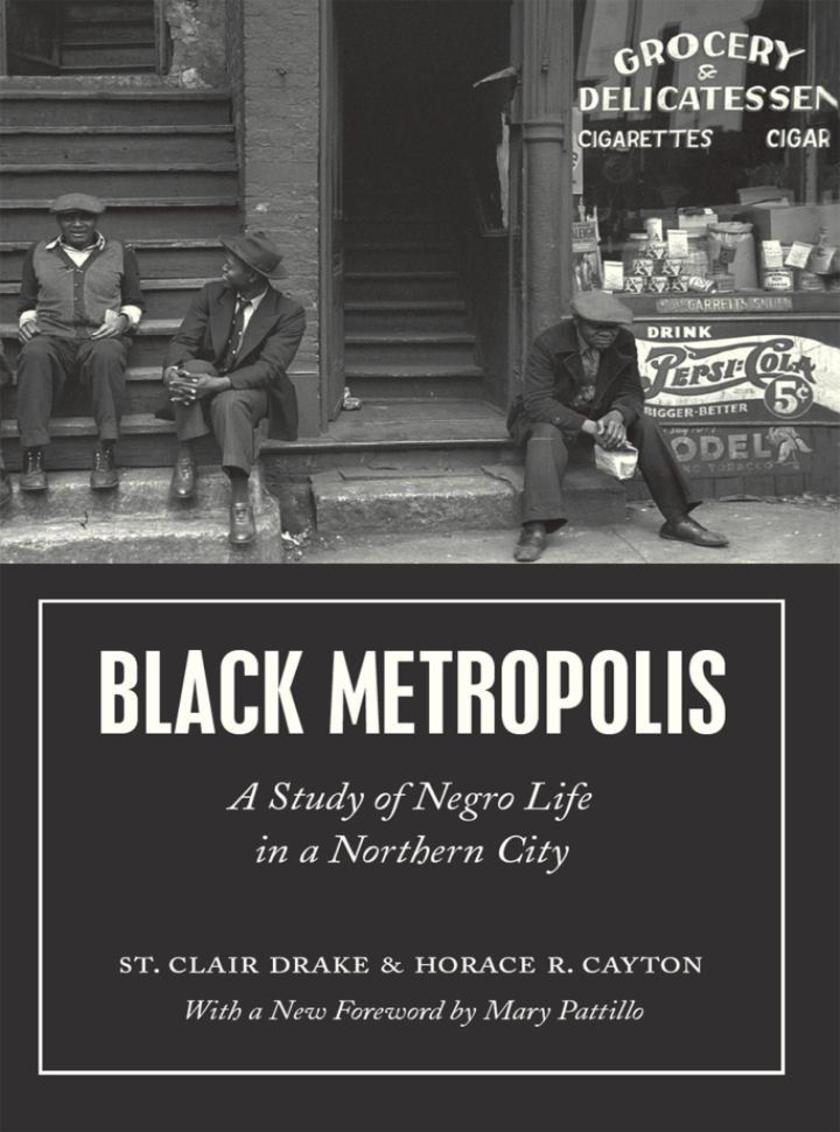
Black Metropolis
¥329.62
Ground-breaking when first published in 1945, Black Metropolis remains a landmark study of race and urban life. Few studies since have been able to match its scope and magnitude, offering one of the most comprehensive looks at black life in America. Based on research conducted by Works Progress Administration field workers, it is a sweeping historical and sociological account of the people of Chicago's South Side from the 1840s through the 1930s. Its findings offer a comprehensive analysis of black migration, settlement, community structure, and black-white race relations in the first half of the twentieth century. It offers a dizzying and dynamic world filled with captivating people and startling revelations.A new foreword from sociologist Mary Pattillo places the study in modern context, updating the story with the current state of black communities in Chicago and the larger United States and exploring what this means for the future. As the country continues to struggle with race and our treatment of black lives, Black Metropolis continues to be a powerful contribution to the conversation.

Shape of Life
¥329.62
Rudolf Raff is recognized as a pioneer in evolutionary developmental biology. In their 1983 book, Embryos, Genes, and Evolution, Raff and co-author Thomas Kaufman proposed a synthesis of developmental and evolutionary biology. In The Shape of Life, Raff analyzes the rise of this new experimental discipline and lays out new research questions, hypotheses, and approaches to guide its development.Raff uses the evolution of animal body plans to exemplify the interplay between developmental mechanisms and evolutionary patterns. Animal body plans emerged half a billion years ago. Evolution within these body plans during this span of time has resulted in the tremendous diversity of living animal forms.Raff argues for an integrated approach to the study of the intertwined roles of development and evolution involving phylogenetic, comparative, and functional biology. This new synthesis will interest not only scientists working in these areas, but also paleontologists, zoologists, morphologists, molecular biologists, and geneticists.
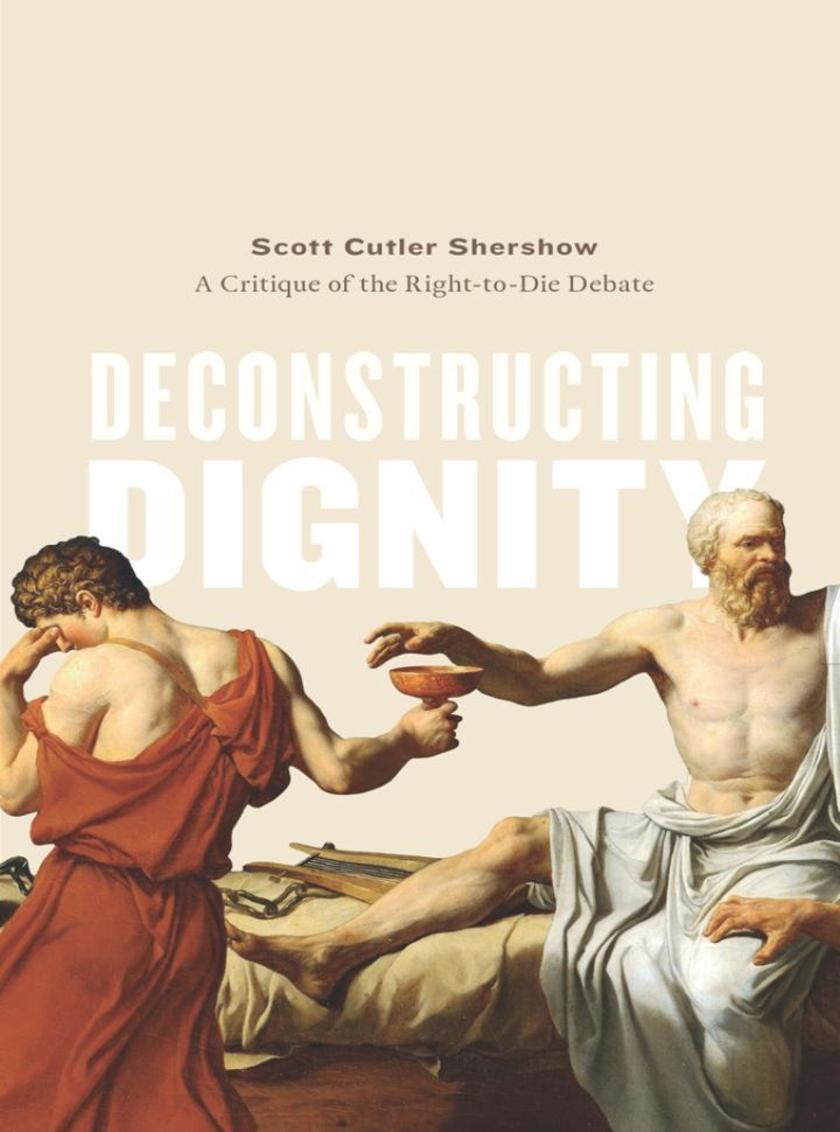
Deconstructing Dignity
¥311.96
The right-to-die debate has gone on for centuries, playing out most recently as a spectacle of protest surrounding figures such as Terry Schiavo. In?Deconstructing Dignity, Scott Cutler Shershow offers a powerful new way of thinking about it philosophically. Focusing on the concepts of human dignity and the sanctity of life, he employs Derridean deconstruction to uncover self-contradictory and damaging assumptions that underlie both sides of the debate.Shershow examines texts from Cicero's?De Officiis?to Kant's?Groundwork of the Metaphysics of Morals?to court decisions and religious declarations. Through them he reveals how arguments both supporting and denying the right to die undermine their own unconditional concepts of human dignity and the sanctity of life with a hidden conditional logic, one often tied to practical economic concerns and the scarcity or unequal distribution of medical resources. He goes on to examine the exceptional case of self-sacrifice, closing with a vision of a society-one whose conditions we are far from meeting-in which the debate can finally be resolved. A sophisticated analysis of a heated topic,?Deconstructing Dignity?is also a masterful example of deconstructionist methods at work.?

Geographic Mosaic of Coevolution
¥311.96
Coevolution-reciprocal evolutionary change in interacting species driven by natural selection-is one of the most important ecological and genetic processes organizing the earth's biodiversity: most plants and animals require coevolved interactions with other species to survive and reproduce. The Geographic Mosaic of Coevolution analyzes how the biology of species provides the raw material for long-term coevolution, evaluates how local coadaptation forms the basic module of coevolutionary change, and explores how the coevolutionary process reshapes locally coevolving interactions across the earth's constantly changing landscapes.Picking up where his influential The Coevolutionary Process left off, John N. Thompsonsynthesizes the state of a rapidly developing science that integrates approaches from evolutionary ecology, population genetics, phylogeography, systematics, evolutionary biochemistry and physiology, and molecular biology. Using models, data, and hypotheses to develop a complete conceptual framework, Thompson also draws on examples from a wide range of taxa and environments, illustrating the expanding breadth and depth of research in coevolutionary biology.
Why We Need Ordinary Language Philosophy
¥288.41
Sandra Laugier has long been a key liaison between American and European philosophical thought, responsible for bringing American philosophers such as Ralph Waldo Emerson, Henry David Thoreau, and Stanley Cavell to French readers-but until now her books have never been published in English. Why We Need Ordinary Language Philosophy rights that wrong with a topic perfect for English-language readers: the idea of analytic philosophy.?Focused on clarity and logical argument, analytic philosophy has dominated the discipline in the United States, Australia, and Britain over the past one hundred years, and it is often seen as a unified, coherent, and inevitable advancement. Laugier questions this assumption, rethinking the very grounds that drove analytic philosophy to develop and uncovering its inherent tensions and confusions. Drawing on J. L. Austin and the later works of Ludwig Wittgenstein, she argues for the solution provided by ordinary language philosophy-a philosophy that trusts and utilizes the everyday use of language and the clarity of meaning it provides-and in doing so offers a major contribution to the philosophy of language and twentieth- and twenty-first-century philosophy as a whole.
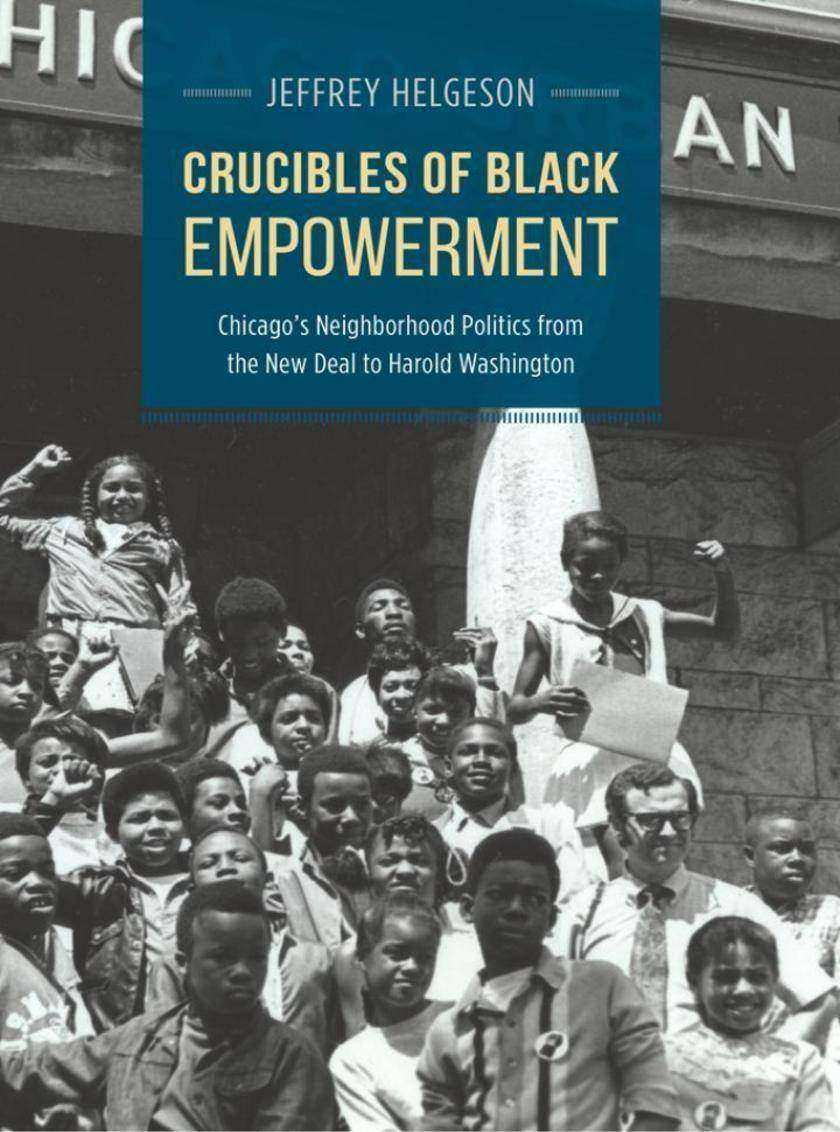
Crucibles of Black Empowerment
¥288.41
The term "e;community organizer"e; was deployed repeatedly against Barack Obama during the 2008 presidential campaign as a way to paint him as an inexperienced politician unfit for the presidency. The implication was that the job of a community organizer wasn't a serious one, and that it certainly wasn't on the list of credentials needed for a presidential?resume.?In reality, community organizers have played key roles in the political lives of American cities for decades, perhaps never more so than during the 1970s in Chicago, where African Americans laid the groundwork for further empowerment as they organized against segregation, discrimination, and lack of equal access to schools, housing, and jobs.In?Crucibles of Black Empowerment, Jeffrey Helgeson recounts the rise of African American political power and activism from the 1930s onward, revealing how it was achieved through community building. His book tells stories of the housewives who organized their neighbors, building tradesmen who used connections with federal officials to create opportunities in a deeply discriminatory employment sector, and the social workers, personnel managers, and journalists who carved out positions in the white-collar workforce. ?Looking closely at black liberal politics at the neighborhood level in Chicago, Helgeson explains how black Chicagoans built the networks that eventually would overthrow the city's seemingly invincible political machine.
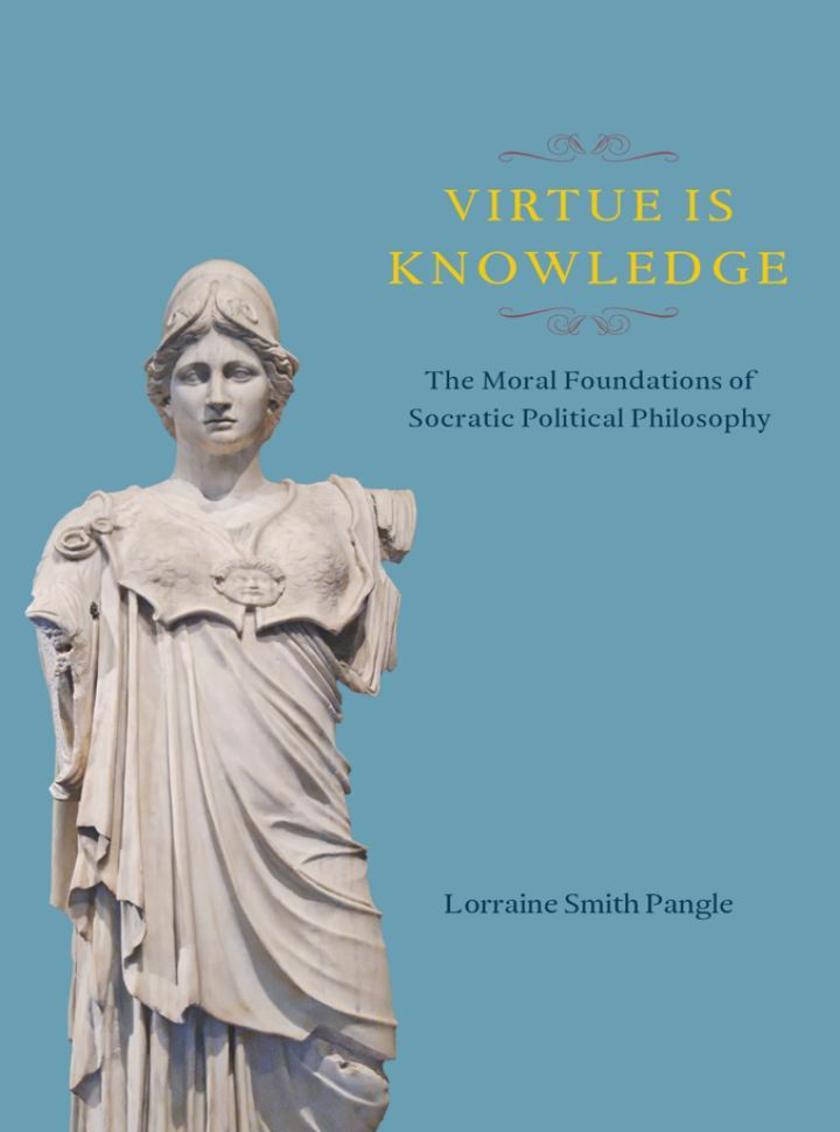
Virtue Is Knowledge
¥288.41
The relation between virtue and knowledge is at the heart of the Socratic view of human excellence, but it also points to a central puzzle of the Platonic dialogues: Can Socrates be serious in his claims that human excellence is constituted by one virtue, that vice is merely the result of ignorance, and that the correct response to crime is therefore not punishment but educationOr are these assertions mere rhetorical ploys by a notoriously complex thinker?Lorraine Smith Pangle traces the argument for the primacy of virtue and the power of knowledge throughout the five dialogues that feature them most prominently-the Apology, Gorgias, Protagoras, Meno, and Laws-and reveals the truth at the core of these seemingly strange claims. She argues that Socrates was more aware of the complex causes of human action and of the power of irrational passions than a cursory reading might suggest. Pangle's perceptive analyses reveal that many of Socrates's teachings in fact explore the factors that make it difficult for humans to be the rational creatures that he at first seems to claim. Also critical to Pangle's reading is her emphasis on the political dimensions of the dialogues. Underlying many of the paradoxes, she shows, is a distinction between philosophic and civic virtue that is critical to understanding them.Ultimately, Pangle offers a radically unconventional way of reading Socrates's views of human excellence: Virtue is not knowledge in any ordinary sense, but true virtue is nothing other than wisdom.
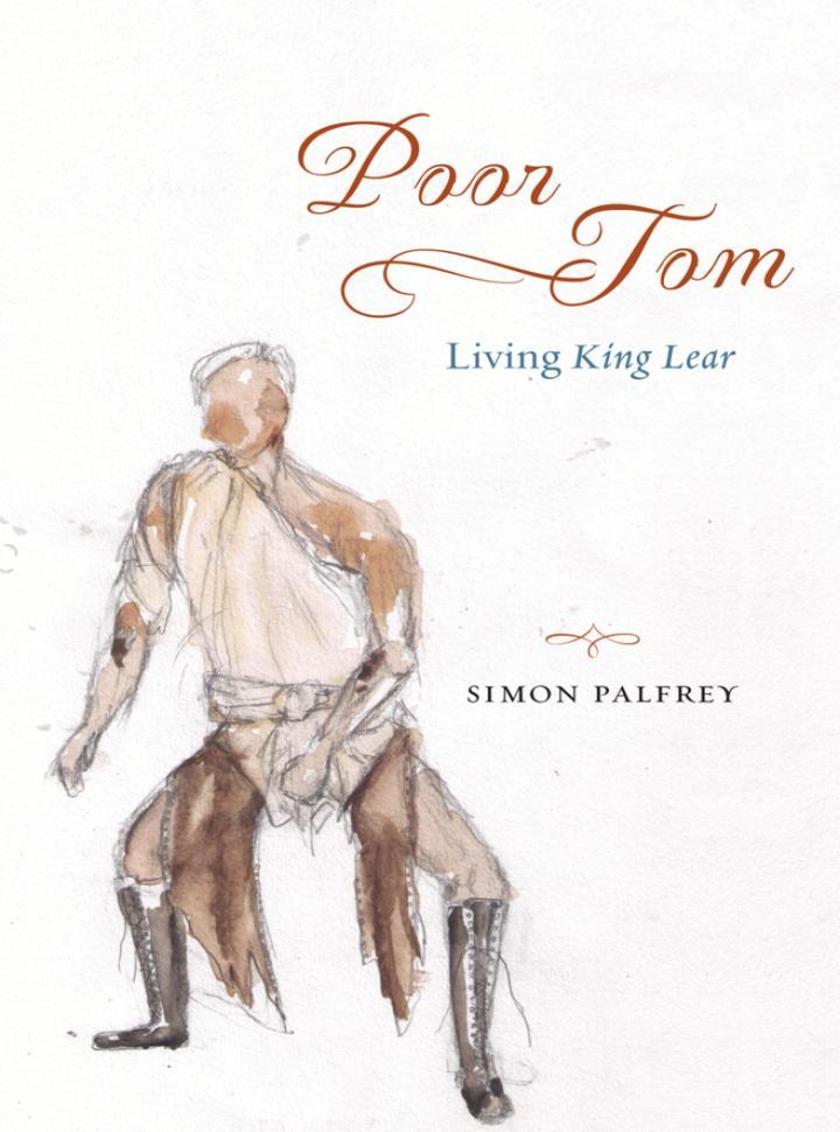
Poor Tom
¥288.41
King Lear is perhaps the most fierce and moving play ever written. And yet there is a curious puzzle at its center. The figure to whom Shakespeare gives more lines than anyone except the king-Edgar-has often seemed little more than a blank, ignored and unloved, a belated moralizer who, try as he may, can never truly speak to the play's savaged heart. He saves his blinded father from suicide, but even this act of care is shadowed by suspicions of evasiveness and bad faith.In Poor Tom, Simon Palfrey asks us to go beyond any such received understandings-and thus to experience King Lear as never before. He argues that the part of Edgar is Shakespeare's most radical experiment in characterization, and his most exhaustive model of both human and theatrical possibility. The key to the Edgar character is that he spends most of the play disguised, much of it as "e;Poor Tom of Bedlam,"e; and his disguises come to uncanny life. The Edgar role is always more than one person; it animates multitudes, past and present and future, and gives life to states of being beyond the normal reach of the senses-undead, or not-yet, or ghostly, or possible rather than actual. And because the Edgar role both connects and retunes all of the figures and scenes in King Lear, close attention to this particular part can shine stunning new light on how the whole play works.The ultimate message of Palfrey's bravura analysis is the same for readers or actors or audiences as it is for the characters in the play: see and listen feelingly; pay attention, especially when it seems as though there is nothing there.

Seeing Like a Rover
¥288.41
In the years since the Mars Exploration Rover Spirit and Opportunity first began transmitting images from the surface of Mars, we have become familiar with the harsh, rocky, rusty-red Martian landscape. But those images are much less straightforward than they may seem to a layperson: each one is the result of a complicated set of decisions and processes involving the large team behind the Rovers.With Seeing Like a Rover, Janet Vertesi takes us behind the scenes to reveal the work that goes into creating our knowledge of Mars. Every photograph that the Rovers take, she shows, must be processed, manipulated, and interpreted-and all that comes after team members negotiate with each other about what they should even be taking photographs of in the first place. Vertesi's account of the inspiringly successful Rover project reveals science in action, a world where digital processing uncovers scientific truths, where images are used to craft consensus, and where team members develop an uncanny intimacy with the sensory apparatus of a robot that is millions of miles away. Ultimately, Vertesi shows, every image taken by the Mars Rovers is not merely a picture of Mars-it's a portrait of the whole Rover team, as well.
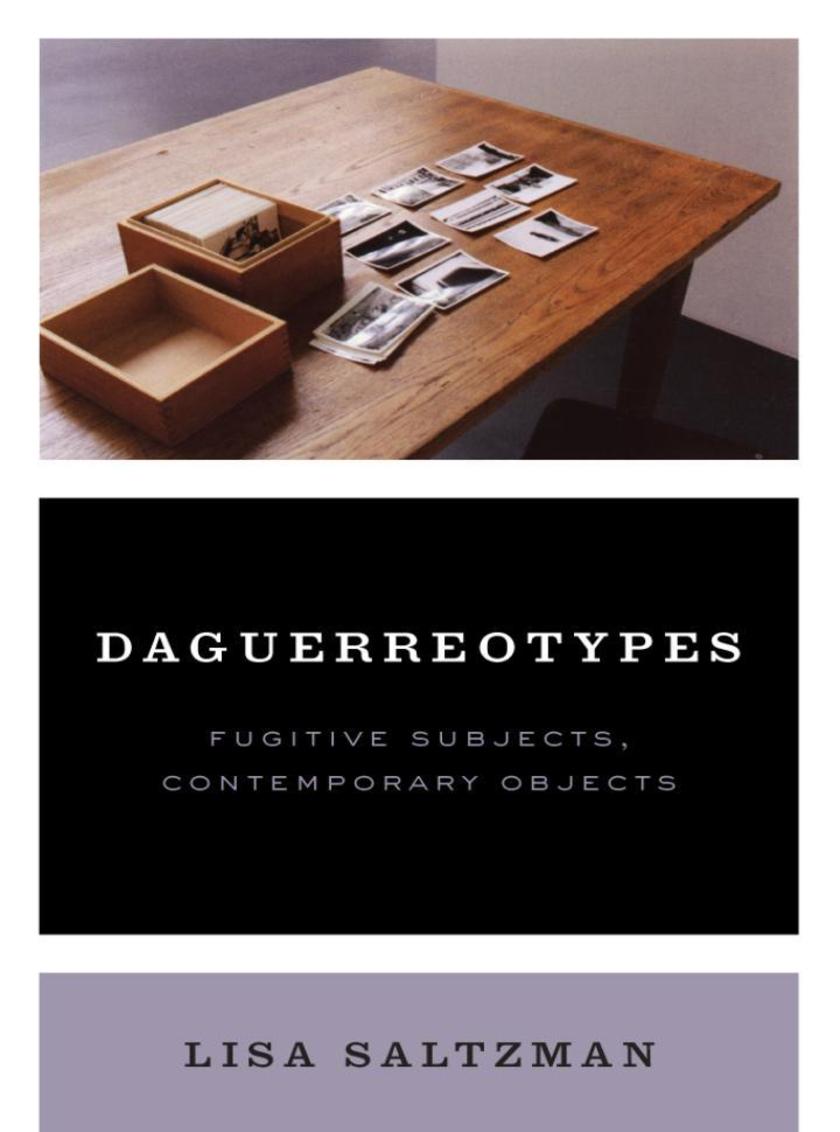
Daguerreotypes
¥288.41
In the digital age, photography confronts its future under the competing signs of ubiquity and obsolescence. While technology has allowed amateurs and experts alike to create high-quality photographs in the blink of an eye, new electronic formats have severed the original photochemical link between image and subject. At the same time, recent cinematic photography has stretched the concept of photography and raised questions about its truth value as a documentary medium. Despite this situation, photography remains a stubbornly substantive form of evidence: referenced by artists, filmmakers, and writers as a powerful emblem of truth, photography has found its home in other media at precisely the moment of its own material demise.By examining this idea of photography as articulated in literature, film, and the graphic novel, Daguerreotypes demonstrates how photography secures identity for figures with an otherwise unstable sense of self. Lisa Saltzman argues that in many modern works, the photograph asserts itself as a guarantor of identity, whether genuine or fabricated. From Roland Barthes's Camera Lucida to Ridley Scott's Blade Runner, W. G. Sebald's Austerlitz to Alison Bechdel's Fun Home-we find traces of photography's "e;fugitive subjects"e; throughout contemporary culture. Ultimately, Daguerreotypes reveals how the photograph, at once personal memento and material witness, has inspired a range of modern artistic and critical practices.
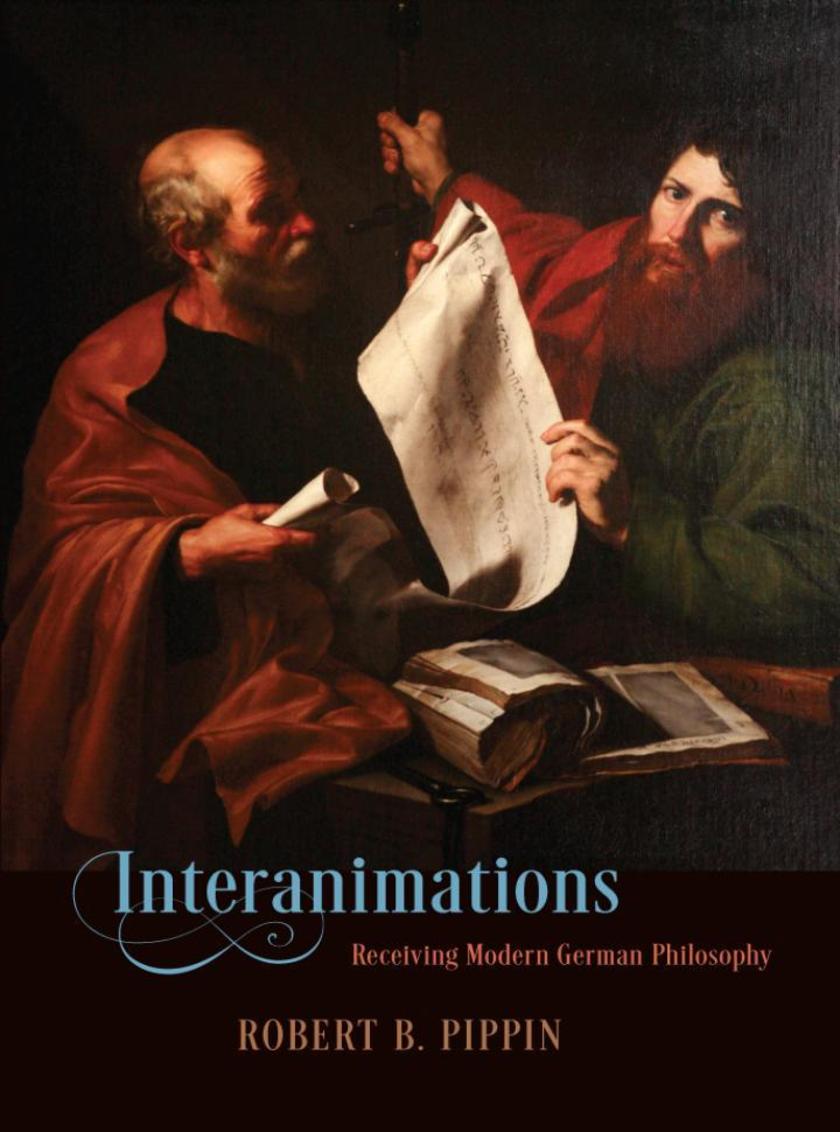
Interanimations
¥288.41
In this latest book, renowned philosopher and scholar Robert B. Pippin offers the thought-provoking argument that the study of historical figures is not only an interpretation and explication of their views, but can be understood as a form of philosophy itself. In doing so, he reconceives philosophical scholarship as a kind of network of philosophical interanimations, one in which major positions in the history of philosophy, when they are themselves properly understood within their own historical context, form philosophy's lingua franca. Examining a number of philosophers to explore the nature of this interanimation, he presents an illuminating assortment of especially thoughtful examples of historical commentary that powerfully enact philosophy.After opening up his territory with an initial discussion of contemporary revisionist readings of Kant's moral theory, Pippin sets his sights on his main objects of interest: Hegel and Nietzsche. Through them, however, he offers what few others could: an astonishing synthesis of an immense and diverse set of thinkers and traditions. Deploying an almost dialogical, conversational approach, he pursues patterns of thought that both shape and, importantly, connect the major traditions: neo-Aristotelian, analytic, continental, and postmodern, bringing the likes of Heidegger, Honneth, MacIntyre, McDowell, Brandom, Strauss, Williams, and A iA ek-not to mention Hegel and Nietzsche- into the same philosophical conversation.By means of these case studies, Pippin mounts an impressive argument about a relatively under discussed issue in professional philosophy-the bearing of work in the history of philosophy on philosophy itself-and thereby he argues for the controversial thesis that no strict separation between the domains is defensible.

Reinventing Public Education
¥288.41
A heated debate is raging over our nation's public schools and how they should be reformed, with proposals ranging from imposing national standards to replacing public education?altogether with a voucher system for private schools. Combining decades of experience in education, the authors propose an innovative approach to solving the problems of our school system and find a middle ground between these extremes.Reinventing Public Education shows how contracting would radically change the way we operate our schools, while keeping them public and accessible to all, and making them better able to meet standards of achievement and equity. Using public funds, local school boards would select private providers to operate individual schools under formal contracts specifying the type and quality of instruction.In a hands-on, concrete fashion, the authors provide a thorough explanation of the pros and cons of school contracting and how it would work in practice. They show how contracting would free local school boards from operating schools so they can focus on improving educational policy; how it would allow parents to choose the best school for their children; and, finally, how it would ensure that schools are held accountable and academic standards are met.While retaining a strong public role in education, contracting enables schools to be more imaginative, adaptable, and suited to the needs of children and families. In presenting an alternative vision for America's schools, Reinventing Public Education is too important to be ignored.

Internationalization of Palace Wars
¥282.53
How does globalization workFocusing on Latin America, Yves Dezalay and Bryant G. Garth show that exports of expertise and ideals from the United States to Argentina, Brazil, Chile, and Mexico have played a crucial role in transforming their state forms and economies since World War II.Based on more than 300 extensive interviews with major players in governments, foundations, law firms, universities, and think tanks, Dezalay and Garth examine both the production of northern exports such as neoliberal economics and international human rights law and the ways they are received south of the United States. They find that the content of what is exported and how it fares are profoundly shaped by domestic struggles for power and influence-"e;palace wars"e;-in the nations involved. For instance, challenges to the eastern intellectual establishment influenced the Reagan-era export of University of Chicago-style neoliberal economics to Chile, where it enjoyed a warm reception from Pinochet and his allies because they could use it to discredit the previous regime.Innovative and sophisticated, The Internationalization of Palace Wars offers much needed concrete information about the transnational processes that shape our world.
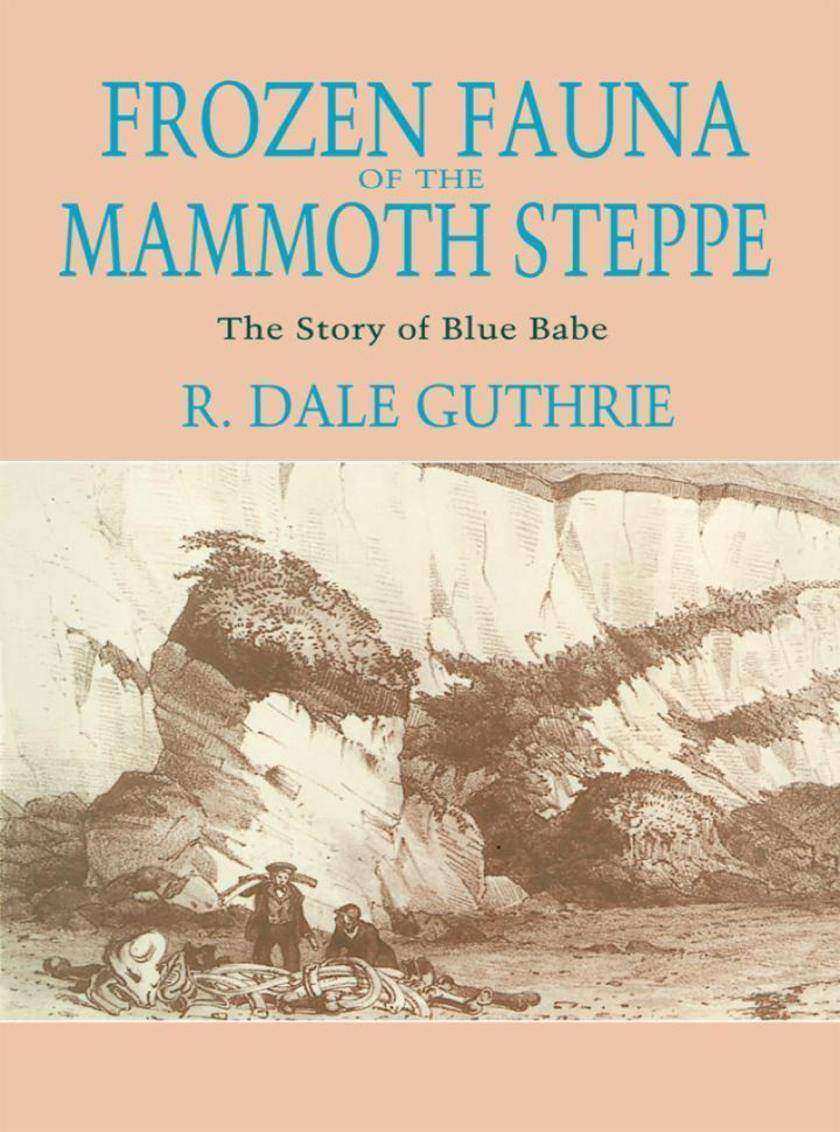
Frozen Fauna of the Mammoth Steppe
¥265.87
Frozen mammals of the Ice Age, preserved for millennia in the tundra, have been a source of fascination and mystery since their first discovery over two centuries ago. These mummies, their ecology, and their preservation are the subject of this compelling book by paleontologist Dale Guthrie. The 1979 find of a frozen, extinct steppe bison in an Alaskan gold mine allowed him to undertake the first scientific excavation of an Ice Age mummy in North America and to test theories about these enigmatic frozen fauna.The 36,000-year-old bison mummy, coated with blue mineral crystals, was dubbed "e;Blue Babe."e; Guthrie conveys the excitement of its excavation and shows how he made use of evidence from living animals, other Pleistocene mummies, Paleolithic art, and geological data. With photographs and scores?of detailed drawings, he takes the reader through the excavation and subsequent detective work, analyzing the animal's carcass and its surroundings, the circumstances of its death, its appearance in life, the landscape it inhabited, and the processes of preservation by freezing. His examination shows that Blue Babe died in early winter, falling prey to lions that inhabited the Arctic during the Pleistocene era.Guthrie uses information gleaned from his study of Blue Babe to provide a broad picture of bison evolutionary history and ecology, including speculations on the interactions of bison and Ice Age peoples. His de*ion of the Mammoth Steppe as a cold, dry, grassy plain is based on an entirely new way of reading the fossil record.

Alfred the Great
¥265.87
Filled with drama and action, here is the story of the ninth-century life and times of Alfred-warrior, conqueror, lawmaker, scholar, and the only king whom England has ever called "e;The Great."e; Based on up-to-date information on ninth-century history, geography, philosophy, literature, and social life, it vividly presents exciting views of Alfred in every stage of his long career and leaves the reader with a sharply-etched picture of the world of the Middle Ages.

Afterlife Is Where We Come From
¥265.87
When a new baby arrives among the Beng people of West Africa, they see it not as being born, but as being reincarnated after a rich life in a previous world. Far from being a tabula rasa, a Beng infant is thought to begin its life filled with spiritual knowledge. How do these beliefs affect the way the Beng rear their children?In this unique and engaging ethnography of babies, Alma Gottlieb explores how religious ideology affects every aspect of Beng childrearing practices-from bathing infants to protecting them from disease to teaching them how to crawl and walk-and how widespread poverty limits these practices. A mother of two, Gottlieb includes moving discussions of how her experiences among the Beng changed the way she saw her own parenting. Throughout the book she also draws telling comparisons between Beng and Euro-American parenting, bringing home just how deeply culture matters to the way we all rear our children.All parents and anyone interested in the place of culture in the lives of infants, and vice versa, will enjoy The Afterlife Is Where We Come From."e;This wonderfully reflective text should provide the impetus for formulating research possibilities about infancy and toddlerhood for this century."e; - Caren J. Frost, Medical Anthropology Quarterly?"e;Alma Gottlieb's careful and thought-provoking account of infancy sheds spectacular light upon a much neglected topic. . . . [It] makes a strong case for the central place of babies in anthropological accounts of religion. ?Gottlieb's remarkably rich account, delivered after a long and reflective period of gestation, deserves a wide audience across a range of disciplines."e;-Anthony Simpson, Critique of Anthropology?
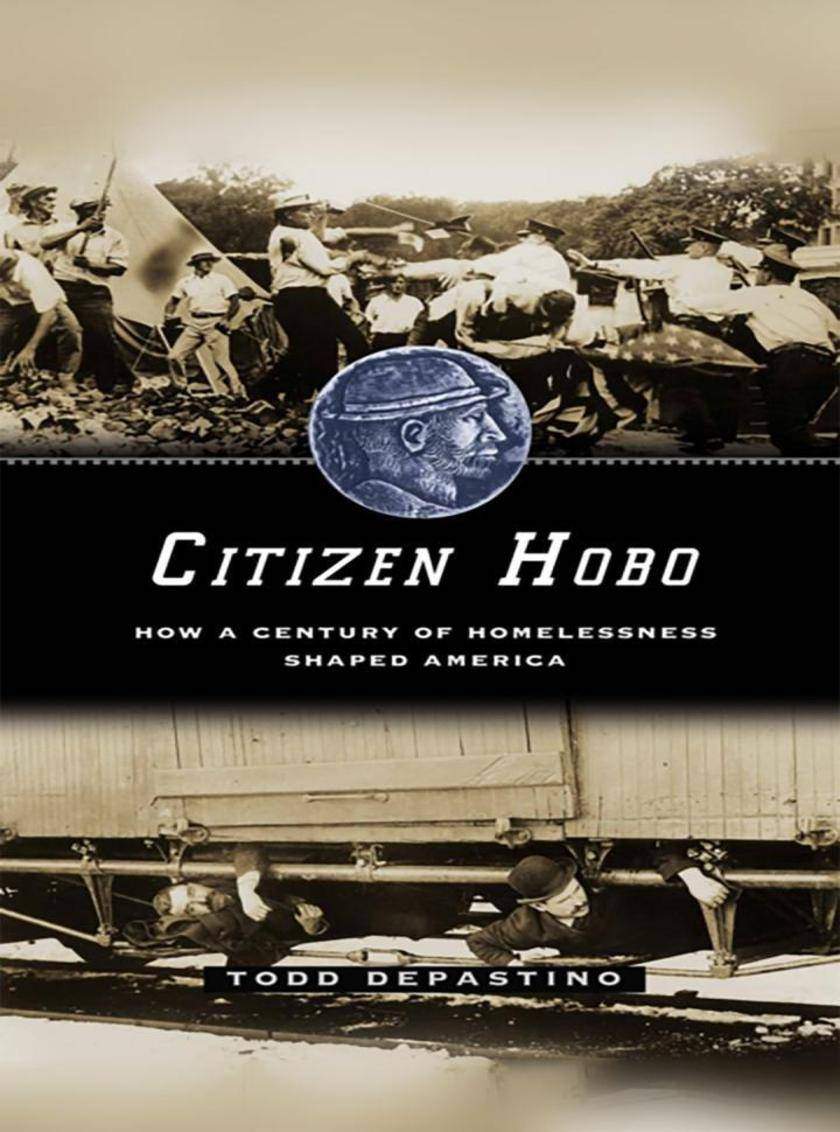
Citizen Hobo
¥253.10
In the years following the Civil War, a veritable army of homeless men swept across America's "e;wageworkers' frontier"e; and forged a beguiling and bedeviling counterculture known as "e;hobohemia."e; Celebrating unfettered masculinity and jealously guarding the American road as the preserve of white manhood, hoboes took command of downtown districts and swaggered onto center stage of the new urban culture. Less obviously, perhaps, they also staked their own claims on the American polity, claims that would in fact transform the very entitlements of American citizenship.In this eye-opening work of American history, Todd DePastino tells the epic story of hobohemia's rise and fall, and crafts a stunning new interpretation of the "e;American century"e; in the process. Drawing on sources ranging from diaries, letters, and police reports to movies and memoirs, Citizen Hobo breathes life into the largely forgotten world of the road, but it also, crucially, shows how the hobo army so haunted the American body politic that it prompted the creation of an entirely new social order and political economy. DePastino shows how hoboes-with their reputation as dangers to civilization, sexual savages, and professional idlers-became a cultural and political force, influencing the creation of welfare state measures, the promotion of mass consumption, and the suburbanization of America. Citizen Hobo's sweeping retelling of American nationhood in light of enduring struggles over "e;home"e; does more than chart the change from "e;homelessness"e; to "e;houselessness."e; In its breadth and scope, the book offers nothing less than an essential new context for thinking about Americans' struggles against inequality and alienation.


