


 购物车
购物车 个人中心
个人中心

Food (Activities for 3-5 Year Olds)
¥39.14
Food: Activities for 3-5 Year Olds contains enjoyable activities to help foundation stage children to develop essential skills. Talking about, handling, preparing and eating food have an instant appeal for young children and offer a variety of learning experiences. The practical activities in Food include: Taking orders in an imaginary cafe, Learning about the importance of food hygiene, Using kitchen tools safely, Being adventurous and trying different foods, Learning about healthy eating, Making breakfast for their teddy bear, Making pizza and Investigating jelly. All the books in the Activities for 3-5 Year Olds Series contain tried-and-tested activities, linked to the six key areas of learning. They are an invaluable resource of fun, easy-to-use ideas for all early years settings, from preschools and nurseries to reception classes and day nurseries.
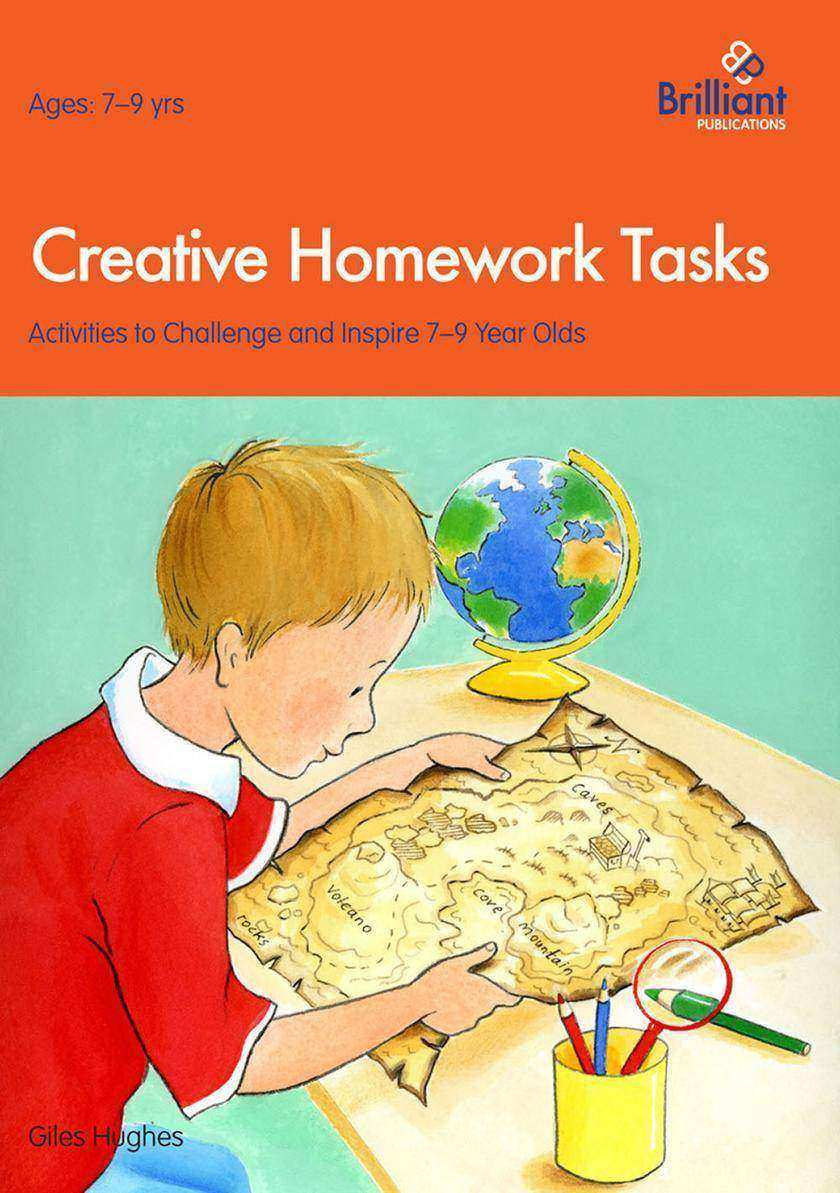
Creative Homework Tasks 7-9 Year Olds
¥127.43
Creative Homework Tasks is for you if you are having problems retrieving the homework you set for the weekend. Has it been eaten by the dog or left on the bus again? All that is about to change. The tasks in this book have been specifically designed to stimulate children's imaginations and bring out the creative element in every child, whilst providing genuine opportunities to use and apply language and numeracy skills. The activities are designed to appeal to all learning styles, with particular emphasis on kinaesthetic and visual learners. Even the most recalcitrant children will be keen to rise to the challenge of these homework tasks.

Brilliant Activities for Gifted and Talented Children
¥112.72
Open-ended activities to develop students' creative and critical thinking skills. Gifted children are not the only ones who will benefit from this book! All children will thoroughly enjoy these activities. Some of the activities can be last for days, others such as the brainteaser section can be used for a quick warm-up to spark interest and excite the brain. Activities linked to Bloom's taxonomy.

English Governess at the Siamese Court
¥19.52
The fascinating and somewhat sensationalist memoirs of Anna Leonowens, the English travel writer, educator, and social activist that became tutor to the wives and children of the king of Siam from 1862-68. Her story was later fictionalised in the book 'Anna and the King of Siam', which was adapted by Rogers and Hammerstein into the hit 1951 musical 'The King and I'.
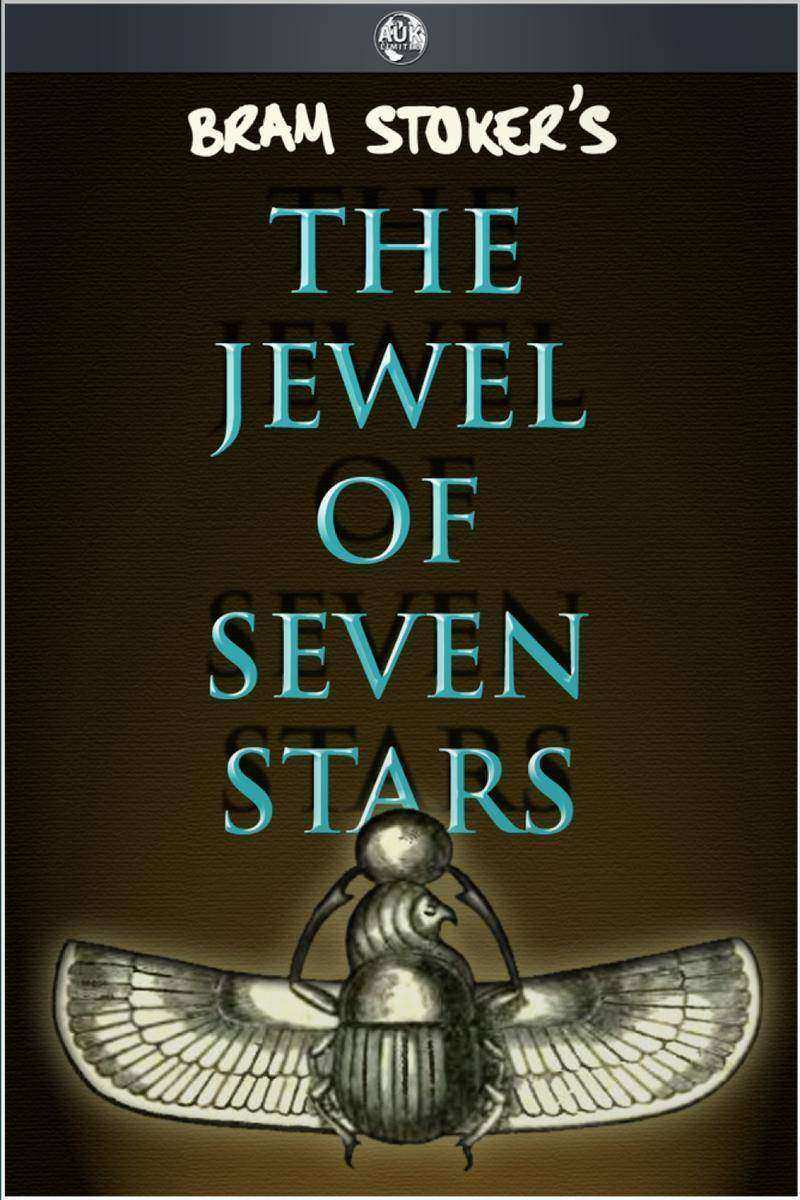
Jewel of Seven Stars
¥19.52
This classic horror novel by the author of Dracula, Bram Stoker, is the original Mummy story. An archaeologist hatches an evil plan to resurrect Queen Tera, an ancient Egyptian mummy.
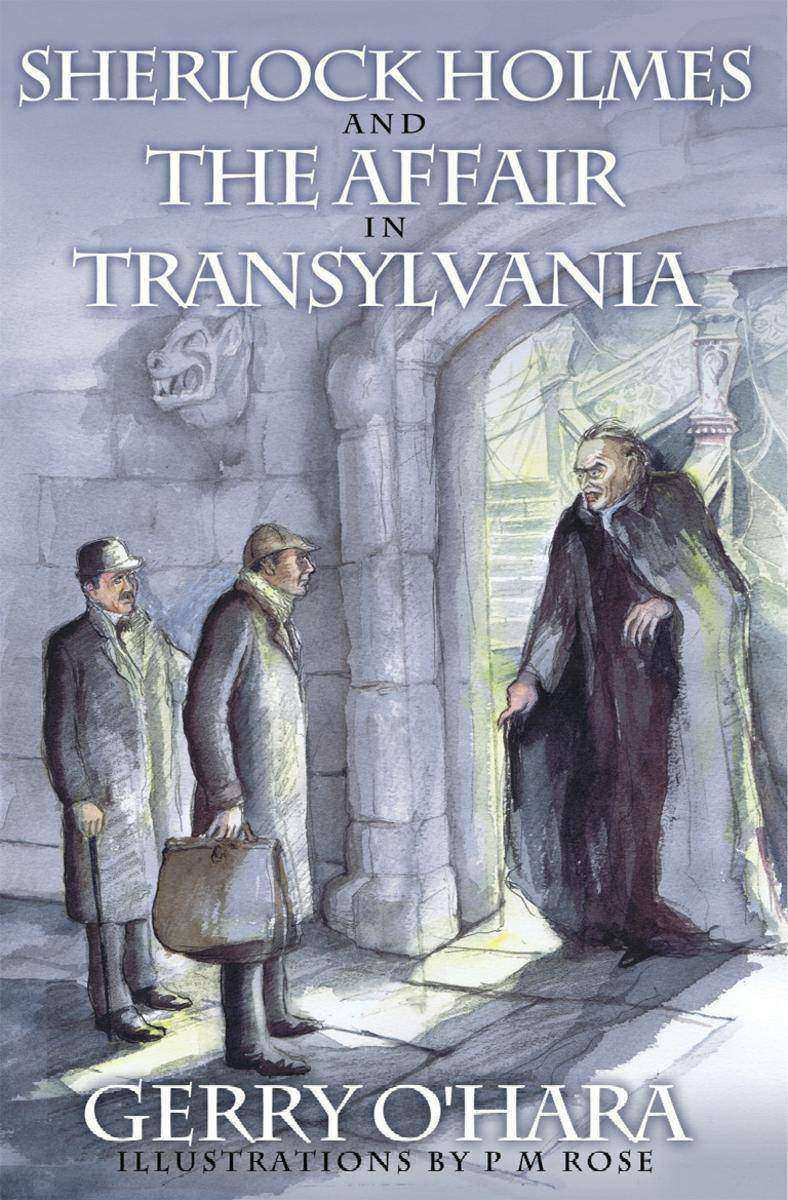
Sherlock Holmes and the Affair in Transylvania
¥73.48
Sherlock Holmes and Doctor John Watson are returning to London from Bucharest after the great detective has interceded in a delicate matter relating to the Rumanian Royal House. As they depart from Bucharest they receive their mail forwarded from London. Doctor Watson opens a distressing letter from his niece, Mina, now living in Budapest with her young husband, Janos, a newly qualified lawyer. It seems that the young man has not returned from a business assignment in Transylvania.Holmes advises that he and Watson should postpone their return to Baker Street. Watson wires ahead and they are met at the station by Mina and her friend, Lucy Westenra. Holmes is duly intrigued by their stay overnight at the home of Dr Westenra in the grounds of the asylum of which Dr Westenra is the Administrator.Holmes suspects that letters from the young lawyer may have been forged, or written under duress. Next day they set off for Castle Dracula.
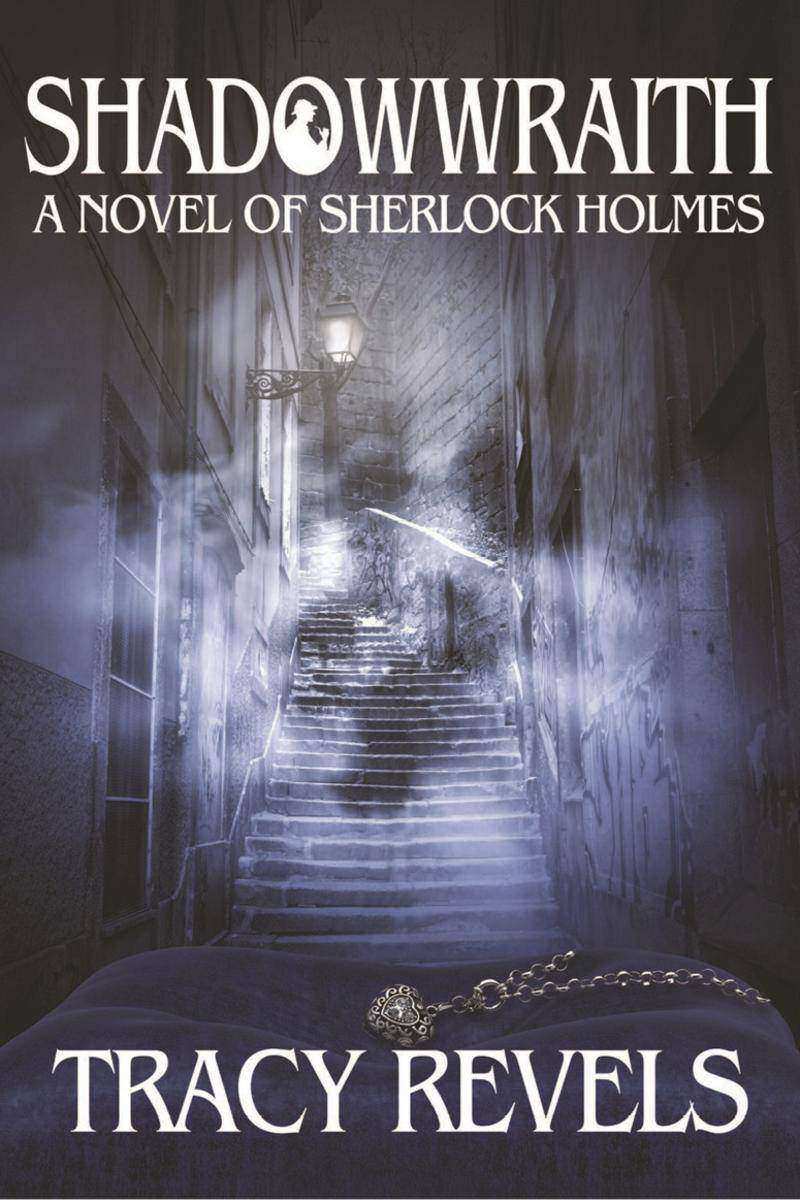
Shadowwraith
¥48.95
In a new novel of supernatural adventure, Sherlock Holmes faces his greatest challenge, to locate and defeat the wraith of a powerful wizard. With the assistance of an incorruptible saint, an immortal librarian, a troupe of ghosts, a Scotland Yard Inspector, and, of course, Dr. Watson, Holmes finds himself in a race against time to protect both the human world and the Shadows from 'the most evil man who ever lived.'Why does a beautiful woman receive jewelry delivered to her pillow every night?How do impossible actors bloody the stage of the Lyceum Theatre?Why do dead men ramble the streets of Whitechapel?Why are Palermo's restless spirits whispering the name of Sherlock Holmes?Just returned from their American adventure, Sherlock Holmes and Dr. Watson are quickly entangled in this web of seemingly unrelated events. With his innate knowledge of the secret world of the supernatural, Holmes quickly recognizes that these incidents hold dire portents: a powerful enemy, "e;the most evil man who ever lived,"e; has emerged from the dark realm of the Shadows. A close call with this foe sends Holmes in search of a missing spell, which is written on a page of the infamous Devil's Bible. Should Holmes's enemy reach this incantation first, his power will increase and both the mortal world and the Shadows could fall.Holmes and Watson race against time to defeat their deadliest opponent to date, enlisting new helpers from the realms of spirits and shades. But their enemy also has an apprentice whose unnatural gifts may exceed Holmes's powers. The darkness is closing in on Holmes and Dr. Watson senses that his friend may no longer be able to balance his mortal nobility against his Shadow inheritance.From the comfortable Baker Street sitting room to the dark streets of Whitechapel and the terrifying crypts of Palermo, the chase is on to save the world...and the soul of Sherlock Holmes.
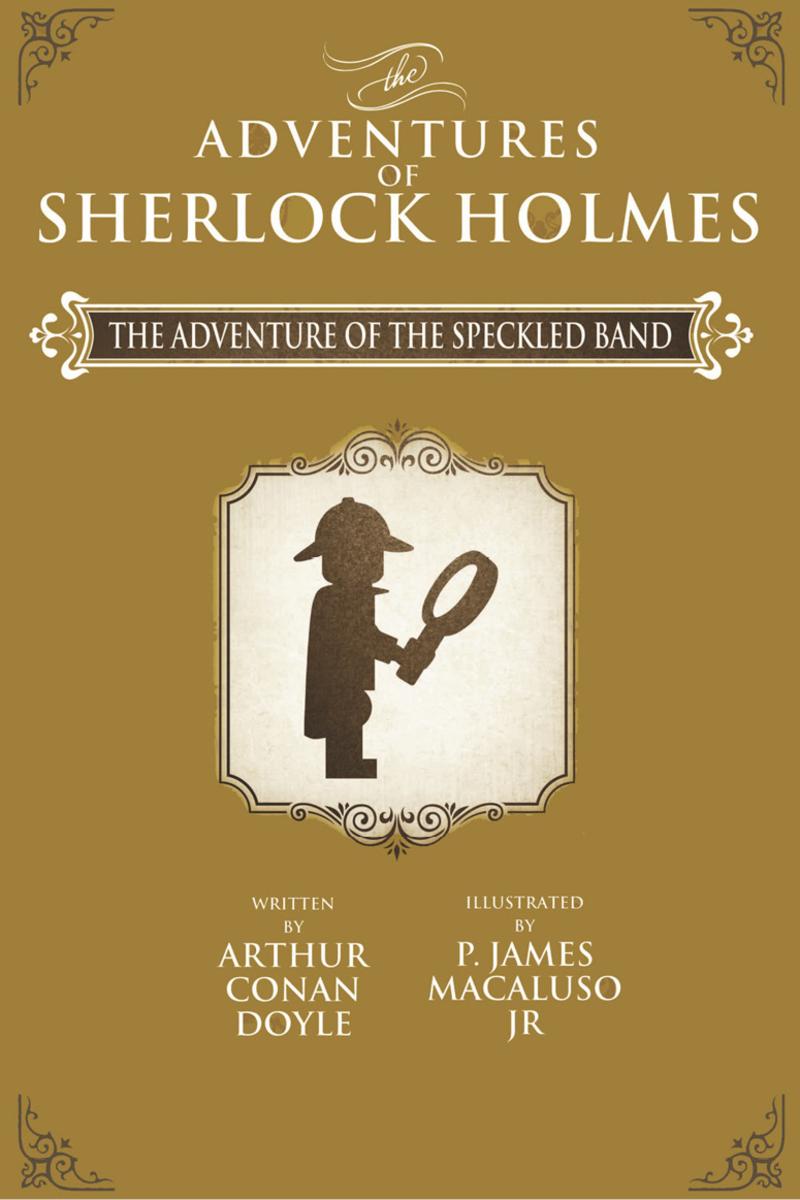
Adventure of the Speckled Band
¥53.86
Sherlock Holmes, the world's "e;only unofficial consulting detective"e;, was first introduced to readers in A Study in Scarlet published by Sir Arthur Conan Doyle in 1887. It was with the publication of The Adventures of Sherlock Holmes, however, that the master sleuth grew tremendously in popularity, later to become one of the most beloved literary characters of all time.In this book series, the short stories comprising The Adventures of Sherlock Holmes have been amusingly illustrated using only Lego(R) brand minifigures and bricks. The illustrations recreate, through custom designed Lego models, the composition of the black and white drawings by Sidney Paget that accompanied the original publication of these adventures appearing in The Strand Magazine from July 1891 to June 1892. Paget's iconic illustrations are largely responsible for the popular image of Sherlock Holmes, including his deerstalker cap and Inverness cape, details never mentioned in the writings of Conan Doyle.This uniquely illustrated collection, which features some of the most famous and enjoyable cases investigated by Sherlock Holmes and his devoted friend and biographer Dr. John H. Watson, including A Sandal in Bohemia and The Red-Headed League, is sure to delight Lego enthusiasts, as well as fans of the Great Detective, both old and new.LEGO(R) is a trademark of the LEGO Group of Companies. The LEGO Group has not been involved in nor has it in any other way licensed or authorised the publication of this book.THE ADVENTURE OF THE SPECKLED BAND: A distraught young woman named Helen Stoner arrives at Baker Street early one morning to ask Sherlock Holmes for help as she fears that her life is being threatened by her stepfather, Dr. Grimesby Roylott. At Stoke Moran, the estate where Miss Stoner and her stepfather live, Holmes carefully inspects the recent, but unnecessary, repairs to the manor-house and in doing so exposesamurderous plot.
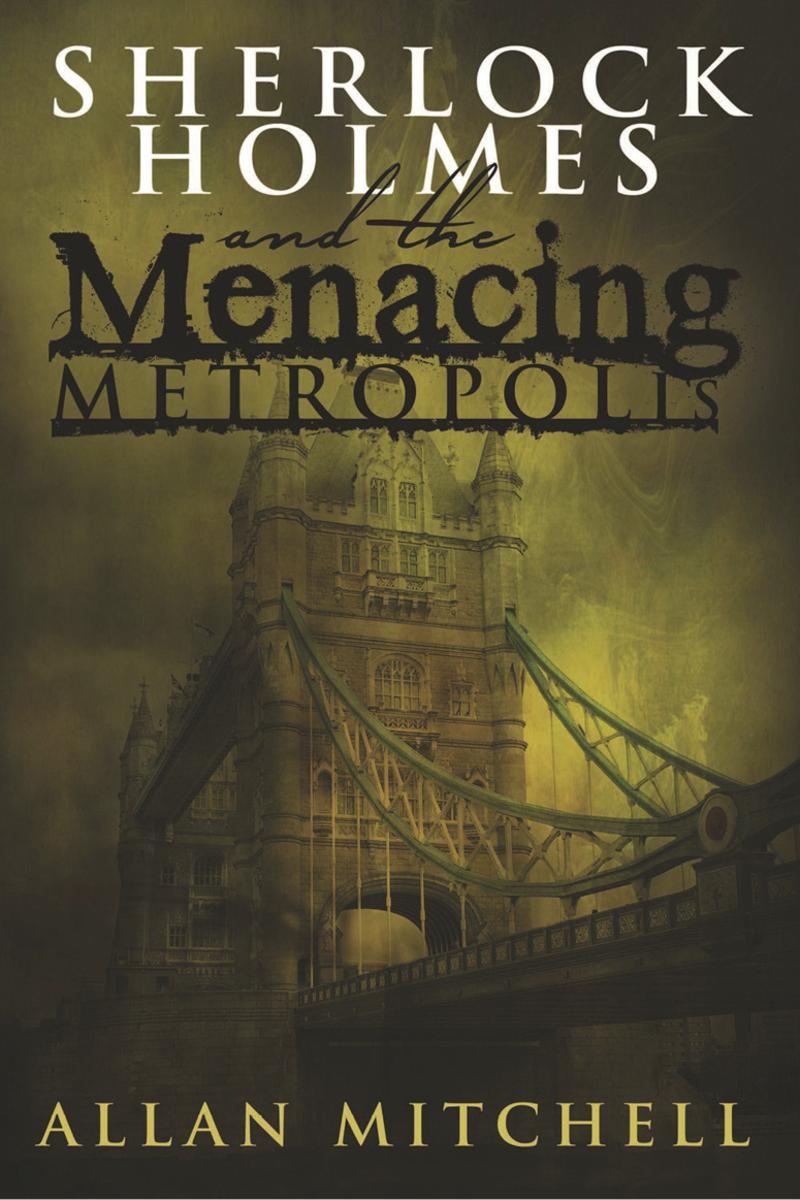
Sherlock Holmes and The Menacing Metropolis
¥53.86
More Menacing than the Menacing Moors, the Great Metropolis harbours evil and deviltry far more sinister than Dartmoor could offer - it is not for nothing that Watson describes London as the great cesspool draining the Empire of its dregs. Its evil stems from the hearts of the most heartless of men, evil against which a group of stalwart Londoners is determined to act.Knowledge is power and forewarned is forearmed, it is said, but fore-knowledge is fragile and Sherlock must balance probability with instinct, caution with decisiveness, when warned of impending disaster for both City and Realm.Allan Mitchell's stirring stanzas of reeling rhyme once again stretch back to an earlier era to witness the never-ending battle between Sherlock Holmes and the Menacing Metropolis.
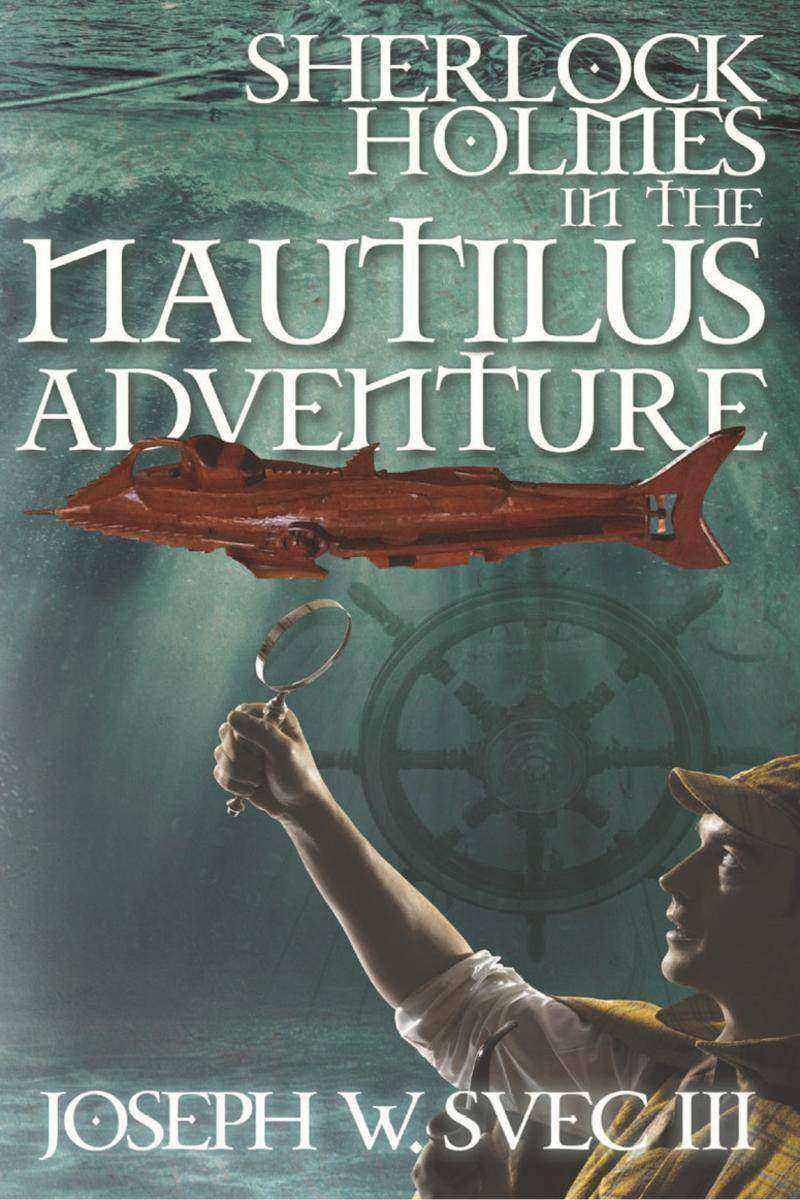
Sherlock Holmes in The Nautilus Adventure
¥58.76
The game's afloat! This fascinating tale takes Sherlock Holmes and Dr. Watson on an amazing undersea adventure to find and rescue a famous author who has been kidnapped. Along the way there are hidden clues, lost civilizations, danger, romance, humour, a volcanic eruption, a good deal of seaweed tea, and more than one surprising plot twist... not to mention saving the world! It all begins when a tall, bearded gentleman enters 221-B Baker Street and says, "e;Hello, my name is Captain Nemo of the submersible vessel the Nautilus. I would like to engage your services in locating a missing person. His name is Jules Verne."e;
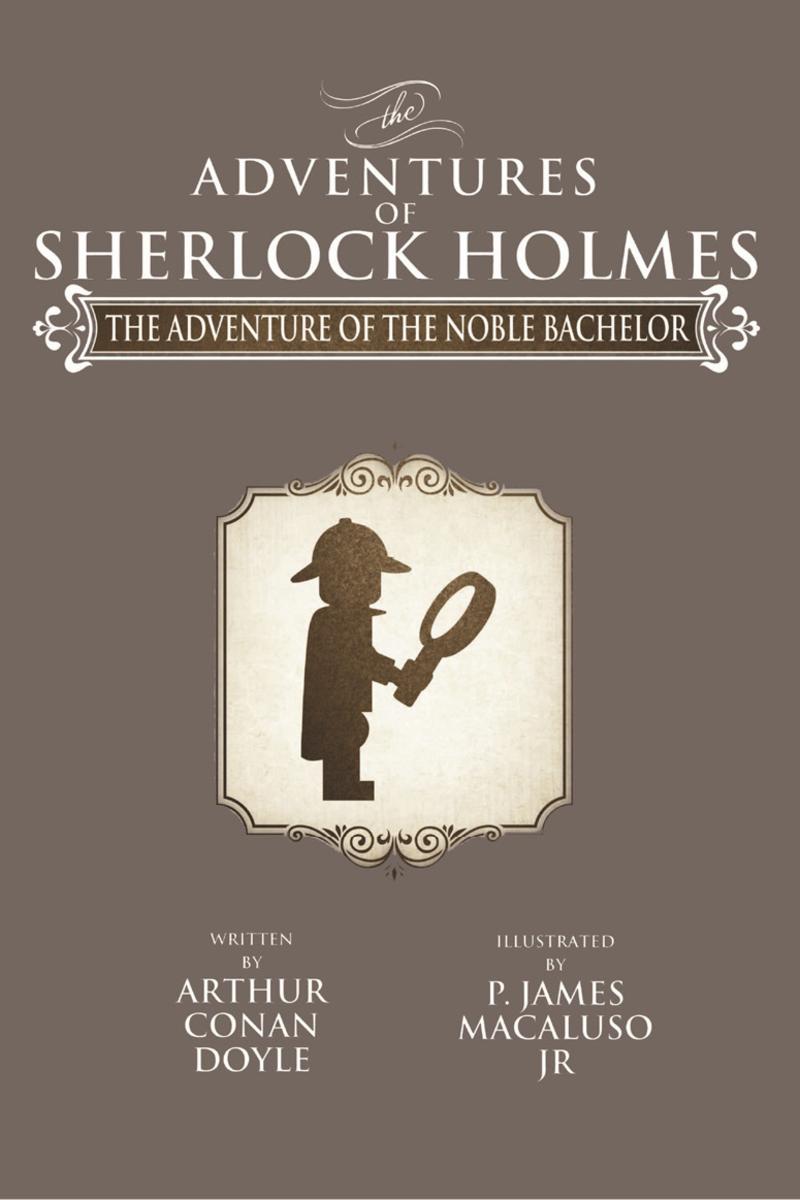
Adventure of the Noble Bachelor
¥53.86
Sherlock Holmes, the world's "e;only unofficial consulting detective"e;, was first introduced to readers in A Study in Scarlet published by Sir Arthur Conan Doyle in 1887. It was with the publication of The Adventures of Sherlock Holmes, however, that the master sleuth grew tremendously in popularity, later to become one of the most beloved literary characters of all time.In this book series, the short stories comprising The Adventures of Sherlock Holmes have been amusingly illustrated using only Lego(R) brand minifigures and bricks. The illustrations recreate, through custom designed Lego models, the composition of the black and white drawings by Sidney Paget that accompanied the original publication of these adventures appearing in The Strand Magazine from July 1891 to June 1892. Paget's iconic illustrations are largely responsible for the popular image of Sherlock Holmes, including his deerstalker cap and Inverness cape, details never mentioned in the writings of Conan Doyle.This uniquely illustrated collection, which features some of the most famous and enjoyable cases investigated by Sherlock Holmes and his devoted friend and biographer Dr. John H. Watson, including A Sandal in Bohemia and The Red-Headed League, is sure to delight Lego enthusiasts, as well as fans of the Great Detective, both old and new.LEGO(R) is a trademark of the LEGO Group of Companies. The LEGO Group has not been involved in nor has it in any other way licensed or authorised the publication of this book.THE ADVENTURE OF THE NOBLE BACHELOR: Sherlock Holmes is consulted by Lord Robert St. Simon whose wife, Hatty Doran, disappeared shortly after their wedding. Inspector Lestrade of Scotland Yard is convinced that culpability rests with Miss Flora Millar, a former acquaintance of Lord St. Simon. Holmes, though,quickly discerns the true fate of Miss Doran as he realizes that the solution to this delicate problem resides in her past back in the United States.
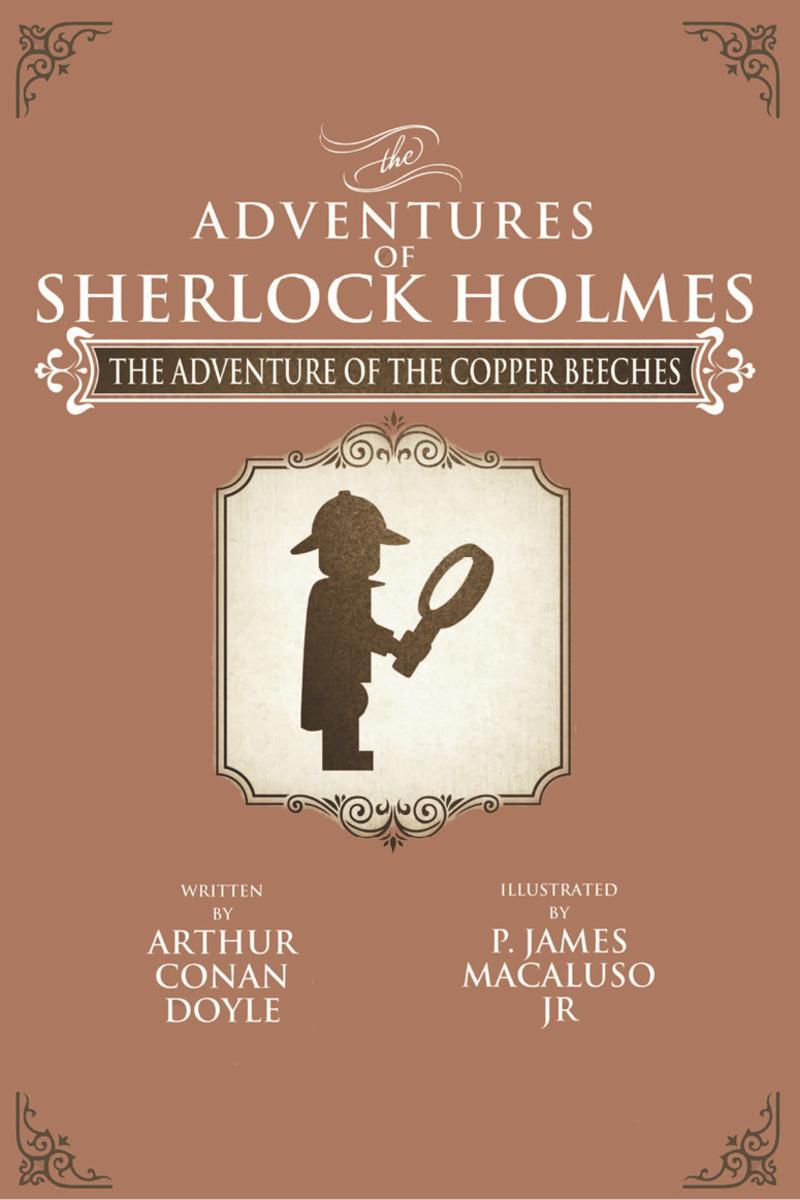
Adventure of the Copper Beeches
¥53.86
Sherlock Holmes, the world's "e;only unofficial consulting detective"e;, was first introduced to readers in A Study in Scarlet published by Sir Arthur Conan Doyle in 1887. It was with the publication of The Adventures of Sherlock Holmes, however, that the master sleuth grew tremendously in popularity, later to become one of the most beloved literary characters of all time.In this book series, the short stories comprising The Adventures of Sherlock Holmes have been amusingly illustrated using only Lego(R) brand minifigures and bricks. The illustrations recreate, through custom designed Lego models, the composition of the black and white drawings by Sidney Paget that accompanied the original publication of these adventures appearing in The Strand Magazine from July 1891 to June 1892. Paget's iconic illustrations are largely responsible for the popular image of Sherlock Holmes, including his deerstalker cap and Inverness cape, details never mentioned in the writings of Conan Doyle.This uniquely illustrated collection, which features some of the most famous and enjoyable cases investigated by Sherlock Holmes and his devoted friend and biographer Dr. John H. Watson, including A Sandal in Bohemia and The Red-Headed League, is sure to delight Lego enthusiasts, as well as fans of the Great Detective, both old and new.LEGO(R) is a trademark of the LEGO Group of Companies. The LEGO Group has not been involved in nor has it in any other way licensed or authorised the publication of this book.THE ADVENTURE OF THE COPPER BEECHES: A young lady named Violet Hunter visits Baker Street seeking the advice of Sherlock Holmes on whether to accept a job as governess which commands a generous salary, but with some peculiar conditions. Two weeks after ultimately accepting the position, Miss Hunter calls Holmes to The Copper Beaches, an estate in Hampshire, to look into the singular, and at times terrifying, behaviour of her employers.

Watson Is Not an Idiot
¥53.86
Over the past few years, Sherlock Holmes has exploded in popularity. The character has made a huge impact on the 21st century, with multiple interpretations gaining a growing audience of new Sherlockians. But many fans of Sherlock and Elementary know very little about the original stories themselves. Watson is Not an Idiot is an opinionated exploration of Sir Arthur Conan Doyle's original canon, written to illustrate interesting features and historical elements of the stories from the perspective of a lifelong fan of the material. It's not academic, but a companion - the passionate, excited, and sometimes ranty friend who sits alongside you and points out interesting bits while you read. Watson is Not an Idiot is perfect for the first-time reader of the stories and fans curious about starting a more critical reading of the material.
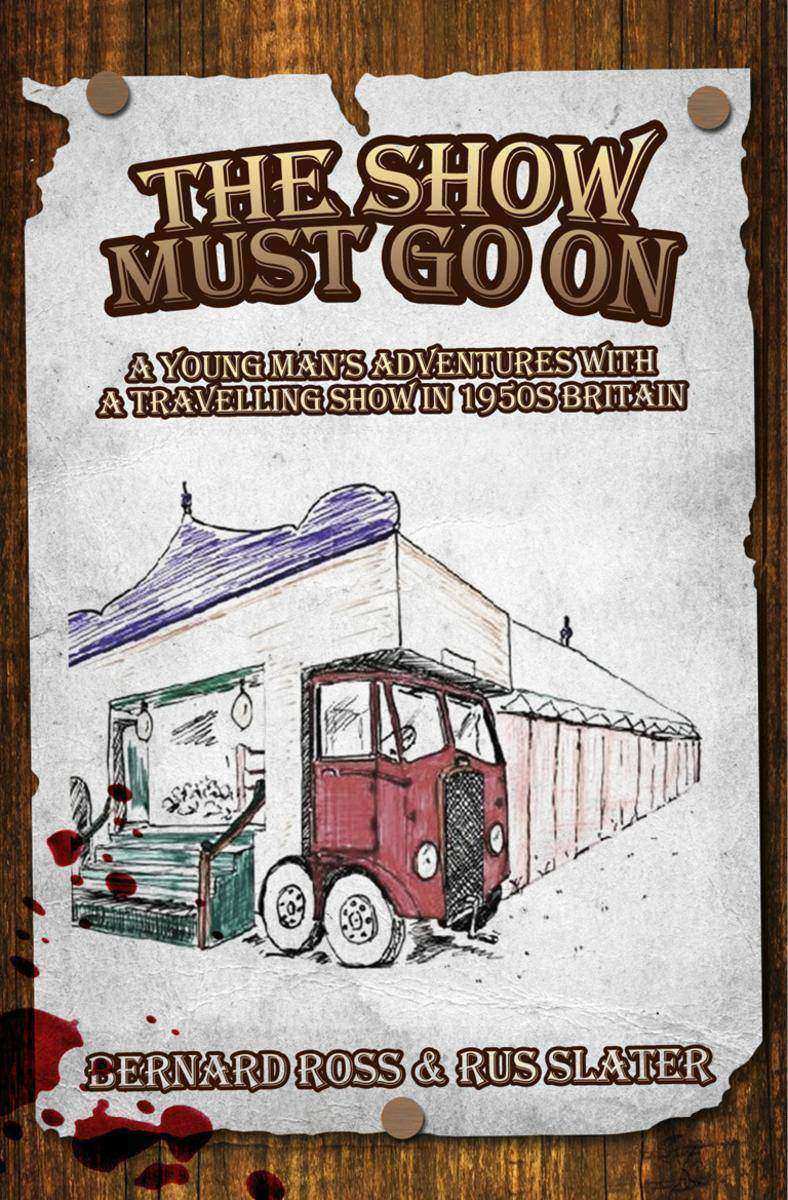
Show Must Go On
¥29.33
"e;running away from home"e; aged 15 Bernard Ross joined a travelling funfair, this book follows his adventures as one of the last live funfair wrestlers in the UK
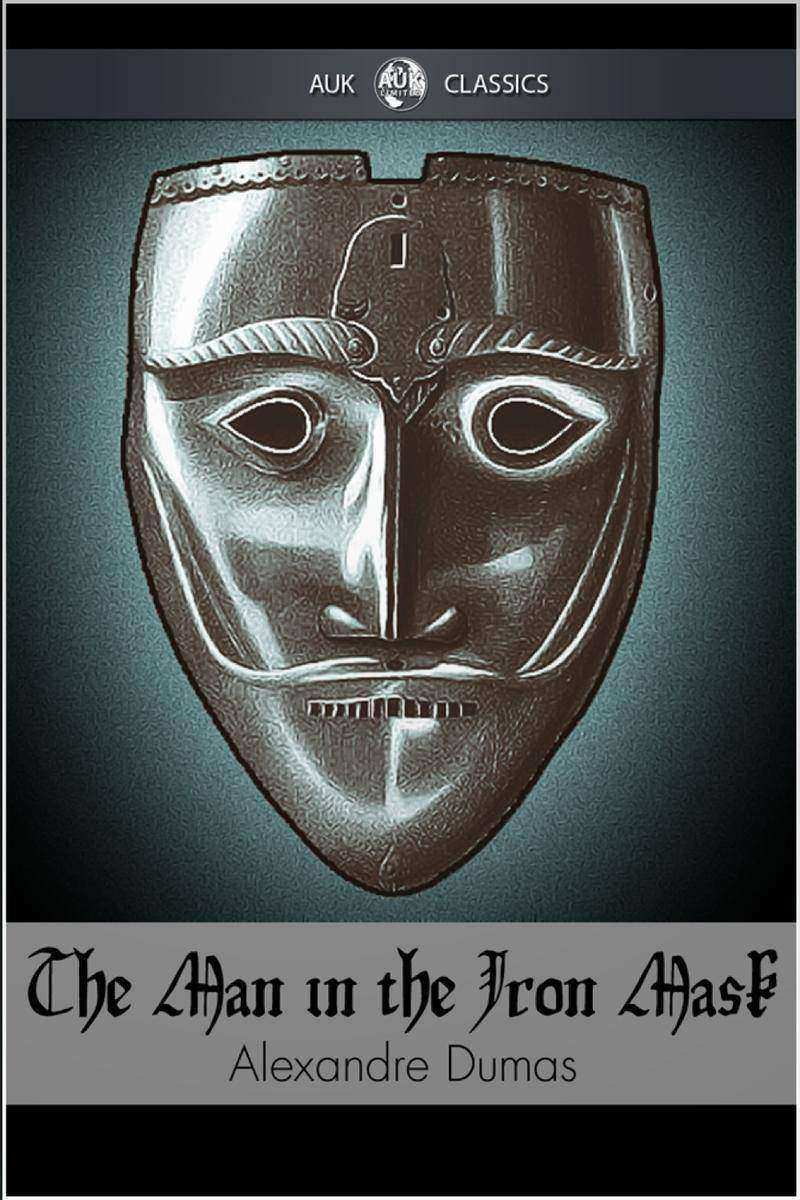
Man in the Iron Mask
¥19.52
Alexandre Dumas' famous musketeer hero d'Artagnan first appeared in The Three Musketeers. This book is a later adventure in the Three Musketeers saga, which links into the real-life tale of the mysterious 'Man in the Iron Mask' who was held in Bastille for reasons unknown.
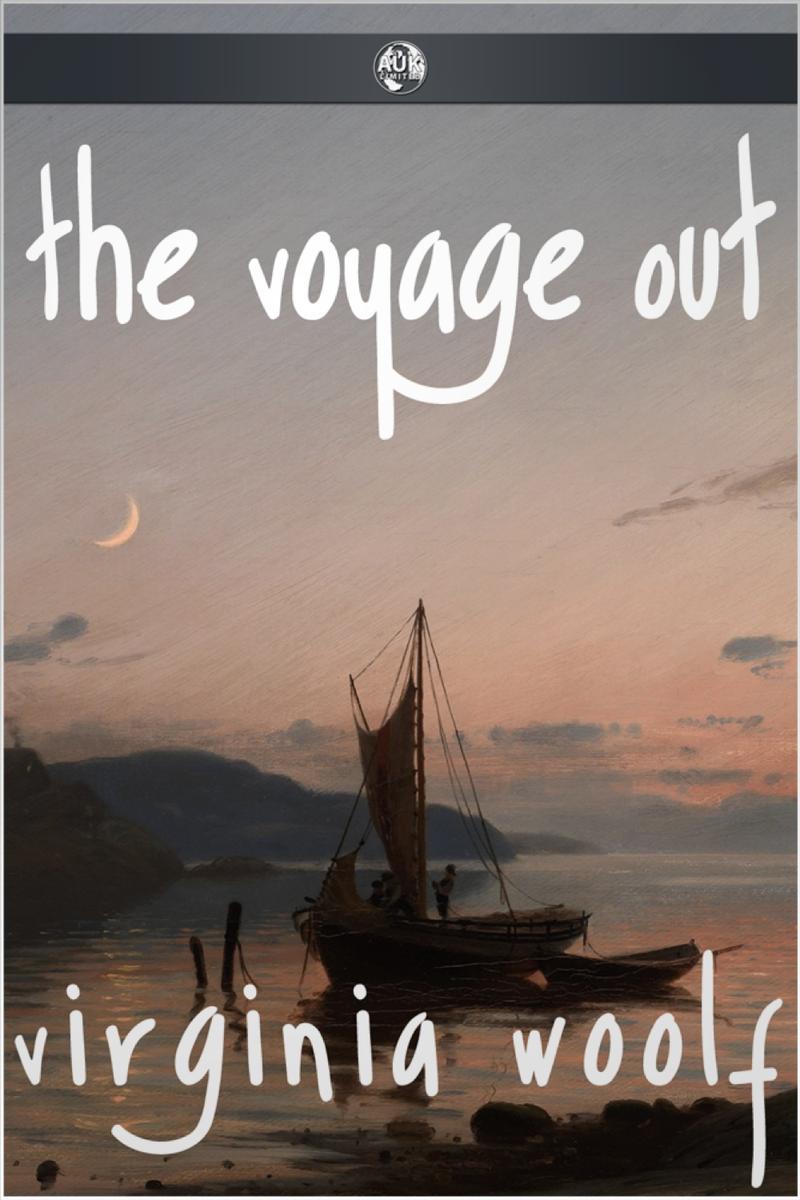
Voyage Out
¥19.52
Virginia Woolf's debut novel 'The Voyage Out' has been enjoyed around the world for 95 years. Now you can read this classic story, set on a ship bound for South America and following Rachel Vinrace, who boards the ship to escape her oppressive life in London and seek a voyage of personal discovery, which somewhat mirrors Woolf's own experience as she joined the Bloomsbury Group.

Foster Factory
¥29.33
The Foster Factory deals with the experiences of David Learmont and his wife Marsha once they retired and started working again as Foster Carers. David claims that if he had written this book as a novel, the characters in it would have been considered 'too outlandish to be credible.' How the elderly couple dealt with egomaniacs, kleptomaniacs, tractor-maniacs, and children who stabbed him and burned down their house are just some of the tales that David recounts with 'what is left' of his sense of humour and his 'diminishing stock' of faith in mankind. Read it and weep. Or laugh. Possibly both.

Burial of the Guns
¥19.52
A fantastic collection of six short stories in the 'plantation tradition' genre by American author Thomas Nelson Page.Note: these stories were written in the late 19th century and as such are a product of their time. Some of the stereotypes portrayed within may be insulting to a modern audience.

Mermaid in my Bunk
¥29.33
Dr Alan Brand sailed his late father's yacht, the Naiad on a Sabbatical after four years of working sixteen hour days in the emergency ward of a hospital in Los Angeles. He had never even dated a girl since he spent all of his school vacations sailing with his father and in college he studied avidly and worked in his spare time to cover the cost of his education. He encounters the Mer-folk in the south Pacific and falls for a mermaid and that is when his troubles began.

Captain's Doll
¥19.52
D. H. Lawrence's fascinating novella dealing with the dehumanising effects of war on an English captain.

Experiences of a Barrister and Confessions of an Attorney
¥19.52
A fascinating account of the personal experiences of various cases undertaken by 19th century English lawyer Samuel Warren.


