


 购物车
购物车 个人中心
个人中心

Uneducated: 37 People Who Redefined the Definition of ‘Educated’
¥40.79
Did you ever find yourself at a dead—end, not knowing where to go, or which way to turn? I’m sure Steve Jobs did, or Bill Gates, or Leonardo da Vinci, or Ben Franklin, or any of our twelve presidents who didn’t have degrees. But that didn’t stop them. They didn’t give up. They gathered their wits, made a plan, and persevered. And look where it got them!? Not everyone becomes a billionaire, obviously, but it *is* achievable. Many of the people in this book did it. You can too. ?
Thérèse Raquin
¥4.41
Thérèse Raquin is a novel by ?mile Zola, first published in 1867. It was originally published in serial format in the journal L'Artiste. It was published in book format in December of the same year. In 1873, Zola turned Thérèse Raquin into a play. Thérèse Raquin tells the story of a young woman, unhappily married to her first cousin by a well-intentioned and overbearing aunt. Her cousin, Camille, is sickly and selfish, and when the opportunity arises, Thérèse enters into a tragic affair with one of Camille's friends, Laurent. In his preface, Zola explains that his goal in this novel was to "study temperaments and not characters" and he compares the novel to a scientific study. Because of this detached and scientific approach, Thérèse Raquin is considered an example of Naturalism.

How to Publish an eBook: No Mistakes Publishing, Volume I
¥40.79
Finished writing, and wondering where to go from there? The publishing world is in a state of flux, and you probably need help navigating it. Learn how to upload your book, step-by-step. Learn which retailers you should use, and whether you should use distributors. Learn which distributors to use, and why. Do you need an ISBN? How about a copyright or a barcode? Get the answers to these and many other questions from the first in a series of publishing books. And you get it for the price of a few cups of coffee. You'll save ten times that in a heartbeat.?
More Misused Words: No Mistakes Grammar, Volume III
¥40.79
More Misused Words contains a lot of the same words that Misused Words I and II did, but so much more. In More Misused Words, we address even more redundancies, absolutes, capitals, eponyms, flat adverbs (everybody’s favorite), initialisms and acronyms, Latin abbreviations, mispronunciations, a couple of sticklers like lie/lay/laid/lain, and poisonous/venomous, plurals of compound words (is it mothers-in-law or mother-in-laws? Isn’t one sufficient?), time-consuming phrases, and punctuation. We’ll have fun tackling these words (they’re not that big), and we’ll address more than just words—we’ll hit on eponyms, odd punctuation, and even a few Latin expressions, such as e.g., ergo, etc., and i.e. (Did I just say ‘ergo’? If I do that again, smack me.) I know you think you are familiar with these, but despite their ubiquitousness (Smack me for that also.), there might be a few odd rules that pertain to using Latin expressions that you’re not familiar with. It’s worthwhile to learn them (especially if you intend to write).?
Captain Burle
¥4.41
It was nine o'clock. The little town of Vauchamp, dark and silent, had just retired to bed amid a chilly November rain. In the Rue des Recollets, one of the narrowest and most deserted streets of the district of Saint-Jean, a single window was still alight on the third floor of an old house, from whose damaged gutters torrents of water were falling into the street. Mme Burle was sitting up before a meager fire of vine stocks, while her little grandson Charles pored over his lessons by the pale light of a lamp.
Oeuvres Complètes
¥9.00
Cet ebook regroupe les oeuvres complètes de Charles Baudelaire. Des tables des matières rendent la navigation intuitive et agréable. ---- Contenu: Le Jeune Enchanteur (1846) La Fanfarlo (1847) Les Fleurs du mal (1857) Les Paradis artificiels (1860) Les Fleurs du mal (1861) Les ?paves (1866) Les Fleurs du mal (additional poems of the 1868 edition) Curiosités esthétiques (1868): Salon de 1845, Salon de 1846, Le musée classique du bazar bonne-nouvelle, Exposition universelle — 1855 — beaux-arts, Salon de 1859, De l'essence du rire, Quelques caricaturistes fran?ais, Quelques caricaturistes étrangers. L'Art romantique (1869): L'?uvre et la vie d'Eugène Delacroix, Peintures murales d'Eugène Delacroix à Saint-Sulpice, Le peintre de la vie moderne, Peintres et aqua-fortistes, Vente de la collection de M. E. Piot, L'art philosophique, Morale du joujou, Théophile Gautier, Pierre Dupont, Richard Wagner et Tannh?user à Paris, Philibert Rouvière, Conseils aux jeunes littérateurs, Les drames et les ...
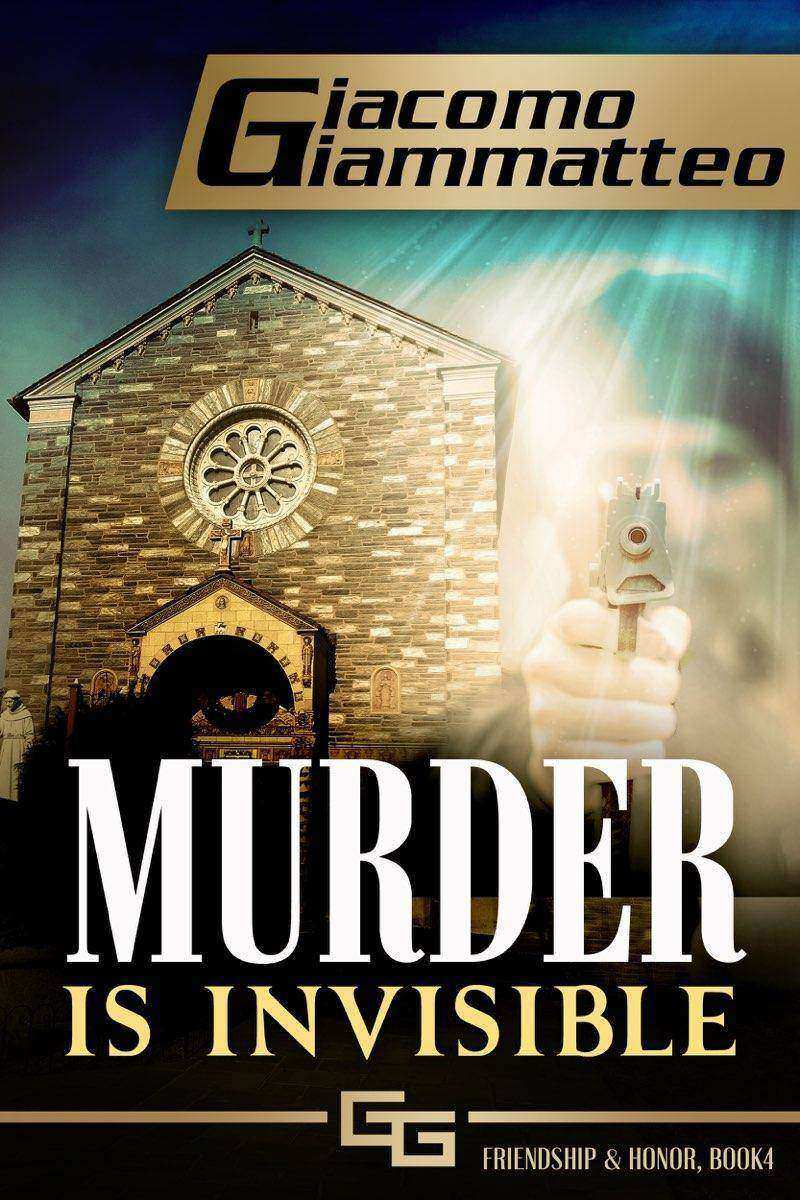
Murder Is Invisible
¥40.79
What do you do when logic tells you to do one thing, but your heart tells you to do another?? That’s the problem Nicky Fusco is facing when Rosa’s friend is kidnapped and she asks him to help.? Then Rosa brings home a video that shows her friend, Allison, being forced to do disgusting things. At that point, Nicky realizes he has no choice, so he sets out to make things right.?
Los Despojos
¥9.00
Esta recopilación compuesta de inéditos y piezas condenadas fue publicada en Bruselas, bajo el cuidado de Poulet-Malassis, amigo de Baudelaire con un pie de imprenta apócrifo: Amsterdam, a l'Enseigne du Coq, precedida por un simbólico frontispicio de Félicien Rops.
Las Flores del Mal
¥9.00
Les Fleurs du mal es una colección de poemas de Charles Baudelaire. Considerada la obra máxima de su autor, abarca casi la totalidad de su producción poética desde 1840 hasta la fecha de su primera publicación en 1857. Las Flores del mal es considerada una de las obras más importantes de la poesía moderna, imprimiendo una estética nueva, donde la belleza y lo sublime surgen, a través del lenguaje poético, de la realidad más trivial.
La Fanfarlo
¥9.00
Este cuento ha sido publicado en el Boletín de la Sociedad de la Gente de Letras en enero de 1847 bajo el seudónimo de Charles Dufays. Narra la historia de los amores y desamores del joven poeta Samuel Cramer.Una peque?a joya de la literatura clásica.

Whiskers and Bear: Sanctuary Tales, Book I
¥24.44
Whiskers and Bear were two of the best dogs in the world. They didn't always listen or even try to listen, but they were loyal to a fault, and they were the best of friends. They hunted all of their food, and they protected our animal sanctuary with no regard for their own safety. ??
Cities of the Plain: (Sodom and Gomorrah)
¥9.00
In this fourth volume, Proust’s novel takes up for the first time the theme of homosexual love and examines how destructive sexual jealousy can be for those who suffer it. Sodom and Gomorrah is also an unforgiving analysis of both the decadent high society of Paris and the rise of a philistine bourgeoisie that will inevitably supplant it.
Winnetou 3
¥9.00
Old Shatterhand trifft in der Savanne den berühmten Westmann Sans-Ear. Nachdem Sans-Ear vier feindliche Komantschen besiegt hat, reiten beide zusammen weiter und verhindern einen Zugüberfall. Bei diesem ?berfall beteiligt sich ein Wei?er, der von Sans-Ear als der M?rder seiner Familie identifiziert wird, Fred Morgan. Durch einen glücklichen Umstand k?nnen sie die Spur des Verbrechers entdecken und folgen ihm durch den Llano Estacado, wo sie sich erneut gegen die Comanchen behaupten müssen, zwischenzeitlich begleitet von Winnetou und Bernard Marshall, der ebenfalls hinter Fred Morgan her ist. In der N?he der Goldfelder von San Francisco erwischen sie endlich beide Morgans. Im zweiten Teil trifft Old Shatterhand auf einer Zugfahrt Fred Walker, einen Detektiv, der hinter den Railtroublers her ist, einer Bande von Zugr?ubern. Old Shatterhand und sp?ter auch Winnetou verbünden sich mit Spürauge und verhindern einen ?berfall auf Echo Canyon, eine gro?e Bahnstation. Auf der Flucht überfallen die mit den Zugr?ubern verbündeten Sioux eine Siedlung und verschleppen alle Bewohner. Bei der Rettungsaktion am Berg Hancock wird Winnetou von einem Sioux erschossen.
No Mistakes Grammar Bites, Volume IV: Affect and Effect, and Accept and Except
¥8.09
Guaranteed Not to Be Confusing Don't Ever Be Confused by Grammar Again. Take a "bite" out of Grammar with No Mistakes Grammar Bites. It seems as if many dictionaries and books on grammar do their best to confuse people. Words and explanations are defined using grammatical terminology that is difficult to understand; in fact, if you knew that terminology, you probably wouldn't have to look up the words to begin with. We're aiming to get rid of that and explain things in plain English, using language that is easy to understand. Try it out and see for yourself. If you find these books confusing, write to me and get a refund; they're guaranteed.
The Turncoat Prince
¥32.62
Darna is just a guildswoman, or so she’d like to think, but her alleged father was the prince of a backwater province. Now he’s been assassinated, and her uncle has put a price on Darna’s head to secure his claim on the throne. Darna takes her lover’s place in a job that will take her away from the city and, she hopes, away from assassins’ daggers. Her new employer, the prince, is irate to find that the able-bodied man he hired has been replaced by a limping woman. According to the contract, they’re stuck together for the year. The prince is arrogant, but also intelligent and well-read. As winter closes in, their late night conversations turn from sea walls to more intimate territory. Meanwhile, the province’s lost dragon reappears, and even the prince can see it. This book is the second in the Dragonsfall trilogy. It is recommended that you read The Defenders' Apprentice first. The story also refers back to some events which took place in the two prequel novels, Scrapplings and Priestess.
De la joc la ?nv??are. Cum folosim jocul didactic ?n educa?ia timpurie
¥57.14
Om politic liberal mai pu?in cunoscut, Gheorghe D. Pallade a l?sat un jurnal care, de?i cuprinde o perioad? destul de scurt? ?n timp, 1 martie 1897 - 8 ianuarie 1898, ne va introduce ?n atmosfera extrem de fr?m?ntat? din interiorul Partidului Na?ional Liberal.S-a n?scut ?n anul 1858 la B?rlad, dintr-o familie ?nst?rit?. ?i-a f?cut studiile secundare ?i universitare ?n ?ar?, lu?ndu-?i licen?a ?n drept la Facultatea de drept a Universit??ii din Bucure?ti ?n anul 1880. Intr? ?n magistratur? p?n? ?n 1884 c?nd, particip?nd la alegeri este ales deputat pe listele Partidului Na?ional Liberal. Din acest moment via?a lui devine public? ?i intr? ?n v?ltoarea luptelor politice. ?n acela?i an, al?turi de C.A. Rosetti a sus?inut colegiul unic ?i libertatea absolut? a presei. De fapt a ?i fost colaborator al ziarului Rom?nul.Paginile de jurnal, de?i nu acoper? nici un an de zile, prezint? una din cele mai zbuciumate perioade al Partidului Na?ional Liberal. Subiective sau nu, paginile r?mase de la Gh.D. Pallade vin s? completeze istoria politic? a Rom?niei de la sf?r?itul secolului al XIX-lea.L?s?m pe seama cititorului s? analizeze jurnalul lui Gh.D. Pallade. Nou? nu ne r?m?ne dec?t s? ar?t?m c? am considerat ca notele s? fie c?t se poate de complete, persoanele ?i locurile fiind foarte numeroase, f?r? de care, chiar un cititor avizat nu s-ar descurca. Iat? de ce am recurs la solu?ia de a desp?r?i notele de indicele de nume. Trebuie, de asemenea, s? atragem aten?ia c? notele sunt a?ezate alfabetic, deoarece tot volumul ar fi fost prea ?nc?rcat de numere ?i cifre. Sper?m c? modesta noastr? contribu?ie prin editarea acestui jurnal s? ?mplineasc? un scurt moment din fr?m?ntata noastr? istorie politic? a Rom?niei de la sf?r?itul secolului al XIX-lea.
Arta supravie?uirii
¥116.01
Cartea de Poezii a poetei confirm? un stil, o atitudine estetic? ?i o capacitate de a dep??i ?ngr?dirile presupuse de reactualizare a vechilor formule poetice. Claudia Voiculescu ??i asum? riscul de a p?rea demodat?, abord?nd ceea ce majoritatea poe?ilor din diverse genera?ii ori promo?ii, a respins, cel mai adesea din neputin??.Cred c? poezia Claudiei Voiculescu merit? aten?ia criticii ?i o mediatizare corespunz?toare. (Liviu Gr?soiu)Claudia Voiculescu ridic? forma fix? a rondelului la ?n?l?imi demne de orice competi?ie.... Este o poet? ?n al c?rei talent cred. (C.D. Zeletin)Poet? de ?nalt? for?? r?scolitoare, talent viguros cu cizel?ri de art? adev?rat? ?n ad?ncul substrat al cuv?ntului, vers pasional ?i cotropitor... (Pan. M. Vizirescu)Claudia Ilie, preoteas? ?ntru poezie... (Tudor George)Delicata poet? Claudia Ilie Voiculescu este o voce liric? de mare sensibilitate... (Dumitru Radu Popa)
Eugenio Barba ?i m?rul de aur
¥61.83
M? numesc Gicu ?i sunt poli?ist. Mama crede c? a?a mi-a fost scris ?n marea carte a vie?ii, s? fiu poli?ist, ?i c?, de?i totul pare ?mpotriva mea, Dumnezeu are compasiune pentru mine ?i m? va ajuta. Sunt poli?ist la sec?ia 66 din Bucure?ti, la ordine public?. Acum sunt ?n ?nt?rziere la o ?nt?lnire conspirativ?. Eram decis s? nu m? las impresionat de ceea ce urma s? v?d.De la Universitate o iau pe jos. Ajung t?rziu la ?nt?lnire. Discu?iile introductive au durat mai mult dec?t ar fi fost necesar ?i pentru o clip? m-am ?ntrebat dac? nu era o ?nscenare, ?ns? am respins ideea.
Spirit, imagini ?i ?n?elesuri
¥59.68
Gndul c a fi putut-o sugruma pe sora mea mai mic, adormit n patul de sub mine i pe care o iubeam mai mult dect orice altceva pe lume. Nu o nebunie slbatic, ci una aproape n joac. O sugestie lene, somnoroas, maliioas, care prea s atepte acolo de mult vreme.“ Acolo, adic n pivnia ntunecoas a fiinei. Gnduri ceoase, impulsuri obscure, vinovii fr vin, acuzaii difuze. Inexplicabilul sau inavuabilul resimite ca reacie fireasc. Benign demonism infantil, dincolo de logic i de orice explicaie. i totul n caruselul Relaiei, cadrul obsedant al acestor istorii de via amar, pestri, derizorie. Relaii ntre prini i copii, surori i frai, bunici i nepoi, unchi, mtui, vecini. Cu avorturi, adultere, accidente, sinucideri, apendicite, bovarism, sex aiurea, decizii pripite de nunt i desprire. Gelozie ntre surori, ura fetiei fa de predicile mamei, Parkinson i Alzheimer, Toronto i Vancouver, baluri provinciale, paralizii, primele fantazri erotice ale vrstei nubile, rochia mamei, azilul, recuperri sentimentale dup jumtate de veac, apologia vieii neinhibate“, dar i rigorile inflexibile ale unui mediu intens irizat religios. Pe scurt, via. Mai precis: draga noastr via. Cea pe care adesea uitm s-o trim, necum s-o mai i gndim.
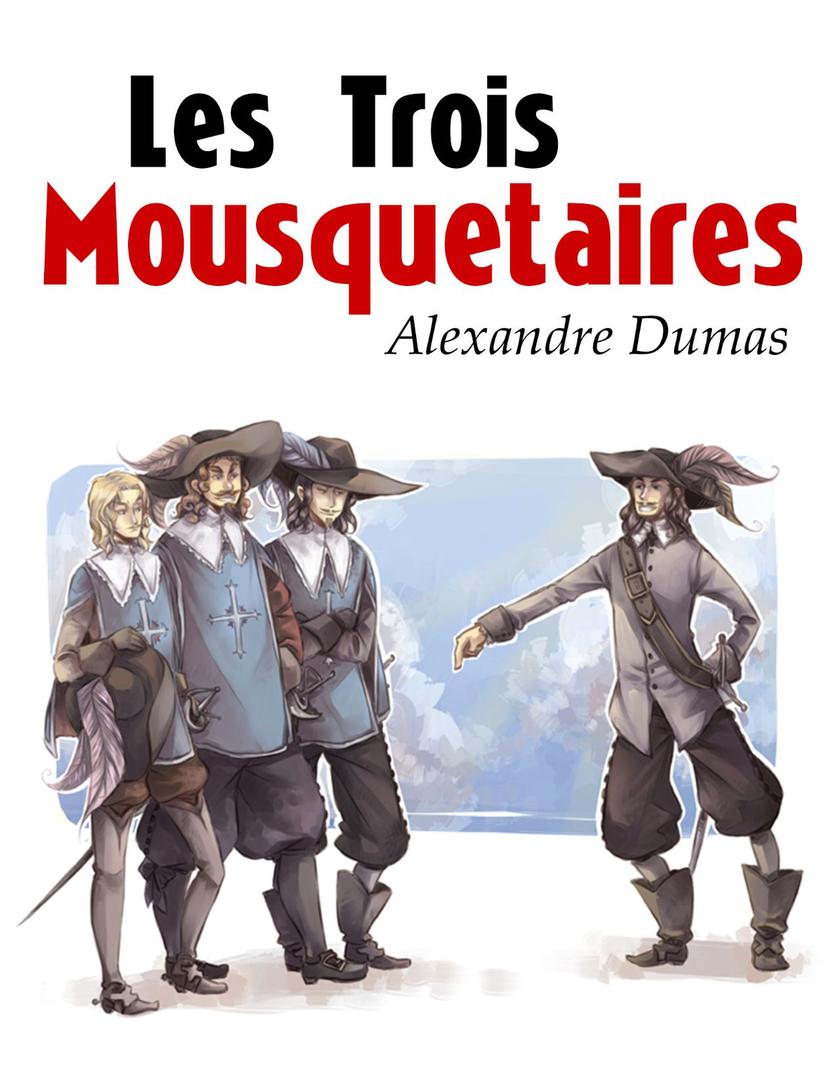
Les Trois Mousquetaires
¥8.09
Vreau s? cred c? drumul lui Eugenio Barba este cel ?n care ?nt?lne?te copacul de care at?rn? pe creanga cea mai de sus un m?r de aur ?i f?r? s? ?i pese de cei din jurul lui, de privirile lor arogante sau sc?nteind a dispre?, se ca??r? ?n copac, ?n plin? lumin? de zi, ?i culege m?rul. M?rul norocos al destinului. Curaj, perseveren??, credin?? de nezdruncinat ?n vocea l?untrului care mereu ?i ?opte?te drumul pe care s?-l urmeze, c?ci este drumul lui.Eugenio Barba, vizionar, reformator, artist, dramaturg-regizor, maestru, scriitor, ?n dramaturgia sa, ?n cuvintele sale imortalizate ?n reflec?ii asupra sensului ?i condi?iei artei teatrului ?i a artistului, ?n cercet?rile de natur? artistic? ?i ?tiin?ific?, ?n laboratorul de teatru, sesiunile ?colii Interna?ionale de Antropologie Teatral? forjeaz? un act artistic unificator prin coprezen?e ale contrariilor, ?ntrup?ri ale simultaneit??ilor, combin?ri temporale ?i spa?iale, dintre trecut ?i viitor, dintre Est ?i Vest, declan??nd ?o revolu?ie copernician? f?r? de care ?tiin?a teatrului de la sf?r?itul secolului XX ar fi incomprehensibil?“. (Diana Cozma)
Puzzle
¥46.36
Azi tr?im o Miori?? r?sturnat?, lumea, ?gur? de rai“, transformat? ?ntr-o lume din ce ?n ce mai mercantil? ?i vanificant?, o lume a g?ndirii economice, cu omogenizarea, dispari?ia diferen?elor, omogenizarea sexelor, a binelui ?i a r?ului, a?a-zisul ?global village“; lumea virtual? care gole?te realitatea, pentru a o umple ?n loc cu ?emo?ii“ dozate de al?ii, ?n tentativa de colectivizare ?i dirijare a sentimentelor ?i g?ndirii oamenilor.Revolu?ia rom?n? a fost o revolu?ie a jertfei mioritice, a tinerilor care au opus r?ului piepturile goale, care a dat, ciudat rod, o societate a corup?iei morale: ea a fost contrapus? ?colhozului global“, at?t sub sensul colectivistic al colhozului comunist, c?t ?i al aceluia omologant, dup? o unic? m?sur?, al popoarelor ?i al valorilor.Cine va recrea punctele cardinale, utopia paradisului mioritic? Noul Ierusalim?Poate c? Miori?a, prin for?a ei spiritual?, ne va reda punctele cardinale ?i pe noi, cei r?t?ci?i de noi, nou? ?n?ine. Altfel, moartea Miori?ei, cea din urm? mioar?, ar fi moartea noastr? a tuturor.


